When buyers compare different farm tractors, one term appears again and again: PTO. For new farmers, equipment dealers, and machinery importers, understanding PTO on a tractor is essential because it directly affects what implements the tractor can operate and how useful the machine will be in real farm work.
PTO stands for Power Take-Off. In simple terms, it allows the tractor engine to transfer power to external equipment. Without PTO, many important farm implements cannot work properly. Rotary tillers, mowers, seeders, balers, sprayers, and other machines often depend on PTO power.
This guide explains what PTO means, how it works, why it matters, and how buyers should choose the right tractor PTO configuration for different farming needs.
What Does PTO Mean on a Tractor?
PTO means Power Take-Off. It is a mechanical system that transfers engine power from the tractor to a connected implement. Instead of using its own engine, the implement receives rotating power from the tractor through the PTO shaft.
This makes the tractor much more versatile. A tractor is not only a pulling machine; it can also power many types of agricultural equipment. For example, a 70HP farm tractor with PTO can support many small and medium farm tasks such as rotary tillage, mowing, spraying, and seeding support.
For buyers comparing different models, PTO should never be treated as a small detail. It is one of the most important systems that determines the tractor’s practical working value.
How Does Tractor PTO Work?
The tractor engine creates power. The PTO system transfers part of that power to an external implement through a rotating shaft. Once the implement connects to the PTO shaft, it can use tractor power to complete its work.
For example, when a rotary tiller connects to the tractor PTO, the blades rotate and break the soil. When a mower connects to the PTO, the cutting system starts working. When a sprayer connects, the pump can operate through tractor power.
This is why farmers often search for a farm tractor with PTO for implements. They want one machine that can support several farm tools throughout the year.
Common PTO Speeds on Farm Tractors
Different tractors may offer different PTO speeds depending on model and market configuration. Common PTO speeds include 540 rpm, 720 rpm, 760 rpm, 850 rpm, and 1000 rpm. The correct speed depends on the implement being used.
| PTO Speed | Common Use | Suitable Tractor Type |
|---|---|---|
| 540 rpm | Light and medium farm implements | Small and medium tractors |
| 720 / 760 rpm | Regional implement compatibility | Medium-power tractors |
| 850 / 1000 rpm | Heavier or higher-speed implements | Medium and high-power tractors |
Before buying a tractor, buyers should confirm whether the PTO speed matches their local implements. A mismatch may reduce efficiency or make the equipment difficult to use.
Why PTO Matters in Daily Farming
PTO matters because it expands the tractor’s working range. A tractor without suitable PTO output may only handle pulling or transport work. A tractor with the right PTO system can support many powered implements.
For small farms, PTO helps one tractor handle several jobs. For medium farms, it improves seasonal efficiency. For dealers, PTO compatibility makes the tractor easier to sell because buyers often ask whether the machine can work with existing equipment.
A 100HP farm tractor with PTO and hydraulic support can be a practical option for mixed farming, because it can operate equipment for tillage, seeding, spraying, and hauling.
What Implements Use Tractor PTO?
Many agricultural implements require PTO power. Common examples include:
- Rotary tillers
- Mowers
- Balers
- Seeders
- Sprayers
- Fertilizer spreaders
- Feed mixers
- Post-hole diggers
This is why buyers often search for a tractor PTO for rotary tiller and seeder. These implements are common in daily agricultural operations and require stable power output.
PTO and Horsepower: What Buyers Should Know
Engine horsepower and PTO horsepower are related but not always the same. Engine horsepower describes total engine output. PTO horsepower refers to the power available at the PTO shaft after mechanical losses.
This matters because some implements need a certain PTO power level to work efficiently. A tractor may have enough engine power for transport but not enough PTO power for a heavy implement.
For example, a 160HP tractor can support larger implements than a compact model, while a 240HP tractor may be better suited for heavier PTO-driven equipment or larger field operations.
How to Choose the Right PTO Tractor
When choosing a tractor, buyers should ask several questions:
- What implements will the tractor power?
- What PTO speed does each implement require?
- How much PTO horsepower is needed?
- Does the tractor offer enough hydraulic support?
- Will the tractor be used for light, medium, or heavy field work?
A tractor with PTO and hydraulic system usually provides better versatility because PTO powers rotating equipment while the hydraulic system controls lifting, adjustment, and implement operation.
PTO for Small, Medium and Large Farms
| Farm Type | Recommended Tractor Range | PTO Use |
|---|---|---|
| Small farms | 50HP–80HP | Mowing, light tillage, spraying |
| Mixed farms | 90HP–120HP | Rotary tillers, seeders, sprayers, small balers |
| Medium to large farms | 150HP–240HP | Heavier implements and wider field equipment |
| Large agricultural projects | 300HP–440HP | High-capacity implements and commercial operations |
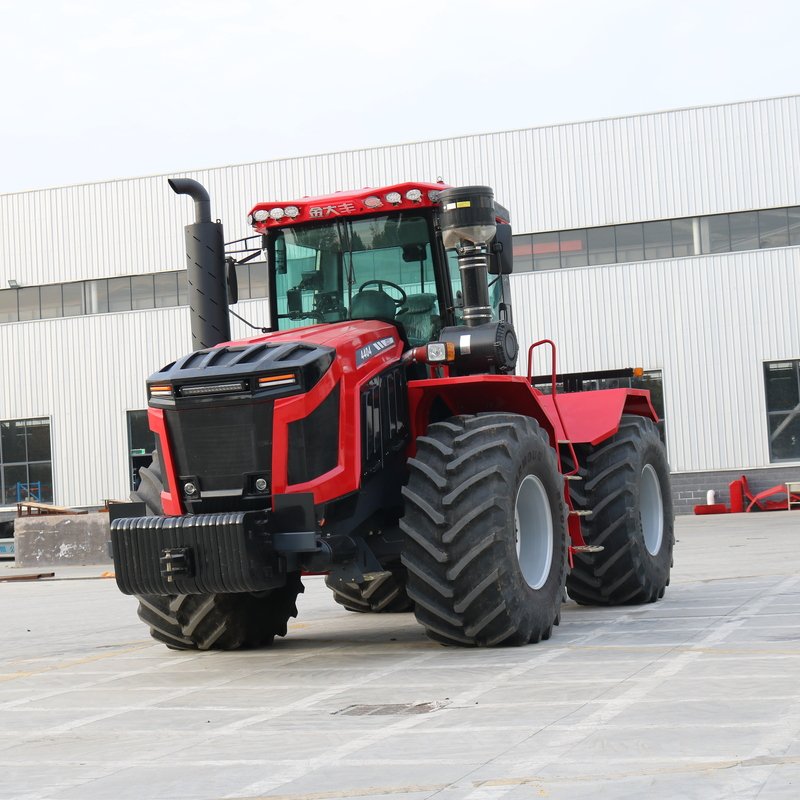
Buyers working with heavy implements can explore a 440HP tractor for large-scale field operations, especially when PTO work combines with deep tillage, transport, and high-output farming.
Common PTO Buying Mistakes
One common mistake is buying a tractor without checking PTO speed. Another is assuming that engine horsepower alone guarantees implement compatibility. Buyers should also avoid choosing a tractor without confirming PTO shaft type, safety guard, and implement connection requirements.
For dealers and importers, it is important to match PTO configuration with local farming equipment. A tractor that works well in one market may need a different PTO setup in another market.
Why PTO Adds Real Value to a Farm Tractor
PTO increases tractor value because it turns one machine into a multi-purpose power source. Instead of buying separate engines for every implement, farmers can use the tractor as the central power unit.
King-Gold Dafeng agricultural machinery offers farm tractor solutions across multiple horsepower ranges, helping buyers choose suitable PTO configurations for different agricultural applications.
Final Thoughts
So, what is PTO on a tractor? It is the system that transfers engine power to farm implements, making the tractor far more useful in daily agricultural work. PTO affects implement compatibility, field efficiency, and long-term machine value.
Before buying a tractor, buyers should check PTO speed, PTO horsepower, implement requirements, hydraulic capacity, and farm workload. A properly matched PTO tractor can support more tasks, reduce labor demand, and improve farming efficiency throughout the year.