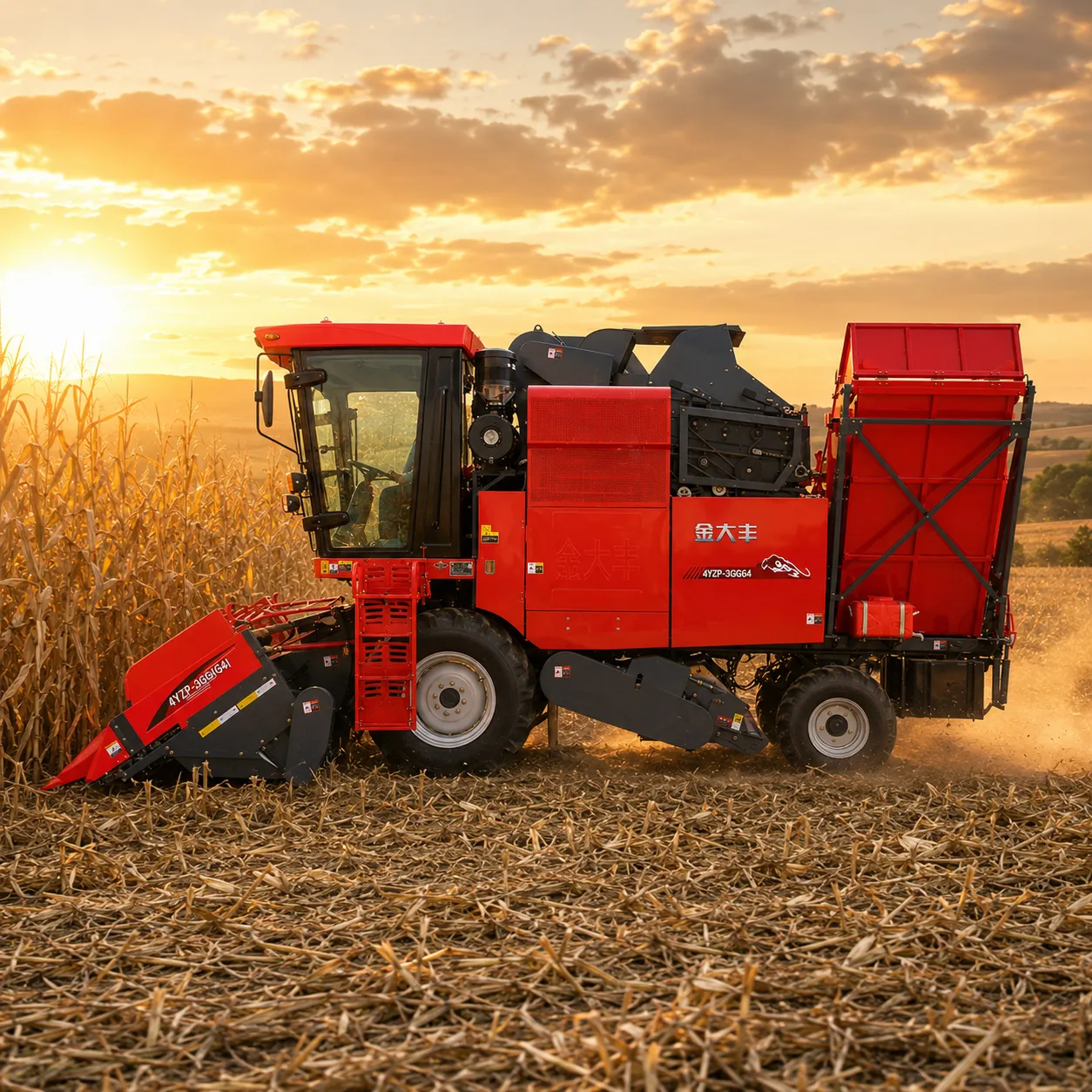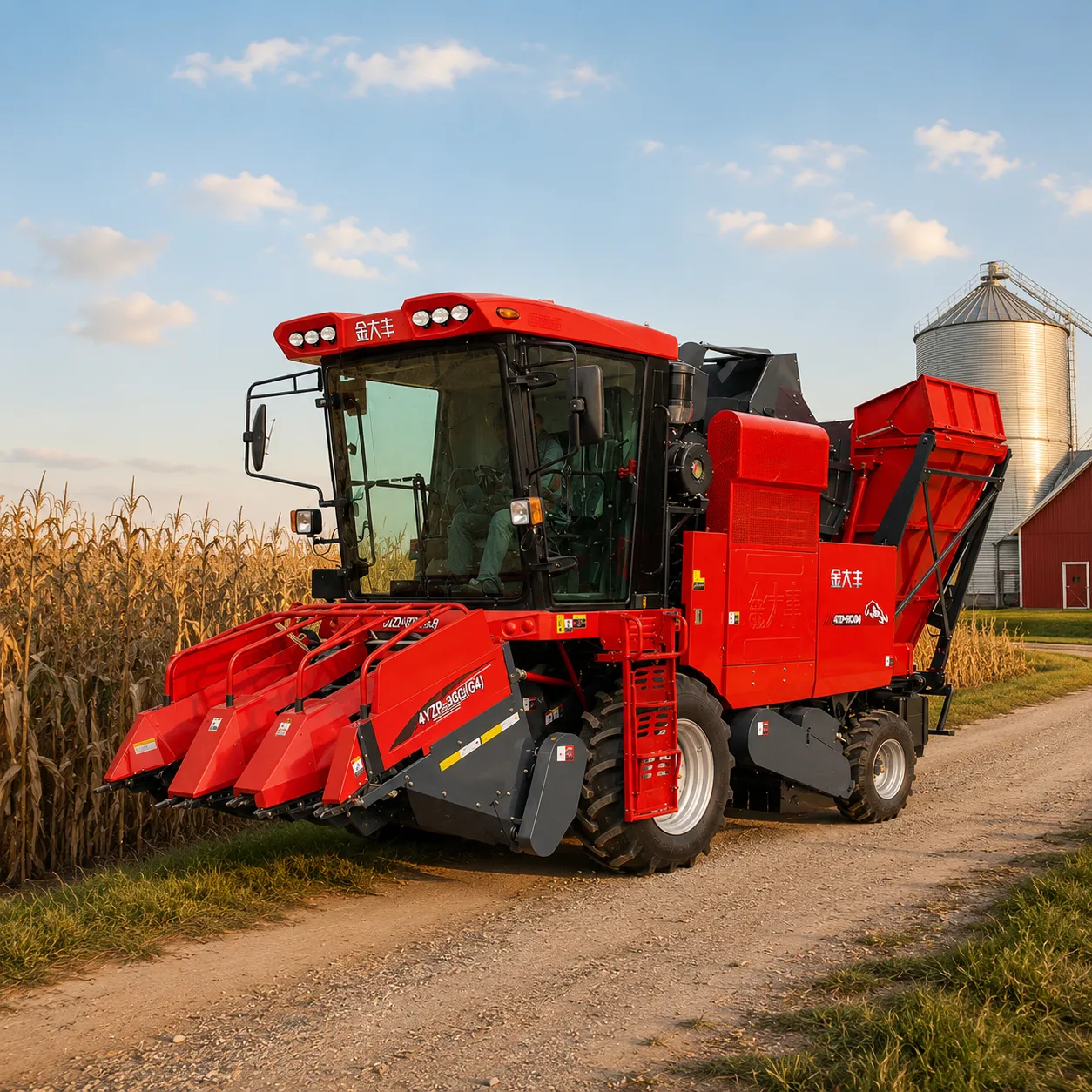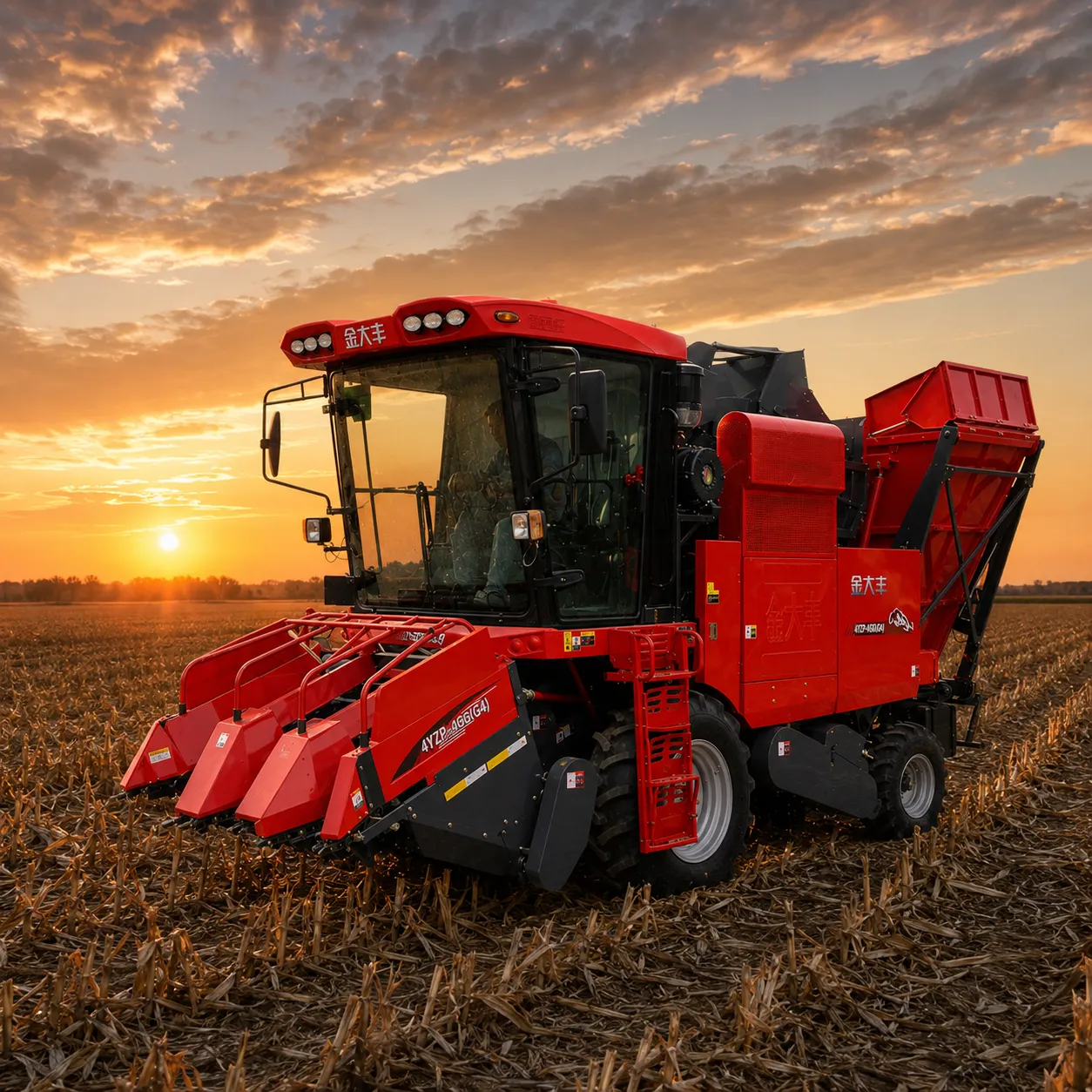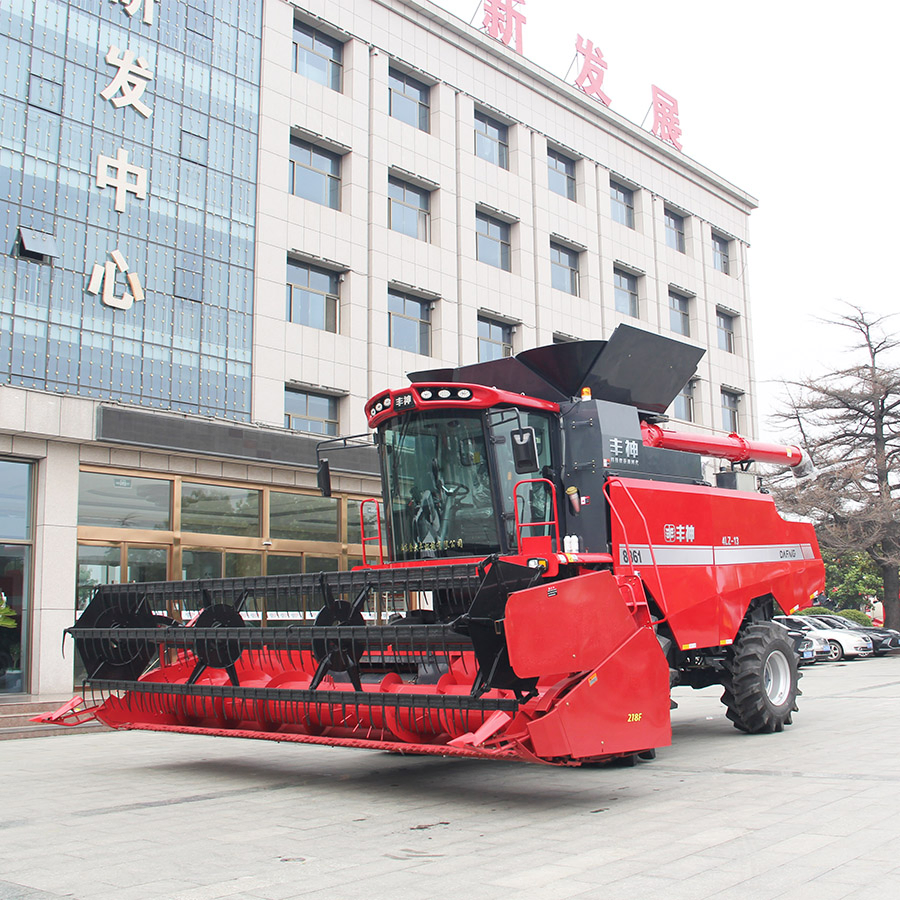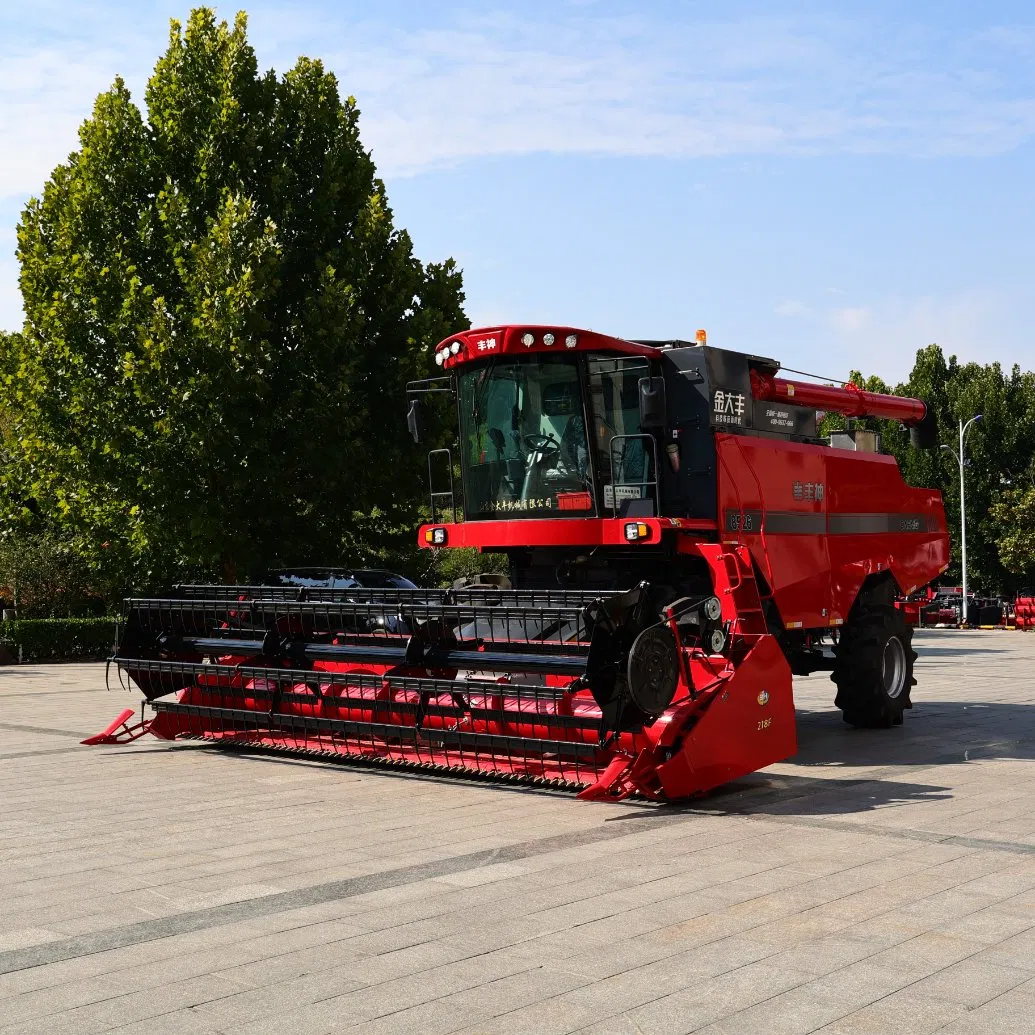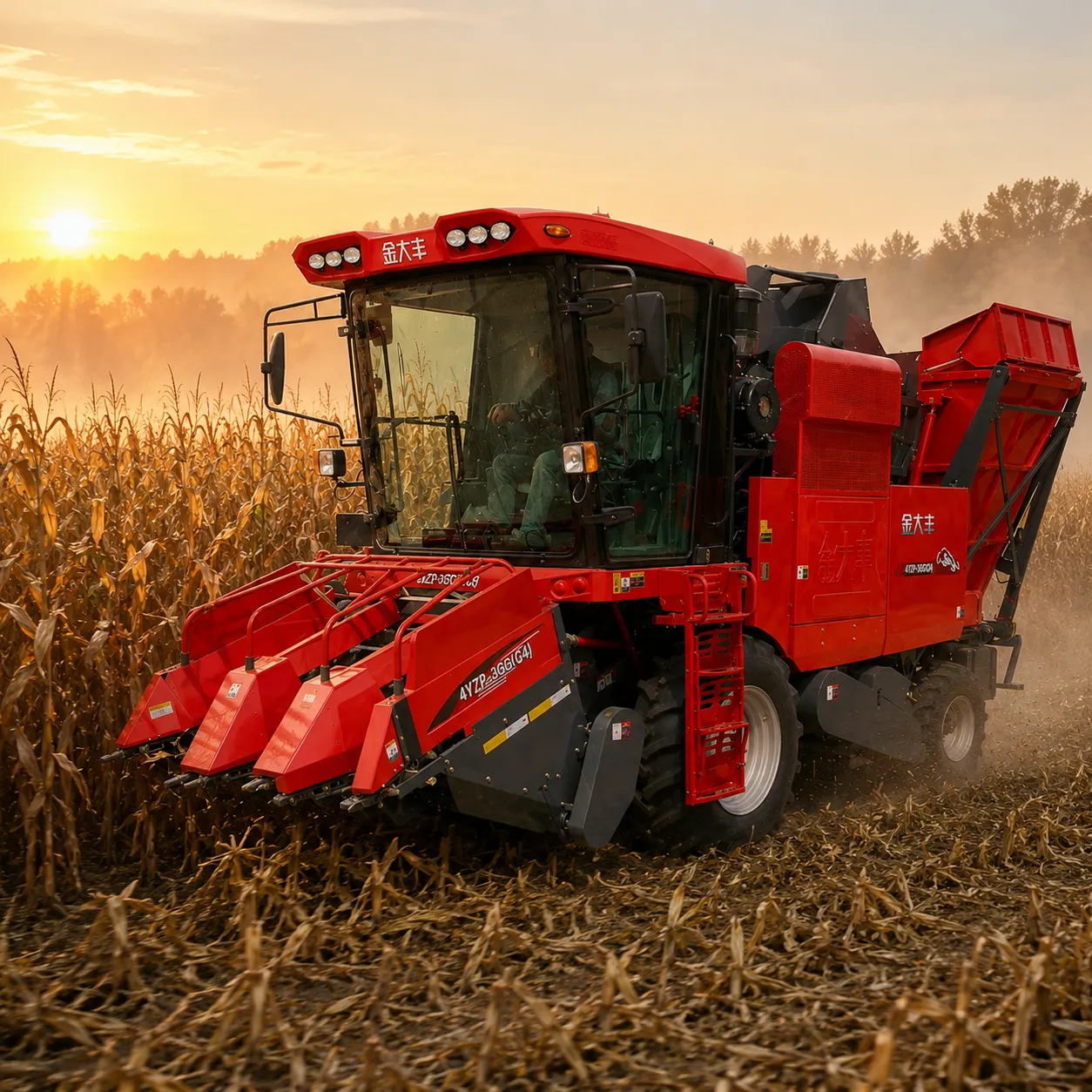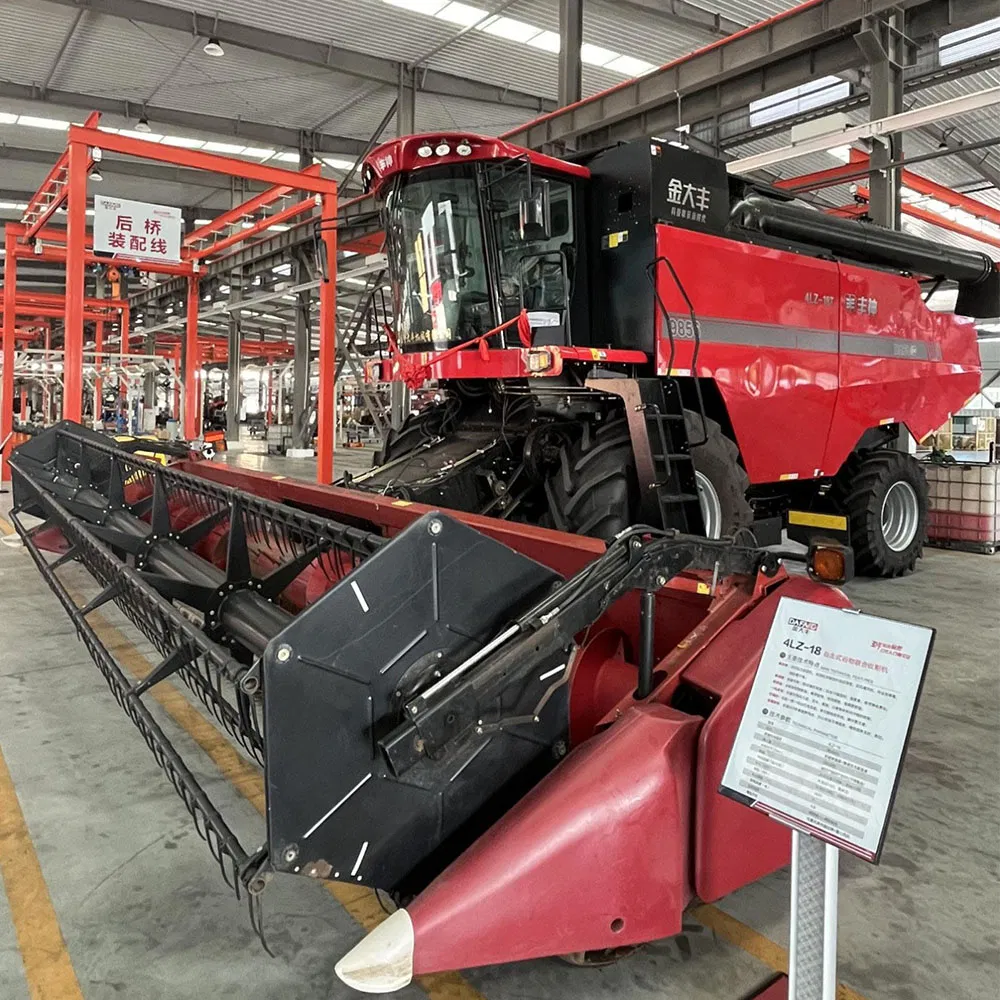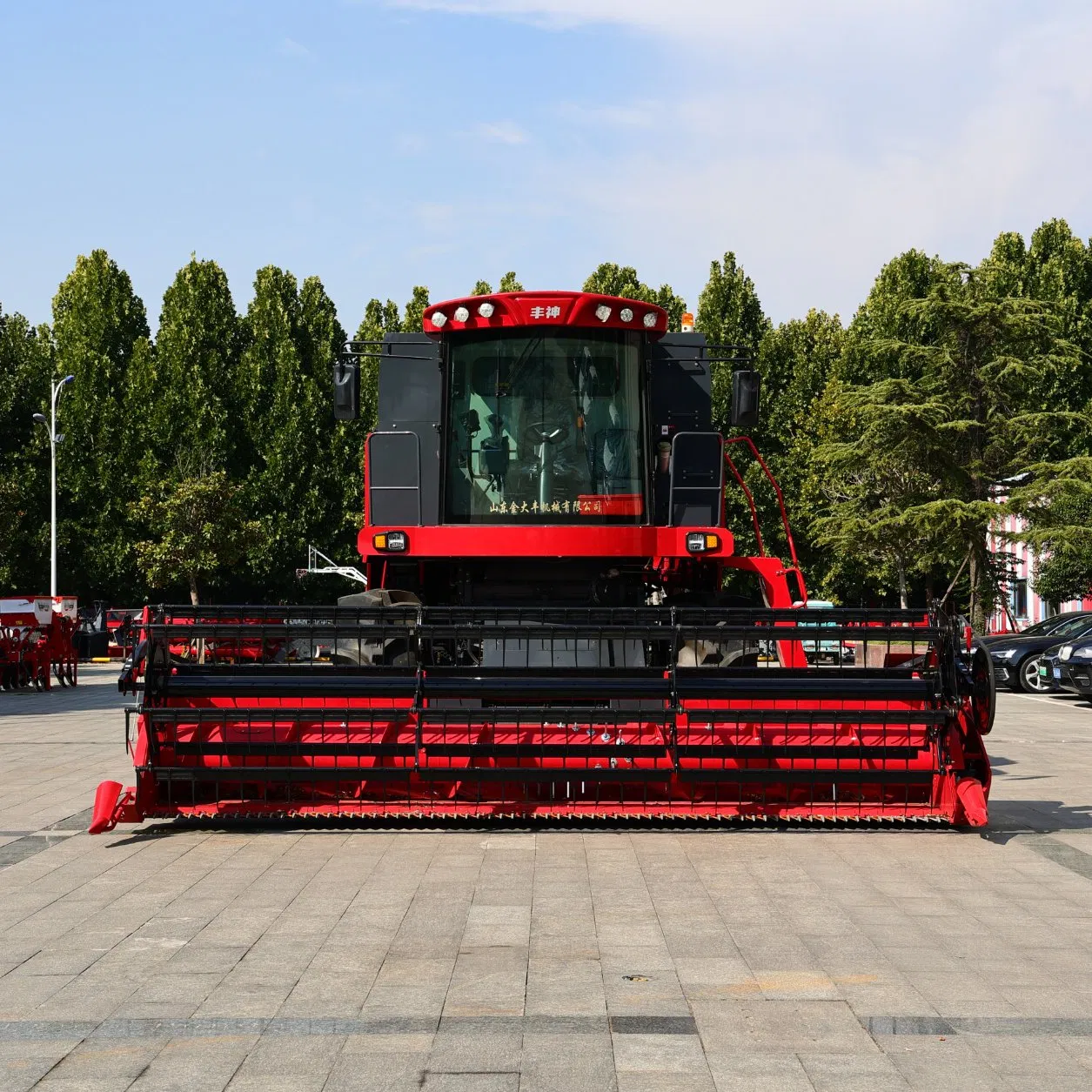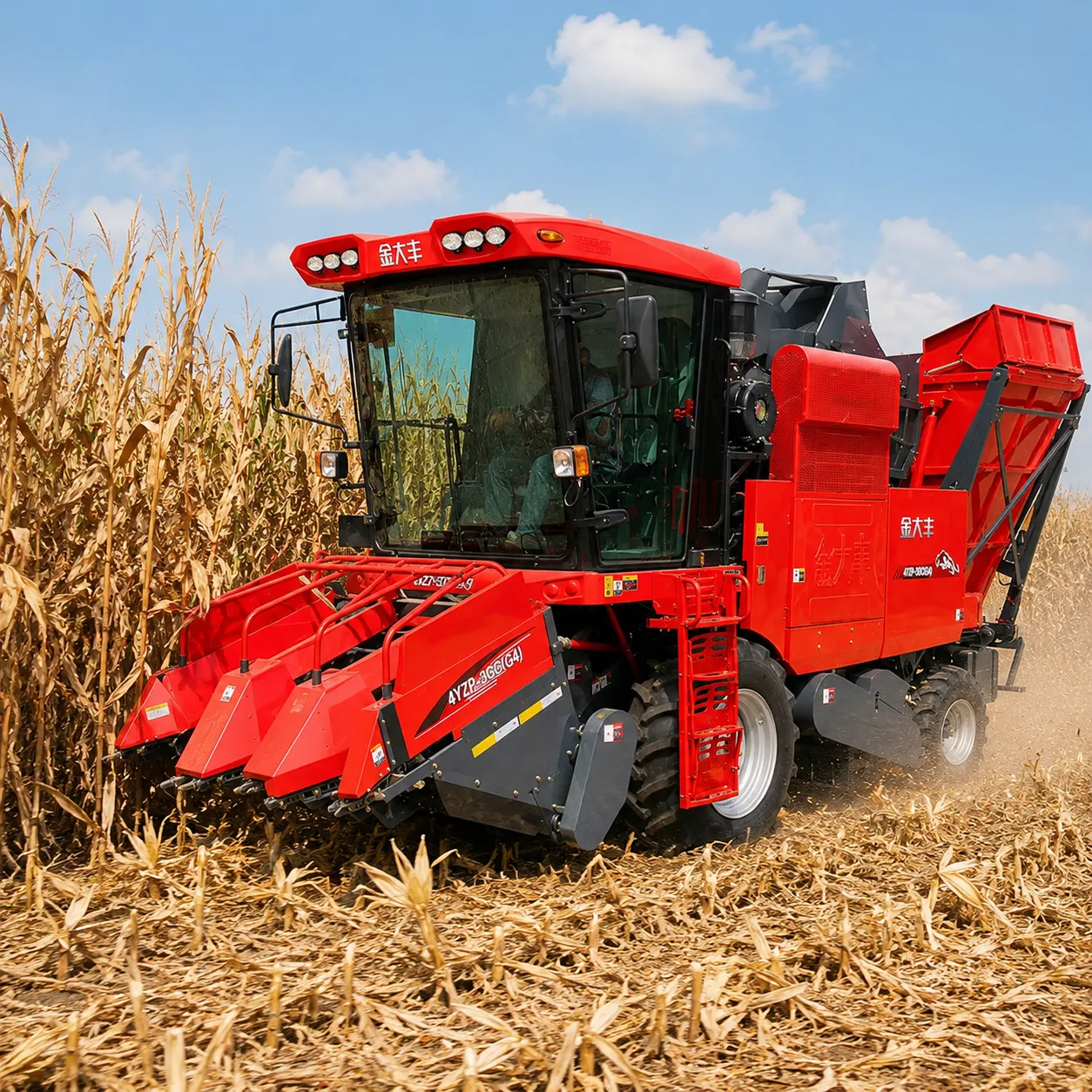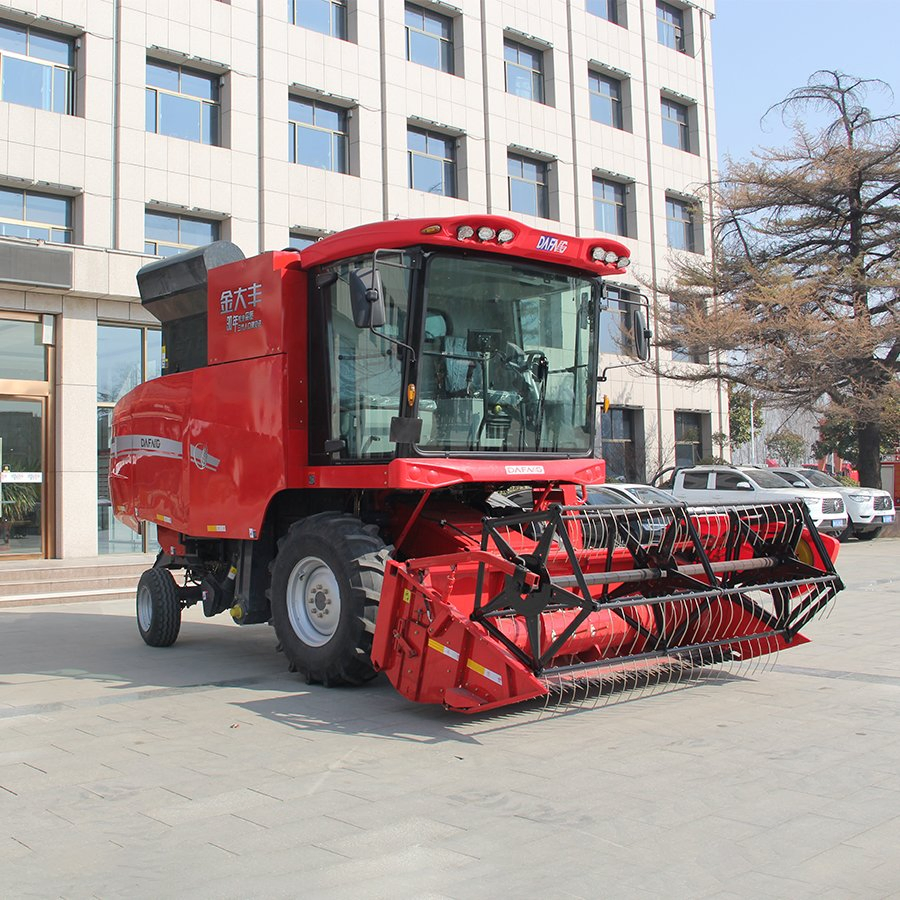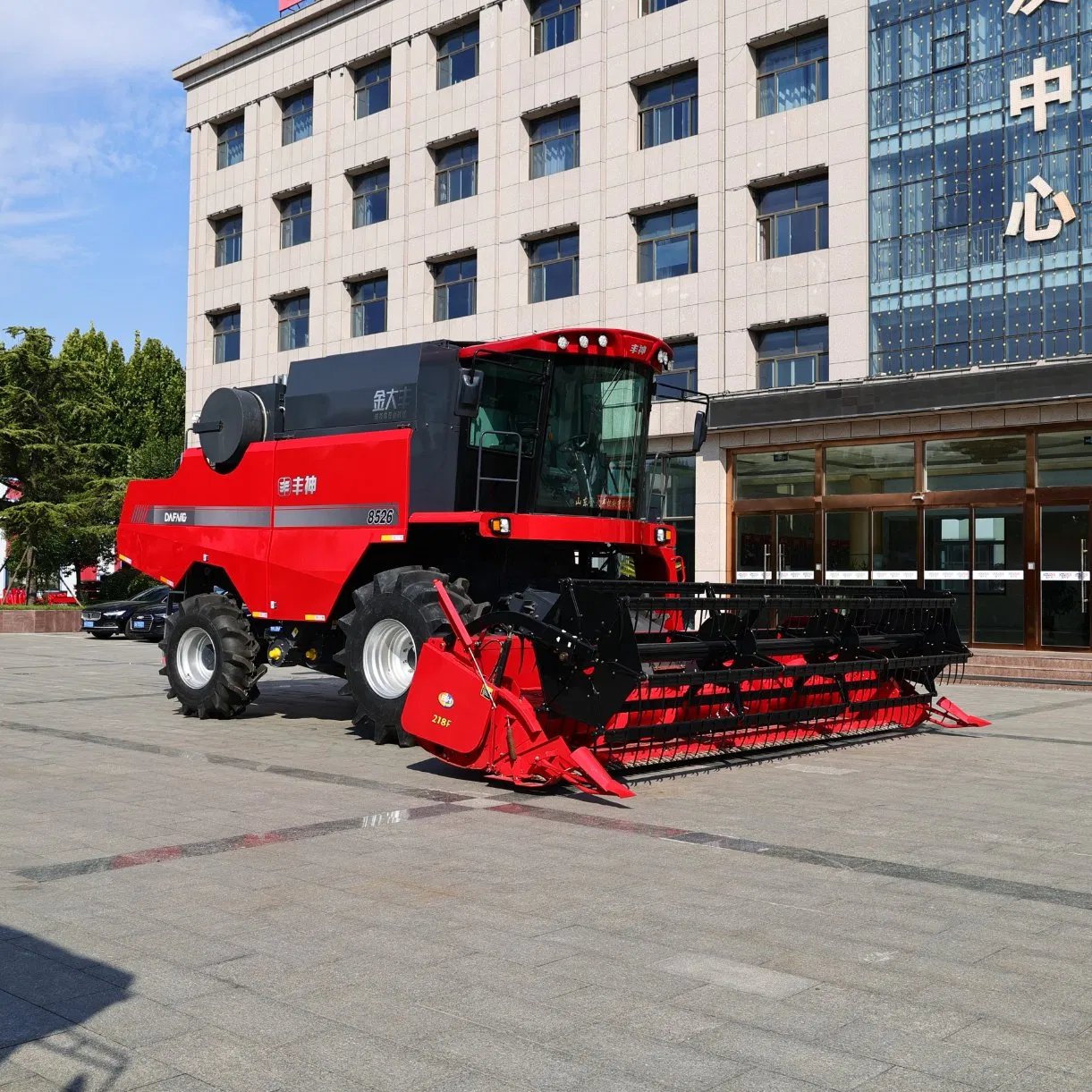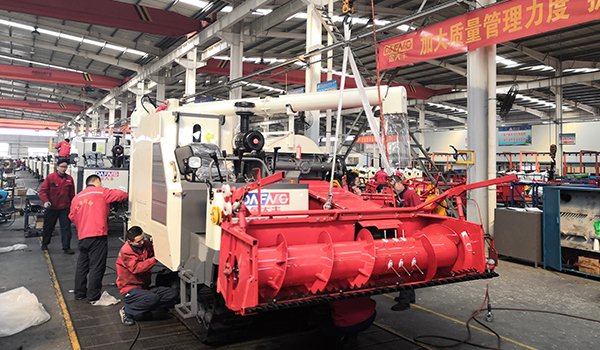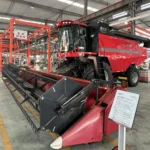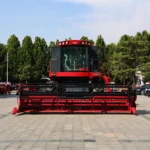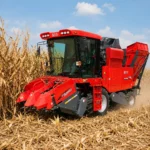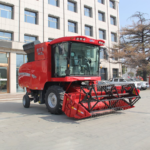
Choosing the correct header is just as important as choosing the combine itself. The header determines how the crop enters the machine, how much material is collected, and how much grain may be lost before threshing even begins.
The difference between a corn head vs grain header is not simply the shape of the attachment. Each header is designed to handle a different crop structure. A corn head separates ears from standing stalks, while a grain header cuts the entire crop and feeds the cut material into the combine.
Using the wrong header can increase crop loss, reduce field efficiency, overload the threshing system, and produce an uneven flow of material. Farmers, contractors, and machinery importers should therefore match the header to the crop, field condition, row spacing, and combine configuration.
What Is a Corn Head?
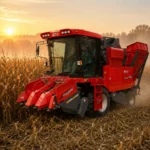
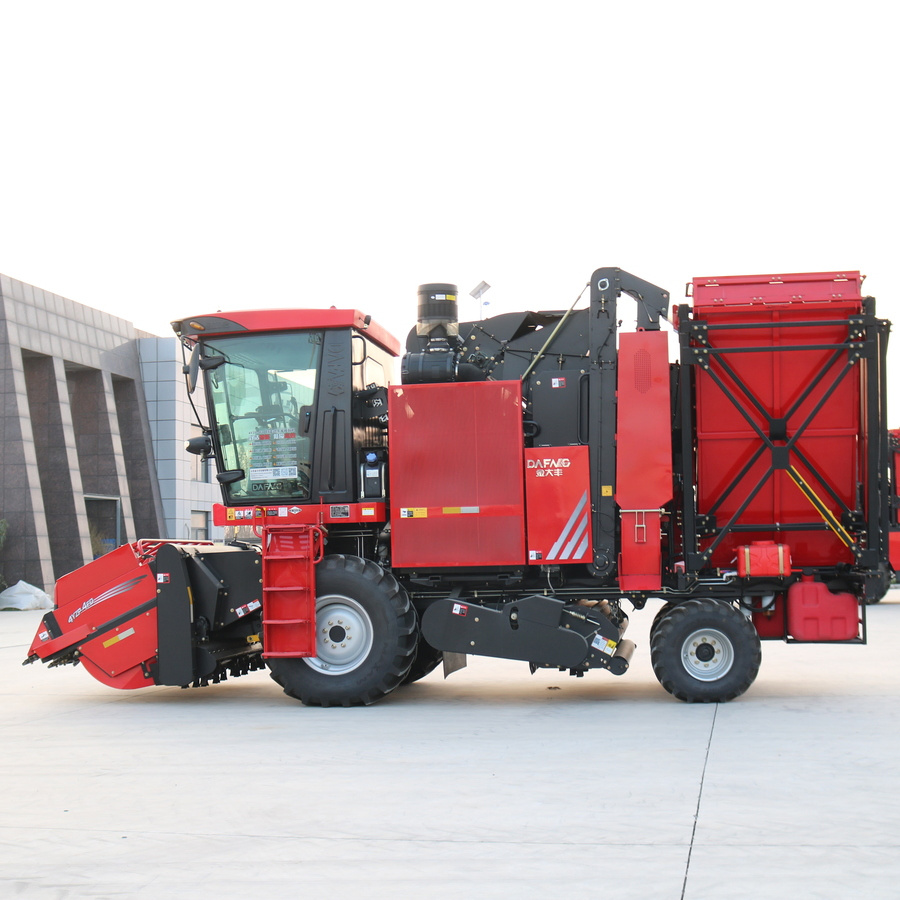
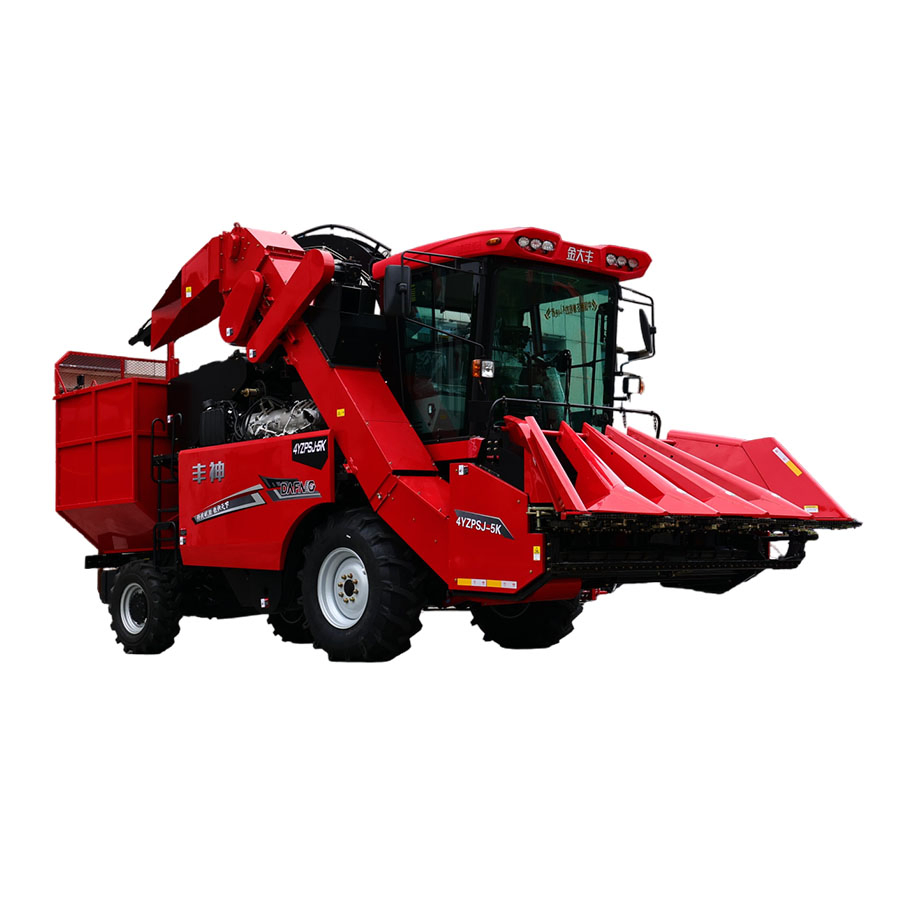
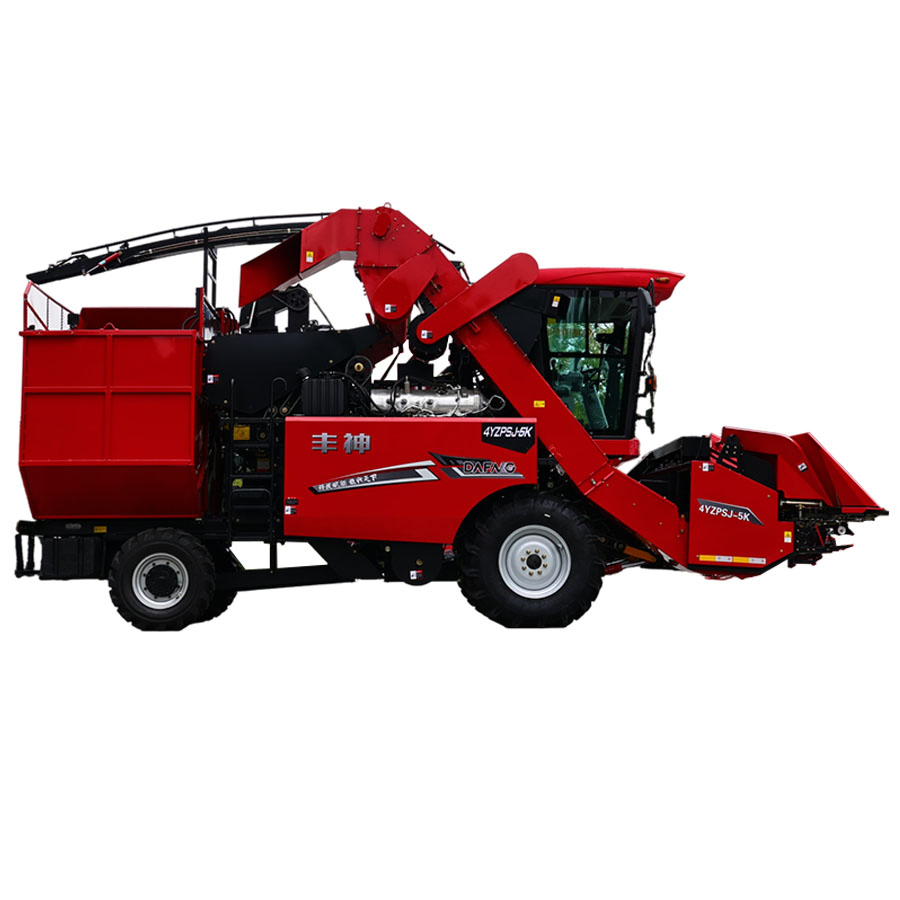
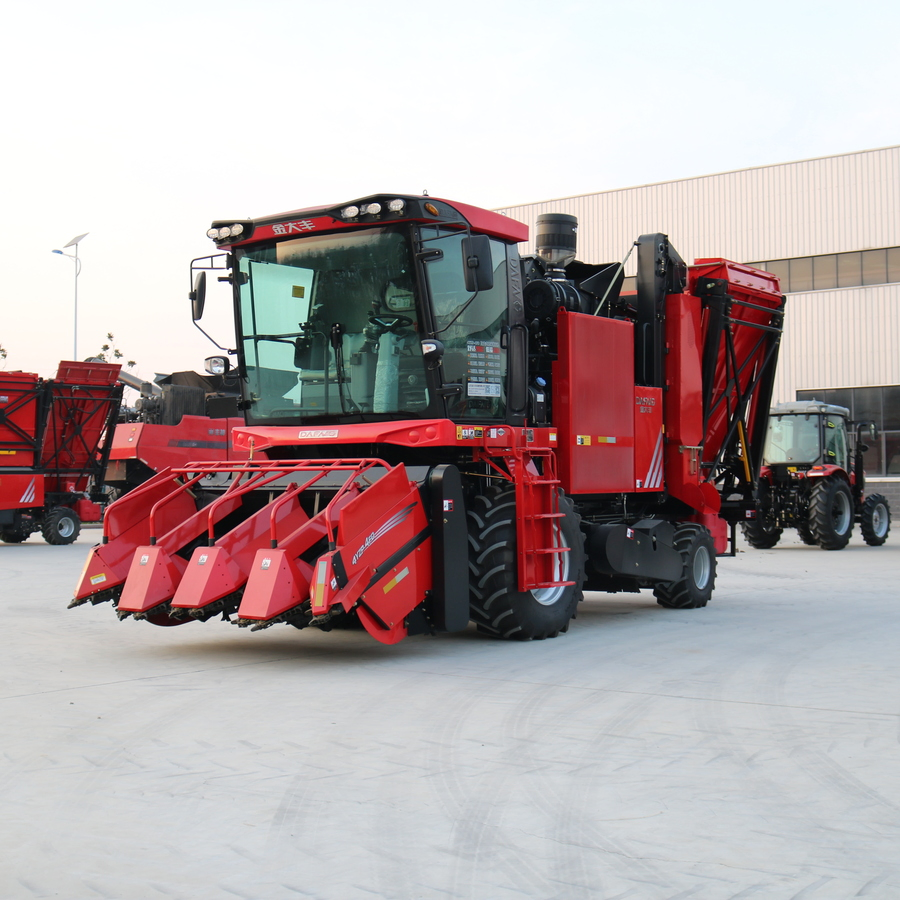
A corn head is a specialized harvesting attachment designed primarily for row-planted corn. Instead of cutting the entire stalk and feeding all of it into the machine, the header pulls the stalk downward and separates the ear from the plant.
This reduces the amount of stalk material entering the combine and allows the threshing and separation systems to focus mainly on the ears and kernels.
Main Components of a Corn Head
Although designs vary, a typical corn head includes:
- Row dividers
- Gathering chains
- Snapping rolls or stalk rolls
- Snapping plates
- Cross auger
- Drive chains and gearboxes
The row dividers guide standing plants into each row unit. Gathering chains pull the stalk toward the snapping rolls, while the snapping plates help detach the ears from the stalk. The cross auger then moves the ears toward the feeder house.
How a Corn Head Handles the Crop
As the combine moves forward, each row unit follows a planted row. The stalk enters between the snapping rolls and is pulled downward. Because the ear is wider than the space between the snapping plates, it separates from the stalk and remains above the header.
The ears are then collected and moved into the combine for threshing. Much of the stalk stays in the field, where it may be chopped, crushed, or left as residue depending on the header design.
This harvesting method can reduce the amount of unnecessary material entering the machine and improve harvesting capacity in standing corn.
What Is a Grain Header?
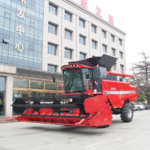
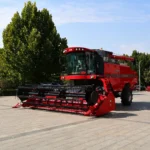
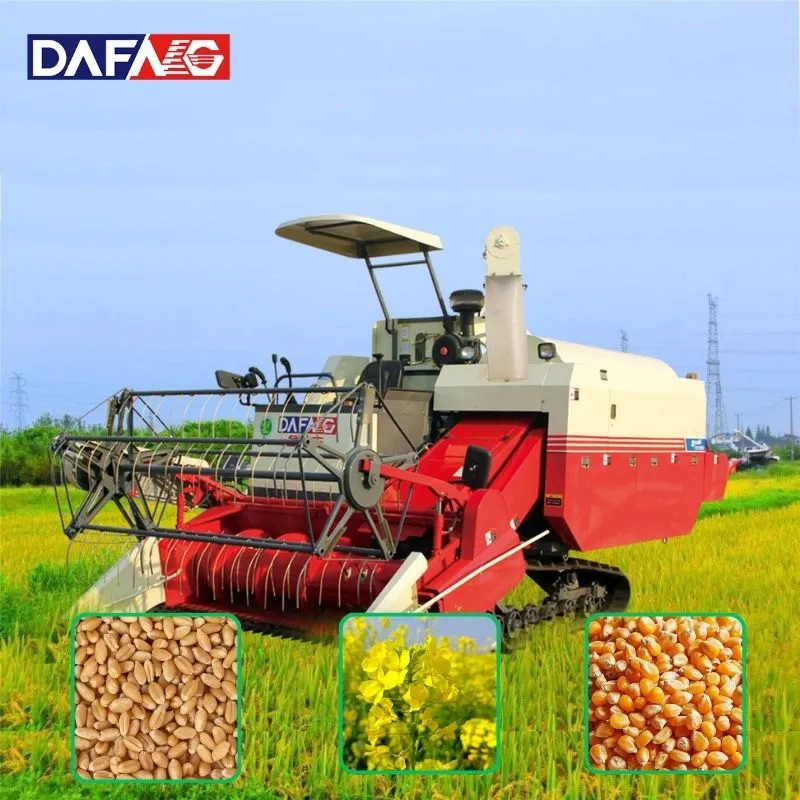
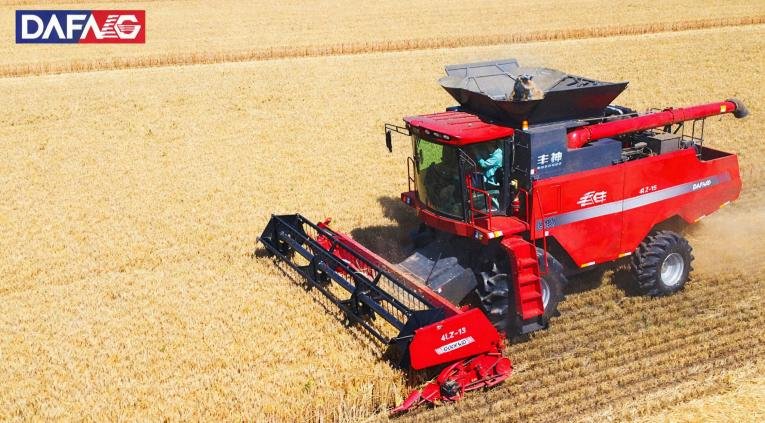
A grain header, also called a grain platform or cutting platform, is designed to cut the crop near the base or below the grain-bearing section. It collects the cut plants and feeds them into the combine as a continuous crop mat.
Grain headers are commonly used for:
- Wheat
- Barley
- Oats
- Soybeans
- Rapeseed
- Some types of rice
- Other small grains and seed crops
Main Components of a Grain Header
A conventional grain header commonly includes:
- Crop dividers
- Reel
- Cutterbar
- Knife sections and guards
- Platform auger or conveyor belts
- Feeder opening
The reel guides standing crop toward the cutterbar. The knife sections cut the stems, and the auger or belt system moves the crop toward the center of the header before it enters the feeder house.
Rigid, Flex and Draper Grain Headers
Not every grain header has the same structure. The main types include:
- Rigid grain headers: Commonly used for standing cereal crops such as wheat and barley.
- Flex headers: Designed to follow uneven ground and cut closer to the soil, making them suitable for low-pod crops such as soybeans.
- Draper headers: Use conveyor belts to deliver crop smoothly toward the center, helping maintain even feeding at wider cutting widths.
The correct choice depends on crop height, field surface, harvesting speed, and the amount of material entering the combine.
Corn Head vs Grain Header: The Main Differences
The most important difference is how each header removes the harvestable part of the crop.
A corn head mainly separates ears from standing stalks. A grain header cuts stems and feeds most of the above-ground crop into the combine.
| Comparison Point | Corn Head | Grain Header |
|---|---|---|
| Main crop | Row-planted corn | Wheat, barley, soybeans and other grains |
| Harvesting method | Separates ears from stalks | Cuts and collects the crop |
| Main feeding material | Ears with limited stalk material | Grain heads, stems, leaves and straw |
| Row dependence | Usually follows planted rows | Generally not limited by row spacing |
| Primary front components | Gathering chains, snapping rolls and plates | Reel, cutterbar and auger or draper belts |
| Typical residue handling | Leaves or chops much of the stalk in the field | Sends more straw through the combine |
| Main adjustment focus | Row spacing, snapping plates and gathering speed | Cutting height, reel position and cutterbar performance |
When Should You Choose a Corn Head?
A corn head is usually the correct choice when harvesting mature, row-planted corn for grain.
You Mainly Harvest Corn for Grain
If the main objective is to collect ears and thresh kernels, a corn head can reduce unnecessary stalk intake. This helps the combine process more useful crop material and may reduce the load on threshing, separation, and cleaning systems.
The Corn Is Planted in Consistent Rows
Corn heads are manufactured with a fixed number of row units and a specific row spacing. Common configurations may include two-row, three-row, four-row, six-row, or larger designs.
The header spacing should match the planting pattern as closely as possible. Poor alignment between the header and planted rows may cause:
- Stalks to bend or break
- Ears to fall before collection
- Uneven feeding
- Higher field loss
- Slower operating speed
You Want Less Stalk Material Entering the Combine
A corn head allows much of the stalk to remain outside the combine. This can help reduce power demand and prevent the separation and cleaning systems from being overloaded by unnecessary residue.
However, the effectiveness depends on crop maturity, stalk condition, machine speed, and correct adjustment of the row units.
You Need Corn Residue Management
Some corn heads include stalk-chopping or crushing systems. These can reduce residue size and spread material more evenly across the field.
Residue management may be important when the farmer plans to:
- Prepare the field for the next crop
- Reduce long stalks that interfere with tillage
- Improve residue distribution
- Support faster decomposition
When Should You Choose a Grain Header?
A grain header is normally the better choice for cereal crops and crops that need to be cut before entering the combine.
You Harvest Wheat, Barley or Similar Crops
Small grains have thin stems and grain-bearing heads. The header cuts the stems and moves the crop into the combine for threshing and separation.
Operators can often adjust cutting height to reduce the amount of straw entering the machine. In standing wheat, a higher cut may improve throughput, provided the header still collects all grain-bearing heads.
You Harvest Soybeans or Low-Pod Crops
Soybeans may carry pods close to the ground. A flex header can follow the field surface more closely and reduce the number of uncut pods left behind.
For these crops, cutterbar condition, ground following, reel position, and operating speed have a major effect on header loss.
You Harvest Crops Without Fixed Row Alignment
A grain platform can usually harvest across the field without following individual planted rows. This provides greater flexibility in crops that are drilled, broadcast, or planted in narrow rows.
You Need One Header for Several Grain Crops
A suitable grain header may be used across several crops after adjusting cutting height, reel position, reel speed, and other operating settings.
This can make it a practical choice for farms and contractors that harvest multiple small-grain or seed crops during the same season.
Can a Grain Header Harvest Corn?
In some situations, a grain header may cut standing corn and feed the entire plant into the combine. However, this is generally not the preferred method for mature grain corn.
Feeding whole corn plants into the combine introduces a much larger volume of stalk and leaf material. This may:
- Reduce forward speed
- Increase power demand
- Overload the threshing system
- Increase cleaning difficulty
- Raise grain loss
- Increase wear on internal components
A conventional grain header may also create higher ear loss because it is not designed to guide rows and separate ears in the same way as a corn head.
For mature corn harvested for grain, a properly matched corn head is normally more efficient.
Can a Corn Head Harvest Wheat or Rice?
A corn head cannot function as a standard wheat or rice header. Its row units, snapping plates, and stalk rolls are designed for the structure of the corn plant.
Wheat and rice require a cutting system that gathers and cuts many thin stems across the full header width. A corn head does not have the cutterbar and crop-gathering structure needed for this work.
This is one of the clearest conclusions in the corn head vs grain header comparison: the two attachments serve fundamentally different harvesting processes.
Header Choice Must Match the Combine
Not every header can be installed on every combine. Buyers must confirm mechanical, hydraulic, electrical, and capacity compatibility before ordering.
Feeder House Compatibility
The attachment frame and feeder opening must match the combine. An adapter may sometimes be available, but the connection must remain strong, correctly aligned, and suitable for the header weight.
Hydraulic and Electrical Connections
Modern headers may require hydraulic drives, height control, sensors, automatic row guidance, or electrical connections. The combine must have the correct systems to operate these features.
Header Weight and Machine Balance
A heavier or wider header changes the load on the front axle and affects machine balance. The combine must have enough lifting capacity, hydraulic performance, and stability.
Processing Capacity
A wider header collects more crop per pass, but the combine must be able to process the additional volume. Installing an oversized header may force the operator to slow down and may increase threshing or cleaning losses.
Buyers comparing complete machines can review our grain combine harvester range to evaluate available crop applications, header configurations, cutting widths, and harvesting capacities.
How Header Adjustment Affects Grain Loss
Selecting the correct header is only the first step. Poor adjustment can still cause significant loss.
Corn Head Adjustments
Important corn head settings include:
- Snapping plate spacing
- Gathering chain position and tension
- Header height
- Row alignment
- Forward speed
- Stalk roll condition
- Cross-auger clearance
If snapping plates are too wide, small ears may fall through the row unit. If they are too narrow, excessive stalk material may enter the header.
Worn gathering chains or damaged row dividers can also increase ear loss and create uneven feeding.
Grain Header Adjustments
Important grain header settings include:
- Cutting height
- Reel height
- Reel fore-and-aft position
- Reel speed
- Cutterbar condition
- Auger or belt speed
- Header angle
The reel should guide crop gently toward the cutterbar. Excessive reel speed may strike dry grain heads or soybean pods and cause shattering before the crop enters the machine.
Dull knives, damaged guards, or incorrect cutterbar clearance can leave uncut crop and reduce effective working speed.
Which Header Is Better for Multi-Crop Operations?
There is no single header that performs every harvesting task equally well. A multi-crop combine may support different attachments, but the operator still needs to change headers when moving between crops with different plant structures.
A typical multi-crop operation may use:
- A corn head for mature grain corn
- A rigid grain header for wheat and barley
- A flex header for soybeans
- A specialized rice header for wet or lodged rice
The ability to change headers can increase the usefulness of the combine across the season. However, buyers should confirm the availability of compatible attachments and replacement parts before purchasing.
Questions to Ask Before Ordering a Header
Before selecting between a corn head and a grain header, collect the following information:
- What crops will be harvested?
- Is corn planted in fixed rows?
- What is the row spacing?
- What cutting width is suitable for the fields?
- What is the expected crop yield?
- Are the fields flat, sloping, muddy, or fragmented?
- What combine model will carry the header?
- Does the combine have sufficient lifting capacity?
- Are hydraulic and electrical connections compatible?
- Is residue chopping or crushing required?
Importers should also confirm shipping dimensions, assembly requirements, spare-parts availability, and whether the header configuration matches local planting practices.
Choose the Header Based on the Crop, Not Appearance
The decision between a corn head vs grain header should begin with the crop harvesting method.
Choose a corn head when the machine needs to follow corn rows, pull stalks downward, and separate ears before threshing. Choose a grain header when the crop needs to be cut and fed into the combine as a continuous crop mat.
Header width, row spacing, feeder compatibility, crop condition, and combine processing capacity must also be considered. A well-matched attachment helps maintain smooth feeding, reduce field loss, and improve daily harvesting efficiency.
For wheat, rice, corn, soybean, and mixed-crop harvesting projects, explore our combine harvesters and compatible harvesting configurations to compare machines for different crops and field conditions.