Rice harvesting places different demands on a machine than harvesting dry wheat in a large, firm field. Soft soil, narrow field entrances, lodged plants, high straw moisture, and small plots can all reduce the performance of a machine that was not designed for local rice conditions.
A suitable combine harvester for rice should move through the field without sinking excessively, cut standing and lodged crop cleanly, maintain stable feeding, separate grain from wet straw, and produce a clean sample without causing unnecessary grain damage.
The best choice depends on more than horsepower or cutting width. Buyers should compare the undercarriage, header, threshing system, cleaning capacity, machine dimensions, field layout, grain transport plan, and availability of local support.
1. Rice Field Conditions Should Decide the Machine Type
Before comparing models, begin with the field itself. A machine suitable for dry, firm land may struggle in a wet paddy field, while a compact tracked harvester may be too small for a large commercial operation with broad, dry fields.
Important field information includes:
- Whether the soil is dry, soft, wet, or muddy during harvest
- Average field size and shape
- Width of field entrances and farm roads
- Presence of ridges, drainage channels, or uneven ground
- Frequency of lodged rice
- Average crop yield and straw volume
- Distance between fields
- Number of practical harvesting days
A buyer who only provides total farm area may receive an unsuitable recommendation. Two farms with the same number of hectares can require very different machines when one has large, dry fields and the other has small, muddy plots.
First decision: determine whether mobility in soft soil or maximum hourly capacity is the more important priority. This usually determines whether the buyer should focus on a crawler-type machine, a wheeled machine, or a compact multi-crop configuration.
2. Crawler or Wheeled Rice Harvester?
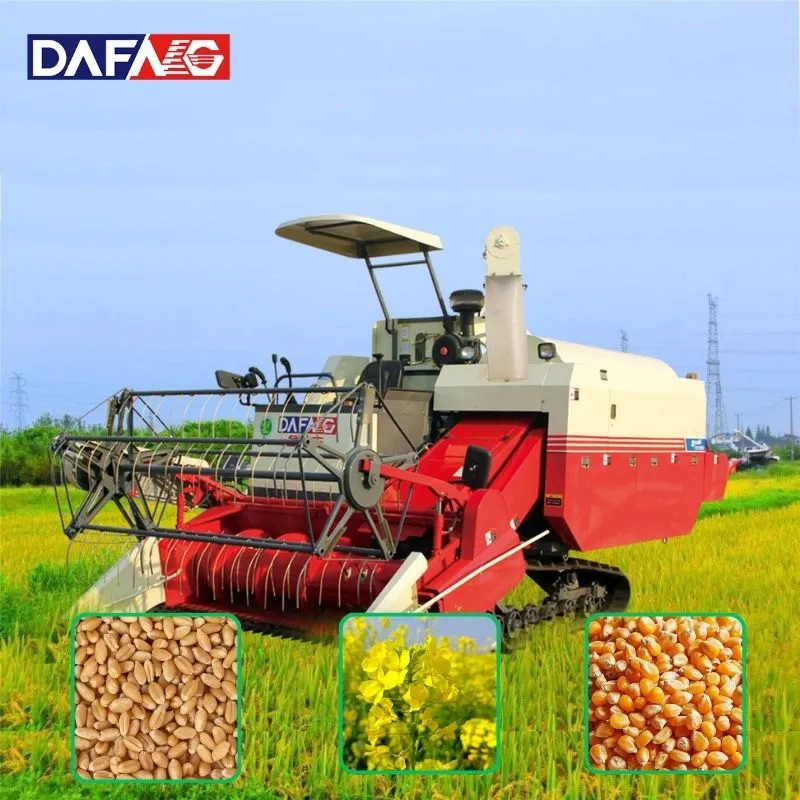
The undercarriage has a major effect on how the machine moves through rice fields. Both crawler and wheeled combines can be suitable, but they serve different working conditions.
Crawler combines for soft and muddy fields
Crawler tracks spread machine weight across a larger contact area. This can help reduce sinking and improve traction in fields where conventional tires may slip or create deep ruts.
A crawler-type rice combine may be more suitable when:
- Fields remain wet during harvest
- The soil has low bearing capacity
- Farmers work in small paddy plots
- Field ridges and entrances are narrow
- Low-speed maneuverability is important
- The machine must harvest partially lodged crop
However, tracked machines may travel more slowly on roads and can require additional attention during long-distance transport.
Wheeled combines for firmer and larger fields
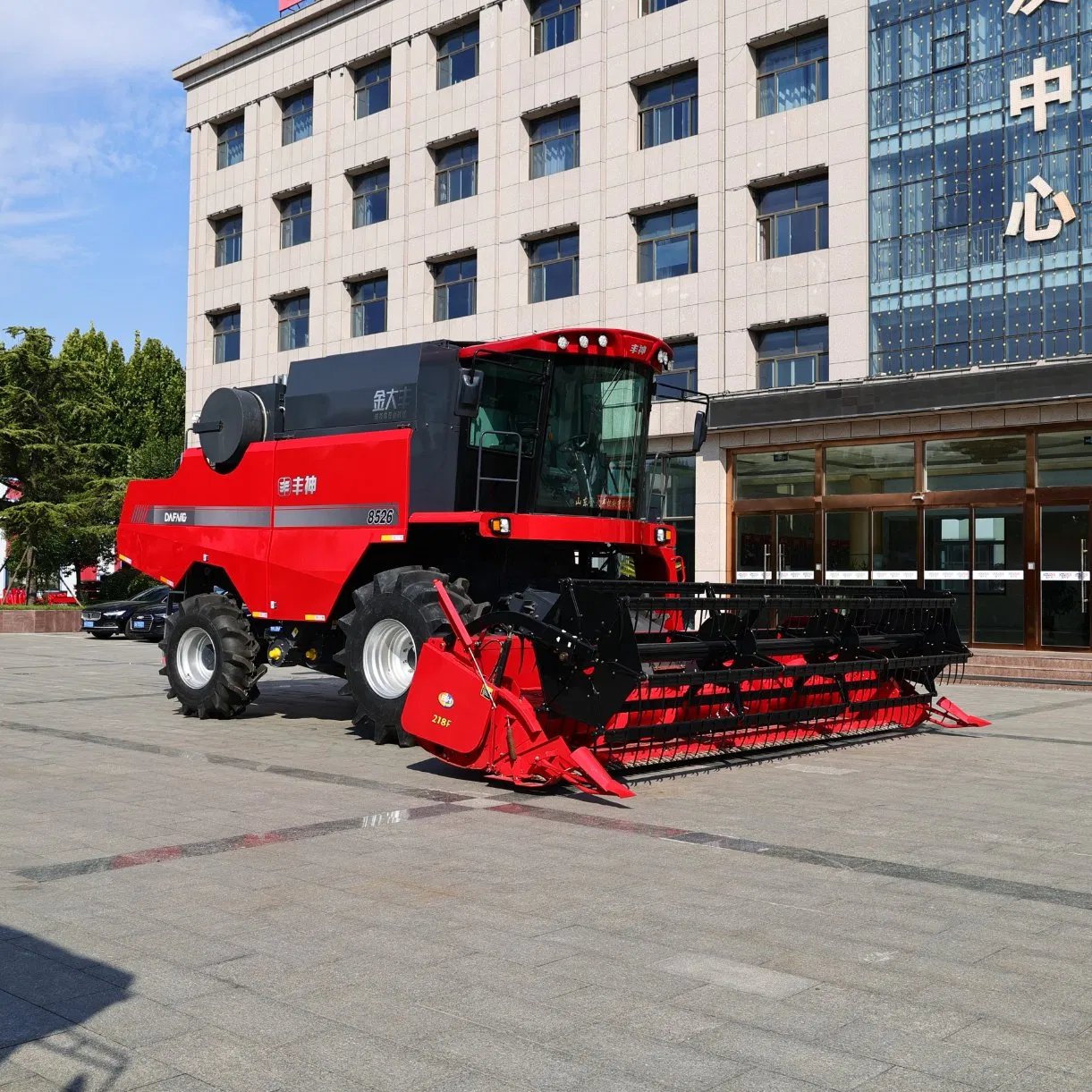
Wheeled combines are often more suitable where rice is grown on firmer ground or where large fields allow the machine to use a wider header and higher processing capacity.
Possible advantages include:
- Higher road travel speed
- Easier movement between distant fields
- Larger machine and header options
- Higher potential capacity in suitable conditions
- Simpler transport in some markets
| Comparison Point | Crawler Combine | Wheeled Combine |
|---|---|---|
| Soft-soil mobility | Generally better in wet and muddy fields | Better on firm and relatively dry ground |
| Road travel | Usually slower | Usually faster and easier |
| Field size | Suitable for small and medium paddy plots | Suitable for medium and large open fields |
| Maneuverability | Good at low speed in compact fields | Depends more on turning radius and field space |
| Potential capacity | Balanced toward mobility and control | Can support larger headers and higher throughput |
The correct choice should reflect actual harvest conditions, not simply which design appears larger or more modern.
3. Header Performance Matters Most in Lodged Rice
Rice may stand evenly, lean in one direction, or lie close to the ground after wind and rain. The header must collect the crop without leaving excessive grain-bearing material in the field.
Cutting height and ground following
Standing rice may allow a higher cutting position, which reduces the amount of straw entering the combine. Lodged rice often requires a lower cut, better ground following, and more careful reel adjustment.
The header should provide enough control over:
- Cutting height
- Reel height
- Reel forward and backward position
- Reel speed
- Header angle
- Feeding speed
Reel adjustment should guide rather than strike
An aggressive reel can strike mature rice heads and increase shattering before the crop enters the machine. A reel that is too slow or positioned incorrectly may fail to lift lodged plants.
The operator should match reel speed to forward speed and crop condition. In lodged fields, approaching the crop from a suitable direction can also improve collection.
Smooth feeding protects the whole machine
When rice enters the feeder in large bunches, machine load changes suddenly. This can lead to incomplete threshing, blocked crop flow, cleaning-system overload, and uneven grain quality.
A good header should deliver a consistent crop mat rather than simply cutting as wide an area as possible.
4. Rice Threshing Requires Control Over Grain Damage
The threshing system must remove rice grain from the panicles while limiting cracked kernels, broken husks, and excessive straw damage.
Rice varieties, moisture levels, and straw conditions differ. For this reason, buyers should look for a machine with practical adjustment ranges rather than one fixed setting.
Rotor or cylinder speed
If threshing speed is too low, grain may remain in the panicles and leave the rear of the machine. If it is too high, grain damage and broken straw may increase.
Concave clearance
A wide clearance may reduce threshing intensity, while a very narrow clearance can increase power demand and grain damage. The operator should adjust speed and clearance together rather than changing only one setting.
| Field Observation | Possible Cause | Adjustment Direction |
|---|---|---|
| Rice grain remains in panicles | Threshing action is too gentle | Review rotor speed and concave clearance |
| Cracked grain in the tank | Threshing action is too aggressive | Reduce speed or increase clearance gradually |
| Large amount of broken straw | Excessive crop agitation | Check threshing speed and crop moisture |
| Repeated engine-load changes | Uneven header feeding | Adjust forward speed and crop flow |
A well-matched combine harvester for rice should allow the operator to adapt as crop moisture and straw condition change during the day.
5. Wet Straw Can Overload Separation and Cleaning
Rice straw often contains more moisture than dry wheat straw. It may be heavier, tougher, and more difficult to move through the threshing and separation systems.
If the combine is driven too quickly, loose grain can remain trapped in the straw and leave the machine as field loss.
Separation needs enough time and area
The machine must recover loose grain before straw is discharged. Separation performance depends on:
- Straw moisture
- Crop volume
- Forward speed
- Rotor or walker design
- Internal material distribution
- Condition of grates and passages
Cleaning settings should match rice grain
The fan and sieves remove chaff, husks, and small plant material from the harvested grain. Excessive airflow can carry good grain out of the rear, while weak airflow may leave too many impurities in the grain tank.
Morning moisture can make chaff heavier and harder to remove. As the crop dries later in the day, the operator may need to adjust fan speed and sieve openings again.
A cleaning system should be easy to inspect and adjust. Complicated settings that require long stops reduce effective harvesting capacity.
Common mistake: increasing fan speed whenever the grain sample looks dirty. The real cause may be aggressive threshing, excessive broken straw, overloaded sieves, or uneven crop feeding rather than insufficient airflow.
6. Match Machine Capacity to Rice Plot Size
A large combine can process more crop per hour, but it needs enough field space, transport support, and suitable ground conditions to use that capacity.
Small paddy fields
Compact fields with narrow entrances usually favor machines with:
- Smaller overall dimensions
- Good low-speed maneuverability
- Moderate cutting width
- Simple controls
- Easy field-to-field transport
- Lower machine weight
Large commercial rice farms
Larger fields may support a wider header, larger grain tank, and greater processing capacity. However, the combine must also have efficient unloading support.
Daily harvesting output can be limited when the machine waits for trailers, travels long distances to unload, or stops frequently because the grain tank is full.
Contract harvesting
Contractors need a balance between capacity and flexibility. They may work in different field sizes, soil conditions, and rice varieties during the same season.
Important contractor priorities include:
- Fast adjustment between fields
- Reliable transport
- Easy maintenance access
- Common spare parts
- Operator comfort
- Low downtime
7. Use the Real Operating Scenario to Make the Final Choice
Rather than asking which rice combine is best in general, match the machine to a specific operating scenario.
| Operating Scenario | Main Priority | Recommended Direction |
|---|---|---|
| Wet, muddy rice fields | Traction and low ground pressure | Crawler-type rice combine |
| Small fragmented plots | Maneuverability and compact dimensions | Small or medium compact harvester |
| Large firm fields | Higher throughput and wider cutting width | Medium or larger wheeled combine |
| Frequently lodged rice | Header control and low cutting ability | Machine with adjustable reel and stable feeding |
| Rice plus other grain crops | Flexible settings and header compatibility | Multi-crop combine configuration |
| Contract harvesting | Reliability, transport, and quick adjustment | Versatile machine with accessible spare parts |
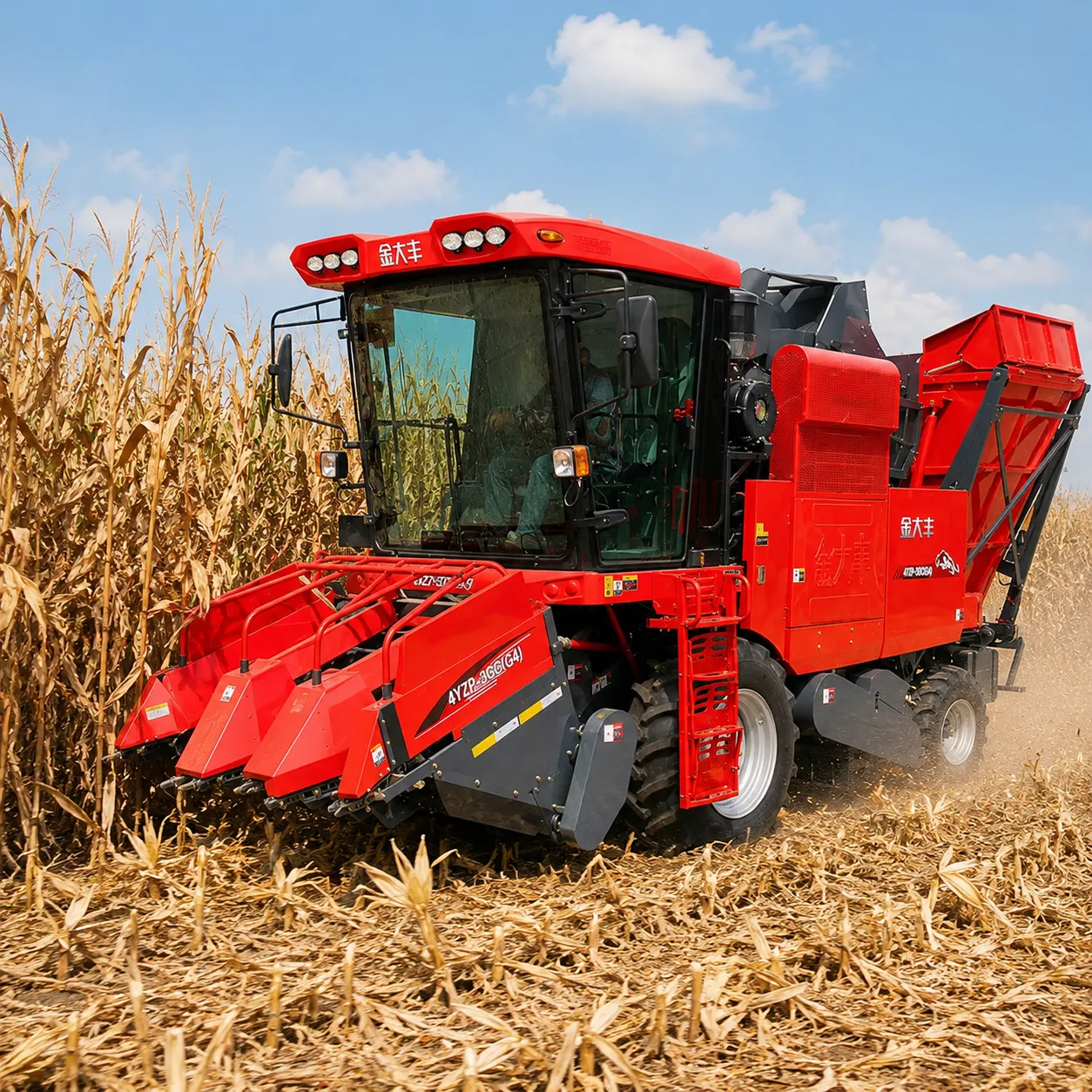
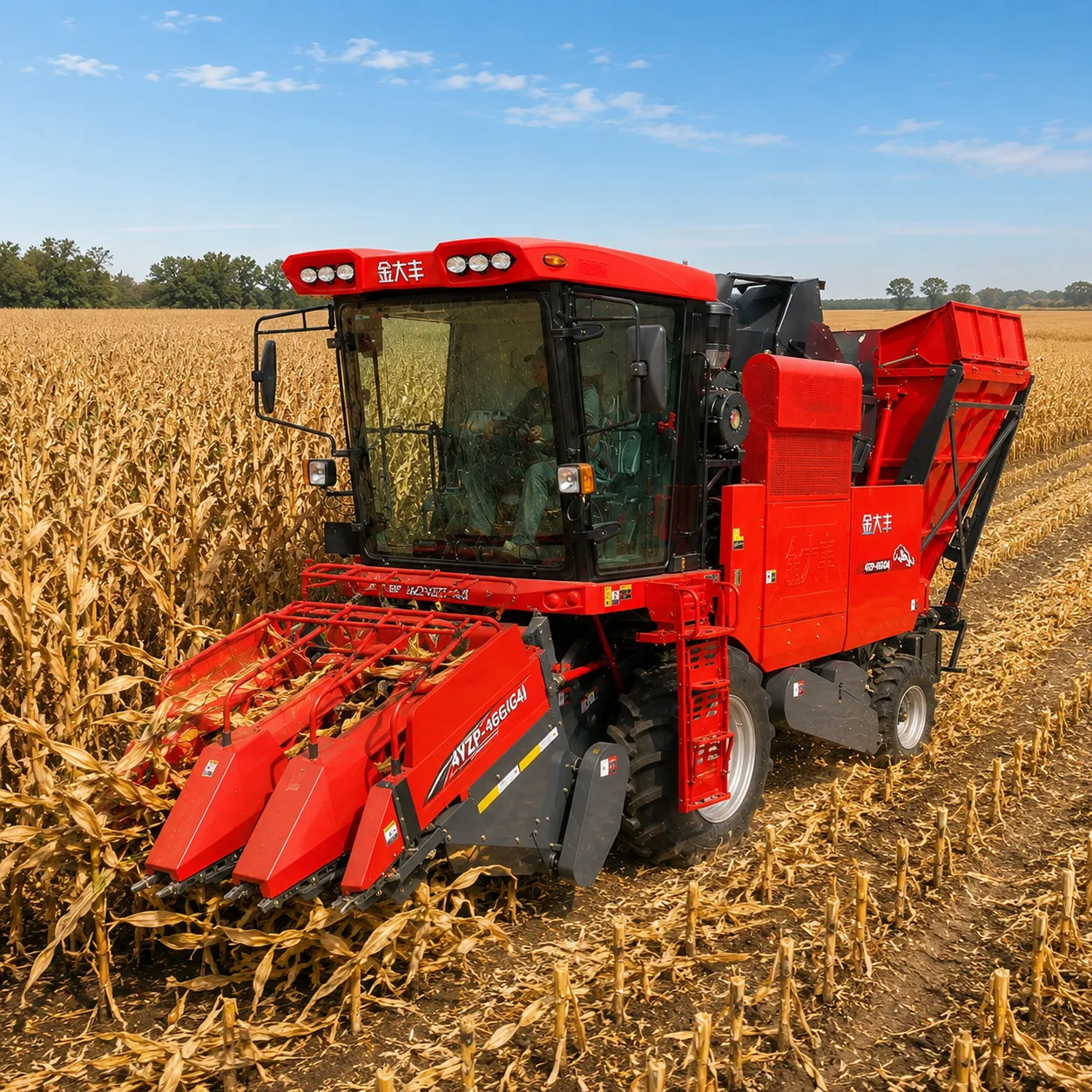
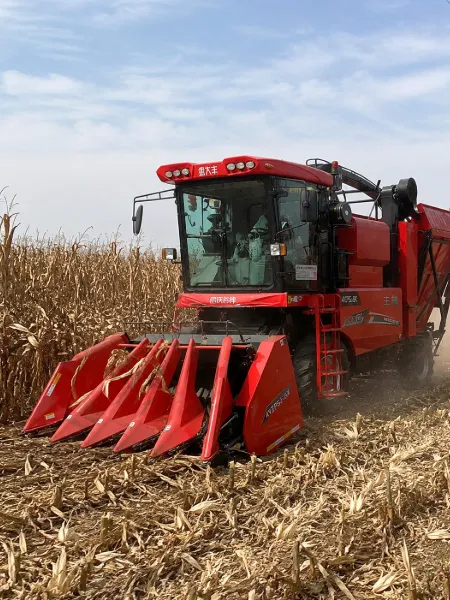
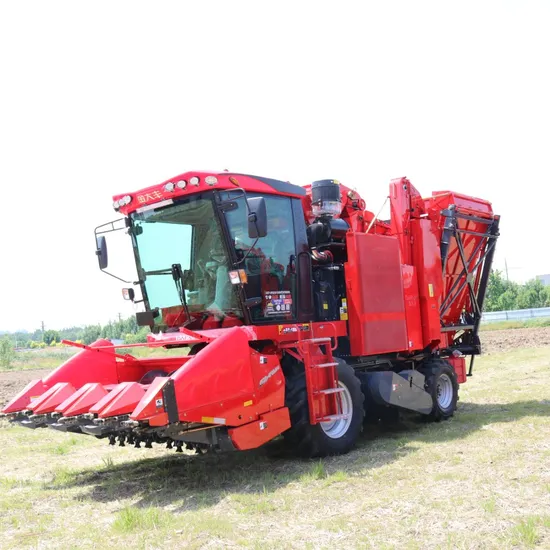
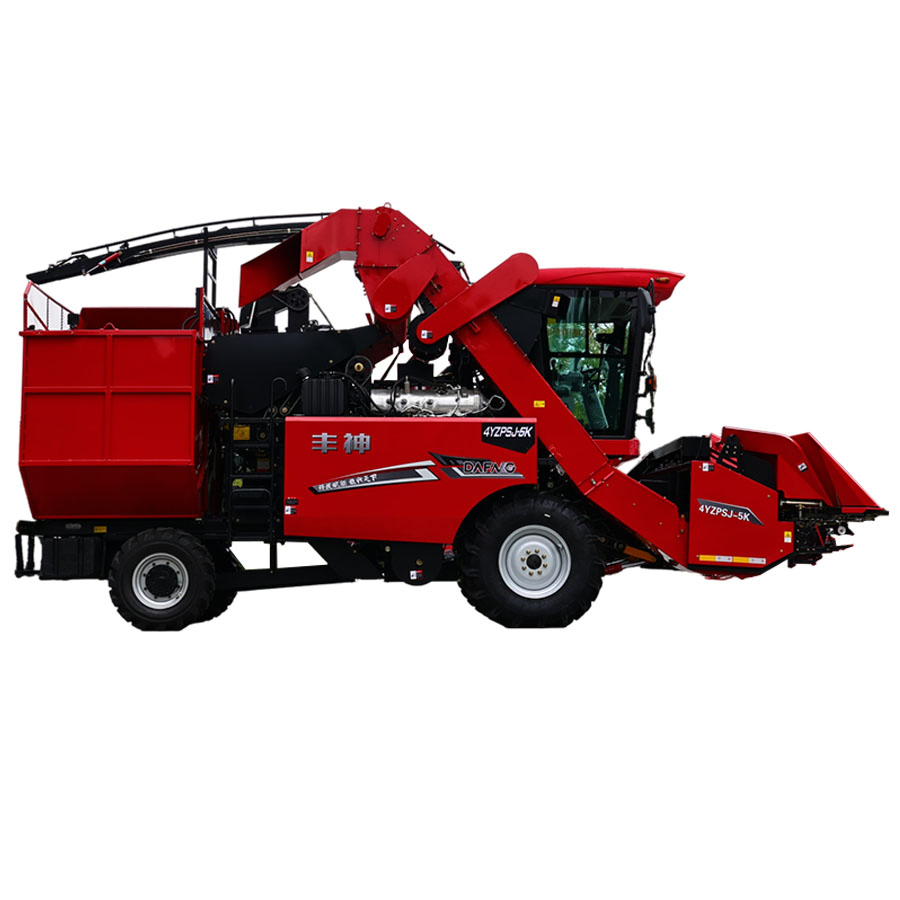
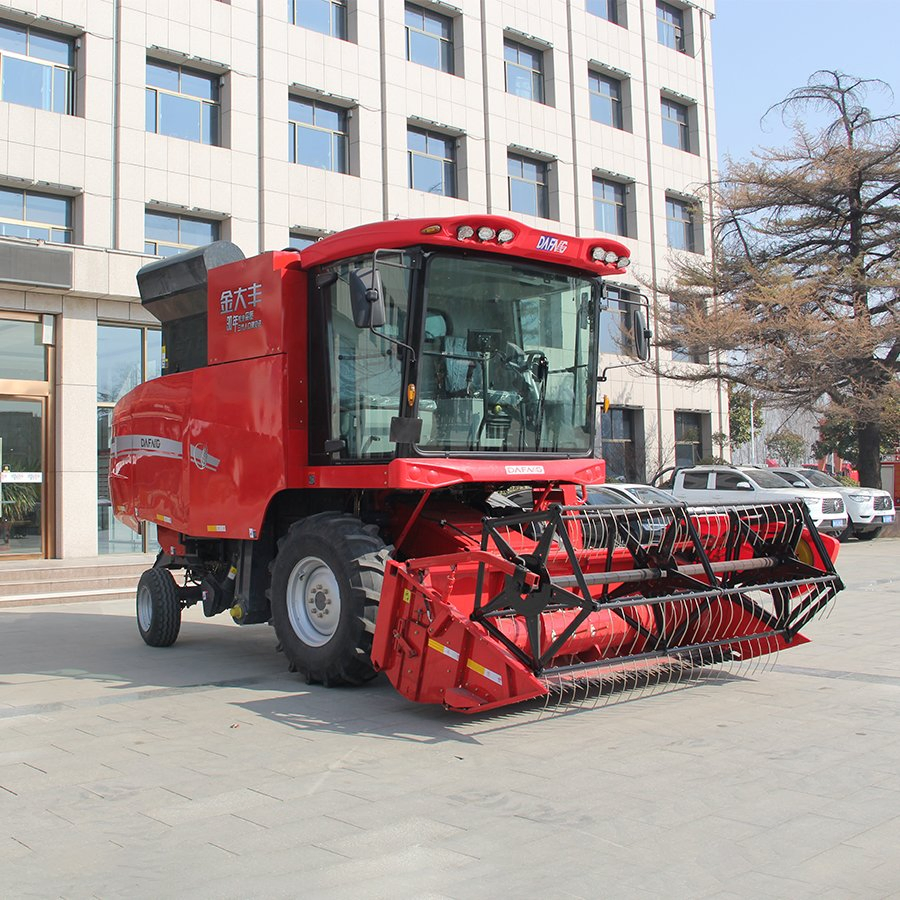
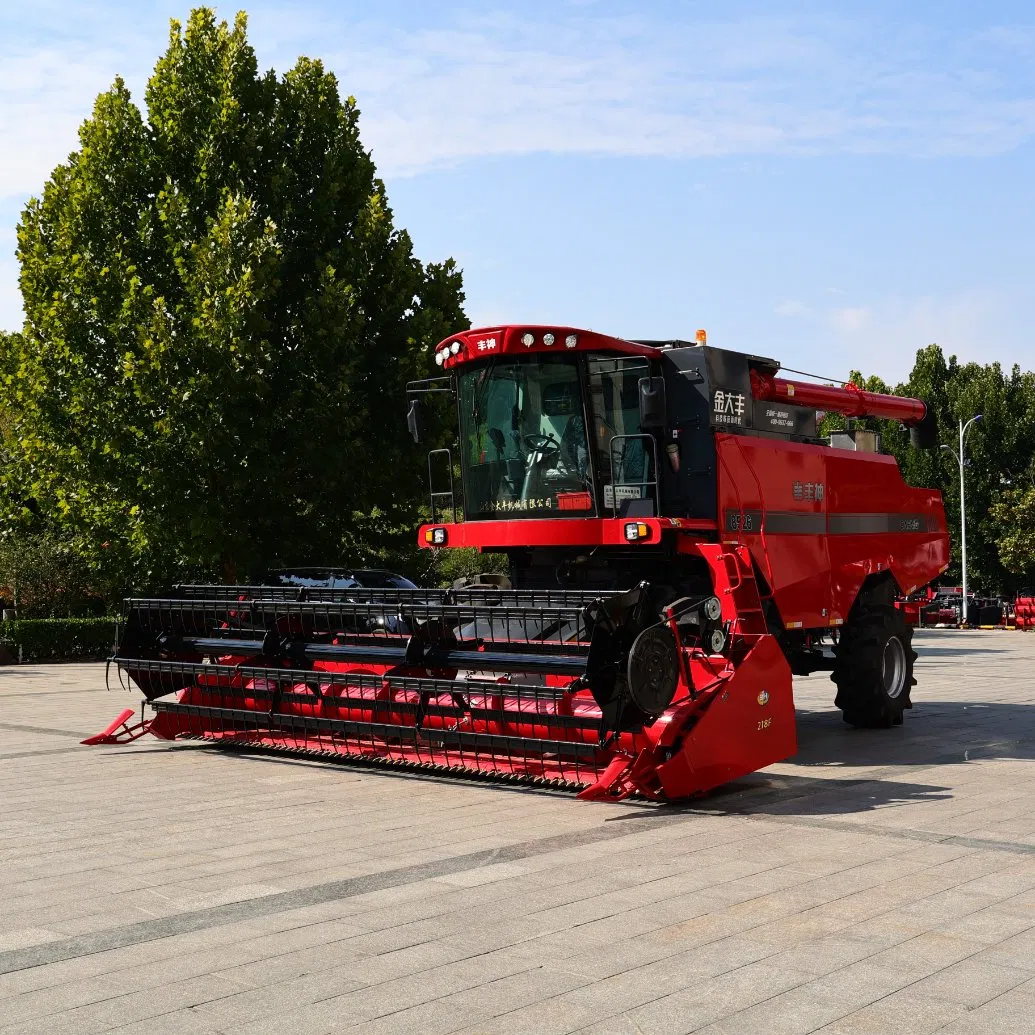
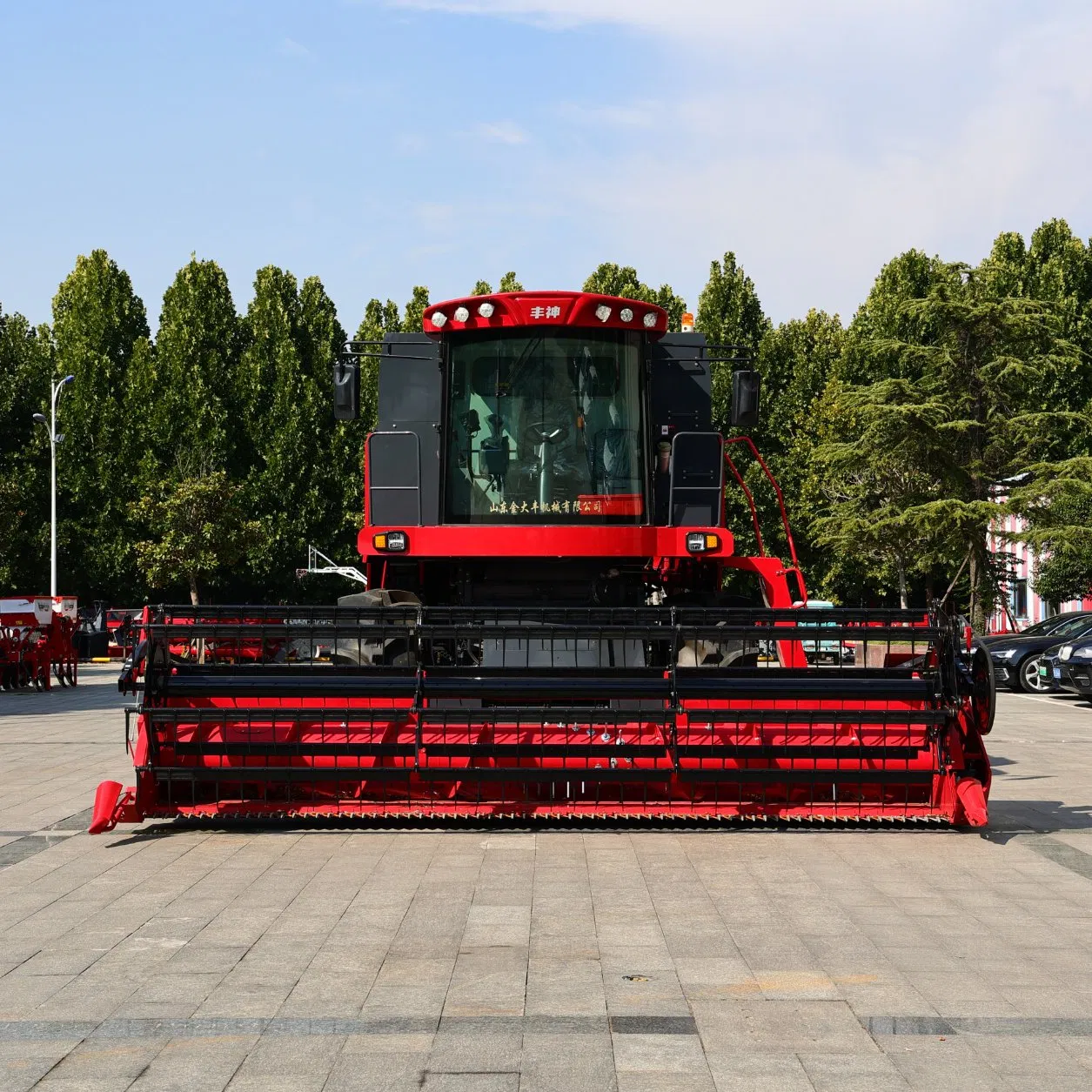
Buyers can review our combine harvester for rice options alongside machines for wheat, corn, soybeans, and other grain crops.
Model selection should be based on field condition, crop volume, required daily capacity, cutting width, undercarriage type, and local service requirements.
8. Information to Prepare Before Requesting a Quotation
A manufacturer can recommend a more suitable machine when the buyer provides detailed working information.
Prepare the following:
- Total rice harvesting area
- Average field size
- Soil condition during harvest
- Expected rice yield
- Whether the crop is commonly lodged
- Desired cutting width
- Required daily harvesting capacity
- Width of roads and field entrances
- Distance between fields
- Other crops the machine may need to harvest
- Local spare-parts and maintenance conditions
King-Gold Dafeng supplies grain harvesting machinery for different crops and regional field conditions. A suitable rice combine should not be selected only by engine power or appearance. It should be able to enter the field, collect the crop cleanly, process wet straw, control grain loss, and complete the harvest within the available time.
Choosing the right combine harvester for rice means balancing mobility, capacity, grain quality, transport, and long-term operating cost. When these factors are matched correctly, the machine can deliver more consistent performance in real rice fields.