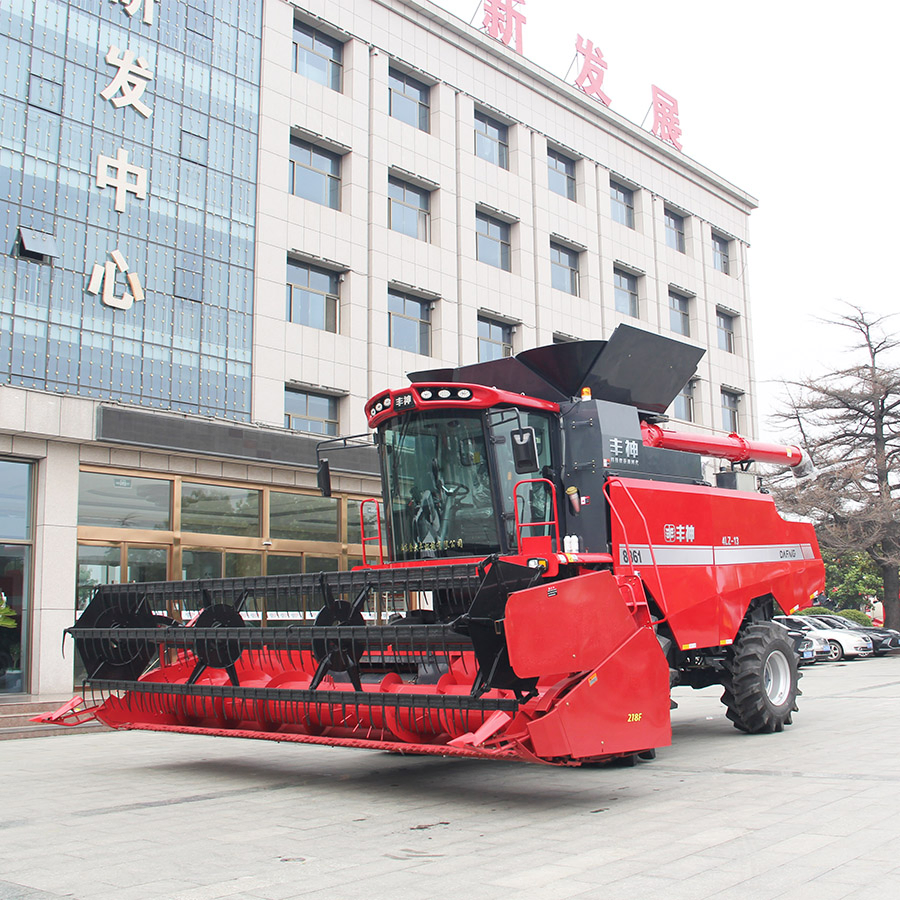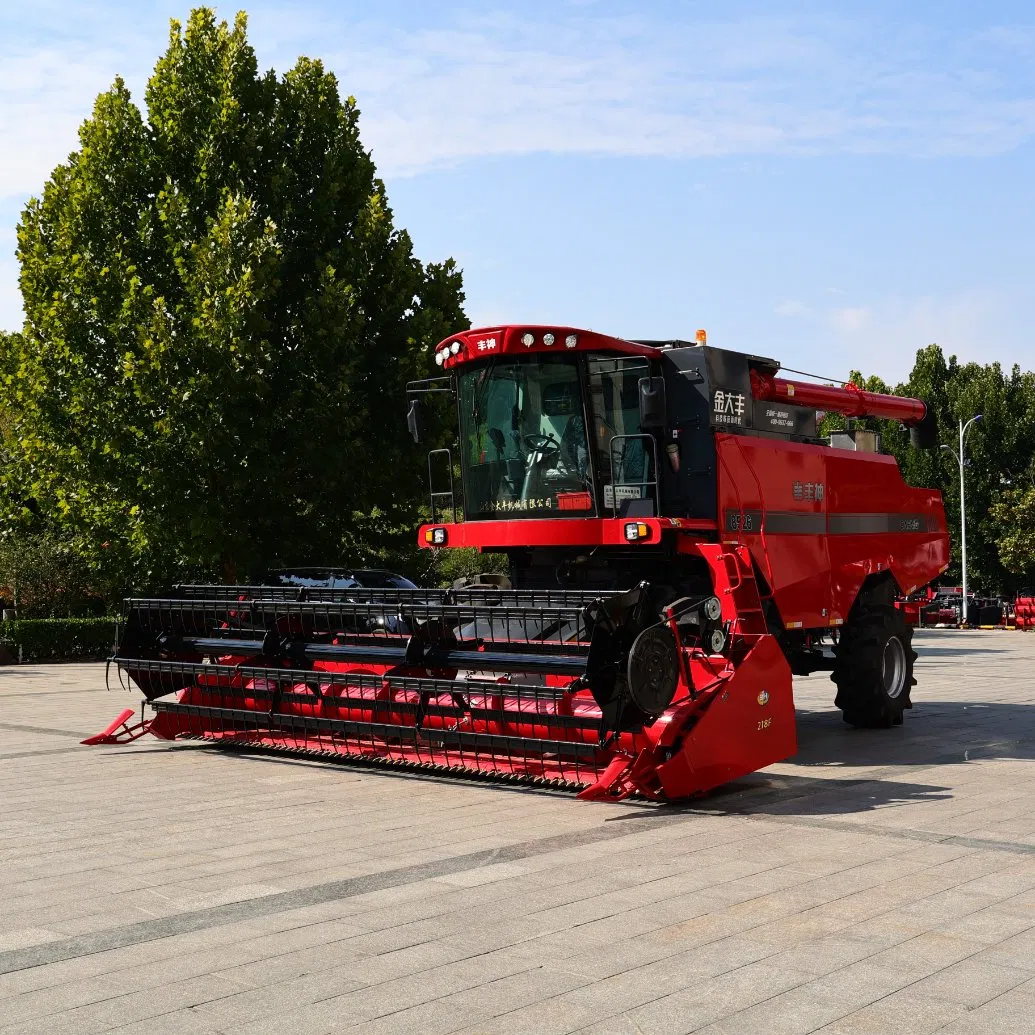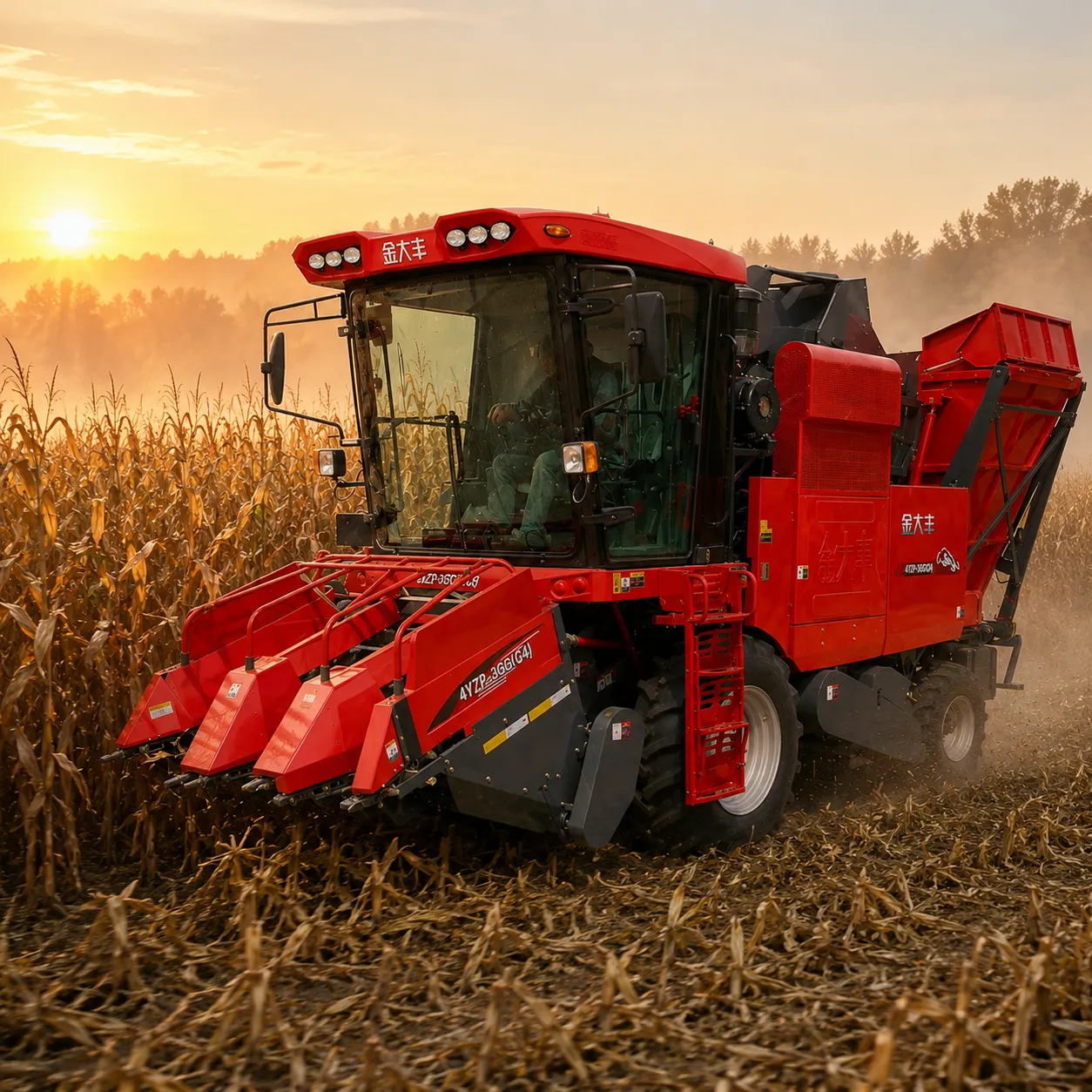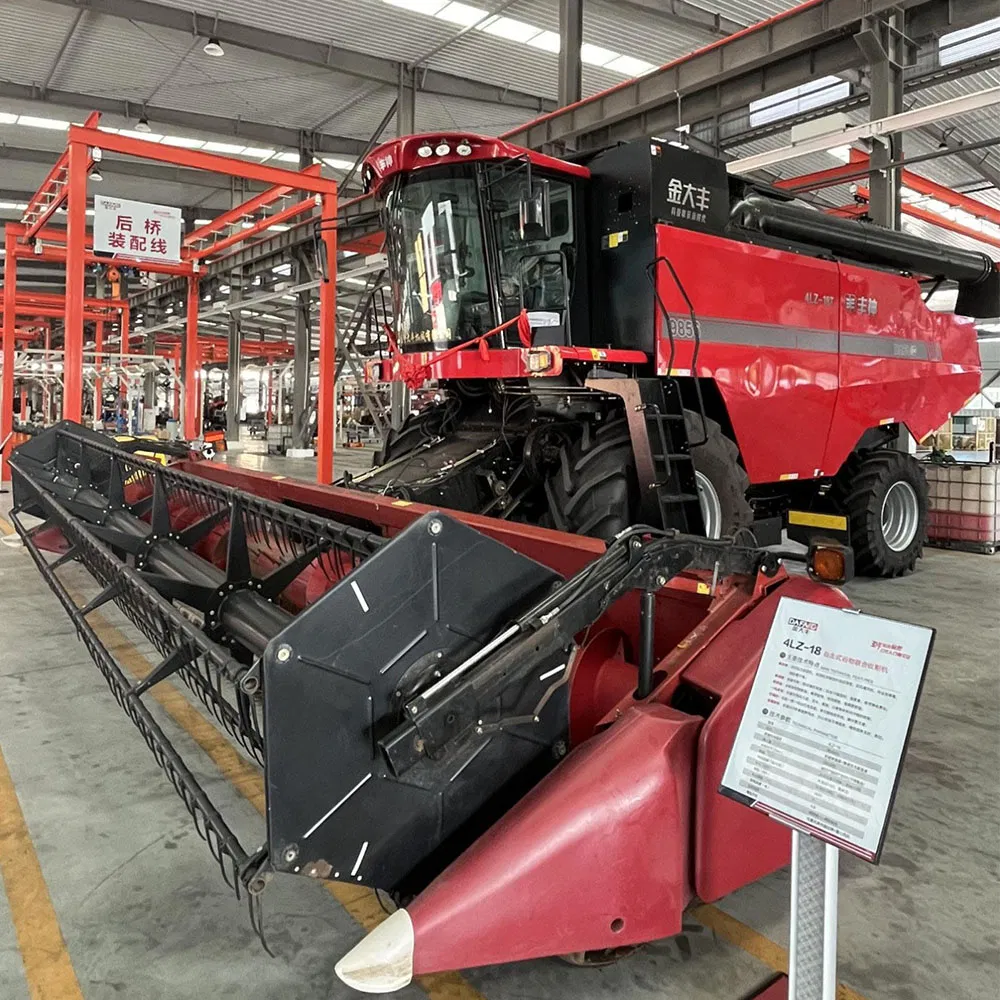
A farm does not automatically need a larger or more complex machine simply because it grows corn. For some operations, a tractor-mounted or trailed picker may provide enough capacity at a lower initial cost. For others, limited labour, a short harvest window, large fields, and the need to complete several jobs in one pass make a self-propelled machine the more practical choice.
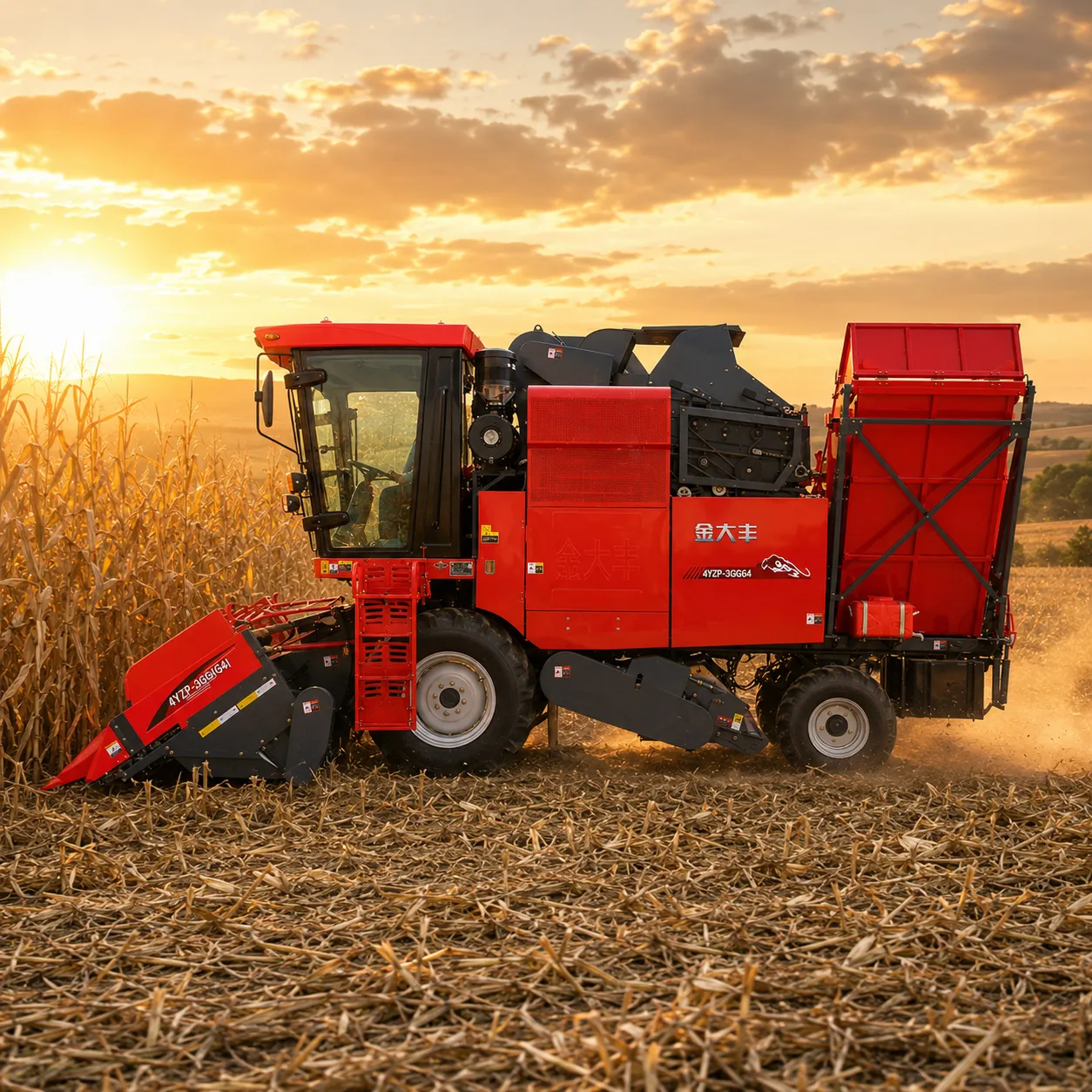
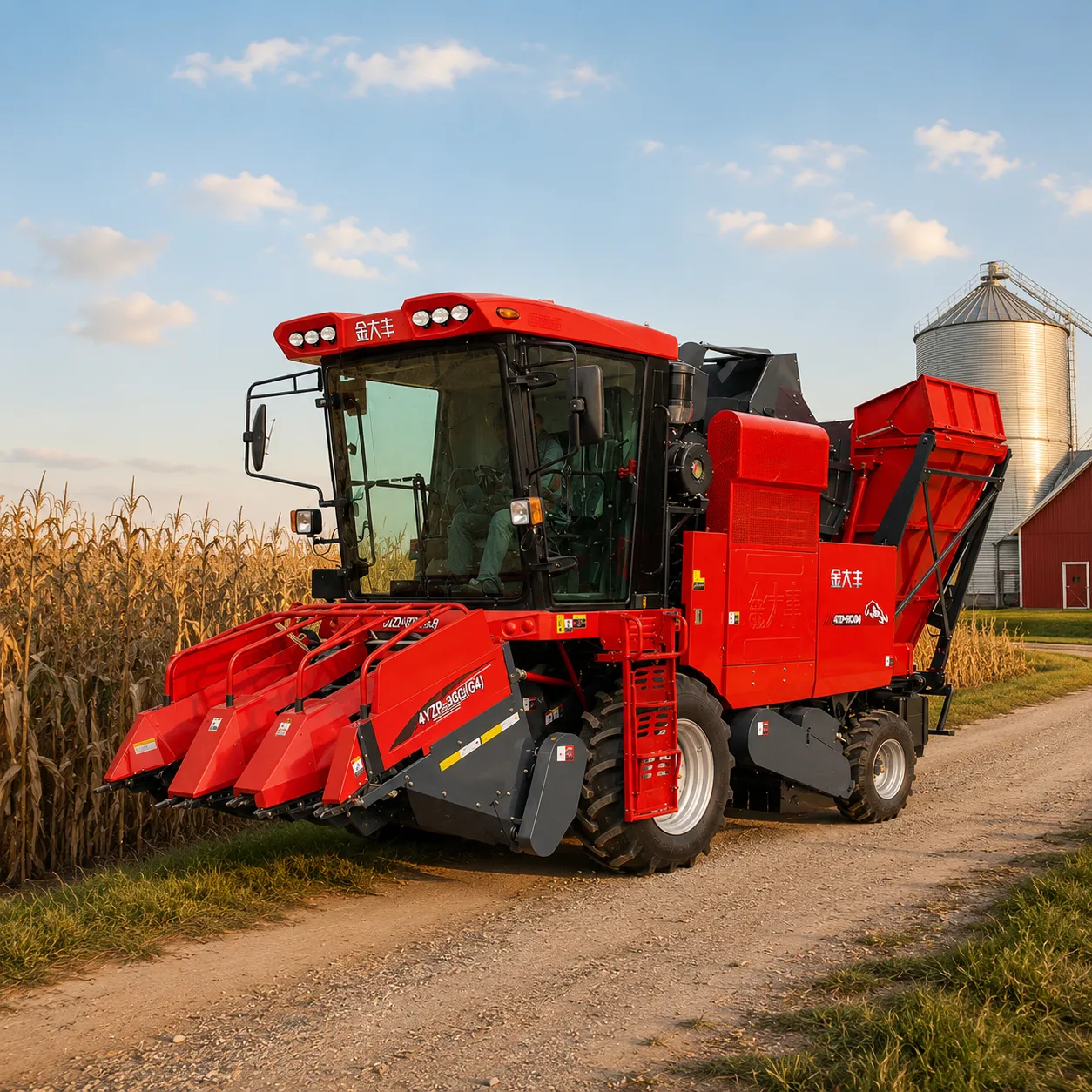
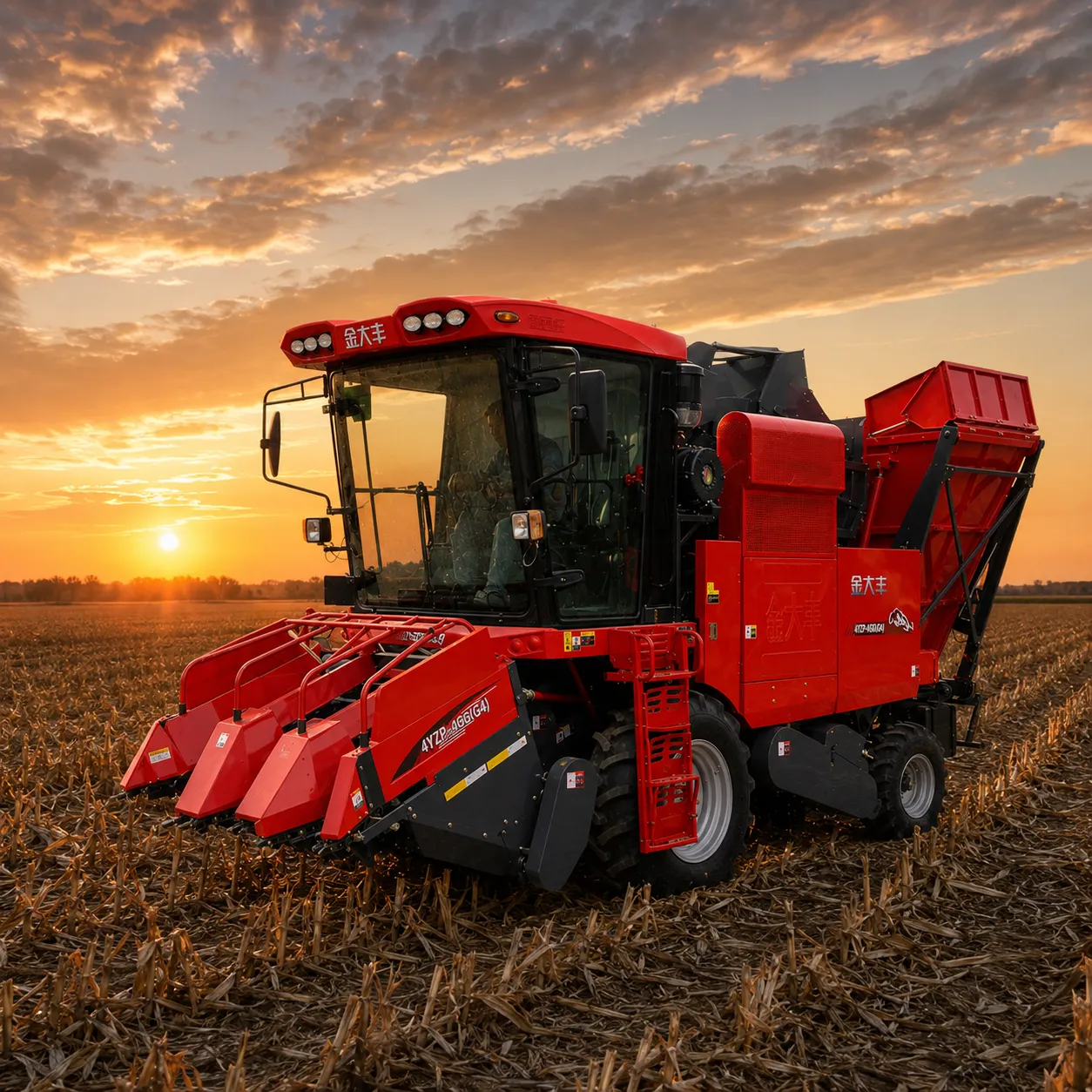
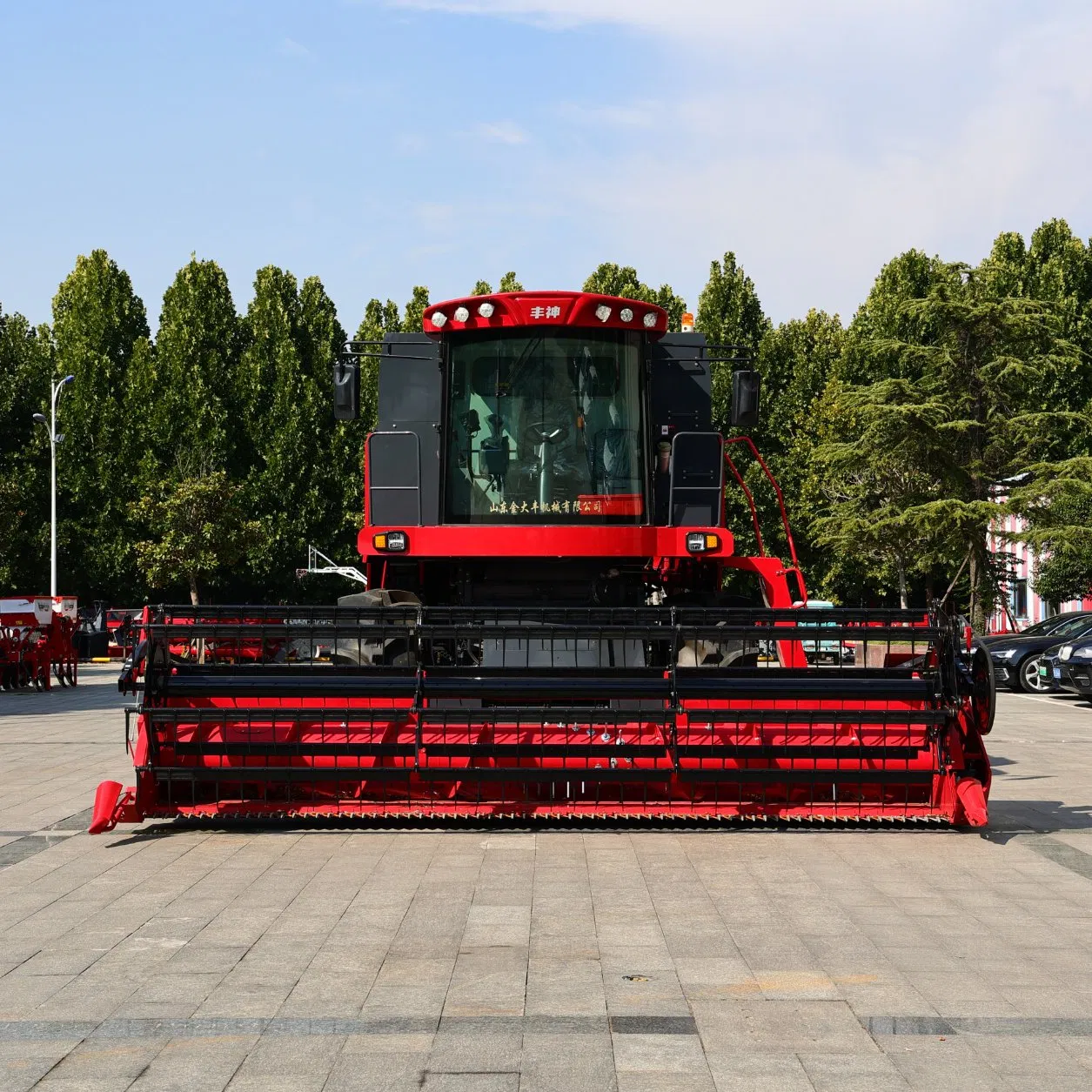
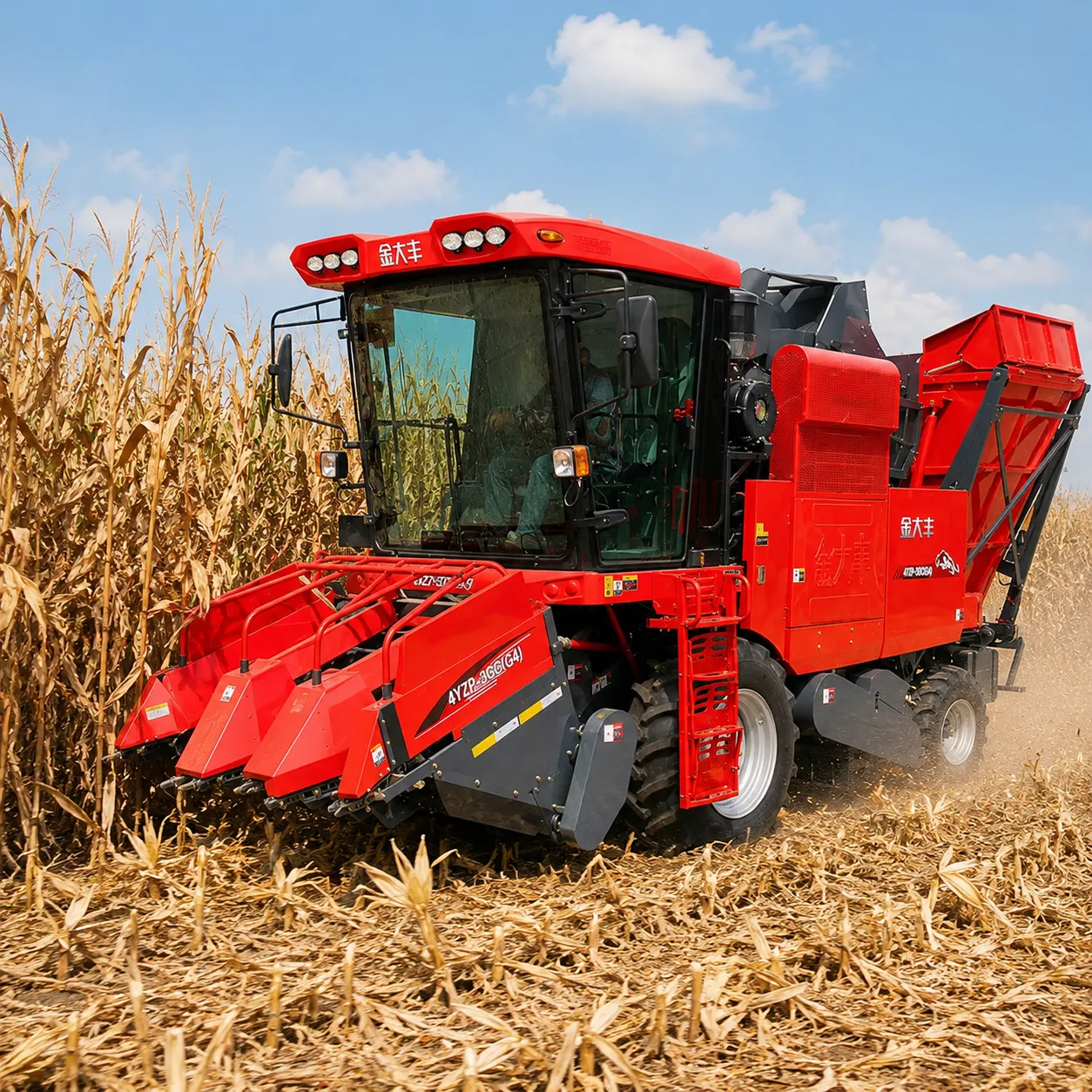
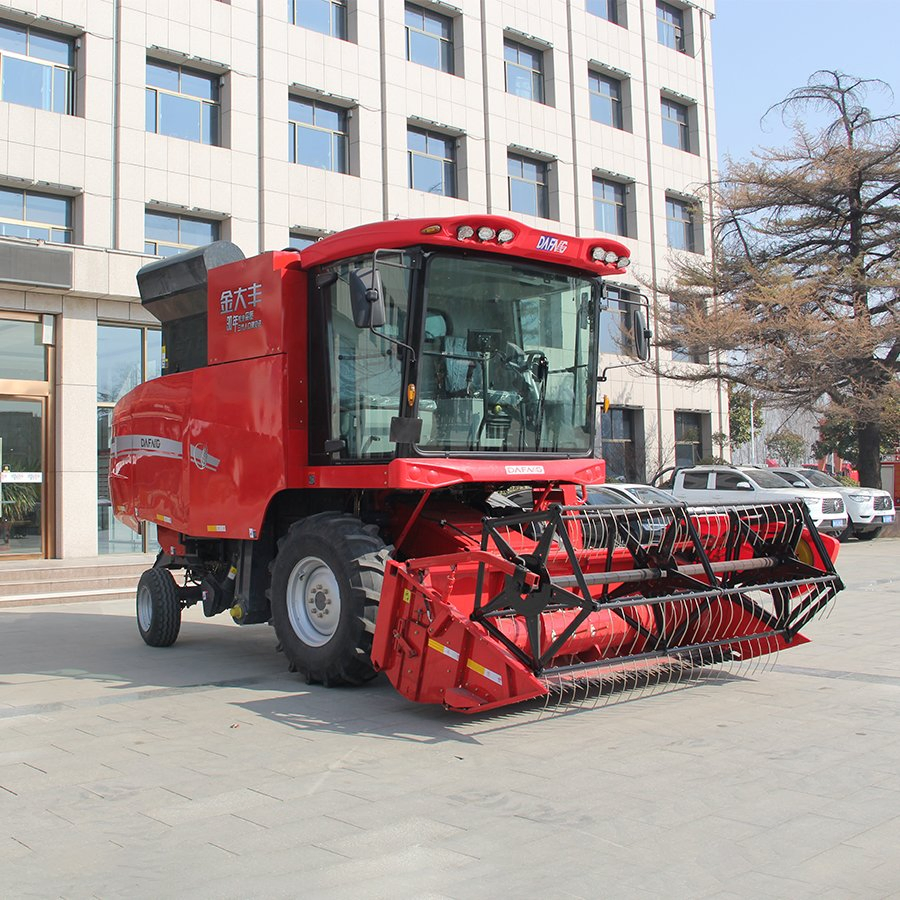
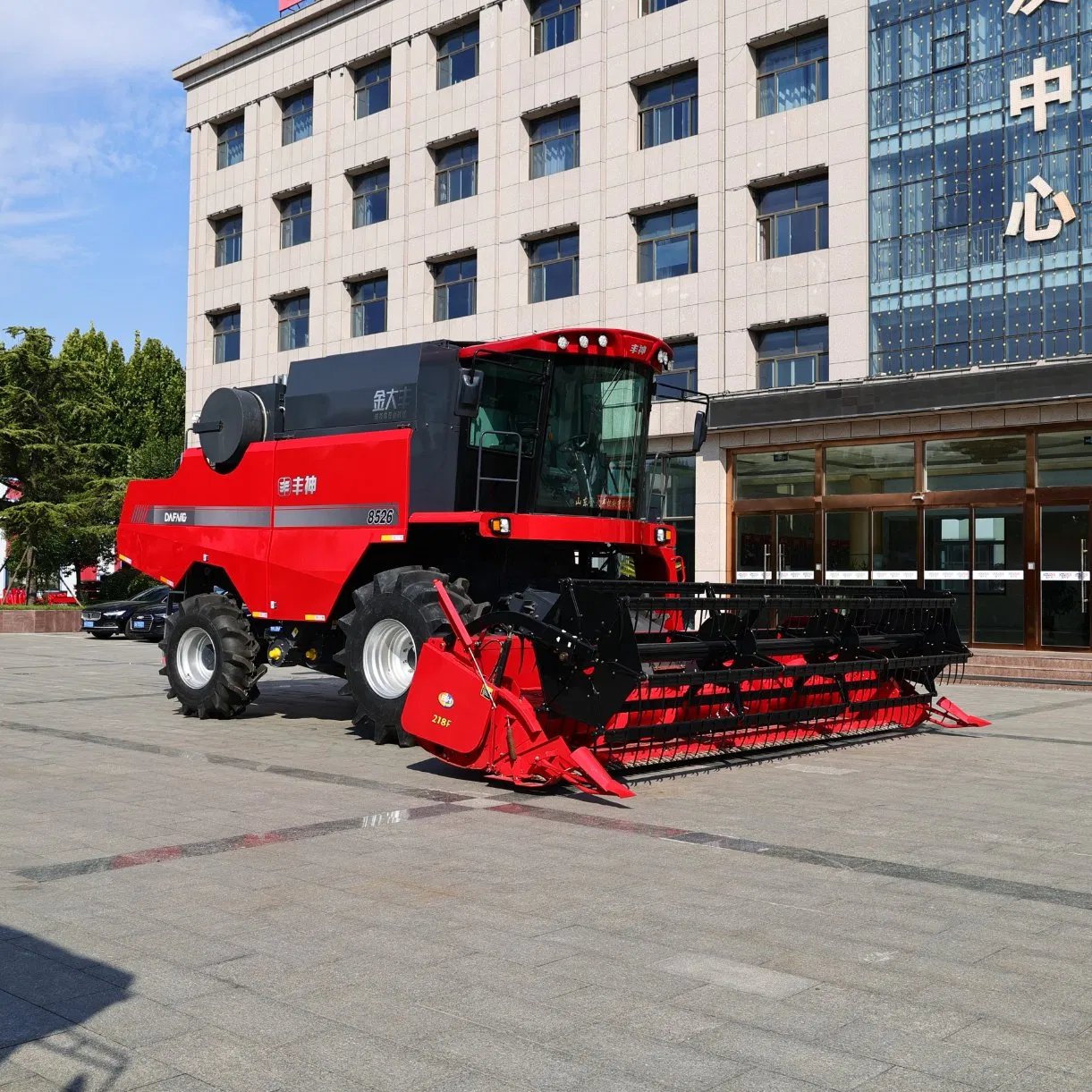
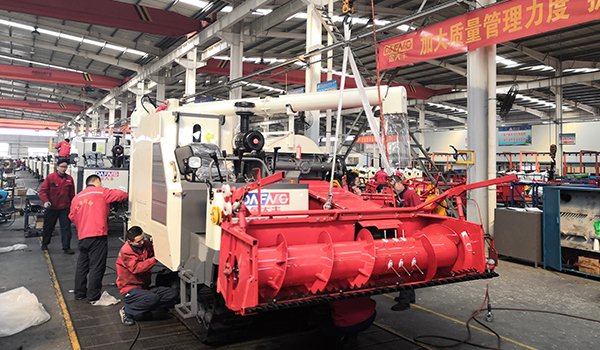
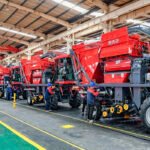
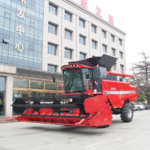
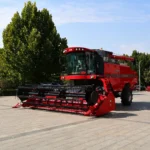
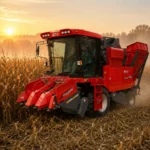
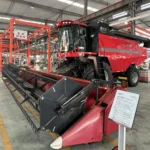
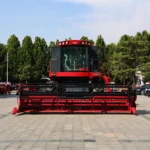
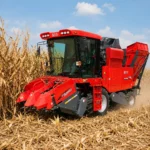
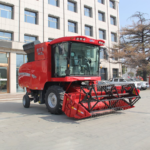
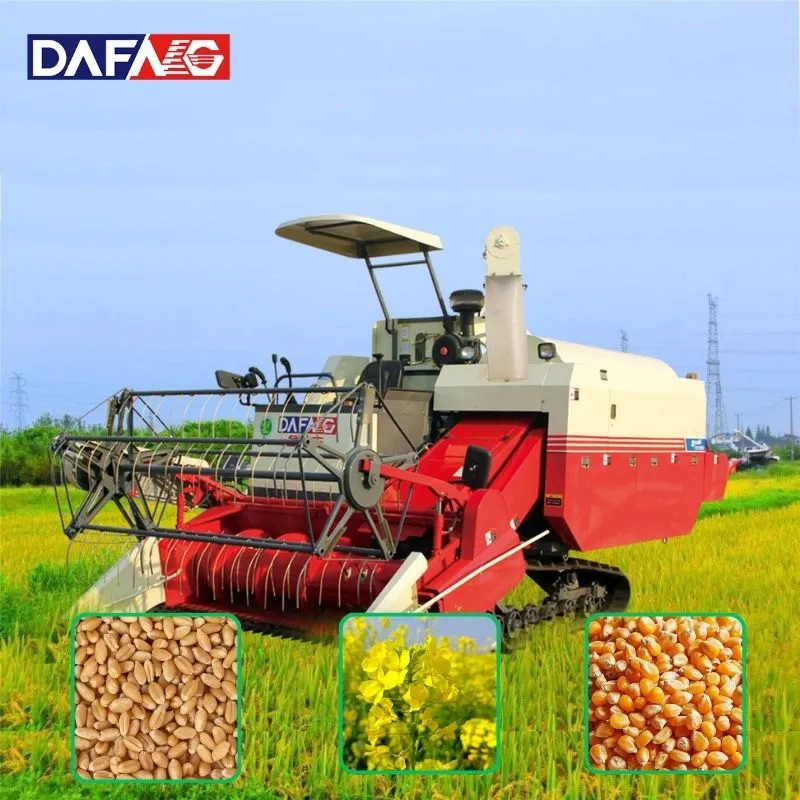
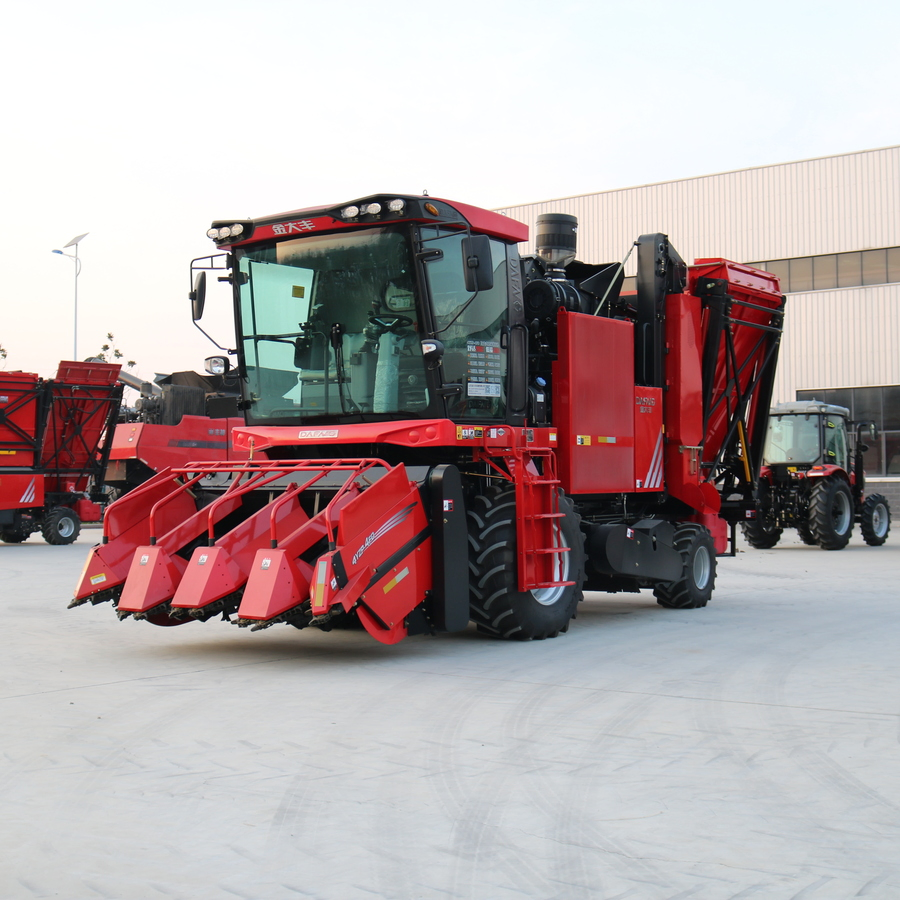
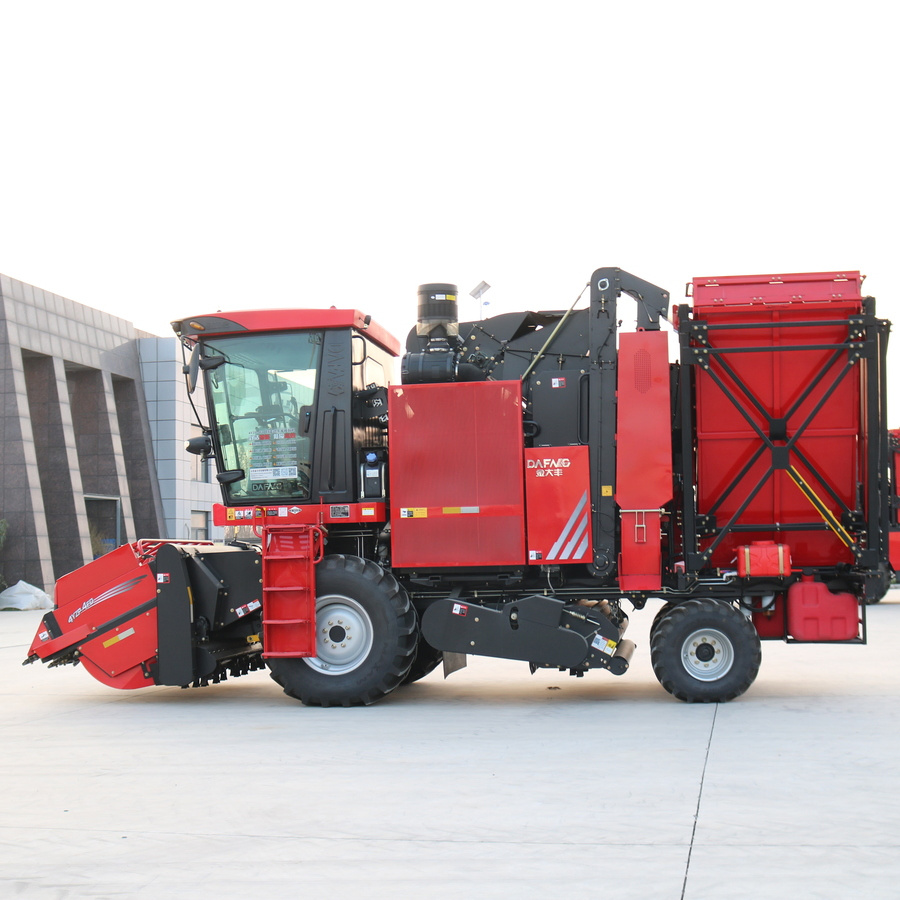
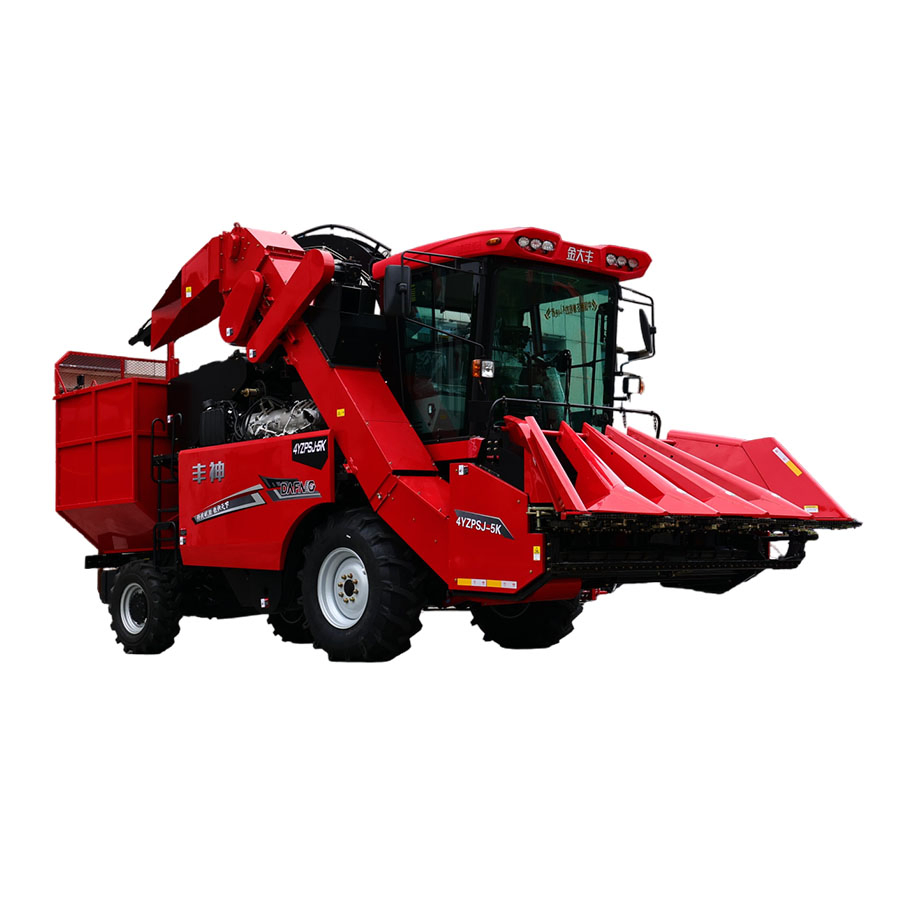
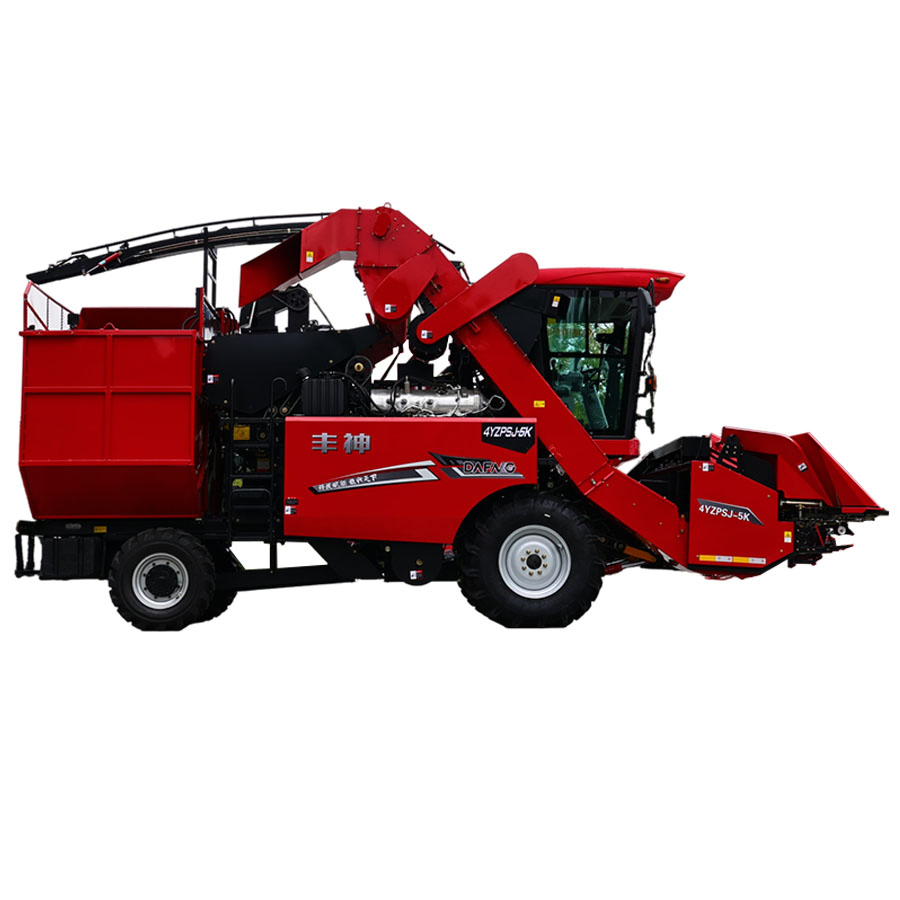
A self propelled corn harvester combines its own engine, transmission, operator station, corn header, picking units, conveying system, peeling equipment, collection tank, and straw-management system in one machine.
The decision should be based on the complete harvesting operation rather than horsepower or row number alone. Buyers need to consider how many hectares must be harvested, how quickly the crop must be collected, whether husk peeling and stalk crushing are required, and whether the business can support the machine throughout its working life.
The Decision Begins with the Work You Need Completed
The first question is not whether a self-propelled machine is better. It is how much work the farm expects the harvester to complete during one pass.
A simple corn picker may remove ears from stalks but leave peeling, stalk crushing, transportation, or additional field operations for other equipment. An integrated machine can perform several of these jobs at the same time.
Choose according to the complete task:
If the farm only needs ear picking and already has tractors, trailers, labour, and residue-management equipment, a simpler machine may be sufficient. If the farm wants picking, peeling, collection, unloading, and straw crushing in one operation, a self-propelled configuration becomes more valuable.
The value of integration increases when every additional field operation requires another tractor, driver, implement, and working day.
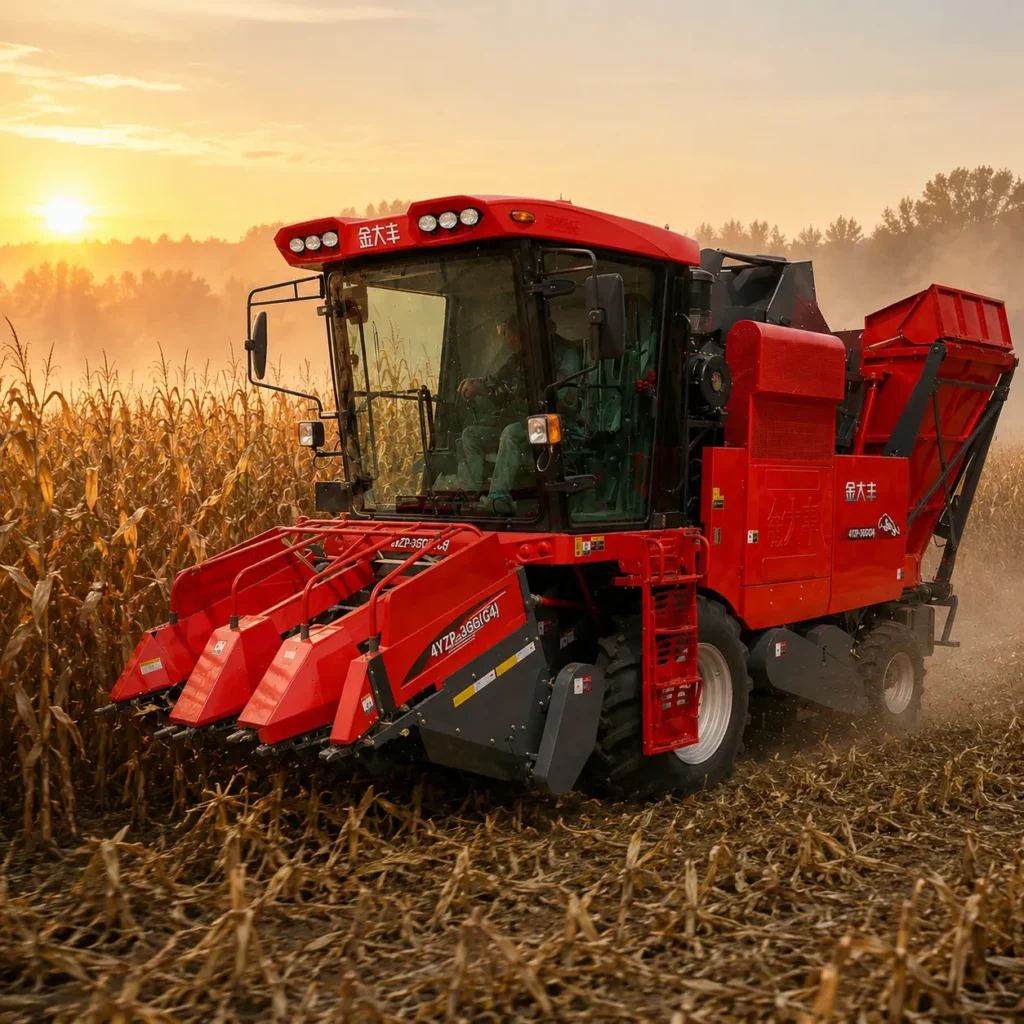
One machine can replace several separate operations
Depending on its configuration, a modern corn harvester may:
- Follow three or four planted rows
- Guide standing and leaning stalks into the header
- Separate ears from stalks
- Convey the ears into a peeling system
- Remove part or most of the husks
- Collect ears in an onboard tank
- Crush or chop remaining stalks
- Unload harvested ears into a transport vehicle
This reduces the number of separate machines moving through the field and can simplify harvest coordination.
Compare It with Tractor-Mounted and Trailed Machines
Tractor-mounted and trailed corn pickers remain practical in many markets. They can be economical when the farm already owns a compatible tractor and does not need high daily capacity.
The main difference is that a self propelled corn harvester is designed as one complete harvesting platform, while tractor-powered machines depend on another vehicle for traction, power, steering, and sometimes transportation.
| Comparison Point | Self-Propelled Harvester | Tractor-Mounted or Trailed Picker |
|---|---|---|
| Power source | Independent engine and transmission | Depends on a suitable tractor |
| Operator visibility | Cab and controls designed around the header | Depends on tractor and attachment position |
| Field capacity | Generally higher and more consistent | Usually suited to lower or moderate capacity |
| Integrated functions | May include peeling, tank collection and straw crushing | Often performs fewer operations |
| Initial investment | Higher | Usually lower when a tractor is already available |
| Labour requirement | Can reduce supporting workers | May need additional tractors, trailers and operators |
| Maintenance | More systems to inspect and service | Simpler attachment, but tractor maintenance remains |
| Contract harvesting | Better suited to higher annual workloads | Suitable for smaller local jobs |
A lower purchase price does not always mean a lower total harvesting cost. Buyers should include tractor use, fuel, labour, trailers, additional field passes, and time lost between operations.
A Short Harvest Window Increases the Value of Capacity
Corn should be harvested when ear maturity, husk condition, stalk strength, and field moisture are suitable. Waiting too long can increase lodging, ear drop, kernel shattering, and weather exposure.
A larger machine becomes easier to justify when the available harvesting window is short.
Estimate the real number of working days
Do not calculate capacity using every calendar day. Real harvesting time may be reduced by:
- Rain and wet field conditions
- Morning moisture
- Machine cleaning and maintenance
- Moving between fields
- Waiting for trailers
- Operator rest
- Field blockages and adjustment
If a farm must complete a large area within a limited number of practical days, the higher daily capacity of a self-propelled machine can reduce weather and crop-loss risk.
Scenario: one farm with a long harvest period
A smaller picker may provide enough capacity when the crop remains stable and the farm has several weeks to complete harvesting.
Scenario: contractor serving several farms
A contractor may need to finish one customer quickly and move to the next. Higher capacity, rapid turning, integrated peeling, and reliable unloading become much more important.
The machine should still be matched to actual crop volume. Excess power or row capacity provides little value when fields are too small, entrances are too narrow, or transport support cannot keep up.
Field Size and Row Layout Affect the Result
A self-propelled machine performs best when the field gives it enough space to use its capacity. Long, straight rows reduce turning and help the operator maintain stable crop flow.
Large and regular fields
These fields generally favour a higher-capacity machine because it can:
- Maintain longer harvesting passes
- Reduce time spent turning
- Use three-row or four-row headers effectively
- Coordinate more easily with transport vehicles
- Maintain steady engine and header load
Small and fragmented fields
A large self propelled corn harvester may lose some of its advantage in fields with short rows, narrow entrances, terraces, drainage channels, or irregular boundaries.
In these conditions, buyers should examine:
- Turning radius
- Overall machine width
- Header width
- Road transport dimensions
- Operator visibility
- Low-speed control
- Machine weight
A compact self-propelled model may still be suitable, especially when labour is limited and the buyer wants integrated picking and peeling. However, the machine must remain easy to manoeuvre between plots.
Row spacing must match the header
A three-row or four-row machine should closely match local planting spacing. Poor alignment can push stalks sideways, increase dropped ears, and reduce operating speed.
Before ordering, provide the manufacturer with the actual row spacing used by local planters rather than relying only on a general regional standard.
Integrated Peeling and Straw Crushing Can Save Labour
One of the strongest reasons to choose a self-propelled machine is the ability to complete several harvesting stages during the same field pass.
Peeling reduces later handling
Peeling rollers remove husks before the ears enter the collection tank. This may reduce the amount of plant material transported away from the field and make later drying, storage, or processing easier.
Peeling quality depends on:
- Crop moisture
- Husk condition
- Roller material and wear
- Roller spacing
- Forward speed
- Consistency of crop feeding
A machine with integrated peeling can reduce manual work, but it should still be adjusted according to crop conditions.
Straw crushing prepares the field
After ears are removed, the remaining stalks may be crushed or chopped and returned to the field. This can reduce long residue that interferes with tillage and the next planting operation.
The straw system should provide:
- Sharp and durable blades
- Stable rotor balance
- Even residue discharge
- Suitable cutting height
- Easy maintenance access
- Enough power for green or heavy stalks
When peeling and residue treatment are completed in one pass, the farm may save tractor hours, labour, and time between harvest and land preparation.
Labour and Transport Logistics Can Decide the Purchase
Harvest capacity depends on more than the machine. Even a productive harvester can spend too much time waiting when trailers, drivers, or field access are poorly organized.
Reduced dependence on multiple operators
A tractor-mounted picker may require:
- A tractor driver
- A picker operator or monitor
- One or more trailer drivers
- Additional equipment for stalk crushing
- Workers for later peeling or handling
A self-propelled configuration can combine several of these activities. This becomes increasingly valuable where skilled seasonal labour is difficult to find.
The collection tank must match transport support
An onboard tank allows the harvester to continue working between unloading cycles, but the tank and unloading system must match the available trailers.
Buyers should confirm:
- Collection-tank volume
- Unloading speed
- Unloading height
- Trailer dimensions
- Field access for transport vehicles
- Distance to storage or processing areas
A large tank provides limited benefit when the machine waits for transport after every unloading cycle.
Higher Capacity Must Be Supported by Maintenance and Parts
A self-propelled machine contains more systems than a simple picker. The engine, transmission, hydraulic system, header, gathering chains, peeling rollers, conveyors, tank, unloading system, and straw crusher all require regular inspection.
Before purchasing, evaluate whether the owner can support:
- Daily lubrication
- Chain and belt adjustment
- Header inspection
- Peeling-roller replacement
- Blade and bearing maintenance
- Engine filters and fluids
- Hydraulic-system service
- Seasonal spare-parts inventory
Total-cost reminder: The purchase price is only one part of the decision. Also compare annual workload, fuel, labour savings, maintenance, replacement parts, transport, storage, resale value, and income from contract harvesting.
A machine working only a few days each year may be difficult to justify unless it replaces several other operations. A machine used across a long regional harvest season can spread ownership cost across more hectares.
Contract work can improve annual utilisation
Some farms purchase a higher-capacity machine and provide harvesting services after completing their own fields. This can increase annual operating hours and generate additional income.
However, contractors need greater reliability, transport flexibility, operator training, and spare-parts support because downtime affects several customers rather than one farm.
Use This Checklist Before Making the Final Decision
A buyer is more likely to benefit from a self propelled corn harvester when several of the following conditions apply:
- The farm has a large corn area
- The harvest window is short
- Labour is limited or expensive
- The machine must harvest several farms
- Three-row or four-row capacity is required
- Ear peeling is needed in the field
- Stalk crushing should be completed in one pass
- Fields are large enough to use the machine efficiently
- Trailers and unloading logistics are available
- Local maintenance and spare-parts support can be arranged
A tractor-mounted or trailed machine may be more suitable when:
- The annual harvesting area is small
- A compatible tractor is already available
- The harvest period is relatively long
- Labour is available
- Peeling and stalk crushing can be completed separately
- Fields are too narrow or fragmented for a larger machine
- Investment budget is the main limitation
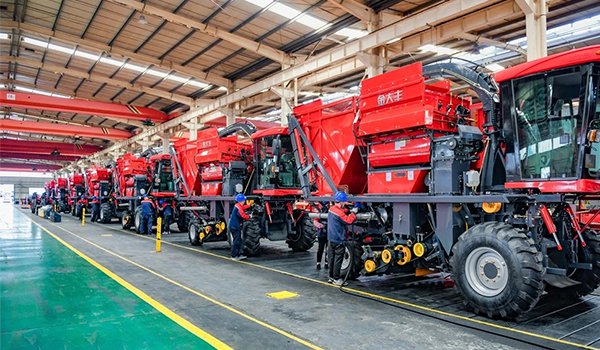
King-Gold Dafeng supplies corn harvesting machinery with integrated picking, peeling, collection, and straw-management configurations for different row numbers and farm sizes.
Buyers can review the available self propelled corn harvester models and compare working capacity, header configuration, peeling system, collection tank, engine power, and residue treatment.
The right machine is not automatically the largest or most powerful option. It is the machine that completes the required harvest within the available time while reducing labour, field loss, and unnecessary supporting operations.
Choosing a self propelled corn harvester makes the most sense when its integrated functions and higher daily capacity can be used consistently across the farm or contract-harvesting business.
You May Also Be Interested In
To understand how the header, picking units, peeling rollers, conveying system, and straw crusher work together, read How Does a Corn Harvester Work in Real Field Conditions?
Farms still deciding between compact and higher-capacity equipment may also find Best Corn Harvester for Small and Medium Farms useful when matching machine size to field conditions.