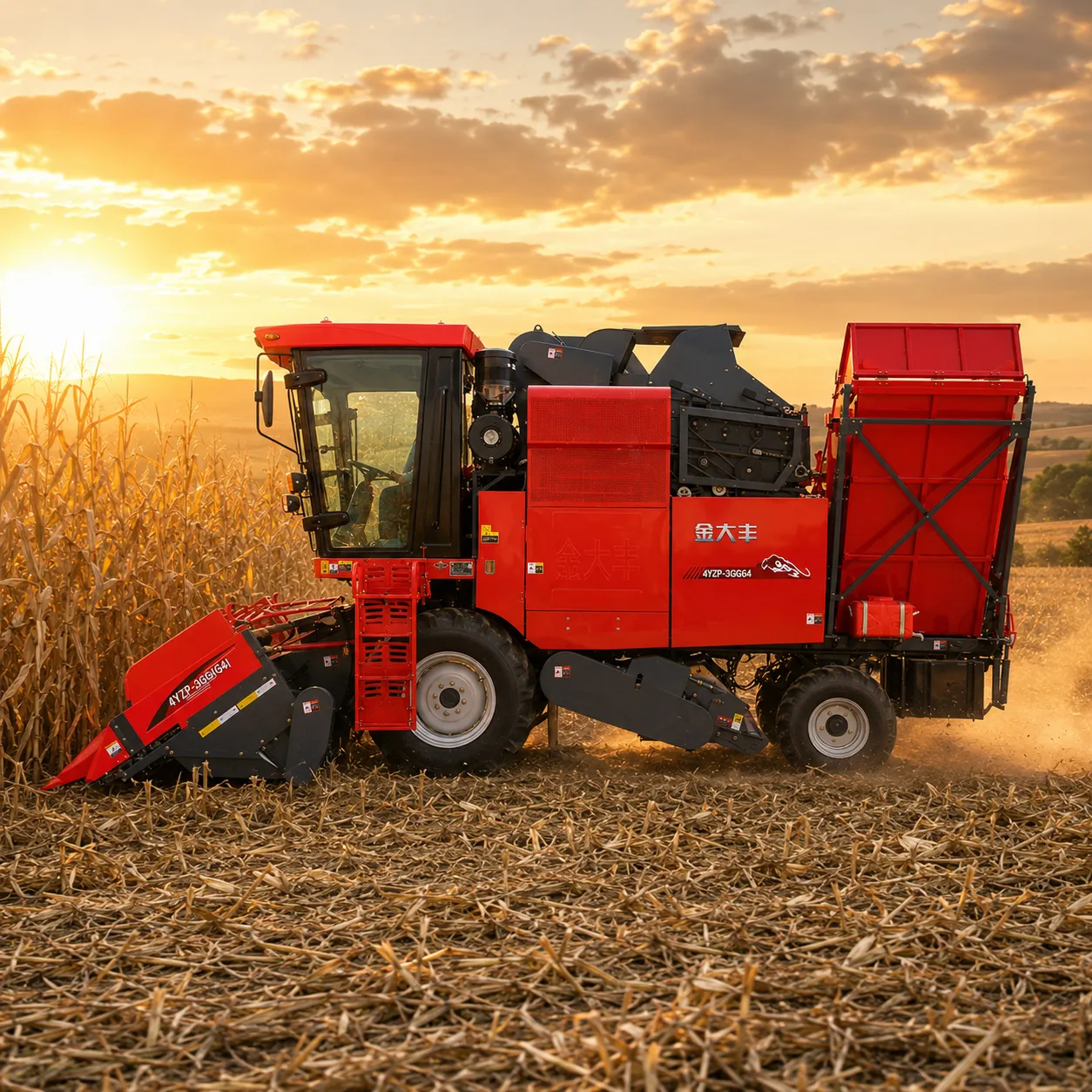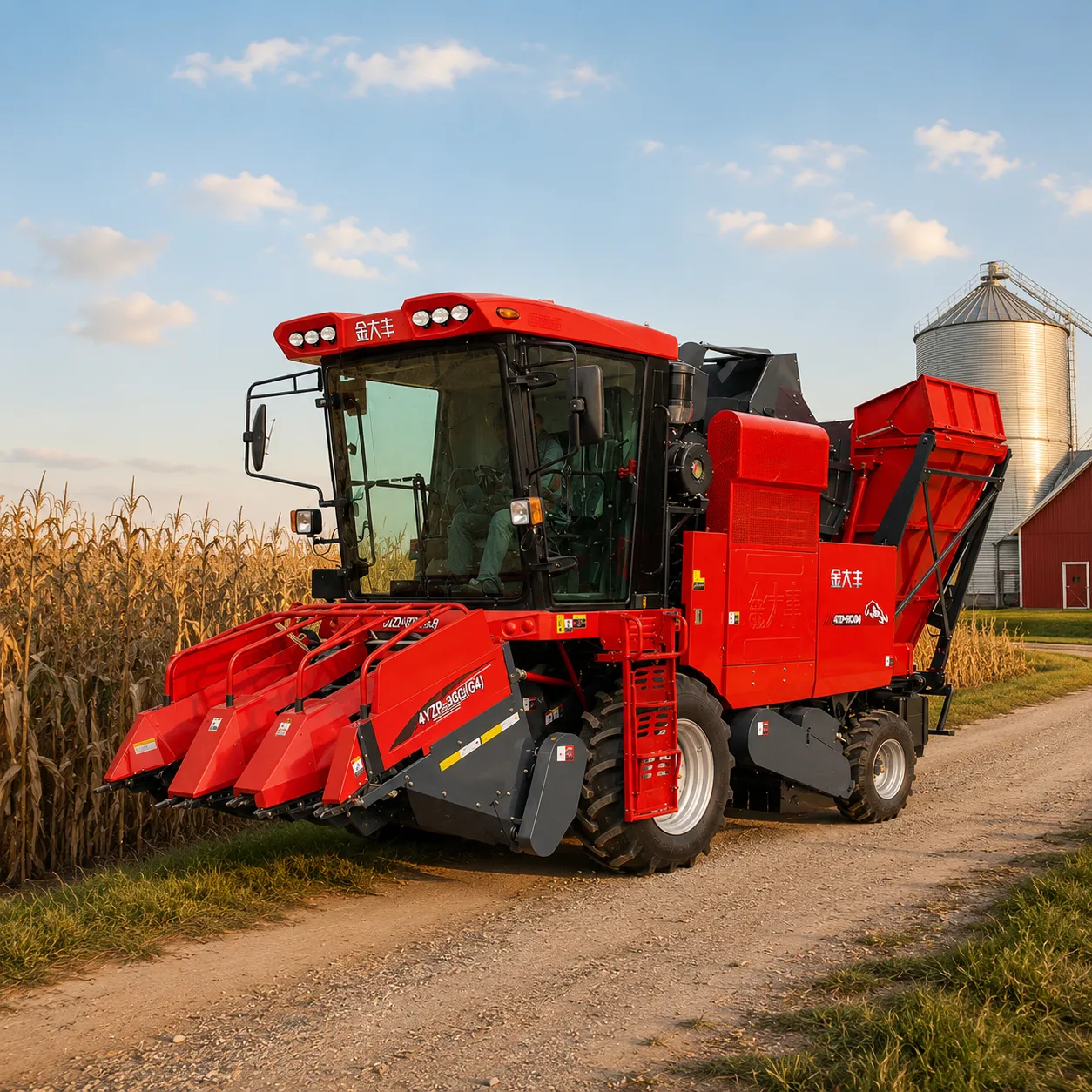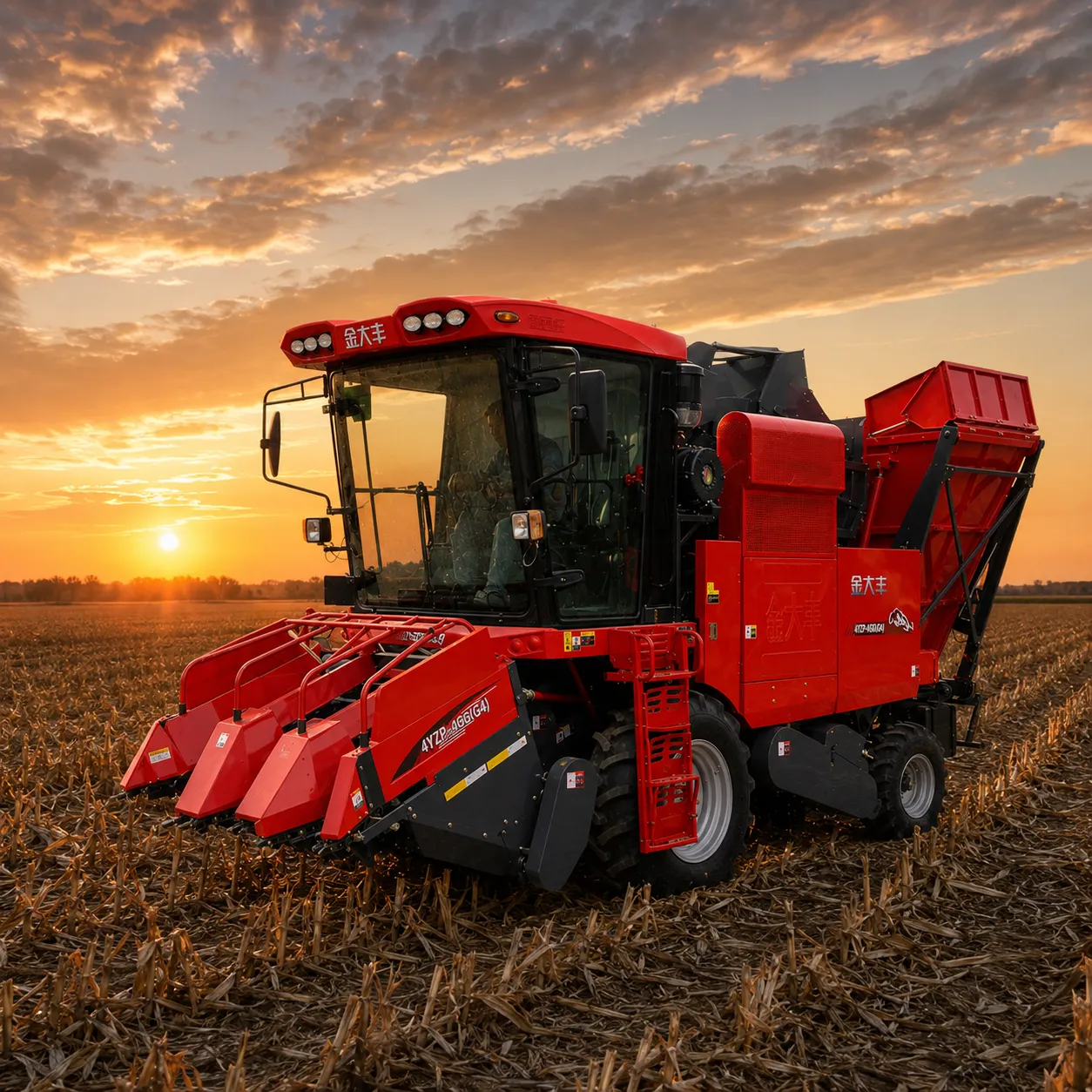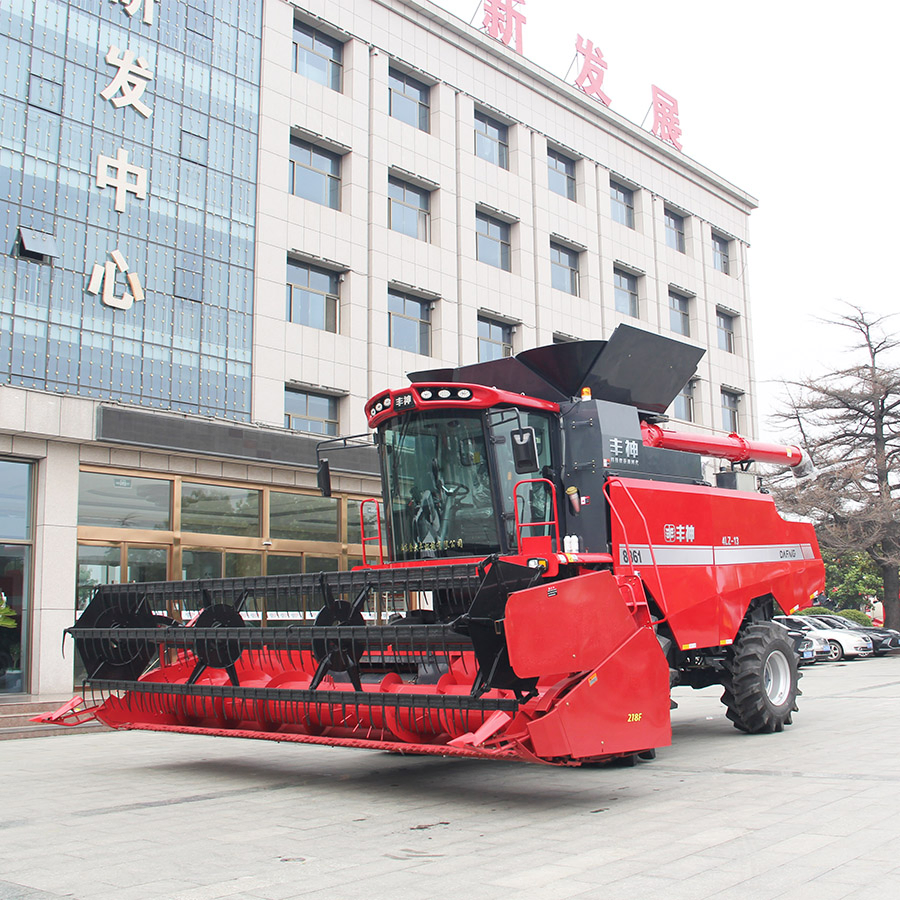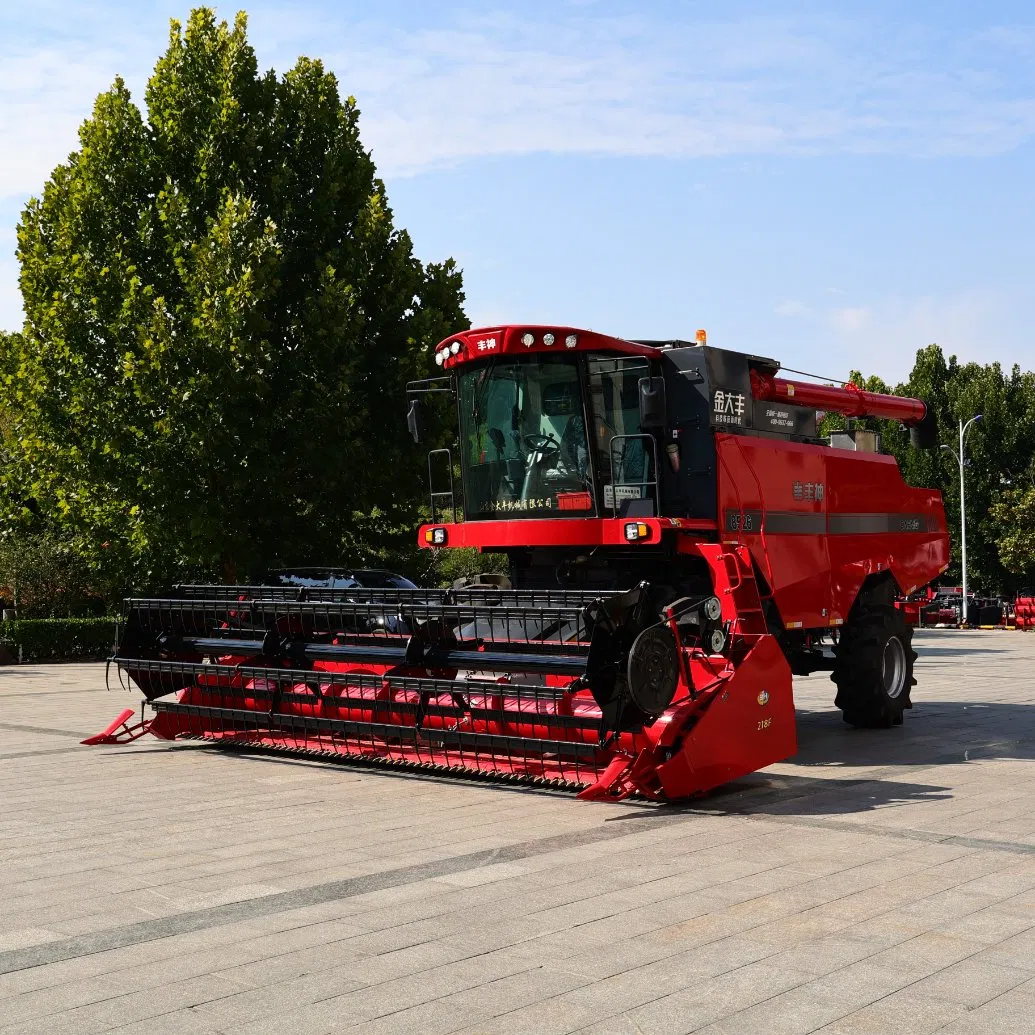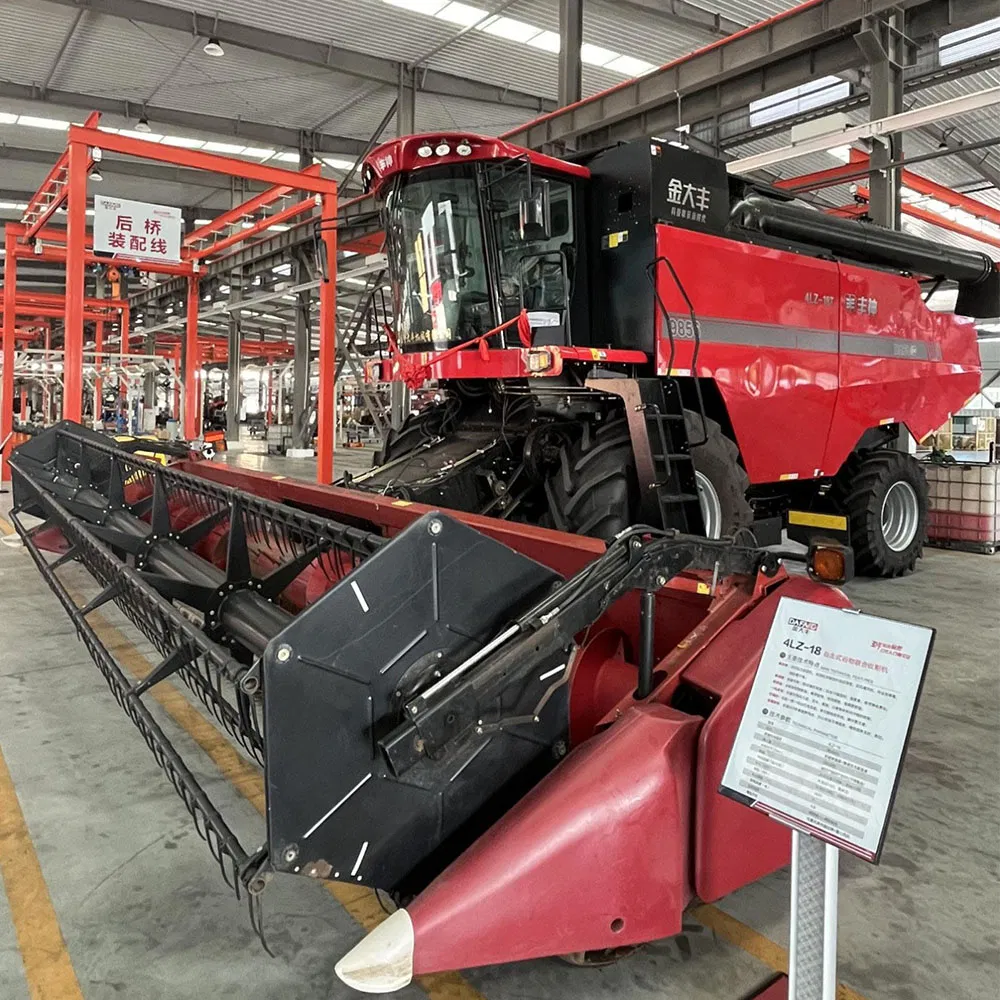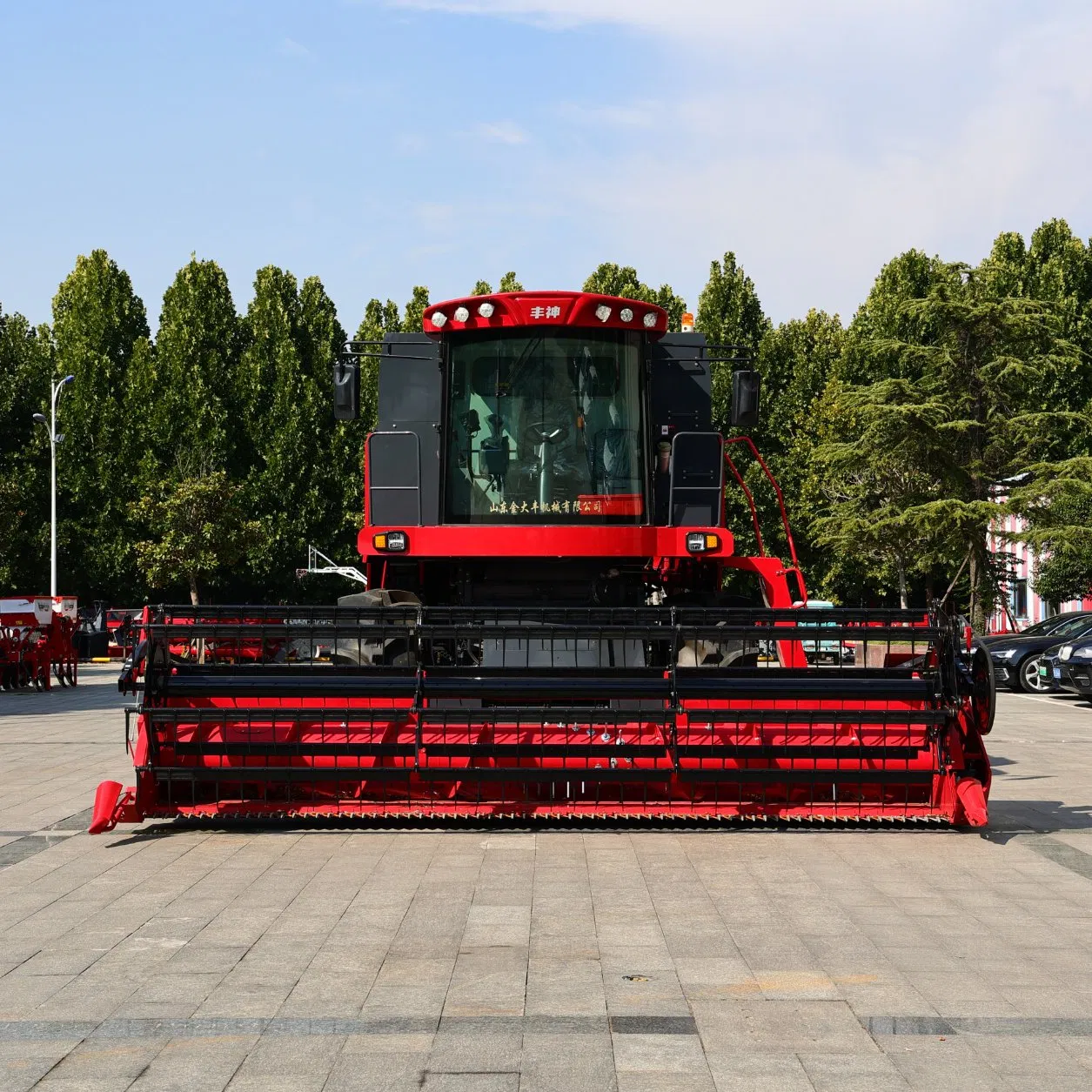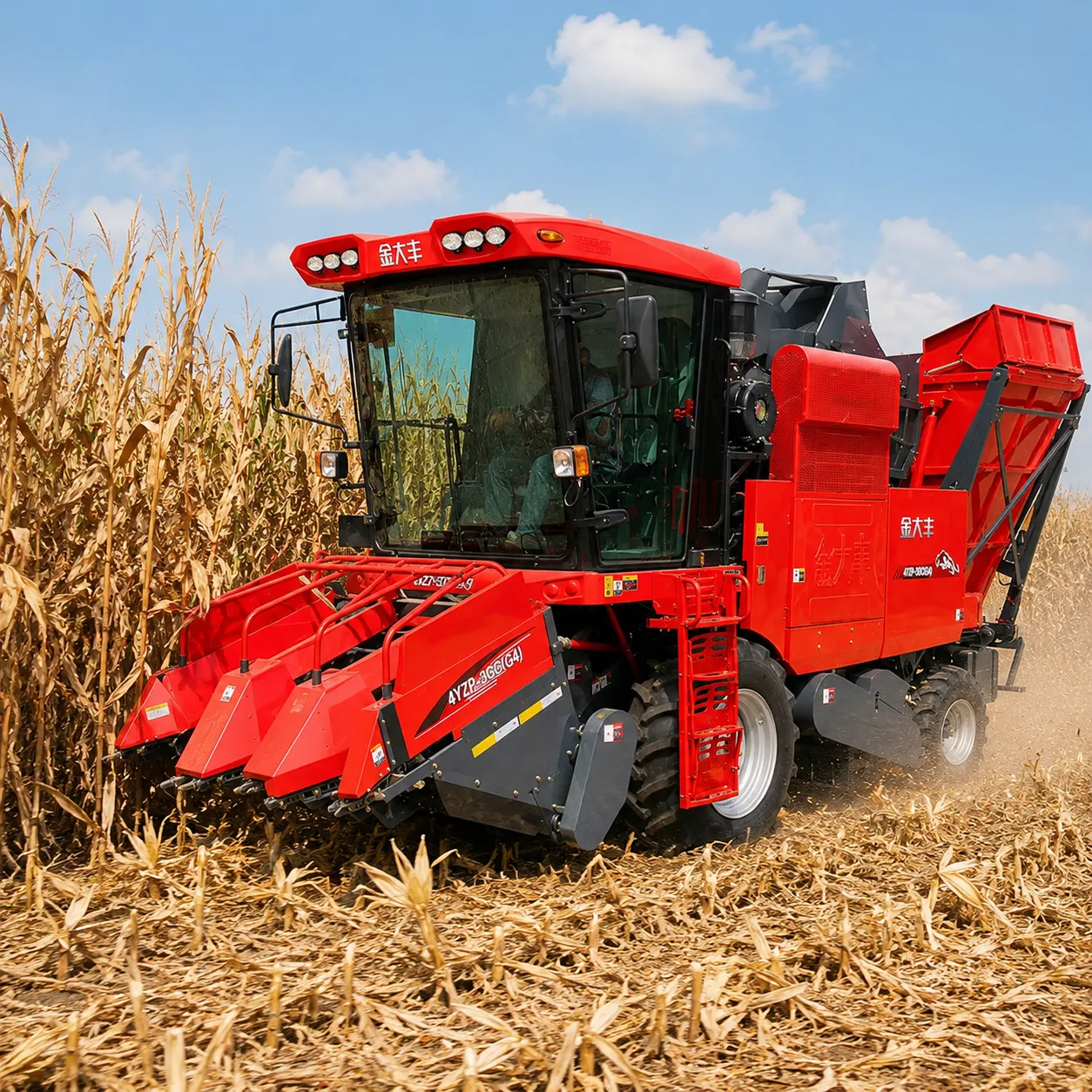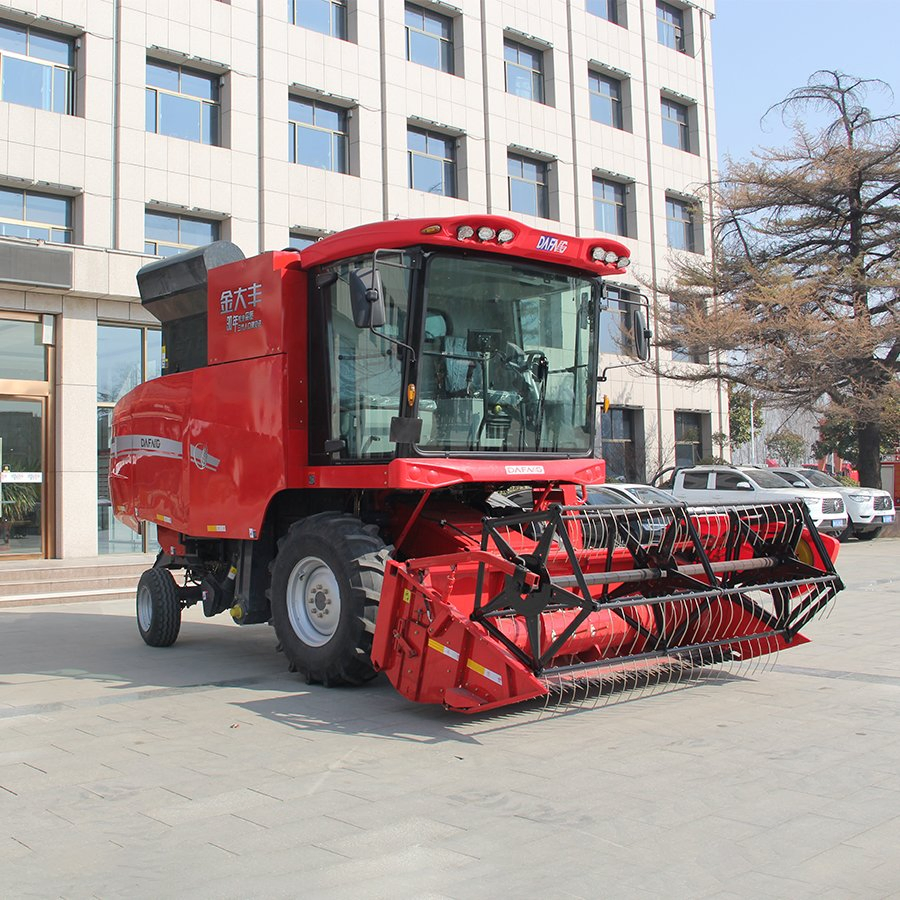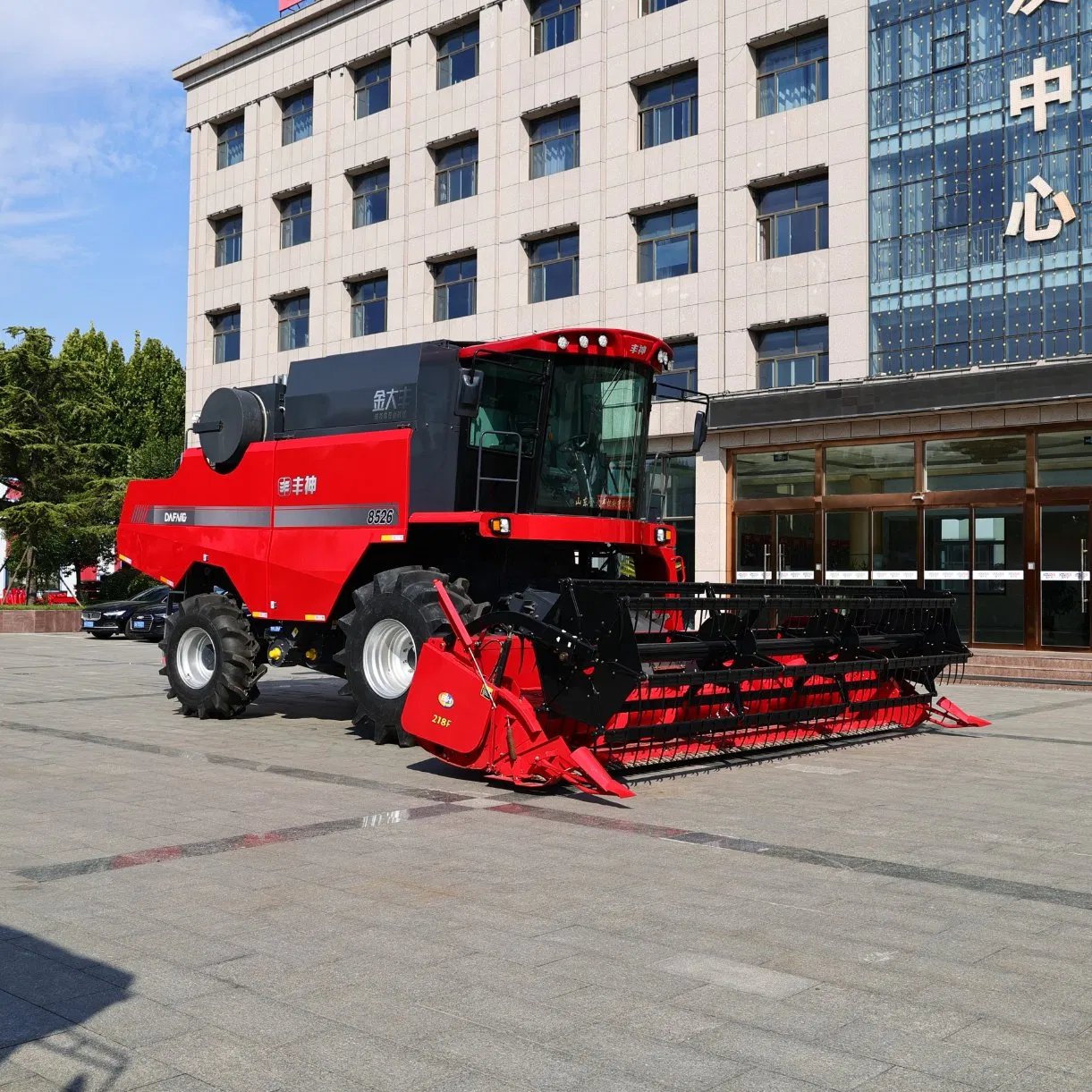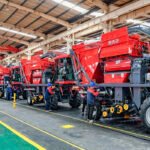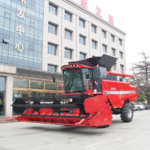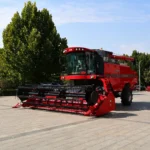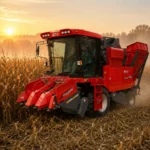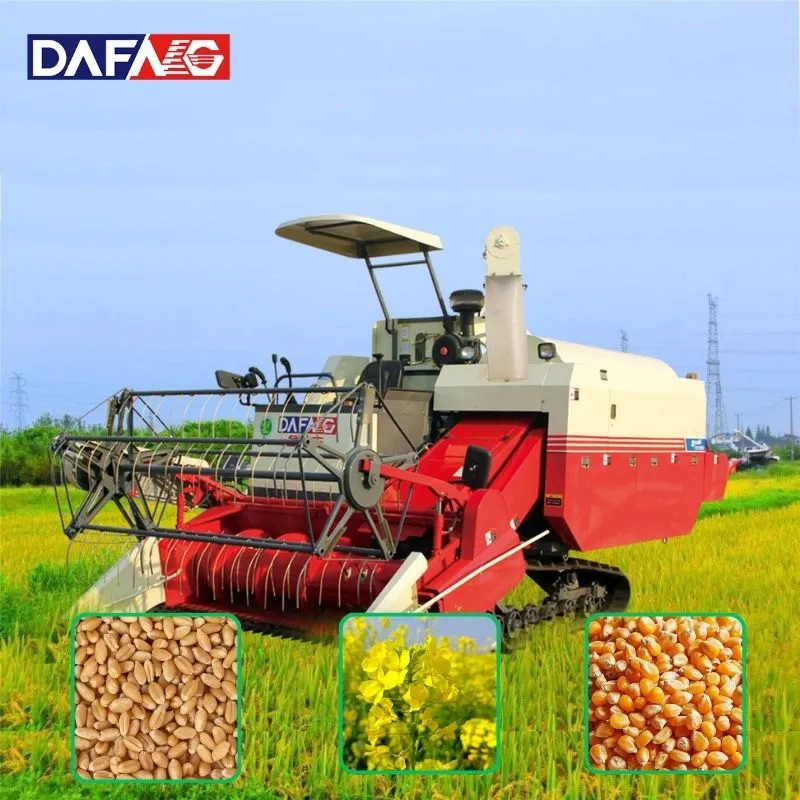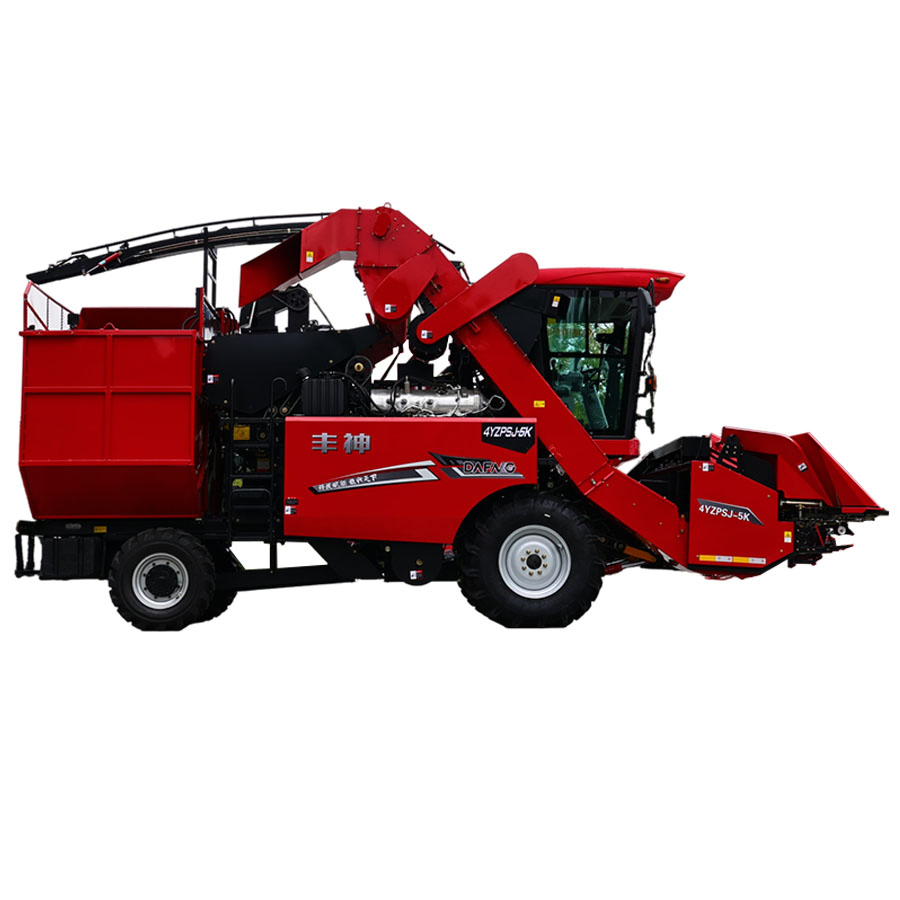
Buying a wheat harvester is not only a question of engine power, cutting width, or price. A machine may look impressive in a specification sheet but still perform poorly when wheat is uneven, straw is heavy, the field is small, or the harvesting window is short.
A suitable combine harvester for wheat should cut the crop cleanly, maintain steady feeding, thresh grain without excessive damage, separate kernels from straw, and produce a clean grain sample at a practical working speed.
The right machine is therefore the one that matches the crop, field layout, expected yield, local operating conditions, and available harvest time. This guide explains how buyers can evaluate a wheat combine as a complete harvesting system rather than judging it by one specification.
1. Start with the Harvest Window, Not Horsepower
Wheat quality can decline quickly when mature crop remains in the field. Wind, rain, lodging, shattering, and changes in moisture can all reduce the value of the harvest. The machine must therefore complete the required area within the realistic number of working days available.
Before comparing models, estimate:
- Total wheat area to be harvested
- Average yield per hectare
- Number of suitable harvesting days
- Daily working hours
- Time required for turning and unloading
- Expected weather interruptions
- Distance between fields
A farm with 300 hectares and a long, dry harvesting season may not require the same machine as a 200-hectare farm facing frequent summer rain. Contractors need additional capacity because they must move between customers and finish several farms during the same regional harvest period.
Practical buying rule: Choose enough capacity to finish the wheat harvest with a reasonable safety margin, but avoid buying a machine whose size, fuel use, transport requirements, and maintenance costs cannot be supported by the annual workload.
Engine power matters, but it should support the complete harvesting system. It cannot compensate for a narrow feeder, limited separation area, an overloaded cleaning shoe, or poor grain transport planning.
2. The Grain Header Must Feed Wheat Smoothly
The header is the first place where wheat can be lost. If it misses heads, pushes crop forward, cuts unevenly, or feeds material in large bunches, every system behind it becomes harder to control.
Cutting width should match the field
A wider header can reduce the number of passes in large, rectangular fields. However, it also collects more crop during each pass. The feeder, threshing system, separator, and cleaning shoe must be able to process that additional material.
Small or irregular fields may favor a narrower header because it offers:
- Faster turning at field ends
- Easier movement through narrow entrances
- Better control near trees and drainage channels
- Simpler road transportation
- Lower front-axle load
Cutterbar and reel performance matter
A sharp cutterbar creates a clean cut and reduces pulling or tearing. Worn knives and damaged guards may leave uncut stems, increase vibration, and force the operator to reduce speed.
The reel should guide wheat gently toward the cutterbar and feeding system. Excessive reel speed can strike dry heads and cause grain to shatter before entering the machine. A reel positioned too far forward may also increase impact loss.
In lodged wheat, reel position, cutting direction, header height, and forward speed become especially important. A good wheat combine should provide enough header adjustment to handle both standing and partially lodged crops.
3. Threshing Should Remove Grain Without Excessive Damage
The threshing system must release kernels from the wheat heads while avoiding unnecessary cracking, splitting, and straw breakage.
Depending on the combine design, threshing may be performed by a cylinder and concave, an axial-flow rotor, or another rotary system. Regardless of design, the operator needs control over the intensity of threshing.
Balance speed and clearance
If the cylinder or rotor speed is too low, grain may remain inside the heads. If the speed is too high, the machine may crack kernels and break straw into small pieces that overload the cleaning system.
Concave clearance has a similar effect. A very wide clearance may reduce threshing completeness. A very narrow clearance can increase power demand, grain damage, and machine wear.
A properly adjusted combine harvester for wheat should achieve complete threshing while keeping the grain sample suitable for storage, sale, or seed use.
| Observed Result | Possible Cause | First Area to Check |
|---|---|---|
| Grain remains inside wheat heads | Threshing action is too gentle | Rotor or cylinder speed and concave clearance |
| Cracked kernels in the tank | Threshing is too aggressive | Reduce speed or increase clearance gradually |
| Large amount of broken straw | Excessive threshing intensity | Rotor speed, concave setting, and crop moisture |
| Machine load changes repeatedly | Uneven crop feeding | Header, feeder, and forward speed |
Settings should be changed one at a time. After each adjustment, the operator should harvest a representative distance and inspect both the grain tank and the material discharged behind the machine.
4. Separation Capacity Determines How Much Grain Is Recovered
After threshing, loose wheat kernels may still remain mixed with straw. The separation system must recover this grain before the straw leaves the rear of the combine.
Conventional machines may use straw walkers, while rotary machines use rotor movement, separator grates, and centrifugal force. Both designs can perform well when crop flow and settings are suitable.
Separation loss often increases when:
- The machine travels too quickly
- Wheat straw is wet or heavy
- The crop mat enters unevenly
- The separator is overloaded
- Grates or internal passages are restricted
- The rotor or walker settings do not match the crop
This is why rated travel speed should never be considered independently from crop yield and straw volume. A high-yield wheat crop can place much greater demand on the machine than a light crop harvested at the same field speed.
Buyers should ask how the combine performs in heavy straw, not only how many hectares it can cover under ideal conditions.
5. The Cleaning System Must Produce a Marketable Grain Sample
Once grain is separated from straw, the cleaning system removes chaff, husks, small straw pieces, and other light material. It normally uses a fan, upper sieve, lower sieve, grain pan, and return system.
A clean grain tank sample is important because excessive impurities can increase drying, storage, transport, and processing costs.
Fan and sieves work together
Increasing fan speed may remove more chaff, but excessive airflow can carry good wheat out of the rear of the combine. Closing the sieves may improve grain appearance, but openings that are too narrow can increase returns and reduce capacity.
The operator should balance:
- Fan speed
- Upper sieve opening
- Lower sieve opening
- Crop moisture
- Kernel weight
- Amount of material entering the cleaning shoe
A strong cleaning system is not simply one with a powerful fan. It should distribute material evenly across the sieves and provide enough adjustment for different wheat varieties and field conditions.
Morning and afternoon conditions may require different settings
Morning straw may be heavier and more difficult to separate. During a dry afternoon, straw can become brittle and break into smaller pieces. The same machine settings may therefore produce different results during the day.
A good operator should be able to make quick adjustments without stopping for long periods or using complicated procedures.
6. Capacity Depends on More Than Cutting Speed
Farmers often compare combines by header width and maximum working speed. Real harvesting capacity also depends on grain tank volume, unloading speed, turning time, maintenance access, and the ability to continue working without blockages.
Grain tank and unloading
A larger grain tank reduces unloading frequency, which can improve productivity in high-yield wheat. However, tank capacity should match the transport system available in the field.
A large combine can still spend too much time waiting when:
- There are not enough grain trailers
- The unloading auger is slow
- Field access is poor
- The distance to storage is long
- Trailer operators are not coordinated
A medium-capacity machine with efficient unloading logistics may harvest more grain per day than a larger combine that frequently stops.
Reliability protects daily output
A machine that repeatedly stops because of worn belts, damaged chains, blocked feeding, overheating, or difficult maintenance access cannot achieve its rated capacity.
Before ordering, buyers should evaluate access to:
- Belts and chains
- Bearings and lubrication points
- Sieves and cleaning fan
- Feeder components
- Cutterbar sections
- Grain elevators
- Common replacement parts
7. Match the Wheat Combine to the Actual Field Scenario
There is no single best wheat combine for every farm. Different field conditions require different priorities.
| Operating Scenario | Recommended Priorities | Possible Machine Direction |
|---|---|---|
| Small, fragmented farms | Maneuverability, compact width, simple transport | Compact or medium-size combine |
| Large rectangular fields | Wide header, high throughput, larger grain tank | Medium or high-capacity combine |
| High-yield wheat | Strong separation and cleaning capacity | Machine with sufficient processing reserve |
| Heavy or damp straw | Stable feeding, power reserve, effective separation | Combine designed for difficult crop flow |
| Contract harvesting | Reliability, transport, rapid adjustment, spare parts | Flexible machine for varied farms |
| Wheat and other grain crops | Header compatibility and wide setting range | Multi-crop combine configuration |
Buyers comparing a combine harvester for wheat should provide the manufacturer with accurate information about farm area, crop yield, field size, harvest window, road conditions, and required cutting width.
This information is more useful than asking only for the cheapest model or the highest horsepower.
8. Use a Buyer Checklist Before Requesting a Quotation
Before selecting a wheat combine, answer the following questions:
- How many hectares of wheat must be harvested?
- How many practical harvesting days are available?
- What is the expected grain yield and straw volume?
- Are the fields large, small, flat, sloping, or irregular?
- What cutting width can the fields and roads support?
- Is the wheat normally standing or frequently lodged?
- How clean must the final grain sample be?
- How will grain be unloaded and transported?
- Will the combine also harvest barley, soybeans, rice, or other crops?
- Which spare parts and technical support are available locally?
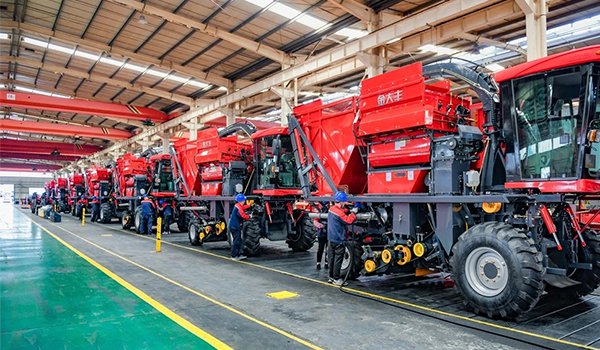
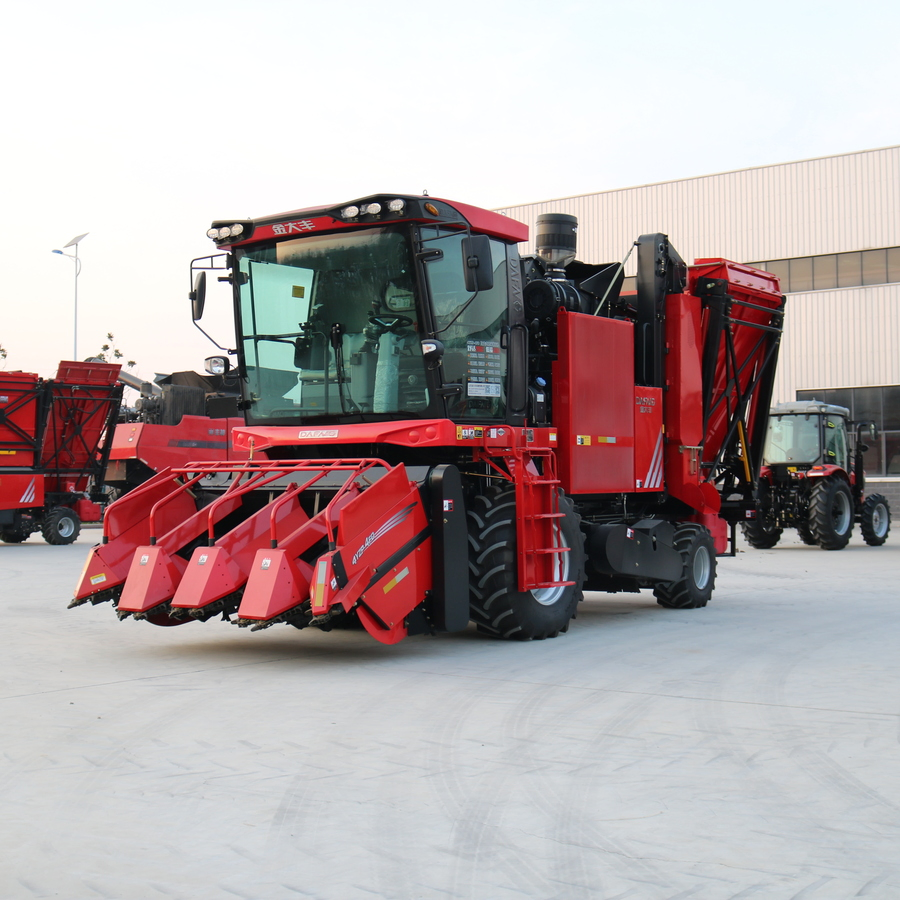
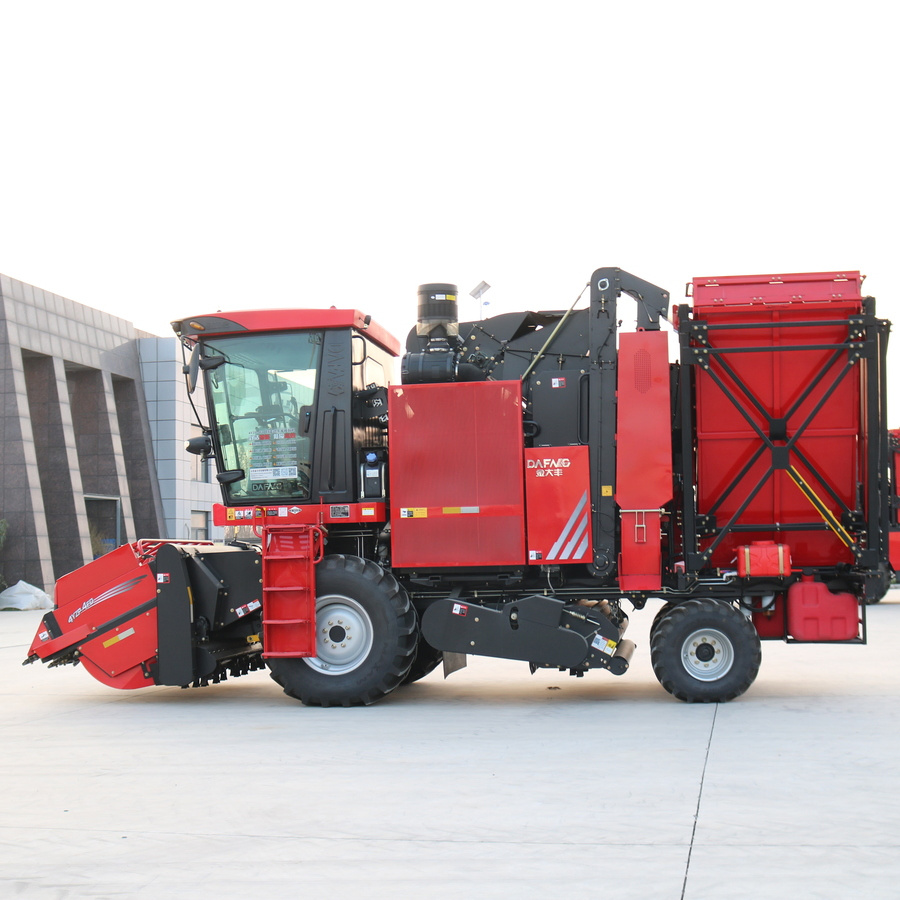
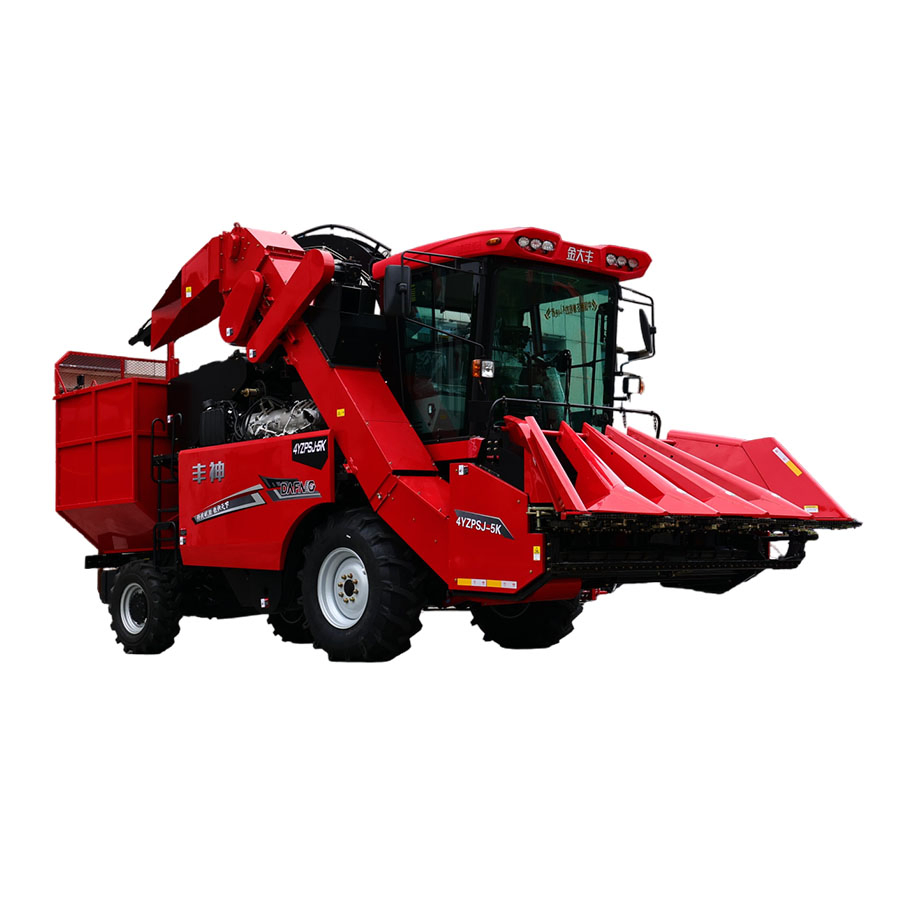
King-Gold Dafeng provides grain harvesting machinery for different crops, field sizes, and regional operating conditions. Model selection should be based on the full harvesting process, including crop feeding, threshing, separation, cleaning, unloading, maintenance, and transportation.
A good wheat combine does not need to be the largest machine in the market. It needs to complete the harvest on time, maintain acceptable grain quality, limit field loss, and operate reliably within the buyer’s real conditions.
Choosing the right combine harvester for wheat means balancing capacity with control. When the header, threshing system, separator, cleaning shoe, grain tank, and field logistics work together, the result is more usable grain collected within the available harvest window.