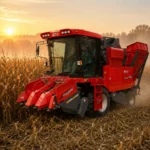
Every ear left on the ground represents grain that was planted, fertilized, protected, and grown but never collected. Small losses may appear insignificant when inspecting one square metre, yet they can become a substantial amount of corn across a large field.
Reducing corn harvest loss starts with identifying exactly where the loss occurs. Some ears fall before the machine reaches them. Others are knocked down by the header, missed because of poor row alignment, damaged during picking, or lost while being conveyed and peeled.
The solution is not simply to drive more slowly or tighten every adjustment. Operators need to separate pre-harvest loss from machine loss, inspect each stage of the harvesting process, and change only the setting connected to the problem they find.
Corn Loss Is Usually a Combination of Several Problems
Visible corn on the ground does not always mean that the harvester is responsible. Wind, insects, weak stalks, over-maturity, and lodging may cause ears or kernels to fall before harvesting begins.
Losses should first be divided into four main groups:
- Pre-harvest loss already present in the field
- Header loss caused while gathering the crop
- Picking and conveying loss inside the machine
- Peeling, collection, or unloading loss
Diagnostic rule: Inspect an unharvested area before blaming the machine. Then compare it with the area immediately behind the header and the material discharged from the harvester.
When operators change several settings before identifying the source, they may solve one problem while creating another. For example, increasing gathering-chain speed may improve feeding in lodged corn but increase impact loss in dry, brittle ears.
Separate whole-ear loss from kernel loss
Whole ears on the ground usually point toward row guidance, snapping plates, gathering chains, header height, or forward speed. Loose kernels near the front of the machine are more likely to result from impact, over-dry crop, excessive chain speed, or aggressive ear handling.
| What You Find | Likely Loss Source | First Area to Inspect |
|---|---|---|
| Whole ears before the machine enters | Pre-harvest loss | Crop maturity, lodging and stalk condition |
| Ears in front of the header | Header impact or poor row guidance | Dividers, alignment and forward speed |
| Ears beneath the row units | Picking-system loss | Snapping plates, rolls and gathering chains |
| Loose kernels near the header | Excessive impact | Crop moisture, chain speed and machine speed |
| Damaged ears in the collection tank | Conveying or peeling damage | Conveyors, peeling rollers and crop flow |
| Ears falling during unloading | Collection or discharge loss | Tank seals, conveyor and unloading position |
Header Settings Have the Largest Effect on Dropped Ears
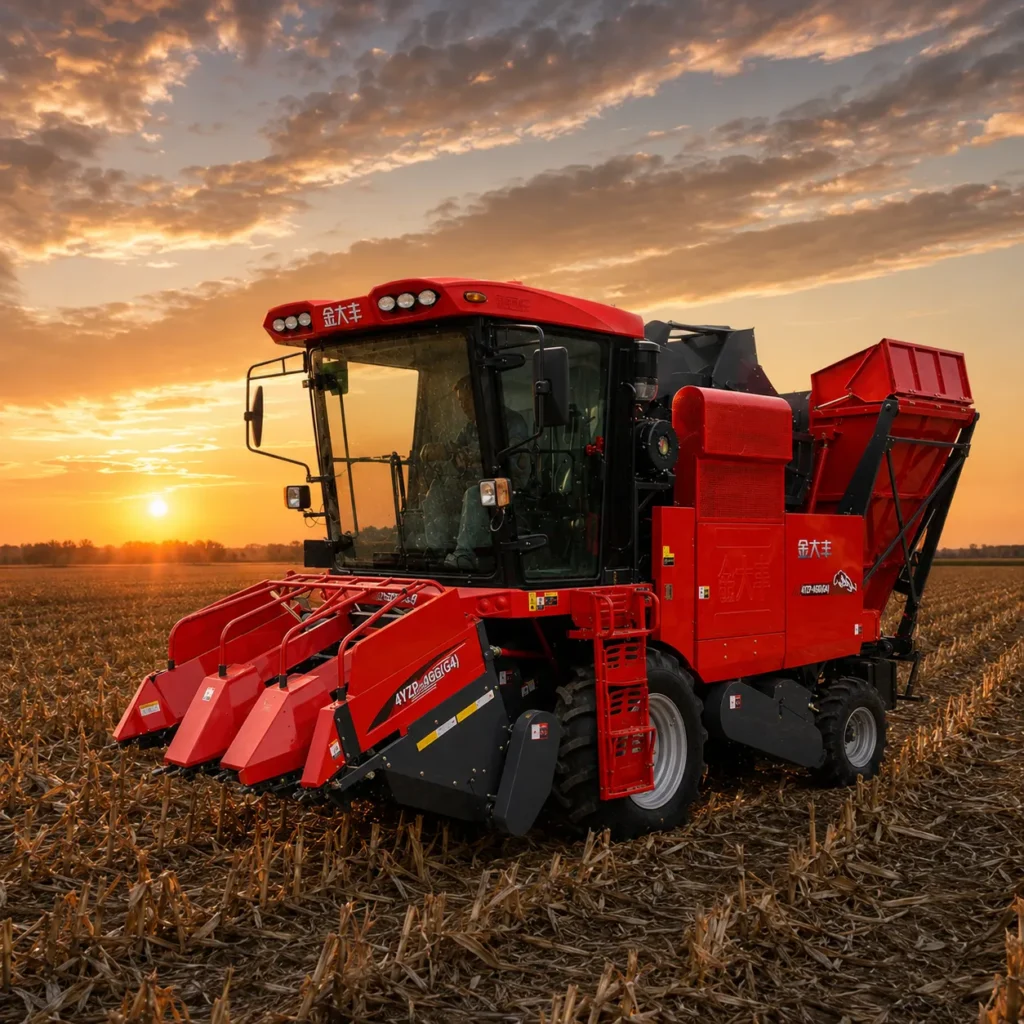
The header is often the first place where avoidable loss occurs. Its job is to guide the stalks into the row units, control crop movement, and separate the ears without knocking them onto the ground.
Keep the machine centred on the rows
A fixed-row corn header performs best when the row units remain aligned with the planted rows. When the machine moves too far to one side, stalks enter at an angle and may bend, break, or pass outside the picking channel.
Poor alignment can result from:
- Inaccurate steering
- Uneven planting rows
- Wheel slip on soft ground
- Excessive forward speed
- Narrow or curved field boundaries
Operators should look ahead along the rows instead of focusing only on the front tips of the header. Small steering corrections made early are better than large corrections made after the stalks have already entered incorrectly.
Adjust header height to the crop
The header should run low enough to collect leaning stalks but not so low that it takes in soil, stones, or excessive residue. In standing corn, a moderate height may improve feeding and reduce the load on the straw-crushing system.
In lodged corn, a lower position may be necessary. However, operating too low at high speed can damage row dividers and increase soil intake.
Check gathering-chain condition
Gathering chains should pull stalks smoothly toward the picking units. Excessively fast chains can strike ears, while slow or worn chains may fail to control heavy crop.
Inspect:
- Chain tension
- Chain alignment
- Condition of gathering lugs
- Sprocket wear
- Lubrication
- Speed relationship with forward travel
A damaged or loose chain may create uneven crop flow across the header, increasing corn harvest loss even when the remaining row units are working correctly.
Snapping Plate and Picking-Roll Adjustment Must Match Ear Size
Snapping plates create the opening through which the stalk passes while the ear remains above the plates. Their spacing has a direct effect on both whole-ear loss and the amount of stalk material entering the machine.
Plates that are too wide
When the opening is too wide, smaller ears may fall between the plates. This creates whole-ear loss beneath the header and can be especially serious in fields with uneven ear size.
Plates that are too narrow
When the opening is too narrow, the header may pull excessive stalk material into the machine. This increases crop-flow resistance, raises power demand, and may overload the conveyors and peeling system.
A narrow setting may also damage ears when thick stalks and large ears pass through the row unit.
Inspect both sides of the header
Plate spacing should be consistent across all row units unless crop conditions require a specific adjustment. Uneven plate settings can produce different loss levels from one row to another.
Quick field check: If whole ears are concentrated beneath one row unit rather than across the complete header, inspect that individual unit for incorrect plate spacing, chain wear, damaged dividers, or picking-roll problems.
Picking rolls must also pull stalks downward at a stable rate. Worn rolls may lose grip, while aggressive rolls can increase crop damage and power demand.
Forward Speed and Crop Moisture Must Be Considered Together
Driving faster increases the number of stalks entering the machine every minute. When the header, conveyors, peeling rollers, or residue system cannot process that crop volume, losses rise quickly.
The correct speed changes with:
- Plant population
- Ear size
- Stalk moisture
- Husk condition
- Crop lodging
- Field smoothness
- Machine capacity
Dry corn is more sensitive to impact
Very dry ears and kernels can shatter more easily when struck by chains, dividers, plates, conveyors, or peeling rollers. Operators may need to reduce gathering intensity and forward speed when crop becomes dry and brittle.
Wet corn increases machine load
Green stalks and wet husks are heavier and more difficult to process. They can wrap around rollers, block conveyors, reduce peeling quality, and increase power demand.
In wet conditions, reducing speed allows more time for ear separation, conveying, peeling, and residue crushing.
Common mistake: Maintaining one constant speed throughout the field. Crop density, maturity and moisture can change within a short distance, so the operator should respond to crop flow rather than rely on one fixed travel speed.
How to reduce corn loss during harvest therefore depends on balancing speed with the condition of the crop, not simply choosing the slowest possible setting.
Lodged Corn Requires a Different Harvesting Strategy
Lodged corn is one of the most difficult conditions for an ear corn harvester. Stalks may lean across neighbouring rows, lie close to the ground, or point in several directions after wind and rain.
Approach from the most favourable direction
When possible, harvest in the direction that allows row dividers to lift the stalks instead of pushing them farther toward the ground. The best direction may change across the field depending on how the crop has fallen.
Reduce forward speed before entering lodged areas
Lower speed gives the dividers and gathering chains more time to collect leaning stalks. Entering lodged crop too quickly can cause:
- Stalks to slide beneath the header
- Ears to break away before collection
- Material to accumulate between row units
- Conveyors to receive uneven crop flow
- Frequent plugging
Lower the header carefully
A lower header position can collect more lodged plants, but the operator must watch for stones, ridges, soil intake, and uneven ground.
Row dividers should be inspected for damage and smooth surfaces. Bent or rough dividers may catch stalks instead of lifting them.
A machine designed with effective row guidance and stable low-speed feeding can control corn harvest loss more effectively in these difficult conditions.
Conveying and Peeling Systems Can Damage Ears After Picking
Collecting the ear at the header does not guarantee that it will reach the tank without damage. Ears must travel through augers, chains, elevators, conveyors, and peeling rollers.
Prevent material buildup
When ears accumulate at transfer points, later material pushes into the blockage. This can crack ears, release kernels, overload drives, and cause sudden surges when the blockage clears.
Common causes include:
- Excessive forward speed
- Worn conveyor chains
- Incorrect chain tension
- Damaged paddles or flights
- Wet husks wrapping around rollers
- Restricted transfer openings
Peeling intensity should match husk condition
Peeling rollers must remove husks without applying unnecessary pressure to the ears. Worn rollers may leave excessive husk, while aggressive or incorrectly adjusted rollers can damage kernels.
Inspect the harvested ears regularly for:
- Unremoved husks
- Broken cobs
- Loose kernels
- Crushed ear tips
- Uneven peeling between rows
Poor results may begin at the header rather than the peeling section. Uneven feeding sends large groups of ears into the rollers at one time, reducing peeling consistency.
Use a Repeatable Field Check Instead of Guessing
A consistent inspection routine helps operators find the real source of loss and measure whether an adjustment has improved performance.
- Check an unharvested section for pre-harvest ears and kernels.
- Harvest a representative distance at normal working speed.
- Stop safely and move the machine forward.
- Inspect the area in front of and beneath the header.
- Check the harvested ears inside the collection tank.
- Inspect conveyors, peeling rollers and residue discharge.
- Adjust only the system linked to the observed loss.
- Harvest another representative distance and check again.
Record successful settings
Operators should keep basic notes for different fields and crop conditions:
- Row spacing
- Crop moisture
- Forward speed
- Header height
- Snapping-plate opening
- Gathering-chain speed
- Observed whole-ear loss
- Observed kernel loss
- Peeling quality
These records provide a useful starting point for the next field or season, although final adjustments should always be confirmed under current conditions.
Machine Design Should Make Low-Loss Harvesting Easier
Operator skill is essential, but machine design determines how much control the operator has. Buyers should evaluate more than engine power and the number of harvesting rows.
Important low-loss features include:
- Row dividers suitable for standing and leaning stalks
- Adjustable snapping plates
- Durable gathering chains and sprockets
- Smooth central conveying
- Stable peeling-roller feeding
- Easy access for inspection and adjustment
- Effective straw crushing
- Clear operator visibility
- Reliable low-speed control
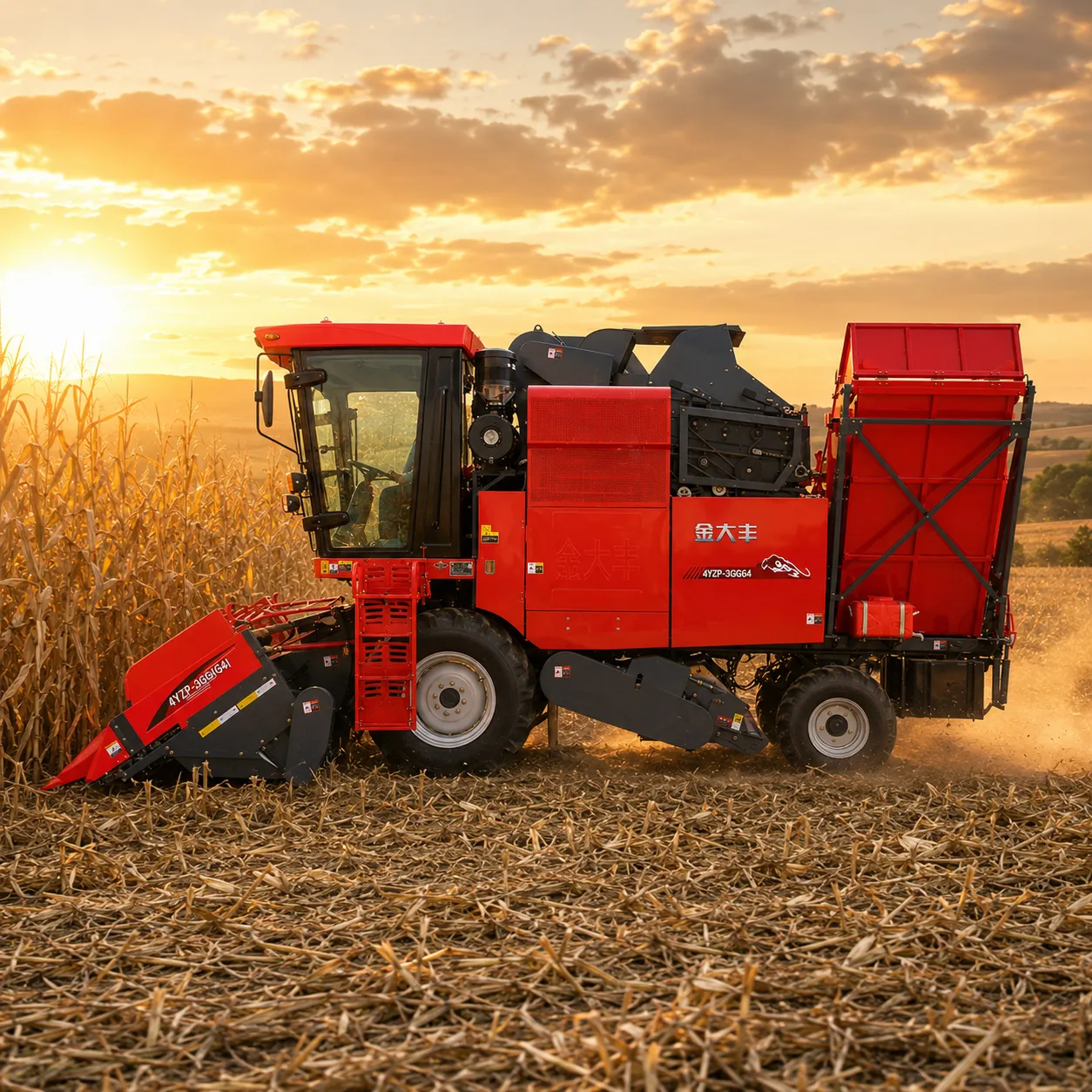
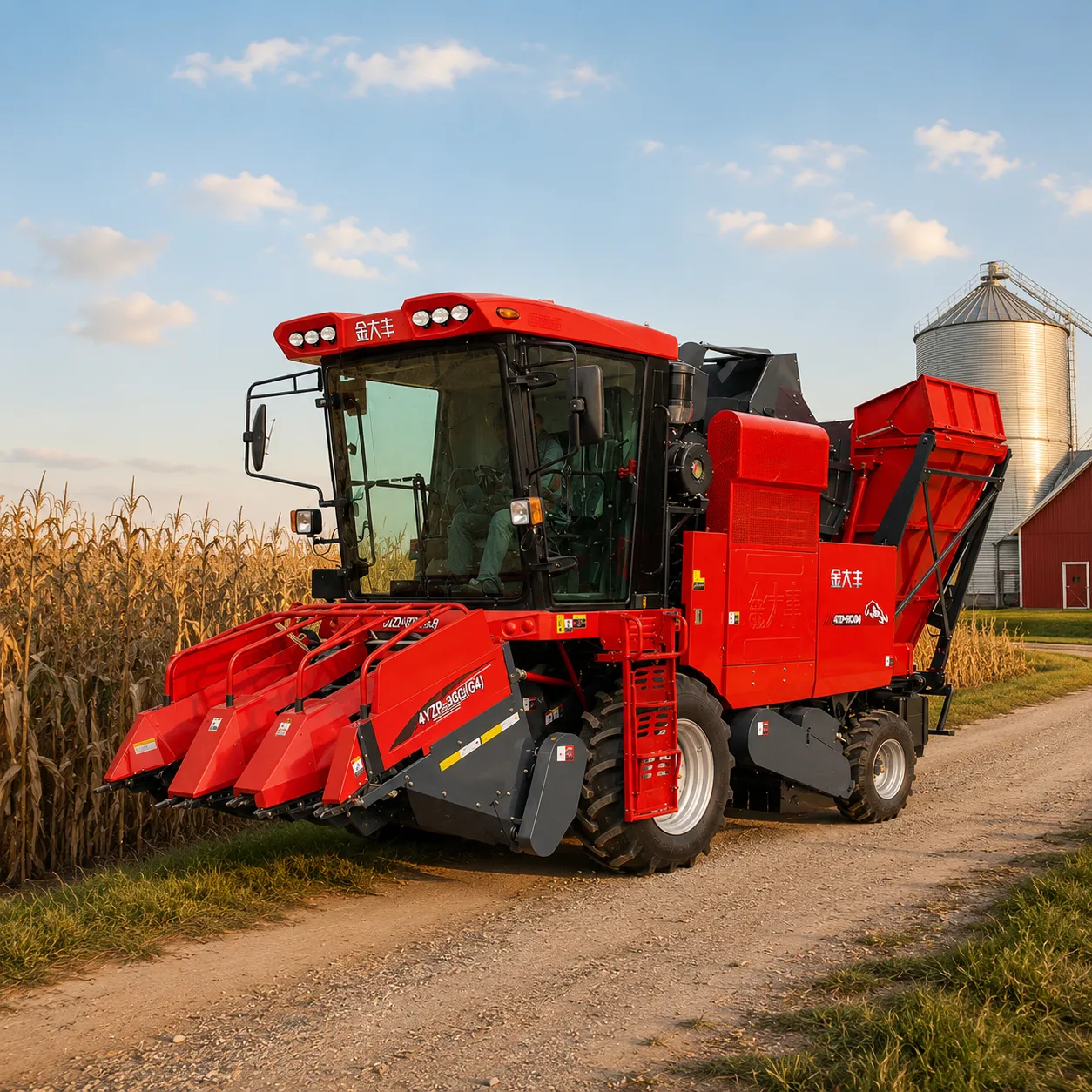
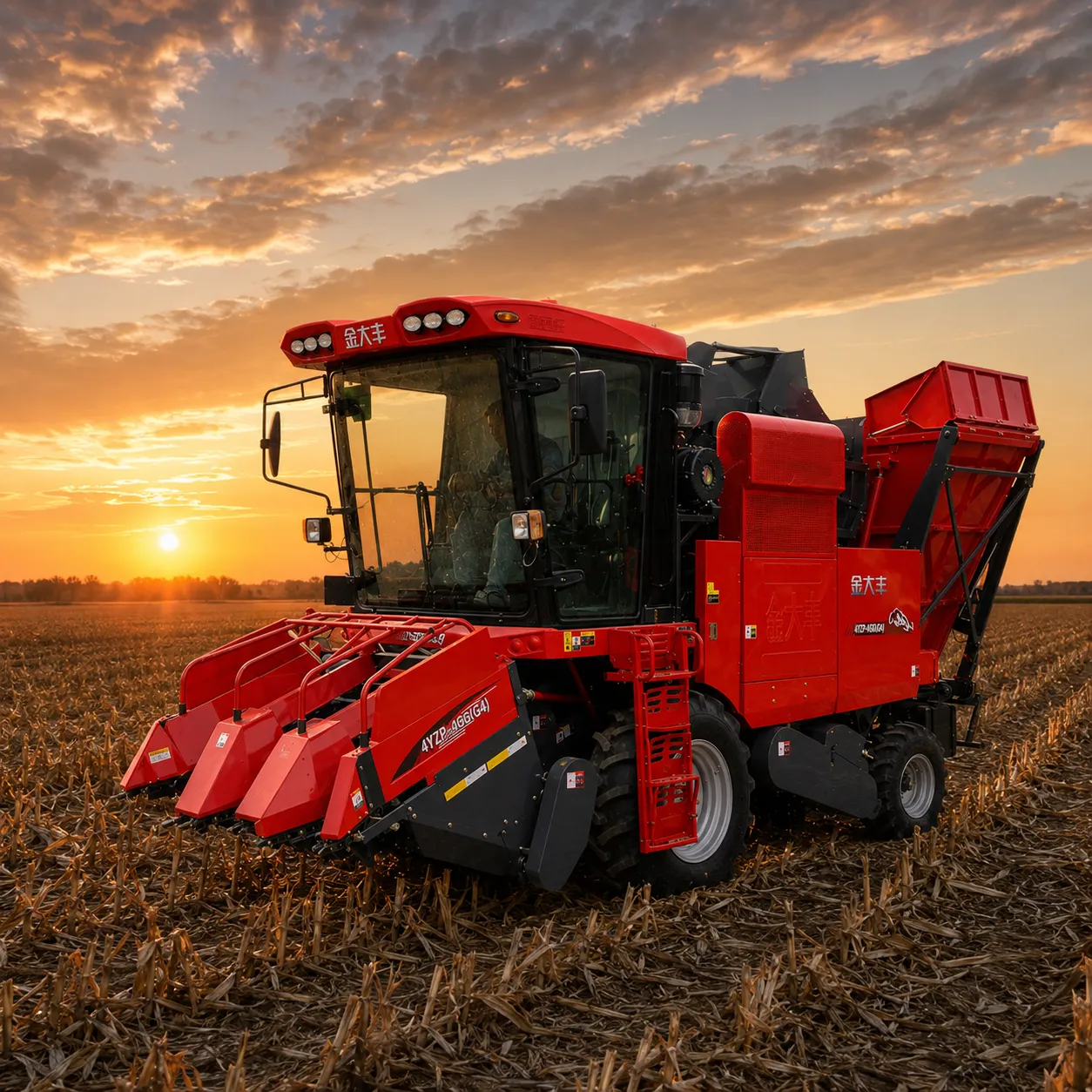
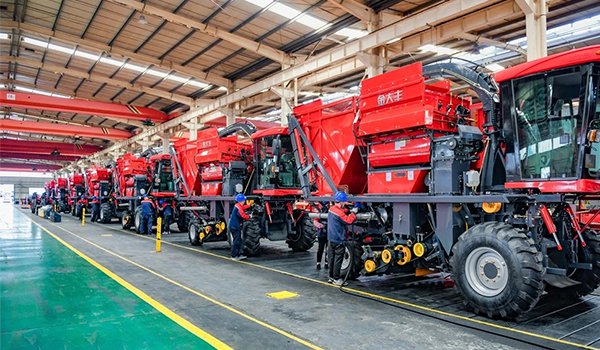
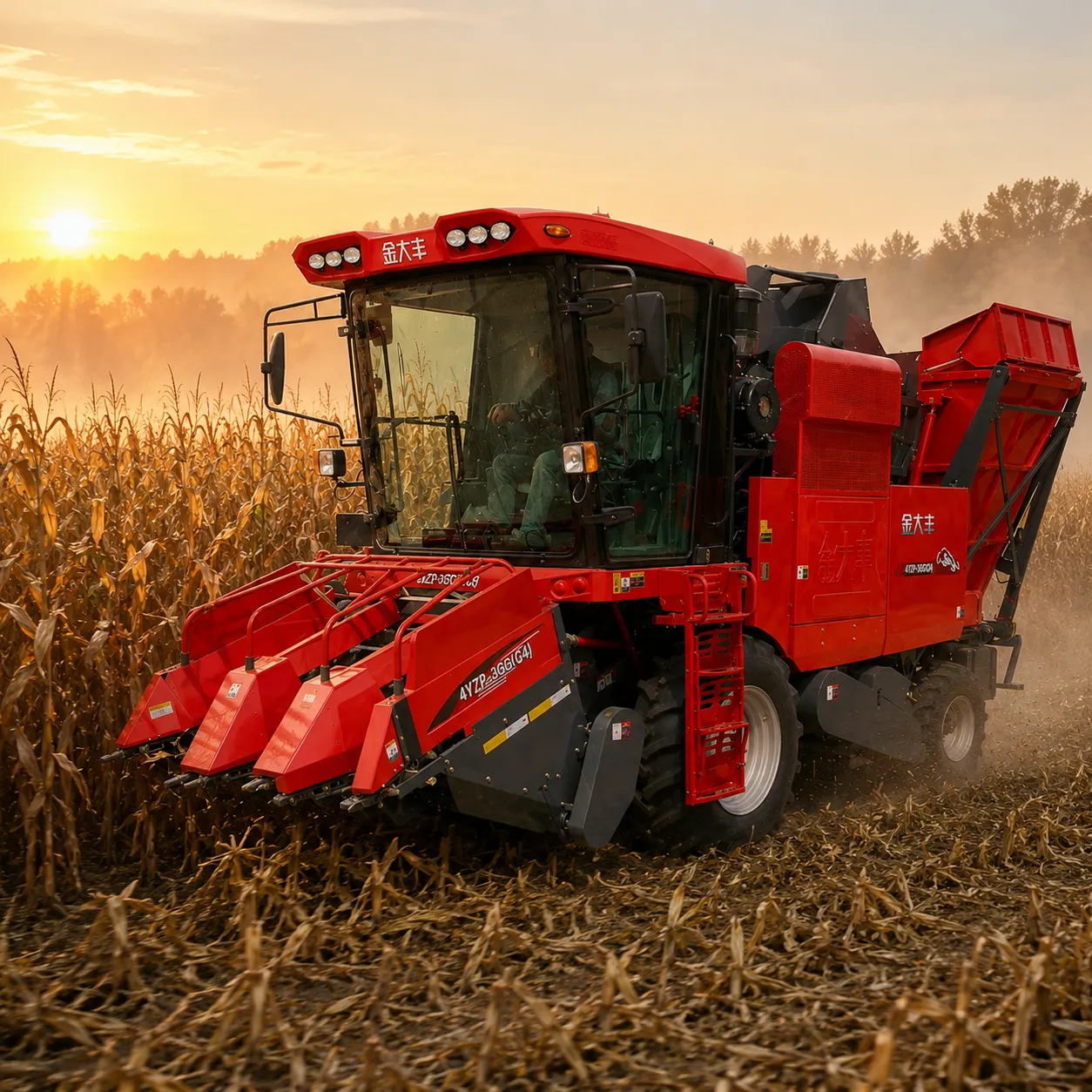
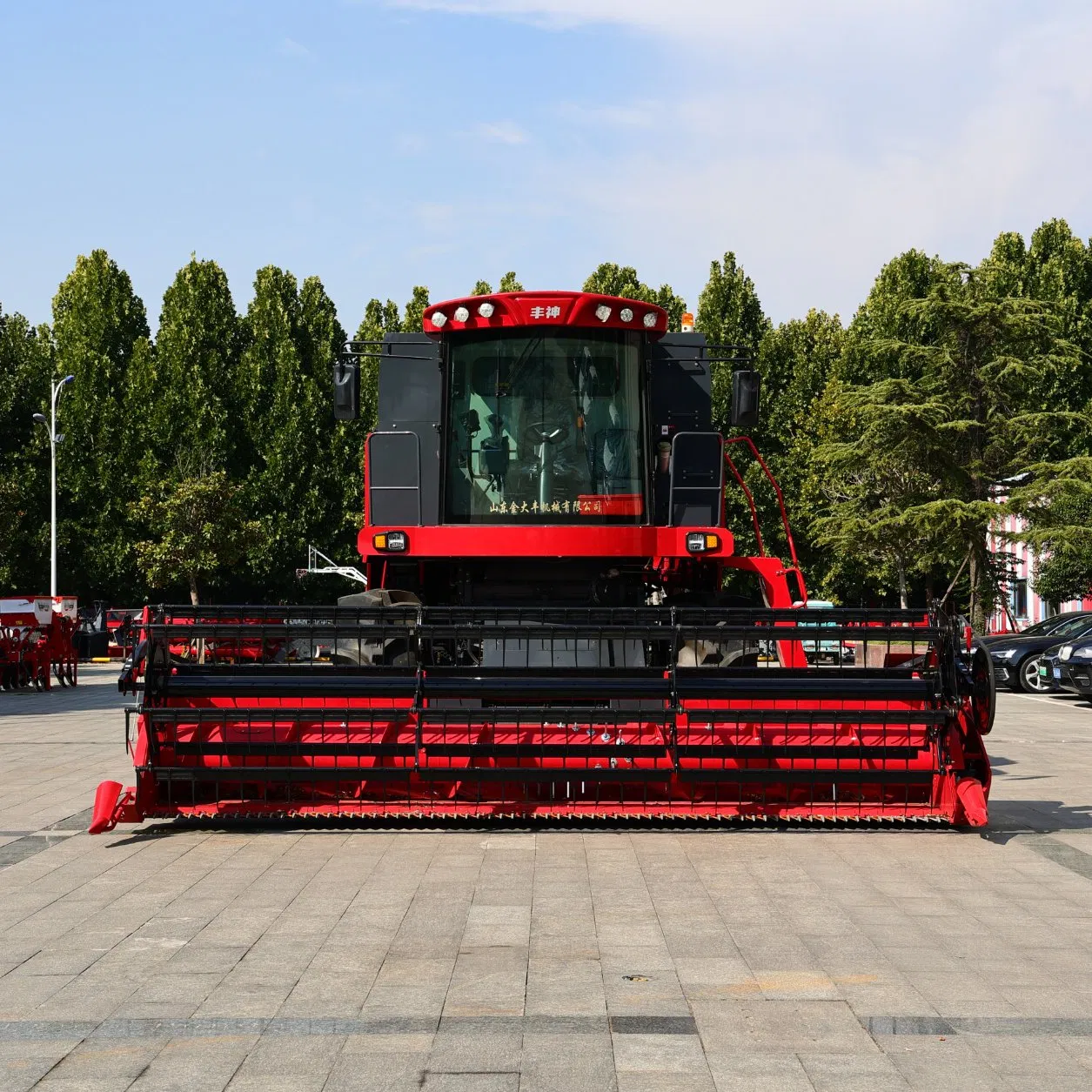
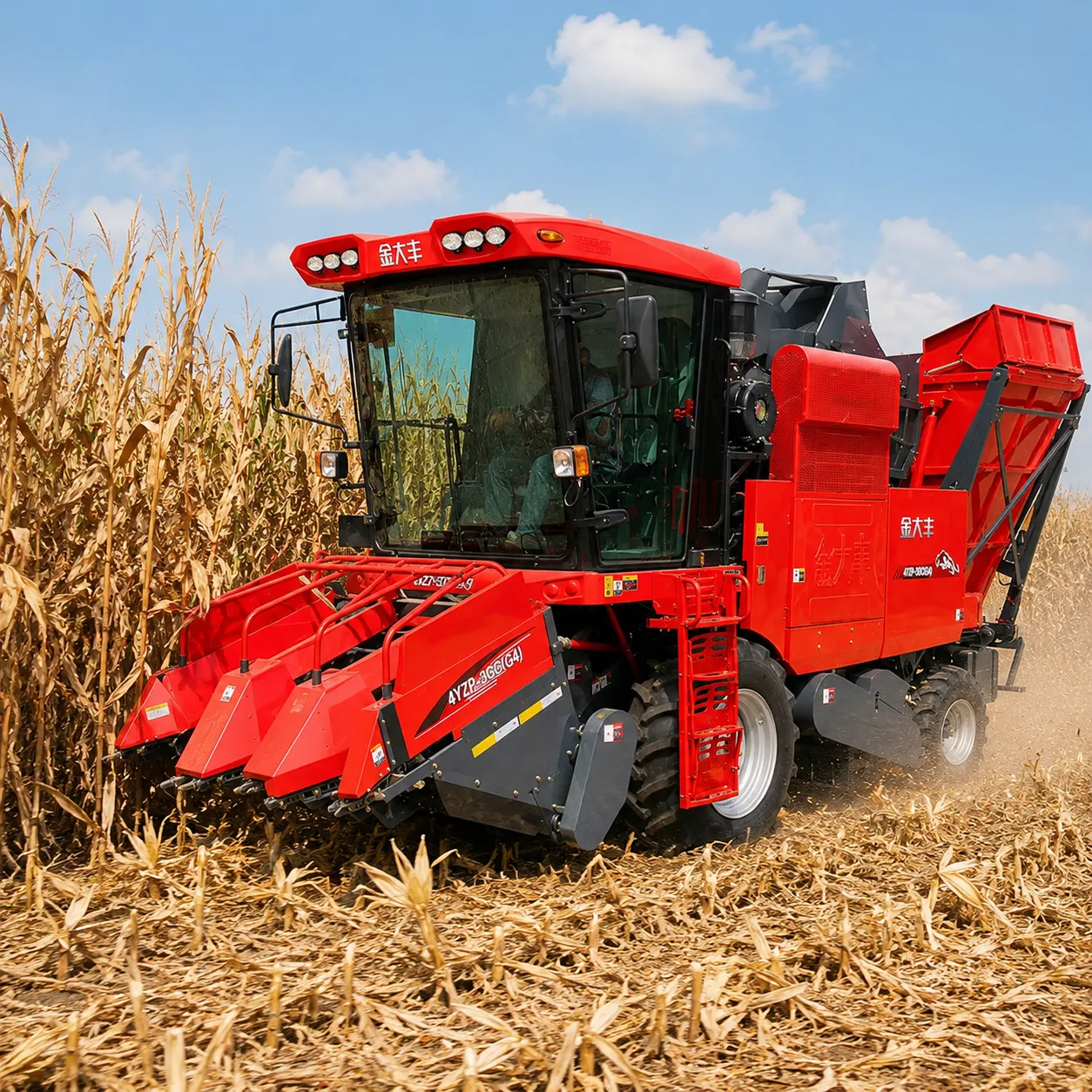
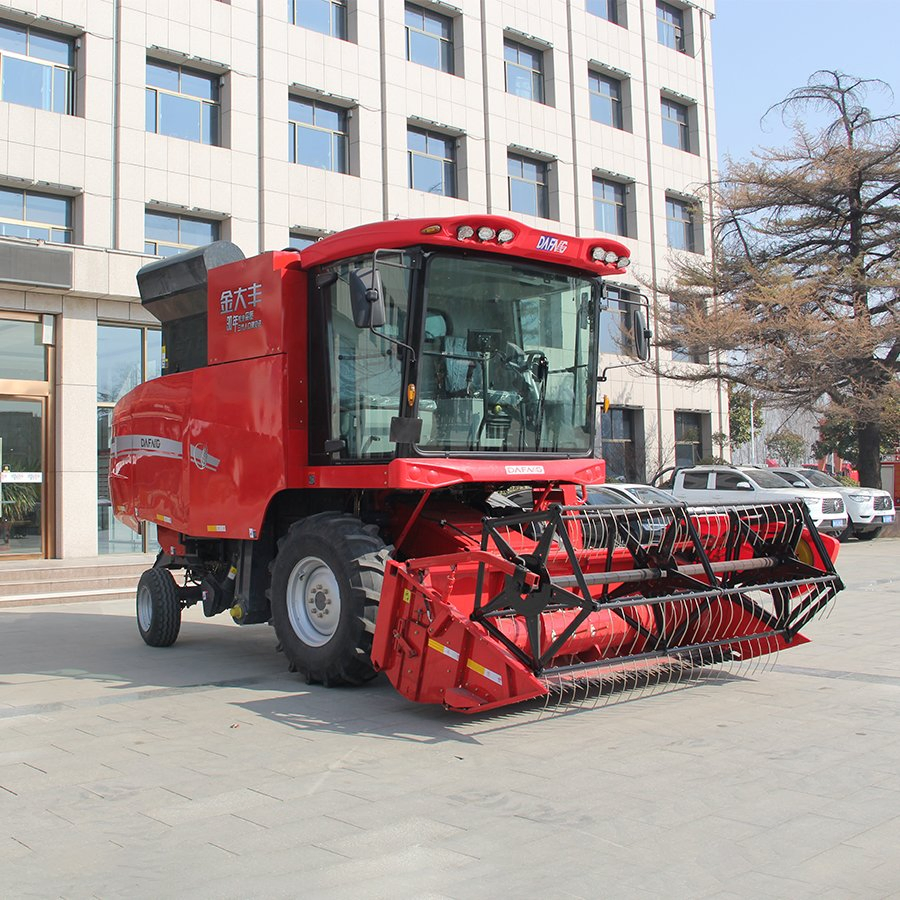
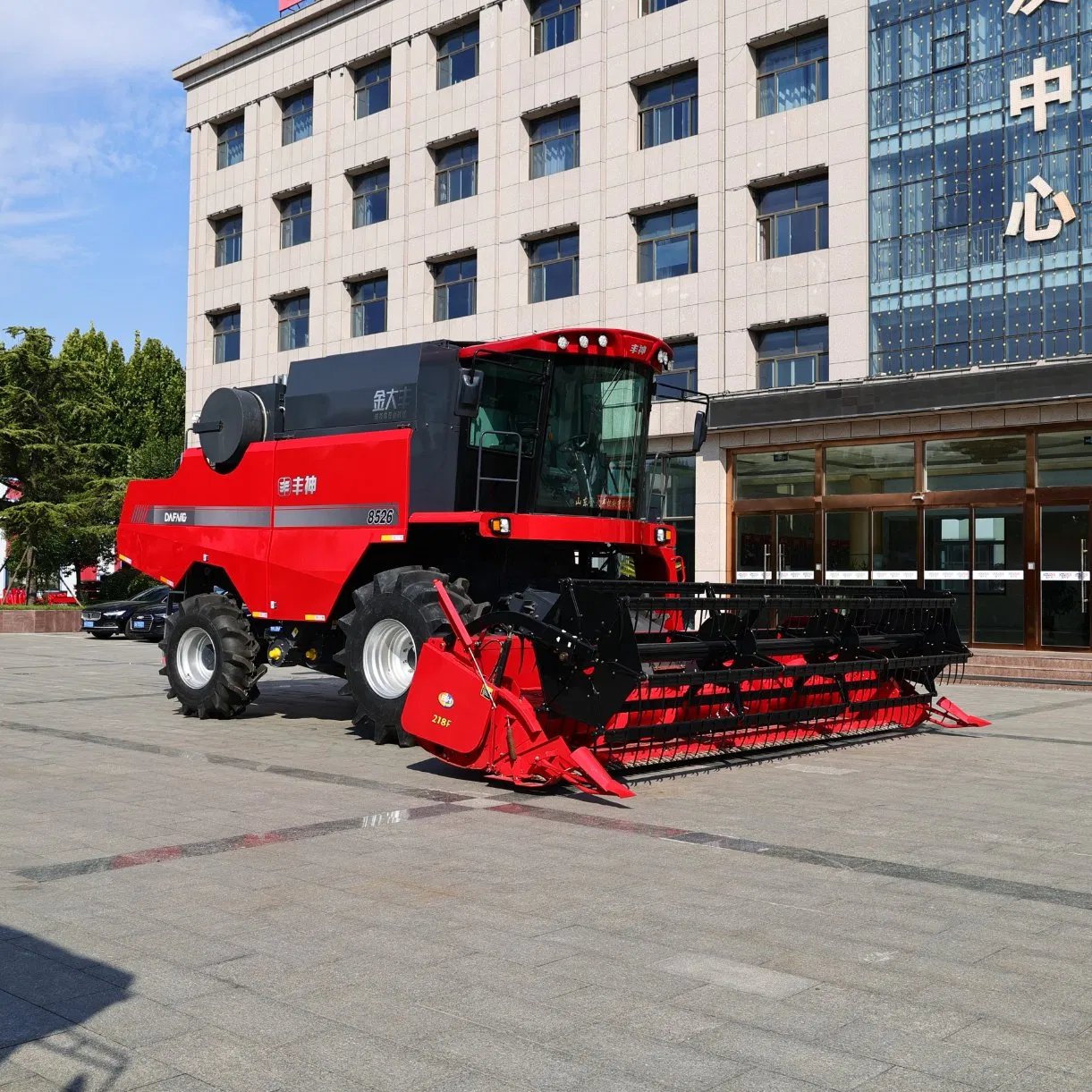
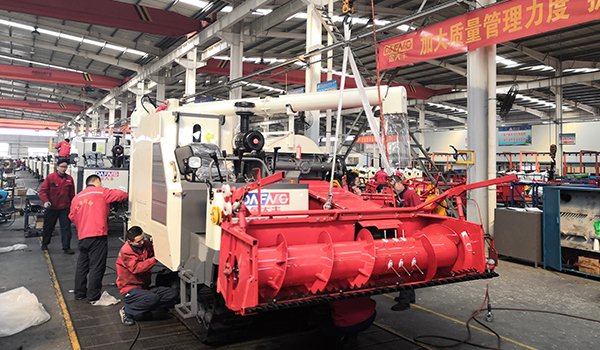
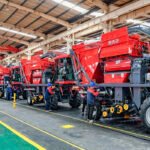
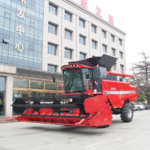
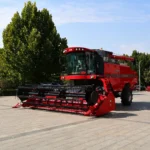
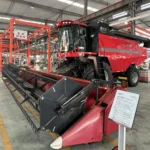
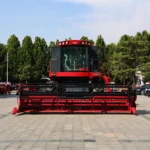
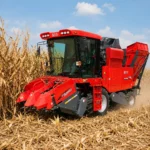
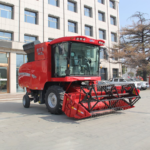
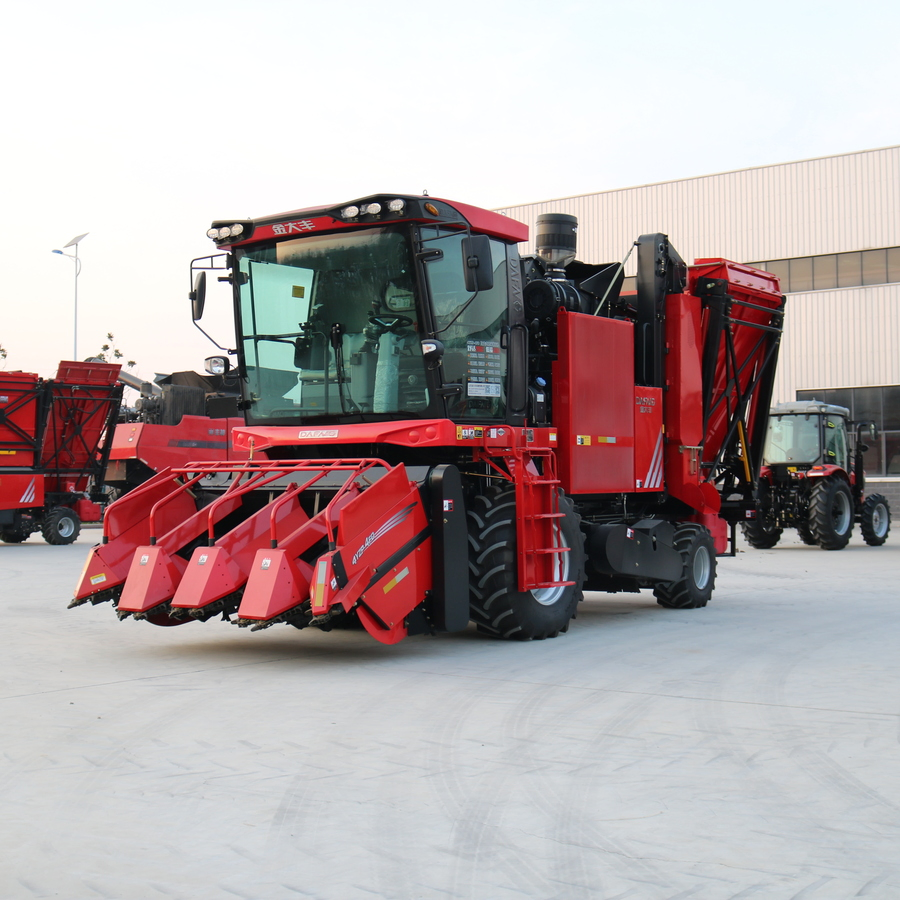
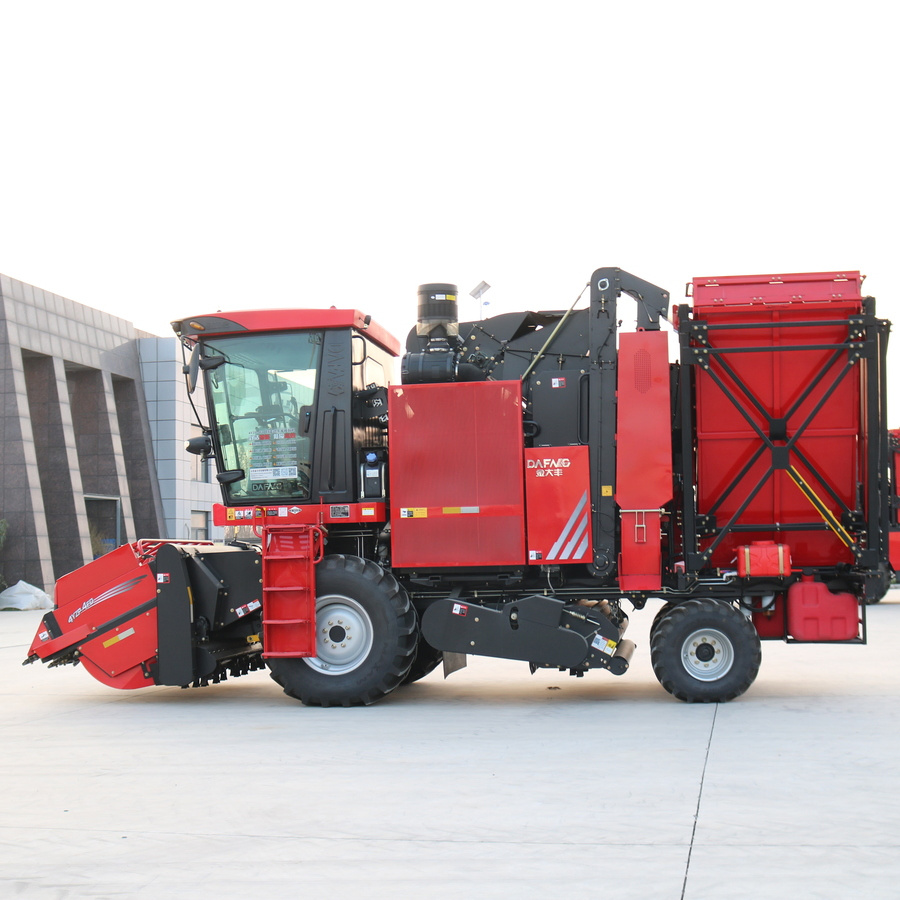
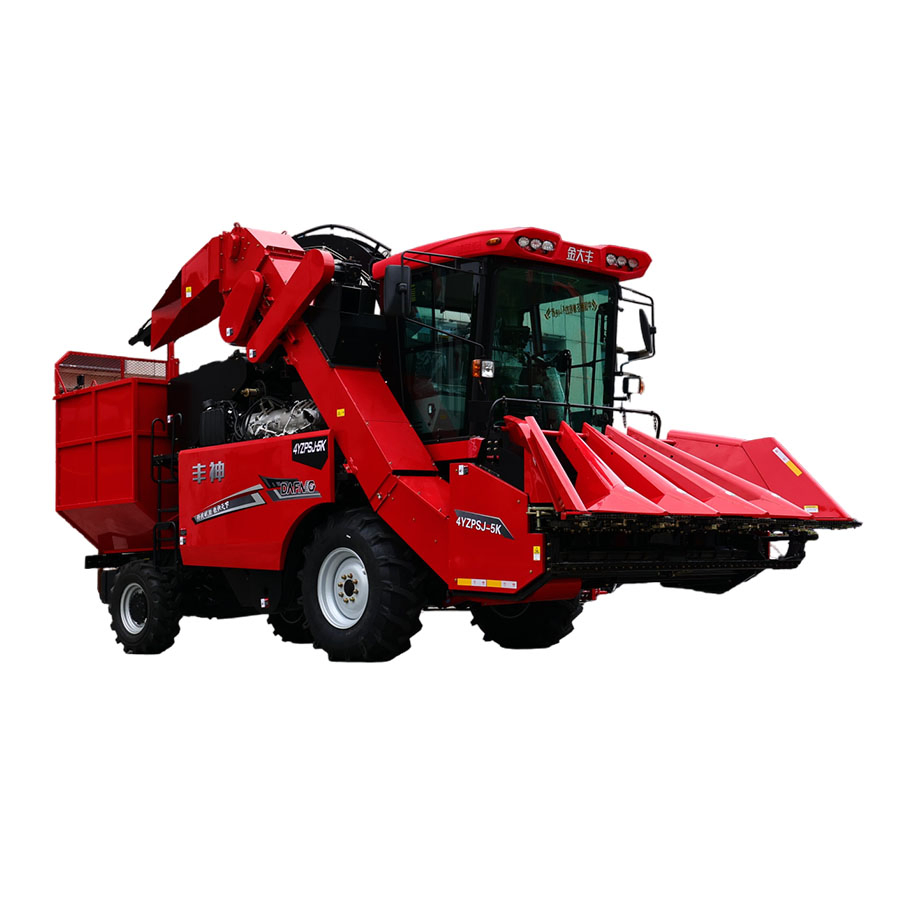
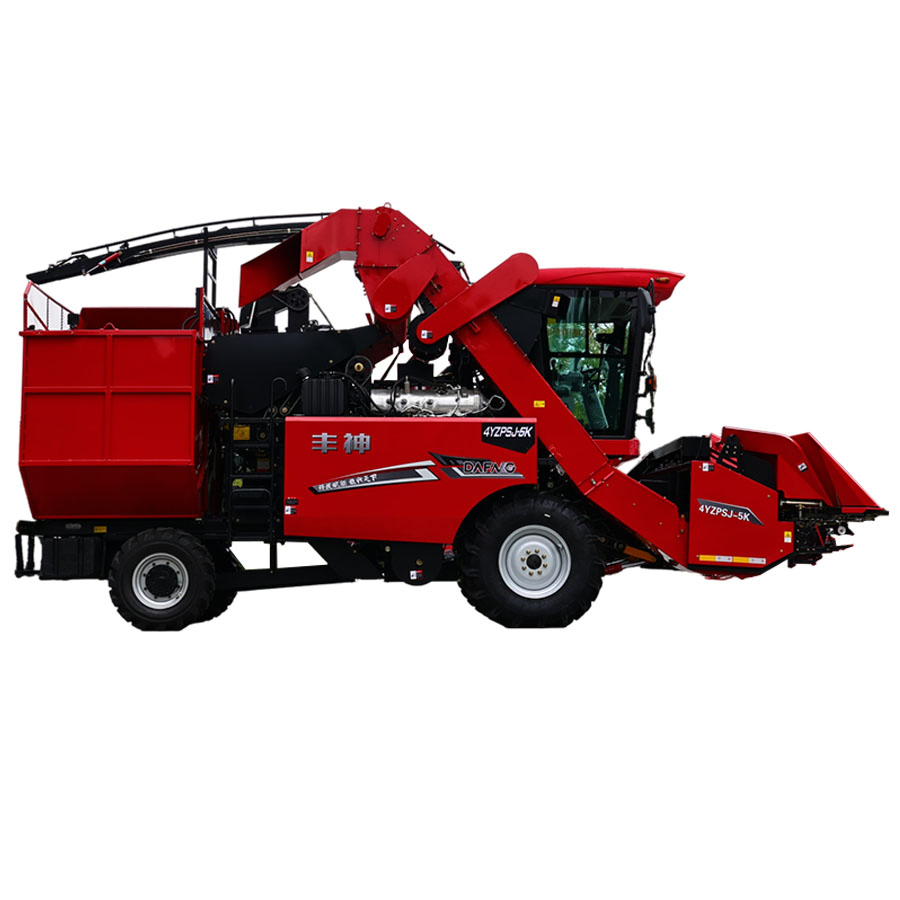
King-Gold Dafeng provides self-propelled corn harvesting machinery with picking, peeling, collection, and straw-management systems for different row configurations and field conditions.
Buyers can review the available corn harvester range for low-loss harvesting and compare row number, operating capacity, peeling configuration, residue treatment, and field suitability.
Reducing corn harvest loss requires more than one machine setting. Row alignment, header height, snapping-plate spacing, gathering-chain condition, crop moisture, forward speed, conveying, peeling, and operator inspection all contribute to the final result.
The most effective method is to locate the loss first, adjust the correct component, and confirm the result in the field. Small improvements at each stage can protect a meaningful amount of the harvest across the complete season.
You May Also Be Interested In
To understand the complete crop path from row guidance and ear separation to peeling and straw crushing, read How Does a Corn Harvester Work in Real Field Conditions?
Farms comparing equipment capacity and field suitability may also find Best Corn Harvester for Small and Medium Farms useful before choosing a machine configuration.