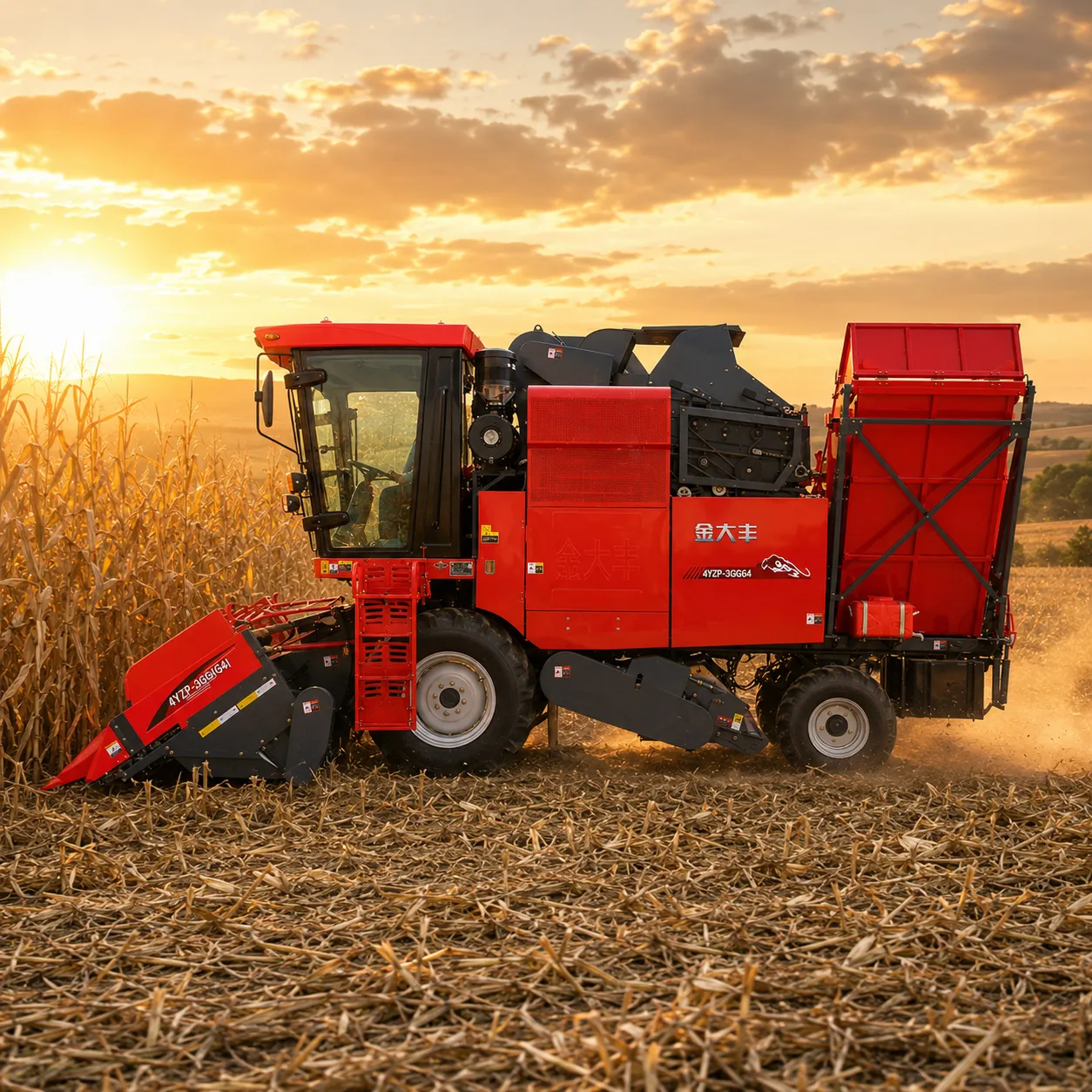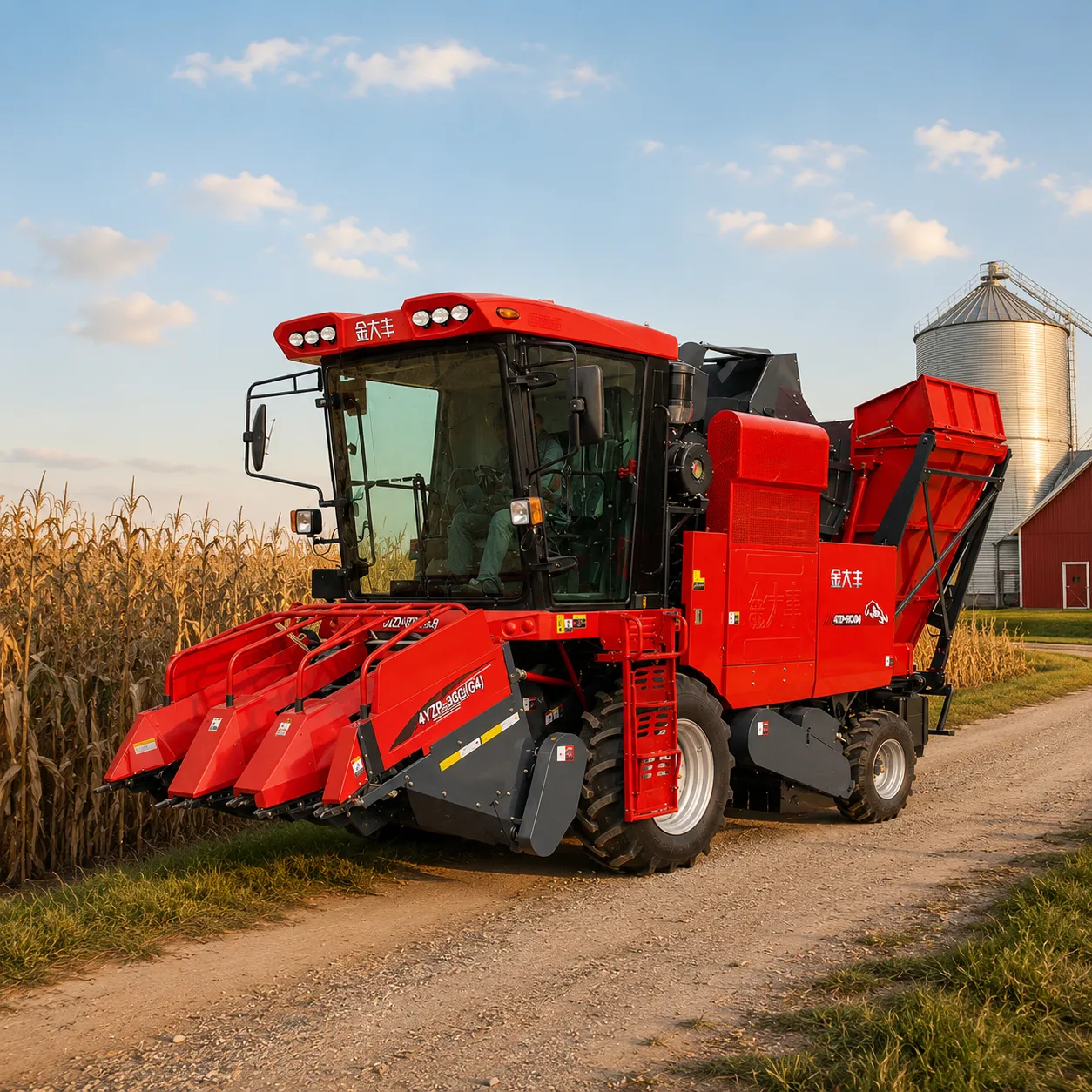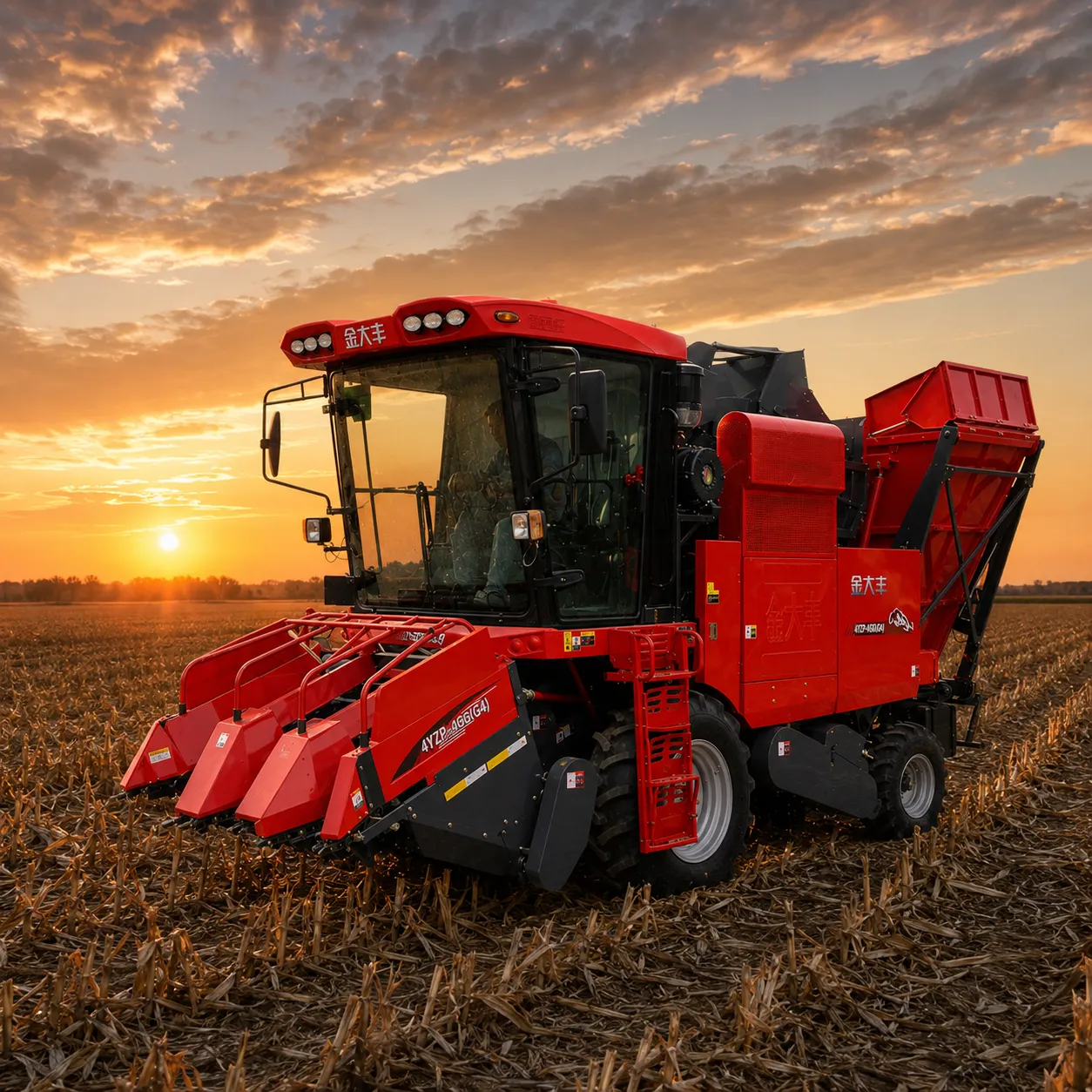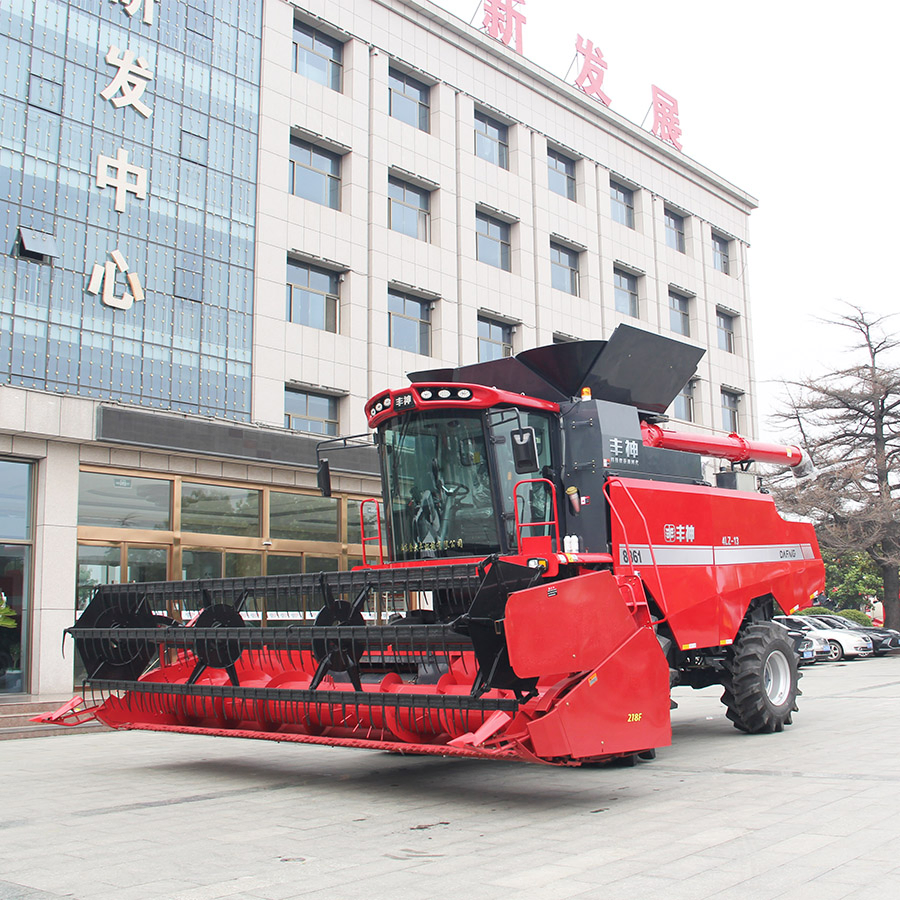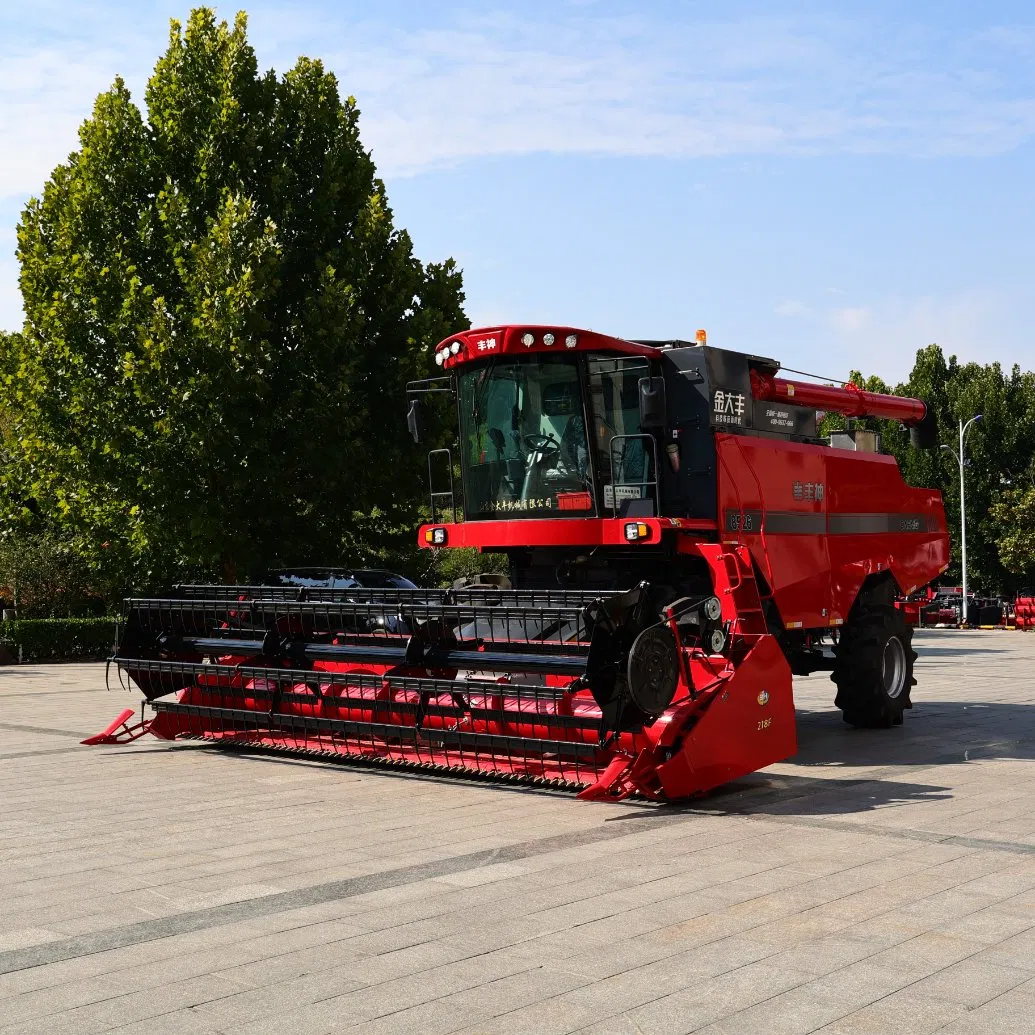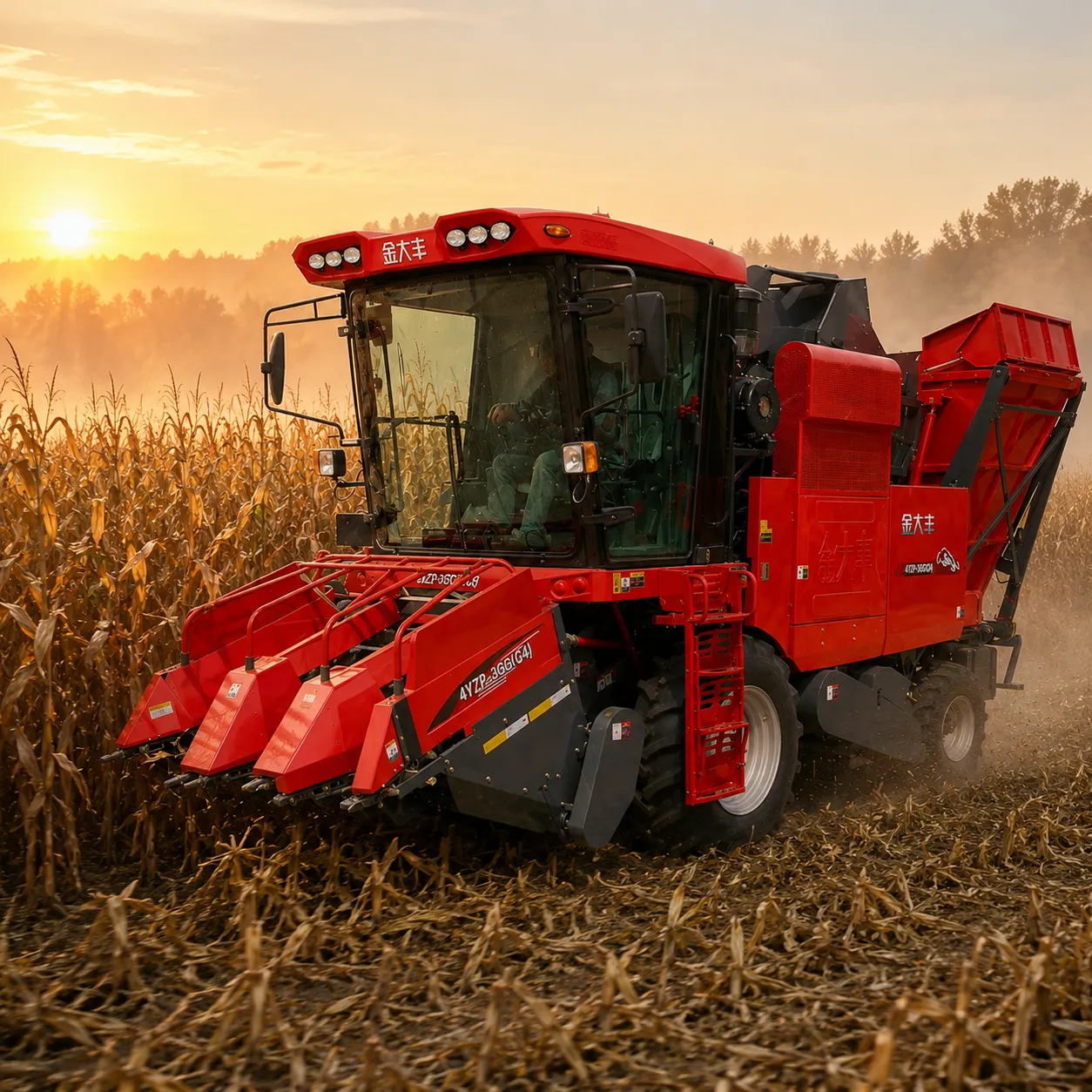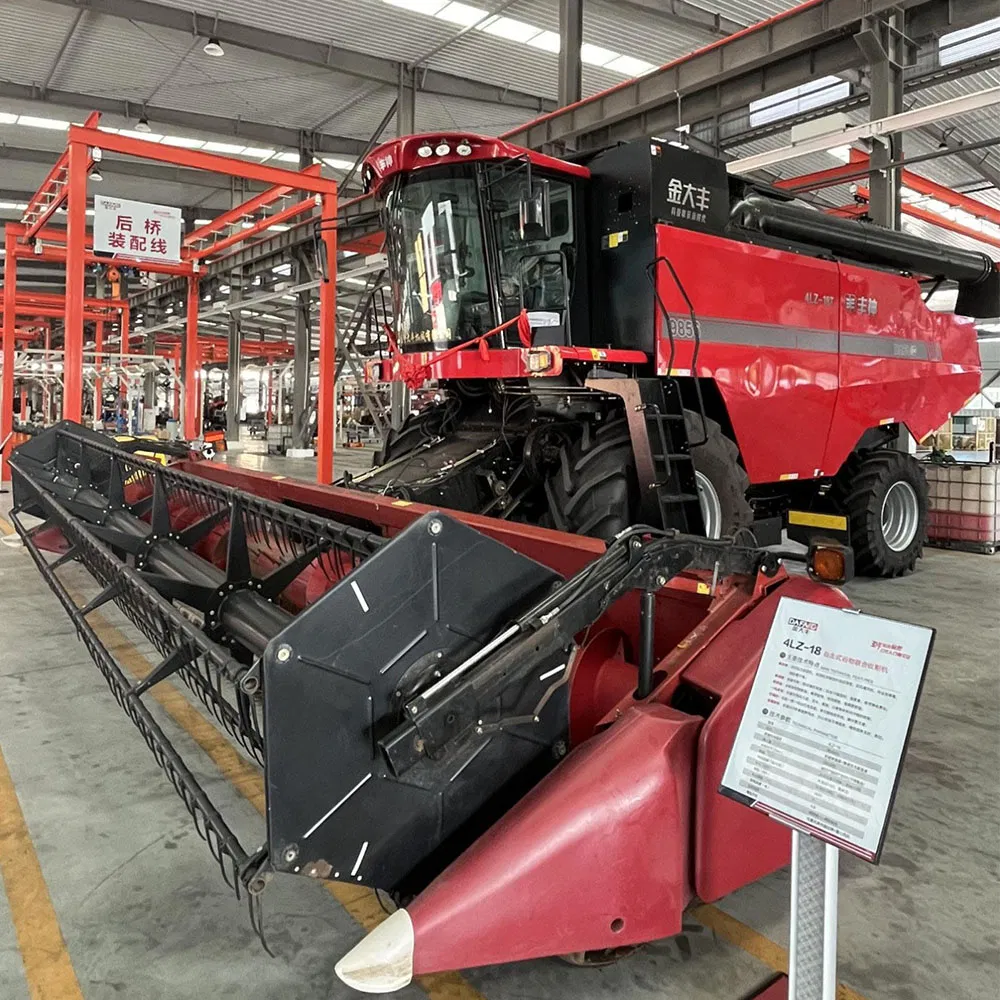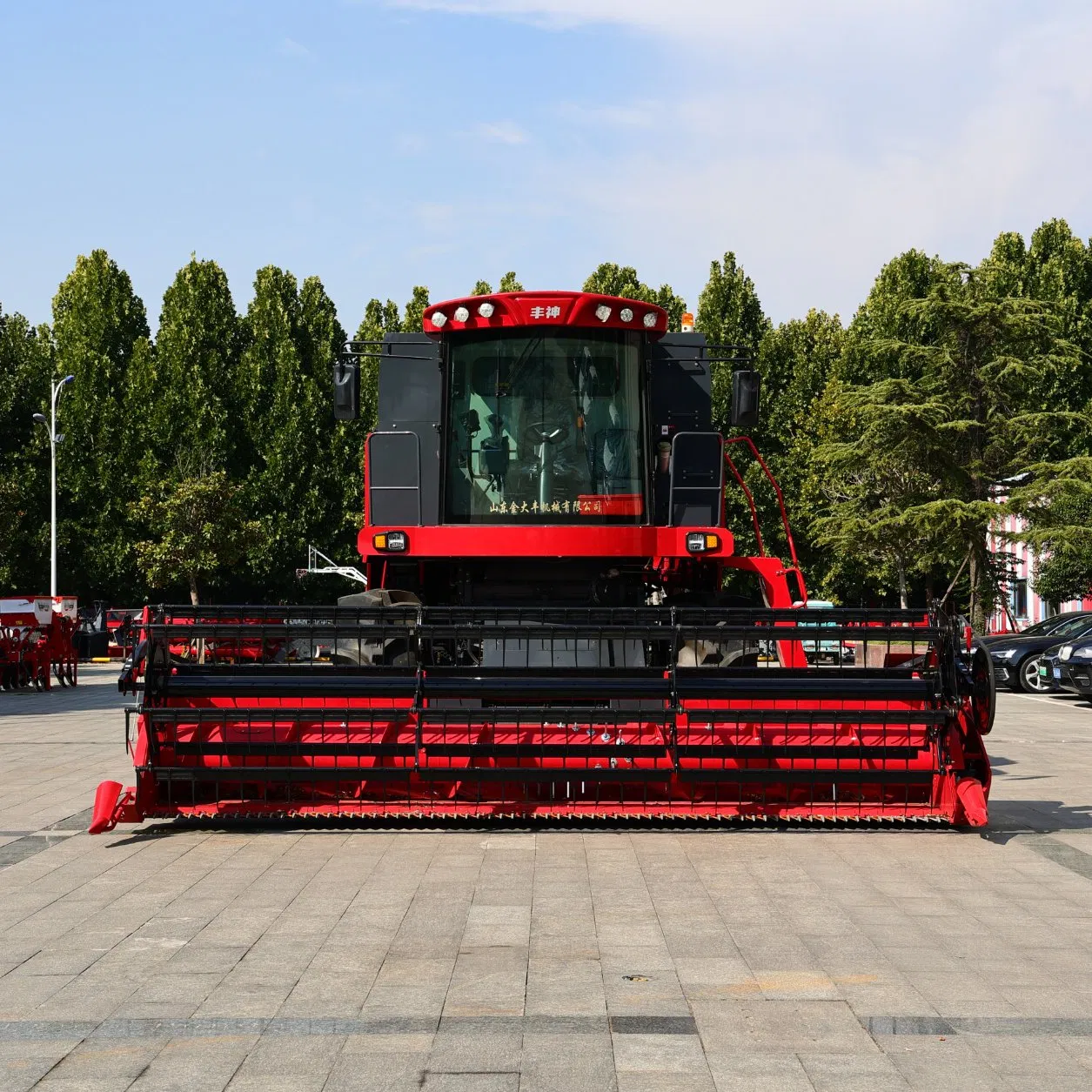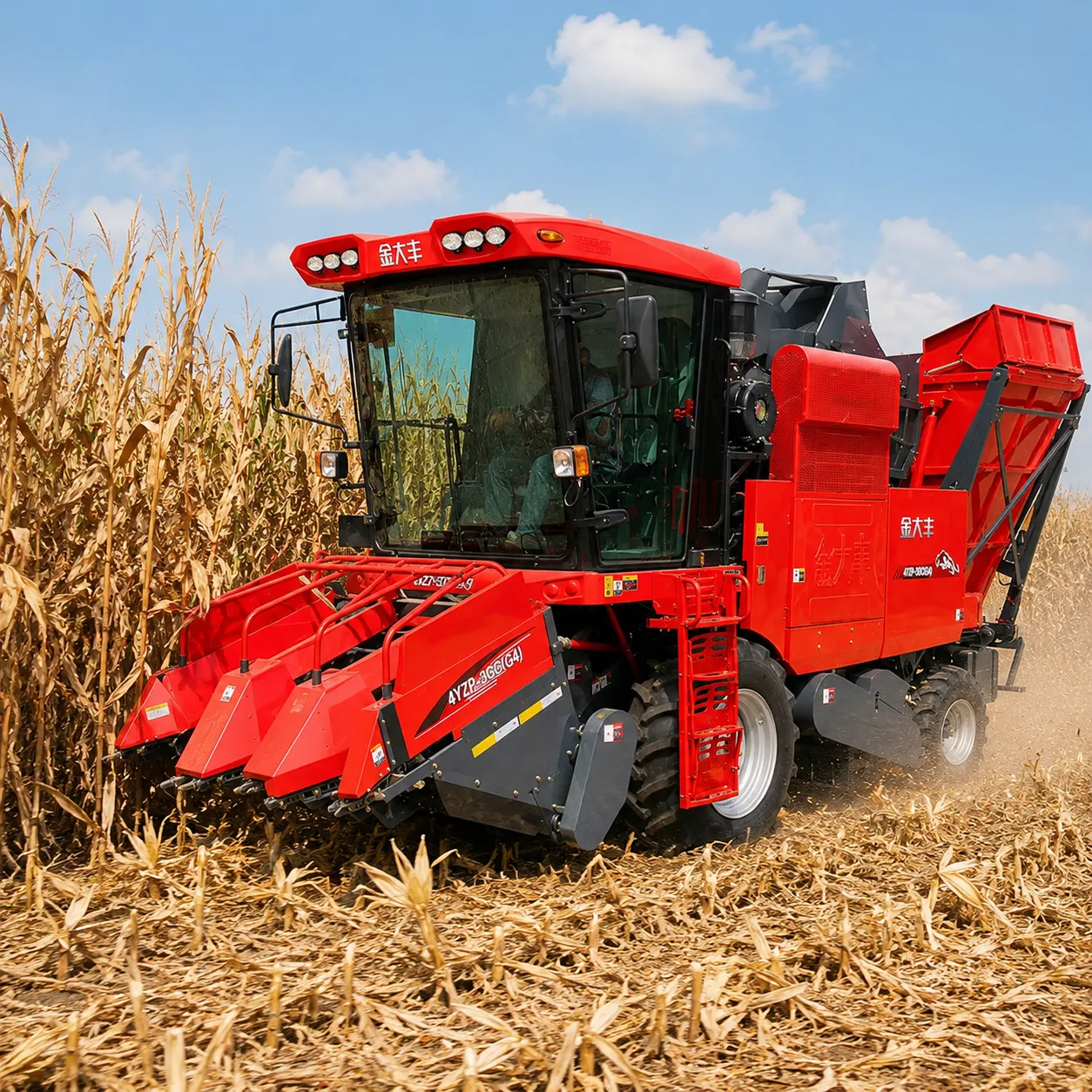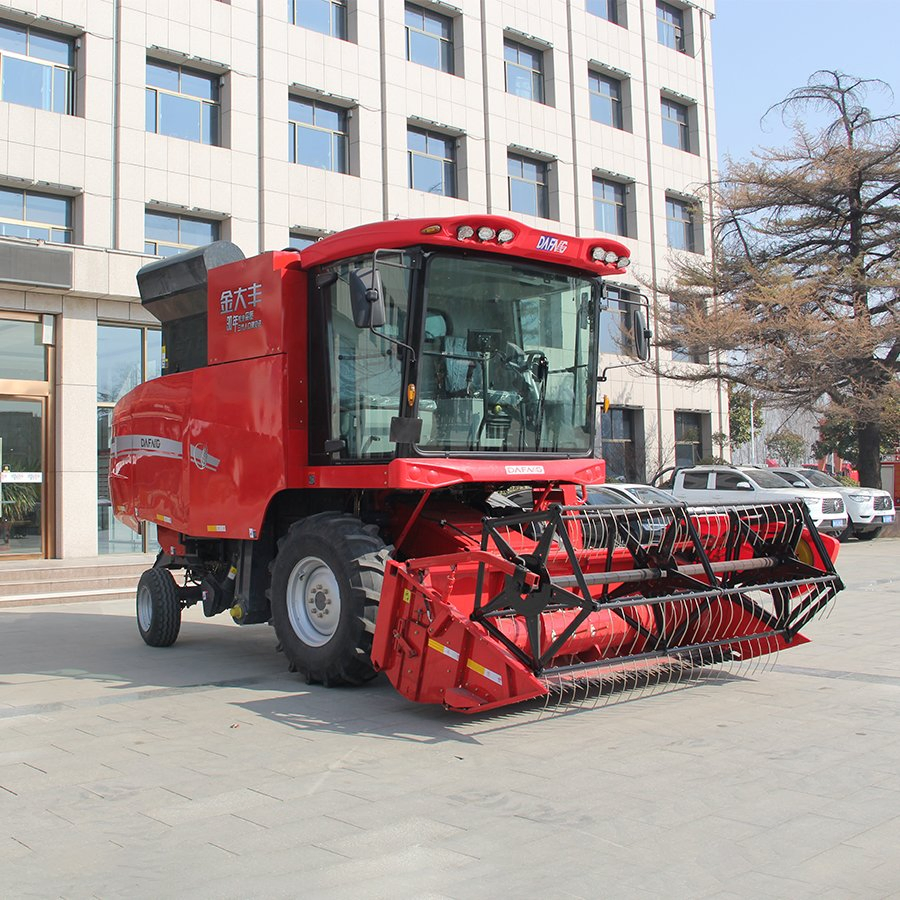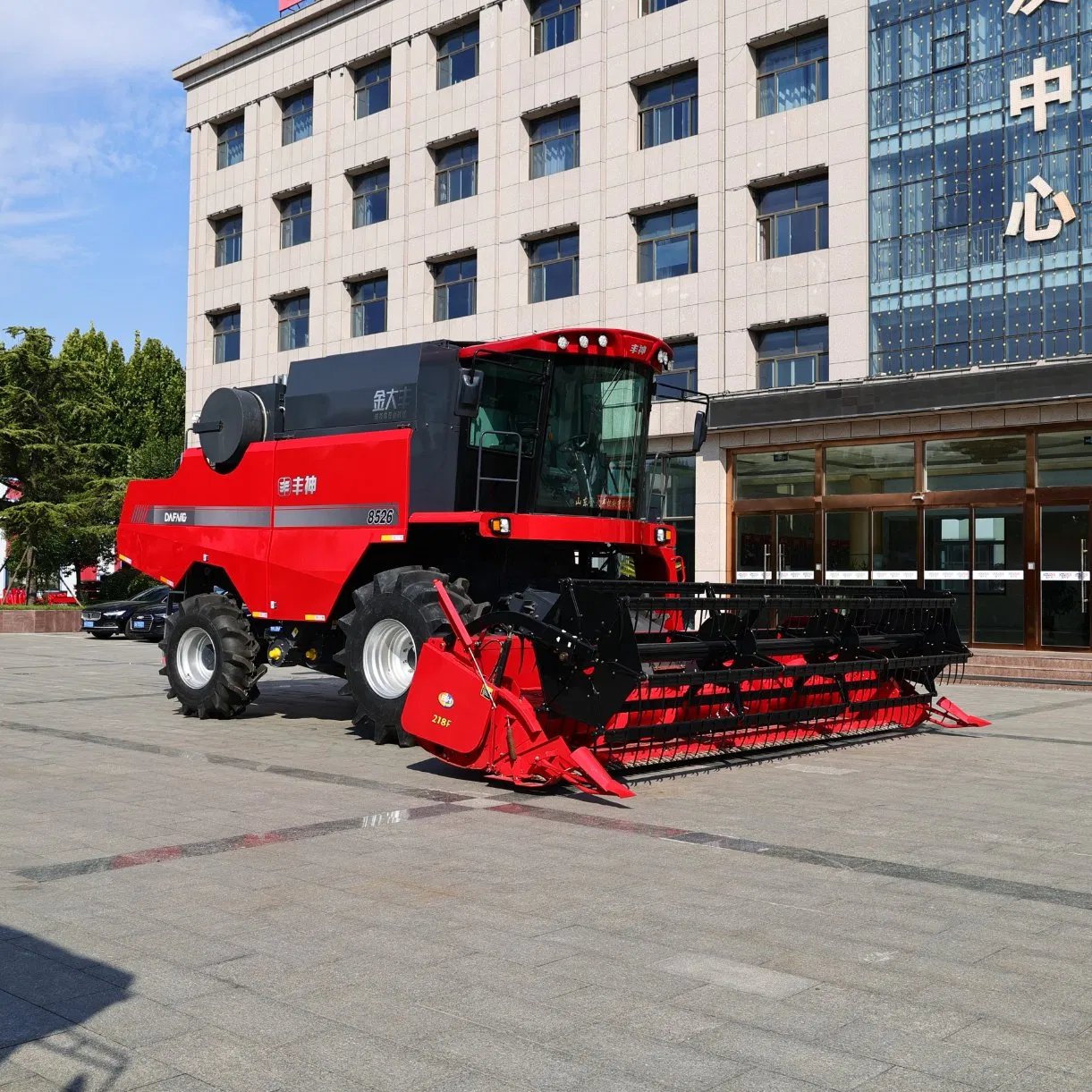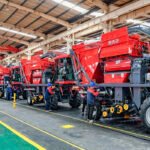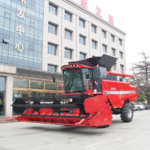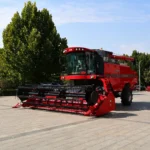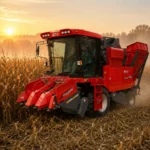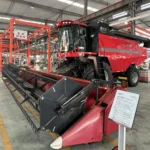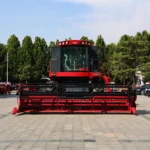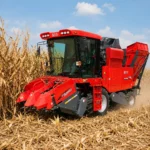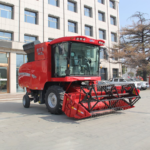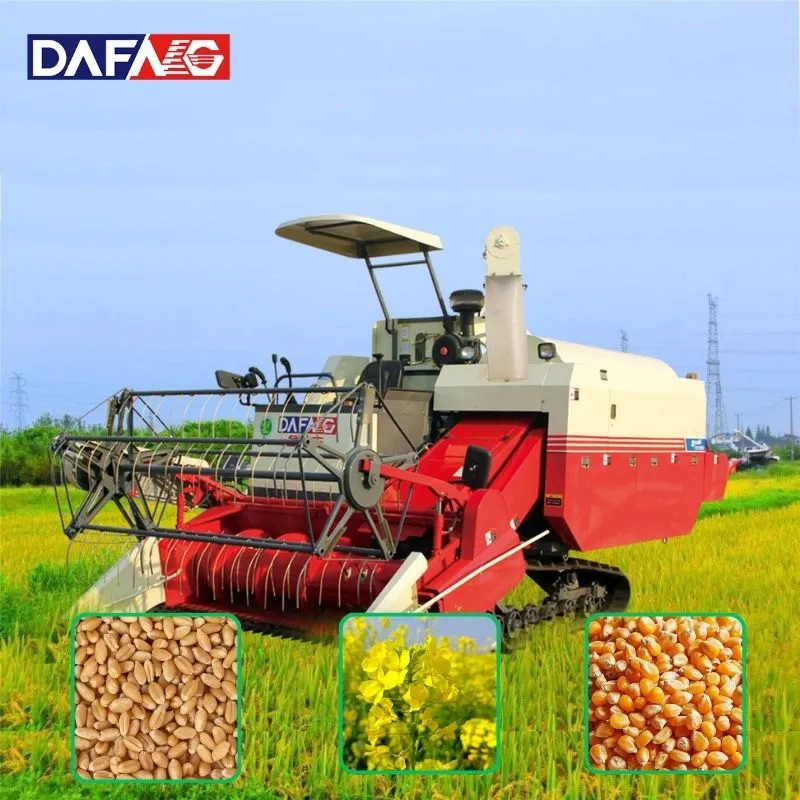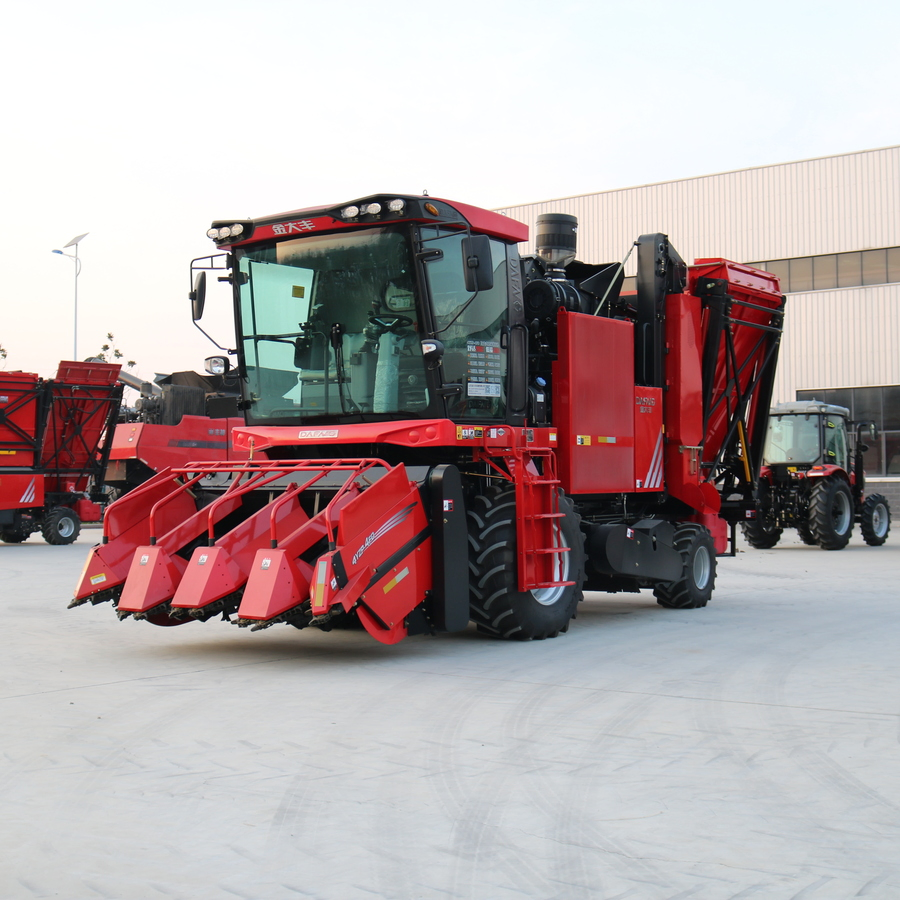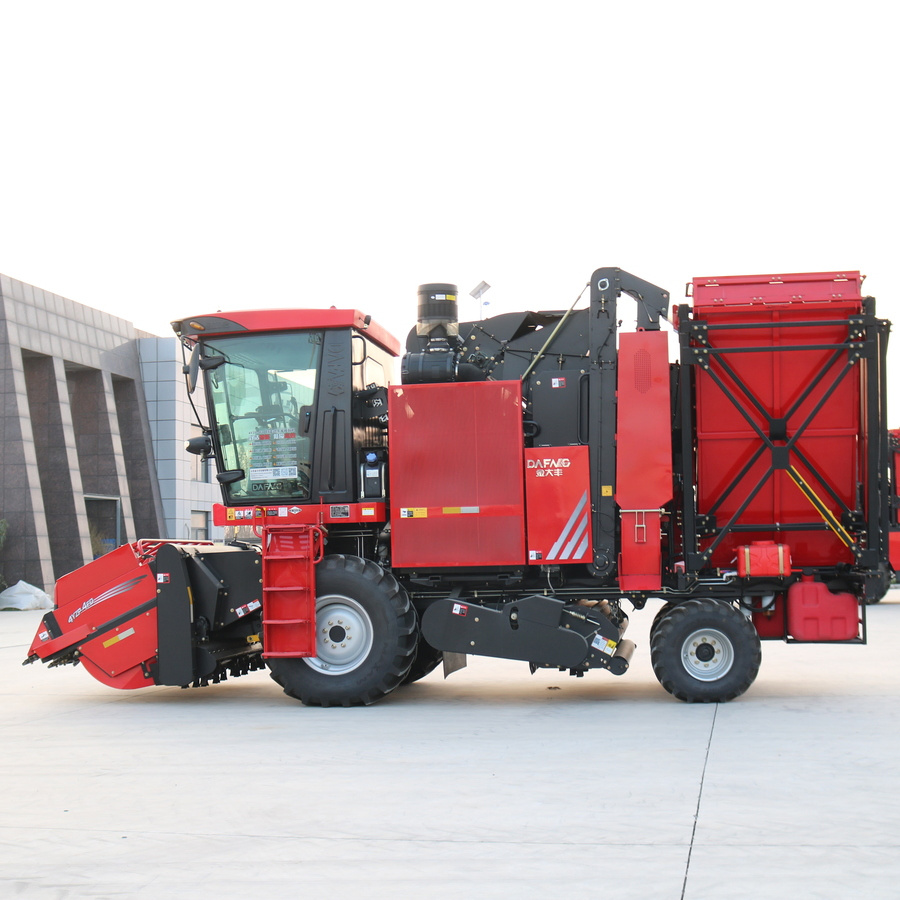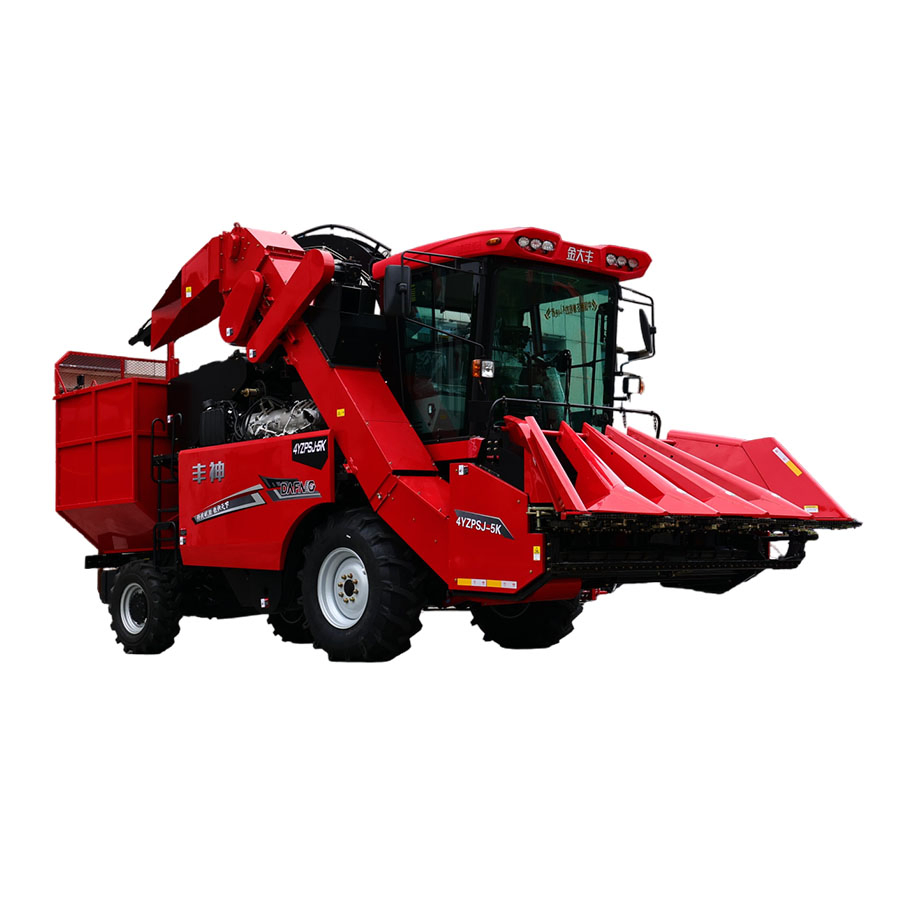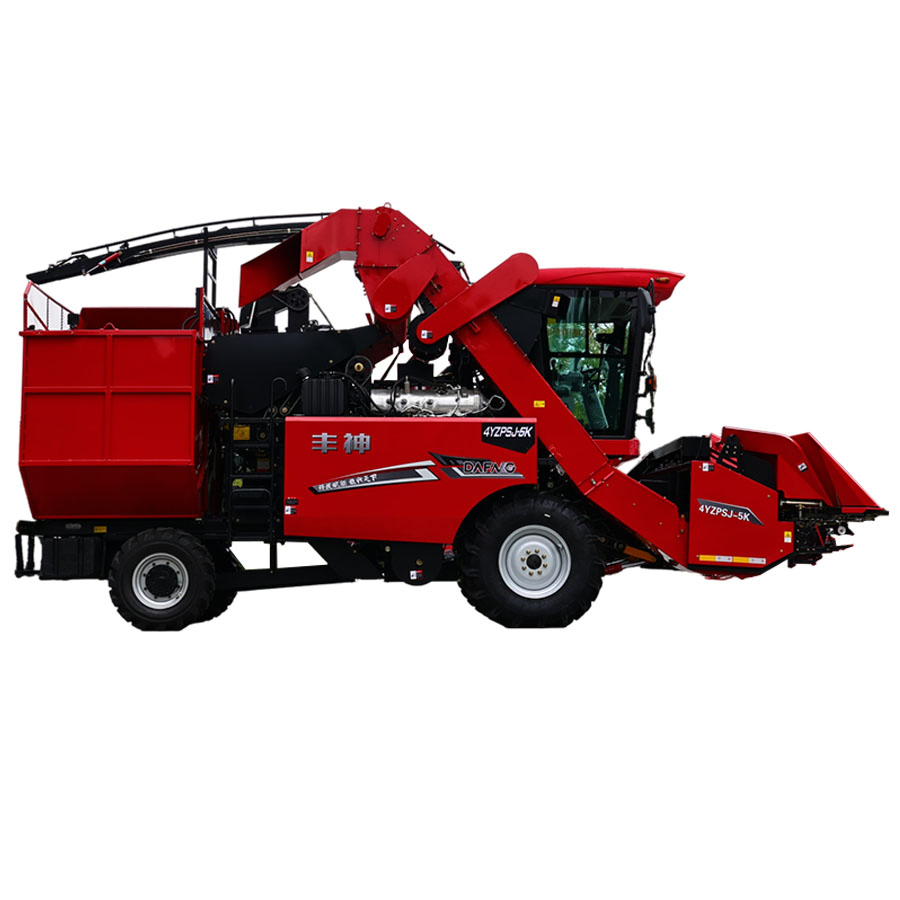
A combine does much more than cut a crop and collect it in a tank. After the header gathers the plants, the machine must remove grain from the heads or pods, separate it from straw, and clean away chaff before the finished grain reaches the tank.
The combine harvester cleaning system is responsible for the final stage of this process. It uses airflow, sieves, and controlled material movement to separate heavier grain from lighter straw, husks, leaves, and broken plant material.
Cleaning performance directly affects grain quality, harvesting capacity, and field loss. A poorly adjusted machine may place excessive chaff in the grain tank or blow good grain out of the rear. Understanding how the systems work together makes it easier to select, adjust, and operate a combine under real harvesting conditions.
The Crop Passes Through Several Separate Processes
Threshing, separation, and cleaning are often discussed as though they are the same operation. In reality, each stage has a different purpose.
| Stage | Main Purpose | Typical Components |
|---|---|---|
| Threshing | Remove grain from heads, pods, or ears | Cylinder or rotor, concave |
| Separation | Separate loose grain from straw | Rotor, straw walkers, separator grates |
| Cleaning | Remove chaff and light material from grain | Fan, upper sieve, lower sieve, cleaning shoe |
| Collection | Move clean grain into the tank | Grain auger, elevator, grain tank |
The quality of the final grain sample depends on all four stages. A cleaning system cannot completely correct poor threshing or overloaded separation. If too much unthreshed or broken material reaches the cleaning shoe, the sieves and fan may not be able to process it efficiently.
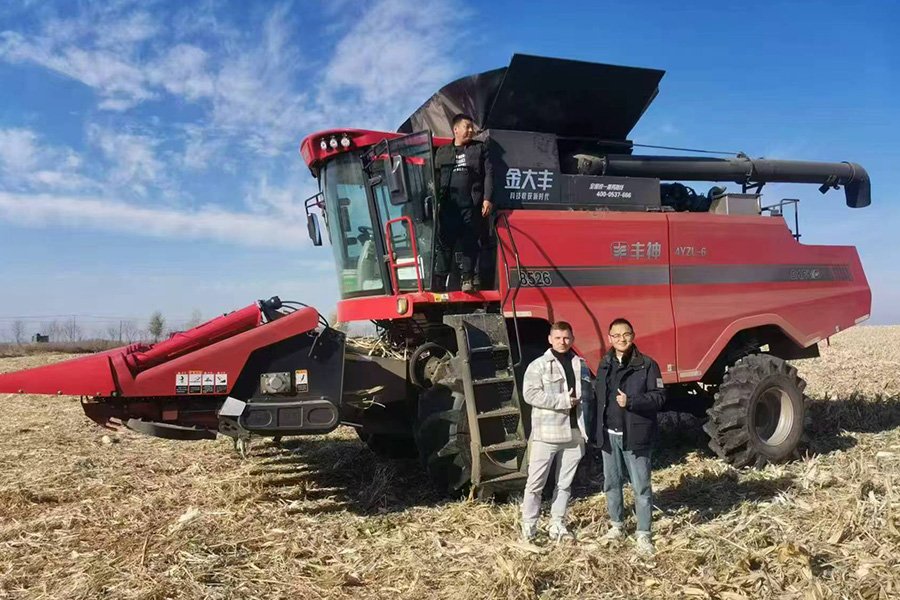
The Header Feeds Crop into the Combine
The harvesting process starts at the header. A grain header cuts wheat, rice, barley, soybeans, and similar crops before moving the material toward the feeder house.
The header must create a smooth and reasonably even crop flow. Large bunches of material can overload the threshing system, while irregular feeding creates repeated changes in machine load.
Important factors include:
- Cutting height
- Reel position and speed
- Cutterbar condition
- Header auger or conveyor adjustment
- Forward speed
- Crop moisture and density
Even though these components are located before the cleaning shoe, they still affect cleaning quality. Uneven crop feeding produces uneven threshing and separation, which sends inconsistent amounts of grain and chaff onto the sieves.
Threshing Releases the Grain
Once crop enters the combine, the threshing system removes grain from the plant.
Depending on the machine design, the main threshing component may be:
- A conventional cylinder and concave
- An axial-flow rotor
- A longitudinal rotor
- A combined threshing and separation rotor
How the Cylinder or Rotor Works
The crop passes between the rotating cylinder or rotor and the concave. Impact, rubbing, and pressure release the grain from heads, pods, or ears.
The concave contains openings that allow much of the loose grain and smaller material to fall downward. Larger pieces of straw continue through the machine toward the separation section.
Why Threshing Adjustment Matters
If threshing is too gentle, grain may remain in the heads or pods. This material can pass through the machine and become field loss.
If threshing is too aggressive, it may:
- Crack or split kernels
- Break straw into small pieces
- Increase the load on the cleaning system
- Raise power consumption
- Produce a dirty grain sample
Rotor or cylinder speed and concave clearance should therefore be adjusted together. The goal is to release the grain completely without creating unnecessary damage or excessive broken material.
Separation Removes Grain from Straw
After threshing, some loose grain may still remain mixed with straw. The separation system recovers this grain before the straw leaves the rear of the combine.
Separation in a Conventional Combine
Conventional combines commonly use straw walkers. The walkers move and shake the straw while loose grain falls through openings onto a return pan or grain pan below.
The straw continues toward the rear discharge area, while the recovered grain moves toward the cleaning shoe.
Separation in a Rotary Combine
Rotary combines use centrifugal force, crop movement, and separator grates to release grain from straw. The rotor may perform both threshing and separation within one continuous system.
Rotary systems can process large volumes of crop, but correct rotor speed, clearance, and crop loading remain important.
What Causes Separation Loss?
Loose grain may leave the combine with straw when:
- Forward speed is too high
- Crop volume exceeds machine capacity
- Straw is wet or difficult to separate
- Rotor or walker settings are incorrect
- Internal crop flow is uneven
- Separation grates are blocked or damaged
This loss occurs before the material reaches the cleaning shoe. Increasing fan speed will not solve grain that remains trapped in discharged straw.
Grain and Chaff Reach the Cleaning Shoe
Material arriving at the cleaning shoe usually contains a mixture of:
- Grain kernels
- Chaff
- Small pieces of straw
- Husks
- Broken heads or pods
- Light plant material
The cleaning shoe spreads this mixture over the sieves. As the sieves move, the fan directs air upward through the material.
Because clean grain is usually heavier than chaff, the grain falls through the sieve openings while lighter material is lifted and carried toward the rear of the machine.
Main Parts of a Combine Harvester Cleaning System
A typical combine harvester cleaning system contains several components that must work together.
Cleaning Fan
The fan produces the airflow needed to remove light material. It should provide enough air to lift chaff without carrying good grain out of the machine.
Fan speed is influenced by:
- Crop type
- Kernel weight
- Moisture content
- Sieve openings
- Amount of material entering the shoe
- Field slope
Upper Sieve
The upper sieve, sometimes called the chaffer, handles a large part of the initial separation. It allows grain and some smaller material to pass downward while larger and lighter material moves toward the rear.
If the upper sieve is opened too widely, too much material may reach the lower sieve. If it is closed too tightly, clean grain may remain on top and leave the machine with the chaff.
Lower Sieve
The lower sieve performs the final cleaning stage before grain enters the clean-grain auger.
A narrow opening may improve the appearance of the grain sample, but closing it too much can increase returns and reduce harvesting capacity.
An opening that is too wide may allow excess chaff and broken material into the grain tank.
Cleaning Shoe Motion
The cleaning shoe moves back and forth to spread and transport material across the sieves. This movement helps create an even layer so airflow can pass through the crop mixture.
If material accumulates heavily on one side or in one section, part of the sieve area may become overloaded while another part remains underused.
Return System
Material that does not pass through the lower sieve may enter the return system. It is then sent back for additional threshing or cleaning.
A small amount of returned material is normal. Excessive returns may indicate:
- Sieve openings are too narrow
- Threshing is incomplete
- Fan speed is incorrect
- The cleaning shoe is overloaded
- Crop flow is uneven
Continuously recirculating large amounts of material reduces capacity and can damage grain.
How Airflow and Sieves Work Together
Fan speed should not be adjusted independently from the sieves. The airflow and openings must work as one system.
For example, increasing fan speed while keeping the upper sieve nearly closed may cause grain to remain on the sieve surface and move out of the rear. Opening the sieve too widely with weak airflow may allow chaff to enter the grain tank.
| Observed Problem | Possible Cause | Area to Inspect |
|---|---|---|
| Too much chaff in the grain tank | Low airflow or sieves too open | Fan speed and lower sieve |
| Clean grain behind the combine | Excessive airflow or upper sieve too narrow | Fan and upper sieve |
| Excessive returns | Lower sieve too narrow or incomplete threshing | Lower sieve, rotor and concave |
| Broken straw in the tank | Aggressive threshing or insufficient airflow | Rotor speed, concave and fan |
| Unthreshed heads in returns | Threshing settings too gentle | Rotor or cylinder and concave clearance |
| Loss increases in heavy crop | Cleaning shoe overloaded | Forward speed and crop flow |
Why More Fan Speed Is Not Always Better
Operators sometimes increase fan speed whenever the grain sample looks dirty. This may remove more chaff, but it can also increase grain loss.
Light crops and small seeds are especially sensitive to excessive airflow. Heavier grain may tolerate stronger airflow, but the correct setting still depends on moisture, crop condition, and sieve position.
The correct approach is to:
- Check whether the cleaning shoe is overloaded.
- Inspect the grain tank sample.
- Check for grain behind the combine.
- Adjust one setting at a time.
- Harvest a representative distance.
- Inspect the result again.
Changing several settings at once makes it difficult to determine which adjustment improved or worsened the result.
Crop Conditions Change Cleaning Performance
The same machine settings may not work throughout the entire day.
Morning Moisture
In the morning, straw and chaff may contain more moisture. Wet plant material is heavier and may be harder to lift with airflow. It can also move more slowly across the sieves.
The operator may need to reduce forward speed or adjust fan and sieve settings until the crop becomes drier.
Dry Afternoon Conditions
As the crop dries, straw may break into smaller pieces. These pieces can fall through larger sieve openings and make the grain sample dirtier.
Dry grain may also shatter more easily at the header and during threshing.
High-Yield Areas
Heavy crop areas send more grain and plant material through the machine. If forward speed remains unchanged, the cleaning shoe may become overloaded.
The operator should respond to crop volume rather than maintaining one constant travel speed across the entire field.
Sloping Fields
On a slope, grain and chaff may move toward one side of the cleaning shoe. This reduces the effective cleaning area and can cause higher losses.
Machines intended for sloping land may use leveling systems, specialized cleaning designs, or other features to maintain a more even material distribution.
How to Diagnose Cleaning Problems in the Field
A useful diagnosis starts with identifying exactly where the grain is being lost.
Inspect the Grain Tank
The tank sample shows whether the machine is collecting clean grain. Look for:
- Excessive chaff
- Broken kernels
- Unthreshed heads
- Small straw pieces
- Damaged seed coats
Inspect Material Behind the Combine
Loose, clean grain behind the machine may indicate cleaning or separation loss. Grain still inside heads or pods points more strongly toward incomplete threshing.
Check the Return System
A heavily loaded return system suggests that material is not passing through the sieves correctly or that threshing is incomplete.
Check One System at a Time
Do not immediately assume that every dirty grain sample is caused by the cleaning system. Excessive broken straw may begin with aggressive threshing. Unthreshed material may start at the rotor or cylinder.
The most effective adjustment process follows the crop path from front to rear:
- Header and feeding
- Threshing
- Separation
- Cleaning
- Grain collection
Maintenance That Protects Cleaning Performance
Even correct settings cannot compensate for damaged or blocked components.
Before and during harvest, inspect:
- Fan blades and fan housing
- Upper and lower sieves
- Sieve adjustment mechanisms
- Cleaning shoe seals
- Return augers and elevators
- Drive belts and chains
- Bearings and linkage points
- Air passages
- Grain pans and distribution surfaces
Chaff buildup can restrict airflow. Bent sieve sections can create uneven openings. Worn seals may allow air to escape before it reaches the crop material.
Regular cleaning and inspection help maintain consistent airflow and grain movement.
What Buyers Should Evaluate in a Grain Combine Harvester
When comparing machines, buyers should look beyond engine power and cutting width. The capacity and adjustability of the cleaning system determine whether the combine can maintain a clean grain sample at practical working speeds.
Important factors include:
- Cleaning shoe area
- Fan adjustment range
- Upper and lower sieve design
- Ease of crop-setting changes
- Access for cleaning and inspection
- Return-system design
- Separation capacity
- Compatibility with different crops
- Availability of spare parts
Farmers and importers can review the combine harvester cleaning system configurations available across our grain harvesting equipment for wheat, rice, soybeans, corn, and other crops.
A suitable machine should provide enough cleaning capacity for the expected crop volume while allowing operators to adjust airflow and sieves as field conditions change.
Clean Grain Depends on the Entire Machine
The cleaning shoe is the final stage before grain enters the tank, but it cannot work effectively on its own.
Consistent performance begins with smooth header feeding, correct threshing, and complete separation. The fan and sieves then remove light material and direct clean grain toward the grain elevator.
When operators understand the complete crop path, they can diagnose problems more accurately. Instead of increasing fan speed whenever grain looks dirty, they can determine whether the real cause is crop overload, aggressive threshing, poor separation, incorrect sieve openings, or restricted airflow.
A properly adjusted combine harvester cleaning system helps produce cleaner grain, control field loss, reduce unnecessary returns, and maintain harvesting capacity throughout the working day.