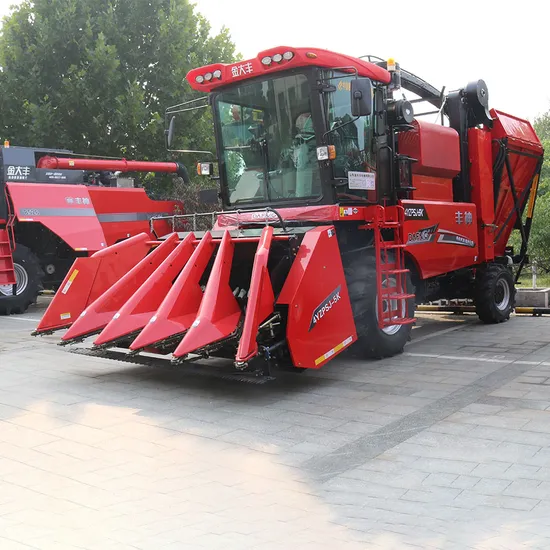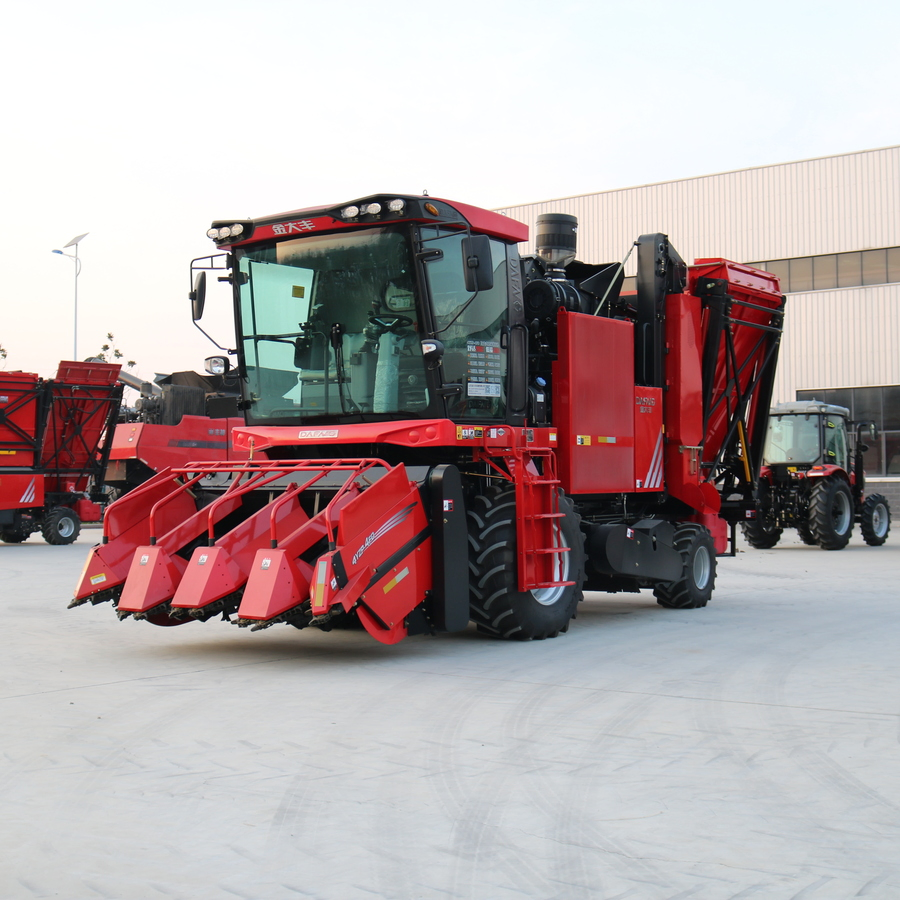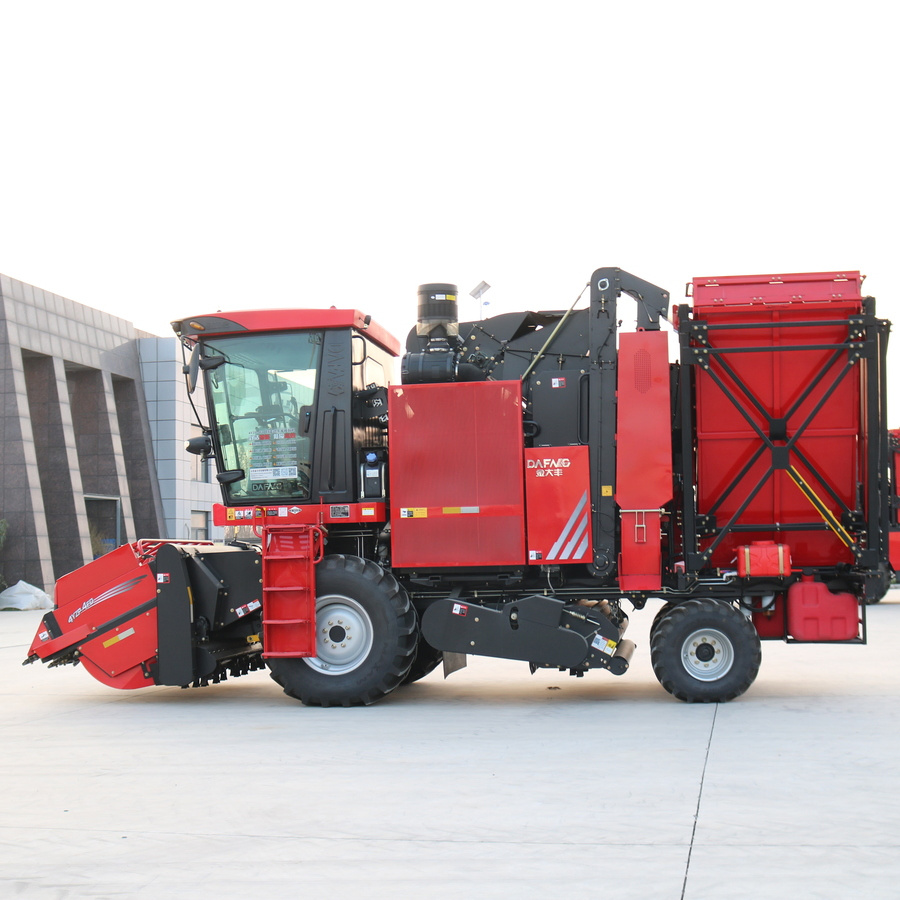
Heavy soil creates some of the toughest conditions for agricultural machinery. Clay ground, compacted fields, and high-resistance soil require tractors that can deliver stable power, strong traction, and reliable working efficiency. A light-duty machine may perform acceptably on dry, loose soil but struggle significantly once the field becomes more demanding.
That is why farmers, contractors, and buyers often search for the right farm tractor for heavy soil. Choosing the correct machine can improve plowing depth, reduce wheel slip, lower fuel waste, and increase overall field productivity.
This article explains how tractor power, drive type, tire setup, and implement matching influence performance in heavy soil conditions.
Why Heavy Soil Needs a Different Tractor Approach
Heavy soil places more resistance against tillage tools. The tractor has to pull harder to maintain speed and depth. When horsepower, traction, or weight distribution is not sufficient, the machine may spin its wheels, lose stability, or require repeated passes.
This wastes time and fuel while lowering field quality. For professional growers, it also affects the narrow working window before seeding or planting.
A tractor for heavy soil farming should therefore be selected with a focus on usable power rather than only rated horsepower.
The Three Core Requirements: Power, Traction and Stability
Power
Heavy soil needs strong engine torque. The machine must hold its speed while pulling deep-working tools or wider implements. Higher horsepower helps, but only when paired with proper drivetrain and field setup.
Traction
Wheel slip is one of the biggest enemies of field efficiency. Good traction allows the tractor to convert engine power into forward movement instead of wasting energy. 4WD systems help significantly in this area.
Stability
Stable operation depends on tractor weight, wheelbase, tire selection, and implement matching. A tractor that feels balanced under load performs more consistently and safely.
Recommended Power Levels for Heavy Soil
| Soil and Work Condition | Recommended Tractor Power | Typical Use |
|---|---|---|
| Moderately resistant soil | 100HP–150HP | General plowing and tillage |
| Heavy clay or compacted soil | 150HP–240HP | Deep tillage and large field work |
| Large-scale heavy soil projects | 300HP–440HP | Wide implements and commercial operations |
Buyers looking for the best horsepower range for tractors in heavy soil should evaluate power together with traction, implements, and daily productivity goals.
Why 4WD Usually Performs Better
Heavy soil frequently causes slippage, especially during plowing and deep tillage. A 4WD tractor transfers power across all wheels, which improves grip and helps maintain a more consistent working speed.
This is why many farmers prefer 4WD models when they need a 4WD tractor for clay soil and plowing. Better traction also reduces repeated passes and can improve fuel efficiency per hectare.
For tractors above medium horsepower, 4WD becomes especially important because stronger engines need better ground contact to deliver full value.
Tire Selection for Heavy Soil
Tires strongly influence field performance. Narrow tires may sink or slip in loose conditions. Wider tires often improve surface contact and stability. In some cases, radial tires or dual tire systems can improve grip and reduce compaction.
Heavy soil operations may benefit from:
- Wider agricultural tires
- Radial tire options
- Appropriate tire pressure
- Dual tire setups on larger tractors
Buyers comparing a farm tractor tire setup for heavy soil should never treat tires as a minor option. They are central to real working efficiency.
Matching Implements with Tractor Strength
Heavy soil makes implements work harder. A larger plow, ripper, or subsoiler may look efficient, but if it exceeds tractor capability, it can reduce speed and overstress the machine.
Tractor and implement should be sized together. Important points include:
- Working depth
- Implement width
- Draft requirement
- Hydraulic control needs
When buyers ask about a tractor for deep tillage in heavy ground, implement matching becomes just as important as engine output.
Hydraulic Performance in Heavy Field Work
Many heavy soil tasks require precise implement control. The hydraulic system must support lifting, lowering, and adjusting tools under significant resistance. Weak hydraulic performance can reduce consistency and make operation less efficient.
A capable hydraulic system improves:
- Depth control
- Implement handling
- Operational smoothness
- Compatibility with larger tools
For buyers comparing a heavy-duty farm tractor with strong hydraulic lift, this system deserves careful review.
Fuel Efficiency in Heavy Soil Conditions
Heavy soil often increases fuel demand because the tractor works under higher load. However, the cheapest or smallest machine is not always more economical. If it struggles constantly, it may consume more fuel per completed hectare.
A properly sized tractor can complete the task faster and with less stress. Efficiency should therefore be measured by total field output, not only fuel consumed per hour.
What Large Farms Usually Need
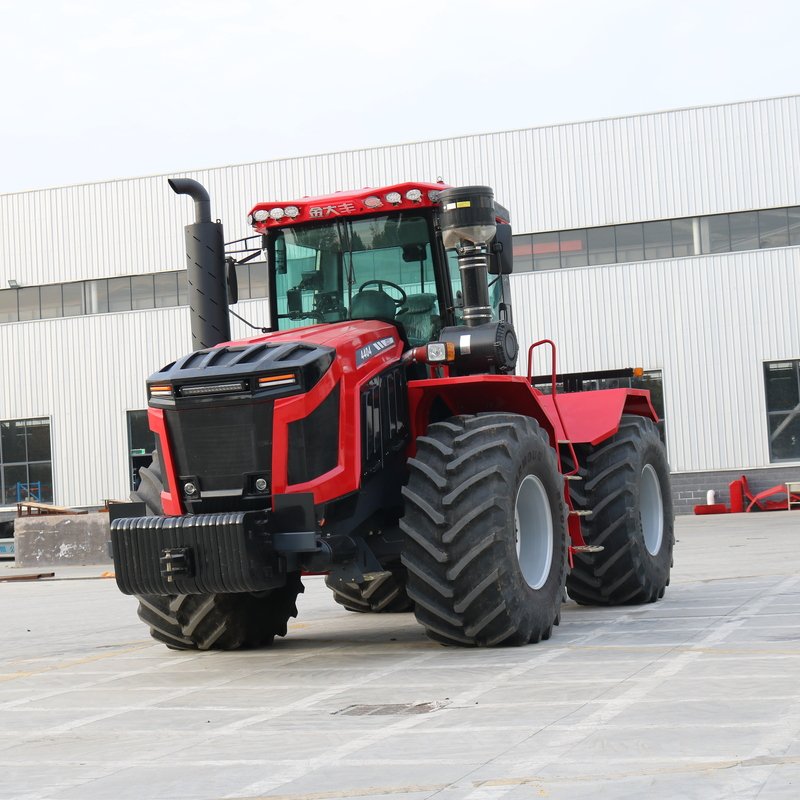
Large farms with heavy soil often rely on tractors in the 200HP to 440HP range, depending on implements and working scale. Wider tools help cover more land, and stronger tractors maintain better productivity over long workdays.
Commercial operators interested in a high power tractor for heavy field conditions should focus on durability, driveline strength, operator comfort, and support availability.
Common Mistakes to Avoid
One mistake is choosing a tractor based solely on horsepower while ignoring traction. Another is using tires that do not suit the field. Buyers may also underestimate the importance of weight balance and hydraulic lifting power.
Some farmers select overly large implements without considering whether the tractor can pull them efficiently. This can lead to poor productivity and higher wear.
A better strategy is to evaluate the whole operating system: tractor, tires, traction, hydraulics, and implement size.
Where King-Gold Dafeng Can Fit
King-Gold Dafeng agricultural machinery offers tractor solutions across multiple power ranges, including models suitable for demanding field applications and heavier work environments.
For buyers who need tractors for challenging soil conditions, selecting the right configuration is more important than simply choosing the largest machine available.
Final Thoughts
A strong farm tractor for heavy soil should combine the right horsepower, effective traction, suitable tires, balanced stability, and dependable hydraulic performance. Heavy soil work places real demands on agricultural machinery, so tractor selection must be practical and precise.
Farmers and buyers who compare these factors carefully can reduce wheel slip, improve plowing consistency, and increase field productivity. The right tractor does not just move through heavy soil—it works efficiently within it.
Articles that might interest you