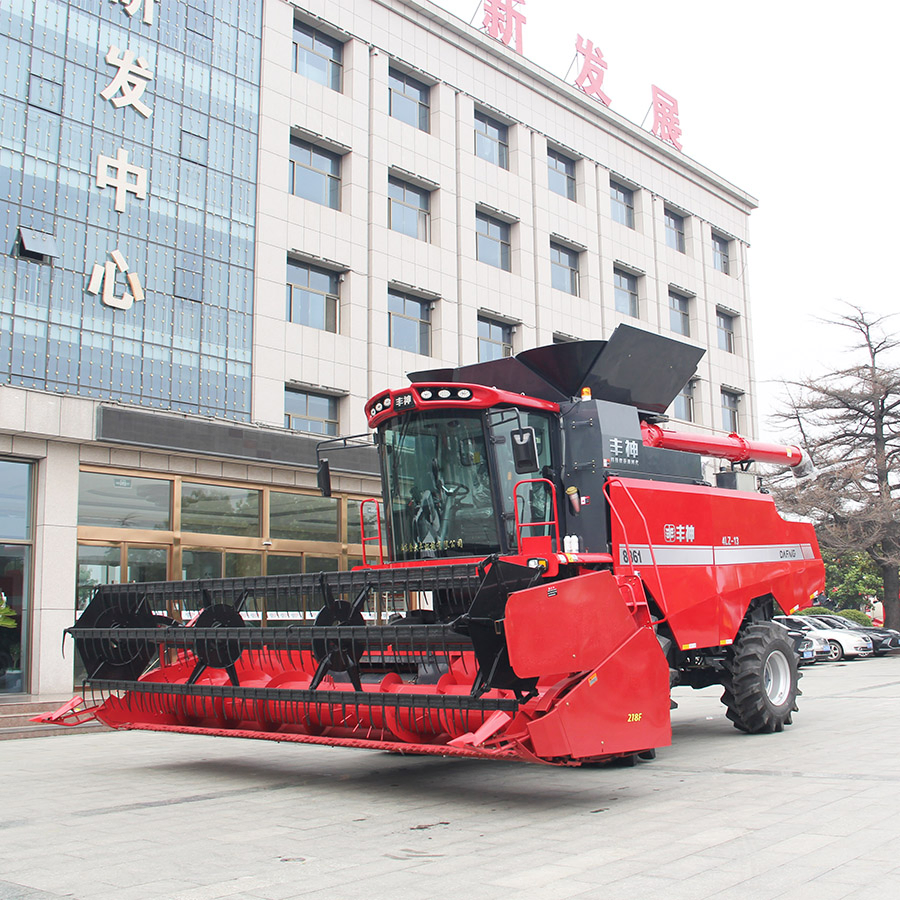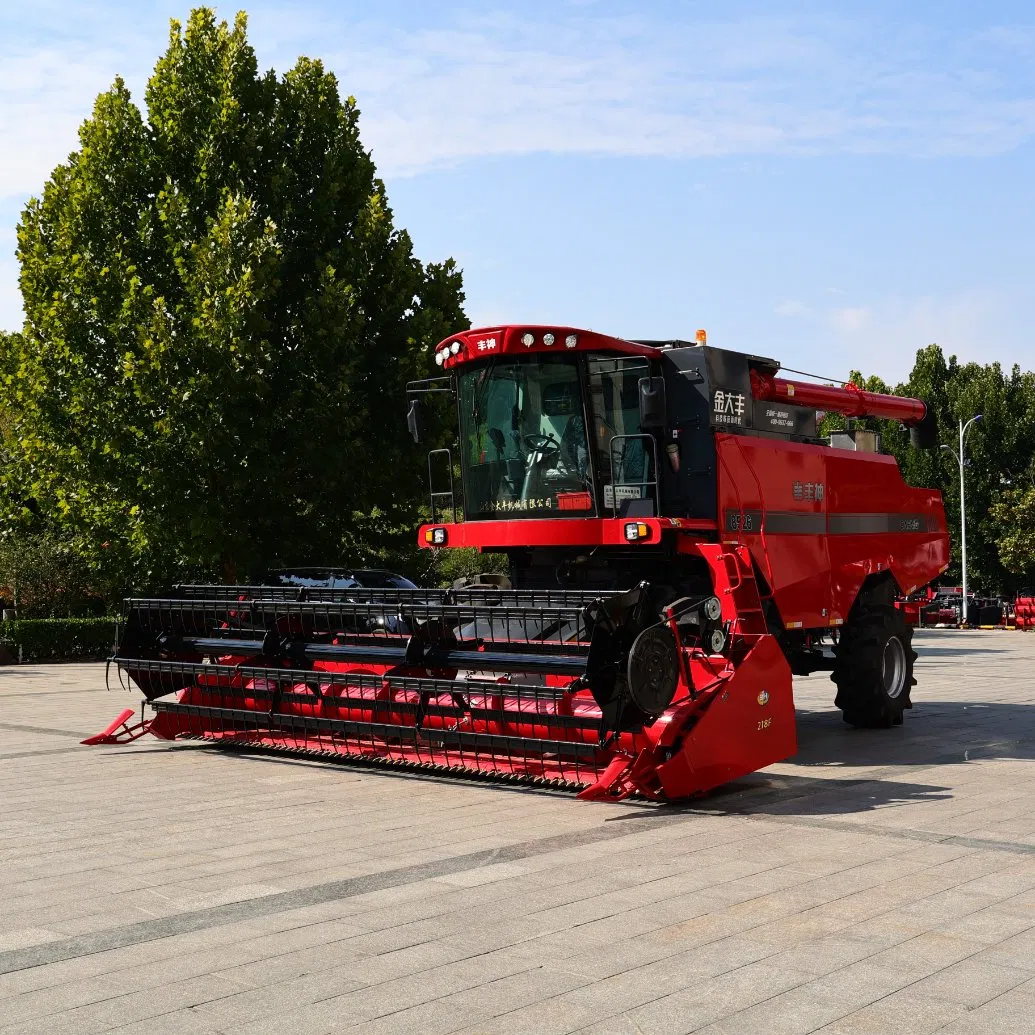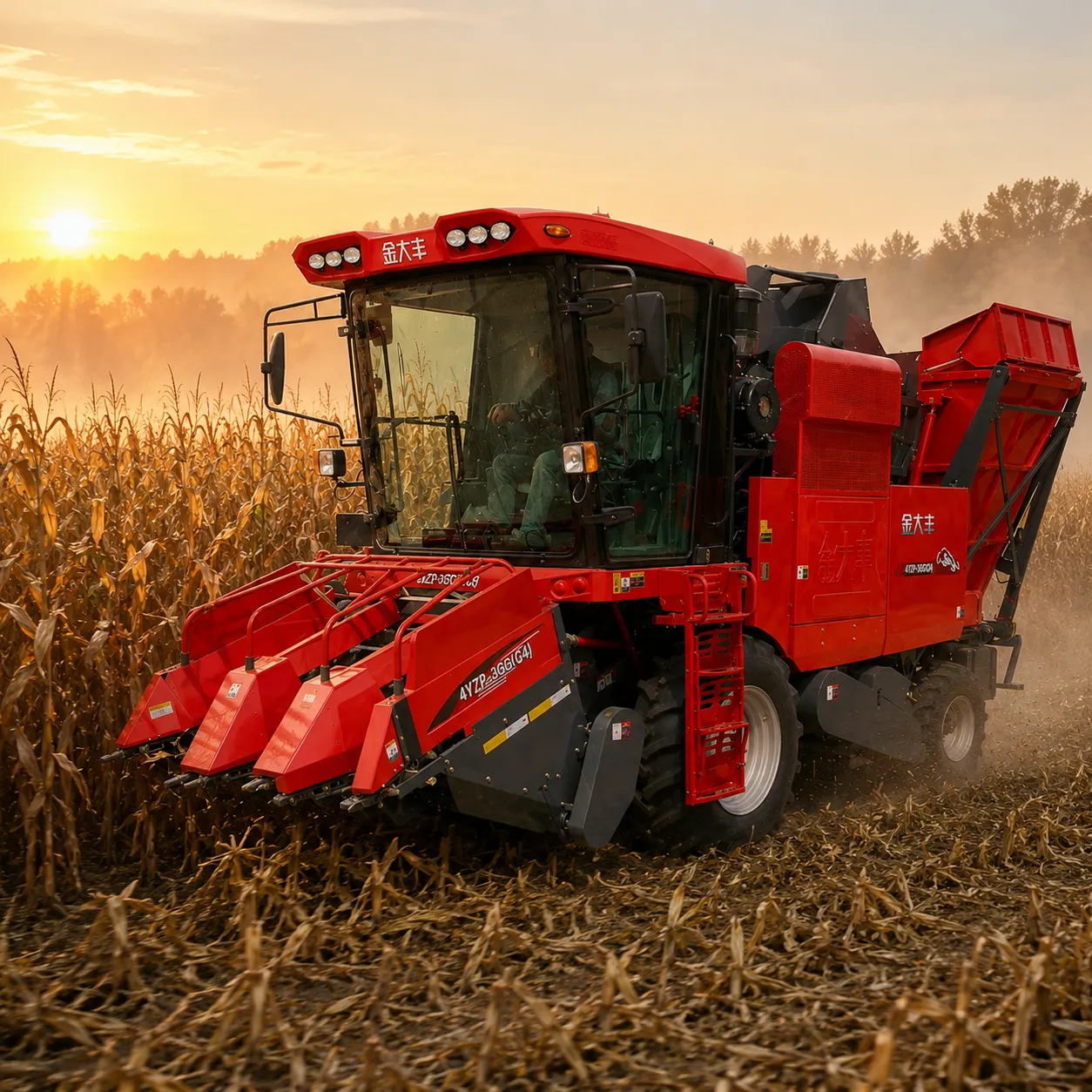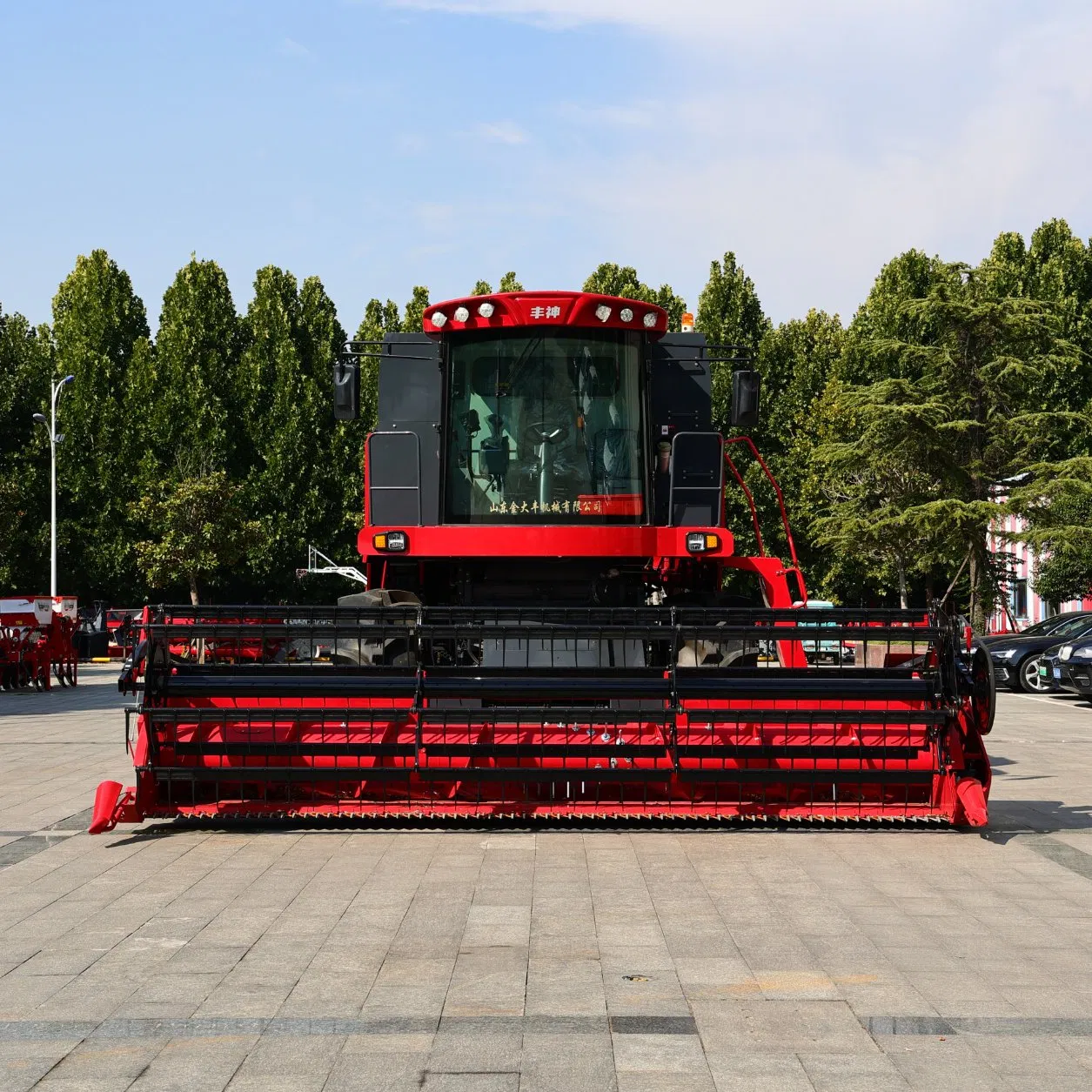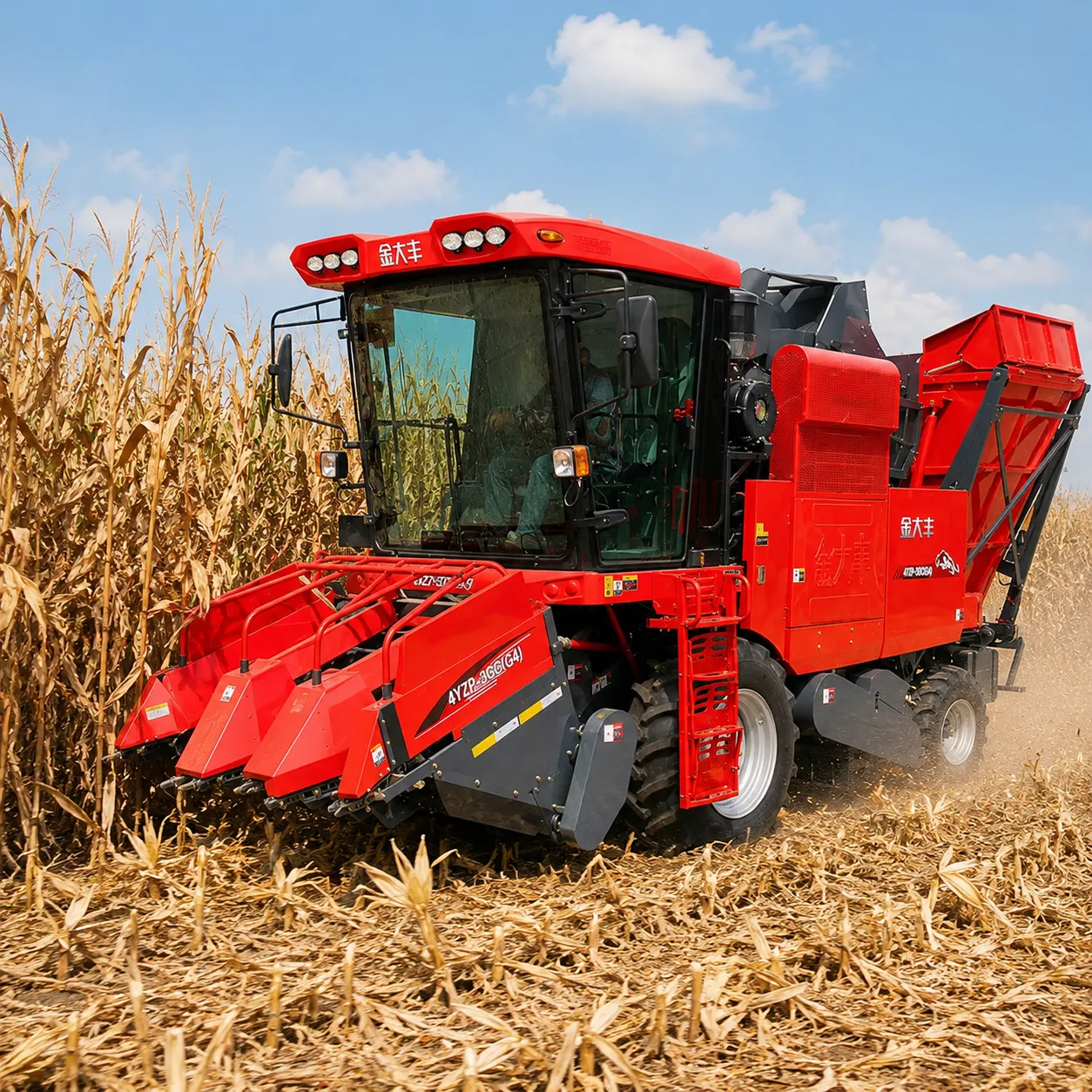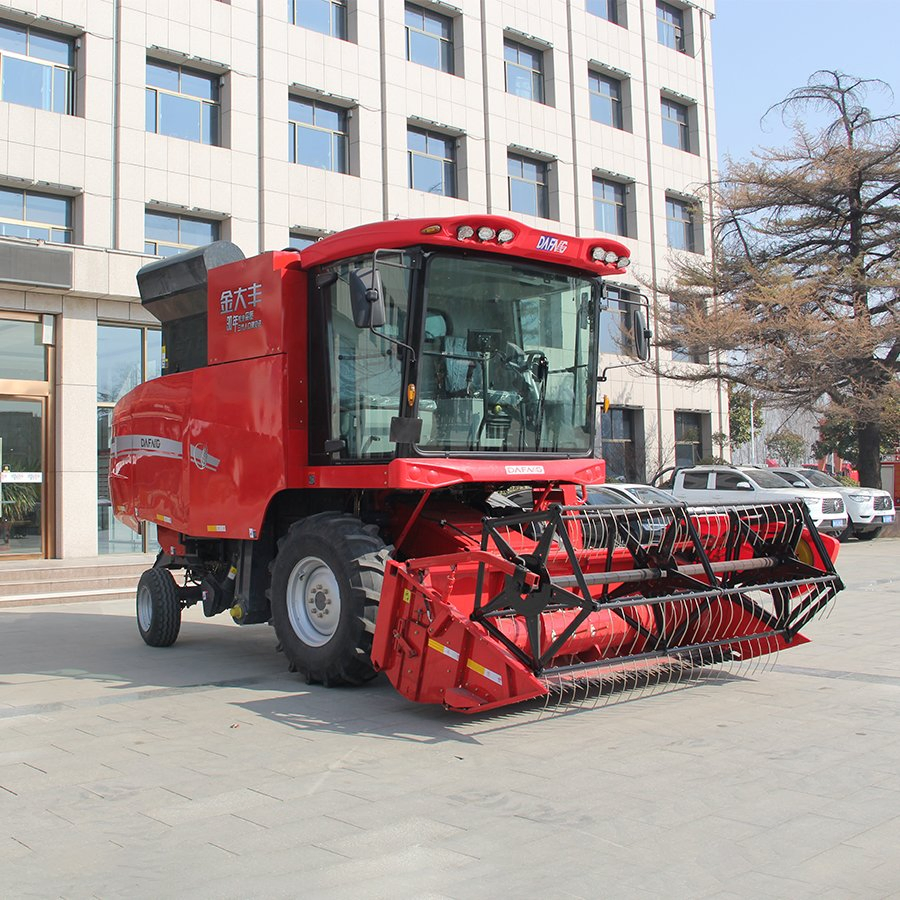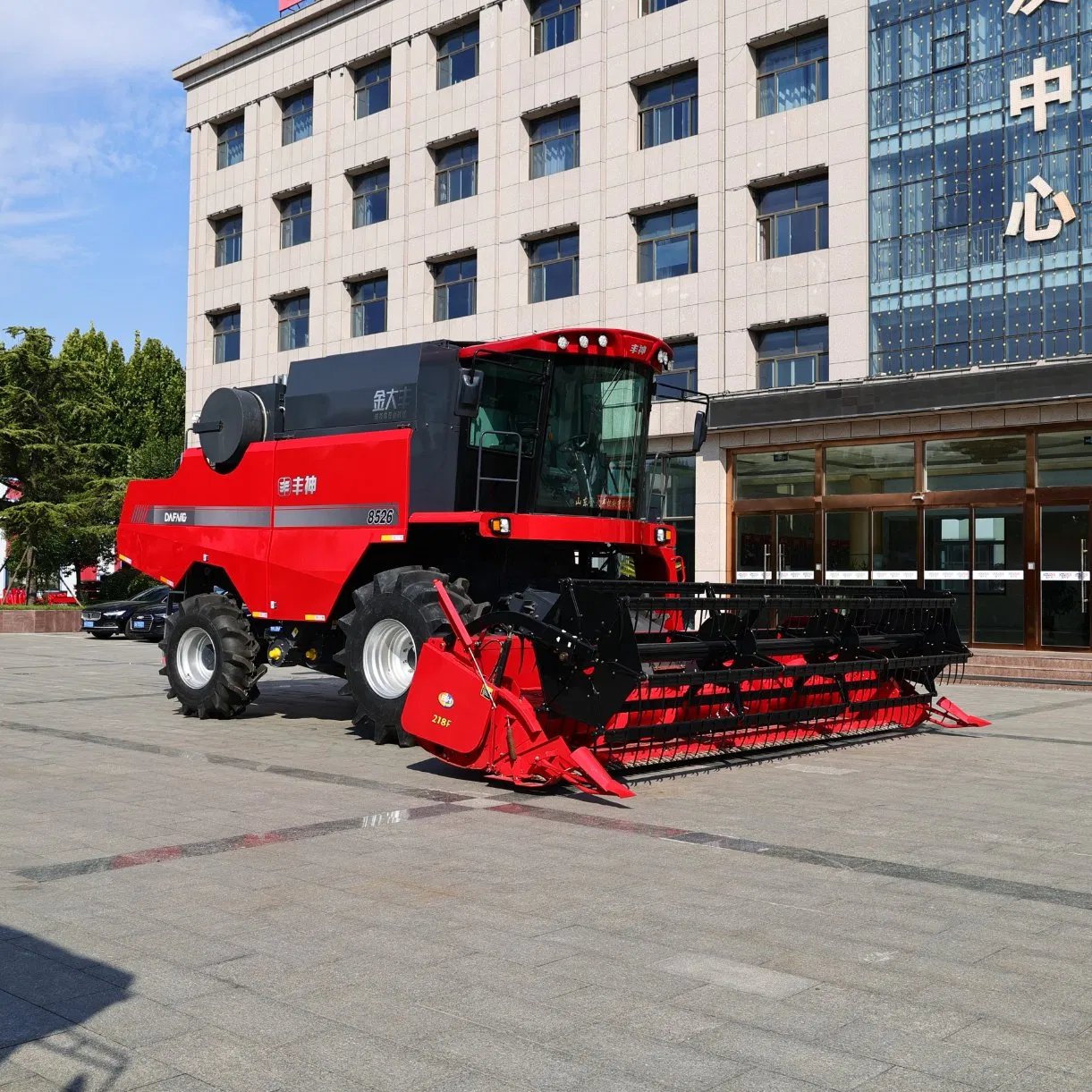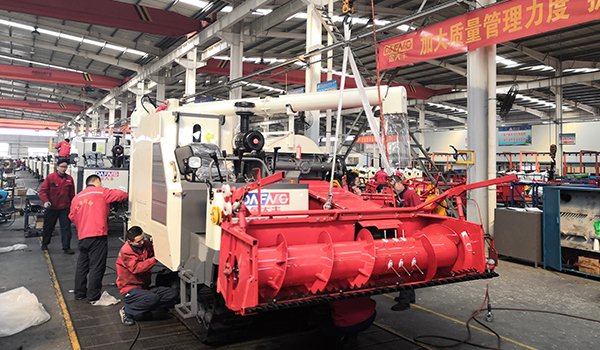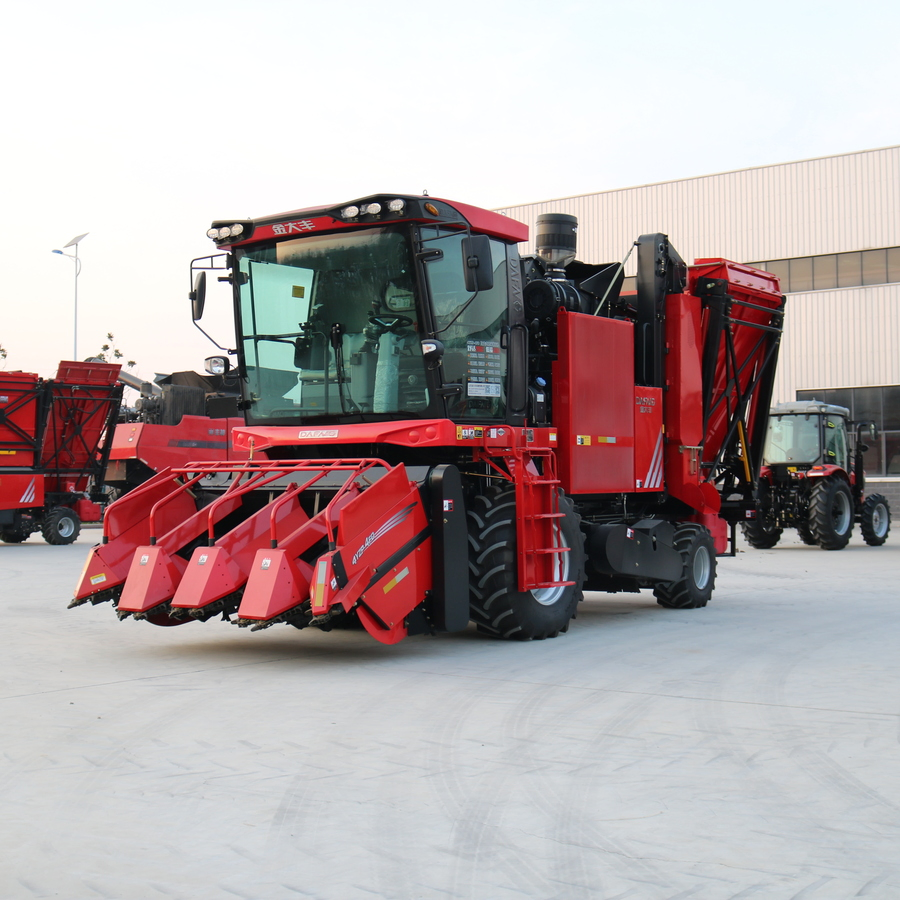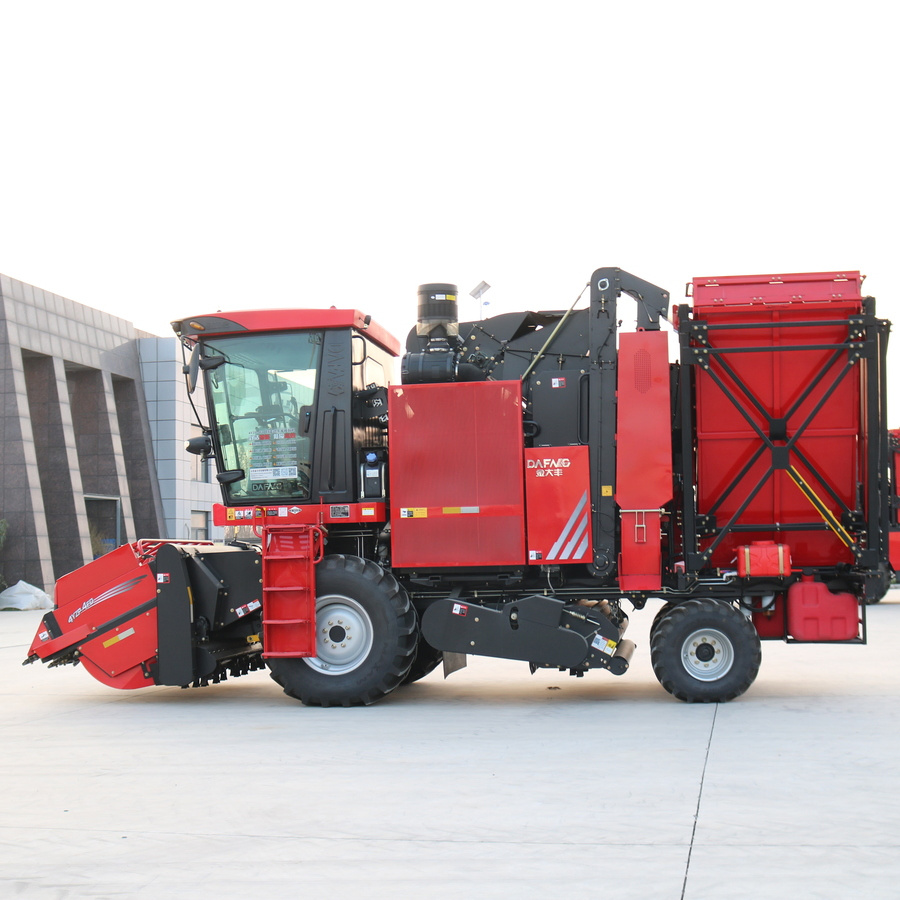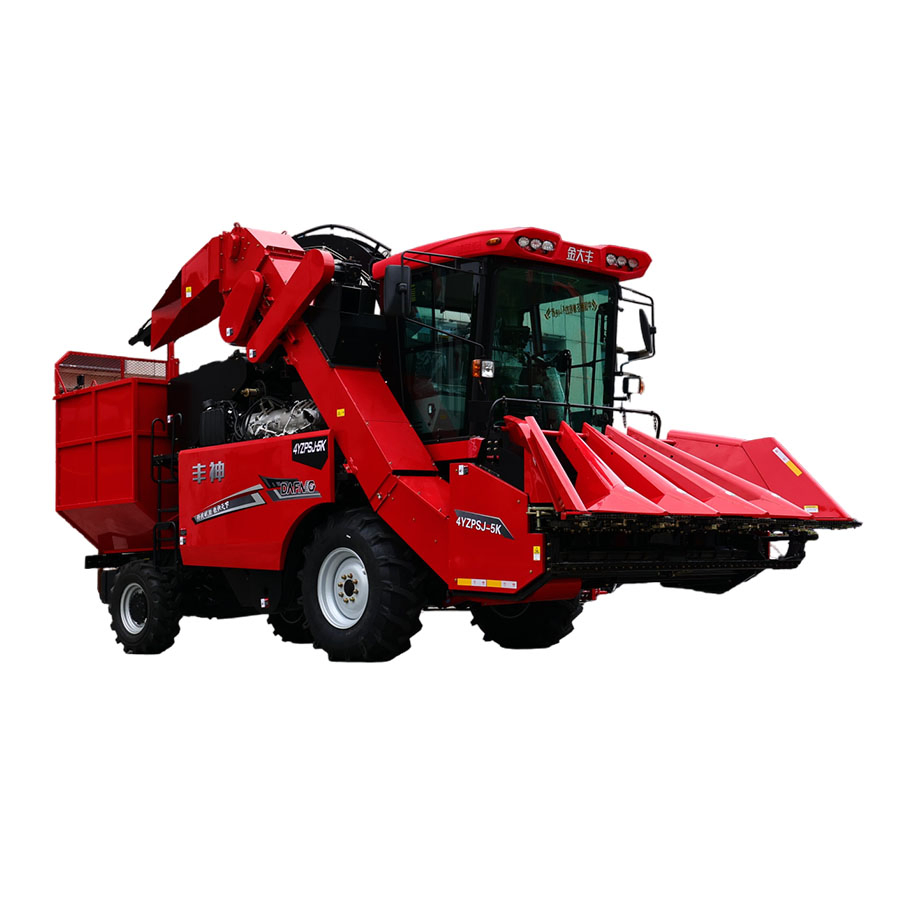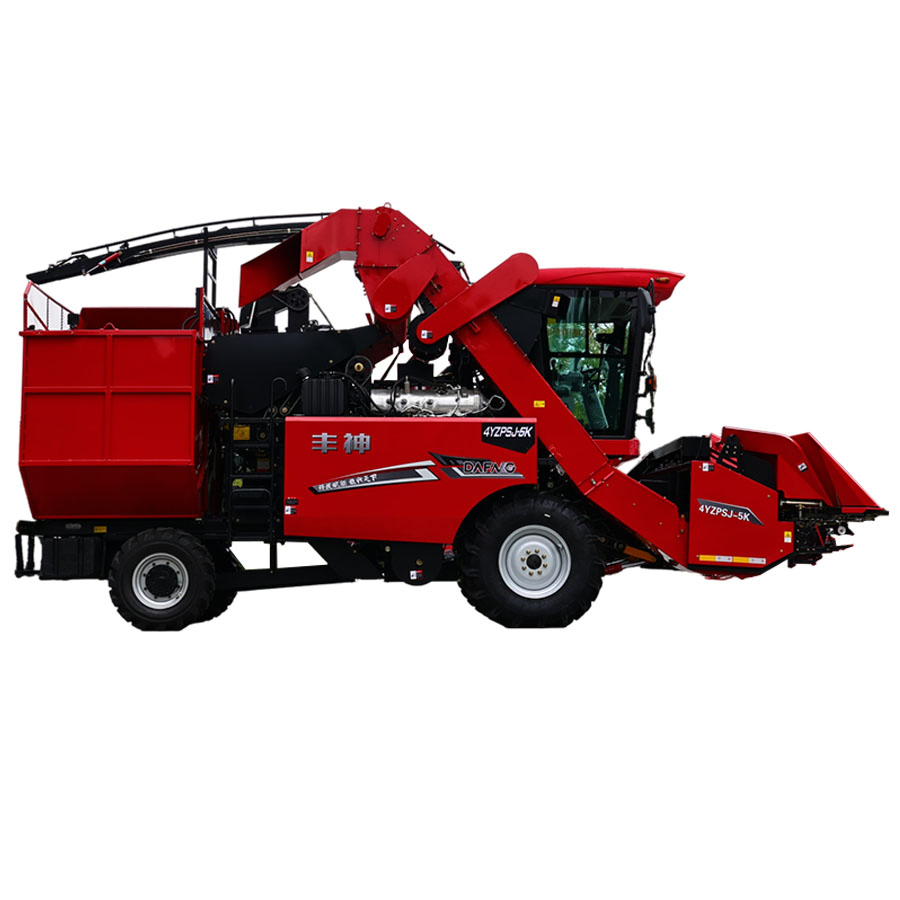
Combine harvester field efficiency is not determined by engine power alone. A machine may have a large cutting width and high rated capacity, yet still cover fewer hectares per day than expected because of turning time, uneven crop feeding, poor machine adjustment, frequent unloading, or field conditions.
For farmers, contractors, dealers, and importers, the practical question is not simply how fast a combine can travel. It is how much crop the machine can harvest cleanly within a working day while keeping grain loss, fuel consumption, downtime, and operator fatigue under control.
Understanding the factors behind real field performance helps buyers compare machines more accurately and helps operators get better results from the equipment they already own.
Rated Capacity and Real Field Capacity Are Not the Same
Combine harvester brochures often list cutting width, engine power, grain tank capacity, and working speed. These specifications are useful, but they describe only part of the machine’s potential.
In real harvesting conditions, the combine does not spend every minute cutting crop. It also turns at field ends, unloads grain, slows down in lodged areas, stops for adjustment, and moves around obstacles.
The Difference Between Theoretical and Effective Capacity
Theoretical field capacity assumes that the machine uses its full cutting width and travels continuously at a fixed speed. Effective field capacity reflects what actually happens in the field.
For example, two combines may use headers of similar width, but one machine may lose more time because it:
- Requires wider turning space
- Needs to unload more frequently
- Feeds crop unevenly
- Requires repeated cleaning or adjustment
- Cannot maintain speed in heavy crop
This is why buyers should not compare combines only by maximum working speed or header width. The most useful machine is the one that maintains stable productivity over a complete working day.
Field Efficiency Is a System Result
Real performance comes from the interaction of several systems:
- Header and crop feeding
- Threshing and separation
- Cleaning system
- Grain tank and unloading
- Engine and transmission
- Operator control
If one part becomes the bottleneck, the entire harvesting process slows down. More engine power cannot solve a poorly matched header, restricted crop flow, or cleaning system overload.
Crop Flow Has a Direct Impact on Daily Productivity
A combine performs best when crop enters the machine in a smooth and consistent flow. Sudden surges force the threshing and cleaning systems to handle more material than normal, while irregular feeding creates periods when the machine works below capacity.
Header Width Must Match Crop Conditions
A wider header can increase field coverage, but only when the machine can process the additional crop volume. In light, dry crops, a wider cutting platform may improve productivity significantly. In heavy or wet crops, the same header may overload the feeder, threshing system, or cleaning shoe.
Header selection should consider:
- Crop type
- Crop density
- Average yield
- Moisture condition
- Field shape
- Combine processing capacity
A properly matched header helps the machine maintain stable forward speed without increasing grain loss.
Uneven Feeding Reduces Efficiency
Crop that enters the feeder in large bunches creates repeated loading changes. The engine may slow, the threshing system may become overloaded, and the cleaning system may receive too much material at once.
Operators should pay attention to cutterbar condition, reel position, auger adjustment, feeder-chain condition, and ground speed. Small feeding problems at the front of the machine can reduce combine harvester field efficiency throughout the entire system.
Forward Speed Must Follow Crop Load
Driving faster does not always increase daily output. If higher speed causes header loss, incomplete threshing, or cleaning loss, the apparent gain in field coverage may reduce the amount of marketable grain collected.
The correct travel speed is the fastest speed that allows the combine to:
- Feed crop evenly
- Maintain stable engine load
- Thresh grain completely
- Keep cleaning loss under control
- Produce an acceptable grain sample
| Operating Condition | Likely Effect on Efficiency | Recommended Response |
|---|---|---|
| Light, dry crop | Machine may operate below capacity | Increase speed gradually while checking loss |
| Heavy crop | Feeder and separator load increases | Reduce speed and maintain even feeding |
| Lodged crop | Header loss and slow feeding | Adjust cutting height, reel position, and direction |
| Wet straw | Higher power demand and slower separation | Reduce crop intake and monitor grain loss |
| Uneven field yield | Frequent machine overloading and underloading | Adjust travel speed as crop density changes |
Machine Settings Can Raise or Limit Harvesting Capacity
A combine that is poorly adjusted may travel through the field, but it will not necessarily harvest efficiently. Incorrect threshing, separation, or cleaning settings can force the operator to slow down or accept higher grain loss.
Threshing Settings Affect Throughput
If rotor or cylinder speed is too low, grain may remain in the heads or pods. If speed is too high, kernels may crack and excessive straw may be broken into small pieces.
Concave clearance also affects crop flow. A clearance that is too narrow can increase power demand and grain damage. A clearance that is too wide may leave grain unthreshed.
The best setting removes grain effectively while allowing material to move through the machine without unnecessary resistance.
Separation Capacity Must Match Material Volume
Once grain is threshed, it still needs to separate from straw. When too much material enters the separator, loose grain may leave the machine with the residue.
Separation performance depends on:
- Crop moisture
- Straw volume
- Machine load
- Rotor or walker condition
- Internal crop distribution
If separation becomes the limiting factor, increasing forward speed will only increase loss.
The Cleaning System Can Become a Hidden Bottleneck
Fan speed and sieve settings determine how quickly the machine can remove chaff while retaining grain. A cleaning shoe that is overloaded may produce a dirty grain sample, increase returns, or throw good grain out of the rear.
Operators often try to solve cleaning problems by changing only fan speed. In practice, airflow and sieve openings should be adjusted together.
A stable cleaning system helps the combine maintain higher throughput without sacrificing grain quality.
Field Layout and Unloading Time Matter More Than Many Buyers Expect
Even a well-adjusted combine loses productivity when it spends too much time turning, waiting, unloading, or moving between fields.
Small and Irregular Fields Reduce Effective Capacity
Long, rectangular fields allow the combine to spend more time harvesting and less time turning. Small plots, short rows, terraces, trees, drainage channels, and irregular boundaries increase non-harvesting time.
In these conditions, a smaller and more maneuverable combine may achieve better real productivity than a larger machine with a wider header.
Turning Radius Influences Working Time
A machine with a compact turning radius can enter the next pass more quickly. This becomes especially important in narrow or fragmented fields.
For contractors who move through many different farms, maneuverability can have a significant effect on total hectares harvested per day.
Grain Tank Capacity Changes How Often the Machine Stops
A larger grain tank allows the combine to continue harvesting for longer periods. However, tank size alone is not enough. The unloading system must also transfer grain quickly and reliably.
Field efficiency improves when unloading is well organized through:
- Appropriately sized grain carts or trailers
- Reliable unloading augers
- Good field access
- Clear communication between operators
- Unloading while harvesting, where practical
If the combine frequently waits for transport vehicles, its mechanical capacity is being wasted.
| Field Factor | Efficiency Impact | What Buyers Should Consider |
|---|---|---|
| Long rectangular fields | Higher field efficiency | Wider headers and larger combines may be suitable |
| Small fragmented plots | More turning and repositioning | Prioritize maneuverability and compact design |
| Limited field access | Transport and unloading delays | Check machine width and unloading logistics |
| High-yield crop | Faster grain tank filling | Choose sufficient tank and unloading capacity |
| Sloping land | Uneven cleaning and slower travel | Evaluate machine stability and cleaning performance |
Reliability and Operator Decisions Shape the Final Result
Field efficiency is not only a performance specification. It also depends on whether the machine can continue working without unnecessary stops.
Downtime Can Erase the Advantage of a Larger Machine
A high-capacity combine provides little value if it frequently stops because of blocked crop flow, damaged belts, worn bearings, electrical faults, or difficult maintenance access.
Before harvest, operators should inspect:
- Belts and chains
- Bearings
- Cutterbar components
- Feeder systems
- Sieves and fans
- Hydraulic lines
- Electronic sensors
- Unloading components
Preventive maintenance often improves total harvesting output more than a small increase in rated engine power.
Operator Experience Makes a Measurable Difference
An experienced operator adjusts the combine as crop conditions change. The operator watches engine load, grain quality, loss monitors, crop flow, and field conditions rather than using the same settings all day.
Good operating habits include:
- Checking losses regularly
- Changing one setting at a time
- Reducing speed before overloaded areas
- Keeping the header properly aligned
- Recording successful settings for each crop
Modern controls can support the operator, but they cannot replace careful field inspection and practical judgment.
Choose a Machine That Matches the Crop and Market
Wheat, rice, soybeans, corn, and other crops place different demands on the header, threshing system, cleaning system, and running gear.
Buyers should compare machines according to their main crops and field conditions rather than selecting only by horsepower.
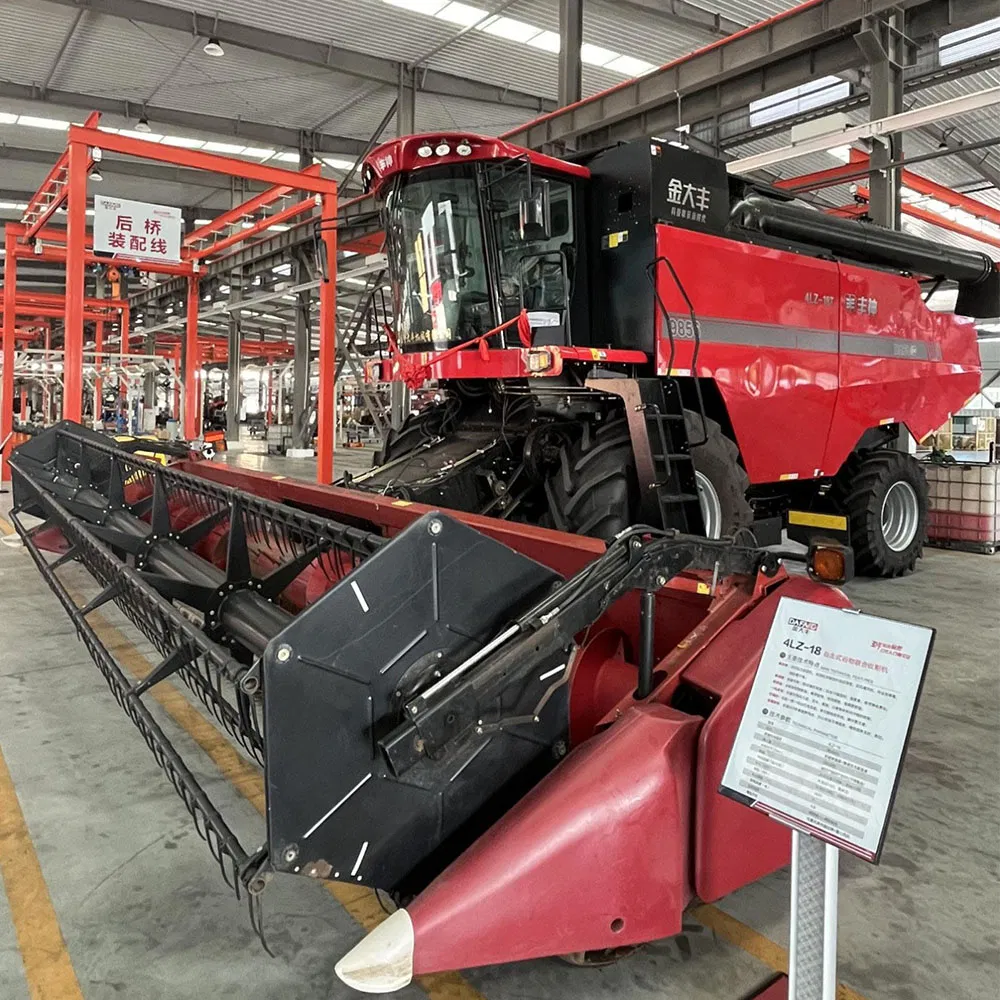
Our grain combine harvester range includes harvesting solutions for wheat, rice, corn, soybeans, and mixed-grain applications, with different cutting widths, grain tank capacities, and field configurations.
How to Improve Combine Harvester Field Efficiency in Practice
Improving combine harvester field efficiency usually comes from several small changes rather than one major adjustment.
Start with the areas that create the most lost time:
- Match the header to the crop and machine capacity.
- Maintain steady crop feeding.
- Adjust forward speed according to crop load.
- Set threshing and separation systems correctly.
- Balance fan speed with sieve openings.
- Reduce unnecessary turning and idle time.
- Organize grain transport before the combine tank is full.
- Perform preventive maintenance before and during harvest.
A machine should not be judged by the fastest moment of the day. It should be judged by how consistently it harvests clean grain with acceptable loss over many hours.
When field layout, machine capacity, operator decisions, and unloading logistics work together, the combine can cover more hectares without relying on excessive speed.
For farmers, contractors, and distributors comparing harvesting equipment, explore our combine harvesters for grain crops to review available configurations for different crops, farm sizes, and field conditions.