A tractor is more than an engine and wheels. In modern farming, many important tasks depend on the hydraulic system. From lifting plows to controlling seeders and operating attachments, the tractor hydraulic system plays a major role in how efficiently a farm tractor works.
For farmers, dealers, and importers, understanding tractor hydraulics helps in choosing the right model. A tractor with weak hydraulic capacity may struggle with heavy implements, even if the engine power looks strong. On the other hand, a properly matched hydraulic system improves implement control, working accuracy, and long-term productivity.
This guide explains what a tractor hydraulic system is, how it works, why it matters, and what buyers should check before ordering a tractor.
What Is a Tractor Hydraulic System?
A tractor hydraulic system uses pressurized oil to create force and movement. It allows the tractor to lift, lower, adjust, and control different farm implements. Hydraulic power is especially important for rear-mounted equipment such as plows, seeders, cultivators, trailers, and loaders.
In simple terms, the engine powers a hydraulic pump. The pump moves oil through the system. This oil pressure moves cylinders, valves, and linkages, allowing the operator to control equipment smoothly.
A farm tractor hydraulic system is one of the most important parts of tractor performance because it directly affects implement compatibility and working efficiency.
How Does a Tractor Hydraulic System Work?
The hydraulic system starts with a hydraulic pump. The pump creates oil flow and pressure. This pressure travels through hydraulic lines and valves. When the operator moves a control lever, the hydraulic oil moves to a cylinder or hydraulic motor, creating lifting or movement.
For example, when a plow connects to the rear linkage, the hydraulic system lifts or lowers the plow. When a trailer uses hydraulic tipping, the system helps raise the trailer body. When a front loader is installed, hydraulics control lifting, lowering, and bucket movement.
This is why many buyers search for a tractor with hydraulic lift for farm implements. They need a machine that can handle different tools safely and efficiently.
Main Parts of a Tractor Hydraulic System
| Hydraulic Part | Main Function |
|---|---|
| Hydraulic Pump | Creates oil flow and pressure |
| Hydraulic Oil | Transfers force inside the system |
| Control Valves | Direct oil flow to different functions |
| Hydraulic Cylinders | Convert oil pressure into movement |
| Rear Linkage | Connects and lifts mounted implements |
| Hydraulic Outlets | Allow external equipment to use hydraulic power |
Each part affects the tractor’s ability to work with implements. Buyers should not look only at engine horsepower. Hydraulic performance is equally important in many farming jobs.
Why Hydraulic Capacity Matters
Hydraulic capacity determines how much weight the tractor can lift and how well it can control implements. If the hydraulic system is too weak, the tractor may not lift heavy equipment properly or maintain stable working depth.
For example, a seed drill, heavy plow, or large cultivator requires enough hydraulic strength. A tractor with strong engine power but weak hydraulics may still fail to perform well with these tools.
Buyers comparing a tractor hydraulic lifting capacity for plows should check lifting force, rear linkage strength, and hydraulic output options before choosing a model.
Hydraulic System and Tractor Horsepower
Hydraulic capacity should match tractor horsepower and intended use. Smaller tractors usually need basic hydraulic systems for light implements. Medium tractors require stronger lifting systems for mixed farming. High-horsepower tractors need more advanced hydraulic support for larger implements and heavy-duty field work.
For example, a 75HP tractor may be suitable for light plows, small trailers, and orchard implements. A 160HP farm tractor needs stronger hydraulic output for medium and large field work. A 240HP agricultural tractor should support heavier tools and more demanding operations.
Common Implements That Need Hydraulics
Many farm implements depend on hydraulic power. Some use hydraulic lifting only, while others require hydraulic outlets for movement and adjustment.
- Plows
- Seeders
- Cultivators
- Disc harrows
- Trailers
- Front loaders
- Sprayers
- Balers
This is why a tractor hydraulic system for seeding and tillage is valuable for mixed farming operations. It allows one tractor to handle several seasonal tasks.
Hydraulic Outlets: Why Buyers Should Check Them
Hydraulic outlets allow the tractor to connect with external equipment that needs hydraulic power. More outlets give the tractor more flexibility. Some simple tractors may have limited hydraulic connections, while larger models may provide multiple outputs for advanced implements.
Dealers and importers should ask customers what equipment they plan to use. If the local market uses hydraulic seeders, tipping trailers, or large cultivation tools, hydraulic outputs become a key selling point.
A tractor with multiple hydraulic outputs can support more applications and create better long-term value.
Hydraulic System for Small, Medium and Large Farms
| Farm Type | Recommended Tractor Range | Hydraulic Focus |
|---|---|---|
| Small farms | 50HP–80HP | Basic lifting and light implement support |
| Mixed farms | 90HP–120HP | Plows, seeders, trailers, PTO equipment |
| Medium to large farms | 150HP–240HP | Heavy tools and stronger rear linkage |
| Commercial farming | 300HP–440HP | Large implements and high-capacity hydraulic demand |
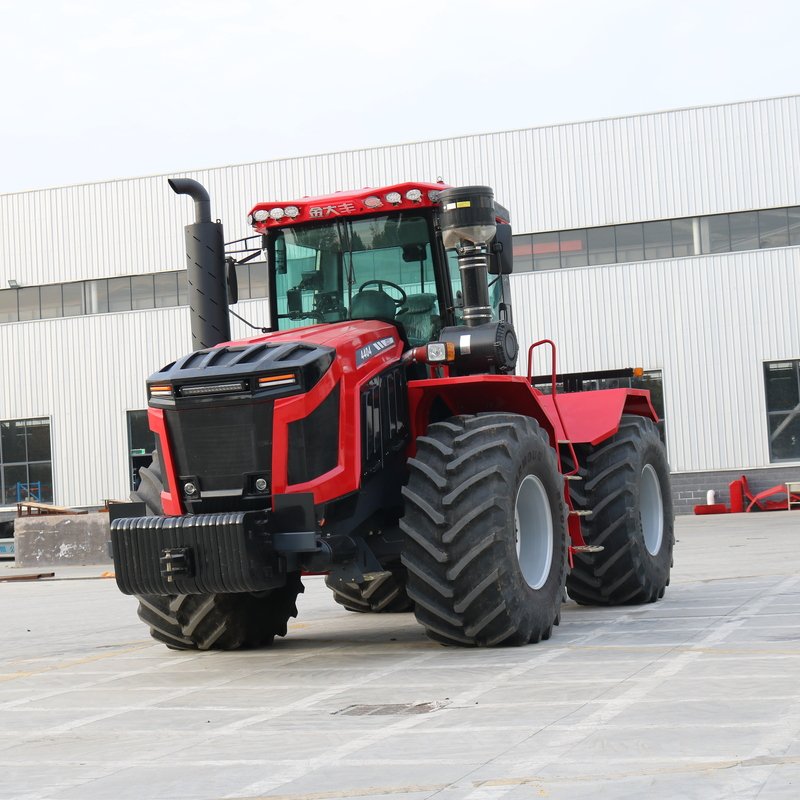
For large farms, buyers may consider a 440HP tractor with stronger hydraulic capability for wide implements, deep tillage, and heavy-duty field operations.
Hydraulic System and Field Efficiency
A strong hydraulic system improves working efficiency because it gives the operator better control over implements. When a plow, seeder, or cultivator can be lifted and adjusted smoothly, field work becomes more accurate and less tiring.
Hydraulics also save time during turning, transport, and field adjustment. For contractors and large farms, this can improve daily productivity across the working season.
Common Hydraulic System Problems
Like any mechanical system, tractor hydraulics require maintenance. Common problems may include low oil level, dirty hydraulic oil, leaking hoses, weak lifting force, slow response, or valve issues.
Buyers should ask suppliers about maintenance requirements, oil type, filter replacement, and spare parts availability. A reliable hydraulic system needs both good design and proper care.
What Buyers Should Check Before Ordering
Before buying a tractor, check these hydraulic details:
- Hydraulic lifting capacity
- Number of hydraulic outputs
- Rear linkage type
- Hydraulic pump flow
- Compatibility with main implements
- Spare parts availability
Buyers looking for a heavy duty tractor with strong hydraulic system should pay special attention to rear lifting capacity, implement control, and long-term service support.
Why Hydraulic System Matters for Dealers
For dealers, hydraulic performance is an important selling point. Farmers often ask whether a tractor can lift their plow, operate their seeder, or handle their trailer. A tractor with better hydraulic capability can serve more customer types.
King-Gold Dafeng tractor models cover different horsepower ranges and configurations, helping buyers choose suitable hydraulic systems for small farms, mixed farming, and large field operations.
Final Thoughts
The tractor hydraulic system controls many of the most important farm operations. It lifts implements, powers attachments, improves field control, and increases tractor versatility. Buyers should compare hydraulic lifting capacity, outlet quantity, rear linkage strength, and implement compatibility before ordering.
A tractor with the right hydraulic system can do more than pull equipment. It can control tools precisely, improve working efficiency, and support more agricultural applications throughout the year.