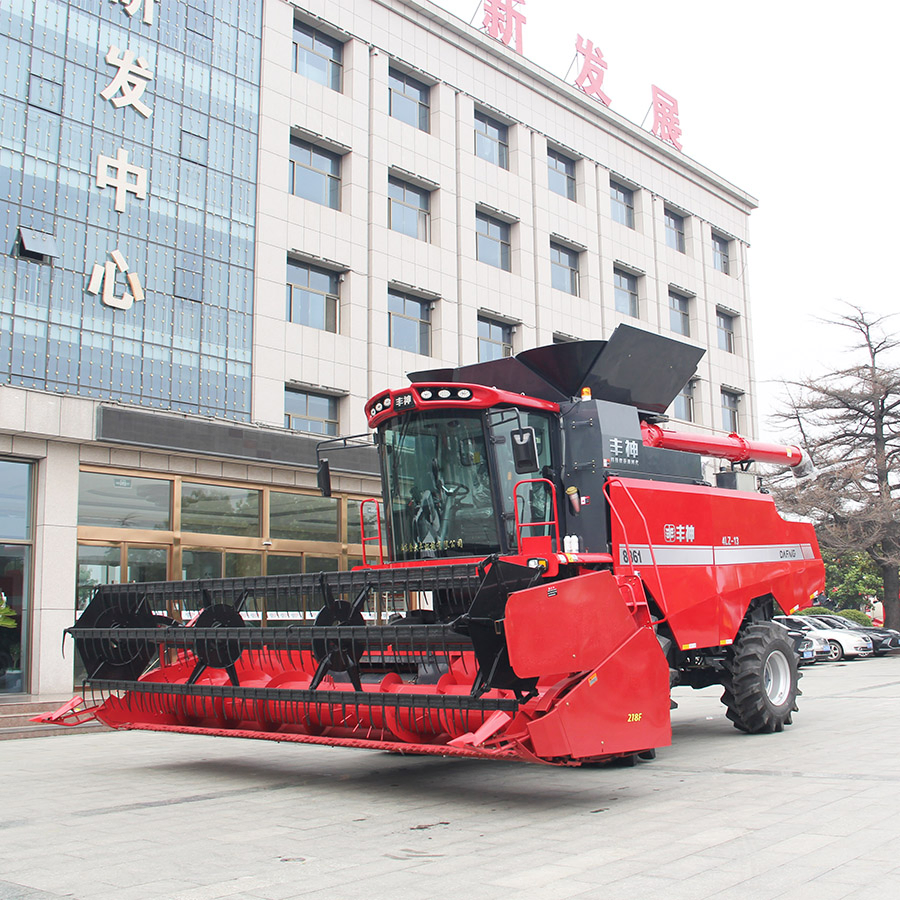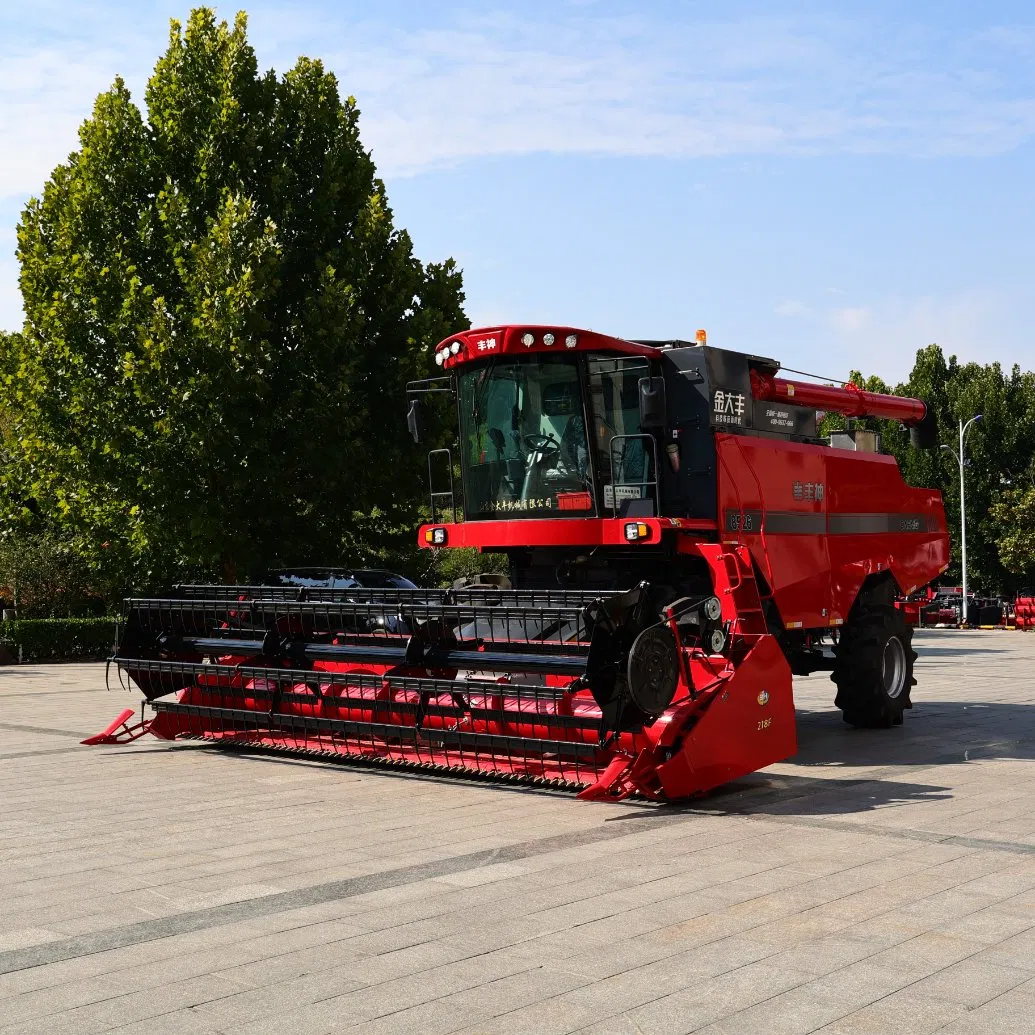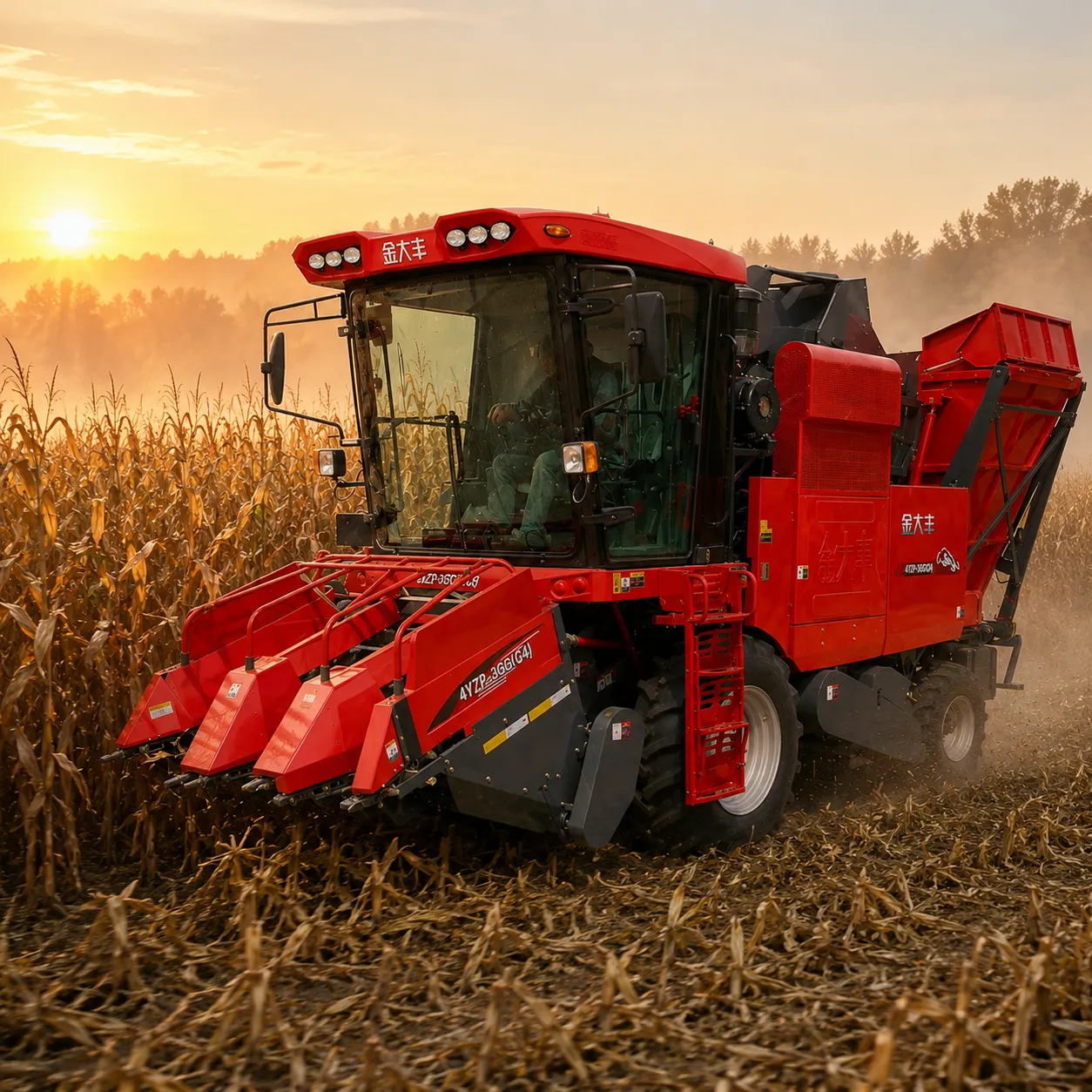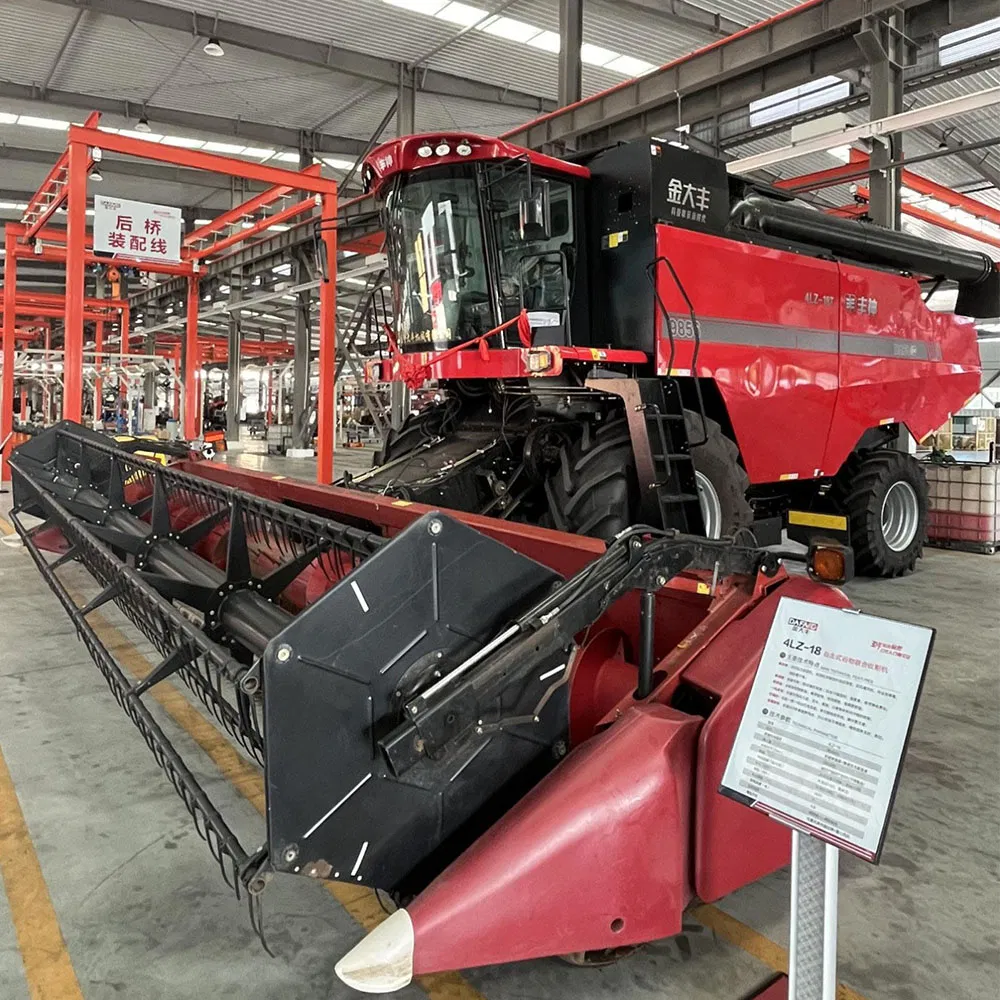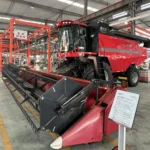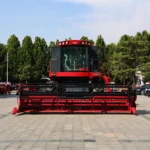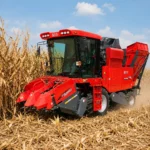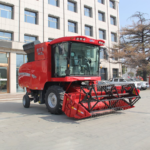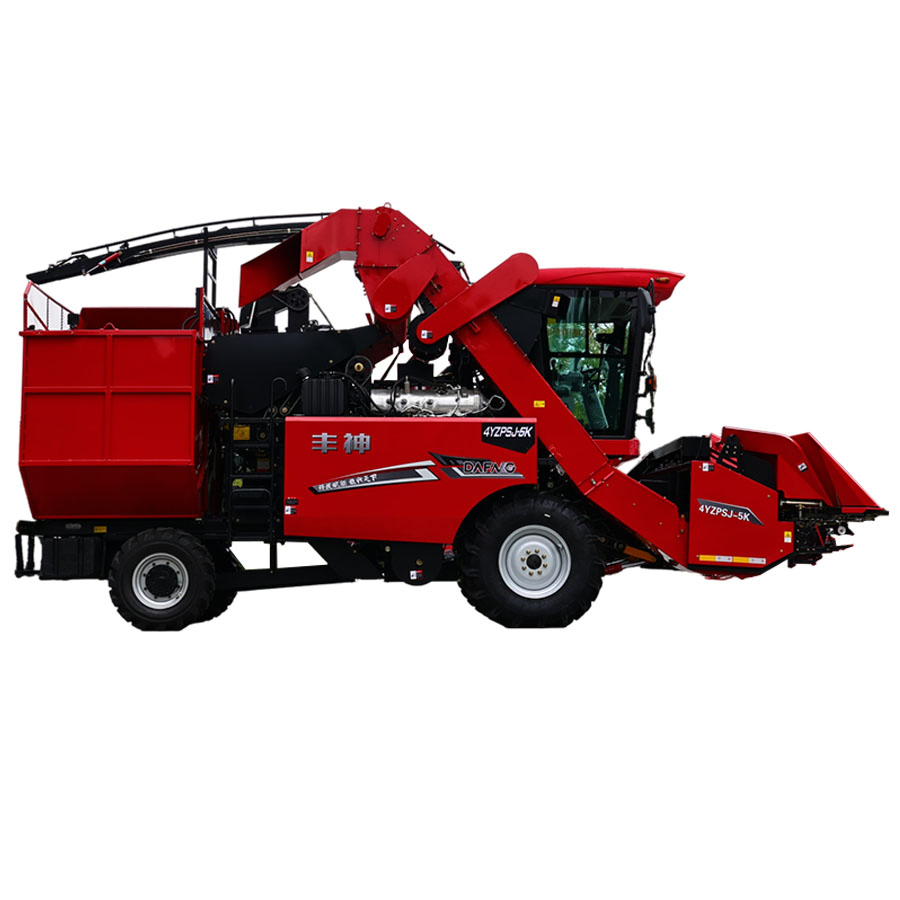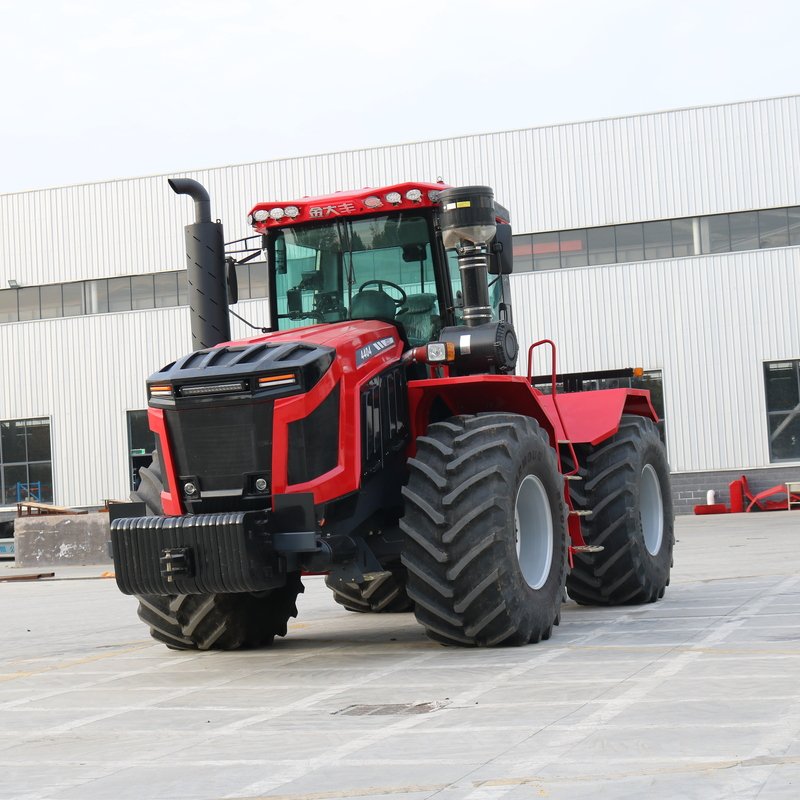
When buyers search for grain combine harvester price, they are usually not just looking for the lowest number. They want to understand what they are paying for, which configuration fits their crops, and whether the machine can deliver stable value during real harvesting seasons.
For farmers, dealers, and agricultural project buyers, a grain combine harvester is a major investment. The right machine can improve harvesting efficiency, reduce grain loss, lower labor demand, and support long-term farm productivity. However, the wrong choice may lead to higher fuel costs, frequent maintenance, and poor harvesting results.
In this guide, we will explain the main factors that influence grain combine harvester price, how buyers should compare different models, and why working with an experienced manufacturer such as King-Gold Dafeng can help reduce sourcing risks and improve long-term value.
Why Grain Combine Harvester Prices Can Vary So Much
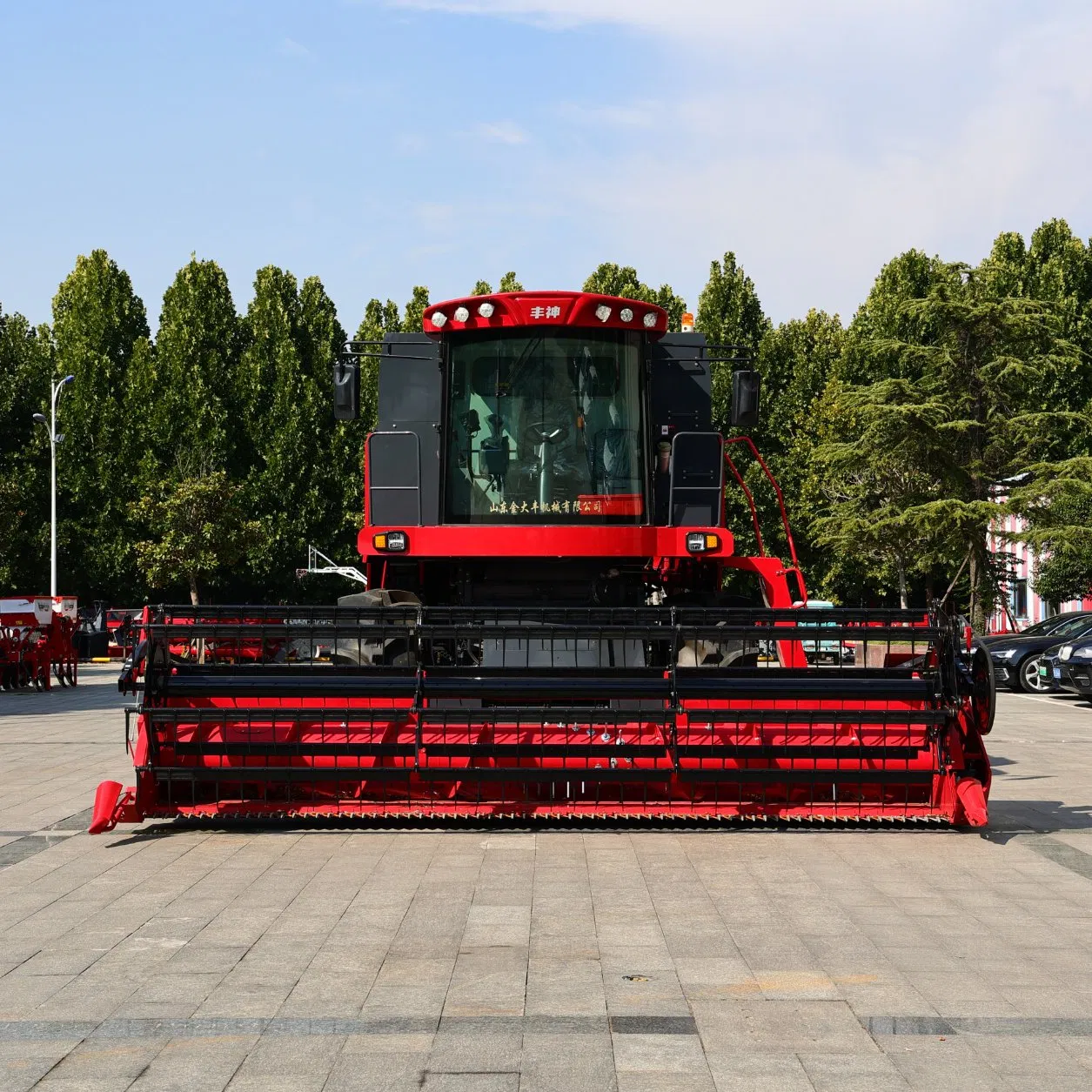
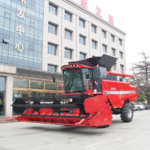
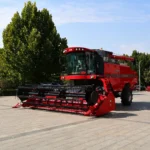
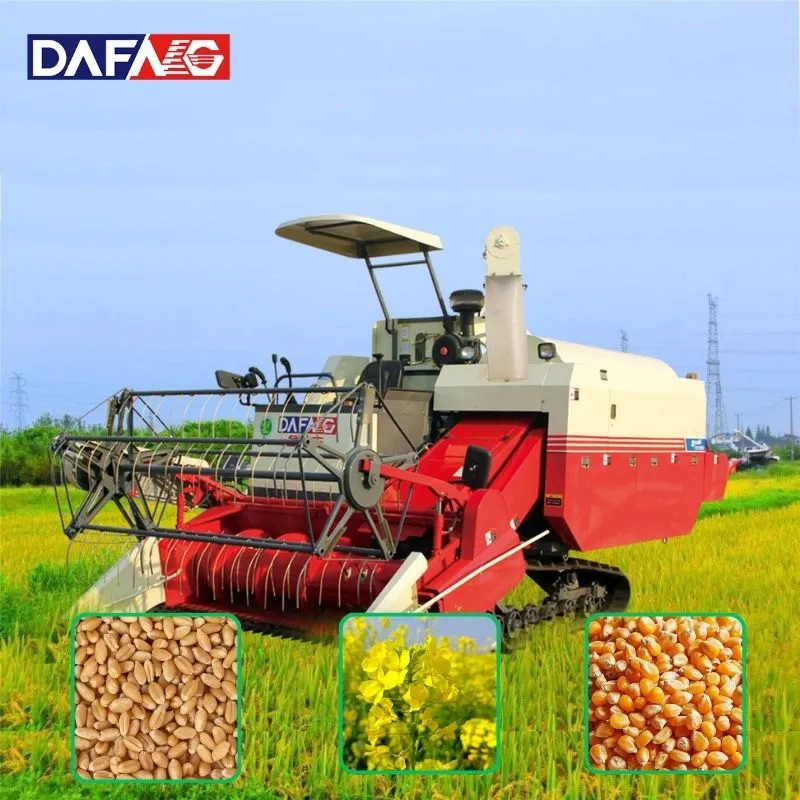
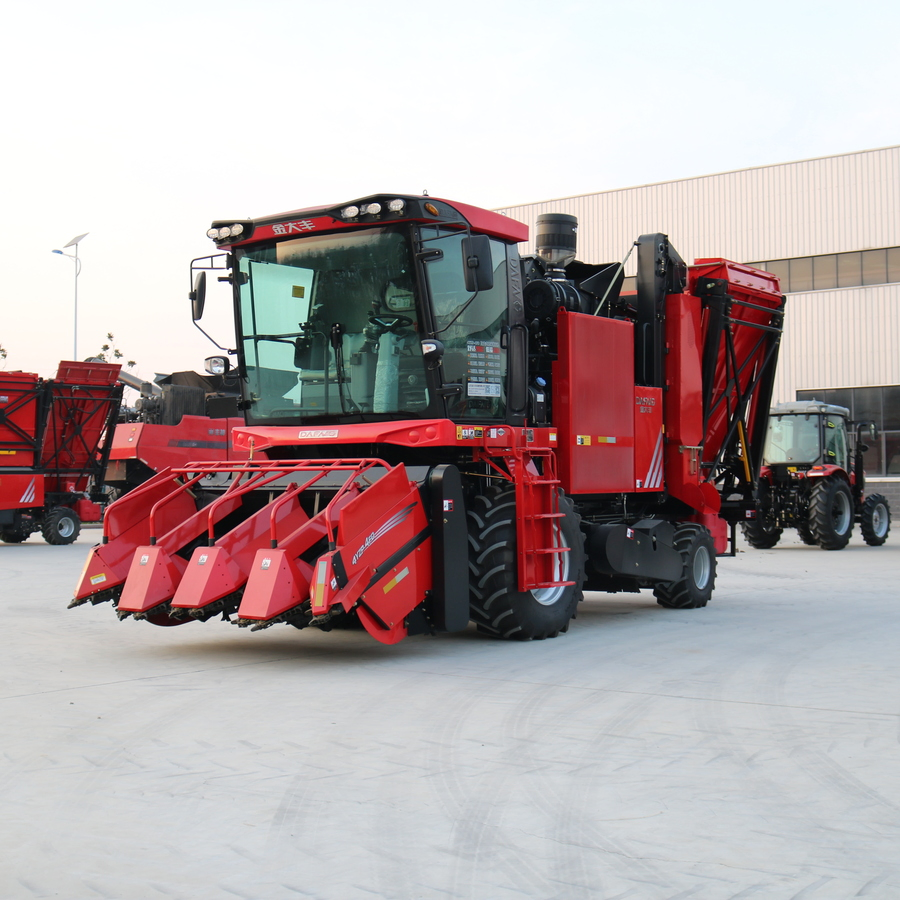
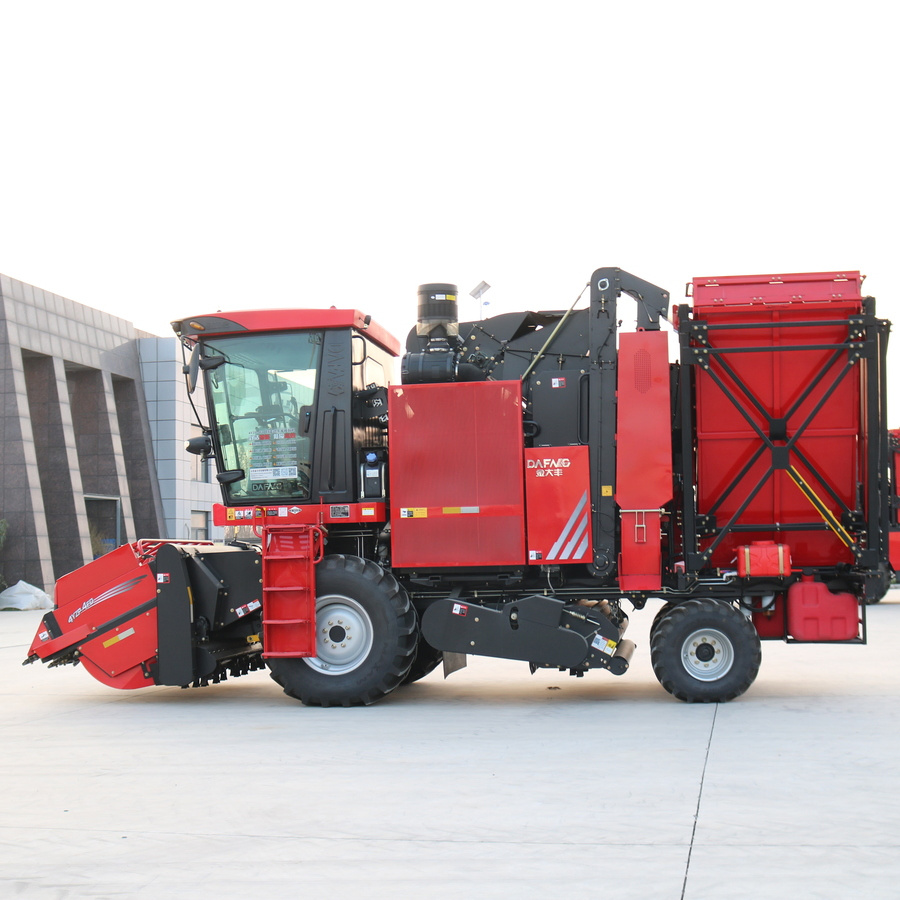
The price of grain combine harvesters can vary widely because different machines serve different farming needs. A compact rice or wheat harvester for small farms cannot be compared directly with a high-capacity grain combine designed for large commercial fields. Horsepower, cutting width, feeding capacity, grain tank volume, threshing system, chassis type, and brand configuration all affect the final cost.
In many cases, two machines may look similar from the outside but perform very differently in the field. One machine may use stronger components, a more efficient cleaning system, or a larger grain tank. Another machine may focus on a lower purchase price but offer weaker long-term durability. This is why professional buyers always compare total value instead of looking only at the first quotation.
Main Factors That Influence Grain Combine Harvester Price
To make a smart purchase decision, buyers need to understand which parts of the machine affect price most. These factors also determine whether the harvester can meet real field requirements.
Engine Power and Harvesting Capacity
Horsepower is one of the most obvious price factors. Smaller grain harvesters usually use lower horsepower engines and are suitable for small or medium farms. Larger combine harvesters require more powerful diesel engines to support wider cutting headers, higher feeding volume, and longer working hours.
For example, a 100–150HP machine may work well for small grain fields, while a 200HP or 260HP grain combine harvester can support larger farms and higher productivity requirements. Higher horsepower increases the machine cost, but it also improves efficiency when matched with the right field size.
Cutting Width and Header Configuration
Cutting width directly affects how much crop the machine can harvest in one pass. A wider header improves daily harvesting capacity, especially in open grain fields. However, wider headers require stronger machine structure, stable feeding systems, and more powerful engines.
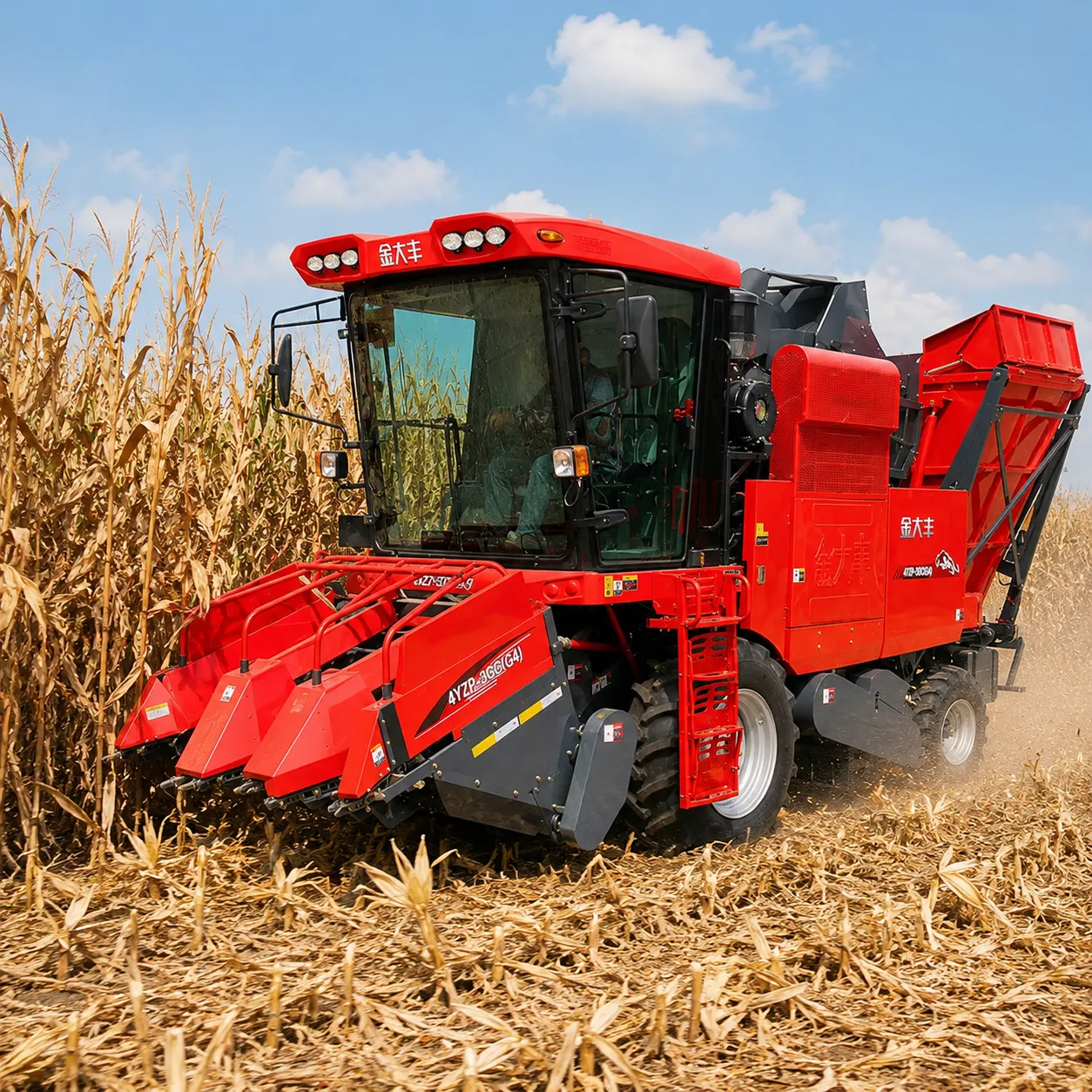
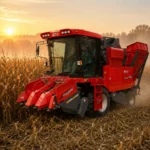
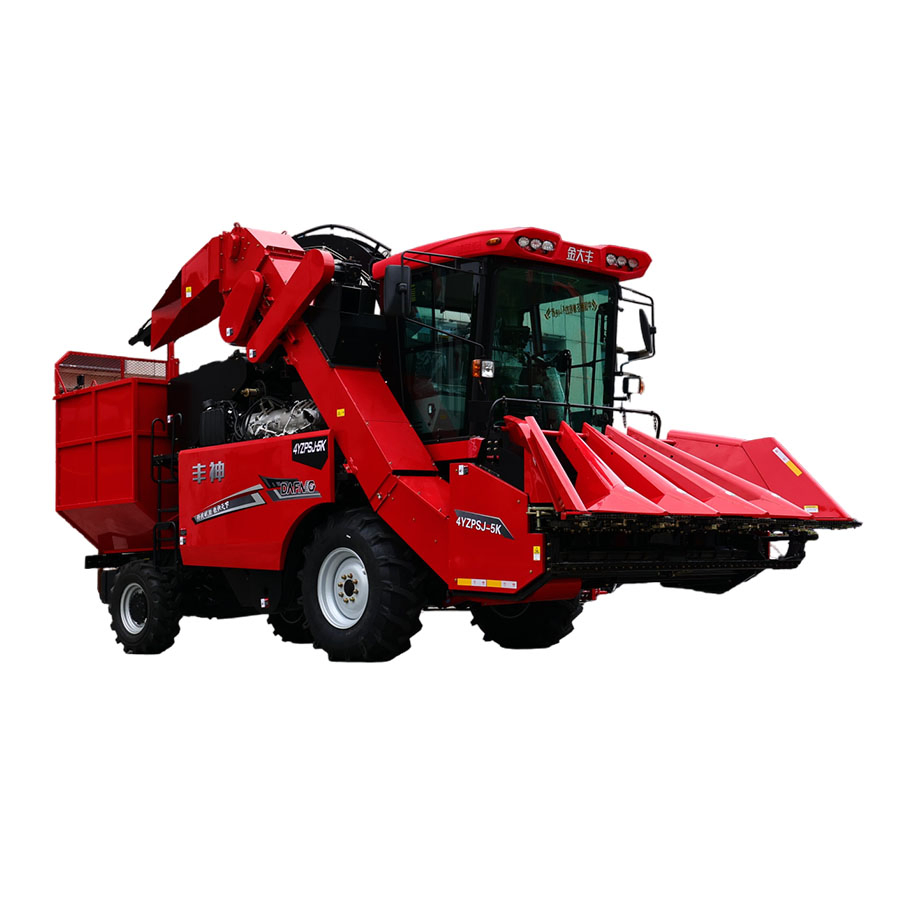
Different crops may also require different headers. Wheat, rice, soybean, and corn harvesting all have different working requirements. If the machine supports multiple header options or crop-specific configurations, the price may increase, but the machine becomes more flexible for different markets.
Threshing and Cleaning System
The threshing system separates grain from straw and crop material. The cleaning system removes impurities and improves final grain quality. These systems play a major role in machine performance.
A basic threshing structure may cost less, but it may not deliver the best results in high-yield crops or wet conditions. More advanced systems, such as axial flow or longitudinal axial flow designs, can improve separation efficiency and reduce grain loss. For buyers who care about grain quality and harvesting output, this part of the machine deserves serious attention.
Grain Tank Capacity and Unloading System
A larger grain tank allows longer continuous harvesting before unloading. This reduces downtime and improves productivity in large fields. The unloading height also matters because it determines whether the machine can unload grain smoothly into trucks or trailers.
Machines with larger tanks and higher unloading systems usually cost more, but they are more practical for contractors and commercial farms. For small farms, a moderate grain tank may provide better cost efficiency.
Chassis Type and Field Adaptability
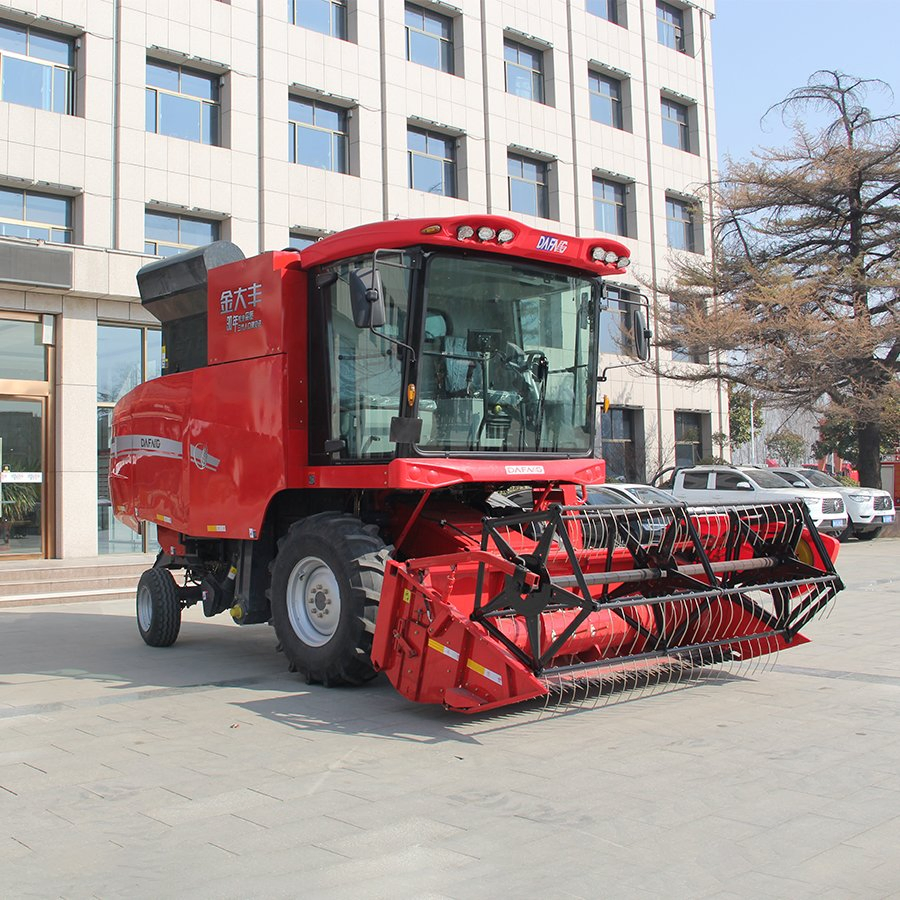
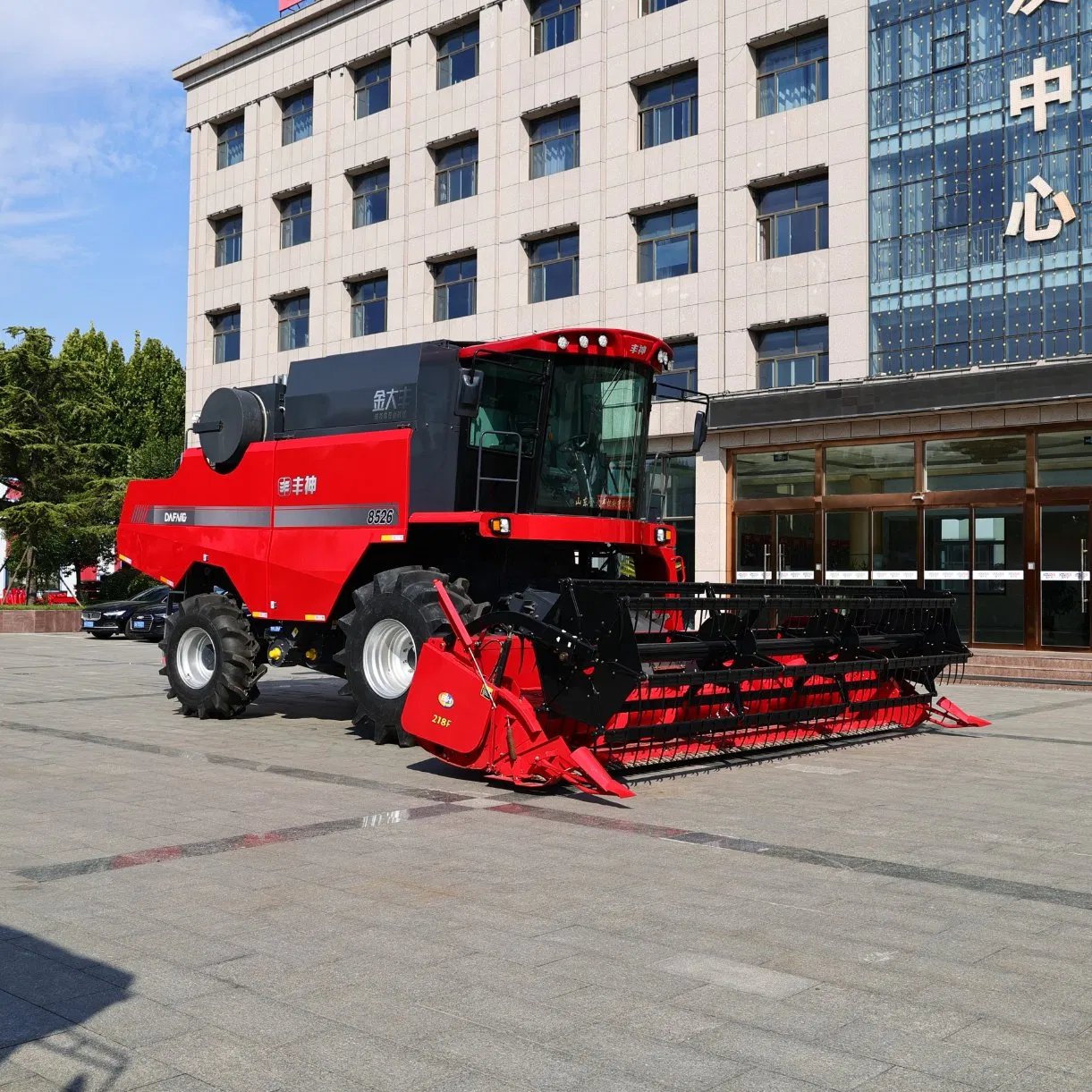
Field conditions vary by region. Dry wheat fields, wet rice paddies, soft soil, and uneven terrain all require different chassis designs. Wheeled harvesters often work well in dry and open fields, while tracked harvesters may perform better in wet or soft paddy fields.
Better field adaptability usually increases production cost, but it also improves reliability in difficult working environments. Buyers in Southeast Asia, Africa, South America, and other diverse agricultural markets should pay close attention to this factor.
Component Quality and Manufacturing Standard
The quality of bearings, belts, chains, hydraulic parts, cutting components, and structural frames directly affects service life. Lower-priced machines may use cheaper parts, which can create more maintenance problems during harvest season.
A professional manufacturer controls key production processes and performs strict quality inspections before delivery. This reduces failure risk and gives buyers stronger confidence in long-term operation.
General Price Comparison by Machine Type
The following table gives a practical reference for how different configurations affect buyer expectations. Actual prices depend on final configuration, order quantity, shipping, and market requirements.
| Machine Type | Typical Power Range | Main Application | Cost Level | Best Buyer Type |
|---|---|---|---|---|
| Compact Grain Harvester | 90–150HP | Rice, wheat, small grain fields | Lower to Medium | Small farms, cooperatives |
| Medium Grain Combine Harvester | 160–220HP | Wheat, rice, soybean, mixed crops | Medium | Dealers, contractors, medium farms |
| High-Capacity Grain Combine | 240HP and above | Large grain fields, commercial harvesting | Higher | Large farms, project buyers |
| Crop-Specific Harvester | Varies by model | Corn, rice, wheat, special crops | Depends on configuration | Regional dealers, crop-focused buyers |
Low Price vs Long-Term Value
Many buyers naturally want a competitive grain combine harvester price. This is reasonable, especially for dealers who need to control purchasing costs and protect profit margins. However, the lowest price does not always create the best result.
A low-cost machine may save money at the beginning, but if it causes frequent breakdowns, high grain loss, difficult maintenance, or poor operator experience, the total cost becomes much higher. During harvest season, even one day of machine downtime can create serious losses for farmers.
Professional buyers usually calculate value from several angles: purchase price, fuel consumption, daily harvesting capacity, grain loss rate, maintenance cost, spare parts supply, and service life. A reliable machine with stable performance often brings better long-term returns than a cheaper machine with uncertain quality.
How Dealers Should Evaluate Grain Combine Harvester Price
Dealers and distributors need to think beyond one-time purchase cost. They must consider whether the machine can satisfy local customers, whether spare parts are available, and whether the supplier can support repeated orders.
For a dealer, an attractive price can help open the market, but stable quality keeps the market alive. If customers face frequent machine problems, the dealer may lose trust and future orders. This is why supplier reliability matters as much as machine price.
When evaluating a quotation, dealers should ask these questions:
- Does the machine match the main crops in the local market?
- Can the supplier provide spare parts for long-term service?
- Is the machine easy to maintain for local operators?
- Does the supplier support branding or configuration customization?
- Can production and delivery remain stable during peak seasons?
How Farm Owners Should Compare Different Models
Farm owners should compare machines based on their own field conditions and harvesting schedule. A large machine may look attractive, but it may not be the best choice for smaller fields or narrow field roads. At the same time, a small machine may not finish harvesting fast enough for large farms.
The right machine should match crop type, field size, expected daily output, and available operators. For wheat and dry grain fields, cutting width and grain tank capacity may be more important. For rice fields, traction and chassis adaptability may matter more. For mixed crops, adjustable settings and flexible configuration become more valuable.
Instead of asking only “How much does a combine harvester cost?”, buyers should ask “Which model gives me the best harvesting result for my field?” This question leads to better decisions.
Why Factory-Direct Supply Can Improve Cost Efficiency
Factory-direct purchasing can help buyers achieve better cost control because it reduces unnecessary trading layers. More importantly, direct communication with the manufacturer allows buyers to confirm configuration details, customization options, delivery schedules, and spare parts support more clearly.
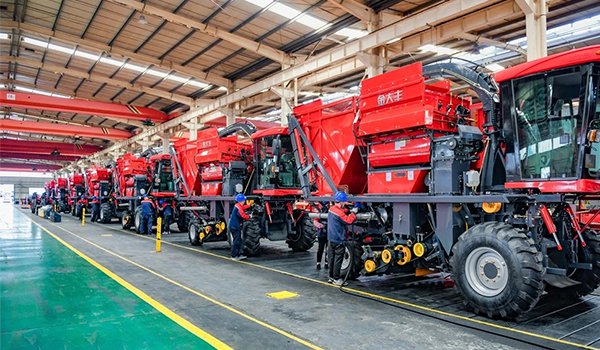
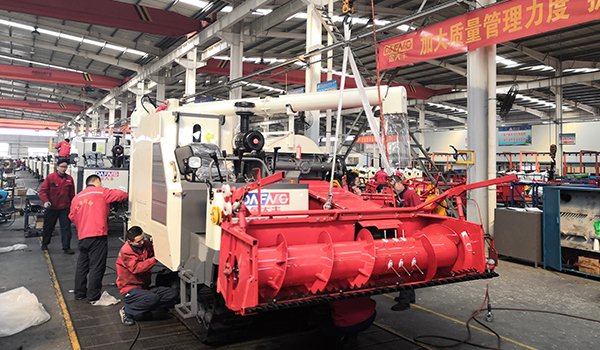
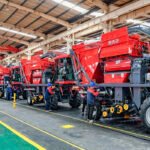
King-Gold Dafeng provides factory-direct agricultural machinery solutions for global buyers. With a large manufacturing base, in-house production capability, and export-oriented support, the company helps dealers and project buyers balance machine price, performance, and long-term reliability.
For grain combine harvesters, this factory-direct advantage becomes especially important because buyers often need different configurations for different crops and regions. Direct manufacturer support makes the sourcing process more practical and transparent.
Customization and Its Impact on Price
Customization can influence the final price of a grain combine harvester. Buyers may request different engine options, tires or tracks, cab configuration, color, logo, header type, export packaging, and spare parts packages. These changes can increase cost, but they also improve market fit.
For distributors, OEM customization helps build a stronger local brand. For project buyers, configuration adjustment ensures the machine performs better in local conditions. Therefore, customization should not be seen only as an extra expense. When used correctly, it improves product value and sales competitiveness.
Shipping, Packaging, and Import Costs
International buyers should also consider costs beyond the machine itself. Sea freight, land transportation, export packaging, import duties, taxes, port fees, and local delivery can all affect the final landed cost.
A professional supplier should help buyers understand packing methods, shipping options, and documentation requirements. Clear communication before shipment helps avoid delays and unexpected costs.
For large machines such as grain combine harvesters, packaging and shipping planning are especially important because machine size affects container loading or bulk shipment arrangements.
Why King-Gold Dafeng Offers Strong Value for Global Buyers
King-Gold Dafeng combines manufacturing strength with export experience, making it a practical choice for buyers who care about both price and reliability. The company has over 35 years of agricultural machinery manufacturing experience and provides tractors, grain combine harvesters, corn harvesters, rice harvesters, seeders, and crop-specific machinery.
Its strong production capacity supports stable delivery, while in-house manufacturing helps maintain consistent quality. For global buyers, this means fewer sourcing risks and better long-term cooperation.
King-Gold Dafeng also supports customization for different markets, including configuration, color, logo, and packaging. This flexibility helps dealers create stronger local competitiveness and gives farm buyers machines that better match their working conditions.
Practical Buying Checklist Before Requesting a Quote
Before asking for a quotation, buyers should prepare clear information. This helps the supplier recommend a suitable model and provide a more accurate price.
| Information Needed | Example Details | Why It Helps |
|---|---|---|
| Main Crop | Wheat, rice, soybean, corn, mixed grain | Determines header and threshing configuration |
| Farm Size | Small farm, medium farm, large commercial field | Helps match power and capacity |
| Field Condition | Dry land, wet paddy, soft soil, uneven land | Affects chassis and traction requirements |
| Daily Output Target | Harvesting area per day or season | Helps select cutting width and grain tank size |
| Customization Needs | Logo, color, cab, packaging, spare parts package | Improves quotation accuracy |
How This Article Connects with Grain Combine Harvester Selection
If buyers are still learning about machine types, they can first read a general guide about grain combine harvesters. That article explains how the machine works, which crops it supports, and why it matters for modern harvesting.
This article focuses on price and value. Together, both articles help buyers move from product understanding to purchase evaluation. This content structure also supports SEO because it connects informational search intent with commercial buying intent.
Final Thoughts
Understanding grain combine harvester price requires more than comparing numbers. Buyers should evaluate engine power, cutting width, threshing performance, grain tank capacity, field adaptability, component quality, customization, shipping, and after-sales support.
The right machine should deliver stable harvesting performance, reduce grain loss, and support long-term operation. For dealers, it should also offer market competitiveness and reliable supply.
With strong manufacturing capability, export experience, and flexible customization, King-Gold Dafeng provides practical grain combine harvester solutions for global buyers. For farms, dealers, and agricultural projects, choosing the right supplier can make the difference between a simple purchase and long-term business success.
Articles you might be interested in