Table of contents
- Why Multi Crop Harvesting Capability Matters
- Understanding Crop Differences Before Choosing a Harvester
- Core Features of a Good Multi Crop Combine Harvester
- Recommended Combine Harvester Configuration by Crop Type
- How Farm Size Affects Machine Selection
- Why Export Buyers Should Pay Attention to Service Support
- Why King-Gold Dafeng Supports Multi Crop Harvesting Needs
- Common Buying Mistakes to Avoid
- How This Article Connects with Your Combine Harvester Buying Journey
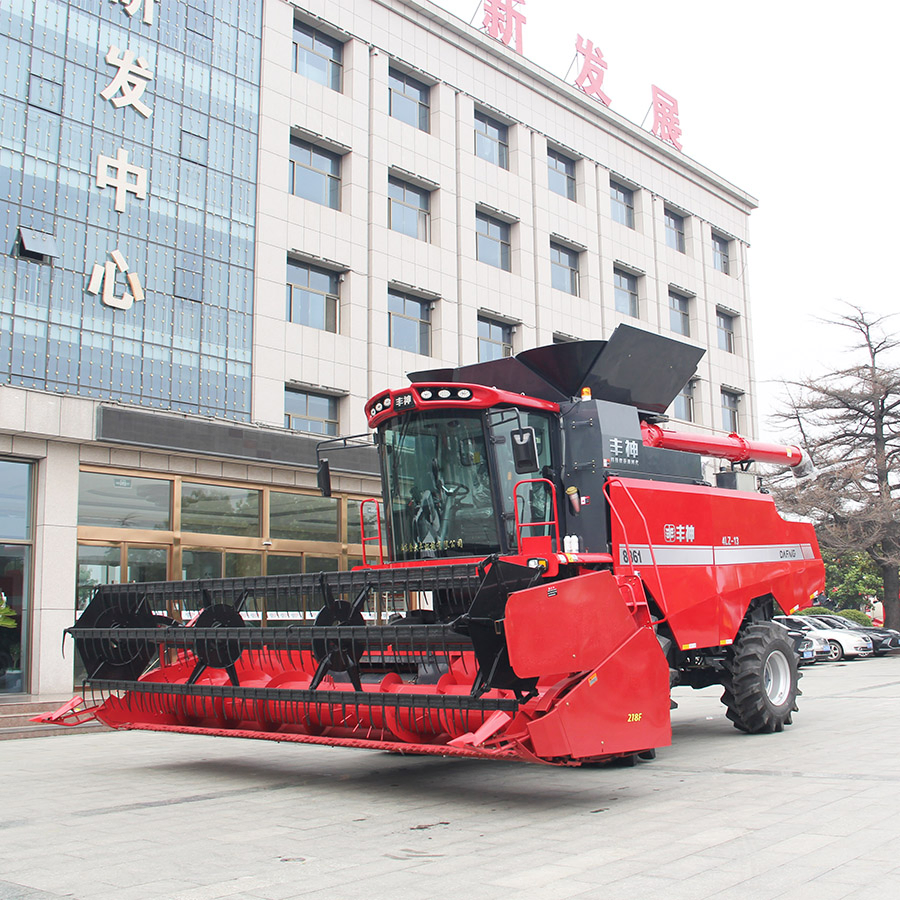
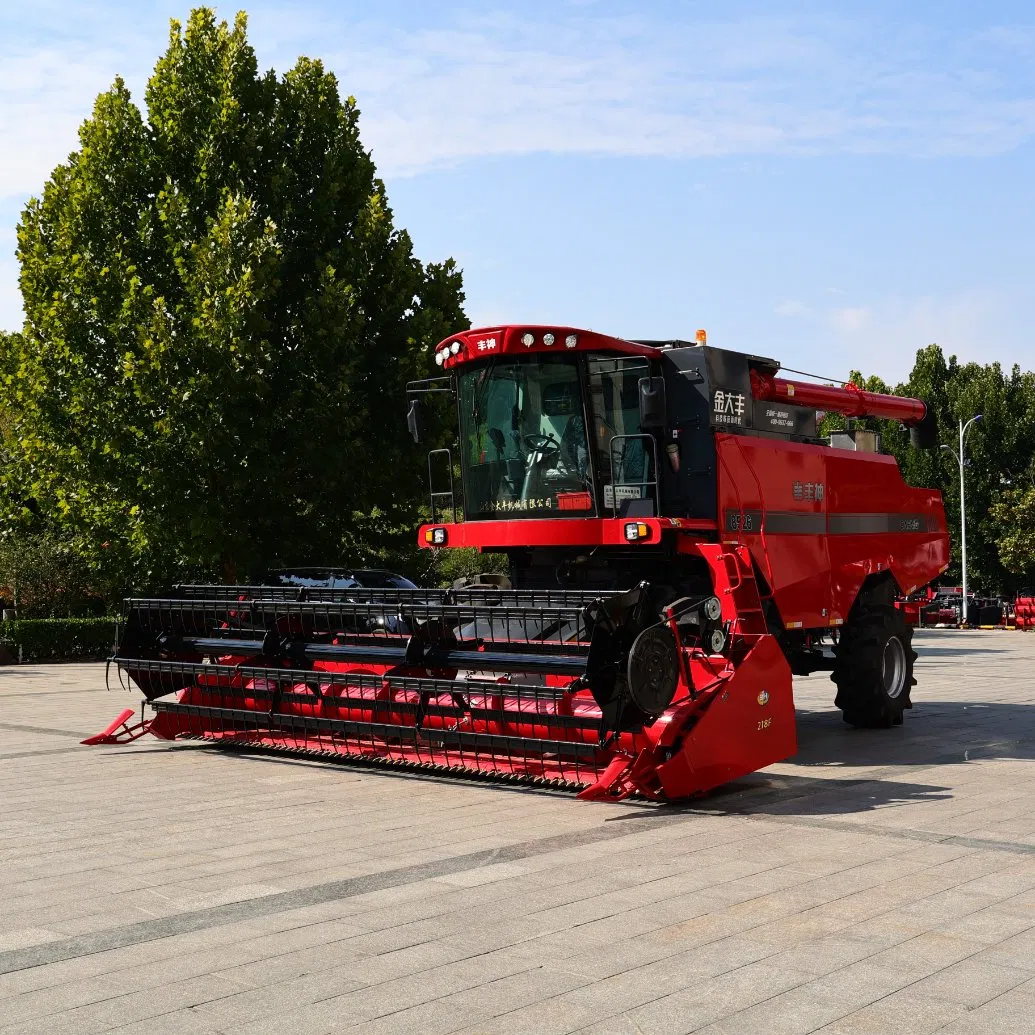
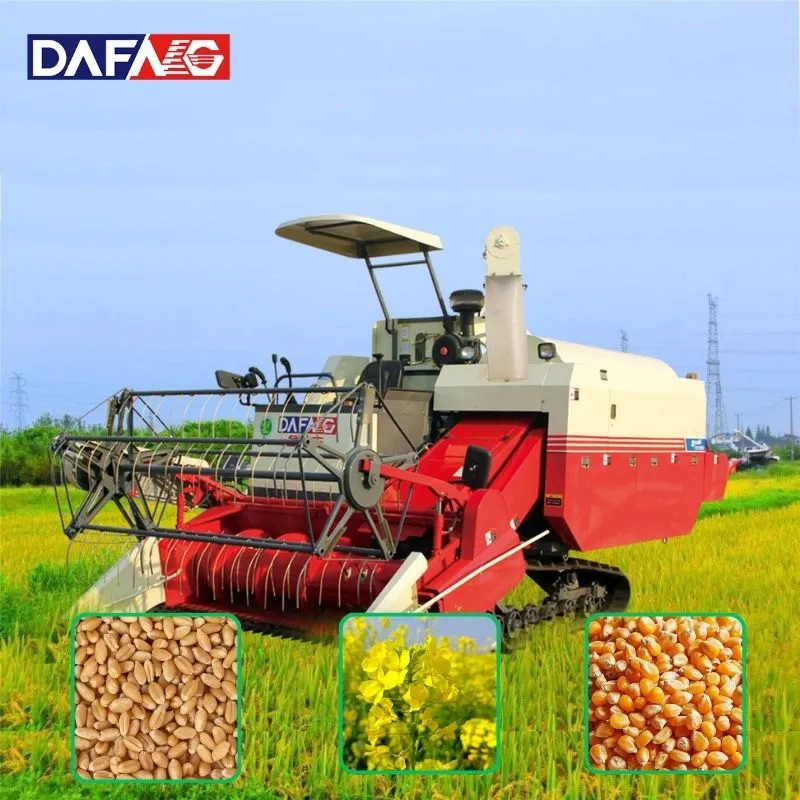
Modern farms often grow more than one crop during the year. In many regions, farmers may harvest wheat in one season, rice in another, and corn or soybean later in the year. Because of this, many buyers now look for a combine harvester for wheat, rice, corn and mixed grain crops instead of choosing a machine for only one crop type.
A practical combine harvester should do more than complete basic harvesting work. It should adapt to different crop conditions, support stable feeding, reduce grain loss, and remain easy to maintain during busy harvest seasons. For dealers and importers, this flexibility also makes the machine easier to sell across different customer groups.
In this article, we will explain how to evaluate a multi crop combine harvester, which features matter most for different crops, and why experienced manufacturers such as King-Gold Dafeng can help global buyers choose better harvesting solutions for real field conditions.
Why Multi Crop Harvesting Capability Matters
In many agricultural markets, farmers do not want to invest in separate machines for each crop. A single-purpose machine may perform well in one field condition, but it can limit the buyer’s flexibility. A combine harvester that supports different grain crops gives farmers better equipment utilization throughout the year.
This is especially important for agricultural cooperatives and harvesting contractors. These buyers need machines that can serve different customers and different crop seasons. If one machine can handle wheat, rice, soybean, and certain corn-related harvesting tasks with suitable configuration, the return on investment becomes much stronger.
For distributors, multi crop capability also improves product competitiveness. A dealer can promote one machine to several market segments instead of limiting it to only one crop group.
Understanding Crop Differences Before Choosing a Harvester
Although wheat, rice, corn, and soybean all belong to common agricultural crops, they require different harvesting considerations. A good buyer should understand these differences before comparing machine specifications.
Wheat Requires Stable Cutting and Clean Grain Separation
Wheat harvesting usually happens in relatively dry field conditions. Buyers often focus on cutting width, feeding speed, threshing efficiency, and grain cleaning quality. A strong wheat combine harvester should maintain smooth crop flow and reduce grain breakage during continuous field operation.
For large wheat fields, wider cutting width and larger grain tank capacity can improve daily productivity. However, the machine must also have enough engine power and feeding capacity to support this wider working range.
Rice Requires Better Field Adaptability
Rice harvesting brings different challenges. Paddy fields can be wet, soft, and uneven. In these conditions, the chassis design, ground clearance, traction, and machine weight become very important. A machine that works well in dry wheat fields may struggle in muddy rice fields if it lacks proper field adaptability.
For rice-dominant markets, tracked harvesters or machines designed for soft soil conditions often perform better. Buyers should also pay attention to crop moisture, straw volume, and threshing stability.
Corn Requires Crop-Specific Harvesting Structure
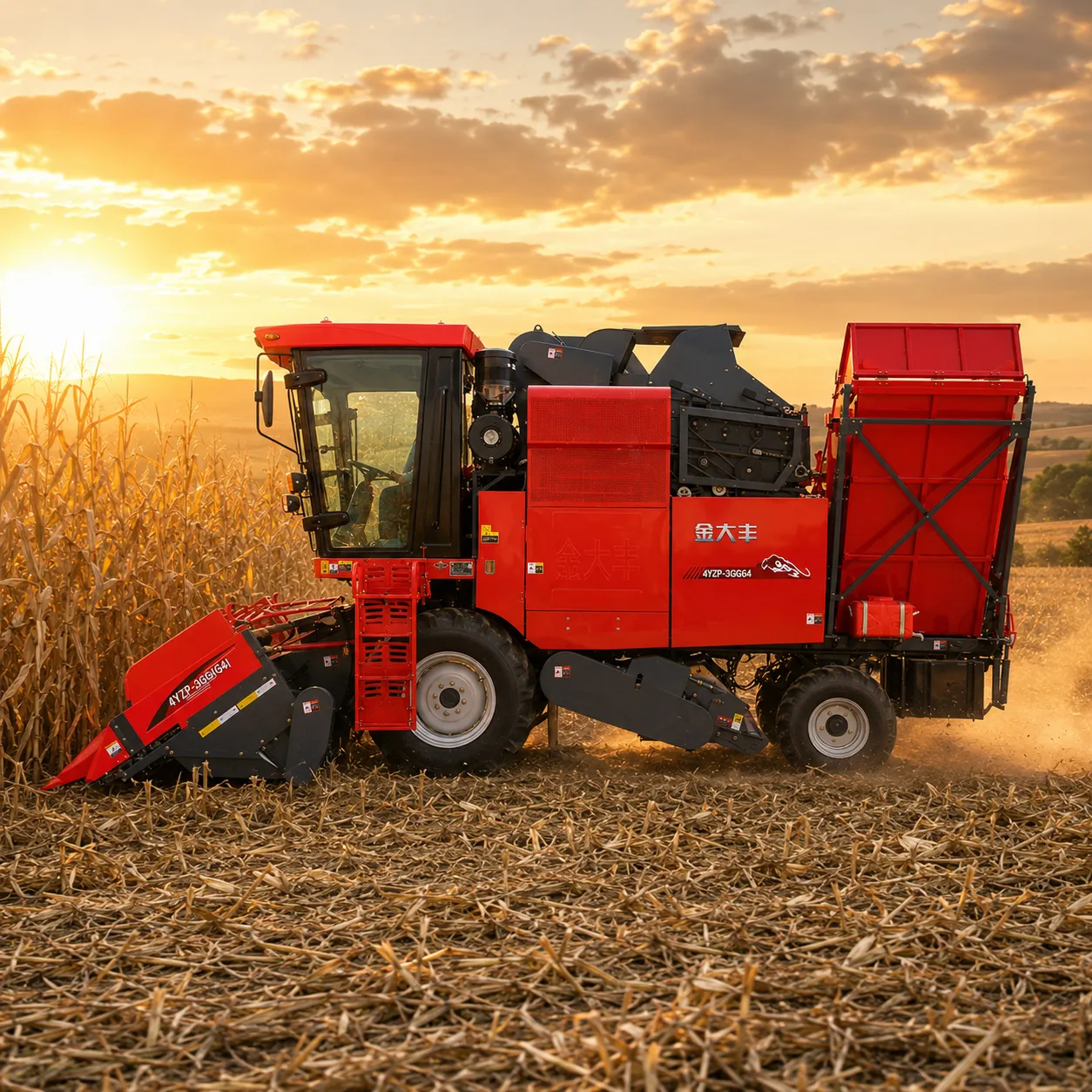
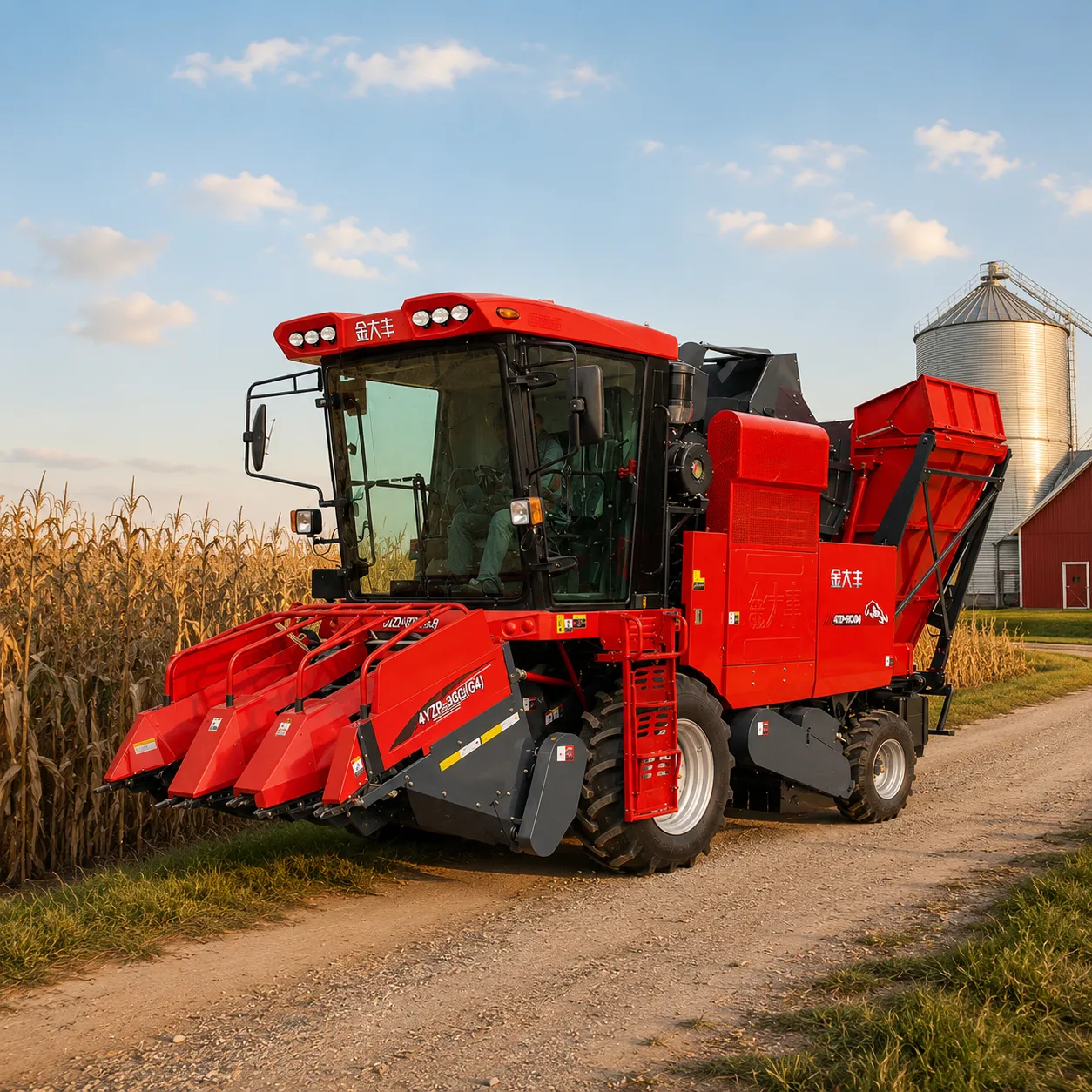
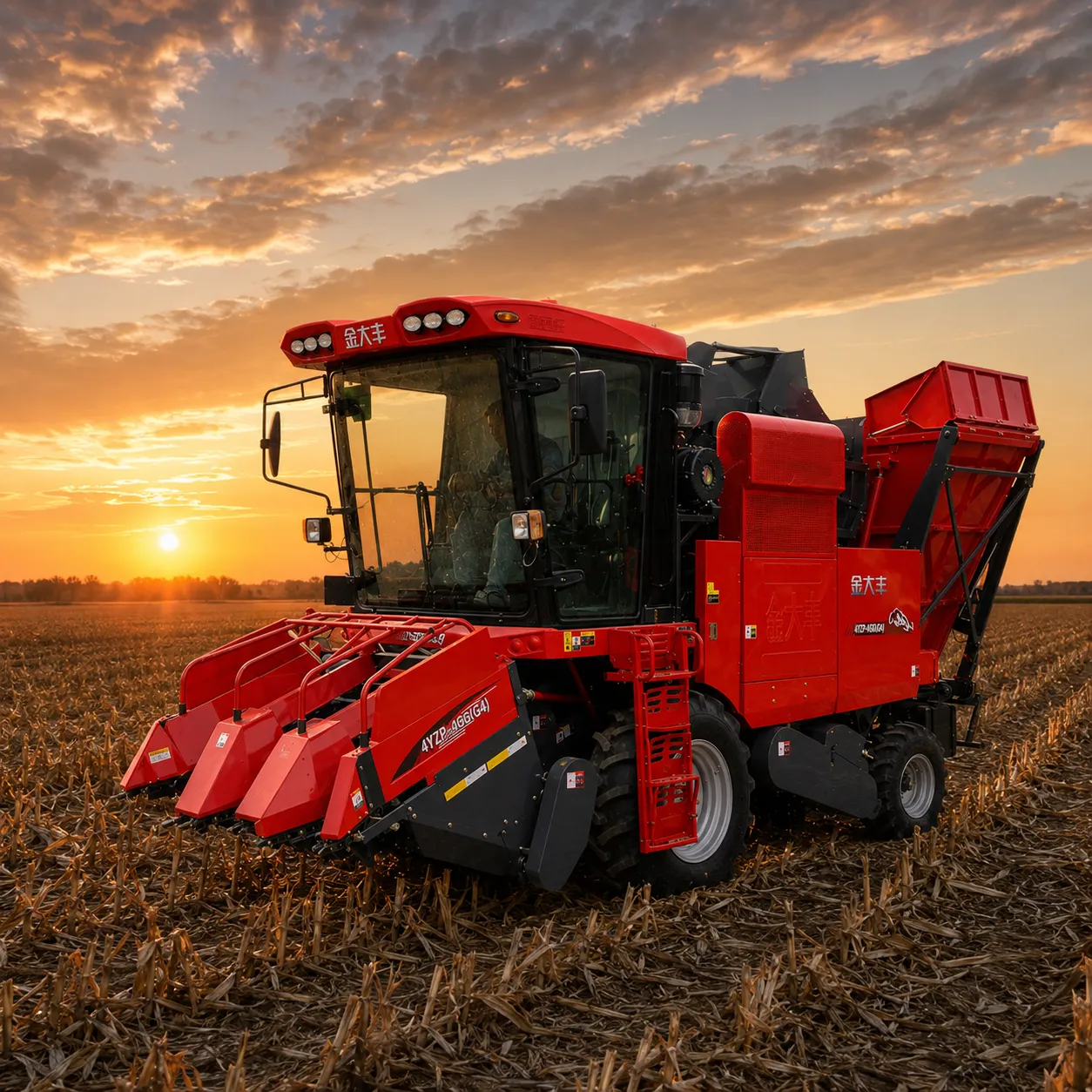
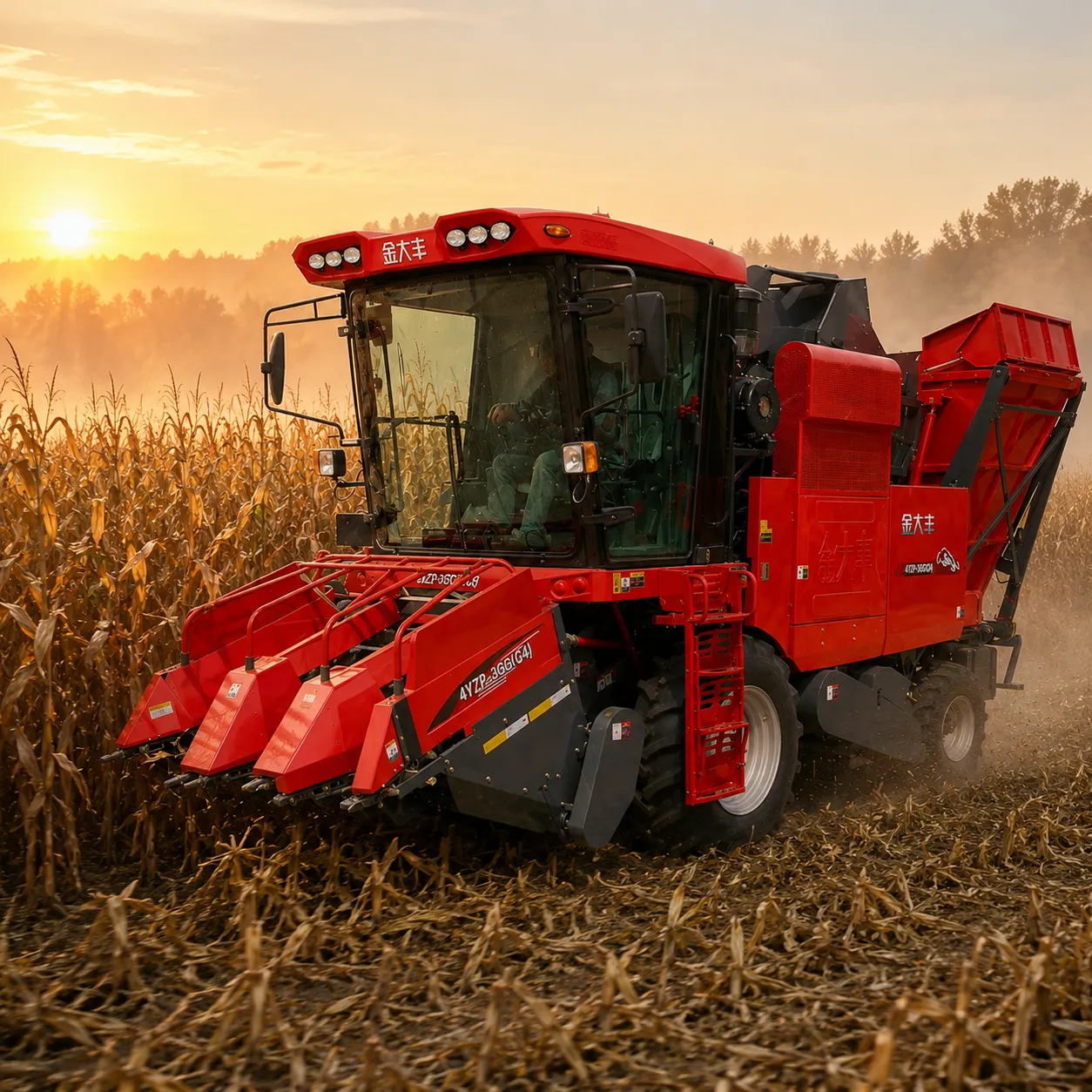
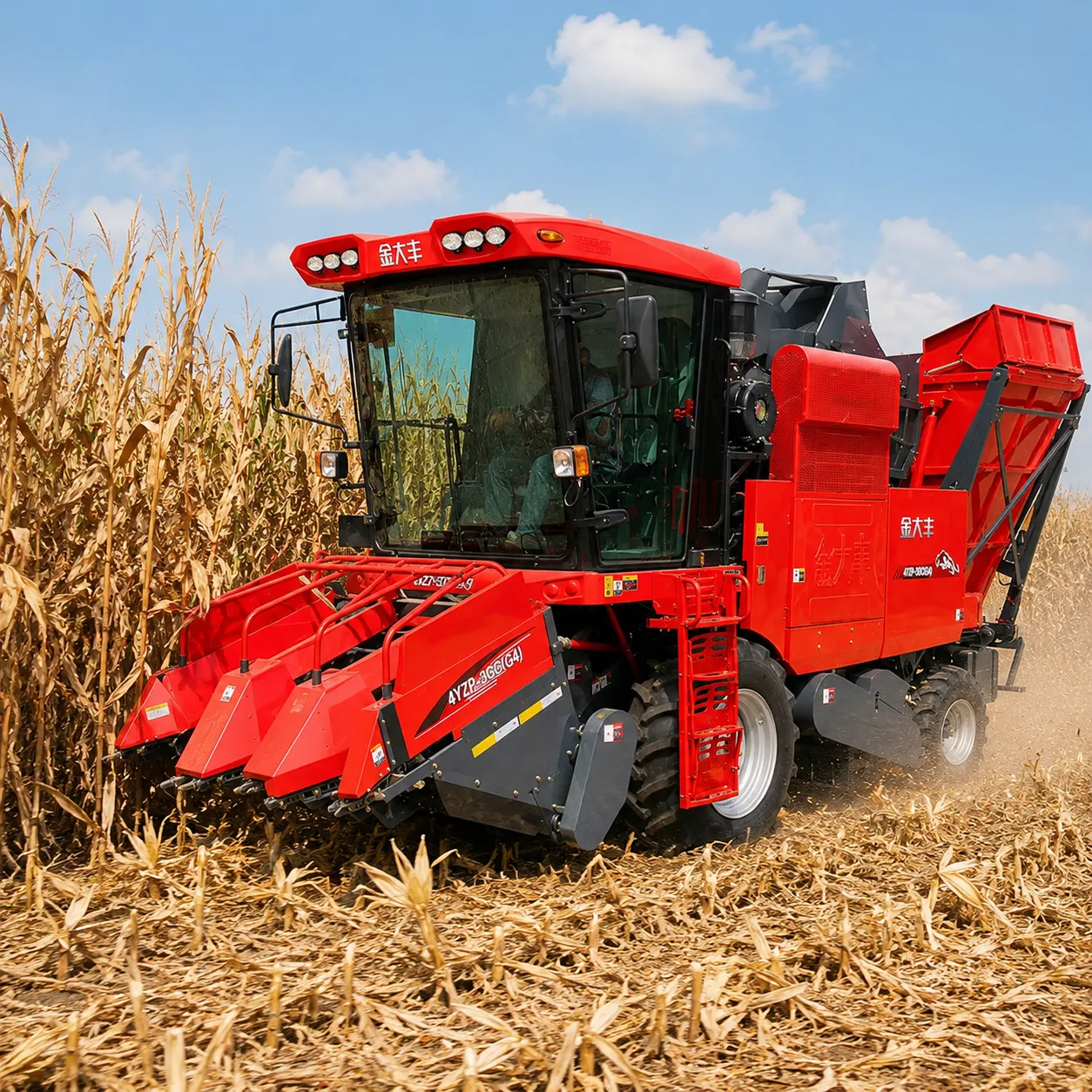
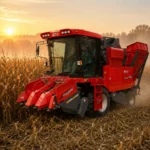
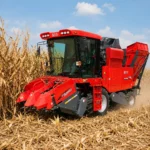
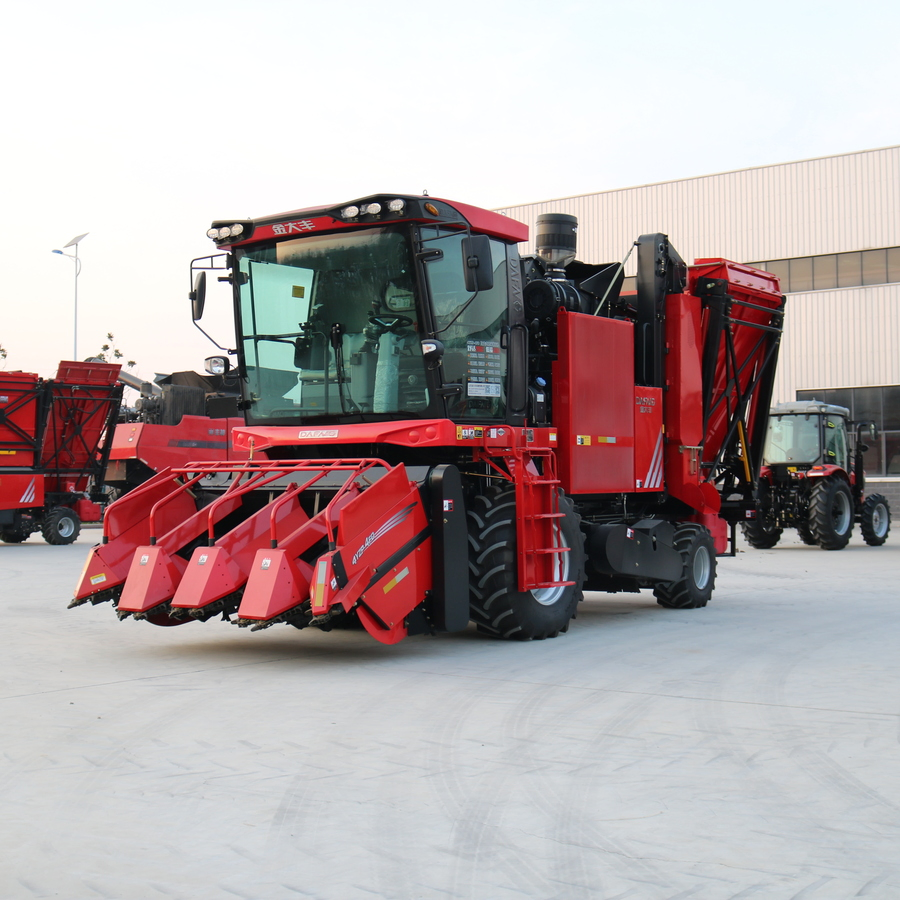
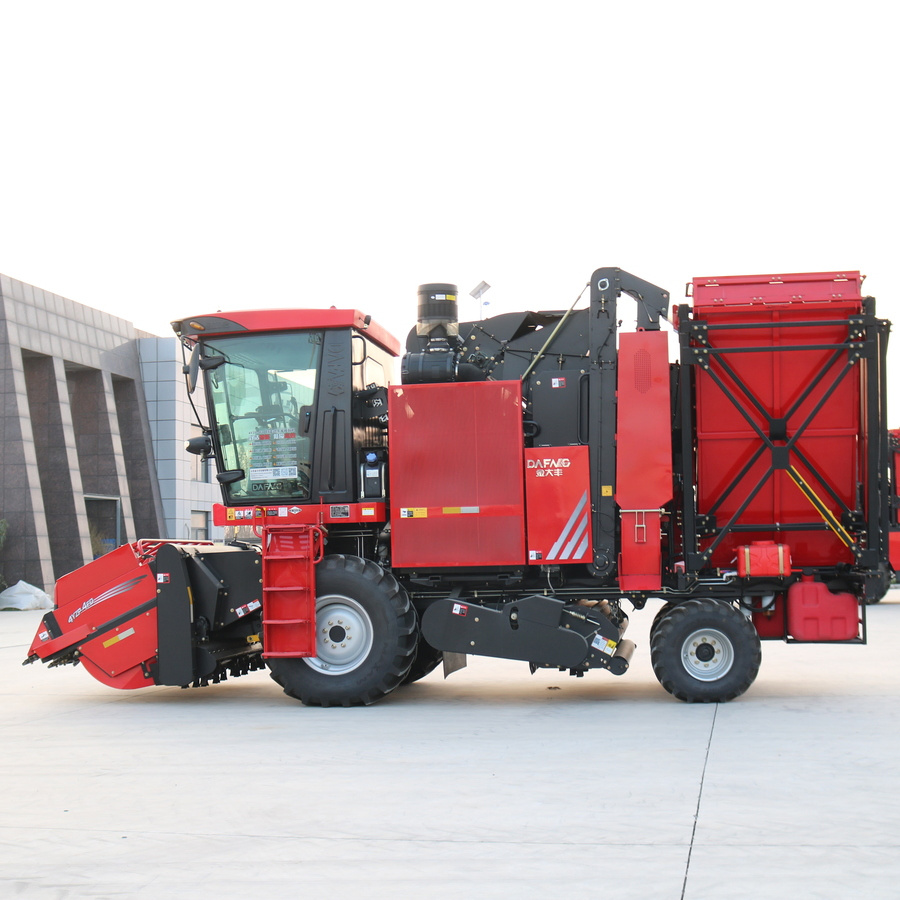
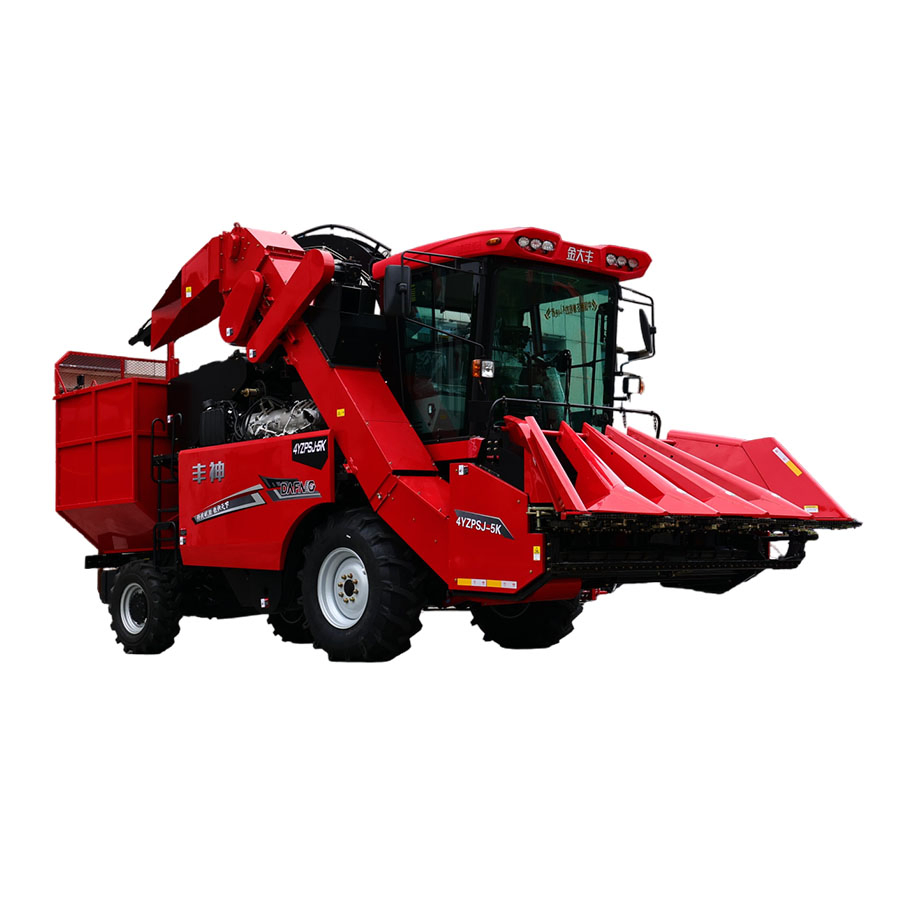
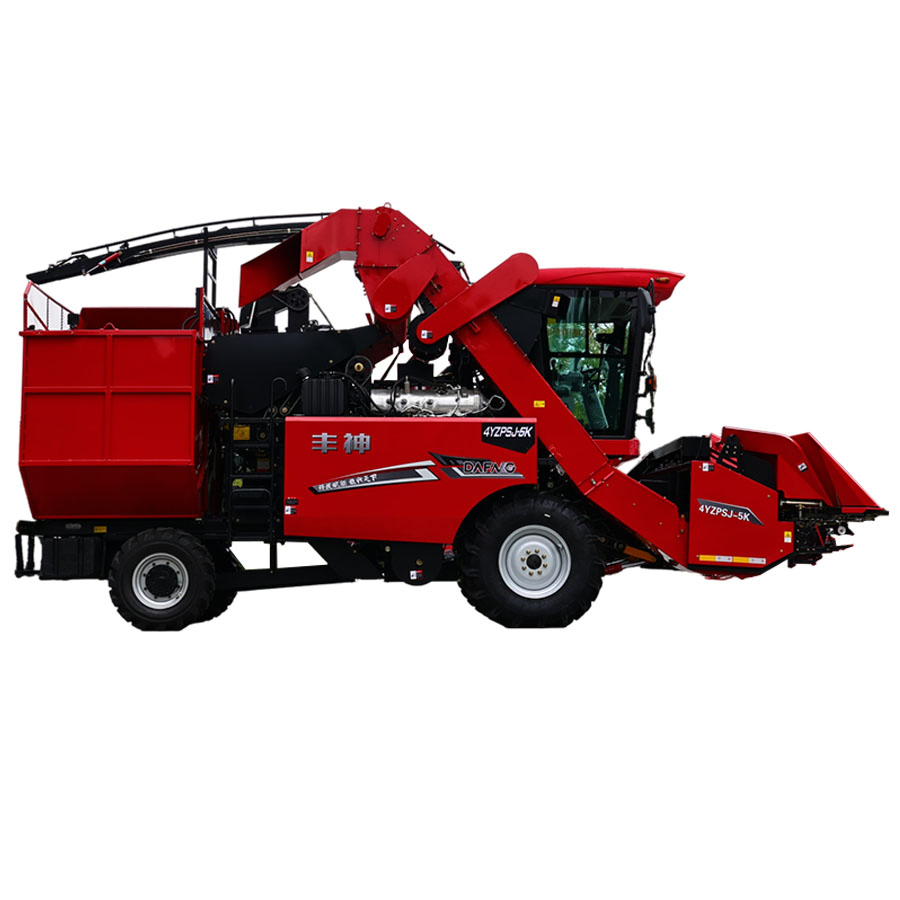
Corn harvesting differs from wheat and rice because maize plants have stronger stalks and larger ears. A corn harvester usually needs a row-based header, peeling system, collecting system, and straw crushing function. Some machines focus only on corn, while others support grain crops through different configurations.
If your target market has strong maize production, you should not rely only on general combine harvester specifications. Instead, you should confirm whether the machine supports corn-specific working requirements.
Soybean and Other Grain Crops Need Gentle Handling
Soybean and similar crops often require careful cutting and threshing to reduce loss. Field speed, header height control, and threshing adjustment all affect final harvest quality. A flexible grain combine harvester should allow practical adjustment for different crop conditions.
Core Features of a Good Multi Crop Combine Harvester
When buyers compare a grain harvester for mixed crops, they should focus on practical working systems rather than only brochure numbers. The following features usually determine real harvesting performance.
Adjustable Header Options
The header is the first contact point between the crop and the machine. Different crops require different cutting and feeding methods. A machine with suitable header options gives buyers more flexibility across crop seasons.
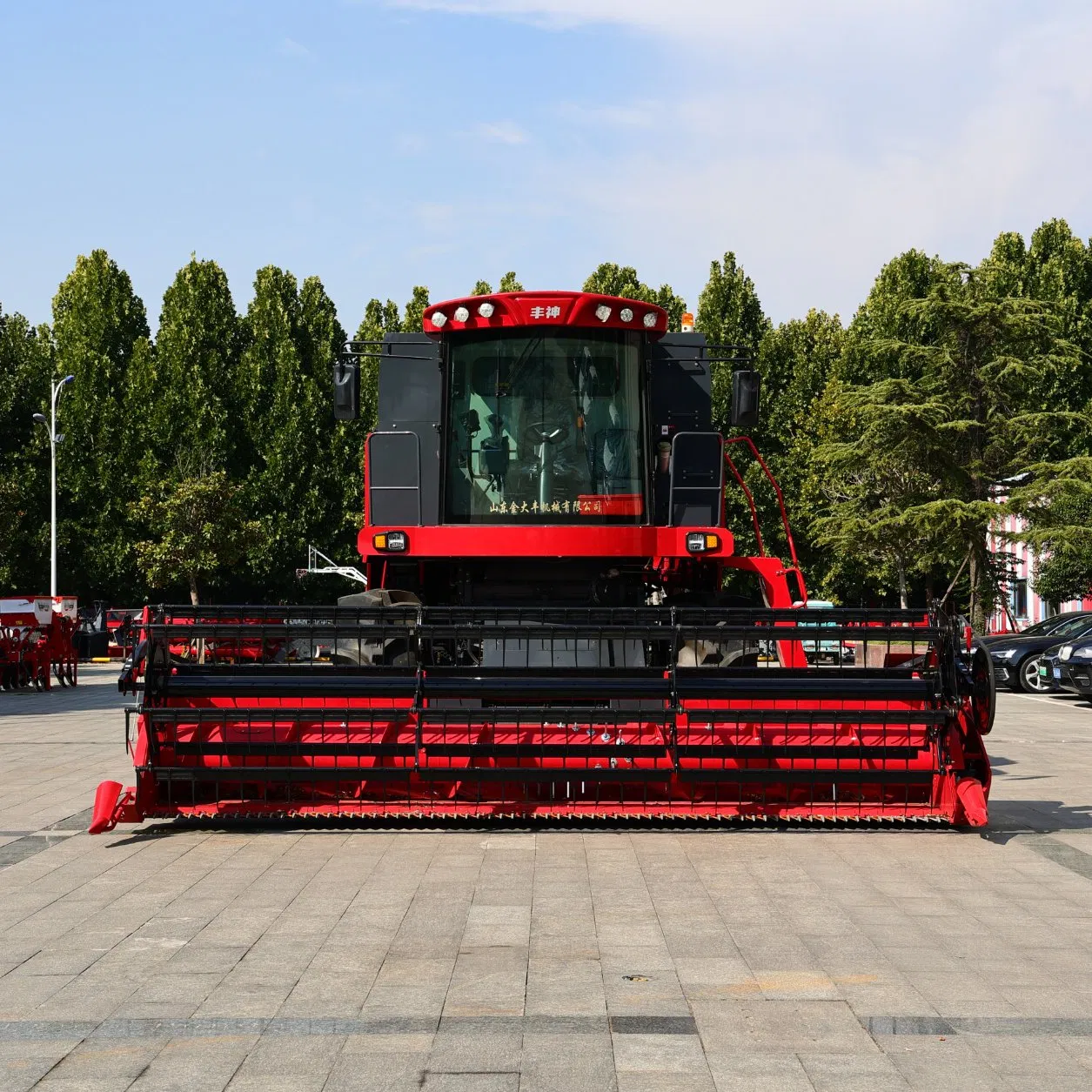
For wheat and rice, a grain header with stable cutting performance is important. For corn, a row-based corn header or dedicated corn harvesting system may be required. Dealers should confirm header compatibility before promoting a machine as a multi crop solution.
Strong Feeding Capacity
Feeding capacity determines how smoothly crop material moves into the threshing system. If the feeding system cannot handle crop volume, blockage may occur. This creates downtime and reduces daily output.
For buyers in high-yield regions, feeding capacity becomes even more important than cutting width. A wide header without enough feeding capacity may create more problems than benefits.
Efficient Threshing System
The threshing system separates grain from straw, ears, or crop material. A good threshing system should deliver clean separation while reducing grain damage. Longitudinal axial flow and axial flow systems often provide stable performance for grain crops when properly designed.
Buyers should ask how the threshing system performs with different crop moisture levels. Real field performance can vary depending on local harvesting conditions.
Reliable Cleaning System
After threshing, the cleaning system removes chaff and impurities. A strong cleaning system improves final grain quality and reduces post-harvest processing work. This matters to both farmers and commercial harvesting service providers.
Reciprocating vibrating screens and fan-based cleaning systems are common structures. The key is whether the system can maintain stable cleaning quality during long working hours.
Practical Grain Tank and Unloading Design
Grain tank capacity affects harvesting continuity. A larger tank reduces unloading frequency, which improves productivity in large fields. At the same time, unloading height should match trucks, trailers, or local transport methods.
For export markets, this detail matters because transport equipment differs by region. A practical unloading system makes the machine easier to use in real farm conditions.
Recommended Combine Harvester Configuration by Crop Type
The table below gives a practical reference for buyers comparing combine harvester configurations for different crop needs.
| Crop Type | Key Machine Requirement | Important Feature | Recommended Buyer Focus |
|---|---|---|---|
| Wheat | Stable cutting and clean threshing | Wide grain header and efficient cleaning system | Cutting width, grain loss, daily productivity |
| Rice | Soft field adaptability | Strong traction and stable threshing system | Field condition, chassis type, crop moisture |
| Corn | Row harvesting and ear handling | Corn header, peeling, collecting, straw crushing | Row spacing, peeling effect, straw management |
| Soybean | Low-loss cutting and gentle threshing | Adjustable header and stable feeding | Header control, grain damage, cleaning quality |
| Mixed Grain Crops | Flexible operation across seasons | Adjustable settings and compatible configurations | Versatility, maintenance, spare parts support |
How Farm Size Affects Machine Selection
Farm size directly affects the best combine harvester configuration. Small farms often need compact and easy-to-maintain machines. Medium farms usually prefer a balance between capacity and operating cost. Large farms need higher horsepower, wider cutting width, and larger grain tanks to finish harvesting quickly.
For small and medium farms, a machine with moderate horsepower may deliver better value than an oversized model. It can reduce fuel consumption, simplify operation, and lower maintenance pressure. For large commercial farms, higher horsepower and stronger feeding systems become more important because harvest windows are short and field coverage matters.
Dealers should not recommend the same model to every buyer. Instead, they should match machine size with crop type, farm scale, and local service conditions.
Why Export Buyers Should Pay Attention to Service Support
When buyers source harvesting machinery from overseas suppliers, after-sales support becomes a major factor. A combine harvester works during a short and intense season. If a machine stops during harvest, the cost can become serious.
Reliable spare parts supply, technical documents, and remote troubleshooting support can help reduce downtime. For dealers, these services protect customer relationships and improve local reputation.
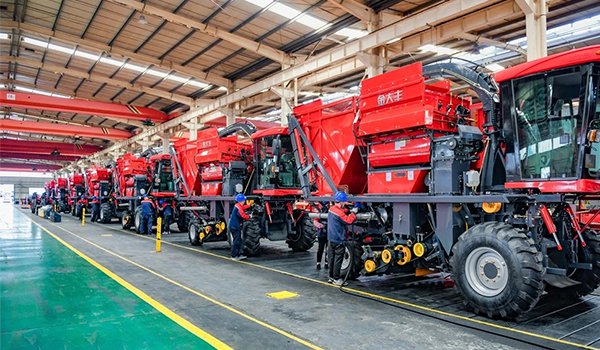
This is why many professional buyers prefer working with manufacturers that have stable production systems and export experience. A low price may look attractive at first, but weak parts support can create long-term losses.
Why King-Gold Dafeng Supports Multi Crop Harvesting Needs
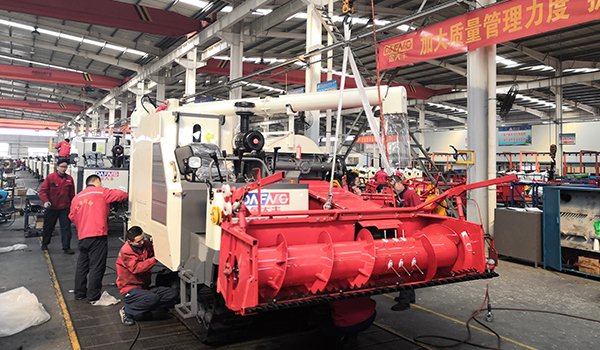
King-Gold Dafeng understands that global buyers need practical machines for different crop markets. The company manufactures tractors, grain combine harvesters, rice harvesters, corn harvesters, seeders, and crop-specific agricultural machinery. This wide product coverage allows buyers to build a complete agricultural machinery supply chain from one manufacturer.
For grain harvesting, King-Gold Dafeng focuses on stable performance, practical configuration, and export-oriented support. Buyers can choose suitable machines based on crop type, farm scale, and market requirements. The company also supports customization options such as configuration adjustment, color, logo, and export packaging.
For distributors, this flexibility matters. It helps them serve different farming regions and offer machines that match local customer needs rather than selling one fixed configuration to every market.
Common Buying Mistakes to Avoid
One common mistake is buying a machine only because it claims to support multiple crops. Buyers should ask how the machine supports each crop and what configuration changes may be required. Multi crop capability must come from real mechanical adaptability, not only marketing language.
Another mistake is ignoring local field conditions. A machine that works well in dry wheat fields may not perform well in wet rice paddies. Buyers should always compare machine design with local soil, terrain, and harvesting season.
Finally, some buyers overlook operator training and maintenance access. Even a strong machine needs proper adjustment and regular service. Easy maintenance and clear operation guidance improve long-term machine value.
How This Article Connects with Your Combine Harvester Buying Journey
If you are still learning the basics of grain harvesting machinery, you can first study general guides about grain combine harvesters. If you are already comparing machines, a buying guide about how to choose a combine harvester can help you evaluate horsepower, cutting width, field condition, and supplier support.
This article focuses more specifically on multi crop harvesting. It helps buyers understand how wheat, rice, corn, soybean, and mixed grain crops create different machine requirements. Together, these topics form a complete decision path from category understanding to product selection.
Final Thoughts
Choosing the right combine harvester for wheat, rice, corn and mixed grain crops requires careful evaluation. Buyers should consider crop type, farm size, field conditions, header options, feeding capacity, threshing structure, cleaning performance, and after-sales support.
The best machine is not always the largest or cheapest one. The best machine is the one that matches local crop conditions and delivers stable performance during harvest season.
With broad agricultural machinery manufacturing experience and export-oriented support, King-Gold Dafeng provides practical harvesting solutions for global buyers, dealers, and agricultural projects. For markets that require flexible and reliable harvesting equipment, choosing the right manufacturer can make a major difference in long-term business success.