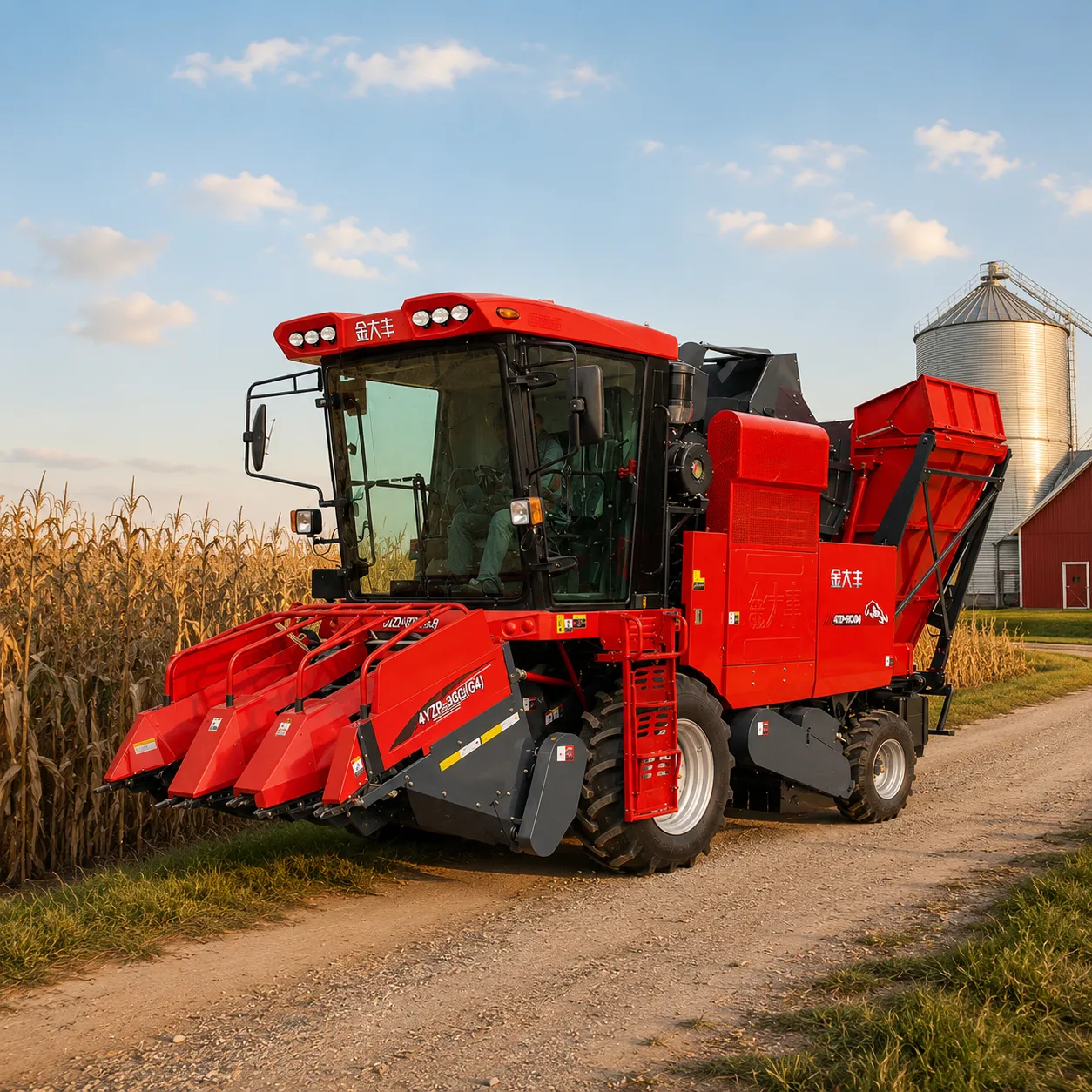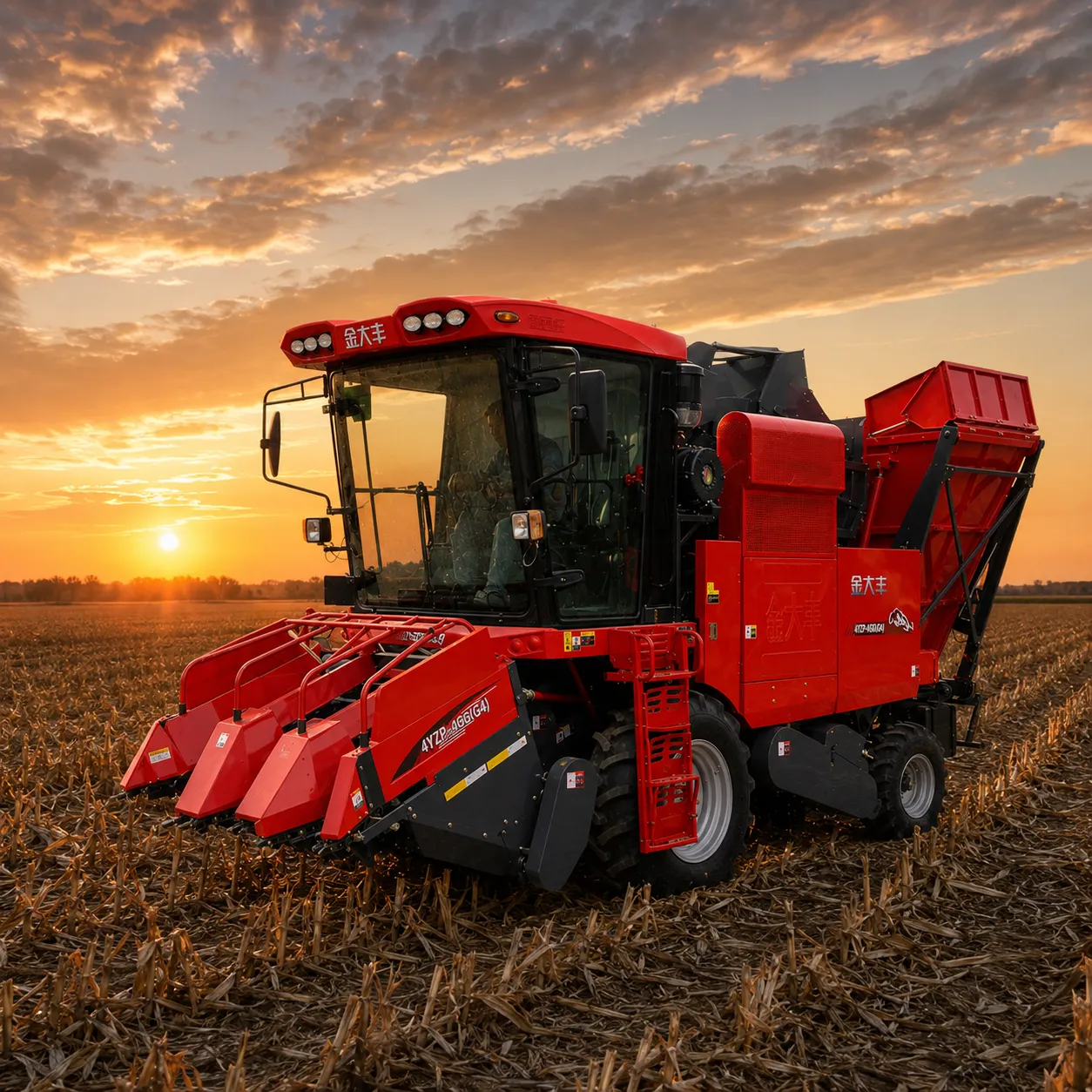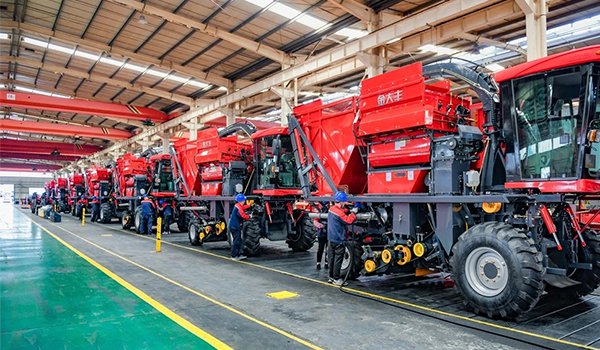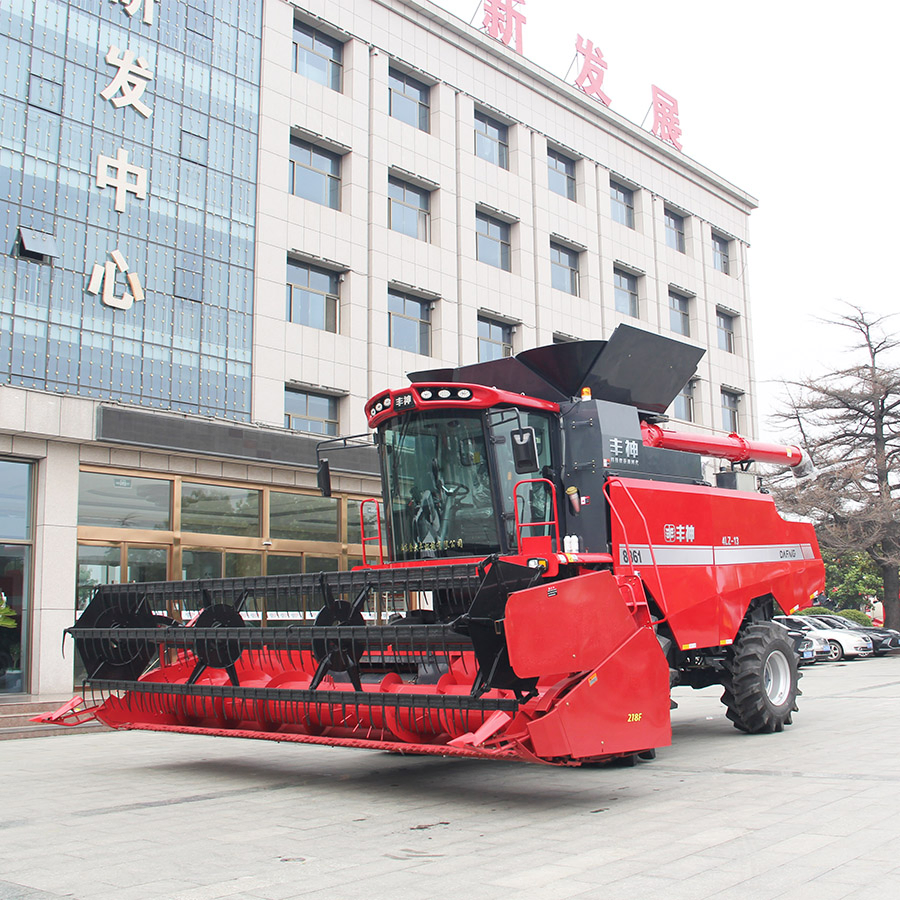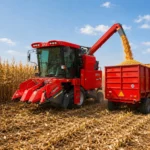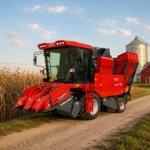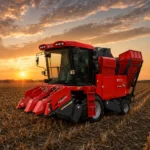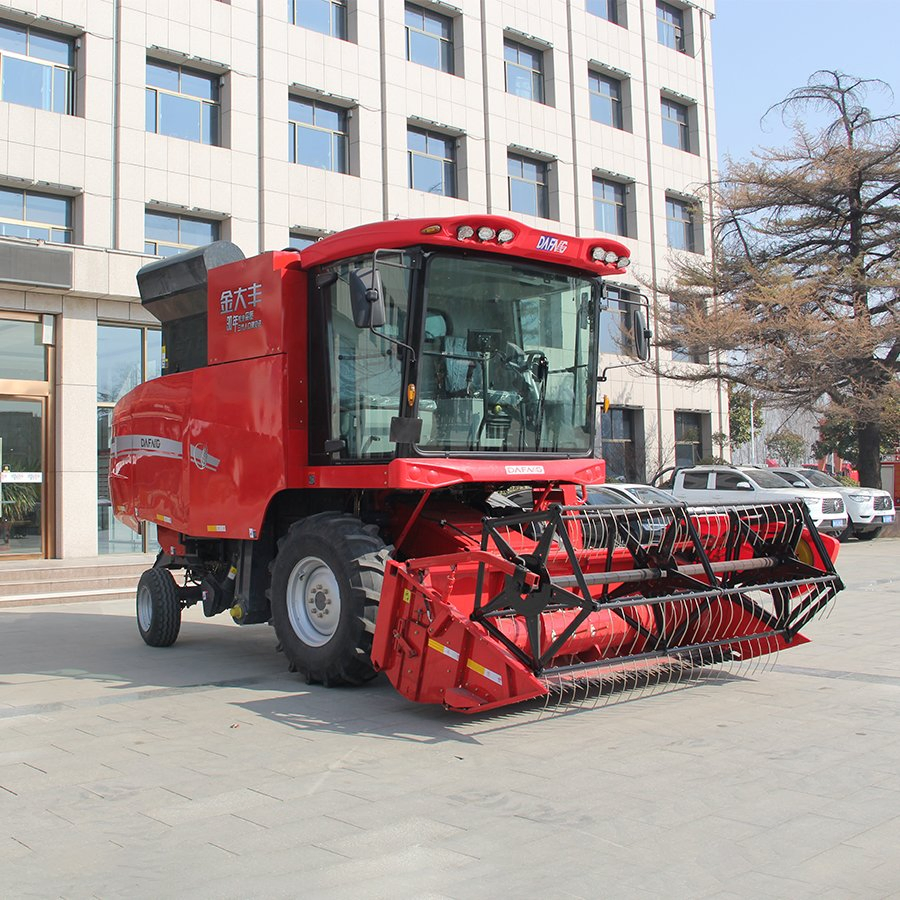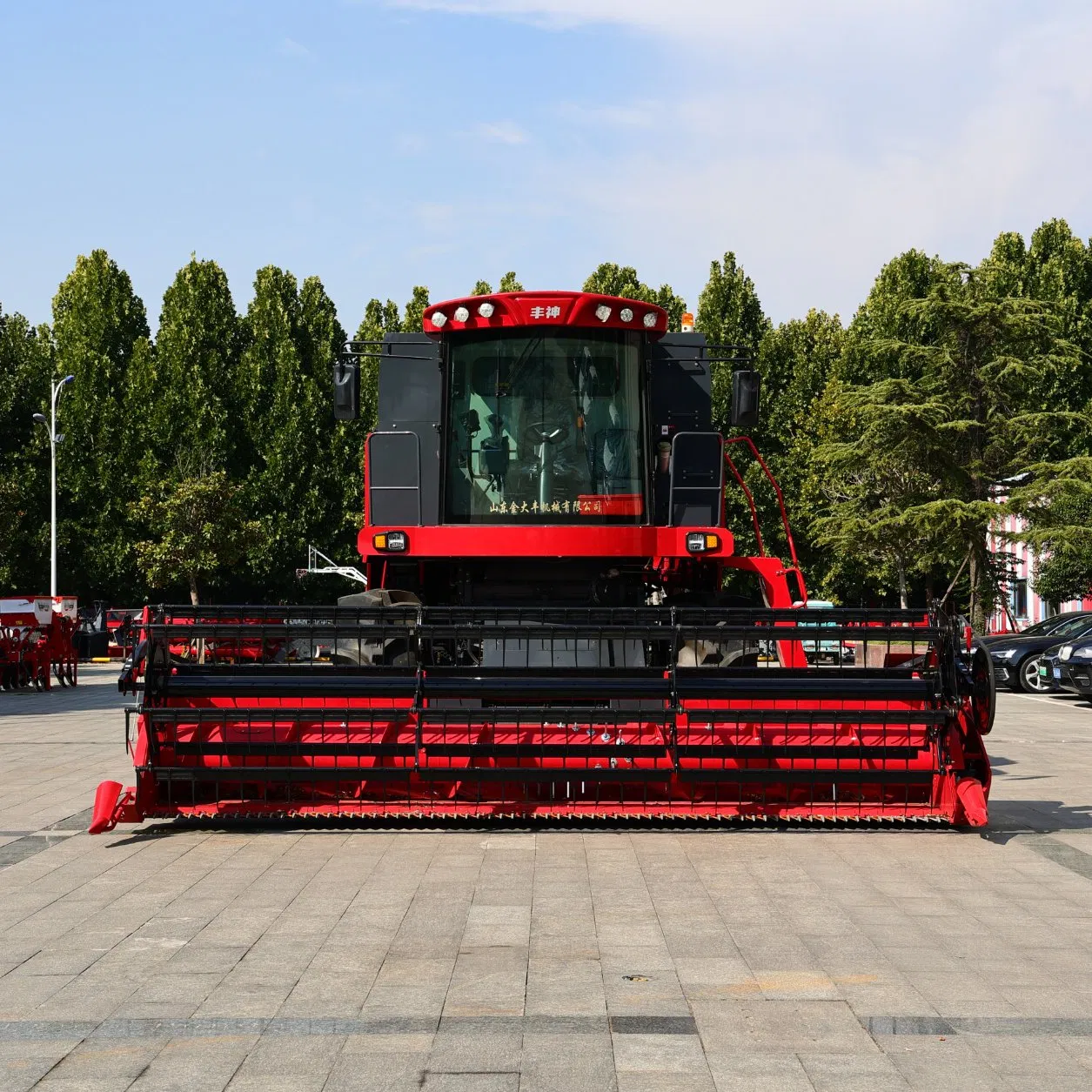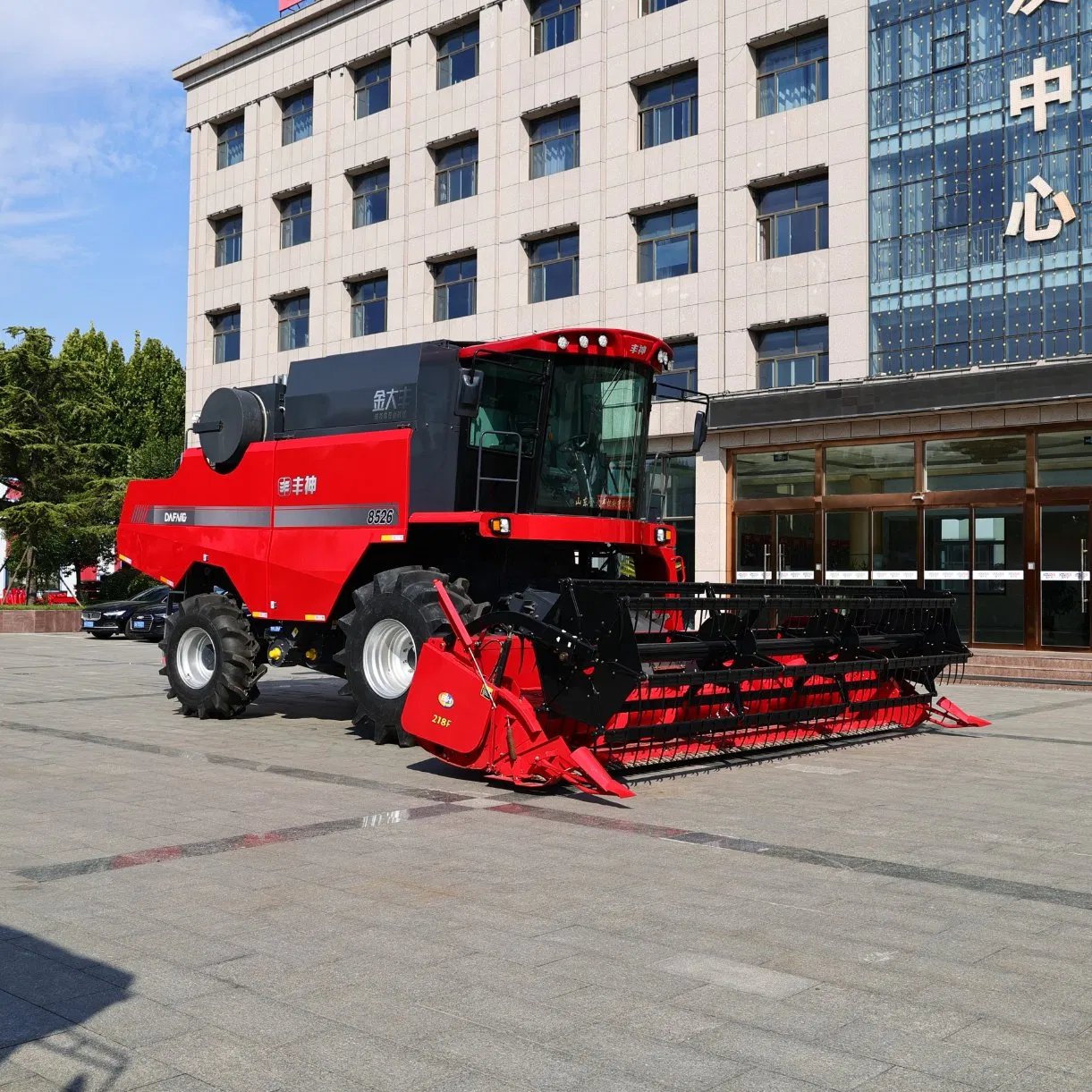
When buyers compare corn harvesters, working capacity is often one of the first specifications they ask about. A machine may be described as harvesting a certain number of hectares or acres per hour, but actual field output rarely depends on one specification alone.
Real corn harvester capacity depends on header width, number of harvesting rows, forward speed, crop density, moisture, lodging, peeling requirements, straw crushing, field shape, turning time, unloading time, and operator experience.
This is why the same machine can perform very differently on two farms. A three-row harvester working in long, straight, dry corn may maintain continuous output, while the same machine in short fields with lodged crops and wet stalks may cover considerably less area during the same working day.
For equipment buyers, the important question is not simply “What is the maximum capacity?” It is “What capacity can this machine maintain under my actual field conditions?”
Field Capacity Is More Than Header Width and Speed
A wider header can harvest more crop in each pass, and a faster travel speed can cover more ground per hour. In theory, this makes capacity easy to calculate.
In practice, harvesting includes much more than forward movement.
Time is also spent:
- Turning at headlands
- Aligning the header with planted rows
- Slowing in lodged or dense crop
- Unloading harvested ears
- Clearing occasional blockages
- Adjusting machine settings
- Moving between fields
- Performing daily maintenance
For this reason, theoretical capacity and effective field capacity should be considered separately.
Theoretical field capacity:
Working width (m) × travel speed (km/h) ÷ 10
Effective field capacity:
Theoretical capacity × actual field efficiency
For example, a machine with a 2.1 m effective working width travelling at 5 km/h has a theoretical capacity of approximately 1.05 hectares per hour.
But if turning, unloading, adjustment, and other interruptions reduce field efficiency to 70%, effective capacity would be closer to 0.74 hectares per hour.
This example is not a guaranteed performance figure. It simply shows why maximum travel speed does not equal real harvesting output.
Row Number and Row Spacing Set the Basic Capacity
The number of corn rows harvested in each pass has a major influence on potential output.
A four-row machine covers more planted rows than a three-row machine at the same forward speed. However, this advantage only exists when the field layout, row spacing, engine power, conveying system, and operator can support the additional crop flow.
| Factor | Effect on Capacity | What Buyers Should Check |
|---|---|---|
| Number of rows | More rows increase crop collected per pass | Whether fields are large enough to use the wider header |
| Row spacing | Correct spacing allows smoother feeding | Match header centres to local planting rows |
| Header width | Greater width increases theoretical area coverage | Transport width and field entrance size |
| Row accuracy | Straight rows allow higher stable speed | Planting consistency across different fields |
| Field length | Longer rows reduce turning losses | Average length of harvesting passes |
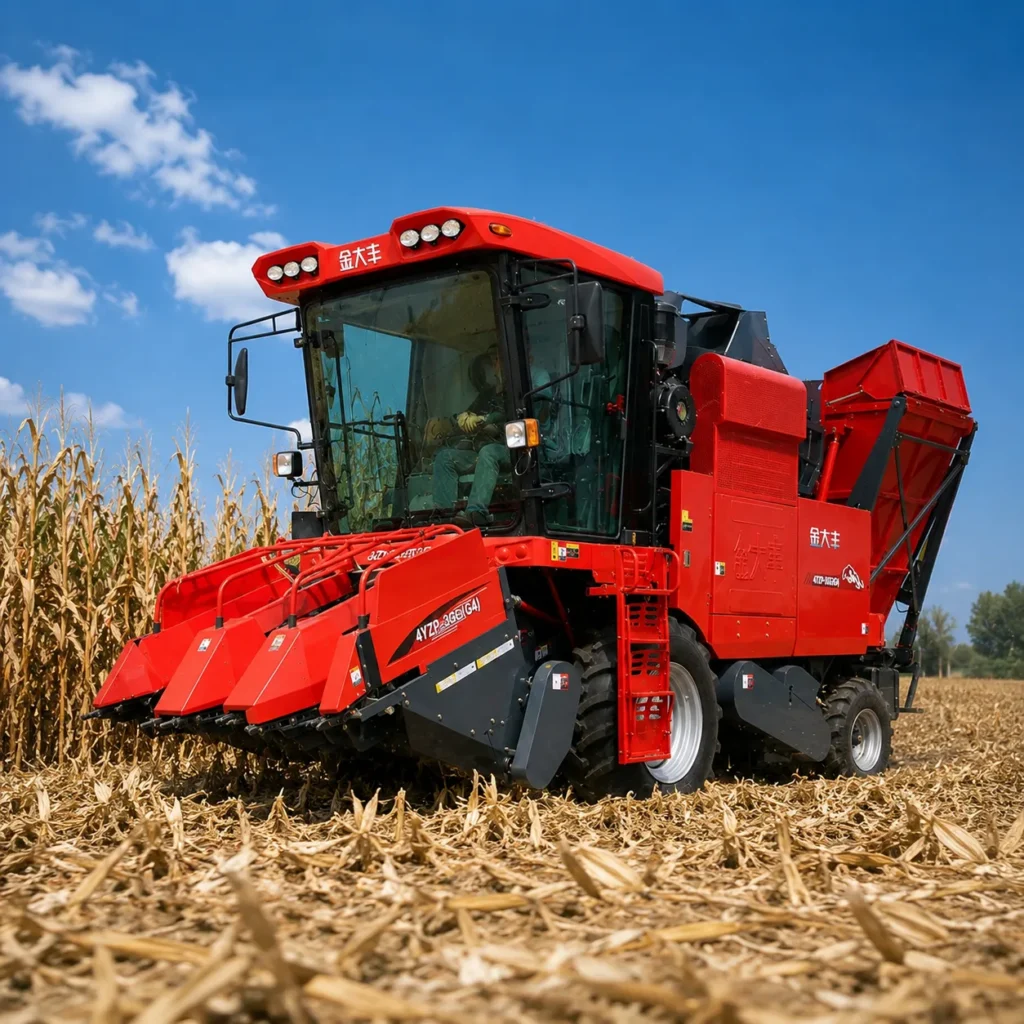
A wider header does not always mean more useful output
In large, regular fields, a four-row machine may maintain longer harvesting passes and reduce the number of trips required to cover the field.
In small fragmented fields, the same wider machine may spend more time turning, aligning, entering narrow plots, and travelling between fields.
The correct number of rows should therefore match the complete farming system, not simply the buyer’s desire for the largest available machine.
Crop Density and Moisture Can Change Output Quickly
Crop volume entering the machine is one of the biggest variables affecting corn harvester capacity.
Two fields of the same size may place completely different loads on the harvester.
High plant population
A dense crop sends more stalks and ears into the header every minute. This increases the load on gathering chains, picking rolls, conveyors, peeling rollers, and the straw-crushing system.
The operator may need to reduce forward speed to keep crop flow stable.
Green stalks
Green corn stalks are heavier and tougher than dry stalks. They require more energy to pull, process, and crush.
Wet leaves and plant material can also accumulate around moving components and increase the chance of blockage.
Wet husks
Wet husks can be more difficult for peeling rollers to remove. If the peeling section becomes overloaded, the operator may have to reduce forward speed even if the engine still has enough power.
Dry mature corn
Dry crops may be easier to process mechanically, allowing smoother feeding. However, overly dry ears and kernels can become more sensitive to impact and shattering.
The goal is therefore not maximum possible speed. It is the highest speed that still maintains acceptable picking, peeling, and loss performance.
Field principle: When crop volume increases, forward speed usually needs to decrease. When crop conditions become lighter and more uniform, the machine may be able to increase speed without reducing harvesting quality.
Lodged Corn Can Reduce Capacity More Than Expected
Lodged corn creates a very different harvesting environment from upright rows.
When stalks are leaning or lying close to the ground, row dividers need more time to lift and guide the crop into the picking units.
The operator may need to:
- Lower the header
- Reduce travel speed
- Approach from a favourable direction
- Make more steering corrections
- Stop more frequently to inspect feeding
- Clear accumulated stalk material
All of these reduce effective field output.
Why speed alone cannot solve the problem
Driving faster through lodged corn often increases missed stalks and dropped ears. It may also push plants ahead of the header instead of guiding them into the row units.
In difficult conditions, a lower forward speed can actually improve daily output because the machine spends less time stopping for blockages or repeating missed sections.
This is an important distinction when evaluating corn harvester capacity. Productive harvesting means completing usable work with acceptable crop loss, not simply recording a high travel speed.
Forward Speed Must Match the Machine’s Internal Crop Flow
Every harvesting machine has a practical crop-processing limit.
The header may be able to collect crop faster than the peeling system can process it. The engine may have enough power, but the central conveyor may become overloaded. The picking units may work smoothly while the straw crusher reaches its maximum load.
The complete machine therefore needs to remain balanced.
Signs the machine is being pushed too fast
- Uneven crop feeding
- Frequent conveyor surges
- Higher dropped-ear loss
- More loose kernels near the header
- Reduced peeling quality
- Long unprocessed stalk sections
- Engine speed fluctuations
- Repeated blockages
When these symptoms appear, increasing speed further will usually reduce effective output rather than improve it.
Stable operation is often faster over a full day
A machine operating at a moderate but stable speed may harvest continuously for long periods. Another machine operating near its maximum speed may need repeated stops for clearing, adjustment, and maintenance.
Over eight or ten working hours, the first machine may achieve better real field performance.
This is why buyers should ask manufacturers about recommended operating speed under normal crop conditions instead of focusing only on maximum travel speed.
Turning, Unloading and Field Shape Create Hidden Capacity Loss
Harvesters only collect crop while the header is working through planted rows. Time spent turning or waiting does not contribute directly to harvested area.
Short fields require more turning
A machine operating in 500-metre rows spends a much larger percentage of its time harvesting than one operating in 80-metre rows.
Short fields may require frequent:
- Header lifting
- Speed reduction
- Turning
- Realignment
- Acceleration back to working speed
These small interruptions accumulate during the day.
Irregular field boundaries reduce efficiency
Triangular fields, terraces, drainage channels, trees, power poles, and curved boundaries require additional manoeuvring.
In these situations, a smaller three-row machine may sometimes maintain better effective output than a larger machine that is difficult to position.
Unloading can become the bottleneck
An onboard collection tank allows harvesting to continue until the tank is full. However, if trailers are not available when unloading is required, the harvester stops.
Efficient logistics should consider:
- Tank capacity
- Unloading time
- Trailer capacity
- Number of transport vehicles
- Distance to storage
- Field entrance width
- Road conditions
A higher-capacity harvester needs a transport system capable of removing harvested material at a similar rate.
Engine Power, Peeling and Straw Crushing Must Work Together
Engine horsepower influences output, but it is only useful when the rest of the machine can use that power effectively.
A self-propelled corn harvester may use engine power for:
- Machine propulsion
- Header operation
- Picking rolls
- Gathering chains
- Ear conveying
- Peeling rollers
- Hydraulic systems
- Straw crushing
- Unloading equipment
Peeling can become a processing limit
If the crop is wet or the ears arrive unevenly, peeling rollers may not process material as quickly as the header collects it.
The operator may reduce travel speed to maintain cleaner ears and prevent material buildup.
Straw crushing requires significant power
Green, thick stalks require more energy to crush than dry residue. Worn blades also increase resistance.
A machine working with active peeling and heavy straw crushing may therefore have a lower practical field speed than the same machine working in lighter crop.
A realistic corn harvester capacity assessment should consider the complete job being performed in one pass.
How Buyers Should Compare Real Field Capacity
When evaluating a corn harvester, ask for more than one maximum hectares-per-hour figure.
Provide the manufacturer with information about your actual operation:
- Total corn area to be harvested
- Average field size
- Typical row length
- Local row spacing
- Required harvesting rows
- Average planting density
- Typical stalk moisture
- Frequency of lodged corn
- Whether peeling is required
- Whether straw crushing is required
- Number and size of available trailers
- Expected working hours per day
Ask for sustained capacity, not a short demonstration
A short video of a machine travelling quickly through ideal crop does not show complete daily performance.
More useful information includes:
- Recommended normal working speed
- Typical output under average conditions
- Harvesting performance in green stalks
- Performance in lodged crops
- Average unloading frequency
- Daily maintenance requirements
- Typical fuel consumption under working load
- Field videos lasting several continuous passes
Buyer comparison rule: Compare hectares harvested per working day together with crop loss, peeling quality, fuel use, downtime, and labour requirement. A high hourly figure means little if the machine cannot maintain it throughout the day.
King-Gold Dafeng provides self-propelled corn harvesting equipment for different farm sizes, row configurations, and working conditions. Buyers can review the available corn harvester models and working configurations when comparing row number, engine power, peeling systems, field output, and straw management.
Ultimately, corn harvester capacity is determined by how well the complete machine matches the crop and field. Header width and horsepower create potential capacity, but crop conditions, turning time, unloading, operator control, and processing efficiency determine how much of that potential becomes real daily output.
The best machine is not necessarily the one with the highest advertised hectares per hour. It is the one that can maintain stable harvesting, acceptable loss levels, clean crop flow, and reliable operation throughout the working day.
You May Also Be Interested In
To understand how each harvesting system affects crop flow and machine performance, read How Does a Corn Harvester Work in Real Field Conditions?
If you are deciding how many rows your machine should harvest in each pass, also read 3 Row vs 4 Row Corn Harvester: Which One Fits Your Harvesting Needs?