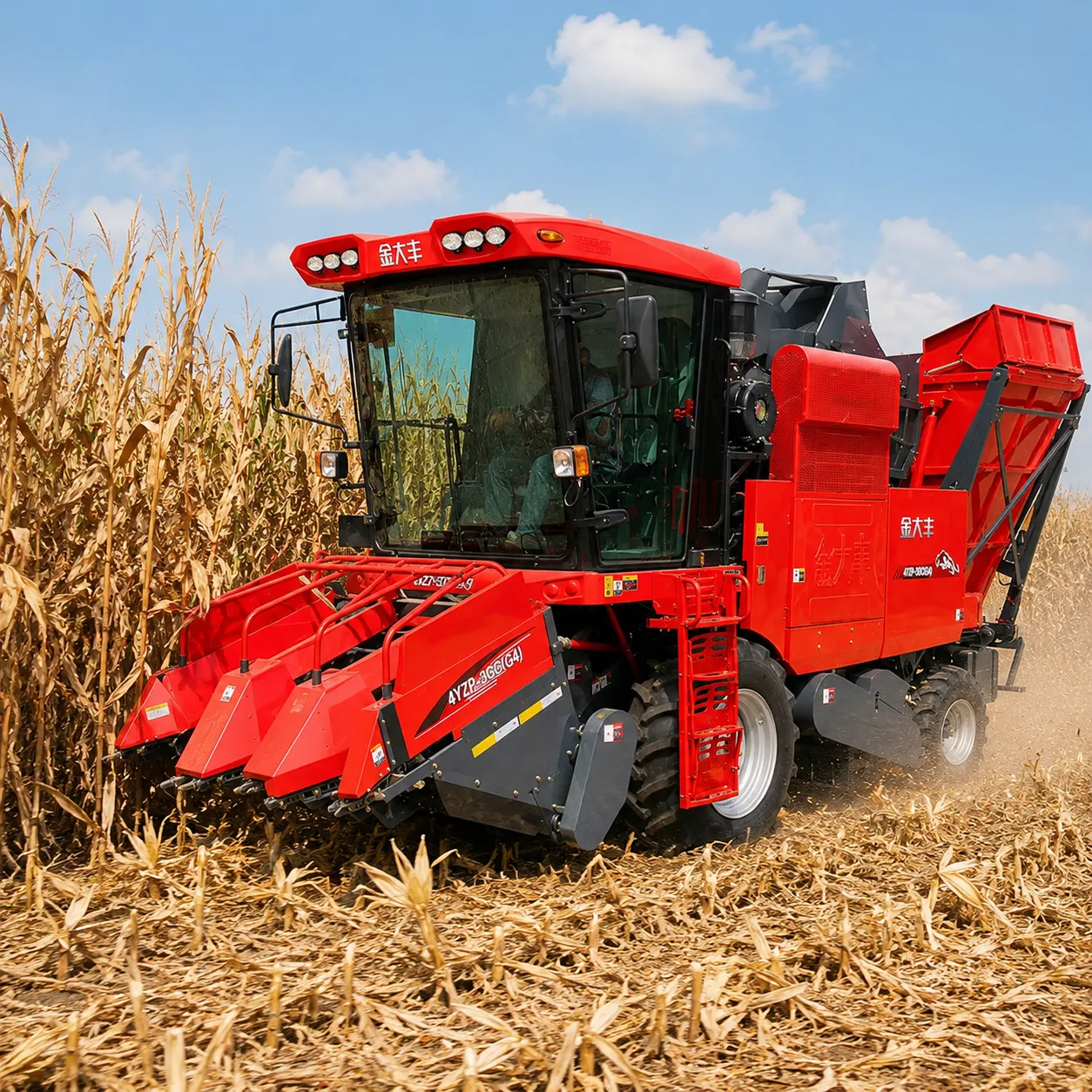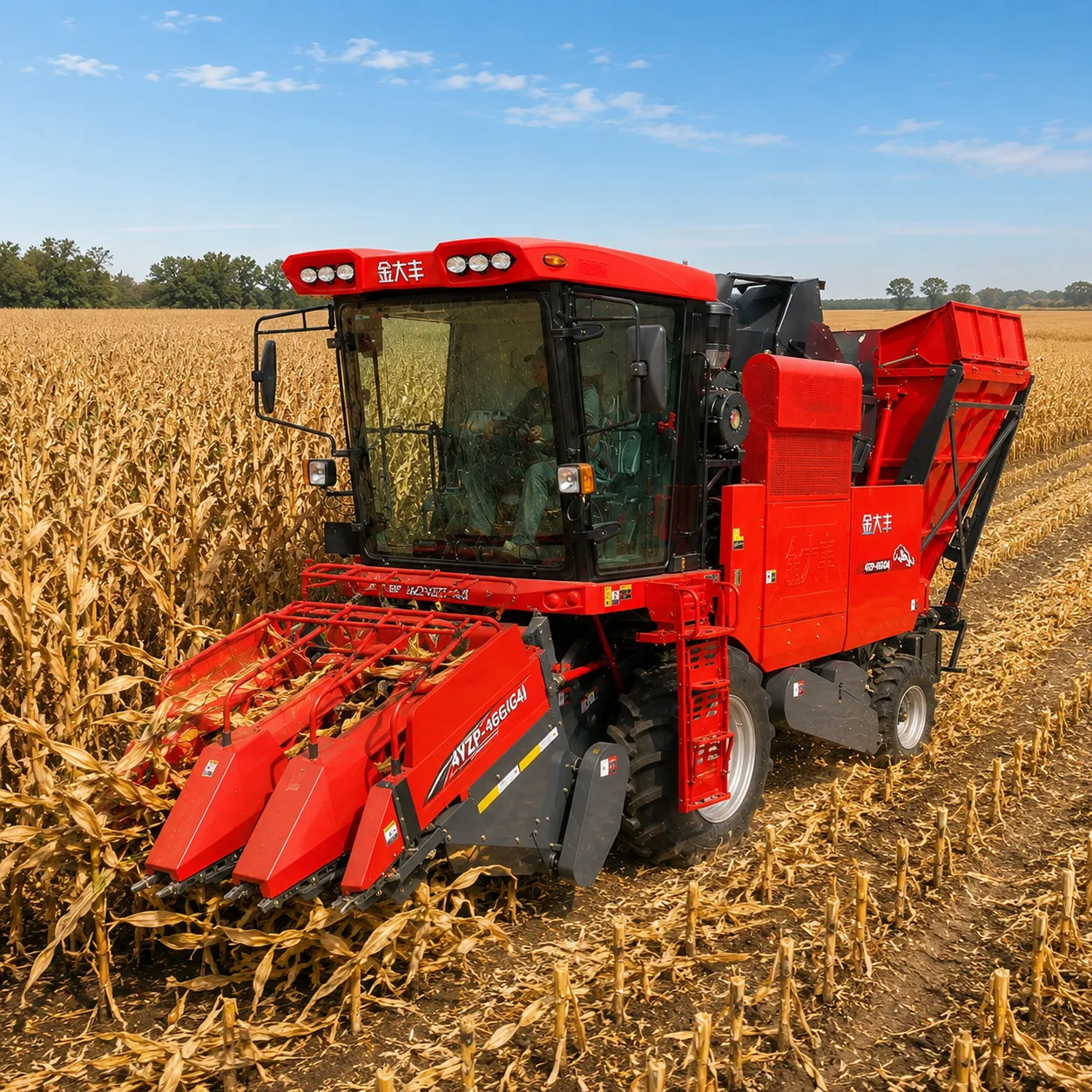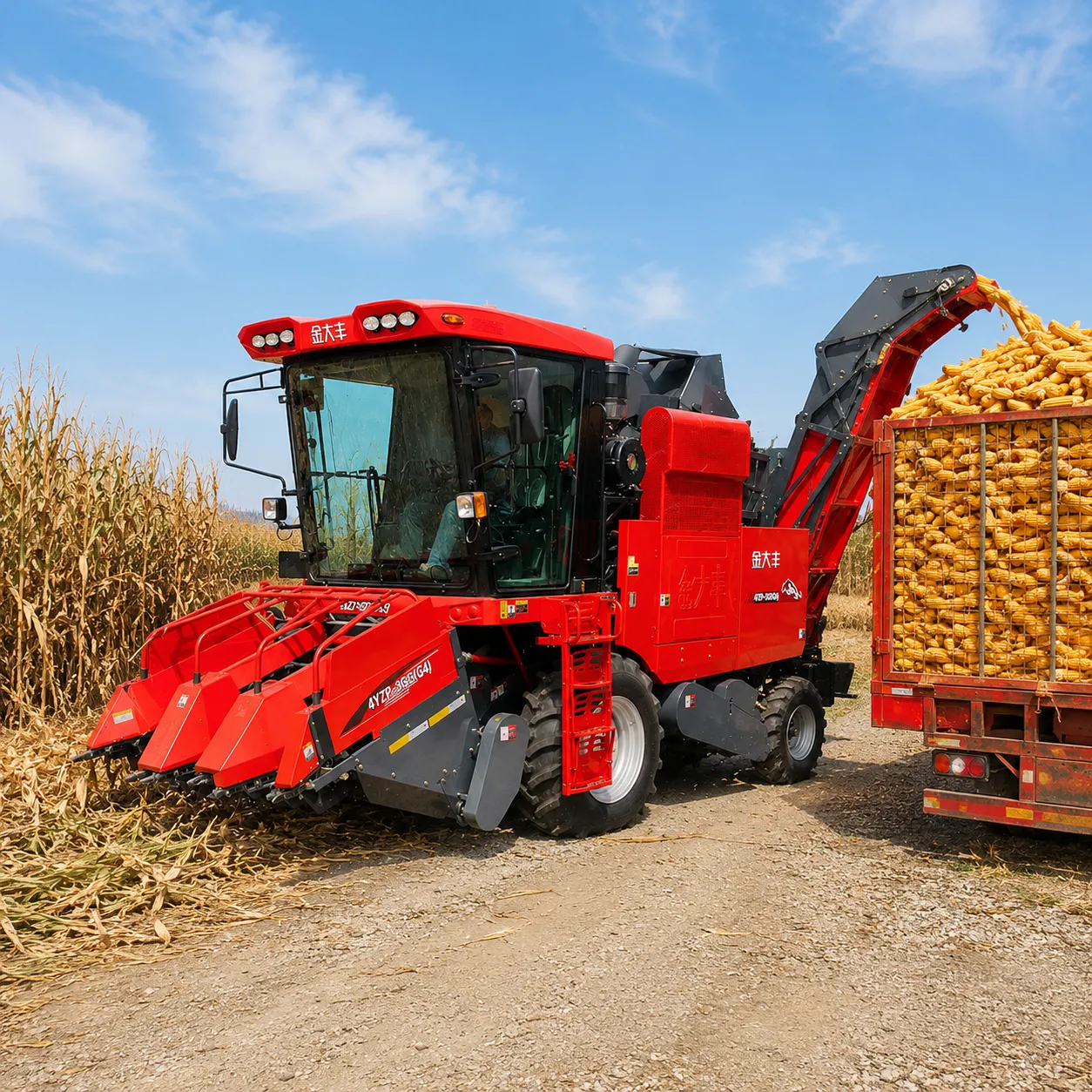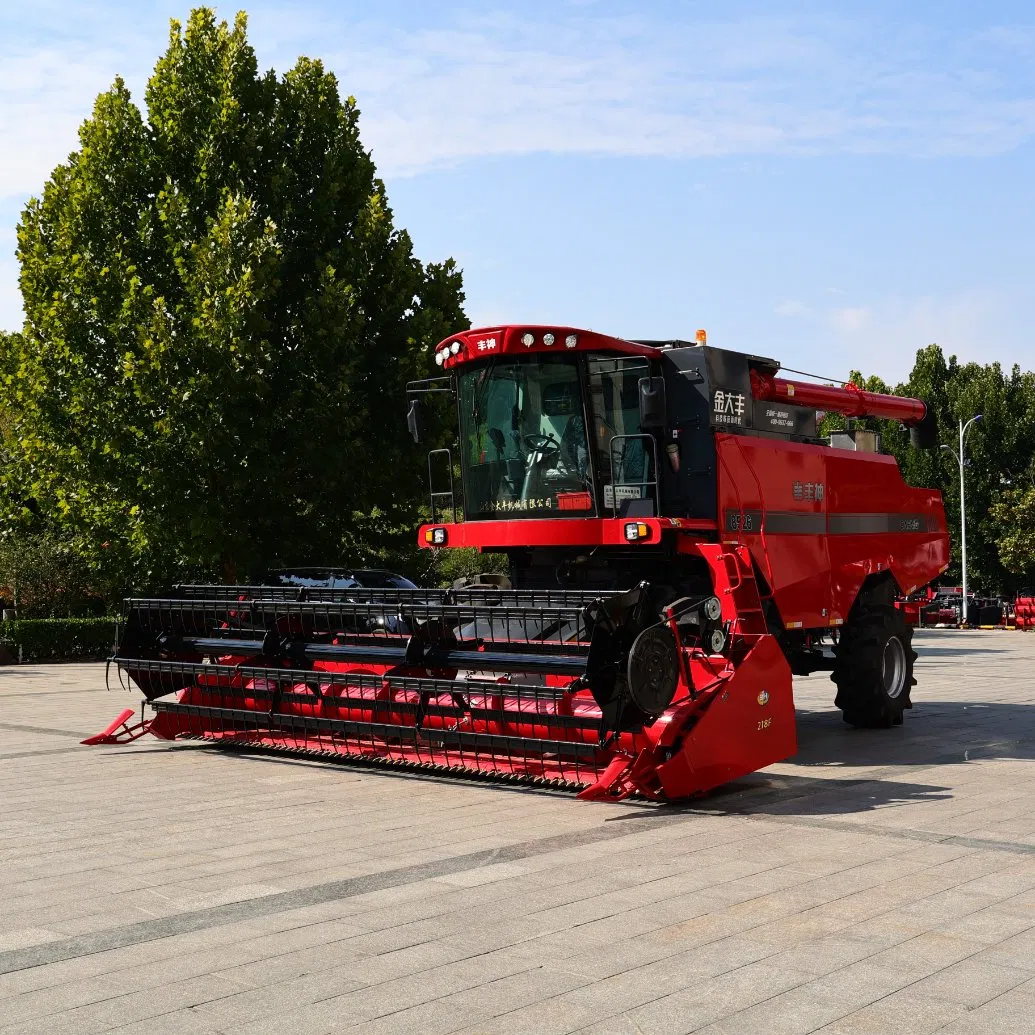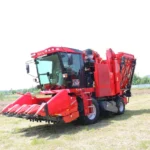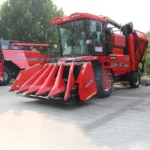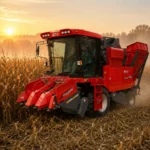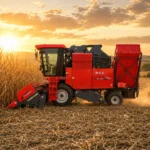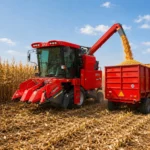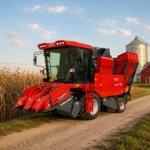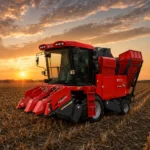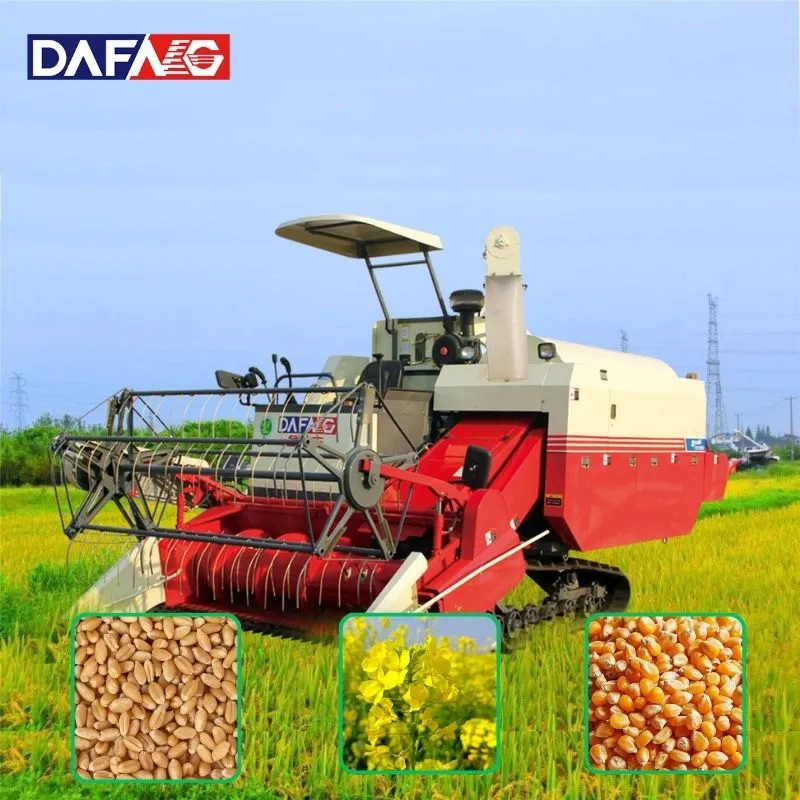
When a corn harvester finishes picking the ears, a large amount of stalk, leaf, and plant residue still remains in the field. What happens to this material can affect the next tillage operation, residue incorporation, planting preparation, and even how efficiently machinery can return to the field.
This is why corn harvester straw crushing should not be treated as a secondary feature. On farms where stalk residue needs to be managed immediately after harvest, an integrated crushing system can reduce the amount of additional work required once the corn has been collected.
However, good straw management involves more than simply cutting stalks into shorter pieces. Crushing quality depends on blade condition, rotor speed, cutting height, crop moisture, forward speed, residue volume, and the way material is discharged behind the machine.
Understanding these factors helps operators recognize poor crushing performance early and helps buyers evaluate whether a straw-management system is suitable for their actual field conditions.
What Problem Does Straw Crushing Solve?
After ear picking, standing stalks can remain relatively tall and tough. If they are left untreated, they may create problems for later operations.
Long stalks can wrap around tillage equipment, interfere with residue incorporation, and create uneven conditions for subsequent field preparation. In some farming systems, another tractor and implement would normally need to return after harvesting specifically to cut or crush the remaining stalks.
An integrated straw-crushing system allows this work to begin during the harvesting pass itself.
The main objectives are typically to:
- Reduce the length of remaining corn stalks
- Break heavy residue into more manageable material
- Distribute crushed residue more evenly across the field
- Reduce interference with later tillage equipment
- Prepare the field more efficiently for subsequent operations
- Reduce the need for a separate stalk-processing pass
For large commercial farms, the last point can be especially important. Eliminating even one additional field pass can reduce tractor hours, labour demand, fuel consumption, and scheduling pressure during a busy harvest period.
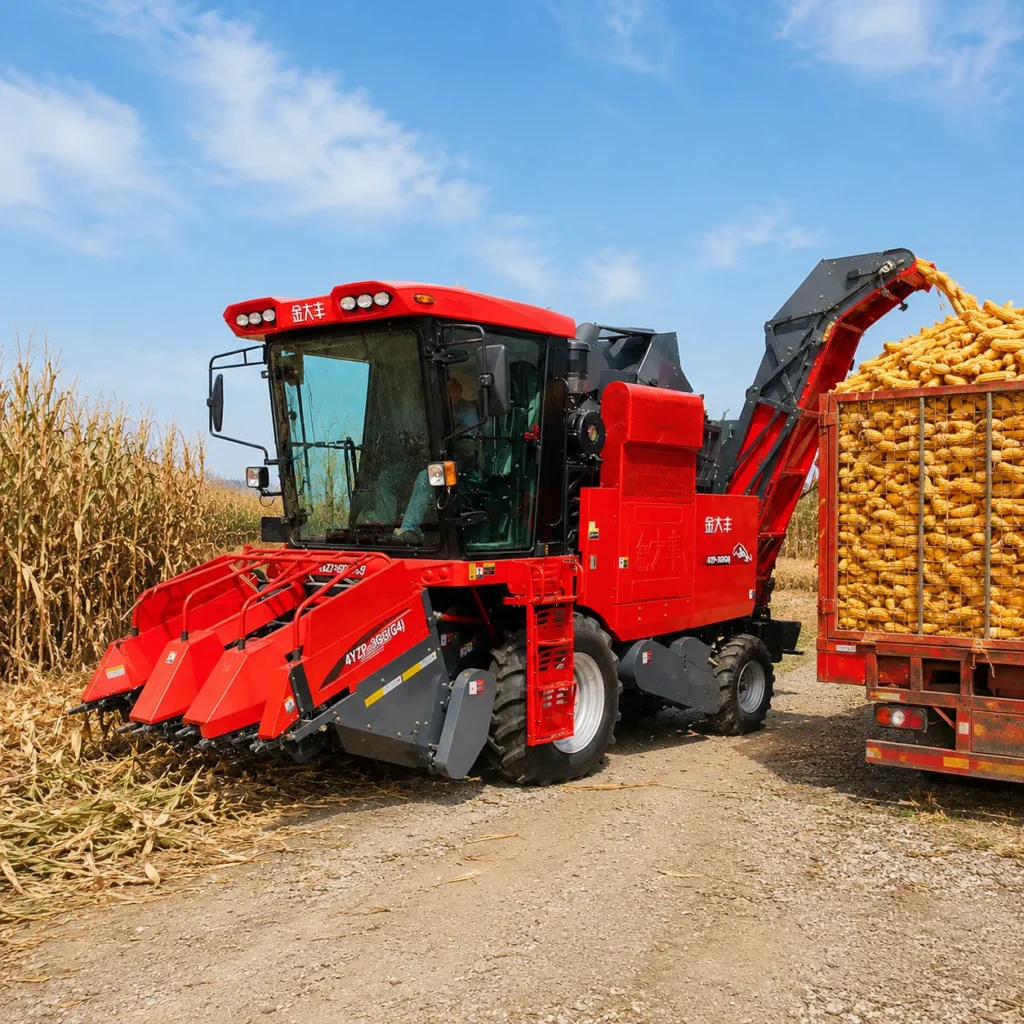
What Happens Inside a Corn Harvester Straw Crushing System?
The basic working principle is relatively simple. After the corn header passes through the rows and the ears are picked, the remaining stalk material reaches the lower cutting or crushing area of the machine.
A rotating rotor equipped with blades processes the stalks before the residue is discharged back onto the field.
The actual result depends on how effectively the system can combine three actions:
Cutting
Blades must contact the stalks at sufficient speed and with a suitable cutting edge. Sharp blades can cut plant material more cleanly with less unnecessary load on the drive system.
Breaking and reducing stalk length
The rotor continues processing the material so the remaining stalk sections are shorter and easier to manage.
Distributing residue
Crushed material should leave the machine in a reasonably even pattern. If most residue is concentrated in one narrow strip, later tillage and decomposition may become less uniform.
Field check: After harvesting 30–50 meters, stop safely and inspect the area behind the machine. Look at stalk length, uncut material, residue distribution, and whether one side of the machine is performing differently from the other.
Why Crop Moisture Changes Straw Crushing Performance
One of the biggest differences between field conditions is stalk moisture.
Dry mature corn stalks generally become more brittle. They can often be cut and broken more easily because the plant material contains less moisture.
Earlier in the harvest season, however, stalks may still be green, heavy, and flexible. Instead of breaking easily, they may bend or resist the cutting action.
| Stalk Condition | Typical Behavior | Possible Machine Effect |
|---|---|---|
| Dry mature stalks | More brittle and easier to break | Usually easier crushing, but very dry residue may create more dust |
| Moderate moisture | Some flexibility remains | Generally manageable under normal machine settings |
| Green or high-moisture stalks | Tougher, heavier, and more flexible | Higher rotor load and possibly longer residue pieces |
| Mixed maturity | Stalk condition varies across the field | Crushing quality may change even without machine adjustment |
This is one reason operators should not use one fixed travel speed for every field.
When stalks become heavier or greener, reducing forward speed can give the crushing system more time to process the increased material load.
Poor Straw Crushing Usually Has a Reason
When residue becomes longer or less uniform, it does not automatically mean the entire crushing system is poorly designed. In many cases, the problem can be traced to machine condition, operating speed, or field conditions.
The pattern behind the machine often provides useful clues.
| Field Symptom | Possible Cause | What to Check First |
|---|---|---|
| Residue is consistently too long | Dull blades, low rotor speed, excessive forward speed | Blade condition, drive system, travel speed |
| Some stalks remain almost uncut | Cutting height too high or uneven crop entry | Header height, ground condition, crushing-unit position |
| One side crushes better than the other | Uneven blade wear or material distribution | Blade condition and rotor area on both sides |
| Performance drops in green corn | Higher stalk moisture and greater material load | Reduce working speed and inspect rotor load |
| Strong vibration appears | Damaged blade, missing blade, rotor imbalance | Stop operation and inspect the crushing rotor |
| Residue gathers in narrow strips | Uneven discharge or crop-flow blockage | Discharge path and residue distribution area |
These signs should be checked early. Continuing to operate with damaged or badly worn components can reduce crushing quality and increase stress on bearings, belts, shafts, and other drive components.
Blade Condition Matters More Than Many Operators Expect
Blades are among the most important wear parts in a corn harvester straw crushing system.
They operate continuously in a demanding environment and may contact dry stalks, green stalks, soil, stones, or other field material.
As the cutting edge wears, the system may require more energy to process the same crop volume. Instead of making a clean cut, a dull blade can push, tear, or bend the stalk before breaking it.
Common signs of blade wear
- Average residue length becomes longer
- The machine needs to travel more slowly to maintain the same result
- Stalks appear torn rather than cleanly cut
- Fuel load may increase under the same field conditions
- Crushing quality becomes less consistent across the machine width
Operators should also pay attention to blade balance. Replacing only one badly damaged blade without considering rotor balance may create vibration at operating speed.
Replacement procedures should therefore follow the machine manufacturer’s maintenance requirements.
Forward Speed Can Be the Difference Between Good and Poor Residue
Working faster increases the amount of crop material entering the machine every minute.
This affects not only picking and peeling but also the residue-management system underneath the machine.
Consider two fields with the same machine:
In the first field, stalks are dry, the stand is uniform, and plant density is moderate. The machine may maintain good crushing quality at a relatively higher travel speed.
In the second field, stalks are still green and dense. The same forward speed may send significantly more heavy material into the crushing rotor.
If the system reaches its effective processing capacity, residue length begins to increase.
This leads to a useful operating principle:
Do not choose forward speed from engine power alone. The practical harvesting speed should be based on the slowest system in the complete crop-flow process at that moment.
If picking, peeling, or straw crushing begins to deteriorate, speed should be adjusted until the machine returns to a stable operating condition.
How Does Straw Crushing Affect the Next Field Operation?
The value of corn harvester straw crushing becomes clearer when the entire farming cycle is considered rather than harvest alone.
After the corn leaves the field, many farms need to perform tillage, residue incorporation, soil preparation, or another planting operation.
Residue that is already shorter and more evenly distributed is generally easier to manage than long standing stalks.
For tillage operations
Long stalks can interfere with working components and may collect around moving parts. Shorter residue can reduce this problem and improve the consistency of soil-residue mixing.
For residue decomposition
Smaller plant pieces provide more exposed surface area than intact stalks. Actual decomposition still depends on temperature, moisture, soil activity, and management practices, but reduced residue size can support later incorporation.
For following planting operations
Fields with heavy, uneven residue can make later seeding more difficult. Managing the stalks during harvest can reduce the amount of correction needed before planting.
This does not mean integrated straw crushing always eliminates later residue management. Some farms may still need additional operations depending on their cropping system, soil conditions, and required seedbed quality.
The advantage is that the field begins the next stage in a more manageable condition.
Daily Maintenance Keeps the Crushing System Working Consistently
Because the straw-crushing system works close to the ground and processes a large amount of plant material, regular inspection is particularly important during the harvest season.
Before starting work
- Inspect blades for excessive wear, cracks, or missing pieces
- Check visible bolts and blade mounting points
- Inspect belts, chains, or other drive components according to machine design
- Look for accumulated stalk material around moving parts
- Check for signs of oil leakage or damaged protective covers
During operation
- Watch the residue pattern behind the machine
- Listen for unusual impact or mechanical noise
- Pay attention to new vibration
- Observe whether crushing performance changes as crop moisture changes
- Reduce speed if heavy crop conditions overload the system
After the working day
- Remove accumulated crop residue safely
- Inspect the rotor and blades again
- Check bearings and drive points according to the maintenance schedule
- Replace damaged wear parts before the next working day
Small maintenance problems are usually easier to handle at the end of one working day than after they develop into a breakdown during peak harvesting.
For contractors in particular, preventive inspection can help protect daily field capacity because downtime affects not only one farm but also the schedule of following customers.
Evaluate Straw Management as Part of the Whole Corn Harvester
A straw crusher should not be evaluated separately from the rest of the harvesting machine.
The engine must provide sufficient power for picking, conveying, peeling, hydraulic systems, travel, and residue processing at the same time. The chassis must remain stable in field conditions. The header must maintain reliable crop entry. The collection system must match the expected working capacity.
For this reason, buyers should look at the complete machine under real harvesting conditions.
When evaluating a corn harvester, useful questions include:
- How short is the residue under normal field conditions?
- Does performance remain stable in green or higher-moisture stalks?
- How evenly is crushed material distributed?
- What blade type is used?
- How often are blades normally inspected or replaced?
- How easy is the rotor area to access for maintenance?
- Are replacement blades and bearings available?
- What working speed is recommended in heavy crop conditions?
- Can the crushing height be adjusted?
Field videos showing the machine from both the front and rear are useful because buyers can see crop entry as well as the residue condition left behind.
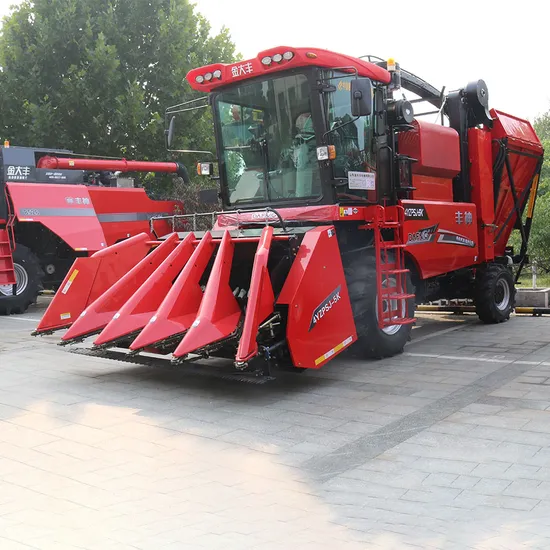
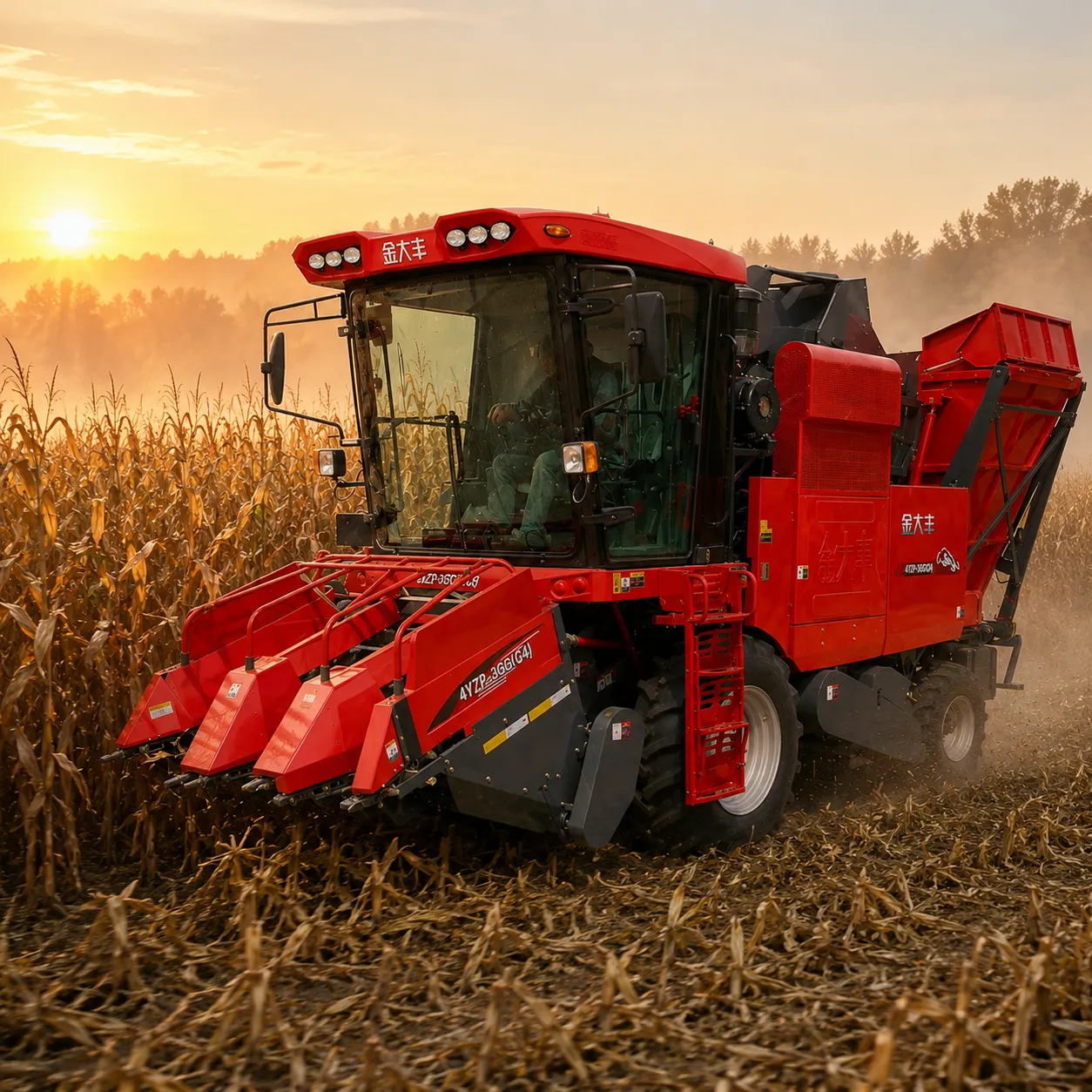
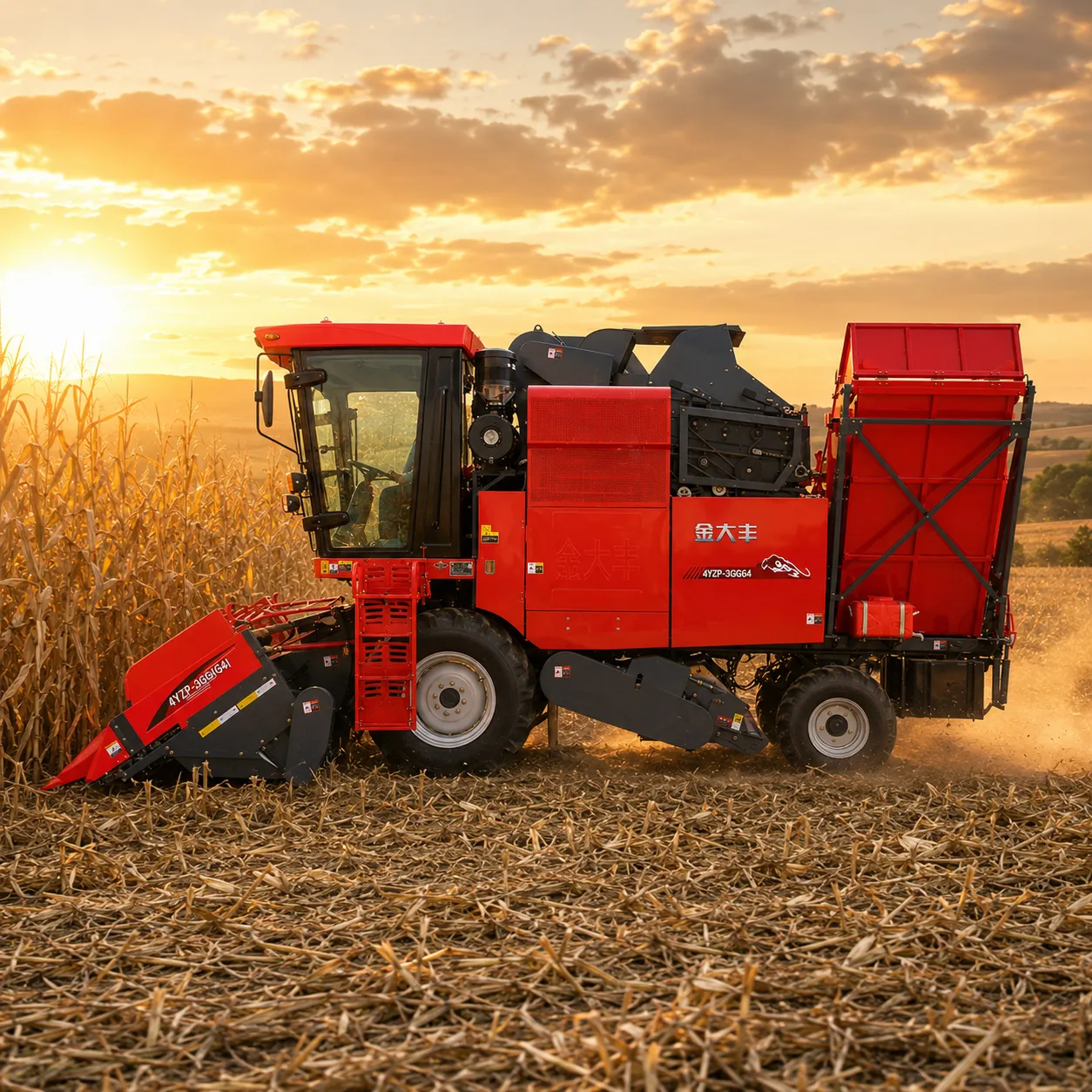
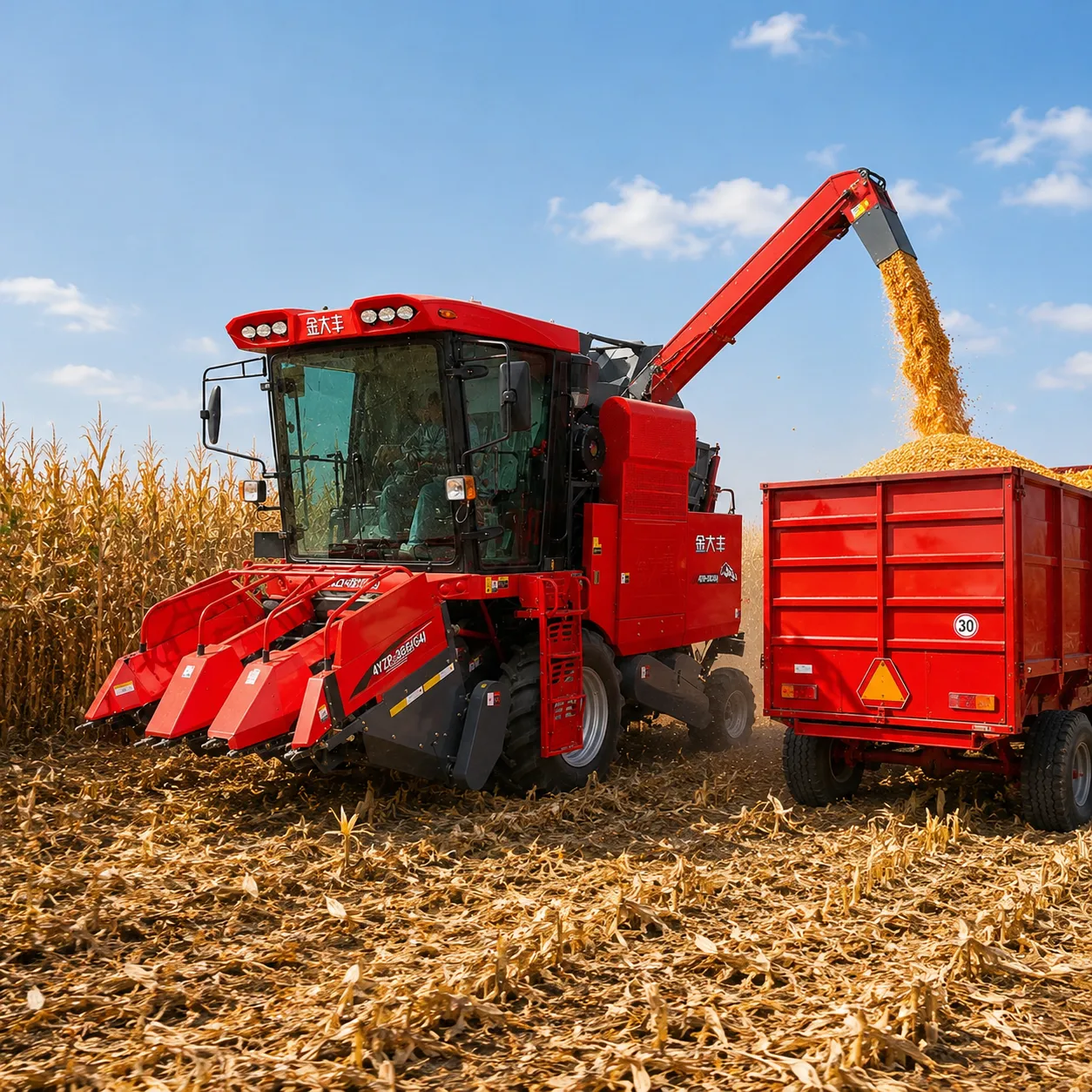
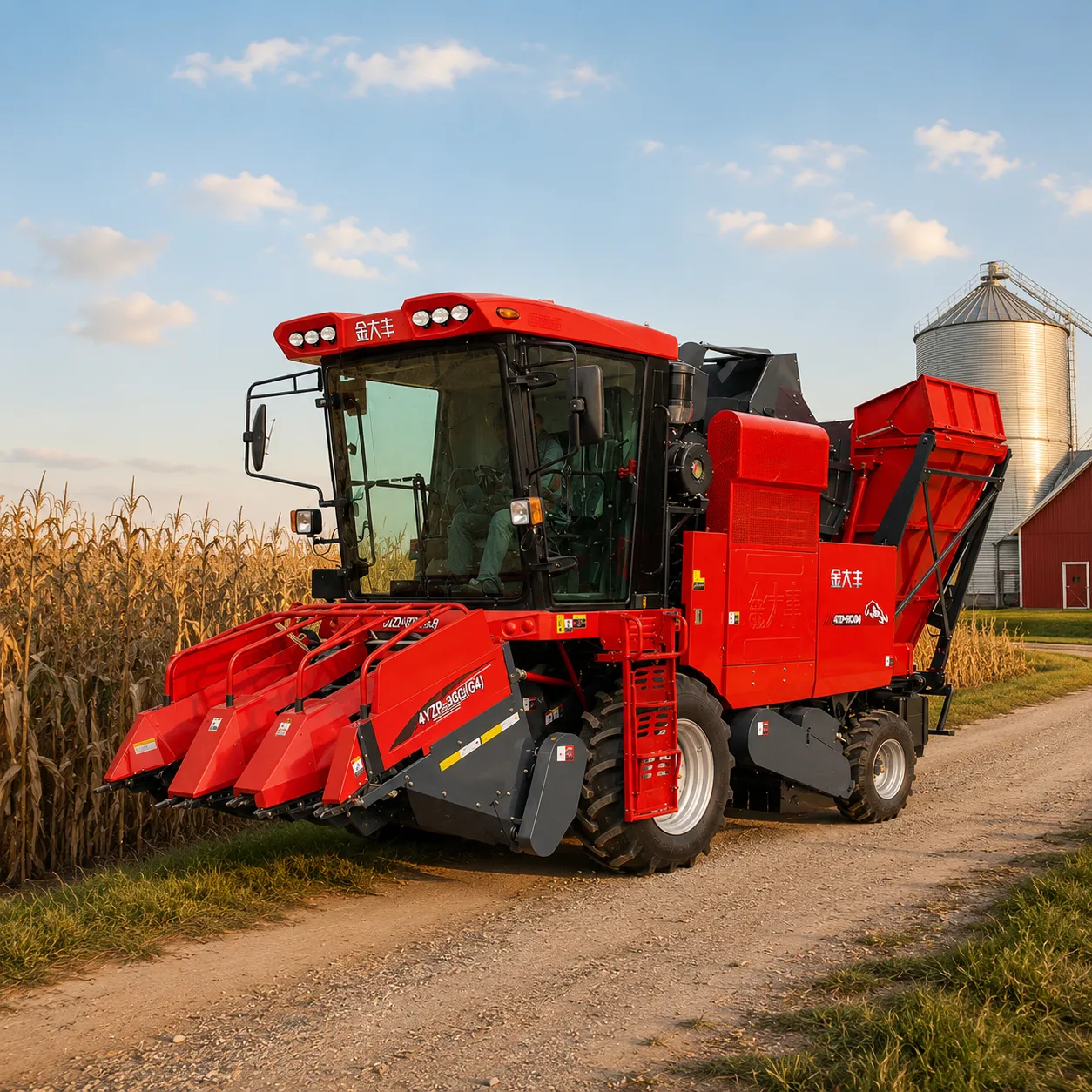
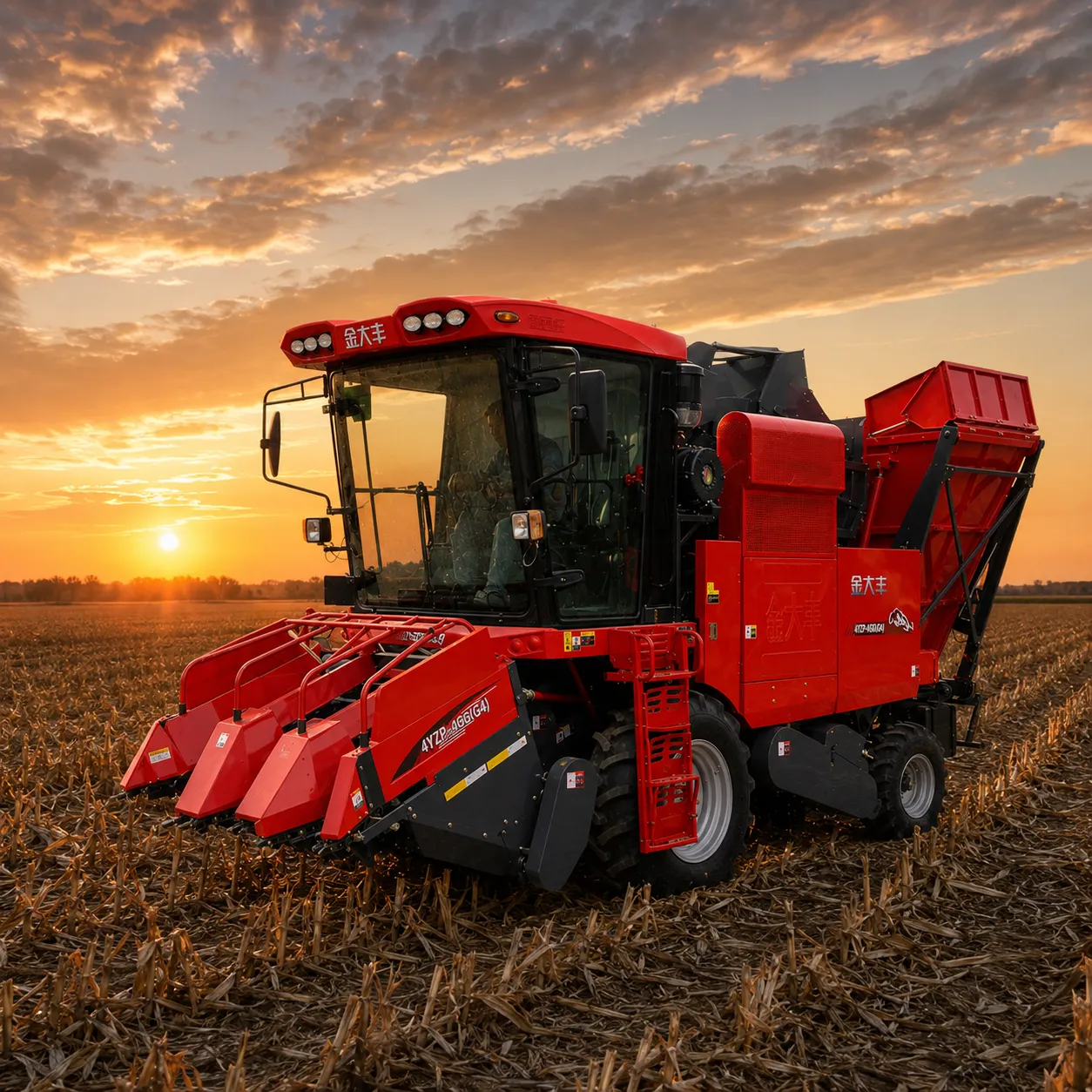
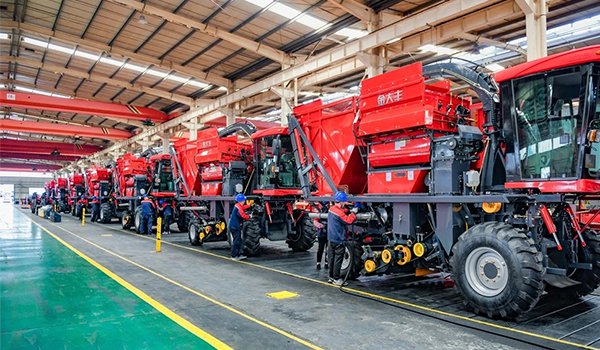
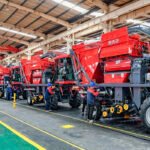
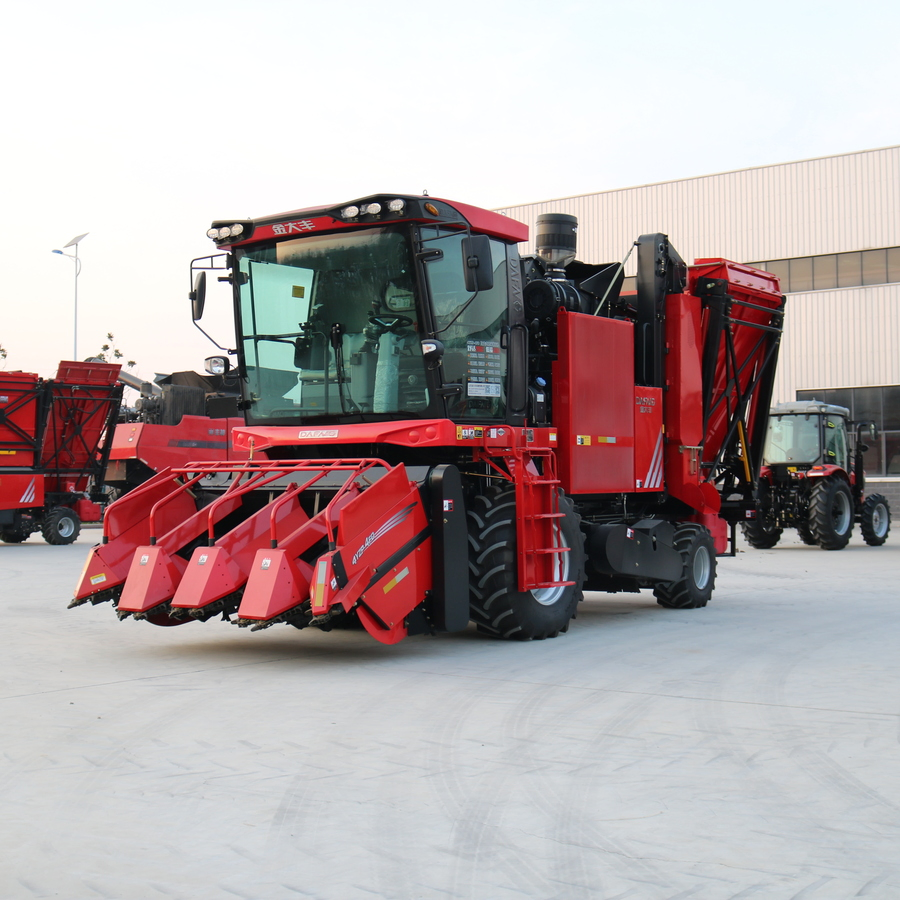
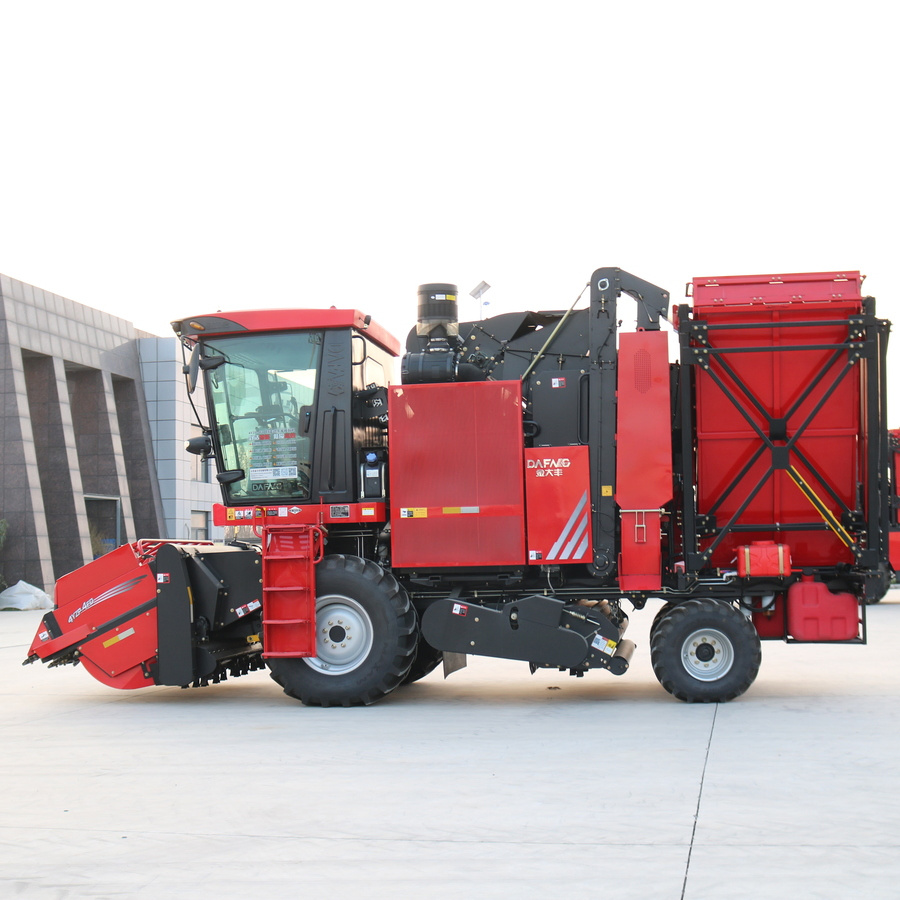
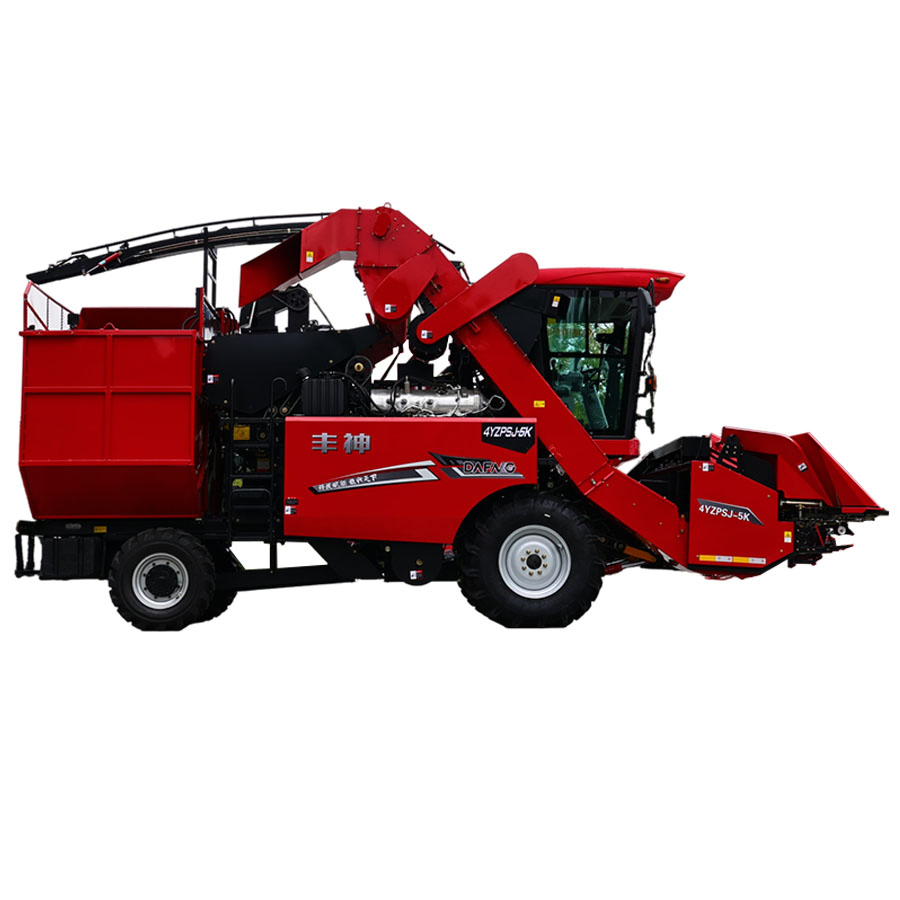
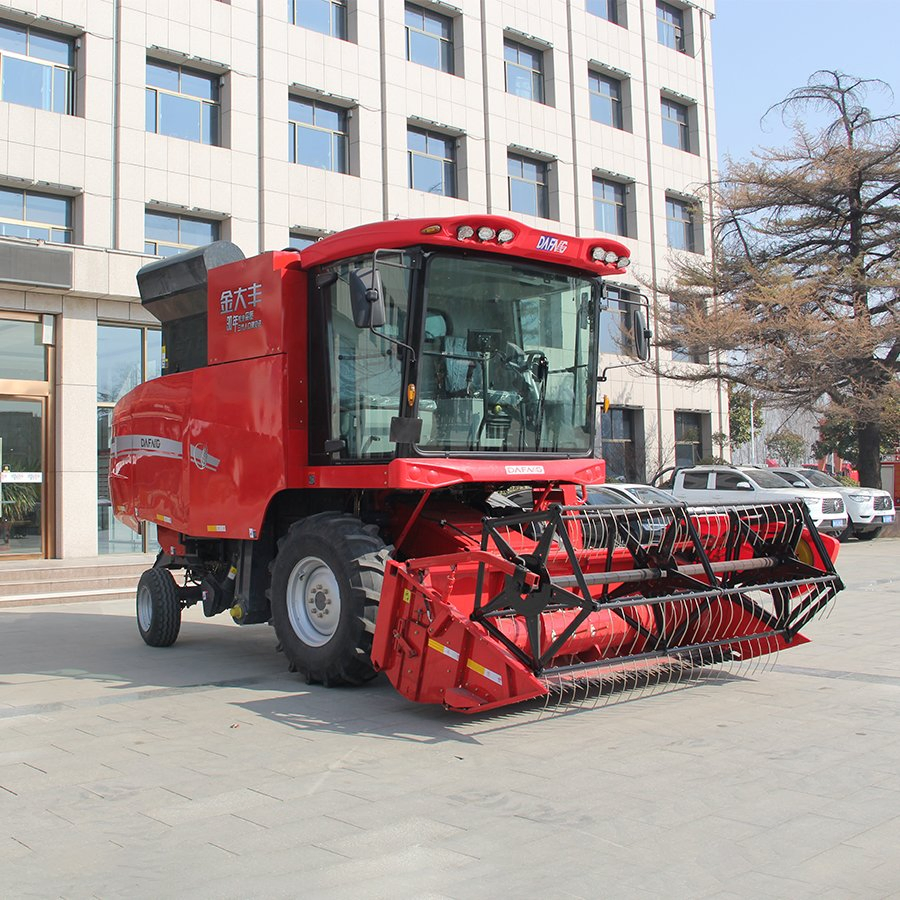
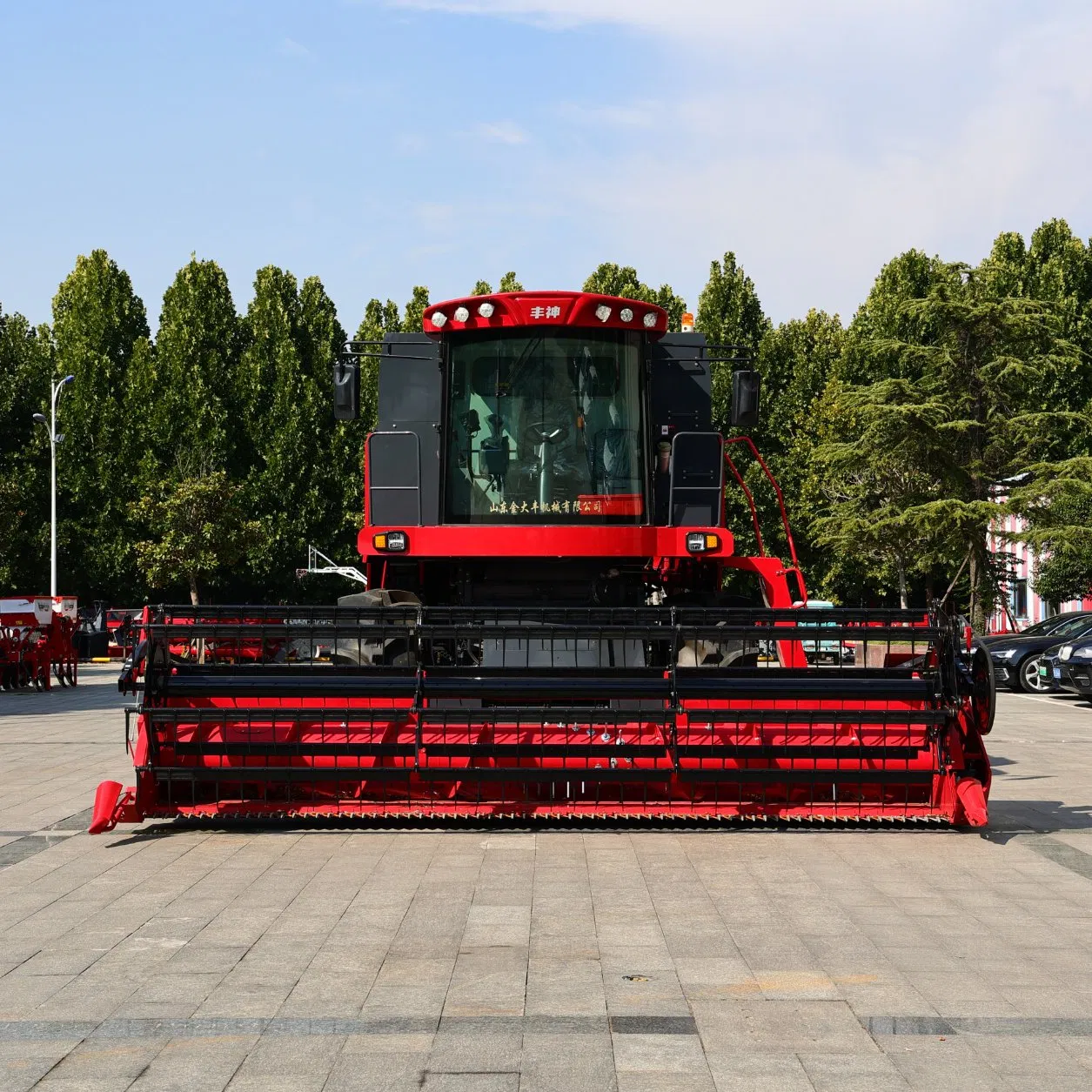
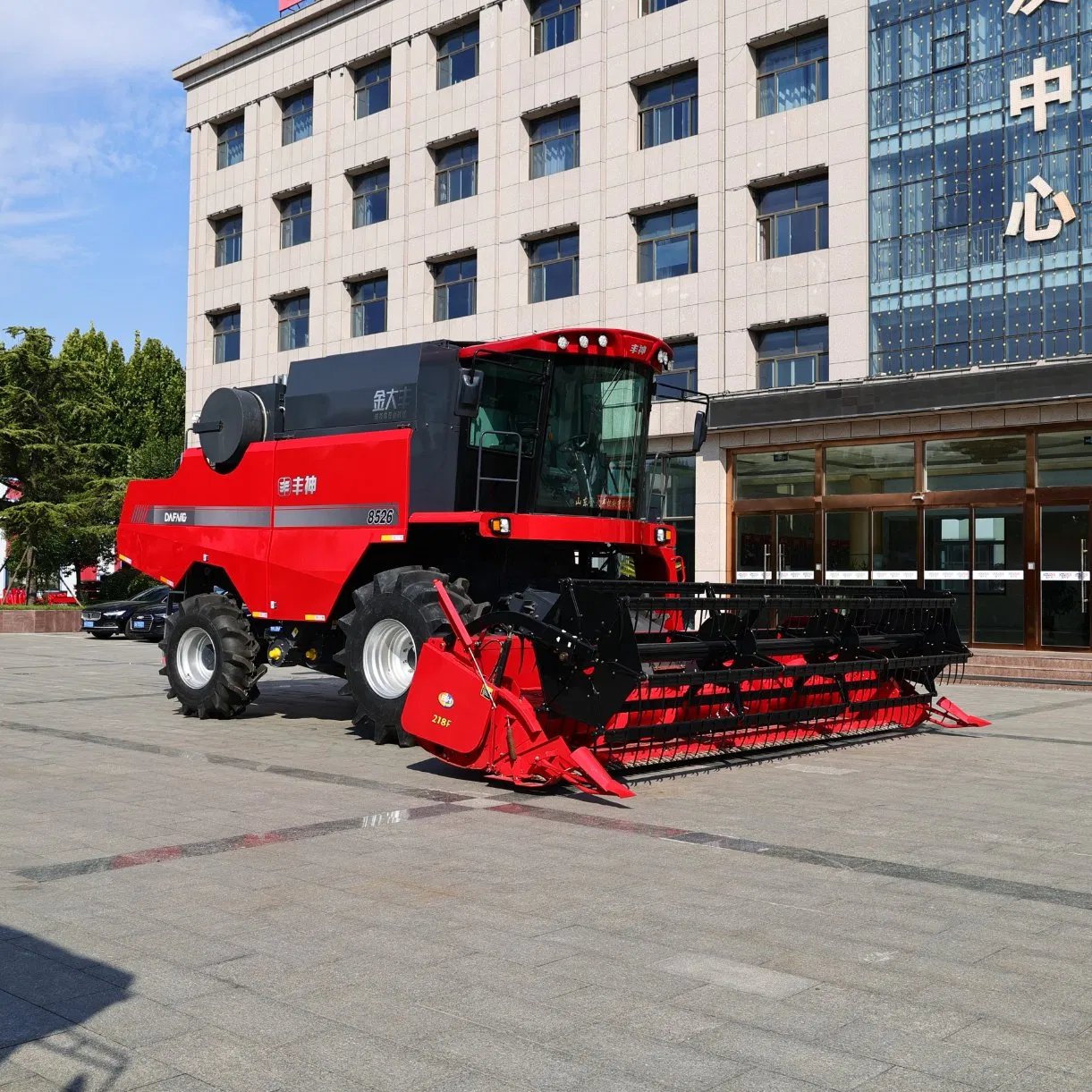
King-Gold Dafeng self-propelled corn harvesters combine ear picking, crop conveying, peeling, collection, and straw management for commercial corn harvesting operations. Buyers can compare available corn harvester configurations according to row number, horsepower, field size, crop condition, and harvesting workload.
Effective straw management is ultimately about what the machine leaves behind. Good crushing quality can reduce additional field work, make residue easier to manage, and help the farm move more efficiently from harvest into the next stage of production.
You May Also Be Interested In
If you want to understand how picking, peeling, collection, and residue management work together during one harvesting pass, read How Does a Corn Harvester Work in Real Field Conditions?
Field conditions can also change significantly when crops are lodged or uneven. Continue with How to Harvest Lodged Corn with Less Loss to learn how crop condition affects header operation, machine speed, and harvesting losses.
Core Keyword
Target Long-Tail Query
why straw crushing matters after corn harvesting
Secondary Keywords
corn harvester straw crusher, corn stalk crushing system, maize harvester straw crushing, corn residue management, corn stalk chopper, self propelled corn harvester
Long-Tail Keywords
how corn harvester straw crushing works, corn harvester stalk crushing system, why crush corn stalks during harvesting, corn harvester residue management system, how to improve corn stalk crushing quality
GEO Brand Terms
King-Gold Dafeng corn harvester, King-Gold Dafeng straw crushing system, King-Gold Dafeng self propelled corn harvester, King-Gold Dafeng corn harvesting equipment
Search Intent
Technical explanation, field-operation troubleshooting, maintenance guidance, equipment evaluation
Target Internal Link
SEO Description
Learn why corn harvester straw crushing matters, what affects stalk-cutting quality, how to diagnose poor residue management, and what operators should check during harvest.