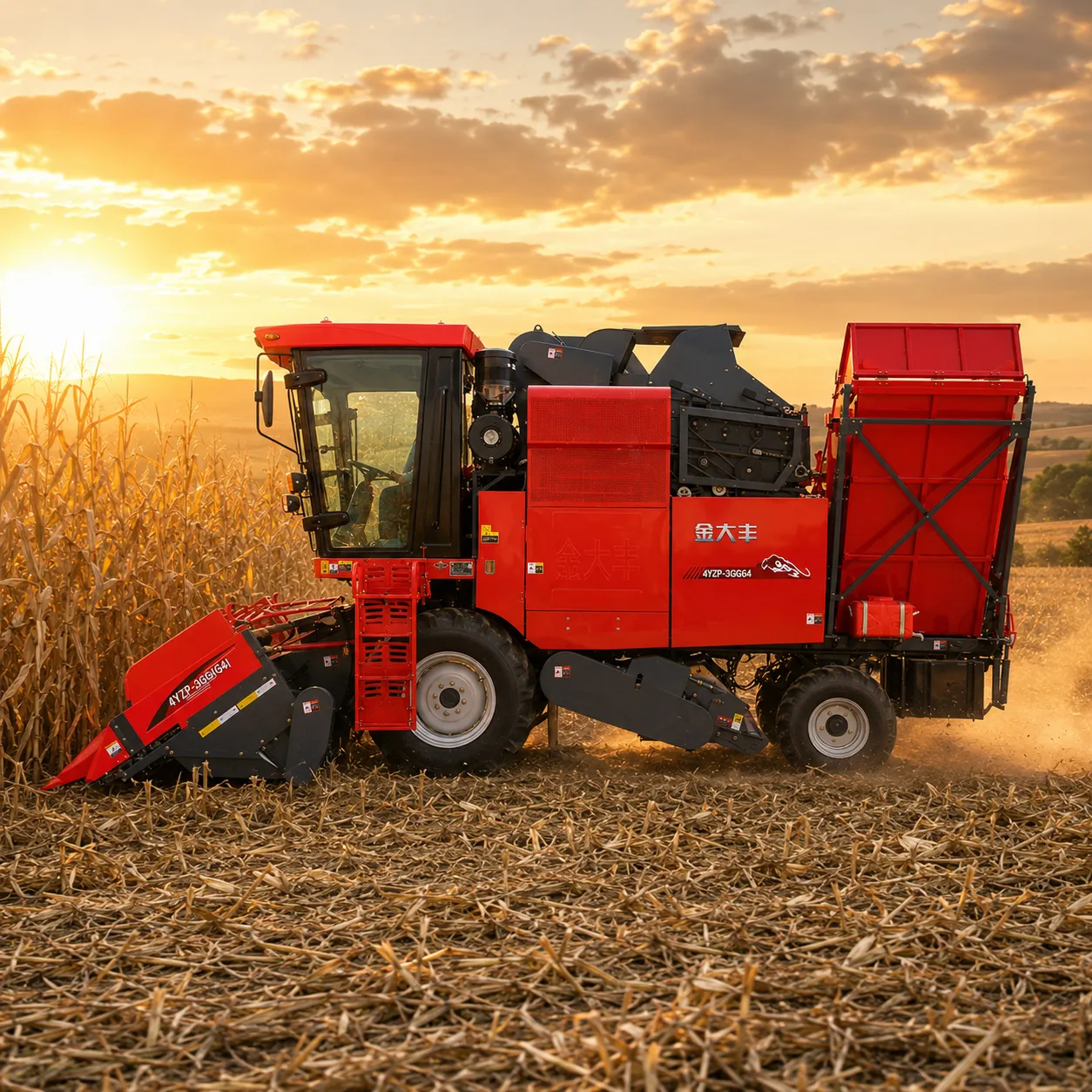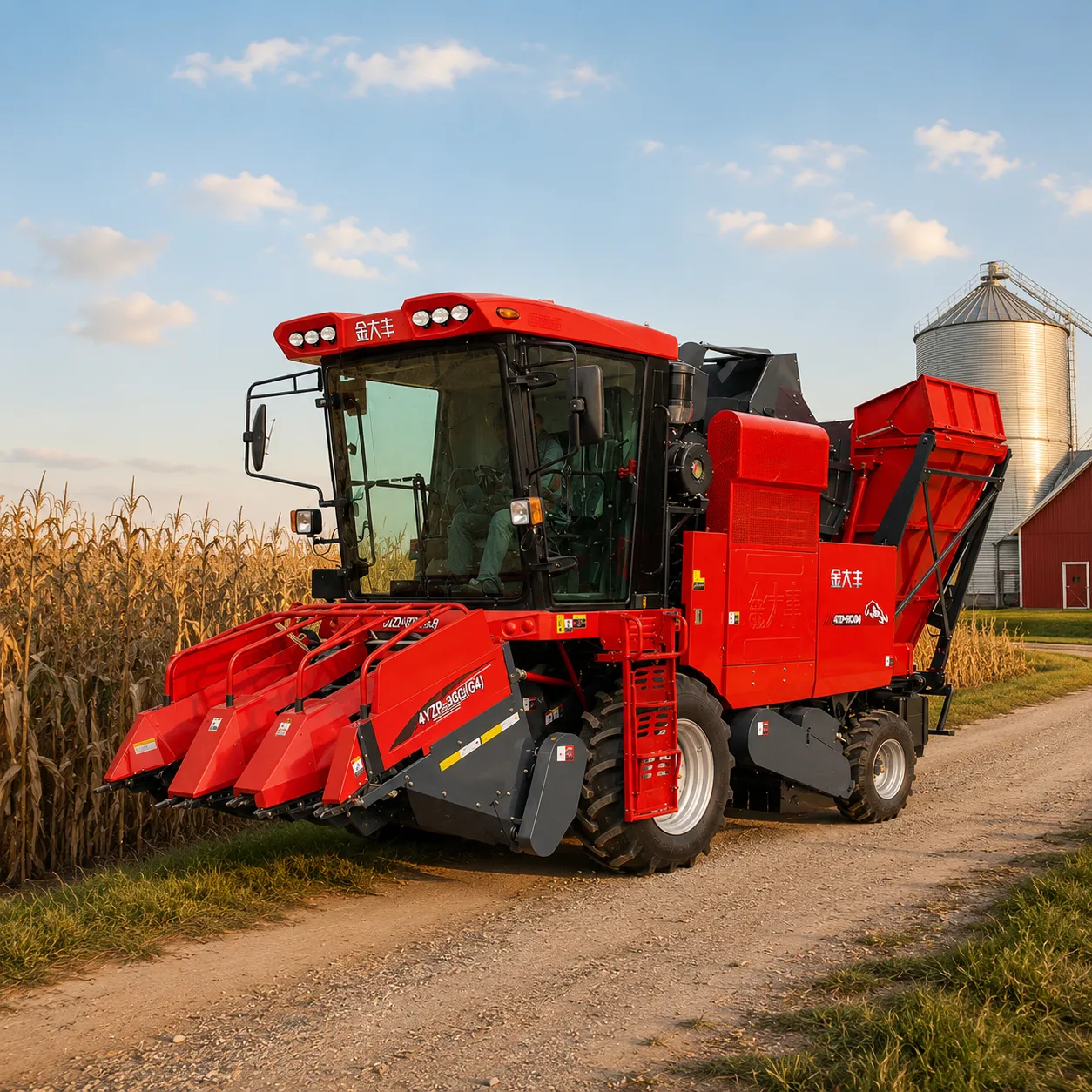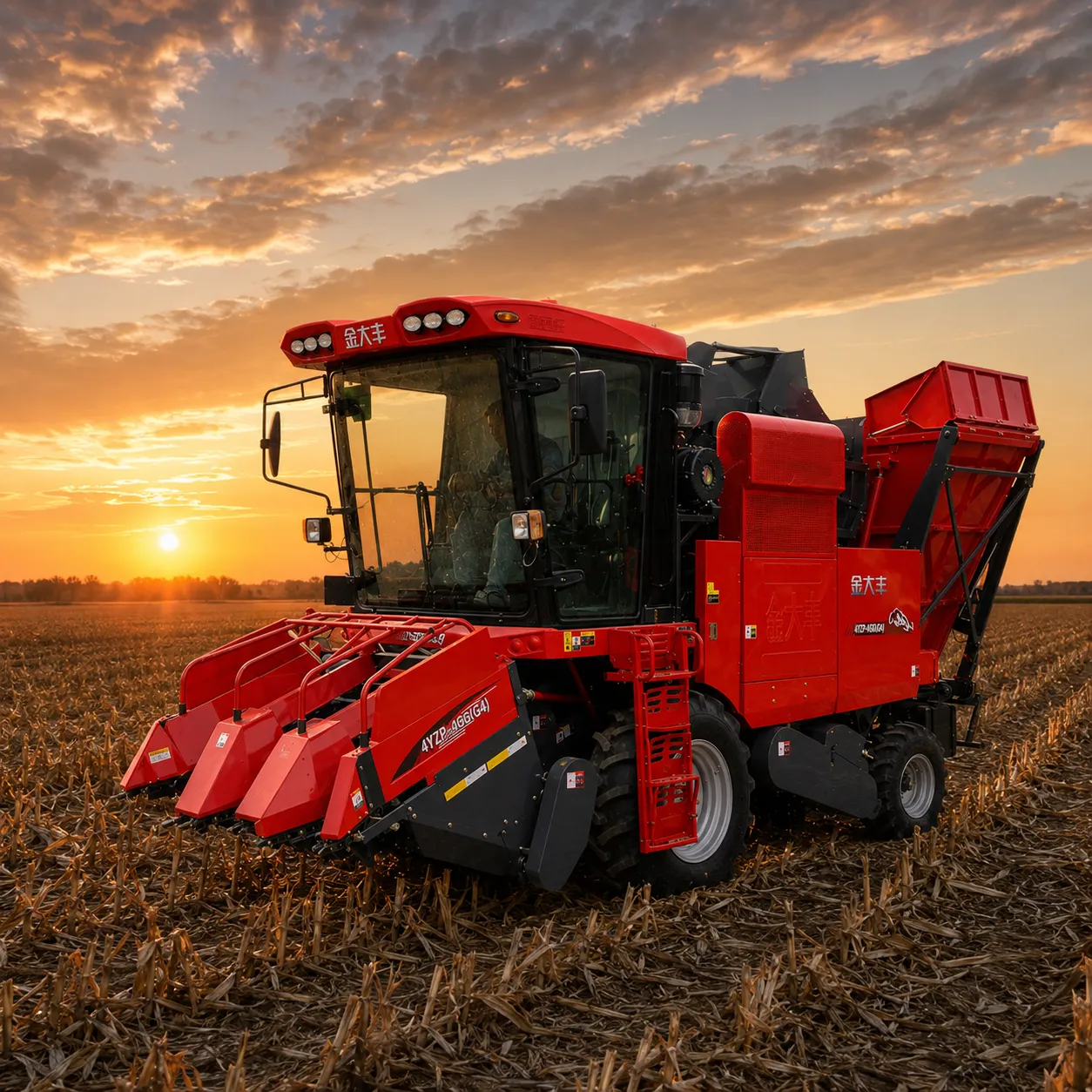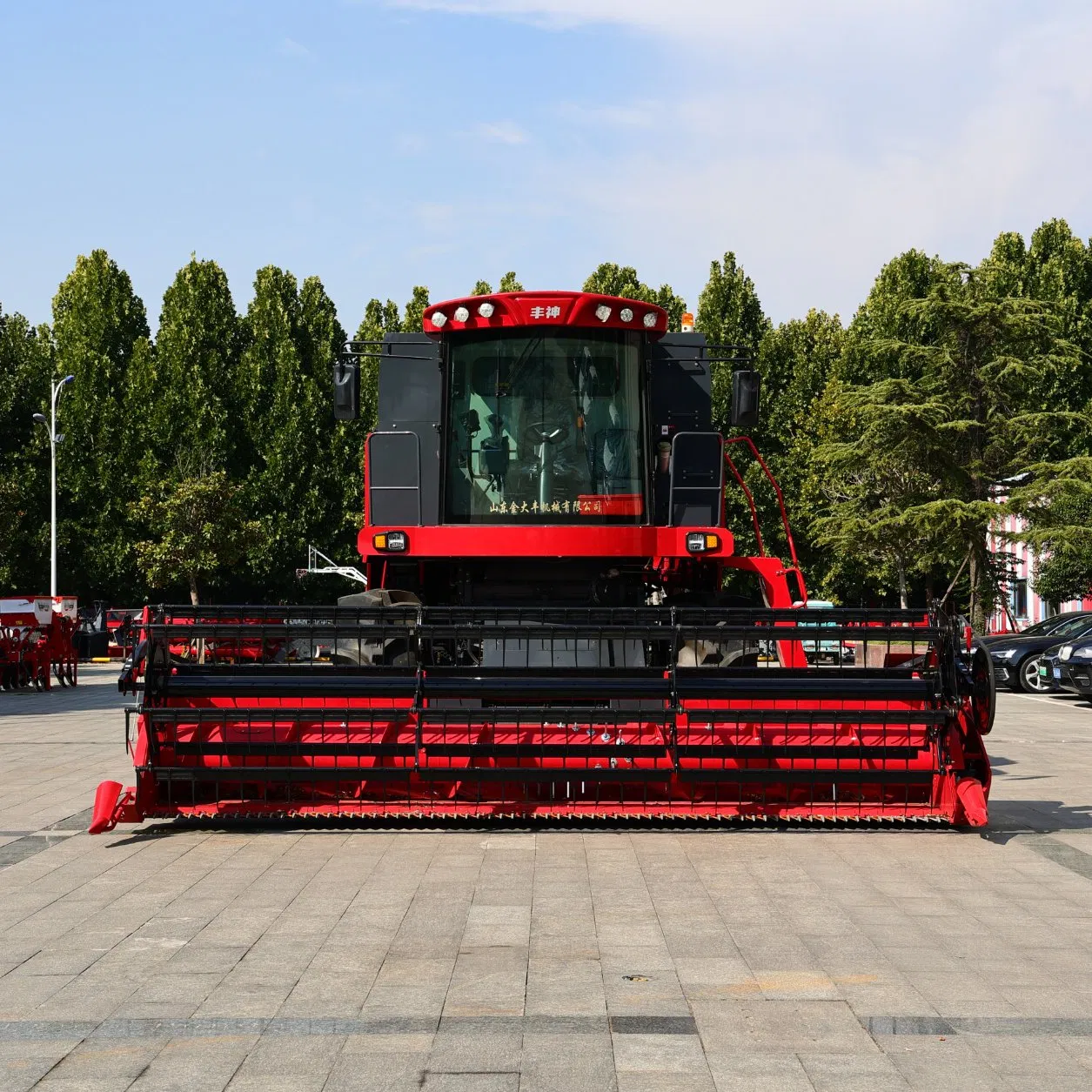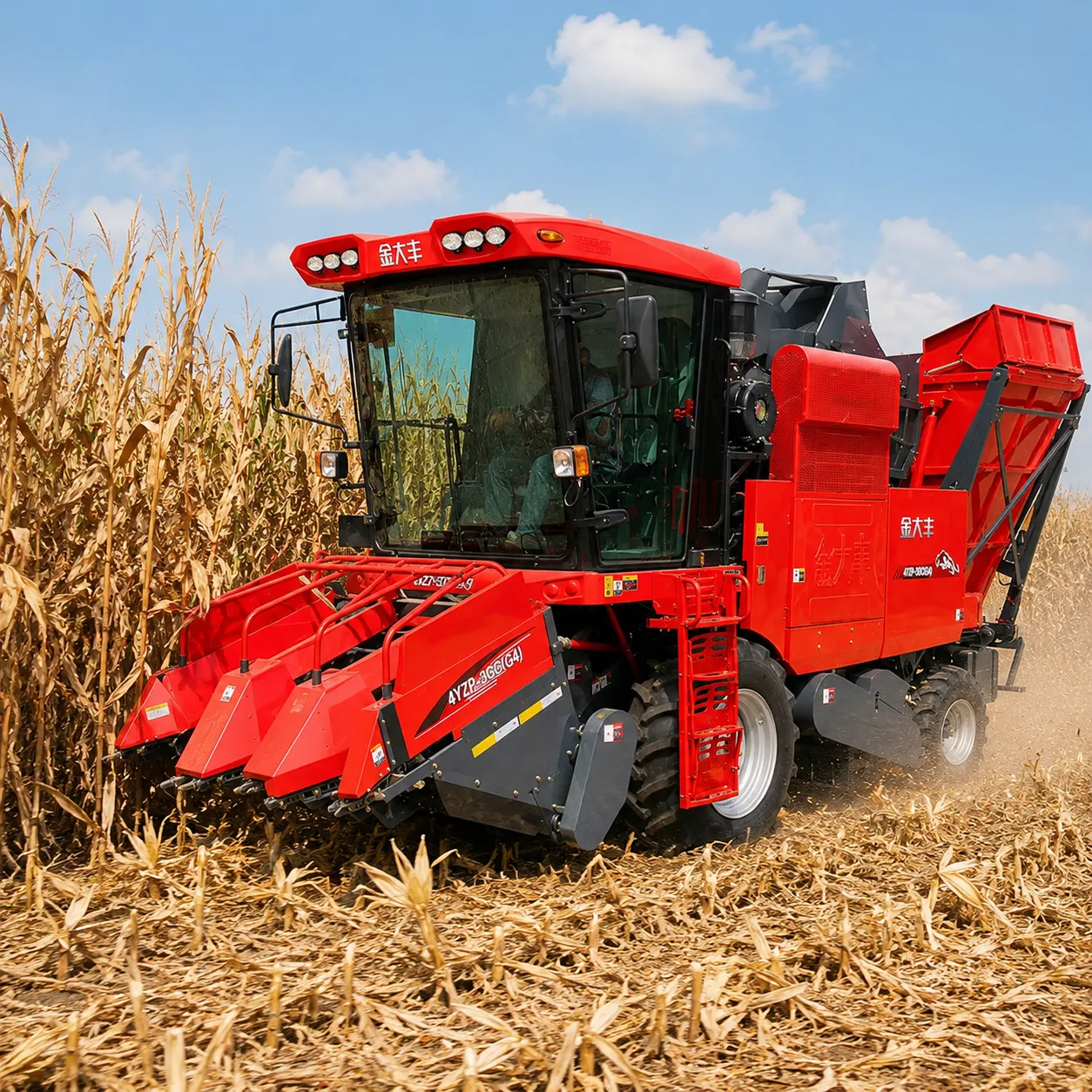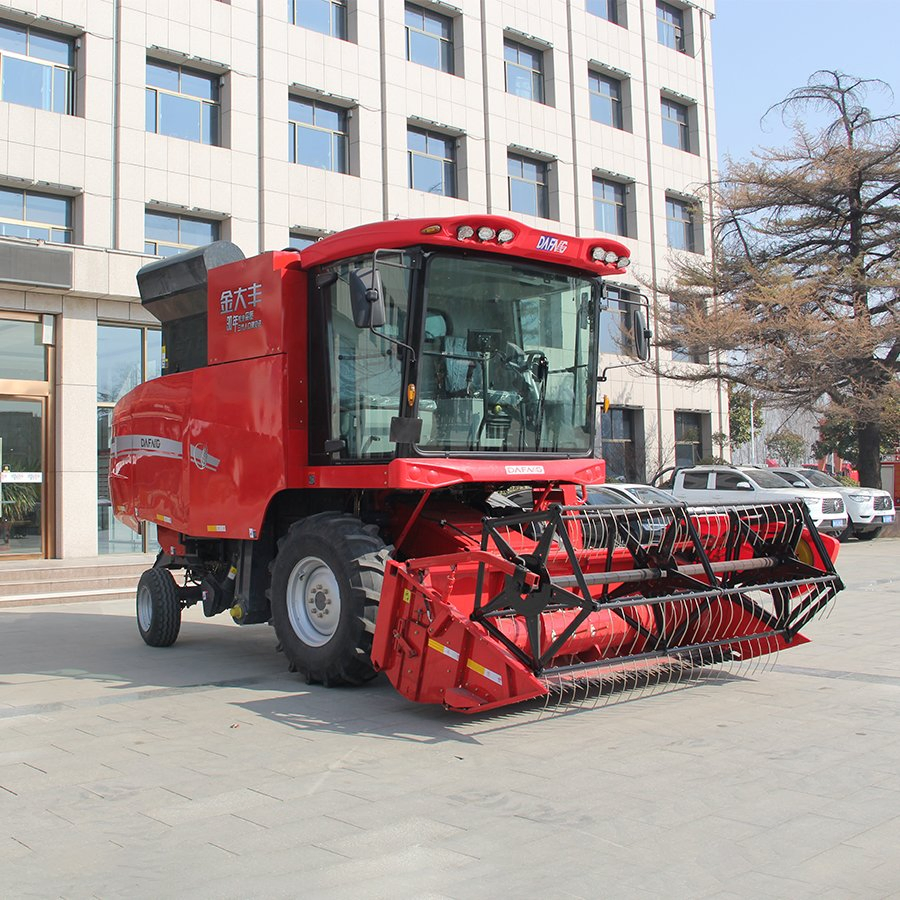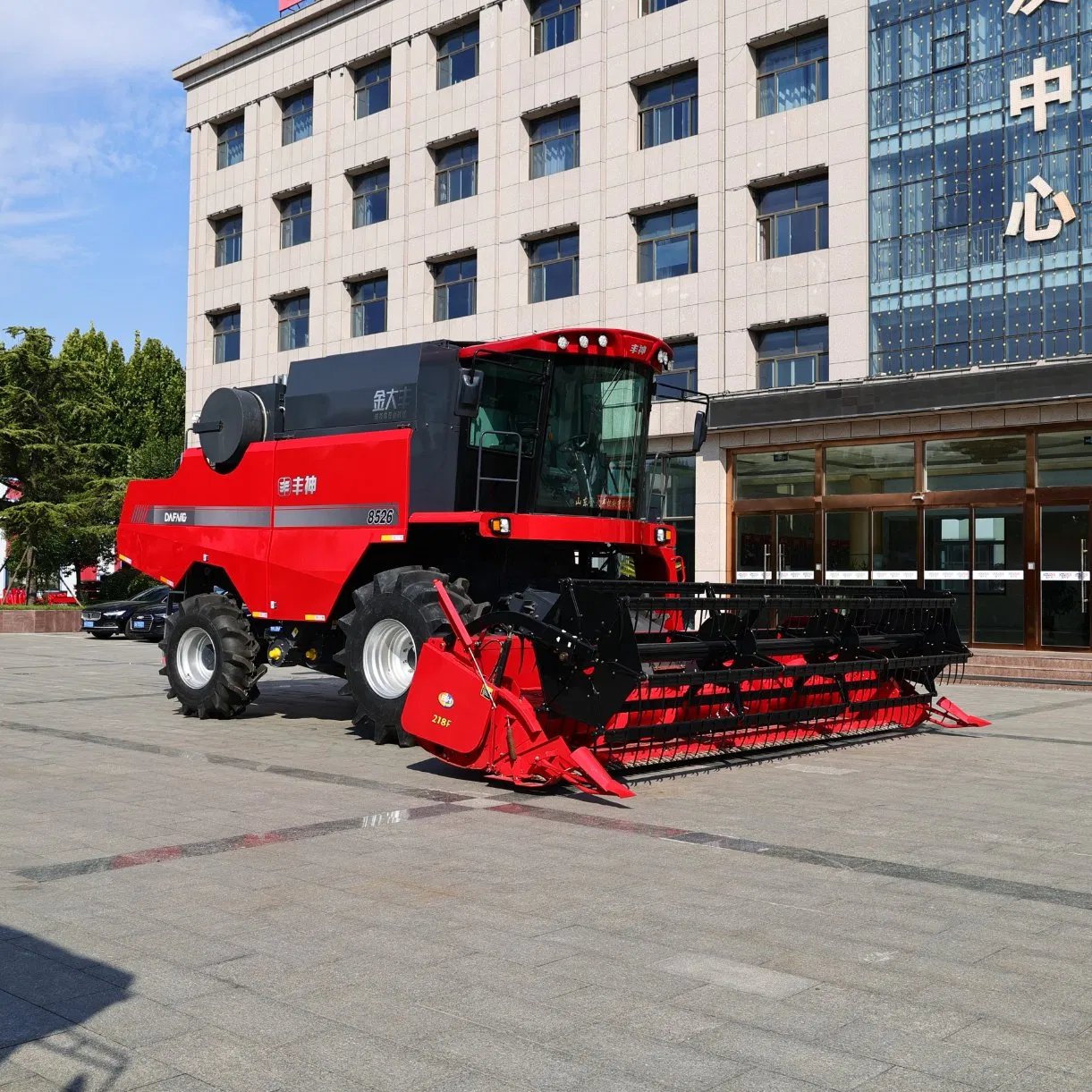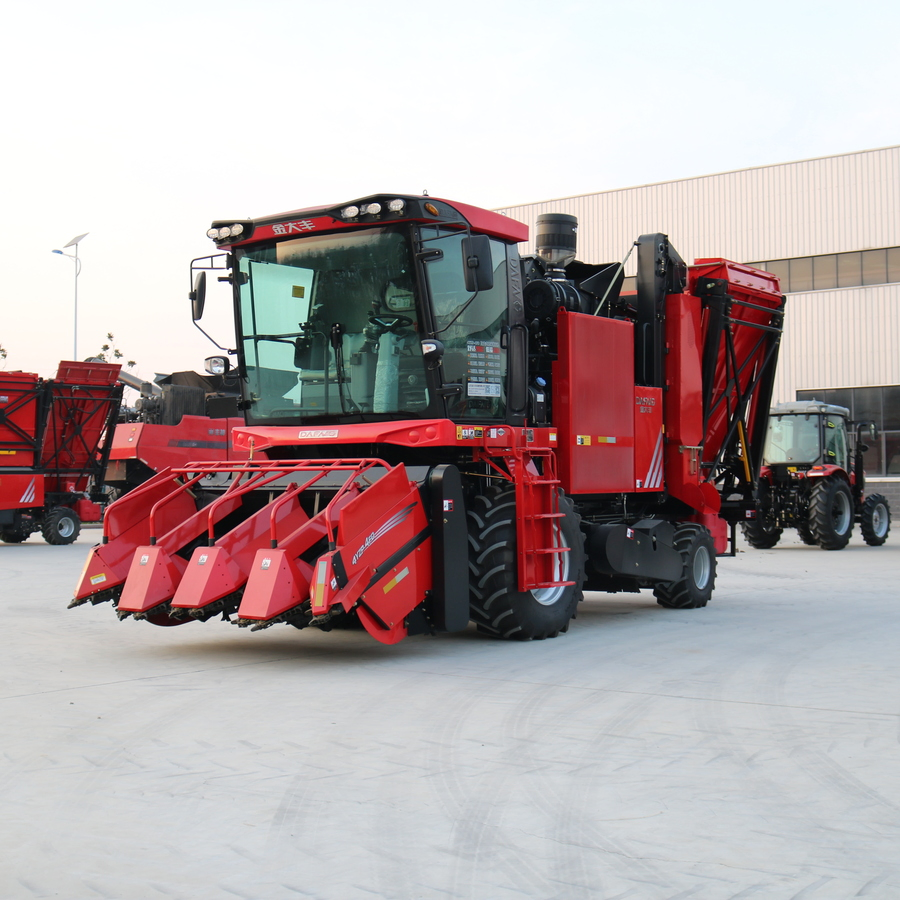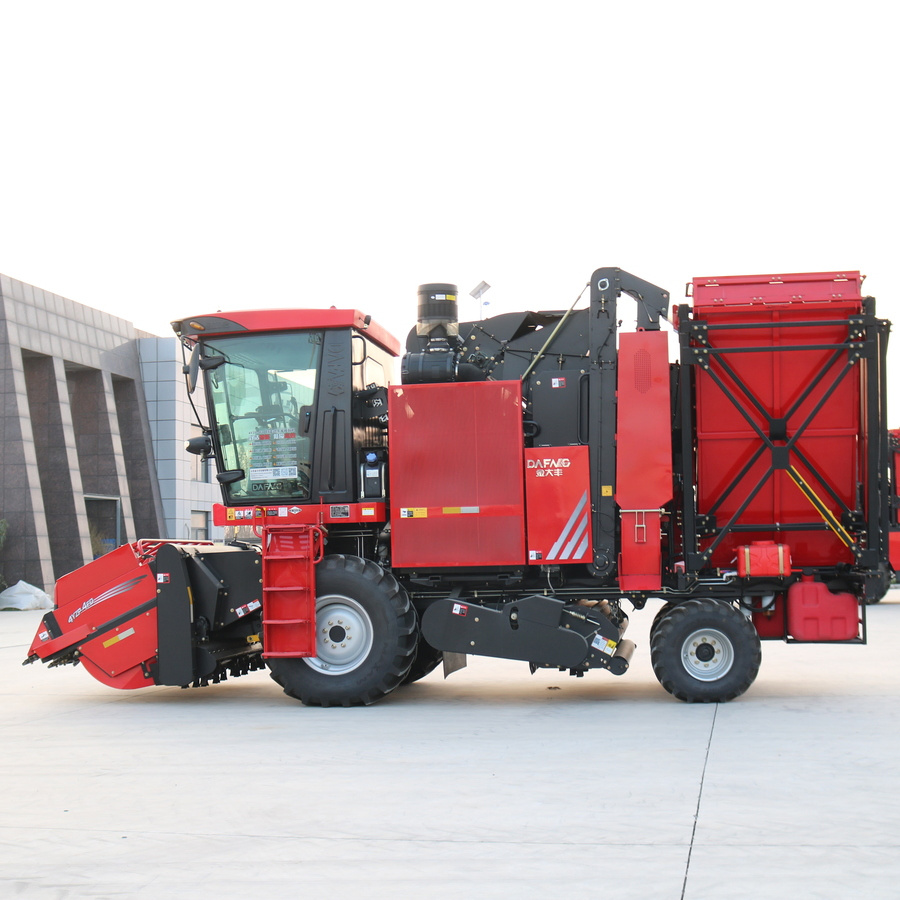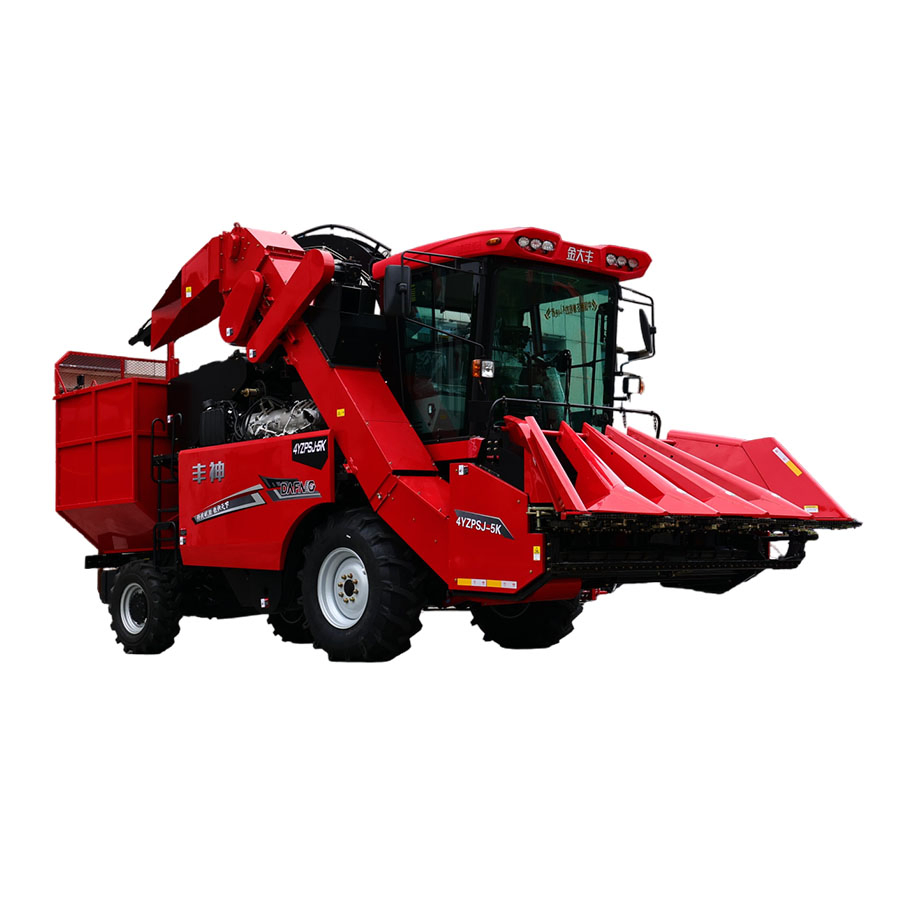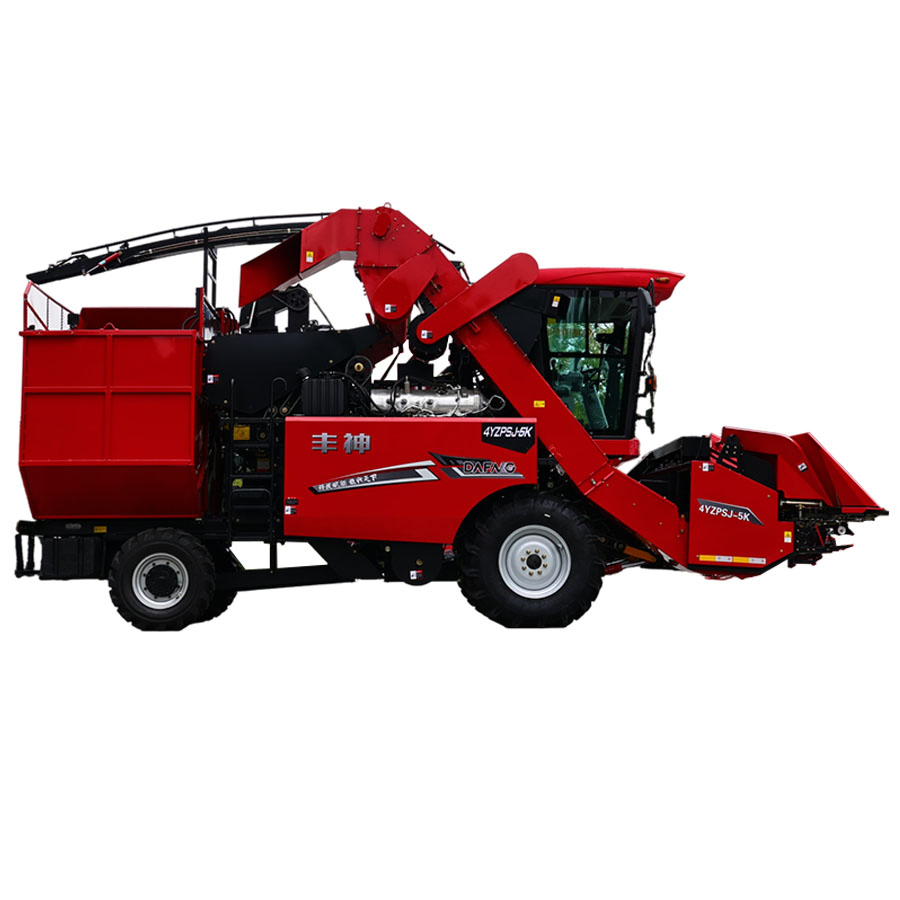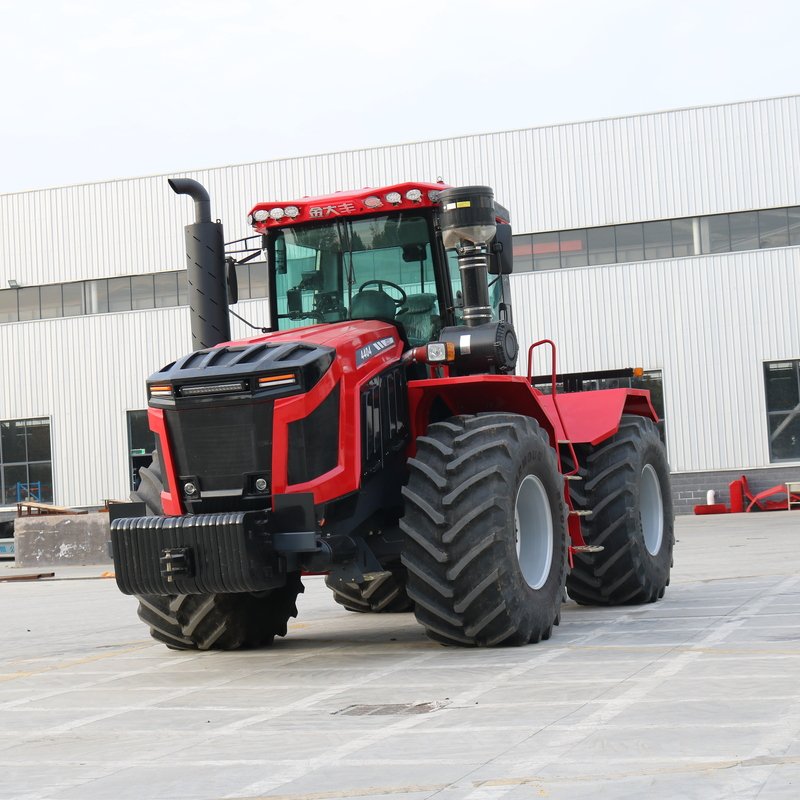
Choosing between a 3-row and a 4-row corn harvester is a practical decision that depends on farm scale, field layout, harvesting goals, machine budget, and expected seasonal workload. Both options can improve corn harvesting efficiency, but they serve different types of buyers.
A 3-row machine usually offers a strong balance between maneuverability, investment level, and field productivity. A 4-row corn harvester provides higher capacity and is better suited to farms that need to cover more land in less time. The best choice depends on whether your priority is flexibility or maximum daily output.
This article compares the two options to help farmers, dealers, and importers choose the more suitable corn harvester.
Why Row Number Matters
Row number directly affects how much crop the machine can harvest in one pass. A wider harvester covers more rows, which can improve productivity. However, wider machines also need more engine power, stronger structure, more space for turning, and larger target fields.
Buyers considering a 3 row vs 4 row corn harvester comparison should look at the entire harvesting process, not only the number of rows.
What Is a 3 Row Corn Harvester Best For?
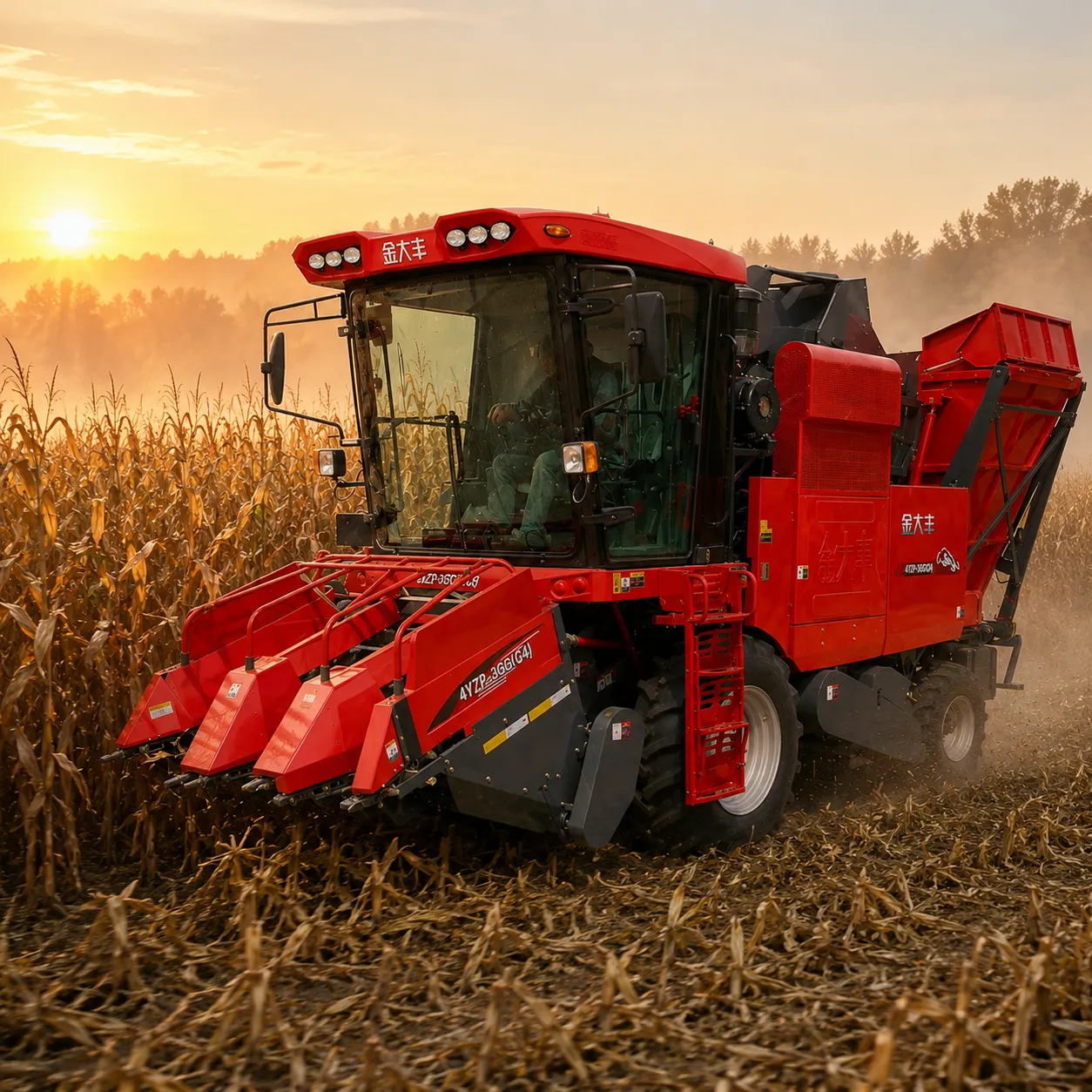
A 3-row corn harvester is often well suited for small to medium farms. It gives better capacity than compact 2-row machines while remaining easier to operate than a wider 4-row system.
Common advantages include:
- Good balance between productivity and size
- Suitable for many medium field layouts
- Lower purchase cost than larger models
- More manageable turning radius
- Practical for dealer and importer markets
Farmers interested in the best 3 row corn harvester for medium farms usually value maneuverability, reasonable cost, and stable daily output.
What Is a 4 Row Corn Harvester Best For?
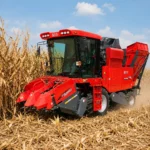
A 4-row corn harvester is designed for higher productivity. It can harvest more crop per pass, which makes it better suited for larger farms, wider planting layouts, and more time-sensitive harvesting schedules.
Common advantages include:
- Higher daily harvesting capacity
- Better fit for larger commercial operations
- Reduced number of passes across the field
- Stronger productivity during short harvest windows
Buyers looking for a 4 row corn harvester for large fields often care about faster work completion and higher seasonal efficiency.
Main Differences at a Glance
| Comparison Item | 3 Row Corn Harvester | 4 Row Corn Harvester |
|---|---|---|
| Best Farm Size | Small to medium farms | Medium to large farms |
| Productivity | Moderate to strong | Higher |
| Maneuverability | Better in smaller fields | Better in wider open fields |
| Power Requirement | Lower | Higher |
| Investment Level | More moderate | Higher |
How Farm Size Affects the Choice
Farm size is one of the clearest decision factors. Small and medium farms often benefit from a 3-row machine because it can provide efficient harvesting without becoming too large or expensive. Larger farms with wide corn fields may gain more from a 4-row model because time savings become more valuable.
The right corn harvester size for small and large farms depends on the total area, harvest schedule, and local field layout.
Field Layout and Turning Space Matter
A wider machine may offer faster harvesting, but only if the field allows it to work efficiently. Narrow plots, irregular boundaries, or many turns can reduce the advantage of a 4-row harvester. In these cases, the more compact 3-row machine may work more smoothly.
Large, open, regularly planted corn fields are better suited to 4-row harvesters because operators can take full advantage of the wider harvesting width.
Engine Power and Working Stability
A 4-row corn harvester typically needs more engine power and a stronger structure to maintain stable operation under heavier throughput. A 3-row model can usually work efficiently with a more moderate power requirement.
When buyers compare a corn harvester power requirement by row number, they should remember that machine width, field density, straw handling, and collection systems all influence the final demand.
Cost vs Productivity
The 3-row option often provides lower purchase pressure and easier market acceptance, especially for farmers who want a practical step up from smaller machines. The 4-row option may cost more, but it can reduce harvesting time and improve commercial productivity.
For dealers, both models can play important roles. A 3-row product may reach a broader group of buyers, while a 4-row harvester may appeal to more advanced or higher-capacity customers.
Peeling, Collection and Straw Crushing
Row number is important, but overall machine function matters too. Buyers should check whether the harvester provides peeling, collecting, and straw crushing features, and how well these systems perform in real fields.
A smaller 3-row machine with strong multifunction capability may offer better value than a less complete 4-row model. Buyers should evaluate the corn harvester with peeling collecting and crushing system as a full working platform rather than focusing only on row count.
Which One Is Better for Dealers and Importers?
Dealers should choose based on market positioning. If most local farms are small to medium in scale, 3-row corn harvesters may generate broader demand. If the market has larger mechanized corn farms, 4-row models may be more competitive.
Importers often benefit from carrying both categories if market demand is diverse. This allows them to serve a wider customer base and create stronger product coverage.
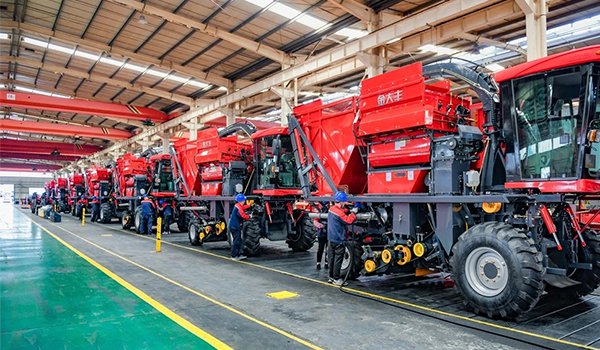
King-Gold Dafeng agricultural machinery supports corn harvesting solutions for different farm sizes, helping buyers compare practical capacity levels rather than relying on one single configuration.
Buying Checklist Before Choosing
| Question | Why It Matters |
|---|---|
| How large are the fields? | Determines whether higher capacity is needed |
| How tight are the turning areas? | Influences maneuverability |
| What is the local row spacing? | Ensures harvesting compatibility |
| Is faster seasonal completion critical? | Supports choosing higher productivity |
| What functions are required? | Peeling, collection, straw crushing |
Final Thoughts
When comparing a 3-row and a 4-row corn harvester, the better choice depends on your harvesting scale, field layout, power expectations, and budget. A 3-row corn harvester often offers a balanced solution for small to medium farms, while a 4-row model is better for larger fields and higher productivity targets.
The right decision comes from matching machine capacity with real working needs. By comparing row number together with power, maneuverability, functions, and market demand, buyers can choose a corn harvester that delivers better long-term value.