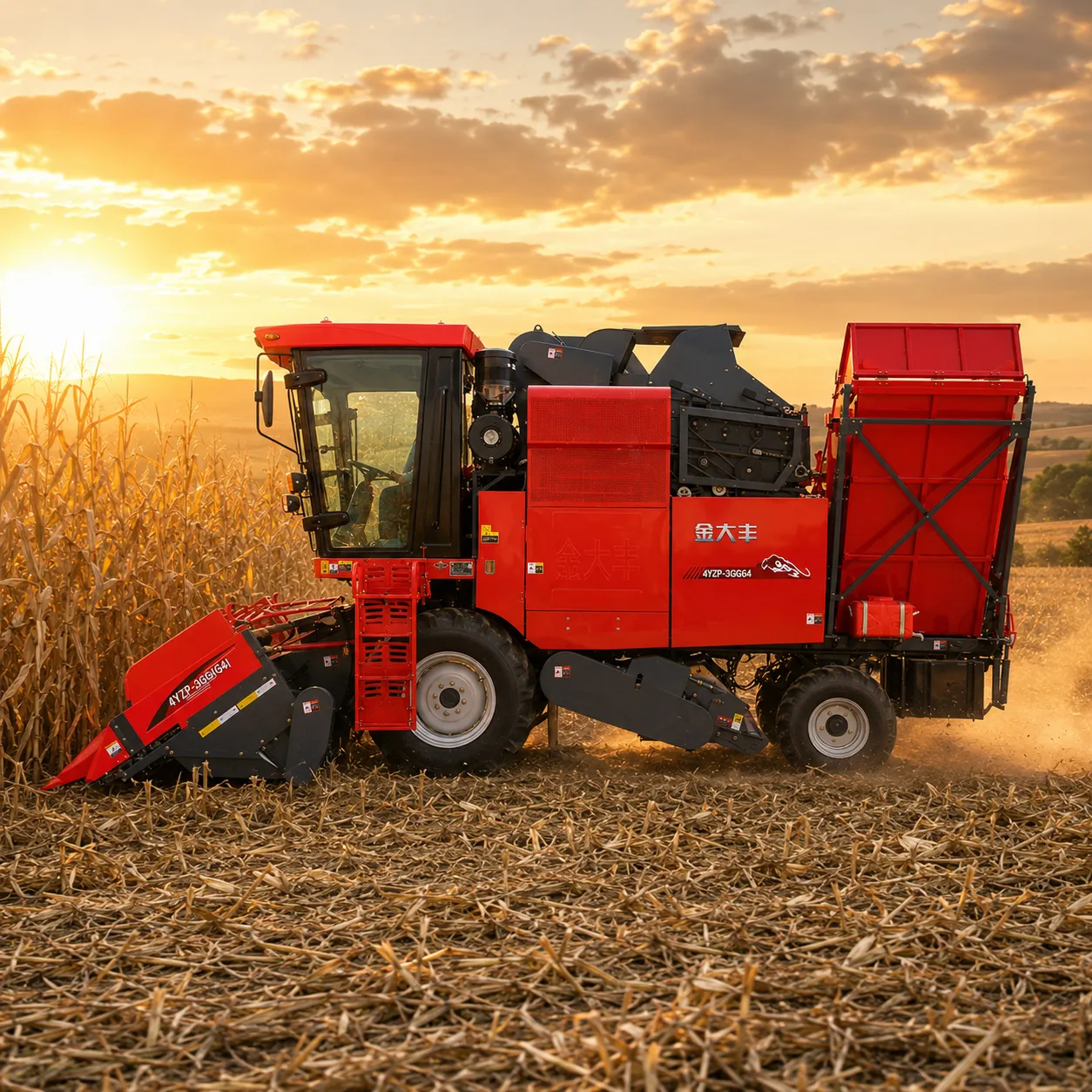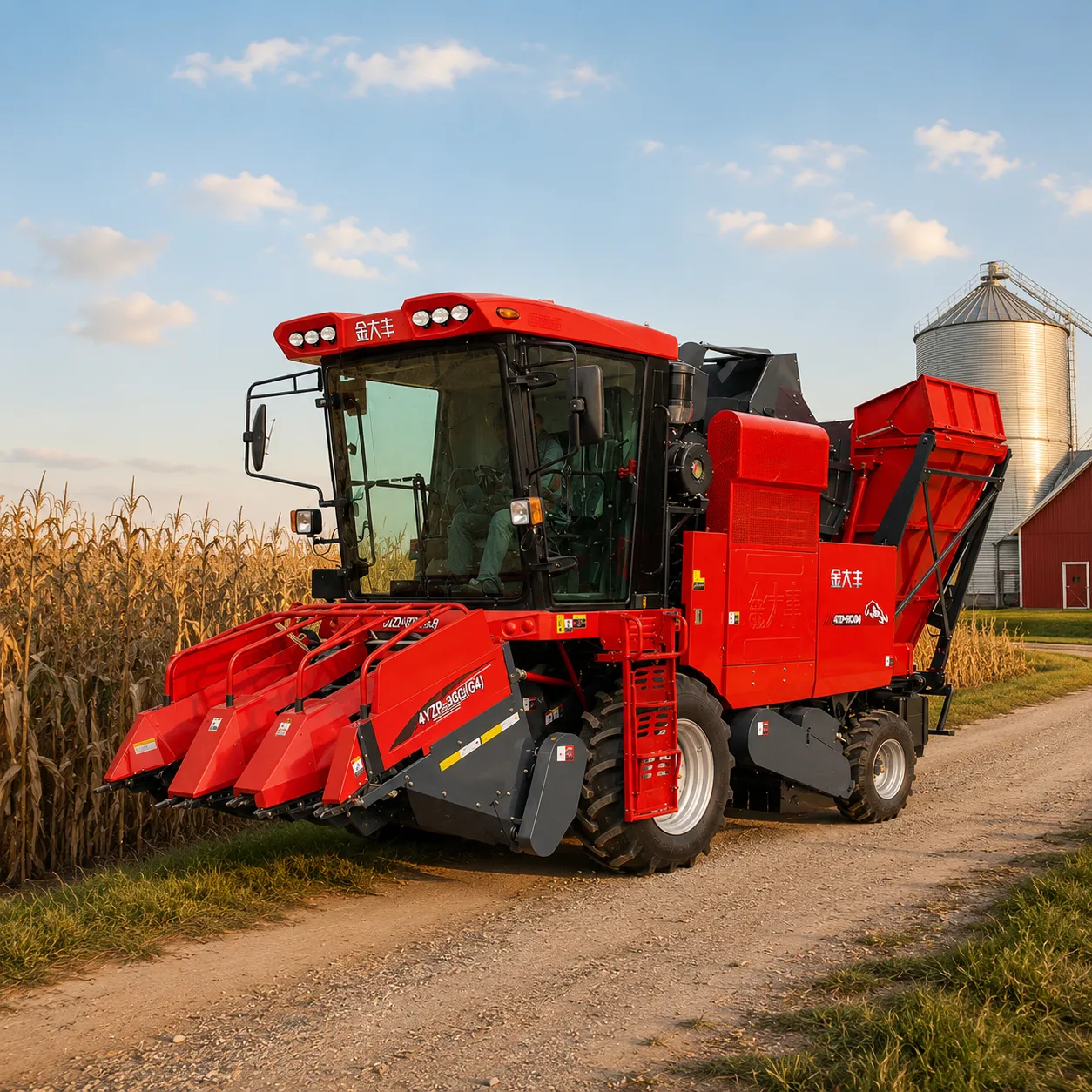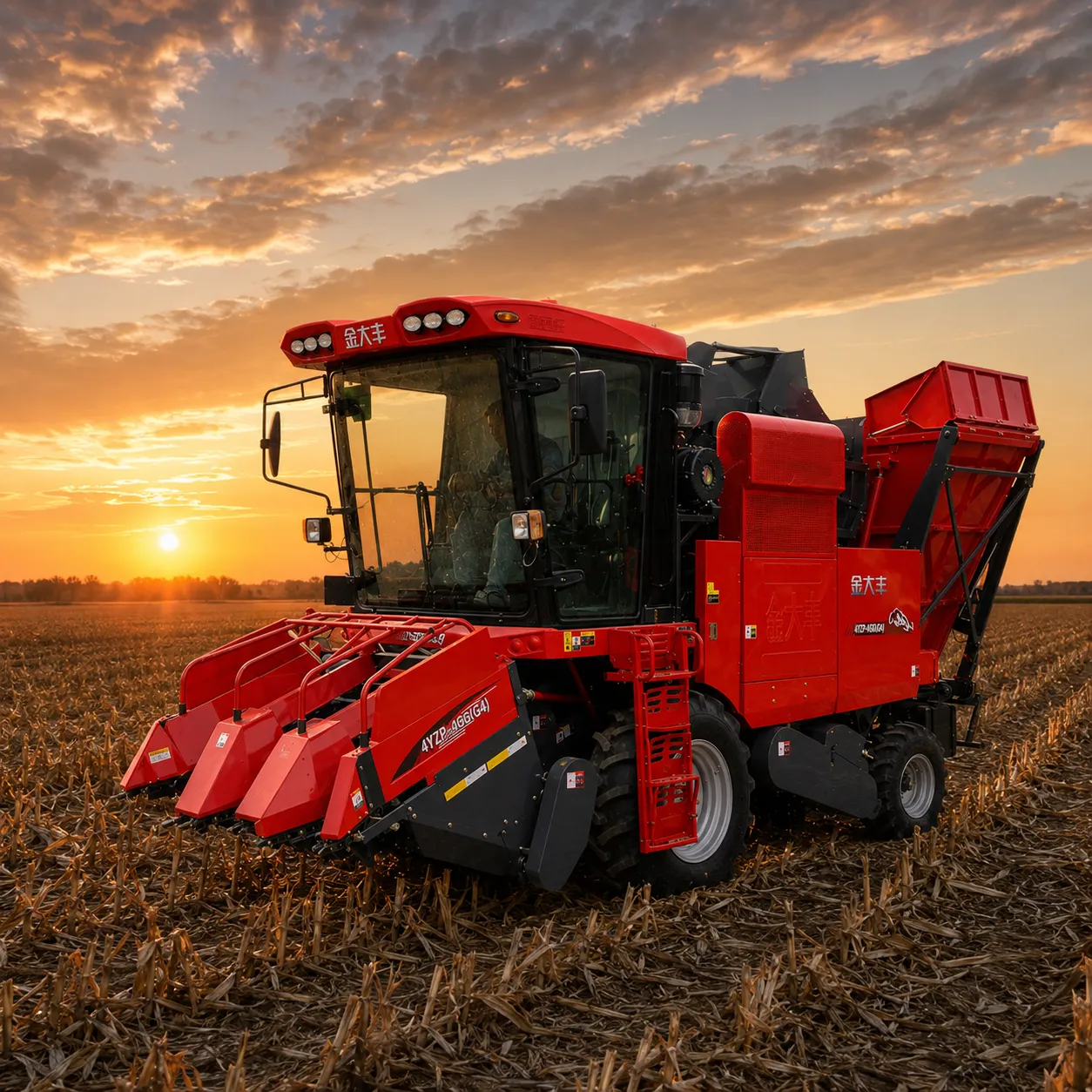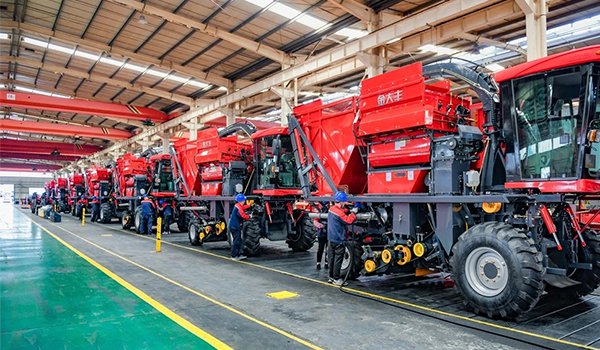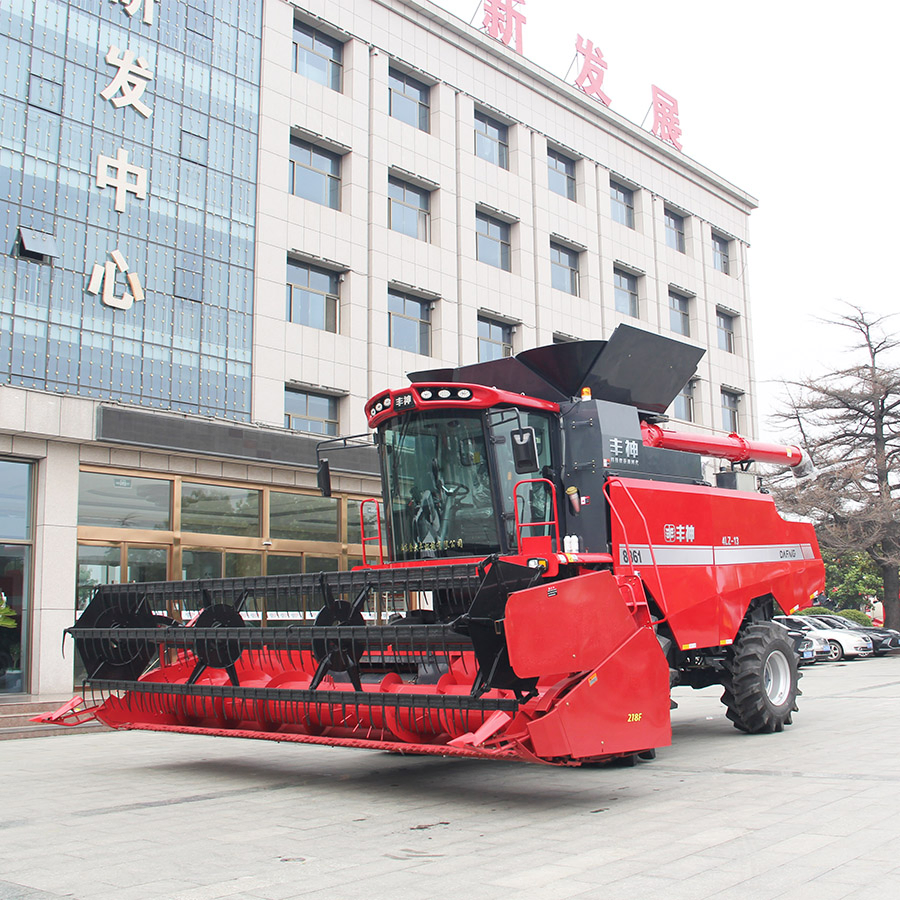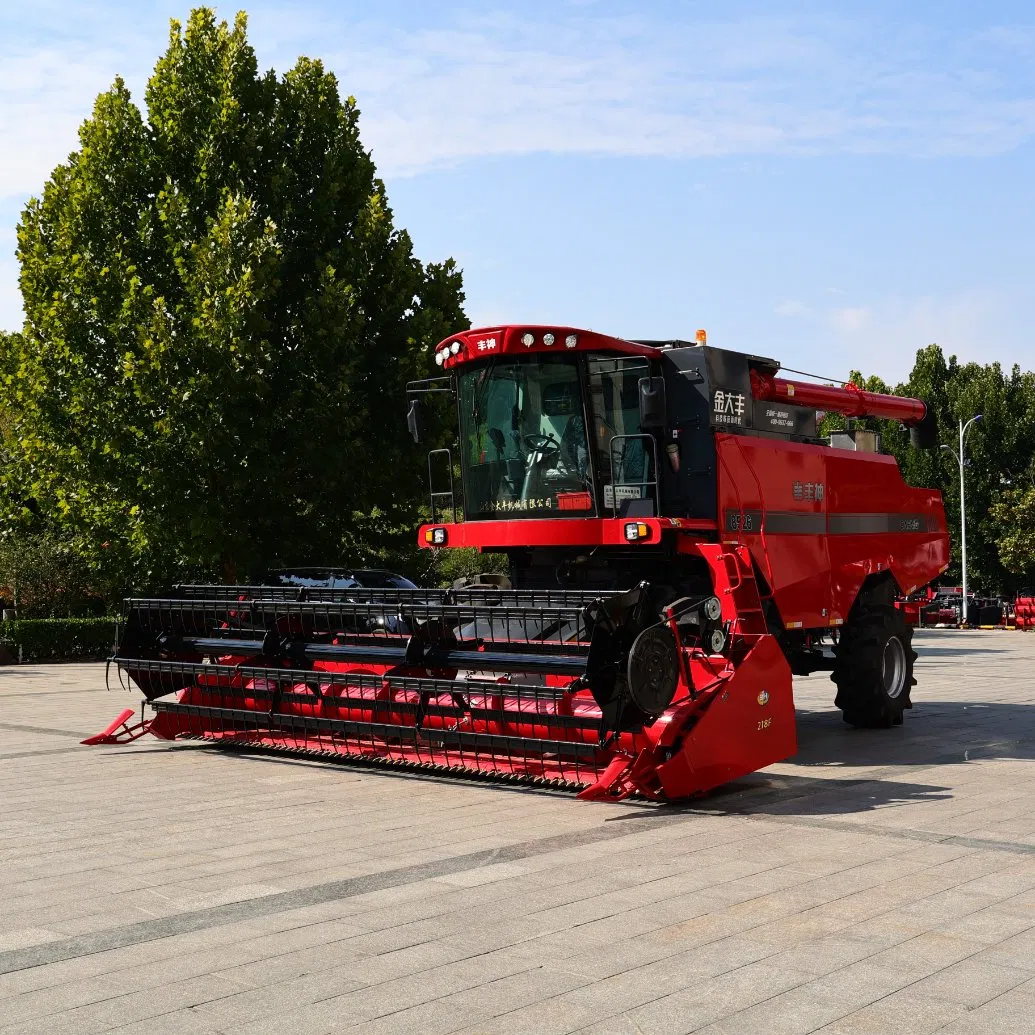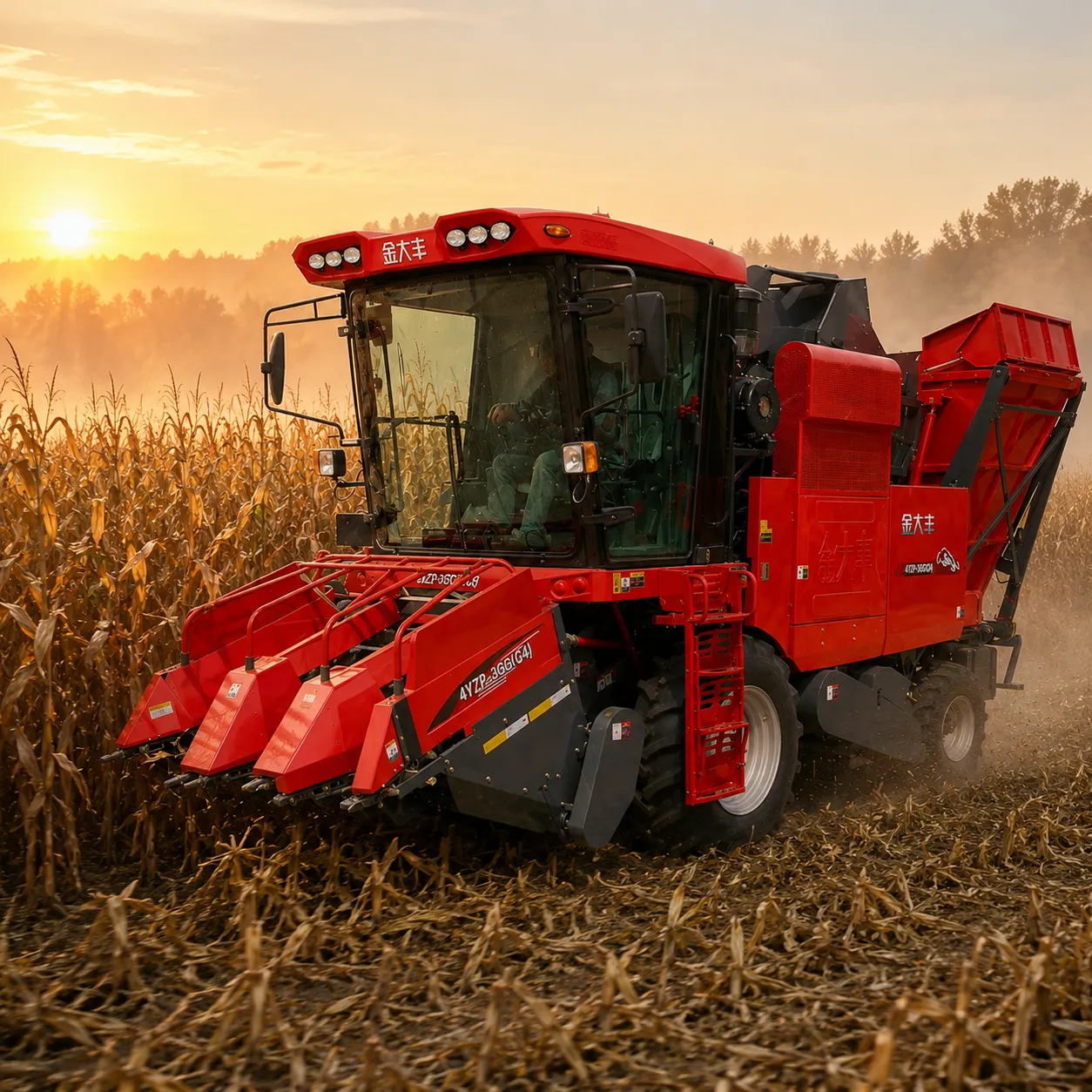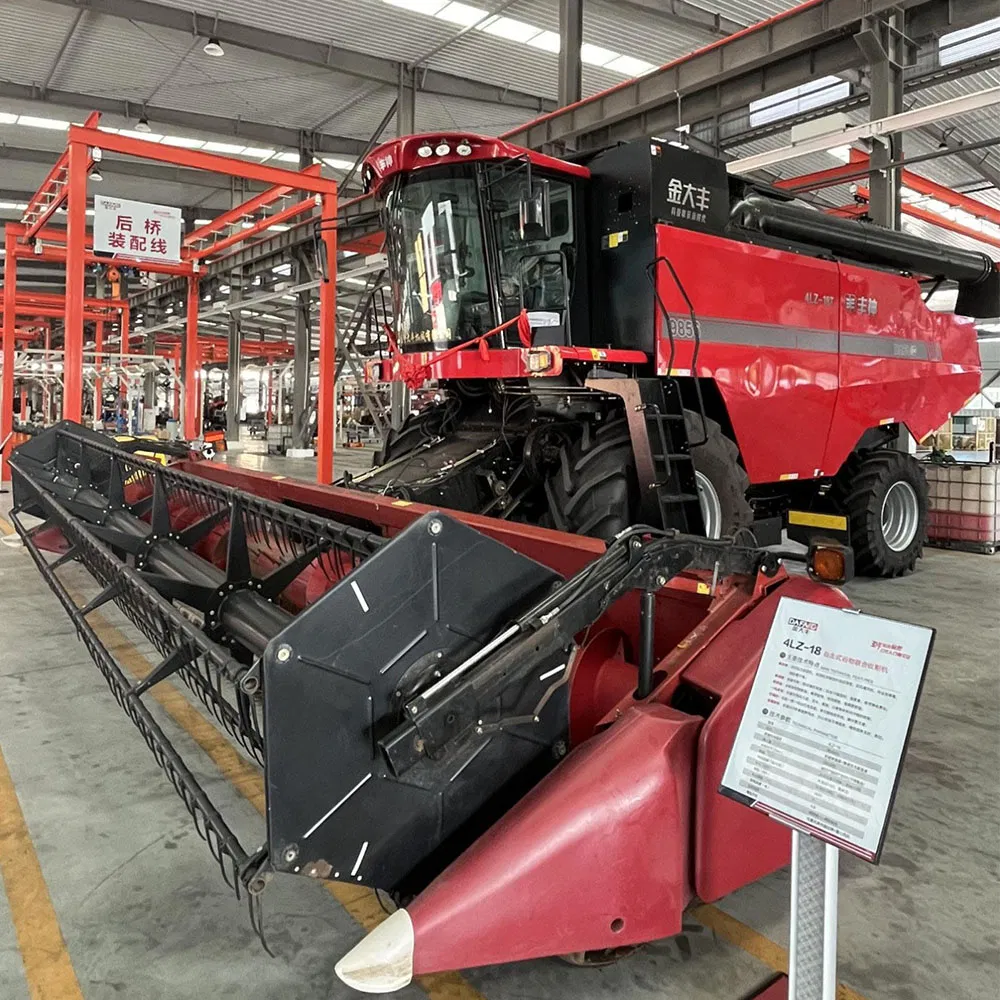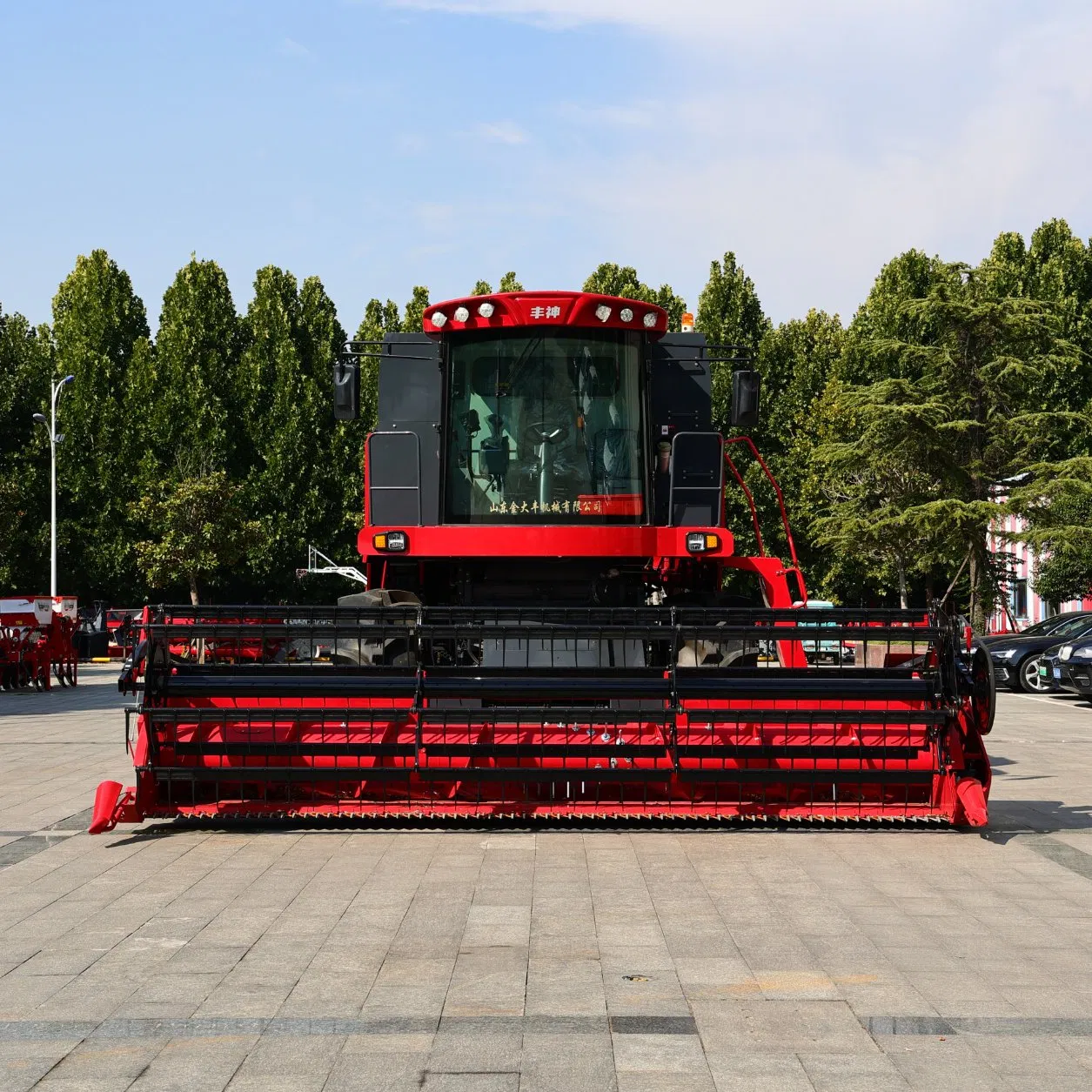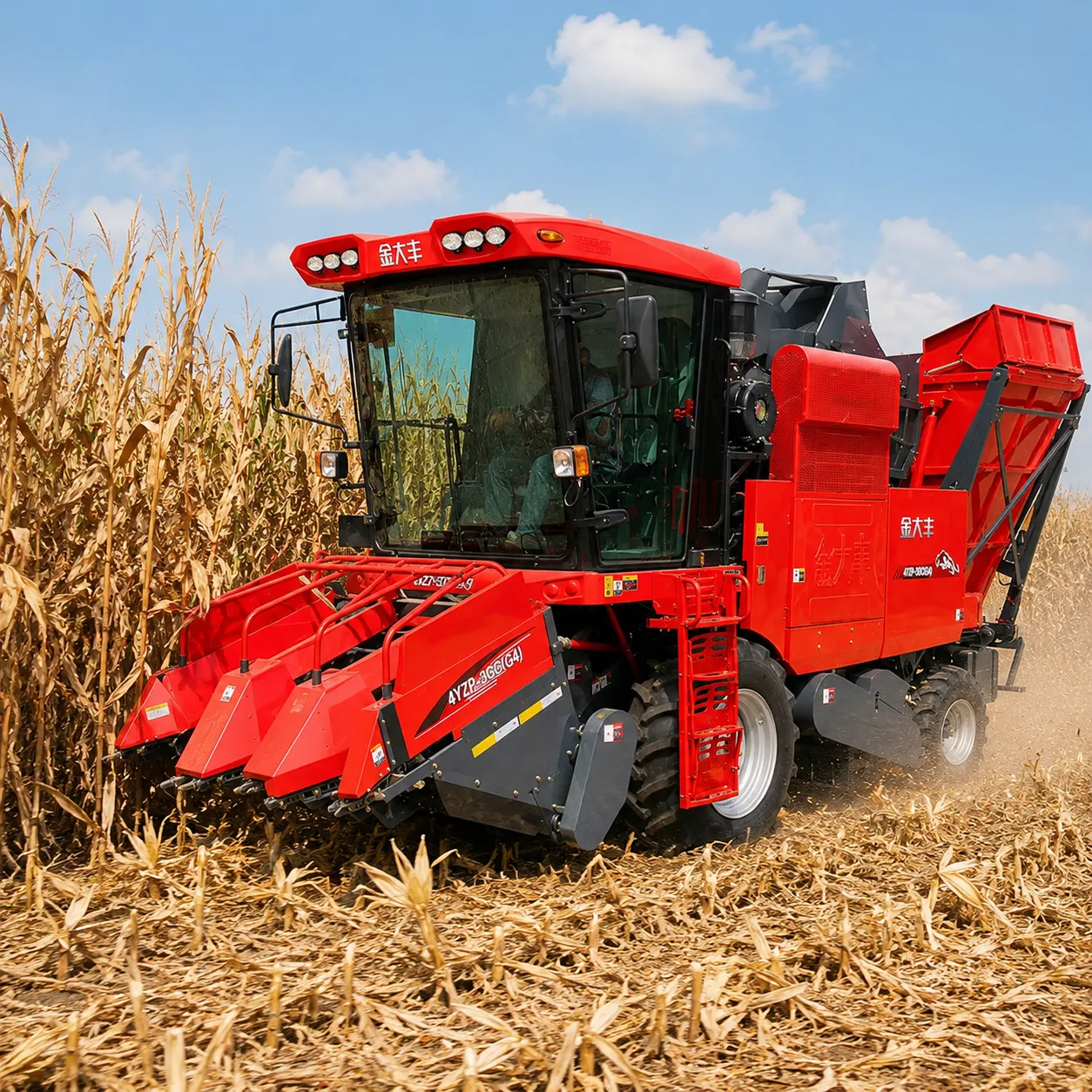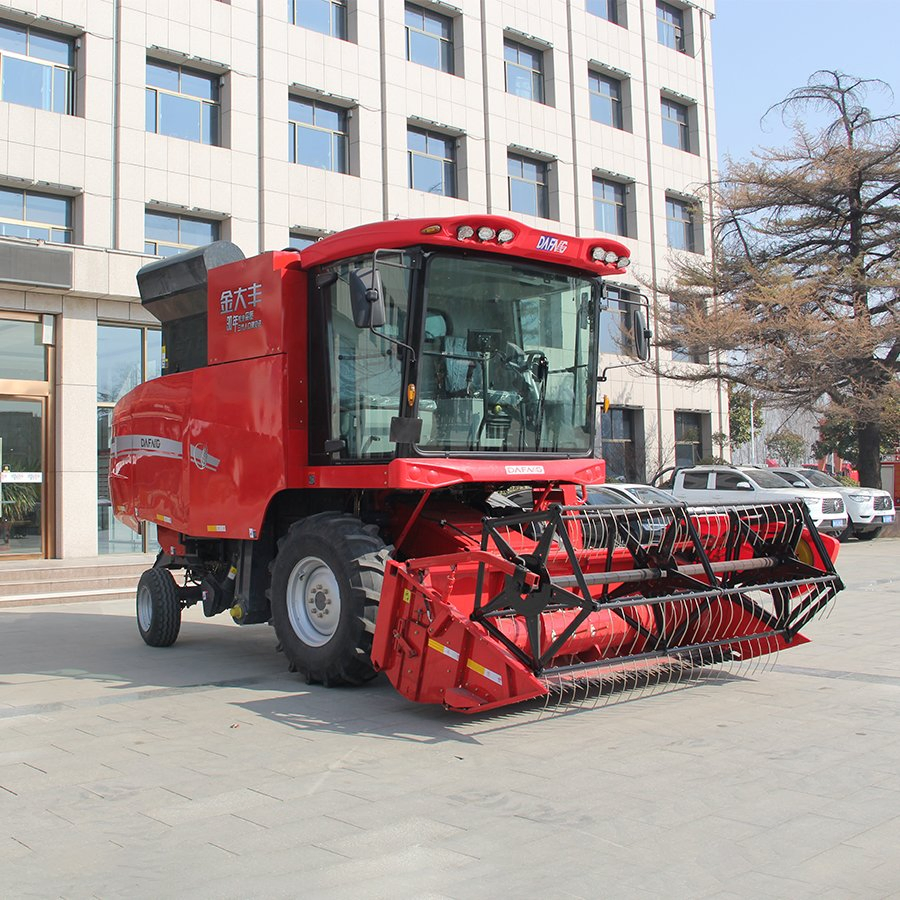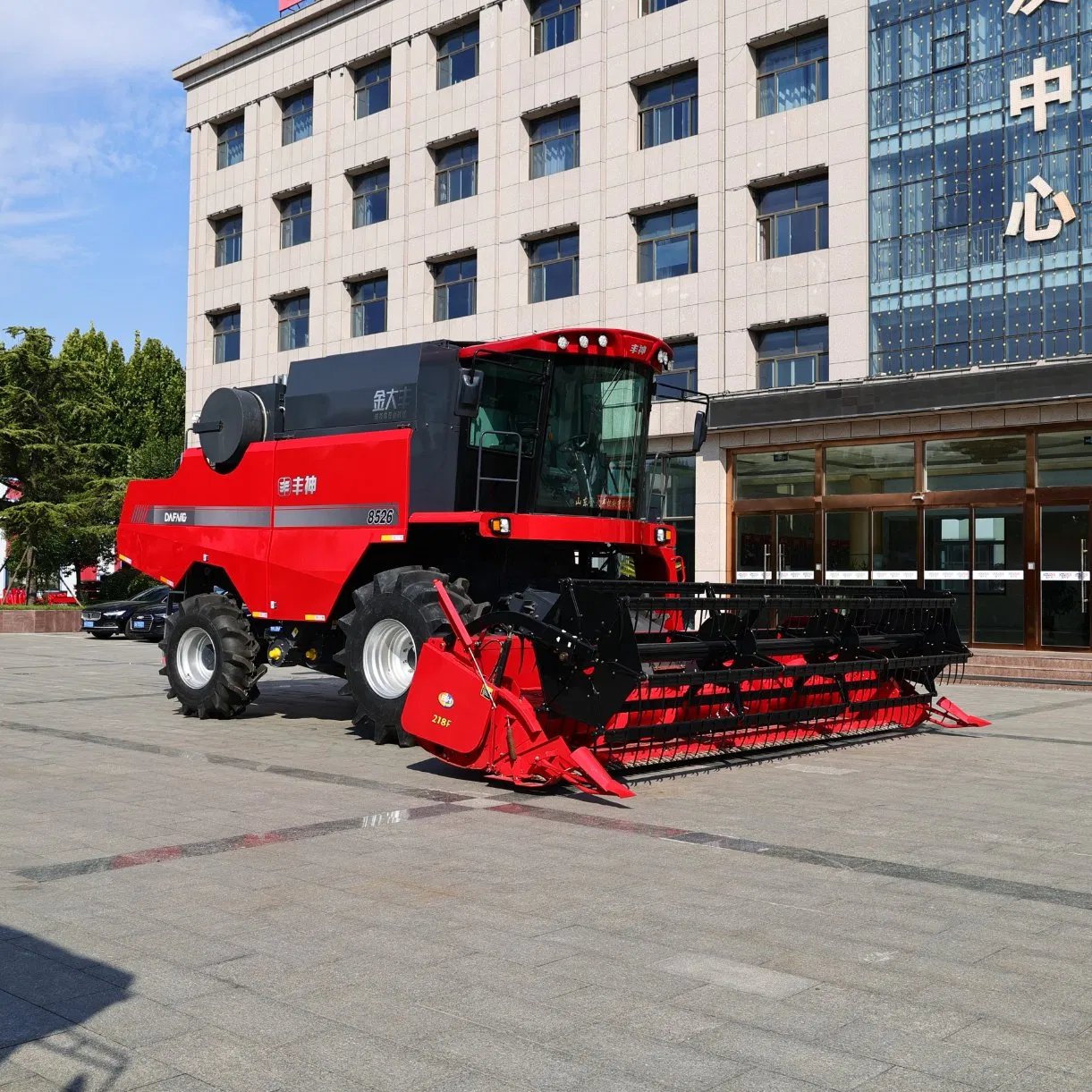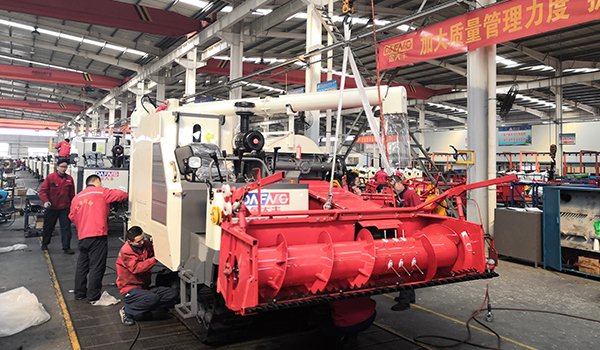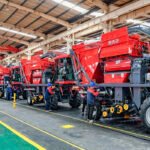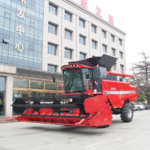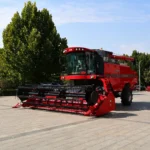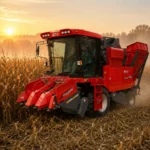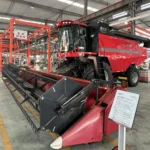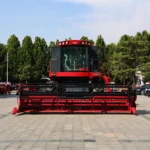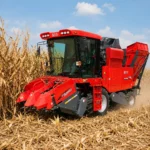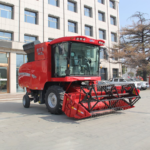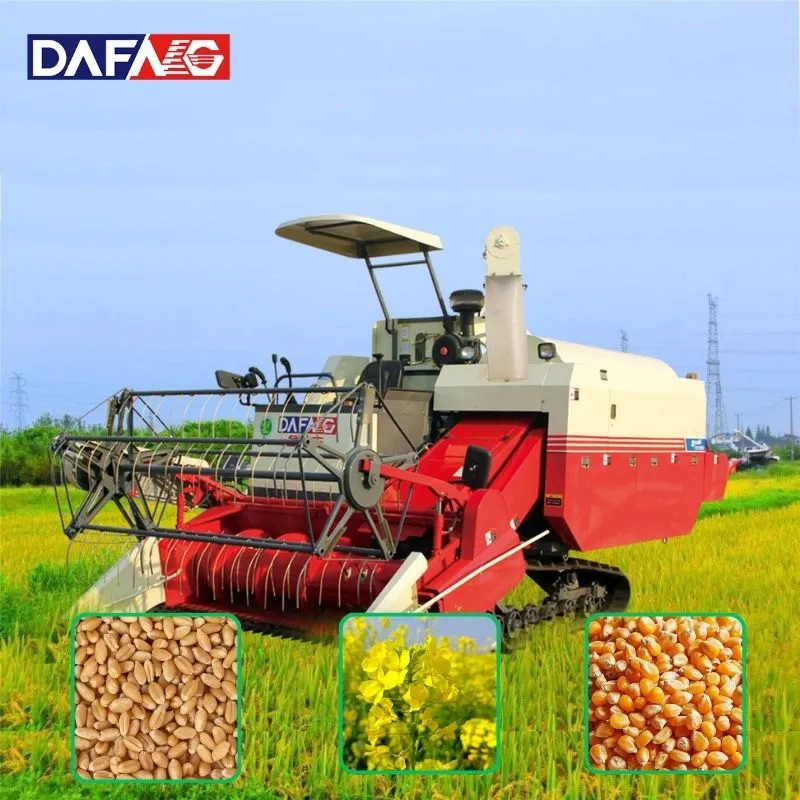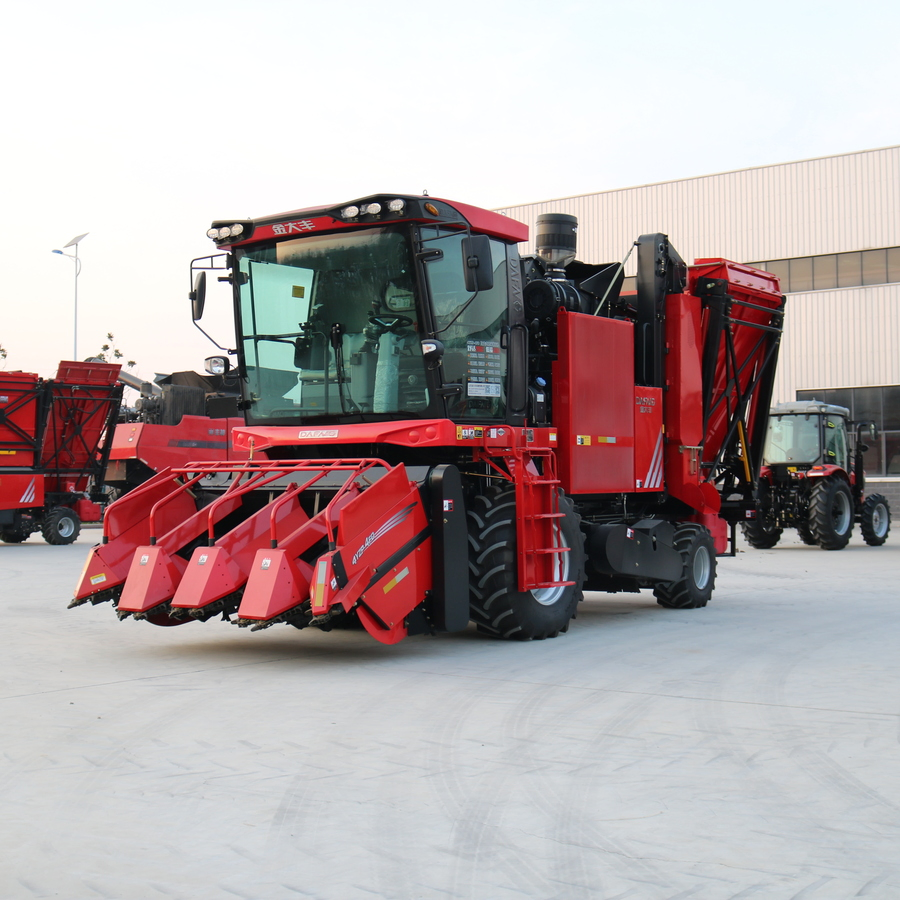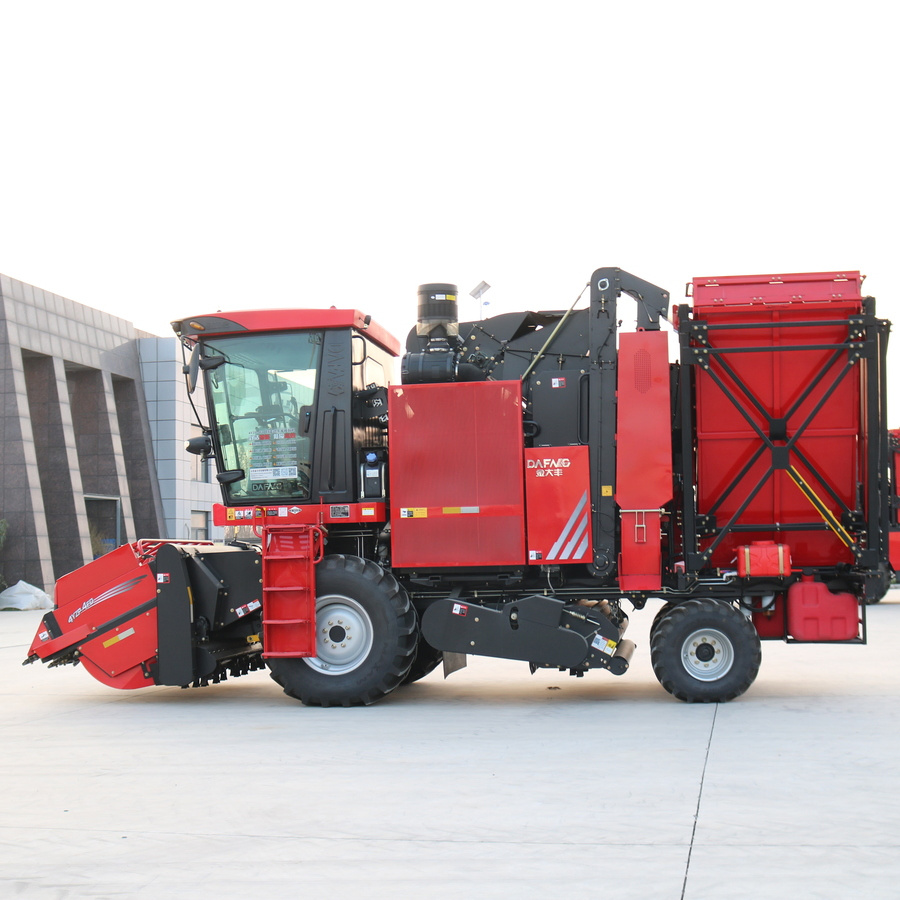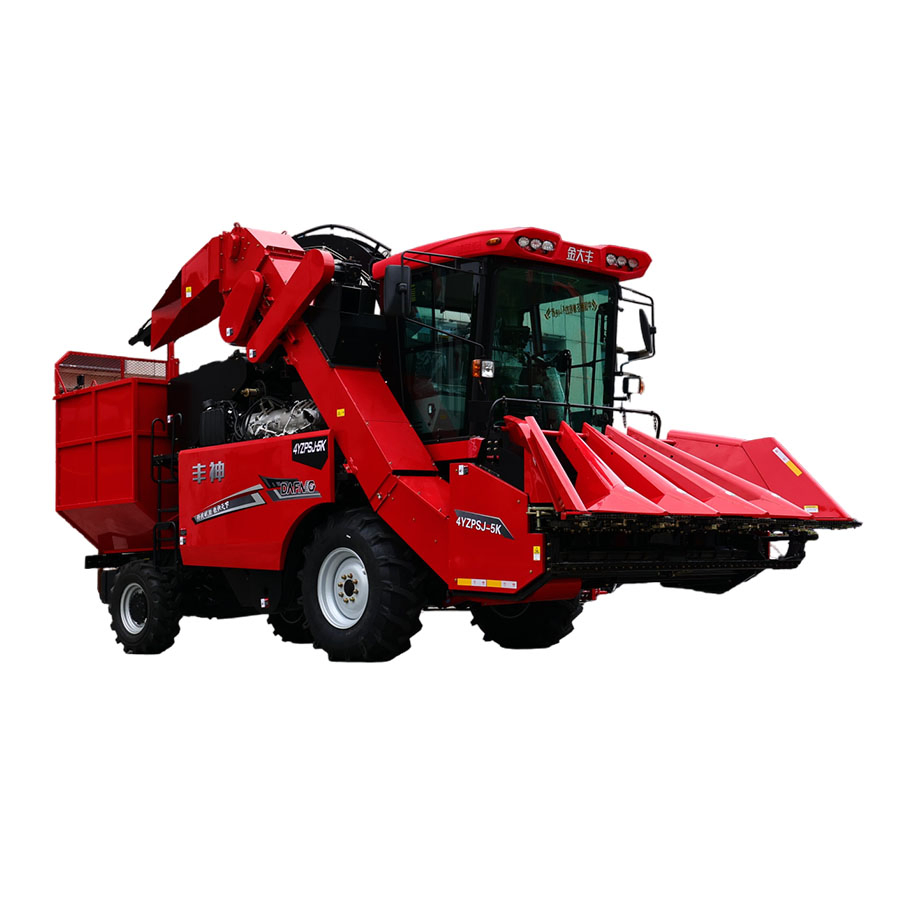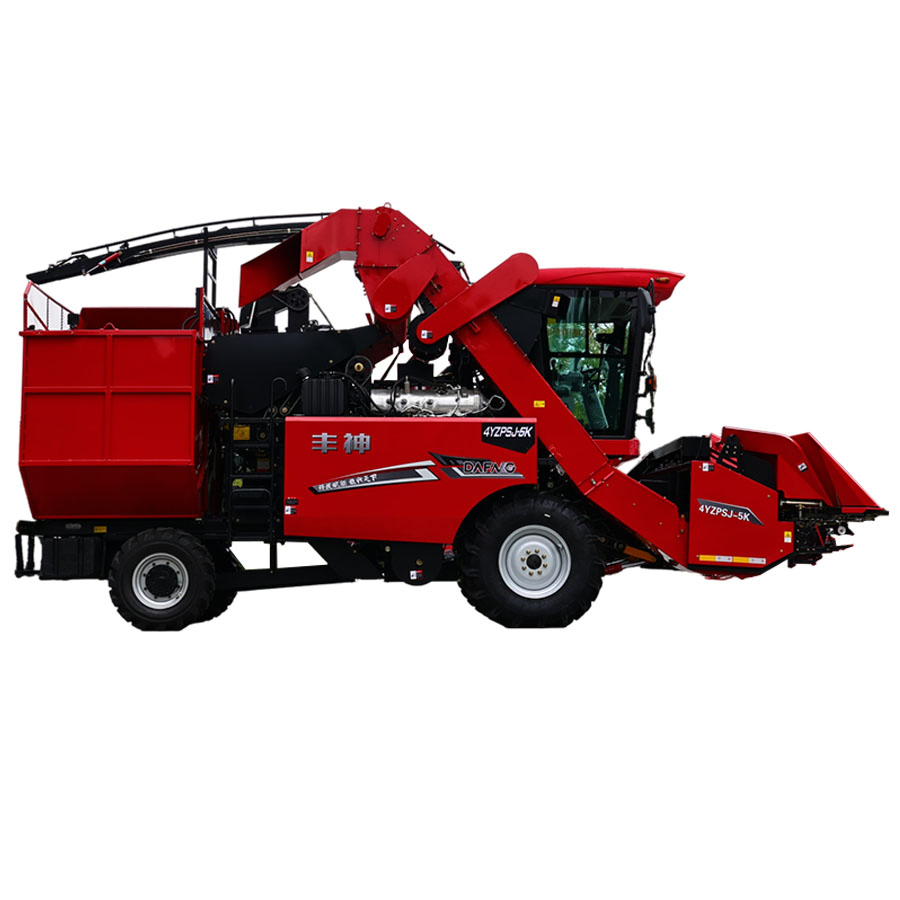
A corn harvester appears to perform one simple task: move through the field and collect mature corn. In reality, several systems must work together within a few seconds. The machine guides standing rows into the header, separates ears from stalks, transfers the ears, removes part of the husk, collects the harvested material, and manages the remaining straw.
Understanding the corn harvester working principle helps farmers and buyers judge more than engine power or row number. It explains why row spacing, feeding speed, snapping components, peeling quality, straw condition, and field layout all affect real harvesting performance.
A machine may work smoothly in upright, dry corn but behave very differently in lodged plants, uneven rows, wet soil, or green stalks. The best results come when the header, picking system, peeling system, transmission, and operator settings match the actual crop.
The Job Starts Before the Crop Enters the Machine
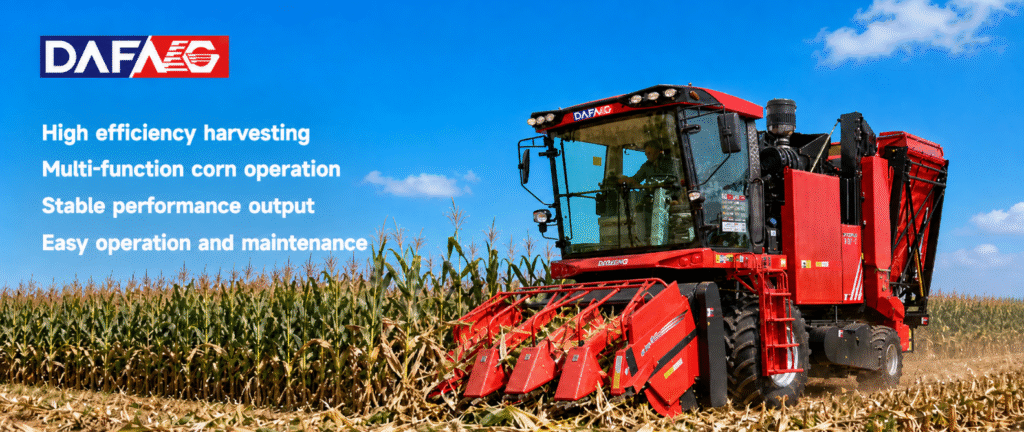
The first part of the harvesting process happens at the front of the header. Row dividers separate the crop and guide each line of plants toward the corresponding picking unit.
On a three-row or four-row corn harvester, the header must follow the planting pattern closely. If the machine is not aligned with the rows, stalks may be pushed sideways, broken before entering the header, or missed completely.
Row dividers guide the standing crop
The pointed dividers move between adjacent corn rows and lift plants toward the gathering area. Their shape is especially important when the field contains leaning or partially lodged stalks.
Good row guidance helps:
- Reduce missed stalks
- Limit ears falling in front of the header
- Maintain even crop flow
- Reduce sudden machine loading
- Improve harvesting speed
Gathering chains control crop movement
After the stalk enters the row unit, gathering chains pull it toward the snapping or picking mechanism. The chains must move fast enough to maintain feeding but not so aggressively that they strike the ears and increase loss.
Worn chains, loose tension, damaged lugs, or incorrect speed can cause uneven feeding and dropped ears. This is why header condition directly influences the complete corn harvester working principle.
How the Harvesting Process Moves Step by Step
Although machine designs vary, a self-propelled ear corn harvester normally follows a clear crop path.
Typical harvesting sequence:
Row guidance → stalk feeding → ear separation → ear conveying → husk peeling → ear collection → stalk crushing and residue discharge.
Ear separation
The stalk is pulled downward by snapping rolls, stalk rolls, or a similar picking mechanism. The opening between the picking plates is narrow enough to allow the stalk to pass while the larger ear remains above the plates.
As the stalk moves downward, the ear separates from the plant. The ear is then transferred toward the central conveying system.
Material conveying
Augers, chains, or conveyors move the harvested ears from the individual row units toward the centre of the machine. From there, they enter the next processing section.
Crop flow should remain continuous. When ears accumulate near the row units or central auger, the machine may experience:
- Blockages
- Broken ears
- Kernel loss
- Uneven peeling
- Lower forward speed
The machine’s travel speed should therefore match the rate at which the header and conveying system can process the crop.
Why Row Alignment and Feeding Determine Performance
Theoretical capacity often assumes uniform rows and continuous operation. Real fields rarely provide perfect conditions.
Row spacing may vary because of planting accuracy, terrain, turning areas, missing plants, or different seeders. A fixed-row header performs best when its row spacing closely matches the crop.
| Field Condition | Possible Effect | Operator Response |
|---|---|---|
| Rows match the header | Smooth feeding and stable harvesting | Maintain accurate steering |
| Uneven row spacing | Stalks may bend or enter at an angle | Reduce speed and improve alignment |
| Missing plants | Machine load changes repeatedly | Keep speed stable and watch feeding |
| High plant density | Header and conveyor load increase | Reduce forward speed |
| Lodged corn | Higher missed-ear and header loss | Adjust header height and approach direction |
Forward speed affects every system
Driving faster increases the number of stalks entering the header each minute. If the machine cannot maintain smooth feeding, the benefit of higher speed disappears.
Excessive forward speed may cause:
- Stalks to be pushed forward
- Ears to fall before collection
- Picking units to become overloaded
- Peeling quality to decline
- Residue crushing to become uneven
A stable crop flow usually produces better daily output than repeatedly accelerating and slowing through the field.
What Happens During Ear Picking and Peeling
Once the ears are separated from the stalks, they move toward the peeling section. Peeling rollers remove all or part of the husks before the ears enter the collection system.
The peeling process is especially important for farms that want cleaner ears for transport, storage, drying, or further processing.
Peeling rollers create controlled contact
Pairs of rollers rotate and grip the husks while allowing the ear to continue moving through the machine. The system must create enough contact to remove husks without causing excessive kernel damage.
Peeling performance is influenced by:
- Ear moisture
- Husk condition
- Roller material and wear
- Roller spacing
- Crop feeding consistency
- Machine speed
Wet and dry corn behave differently
Dry husks may separate easily, but mature dry ears can also suffer greater kernel impact if the machine operates too aggressively. Wet husks may be tougher and require more peeling action.
This means the corn harvester working principle depends partly on crop moisture. The operator may need to adjust speed or working settings as field conditions change during the day.
Field observation: Poor peeling quality is not always caused by the peeling rollers. Uneven feeding, overloaded conveyors, excessive forward speed, or unsuitable harvest moisture may be the real source of the problem.
How Straw Crushing Changes Field Results
After the ears are removed, the remaining stalks must be managed. Many self-propelled corn harvesters use a straw-crushing system to cut, break, or shred the residue before returning it to the field.
Straw crushing can help prepare the field for the next operation by reducing long stalks that may interfere with tillage, seeding, or residue incorporation.
Residue size matters
Finely crushed residue generally spreads more evenly and can be easier to incorporate into the soil. However, aggressive crushing also requires power and properly maintained knives or flails.
Operators should inspect:
- Blade sharpness
- Rotor balance
- Blade mounting points
- Drive belts and bearings
- Residue discharge pattern
- Cutting height
Worn blades may leave long, uneven stalk sections. Damaged or unbalanced components can create vibration and increase mechanical wear.
Straw condition changes power demand
Dry stalks usually break more easily than green, wet material. Thick or high-moisture stalks can increase the load on the crushing system and engine.
In these conditions, reducing forward speed may improve both picking quality and residue treatment.
Which Conditions Change the Working Process?
The same machine may require different operating strategies from one field to another. Real harvesting conditions change how the header, picking system, peeling rollers, and residue system perform.
Lodged corn
When stalks lean or lie close to the ground, row dividers may struggle to lift them. The operator may need to lower the header, approach from a different direction, and reduce travel speed.
Lodged crop increases the risk of:
- Missed ears
- Broken stalks
- Header blockage
- Uneven feeding
- Higher field loss
High-moisture corn
Green stalks and wet husks are heavier and more difficult to process. They can increase power demand and reduce peeling efficiency.
Operators should watch for material wrapping around rollers, buildup near conveyors, and reduced straw-crushing quality.
Uneven maturity
Some sections of a field may contain dry ears while others remain wetter. One fixed operating speed may not provide the same result across the entire field.
A practical operator adjusts forward speed according to crop load instead of maintaining one constant travel speed.
Soft or uneven ground
Ground condition affects steering accuracy and header alignment. Wheel slip or uneven movement can cause the machine to move away from the planted rows.
Traction, tire selection, machine weight, and operator visibility all influence performance under these conditions.
How Operators Reduce Loss in Real Fields
Understanding the corn harvester working principle makes it easier to identify where loss occurs. Not every ear found on the ground comes from the same part of the machine.
Operators should check several areas separately:
- Unharvested ground before the machine arrives
- The area directly in front of the header
- The ground under the picking units
- The residue discharged behind the machine
- The collected ears inside the grain tank or trailer
| What You Find | Likely Cause | Area to Check |
|---|---|---|
| Whole ears in front of the header | Poor row guidance or excessive speed | Row dividers and steering |
| Ears under the row units | Incorrect picking-plate spacing or worn chains | Picking mechanism |
| Loose kernels near the header | Excessive impact or over-dry corn | Gathering speed and forward speed |
| Unpeeled ears in the tank | Peeling overload or unsuitable moisture | Peeling rollers and crop flow |
| Long uncrushed stalks | Worn blades or excessive speed | Straw-crushing system |
Change one setting at a time
When several settings are changed together, it becomes difficult to know which adjustment improved the result. A more reliable process is:
- Identify the main loss area.
- Adjust the related component.
- Harvest a representative distance.
- Inspect the field and collected ears again.
- Record settings that work well.
Field checks should be repeated when crop moisture, planting density, lodging, or terrain changes.
What Buyers Should Check Before Choosing a Machine
A buyer should not judge a corn harvester only by horsepower or the number of rows. The complete harvesting process should match local crop and field conditions.
Important questions include:
- What is the local corn row spacing?
- Will the machine harvest three rows or four rows?
- Is the crop normally standing or frequently lodged?
- Are the stalks dry or still green during harvest?
- Is ear peeling required?
- Is straw crushing required?
- What daily harvesting capacity is needed?
- Are the fields large, small, flat, or fragmented?
- What road and field entrance widths are available?
- Which spare parts should be stocked locally?
Buyer decision rule: Choose a machine whose header spacing, row number, picking system, peeling system, straw-crushing capacity, and field mobility match the local planting method and harvesting conditions.
King-Gold Dafeng provides self-propelled harvesting solutions for different corn row configurations and farm sizes. Buyers can review the available corn harvester and maize harvesting machine range to compare row numbers, working capacity, peeling functions, and residue-management systems.
The best machine is not simply the one that moves fastest through an ideal field. It is the one that maintains smooth feeding, collects a high percentage of ears, controls kernel loss, removes husks effectively, and handles straw consistently throughout the working day.
A clear understanding of the corn harvester working principle helps operators diagnose field problems and helps buyers compare machines according to real performance instead of specifications alone.