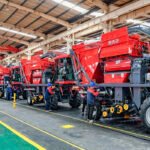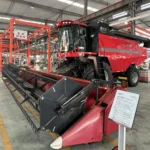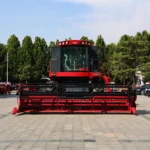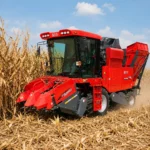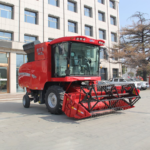
Different crops require different harvesting solutions. Corn, wheat, rice, soybean, and mixed grains do not move through a machine in the same way. Some crops need cutting, threshing, separation, and cleaning. Others need ear picking, peeling, collecting, and straw crushing. That is why buyers should understand the difference between a corn harvester, a grain combine harvester, and other crop-specific harvesting machines before making a purchase.
This guide explains how to evaluate harvester machinery from a practical buying point of view. It is written for farm owners, dealers, importers, and contractors who need reliable equipment for real field work instead of just comparing product names and horsepower numbers.
What Is Harvester Machinery?
Harvester machinery refers to agricultural machines designed to collect crops from the field and prepare them for storage, transport, or further processing. Depending on the crop, a harvester may cut plants, separate grain, clean grain, collect ears, peel husks, crush straw, or move harvested material into a tank or container.
In modern farming, harvester machinery helps reduce dependence on manual labor and allows farmers to finish harvesting within the best time window. This matters because delayed harvesting can increase losses, reduce crop quality, and affect the next planting schedule.
However, not all harvesters serve the same purpose. A machine that works well for wheat may not be ideal for corn in ear form. A rice harvester may need different tracks, cleaning settings, and field adaptability compared with a machine used in dry grain fields. Buyers should match the machine to the crop instead of choosing only by size or price.
Main Types of Harvester Machinery
Before selecting a machine, buyers should first understand the main categories of harvesters used in commercial agriculture.
| Machine Type | Main Crops | Typical Functions | Best For |
|---|---|---|---|
| Corn Harvester | Corn / Maize | Picking, peeling, collecting, straw crushing | Farms focused on corn harvesting |
| Grain Combine Harvester | Wheat, rice, soybean, grain crops | Cutting, threshing, separating, cleaning | Multi-crop grain farms |
| Rice Harvester | Rice | Cutting, feeding, threshing, cleaning | Wet or soft field conditions |
| Wheat Harvester | Wheat and similar grains | Cutting, threshing, grain collection | Wheat-growing regions |
| Multi-Crop Harvester | Wheat, rice, soybean, corn and others | Adjustable harvesting and cleaning systems | Farms with several seasonal crops |
This comparison shows why buyers should not treat every harvesting machine as the same product. A dealer serving corn-growing regions may need more corn harvester models, while a dealer working with mixed grain farms may need more combine harvesters.
Corn Harvester: A Practical Choice for Maize Fields
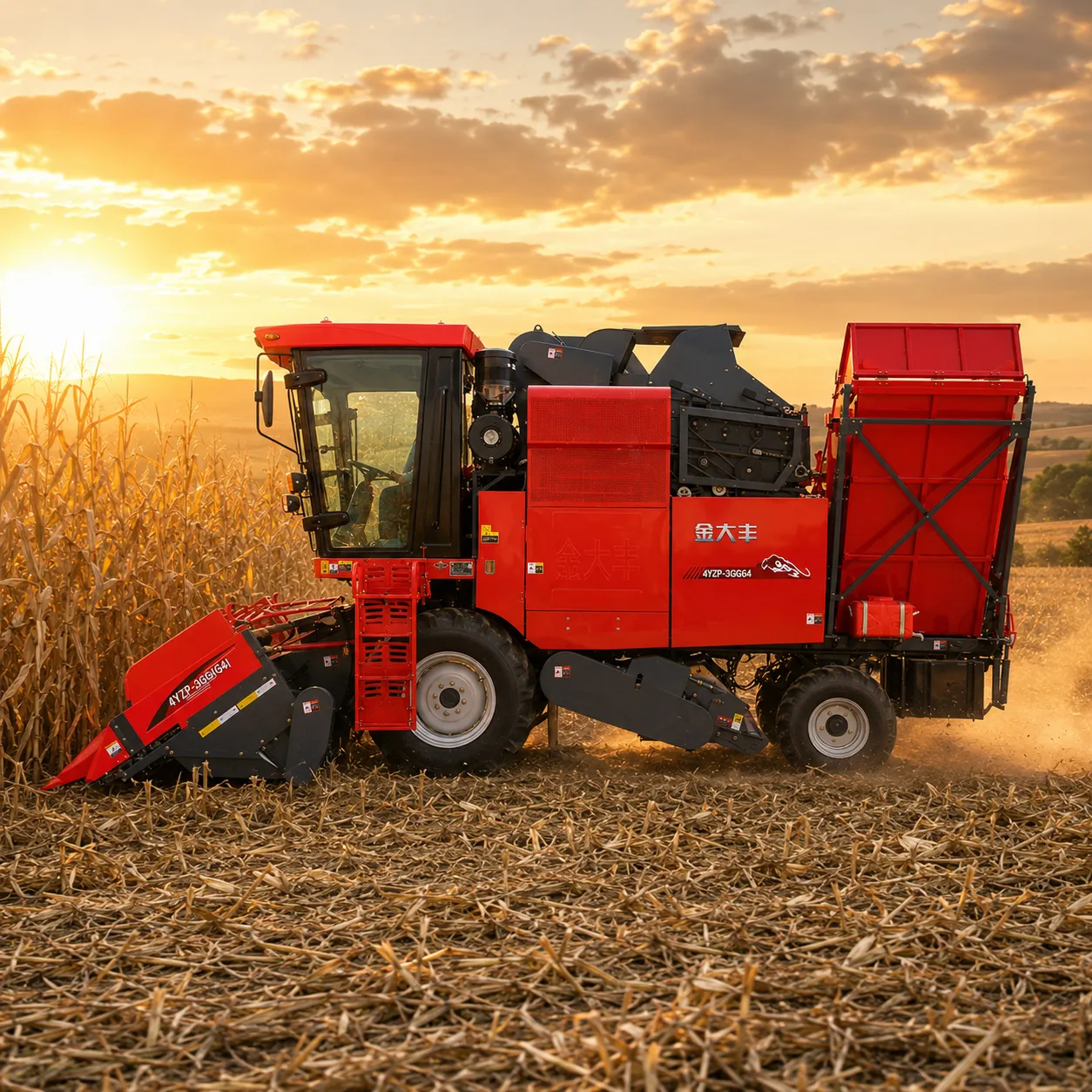
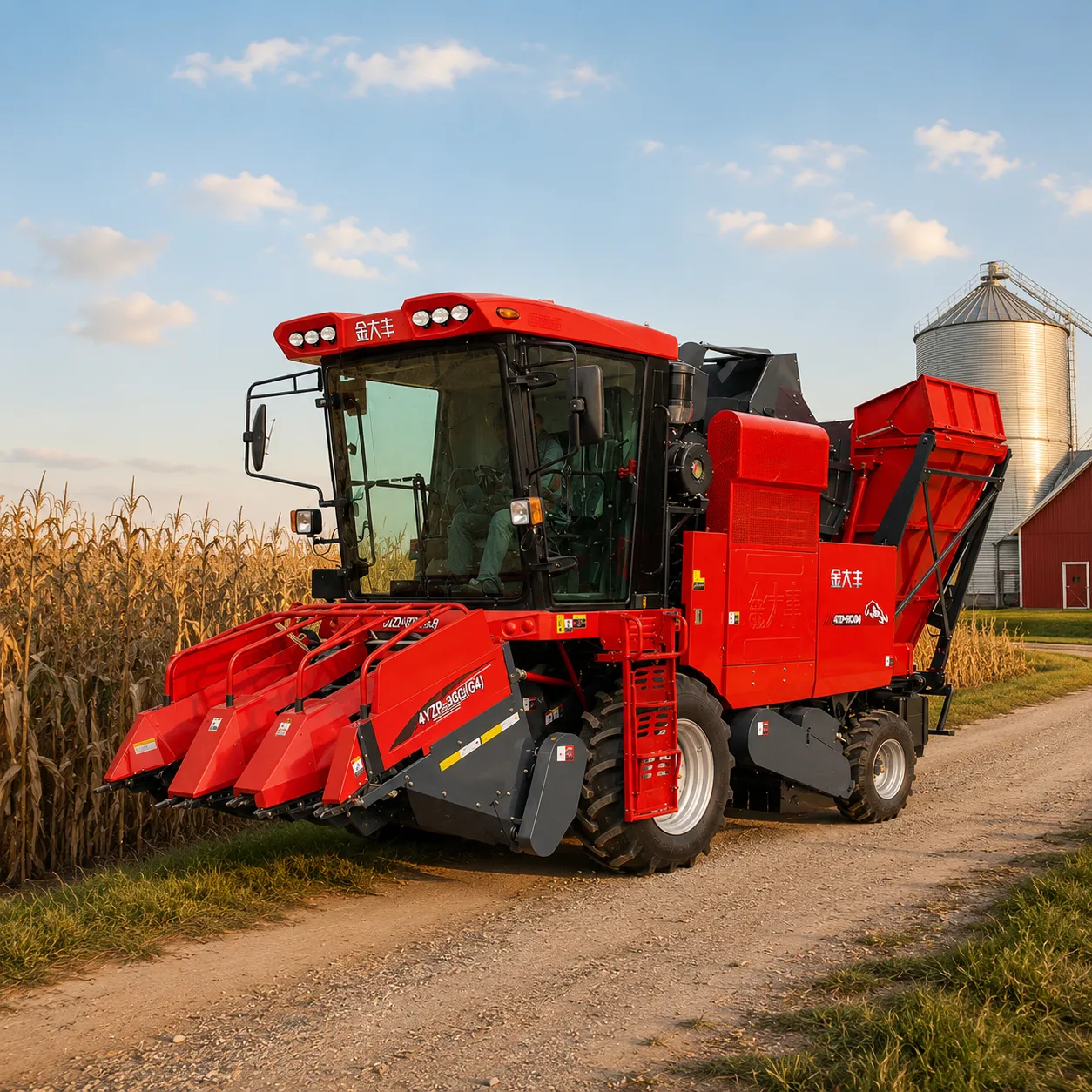
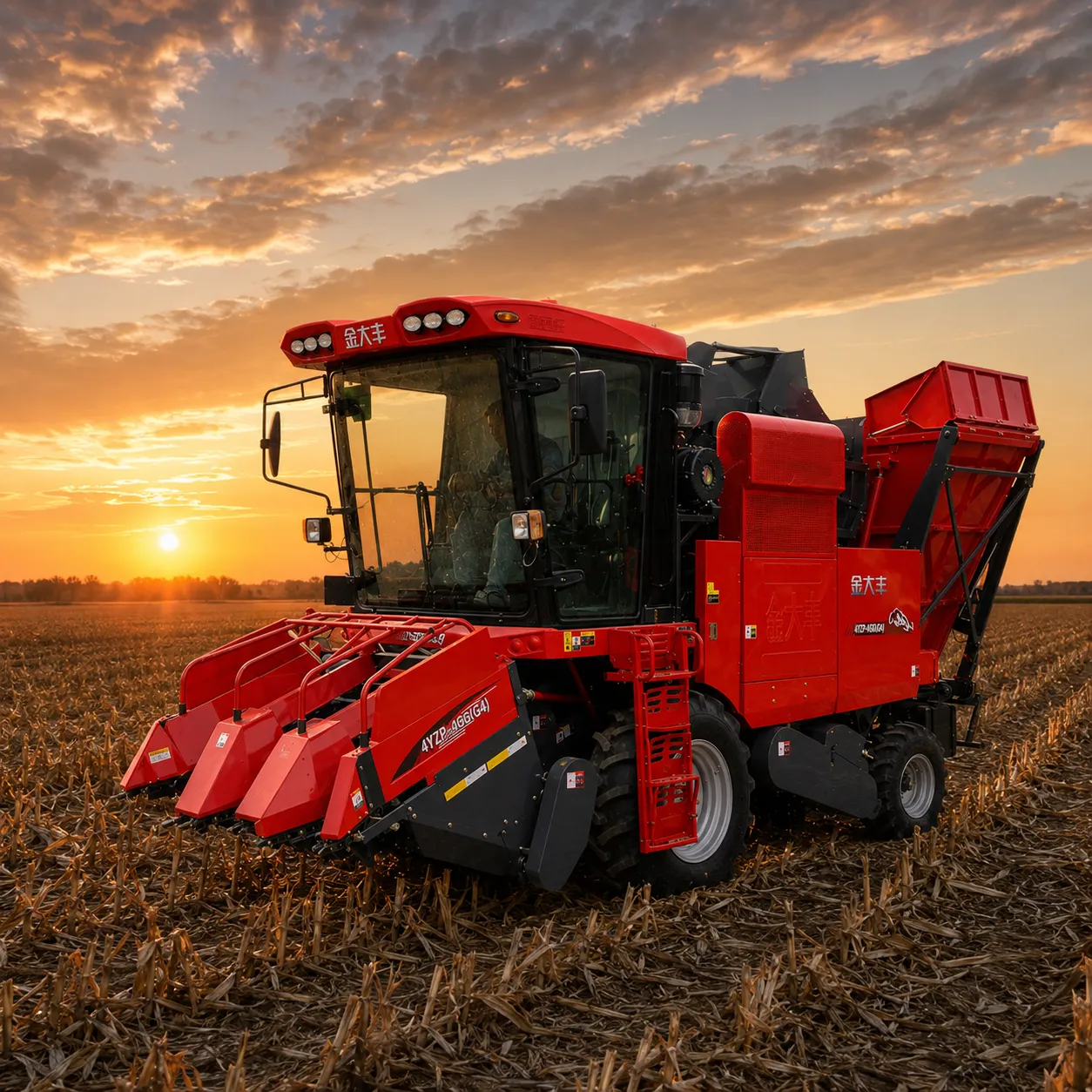
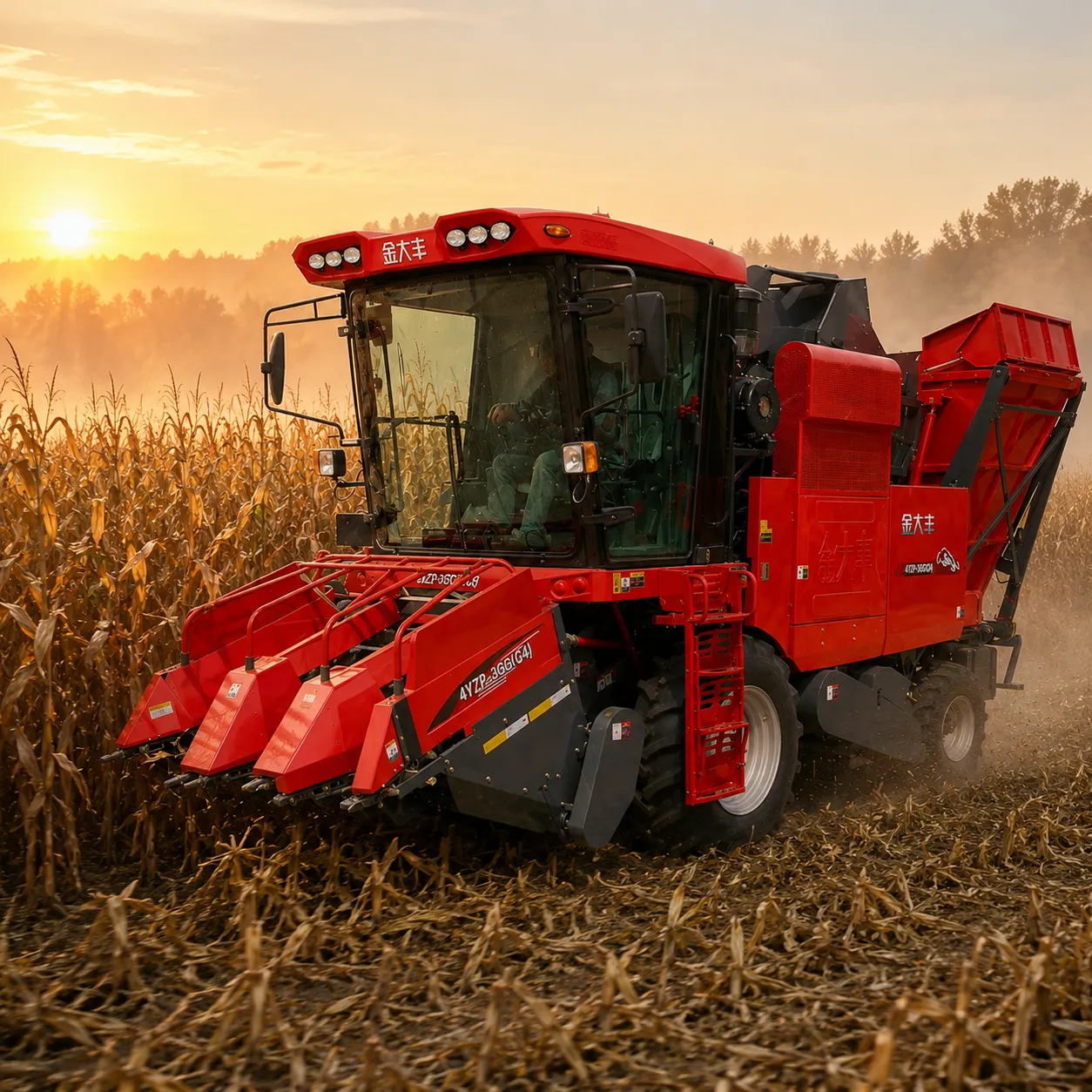
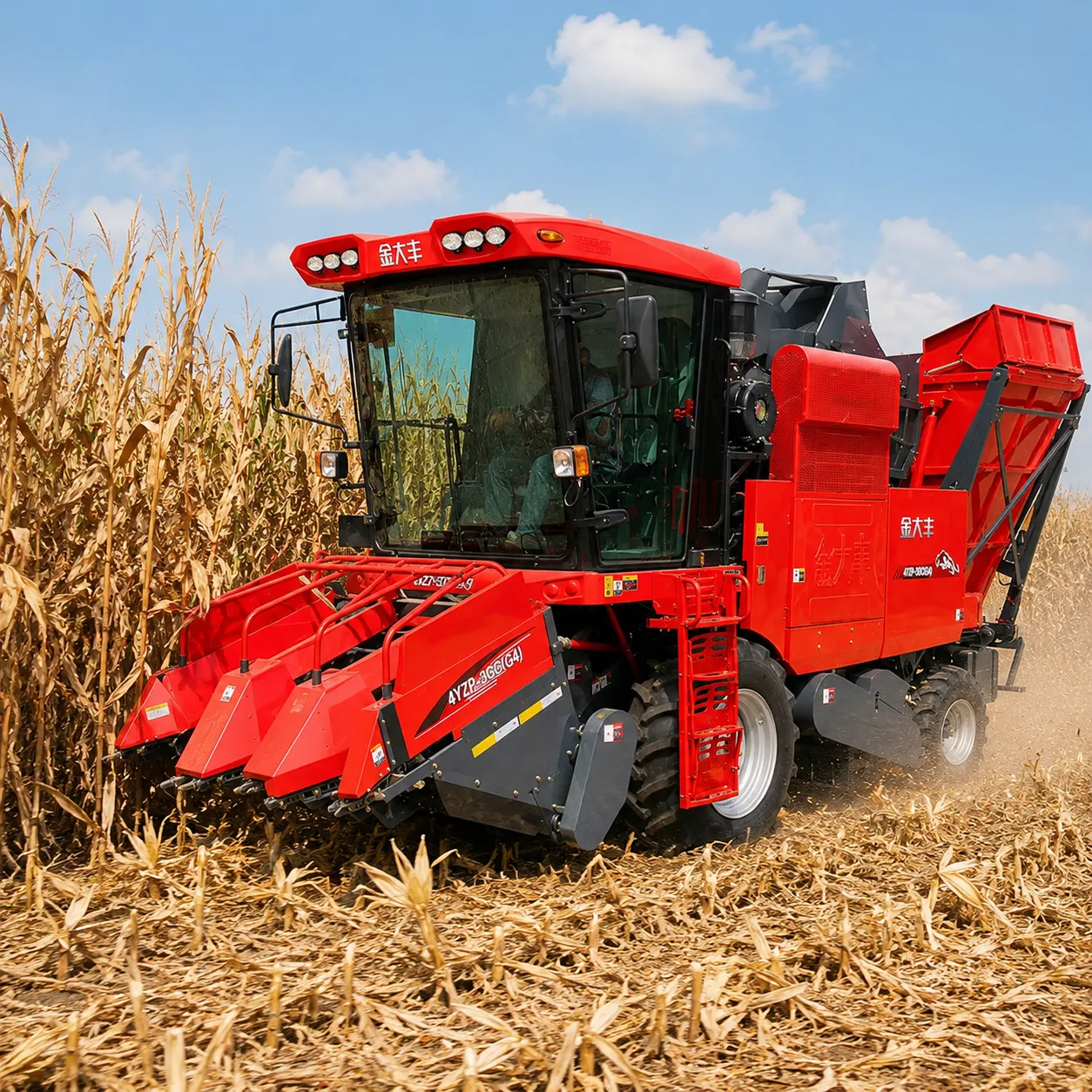
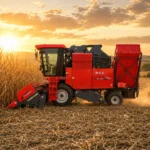
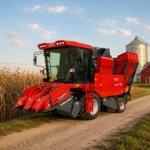
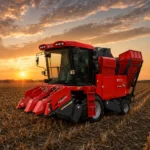
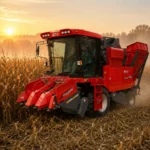
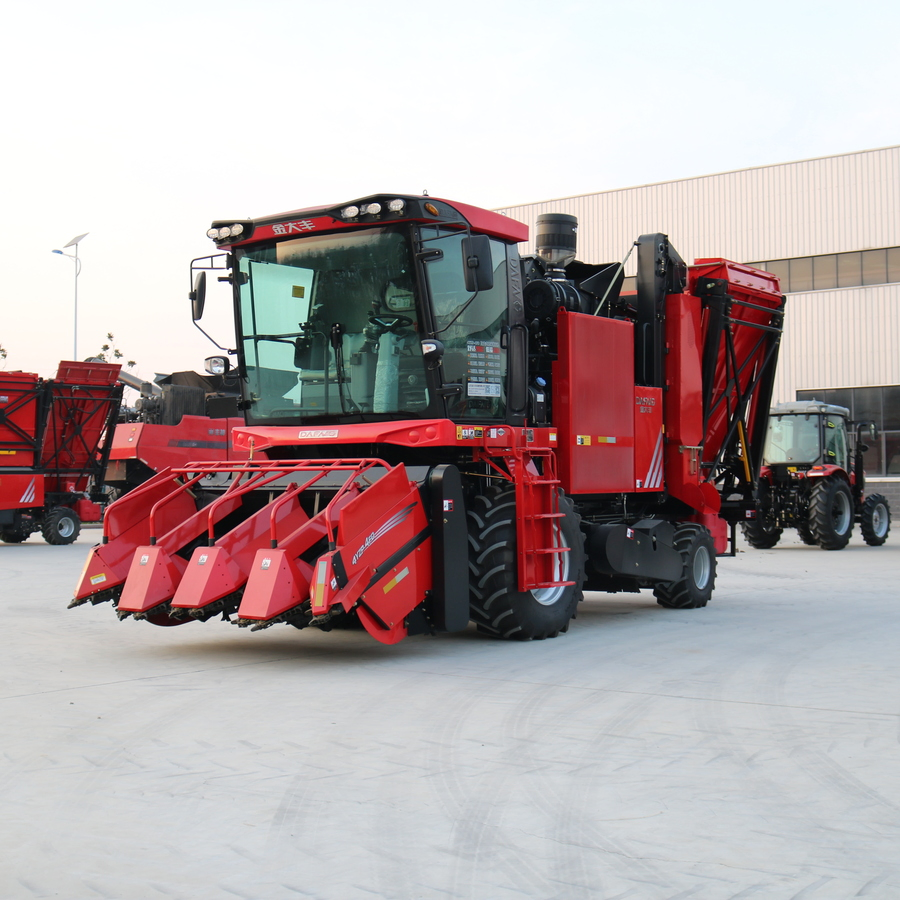
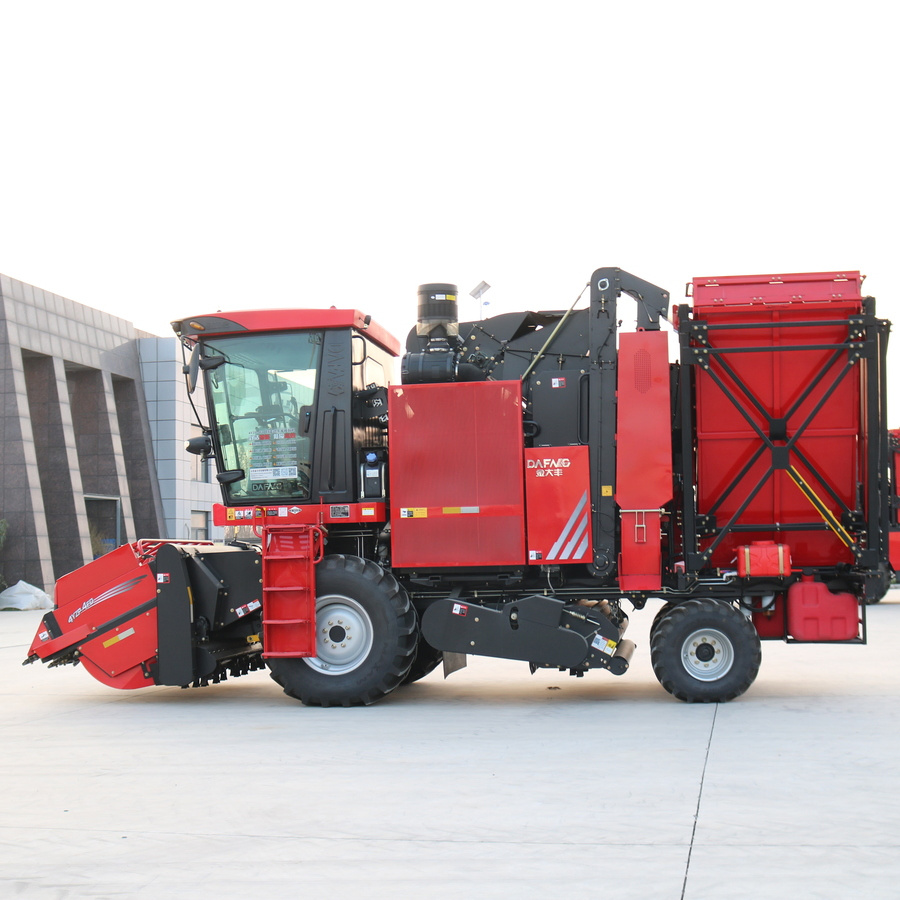
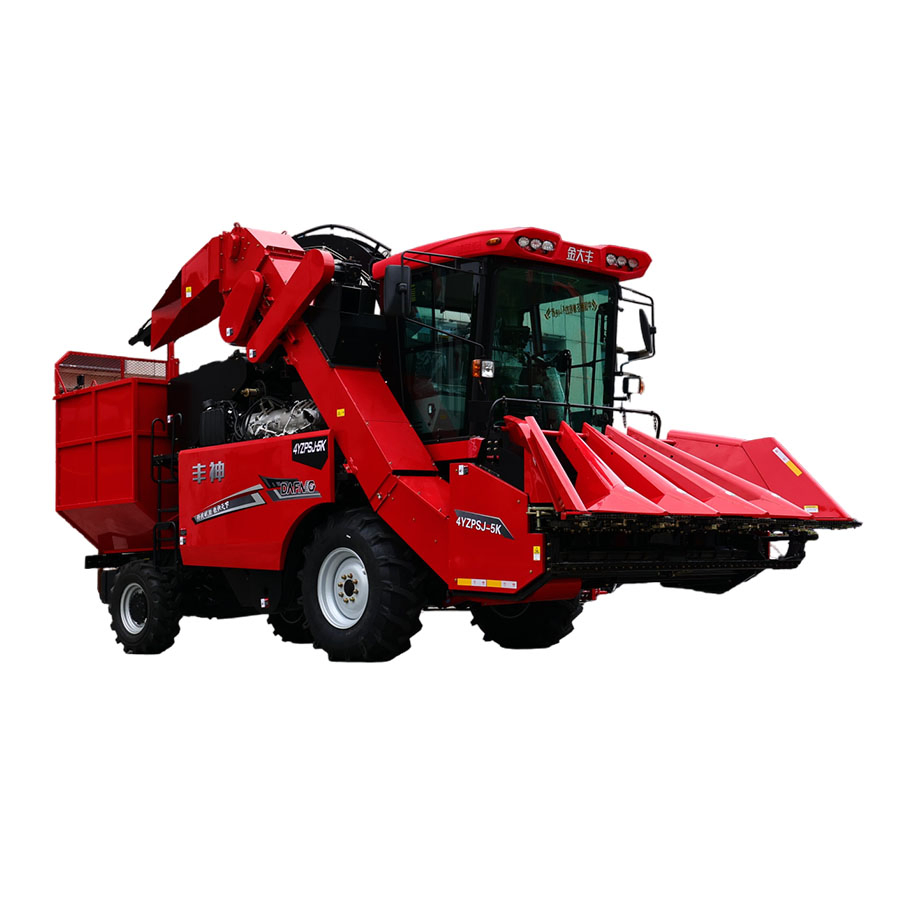
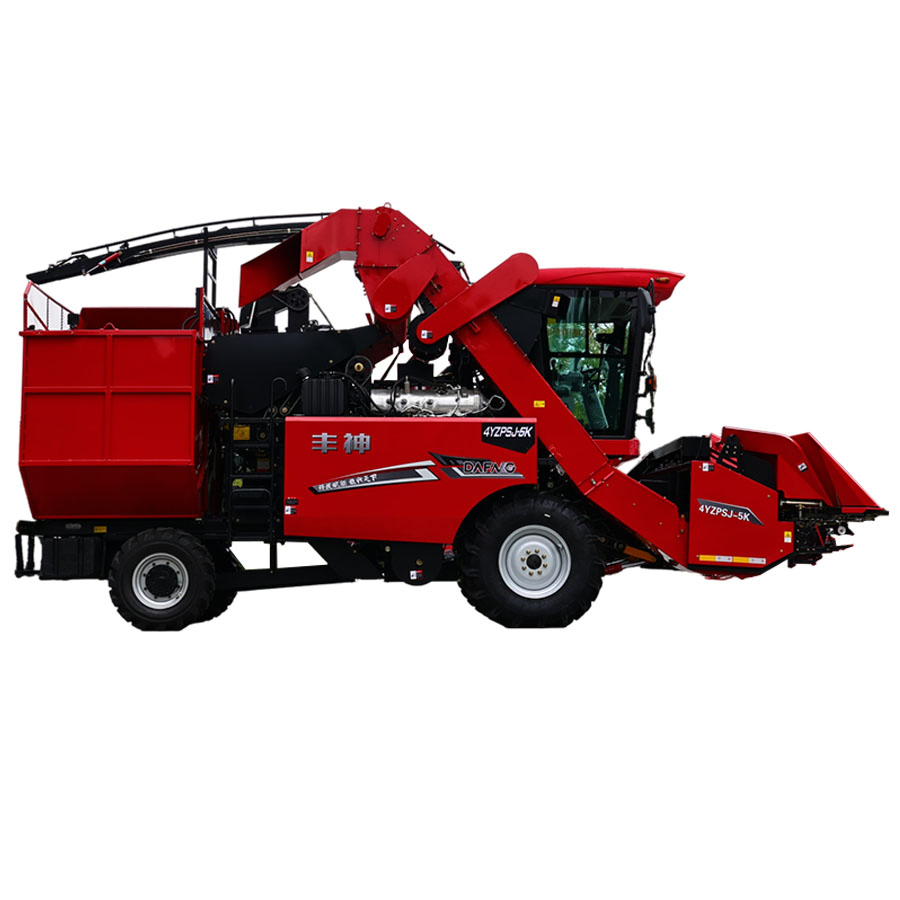
A corn harvester is designed specifically for maize harvesting. It can pick corn ears from the stalks, peel the husks, collect the ears, and crush straw depending on the machine configuration. This type of machine is often a better choice when the buyer wants efficient corn ear harvesting rather than grain harvesting with a general combine.
For farms with narrow plots, irregular field shapes, or different planting patterns, a self-propelled corn harvester with good maneuverability can save time. Features such as hydraulic traveling, one-lever operation, compact structure, small turning radius, and a non-row header help the machine adapt to more field conditions.
If your main crop is corn, you can compare suitable models on the corn harvester category page. This type of internal product page gives buyers a clearer view of different corn harvesting solutions and helps them move from general research to model comparison.
Grain Combine Harvester: Better for Multi-Crop Farms
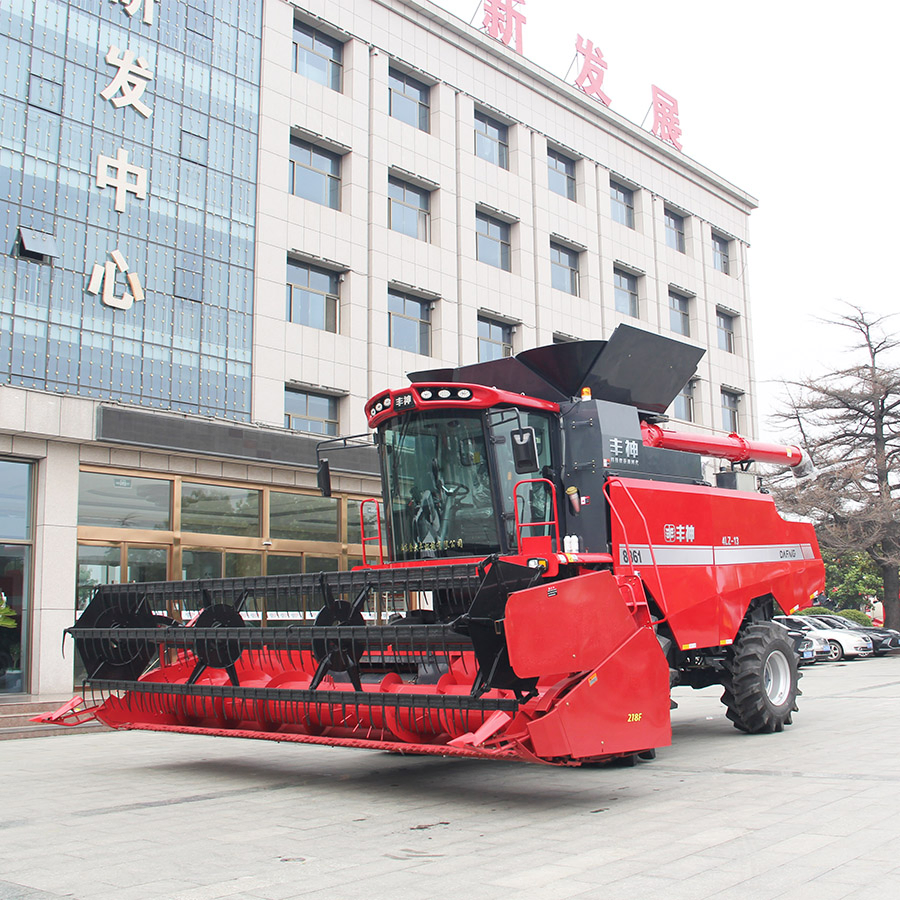
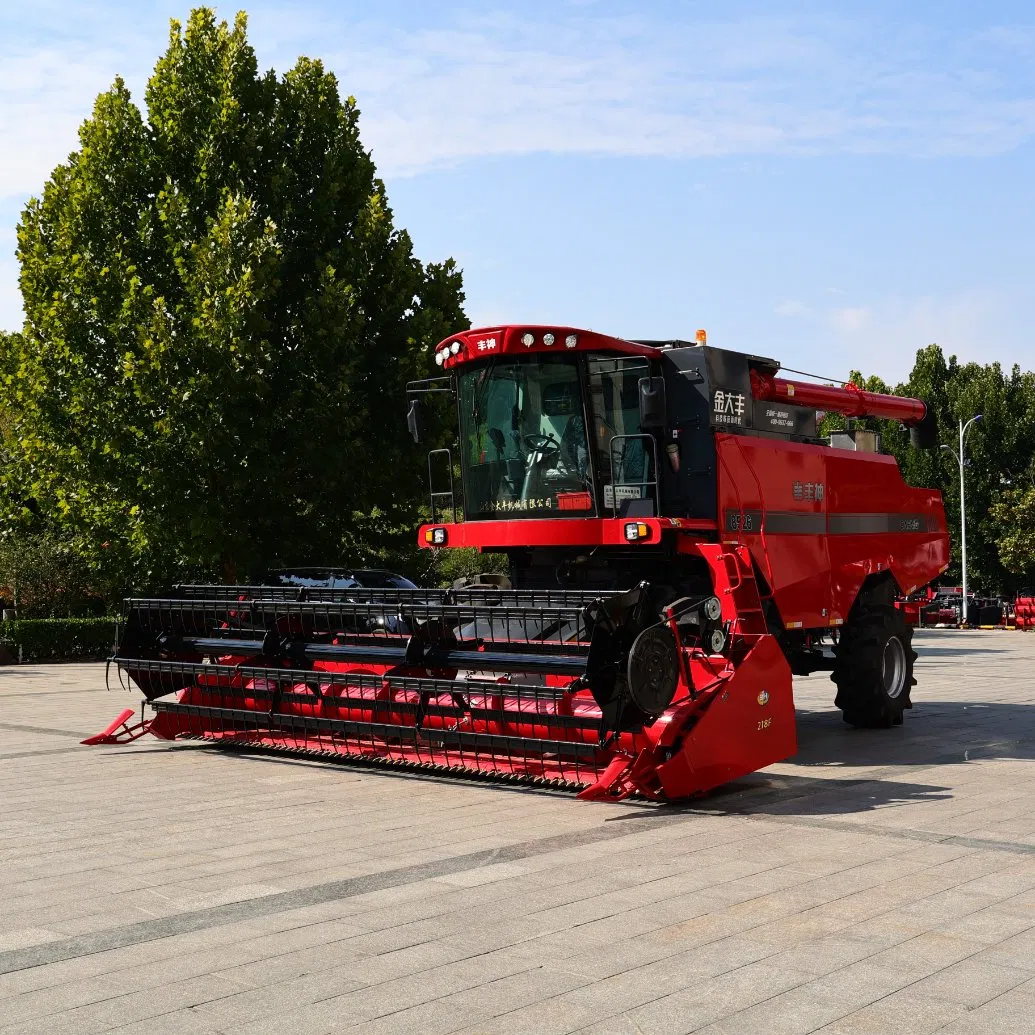
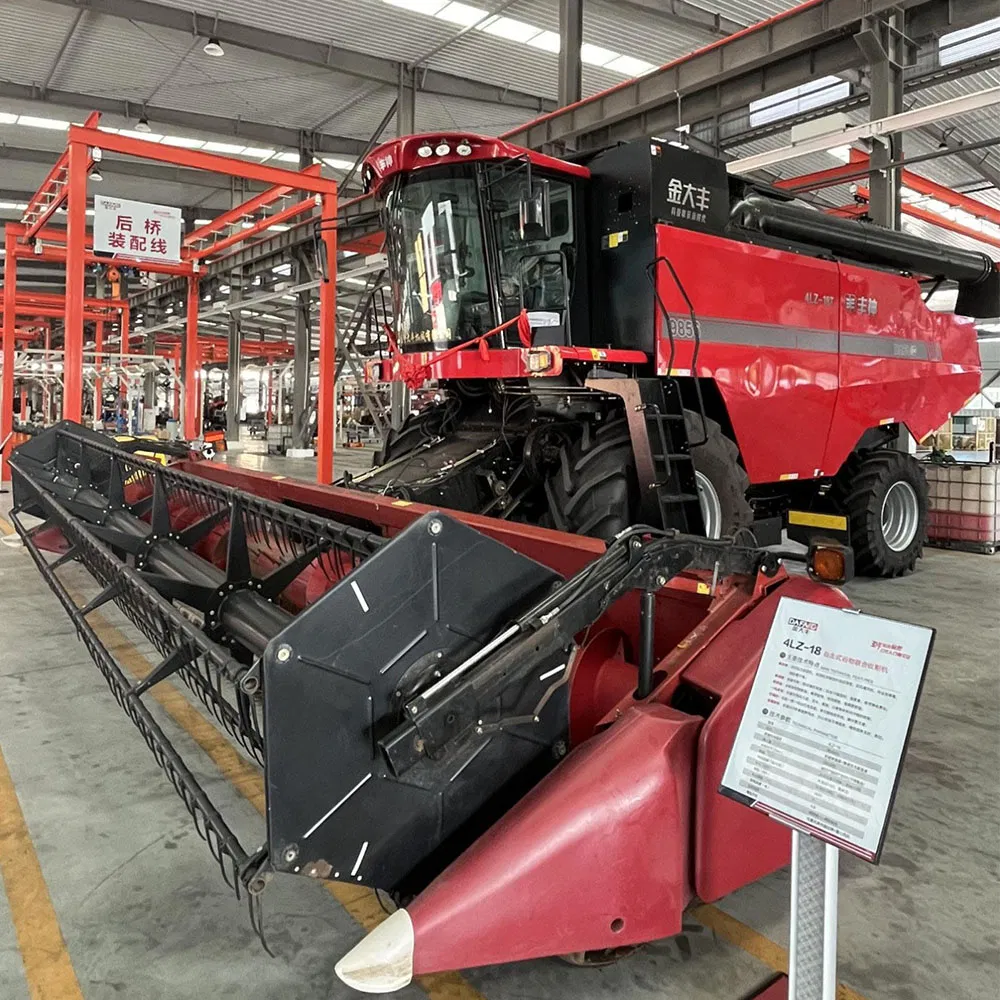
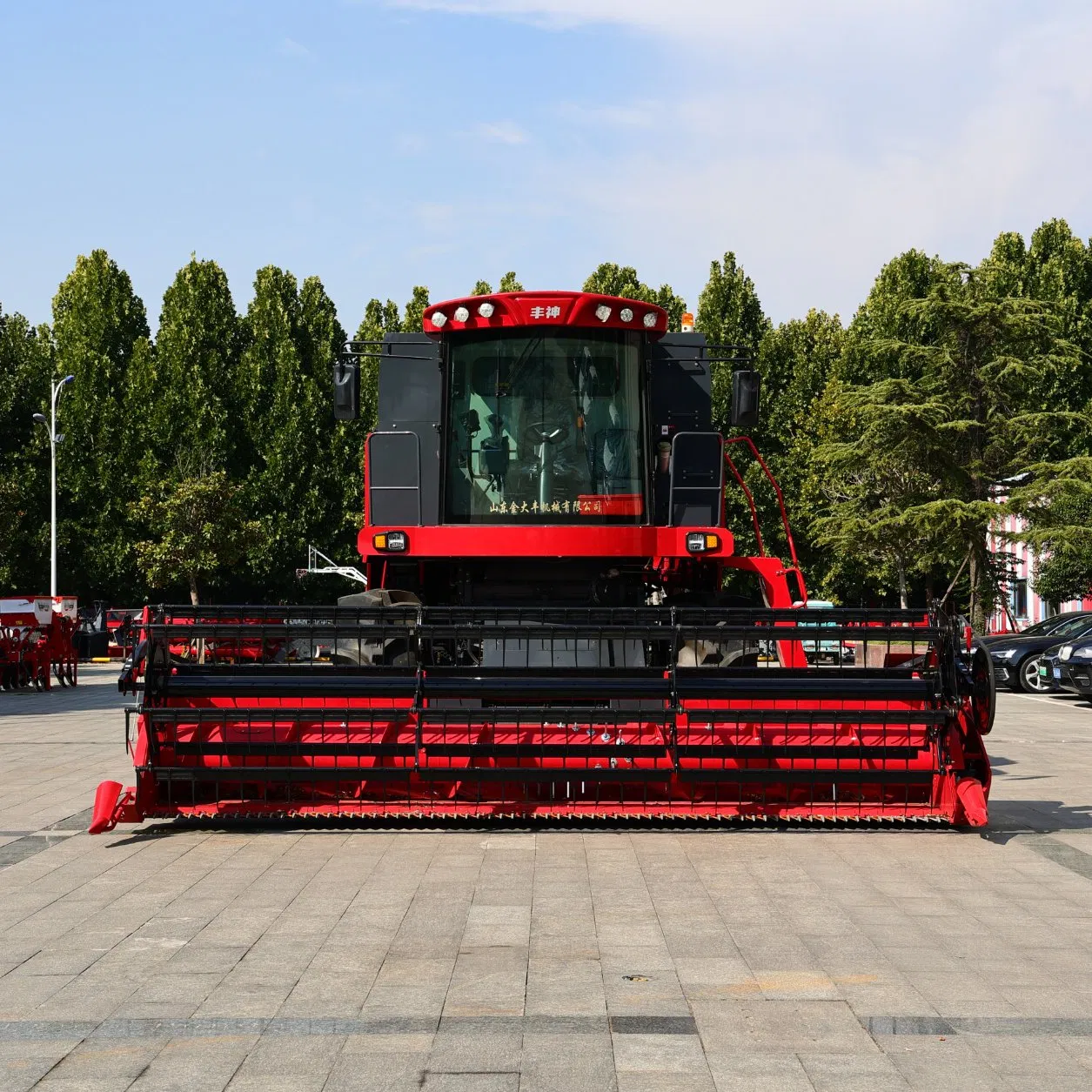
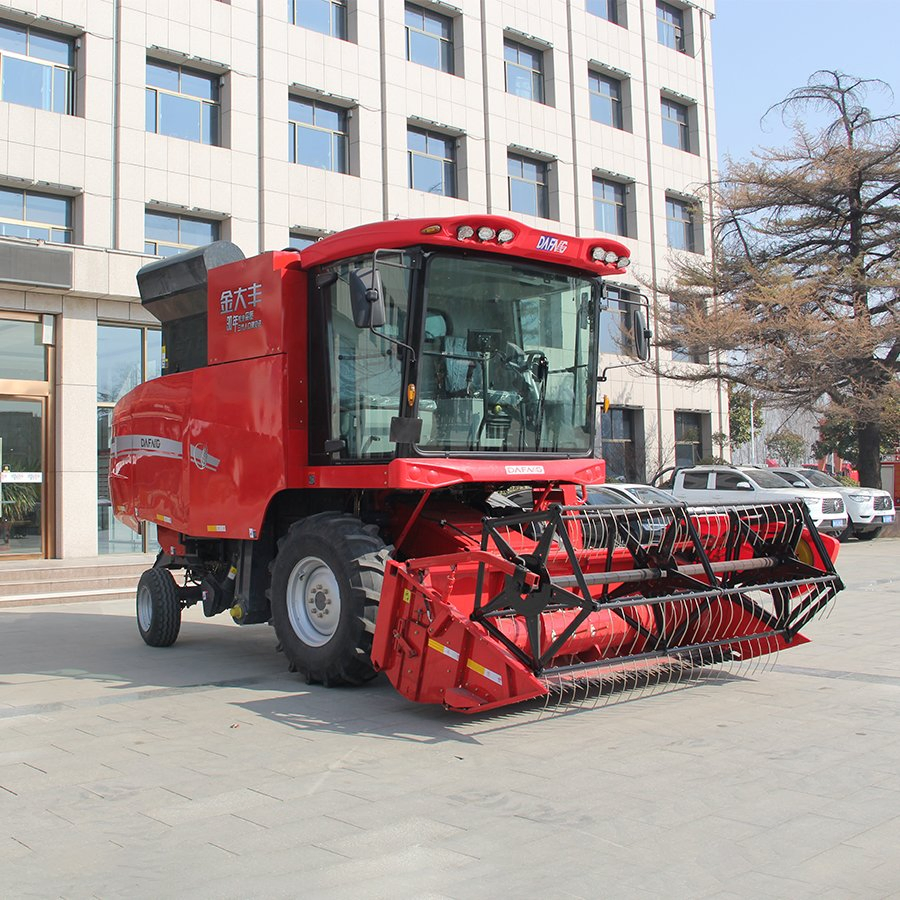
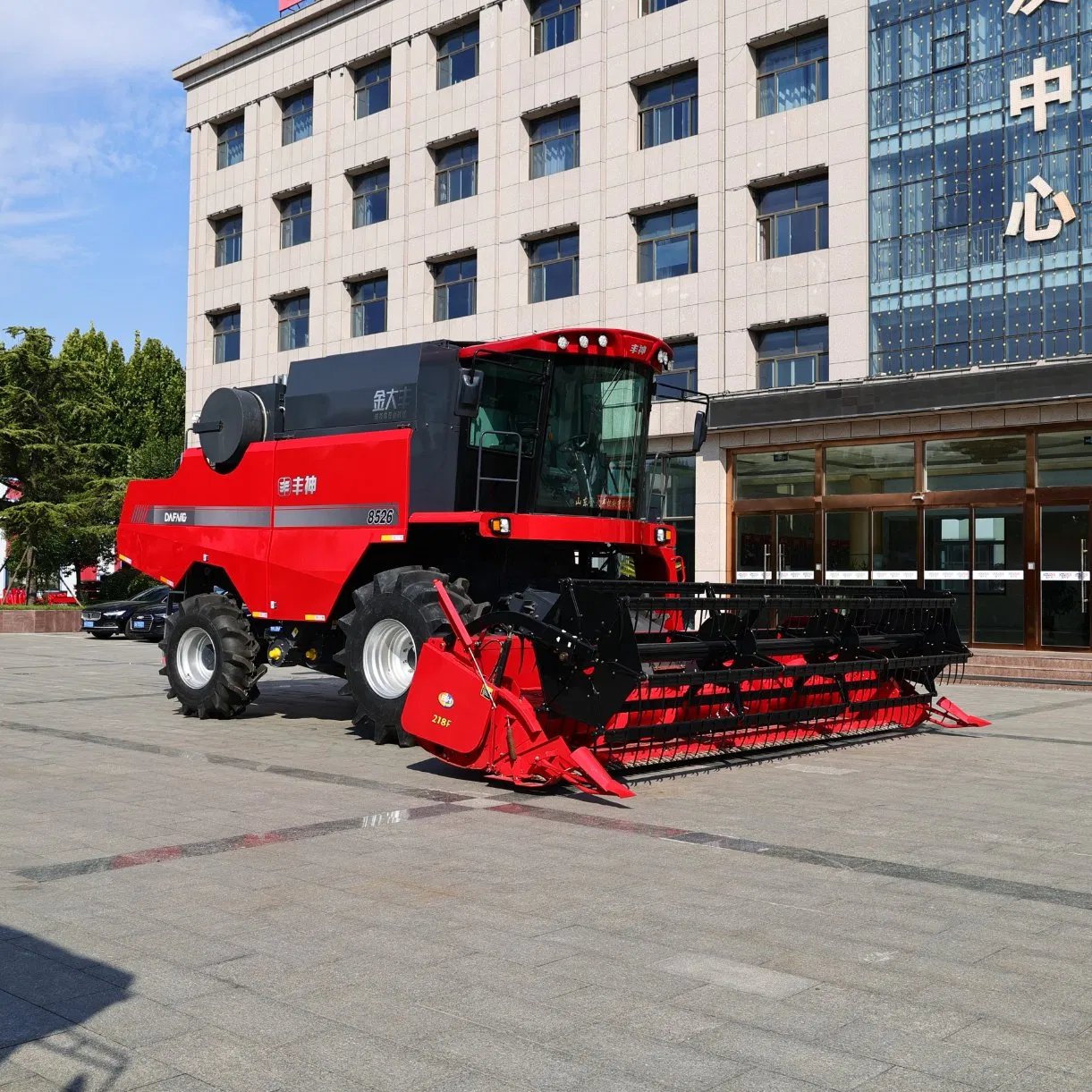
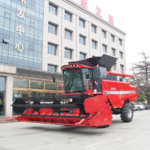
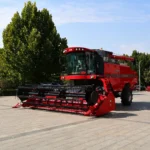
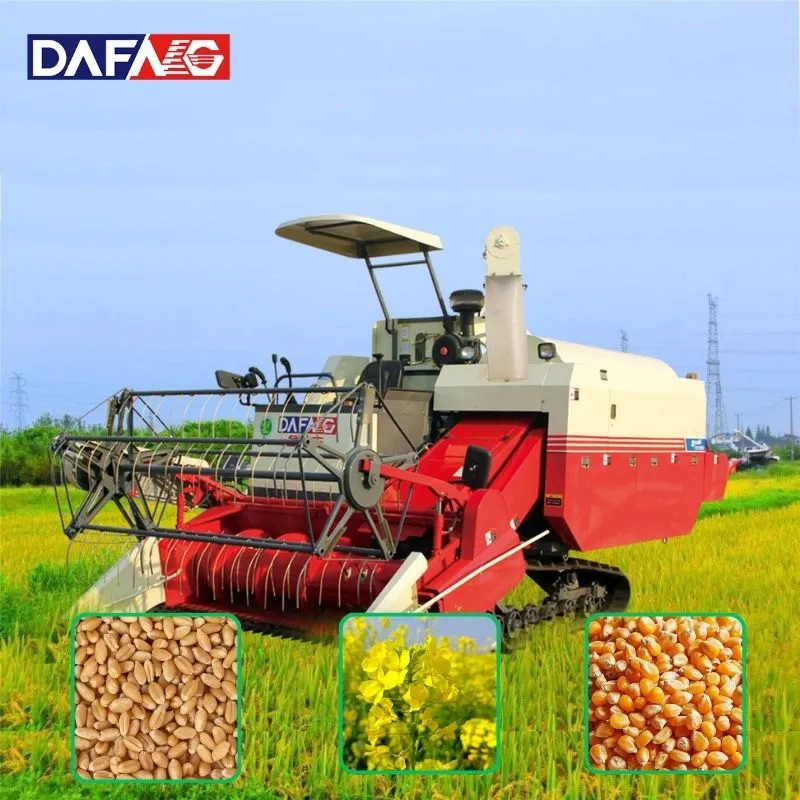
A grain combine harvester is different from a dedicated corn harvester. It combines several operations in one machine, including cutting, threshing, separating, cleaning, and grain collection. This makes it useful for wheat, rice, soybean, and other grain crops when the machine is configured correctly.
For farms that grow several crops in different seasons, a grain combine harvester can offer better annual machine utilization. Instead of buying separate machines for every crop, the farmer may use one combine with suitable headers and adjustments. This can improve investment efficiency, especially for larger farms or contractors.
However, a combine harvester also requires more attention to settings. Cutting height, feeding speed, threshing clearance, cleaning airflow, sieve adjustment, and grain tank capacity all affect the result. A poorly adjusted machine may cause grain loss, broken kernels, or poor cleaning performance.
How to Choose the Right Harvester for Your Crop
The first step is to define the crop and the final harvesting goal. Do you want to harvest corn ears, clean grain, paddy rice, wheat, soybean, or several crops with one machine? The answer will guide the machine category.
For corn, buyers should check the number of rows, header adaptability, peeling system, collection method, straw crushing performance, and turning radius. For wheat and rice, buyers should focus more on cutting width, threshing performance, cleaning system, grain tank capacity, and field mobility.
A good machine should not only finish the harvest. It should also reduce losses, protect crop quality, and keep working reliably during long harvest days. That is why a practical selection process should include both technical specifications and field conditions.
Key Factors Buyers Should Compare
1. Crop Type and Harvesting Method
Each crop requires a different harvesting method. Corn in ear form needs picking and peeling. Wheat and rice need cutting, threshing, and cleaning. Soybean requires careful feeding and separation to reduce grain damage. If the machine does not match the crop, field losses can increase quickly.
Before buying any harvesting machine, buyers should confirm whether the machine is designed for the target crop or only adapted for it. A dedicated machine often performs better in one crop, while a multi-crop machine offers more flexibility.
2. Field Size and Daily Capacity
Large fields need higher capacity machines to finish harvesting within the correct time window. Small and medium fields may need a more compact machine with better maneuverability. A machine that is too large for the field can waste time during turning and transport, while a machine that is too small may not finish the harvest fast enough.
Dealers and importers should pay special attention to local farm sizes. A product that sells well in large commercial farms may not be the best choice for regions with small plots and narrow field entrances.
3. Power and Fuel Efficiency
Horsepower matters, but it should not be the only selection point. A harvester must balance engine power, transmission, feeding capacity, hydraulic system, machine weight, and working width. A machine with high horsepower but poor matching may consume more fuel without improving field efficiency.
Buyers should also consider local fuel costs and operator habits. A reliable and fuel-efficient machine can create better long-term value than a machine that only looks stronger on paper.
4. Loss Control
Harvesting losses can happen at the header, feeding system, threshing area, cleaning system, or collection process. Even small losses become expensive when the farm area is large. That is why loss control is one of the most important points when comparing agricultural harvester machinery.
For corn, buyers should watch for ears left in the field, poor peeling, blocked feeding, and unstable collection. For grain crops, buyers should check grain loss behind the machine, broken grain rate, and cleaning quality.
5. Maintenance and Spare Parts
Harvesting machines work under high pressure during a short season. If the machine stops for several days because of missing parts, the buyer may lose much more than the cost difference between two suppliers. Reliable parts supply and easy maintenance are essential.
Importers should ask about wearing parts, service manuals, training support, warranty terms, and packing methods before placing bulk orders. A machine that is easy to service will create fewer complaints from end users.
What Dealers and Importers Should Look For
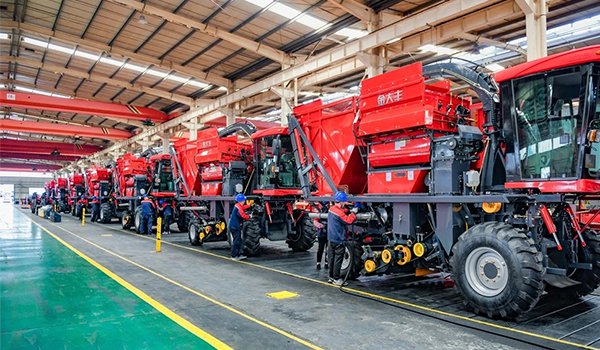
Dealers and importers need to think beyond the first sale. They need machines that match the market, sell at a competitive price, and keep customers satisfied after delivery. This means the supplier should understand export requirements, documents, packaging, spare parts, and after-sales communication.
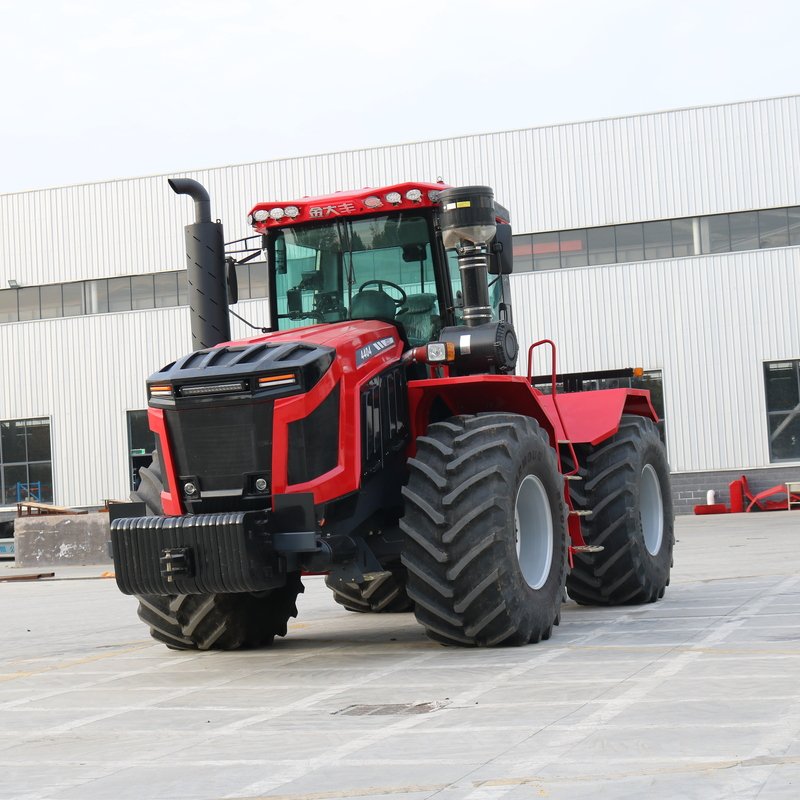
It is also important to build a clear product range. A dealer may need corn harvesters for maize regions, grain combine harvesters for wheat and rice areas, and tractors for tillage, transport, and field preparation. A complete agricultural machinery product line helps the dealer serve more customers and increase repeat business.
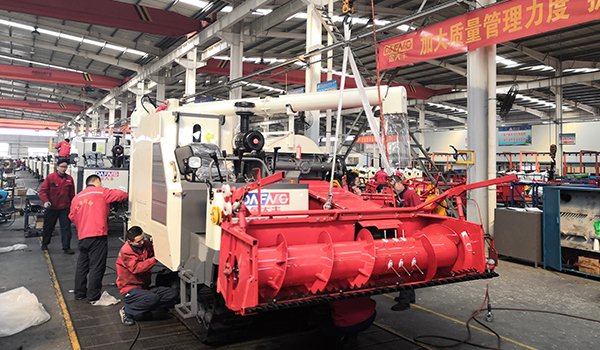
King-Gold Dafeng agricultural machinery supplies tractors, corn harvesters, combine harvesters, seeders, and related farm equipment for international buyers. For buyers comparing harvester machinery, this type of manufacturer background can help reduce purchasing risk and support long-term market development.
Common Mistakes When Buying Harvester Machinery
Many buyers focus too much on the lowest price. Price is important, but a low initial price can become expensive if the machine has poor crop adaptability, weak parts support, or unstable performance during harvest season. Buyers should compare total value, not only quotation numbers.
Another common mistake is choosing a machine that is too large for the local market. A bigger machine may look attractive, but it may not work well in small plots, soft fields, or areas with narrow roads. Matching machine size to real working conditions is more important than choosing the biggest model.
Some buyers also ignore operator training. Even a good machine needs correct adjustment and daily inspection. Dealers who provide basic operation guidance can reduce customer complaints and improve machine reputation in the market.
Quick Buying Checklist
| Question | Why It Matters |
|---|---|
| What crop will the machine harvest most often? | Defines whether you need a corn harvester, grain combine, or multi-crop machine. |
| How large are the fields? | Helps determine capacity, working width, and machine size. |
| Are the fields narrow, wet, soft, or uneven? | Affects machine structure, tires, tracks, and maneuverability. |
| Is peeling or straw crushing required? | Important for corn harvesting applications. |
| How easy is maintenance? | Reduces downtime during harvest season. |
| Can the supplier provide spare parts and export support? | Important for importers, dealers, and long-term buyers. |
Conclusion
Choosing the right harvester machinery requires a clear understanding of crops, field conditions, harvesting goals, and supplier support. A corn harvester may be the right choice for maize-focused farms, while a grain combine harvester may offer better value for multi-crop operations. The best machine is not always the largest or most powerful one; it is the machine that fits the buyer’s real working conditions.
For farmers, the right harvester reduces labor pressure and protects crop value. For dealers and importers, the right product range improves customer satisfaction and supports long-term sales growth. Before making a decision, compare crop adaptability, field efficiency, loss control, maintenance access, spare parts support, and after-sales service.
If your market focuses on corn harvesting, you can start by reviewing the corn harvester models from King-Gold Dafeng and then compare machine configuration based on field size, row number, peeling needs, and harvesting capacity.
FAQ
1. What does harvester machinery include?
Harvester machinery includes machines used to harvest crops such as corn, wheat, rice, soybean, and other grains. Common types include corn harvesters, grain combine harvesters, rice harvesters, wheat harvesters, and multi-crop harvesters.
2. Is a corn harvester the same as a combine harvester?
No. A corn harvester is usually designed for corn ear harvesting, peeling, collecting, and straw crushing. A combine harvester is mainly used for grain crops and combines cutting, threshing, separating, cleaning, and grain collection.
3. Which harvester is best for corn?
For corn ear harvesting, a dedicated corn harvester is often the better choice. It can offer functions such as picking, peeling, collecting, and straw crushing. For grain corn or multi-crop farms, a combine harvester with the right corn header may also be suitable.
4. What should importers check before buying harvester machinery?
Importers should check machine configuration, spare parts supply, warranty, export documents, packaging, supplier experience, production capacity, and after-sales support.
5. Why is after-sales support important for harvesters?
Harvesters work during a short and busy season. If the machine stops and parts are not available, the buyer may miss the best harvest window. Good support reduces downtime and improves customer satisfaction.