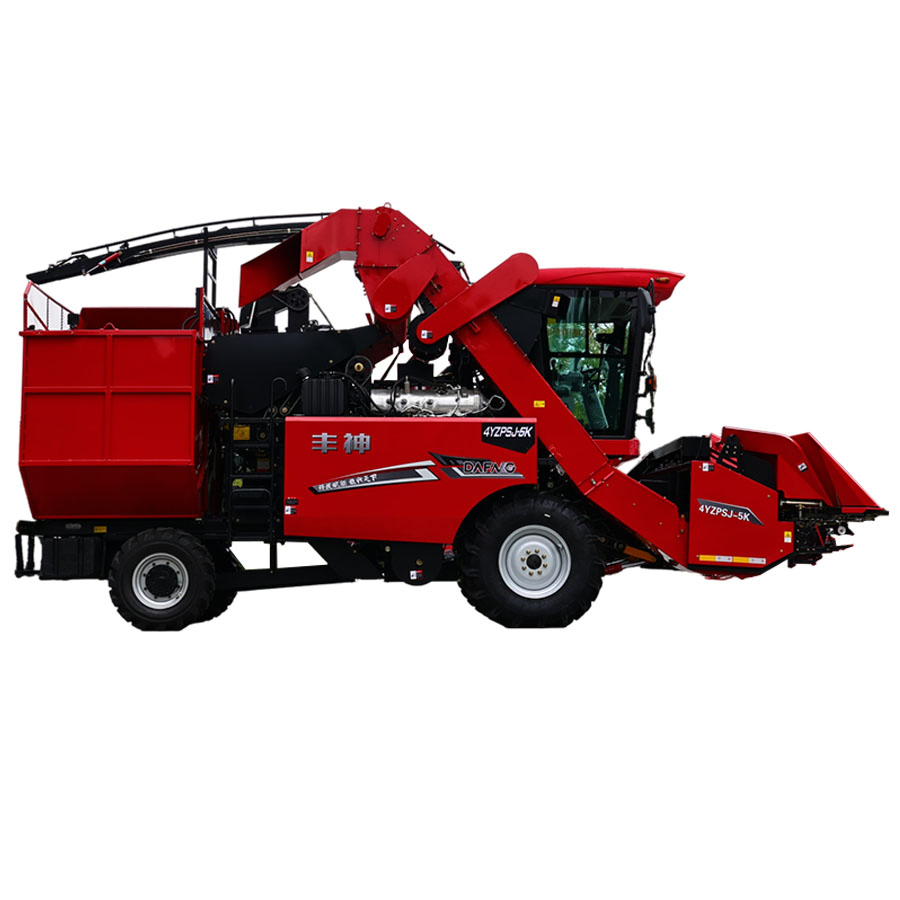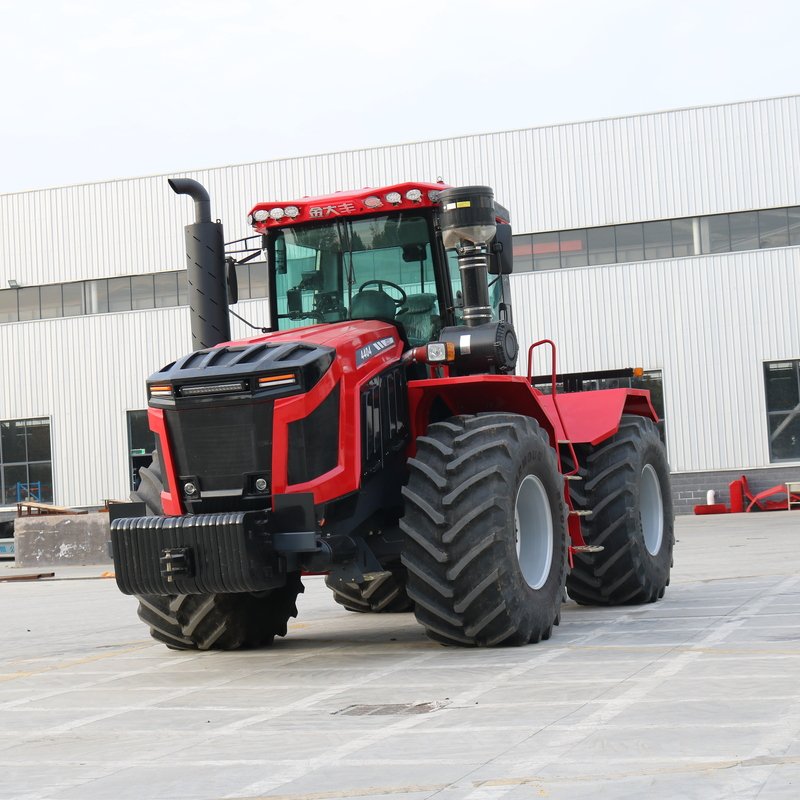
Many farmers and first-time buyers often ask one simple question: how many gear in tractor? The answer depends on the tractor model, horsepower range, transmission type and working purpose. Some basic tractors may have 8 forward and 2 reverse gears, while modern farm tractors may offer 12×12, 16×16, 20×20 or even 24×24 transmission options.
However, the number of gears is not only a technical detail. It affects how smoothly the tractor works in the field, how well it pulls implements, how easily it handles transport and how much control the operator has at low or high speed. For farmers, dealers and importers, understanding tractor gears helps avoid choosing a machine that looks powerful but does not match real working needs.
This guide explains how tractor gears work, what common gear numbers mean and how buyers can choose the right transmission for plowing, tillage, seeding, transport, orchard work and heavy-duty field operations.
What Do Gears Do in a Tractor?
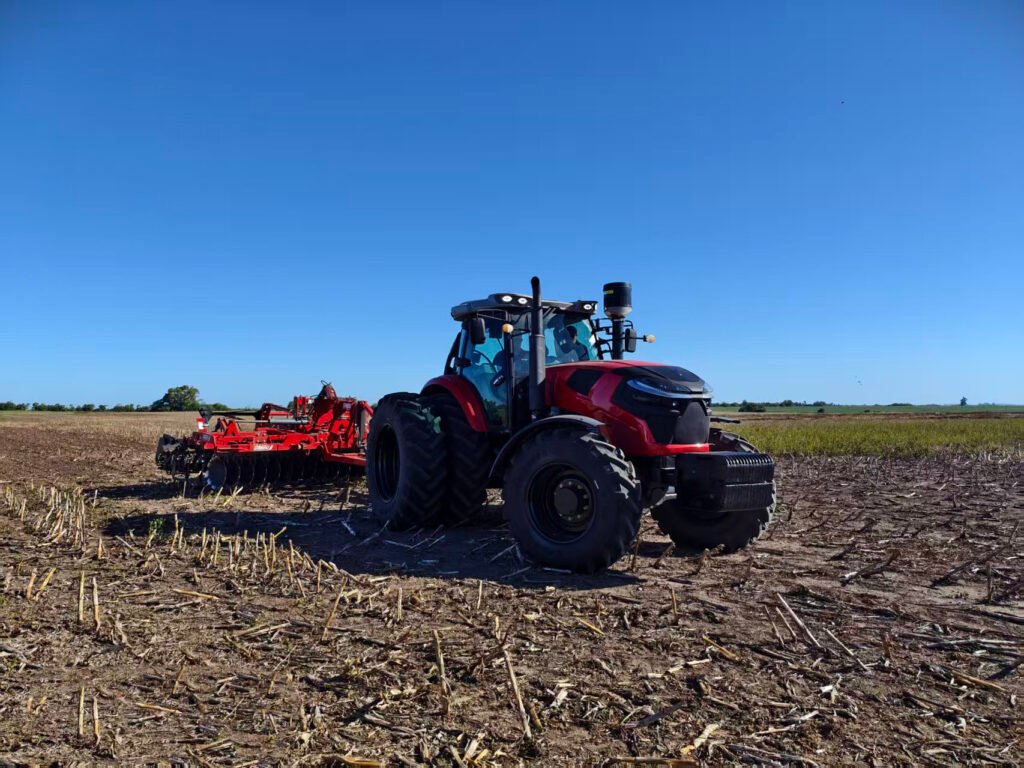
Gears help the tractor control speed and pulling force. A tractor does not always need to move fast. In fact, many field operations require slow and stable movement. Plowing, rotary tillage, seeding, spraying, mowing and harvesting support work all need different travel speeds.
When the tractor works in heavy soil, it needs more torque and lower speed. When it pulls a trailer on the road, it needs a higher travel speed. When it operates a PTO-driven implement, the operator needs to keep engine speed stable while selecting the right ground speed. This is why a farm tractor transmission usually offers multiple gears instead of only one or two speeds.
More gears give the operator more choices. The driver can select a slower gear for heavy draft work, a middle gear for general field work and a higher gear for transport. This improves fuel use, reduces engine overload and helps the tractor work more efficiently.
How Many Gears Are Common in Farm Tractors?
There is no single standard for all tractors. Different brands and models use different transmission designs. However, many agricultural tractors fall into several common gear configurations.
| Gear Configuration | Meaning | Common Use | Buyer Notes |
|---|---|---|---|
| 8×2 or 8×8 | 8 forward gears with 2 or 8 reverse gears | Basic farming, transport, small farm work | Simple and economical, but less flexible for different field speeds. |
| 12×12 | 12 forward and 12 reverse gears | General farming, loader work, field transport, tillage | Popular choice for utility tractors and mixed farming. |
| 16×16 | 16 forward and 16 reverse gears | Field work, transport, operations needing more speed control | Gives more working speed options than basic transmissions. |
| 20×20 | 20 forward and 20 reverse gears | Creeper work, orchard, vegetable farming, precision operations | Often includes extra low-speed gears for special tasks. |
| 24×24 | 24 forward and 24 reverse gears | More demanding field work, varied implements, loader and transport use | Useful when buyers need more flexibility and smoother speed matching. |
For many buyers comparing agricultural tractors, 12×12 is a practical and common choice. It offers enough forward and reverse speeds for daily farm work without making operation too complicated. Higher gear numbers are useful when the farm has more applications, more implements or more demanding working conditions.
What Does 12×12 Mean in a Tractor?
A 12×12 transmission means the tractor has 12 forward gears and 12 reverse gears. This type of transmission is common in utility and medium-power tractors because it gives the operator balanced speed options for both field work and reverse operation.
Reverse gears are important because tractors do not only move forward. Loader work, yard work, turning at field ends, attaching implements and transport positioning all require reverse operation. A tractor with more reverse speeds gives the operator better control and smoother handling.
For example, a tractor used for plowing may need low forward gears. A tractor used for trailer work may need higher forward gears. A tractor used with a front loader may need frequent forward and reverse movement. In this case, a 12×12 or 16×16 transmission can make operation easier than a very basic gearbox.
Why Do Some Tractors Have More Gears?
Some tractors have more gears because farmers need better speed matching. Different implements work best at different ground speeds. If the tractor moves too fast, the implement may not work properly. If the tractor moves too slowly, field efficiency drops and fuel cost may increase.
For tillage, the tractor needs enough power and traction at a suitable speed. For seeding, the tractor needs stable movement to keep planting distance more accurate. For spraying, the tractor needs consistent travel speed. For transport, the tractor needs higher road speed when moving between fields.
More gears allow the operator to find a better working speed. This is especially useful for farms that use different implements throughout the year. A tractor with more gear choices can adapt better to changing field conditions.
What Is a Creeper Gear?
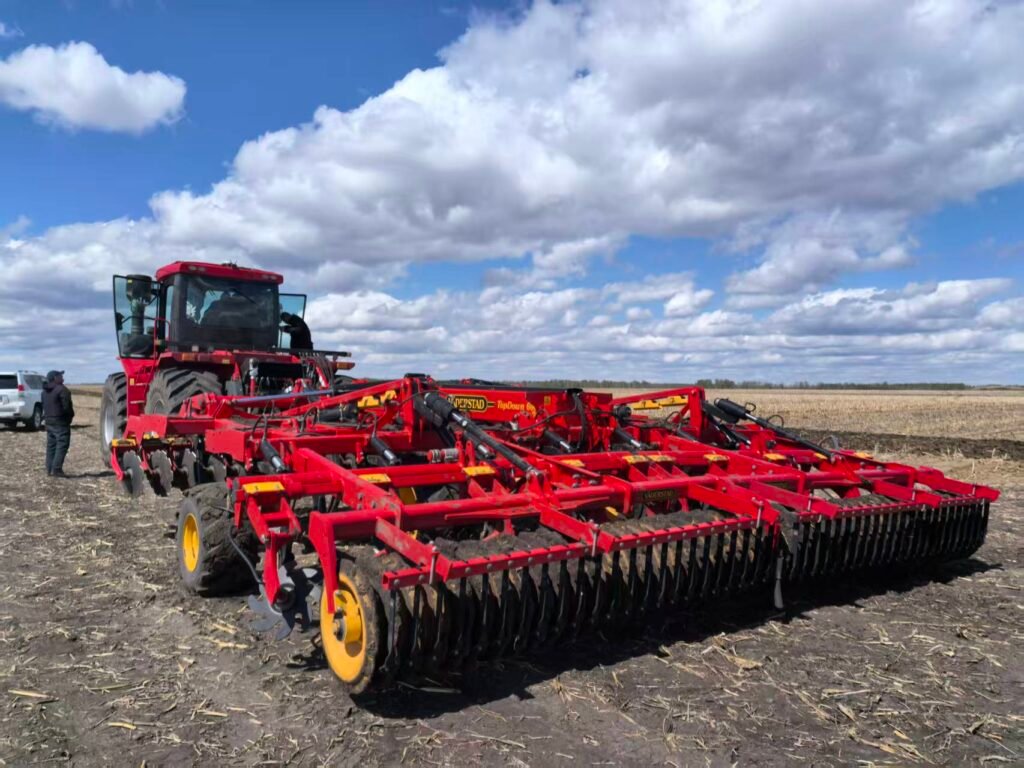
A creeper gear is an extra-low-speed gear. It allows the tractor to move very slowly while keeping the engine running at the required speed. This is useful for operations that need precise movement, such as vegetable planting, orchard work, trenching, special seeding tasks or some PTO applications.
Not every farmer needs creeper gears. For basic plowing, transport and general tillage, a standard transmission may be enough. But for buyers who work in vegetables, orchards, tight fields or specialized crops, a creeper option can make the tractor more useful.
When comparing a tractor for orchard and small fields, buyers should pay attention not only to horsepower and machine size, but also to low-speed control. A compact tractor with suitable gears may work better than a larger tractor that cannot move slowly enough for precise jobs.
Manual, Synchro Shuttle and Power Shuttle Transmissions
The number of gears is important, but the shifting type also matters. A simple manual gearbox is cost-effective and easy to maintain. It works well for farmers who prefer mechanical operation and straightforward service.
A synchronized transmission allows smoother gear changes and improves operator comfort. It is useful when the tractor often changes speed during field work or transport. A synchro shuttle or mechanical shuttle helps the operator change direction more easily, especially when moving forward and backward frequently.
A power shuttle transmission makes forward-reverse changes easier and more comfortable. It is especially helpful for loader work, yard operations, repeated turning and transport tasks. For dealers and importers, shuttle transmission can be an attractive selling point because it improves daily usability.
In short, a tractor with more gears is not always better by itself. The best transmission is the one that matches the work. Buyers should compare gear number, shift type, service simplicity and long-term reliability together.
How Many Gears Are Good for Plowing and Tillage?
For plowing and tillage, the tractor needs lower gears, strong torque and stable traction. Heavy soil puts more load on the engine and transmission. If the tractor does not have the right gear range, the operator may feel the machine struggling or moving at the wrong speed.
A tractor used for plowing should provide enough low and medium gears. It should also have strong 4WD performance, proper tire size and suitable weight. For daily field work, many buyers find 12×12 or 16×16 practical. For heavier work or more varied implements, a higher gear range may provide better control.
For medium and large farms, a 4WD tractor with the right transmission can reduce wheel slip and improve working efficiency. This is more important than simply choosing the tractor with the highest horsepower.
How Many Gears Are Good for Transport?
Transport work needs a different gear range. When a tractor pulls trailers or moves between fields, higher gears help maintain travel speed. However, the tractor still needs enough lower gears for starting under load, climbing slopes or moving on rough farm roads.
If the tractor is used heavily for transport, buyers should check maximum road speed, braking system, clutch comfort, gear shifting smoothness and operator visibility. A transmission with more speed choices can make loaded transport safer and easier.
For farms that combine field work and transport, a balanced gearbox is important. The tractor should be slow enough for tillage and fast enough for road movement. This is one reason why utility tractors often use 12×12 or 16×16 configurations.
Do High Horsepower Tractors Need More Gears?
High horsepower tractors often work with larger implements, heavier soil and longer working hours. They need strong power delivery and accurate speed control. More gears or more advanced transmission systems can help the tractor match different field tasks more effectively.
A 160HP tractor may need strong medium-speed performance for tillage and seeding. A 240HP tractor may work with wider implements in large fields. A 440HP farm tractor may be used for commercial agriculture, deep tillage and heavy-duty field operations. In these applications, transmission strength matters as much as gear count.
For high horsepower tractors, buyers should check torque, axle strength, hydraulic output, cooling capacity and transmission durability. A large tractor must not only have many gears; it must deliver power smoothly and reliably under heavy load.
How to Choose the Right Tractor Gearbox
Before choosing a tractor, buyers should list the main jobs the machine will perform. A tractor for orchard work may need compact size and low-speed control. A tractor for mixed farming may need balanced forward and reverse gears. A tractor for heavy tillage may need strong low-speed pulling power and 4WD traction.
Here are several practical questions to ask:
- Will the tractor mainly work in fields, orchards, yards or roads?
- Does the farm need frequent forward and reverse movement?
- Will the tractor use heavy implements or light tools?
- Does the operator need creeper speed for precise work?
- Is simple maintenance more important than advanced shifting comfort?
- Will the tractor be used by one farmer or sold through a dealer network?
For many buyers, the best choice is not the tractor with the most gears, but the tractor with the most suitable gear range. A well-matched transmission helps the tractor work smoothly, protect the engine and reduce operator fatigue.
Why Transmission Quality Matters for Dealers and Importers
For dealers and importers, transmission quality directly affects customer satisfaction. If the gearbox is hard to shift, lacks the right speed range or fails under heavy work, the buyer will quickly lose confidence in the machine.
A reliable tractor manufacturer should provide stable transmission configuration, clear technical specifications, spare parts support and practical after-sales guidance. This is especially important for B2B buyers who need to sell tractors to farmers in different working conditions.
King-Gold Dafeng agricultural machinery focuses on tractors, corn harvesters, combine harvesters and related agricultural equipment for global markets. For buyers comparing tractors 4WD, diesel tractors and tractors for field work, transmission selection is an important part of choosing a machine with better long-term value.
Conclusion
So, how many gears does a tractor have? A tractor may have 8, 12, 16, 20, 24 or more forward and reverse gear options, depending on the model and transmission design. Common farm tractor configurations include 8×8, 12×12, 16×16, 20×20 and 24×24. Some tractors also include creeper gears for very low-speed work.
The right gear number depends on the job. Small farms may need a simple and reliable gearbox. Mixed farms may benefit from 12×12 or 16×16 transmission. Orchard and vegetable farms may need creeper gears. Large farms and commercial operations may need stronger transmissions with more speed choices and better power delivery.
When choosing a tractor, do not judge the machine only by horsepower. Check the transmission, gear range, PTO, hydraulics, 4WD system, tires, service support and implement compatibility. A tractor with the right gears can work more efficiently, last longer and deliver better value in real field conditions.