Many buyers start their search with one simple question: how much does a tractor cost? The honest answer is that tractor prices can vary widely. A small compact tractor for daily farm work may cost much less than a heavy-duty 4WD tractor for deep tillage, large implements and commercial agriculture. The final price depends on horsepower, engine configuration, transmission, hydraulic capacity, cabin, tires, attachments, shipping, taxes and after-sales support.
For farmers, dealers and importers, the real question should not only be “What is the lowest tractor price?” A better question is: “What tractor gives the right power, reliability and service value for my field conditions?” A cheap tractor that cannot pull the required implement, lacks spare parts or breaks down during the busy season can become more expensive than a properly selected machine.
This guide explains the main price ranges, what affects tractor cost and how buyers can compare tractors more professionally before placing an order.
Average Tractor Cost by Horsepower Range
Tractor prices are usually connected with horsepower, but horsepower alone does not explain the full price. A 100HP tractor with a simple mechanical transmission may cost less than another 100HP tractor with a high-end cabin, advanced hydraulics, stronger axles and electronic control systems.
The table below gives a general reference for farm tractor price comparison. Actual prices may change by country, brand, dealer margin, freight cost, emission standard and optional configuration.
| Tractor Type | Common Horsepower Range | Typical Application | General Price Reference |
|---|---|---|---|
| Compact / Small Farm Tractor | 40HP–75HP | Orchard, small fields, transport, light tillage, PTO work | Lower to mid price range, depending on 2WD/4WD and cabin options |
| Utility Farm Tractor | 80HP–120HP | Mixed farming, plowing, seeding, loader work, field transport | Medium price range, often chosen by growing farms and dealers |
| Medium and Large Farm Tractor | 130HP–200HP | Medium to large fields, heavier implements, tillage and seeding | Medium to high price range, affected strongly by transmission and hydraulics |
| Heavy-Duty Tractor | 220HP–260HP | Heavy soil, wide implements, deep tillage, large farm operations | High price range due to stronger powertrain and field capacity |
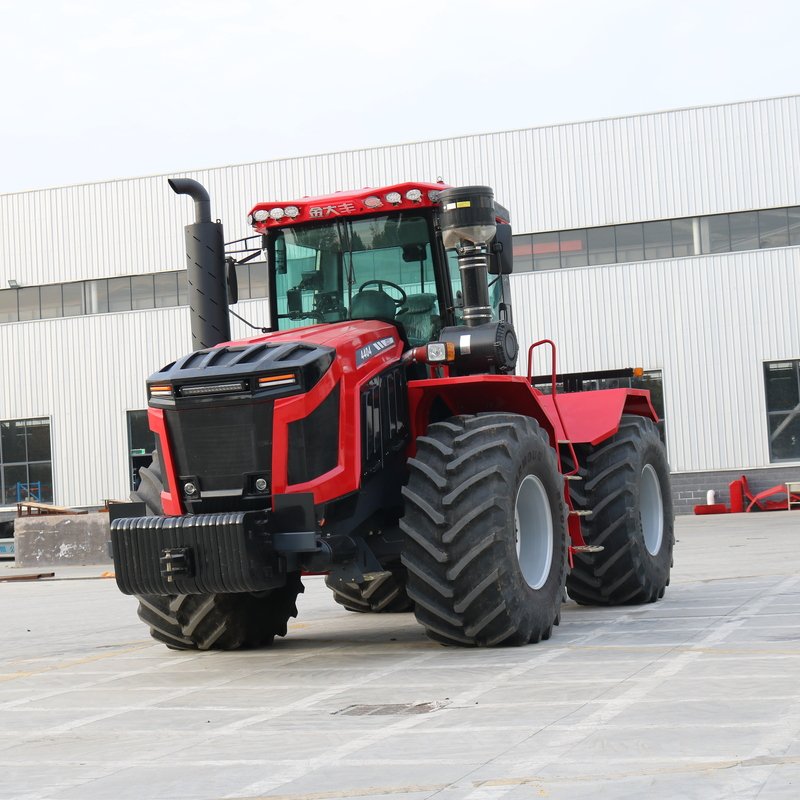
| High Horsepower Tractor | 400HP–440HP+ | Commercial agriculture, large fields, deep tillage, heavy-duty work | Premium price range, usually evaluated as a long-term investment |
For a buyer comparing farm tractors for small, medium and large farms, this table can help narrow the first selection. However, the real cost should always be calculated together with implements, fuel use, maintenance, parts and the expected workload.
Why Tractor Prices Vary So Much
Two tractors with the same horsepower can have very different prices. This happens because a tractor is not just an engine on wheels. It is a working platform that must provide traction, hydraulic power, PTO output, operator comfort and long-term durability in real field conditions.
The first major factor is horsepower. Higher horsepower usually means a larger engine, stronger gearbox, heavier chassis, bigger tires and higher fuel demand. A 70HP tractor may be suitable for orchards, small farms and mixed farming, while a 240HP tractor is built for heavy tillage and wider implements.
The second factor is the drive system. A 4WD tractor usually costs more than a 2WD tractor, but it offers better traction in wet soil, heavy soil, slopes and uneven fields. For many modern farms, 4WD tractor performance is more important than the small price difference at the time of purchase.
The third factor is transmission. A basic mechanical transmission is simple and cost-effective. A more advanced synchronized, shuttle or powershift transmission can improve comfort and efficiency, especially for frequent forward-reverse work, transport or loader applications.
The fourth factor is hydraulic capacity. Farmers who use plows, seeders, loaders, trailers or other implements need enough hydraulic flow and lifting capacity. A low-cost tractor with weak hydraulics may limit the implements it can operate.
New Tractor vs Used Tractor: Which Costs Less?
A used tractor often has a lower purchase price, but that does not always mean lower total cost. A used machine may need tire replacement, hydraulic repair, engine service, clutch adjustment or electrical work. If the tractor has high working hours and poor maintenance history, the buyer may spend more money after delivery.
A new tractor usually costs more at the beginning, but it gives the buyer a clearer warranty, cleaner configuration, better parts planning and more predictable service life. For dealers and importers, new tractors are also easier to sell when the product line, spare parts and technical support are stable.
If the buyer is an individual farmer with limited budget, a used tractor can make sense when the machine condition is clear. If the buyer is a distributor building a market, a new agricultural tractor may be a better long-term choice because it supports brand reputation, repeat sales and after-sales service.
How Much Does a Small Farm Tractor Cost?
Small farm tractors usually fall into the 40HP to 75HP range. They are common in orchards, vegetable farms, livestock farms, small grain fields and mixed farming operations. Buyers choose them for daily transport, light plowing, rotary tillage, mowing, spraying, seeding and PTO-driven tools.
The cost of a small farm tractor depends on whether the buyer chooses 2WD or 4WD, open platform or cabin, simple tires or agricultural tires, basic hydraulics or stronger lifting capacity. A 70HP or 75HP model with 4WD, diesel engine and PTO can be a practical choice for farms that need one machine for several tasks.
For small farms, the lowest price is not always the best choice. The tractor must match the implements. If the tractor is underpowered, it may struggle with soil preparation and consume more fuel under heavy load. If it is oversized, the farmer may pay more for power that is rarely used.
How Much Does a Medium Power Tractor Cost?
Medium power tractors, such as 100HP to 160HP models, are common among farms that need stronger field performance. These tractors can handle plowing, tillage, seeding, spraying, hauling and transport more efficiently than smaller machines.
A 100HP farm tractor is often suitable for mixed farming and medium-duty field work. A 160HP tractor gives more pulling power for larger implements, heavier soil and longer daily working hours. For dealers and importers, these horsepower ranges are attractive because they cover many customer needs without moving into the highest price segment.
When comparing medium power tractors, buyers should check engine torque, PTO power, hydraulic flow, transmission type, tire size and total machine weight. A tractor with good traction and stable hydraulic performance may cost more, but it can finish field work faster and reduce downtime.
How Much Does a High Horsepower Tractor Cost?
High horsepower tractors cost much more because they are built for demanding work. A 240HP tractor is commonly used for large fields, heavy tillage and wide implements. A 440HP tractor for commercial agriculture is designed for large-scale operations where working efficiency, pulling power and long operating hours matter more than the initial price alone.
In this segment, buyers should not compare price only by horsepower. They should look at engine durability, transmission strength, axle load, hydraulic output, operator comfort, tire configuration, ballast options and implement compatibility. Large tractors usually work in high-cost operations, so downtime during the season can create serious losses.
For commercial farms and large contractors, the right high horsepower tractor can reduce field time, pull wider implements and improve working efficiency. That is why the purchase decision should focus on total productivity, not only on the machine price.
What Extra Costs Should Buyers Consider?
The tractor price listed by a supplier or dealer is only one part of the total investment. Before buying, the buyer should calculate the full cost of ownership.
- Freight and shipping: export buyers need to consider sea freight, inland transport and port charges.
- Import duty and taxes: different countries apply different tariff rates and tax rules.
- Implements: plows, seeders, trailers, loaders and rotary tillers may add significant cost.
- Spare parts: filters, belts, hydraulic parts, clutch parts and wear parts should be planned in advance.
- Training and service: operators need correct guidance to reduce misuse and early damage.
- Fuel and maintenance: long-term cost depends on fuel efficiency, service intervals and parts availability.
For importers, these costs are especially important. A low FOB price may look attractive, but the final landed cost can change after freight, customs clearance, local compliance, spare parts stocking and dealer margin.
How to Choose the Right Tractor for the Budget
A practical buying process starts with the work, not the price. First, list the main jobs: plowing, tillage, seeding, transport, mowing, spraying, loader work or PTO operation. Second, check the field conditions: soil type, field size, slopes, road distance and working season. Third, match the tractor with the implements.
After that, compare horsepower, 4WD, PTO, hydraulics, tires and comfort. A buyer who only compares the lowest price may miss important differences in structure and performance. A buyer who compares total value can choose a tractor that works better for the actual farm.
For example, a small orchard may need a compact tractor with good maneuverability. A medium grain farm may need a 100HP or 160HP tractor with stronger hydraulics and PTO. A large farm with heavy soil may need a 240HP or 440HP machine for deep tillage and wide implements.
Why Supplier Support Affects Tractor Cost
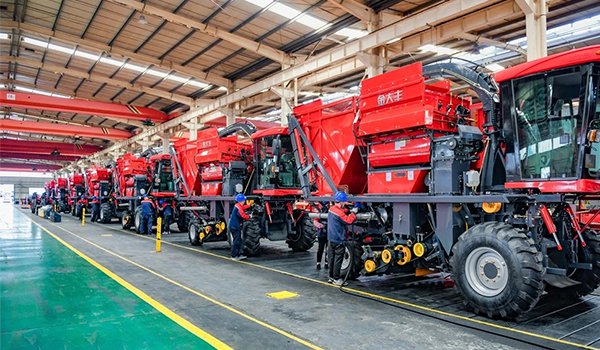
The supplier also affects the real cost of a tractor. A professional supplier should provide clear specifications, stable production quality, spare parts, warranty policy, technical documents and after-sales support. These factors reduce risk for the buyer.
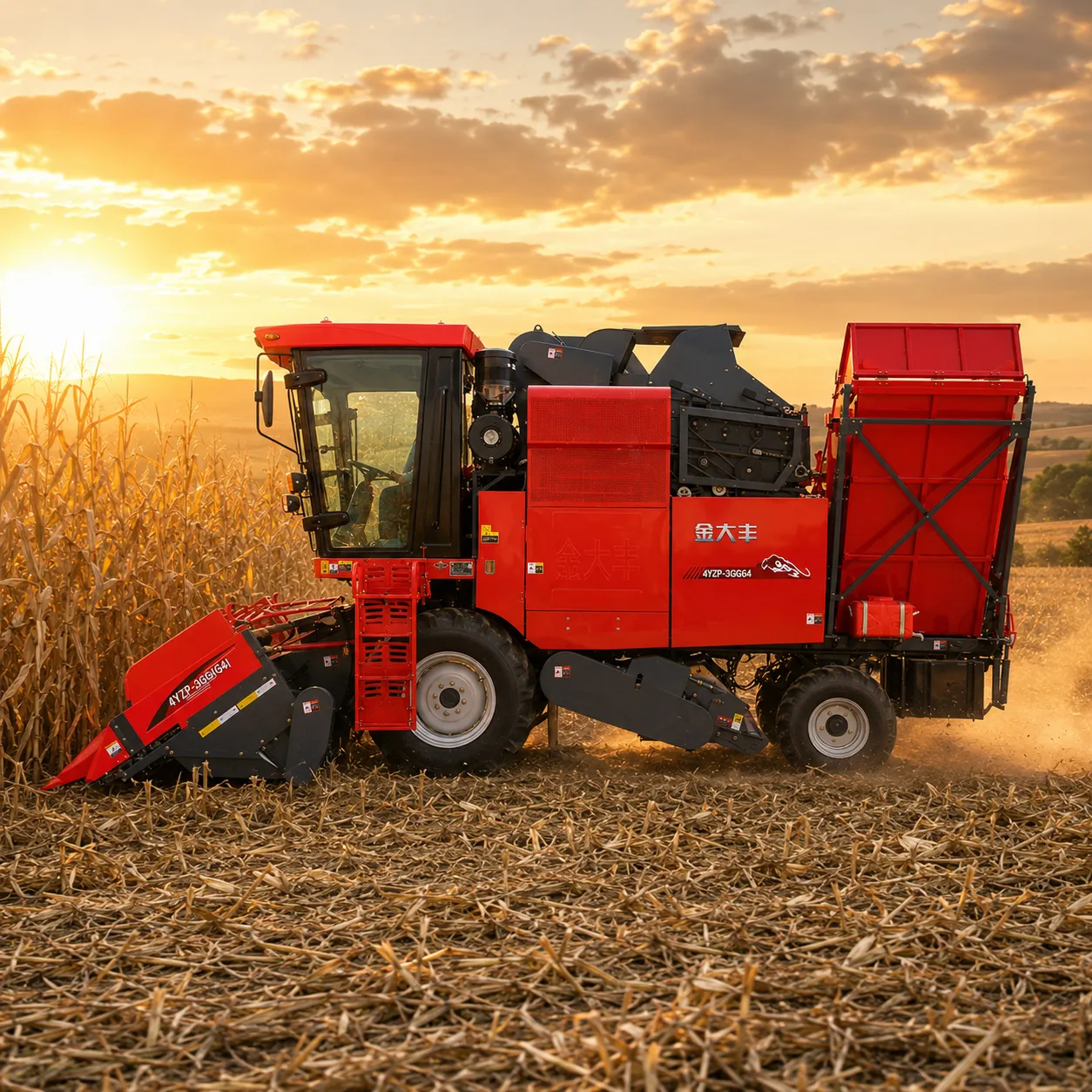
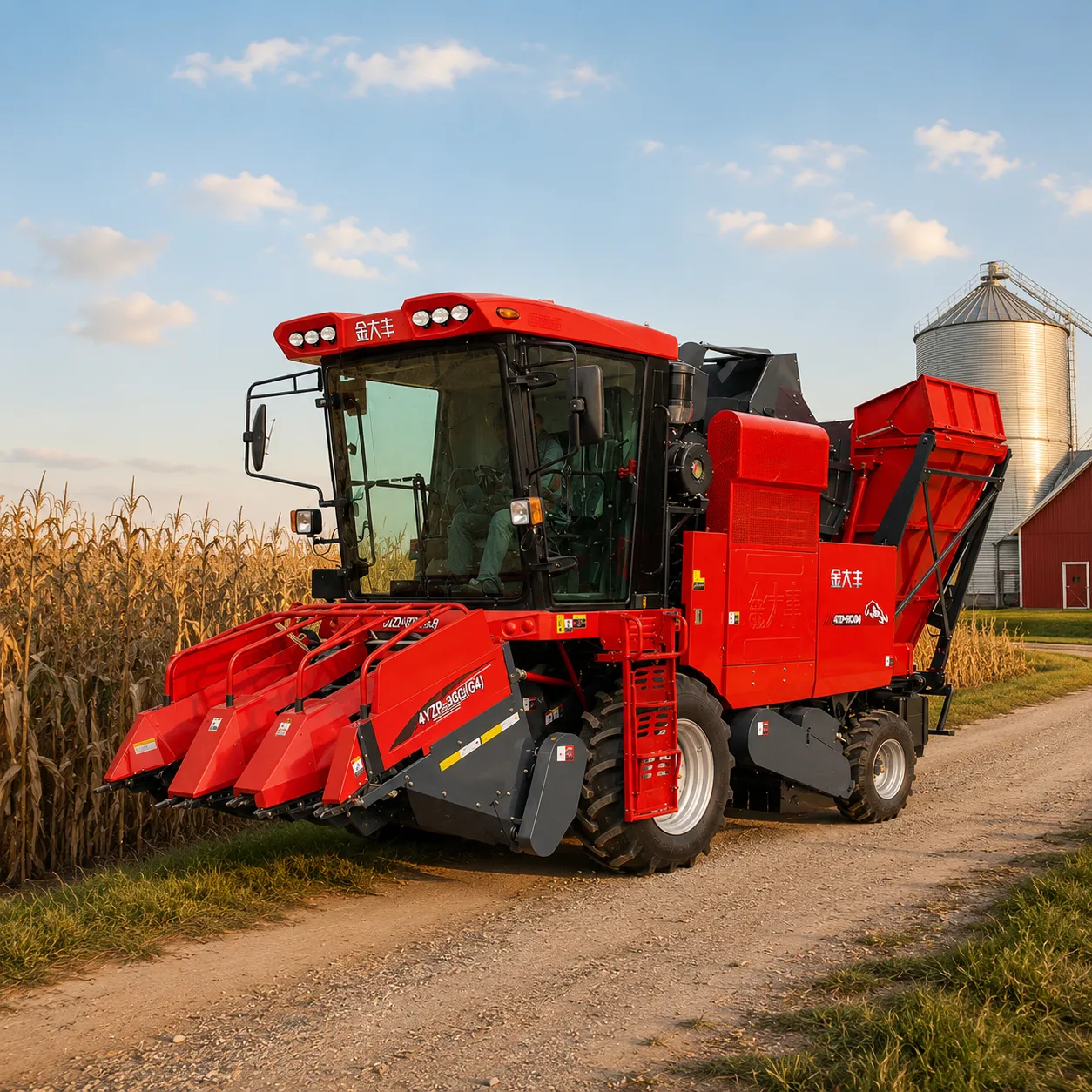
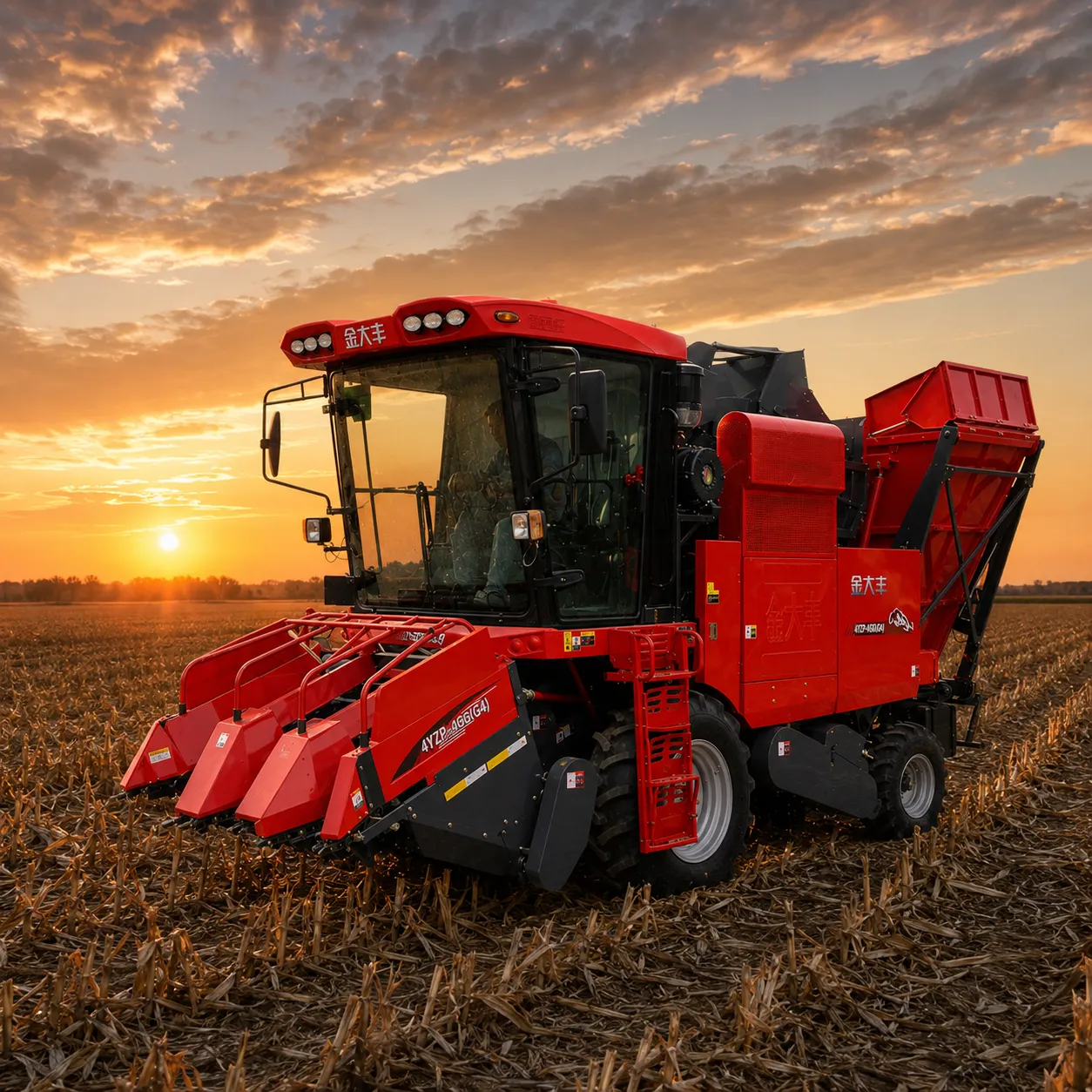
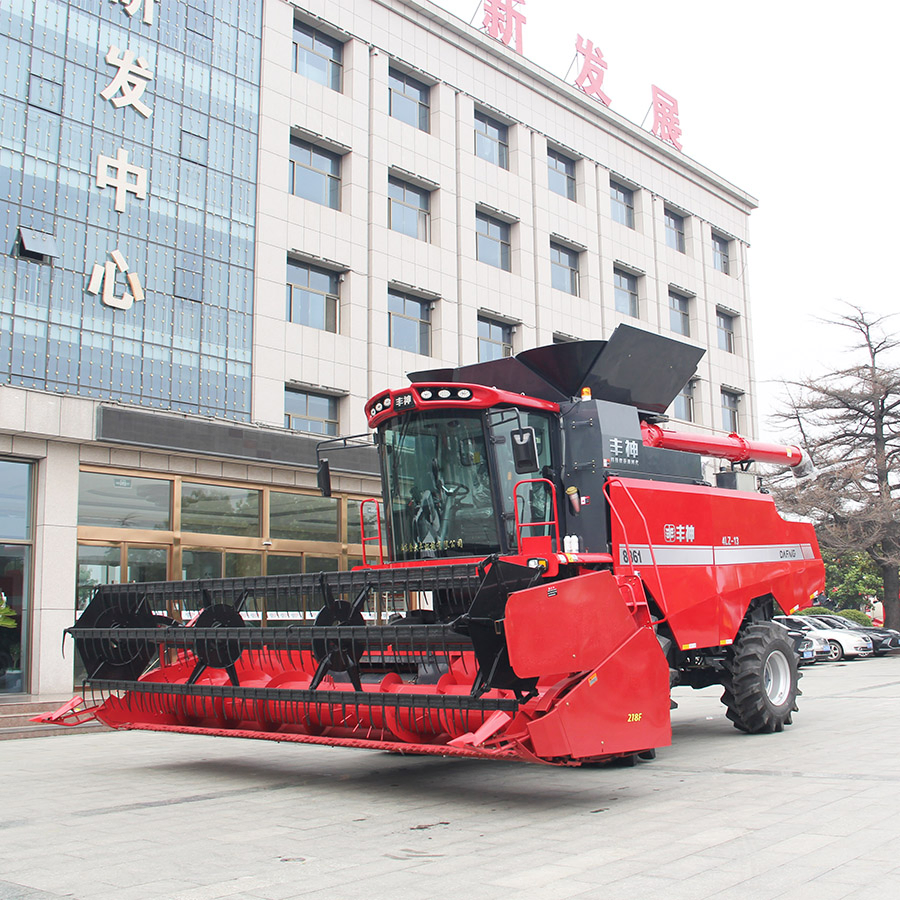
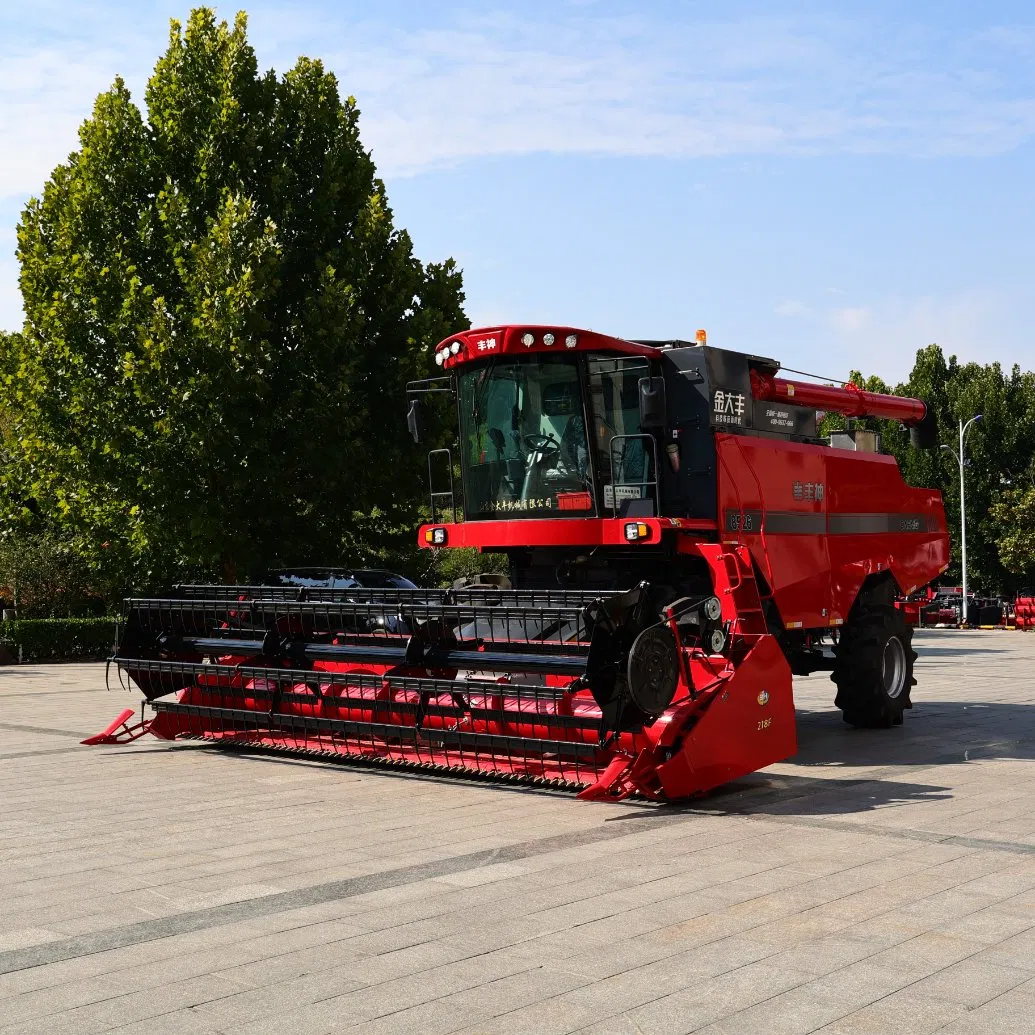
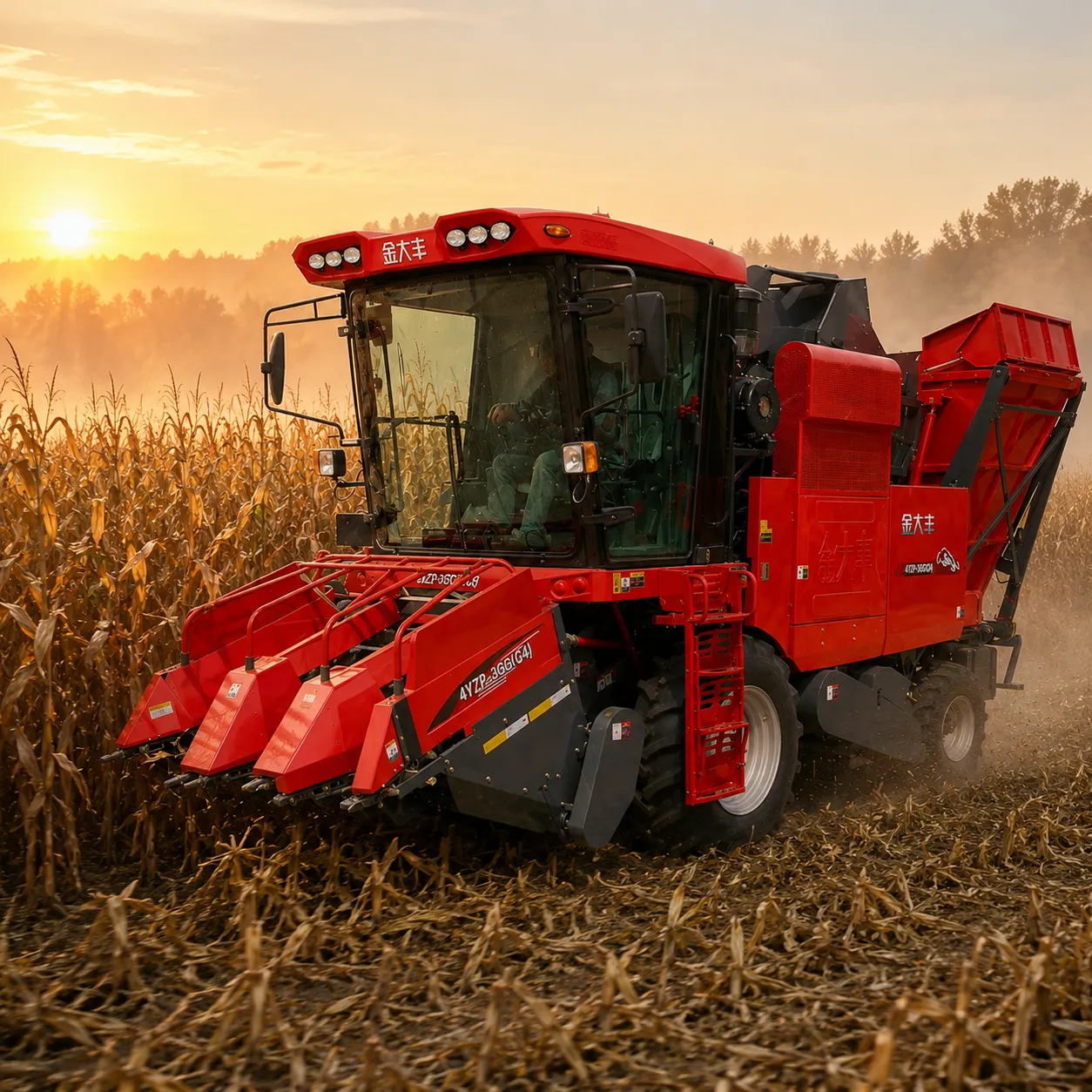
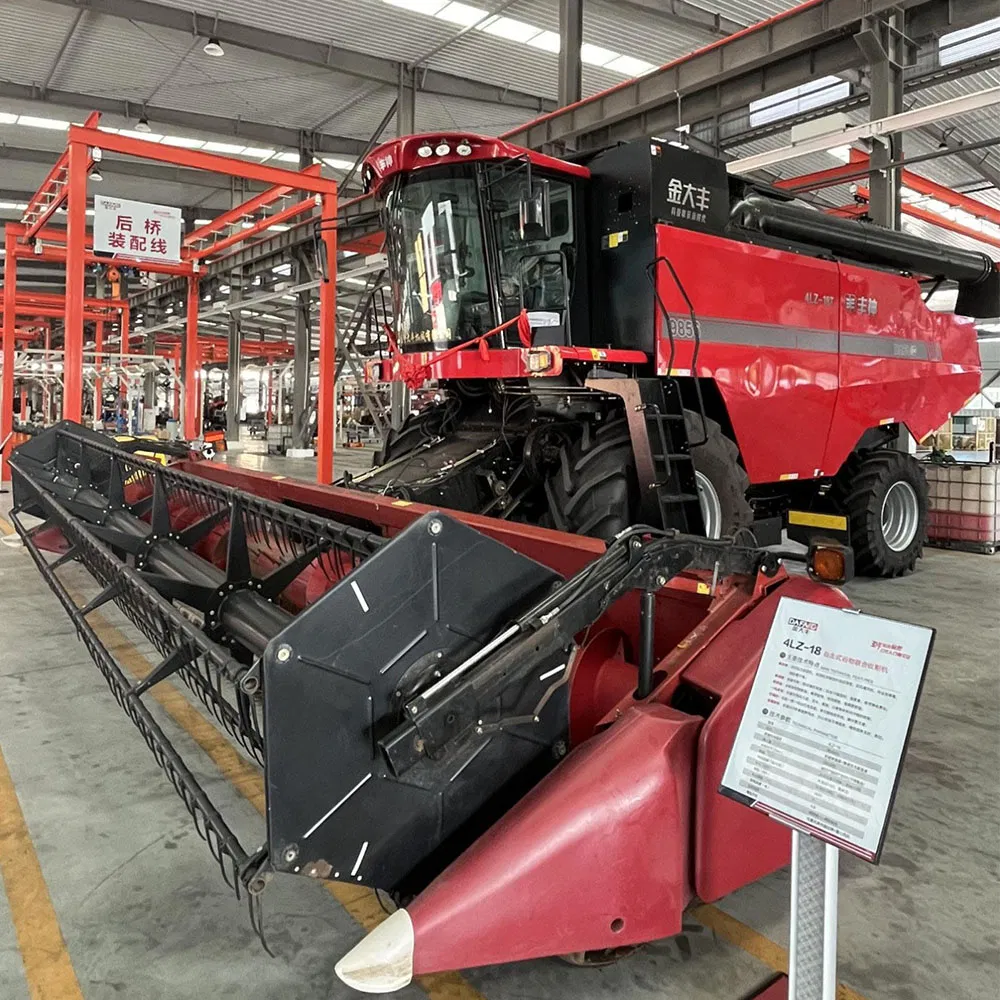
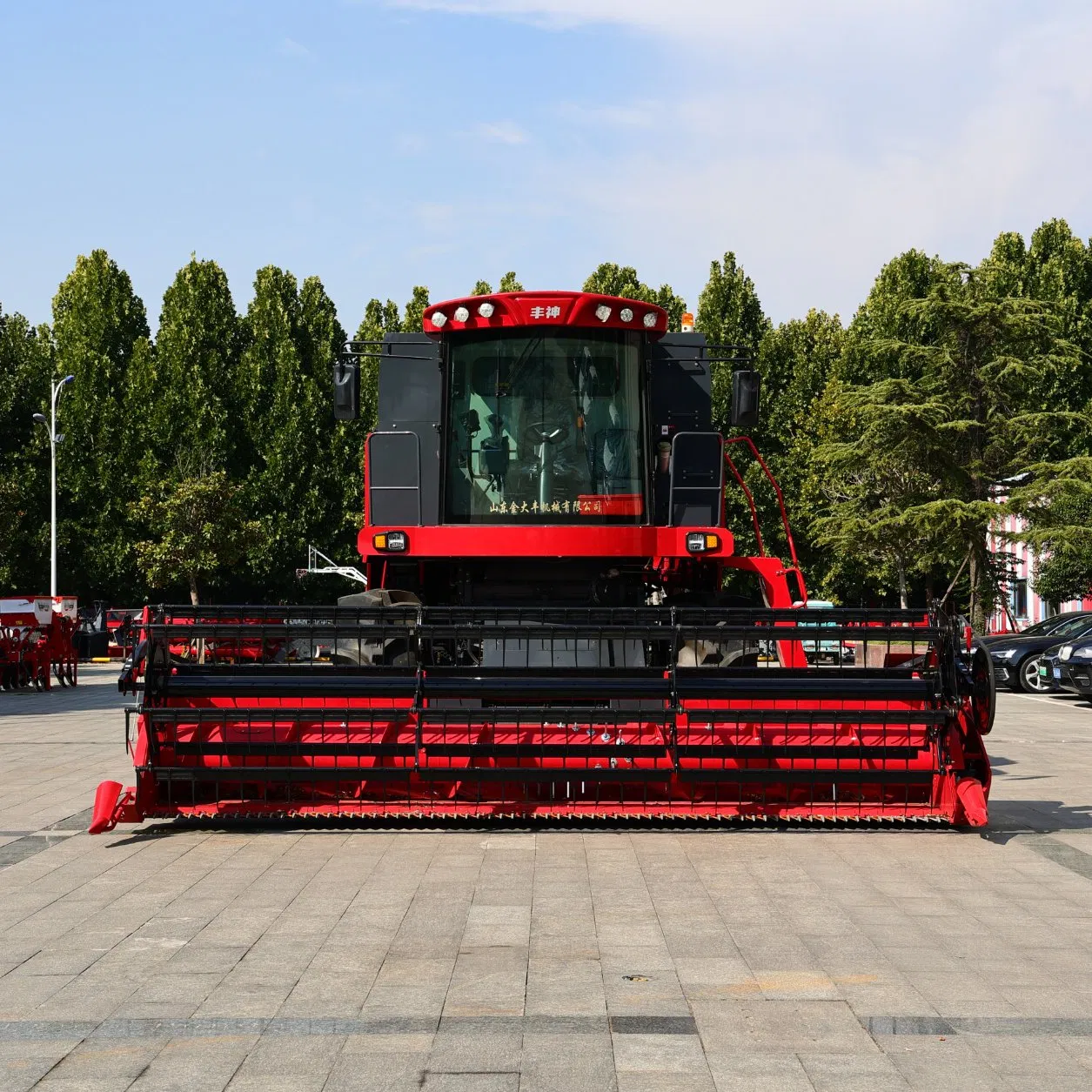
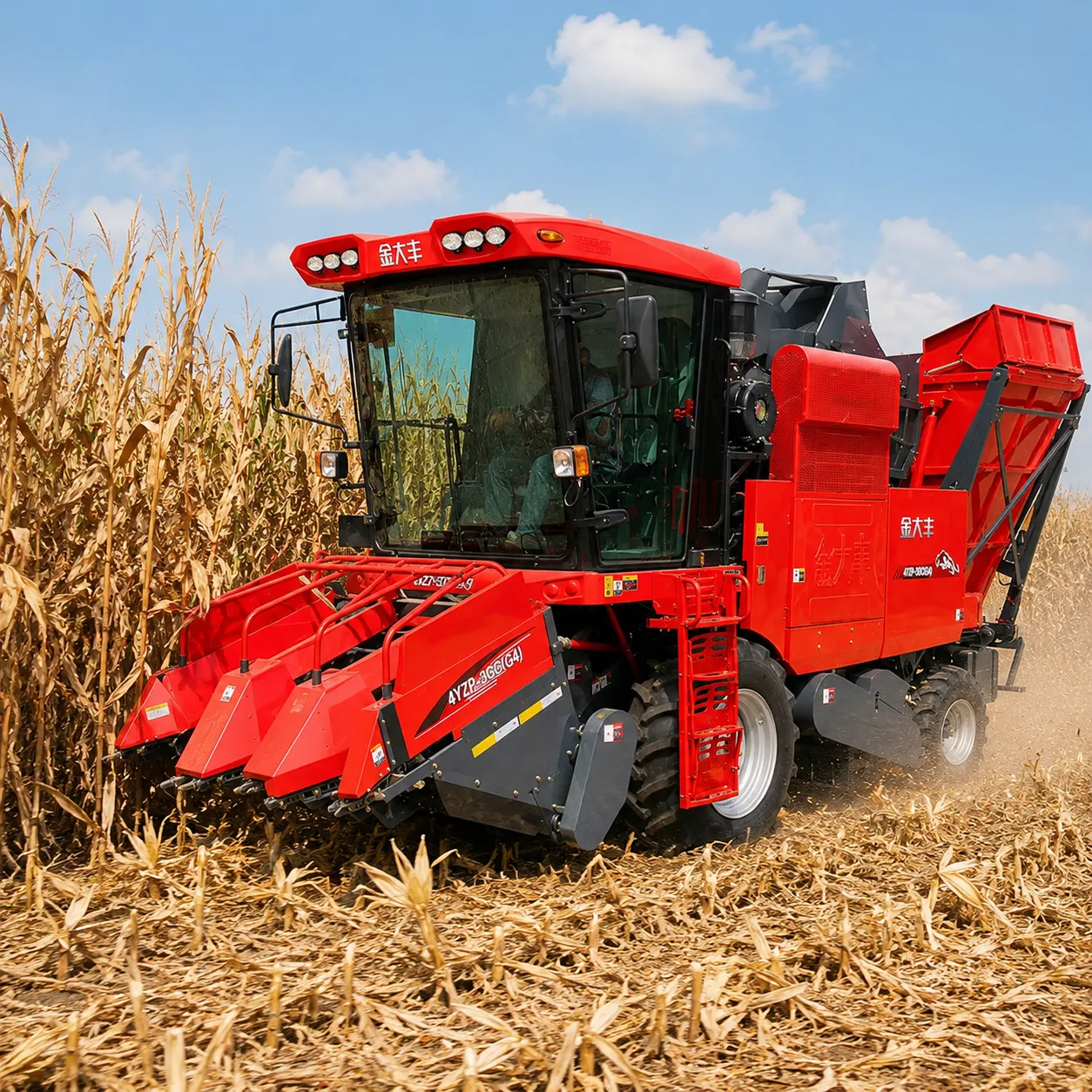
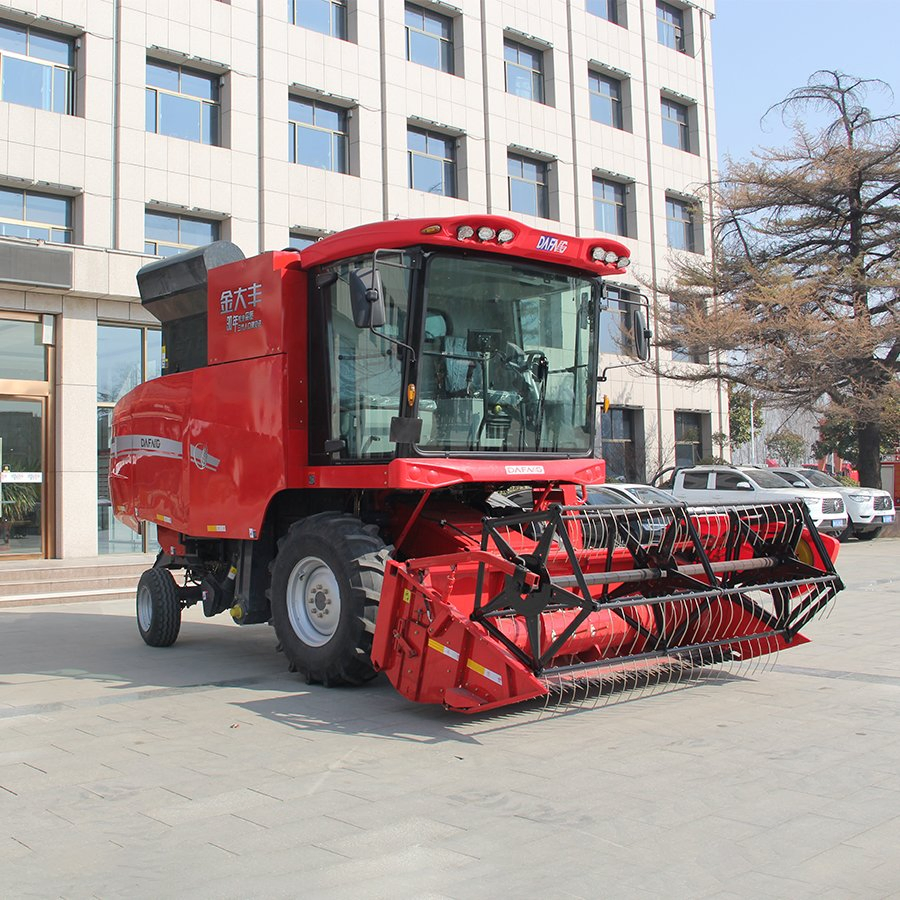
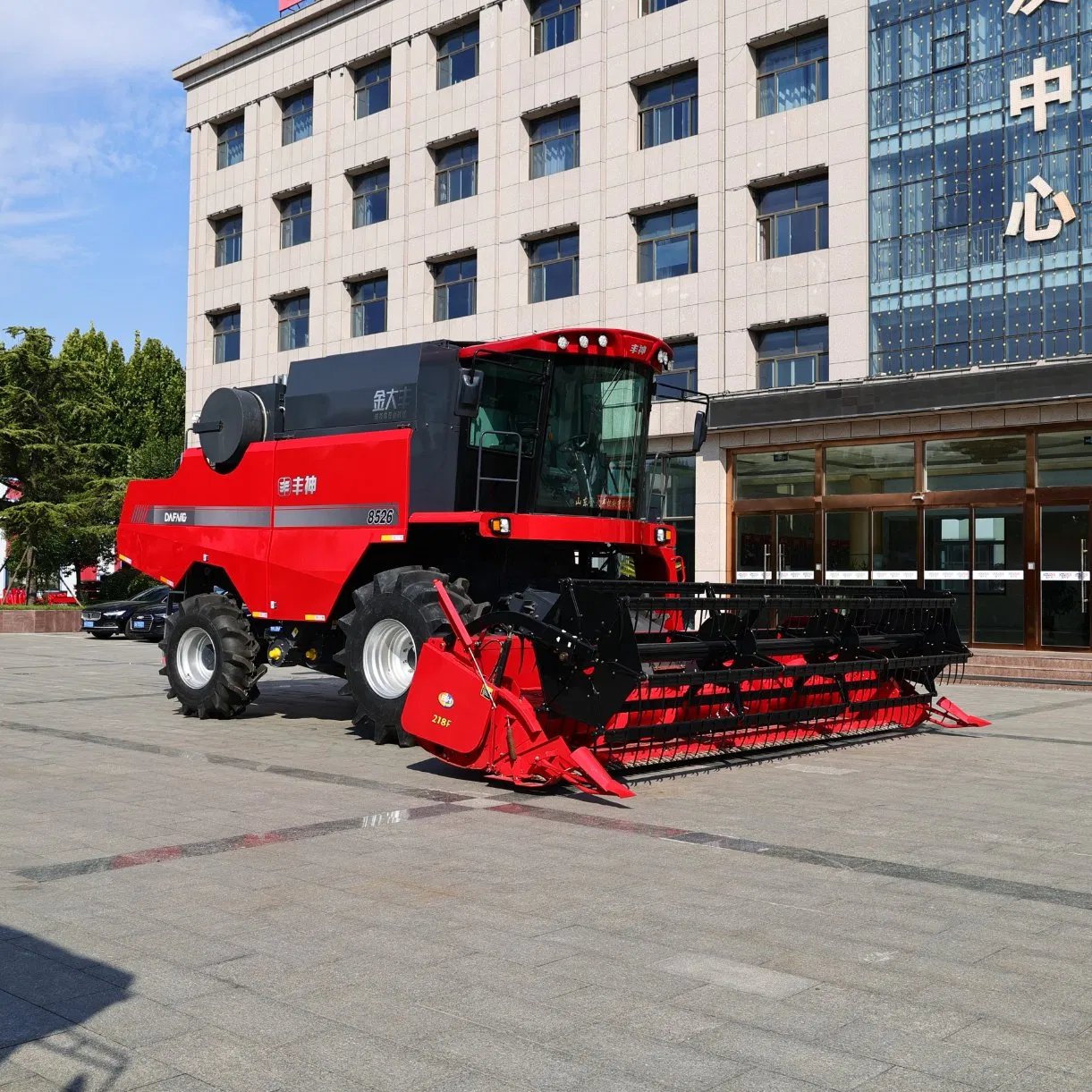
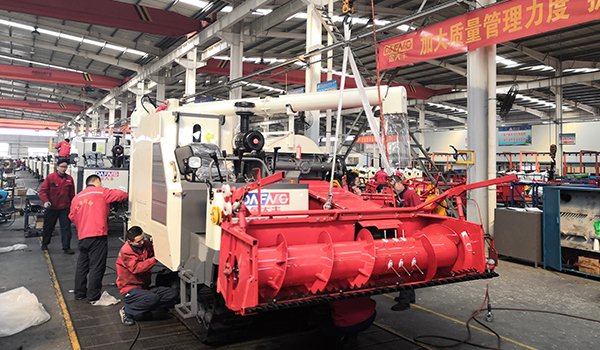
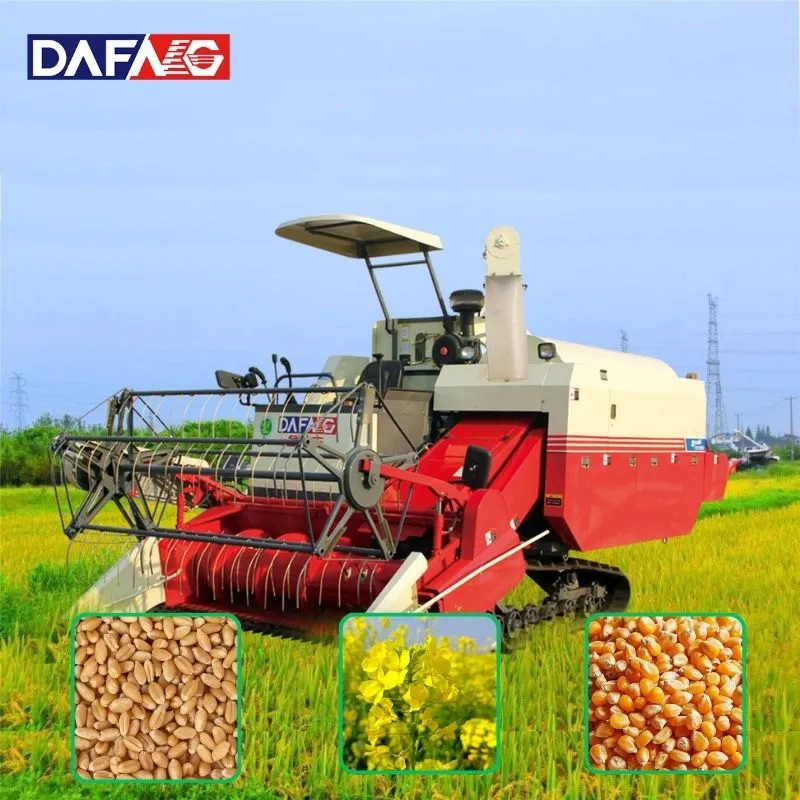
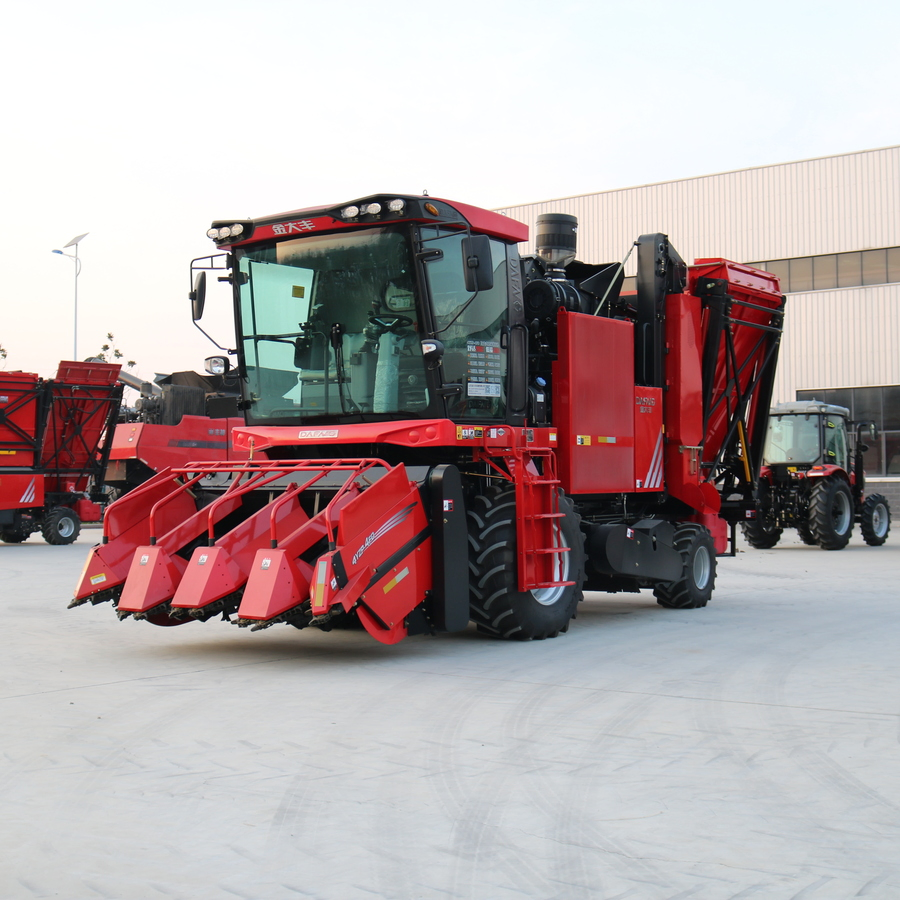
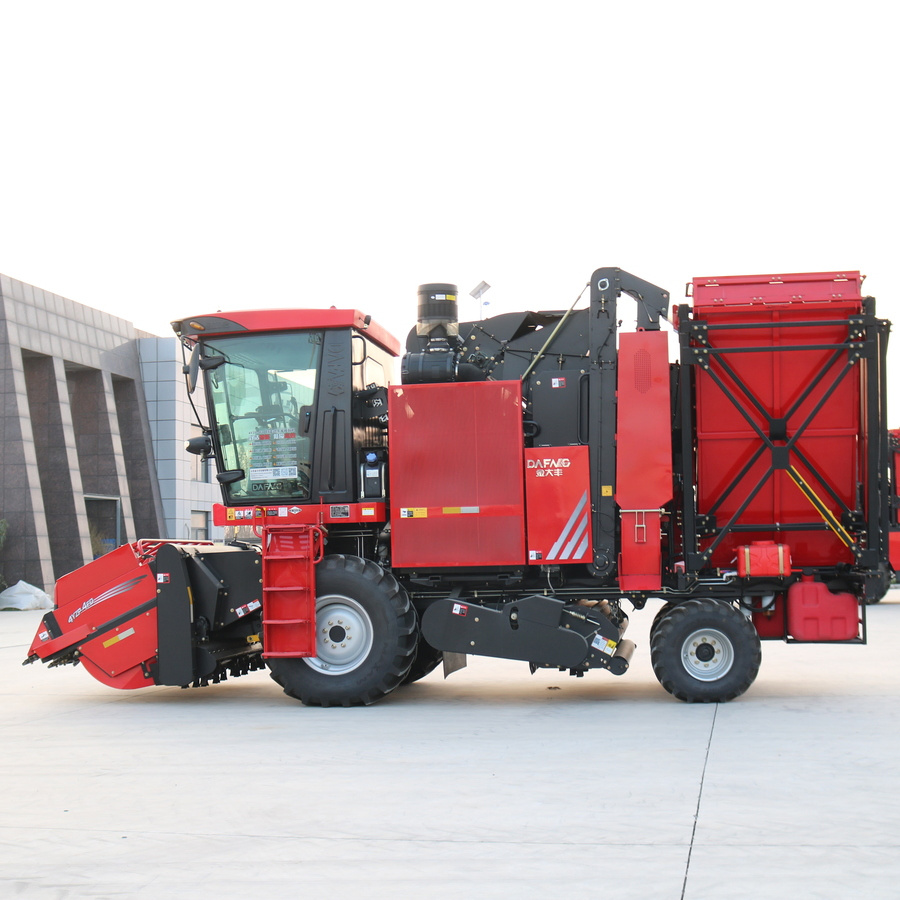
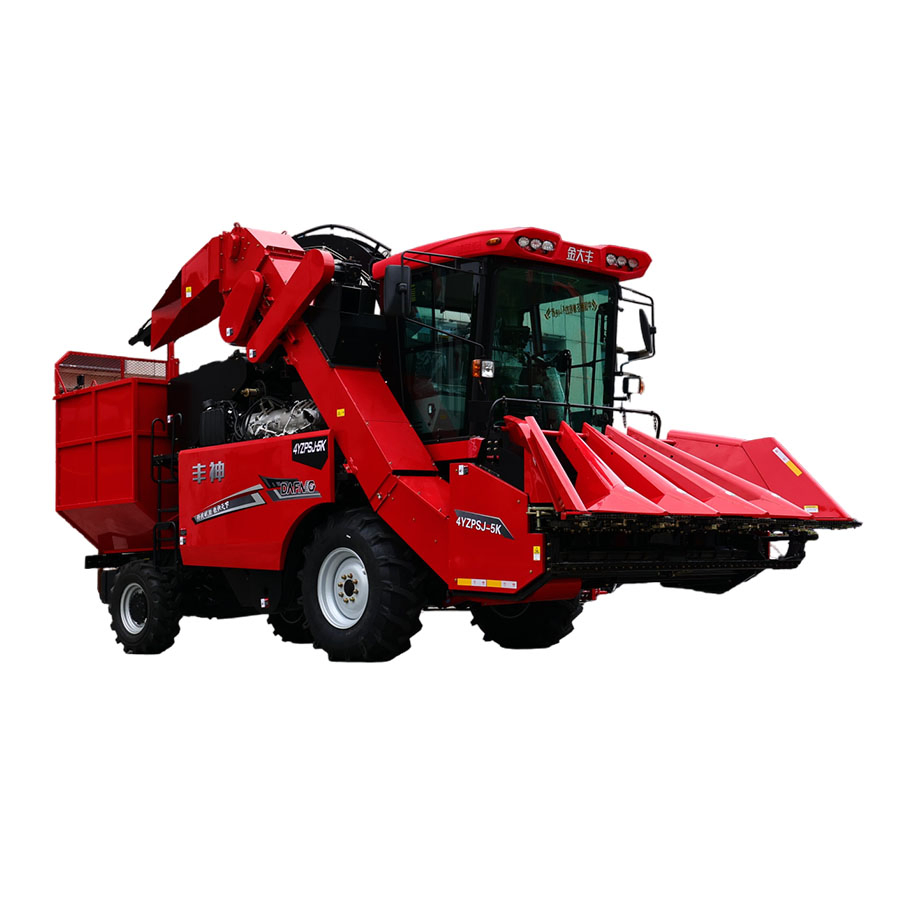
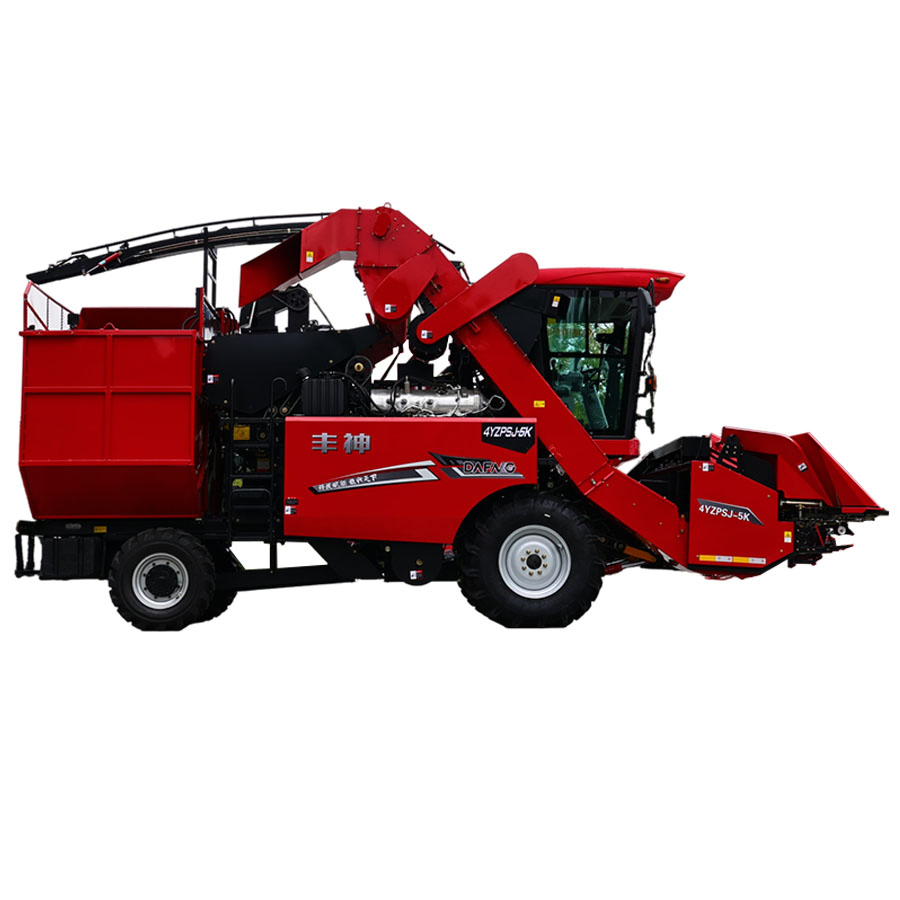
King-Gold Dafeng agricultural machinery focuses on tractors, corn harvesters, combine harvesters and related agricultural equipment for global buyers. For importers and dealers, supplier reliability matters because customers need machines that can work in real fields, not just look good in a quotation.
When comparing tractor suppliers, ask about production capacity, parts availability, warranty terms, service response and model consistency. A slightly higher purchase price may be worthwhile if the machine has better support and lower long-term risk.
Conclusion: How Much Should You Pay for a Tractor?
So, how much does a tractor cost? The price can range from a lower-cost compact farm tractor to a high-value heavy-duty tractor for commercial agriculture. The exact number depends on horsepower, 4WD system, PTO, hydraulics, transmission, cabin, tires, implements, shipping and after-sales support.
Instead of asking for the cheapest tractor, buyers should ask which tractor fits their farm work, soil conditions, implement needs and business plan. A well-matched tractor can improve field efficiency, reduce downtime and deliver better long-term value.
If you are comparing tractors 4WD, diesel tractors and tractors for field work, start with your real application. Then compare configuration, supplier support and total ownership cost. That approach will help you buy a tractor that works reliably season after season.