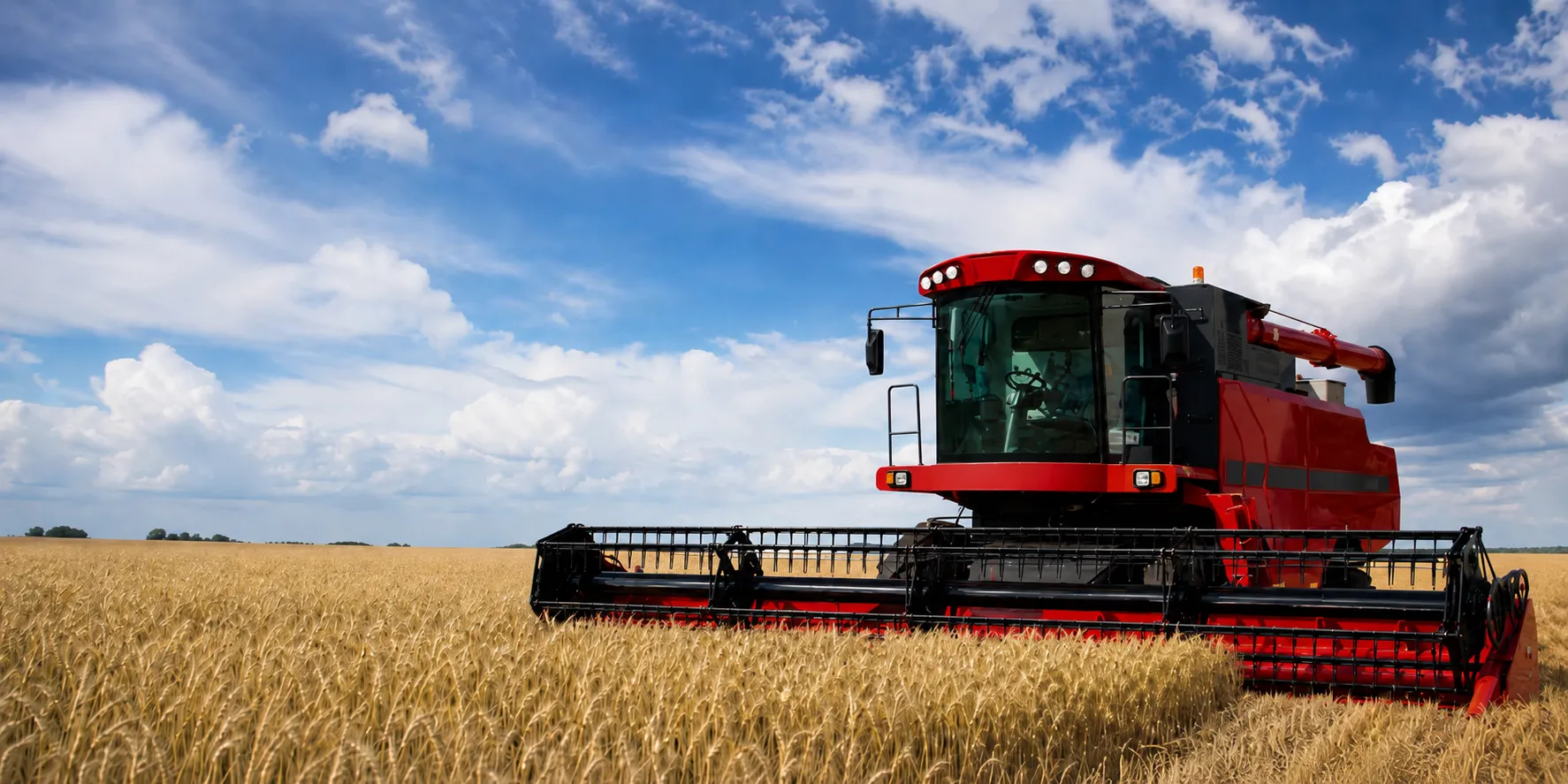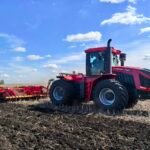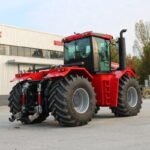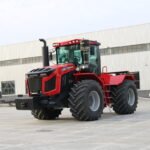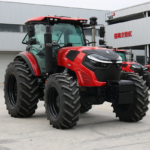
A John Deere combine harvester is often one of the first machines buyers consider when researching high-capacity grain harvesting equipment. John Deere has a strong international reputation, an established dealer network, and a modern product range that combines mechanical harvesting performance with automation, data management, and precision agriculture technology.
However, a globally recognized brand is not automatically the best financial or operational choice for every farm. A large commercial operation with trained technicians and an established John Deere dealer nearby may have very different requirements from a grain farmer, contractor, distributor, or agricultural machinery importer working in a developing market.
Before choosing a combine, buyers should compare more than brand recognition. Crop type, field size, harvesting capacity, technology requirements, purchase budget, maintenance resources, spare-parts availability, and expected return on investment all influence the final decision.
This guide explains why John Deere combines are well known and helps buyers determine whether a premium machine or a more practical, cost-effective harvesting solution better fits their operations.
Why Are John Deere Combine Harvesters So Well Known?
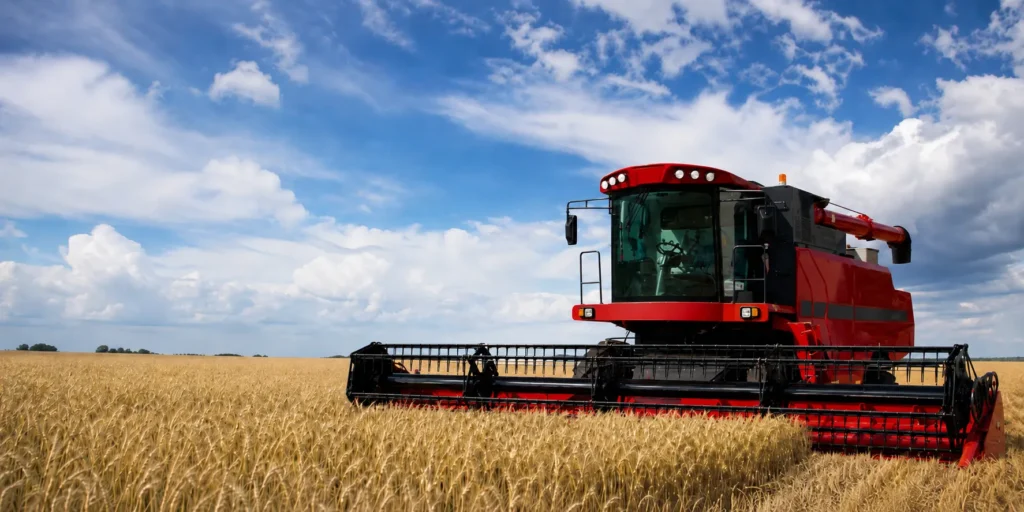
John Deere has built a strong position in global agriculture through decades of machinery manufacturing, product development, dealer support, and brand recognition. Its combines are widely used for crops such as corn, wheat, soybean, rice, barley, and other grains.
Current John Deere combine ranges include advanced machines designed for medium and large farming operations. Depending on the model and configuration, buyers may find technologies such as:
- Automatic ground-speed adjustment
- Automatic harvest setting control
- Integrated guidance and positioning systems
- Real-time yield and harvest data
- Grain-loss monitoring
- Remote machine support
- Automated unloading assistance
- High-capacity grain tanks and unloading systems
These features can provide considerable value to large farms that harvest extensive areas within short seasonal windows. Automation can also reduce operator workload and help maintain more consistent machine settings as crop conditions change.
Nevertheless, advanced technology increases the importance of professional diagnostics, trained operators, electronic components, software support, and an effective local dealer network.
What Should Buyers Evaluate Beyond the Brand?
Brand reputation gives buyers confidence, but it should not replace a detailed evaluation of the machine. Two combines with very different purchase prices may both complete the same basic harvesting process: cutting, feeding, threshing, separating, cleaning, and collecting grain.
The real question is how much technology, capacity, and automation the farm actually needs—and whether the additional investment creates measurable value under local operating conditions.
Crop Type
The machine must first match the crops it will harvest. Wheat, rice, corn, soybean, barley, and mixed grains have different feeding, threshing, separation, and cleaning requirements.
Buyers should confirm:
- Which crops the machine can harvest
- Which headers are available
- Whether crop conversion parts are required
- How the threshing system is adjusted
- Whether the machine suits dry or wet harvesting conditions
Field Size and Daily Capacity
A high-capacity John Deere combine can be an effective investment for a large farm with open fields, high crop volume, suitable transport equipment, and a short harvesting window.
However, maximum capacity is not always necessary. A medium-sized farm may achieve a better financial result with a machine that offers lower acquisition cost, sufficient daily output, simpler maintenance, and lower operating complexity.
Purchasing more harvesting capacity than the farm can use may increase depreciation, financing costs, fuel expenses, transportation requirements, and maintenance costs without generating a matching increase in income.
Operator and Technical Support
Advanced automation is valuable when the farm has operators who understand the system and access to technicians who can diagnose electronic, hydraulic, and software-related problems.
In regions where specialist support is limited, buyers may prefer a machine with practical controls and a more straightforward maintenance structure. During harvest, the ability to identify and repair a problem quickly can be more important than having the most advanced display or data package.
Understanding the Cost of a John Deere Combine Harvester
The purchase price is only one part of the total cost of ownership. A complete comparison should include:
- Machine purchase price
- Header and optional equipment
- Financing or interest costs
- Insurance
- Fuel consumption
- Scheduled maintenance
- Replacement parts
- Software or technology packages
- Dealer service charges
- Operator training
- Transportation and import expenses
- Expected resale value
John Deere’s technology, brand reputation, and dealer infrastructure can justify its price for farms that use these advantages fully. Yet a buyer who only needs dependable cutting, threshing, separation, cleaning, and grain collection may not receive the same financial benefit from every premium feature.
The best-value machine is therefore not always the cheapest or the most expensive. It is the machine that completes the required harvesting work at a sustainable cost per hectare or acre.
John Deere Combine vs a Practical Alternative
Buyers comparing a John Deere combine with another manufacturer should avoid asking only which brand is “better.” A more useful question is which machine better matches the farm’s crops, operating environment, technical resources, and budget.
| Buying Priority | John Deere Combine Harvester | Practical Cost-Effective Alternative |
|---|---|---|
| Brand recognition | Strong global recognition and established market presence | More emphasis on product configuration and manufacturer evaluation |
| Automation | Advanced automation, guidance, monitoring, and data systems | Focus on essential harvesting functions and practical controls |
| Purchase budget | Generally positioned in the premium equipment segment | May provide a more accessible initial investment |
| Maintenance | Strongest where established dealer and diagnostic support is available | Can suit markets that prioritize simpler service and remote support |
| Target farm | Well suited to large, technology-driven farming operations | Suitable for farms and contractors focused on practical productivity |
| Configuration | Structured product and technology packages | Potentially more flexible configuration for export-market requirements |
| Buying decision | Brand, dealer network, automation, and high capacity | Working performance, investment level, serviceability, and return |
When Does a John Deere Combine Make Sense?
A John Deere combine may be an appropriate choice when the buyer:
- Operates a large commercial farm
- Needs very high seasonal harvesting capacity
- Wants advanced precision agriculture functions
- Uses yield mapping and farm data in daily management
- Has access to a reliable local John Deere dealer
- Can obtain trained technicians and diagnostic support
- Has a budget that supports premium equipment ownership
- Expects to use the machine intensively each season
Under these conditions, automation and connected technology can help the farm manage large crop volumes, reduce operator workload, and coordinate harvesting operations more efficiently.
When Should Buyers Consider Another Combine Harvester?
A practical alternative may offer better value when the buyer:
- Has a controlled or limited machinery budget
- Does not need advanced digital automation
- Primarily harvests wheat, rice, soybean, or mixed grains
- Needs sufficient capacity rather than maximum possible capacity
- Prefers straightforward controls and maintenance
- Operates in a market without a nearby premium-brand dealer
- Needs an export configuration adapted to local crop conditions
- Is purchasing machines for resale or regional distribution
For these buyers, a well-configured grain combine harvester can deliver the necessary harvesting performance without requiring investment in technology that the operation may rarely use.
Why King-Gold Dafeng Can Be a More Suitable Choice
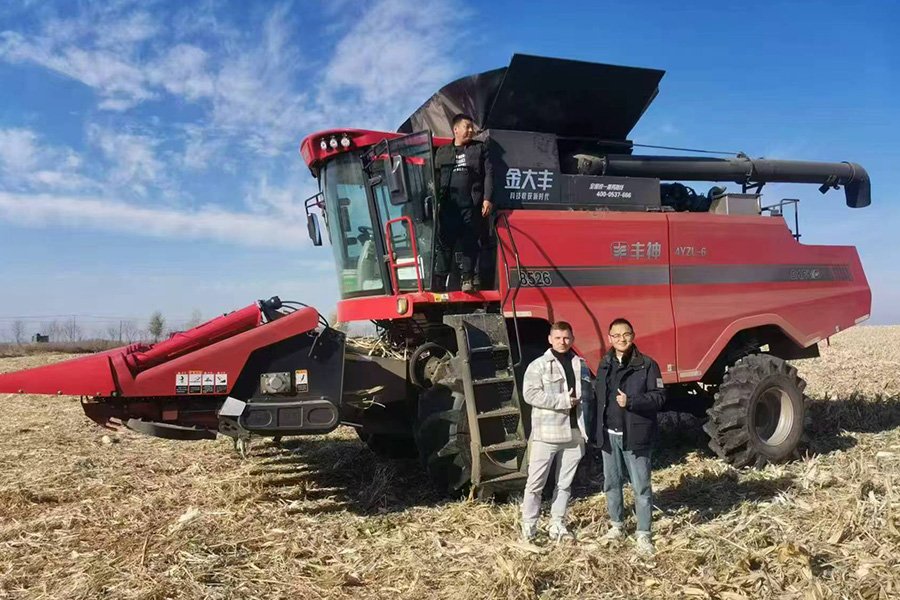
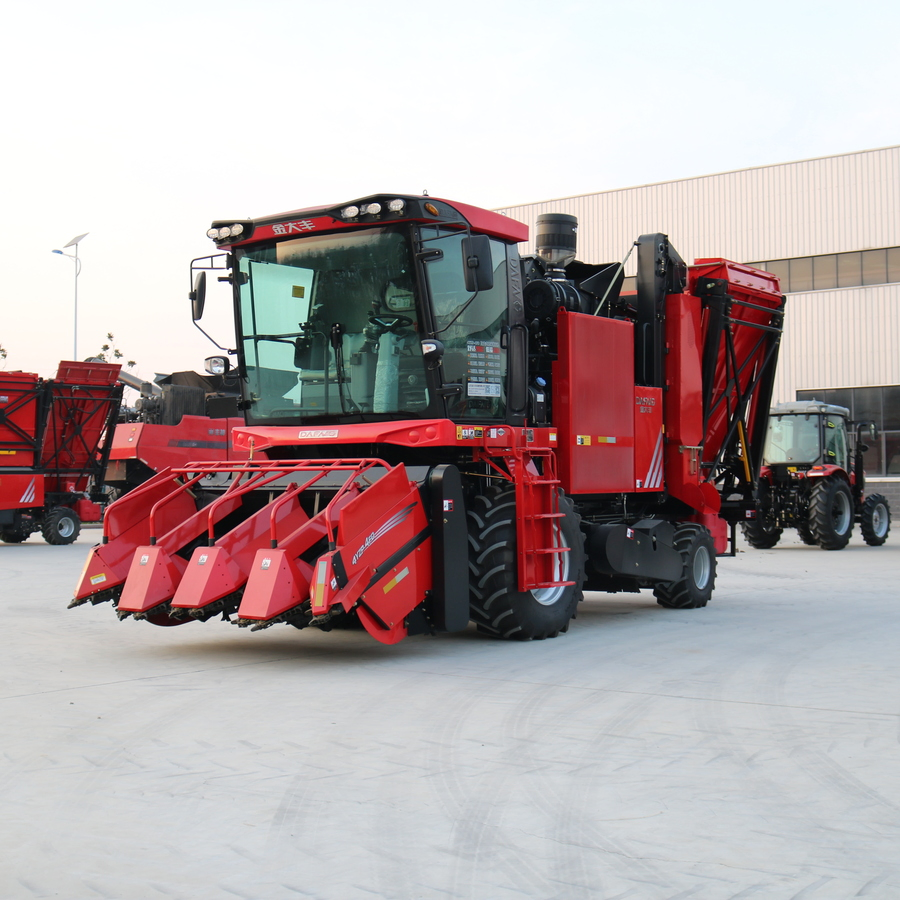
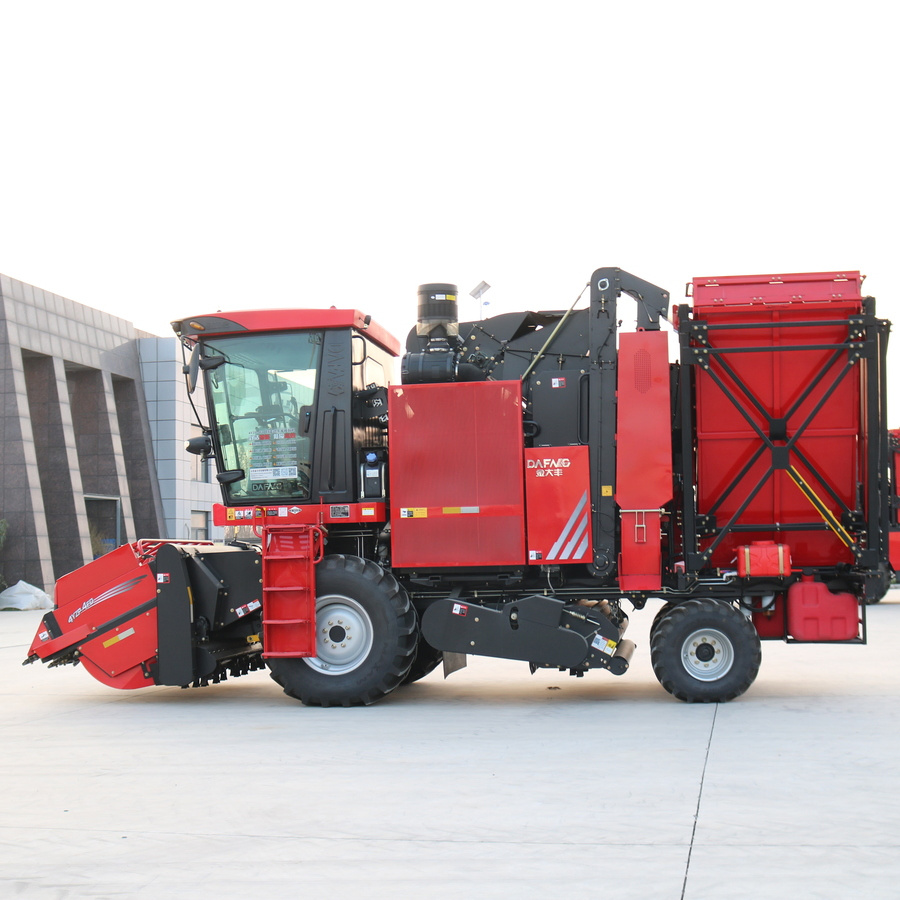
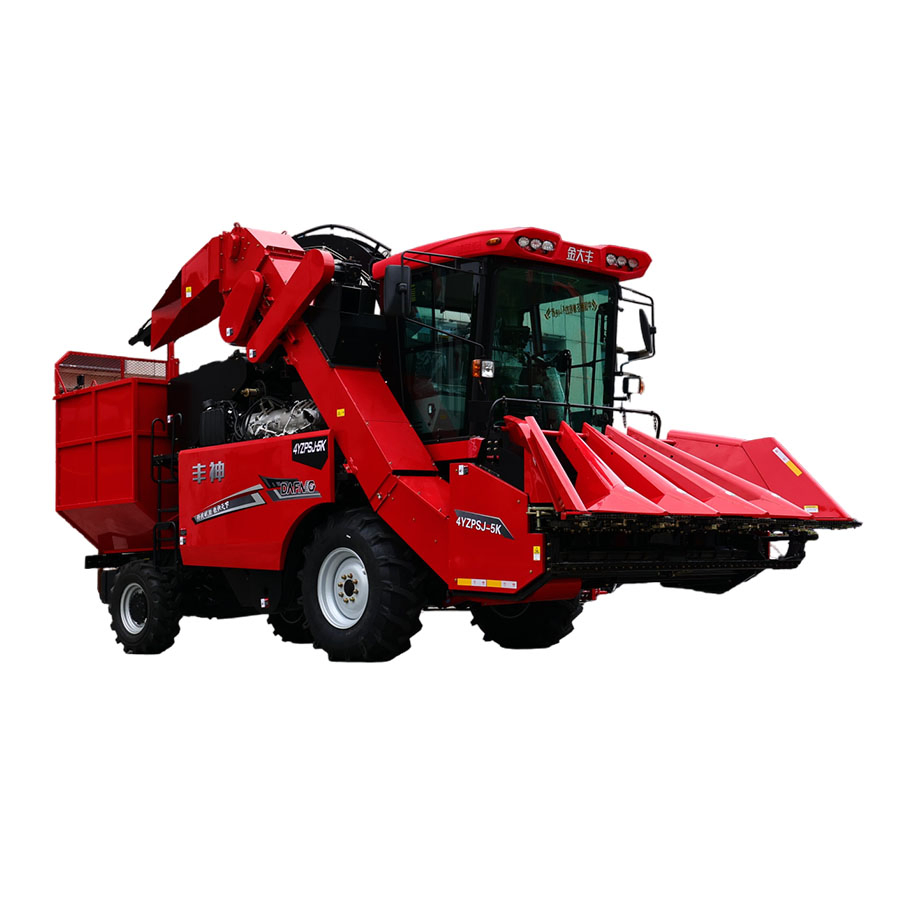
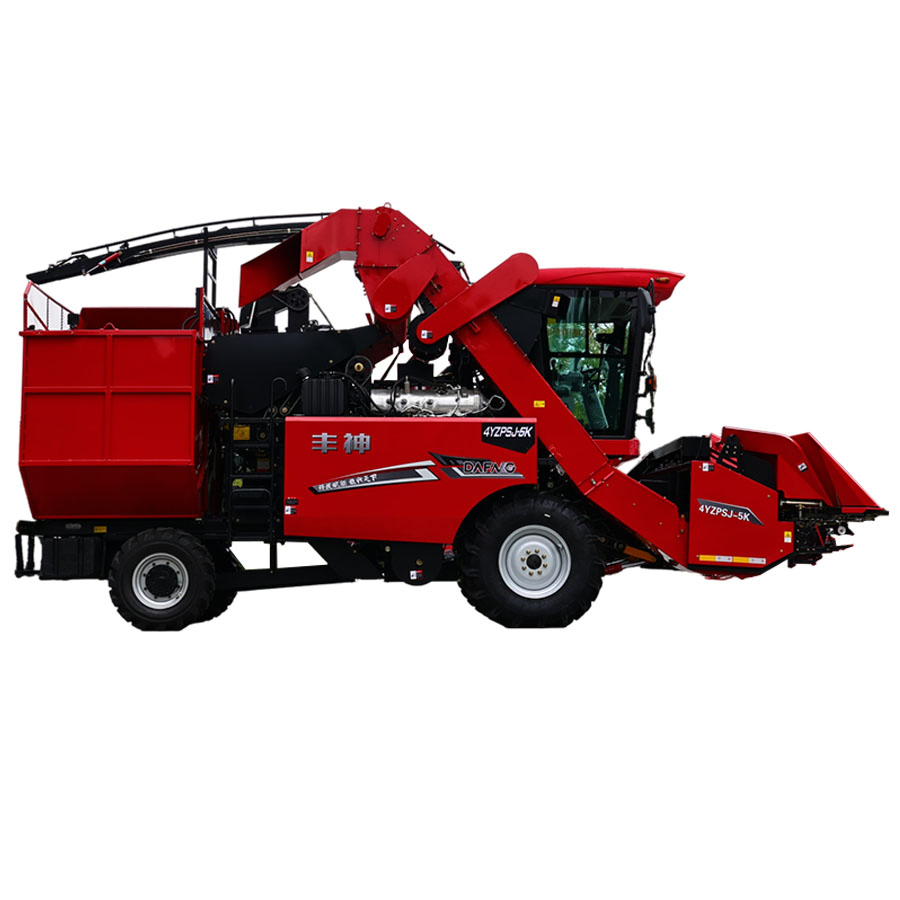
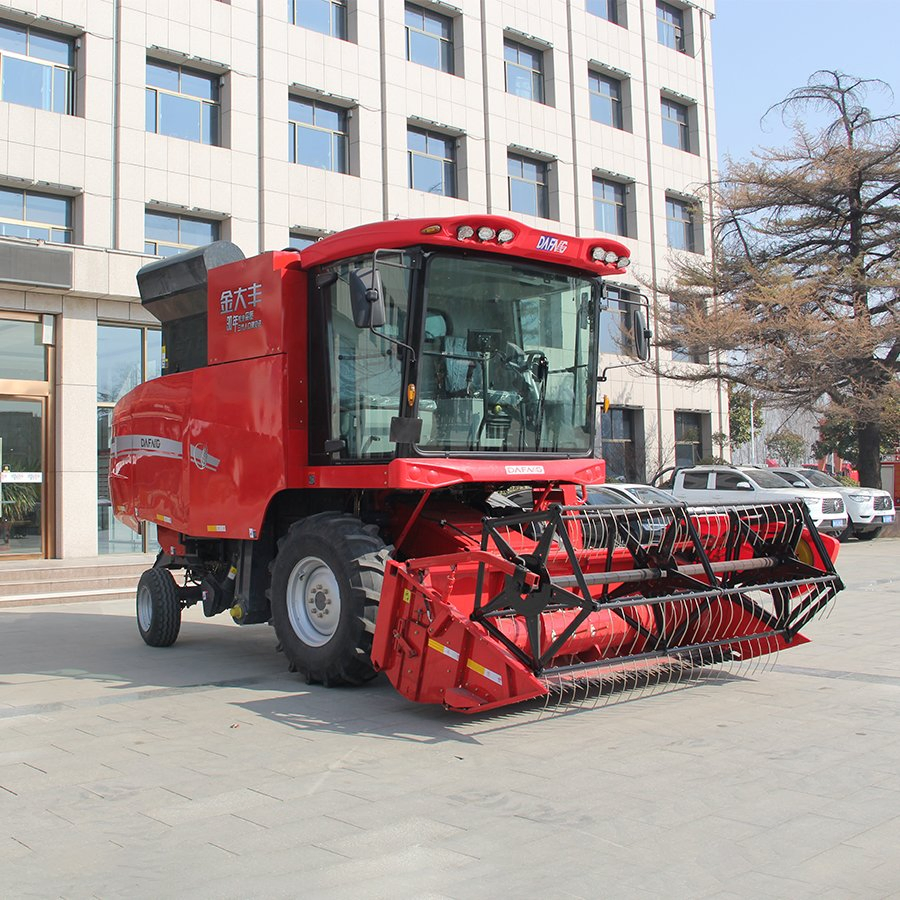
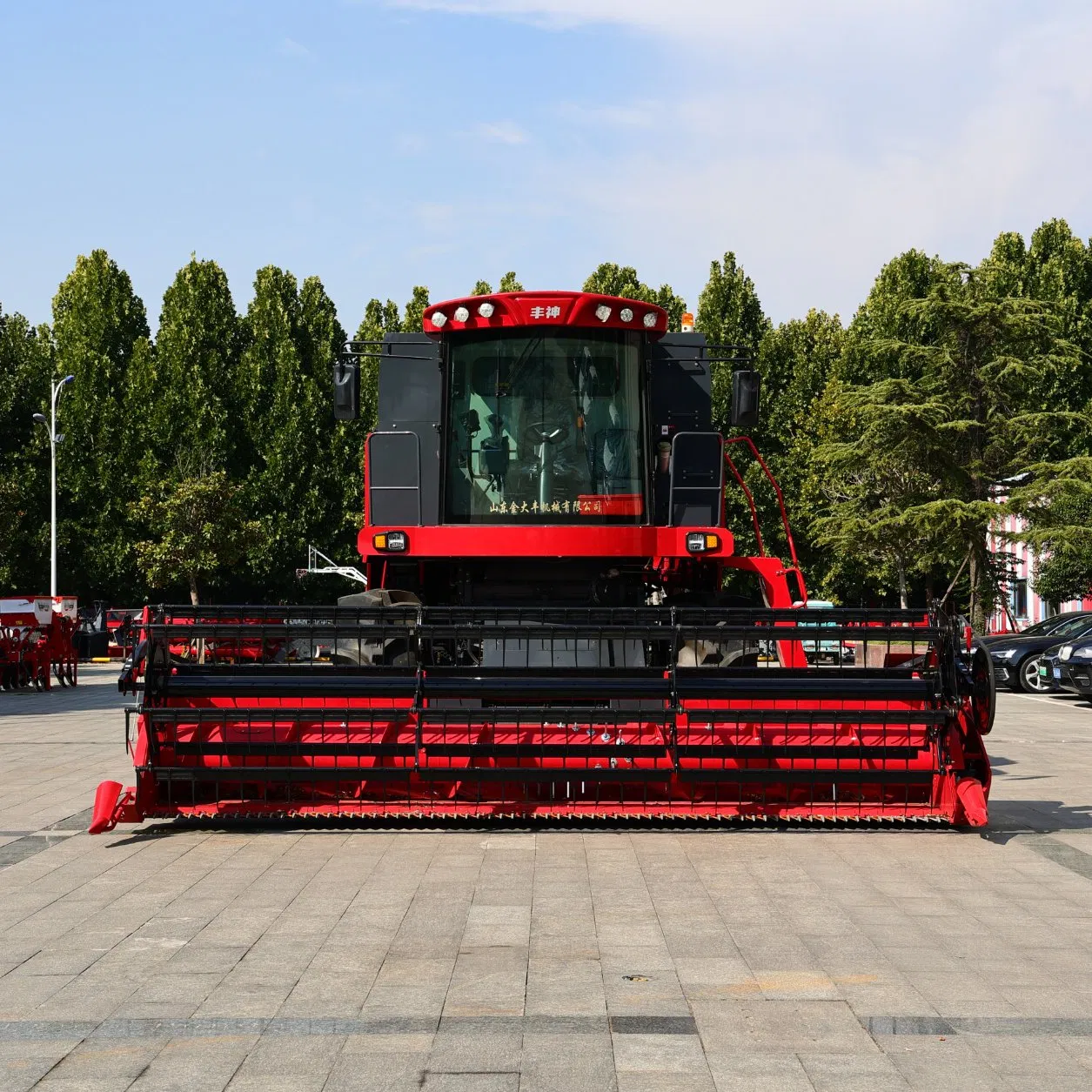
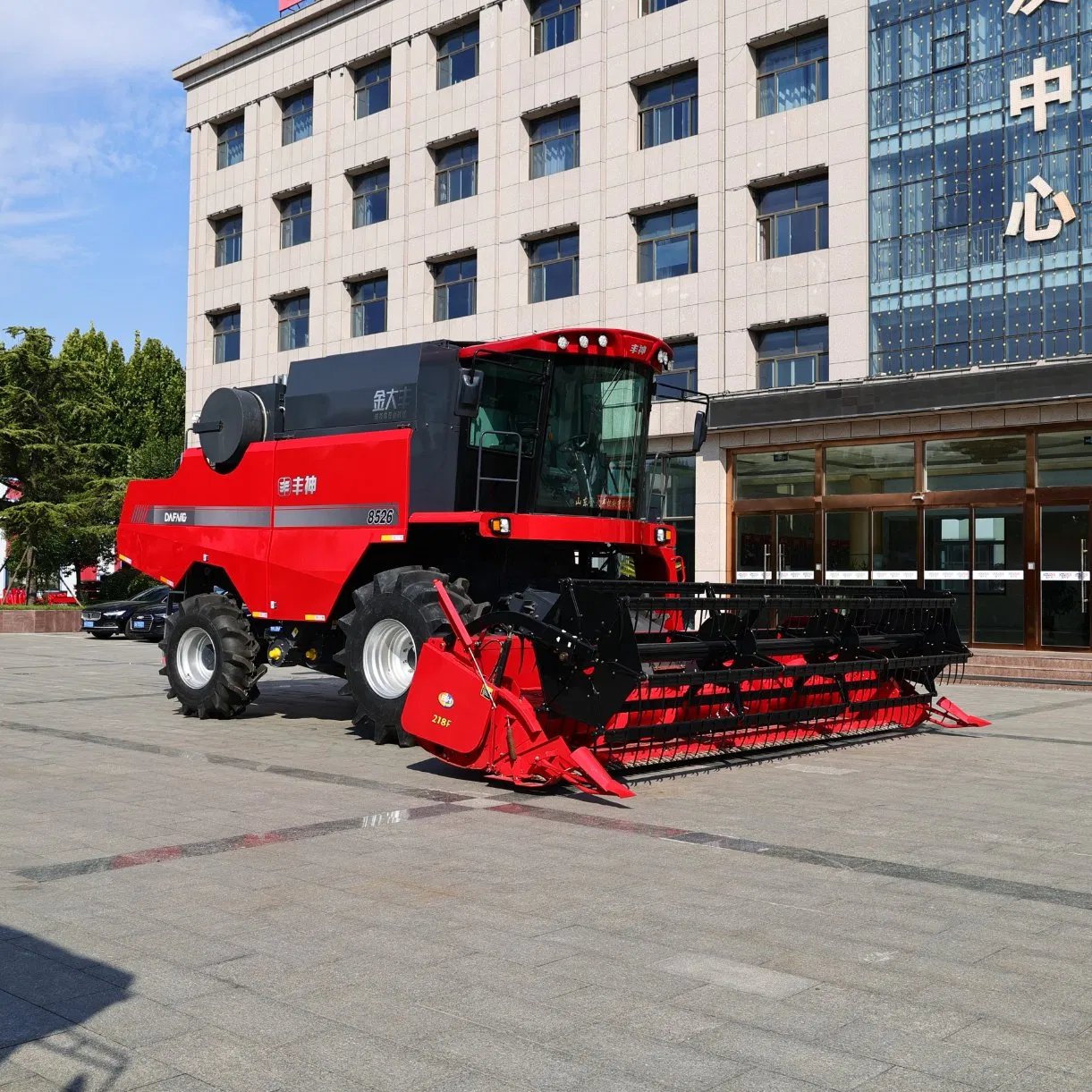
King-Gold Dafeng does not attempt to position every combine as a direct replacement for the largest and most technologically advanced John Deere machine. Instead, the company focuses on practical harvesting capacity, crop adaptability, mechanical reliability, and cost-effective configurations for international buyers.
This positioning can be especially suitable for farmers, contractors, dealers, and importers who need reliable harvesting equipment but must also control initial investment and long-term operating costs.
Practical Harvesting Configuration
King-Gold Dafeng combine harvesters are developed around the essential functions that directly affect harvesting results:
- Stable crop feeding
- Effective threshing
- Efficient grain separation
- Reliable cleaning performance
- Suitable cutting capacity
- Convenient grain collection and unloading
- Adaptability to major grain crops
Instead of paying mainly for brand recognition or a large package of advanced digital systems, buyers can focus their budget on engine power, header selection, threshing capacity, running system, grain tank, and essential spare parts.
Axial-Flow Threshing for Different Crops
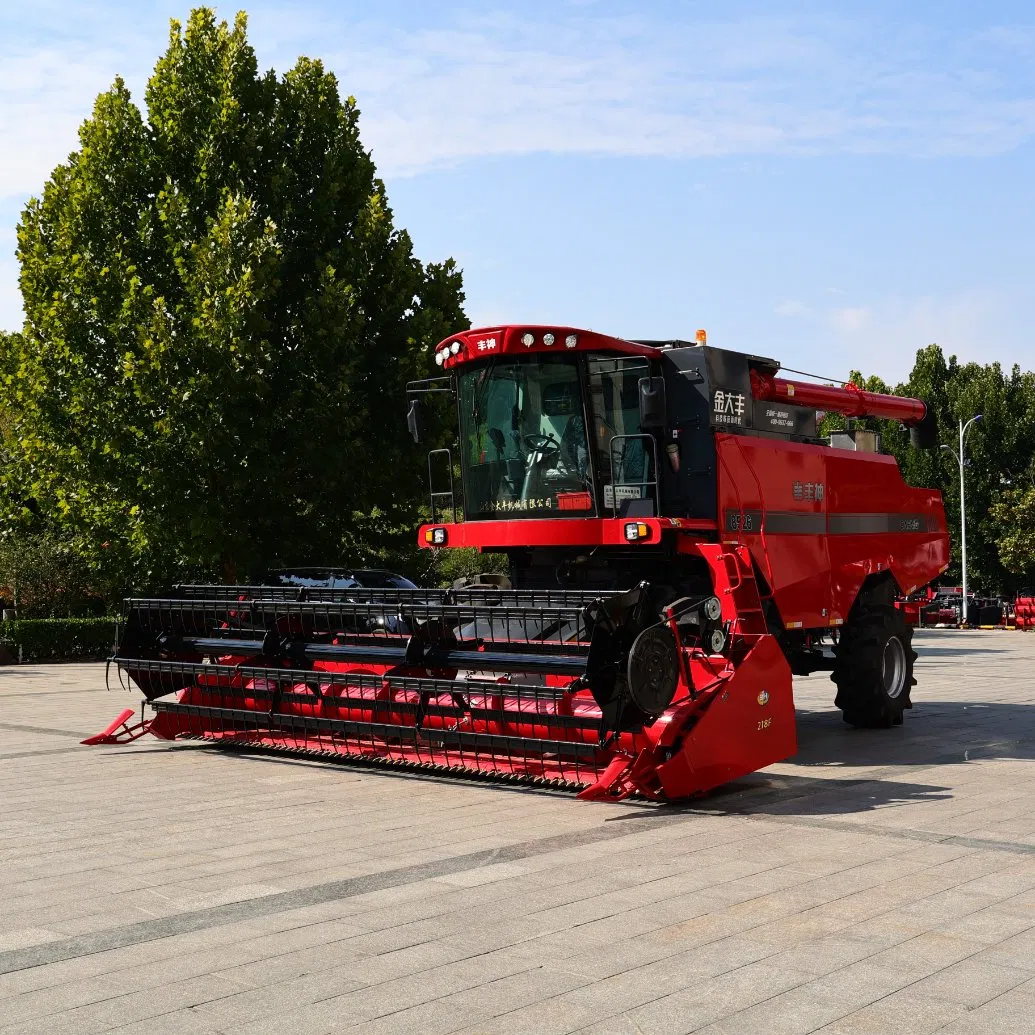
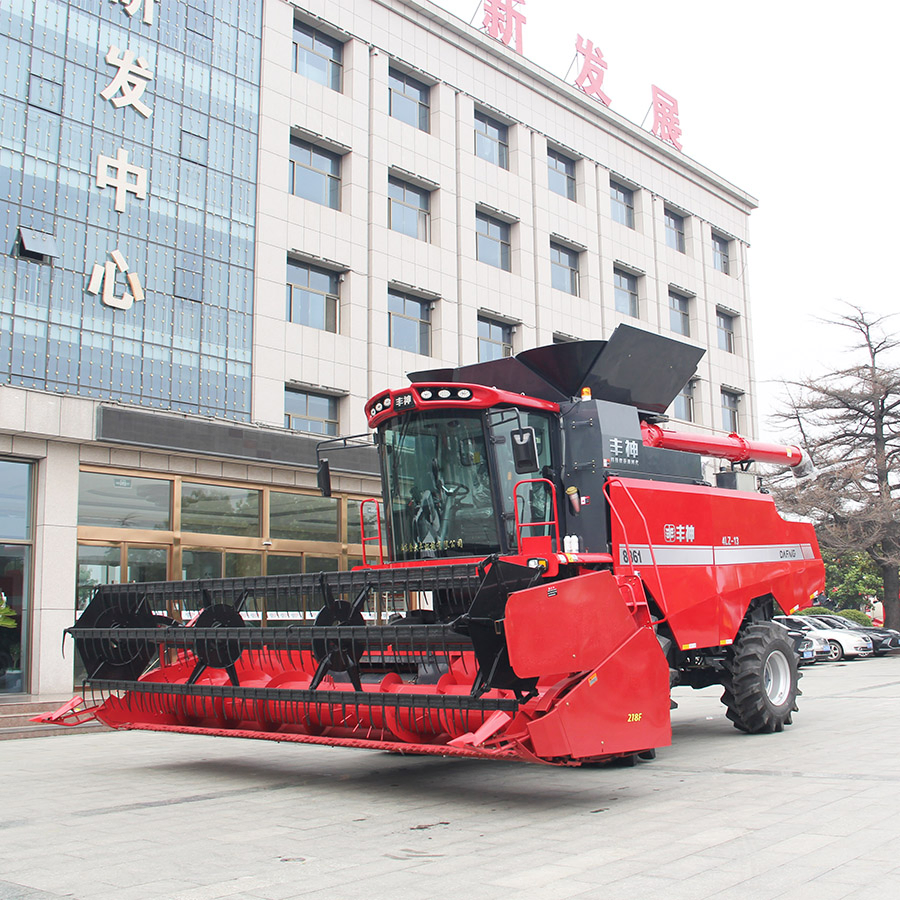
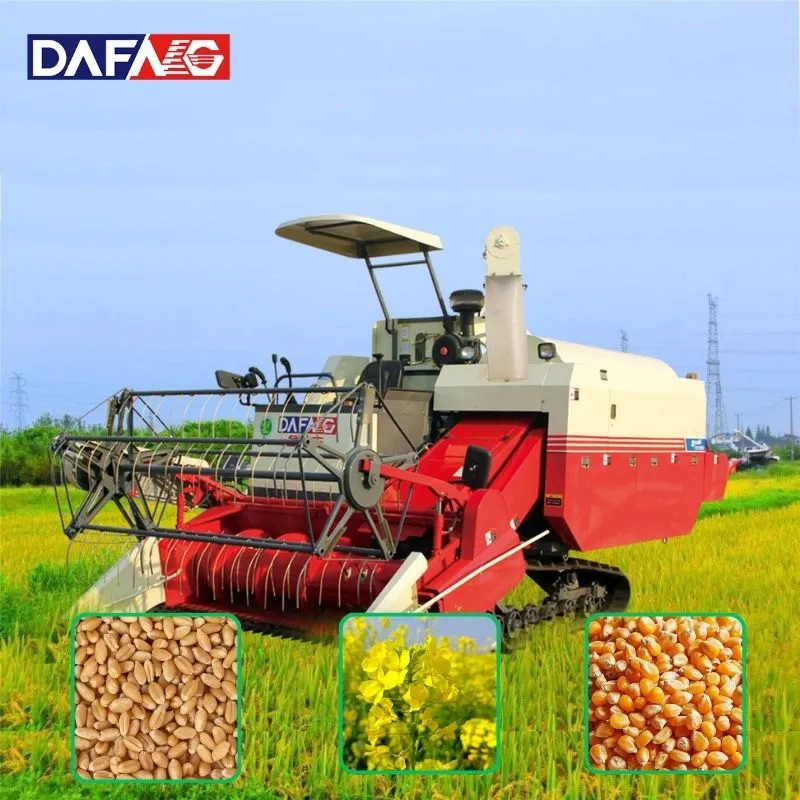
The company’s 360HP grain combine harvester uses axial-flow threshing technology and is primarily designed for wheat and rice. With appropriate component and setting adjustments, it can also support soybean, mixed-grain, and corn-kernel harvesting applications.
Axial crop flow helps move harvested material through the threshing and separation area while maintaining continuous processing. The effectiveness of the system still depends on correct machine settings, crop moisture, field speed, and operator experience.
Better Control of the Initial Investment
For many buyers, the main advantage of considering King-Gold Dafeng is not simply a lower quoted price. It is the ability to select a machine according to actual working requirements instead of purchasing more technology and capacity than the farm needs.
A properly matched machine can help buyers:
- Reduce the initial equipment investment
- Allocate more budget to headers and spare parts
- Control financing pressure
- Build a local maintenance inventory
- Achieve a more suitable cost per harvested hectare
- Recover the machinery investment more realistically
Actual cost-effectiveness must always be calculated using the buyer’s field area, crop value, labor cost, fuel price, harvesting window, and expected annual machine use.
Support for Dealers and Importers
Agricultural machinery distributors need more than one machine. They require stable specifications, export documentation, spare-parts planning, technical information, and communication after delivery.
As an agricultural machinery manufacturer for global buyers, King-Gold Dafeng works with overseas farmers, dealers, distributors, and importers. Buyers can discuss crop types, field conditions, target capacity, local maintenance capability, and market positioning before confirming a configuration.
How to Compare Quotes Correctly
A John Deere quote and a King-Gold Dafeng quote should not be compared by machine price alone. First confirm whether the two offers include equivalent equipment.
Check the following items:
- Engine model and rated power
- Header type and cutting width
- Feeding and threshing capacity
- Grain tank capacity
- Unloading system
- Tire or crawler configuration
- Cabin and control system
- Included spare parts
- Warranty period
- Technical manuals
- Shipping and loading costs
- Local dealer or remote service support
Only after matching these items can buyers make a meaningful cost comparison.
Questions to Ask Before Buying
Whether you choose John Deere, King-Gold Dafeng, or another brand, ask the supplier these questions:
- Which crops can this exact configuration harvest?
- What field capacity can it achieve under normal conditions?
- What are the expected grain-loss and broken-grain levels?
- Which adjustments are required when changing crops?
- Which parts normally wear during one harvesting season?
- What spare-parts package should be ordered with the machine?
- How does the supplier provide technical guidance?
- What does the warranty cover?
- Can the supplier provide field-operation videos?
- Are manuals and parts catalogues available in English?
Frequently Asked Questions
Is a John Deere Combine Harvester Worth the Price?
It may be worth the investment for a large farm that needs high capacity, advanced automation, data integration, and established dealer support. A smaller or less technology-dependent operation should calculate whether it will use enough of these advantages to justify the total ownership cost.
What Is a More Affordable Alternative to a John Deere Combine?
Buyers can consider an export-oriented combine manufacturer that focuses on practical harvesting functions, adaptable configurations, spare-parts support, and competitive total investment. The correct alternative must still match the crop, field size, required capacity, and local service conditions.
Is King-Gold Dafeng Better Than John Deere?
No single manufacturer is better for every buyer. John Deere may be more suitable for highly automated, large-scale farming operations. King-Gold Dafeng may be a more suitable and cost-effective option for buyers who prioritize practical performance, configuration flexibility, manageable investment, and export support.
Can a King-Gold Dafeng Combine Harvest Several Crops?
Selected models can support wheat, rice, soybean, mixed grains, and other crops when equipped and adjusted correctly. Buyers should confirm the required header and internal components for each crop before ordering.
Should I Buy Based on Brand or Specification?
Brand reputation matters, but the final decision should be based on crop compatibility, harvesting performance, field capacity, maintenance resources, spare-parts support, total ownership cost, and expected investment return.
Conclusion
A John Deere combine harvester represents a strong option for farms that need premium automation, high capacity, precision agriculture integration, and established dealer support. Its global reputation is supported by a broad harvesting product range and continued investment in advanced agricultural technology.
However, not every farm needs the most advanced or expensive harvesting system. Farmers, contractors, dealers, and importers should choose according to actual crop conditions, field size, seasonal workload, technical resources, and available budget.
For buyers seeking a more practical balance between harvesting performance and investment, King-Gold Dafeng combine harvester solutions provide an alternative worth evaluating. The objective is not to purchase the most famous name, but to select the machine that can complete the required work reliably and produce a sustainable return under real local conditions.
Editorial note: John Deere is a trademark of its respective owner. King-Gold Dafeng is an independent agricultural machinery manufacturer and is not affiliated with, authorized by, or endorsed by John Deere.