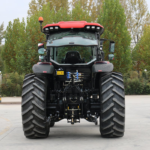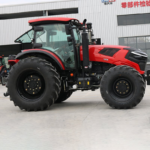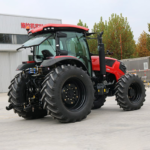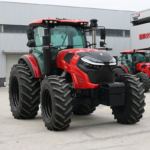
When farmers, dealers, or importers search for tractors for sale, they are not just looking for a machine—they are looking for performance, durability, and long-term value in real field conditions. Choosing the right tractor is a critical decision that directly affects productivity, fuel efficiency, and overall farming cost.
Today’s agricultural market offers a wide range of tractors for sale, from compact models for small farms to high-horsepower machines designed for large-scale commercial agriculture. Understanding how to evaluate these options helps buyers make a smarter investment and avoid costly mistakes.
Understanding Different Types of Tractors for Sale
Before selecting a tractor, it is important to understand the main categories available in the market. Each type of tractor is designed for specific farming conditions and workloads.
1. Compact and Small Farm Tractors
Compact tractors are commonly used in orchards, gardens, and small mixed farms. They are easy to operate and suitable for daily tasks such as mowing, light tillage, and transportation. These models are often preferred by small farm owners who need flexibility and lower operating costs.
Typical horsepower range: 70HP–75HP
2. Medium Power Agricultural Tractors
Medium-sized tractors are the most widely used category in global agriculture. They are suitable for plowing, harrowing, seeding, and general field operations. These tractors offer a balance between power and fuel efficiency, making them ideal for mixed farming operations.
Typical horsepower range: 100HP–160HP
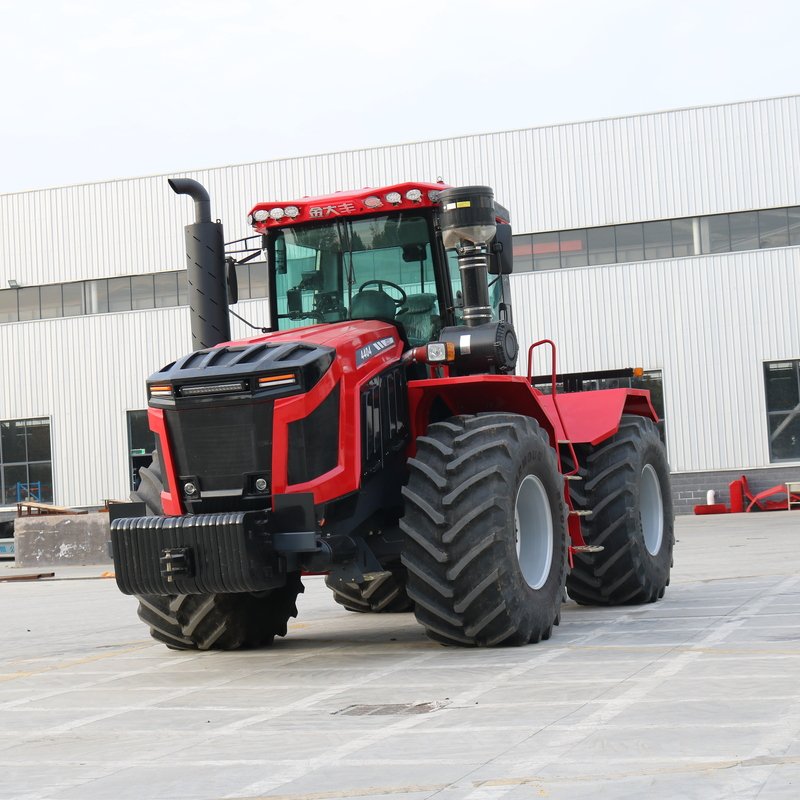
3. Heavy-Duty Large Farm Tractors
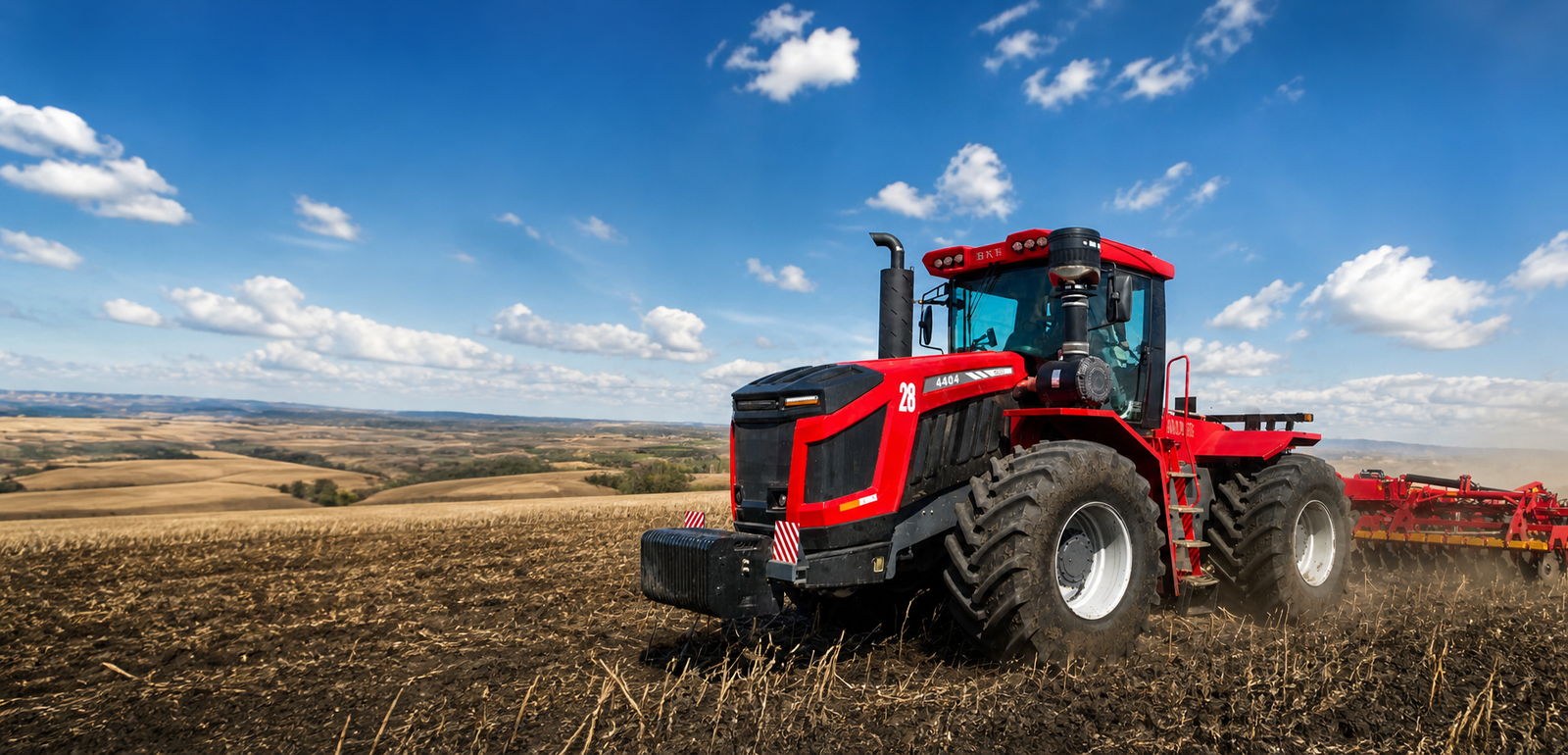
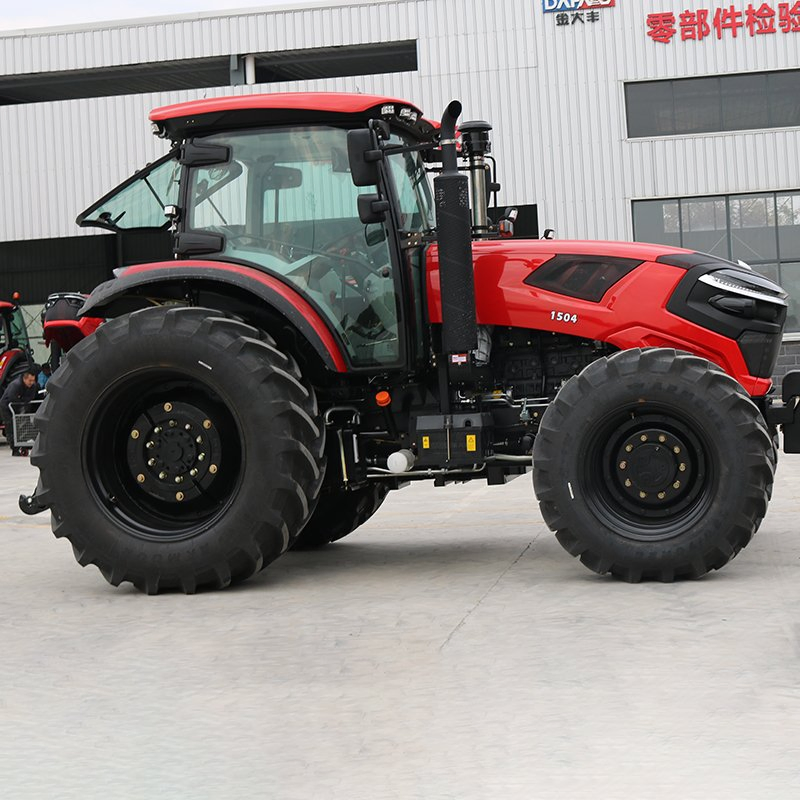
Heavy-duty tractors are designed for large-scale commercial farming. They are commonly used in deep plowing, heavy soil conditions, and wide-implement operations. These machines are built for high performance and long working hours.
Typical horsepower range: 240HP–440HP
Key Factors to Consider When Choosing Tractors for Sale
Not all tractors are built the same. Buyers should carefully evaluate technical specifications and real working conditions before making a decision.
Horsepower and Field Requirements
Horsepower determines what kind of farming tasks a tractor can handle. Small farms may only require 70–100HP, while large commercial farms often need 240HP or higher to handle heavy-duty operations efficiently.
4WD vs 2WD Performance
A 4WD tractor provides better traction, stability, and field performance, especially in heavy soil or uneven terrain. It is highly recommended for large farms and commercial agriculture operations.
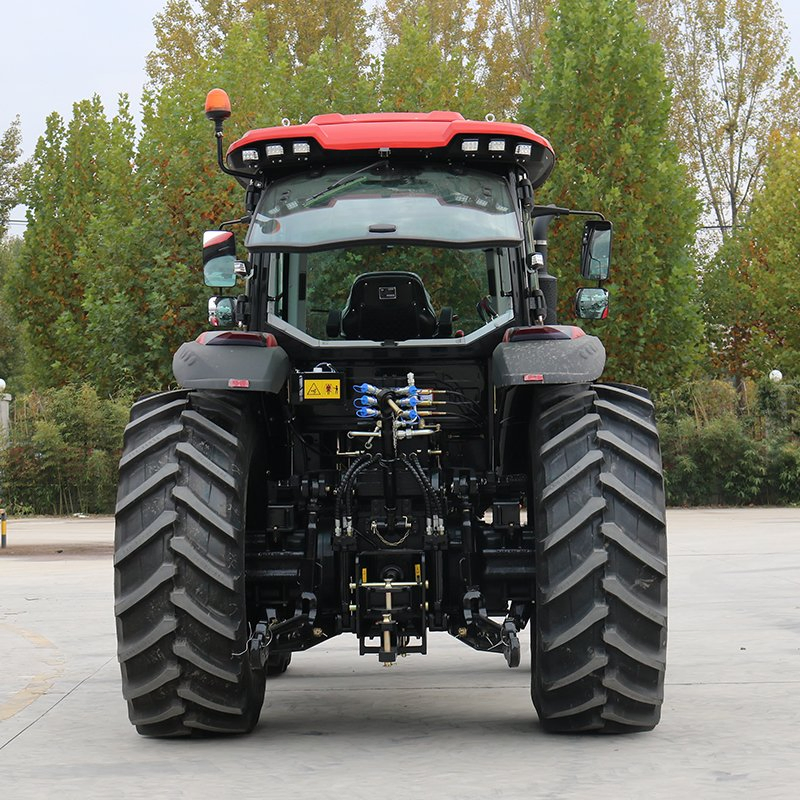
PTO and Hydraulic System
Power Take-Off (PTO) and hydraulic systems are essential for operating attachments such as plows, seeders, and loaders. A strong hydraulic system increases overall efficiency and machine versatility in the field.
Fuel Efficiency and Engine Reliability
Modern diesel tractors are designed to reduce fuel consumption while maintaining strong output. Engine durability and cooling performance are also key factors for long-term operation in harsh agricultural environments.
Why Dealers and Importers Focus on Tractors for Sale from Manufacturers
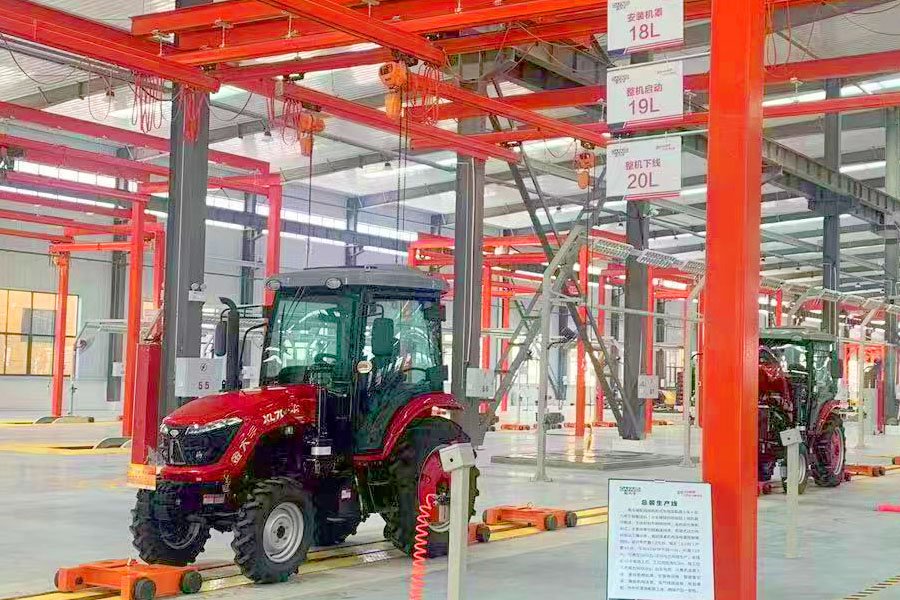
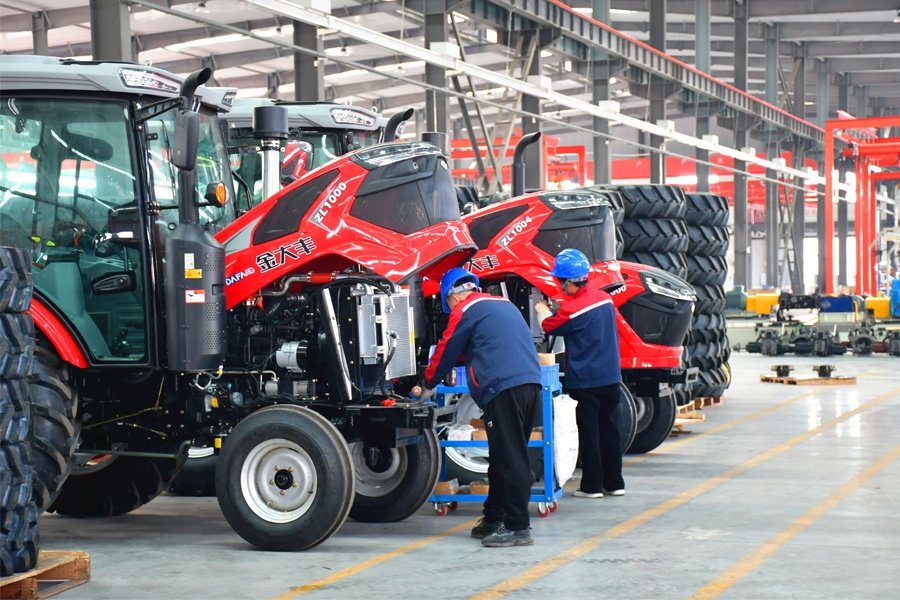
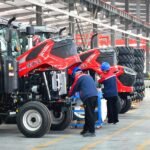
For international buyers, especially dealers and importers, sourcing directly from manufacturers provides better pricing, customization options, and after-sales support. Reliable manufacturers also ensure consistent spare parts supply and technical assistance.
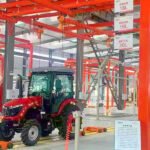
For example, professional agricultural machinery manufacturers like King-Gold Dafeng offer a full range of tractors from 70HP to 440HP, designed for different farming environments including small farms, medium agricultural operations, and large commercial fields.
This type of supplier-focused model helps global buyers reduce procurement risks and improve long-term business stability.
Common Applications of Tractors for Sale in Modern Farming
- Plowing and land preparation for crop planting
- Seeding and fertilizer application
- Transporting agricultural goods and materials
- Operating farm implements through PTO systems
- Heavy tillage and deep soil cultivation
As modern agriculture becomes more mechanized, tractors are no longer optional equipment—they are essential tools for improving productivity and reducing manual labor.
How to Choose the Right Supplier for Tractors for Sale
When evaluating suppliers, buyers should focus on manufacturing capability, quality control, and after-sales service. A reliable supplier should provide:
- Stable production capacity and quality assurance
- Spare parts availability and global delivery support
- Technical documentation and training support
- Warranty and long-term service system
Working with an experienced agricultural machinery supplier ensures that tractors remain operational under real field conditions and reduces downtime for farmers and contractors.
Conclusion
Searching for tractors for sale is not just about comparing prices—it is about selecting the right machine for long-term agricultural performance. Whether for small farms or large-scale commercial operations, the right tractor improves efficiency, reduces costs, and supports sustainable farming development.
Understanding horsepower, drivetrain systems, hydraulic performance, and supplier reliability helps buyers make informed decisions and invest in the right agricultural equipment.