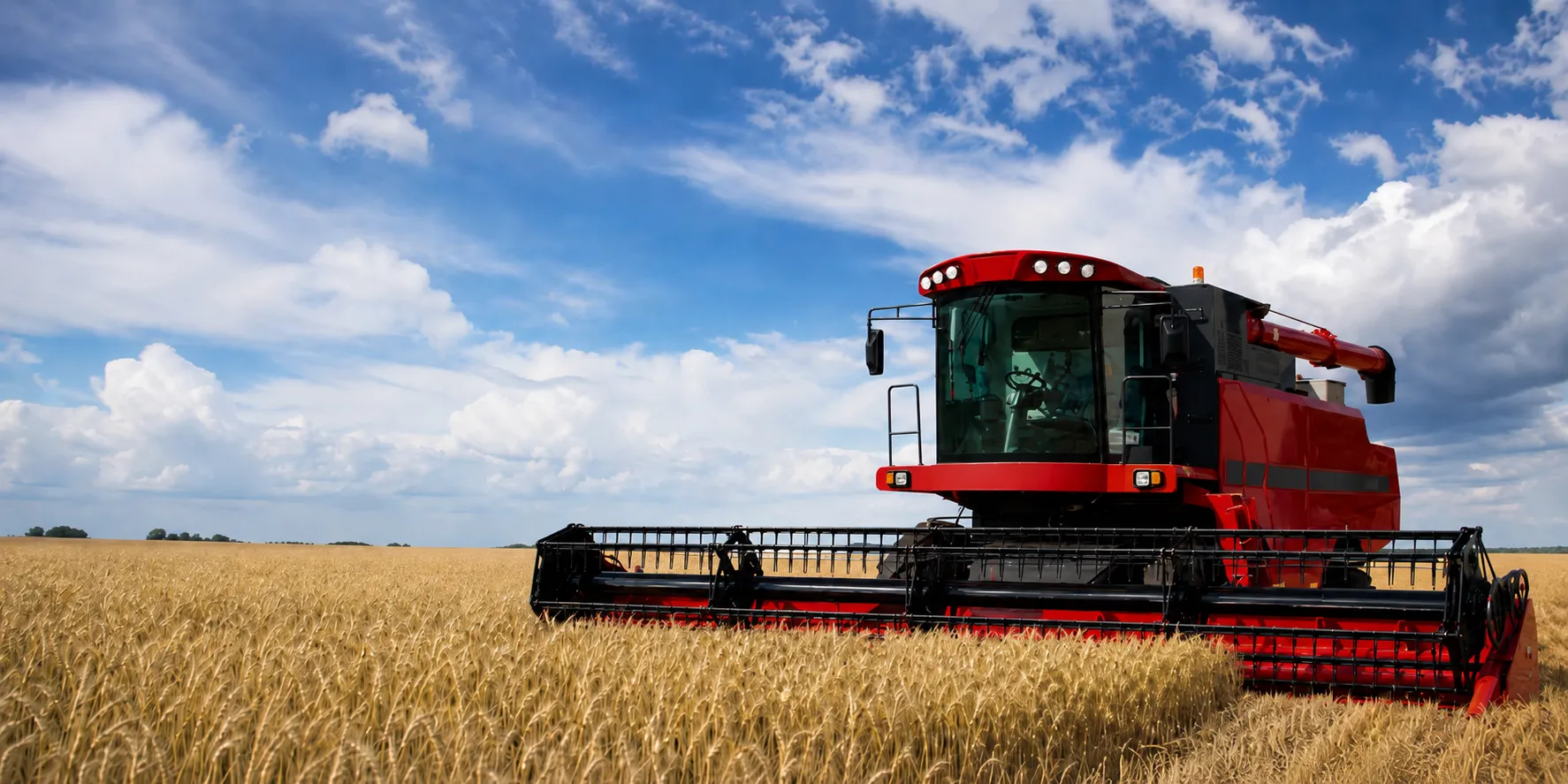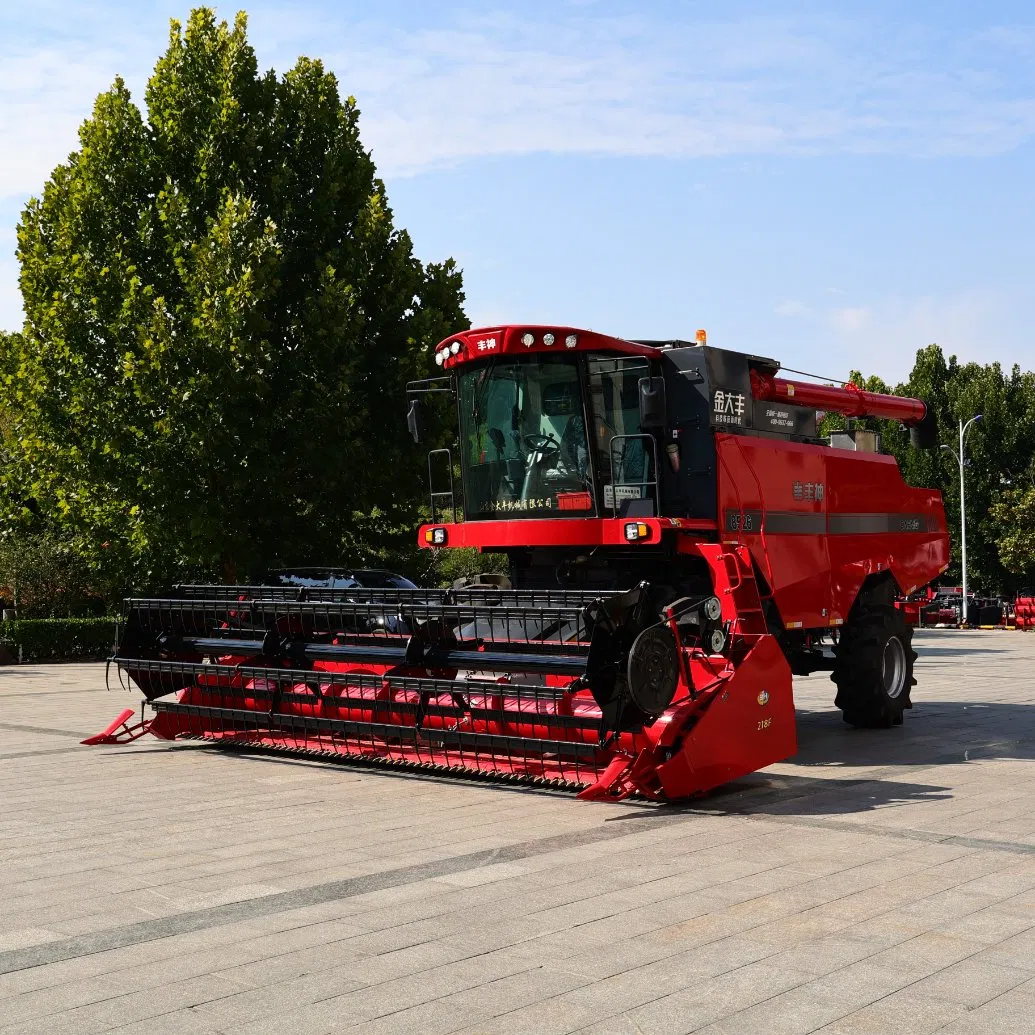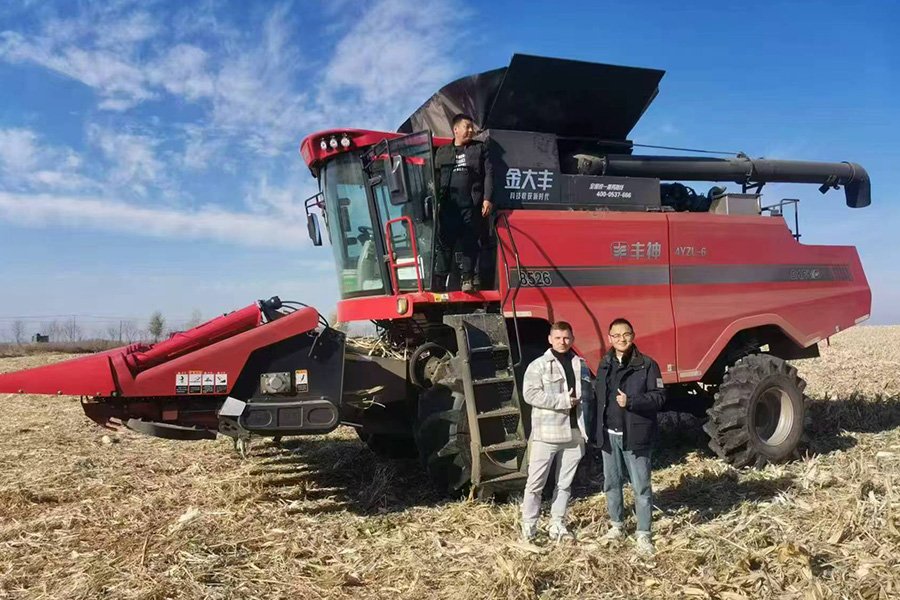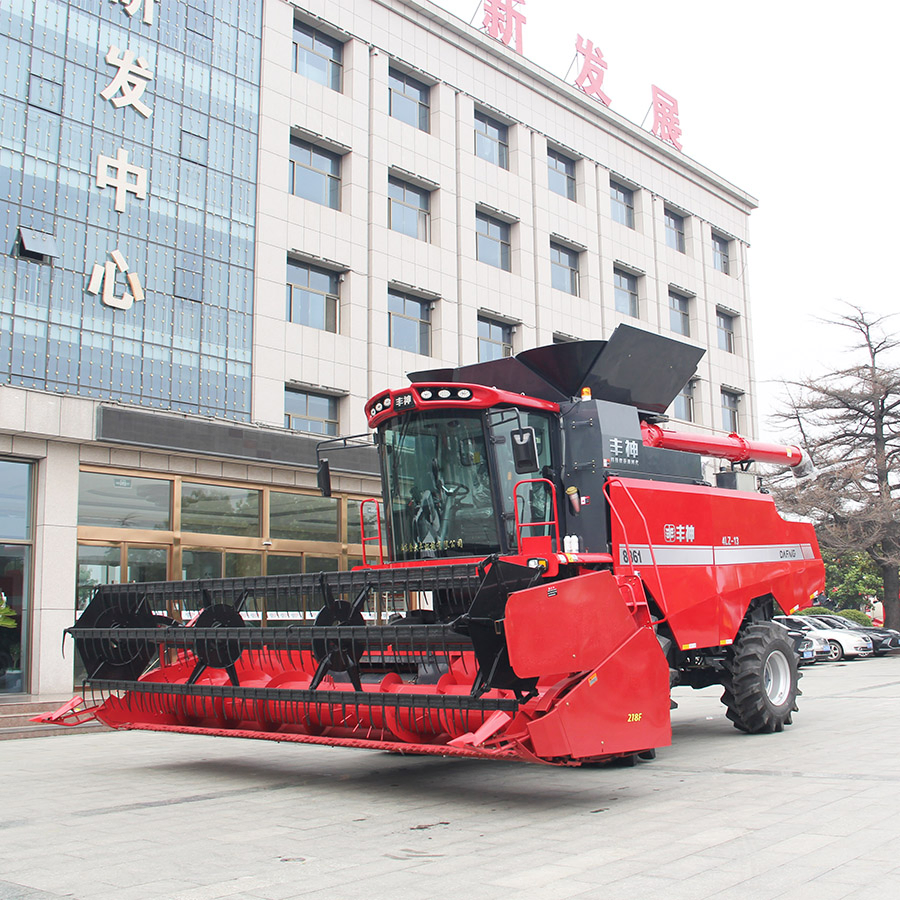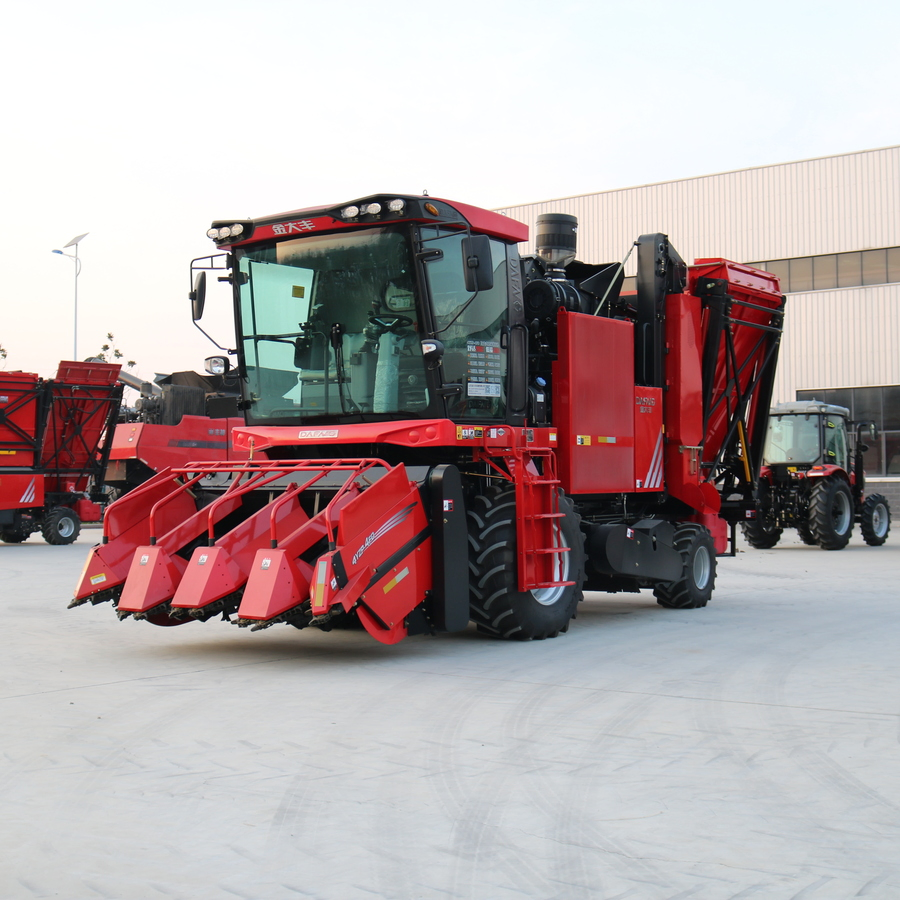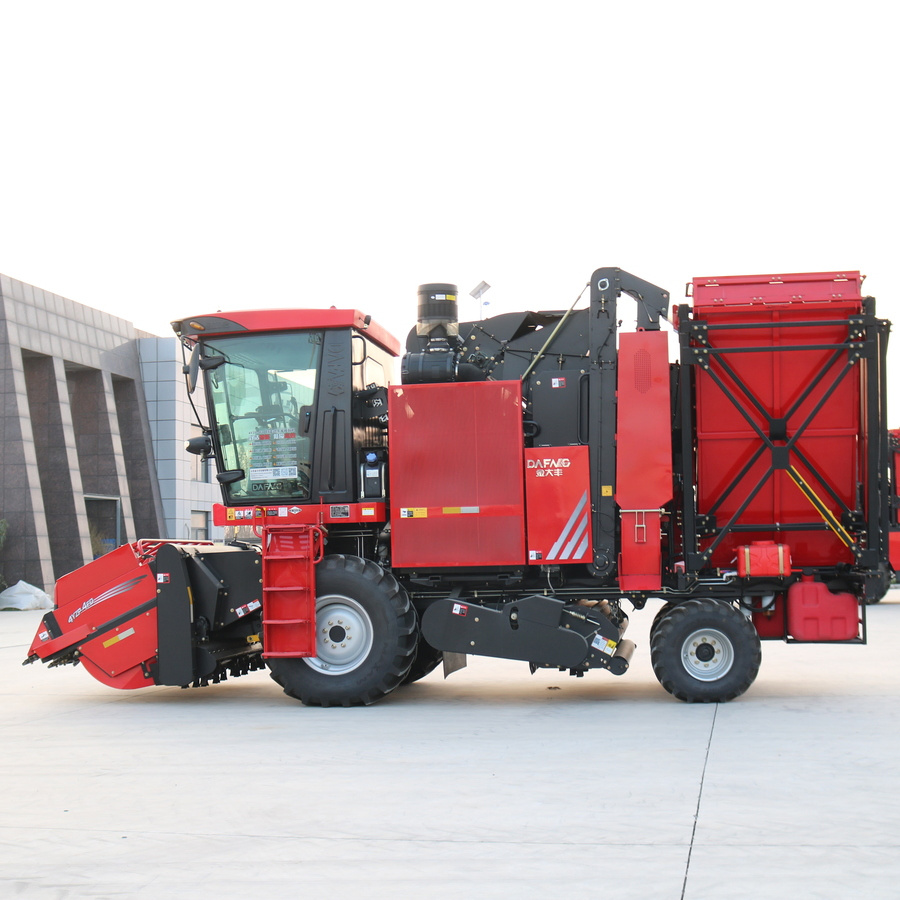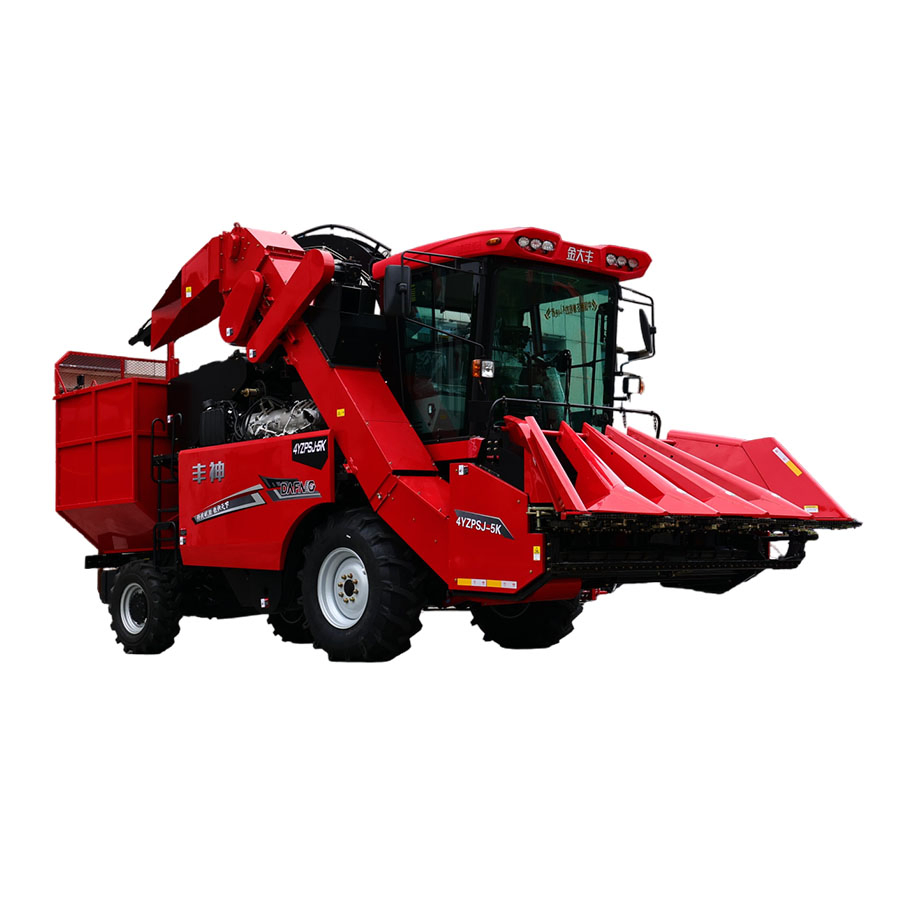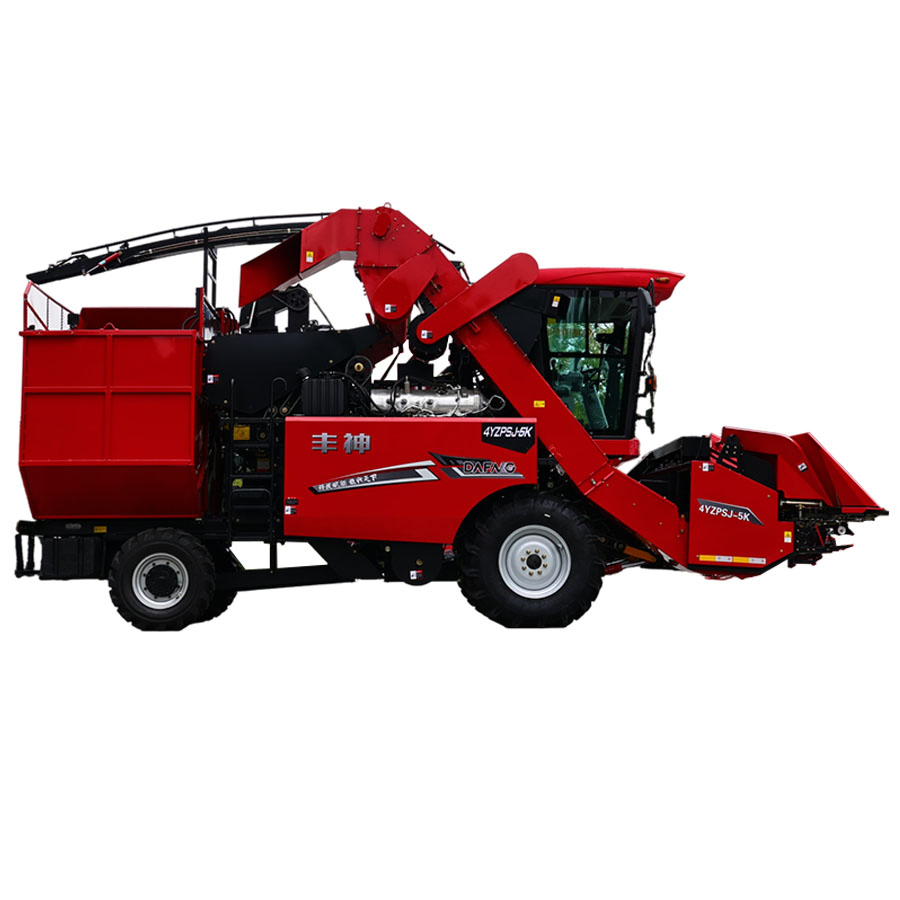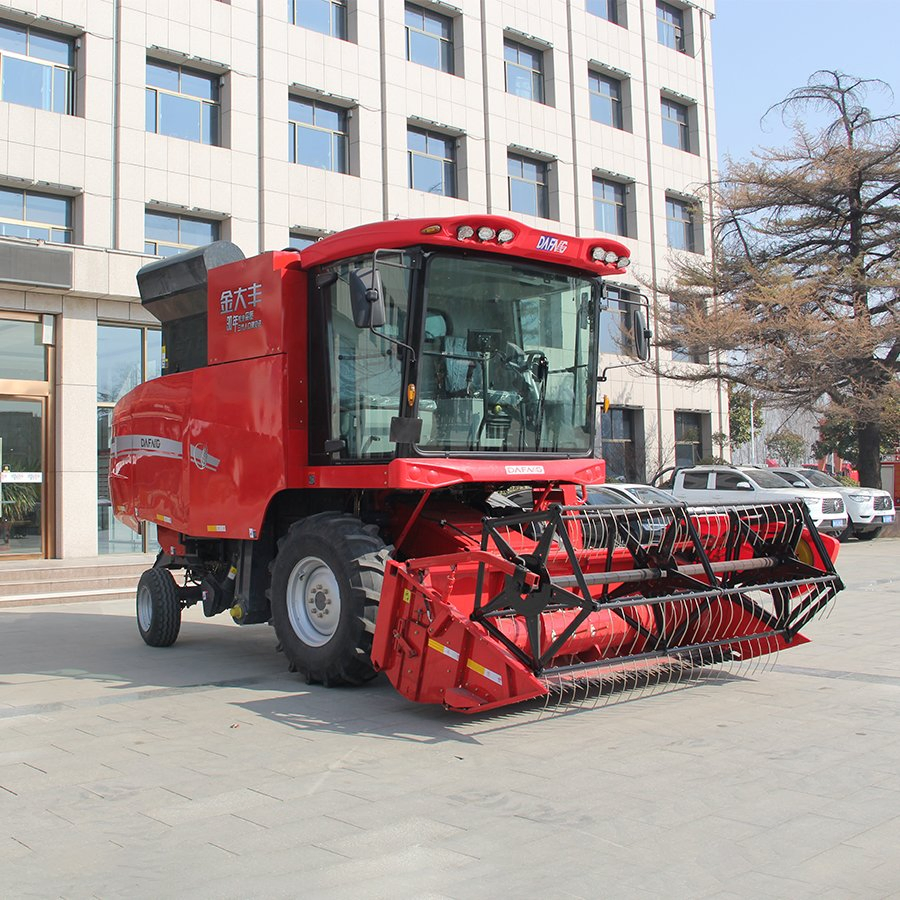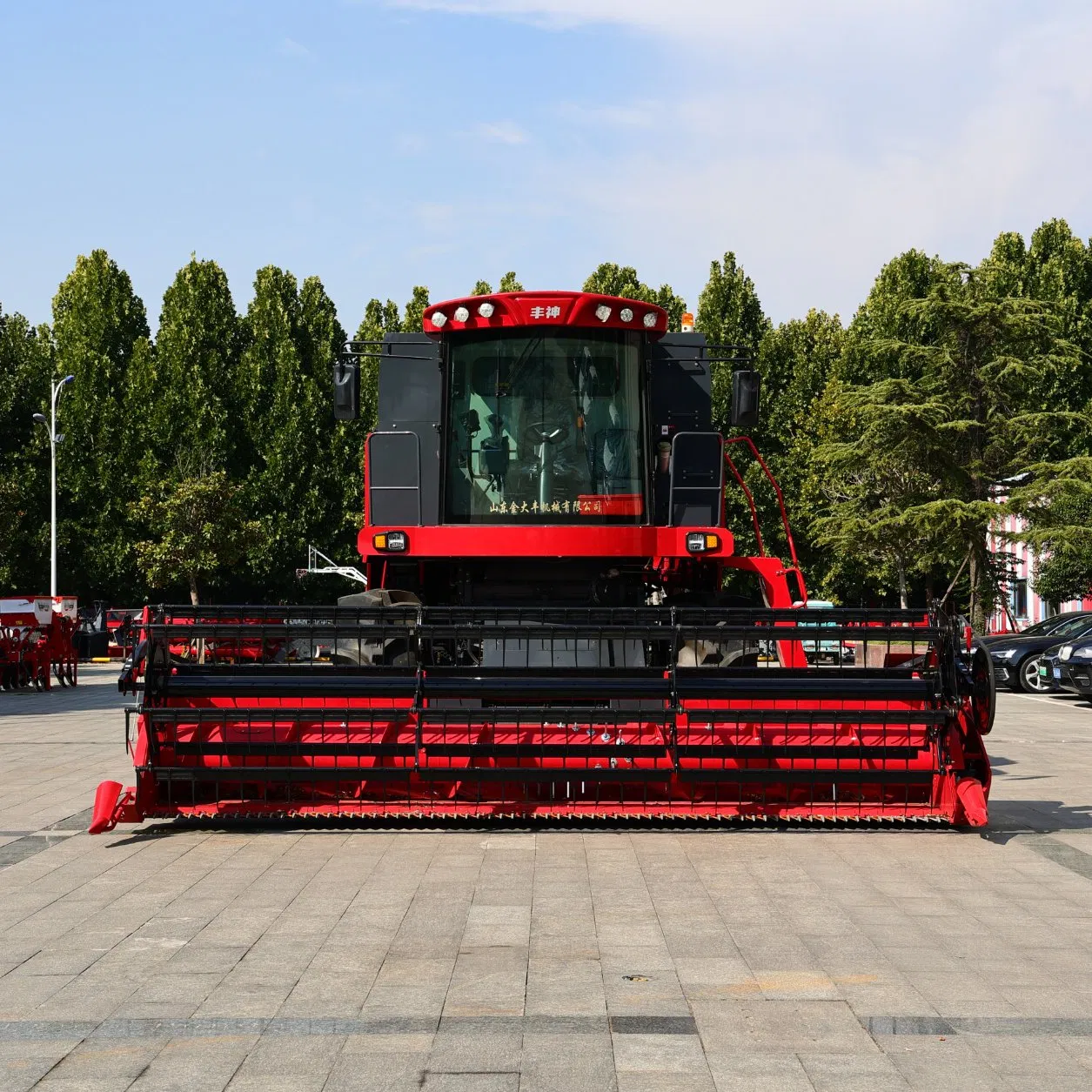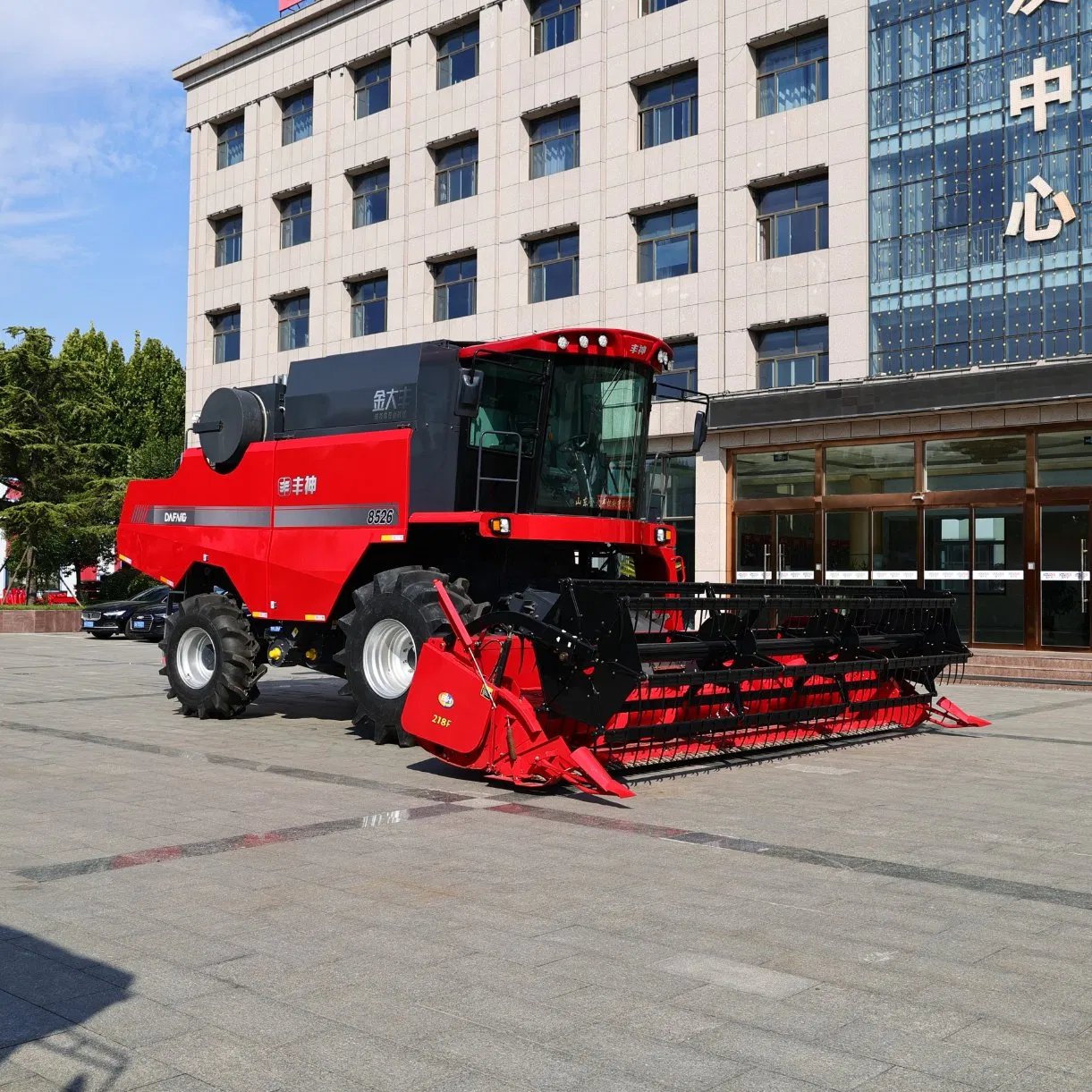
Choosing a combine harvester for wheat and rice is not simply a matter of comparing horsepower, cutting width or grain tank capacity. Wheat and rice may both be grain crops, but they often create very different working conditions in the field.
Wheat is usually harvested on relatively firm ground and can produce a heavy flow of dry straw. Rice may be wetter, more difficult to feed and grown in soft or muddy fields. A machine that performs well in wheat may still require different tires, threshing settings or feeding components before it can work efficiently in rice.
For farmers, contractors, dealers and importers, the best choice is a machine that matches the crop, field conditions and available harvest time. This guide explains how to evaluate a combine harvester for wheat and rice and which specifications deserve the most attention before purchasing.
Begin With the Farm, Not the Machine
Many buyers start by asking for the largest available model. A better approach is to first define the work that the machine must complete. This makes it easier to select the right capacity and prevents unnecessary investment in equipment that may be too large, too heavy or difficult to transport.
Crop area and harvesting schedule
The first question is how many hectares of wheat and rice must be harvested each season. Buyers should also consider how many working days are normally available before rain, lodging or grain quality becomes a serious concern.
A farm with a short harvest window may need a higher-capacity machine, while a smaller farm with more flexible timing may achieve better value from a medium-sized combine. Contractors should calculate the combined workload of all customers rather than looking at one field alone.
Field size and access conditions
Large, open wheat fields can support wider headers and longer working passes. Small rice plots divided by irrigation channels may require a more compact machine with a smaller turning radius.
Road width, bridge limits and transport distance between fields should also be considered. A wider machine may deliver higher output in the field but create problems when moving between farms.
Soil and moisture conditions
Wheat fields are often relatively dry and firm. Rice fields may remain soft even when the crop is ready. This difference affects the choice of tires, tracks, machine weight and grain tank capacity.
Before requesting a quotation, buyers should tell the supplier whether the machine will mainly work on dry land, wet fields or a mixture of both. This information is more useful than horsepower alone.
Match the Main Systems to Wheat and Rice
A combine harvester works as one complete system. The header, feeder, threshing unit, separator and cleaning system must all handle the crop flow correctly. A strong engine cannot compensate for poor feeding or unsuitable threshing settings.
Header and feeding performance
The header is the first place where grain losses can occur. For wheat, the platform should cut evenly and deliver a continuous crop flow into the feeder house. Irregular feeding can increase blockage and reduce threshing stability.
Rice may be lodged, tangled or uneven in height. The reel, cutter bar and auger must move the crop without excessive impact. Buyers should ask whether the header has been tested with local rice varieties and whether different platform configurations are available.
Cutting width should match both the field and the machine. A wider header can improve output, but only when the feeder, threshing system and grain transport vehicles can handle the additional crop volume.
Threshing and separation
The threshing system must separate grain without causing excessive breakage. Wheat usually requires stable processing of a large straw flow, while rice may need more careful adjustment because the crop can contain additional moisture and green material.
Important points to compare include:
- Cylinder or rotor speed range.
- Concave clearance adjustment.
- Total separation area.
- Recommended settings for wheat and rice.
- Access for inspection and cleaning.
- Availability of crop-specific concaves or components.
A machine with a wide adjustment range is generally more useful than one designed around a single fixed operating condition. This is especially important for contractors who work with different crop varieties and moisture levels.
Cleaning system and grain quality
After threshing, the cleaning system must remove chaff, straw and other light material without blowing good grain out of the machine. Fan speed and sieve opening should be easy to adjust as field conditions change.
Wheat and rice may need different airflow settings. The operator should be able to check the grain sample and make small corrections without spending too much time stopping the machine.
A clean grain sample can reduce later cleaning costs, but overly aggressive airflow may increase grain loss. The best setting is usually a balance between cleanliness and recovery.
Choose Capacity That Works in Real Fields
Manufacturers often provide theoretical productivity figures, but real harvesting capacity depends on much more than cutting width and travel speed. Turning, unloading, field shape, moisture and transport delays all reduce actual output.
Engine power and crop flow
Engine power should be matched to the header, feeding capacity and threshing system. A high-power engine is useful only when the rest of the machine can process the same crop volume.
Buyers should ask how the machine performs under heavy wheat straw or wet rice conditions. Working videos under realistic loads are often more useful than a single maximum-output figure in a brochure.
Grain tank and unloading speed
A larger grain tank allows the combine to work longer between unloading stops. This can be helpful in large wheat fields, especially when trailers can move beside the machine.
In wet rice fields, however, a full grain tank adds considerable weight. The extra load may increase ground pressure and reduce mobility. Buyers should therefore select the tank size together with the running system rather than treating it as a separate feature.
Unloading height, auger reach and discharge speed should also match the local trailers or trucks. A fast combine can still lose time if unloading is poorly coordinated.
Realistic field efficiency
When estimating capacity, include time for:
- Turning at field ends.
- Unloading grain.
- Moving between plots.
- Cleaning blocked components.
- Daily maintenance.
- Weather interruptions.
A machine that is slightly smaller but easier to operate may complete more useful work than a larger combine that struggles in narrow or wet fields.
Pay Close Attention to Mobility and Maintenance
Mobility and maintenance are sometimes treated as secondary details, but both have a direct effect on the number of hectares completed during harvest.
Tires or tracks for different fields
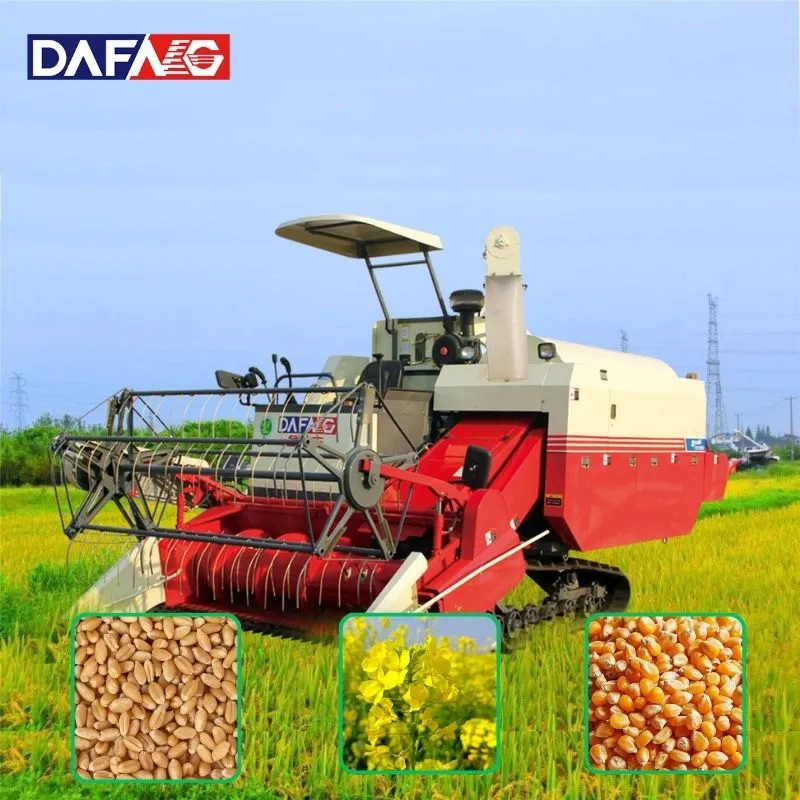
Standard agricultural tires may be suitable for firm wheat fields. Wide flotation tires can reduce ground pressure, while crawler-type systems often provide better traction in soft rice fields.
Tracks are not automatically necessary for every rice operation. They may add cost and maintenance requirements, especially when the machine must travel long distances on roads. The decision should be based on soil bearing capacity, mud depth and transport conditions.
Buyers should also compare ground clearance, turning radius and overall machine weight. A highly productive machine is of little value if it frequently gets stuck.
Daily service access
During harvest, operators need quick access to filters, belts, chains, lubrication points and cooling components. Complicated maintenance reduces working time and increases the chance that small problems will be ignored.
Check whether the following areas are easy to inspect:
- Engine and radiator.
- Belts and tensioning points.
- Chains and sprockets.
- Hydraulic hoses.
- Header knives and guards.
- Threshing and cleaning components.
Simple access panels and clearly marked service points can make a major difference during a busy season.
Spare parts and technical support
For international buyers, spare-parts availability is just as important as machine performance. A failed belt or bearing during the harvest window can create losses far greater than the price of the part.
Ask the supplier for a recommended first-season spare-parts package. It may include filters, belts, chains, knives, cutting sections, bearings and other wear components.
Dealers and importers should also confirm whether the manufacturer can provide manuals, parts catalogs, electrical diagrams and remote technical support.
What to Confirm Before Placing an Order
Once a suitable machine size has been identified, the buyer should request a complete configuration rather than only asking for the lowest price.
Technical configuration
| Item | What to Confirm |
|---|---|
| Compatible crops | Whether the machine is properly configured for both wheat and rice |
| Header | Type, cutting width and optional platforms |
| Engine | Power, brand, emission standard and local service availability |
| Threshing system | Adjustment range and crop-specific components |
| Running system | Tires, flotation tires or tracks |
| Grain tank | Capacity, unloading height and discharge speed |
| Spare parts | Included wear parts and recommended stock |
| Shipping | Machine dimensions, loading method and destination requirements |
Questions for the supplier
A professional supplier should be able to answer practical questions, not only provide basic specifications. Buyers can ask:
- What changes are required when switching from wheat to rice?
- Which parts are included in the standard configuration?
- Are crop-specific headers or concaves available?
- What is the expected working capacity under normal conditions?
- Which spare parts should be stocked locally?
- What technical support is provided after delivery?
- Can the supplier provide real harvesting videos?
- What are the warranty terms and production lead time?
International buyers can compare available grain combine harvester models before discussing a final configuration with the manufacturer.
Supplier evaluation for dealers and importers
Dealers are not only buying a machine. They are also taking responsibility for service, spare parts and customer satisfaction in their local market.
Product consistency is therefore important. If the supplier changes major components frequently, stocking parts and training technicians becomes more difficult.
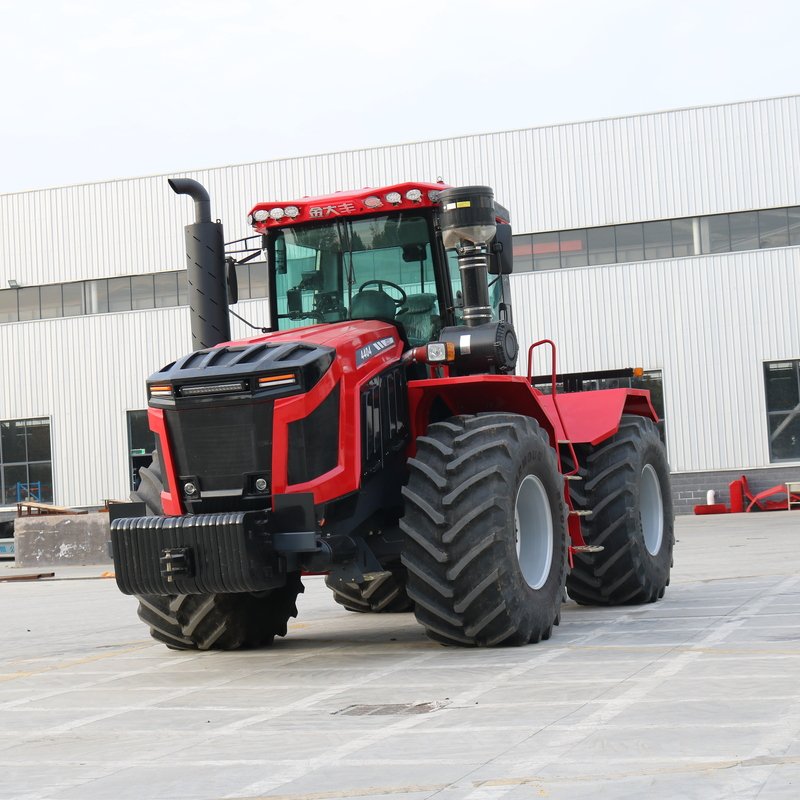
King-Gold Dafeng manufactures agricultural machinery for overseas markets, including combine harvesters, corn harvesters and tractors. Buyers can review King-Gold Dafeng combine harvesters according to crop type, field conditions and required harvesting capacity.
Frequently Asked Questions
Can one combine harvester work with both wheat and rice?
Yes. A multi-crop combine can harvest both crops when it has the correct header, threshing settings and running system. Buyers should confirm what adjustments or replacement parts are required when changing crops.
Is a tracked combine always better for rice?
No. Tracks can provide better traction in very soft fields, but they may increase cost and maintenance. Tires may be sufficient when rice fields are firm enough during harvest.
Is a wider header always more productive?
Not always. Wider headers work well in large fields, but they may be difficult to transport or turn in small plots. The feeder, threshing unit and grain transport system must also handle the increased crop flow.
What information should be sent when requesting a quotation?
Provide the main crops, annual harvesting area, field size, expected yield, soil conditions, crop moisture, preferred cutting width and destination port. This allows the supplier to recommend a more accurate configuration.
Which spare parts should be ordered with the machine?
A basic package often includes filters, belts, chains, knives, cutting sections, bearings and other wear parts. The final list should be based on the machine model and expected annual working hours.
Final Thoughts
The right combine harvester for wheat and rice should fit the crop, the field and the harvest schedule. Engine power and cutting width matter, but they should be considered together with feeding capacity, threshing adjustment, cleaning performance, mobility and maintenance.
For wheat, buyers should focus on stable feeding, straw handling and clean grain separation. For rice, they should pay more attention to wet material, soft-field mobility and blockage prevention.
Before making a final decision, compare complete machine configurations, review real working videos and calculate the total landed and operating cost. Buyers looking for a suitable combine harvester for wheat and rice can visit King-Gold Dafeng agricultural machinery and provide their crop, field and capacity requirements.