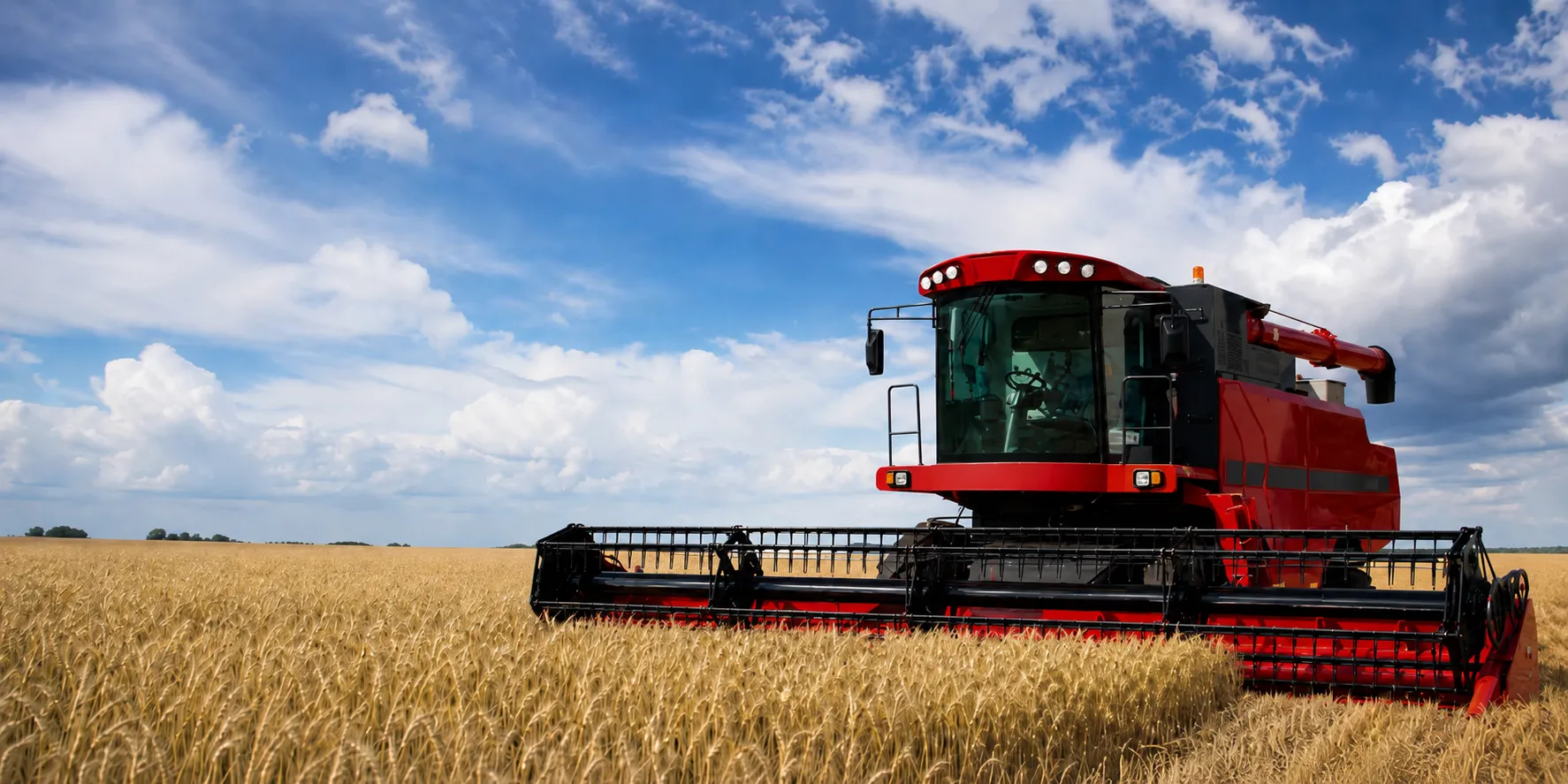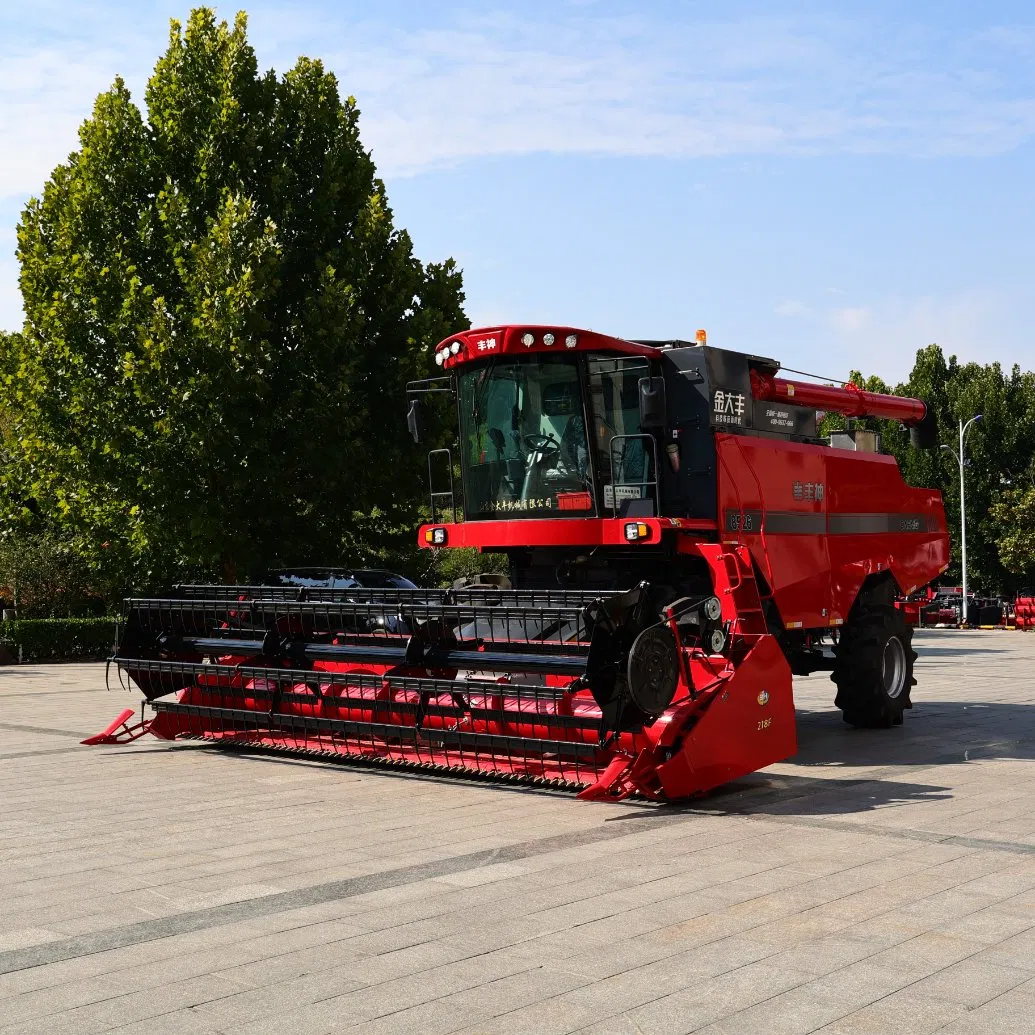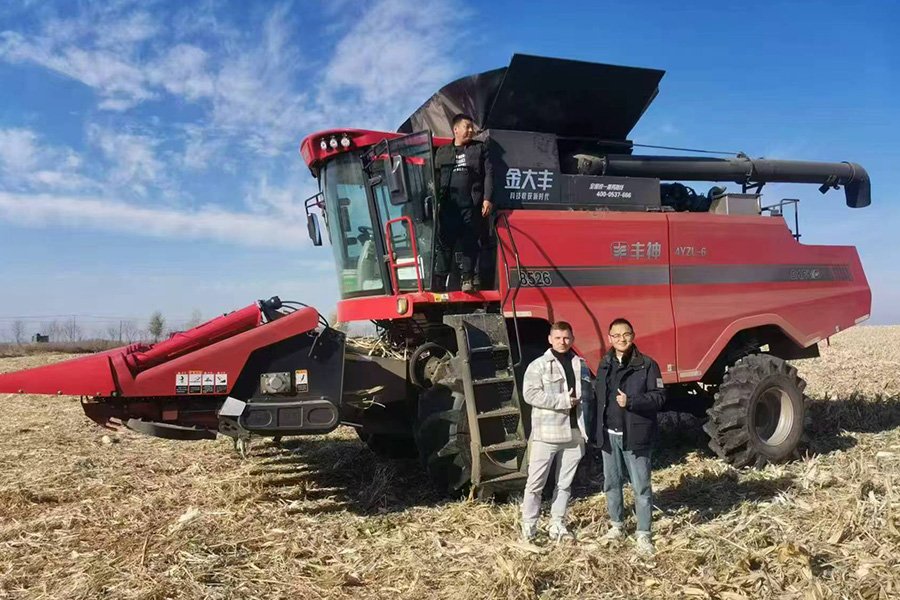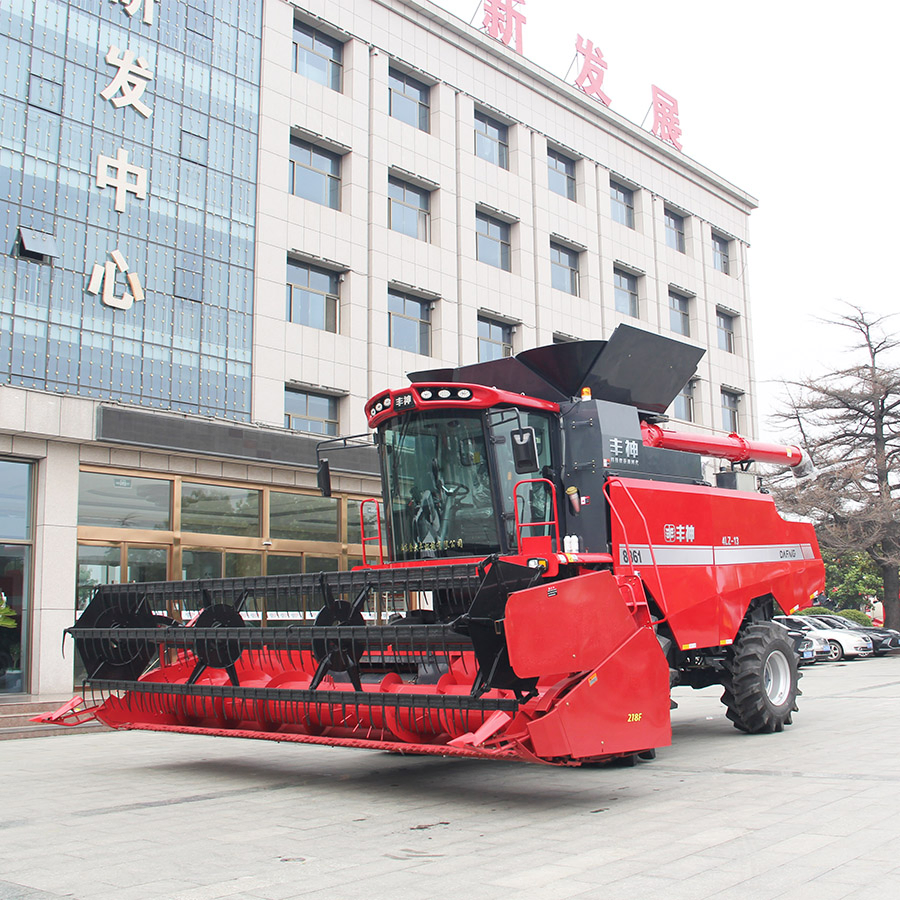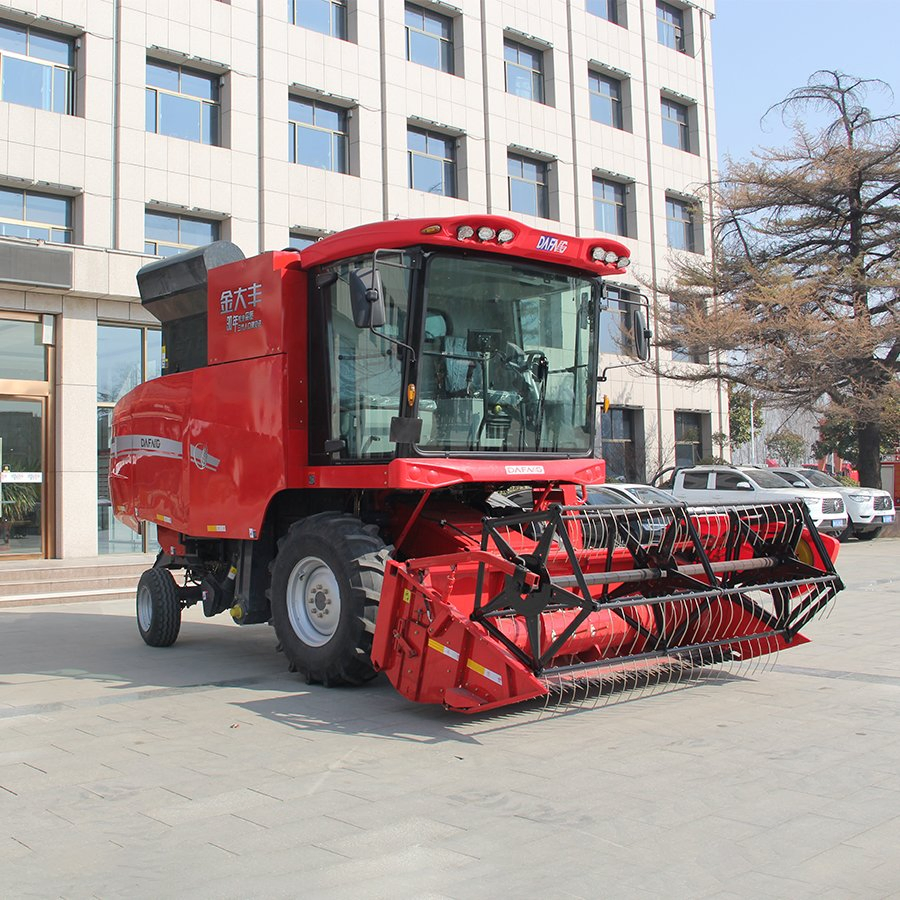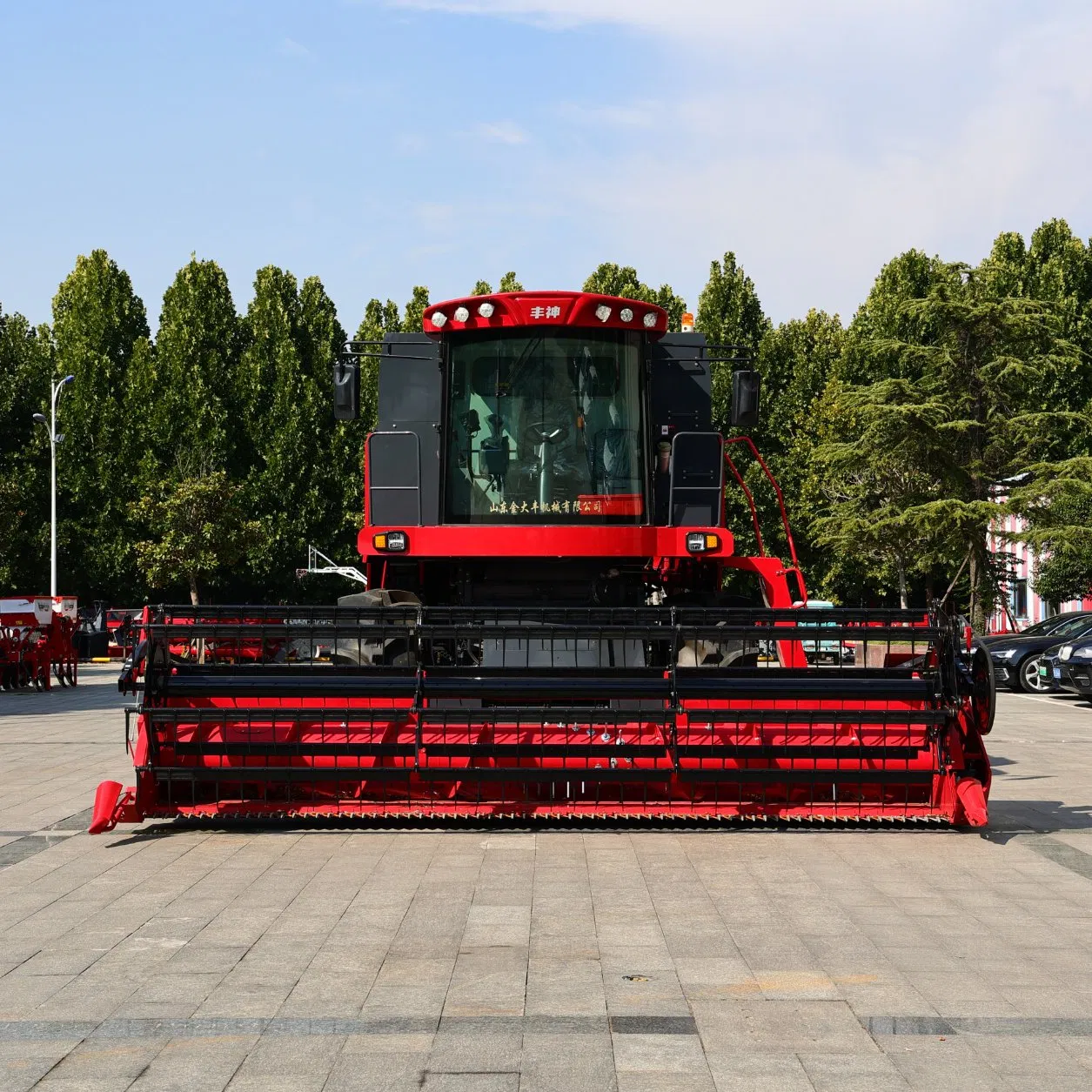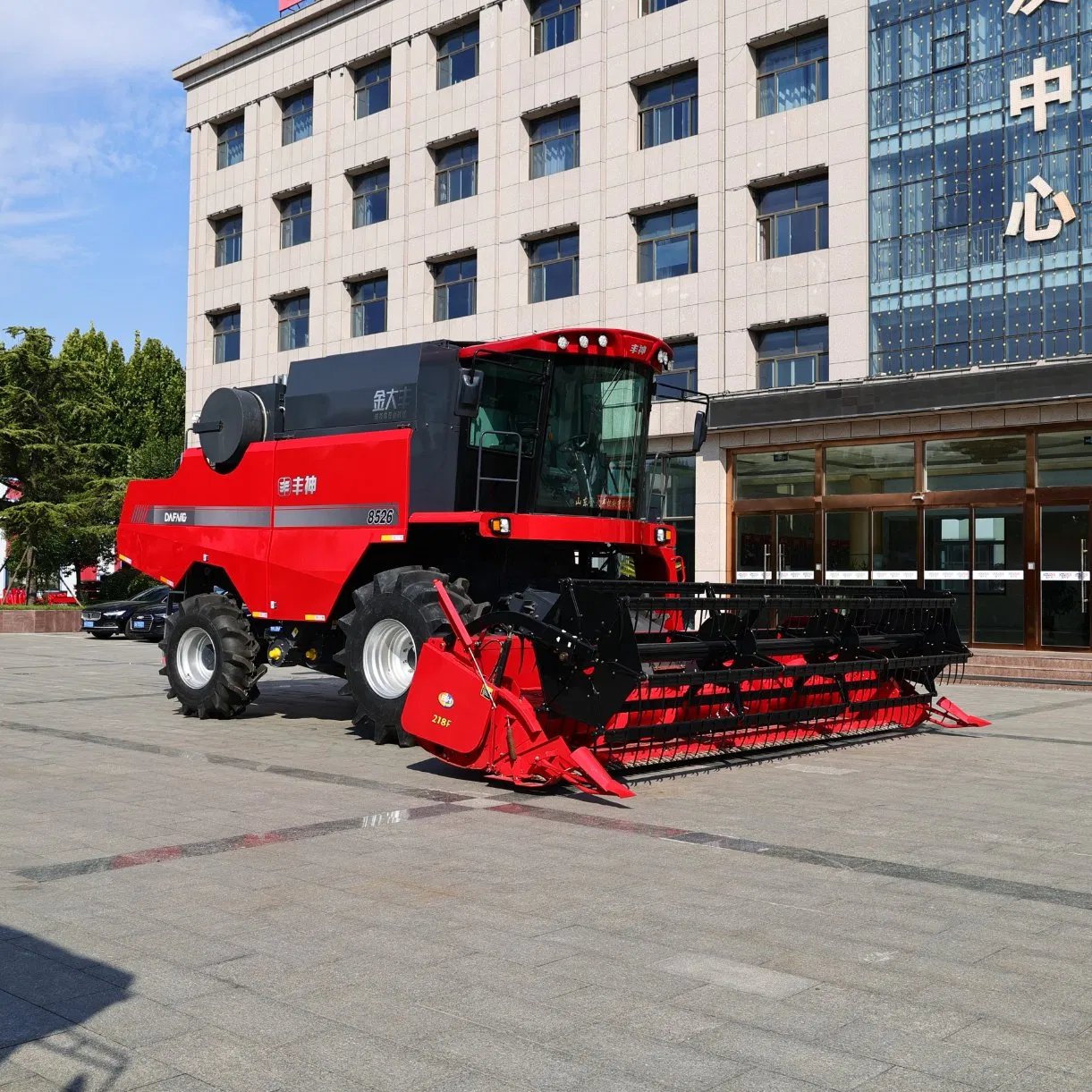
When buyers compare combine harvesters, most of the attention usually goes to engine power, cutting width, grain tank capacity and field productivity. The header is sometimes treated as a simple attachment, even though it is the first part of the machine to meet the crop.
A well-matched header cuts or gathers the crop cleanly, maintains an even feeding rate and reduces losses before material enters the threshing system. A poorly selected header can limit the performance of the entire combine, regardless of how powerful the machine is.
The choice often comes down to two common options: a corn header and a grain header. They are designed for different crops and handle plants in very different ways. One gathers corn plants by rows and separates the ears from the stalks. The other cuts the crop and feeds most of the above-ground plant material into the combine.
This guide explains how both headers work, where each one performs best and what farmers, contractors, dealers and importers should confirm before ordering a combine harvester and header configuration.
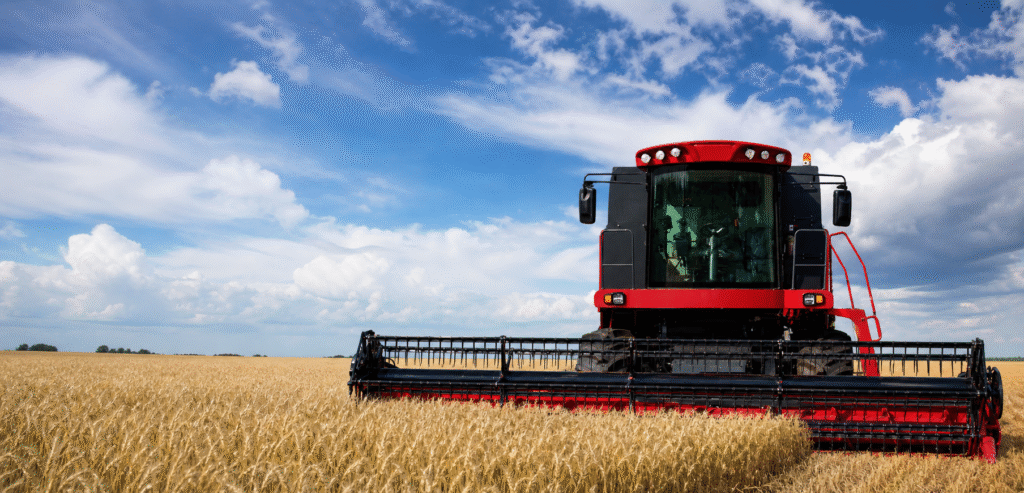
Why Header Selection Affects the Whole Harvest
The header controls how crop material enters the combine. If feeding is smooth and consistent, the threshing and cleaning systems can work under a relatively stable load. When material enters in large bunches or at irregular intervals, the machine may alternate between overload and underload.
That uneven flow can increase fuel consumption, reduce cleaning performance and carry grain out with straw or residue. It can also create feeder blockages and unnecessary wear on belts, chains and internal components.
The first losses often happen before threshing
Not all harvesting loss happens inside the combine. Dry corn ears can fall before reaching the gathering chains. Wheat heads can shatter when struck too aggressively by the reel. Soybean pods may open near the cutter bar, especially when the crop is dry.
Once grain falls in front of the header, the combine cannot recover it. This is why header setup, operating speed and crop condition deserve as much attention as rotor speed or sieve adjustment.
A header must match both the crop and the field
Crop type is the first consideration, but it is not the only one. Row spacing, lodging, field size, terrain and harvest moisture also influence header selection.
A large grain platform may work efficiently in open wheat fields but become inconvenient in small plots. A wide corn header can improve output in well-planted commercial fields, but it may perform poorly if local row spacing is inconsistent.
How Corn Headers and Grain Headers Handle the Crop
The main difference lies in how each header separates the harvestable part of the plant from the rest of the crop.
How a corn header works
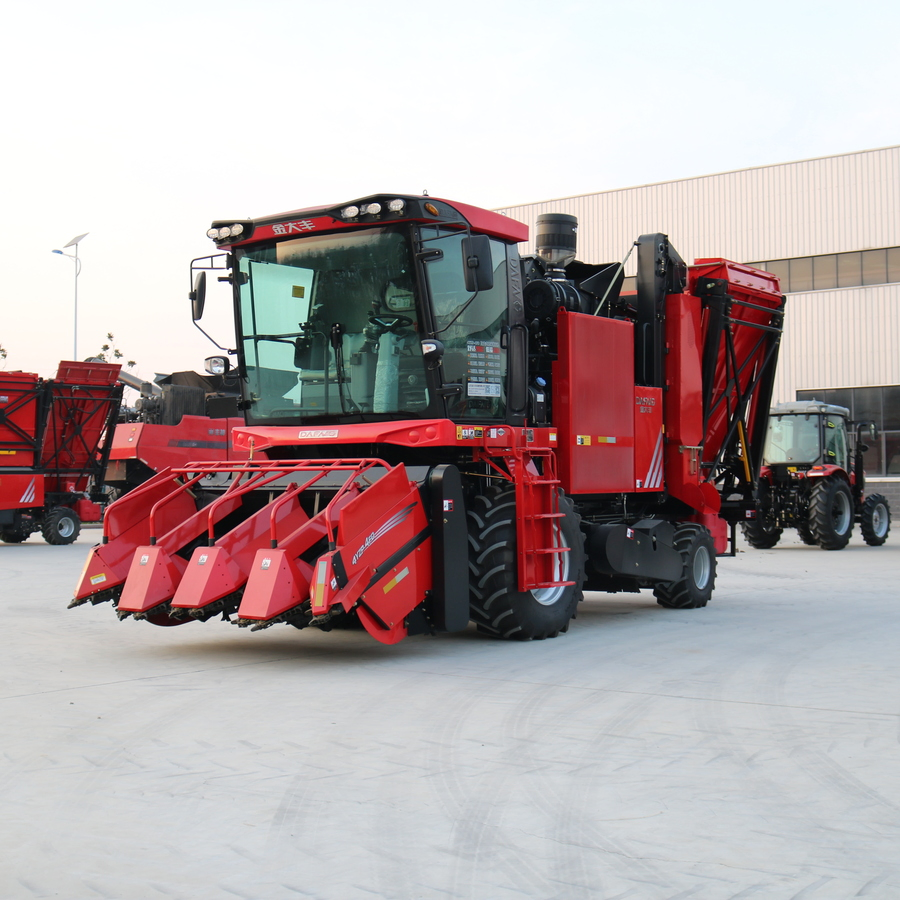
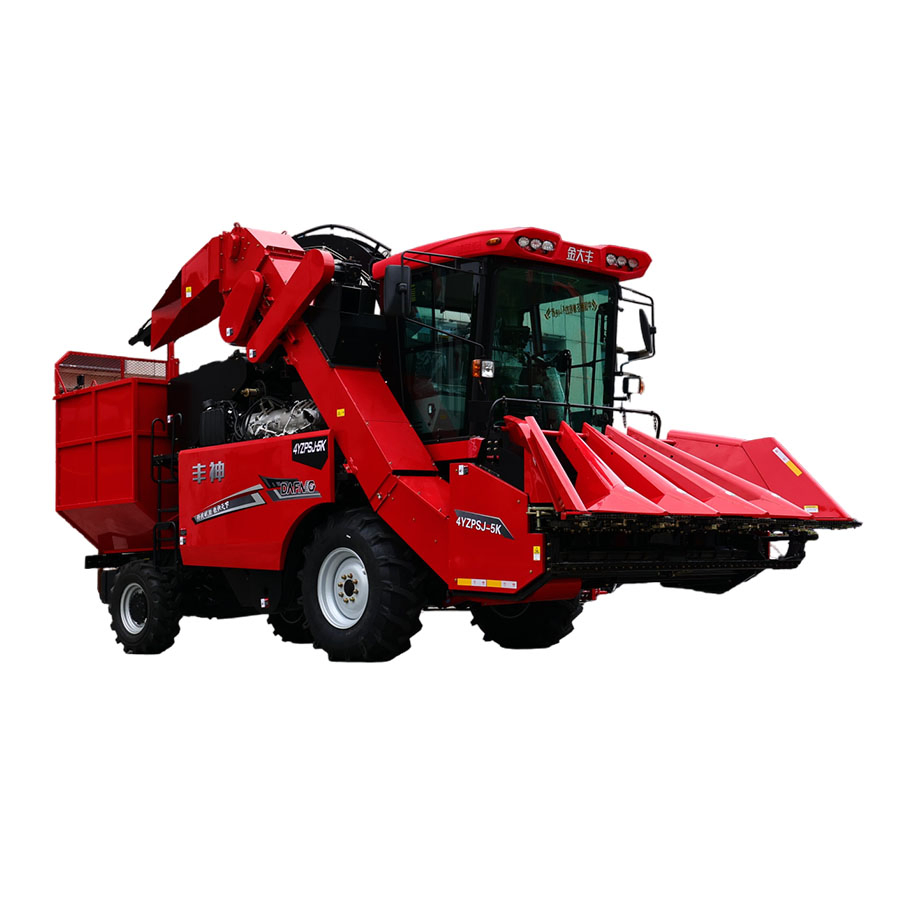
A corn header is designed for harvesting mature grain corn planted in rows. Pointed dividers guide the stalks into row units. Gathering chains pull the plants toward snapping rolls, which draw the stalk downward while the ears are separated and carried into the combine.
Most of the stalk remains in the field rather than entering the threshing system. This reduces the amount of plant material moving through the combine and allows the machine to focus on separating kernels from the ears.
A corn header is normally selected according to:
- Number of harvesting rows.
- Row spacing.
- Header working width.
- Combine feeding capacity.
- Expected corn yield.
- Stalk condition and harvest moisture.
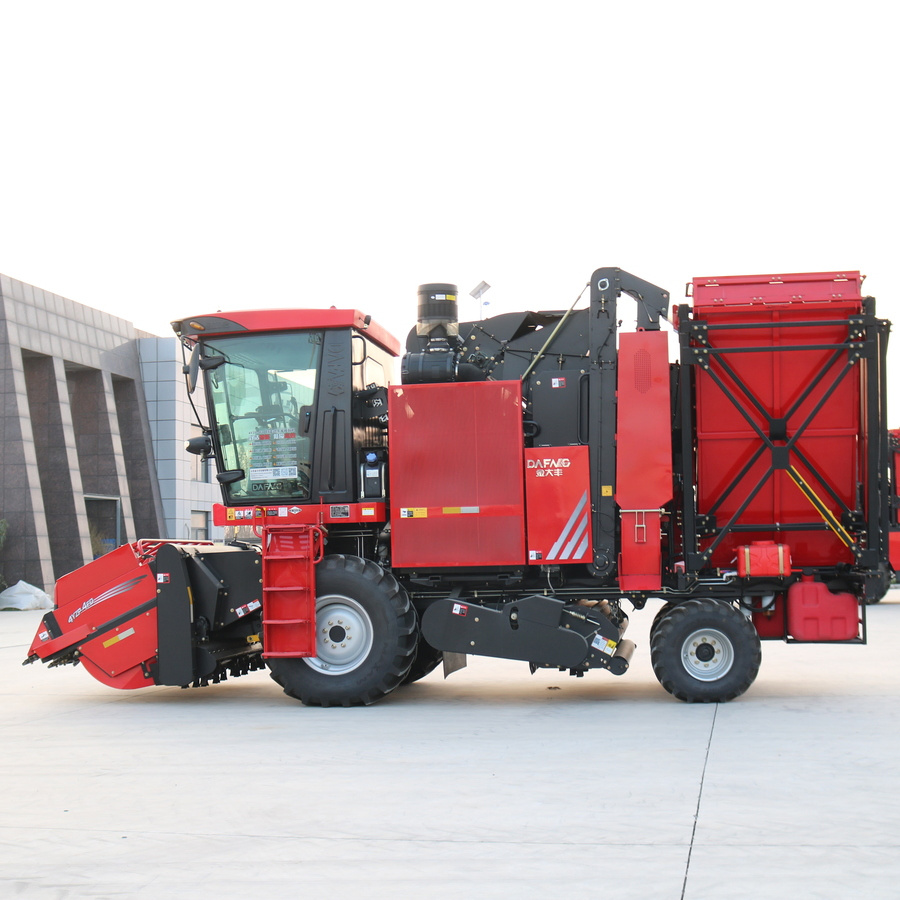
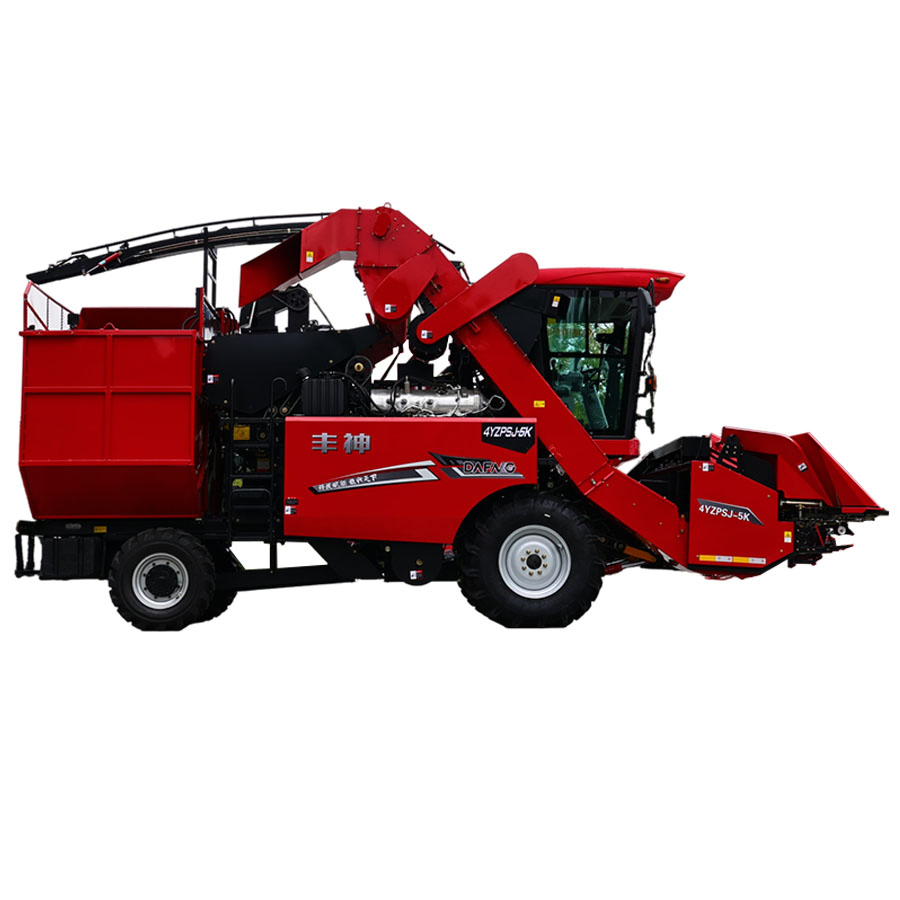
Buyers should understand that a corn header attached to a grain combine is not the same machine as a dedicated self-propelled corn harvester. A self-propelled corn harvester may include ear collection, peeling and straw crushing functions in one specialized machine. A combine fitted with a corn header processes grain corn through the combine’s threshing and cleaning systems.
How a grain header works
A grain header, also called a grain platform, cuts the crop with a cutter bar. The reel guides the plants toward the auger or belt feeding system, which moves the crop into the feeder house.
Unlike a corn header, a grain platform normally sends a much larger portion of the plant into the combine. The threshing and separation systems must then separate the grain from straw, heads, panicles or pods.
Grain headers are commonly used for crops such as:
- Wheat.
- Rice.
- Barley.
- Oats.
- Soybean.
- Rapeseed or canola, with a suitable configuration.
The exact platform design may vary. Some use a traditional auger, while others use belts or drapers to create a more even crop flow. Flexible cutter bars may also be used when harvesting low-growing soybean pods.
The Main Differences in Real Field Work
The two headers may connect to the same combine, but their field behavior is very different. Buyers should compare more than working width or purchase price.
Crop gathering and feeding
A corn header follows planted rows. Its gathering components must remain aligned with those rows throughout the pass. If the operator drives too far off line, ears may be missed or knocked to the ground.
A grain header cuts across the full working width. It is less dependent on row alignment, although cutting height, reel position and forward speed remain important.
The crop flow entering the combine is also different. A corn header removes much of the stalk before feeding, while a grain platform delivers straw and grain together. This means a grain crop can place a heavier material load on the threshing and separation system.
Harvesting loss
Corn header loss often appears as whole ears or loose kernels near the front of the machine. Common causes include incorrect deck plate settings, worn gathering chains, excessive travel speed and operation outside the planted row.
Grain header loss can include uncut heads, shattered grain and crop dropped around the cutter bar. Reel speed that is too high may strike dry wheat aggressively. In soybean, cutting too high can leave low pods in the field.
The correct header does not eliminate all losses, but it gives the operator the adjustment range needed to control them.
Operating speed and field capacity
A corn header can often handle mature standing corn at a relatively consistent rate when rows are straight and the crop is uniform. Lodged plants, broken stalks and irregular row spacing can reduce working speed.
Grain header performance changes more noticeably with crop density, straw volume and moisture. Heavy wheat or wet rice may require slower travel so the feeder and threshing system remain evenly loaded.
The advertised width of a header should not be treated as a guarantee of field output. Real productivity also depends on turning time, unloading, crop yield, field shape and the internal capacity of the grain combine harvester.
| Comparison | Corn Header | Grain Header |
|---|---|---|
| Main crops | Mature grain corn | Wheat, rice, barley, soybean and other grains |
| Harvesting method | Gathers rows and separates ears from stalks | Cuts plants and feeds crop material into the combine |
| Row dependence | Must match planted row spacing | Usually works across the full cutting width |
| Material entering combine | Mainly corn ears with limited stalk material | Grain together with straw, panicles or pods |
| Common loss area | Gathering chains, deck plates and snapping rolls | Reel, cutter bar and crop feeding area |
| Key buying detail | Number of rows and row spacing | Cutting width and crop adaptability |
Which Header Is Better for Your Crops?
The answer depends on what the farm actually grows. A header should be selected around the primary crop rather than around the idea of buying the largest or most versatile attachment.
For wheat and barley
A grain header is the standard choice for wheat and barley. The platform should provide clean cutting, stable reel control and even feeding into the feeder house.
In areas with heavy straw, buyers should make sure the combine has enough feeding and separation capacity for the selected header width. A very wide platform can overload a smaller machine even if the engine appears powerful enough.
For rice
Rice also requires a grain-type header, but local crop and field conditions matter. Lodged rice may need more flexible reel positioning and closer ground following. Wet or tangled material can also increase the risk of blockage.
The running system of the combine may be just as important as the header. Soft fields may require flotation tires or tracks, while dry rice fields may allow a standard wheeled configuration.
For soybean
Soybean is commonly harvested with a grain platform, but a flexible cutter bar can be valuable because many pods grow close to the ground.
The platform should follow field contours and maintain a low cutting height without bringing excessive soil or stones into the machine. Reel speed should remain gentle enough to avoid opening dry pods before they enter the header.
For grain corn
A corn header is normally the better choice for mature corn harvested for grain. It allows the combine to process ears without taking the full stalk through the machine.
Buyers must confirm the local row spacing before ordering. A six-row header designed for one planting system may not fit fields planted under another spacing standard.
Crop conditions also matter. Standing corn is easier to gather than severely lodged corn. Header dividers, gathering chains and snapping components should be selected with local conditions in mind.
For mixed-crop farms and contractors
A farm growing both wheat and corn may use one combine with two separate headers. This can improve machine utilization across different harvest seasons, but only when the combine supports both attachments properly.
Contractors should consider how often headers must be changed, how they will be transported and whether customers use consistent row spacing.
A multi-crop operation may benefit from one flexible combine platform, but versatility should not come at the cost of poor performance in the main crop.
What to Confirm Before Ordering a Header
Header compatibility involves more than the mounting frame. Mechanical drive, hydraulic connections, electrical controls, lifting capacity and feeder dimensions must all work together.
Combine compatibility
Provide the supplier with the exact combine model and year. Ask whether the header can connect directly or requires an adapter.
Important points include:
- Feeder house width.
- Mounting system.
- PTO or mechanical drive connection.
- Hydraulic hose and coupling specifications.
- Electrical plugs and control functions.
- Header weight and combine lifting capacity.
- Automatic height or contour control compatibility.
Using an unsuitable or poorly adapted header can affect feeding, hydraulic performance and machine balance.
Working width and machine capacity
Header width should match the combine’s processing capacity. A wider attachment does not automatically create higher daily output.
For grain headers, consider average crop yield, straw volume and field size. For corn headers, compare the number of rows, row spacing and the expected yield per row.
Also check transport width. Large headers may require a separate header trailer when moving between fields.
Wear parts and local maintenance
Both header types include parts that wear during normal operation.
Common corn header wear parts may include:
- Gathering chains.
- Chain guides.
- Deck plates.
- Snapping rolls.
- Sprockets and bearings.
- Row dividers and protective covers.
Common grain header wear parts may include:
- Knife sections.
- Guards.
- Hold-down clips.
- Reel fingers.
- Auger fingers.
- Belts, chains and bearings.
Importers should request a recommended spare-parts package with the first order. Waiting for small wear parts during harvest can create more loss than the cost of keeping them in stock.
Shipping and assembly
Headers take up considerable shipping space. Some models may be partially disassembled for container loading, which means local assembly is required after arrival.
Before confirming a quotation, ask for:
- Overall dimensions and shipping dimensions.
- Total header weight.
- Loading method.
- Assembly instructions.
- Required lifting equipment.
- Included tools and spare parts.
- Estimated container quantity.
A low equipment price may become less attractive if shipping, assembly and adapter costs are not included in the initial comparison.
Can One Combine Use Both Headers?
Many modern combines can use both a corn header and a grain header, provided the machine has suitable power, feeder capacity and connection systems.
Changing headers is usually possible, but the operator may also need to change internal settings. Corn, wheat, rice and soybean require different rotor or cylinder speeds, concave clearances, fan speeds and sieve openings.
Some crops may require alternative concaves, sieves or other internal components. Buyers should therefore ask for the complete crop-change procedure rather than only confirming that both headers can be attached.
Farmers and contractors planning to harvest several crops can review available combine harvester models for multi-crop operations and compare header options, threshing configurations and expected field capacity.
Frequently Asked Questions
Can a grain header harvest corn?
A grain header may cut whole corn plants, but it is generally not the preferred choice for mature grain corn. Feeding large amounts of stalk material can overload the combine and increase losses. A proper corn header gathers the ears more efficiently.
Can a corn header harvest wheat or rice?
No. A corn header is built around planted corn rows and does not have the cutter bar and reel system required for wheat or rice.
Is a corn header the same as a corn harvester?
No. A corn header is an attachment used on a combine harvester. A dedicated self-propelled corn harvester is a complete machine and may include specialized ear collection, peeling and straw processing functions.
How many rows should a corn header have?
The correct number depends on combine capacity, local row spacing, field size and expected yield. The header should match the planter pattern so the operator can follow rows accurately.
Can the same grain header harvest wheat and soybean?
In many cases, yes. However, soybean may benefit from a flexible cutter bar that can cut closer to the ground. Reel position and operating settings will also need to change.
What information should be sent when requesting a quotation?
Provide the combine model, crops, field area, desired working width, corn row spacing, expected yield, field conditions and destination port. This helps the supplier confirm compatibility and shipping requirements.
Final Selection Advice
A corn header and a grain header are not competing versions of the same attachment. They solve different harvesting problems.
Choose a grain header for crops that must be cut across the full working width, including wheat, rice, barley and soybean. Choose a corn header when harvesting mature grain corn planted in defined rows.
For mixed-crop farms, one combine may use both, but buyers must confirm more than physical attachment. Feeding capacity, hydraulic connections, internal threshing settings, spare parts and transport should all be considered.
King-Gold Dafeng supplies agricultural machinery for overseas farmers, contractors, dealers and importers. Buyers can visit King-Gold Dafeng agricultural machinery to compare combine harvesters, header configurations and crop-specific harvesting solutions.