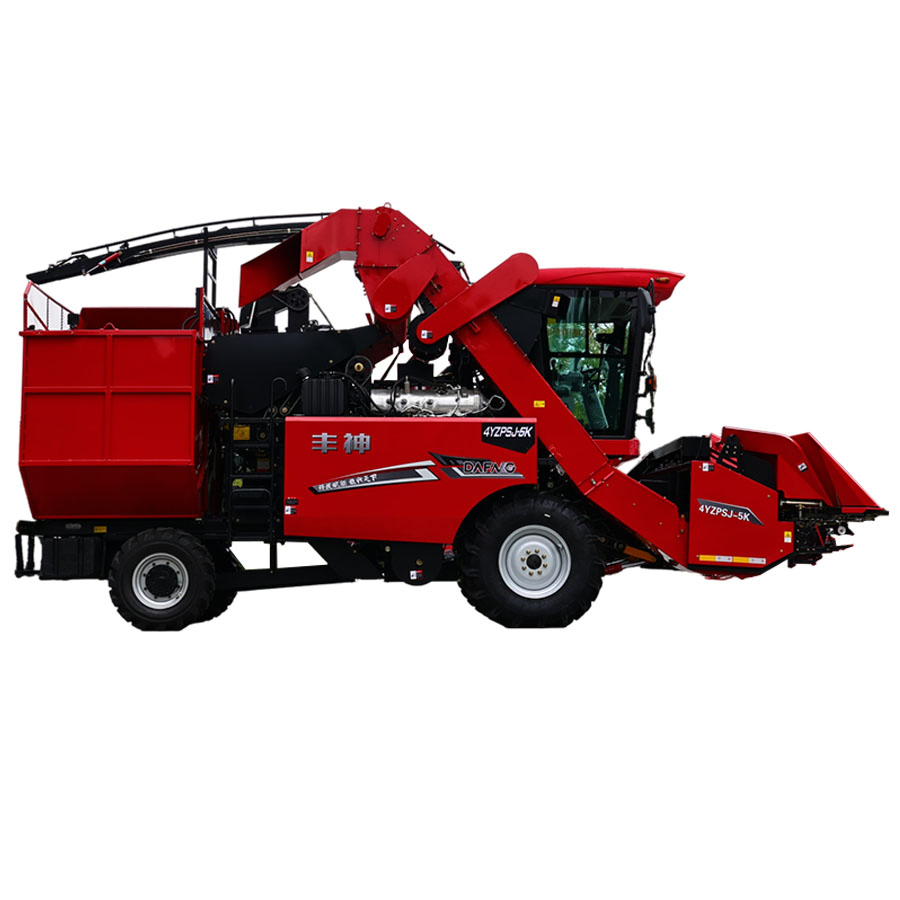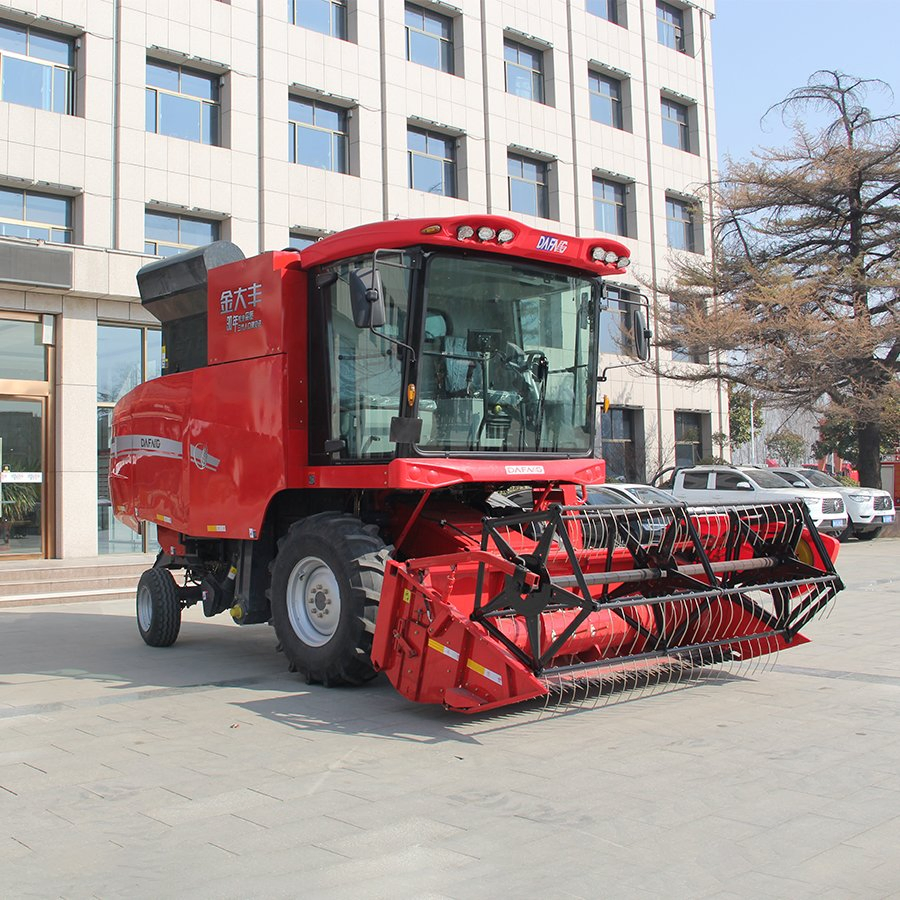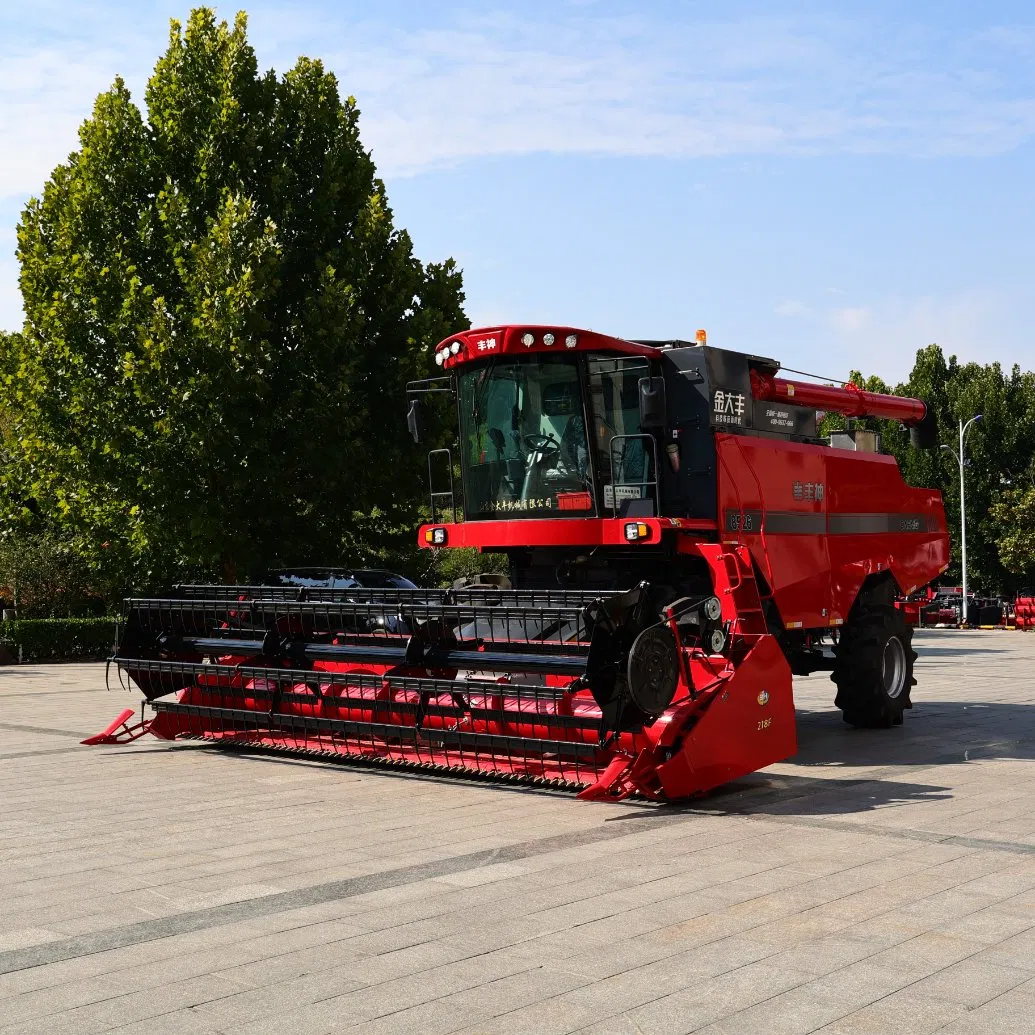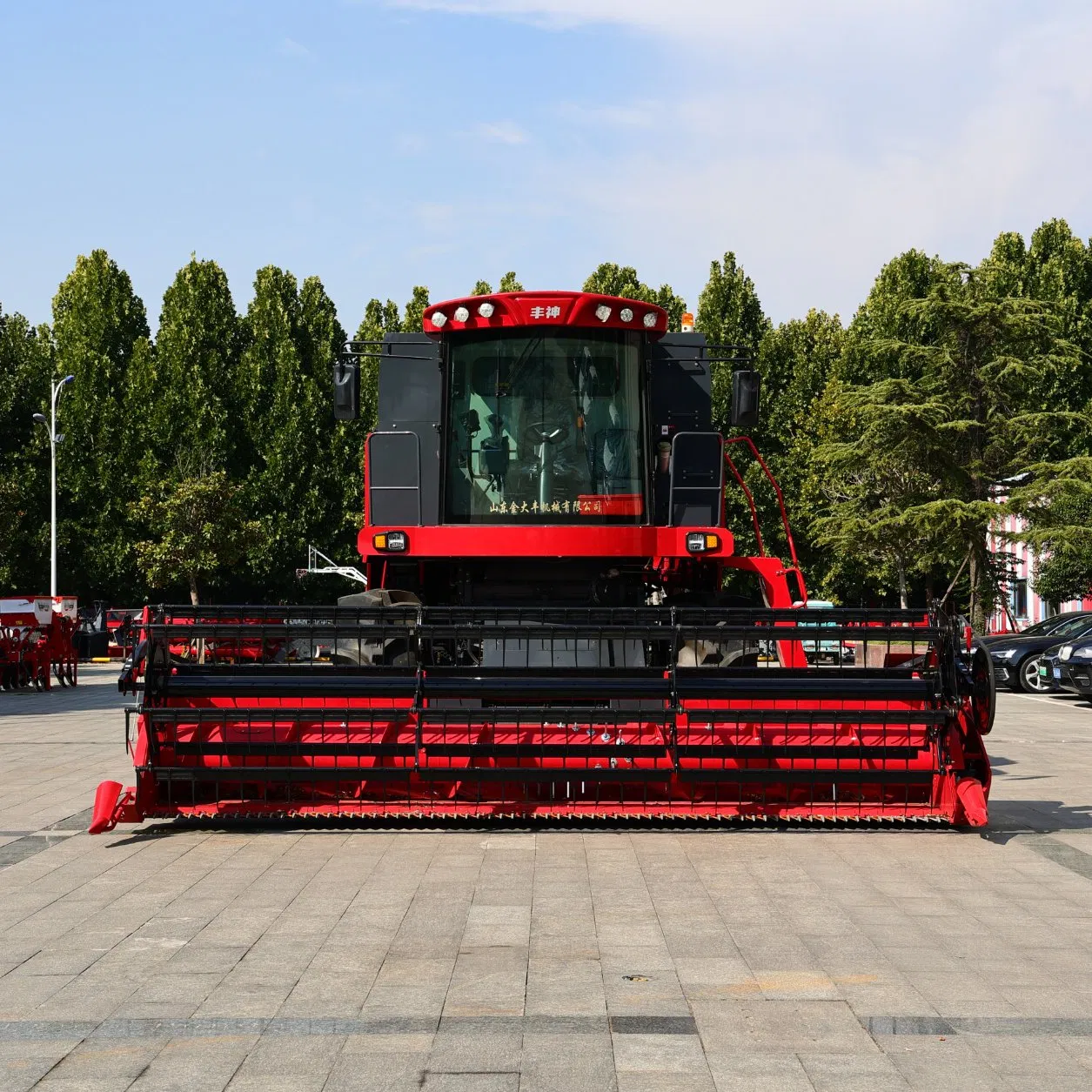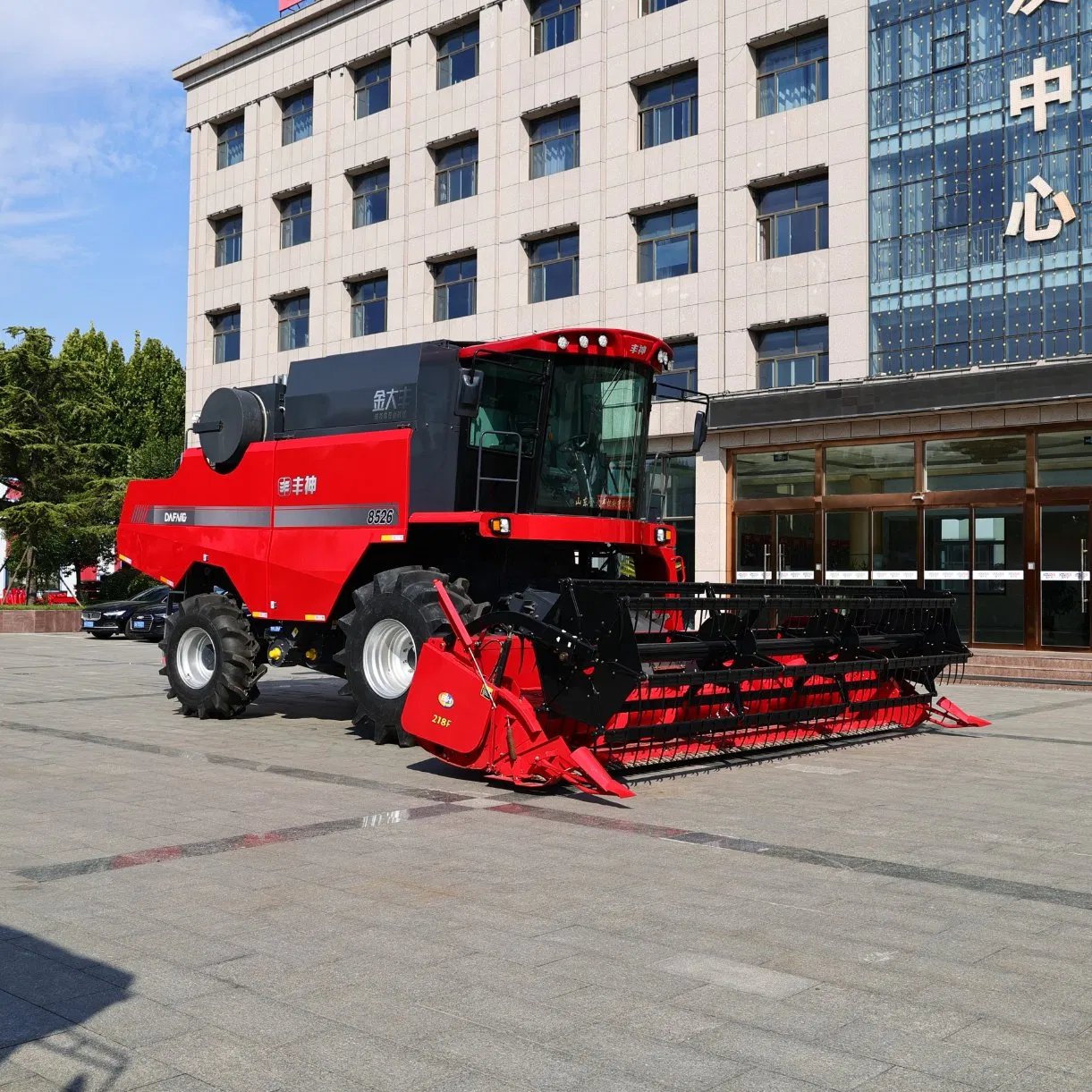
Some grain loss is unavoidable during harvest. Large or sudden losses, however, usually mean that the crop, the machine settings and the operating speed are no longer working together.
The difficult part is that grain can be lost at several different points. It may fall before the header reaches the crop, shatter at the cutter bar, remain inside the heads after threshing, or leave the rear of the machine together with straw and chaff.
This is why changing random settings rarely produces a reliable result. A better approach begins with a simple question: where is the grain being lost?
Once the source is clear, the operator can make one adjustment at a time and judge whether it actually improves performance. This guide explains a practical way to reduce losses when operating a grain combine harvester in wheat, rice and other grain crops.
First, Find Out Where the Grain Is Being Lost
Grain found behind the combine does not always come from inside the machine. Some may have fallen before harvesting because of wind, overripe crops, lodging, birds or weather damage.
Before adjusting anything, inspect a small unharvested area. Count the kernels, heads or panicles already lying on the ground. This gives you a baseline and prevents the combine from being blamed for losses that happened earlier.
Separate header loss from internal machine loss
A useful field check is to compare several locations:
- The standing crop before the combine enters.
- The ground immediately after the header passes.
- The residue behind the rear of the machine.
- The grain sample inside the tank.
Grain found immediately behind the header normally points to cutting, reel or feeding problems. Grain found mainly behind the rear axle is more likely to come from threshing, separation or cleaning.
Do not judge the machine by looking at only one location. In lodged rice, for example, much of the loss may occur at the cutter bar rather than inside the threshing system.
Use the condition of the grain as a clue
The type of material found on the ground often reveals the cause.
Whole heads or panicles can indicate incomplete threshing. Clean grain mixed with light chaff may suggest excessive fan speed. Broken kernels often point to aggressive cylinder or rotor settings. Uncut heads near the edge of the pass may result from incorrect header height or poor driving accuracy.
Operators should avoid changing several settings at the same time. If travel speed, fan speed and concave clearance are all changed together, it becomes difficult to know which adjustment helped.
Reduce Loss at the Header
The header is where a large percentage of preventable losses can begin. Once grain falls in front of the machine, the threshing and cleaning systems cannot recover it.
Header performance becomes especially important in dry wheat, lodged rice and crops with uneven maturity.
Set reel speed according to forward speed
The reel should guide the crop toward the cutter bar and auger. It should not beat the crop aggressively.
In standing wheat, the reel normally works best when it runs only slightly faster than the combine’s forward speed. If it turns too quickly, dry heads can shatter before they enter the machine.
In lodged crops, the reel may need to move lower and farther forward to lift the plants. Even then, excessive reel speed can throw grain onto the ground.
Watch the crop flow from the cab. A smooth and even layer entering the feeder house is better than large bunches entering at irregular intervals.
Check cutter bar condition and cutting height
Worn knife sections, damaged guards and incorrect knife timing make the crop harder to cut. This increases vibration and can shake grain from dry heads.
Cutting too high may leave grain-bearing heads in the field. Cutting too low can bring soil, stones and excess straw into the machine, increasing wear and reducing capacity.
Rice often requires closer ground following, especially when plants are lodged. In these conditions, a responsive header height system and sharp cutting components are essential.
Do not assume a wider header is always better
A wide header can cover more ground, but only when the feeder, threshing system and engine can process the crop volume.
If too much material enters the feeder house, the crop may arrive in heavy waves. This creates sudden engine loads, uneven threshing and higher separation loss.
When comparing a combine harvester for wheat and rice, buyers should consider header width together with crop density, field size and internal processing capacity.
Balance Threshing and Separation
The purpose of threshing is to remove grain from the heads or panicles without producing excessive broken grain or finely chopped straw.
After threshing, the separation system must give loose grain enough time and space to leave the straw before the residue exits the machine.
Adjust cylinder or rotor speed carefully
When unthreshed heads appear behind the combine, many operators immediately increase cylinder or rotor speed. This may help, but it can also create cracked grain and broken straw.
Before making a large speed change, try a small adjustment. In some cases, slightly reducing forward speed or closing the concave clearance produces a better result.
Excessively aggressive threshing creates more short straw and fine material. That additional material then moves into the cleaning system and makes grain separation more difficult.
Match concave clearance to crop conditions
A narrow concave clearance creates stronger threshing action. A wider clearance allows more material to pass and may reduce grain damage.
The correct setting can change during the day. Morning rice may contain more moisture and green material, while afternoon conditions may be drier. Wheat can also become noticeably easier to thresh as the day becomes warmer.
A setting that worked well in the morning should not automatically remain unchanged until evening.
Avoid overloading the separation system
A combine may still sound normal even when the separation area is overloaded. The engine may have sufficient power, but grain can remain trapped in the straw because too much material is passing through the machine.
In a heavy section of the field, a small reduction in travel speed can lower separation loss more effectively than a major mechanical change.
The operator should respond to crop volume rather than trying to maintain one fixed ground speed across the entire field.
Fine-Tune the Cleaning System
After threshing and separation, the cleaning system removes chaff, short straw and other light material. It must provide enough air to clean the grain without blowing good kernels out of the machine.
This requires a balance between fan speed, sieve opening and crop flow.
Read the grain tank sample
The grain sample inside the tank provides immediate information about what is happening inside the combine.
Light chaff in the sample may indicate insufficient airflow or unsuitable sieve settings. Unthreshed material usually points back to the threshing system. Broken grain may mean the cylinder or rotor is running too aggressively.
A perfectly clean sample is not always the best result if large amounts of good grain are being blown from the rear. The objective is to achieve acceptable cleanliness while keeping field losses low.
Change fan speed gradually
Fan adjustments should be made in small steps. After changing the setting, allow enough time for the new crop material to pass through the entire machine before checking the result.
Wheat and rice do not always require the same airflow. Grain density, moisture and the amount of light material can be different.
Factory recommendations are useful starting points, but they cannot account for every variety, moisture level and field condition.
Keep sieves clear and correctly adjusted
Blocked sieves reduce the available cleaning area. This can cause grain to move toward the rear of the machine before it has been properly separated.
Opening the sieves too far may overload the return system. Closing them too tightly can restrict grain flow and increase rear loss.
During dusty wheat harvesting or when working with moist rice material, inspect the cleaning shoe regularly. Even a correct setting performs poorly when the sieve surface or air passages are blocked.
Use Ground Speed to Control Crop Flow
Ground speed is one of the most useful adjustments available to an operator. It is also one of the easiest to overlook.
Driving faster may increase hectares per hour, but it can reduce the amount of saleable grain collected if the machine becomes overloaded.
Do not rely only on engine load
A combine can have unused engine power while the separation or cleaning system is already operating beyond its effective capacity.
Engine sound, crop-flow indicators, grain-loss monitors and the tank sample should be considered together.
When the crop becomes heavier, reduce speed before the feeder begins to surge or grain losses rise sharply. A stable crop flow usually produces better results than repeated acceleration and sudden slowing.
Keep the feeder house evenly loaded
Uneven feeding sends large bunches of crop into the threshing system. One moment the machine is overloaded; the next moment it is nearly empty.
Correct reel position, auger clearance and header setup help create a more uniform layer of material.
In uneven fields, reducing speed slightly may improve the total daily result by preventing blockages, limiting grain loss and reducing operator fatigue.
Measure productivity by grain collected
Field capacity should not be judged only by hectares per hour. A more useful measure is how much clean, undamaged grain reaches the tank during the full working day.
A well-matched multi-crop combine harvester should maintain reasonable grain losses at the capacity required by the farm, not simply achieve a high speed under ideal conditions.
| Observed Problem | Possible Cause | First Adjustment to Check |
|---|---|---|
| Whole heads behind the combine | Incomplete threshing | Check rotor speed, concave clearance and travel speed |
| Clean grain behind the rear | Cleaning or separation loss | Reduce crop flow and review fan and sieve settings |
| Broken grain in the tank | Threshing action too aggressive | Reduce cylinder speed or widen concave clearance |
| Grain in front of the header | Reel or cutter bar loss | Adjust reel speed, position and cutting height |
| Dirty grain sample | Low airflow or unsuitable sieve opening | Review fan speed and sieve condition |
Create a Simple Checking Routine
Combine settings should be reviewed whenever crop conditions change. Moisture, crop density, lodging and straw volume can vary between fields and even within the same field.
Inspect the machine after the first full pass
After entering a new field, complete one normal pass and stop in a safe location.
Inspect the unharvested crop, the area after the header, the residue behind the machine and the grain sample in the tank. This first check provides a useful reference for later adjustments.
Correcting a problem after one pass is much cheaper than discovering it after several hectares.
Record useful settings
Keep simple notes on cylinder or rotor speed, concave clearance, fan speed, sieve position, crop moisture and travel speed.
Over time, these records provide reliable starting points for different crops and conditions. They are also useful for contractors who operate in several farms and for dealers training new machine owners.
Maintain the components that affect grain loss
Loss control depends on mechanical condition as well as settings. Dull knives, worn concaves, damaged seals, loose belts and incorrect chain tension can all affect crop flow.
Inspect wear parts before the harvest season and keep common replacements available. A minor component failure during a short harvest window can cost far more than the spare part itself.
King-Gold Dafeng supplies agricultural machinery for overseas farming markets. Buyers can review King-Gold Dafeng agricultural machinery when comparing combine configurations, crop applications and spare-parts support.
Frequently Asked Questions
What is the most common cause of combine grain loss?
There is no single cause. Excessive travel speed, incorrect header setup and unsuitable threshing or cleaning settings are among the most common problems. The source of the loss should be identified before changing the machine.
Should I slow down when grain loss increases?
Reducing travel speed is a useful first test, particularly in heavy crops. If the loss decreases, the machine was probably overloaded. Persistent loss may still require header, threshing or cleaning adjustments.
How often should combine settings be checked?
Check the machine at the beginning of each field and whenever crop moisture, yield, lodging or straw conditions change. Settings may also need to be updated as the crop dries during the day.
Can a dirty grain sample and high grain loss happen together?
Yes. Insufficient airflow, unsuitable sieve settings or excessive crop flow can produce a dirty tank sample while also allowing grain to leave the rear of the combine.
Does more engine power automatically reduce grain loss?
No. Engine power helps the machine maintain crop flow, but grain loss depends on the complete harvesting system, including the header, feeder, threshing unit, separator, cleaning shoe and operator settings.
Final Thoughts
Reducing grain loss is not about finding one perfect setting and leaving it unchanged for the entire season.
Good results come from observing the crop, identifying where the loss occurs and making small, measured adjustments. Start at the header, then check threshing, separation and cleaning. Keep travel speed matched to the amount of crop entering the machine.
A few minutes spent checking the ground behind the combine can protect a significant amount of grain over a full working day.
For farmers, contractors and machinery buyers, the right combine should provide practical adjustment ranges, stable crop feeding, easy maintenance access and reliable spare-parts support. These qualities often matter more in real harvesting work than the highest advertised field capacity.