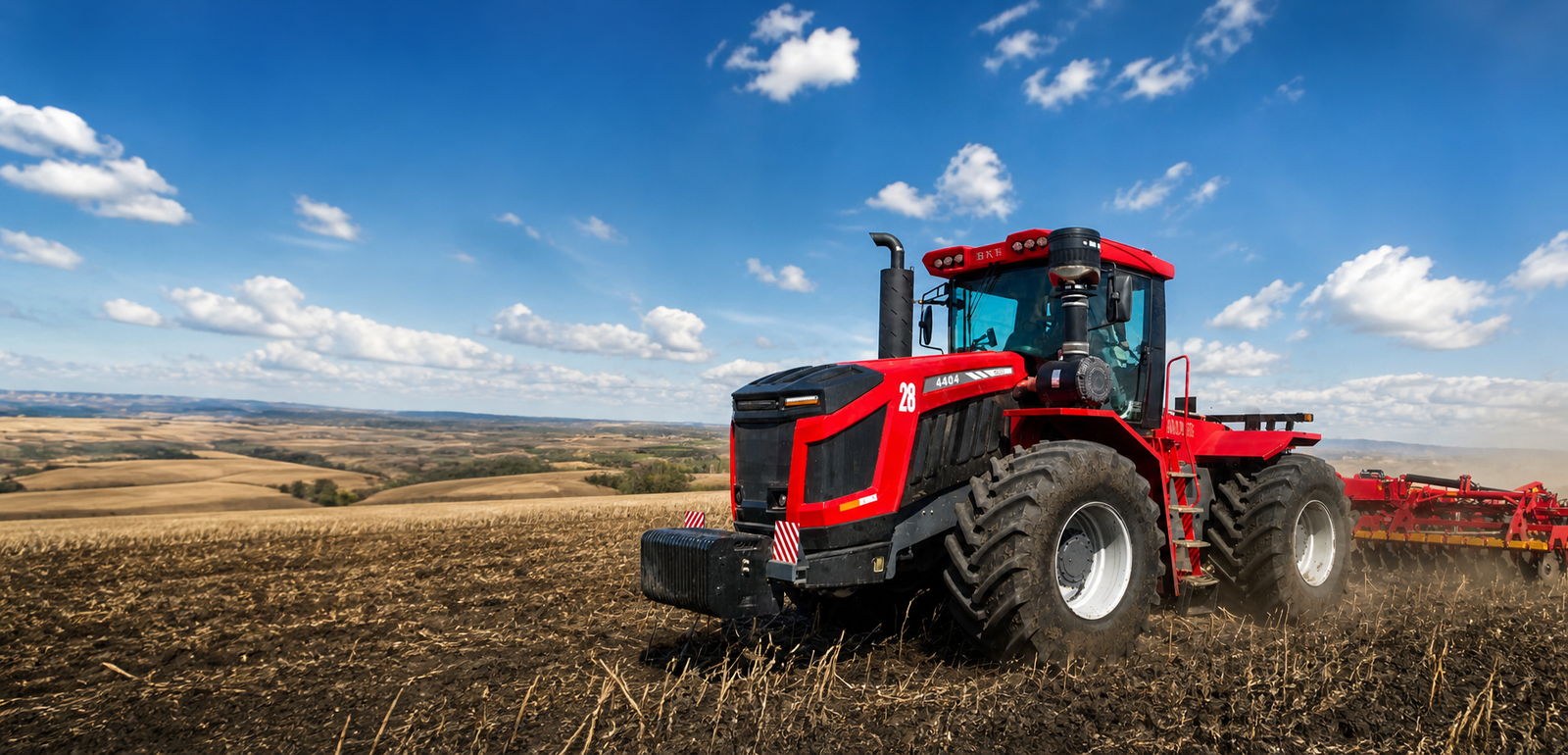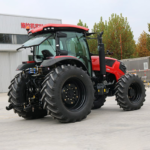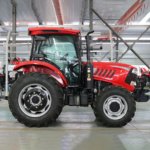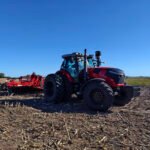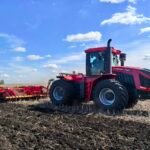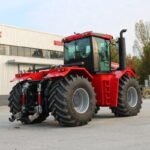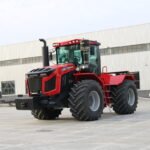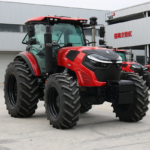
Choosing between a 4WD and 2WD farm tractor can affect far more than the initial purchase price. The drive system influences traction, fuel use, implement compatibility, field efficiency, tire wear, and the type of work the tractor can handle reliably.
A 2WD tractor can remain an economical and practical choice for transport, spraying, mowing, and other lighter jobs. A 4WD tractor usually performs better in loose soil, wet fields, heavy tillage, slopes, and applications that require stronger pulling capacity.
Neither configuration is automatically better for every farm. The right choice depends on soil conditions, terrain, horsepower, implement size, annual working hours, and whether the tractor will serve as a primary field machine or a support tractor.
This guide compares 4WD and 2WD tractors from a practical working perspective, helping farmers, agricultural contractors, dealers, and importers choose a machine that matches real operating conditions.
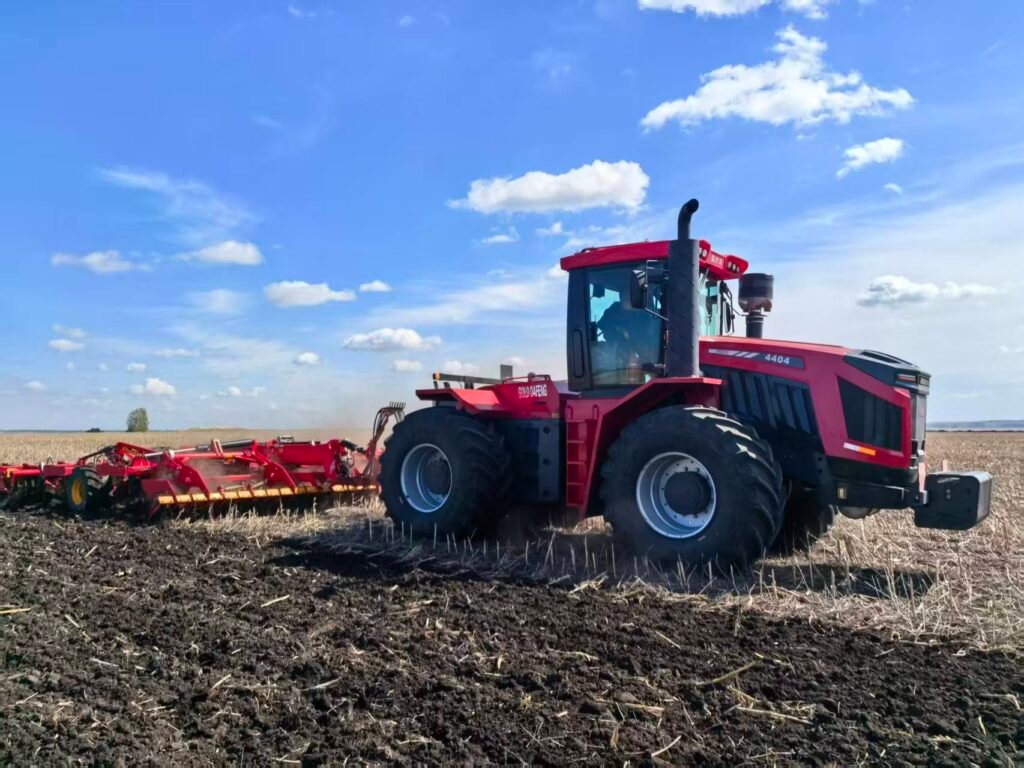
What Is the Difference Between a 4WD and 2WD Tractor?
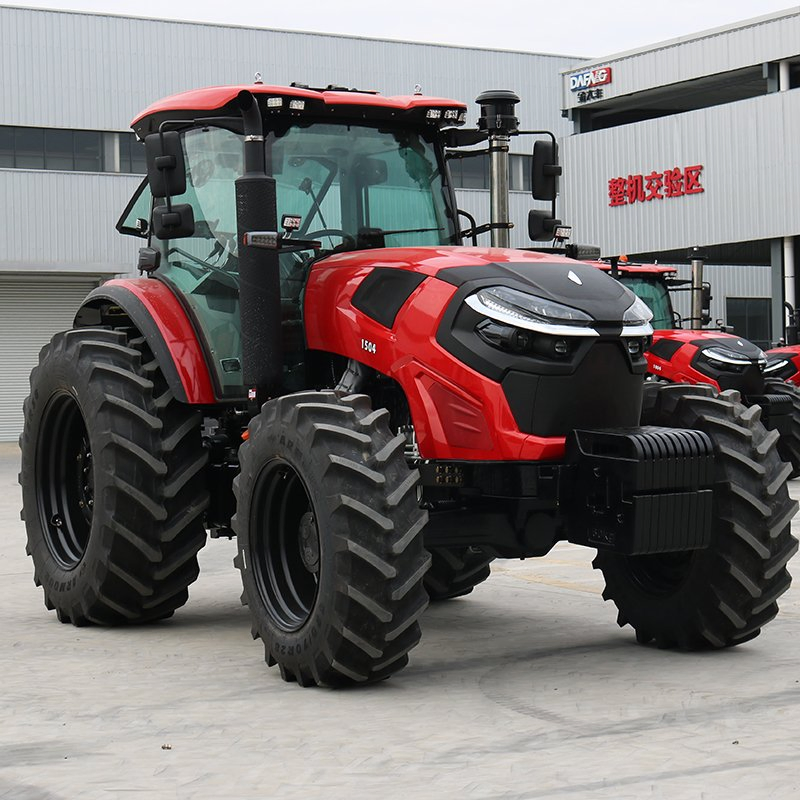
A 2WD tractor transfers engine power mainly through the two rear wheels. The front wheels are used primarily for steering and normally do not provide pulling force.
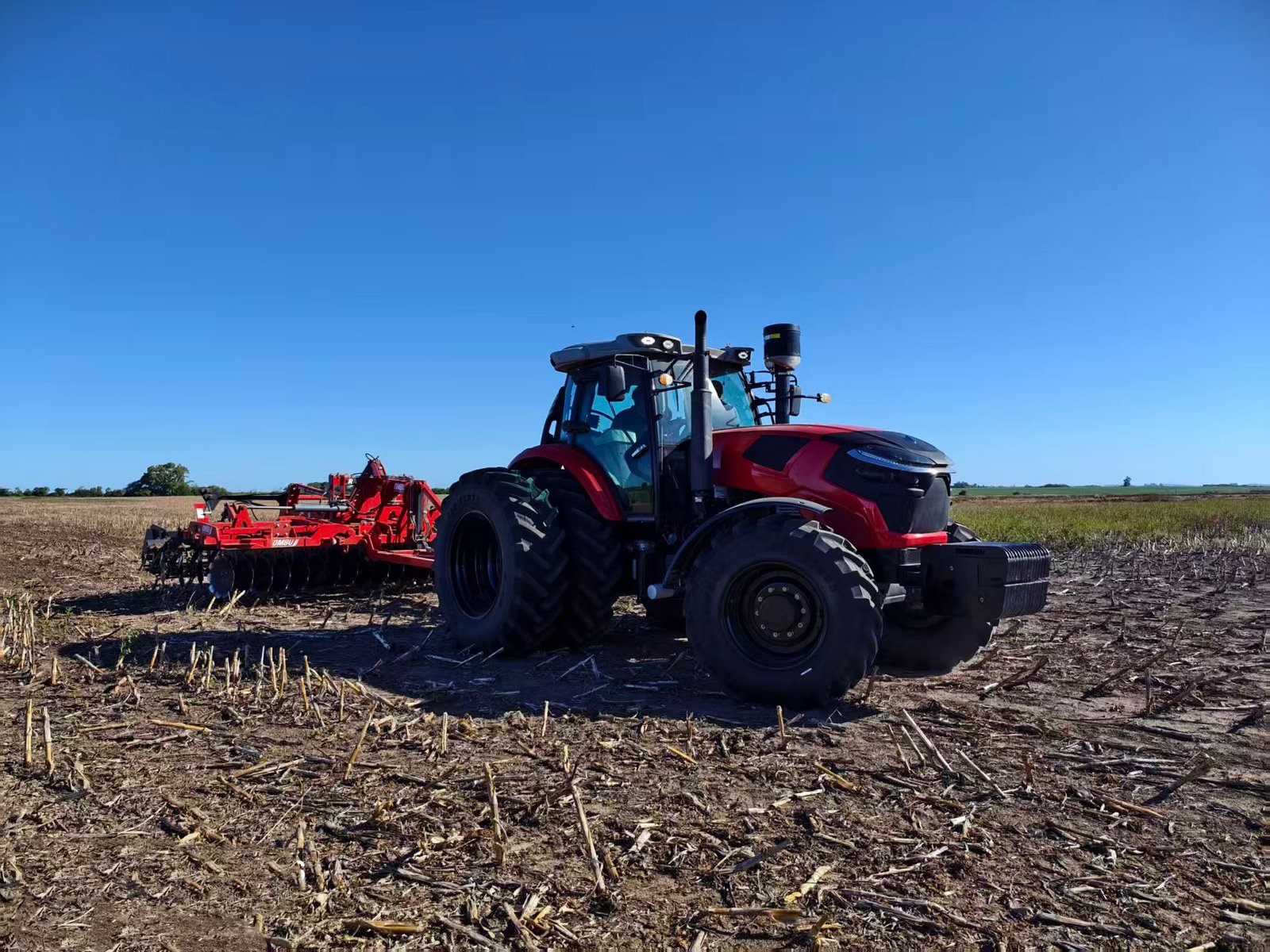
A 4WD tractor sends power to both the front and rear axles. This allows all four wheels to contribute to traction when the tractor pulls an implement, works on soft ground, or operates under a heavy load.
How a 2WD Tractor Works
The traditional 2WD design is mechanically straightforward. Most of the tractor’s weight and pulling force are concentrated around the rear axle, while the smaller front tires make steering easier and keep the machine relatively light.
This configuration works well when ground conditions are firm and the tractor does not need to pull high-draft implements. It is commonly used for farm transport, spraying, mowing, fertilizer spreading, light cultivation, and livestock-related work.
How a 4WD Tractor Works
A 4WD tractor uses a driven front axle to provide additional traction. When the rear tires begin to lose grip, the front wheels help move the tractor forward and maintain a more stable working speed.
Four-wheel drive is particularly useful during plowing, deep tillage, seeding, land preparation, and work in uneven or wet fields. It also allows the tractor to use engine power more effectively instead of losing energy through excessive wheel slip.
4WD vs 2WD Tractor Performance Comparison
The most noticeable difference between the two configurations appears when the tractor works under load. On a dry road or firm yard, the performance gap may be small. In cultivated soil, mud, slopes, or heavy draft work, the difference becomes much more significant.
| Comparison Area | 2WD Tractor | 4WD Tractor |
|---|---|---|
| Initial Purchase Cost | Usually lower | Usually higher |
| Traction | Suitable for firm and dry ground | Stronger in loose, wet, or uneven soil |
| Heavy Tillage | Limited with larger implements | Better suited to high-draft applications |
| Turning and Maneuverability | Often simple and easy to steer | May require slightly more turning space |
| Fuel Use per Hour | Often lower in light work | May be higher under load |
| Fuel Use per Hectare | Can increase if wheel slip is high | May be more efficient in demanding field work |
| Maintenance | Simpler front axle and drivetrain | More drivetrain components to maintain |
| Typical Applications | Transport, mowing, spraying, light cultivation | Plowing, tillage, planting, heavy soil preparation |
Traction and Wheel Slip
Wheel slip occurs when the tires rotate faster than the tractor moves forward. A small amount of slip is normal, but excessive slip wastes fuel, reduces field capacity, increases tire wear, and makes it difficult to maintain a consistent working depth.
A 4WD system provides more tire contact with the ground and distributes pulling force across both axles. This normally gives the tractor better control when soil resistance changes or an implement enters a denser section of the field.
A 2WD tractor can still perform well with correct ballast and suitable rear tires. However, its traction limit is generally reached sooner, especially when pulling wide or deep-working implements.
Stability on Slopes and Uneven Ground
Four-wheel drive can improve control on sloping or uneven farmland because the front axle actively helps move the tractor. This may reduce the tendency for the front wheels to slide when pulling a heavy implement.
However, 4WD does not replace safe operation. Tire width, ballast, travel speed, implement position, and the tractor’s center of gravity remain important when working on slopes.
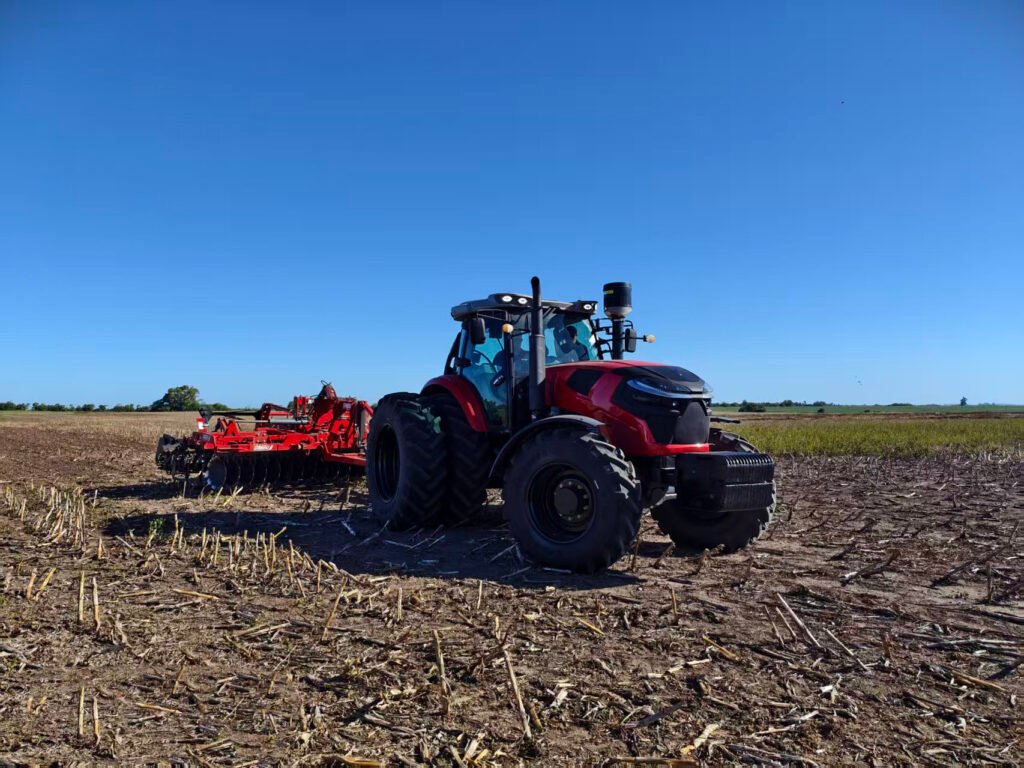
When Is a 2WD Farm Tractor the Better Choice?
A 2WD tractor remains a sensible purchase when the planned work does not require maximum traction. It usually costs less to buy, has a simpler front axle, and may be easier to maintain in markets where technical support is limited.
It can be the better choice for farms that mainly need a tractor for:
- Road and farm transport
- Spraying and fertilizer spreading
- Mowing and pasture maintenance
- Operating light PTO equipment
- Livestock feeding and yard work
- Light cultivation on firm soil
- Seasonal support work
A 2WD tractor may also be appropriate as a secondary machine on a large farm. Instead of using a high-horsepower tractor for every job, the farm can use a smaller and simpler tractor for transport, spraying, light PTO work, and general maintenance.
Advantages of a 2WD Tractor
The main advantage is lower initial cost. The simpler drivetrain can also reduce front-axle maintenance and make replacement parts more affordable.
Because 2WD tractors are often lighter, they may cause less soil compaction during light work. Their smaller front tires can also provide convenient steering in yards, barns, and narrow operating areas.
Limitations Buyers Should Consider
A 2WD tractor may struggle when the soil becomes wet, loose, or deeply cultivated. Adding excessive rear ballast to improve traction can increase soil compaction and place more stress on tires and drivetrain components.
Buyers should also consider future implement plans. A 2WD tractor that works well with current equipment may become unsuitable if the farm later adopts a wider planter, heavier disc harrow, or deeper tillage tool.
When Should You Choose a 4WD Farm Tractor?
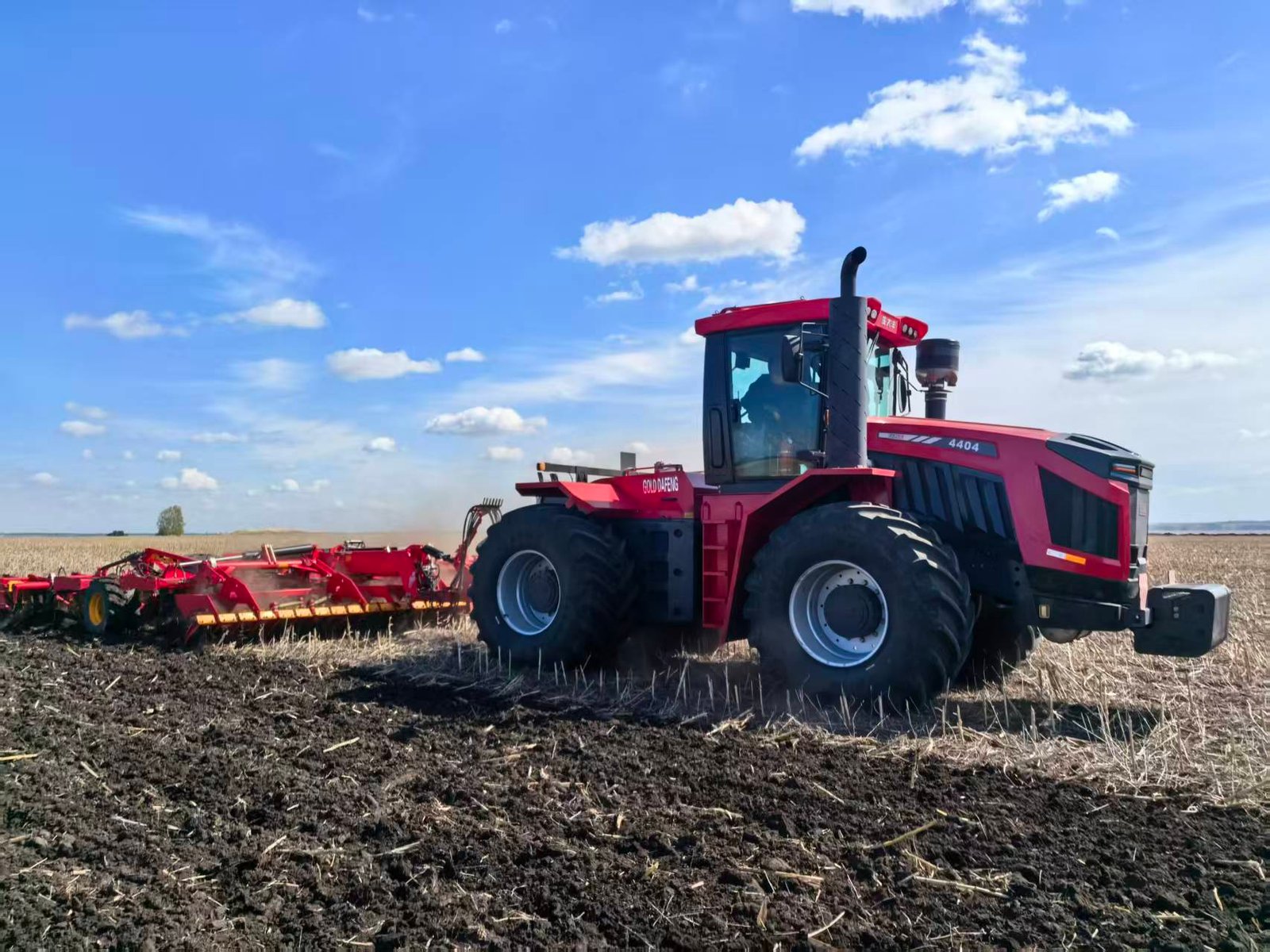
A 4WD tractor is generally the stronger option when the tractor will serve as the main power unit for field operations. The additional traction helps the machine pull heavier implements, maintain speed, and continue working when conditions are less than ideal.
Four-wheel drive is particularly valuable for:
- Primary tillage and deep plowing
- Heavy disc harrowing
- Subsoiling and ripping
- Planting with wide equipment
- Working in soft or wet fields
- Heavy clay and high-resistance soil
- Sloping or uneven farmland
- Commercial farming with short working windows
Farmers comparing different 4WD farm tractors should not judge the machine only by horsepower. Tractor weight, axle capacity, tires, hydraulic output, transmission, and implement compatibility all affect performance.
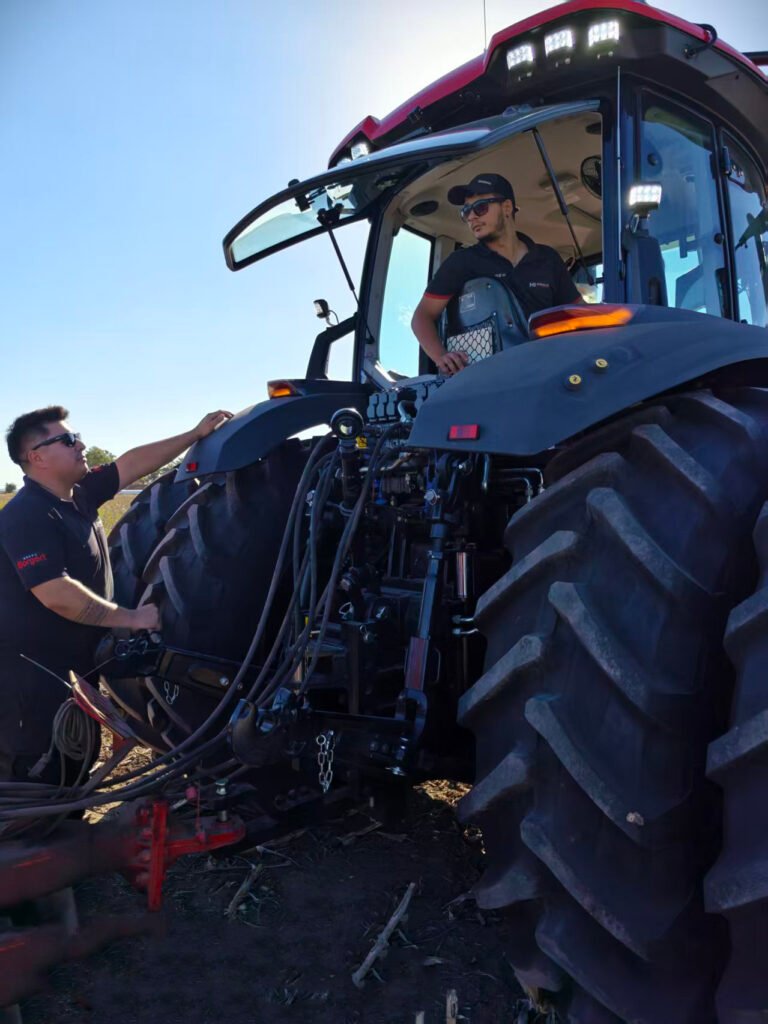
Better Use of Available Horsepower
A tractor engine may produce enough power for an implement, but that power is not useful if the tires cannot transfer it to the ground. Four-wheel drive helps convert more engine output into practical pulling force.
This is especially important as horsepower increases. A high-power 2WD tractor may experience significant rear-wheel slip, while a properly ballasted 4WD machine can distribute the load more effectively.
More Flexibility in Changing Conditions
Field conditions can change within the same day. A dry surface may become soft after rain, while one part of a field may contain heavier soil than another.
A 4WD tractor gives the operator more flexibility under these changing conditions. It does not eliminate the need for correct setup, but it provides a larger working margin before traction becomes the limiting factor.
Purchase Price, Fuel Cost, and Long-Term Ownership
A 2WD tractor normally has a lower purchase price because it uses a simpler front axle and fewer drivetrain components. For buyers with limited budgets and light operating requirements, this can make the machine financially attractive.
A 4WD tractor costs more initially, but purchase price should not be evaluated separately from field productivity. If the tractor completes more hectares per day, reduces wheel slip, and handles a wider implement, the cost per hectare may be lower over time.
Fuel Consumption Is Not Only Liters per Hour
A 2WD tractor may consume less fuel per hour during transport or light PTO work. However, under heavy field load, excessive wheel slip can increase the amount of fuel used to complete each hectare.
A 4WD tractor may burn more fuel per hour but finish the operation faster. Buyers should compare:
- Fuel consumption per hectare
- Area completed per hour
- Average wheel slip
- Number of field passes
- Implement working width
- Time lost because of poor traction
Maintenance and Spare Parts
The driven front axle on a 4WD tractor includes additional gears, joints, shafts, seals, and bearings. These parts require correct lubrication and regular inspection.
This does not mean a 4WD tractor is unreliable. It means buyers should confirm maintenance requirements, spare-parts availability, service manuals, and supplier support before ordering.
For international dealers and importers, a suitable spare-parts package can be more valuable than saving a small amount on the original machine price.
How Horsepower and Farm Size Affect the Decision
Drive configuration becomes increasingly important as tractor power and implement size increase. A small tractor performing light work may not need four-wheel drive every day. A large tractor pulling wide or deep-working equipment usually benefits much more from it.
| Power Range | Common Use | Suggested Drive Configuration |
|---|---|---|
| 50–80HP | Orchards, livestock, transport, light PTO work | 2WD or 4WD depending on soil and terrain |
| 80–120HP | Mixed farming, planting, cultivation, transport | 4WD recommended for regular field work |
| 120–200HP | Medium and large farms, tillage, seeding | 4WD usually the practical choice |
| 200–300HP | Heavy soil preparation and wide implements | 4WD strongly recommended |
| 300–440HP | Deep tillage and large-scale commercial farming | Heavy-duty 4WD configuration required |
Small and Medium Farms
For a small farm with firm ground and mainly light applications, a 2WD tractor may provide enough capability at a lower cost. When the same farm works on slopes, wet ground, or heavier soil, a 4WD model can offer better year-round usability.
Medium farms often benefit from a 4WD tractor because one machine may need to handle planting, tillage, transport, PTO equipment, and seasonal support work.
Large Commercial Farms
Large farms normally operate wide implements and must complete work within limited planting and tillage windows. In these conditions, traction and daily field capacity become more important than the lowest purchase price.
A high-horsepower tractor for large farms should provide sufficient power reserve, hydraulic capacity, appropriate tires, and a drivetrain designed for continuous heavy work.
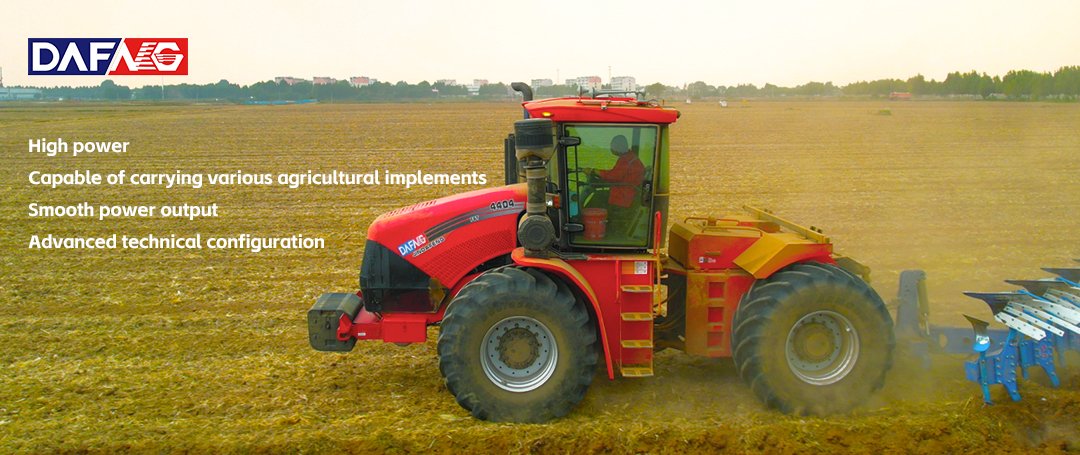
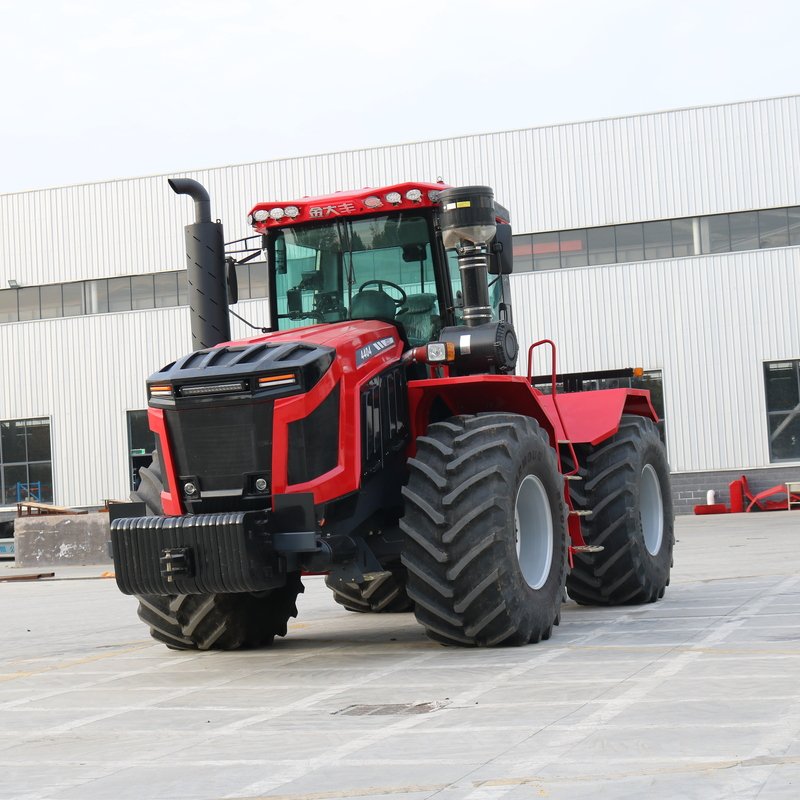
For deep tillage, heavy soil, and very wide implements, a 440HP 4WD tractor can provide the pulling capacity required for large-scale field operations. This power level is most suitable when the farm can use the machine’s capacity across enough hectares and annual working hours.
What Buyers Should Check Before Choosing 2WD or 4WD
Before selecting the drive system, buyers should write down the tractor’s actual operating requirements. This makes it easier to compare quotations and prevents unnecessary options from increasing the final cost.
Field and Application Checklist
- Is the soil firm, sandy, loose, wet, or heavy clay?
- Does the farm include slopes or uneven ground?
- What is the heaviest implement the tractor must pull?
- How deep will the tractor plow or cultivate?
- How many hectares must be completed each day?
- Will the tractor operate mainly in fields or on roads?
- Will future implements be wider or heavier?
Machine Configuration Checklist
- Engine horsepower and torque characteristics
- Transmission type and working speed range
- Front and rear tire sizes
- Ballast options and weight distribution
- Hydraulic flow and lifting capacity
- PTO speed and usable PTO power
- Number of hydraulic remote valves
- Cab, air conditioning, and operator controls
- Spare parts, warranty, and technical support
Buyers should also confirm whether four-wheel drive can be engaged and disengaged conveniently. On many tractors, 4WD can be used during field operations and switched off for road transport or work where additional traction is unnecessary.
Frequently Asked Questions
Is a 4WD Tractor Always Better Than a 2WD Tractor?
No. A 4WD tractor offers stronger traction, but a 2WD tractor may be more economical for transport, spraying, mowing, and other light work on firm ground. The better machine is the one that matches the farm’s real workload.
Does a 4WD Tractor Use More Fuel?
It may consume more fuel per hour in some conditions because it is often heavier and has more drivetrain components. During heavy field work, however, lower wheel slip and higher productivity can make a 4WD tractor more efficient per hectare.
Can a 2WD Tractor Pull a Plow?
Yes. A correctly ballasted 2WD tractor can pull a suitable plow in firm soil. Its limitations become more noticeable with deeper working depths, heavier soil, wider plows, or wet ground.
Is 4WD Necessary for a Large Farm Tractor?
For most high-horsepower tractors used in tillage, planting, and heavy draft work, 4WD is the practical choice. It allows the tractor to transfer more power to the ground and work with larger implements.
Final Decision: 4WD or 2WD Farm Tractor?
Choose a 2WD tractor when the machine will mainly handle light applications on firm ground and lower purchase cost is a major priority. It can be a dependable option for transport, mowing, spraying, livestock work, and secondary farm duties.
Choose a 4WD tractor when the machine must perform regular tillage, work in wet or loose soil, operate on slopes, pull larger implements, or complete demanding field work within a short seasonal window.
For many modern farms, the ideal fleet includes both configurations: a powerful 4WD tractor for primary field operations and a smaller tractor for transport and lighter support work.
Farmers, dealers, and importers should compare complete specifications rather than choosing only by horsepower or purchase price. The correct drive system should improve traction, protect productivity, match the intended implements, and provide a practical operating cost throughout the tractor’s working life.