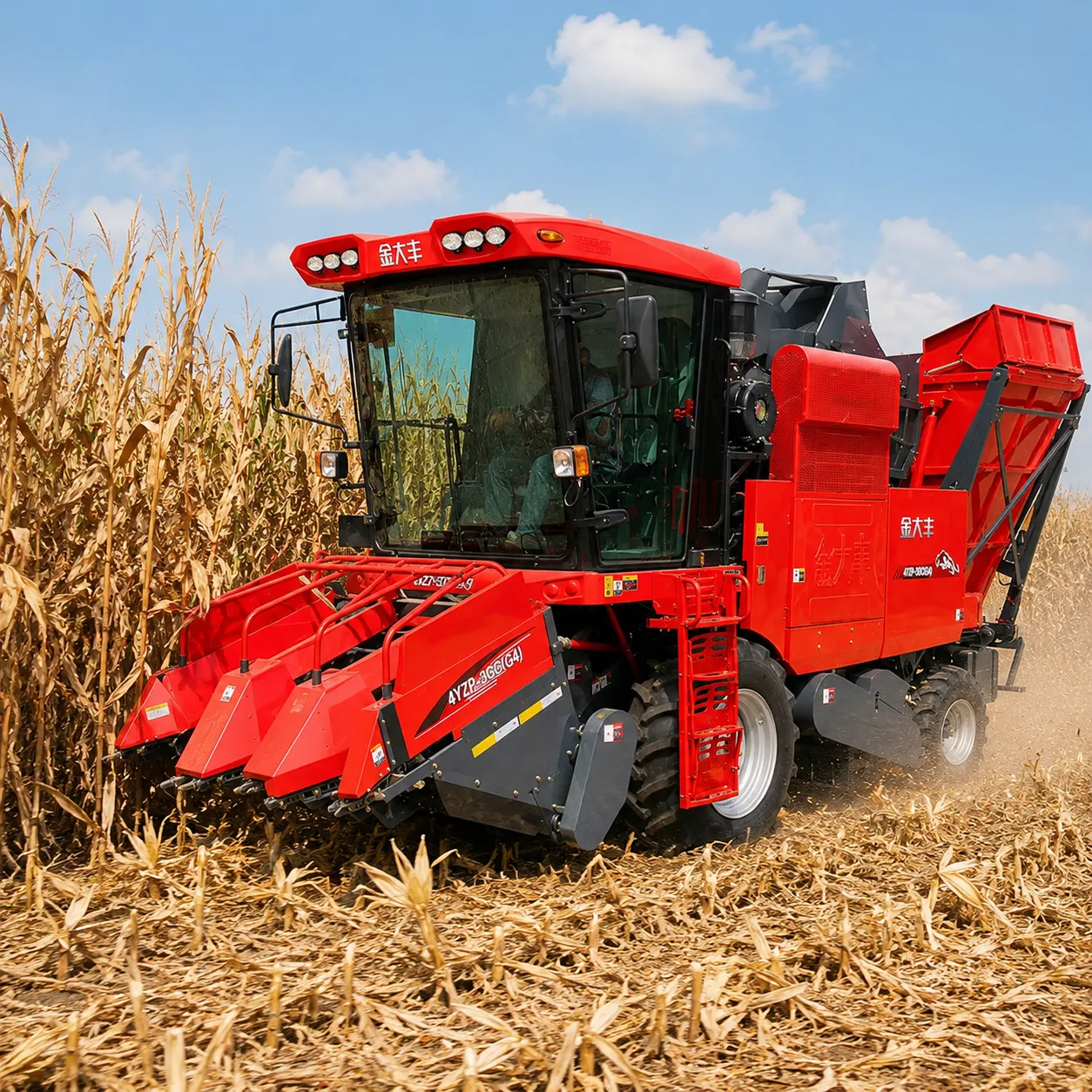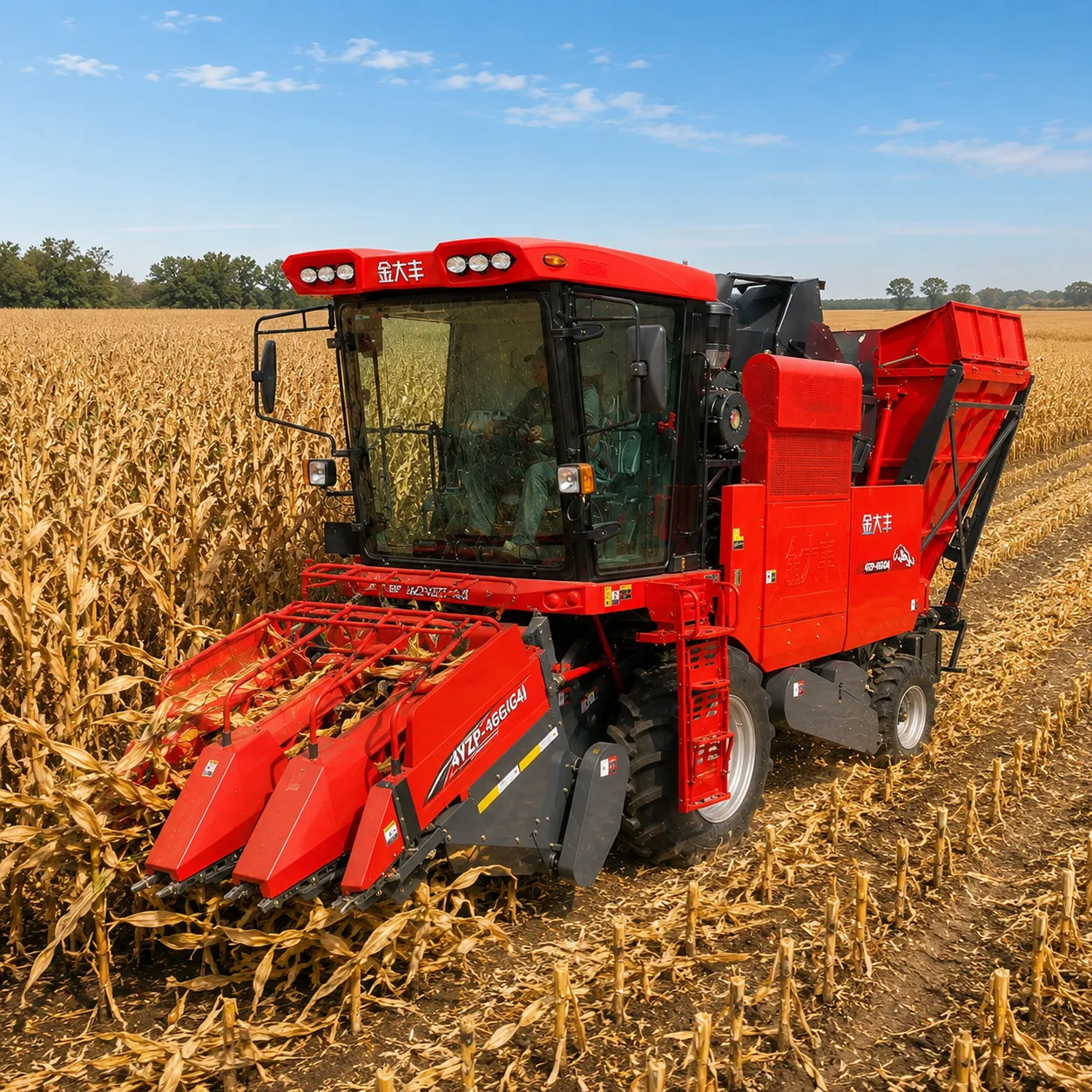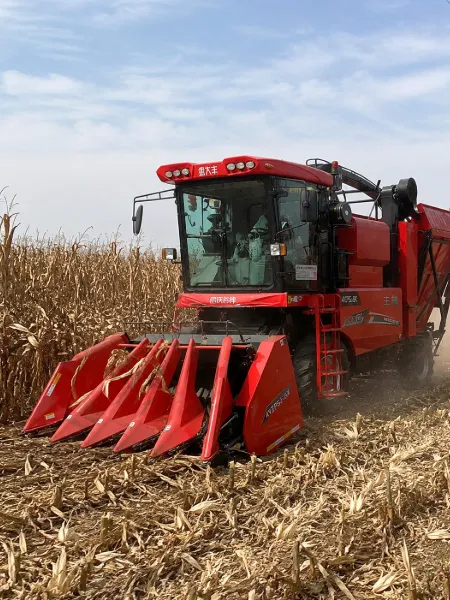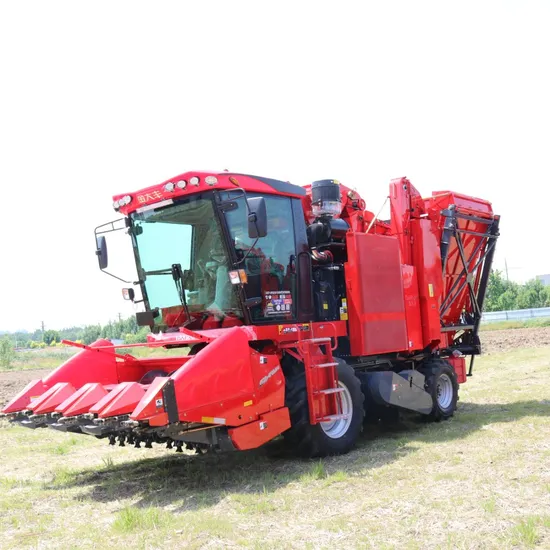
Typical Farm Tractor Price Ranges in 2026
The following figures are general purchasing ranges in US dollars. They are intended for early budget planning rather than as fixed quotations. Actual prices vary according to country, brand, engine standard, transmission, cab, tires, optional equipment, order quantity, and delivery terms.
| Tractor Category | Typical Power Range | Estimated 2026 Price Range | Common Applications |
|---|---|---|---|
| Compact and Small Utility Tractor | 25–50HP | Approximately USD 15,000–40,000 | Orchards, livestock farms, mowing, light transport |
| General Farm Tractor | 50–100HP | Approximately USD 30,000–90,000 | Plowing, seeding, spraying, mixed farming |
| Medium-Power Agricultural Tractor | 100–180HP | Approximately USD 60,000–180,000 | Tillage, planting, transport, medium and large farms |
| Heavy-Duty Farm Tractor | 180–300HP | Approximately USD 120,000–350,000 | Heavy tillage, wide planters, large-scale field work |
| High-Horsepower Tractor | 300–500HP and above | Approximately USD 250,000–700,000 or more | Deep tillage, wide implements, commercial agriculture |
These ranges show why horsepower alone cannot determine the final price. An imported factory-direct tractor may have a lower initial price than a premium dealer-supplied model, while a machine with advanced electronics, continuously variable transmission, factory guidance, and high-capacity hydraulics may sit near the top of the range.
What Can Buyers Expect in Different Power Classes?
70–100HP Tractors
Tractors in this class are commonly used for mixed farming, livestock operations, land preparation, PTO work, transport, and smaller planting equipment. A basic open-station model will normally cost less than a 4WD tractor with an enclosed cab, air conditioning, front weights, and multiple hydraulic outlets.
This range is often attractive to farmers who need one versatile machine for several daily jobs. It is also popular among agricultural dealers because the tractors can serve small and medium farms without creating the operating cost of a much larger machine.
100–180HP Tractors
This power class offers a practical balance between versatility and field capacity. A 100HP tractor can handle general tillage and transport, while a 160HP tractor may be better suited to larger planters, heavier soil preparation, and longer working hours.
Buyers comparing agricultural tractors in this category should pay close attention to hydraulic lifting capacity, tractor weight, wheelbase, transmission ratios, and tire configuration. These factors may influence real field performance more than a small difference in engine horsepower.
200–440HP Tractors
Once tractor power moves above 200HP, the machine normally enters a more specialized category. These tractors are designed for heavy draft work, large implements, high daily field capacity, and commercial farms with limited planting or tillage windows.
A 440HP tractor costs more because it requires a stronger drivetrain, heavier chassis, larger axles, higher-capacity cooling, more advanced hydraulics, and tires capable of transferring substantial power to the soil.
However, a high initial price does not automatically make it expensive to operate. When a 440HP machine pulls a wider implement and completes more hectares per day, its cost per hectare may be reasonable for a large farming operation.
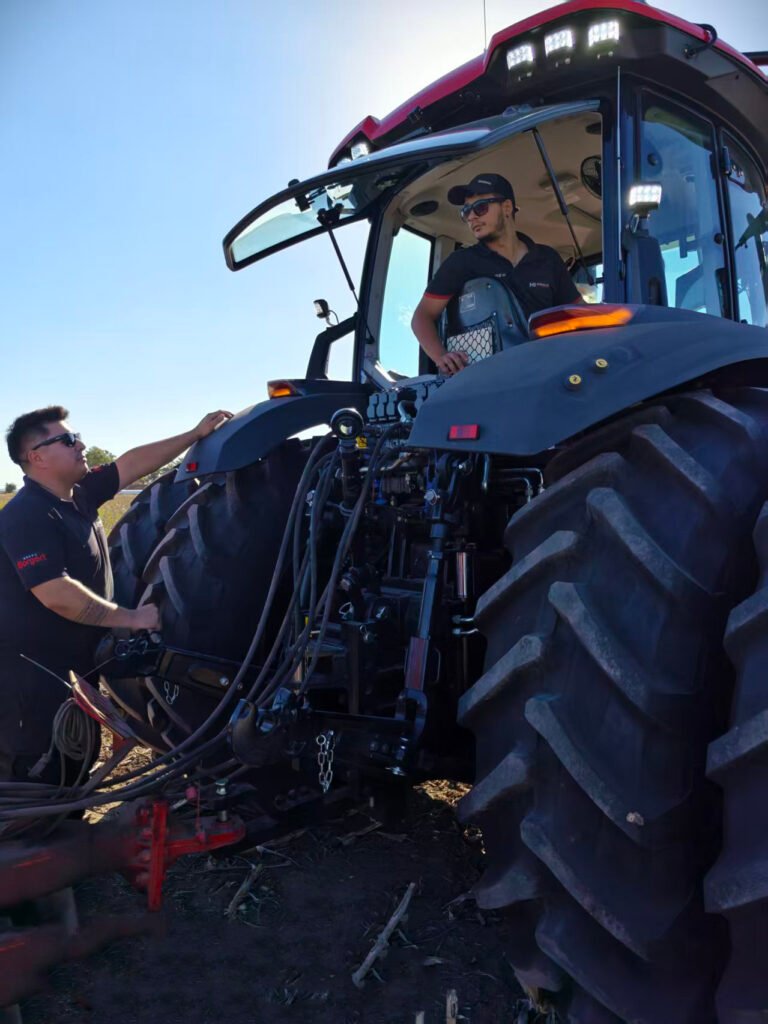
Why Do Tractors with Similar Horsepower Have Different Prices?
Farm tractor quotations can differ by tens of thousands of dollars even when the machines appear similar. The final cost reflects much more than the engine.
Drivetrain, Transmission, and Traction
Two-wheel-drive tractors generally cost less, but four-wheel drive has become the preferred configuration for many agricultural applications. A 4WD tractor can provide better traction in loose soil, wet conditions, sloping fields, and heavy tillage operations.
The transmission also has a major influence on price.
- Mechanical transmissions are straightforward, durable, and normally more economical.
- Synchromesh and shuttle transmissions improve convenience during field work and transport.
- Powershift transmissions allow the operator to change working speed more easily under load.
- Continuously variable transmissions offer precise speed control but usually increase both purchase price and technical complexity.
A simple transmission may be the better choice in a market where maintenance resources are limited. A more advanced transmission may deliver additional productivity on a large farm with trained operators and reliable service support.
Hydraulics, PTO, and Implement Compatibility
Hydraulic specifications can change the price significantly. Buyers should compare pump flow, lifting capacity, hydraulic pressure, number of remote valves, and support for continuous hydraulic demand.
A tractor used with a basic plow may not require an advanced hydraulic package. A large planter, folding cultivator, or air seeder may need several remote valves and much greater oil flow.
PTO configuration also matters. Depending on the target implements, a buyer may require 540 rpm, 1000 rpm, or multiple PTO speed options. The tractor must provide enough usable PTO power rather than only a high engine horsepower figure.
Cab, Tires, and Optional Equipment
An enclosed cab adds cost, especially when it includes air conditioning, suspended seating, improved sound insulation, work lights, cameras, and electronic controls. On farms where operators work for long hours, these features can contribute directly to productivity and safety.
Tires are another important cost item. Large radial tires, dual wheels, specialty tread patterns, and additional wheel weights can raise the quotation considerably. Nevertheless, choosing the correct tires and ballast helps reduce wheel slip, improve traction, and protect the soil.
Other options that may affect tractor price include:
- Front weights and rear wheel ballast
- Additional hydraulic remote valves
- Front linkage or front PTO
- Air-brake systems for trailers
- Quick hitches and drawbar options
- GPS guidance and precision farming systems
- LED lighting packages
- Dual tires or wider flotation tires
New, Used, or Imported: What Are You Actually Paying For?
The advertised machine price is only one part of the purchasing decision. Buyers should compare the complete package and understand which costs are included.
New Tractor Cost
A new tractor normally provides a full service life, known operating history, current configuration, and manufacturer warranty. It also allows the buyer to select tires, cab equipment, hydraulic outlets, PTO specifications, and other options before production or delivery.
The disadvantage is a higher initial purchase price. New machines may also lose part of their value during the first years of ownership, although dependable models with good spare-parts support can maintain stronger resale value.
Used Tractor Cost
A used tractor may reduce the initial investment, but the purchase price should never be considered separately from its condition.
Before buying, check:
- Engine hours and service records
- Cold-start performance
- Transmission operation under load
- Hydraulic pressure and lifting performance
- PTO engagement
- Front axle and steering wear
- Tire condition
- Signs of overheating or oil leakage
- Availability of electronic diagnostic support
A low-priced used tractor can become expensive if it immediately needs tires, transmission work, hydraulic repairs, or electronic components.
Factory Price, FOB Price, and Landed Cost
International buyers also need to distinguish between factory price, FOB price, CIF price, and total landed cost.
Factory or EXW Price
This normally covers the machine at the factory. Inland transport, export handling, sea freight, insurance, customs clearance, taxes, and delivery are usually not included.
FOB Price
An FOB quotation generally includes delivery to the named export port and loading onto the vessel. The buyer remains responsible for sea freight, insurance, import clearance, local taxes, and inland transportation after arrival.
CIF and Landed Cost
A CIF quotation normally includes cost, insurance, and freight to the destination port. It does not automatically include customs duty, value-added tax, port charges, inspection fees, registration, or inland transport.
For this reason, dealers and importers should compare the total landed cost rather than choosing a supplier only because the initial tractor quotation is lower.
How to Choose the Right Tractor Without Overpaying
The most expensive tractor is not always the best tractor, but the lowest-priced machine can also become costly if it is too small, poorly configured, or difficult to maintain.
Start with the Work, Not the Horsepower
List the jobs the tractor must complete during the busiest part of the season. Include implement width, working depth, soil conditions, required speed, daily working hours, and total area.
A practical power selection may look like this:
- 70–100HP: general farm work, mowing, transport, light tillage, PTO applications
- 120–160HP: medium-scale tillage, planting, seeding, and mixed farming
- 200–240HP: heavy soil preparation, wider implements, and large fields
- 300–440HP: deep tillage, large planters, high-draft equipment, and commercial agriculture
A large farm should not automatically buy the highest-horsepower machine. However, an undersized tractor may operate near maximum load throughout the day, consume more fuel per hectare, wear faster, and delay planting or tillage.
Calculate More Than the Purchase Price
A more complete tractor cost calculation should include:
- Purchase or landed cost
- Financing cost
- Fuel consumption per hectare
- Routine maintenance
- Tire replacement
- Spare parts and repairs
- Operator cost
- Expected annual working hours
- Resale value
- Cost of seasonal downtime
For a commercial grain farm, downtime during a short planting window can cost more than the difference between two tractor quotations. Reliability, parts supply, and technical support should therefore be included in every price comparison.
When Is a 440HP Tractor Worth the Investment?
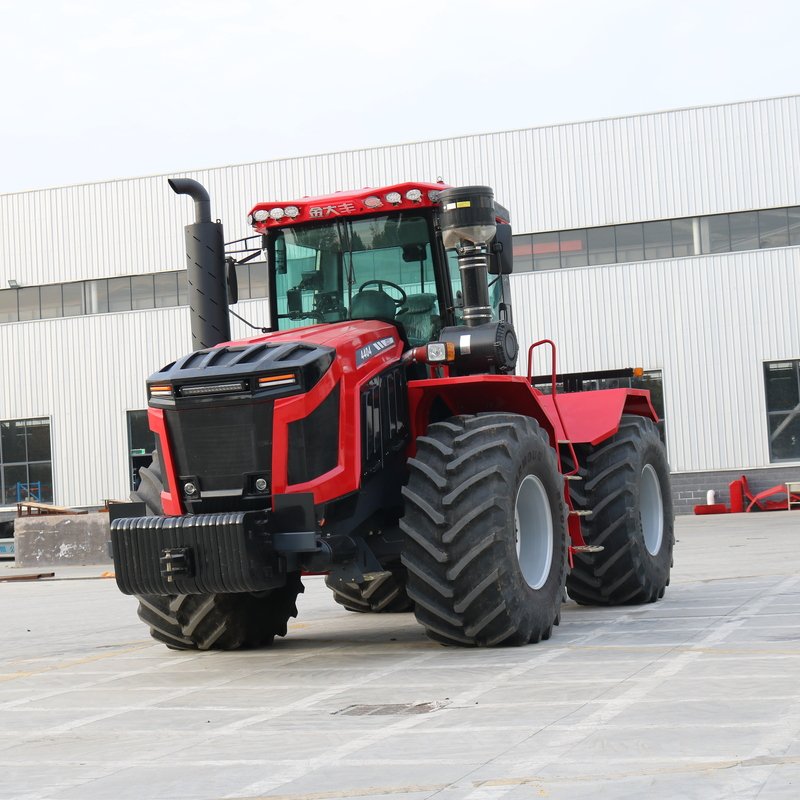
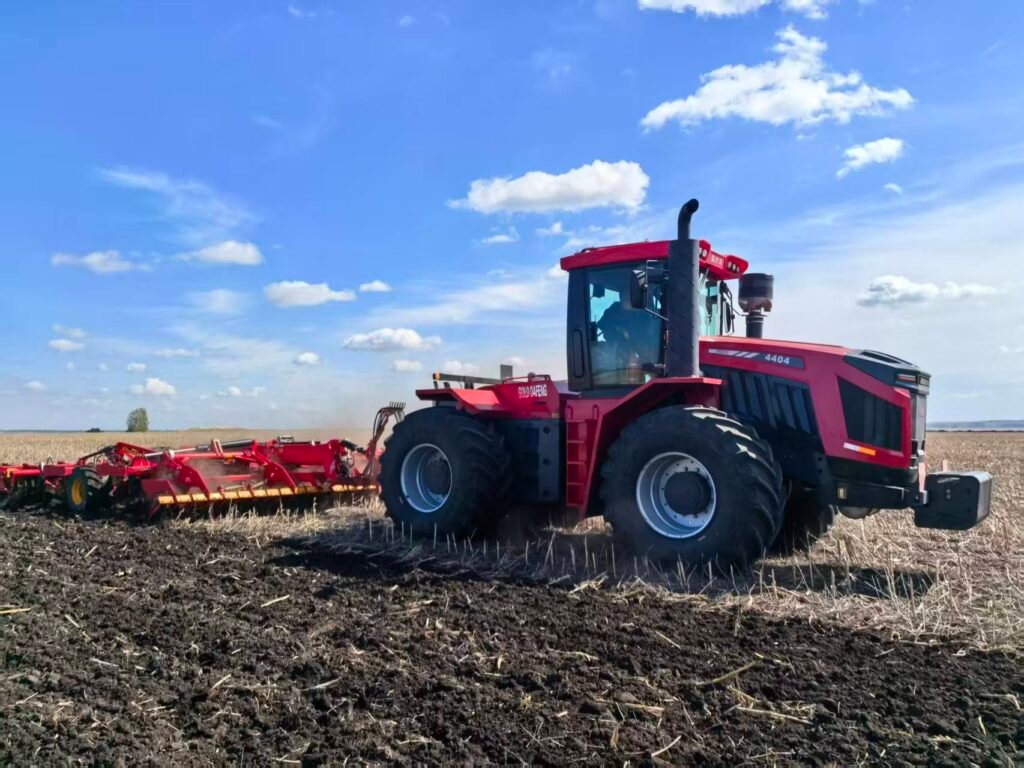
A high-horsepower tractor is most valuable when the farm can use its capacity consistently. The King-Gold Dafeng 440HP tractor is intended for demanding operations such as deep tillage, heavy soil preparation, large planting equipment, and wide implements.
It may be worth considering when:
- The existing tractor cannot pull the planned implement efficiently
- Field work must be completed during a short seasonal window
- The farm operates across a very large planted area
- Heavy soil creates high draft resistance
- A wider implement can reduce the number of field passes
- The machine will work enough annual hours to justify the investment
For transport, spraying, and lighter support work, smaller farm tractors may remain more economical. Many large farms achieve better results by using a high-horsepower tractor for primary field work and medium-power tractors for secondary operations.
Final Buying Advice for 2026
Farm tractor costs in 2026 vary from relatively affordable utility machines to advanced high-horsepower tractors costing several hundred thousand dollars. The final price depends on far more than engine power.
Before requesting a quotation, prepare a clear list of requirements:
- Required horsepower range
- 2WD or 4WD configuration
- Transmission preference
- Cab or open station
- PTO speed and power requirement
- Hydraulic flow and lifting capacity
- Number of hydraulic outlets
- Tire and ballast configuration
- Required implements
- Destination port and delivery terms
- Spare-parts package
- Warranty and technical support
The right tractor is not simply the one with the lowest invoice. It is the tractor that matches the farm’s implements, completes field work on time, remains serviceable in the local market, and delivers a competitive cost over its full working life.
By comparing specifications, landed cost, operating requirements, and supplier support together, farmers and importers can make a much more reliable purchasing decision.