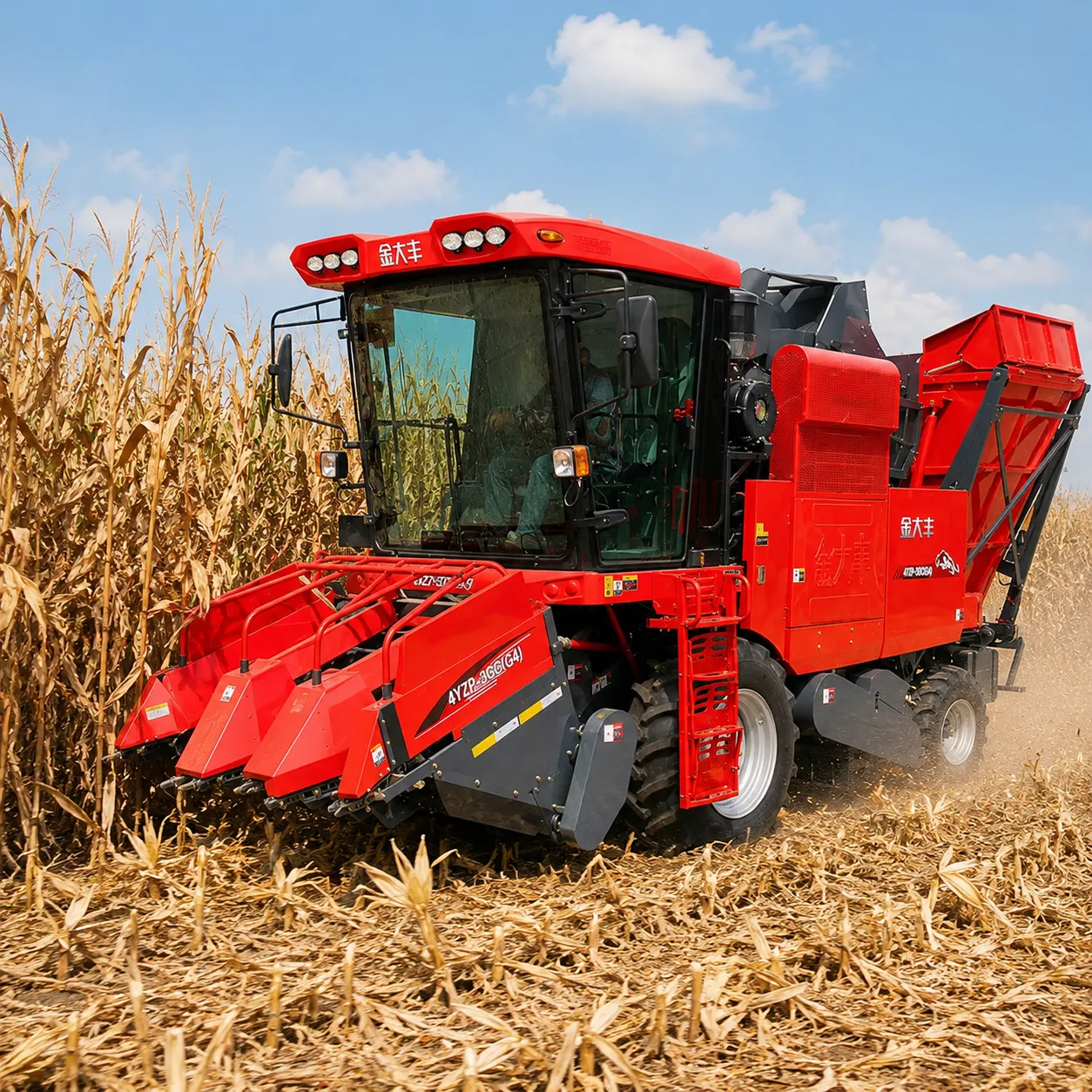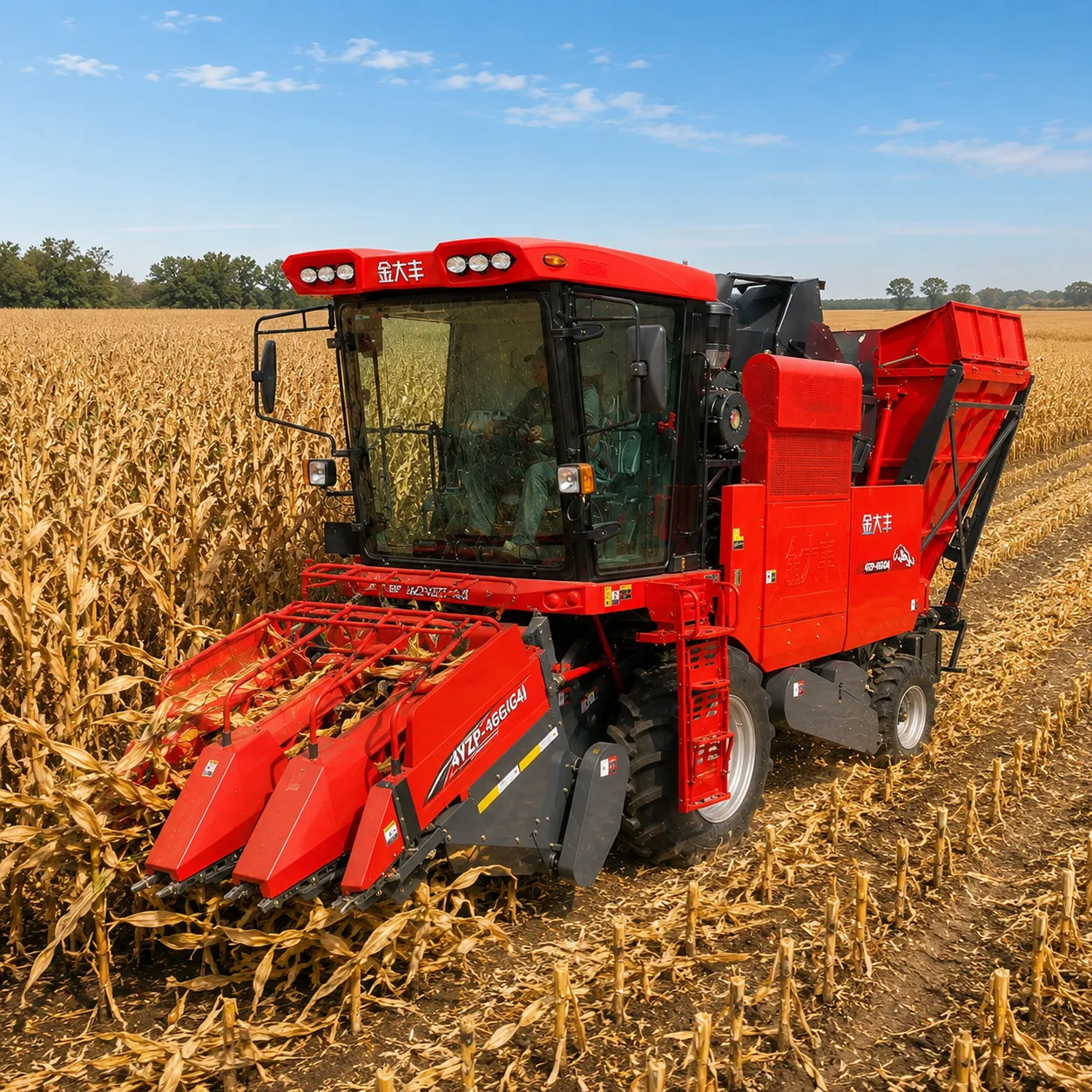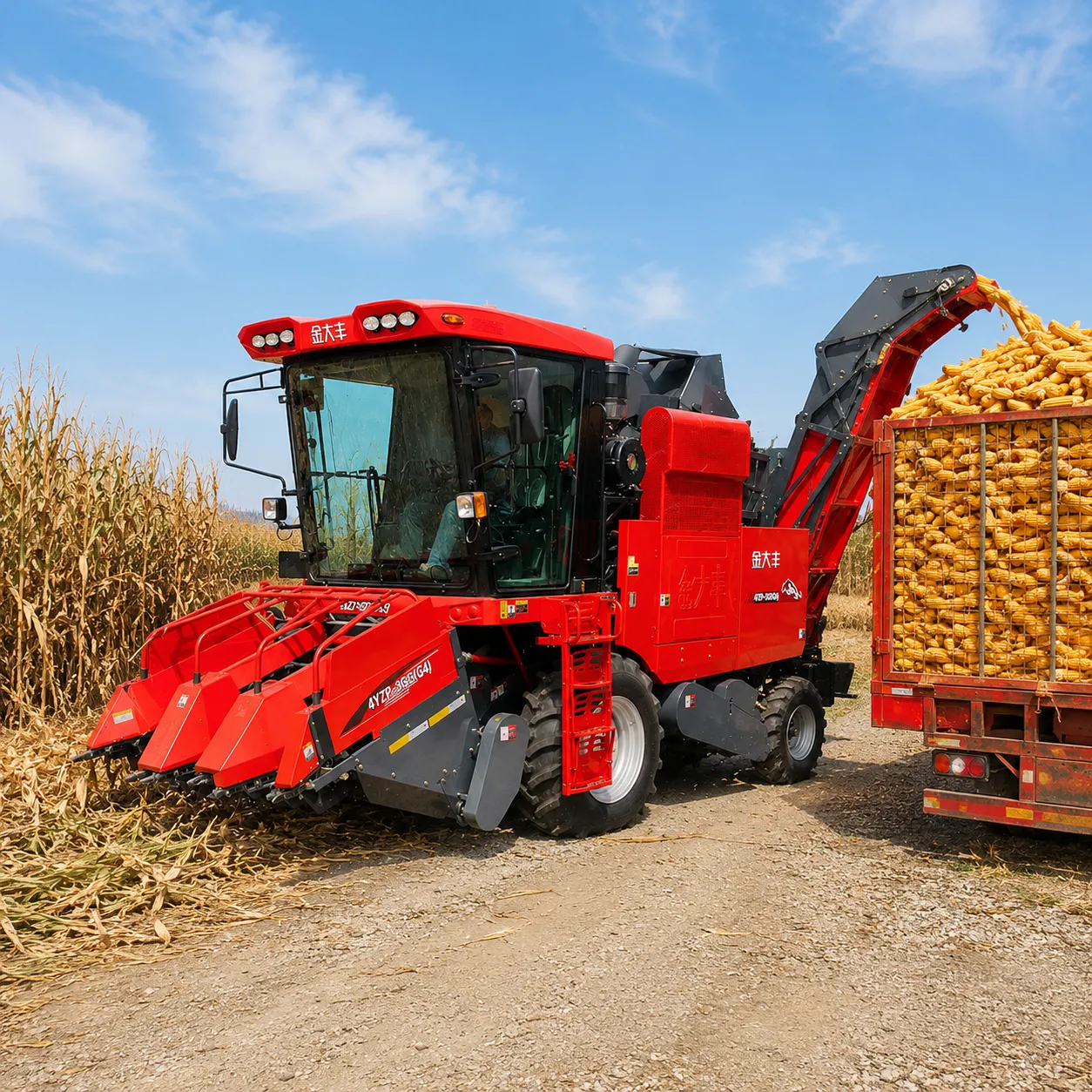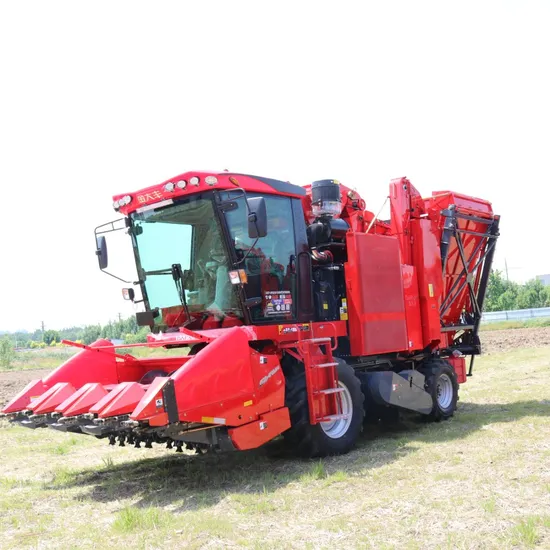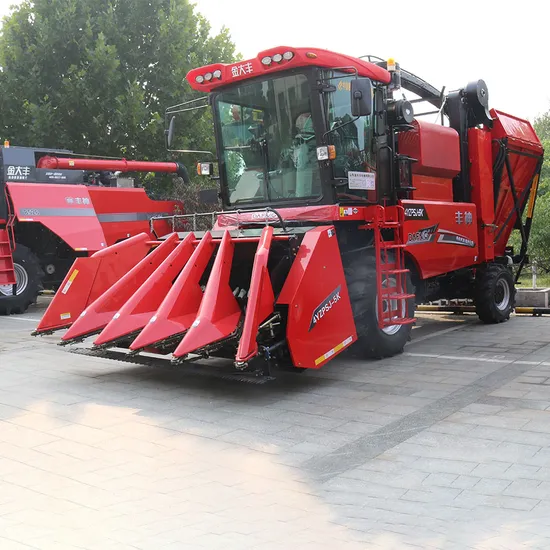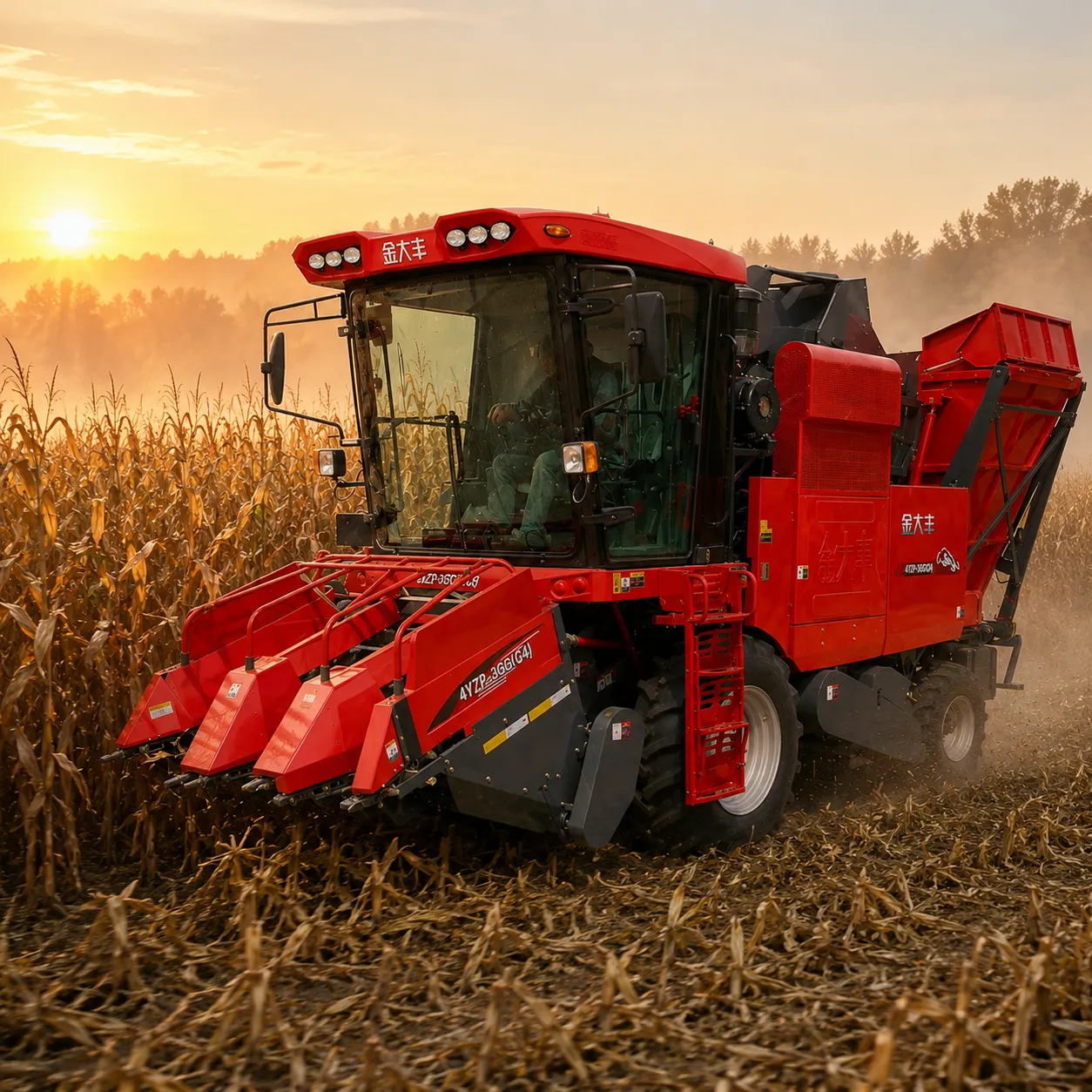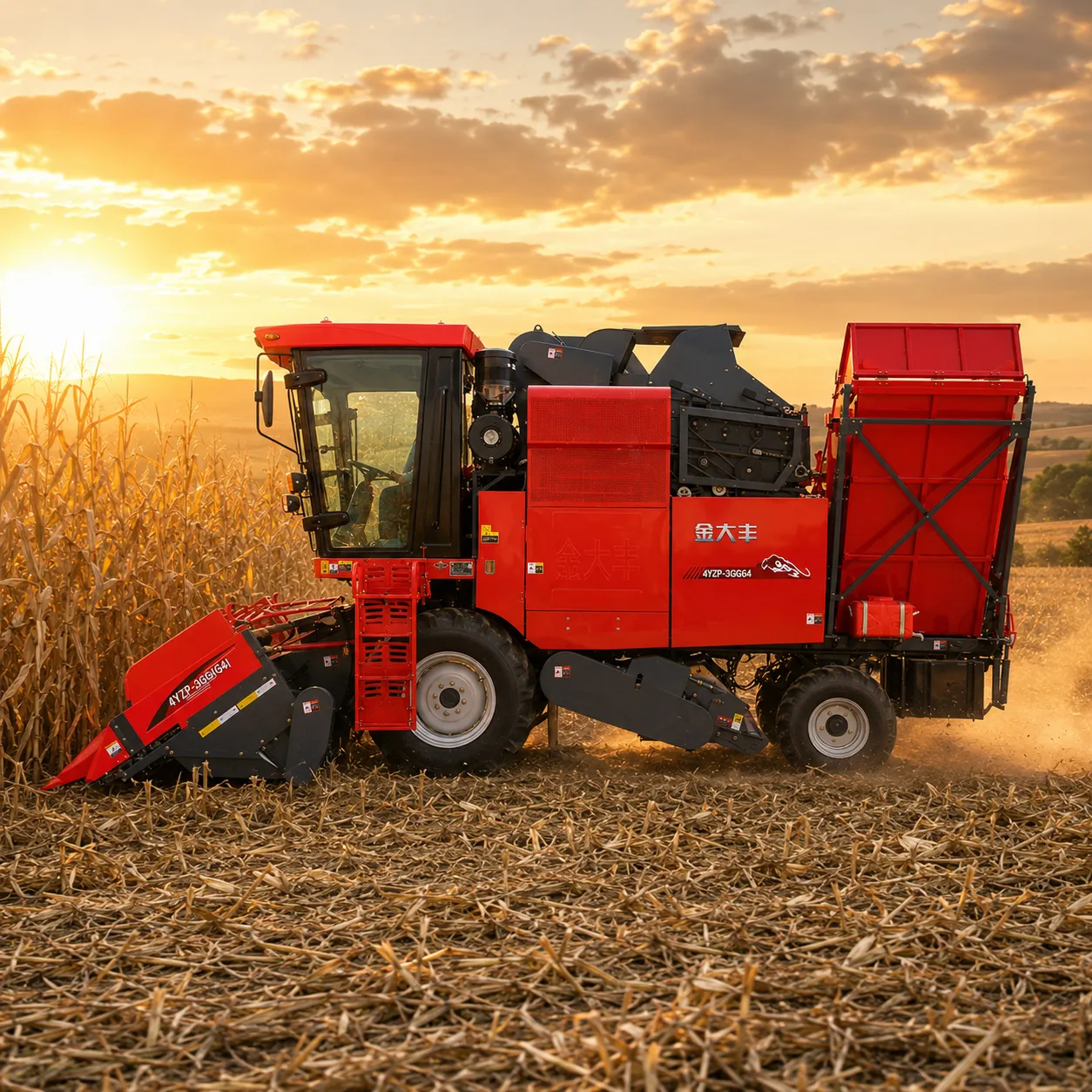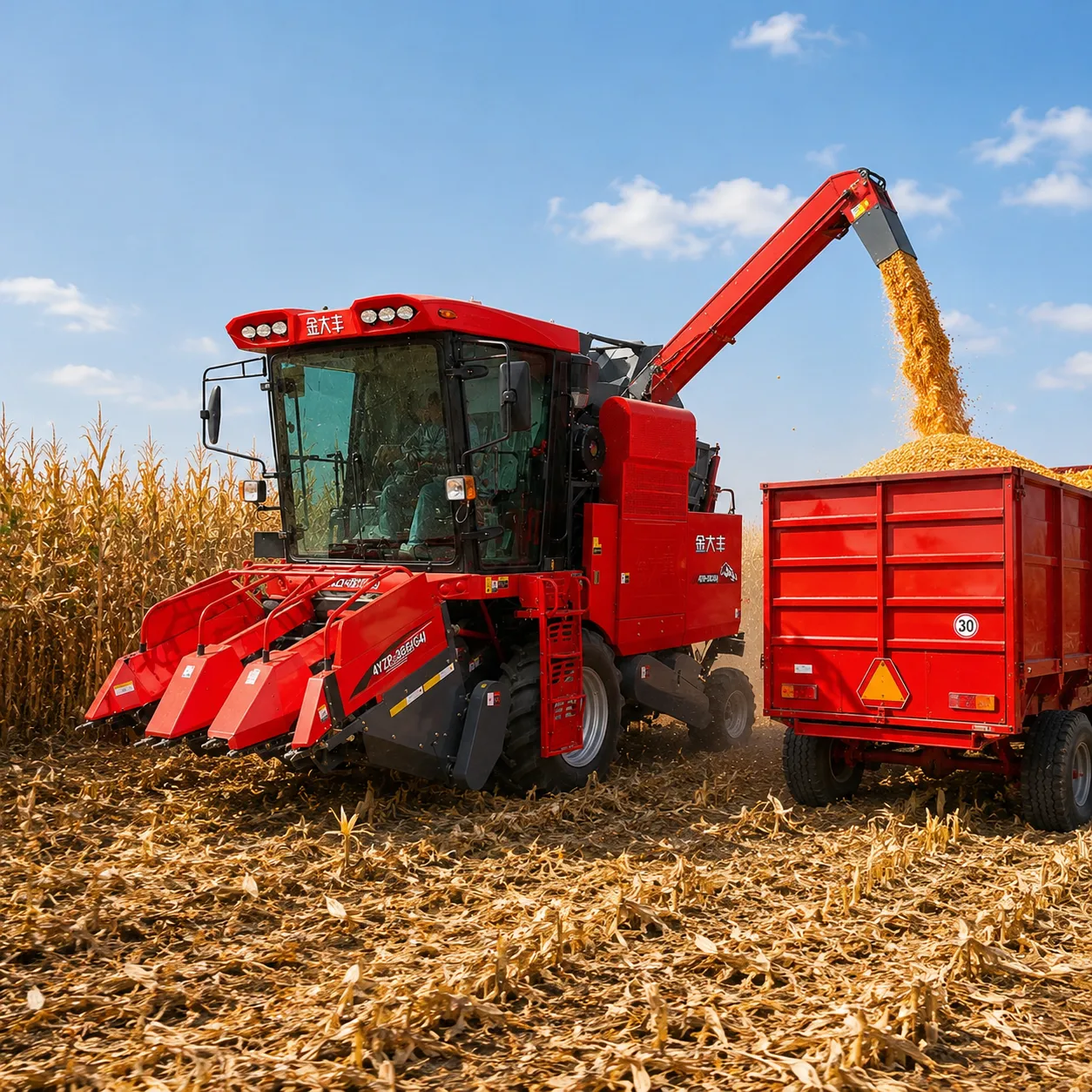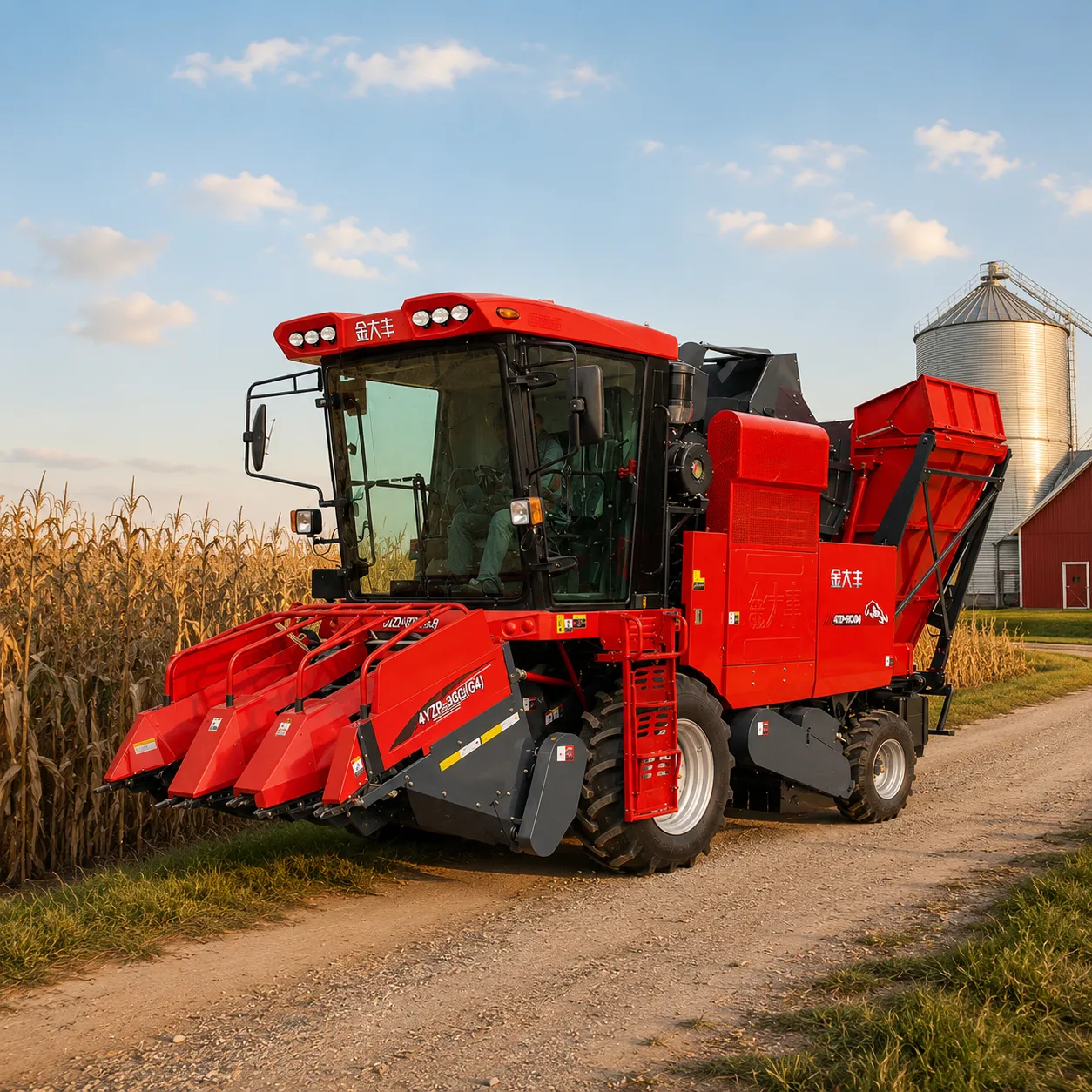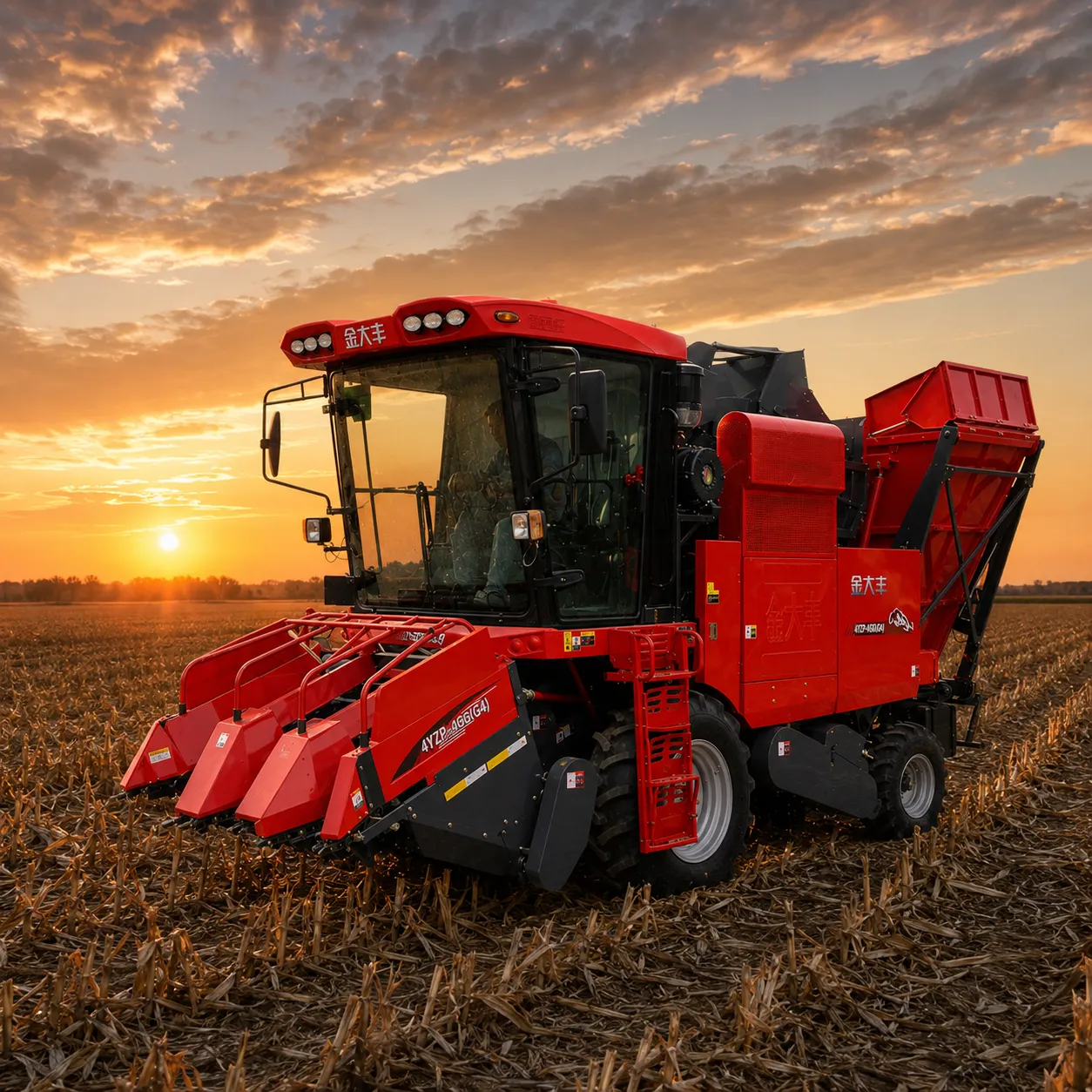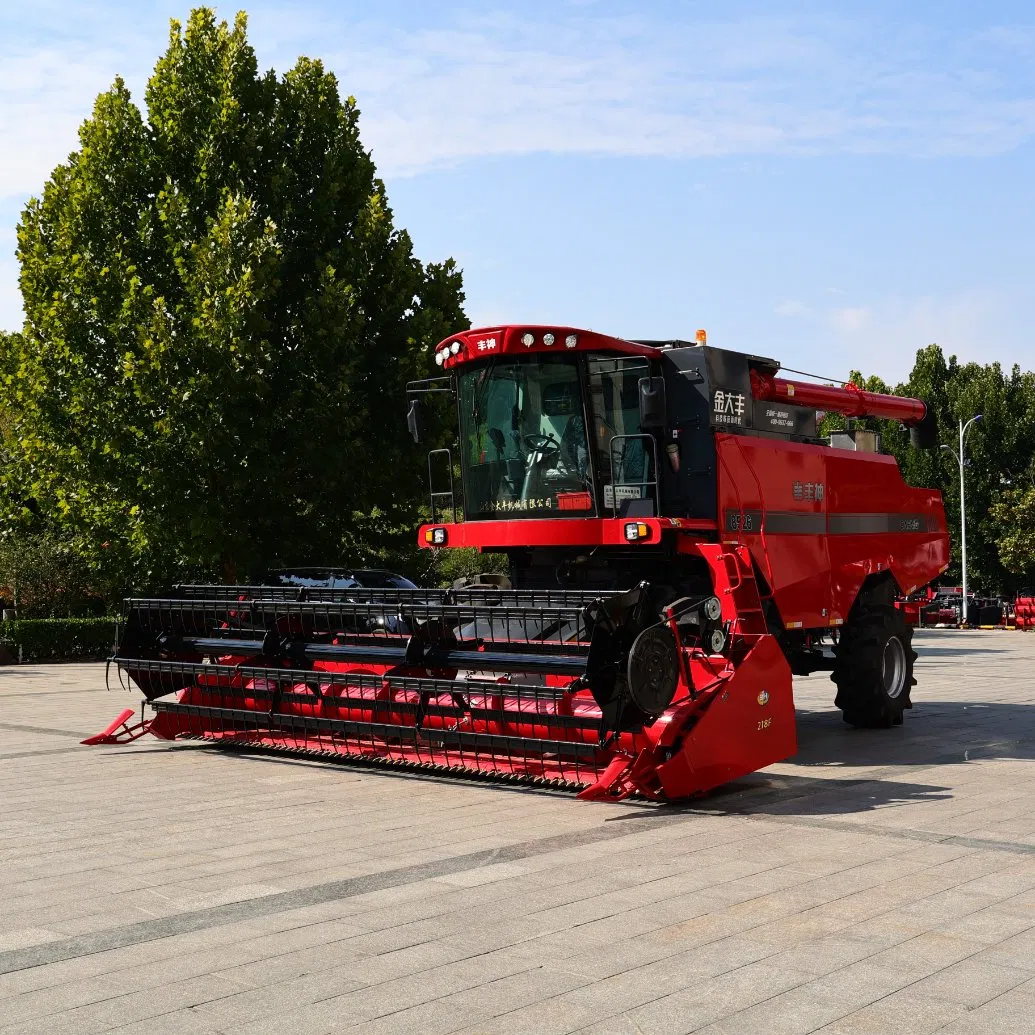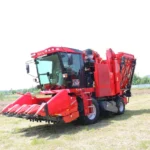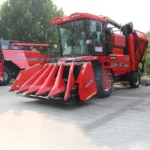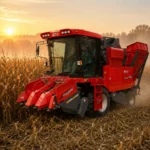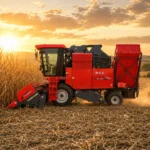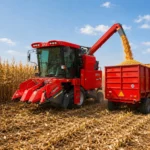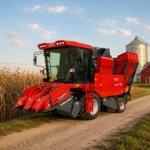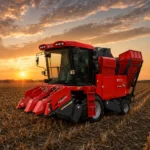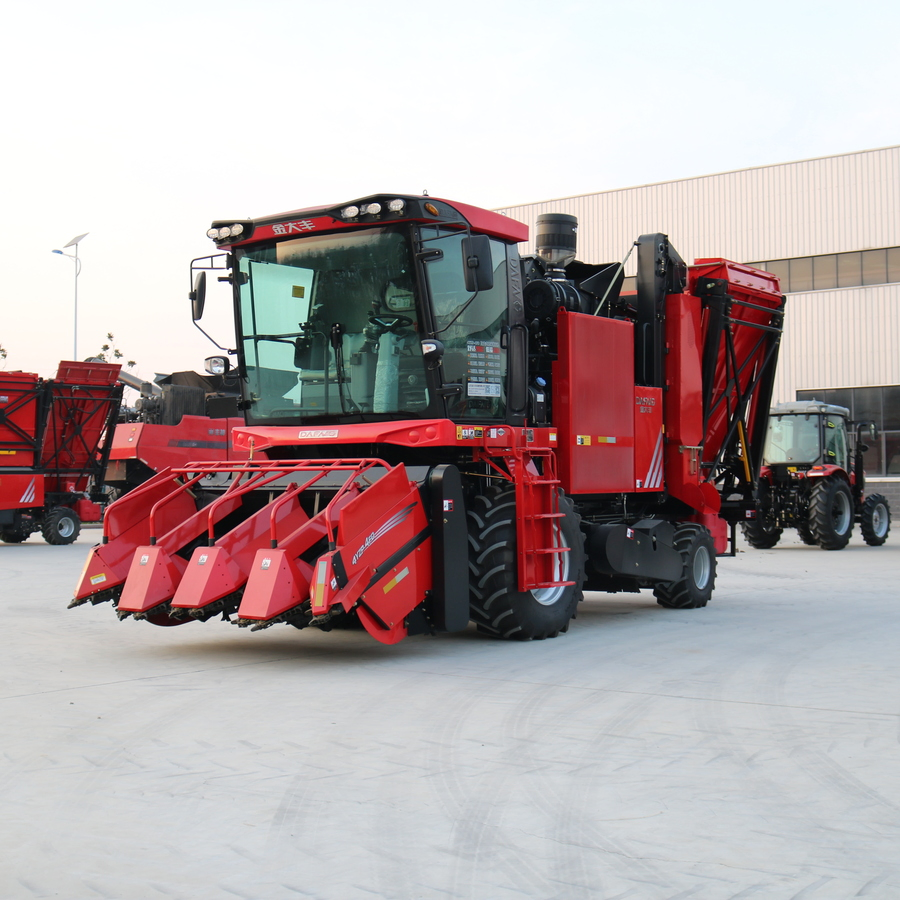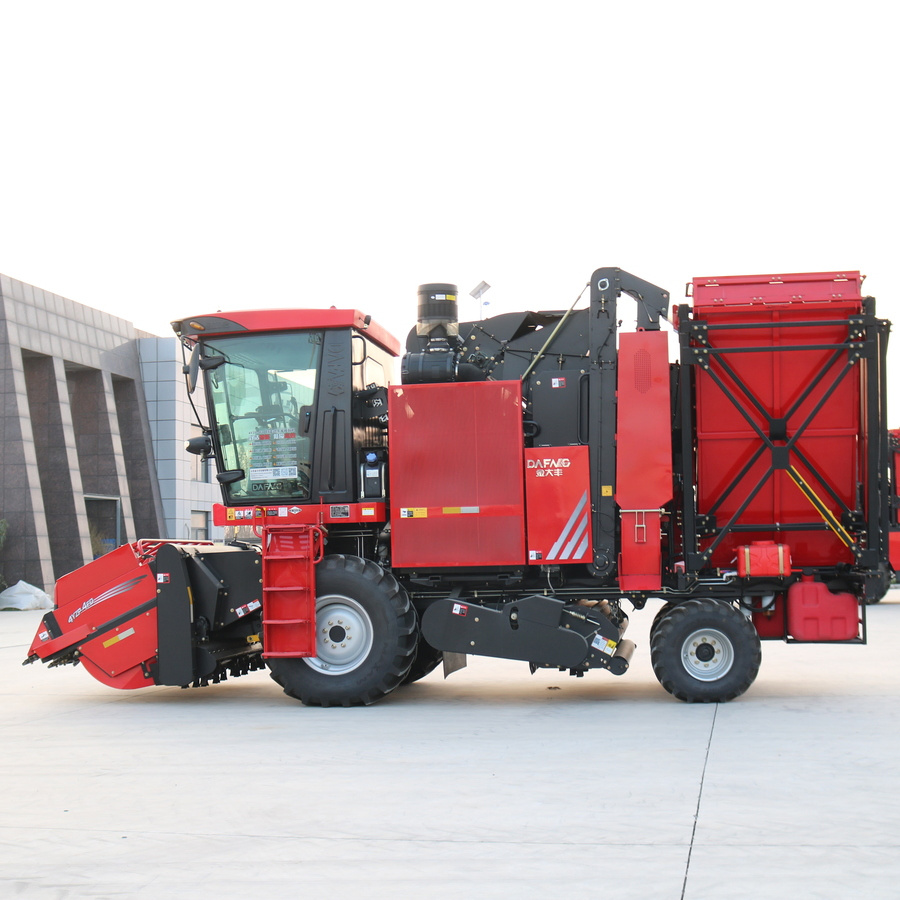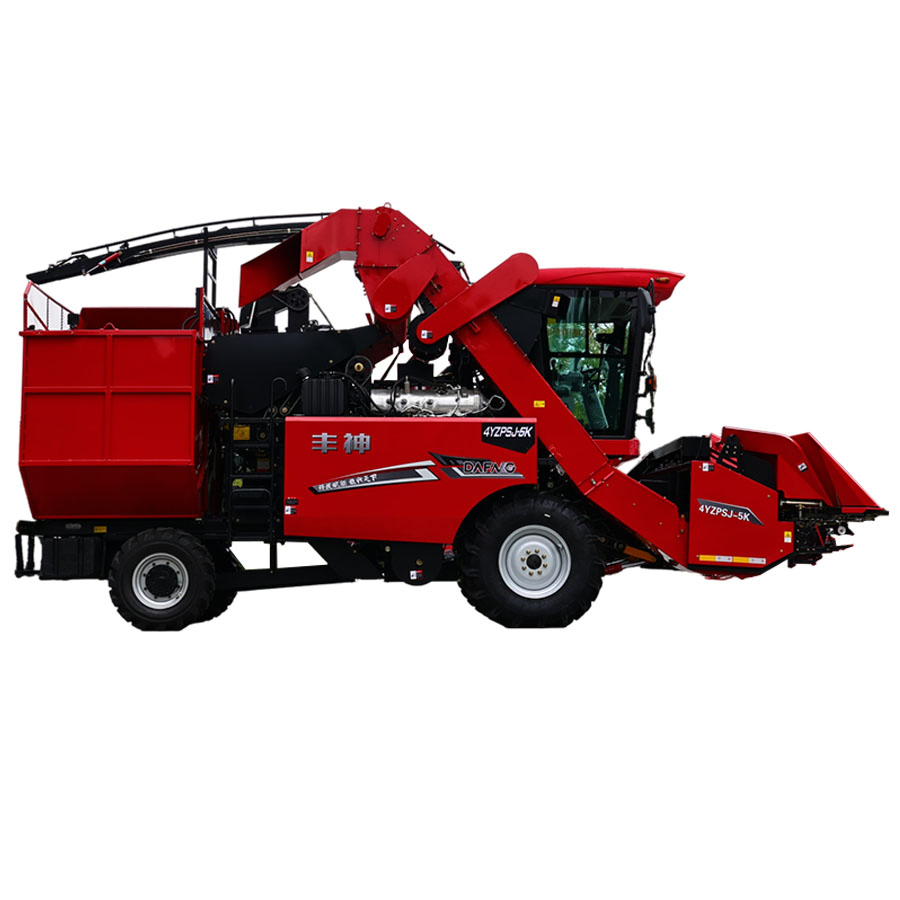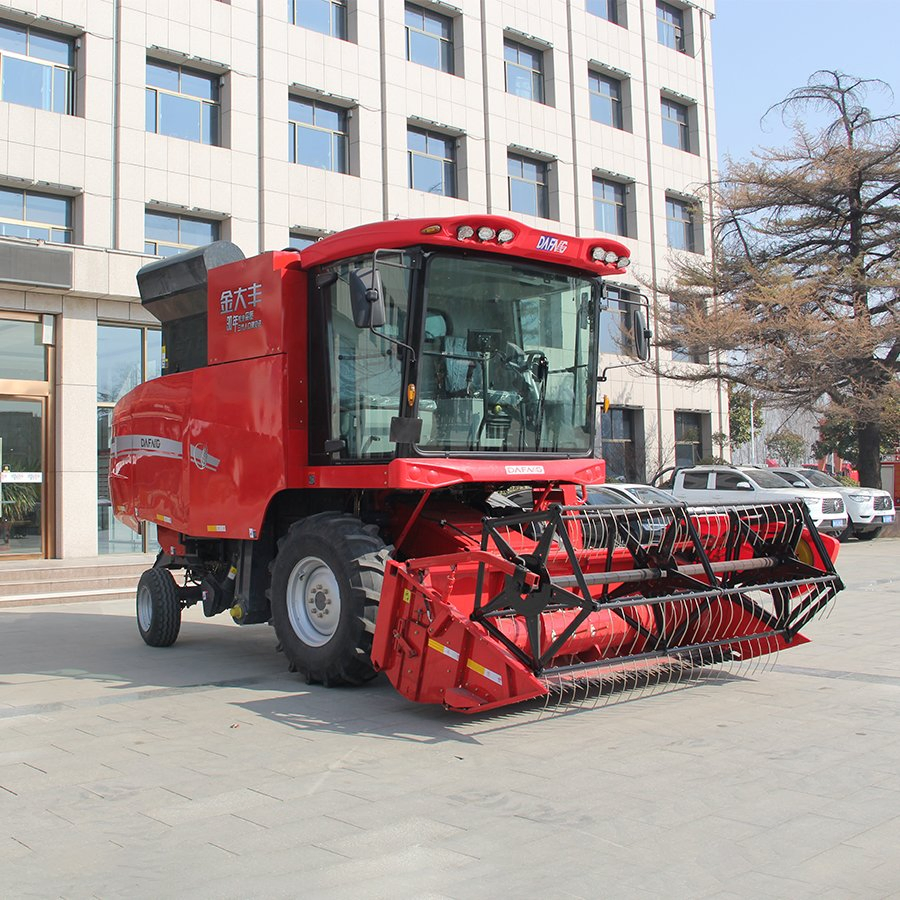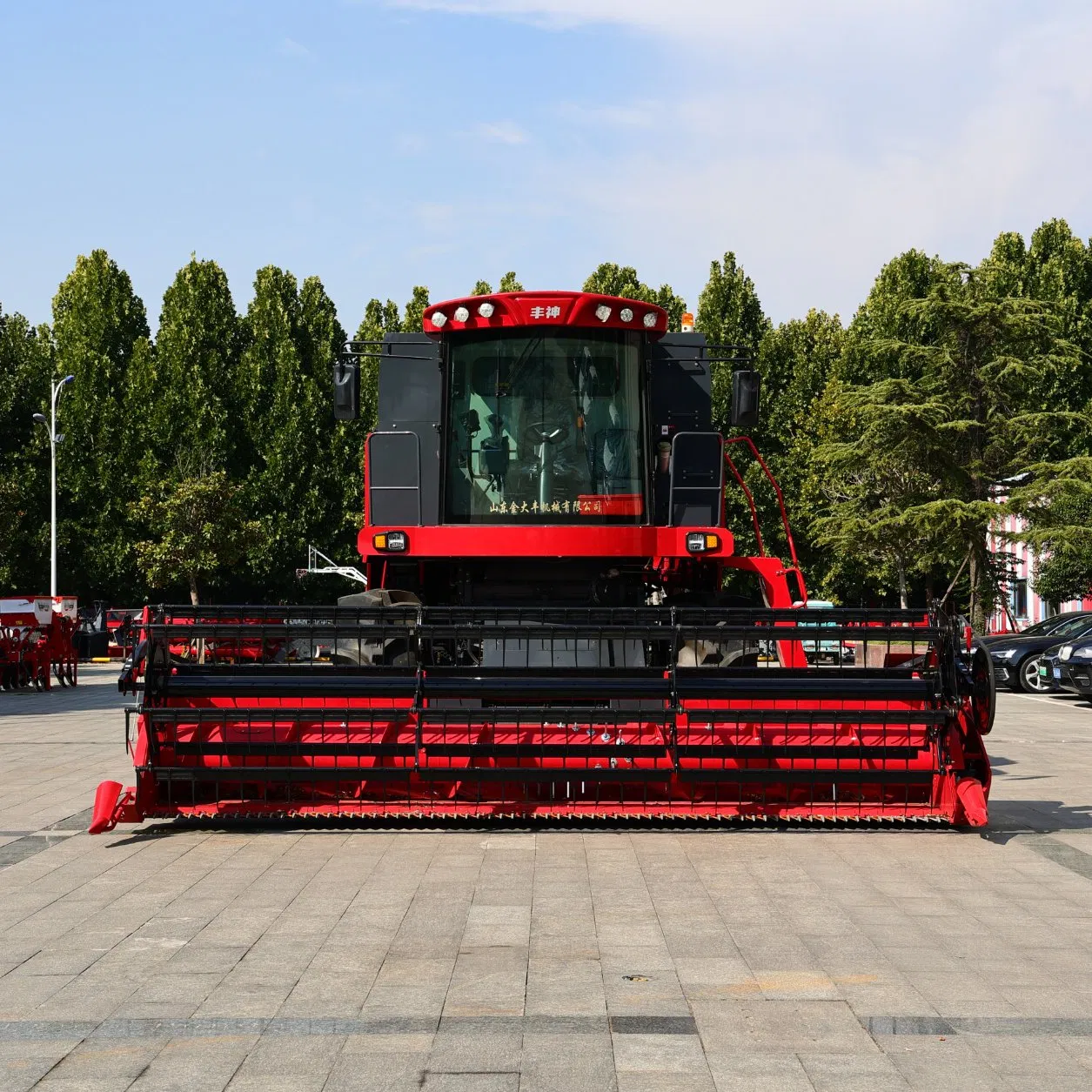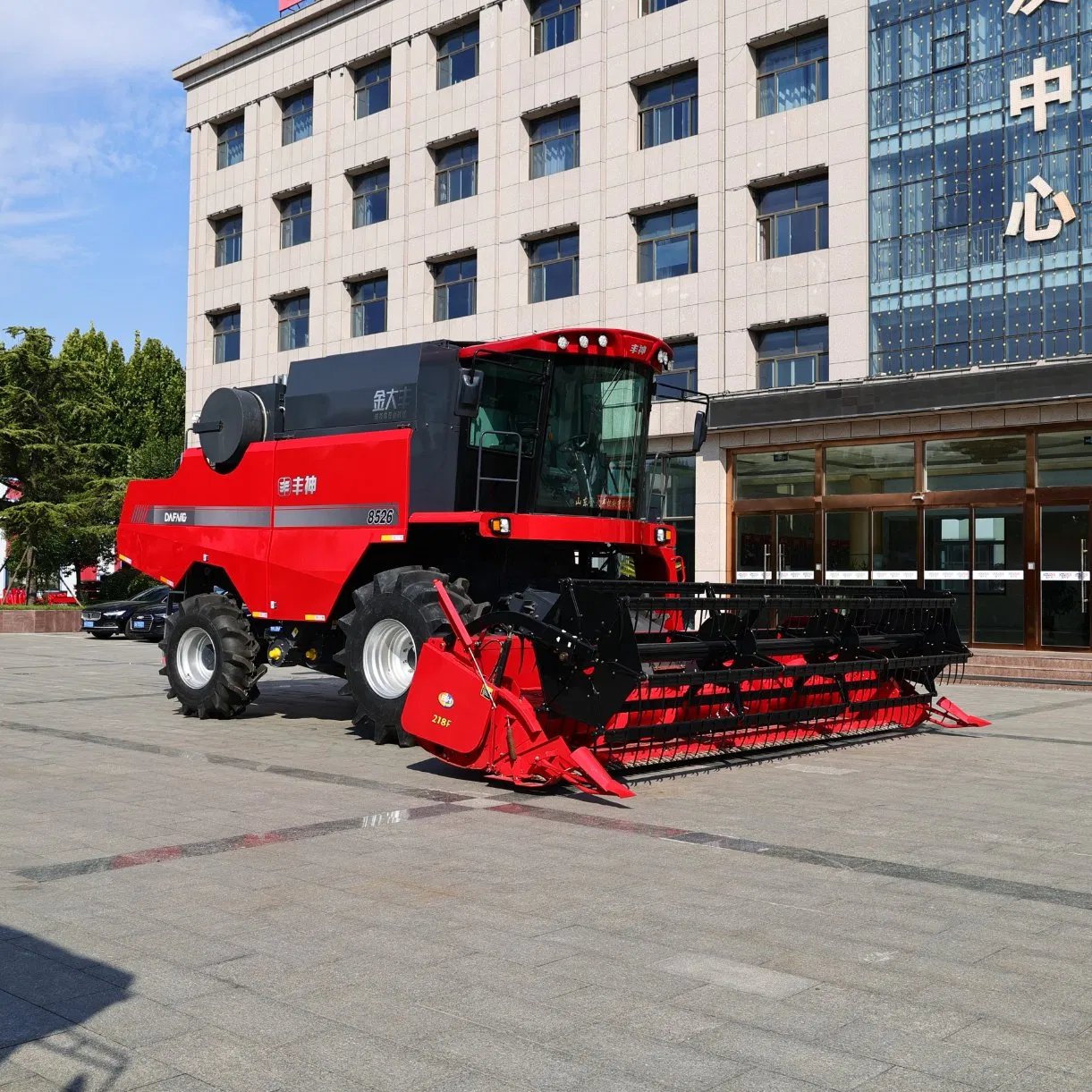
Harvesting corn is not always finished when the ears are removed from the stalks. On many commercial farms, the crop still needs to be peeled, collected, transported, and prepared for storage, while the remaining stalks must be managed before the next field operation begins.
This is why a corn harvester with peeling and straw crushing can offer more practical value than a machine designed only to pick corn ears. By combining several operations in one field pass, the harvester can reduce additional handling, simplify labour requirements, and leave the field in a more manageable condition after harvest.
The real advantage, however, is not simply having more functions. Picking, conveying, peeling, collection, and straw management must work as one balanced crop-flow system. If one section cannot keep up with the others, the machine may still lose capacity even when engine power is sufficient.
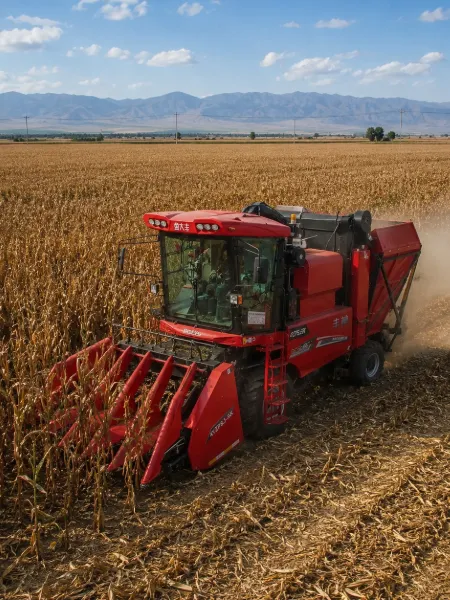
One Harvesting Pass Can Replace Several Separate Operations
A basic corn picker may remove ears from stalks successfully, but the work often continues after the machine leaves the row. Husk removal may require additional equipment or labour, stalks may need another tractor pass, and harvested ears may require further handling before transport or storage.
An integrated corn harvesting machine can combine several of these steps:
Corn Picking → Ear Conveying → Peeling → Collection → Straw Crushing & Field Residue Management
For farms operating under a short harvest window, reducing separate field operations can be more important than simply increasing travel speed.
The benefits may include:
- Fewer machines required in the field
- Lower dependence on seasonal labour
- Less time between picking and later crop handling
- Reduced tractor hours for separate stalk processing
- Faster preparation for the next field operation
- Simpler coordination between harvesting and transport teams
A corn harvester with peeling and straw crushing therefore provides value through operational integration rather than through one individual component.
Why an Integrated Peeling System Matters
After the ear is separated from the stalk, the husk may still remain tightly attached. Whether this is acceptable depends on how the harvested corn will be transported, dried, stored, or processed.
For operations that prefer cleaner ears directly from the field, an onboard peeling system can reduce later manual or mechanical handling.
Peeling begins with consistent feeding
Peeling rollers perform best when ears arrive at a relatively even rate. If the header or conveying system sends large groups of ears into the peeling section at once, husk removal can become inconsistent.
Good peeling performance therefore depends on several systems working together:
- Stable header feeding
- Consistent conveying speed
- Suitable peeling-roller material
- Correct roller pressure and spacing
- Crop moisture and husk condition
- Forward speed matched to machine capacity
Wet and dry corn behave differently
Dry husks may separate relatively easily, but the ears can become more sensitive to impact. Wet husks are often tougher and can require more roller contact before separating.
This is why peeling quality should not be judged from one ideal field condition. Buyers should consider how the machine performs across the moisture range normally experienced during the harvest season.
Buyer point: Ask how the peeling system performs in both normal mature corn and higher-moisture crops. A machine that peels well only in very dry conditions may require slower operation earlier in the season.
Straw Crushing Changes What Happens After Harvest
Once ears are removed, a large volume of stalk material remains in the field. If these stalks are left long and uneven, they may interfere with tillage, residue incorporation, or the next planting operation.
Integrated straw crushing allows the harvester to process this residue during the same pass.
Why stalk condition changes the workload
Dry stalks are generally easier to break, while green stalks are heavier, tougher, and more flexible. Wet or dense residue places additional load on the straw-management system.
Effective straw crushing depends on:
- Blade sharpness
- Rotor speed
- Stable power transmission
- Correct cutting height
- Forward travel speed
- Crop moisture
- Even residue discharge
The objective is not simply to cut the stalk. Residue should be distributed in a way that supports the farm’s next field operation.
One less tractor pass can matter
If the harvesting machine already crushes stalks to an acceptable condition, the farm may reduce or eliminate a separate residue-management pass.
The value becomes greater as field size increases because every additional operation requires fuel, labour, tractor time, and another scheduling window.
Picking, Peeling and Straw Crushing Must Be Balanced
Adding more functions only helps when they operate at compatible capacities.
For example, the header may be able to pick ears faster than the peeling rollers can process them. The engine may have enough horsepower, but the straw crusher may become overloaded in green stalks. The peeling system may operate correctly while the central conveyor becomes the bottleneck.
This is why buyers should evaluate the complete crop path.
| System | Main Job | What Happens If Capacity Is Too Low |
|---|---|---|
| Header | Guide stalks and separate ears | Dropped ears, uneven feeding and lower field speed |
| Conveying System | Move ears to the peeling section | Crop buildup, surging and blockage |
| Peeling System | Remove husks from collected ears | More unpeeled ears and reduced throughput |
| Collection System | Store harvested ears before unloading | Frequent unloading and lower field efficiency |
| Straw Crusher | Process remaining stalk material | Long residue, higher load and slower operation |
A well-designed corn harvester with peeling and straw crushing should maintain stable flow through all of these systems rather than relying on engine horsepower alone.
Which Farms Benefit Most from This Configuration?
Integrated harvesting is not automatically necessary for every corn-growing operation. Some farms already have enough tractors, labour, and separate equipment to complete peeling and residue management economically.
The value becomes greater when time, labour, or field access are more limited.
This configuration is especially useful when:
- The farm wants to complete several operations in one pass
- Seasonal labour is limited or expensive
- The harvest window is relatively short
- Large areas must be completed quickly
- Peeling is required before transport or later processing
- Stalk residue needs to be managed immediately
- The machine is used for commercial harvesting services
- Reducing additional tractor passes is a priority
For a small farm that harvests only a limited area each year, the additional systems may not create the same economic advantage. A simpler machine may still be practical if labour and supporting equipment are already available.
For contractors and larger farms, however, combining multiple operations can improve equipment utilization across the season.
Integrated Functions Can Reduce Labour Without Eliminating Support Equipment
It is easy to assume that a multi-function harvester removes the need for other machinery completely. In practice, supporting logistics are still important.
Transport vehicles are required to move harvested ears away from the field. Operators still need maintenance tools, spare parts, and fuel support. Some farms may also perform additional residue incorporation depending on their soil-management system.
The main difference is that fewer separate harvesting-related operations are required.
Consider the complete labour chain
Compare two harvesting systems:
Separate-operation approach:
- Pick corn ears
- Transport ears
- Peel husks separately
- Return to the field for stalk crushing
- Prepare the field for the next operation
Integrated approach:
- Pick, peel, collect, and crush stalks during the same harvesting pass
- Unload harvested material for transport
- Continue with later field preparation as required
The actual savings depend on local labour cost, machinery availability, fuel price, and field size, but the operational difference can be significant.
What Buyers Should Inspect Before Ordering
When comparing machines, it is not enough to confirm that the specification sheet includes “peeling system” and “straw crushing.” Buyers should understand how those systems are designed and serviced.
For the peeling system, check:
- Number and arrangement of peeling rollers
- Roller material
- Adjustment method
- Accessibility for cleaning
- Replacement-part availability
- Performance with different husk moisture levels
For the straw-crushing system, check:
- Blade design and quantity
- Rotor construction
- Drive method
- Cutting-height adjustment
- Residue discharge pattern
- Access for blade and bearing maintenance
For the complete machine, check:
- Engine power reserve
- Recommended working speed
- Header row configuration
- Row-spacing suitability
- Conveyor capacity
- Collection-tank size
- Unloading method
- Spare-parts support
Field videos are particularly useful because they show whether picking, peeling, conveying, and residue handling remain stable during continuous operation.
Choose Integration for the Work It Removes, Not the Features It Adds
The strongest reason to choose a corn harvester with peeling and straw crushing is not that it has more components. The value comes from reducing the amount of work that still remains after the machine passes through the field.
For commercial farms, contractors, and operations working under tight seasonal schedules, integrated picking, peeling, collection, and stalk management can simplify the complete harvest process.
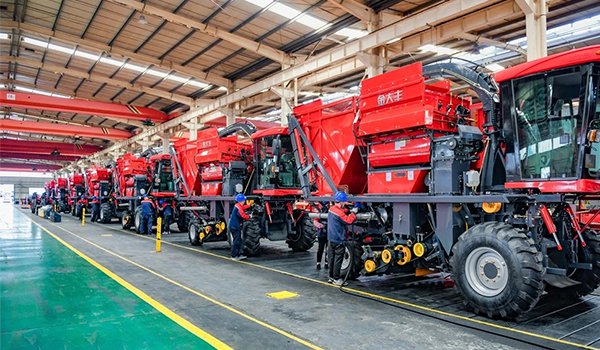
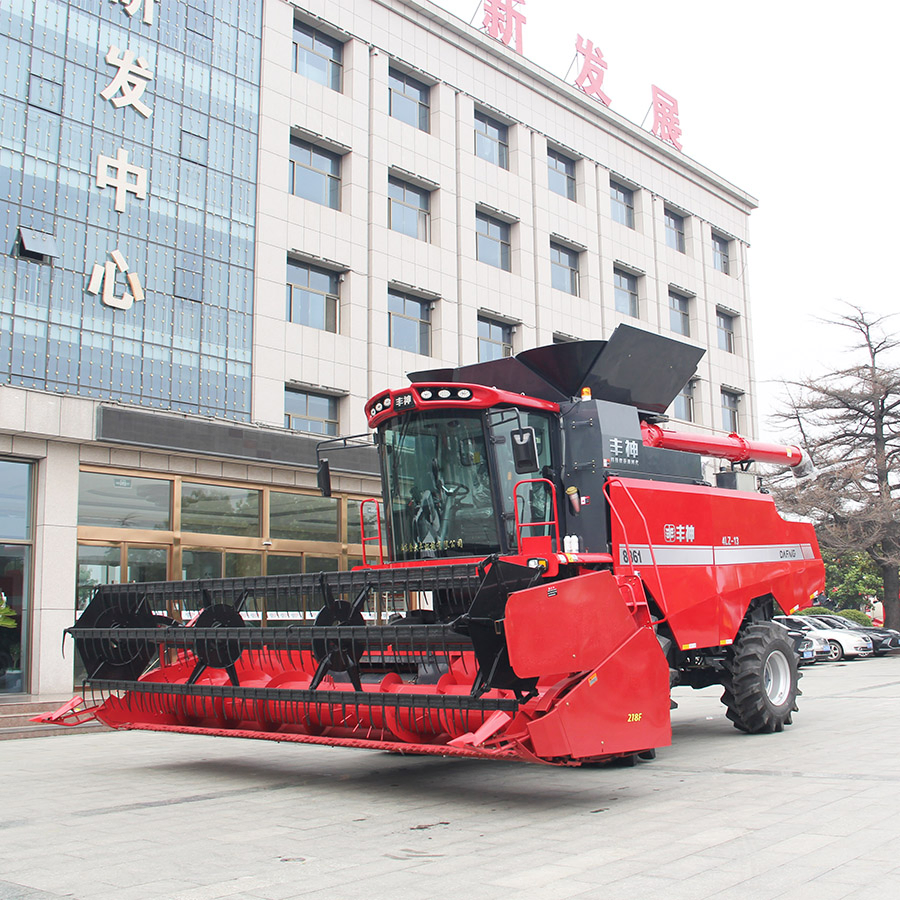
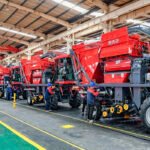
King-Gold Dafeng provides self-propelled corn harvesting machines with configurations designed around different row numbers, field sizes, crop conditions, and operating requirements. Buyers can compare available corn harvester models with integrated peeling and straw management according to their local harvesting process.
The right configuration should match the farm’s actual workflow. If peeling and straw management would otherwise require additional labour, machinery, and field passes, combining these operations into one machine can create meaningful operational value throughout the harvest season.
You May Also Be Interested In
To understand how picking, conveying, peeling, collection, and residue management work together during harvesting, read How Does a Corn Harvester Work in Real Field Conditions?
If you are also concerned about ears and kernels being left in the field, continue with How to Reduce Corn Loss During Harvest for practical field-loss checks and adjustment methods.