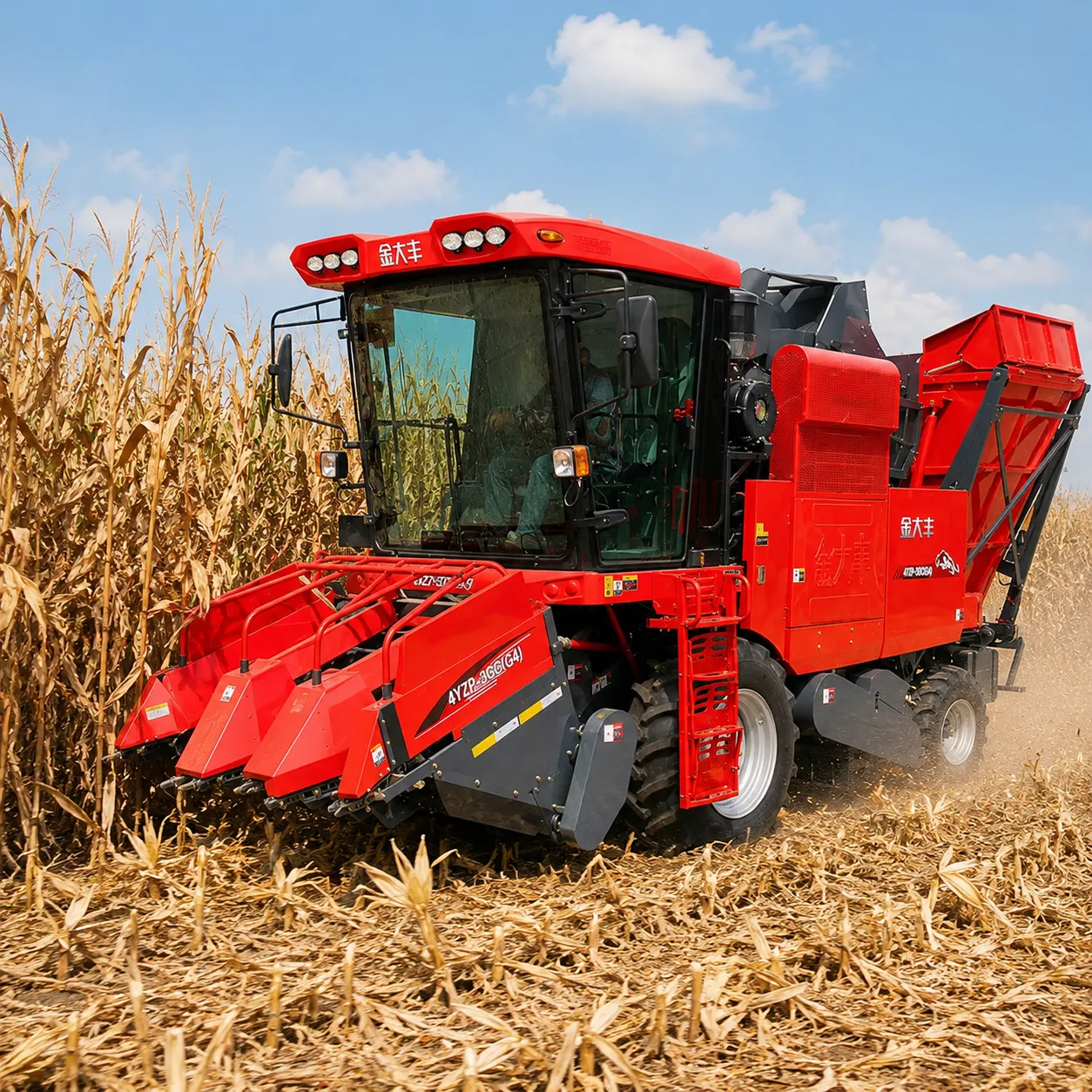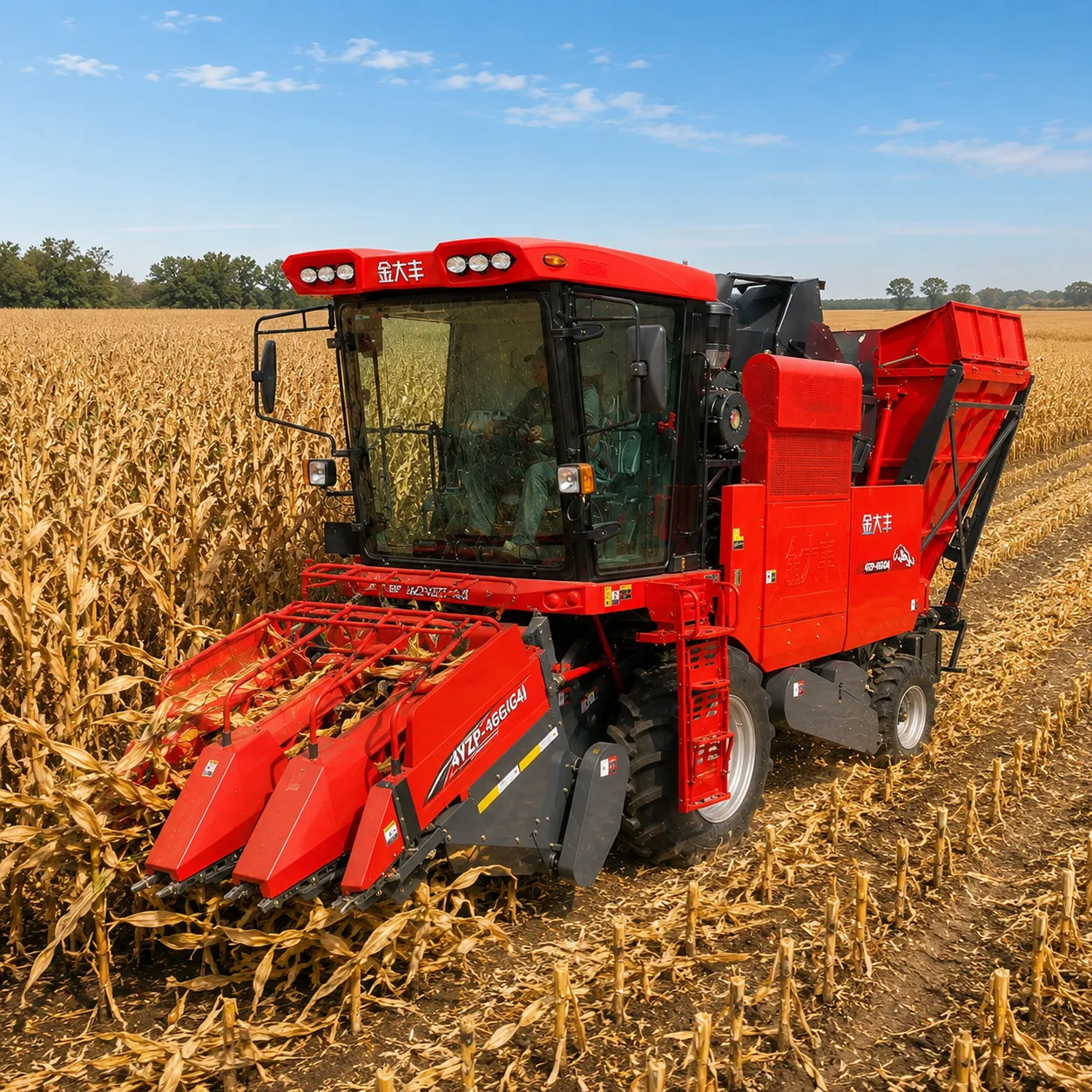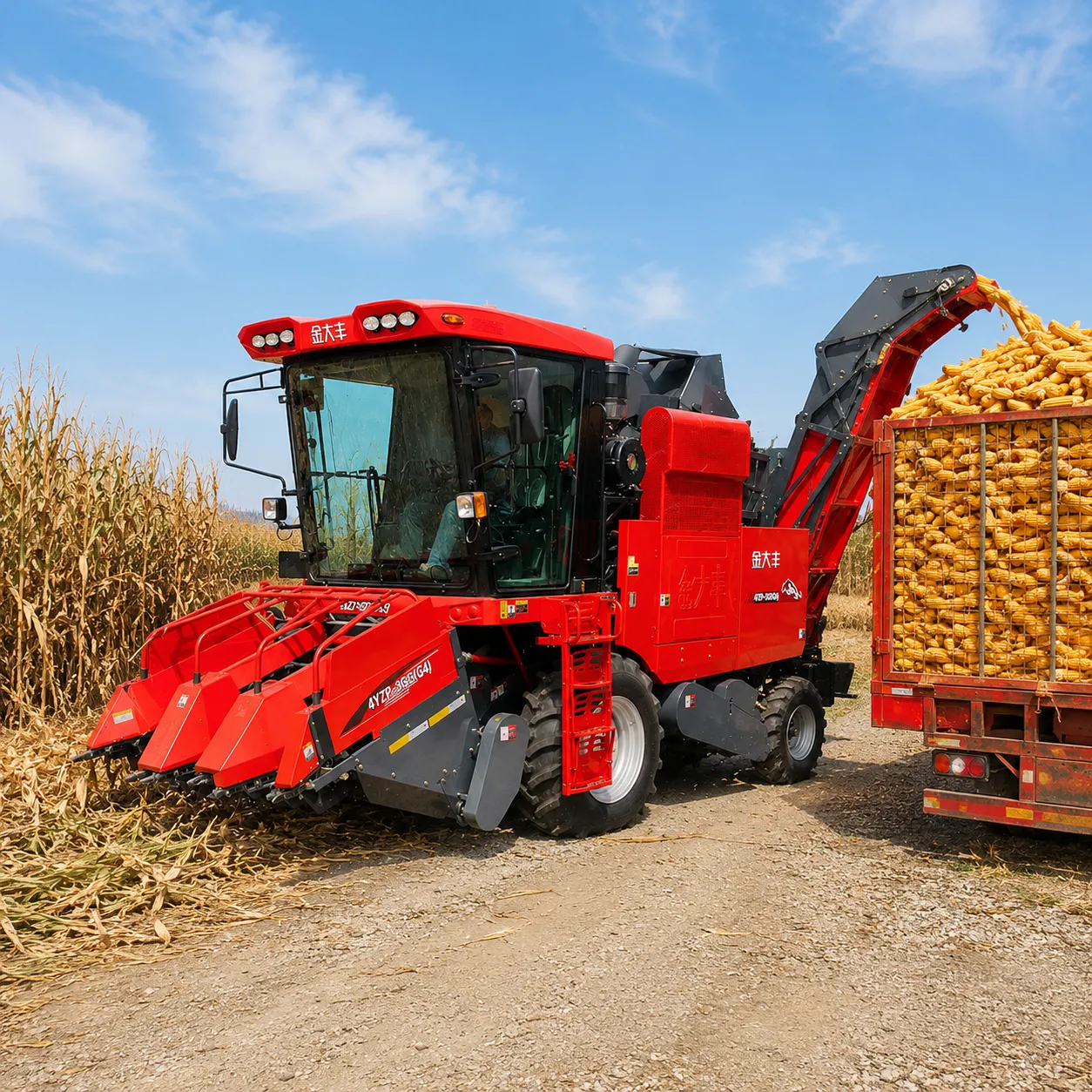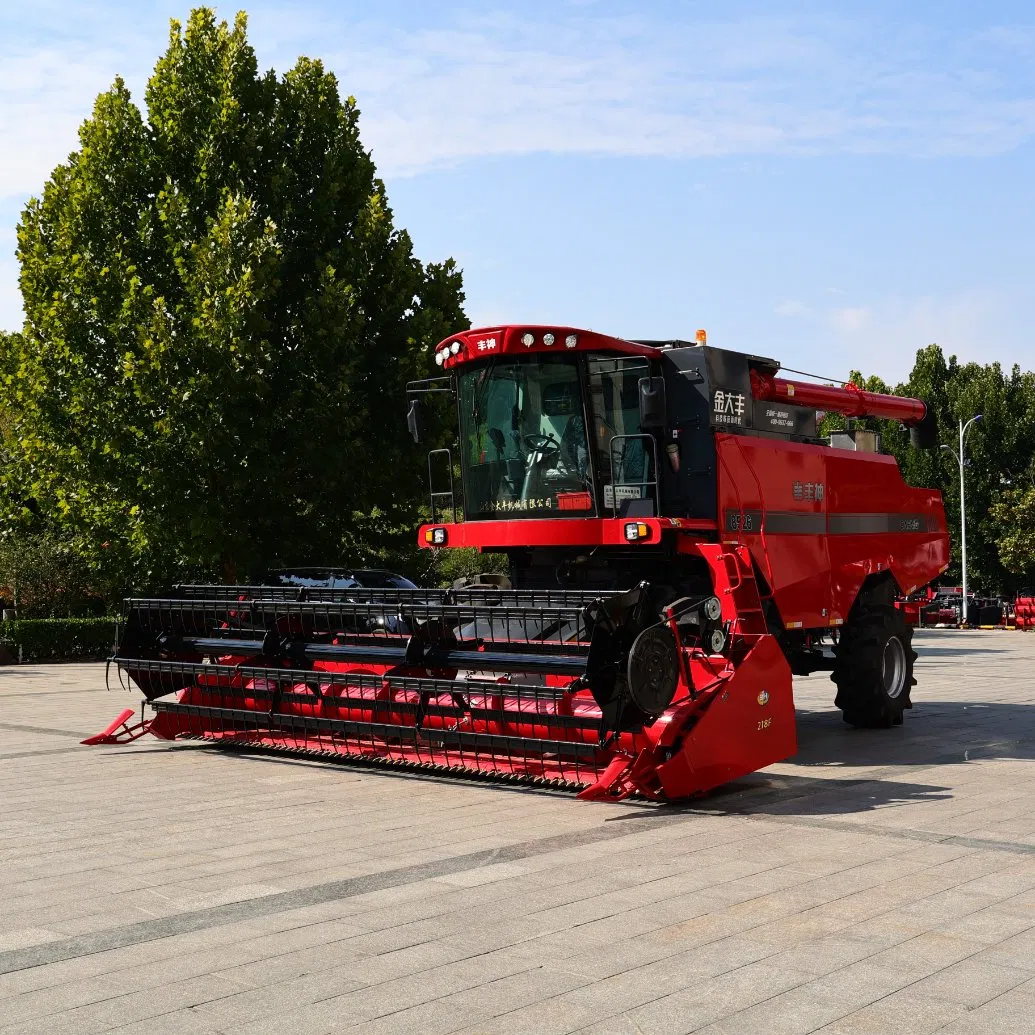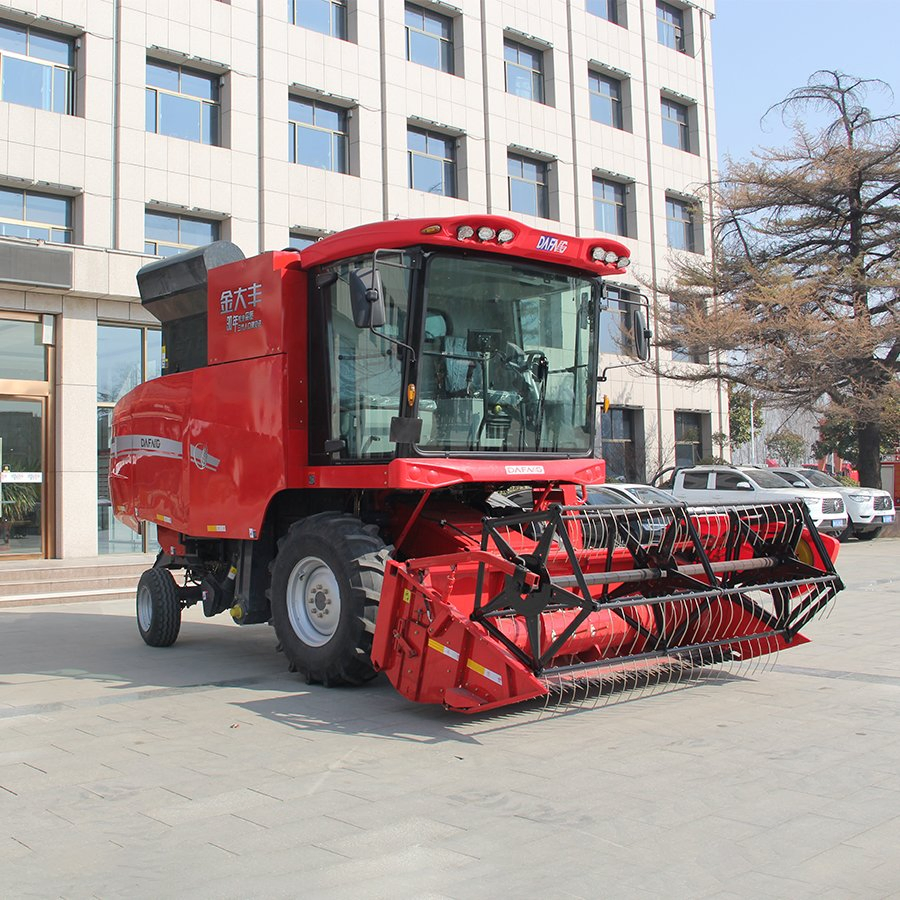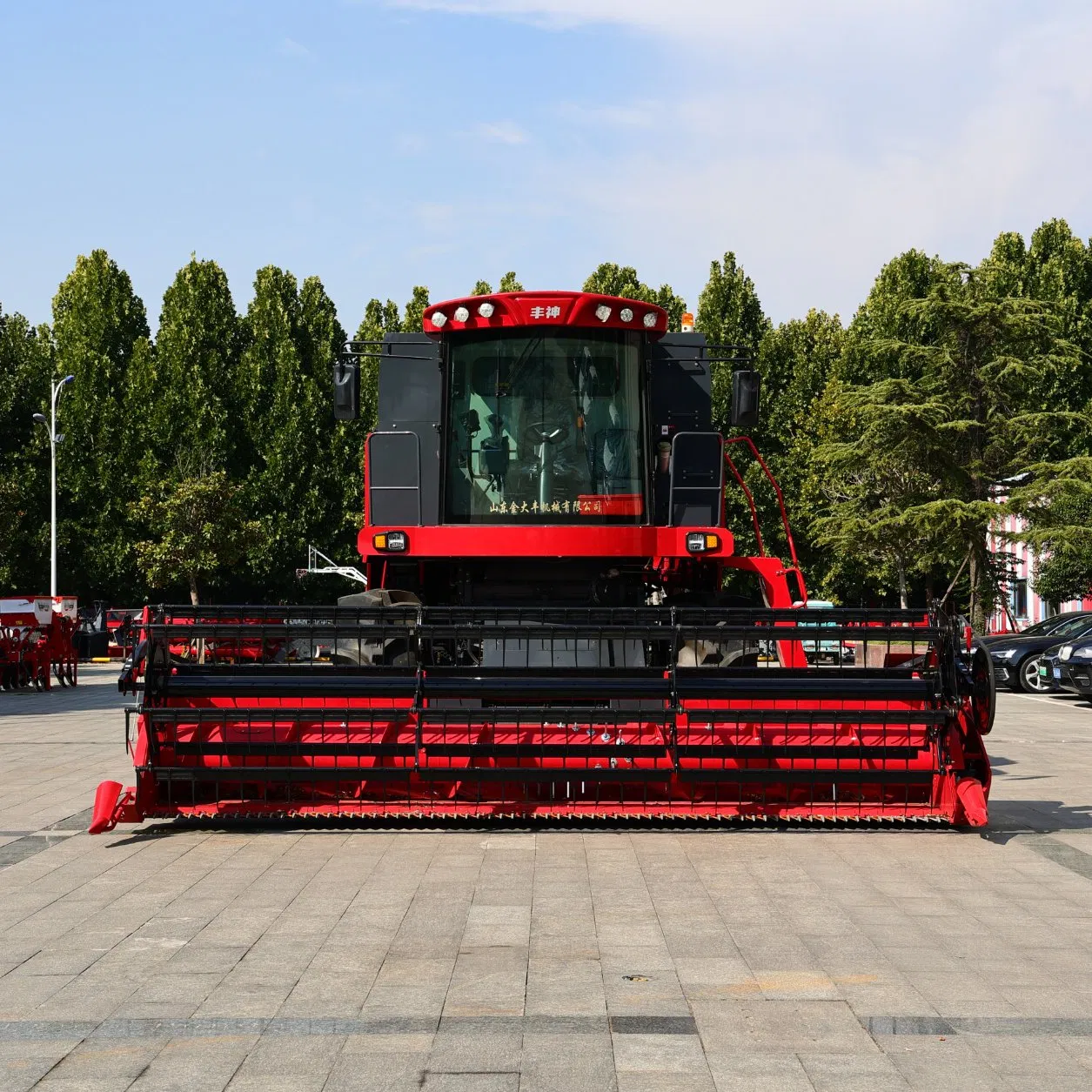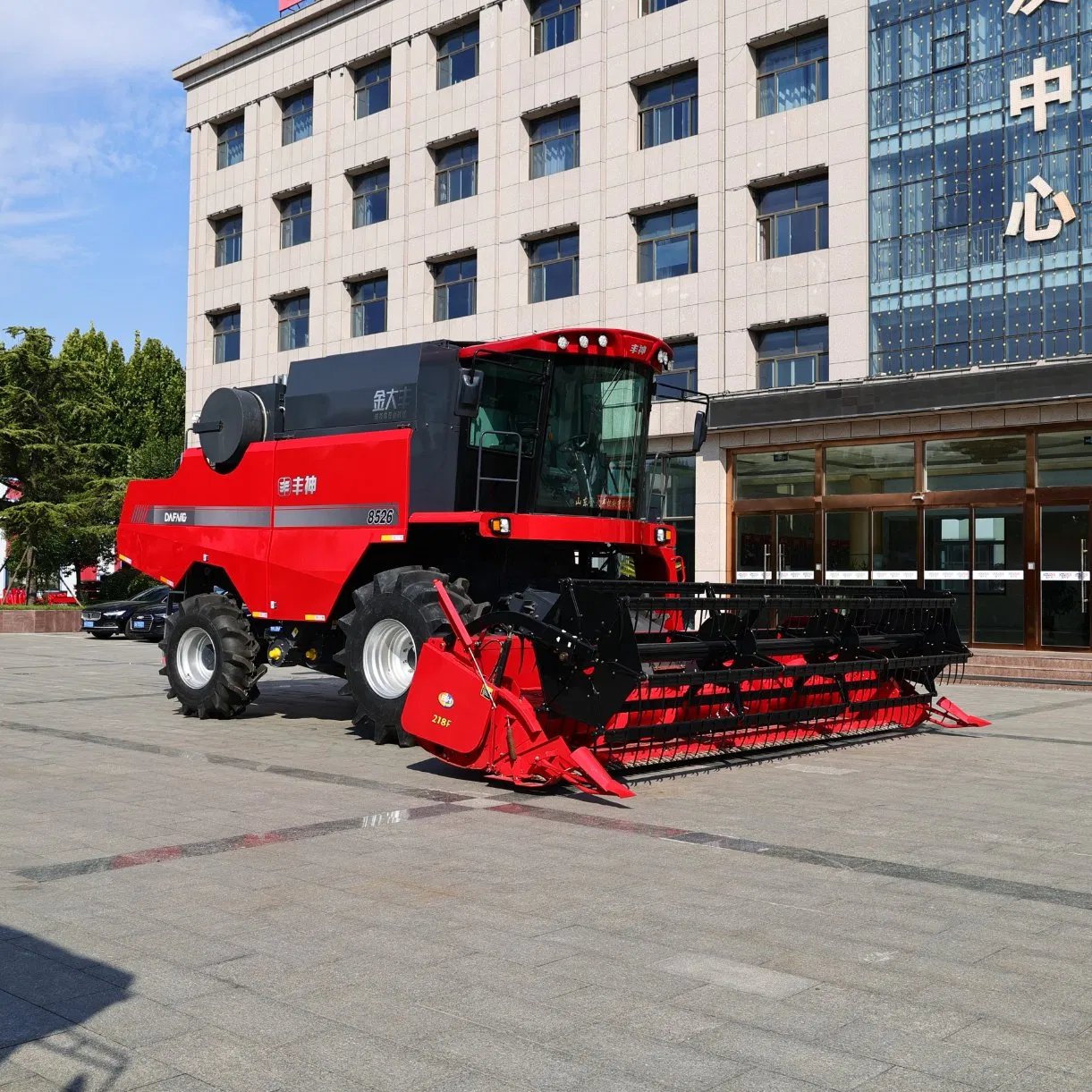
Lodged corn can turn a normal harvesting job into a slow and difficult operation. After strong wind, rain, weak stalk development, disease, or late-season weather, plants may lean across neighbouring rows or lie close to the ground. The ears may still be suitable for harvest, but getting them into the header without leaving a large amount of crop behind becomes much more difficult.
A good corn harvester for lodged corn needs effective row guidance, stable low-speed feeding, suitable header-height adjustment, and enough crop-flow capacity to handle stalks entering from irregular directions.
Machine design matters, but operator technique is equally important. In badly lodged fields, simply driving more slowly is not enough. Harvest direction, divider position, header height, gathering-chain condition, row alignment, and field-loss inspection all need to work together.
The objective is not to make the machine travel as fast as it would in standing corn. The objective is to recover as many ears as possible while keeping feeding smooth enough to avoid repeated blockages.
Why Lodged Corn Creates So Much Harvest Loss
In an upright crop, stalks enter the header in roughly the same direction. Row dividers travel between planted rows, gathering chains pull the stalks inward, and the picking units separate the ears in a controlled sequence.
Lodging changes this geometry completely.
Plants may be:
- Leaning forward in the direction of travel
- Leaning backward toward the machine
- Fallen sideways across neighbouring rows
- Partially broken near the base
- Flat against the soil surface
- Tangled with surrounding plants
As a result, the header no longer receives one clean stalk at a time. A divider may need to lift several plants together, and one stalk may enter the wrong row unit.
Whole ears can be knocked off before entering the machine, while low plants can pass beneath the header entirely.
Main challenge: In lodged corn, the header must first lift and reorganize the crop before the normal picking process can begin.
This is why harvesting performance often falls sharply even when the engine and other machine systems are operating normally.
Harvest Direction Can Be More Important Than Speed
One of the first decisions in a lodged field is which direction to harvest.
If most stalks are leaning in one direction, entering the field from the wrong side can cause the header to push plants farther toward the ground instead of lifting them.
Harvest against the direction of lodging when practical
When the crop is leaning away from the machine, the row dividers may be able to move underneath the stalks and lift them toward the gathering chains.
This can improve:
- Stalk pickup
- Ear recovery
- Crop flow into the row units
- Header visibility
- Feeding consistency
However, not every field has one clear lodging direction. Wind patterns, terrain, and crop density can create several different areas.
Test several passes before committing to the whole field
A practical operator can make short test passes from different directions and inspect the ground behind the machine.
Compare:
- Number of whole ears left behind
- Amount of uncollected stalk material
- Frequency of header blockage
- Ease of row alignment
- Required travel speed
The direction that looks fastest from the cab is not always the direction that produces the lowest loss.
Header Height Must Change with the Degree of Lodging
Header height is one of the most important adjustments when using a corn harvester for lodged corn.
In standing corn, the header can operate high enough to avoid taking excessive residue into the machine. In badly lodged areas, the dividers may need to work much closer to the ground.
Lower the header gradually
Lowering the header helps the divider tips move beneath leaning plants, but operating too low creates additional risks.
The header may collect:
- Soil
- Stones
- Loose residue
- Weeds
- Broken stalk material
These materials increase wear and can create blockages.
Operators should therefore lower the header only as much as necessary to recover the crop.
Do not simply run the header at its lowest possible position. The best setting is the lowest position that lifts lodged stalks without continuously taking soil and foreign material into the machine.
Uneven ground needs constant attention
A low header setting that works on flat ground may be unsafe when the machine crosses ridges, drainage channels, wheel tracks, or sloping areas.
Good visibility and responsive hydraulic header control become especially valuable in these conditions.
Forward Speed Should Be Controlled by Header Feeding
Operators often ask for a specific recommended speed for lodged corn. In practice, there is no single speed that works across every field.
The correct travel speed is determined by how quickly the header can lift, separate, and feed the plants without pushing them ahead of the machine.
| Field Condition | What Happens at the Header | Recommended Response |
|---|---|---|
| Light lodging | Most stalks still enter normally | Moderate speed reduction |
| One-direction lodging | Dividers can often lift plants from one side | Choose favourable harvest direction |
| Severe flat lodging | Plants are difficult to lift and separate | Lower header and reduce speed substantially |
| Tangled rows | Several plants enter one row unit together | Slow down and maintain careful alignment |
| Wet lodged crop | Heavy material increases wrapping and blockage | Use low stable speed and inspect frequently |
Watch the crop instead of the speed display
The operator should watch the front of the header continuously.
Speed is too high when:
- Stalks begin accumulating in front of the dividers
- Plants slide beneath the header
- Whole ears fall before entering the picking units
- Gathering chains receive large groups of stalks
- The central conveyor begins surging
Reducing speed before a blockage develops is usually faster than stopping the entire machine to clear one.
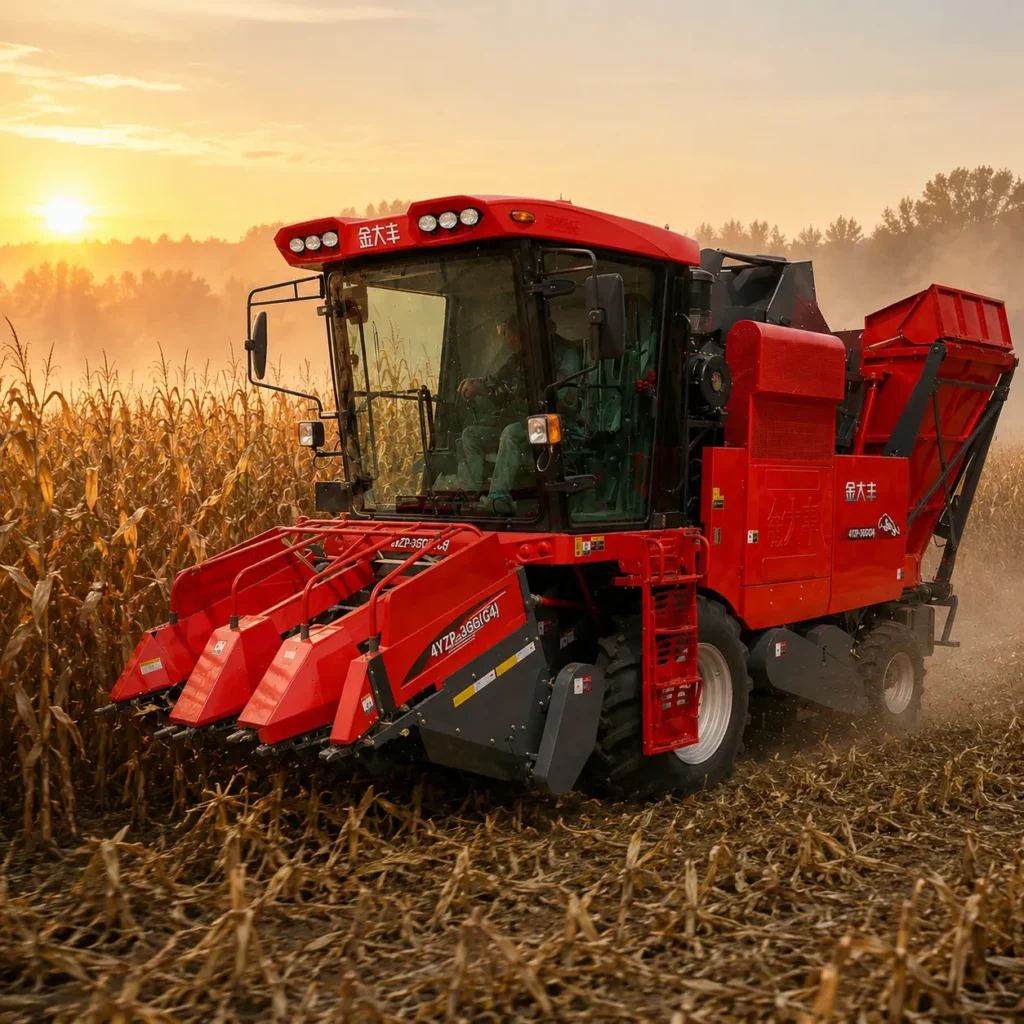
Row Dividers and Gathering Chains Become Critical
A machine can have sufficient horsepower and still perform poorly in lodged corn if its front gathering system cannot lift and control the plants.
The row dividers provide the first contact with the crop. Their shape, surface condition, mounting angle, and operating height all affect pickup performance.
Inspect divider tips before entering difficult fields
Damaged or bent dividers may push plants sideways instead of guiding them into the header.
Check for:
- Bent divider points
- Loose mounting hardware
- Sharp damaged edges
- Excessive wear
- Incorrect height or angle
Gathering chains must maintain control after pickup
Once the divider lifts the plant, the gathering chain must move it toward the picking system.
Loose chains, worn lugs, or worn sprockets can make feeding inconsistent. In upright crops this may only reduce performance slightly, but in lodged crop the effect becomes much more noticeable.
A capable corn harvester for lodged corn should provide smooth transition from divider pickup to gathering-chain feeding.
Quick diagnostic: If the divider lifts the stalk successfully but the plant still falls away from the header, inspect gathering-chain condition and feeding speed before changing other settings.
Snapping Plates Must Still Match the Crop
Lodging changes how stalks enter the row units, but the basic job of the snapping plates remains the same: allow the stalk to pass while preventing the ear from following it downward.
Incorrect spacing can increase losses that are already high because of poor crop position.
Too wide
If the opening is excessive, smaller ears may pass between the plates and fall beneath the header.
Too narrow
If the opening is too narrow, more stalk and leaf material can be pulled into the machine. This increases crop-flow load and can make plugging more likely.
In lodged fields, stalks may also enter at an angle rather than vertically, increasing the importance of a balanced setting.
Check individual row units
Loss may not be evenly distributed across the complete header. If one row unit consistently leaves more ears behind, inspect that specific section for:
- Plate-spacing differences
- Gathering-chain wear
- Picking-roll damage
- Divider alignment
- Foreign material buildup
Correcting one problematic row unit can sometimes make a noticeable difference across an entire field.
Wet Lodged Corn Is the Most Difficult Combination
Lodging often follows storms, meaning the crop and field may also be wet. This combines several harvesting challenges at once.
Wet stalks are heavier and more flexible. Leaves and husks are more likely to wrap around rotating components, while soft soil can reduce wheel traction and steering accuracy.
Expect lower practical capacity
Attempting to maintain normal dry-field capacity in these conditions often produces:
- More header blockage
- Higher whole-ear loss
- Poor peeling quality
- Uneven straw crushing
- Higher wheel slip
- More frequent stops
A lower but stable operating speed is usually more productive over the complete working day.
Keep crop flow as even as possible
The biggest problem in wet lodged crop is often sudden variation in material entering the machine.
One section may contain almost no standing material, while the next divider picks up a dense group of tangled stalks. The machine must absorb these changes without allowing the conveyors or peeling section to become overloaded.
This makes power reserve useful, but engine power cannot replace correct feeding.
Measure Loss Instead of Judging Performance from the Cab
Lodged corn can make the field look messy even when the harvester is recovering a reasonable percentage of the ears. Conversely, the machine may appear to be working smoothly while a significant number of ears are hidden under residue.
Field inspection is therefore essential.
Check before harvesting
First inspect an unharvested area to estimate how many ears have already fallen before the machine arrives.
This separates natural pre-harvest loss from machine-related loss.
Check immediately after a test pass
After harvesting a representative section, move the machine forward and inspect:
- Whole ears on the soil
- Ears covered by residue
- Unharvested lodged plants
- Loose kernels
- Stalks missed by individual row units
Look at several places rather than one convenient spot.
Change one thing at a time
If loss is too high, make one adjustment and test again.
A practical sequence is:
- Change harvest direction if possible.
- Adjust header height.
- Reduce forward speed.
- Check divider and gathering-chain operation.
- Inspect snapping-plate settings.
- Repeat the field-loss check.
This makes it easier to identify which change actually improved recovery.
What to Look for When Choosing a Machine for Lodged Corn
Farms that regularly experience strong wind, heavy rain, or weak-stalk varieties should consider lodged-crop performance before purchasing a harvester.
Important features include:
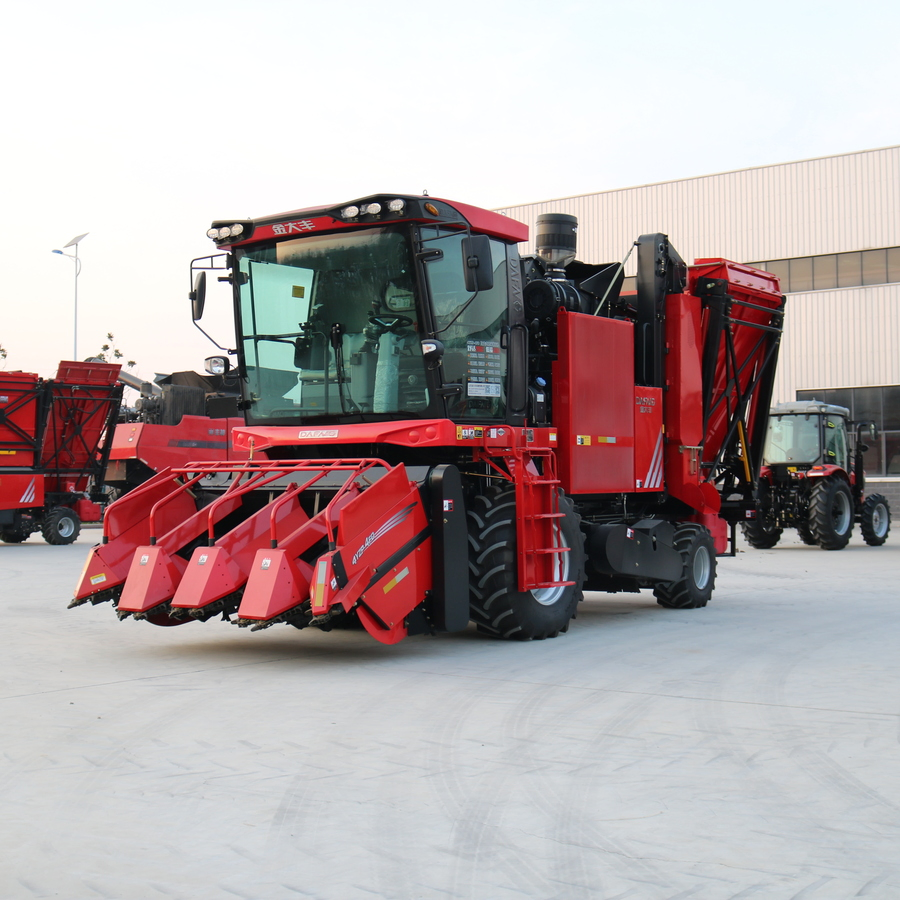
- Long, well-shaped row dividers
- Good low-level crop pickup
- Reliable gathering chains
- Adjustable snapping plates
- Responsive hydraulic header-height control
- Good operator visibility
- Stable low-speed transmission control
- Sufficient conveying capacity
- Easy access for clearing wrapped material
- Effective straw-crushing system
Buyers should also ask for field videos showing the machine operating in uneven or lodged crop rather than only demonstrations in perfectly upright corn.
Buying tip: When comparing machines, ask how the header performs when corn is leaning or close to the ground. Header pickup ability can matter more than maximum engine horsepower in severely lodged fields.
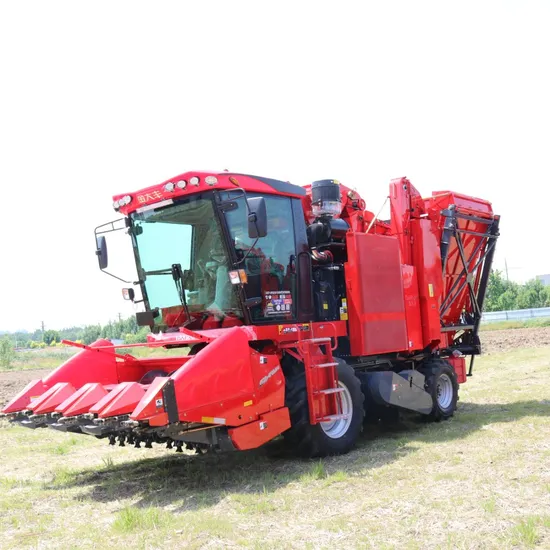
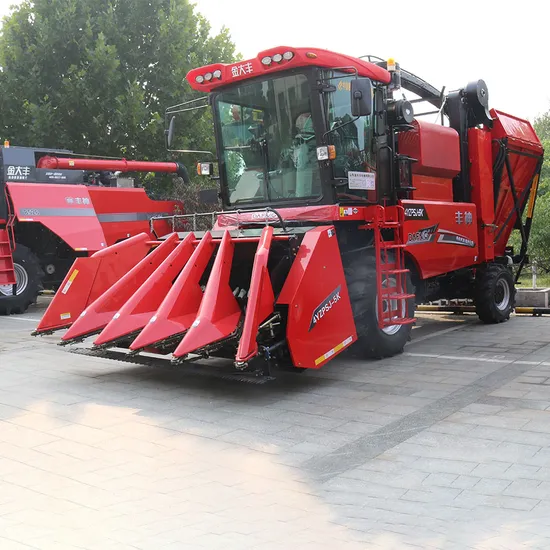
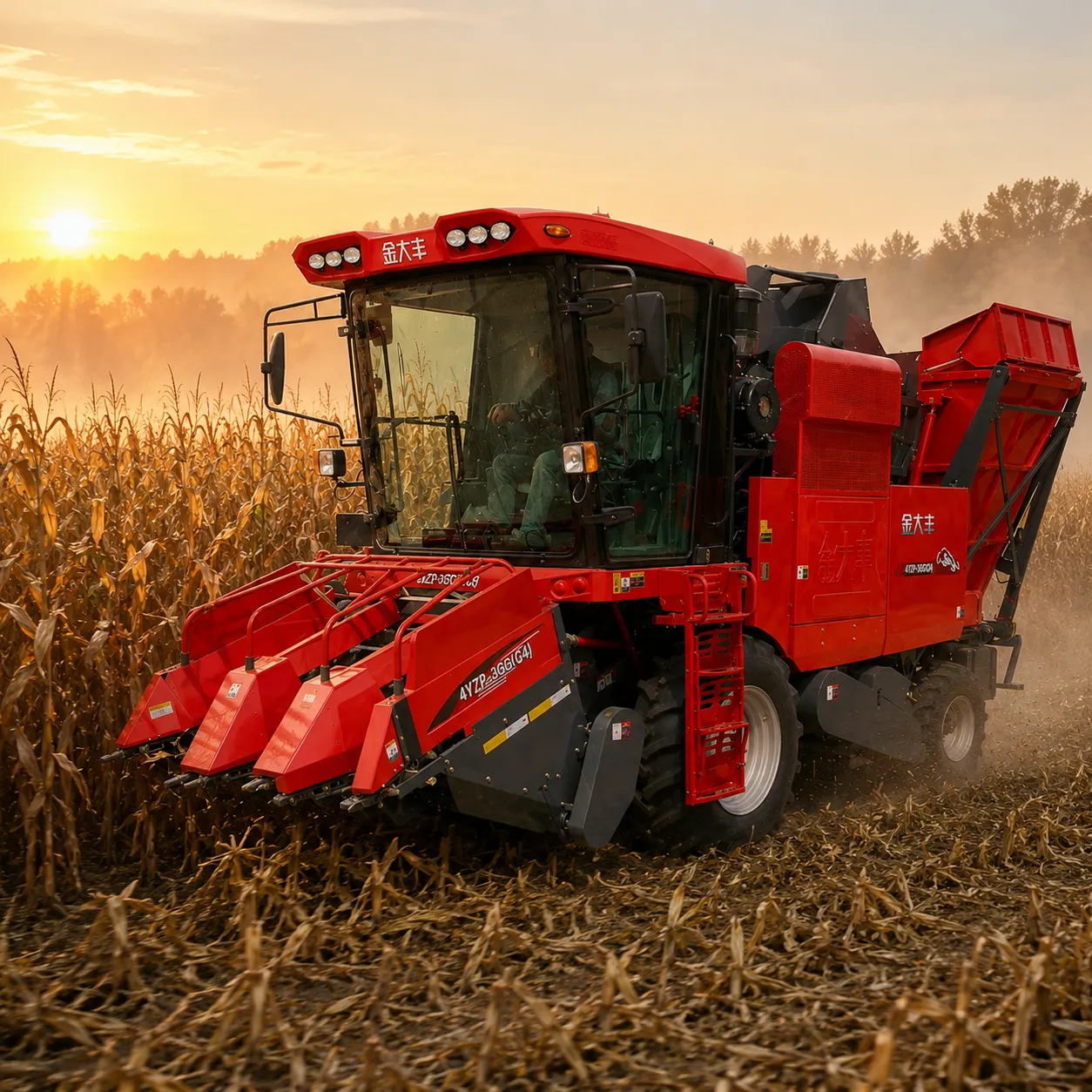
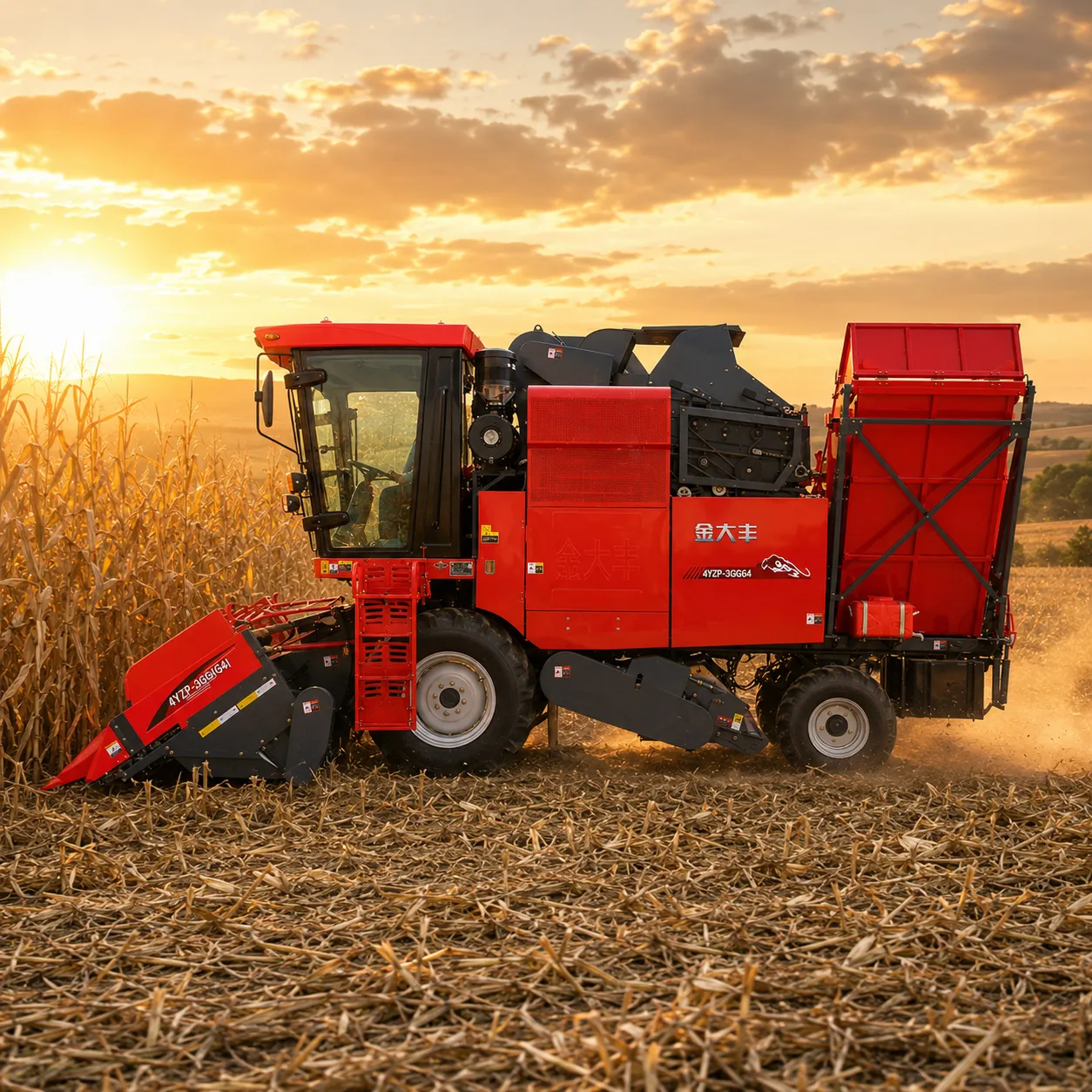
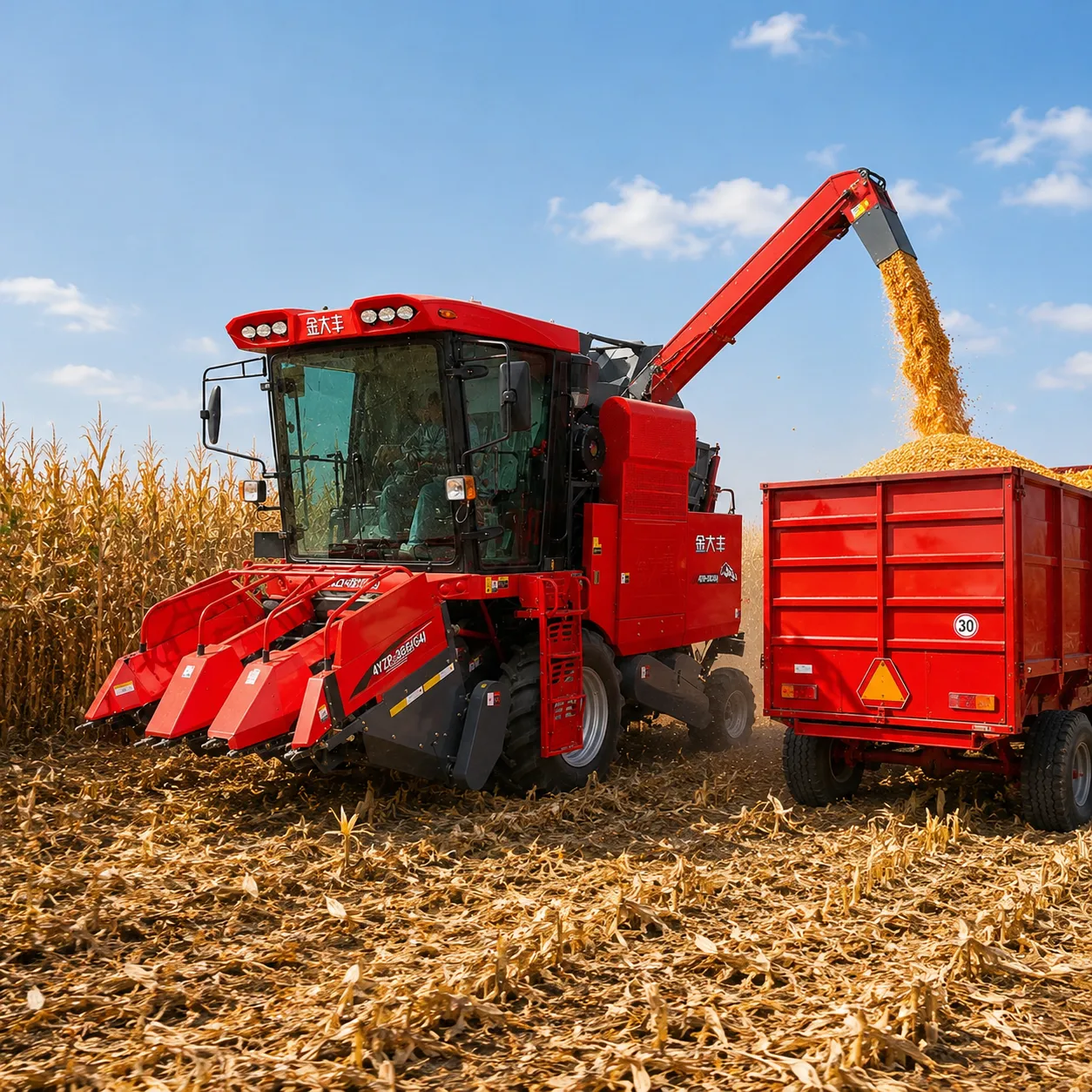
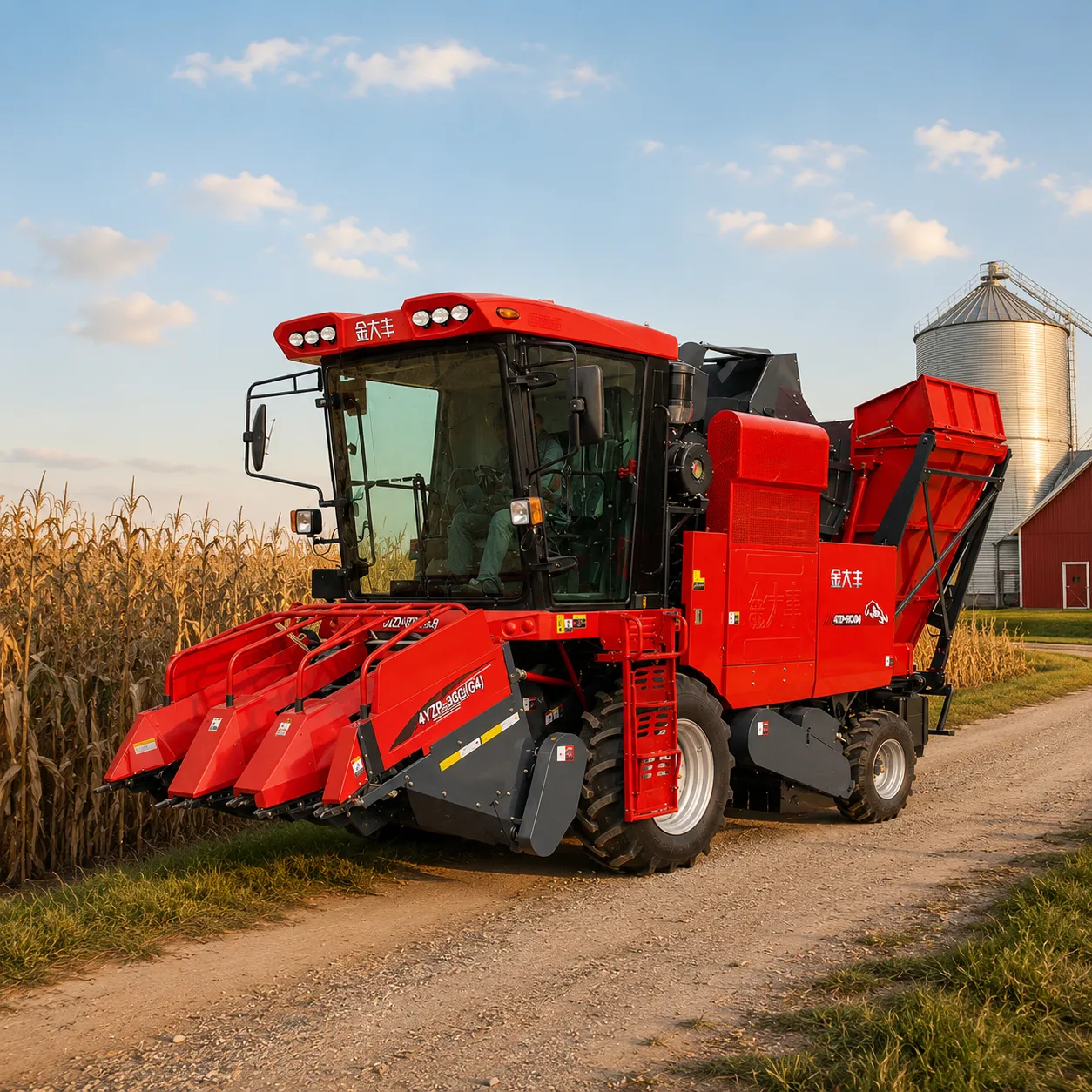
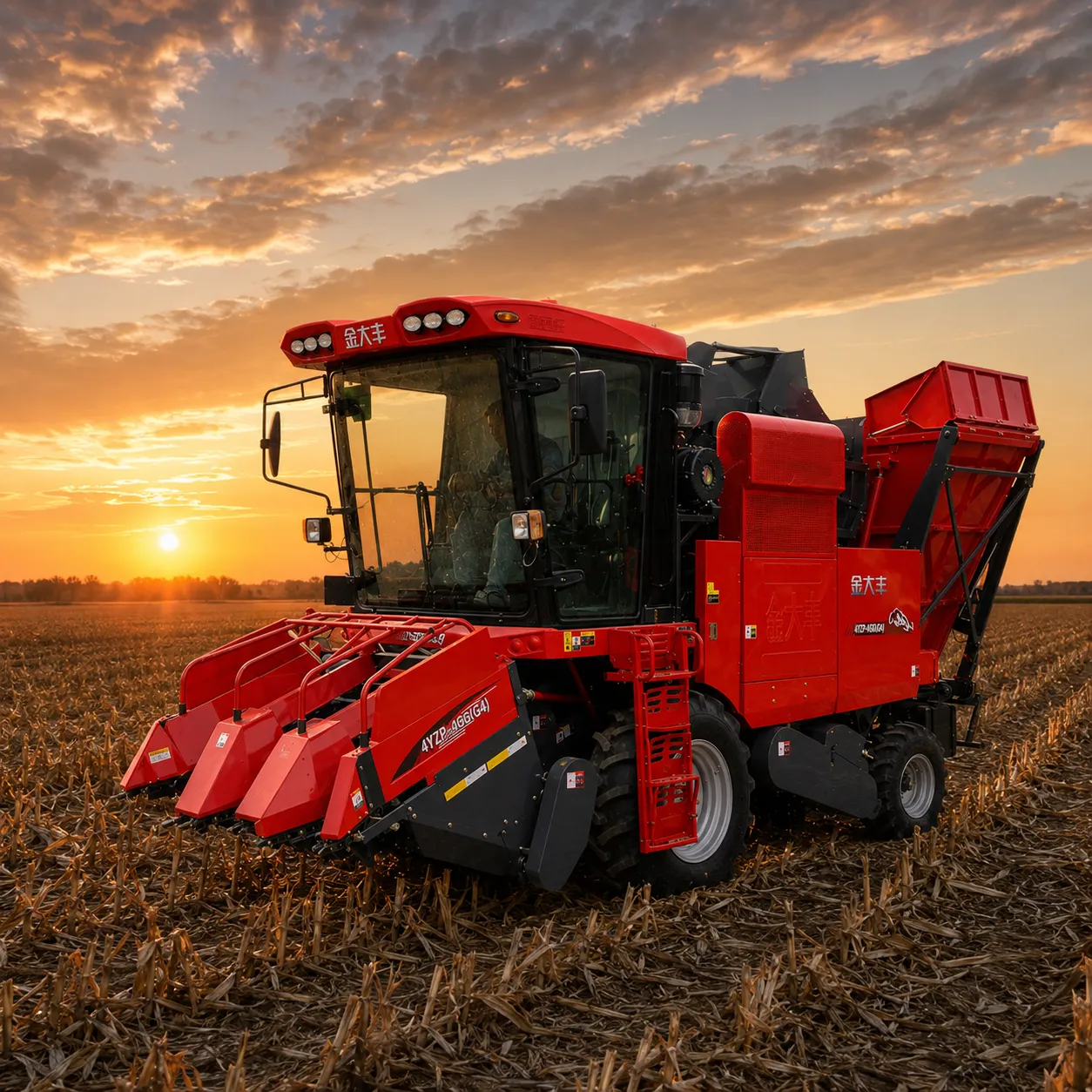
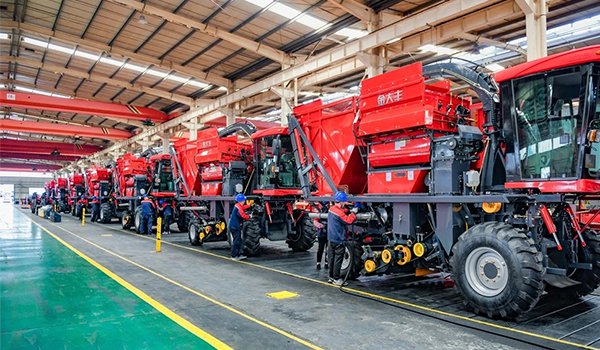
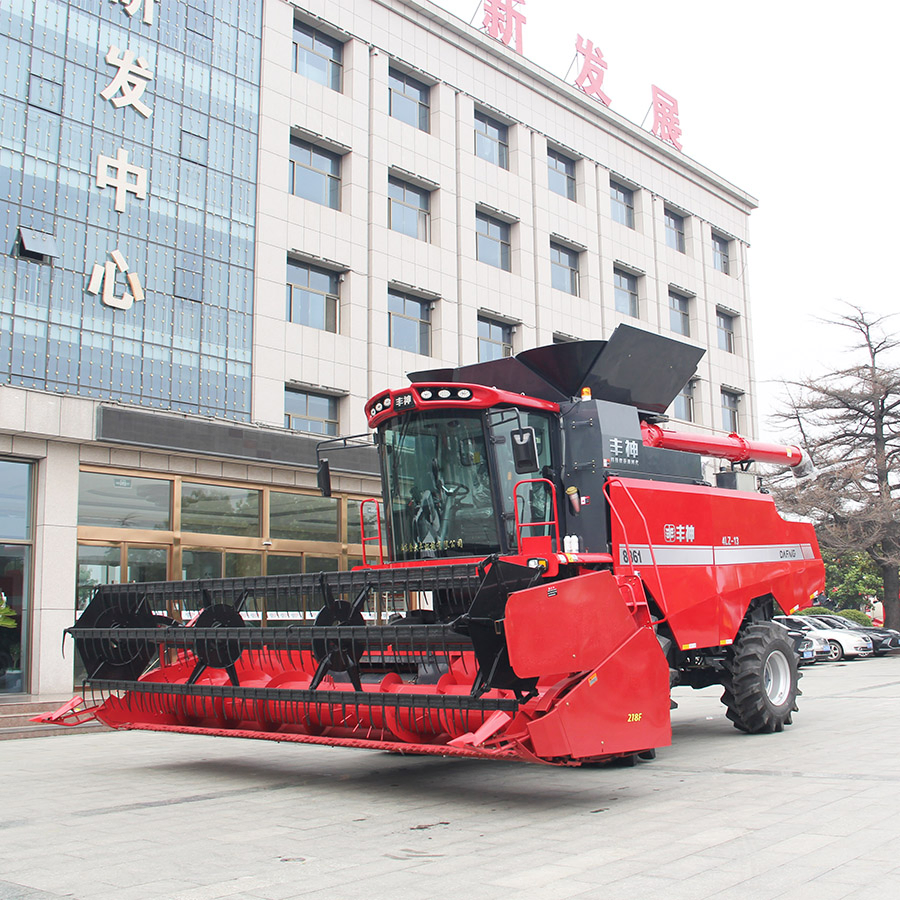
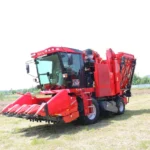
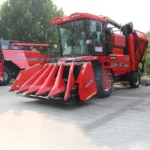
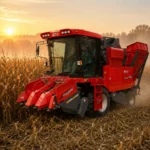
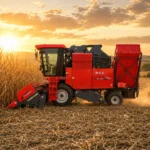
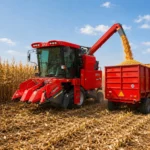
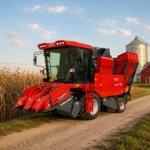
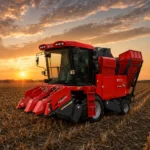
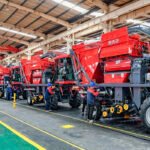
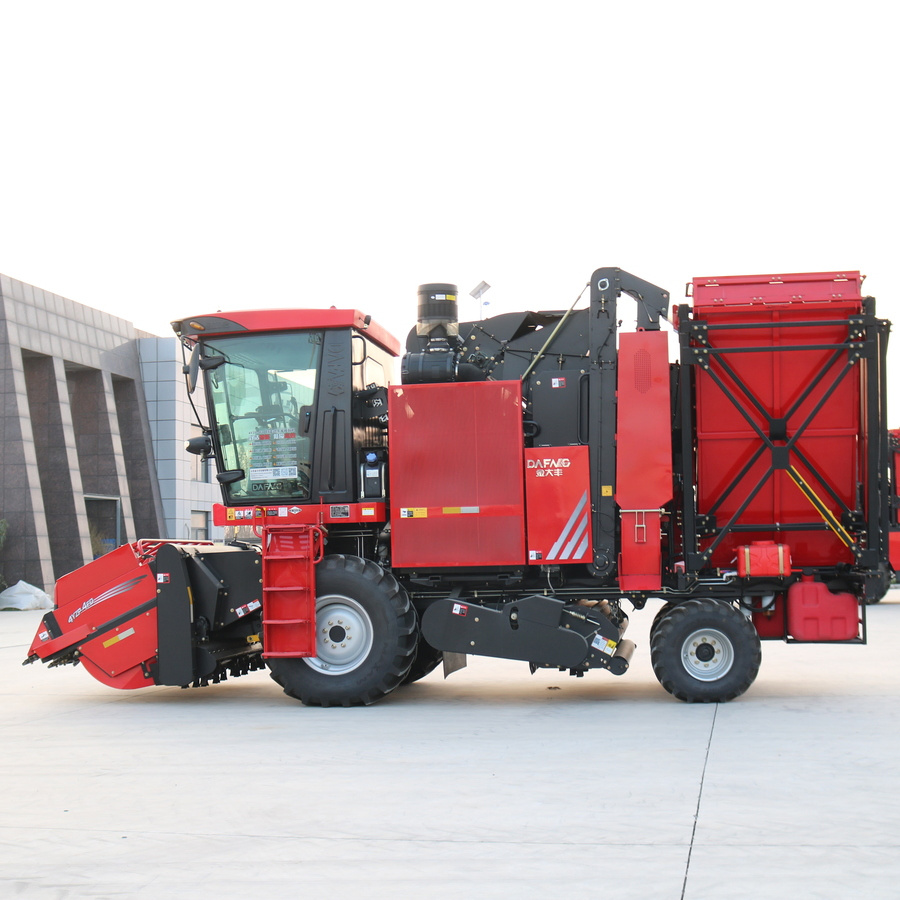
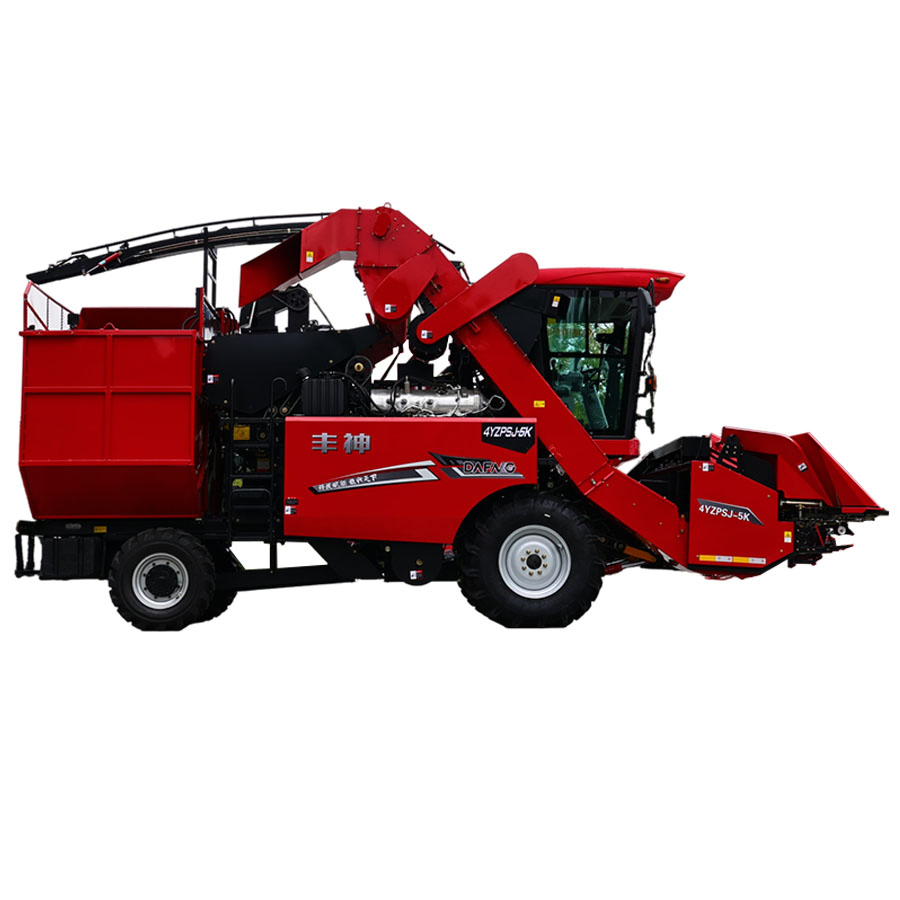
King-Gold Dafeng offers self-propelled corn harvesting equipment for different row configurations and field conditions. Buyers can review the available corn harvester models for difficult field conditions and compare header configuration, row number, picking system, peeling function, and straw management.
A reliable corn harvester for lodged corn cannot completely eliminate the difficulties created by severe crop lodging, but suitable header design and careful adjustment can recover significantly more crop.
The most effective strategy is to test the harvest direction, lower the header only as much as necessary, reduce speed before feeding becomes unstable, maintain row dividers and gathering chains, and check losses directly on the ground.
In lodged corn, harvesting slightly slower with consistent pickup usually produces better results than moving quickly and leaving ears behind.
You May Also Be Interested In
For a broader look at how row guidance, picking, conveying, peeling, and field conditions affect machine performance, read How Does a Corn Harvester Work in Real Field Conditions?
If lodged plants are causing dropped ears and higher field loss, continue with How to Reduce Corn Loss During Harvest for a practical method of identifying where losses occur.