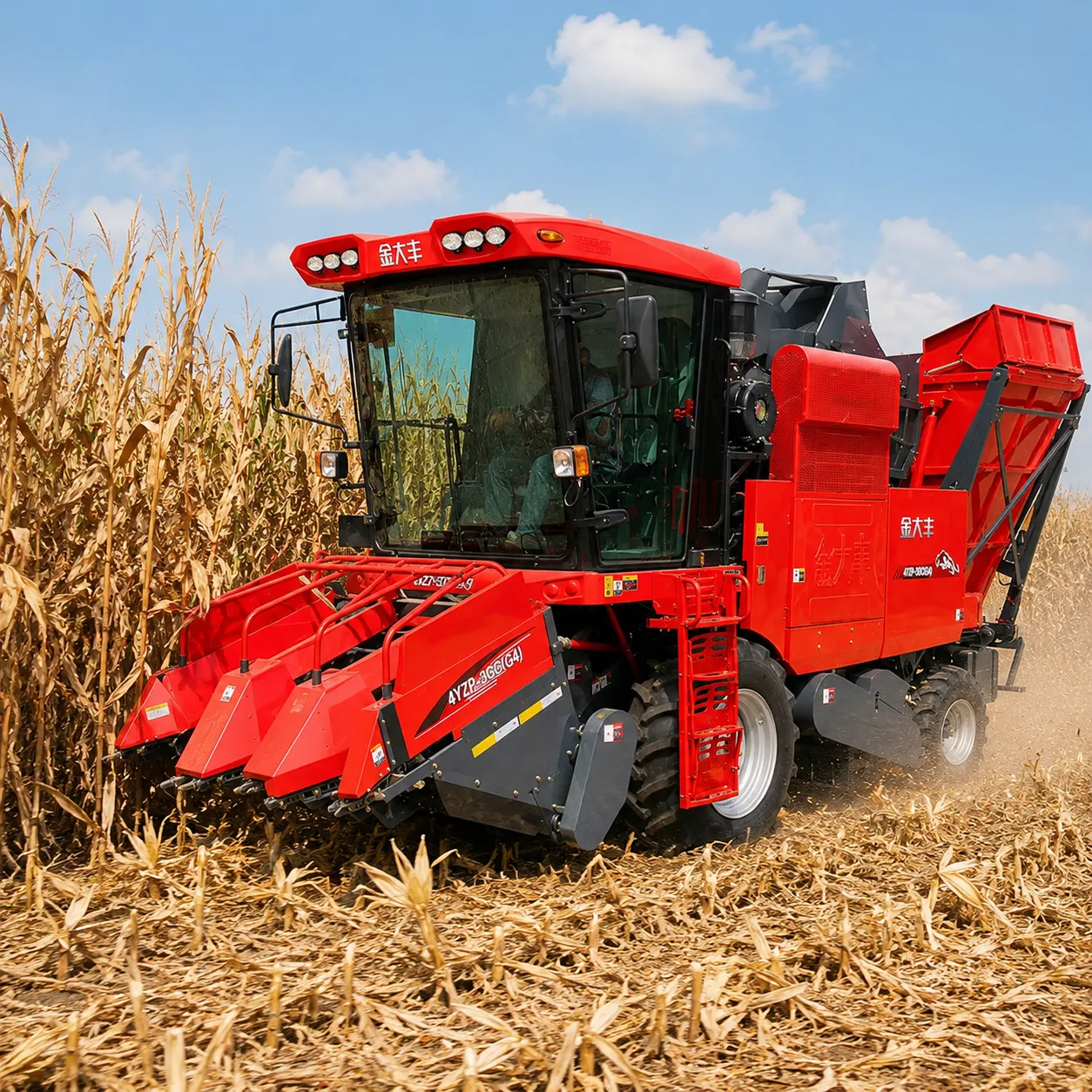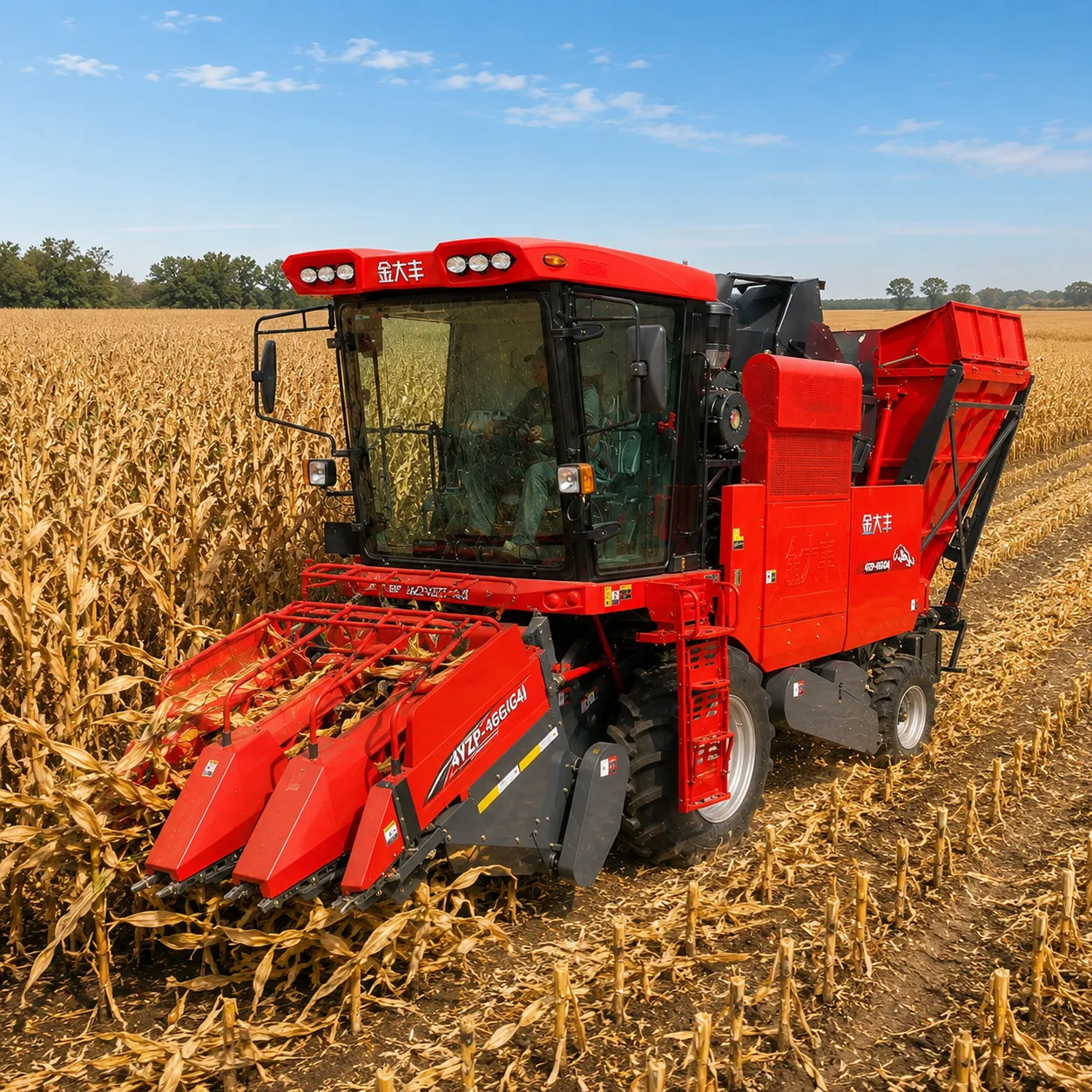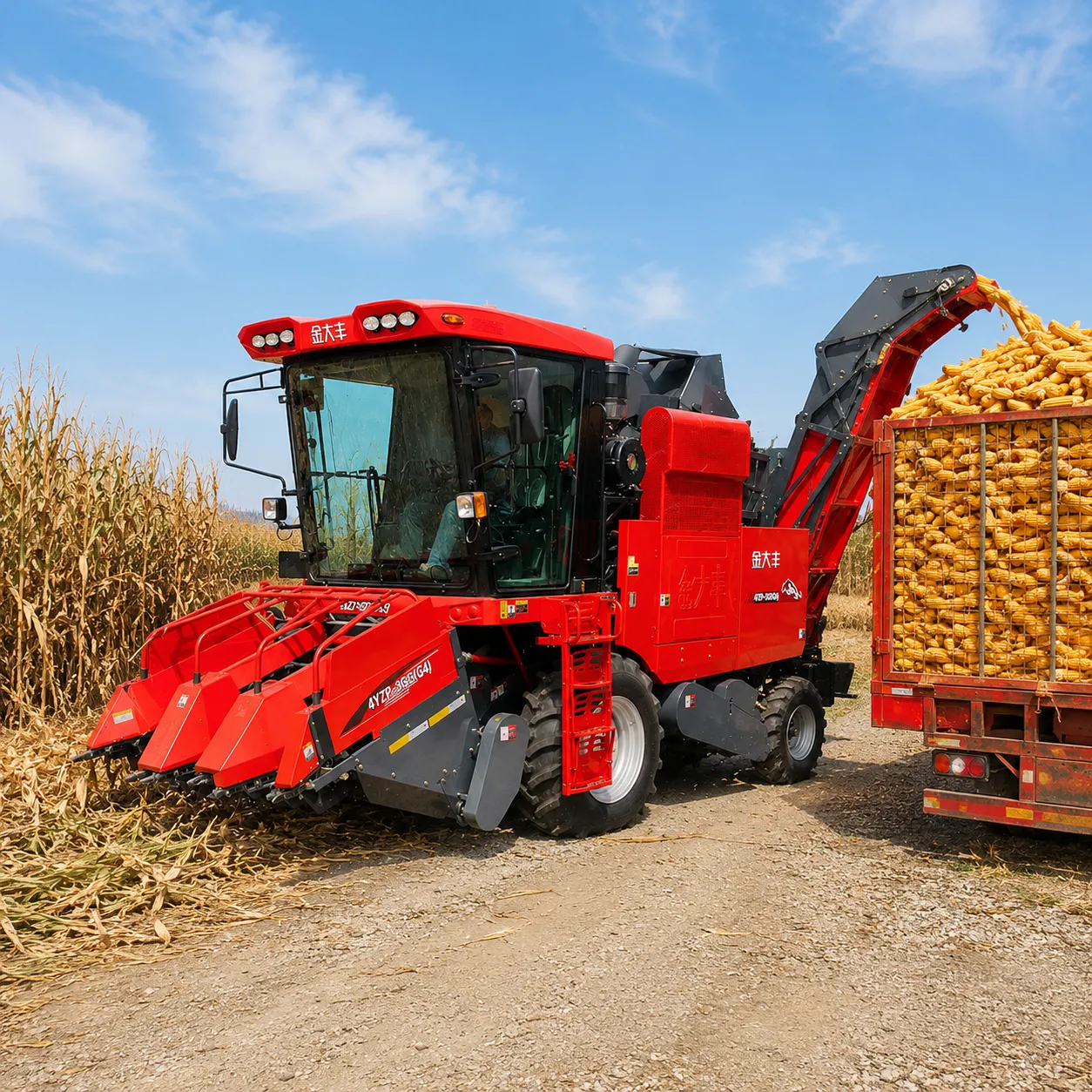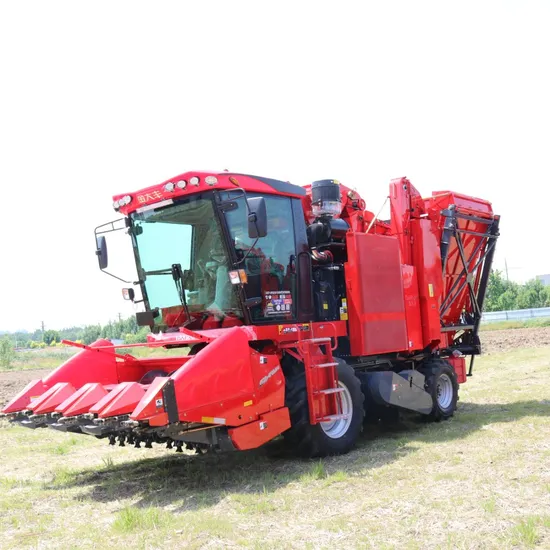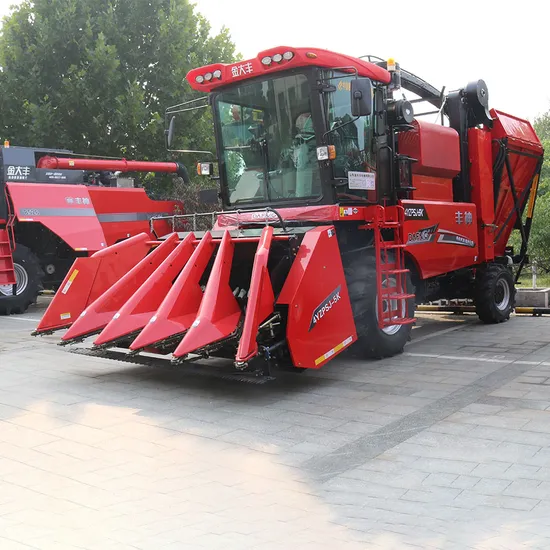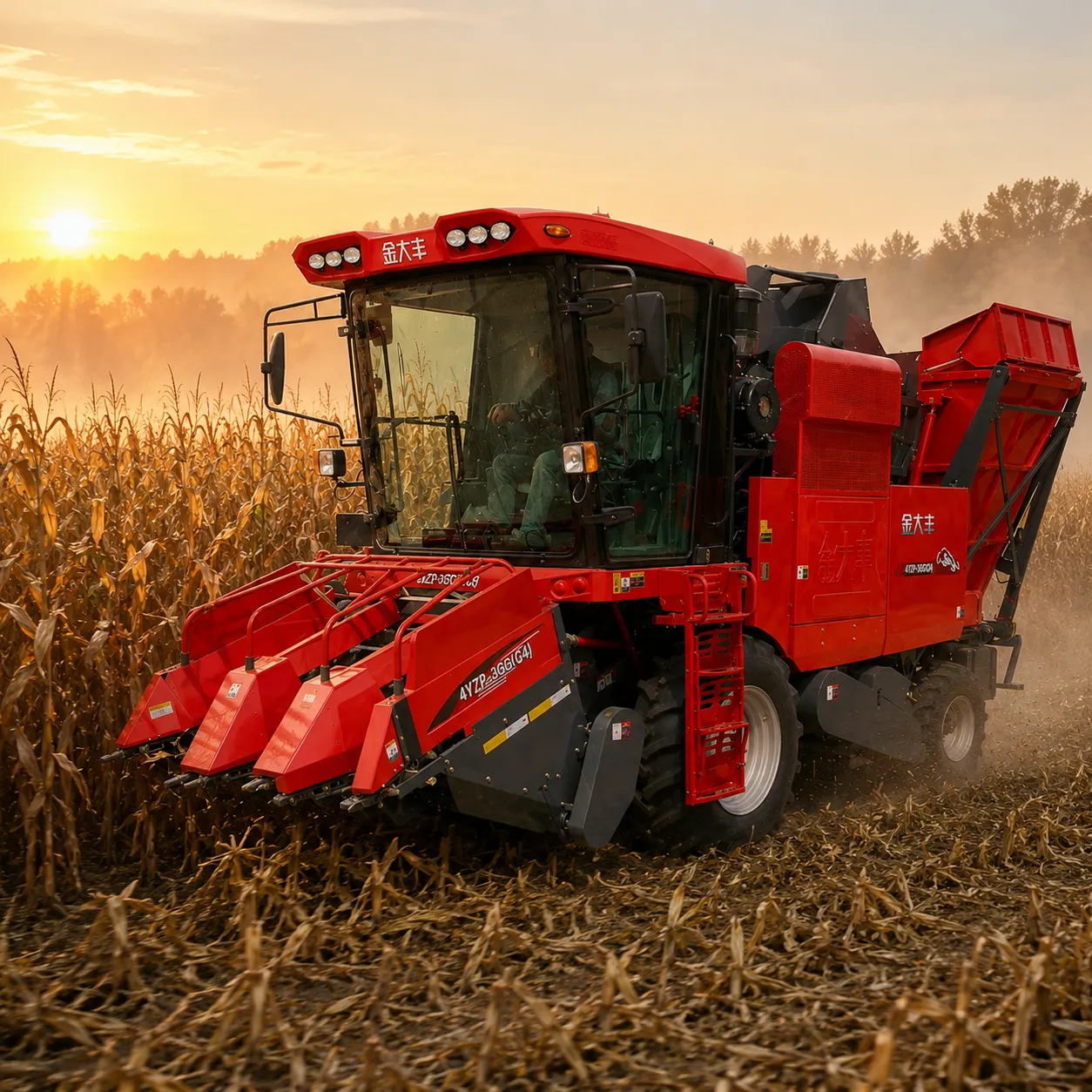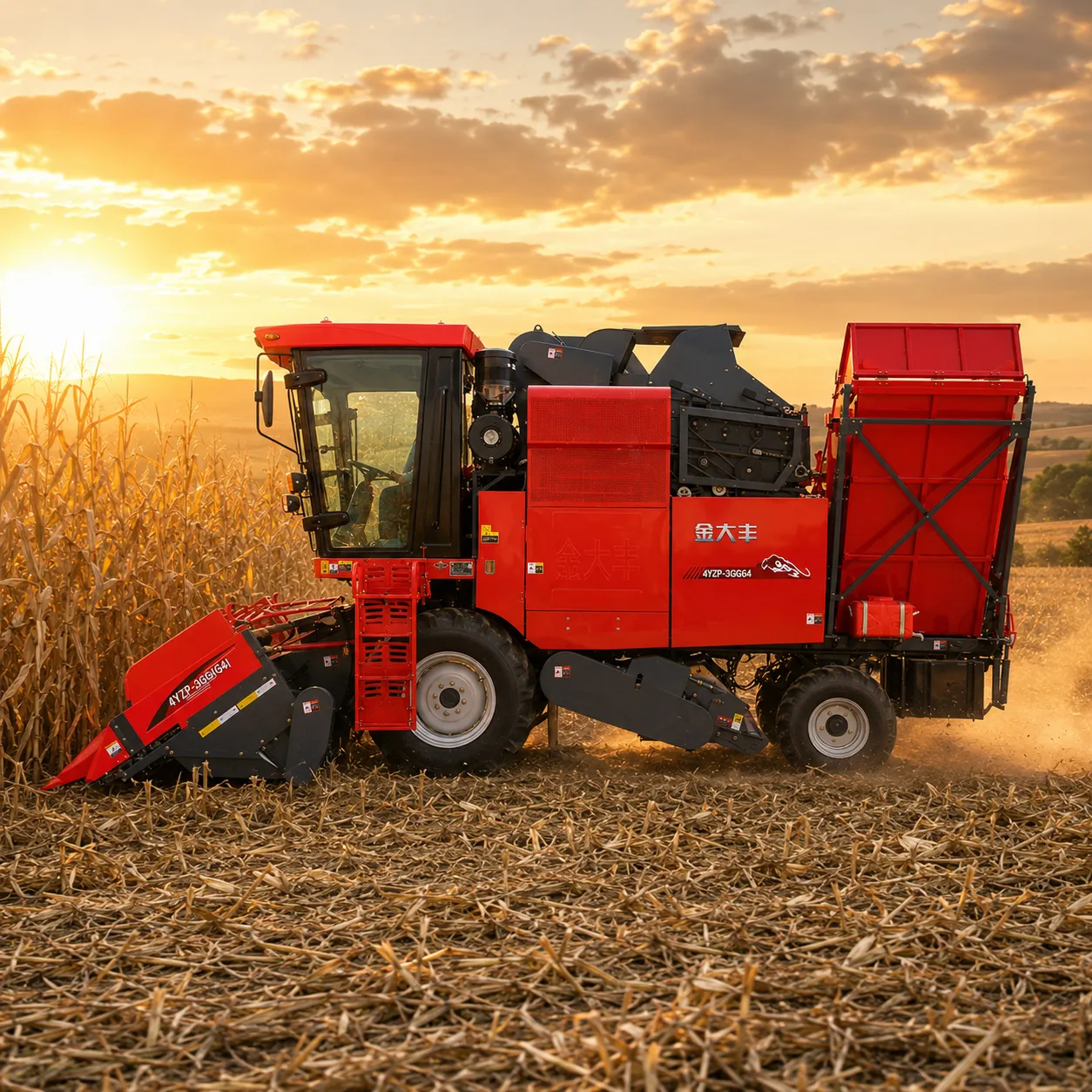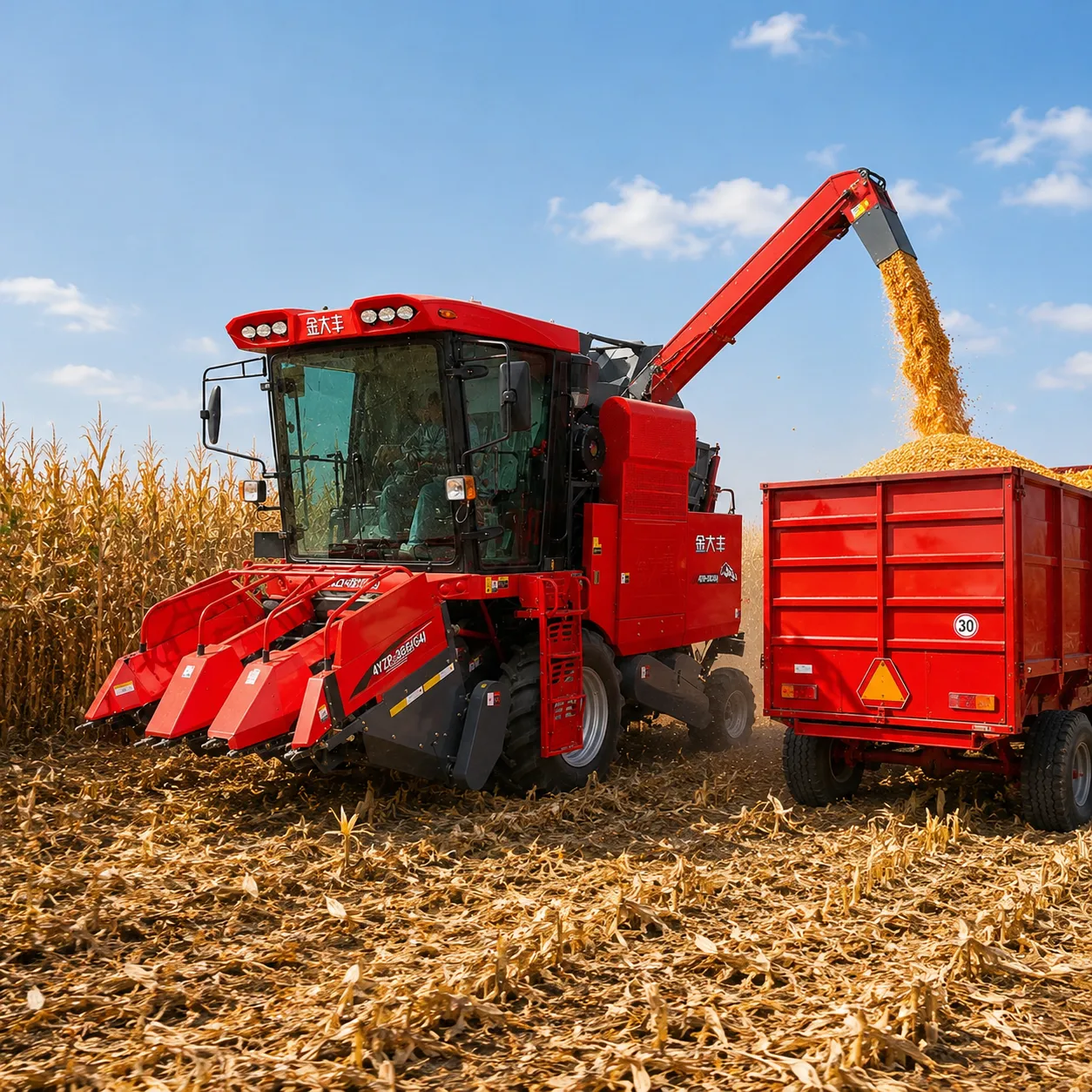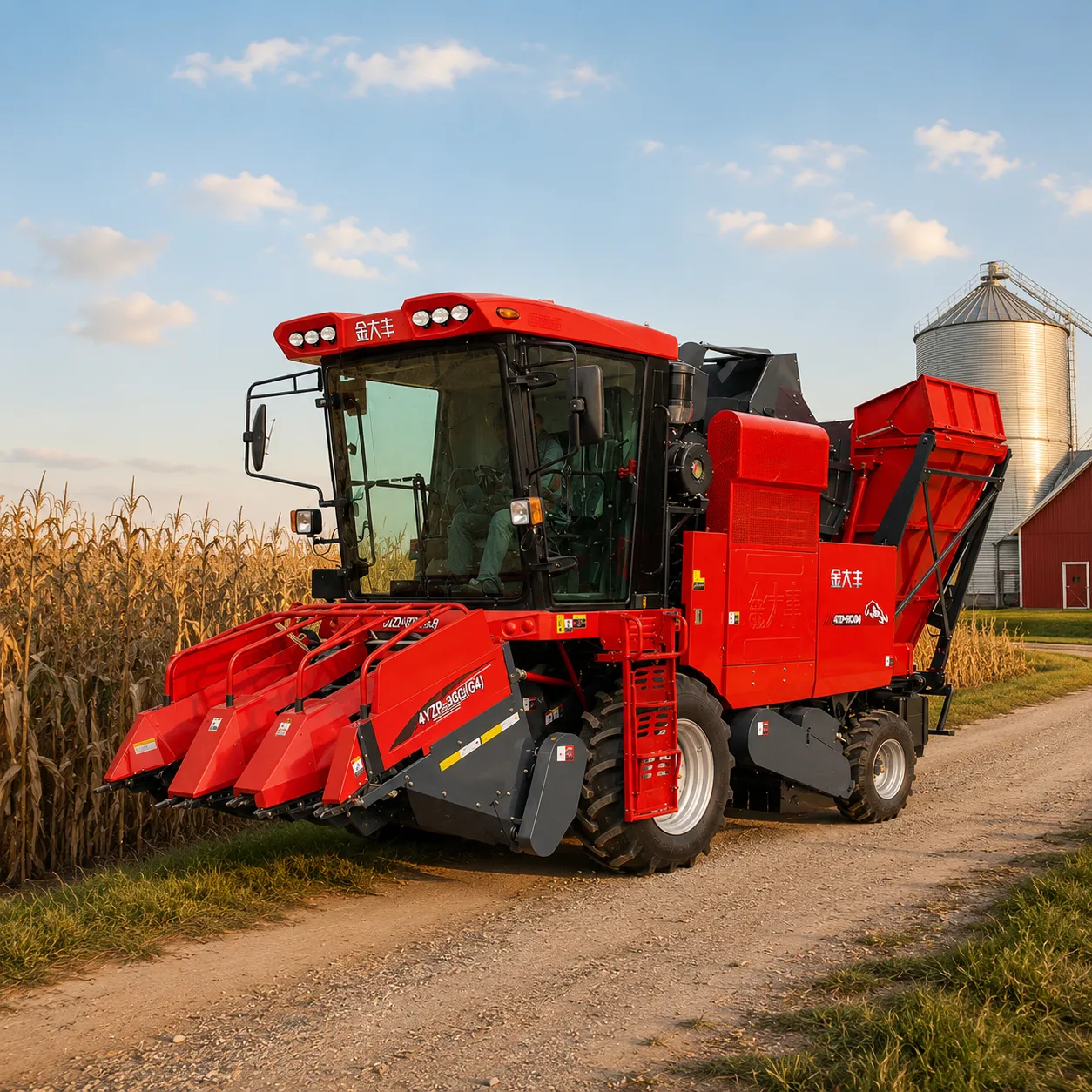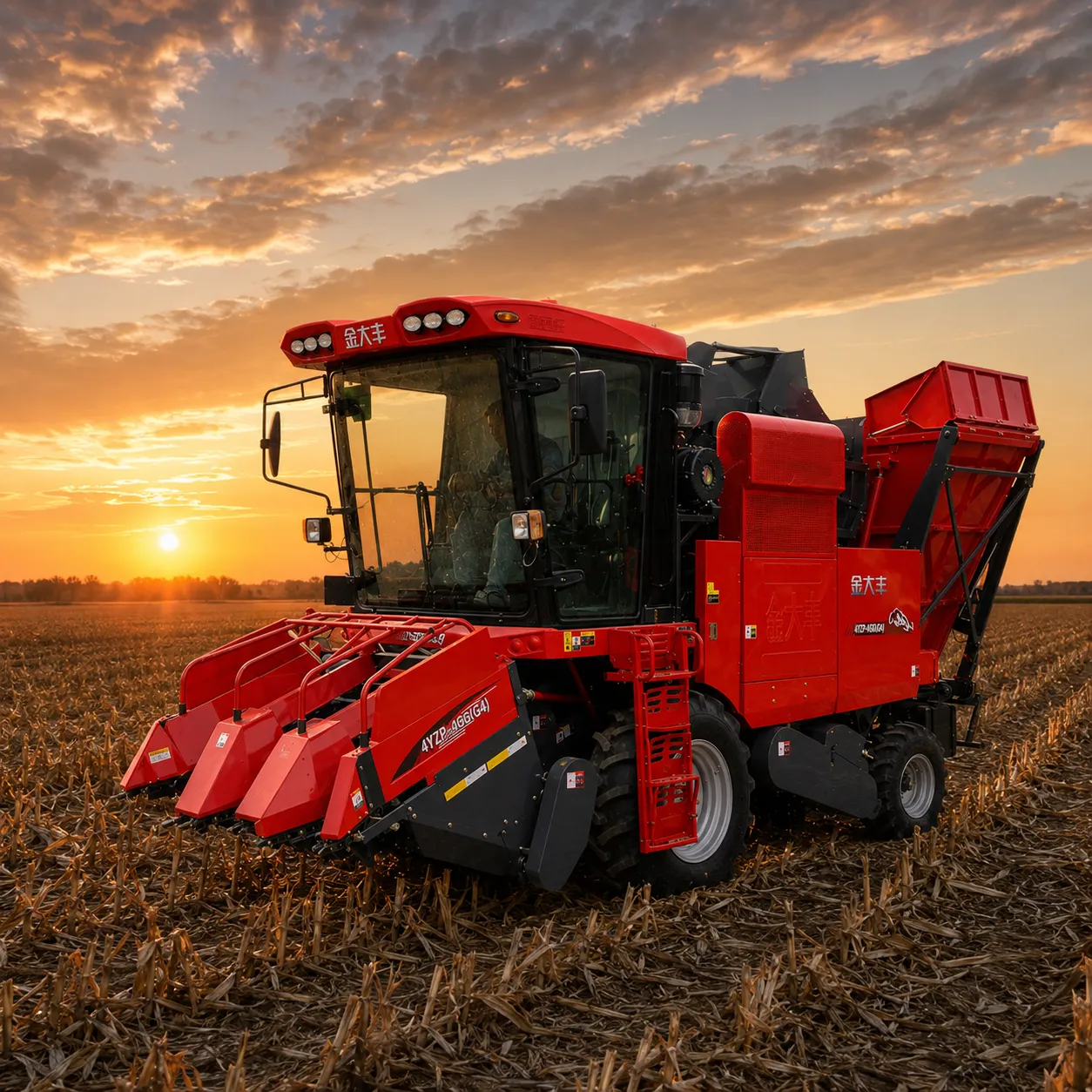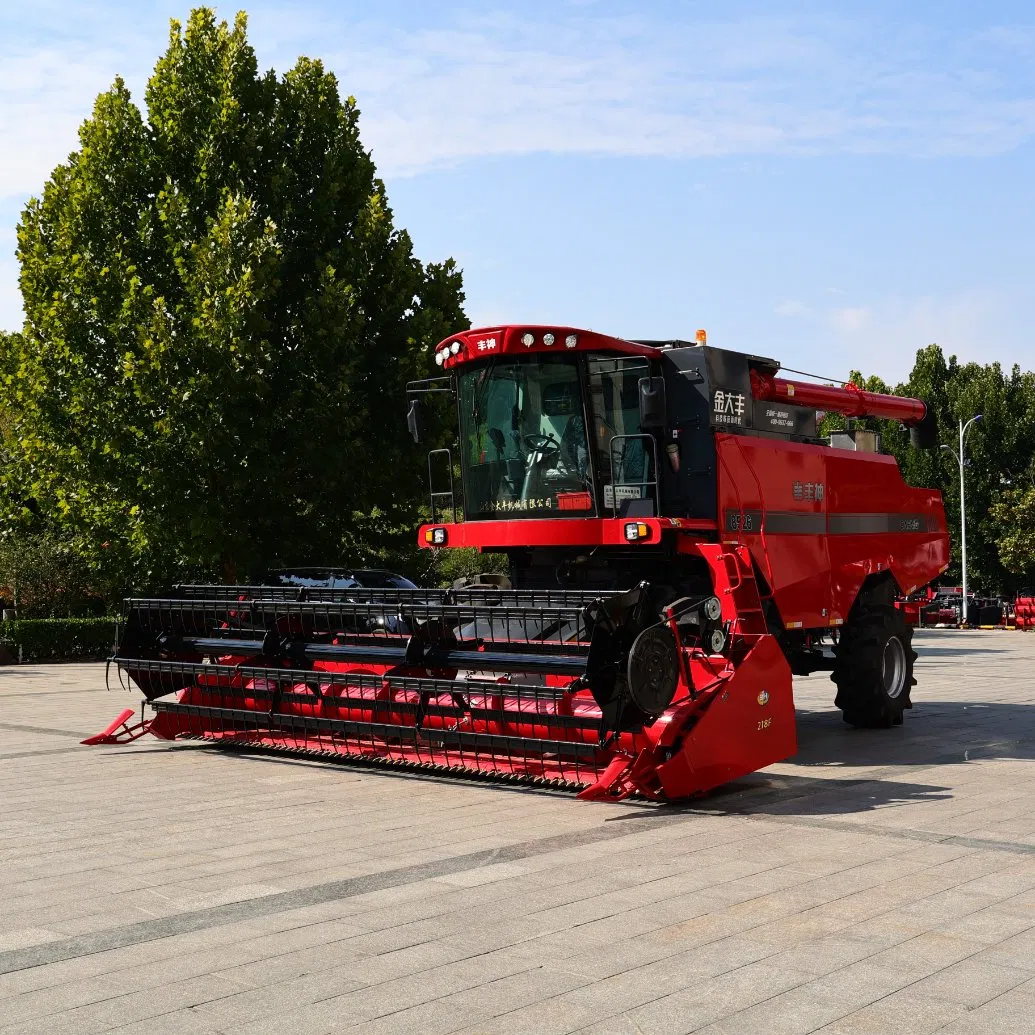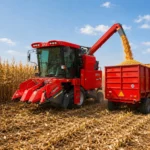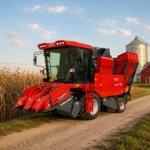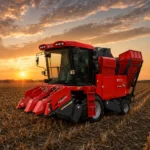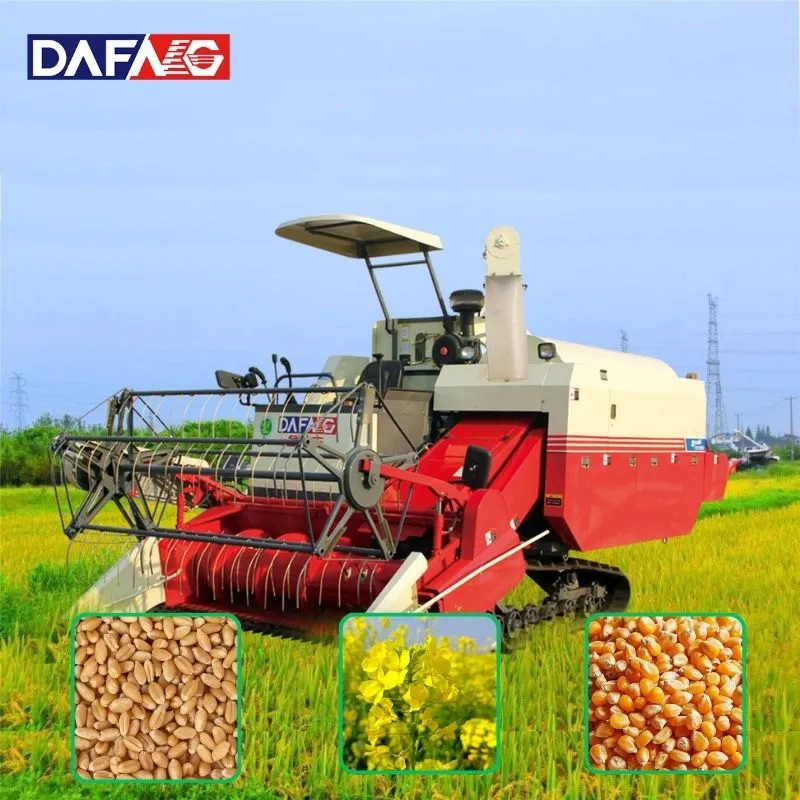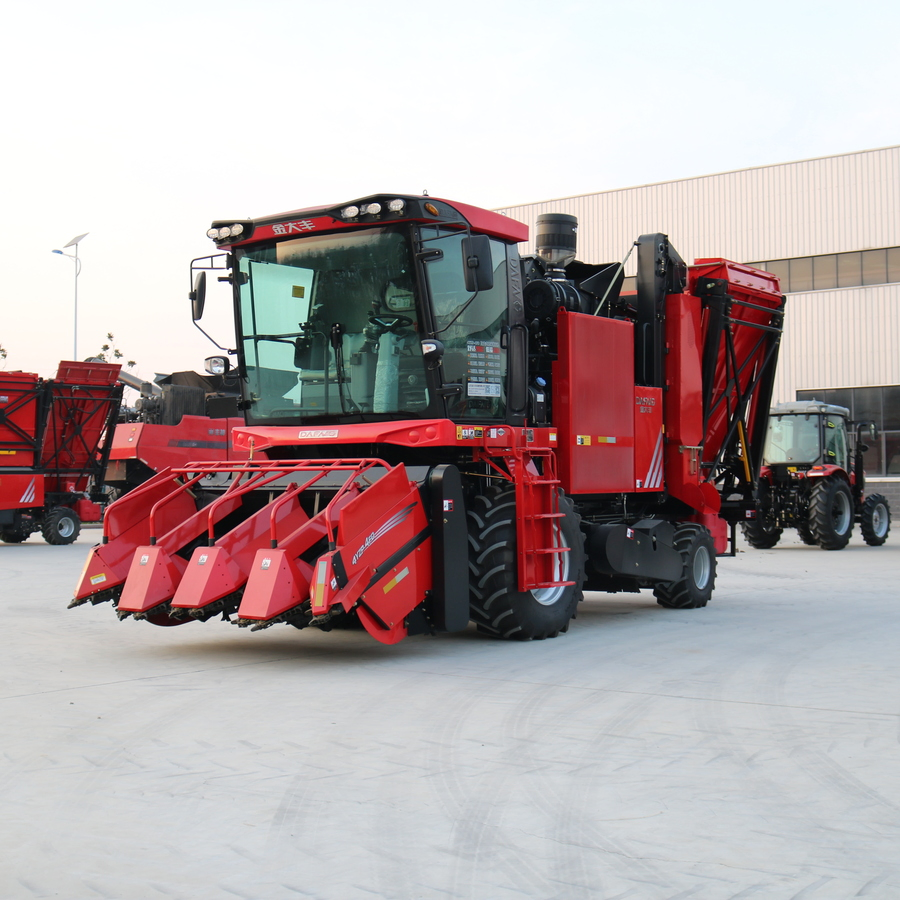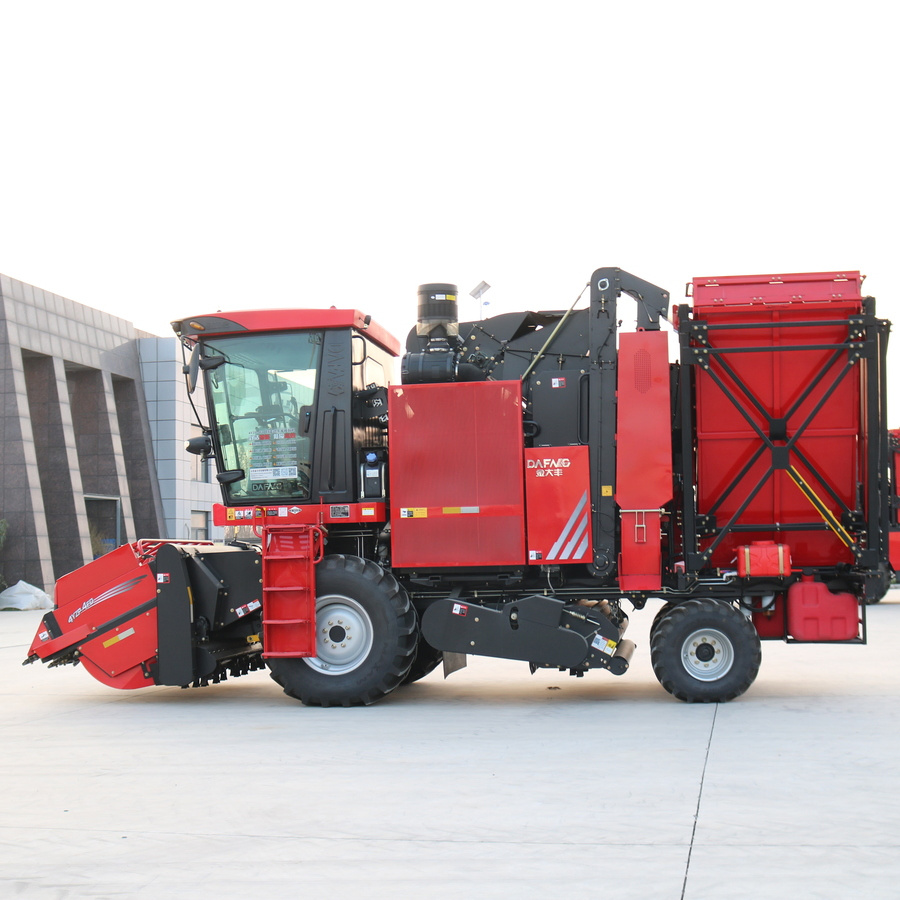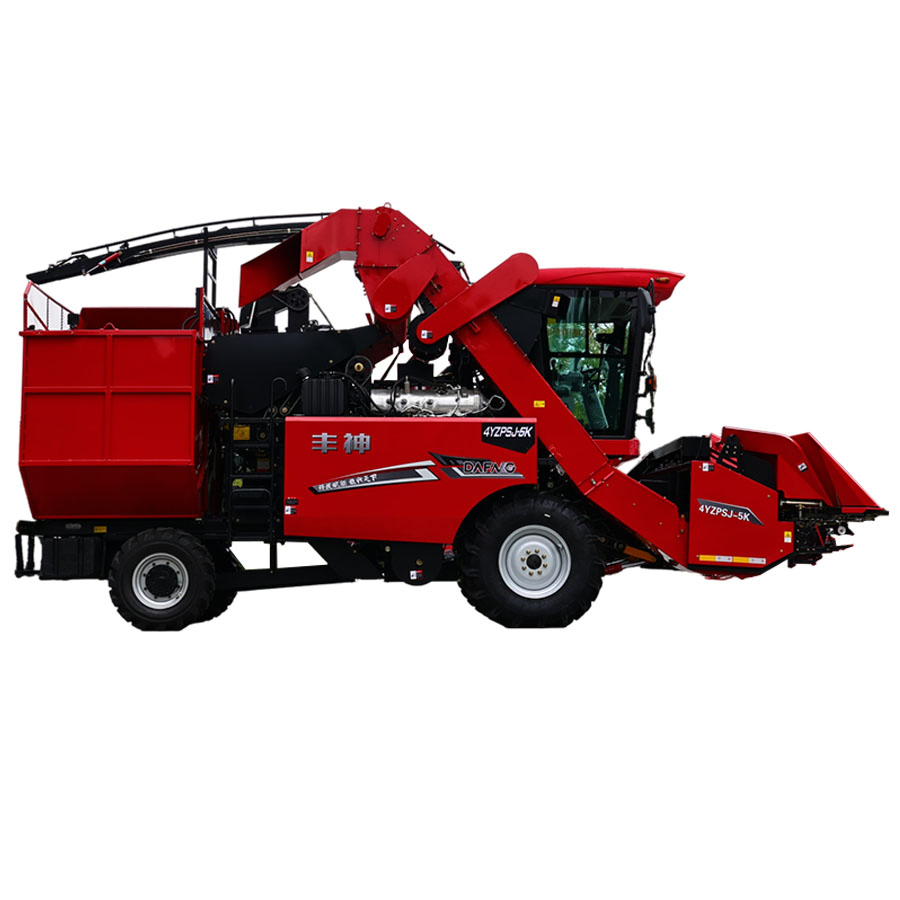
Harvesting corn before the crop is fully dry can solve one problem while creating several others. Farmers may need to enter the field earlier because of weather risk, lodging, a short harvest window, or the need to protect ear quality. At the same time, wetter husks, green stalks, and heavier plant material place a different load on the harvesting machine.
A suitable corn harvester for high moisture corn must do more than simply have enough engine power. The header has to feed wet material smoothly, the picking system must separate ears without excessive damage, the peeling rollers must handle tougher husks, and the conveyors must move heavier crop without repeated blockage.
High-moisture harvesting is therefore mainly a question of crop flow and machine adjustment. The same harvester that performs well in dry corn may require a lower forward speed and different operating settings when conditions become wetter.
Why High-Moisture Corn Is Harder to Harvest
Dry corn and wet corn behave differently inside a harvesting machine. As the crop dries, stalks and husks generally become lighter and easier to break. Earlier in the season, the plant contains more moisture and remains more flexible.
This affects almost every stage of harvesting.
- Green stalks are harder to pull and crush.
- Wet leaves are more likely to wrap around rotating components.
- Husks may remain tightly attached to the ears.
- Plant material is heavier and increases conveyor load.
- Residue may not break as easily during straw crushing.
- Soft ground may reduce traction after rain.
The machine may still have enough engine power, but the header or peeling system can become the limiting factor.
Key point: High-moisture harvesting is usually limited by how smoothly the machine can process wet crop material, not by engine horsepower alone.
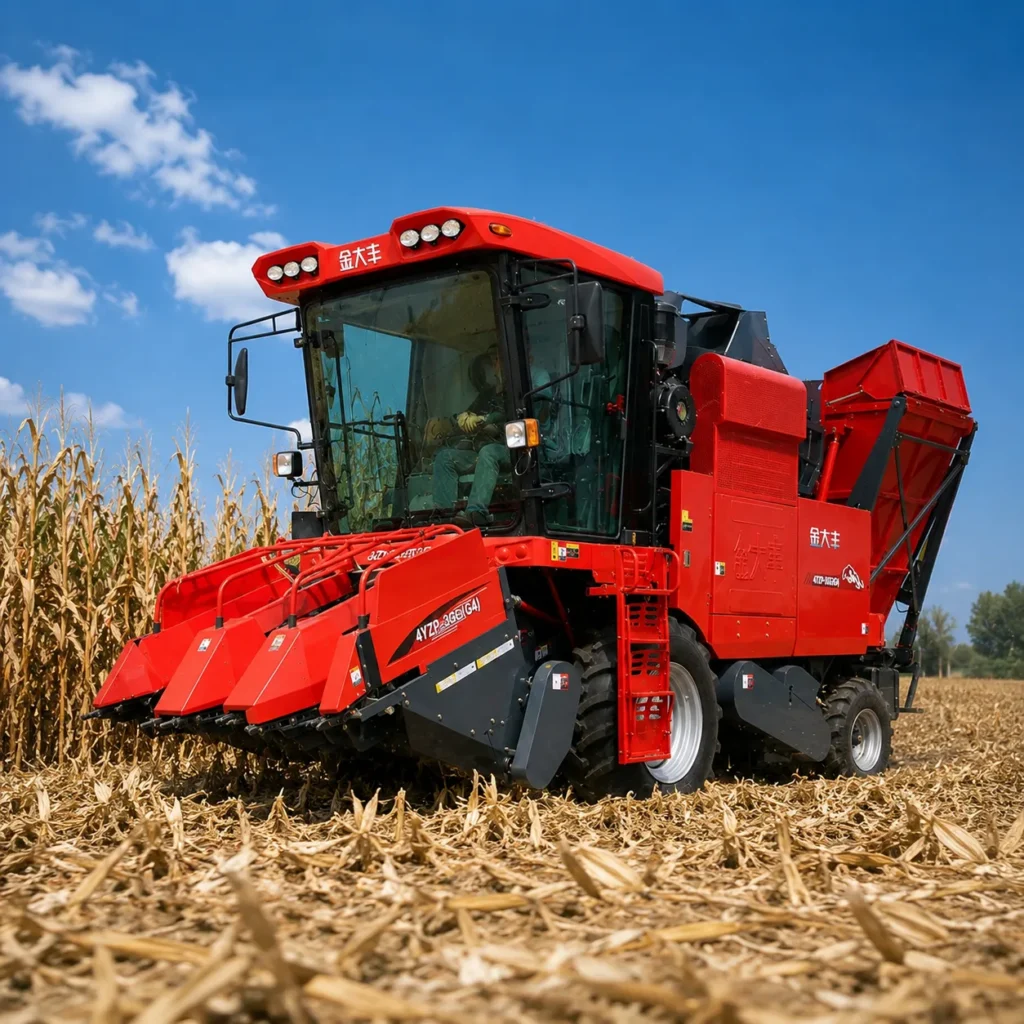
The Header Must Keep Wet Crop Moving Smoothly
The header is the first system affected when corn is wet or still partly green. Row dividers guide the crop inward, while gathering chains and picking components control the stalks.
Green stalks create more resistance
Dry stalks tend to break more easily. Green stalks can bend and stretch before separating, which increases resistance at the picking units.
If too many plants enter at once, the operator may notice:
- Uneven feeding
- Stalk accumulation around the row units
- Higher engine load
- Gathering chains pulling irregularly
- More material entering the central conveyor
Reducing forward speed gives the header more time to control each row and helps prevent large groups of stalks from entering together.
Wet leaves can create wrapping problems
Leaves and husks containing more moisture can wrap around shafts, rollers, chains, and other rotating parts more easily than dry residue.
Operators should inspect the header more frequently during the first passes through a wet field. Small amounts of material buildup can become a larger blockage if they are not removed early.
This is one reason a corn harvester for high moisture corn should provide good maintenance access around the header and conveying areas.
Peeling Performance Often Changes the Most
For an ear corn harvester, the peeling section can become one of the most important systems under wet conditions.
Peeling rollers rely on controlled friction and grip to remove husks from the ears. When the husk is wet, flexible, or tightly attached, it may require more contact before separating.
Why wet husks are difficult
Wet husks may:
- Remain wrapped closely around the ear
- Slide instead of separating cleanly
- Carry more leaves into the peeling section
- Reduce the effective grip of worn rollers
- Create uneven flow when several ears arrive together
Increasing machine speed usually makes this problem worse because the peeling system receives more material per minute.
Peeling quality depends on feeding consistency
When ears arrive at a steady rate, the rollers can maintain more uniform contact. When the header sends large groups of ears into the system at once, some may pass through with more husk remaining.
This means poor peeling does not always indicate a problem with the peeling rollers themselves. The real cause may be excessive forward speed or uneven header feeding.
Problem: Too many unpeeled ears in the collection tank.
Check first: Forward speed, crop-flow consistency, roller condition, roller adjustment, and whether wet leaves are entering the peeling section.
Forward Speed Should Follow Crop Load, Not a Fixed Number
One of the most common mistakes during wet-corn harvesting is trying to maintain the same speed used in dry crop.
The machine may travel at the same ground speed, but the amount of work being performed every second has increased.
| Crop Condition | Machine Response | Possible Adjustment |
|---|---|---|
| Dry standing corn | Relatively smooth feeding | Normal operating speed |
| High-moisture ears | Peeling becomes more difficult | Reduce crop flow if peeling quality declines |
| Green stalks | Higher picking and crushing load | Reduce forward speed |
| Wet leaves | Greater risk of wrapping and blockage | Inspect moving components more frequently |
| Wet soil | Higher rolling resistance and wheel slip | Maintain traction and avoid aggressive acceleration |
| Wet and lodged corn | Very uneven crop flow | Use lower speed and careful header control |
The operator should increase or decrease speed according to the amount of material moving through the machine.
The correct speed is the point where the header, conveyors, peeling system, and straw crusher continue to operate smoothly without increasing field loss.
High-Moisture Corn Also Changes Harvest Loss
Harvest loss in wet corn is different from the loss seen in very dry corn.
Dry ears may release kernels more easily after impact, while wetter ears can remain more firmly attached to the cob. However, heavy green stalks and tightly attached husks can increase whole-ear loss when the header is overloaded or poorly adjusted.
Watch for whole ears near the header
Whole ears beneath or in front of the machine can indicate:
- Excessive forward speed
- Poor row alignment
- Incorrect snapping-plate adjustment
- Uneven gathering-chain operation
- Heavy lodged plants entering at an angle
Check the harvested ears as well as the ground
Loss is not only material left in the field. Buyers and operators should also inspect the crop collected inside the machine.
Look for:
- Excessive husk remaining on ears
- Broken ears
- Loose kernels
- Leaves mixed with harvested material
- Damaged ear tips
A good corn harvester for high moisture corn should allow the operator to balance collection rate with acceptable peeling quality and crop loss.
Straw Crushing Requires More Attention in Green Corn
After the ears are removed, the remaining stalks must pass through or beneath the residue-management system.
Green stalks can be significantly harder to cut and break than dry residue. They may also contain more leaves and moisture, increasing the amount of material entering the crusher.
Worn blades become more noticeable
A straw crusher with sharp blades may perform well in green material, while worn blades can leave long stalk sections and increase engine load.
Operators should inspect:
- Blade sharpness
- Blade mounting points
- Rotor balance
- Belt condition
- Bearings
- Residue discharge pattern
Do not judge residue quality immediately behind the header alone
Green stalks can remain flexible even after being cut. The important question is whether the residue is short and evenly distributed enough for the next field operation.
If residue becomes too long or uneven, reducing forward speed may allow the straw system to process the crop more completely.
Wet Ground Can Become a Bigger Limitation Than Crop Moisture
High-moisture corn is often harvested during periods when the soil itself is also wet. In these conditions, traction and field mobility become part of the harvesting decision.
A machine that processes the crop well may still lose capacity when wheels slip or sink into soft areas.
Machine weight matters
Heavier equipment can provide stability but also creates more ground pressure. Buyers working frequently in soft soils should consider tyre dimensions, weight distribution, turning behaviour, and field access.
Wheel slip reduces row accuracy
When the machine moves sideways or loses traction, the header can drift away from the planted rows. This increases the chance of:
- Missed stalks
- Whole-ear loss
- Uneven crop feeding
- Repeated steering corrections
Trying to compensate by driving faster usually makes the problem worse.
Wet-field priority: Maintain stable traction and accurate row following first. Maximum travel speed is secondary.
What Buyers Should Check Before Choosing a Machine
When farms regularly harvest before the crop becomes fully dry, the machine should be evaluated under those conditions rather than only through dry-field demonstrations.
Before buying, ask about:
- Header performance with green stalks
- Gathering-chain design and adjustment
- Snapping-plate adjustment range
- Central conveying capacity
- Peeling-roller quantity and material
- Access for cleaning wrapped crop material
- Straw-crusher design
- Engine power reserve
- Cooling capacity
- Tyre configuration and traction
It is also useful to request working videos showing the harvester operating in corn with green stalks and significant husk moisture.
Buyer recommendation: Do not ask only whether a machine can harvest wet corn. Ask what forward speed, peeling quality, field loss, and residue performance it can maintain in wet crop.
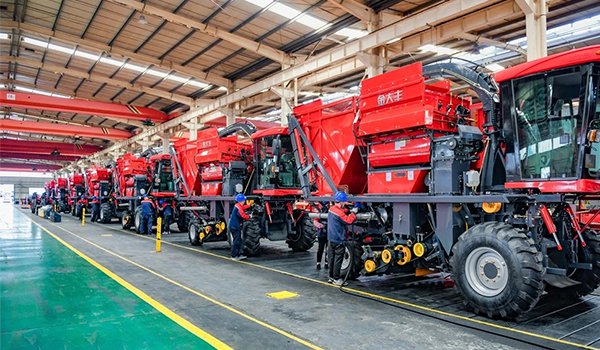
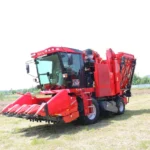
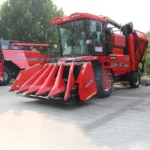
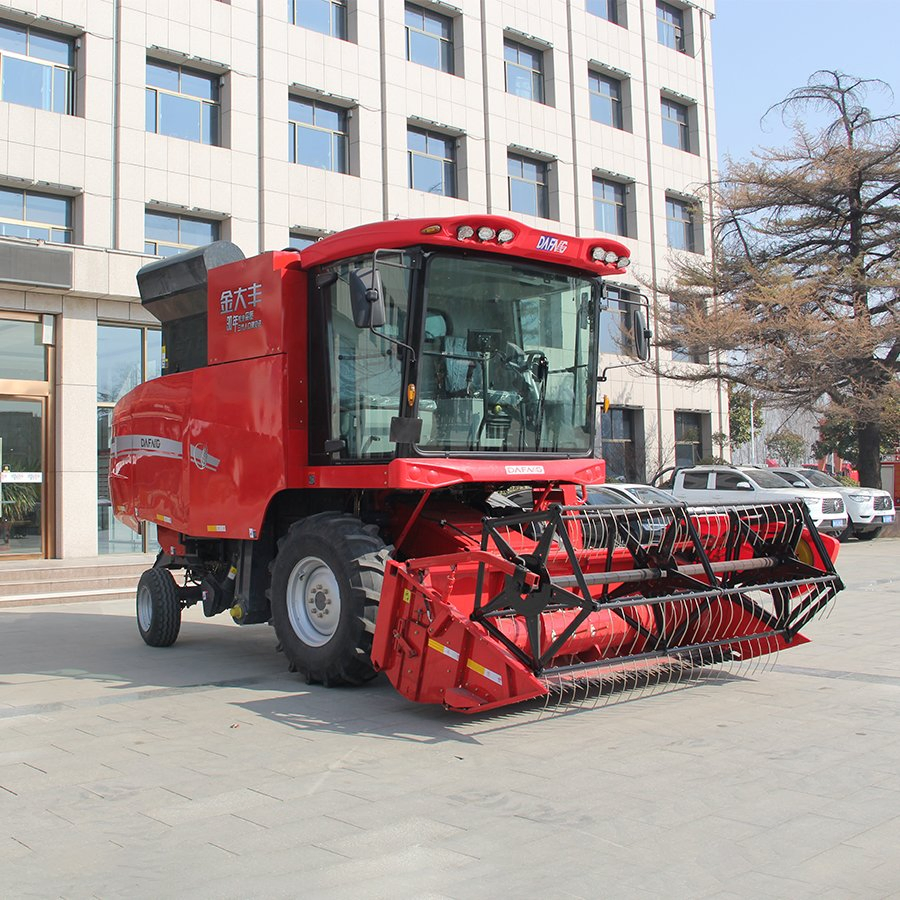
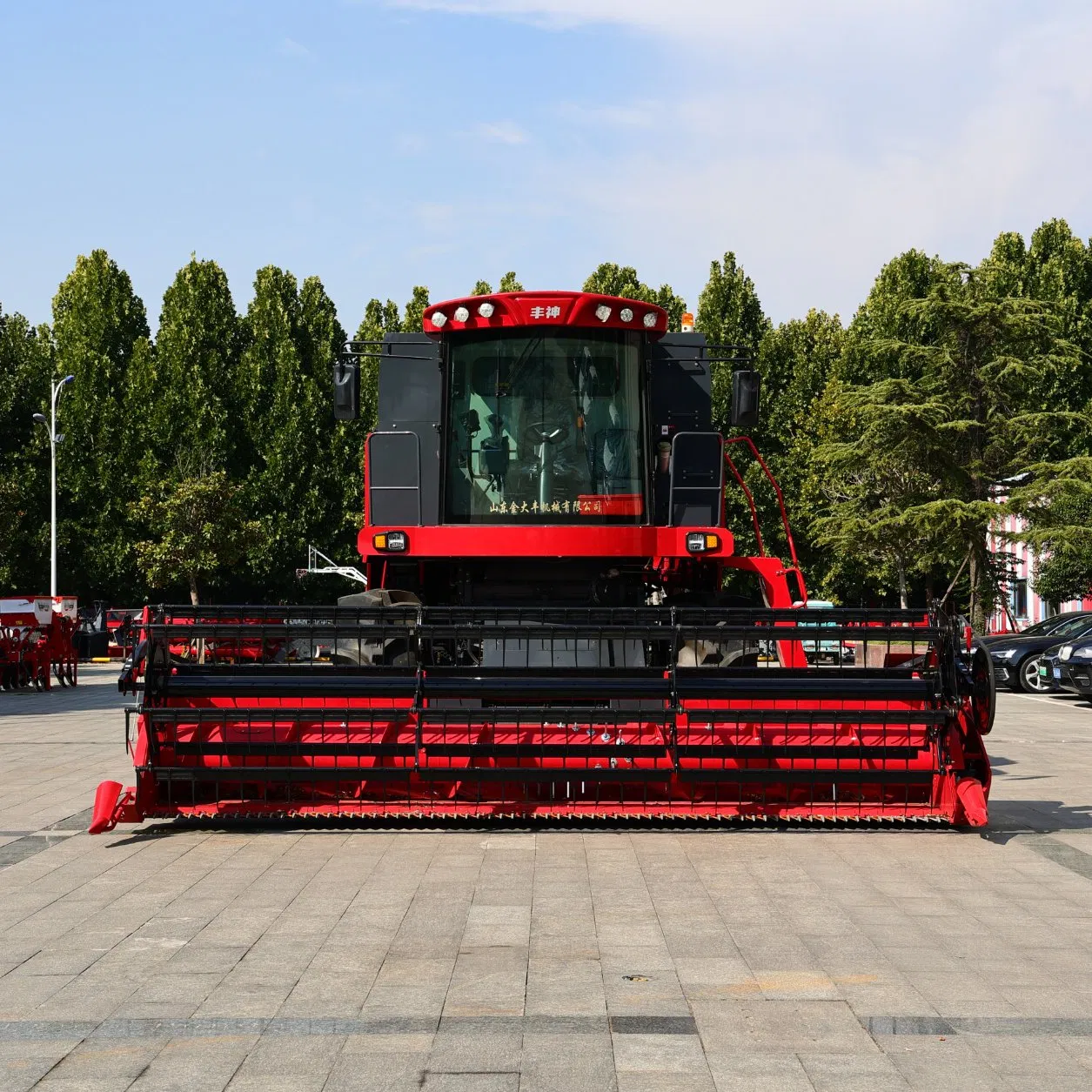
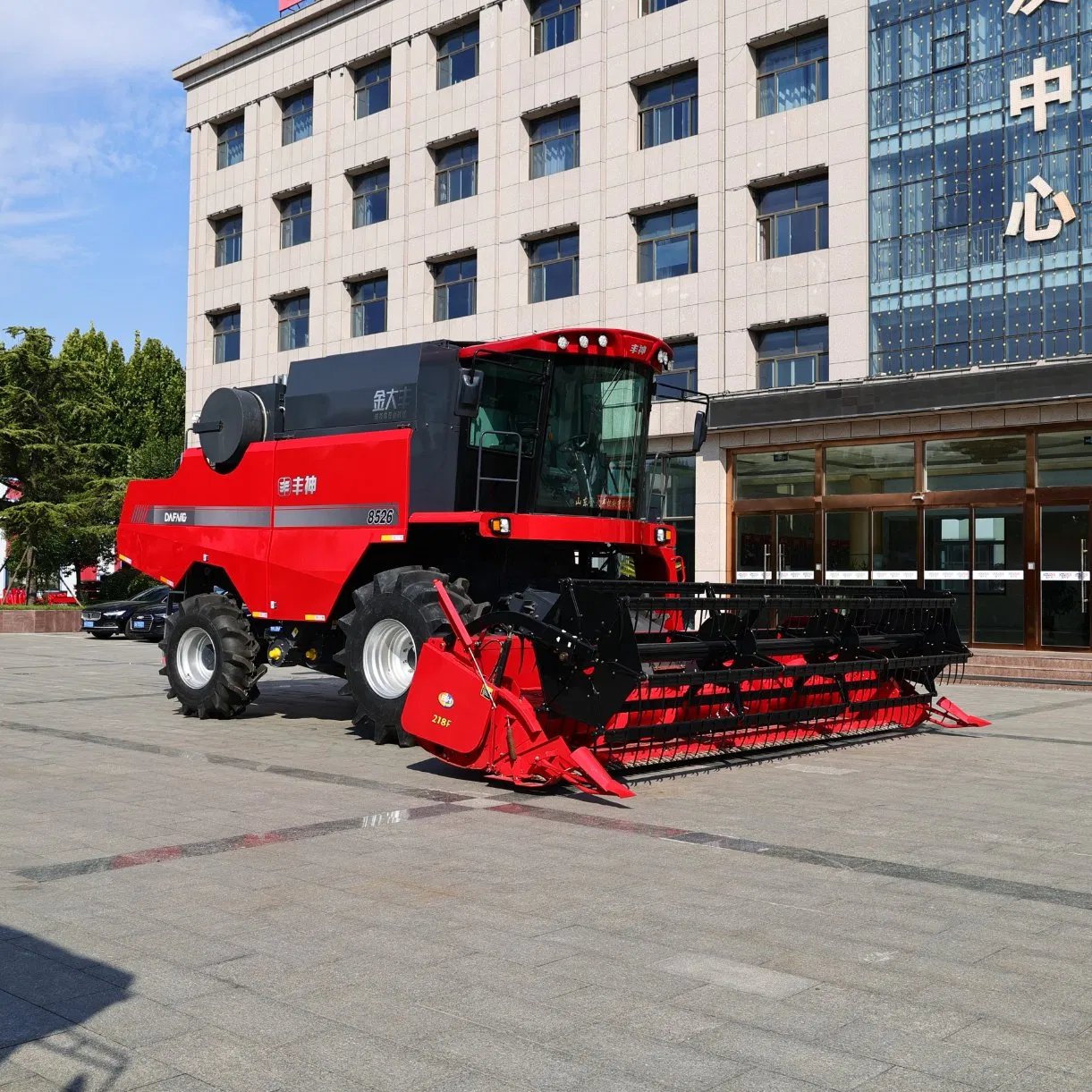
King-Gold Dafeng provides self-propelled corn harvesting machines designed for picking, conveying, peeling, collection, and straw management. Buyers can compare the available corn harvester configurations for different field conditions based on row number, crop type, field size, and harvesting requirements.
A suitable corn harvester for high moisture corn should provide stable feeding and enough processing reserve when crop conditions become heavier. But machine design is only part of the answer. Operator speed, header adjustment, peeling settings, residue condition, and field traction also determine the final result.
High-moisture corn can be harvested successfully when the entire machine is treated as one connected system. Slowing down slightly and maintaining smooth crop flow often produces better daily performance than pushing the machine at maximum speed and stopping repeatedly for blockages or poor peeling.
You May Also Be Interested In
To understand how crop moves from the header through picking, peeling, collection, and straw management, read How Does a Corn Harvester Work in Real Field Conditions?
If wet crop conditions are causing more ears to remain in the field, also read How to Reduce Corn Loss During Harvest for a practical approach to locating and reducing header and picking losses.