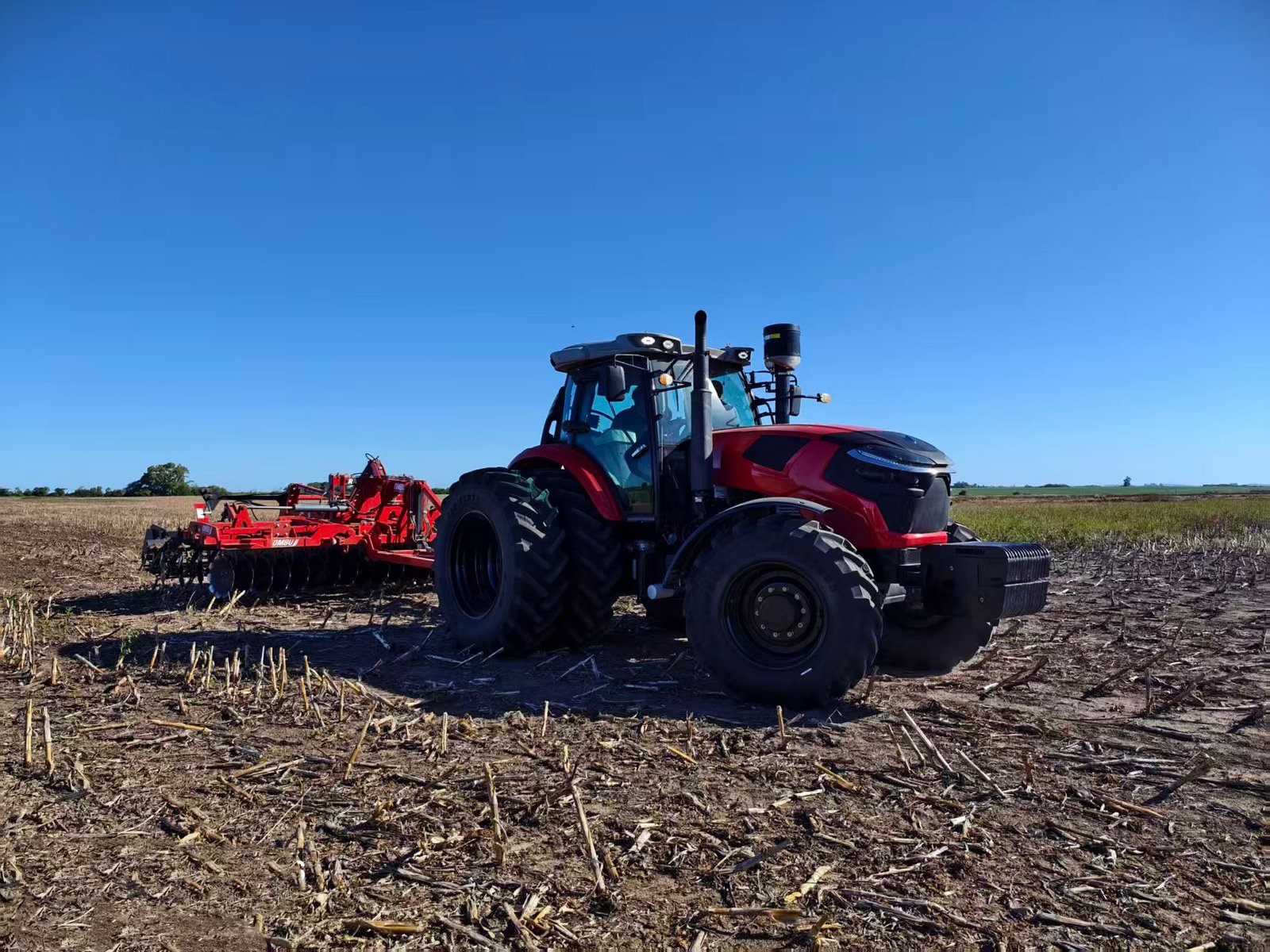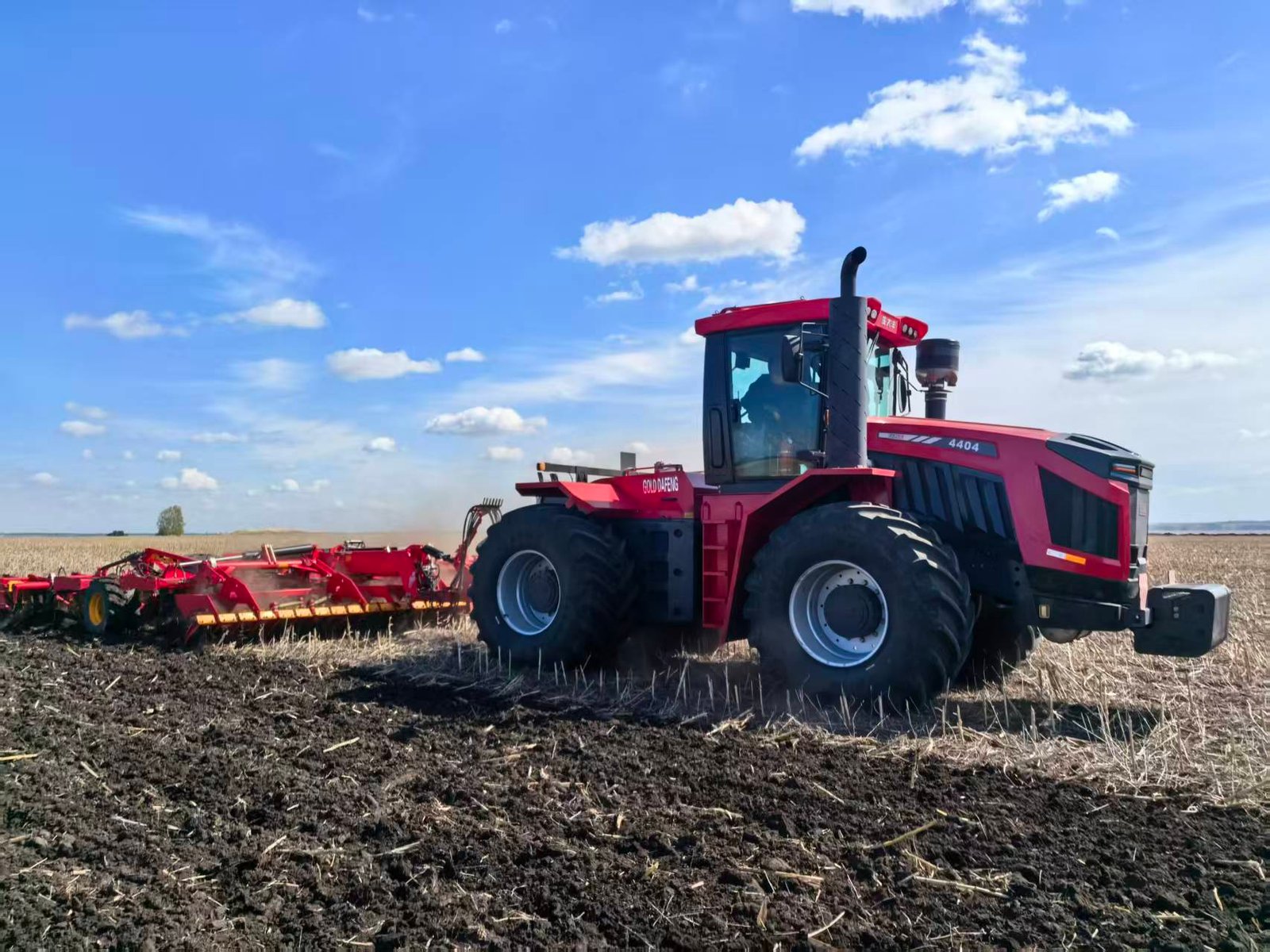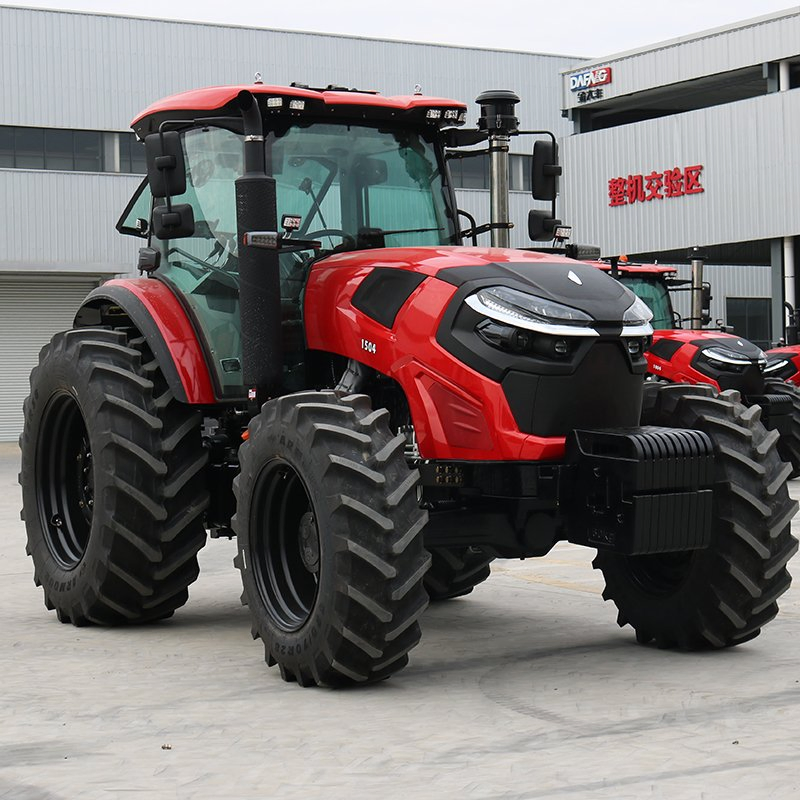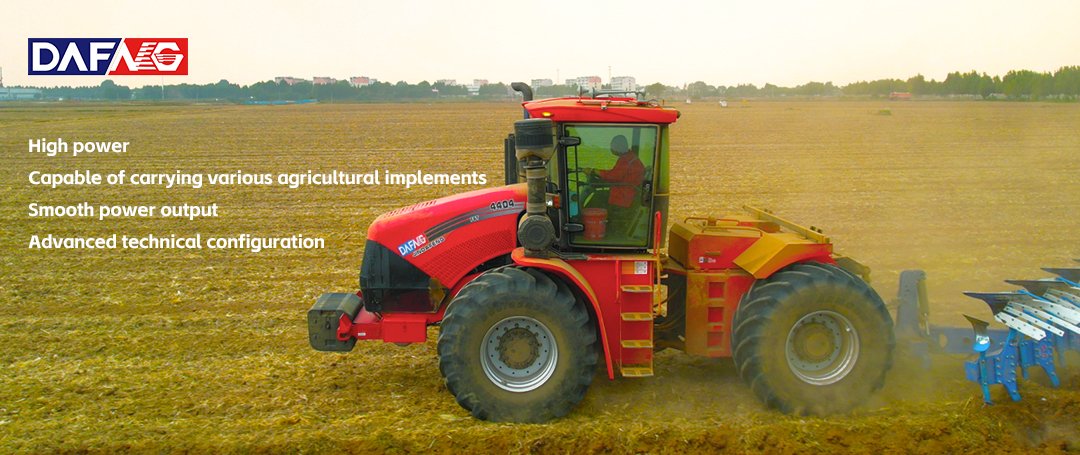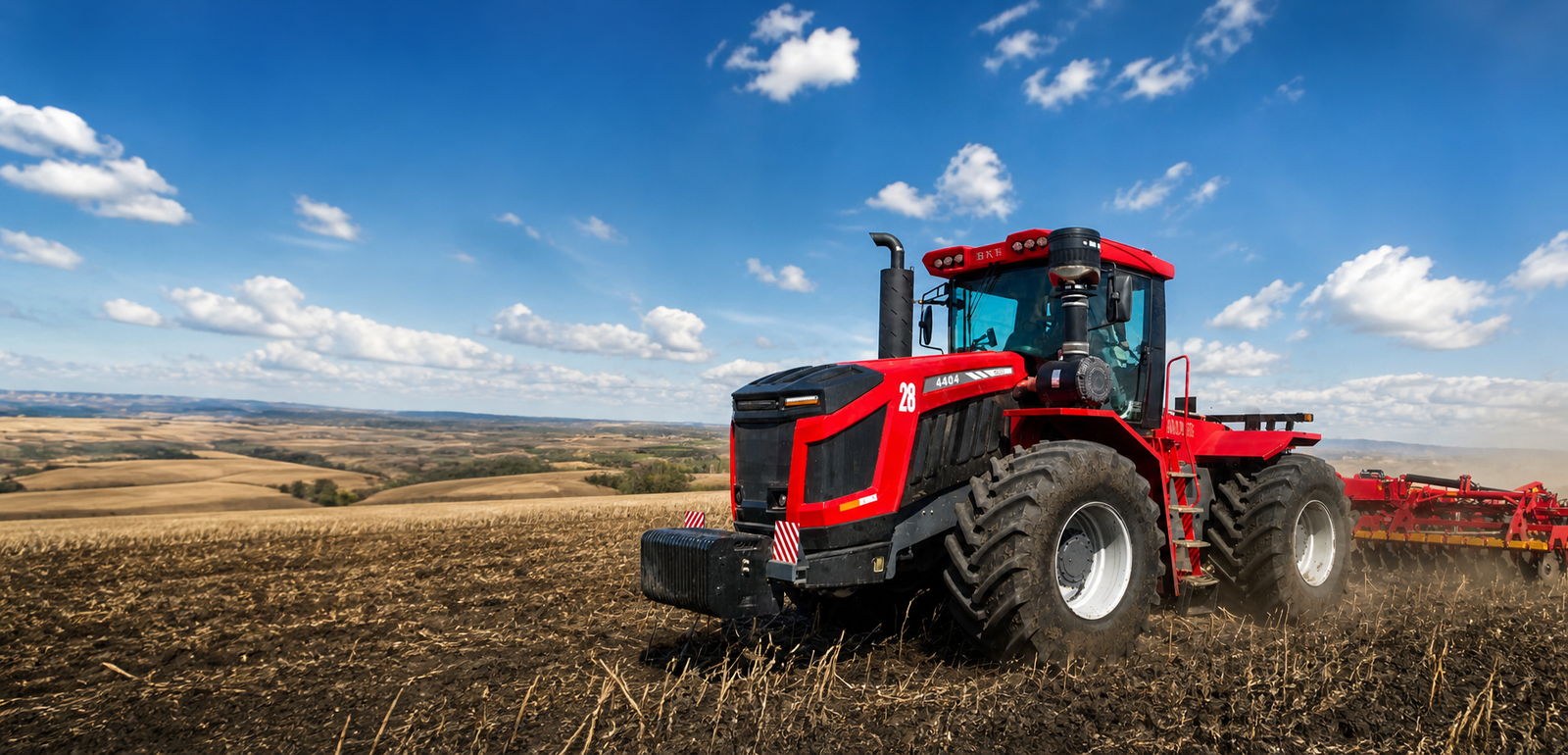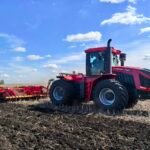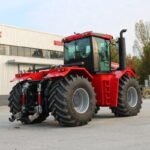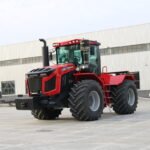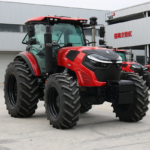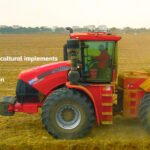
Choosing the best tractor for a large farm is not simply a matter of buying the machine with the highest horsepower. A tractor may look powerful on paper and still become inefficient if it cannot match the farm’s soil conditions, implements, working width, transport requirements, or seasonal workload.
Large farms usually operate under tight planting and tillage windows. A delay of only a few days can affect the entire production schedule. For this reason, the right tractor must deliver more than engine power. It needs dependable traction, sufficient hydraulic capacity, the correct PTO configuration, comfortable operation, and enough reserve power to work consistently under heavy loads.
This guide explains how farmers, agricultural contractors, dealers, and importers can choose the right farm tractor for large-scale agricultural operations.
What Makes a Tractor Suitable for a Large Farm?
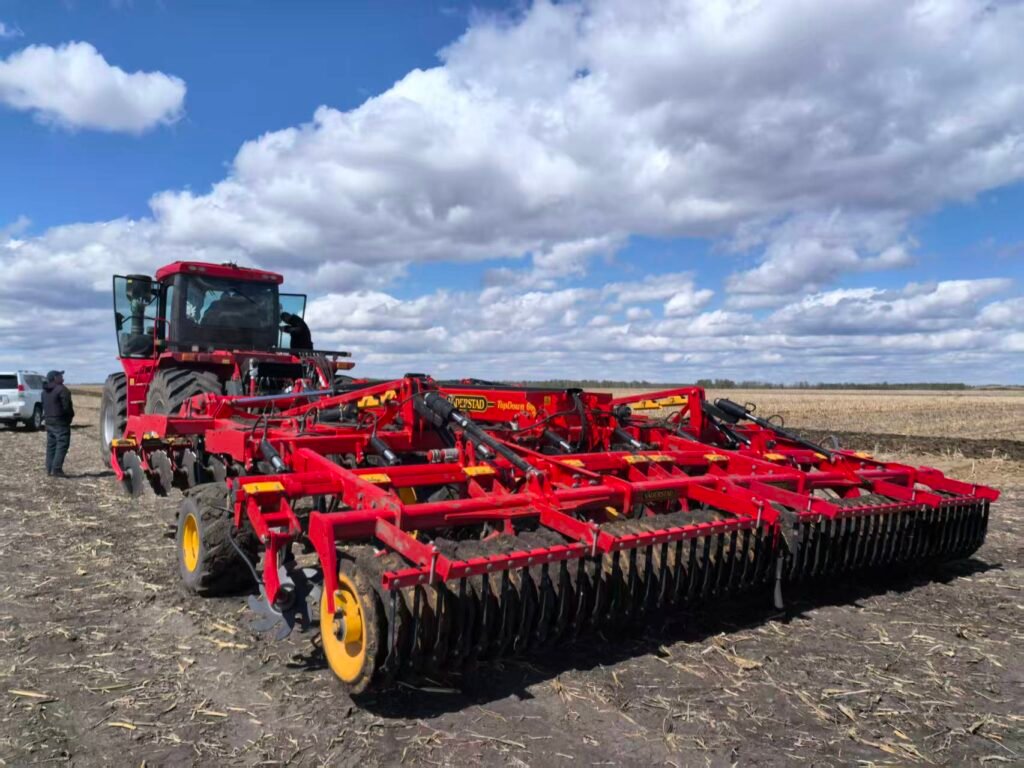
A large farm often requires one tractor to complete several demanding jobs, including deep tillage, primary soil preparation, seeding, pulling large planters, operating wide implements, transporting grain, and supporting harvest operations.
The best tractor for this type of work should provide a balanced combination of:
- High and stable engine output
- Strong pulling capacity under continuous load
- Reliable 4WD traction
- High hydraulic flow and lifting capacity
- Compatibility with large and wide implements
- Efficient fuel use per hectare
- Comfortable operation during long working days
- Easy maintenance and dependable spare-parts support
Horsepower remains important, but it should always be evaluated together with tractor weight, transmission, tire configuration, hydraulic capacity, soil type, and implement demand.
How Much Horsepower Does a Large Farm Tractor Need?
There is no single horsepower figure that fits every large farm. Two farms with the same acreage may need very different tractors. One may use light soil and moderate-width implements, while the other works heavy clay soil with deep rippers and wide seeders.
| Horsepower Range | Typical Farm Applications | Suitable Operating Conditions |
|---|---|---|
| 100–160HP | Transport, spraying, light tillage, seeding, general field work | Medium farms or support work on larger farms |
| 180–240HP | Heavy tillage, large planters, wide cultivators, primary field work | Large farms with moderate to heavy workloads |
| 300–440HP | Deep tillage, heavy soil, wide implements, large-scale planting | Commercial farms with large acreage and short working windows |
| Above 440HP | Specialized ultra-heavy draft work and very large equipment | Very large farms with highly demanding operations |
A 160HP or 240HP tractor can perform effectively on many large farms. However, farms using wider implements, working dense soil, or covering very large areas within a limited time may benefit from a higher-horsepower machine.
When Does a 440HP Tractor Make Sense?
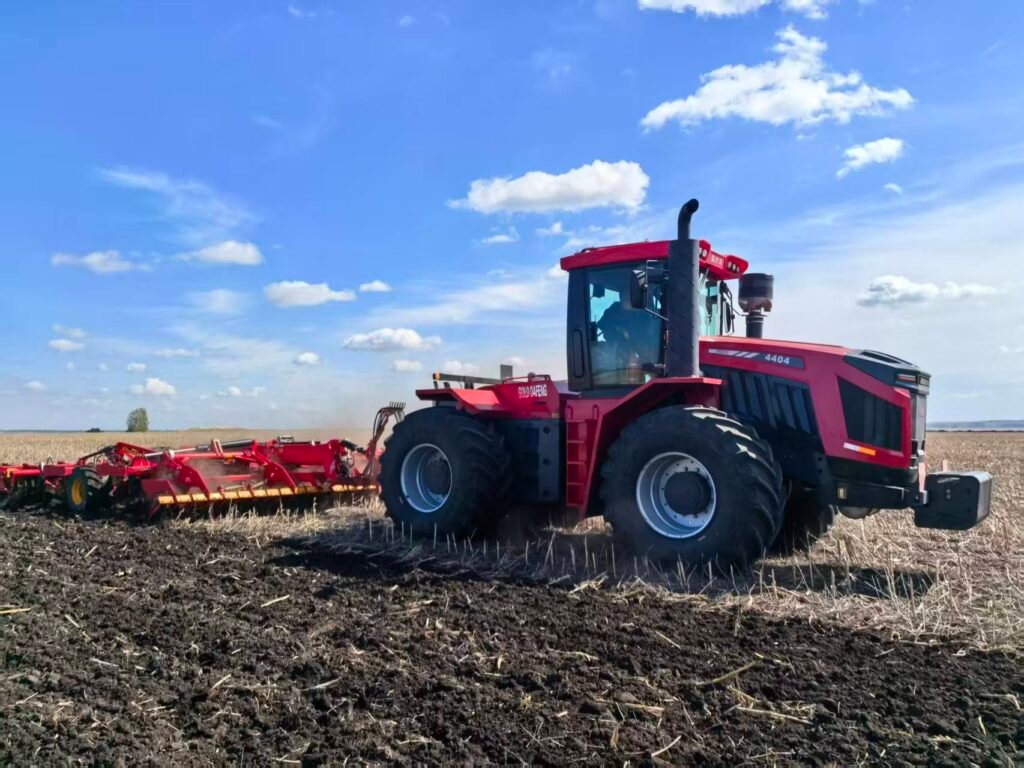
A 440HP tractor is not designed for occasional light work. Its value becomes clear when a farm needs to pull heavy equipment for long hours without constantly operating at the tractor’s maximum limit.
A 440HP farm tractor may be a suitable choice when the farm regularly handles:
- Deep ripping and subsoiling
- Heavy disc harrows
- Wide seeders and planters
- Large cultivators
- Heavy soil with high draft resistance
- Large fields with limited planting or tillage windows
- Commercial agricultural operations requiring high daily output
The main advantage is not simply speed. A high-horsepower tractor gives the operator more reserve power. This helps the machine maintain a stable working speed when soil conditions change, the implement enters a denser section of the field, or the tractor works on a slope.
For large soybean, corn, wheat, and grain farms, this reserve capacity can support more consistent field performance across long working days.
Do Not Choose Horsepower Without Matching the Implement
One of the most common tractor-buying mistakes is selecting engine power before confirming implement requirements.
Every implement creates a different load. A wide planter may require hydraulic flow and electrical control capacity, while a deep ripper places much greater demand on drawbar power and traction. A rotary implement may depend heavily on PTO output, while a heavy cultivator requires sufficient tractor weight and tire contact area.
Before choosing a tractor, buyers should confirm:
- Required tractor horsepower
- Recommended working speed
- Implement width
- Implement weight
- PTO speed and power demand
- Hydraulic flow requirement
- Number of hydraulic remote valves
- Three-point hitch or drawbar connection
Buying extra power may provide flexibility for future expansion, but excessive horsepower can increase purchase cost, fuel consumption, tire expense, and soil compaction. The goal is to maintain a reasonable power reserve without buying a tractor that is unnecessarily large for the farm’s actual equipment.
Why 4WD Traction Matters on Large Farms
Four-wheel drive is especially important for heavy field operations. Engine horsepower only becomes useful when the tractor can transfer power to the ground.
A 4WD tractor generally provides better traction when working in:
- Loose cultivated soil
- Heavy clay soil
- Wet or uneven fields
- Sloping farmland
- Deep tillage conditions
- High-draft applications
Proper traction helps reduce excessive wheel slip. Too much slip wastes fuel, increases tire wear, lowers field capacity, and makes it difficult to maintain a consistent working depth.
However, 4WD alone does not solve every traction problem. Tire size, tire pressure, ballast, tractor weight distribution, and implement setup must also be adjusted correctly.
Tractor Weight and Ballast Are as Important as Power
A powerful but poorly ballasted tractor may struggle to pull a heavy implement efficiently. At the same time, excessive ballast can increase rolling resistance and soil compaction.
The correct setup depends on the operation. Heavy drawbar work usually requires more traction and carefully distributed ballast. Transport and lighter field work may require less additional weight.
Large-farm buyers should evaluate:
- Front and rear axle weight distribution
- Available front and wheel ballast
- Single or dual tire options
- Tire width and tread design
- Recommended tire pressure for field work
Dual tires or wider tires can improve flotation and distribute the machine’s weight across a larger ground area. This may be useful on soft soil or when reducing compaction is a priority.
Hydraulic Capacity for Large Implements
Modern large implements rely heavily on hydraulic systems. The tractor may need to lift, fold, steer, control depth, operate fans, or power multiple hydraulic functions at the same time.
When comparing tractors, do not look only at lifting capacity. Check the complete hydraulic specification, including:
- Total hydraulic pump flow
- Available flow at the remote valves
- Number of hydraulic outlets
- Rear lifting capacity
- Hydraulic pressure
- Compatibility with continuous-flow equipment
A tractor with insufficient hydraulic output may have enough engine power but still fail to operate a large planter or seeder correctly.
PTO Requirements for Large-Farm Operations
Not every large implement uses the PTO, but it remains essential for equipment such as rotary tillers, shredders, balers, spreaders, pumps, and certain harvesting attachments.
Buyers should confirm whether the tractor provides the required PTO speeds, such as 540 or 1000 rpm, and whether the available PTO power is sufficient under continuous operation.
For heavy PTO work, engine power should not be confused with usable PTO power. Some power is lost through the drivetrain, so the implement must be matched to the tractor’s actual PTO output.
Transmission Choice for Heavy Field Work
The transmission affects working speed, fuel use, operator control, and the tractor’s ability to stay within the correct engine load range.
A suitable large-farm transmission should offer enough gear choices for:
- Low-speed heavy tillage
- Consistent planting speed
- Efficient transport
- Changing soil resistance
- Headland turns
Mechanical transmissions are generally straightforward and easier to maintain. Powershift and continuously variable systems may provide smoother speed adjustment and better operator convenience, but they can also increase purchase price and service complexity.
The best choice depends on the farm’s budget, operator experience, local maintenance capability, and the type of work performed most often.
Operator Comfort Is a Productivity Issue
Comfort is sometimes treated as an optional feature, but on a large farm it directly affects productivity. Operators may spend ten or more hours in the cab during planting or tillage season.
A well-designed cab should provide:
- Air conditioning and effective ventilation
- Good visibility around the tractor and implement
- Adjustable seating
- Convenient control placement
- Low vibration and manageable noise levels
- Easy access for entering and leaving the cab
A tired operator is more likely to reduce working speed, make setup mistakes, or overlook equipment problems. On large operations, operator comfort should be viewed as part of machine efficiency.
Fuel Efficiency Should Be Measured Per Hectare
A high-horsepower tractor will normally consume more fuel per hour than a smaller tractor. However, hourly fuel use does not tell the full story.
A larger tractor pulling a wider implement may finish the same area in fewer passes and fewer working hours. The better comparison is often fuel consumption per hectare, not fuel consumption per hour.
To evaluate real operating efficiency, consider:
- Area completed per hour
- Average engine load
- Wheel slip
- Working depth
- Implement width
- Time lost during turning and adjustment
An undersized tractor operating at maximum load all day may consume more fuel per hectare, experience greater wear, and complete less work than a correctly matched high-horsepower tractor.
Should a Large Farm Use One Large Tractor or Several Tractors?
Many large farms need more than one tractor size. A high-horsepower machine can handle primary tillage and wide implements, while medium-power tractors manage spraying, transport, fertilizer spreading, lighter cultivation, and support work.
This approach prevents a 400HP-class tractor from being used for jobs that a 100HP or 160HP tractor could complete more economically.
Buyers planning a complete machinery fleet can compare different tractors for large farms based on their main and secondary operations rather than expecting one machine to perform every task.
What Buyers Should Check Before Ordering
For farmers, dealers, and importers purchasing a large tractor, technical specifications are only one part of the decision. Supplier capability and long-term support are equally important.
Before placing an order, confirm:
- Engine model and emission configuration
- Transmission type and available speeds
- Hydraulic pump capacity
- Rear lifting capacity
- PTO speed and PTO power
- Tire size and optional dual tires
- Ballast configuration
- Cab equipment
- Spare-parts package
- Warranty terms
- Technical manuals and service support
- Shipping dimensions and delivery terms
Importers should also confirm whether the configuration is suitable for local fuel quality, climate, common implements, road conditions, and maintenance resources.
Is a 440HP Tractor the Best Choice for Your Farm?
A 440HP tractor becomes a strong option when productivity is limited by implement size, soil resistance, available working time, or the pulling capacity of smaller machines.
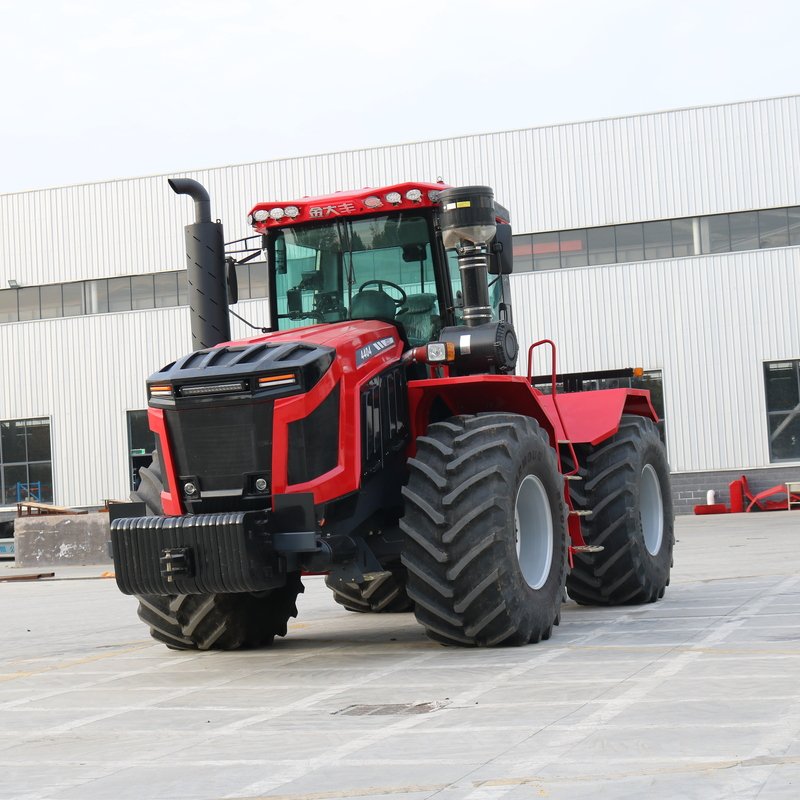
The King-Gold Dafeng 440HP tractor is positioned for large commercial farms that need substantial power for deep tillage, heavy soil preparation, wide implements, and high-output field operations.
However, the decision should still begin with the implement and workload. A farm should not choose 440HP simply because the acreage is large. It should choose this power level when the planned operations can make productive use of the additional capacity.
Final Thoughts
The best tractor for a large farm is the machine that completes the required work within the available time, matches the farm’s implements, maintains reliable traction, and delivers a reasonable operating cost per hectare.
For general transport and support work, a 100HP to 160HP tractor may be sufficient. For heavy tillage and wider implements, a 180HP to 240HP model may offer a better balance. When the farm operates on a very large scale, works difficult soil, or needs to pull wide equipment during short seasonal windows, a 440HP tractor can provide the power reserve and field capacity required for commercial agriculture.
Instead of asking only, “What is the most powerful tractor available?” buyers should ask a more useful question: “Which tractor can operate my implements efficiently, finish the work on time, and remain reliable over many seasons?”