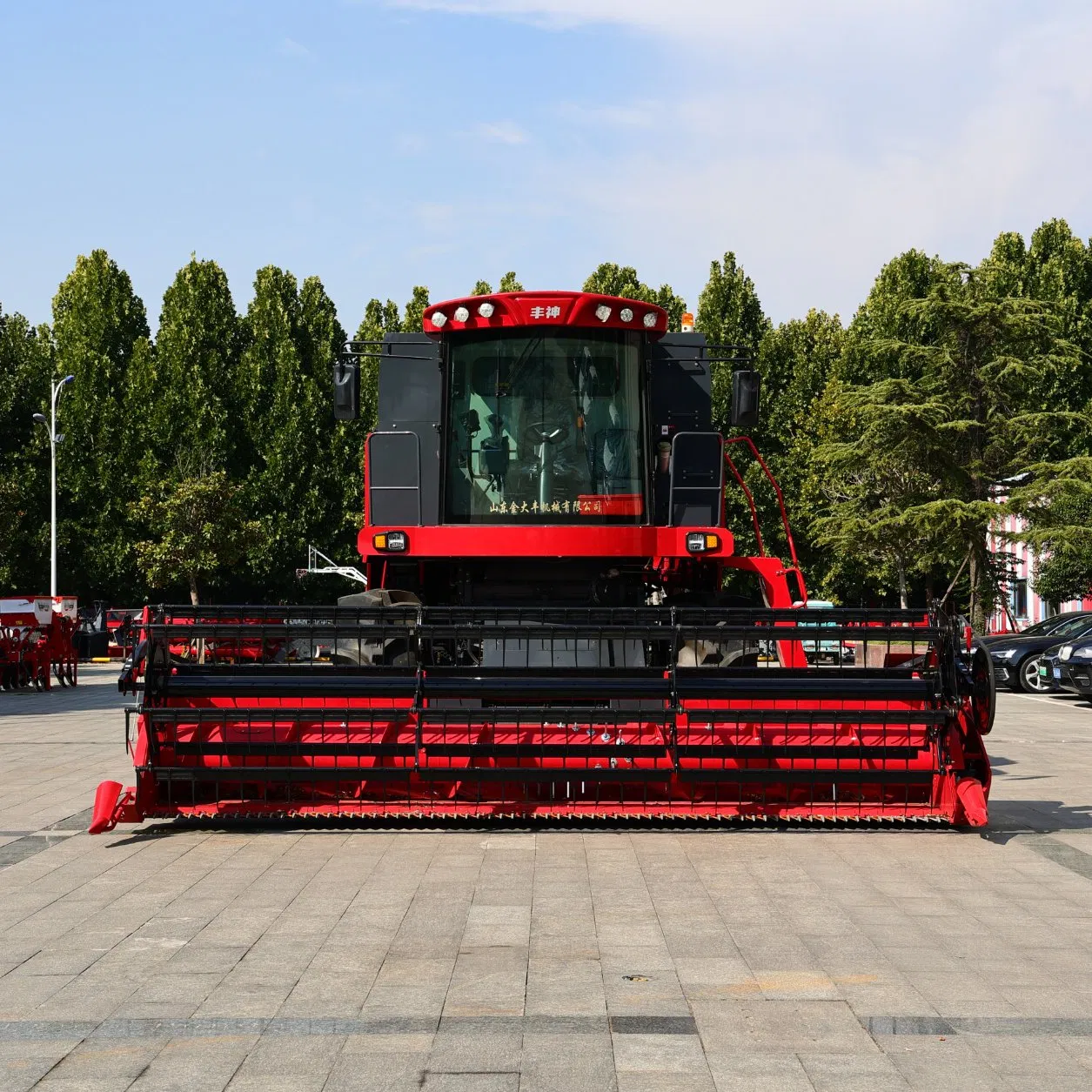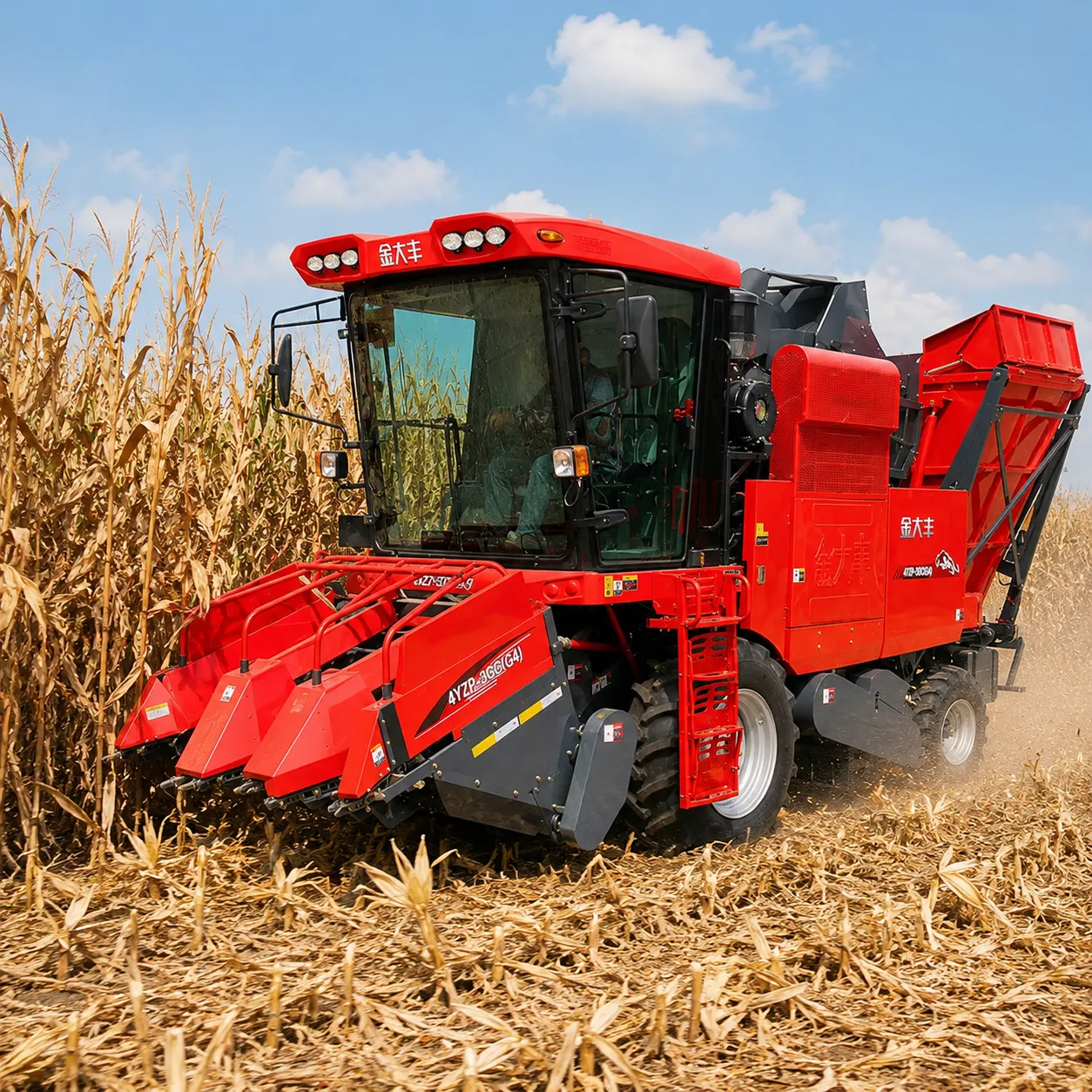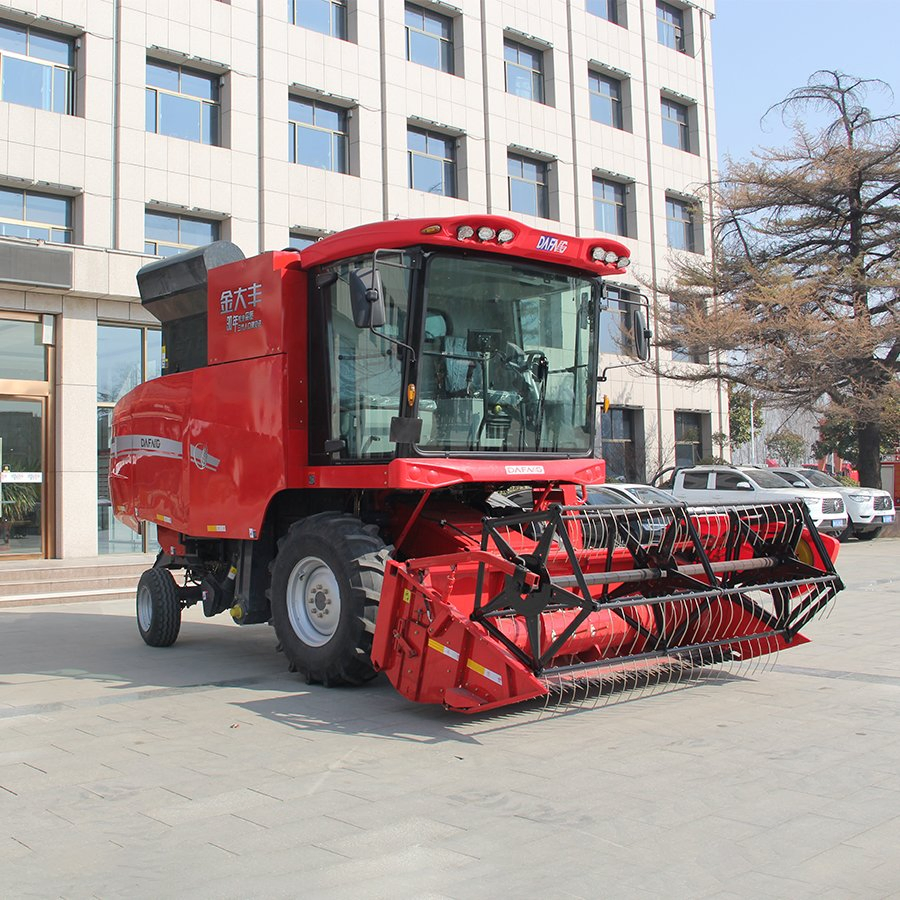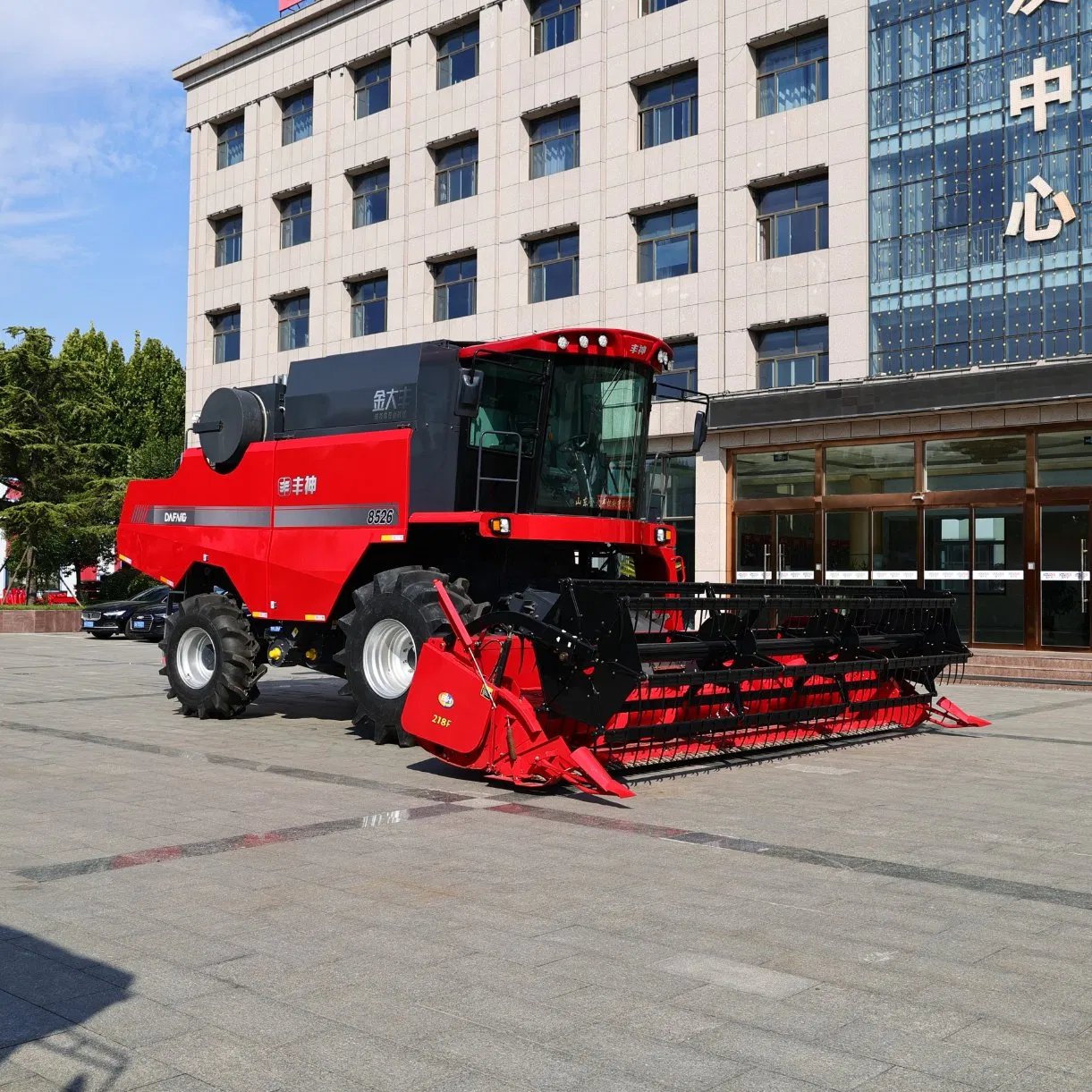
Choosing the right farm tractor is one of the most important decisions for farmers, contractors, and agricultural machinery buyers. A tractor influences daily productivity, operating cost, fuel use, implement compatibility, and long-term farming efficiency. However, the best tractor for one farm may not suit another. Farm size, soil condition, crop type, workload, and available implements all affect the final choice.
Some buyers focus mainly on horsepower, while others pay attention to price or appearance. In practice, the right decision comes from balancing power, configuration, durability, and actual field requirements. A tractor should not only look strong on paper; it should work efficiently in real farming conditions.
This guide explains how to choose the right farm tractor for different agricultural needs. It covers horsepower selection, drive type, PTO, hydraulic systems, tire configuration, operator comfort, and supplier support. For global buyers who want reliable solutions, manufacturers such as King-Gold Dafeng tractor suppliers can also provide practical options across different power ranges and farming applications.
Start with Your Main Farming Tasks
Before comparing tractors, buyers should first clarify what the machine will actually do. A tractor used mainly for orchard transport does not need the same configuration as a tractor used for deep tillage or wide seeders. The more clearly you understand your daily work, the easier it becomes to choose the right model.
Light-Duty Farm Work
Small farms, orchards, greenhouses, and livestock operations often need tractors for transport, spraying, mowing, and simple field maintenance. In these cases, compact or utility tractors with moderate power can offer better maneuverability and lower fuel consumption.
Mixed Farming Operations
Many farms need one machine to handle plowing, tillage, seeding support, hauling, and PTO-driven implements. For these buyers, a medium-power tractor with balanced performance usually provides stronger value than choosing either the smallest or the largest option.
Heavy Field Work
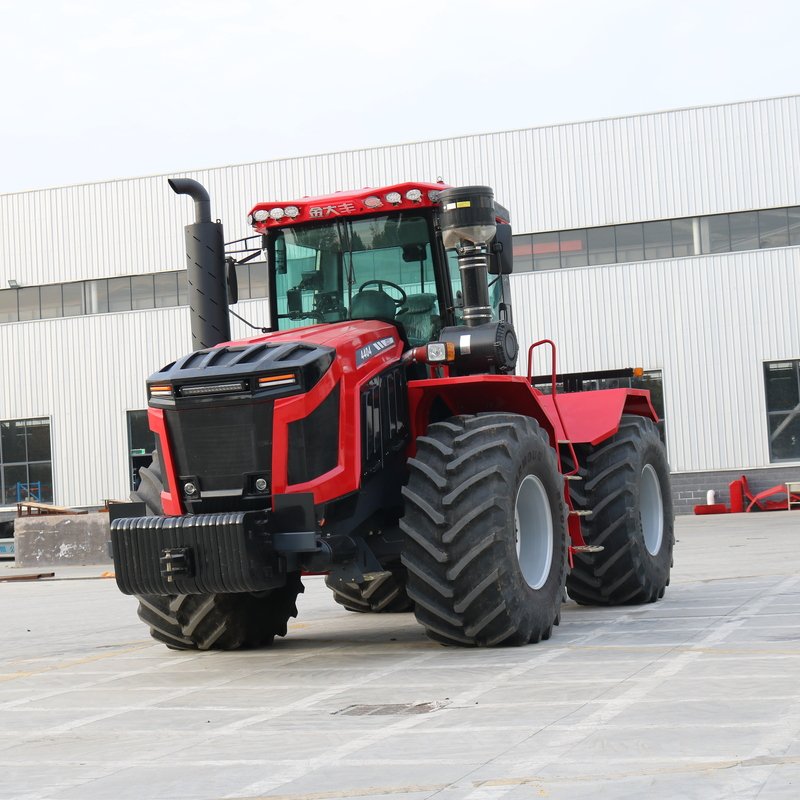
Large farms, contractors, and commercial agricultural projects often require tractors for deep tillage, heavy soil work, wide implements, and long working hours. These applications demand stronger engines, 4WD traction, higher hydraulic capacity, and more robust driveline systems.
Choose the Right Horsepower Range
Horsepower remains one of the first things buyers compare, and for good reason. It affects pulling force, implement compatibility, productivity, and overall field capability. However, horsepower should match the work instead of simply being as high as possible.
| Horsepower Range | Best For | Typical Applications |
|---|---|---|
| 50HP–80HP | Small farms and orchards | Spraying, transport, light tillage, mowing |
| 90HP–120HP | Mixed farming operations | Plowing, seeding support, PTO work, hauling |
| 150HP–240HP | Large farms and heavier field work | Deep tillage, larger implements, land preparation |
| 300HP–440HP | Commercial-scale agriculture | Heavy soil, wide implements, high-output farming |
A 70HP tractor may work very well for small-scale farming and utility work, while a 120HP model often suits buyers who want more versatility. When fields become larger and soil becomes tougher, 200HP or 240HP tractors may deliver stronger efficiency. For very large agricultural operations, a 440HP tractor can support wide implements and demanding field conditions.
Understand the Difference Between 2WD and 4WD
Drive type directly affects field performance. A 2WD tractor can work well in dry, flat fields and for lighter transport tasks. It usually costs less and remains simple to operate. However, when the tractor must work in soft soil, wet land, slopes, or heavy tillage conditions, 4WD becomes much more valuable.
A 4WD farm tractor improves traction because power reaches both the front and rear wheels. This reduces wheel slip and helps the tractor use engine power more effectively. For buyers who work with plows, seeders, heavy cultivators, or large trailers, 4WD often provides better long-term performance.
For tractors above medium horsepower, 4WD becomes even more important. A powerful engine cannot deliver its full potential if the tires cannot maintain grip on the field.
Match the Tractor with Your Implements
A tractor should be selected together with the implements it needs to operate. Buyers sometimes choose a tractor first and only later think about plows, seeders, rotary tillers, sprayers, or trailers. This approach can create compatibility issues.
Before ordering, confirm the following:
- Required pulling capacity
- PTO speed compatibility
- Hydraulic lifting needs
- Rear linkage type
- Implement width and working depth
If the tractor cannot properly support the implement, it may struggle in operation or fail to deliver expected productivity. A well-matched tractor and implement system works more efficiently and usually lasts longer.
Pay Attention to PTO and Hydraulic Performance
The PTO and hydraulic system are critical for many agricultural tasks. A tractor with strong engine power but weak hydraulic performance may still feel limited in real use.
PTO System
The PTO powers equipment such as rotary tillers, balers, seeders, sprayers, and other driven implements. Buyers should check whether the available PTO speeds match local equipment. Common PTO options may include 540 rpm, 720 rpm, 760 rpm, or 850 rpm depending on the machine and application.
Hydraulic System
A strong hydraulic lifting system helps control mounted equipment smoothly and improves working accuracy. Buyers should compare lifting capacity, number of hydraulic outputs, and implement control functions. This is especially important for tractors used in tillage, seeding, and large-scale farm operations.
Consider Soil Type and Field Conditions
Soil conditions influence tractor selection more than many buyers expect. Light sandy soil and heavy clay soil require very different machine behavior. Wet fields, uneven terrain, and compacted ground also place different demands on traction and weight distribution.
For heavy soil, buyers should prioritize stronger torque, 4WD capability, proper tire size, and sufficient machine weight. For softer fields, wider tires or suitable tread patterns may improve flotation and reduce sinking. For long-distance farm transport, road handling and comfort may matter more.
The best farm tractor is always the one that matches local field conditions rather than the one with the most attractive brochure specifications.
Do Not Ignore Tire Selection
Tires influence traction, stability, soil compaction, and fuel efficiency. A tractor with an excellent engine can still perform poorly if the tire configuration does not match the field.
Buyers should ask about:
- Standard agricultural tires
- Wider tires for better traction
- Radial tires for improved field performance
- Dual tires for large tractors and high traction needs
- Special options for wet or soft ground
For export buyers, tire choice can also affect how well the machine fits local farming habits and terrain.
Evaluate Comfort and Operator Efficiency
Operator comfort affects productivity, especially during long working hours. A tractor used daily for tillage, transport, or seasonal field work should provide clear visibility, a comfortable seat, practical controls, and a safe working environment.
Depending on the target market, buyers may choose:
- Open station tractors
- ROPS protection
- Enclosed cabins
- Air-conditioned cabs
Comfort features may increase the purchase price, but they can also improve work quality and reduce fatigue. For professional contractors and larger farms, this becomes a real operational advantage.
Think About Maintenance and Spare Parts
A tractor is a long-term working asset. Even the best machine needs filters, belts, seals, clutch parts, hydraulic components, and wear parts over time. Buyers should therefore consider service support before placing an order.
Before selecting a supplier, ask:
- Are spare parts available long term?
- Are operation manuals provided?
- Is technical support available?
- Can the supplier offer recommended parts packages?
For dealers and importers, spare parts support is especially important because it directly affects customer satisfaction and repeat business.
Use a Practical Tractor Selection Checklist
| Question | Why It Matters |
|---|---|
| What is the main farm task? | Defines power and configuration needs |
| How large are the fields? | Determines productivity requirement |
| What soil conditions are common? | Influences traction, tires, and drive type |
| Which implements will be used? | Controls PTO and hydraulic requirements |
| Do operators need a cabin? | Affects comfort, safety, and market fit |
| Is spare parts support reliable? | Protects long-term ownership value |
Why Supplier Capability Matters
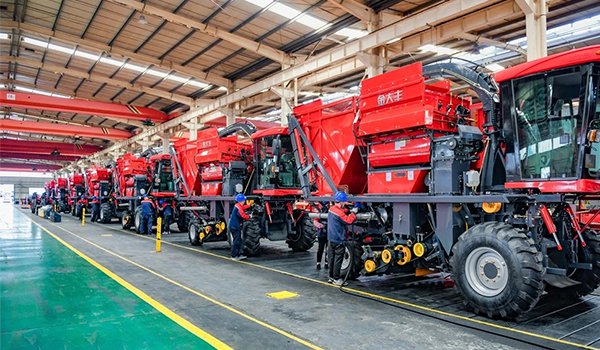
Choosing the right tractor also means choosing the right supplier. Buyers should look beyond one quotation and evaluate manufacturing experience, product range, customization options, and export support. A supplier with a broad tractor lineup can recommend more suitable models for different farm sizes instead of pushing one fixed product.
King-Gold Dafeng agricultural machinery covers tractors across multiple horsepower levels, from utility models for daily farm work to high-power machines for large-scale agriculture. This makes it easier for buyers to match tractor solutions with real farming needs.
Final Thoughts
Choosing the right farm tractor requires a practical understanding of farming tasks, horsepower, field conditions, drive type, implements, hydraulics, tires, operator comfort, and after-sales support. A tractor should not only fit the work on paper; it should perform reliably in real agricultural conditions.
Small farms may benefit from compact tractors with lower operating cost. Mixed farming operations often need medium-power machines with flexible PTO and hydraulic support. Large farms and contractors may require heavy-duty tractors with stronger traction and higher pulling power.
The right choice improves productivity, lowers long-term cost, and supports more stable farming operations. For buyers who want dependable agricultural machinery, a careful selection process remains the best path to better results.