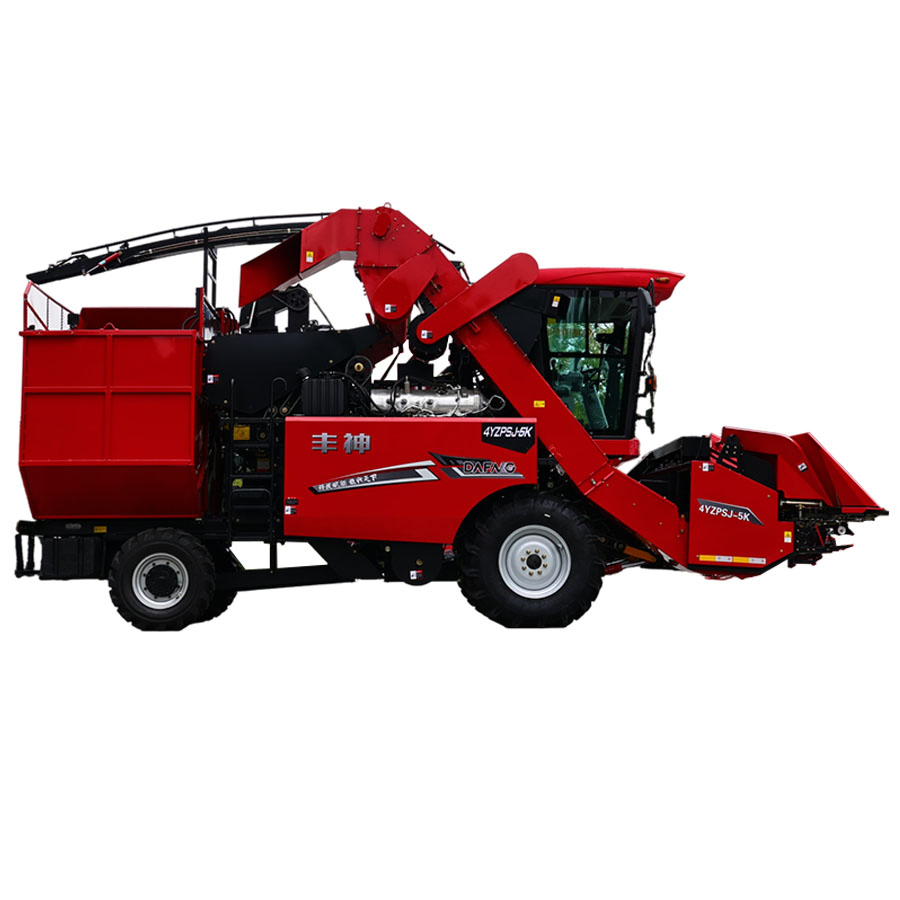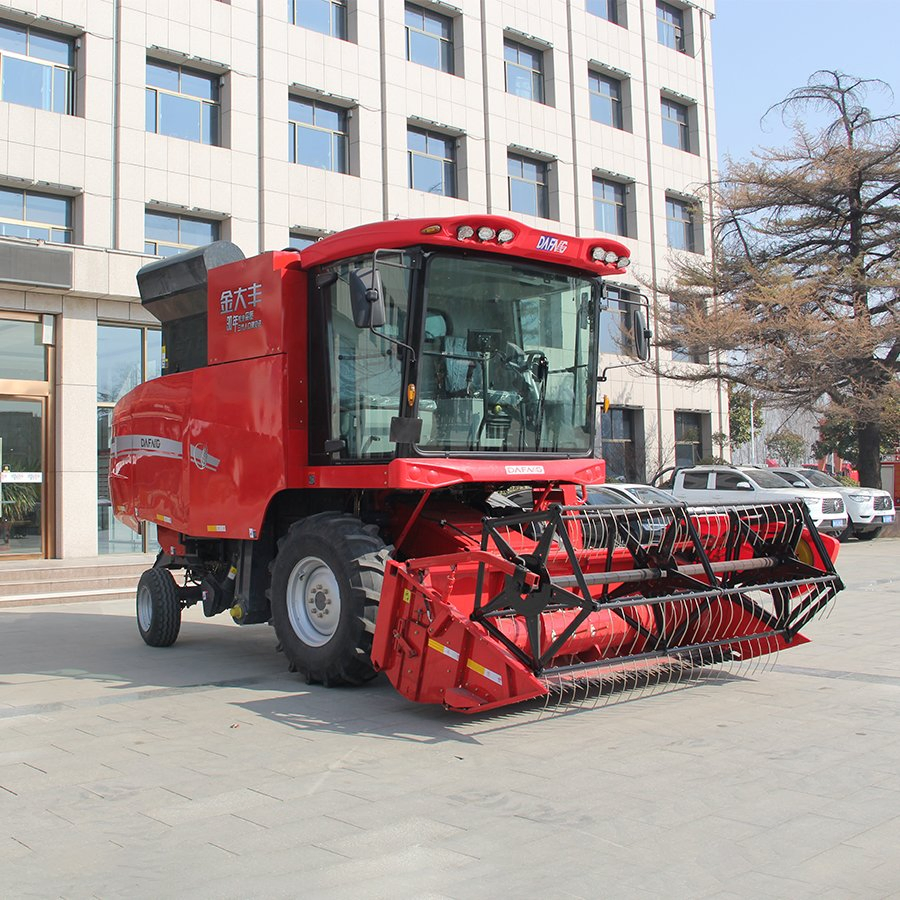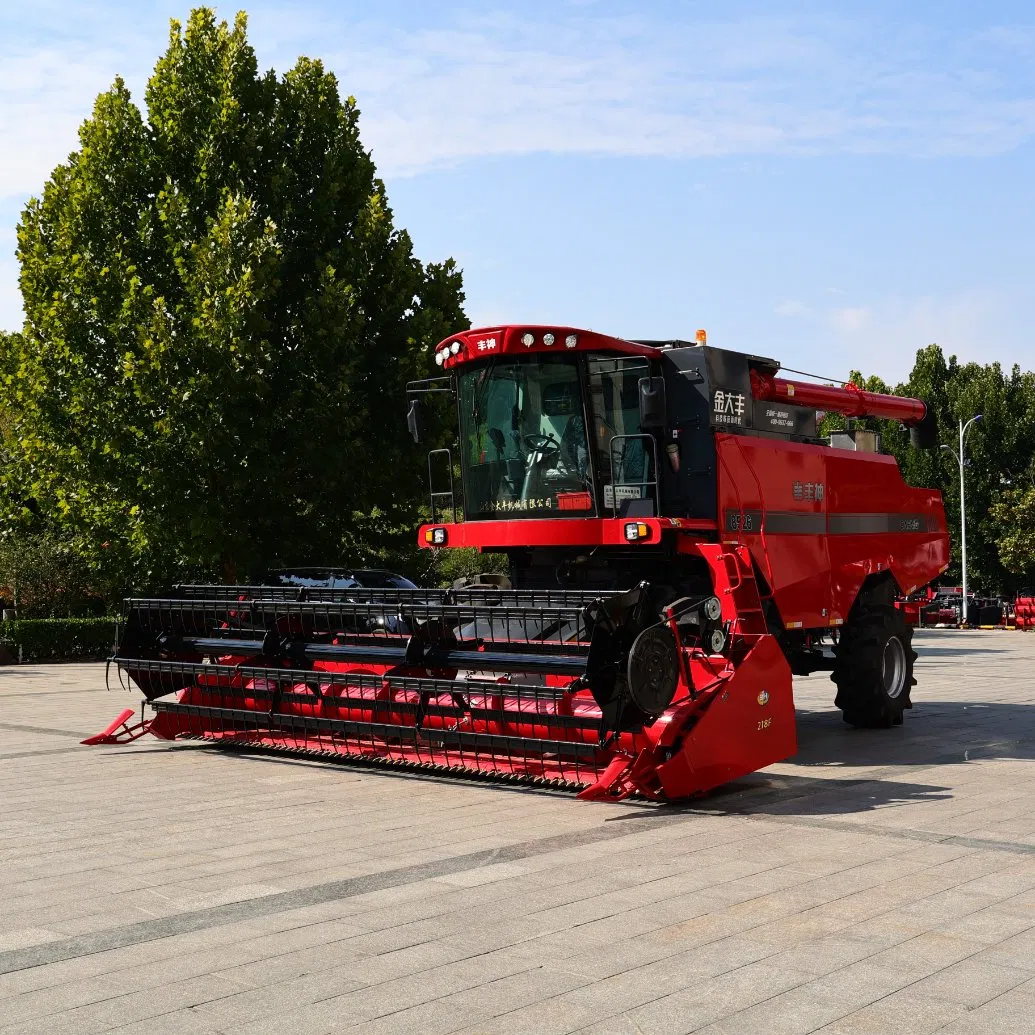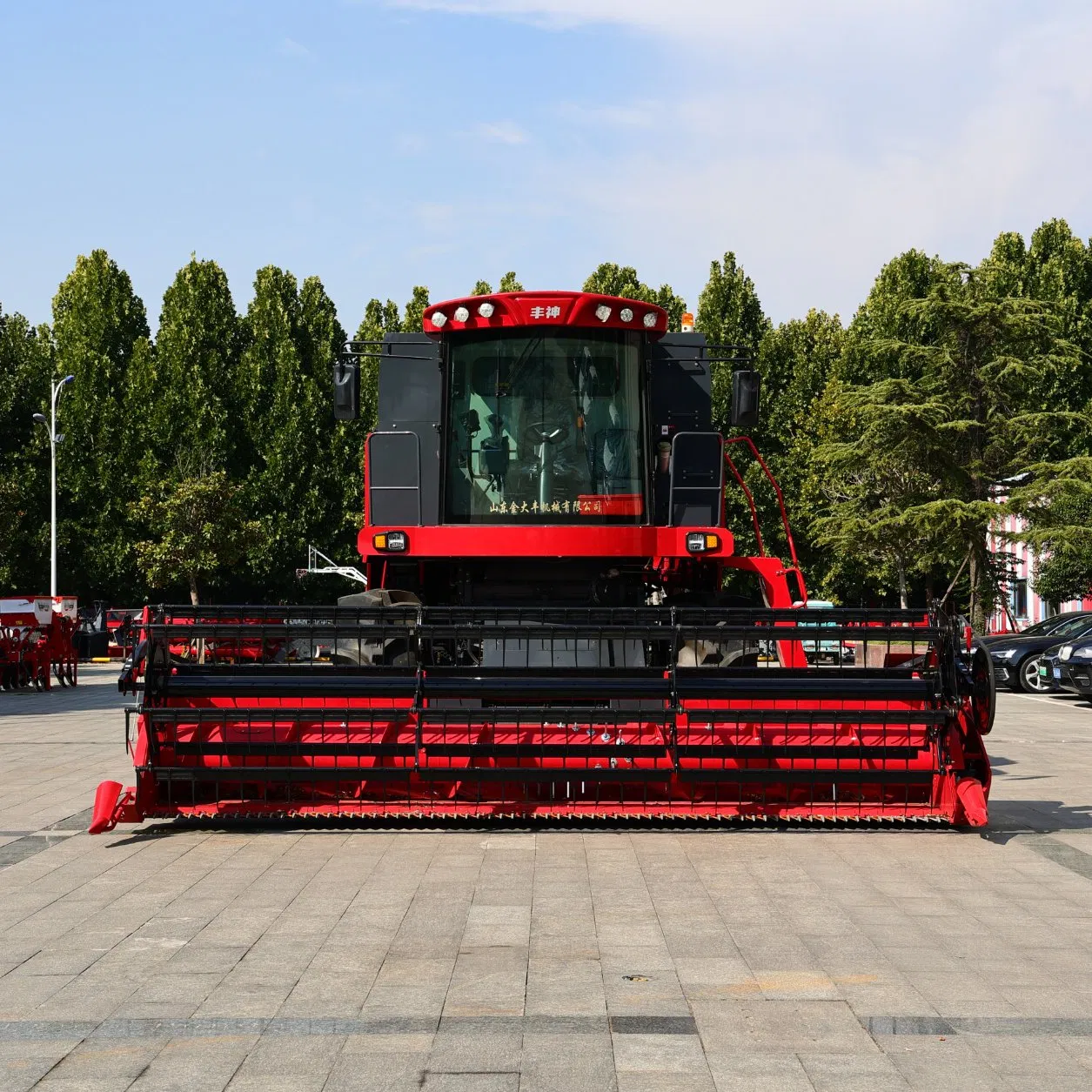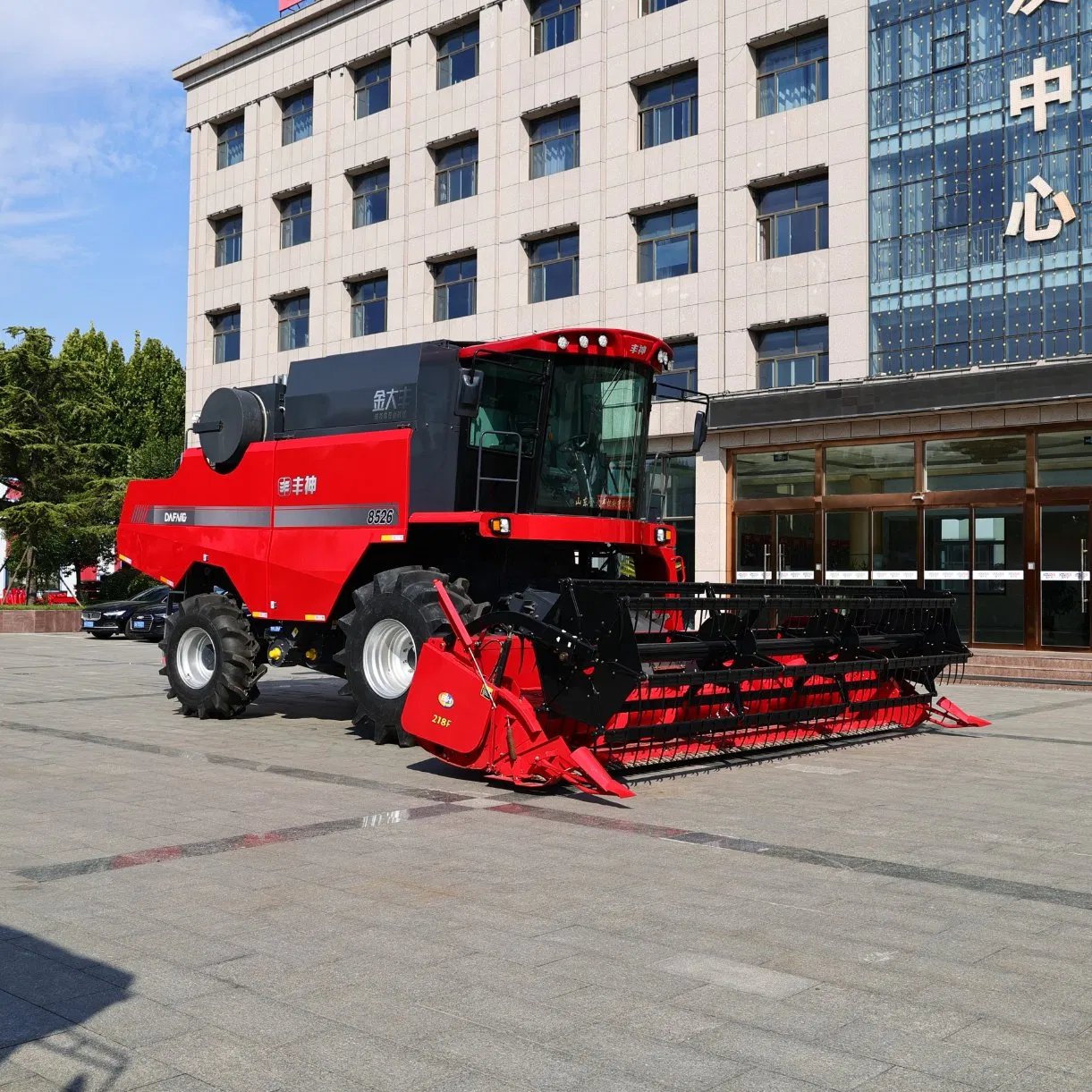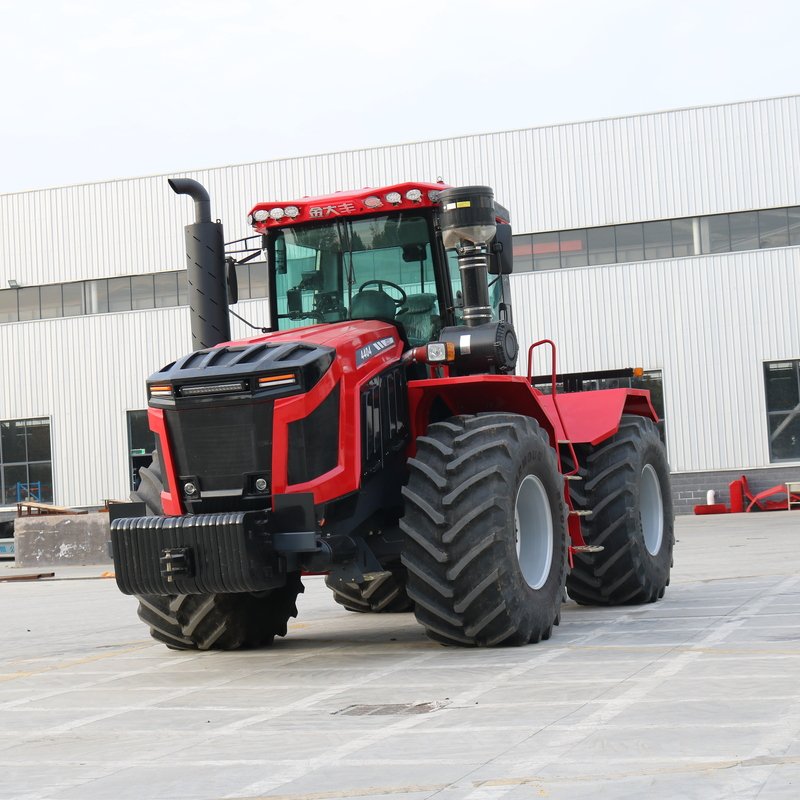
When choosing a farm tractor, one of the most important decisions is whether to buy a 4WD model or a 2WD model. At first glance, the difference may seem simple: one drives all four wheels, while the other mainly powers the rear wheels. In real farming conditions, however, this choice affects traction, fuel use, field efficiency, implement compatibility, maintenance cost, and long-term value.
Many buyers ask: 4WD vs 2WD farm tractor, which one fits my work better? The right answer depends on your farm size, soil condition, terrain, workload, and the implements you plan to use. A 2WD tractor may perform well for light transport and simple field work, while a 4WD tractor usually delivers stronger performance in heavy soil, wet fields, deep tillage, and larger farming operations.
This guide compares both tractor types in a practical way, helping farmers, dealers, and importers choose the configuration that better matches real agricultural work.
What Is a 2WD Farm Tractor?
A 2WD farm tractor sends most of its driving power to the rear wheels. This structure is simpler, lighter, and usually more affordable than a 4WD tractor. Because of that, 2WD tractors remain popular in many markets, especially for buyers who mainly need a machine for lighter tasks.
Typical 2WD tractor applications include:
- Trailer transport on dry roads
- Light tillage and basic field preparation
- Spraying and fertilizing
- Mowing and utility tasks
- Small farm daily operations
For flat and dry land, a well-matched 2WD tractor can work efficiently and cost less to purchase. It may also require slightly less maintenance because the front axle system is simpler.
What Is a 4WD Farm Tractor?
A 4WD tractor sends power to both the front and rear wheels. This improves traction, pulling ability, and stability in challenging working conditions. Instead of relying mainly on the rear axle, a 4WD tractor spreads power across the entire machine and keeps better grip on the ground.
This makes 4WD tractors especially useful for:
- Heavy soil plowing
- Deep tillage work
- Wet or muddy fields
- Sloped or uneven land
- Operating larger implements
- High-horsepower agricultural work
Buyers looking for a best 4WD tractor for heavy soil usually care about traction, torque transfer, and reduced wheel slip. These are areas where 4WD tractors clearly outperform most 2WD options.
Key Differences Between 4WD and 2WD Tractors
| Comparison Item | 2WD Tractor | 4WD Tractor |
|---|---|---|
| Traction | Moderate traction on dry, level fields | Stronger traction in soft, wet, and uneven conditions |
| Purchase Cost | Usually lower | Usually higher |
| Best Work Type | Transport, utility work, light tillage | Plowing, deep tillage, heavy implements |
| Fuel Efficiency | Efficient in light-duty applications | More efficient under heavy load due to less slip |
| Field Adaptability | Best for simple and dry conditions | Better for variable and demanding field conditions |
| Resale Appeal | Good in budget-focused markets | Often stronger in performance-driven markets |
Traction: The Biggest Practical Difference
Traction is the clearest advantage of 4WD. When a tractor pulls a plow, cultivator, or heavy trailer, it needs strong grip to move forward efficiently. If the wheels slip too much, the machine wastes fuel and takes longer to complete the job.
A 2WD tractor may perform well on dry and flat land, but once the field becomes wet, uneven, or resistant, its pulling performance can drop quickly. A 4WD tractor handles these conditions better because all wheels help transfer engine power to the ground.
This is why farmers who need a 4WD tractor for plowing and tillage often achieve more stable field results than those relying on a 2WD model under the same workload.
Which Tractor Works Better in Heavy Soil?
Heavy soil increases resistance during tillage. Clay soil, black soil, and compacted ground make plowing harder because the implement must cut deeper and pull more material. In these conditions, the tractor needs both enough horsepower and enough traction.
For this type of work, 4WD is usually the more practical choice. It keeps the tractor more stable, reduces loss of grip, and helps maintain a more consistent working depth. This matters when farmers need efficiency and uniform soil preparation across a larger field.
If your main work involves farm tractor for heavy soil and deep tillage, 4WD will usually deliver stronger long-term value.
Fuel Use: Which One Is More Efficient?
Fuel efficiency depends on the job. A 2WD tractor may consume less fuel during simple transport, mowing, or very light farm work. Its drivetrain is simpler, and the machine may be lighter.
However, in demanding field operations, a 4WD tractor can become more efficient because it reduces wheel slip and completes work faster. A 2WD tractor that spins frequently in heavy soil may actually burn more fuel per hectare because it spends longer struggling with the task.
The key is to compare fuel use based on completed work, not just hourly consumption. Buyers should ask: how much land can this tractor finish efficiently in one day?
Which One Fits Small Farms Better?
For small farms with limited field resistance, a 2WD tractor may be enough. If the main jobs are transport, light tillage, spraying, and simple crop care, the lower purchase price can be attractive. In many regions, these tractors continue to offer good value.
Still, if the farm includes wet land, mixed terrain, or heavier implements, a compact 4WD model may deliver better all-around performance. Some buyers prefer paying more upfront for improved stability and future flexibility.
When evaluating a 2WD or 4WD tractor for small farms, the answer depends less on acreage alone and more on the actual field conditions and daily work requirements.
Which One Fits Medium and Large Farms Better?
Medium and large farms usually need greater versatility. Operators may use tractors for plowing, seeding, hauling, and PTO-driven equipment across different parts of the farming season. Under these conditions, 4WD becomes more attractive because it handles changing workloads more confidently.
For tractors in the 90HP to 120HP range, 4WD often gives stronger productivity for buyers who need one machine to serve multiple tasks. In larger horsepower classes, such as 150HP, 200HP, and beyond, 4WD is usually the preferred or even necessary option.
This is especially true for larger farms using high-capacity implements or working in soils that require stronger pulling power.
How Implement Size Affects the Decision
The implements you use should influence whether you choose 2WD or 4WD. A tractor connected to small, light attachments may not need four-wheel traction. But when it pulls wider or heavier equipment, the benefits of 4WD become more obvious.
Applications where 4WD usually performs better include:
- Multi-furrow plowing
- Subsoiling
- Deep cultivation
- Large seeders
- Heavy trailers
If your operation requires a tractor for large implements and heavy field work, 4WD should be strongly considered.
Maintenance and Long-Term Ownership
2WD tractors are mechanically simpler. They may cost less to maintain in markets where the work is light and buyers prioritize simple service. However, simplicity should not be mistaken for better suitability in all conditions.
4WD tractors have more components in the drivetrain, yet they also reduce operating stress in demanding work by improving traction. In heavy field use, that can help the machine work more smoothly and reduce unnecessary strain caused by slipping or overloading.
For buyers focused on long-term ownership, the real question is not only “Which tractor is cheaper to maintain?” but “Which tractor matches my workload more accurately?”
Recommended Choice by Working Scenario
| Working Scenario | Recommended Option | Reason |
|---|---|---|
| Light-duty work on dry flat land | 2WD tractor | Lower cost and sufficient performance |
| Mixed farming with varied tasks | 4WD tractor | Better versatility and traction |
| Heavy soil and deep plowing | 4WD tractor | Stronger grip and more stable pulling |
| Large implements and high horsepower | 4WD tractor | Better power transfer and field productivity |
| Budget-focused utility use | 2WD tractor | Lower purchase cost |
How Buyers Should Make the Final Choice
Before deciding, buyers should review a few key questions:
- Do I work in heavy or wet soil?
- Will I use the tractor for deep tillage or heavy implements?
- Do I need one tractor for many different tasks?
- Is low purchase price more important than maximum field flexibility?
- Will I operate on slopes or uneven terrain?
If most answers point toward demanding field work, 4WD is probably the better choice. If the tractor mainly handles simple tasks in easy conditions, 2WD may still provide strong value.
Supplier Support Also Matters
Drive type is important, but buyers should also evaluate the supplier’s product range, configuration options, and after-sales support. A good supplier helps match the tractor with local farming conditions rather than pushing a one-size-fits-all machine.
King-Gold Dafeng agricultural machinery offers different tractor configurations for varied farming needs, including medium-power and high-horsepower options designed for traction-demanding applications.
Final Thoughts
So, 4WD vs 2WD farm tractor: which one fits your work better? A 2WD tractor remains a smart choice for basic transport, light field work, and budget-sensitive buyers operating in simpler conditions. A 4WD tractor is usually better for heavier soil, deep tillage, wet fields, large implements, and more demanding agricultural operations.
The right tractor should match your real work instead of only your initial budget. When buyers compare traction, horsepower, soil conditions, implement size, and long-term productivity together, they make a more reliable purchasing decision.