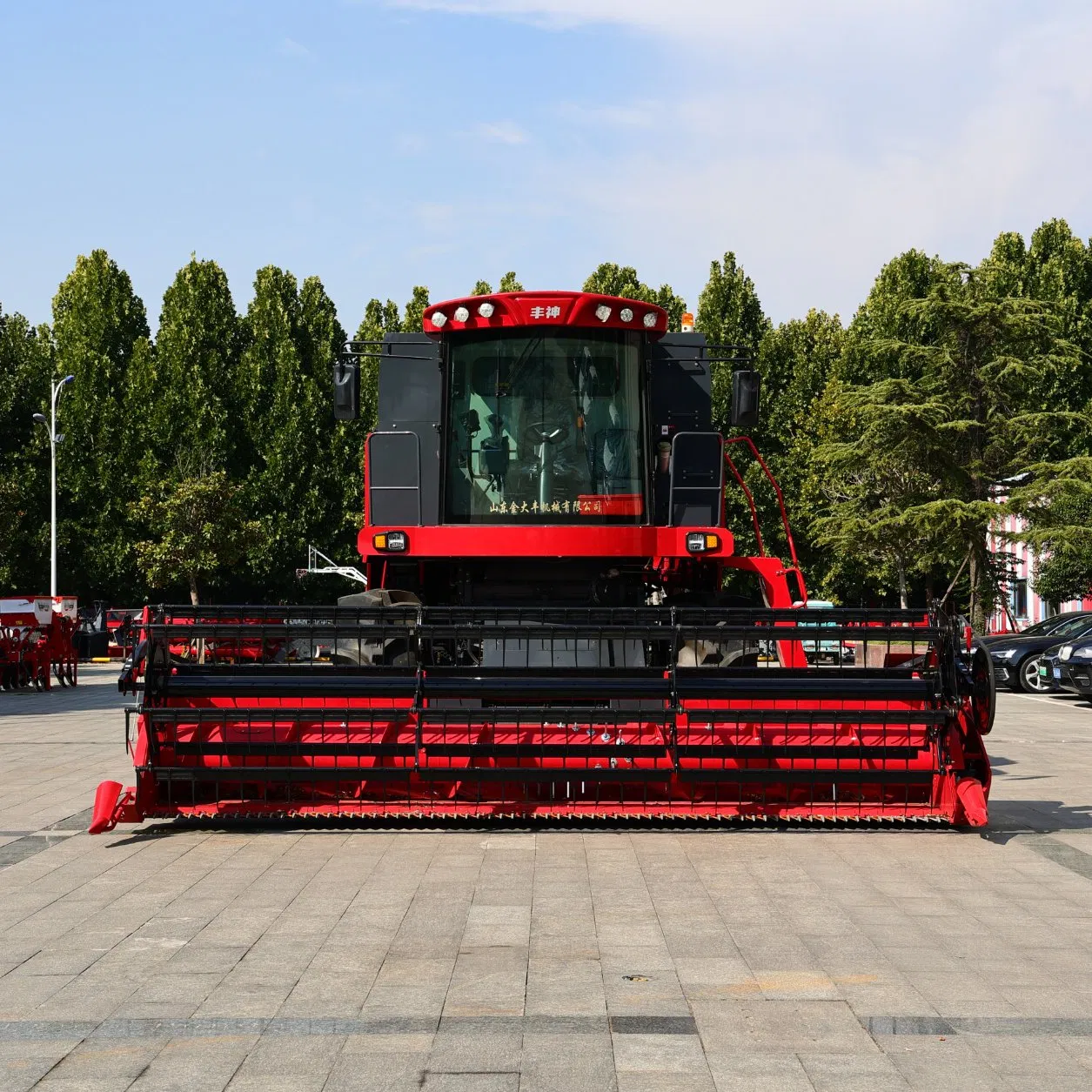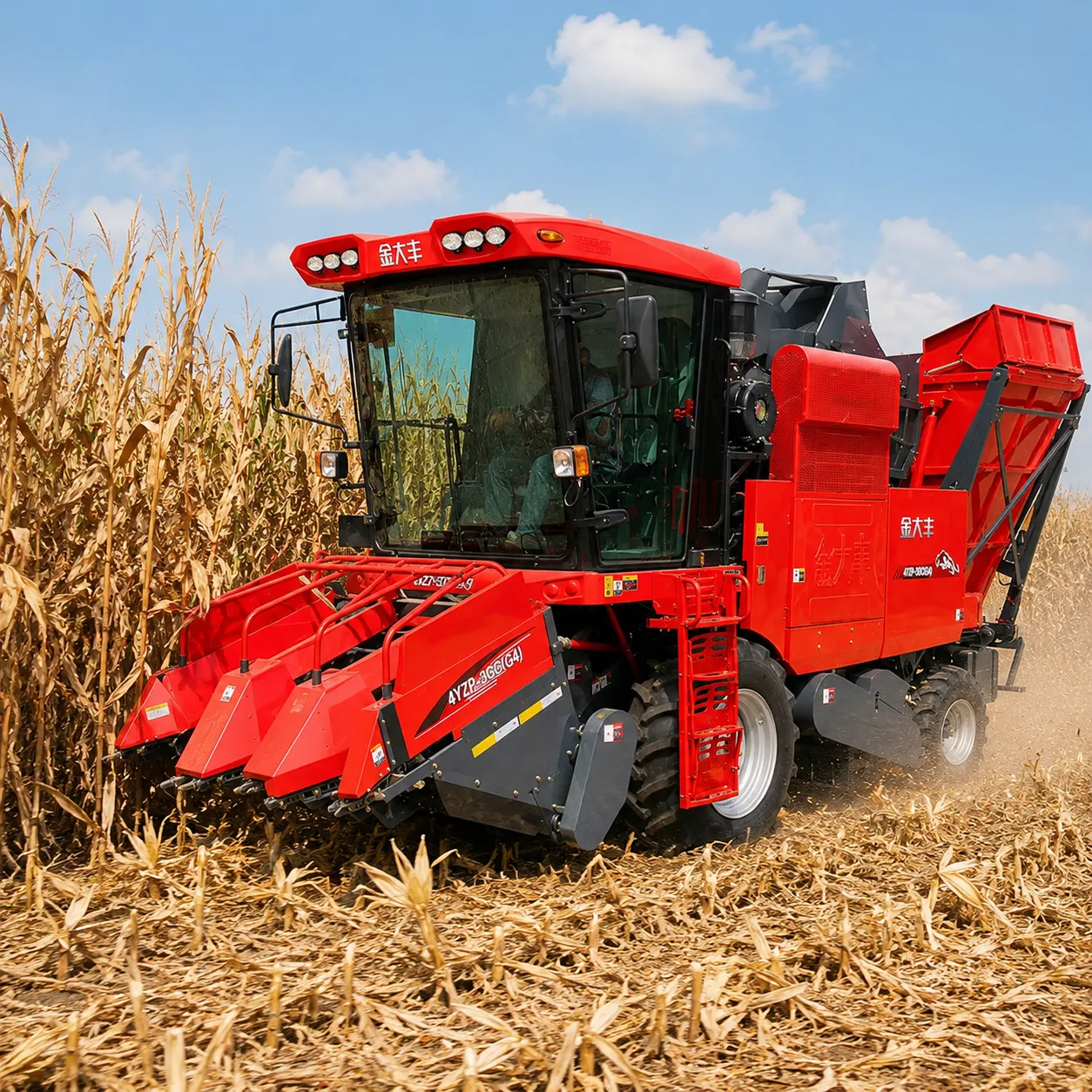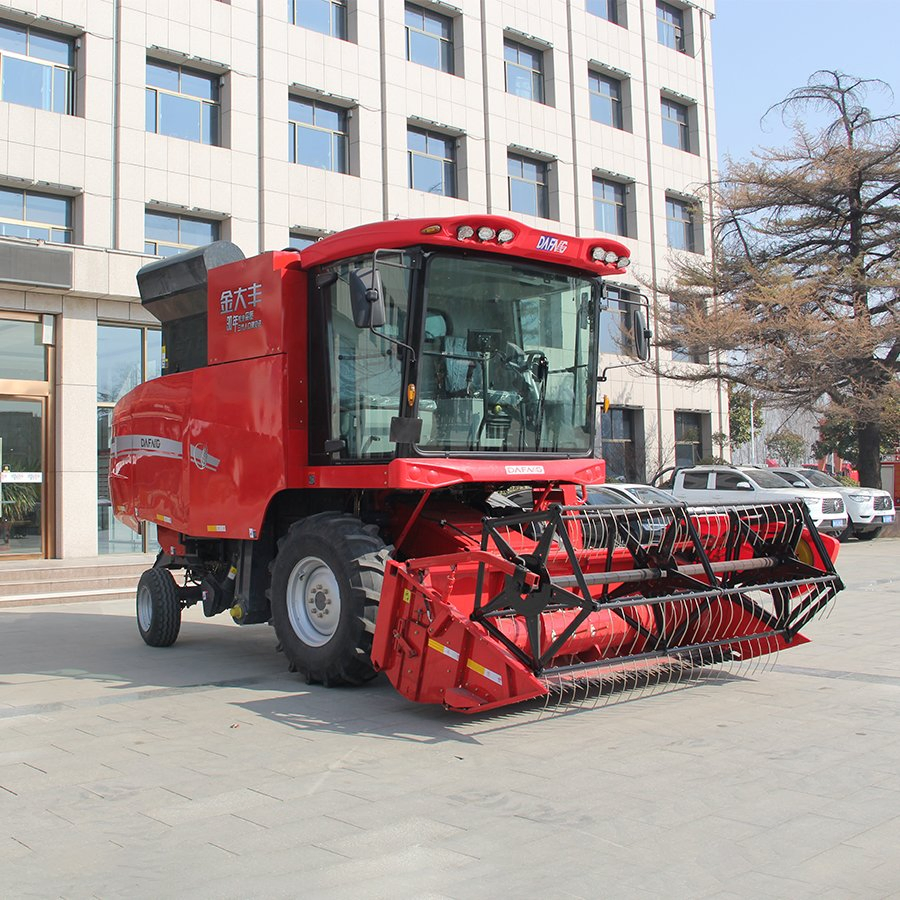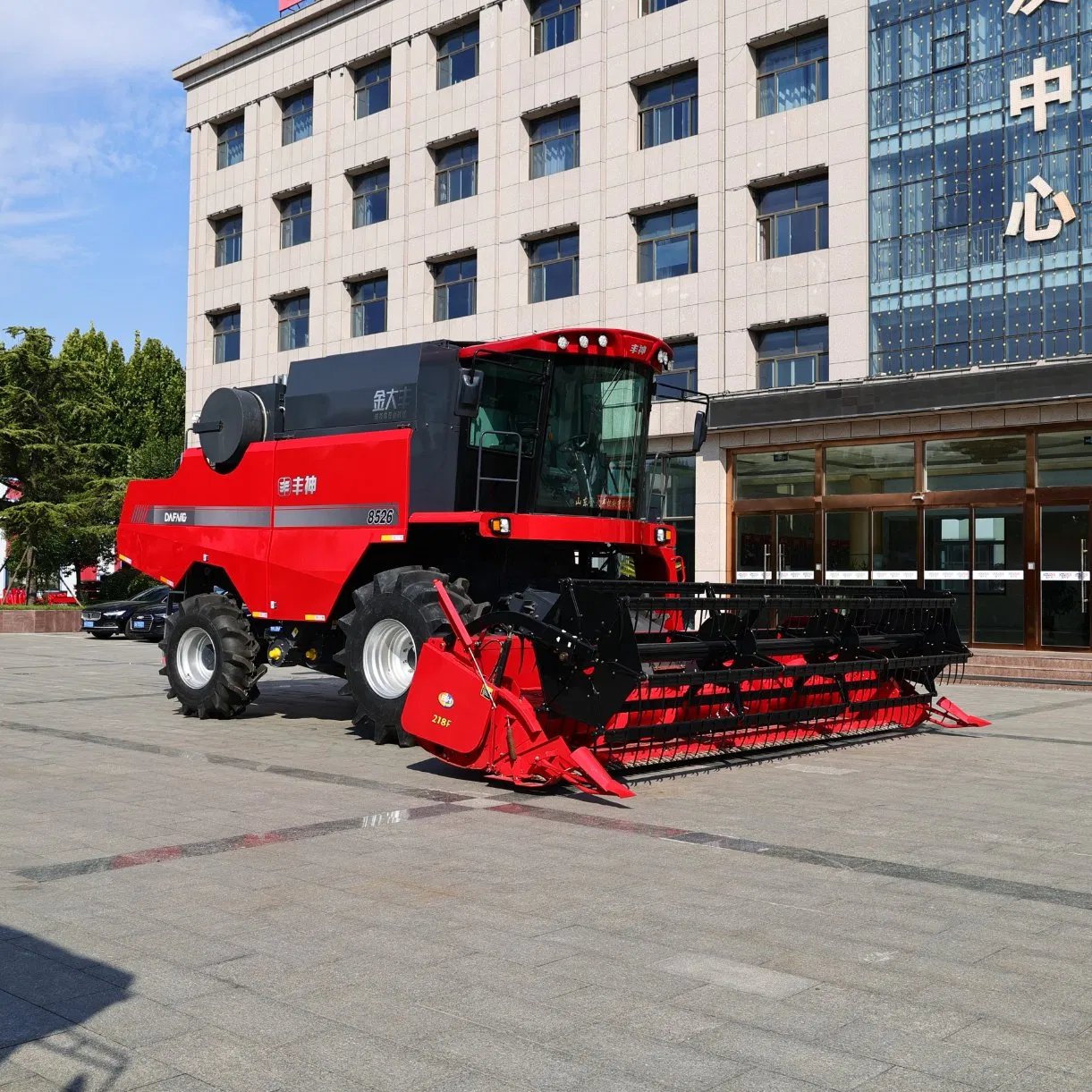
Importing agricultural tractors from China has become a practical choice for many farmers, dealers, contractors, and agricultural machinery distributors. China offers a wide range of tractor models, from compact farm tractors for small fields to high-horsepower machines for large-scale farming and heavy-duty field operations.
However, importing a tractor is not only about choosing a model and asking for a price. Buyers also need to understand supplier selection, tractor configuration, shipping methods, import documents, spare parts support, and after-sales service. A clear importing process can help reduce risks, avoid delays, and improve long-term business value.
This guide explains how to import agricultural tractors from China step by step. It is designed for overseas buyers who want a reliable sourcing process and better control over product quality, delivery, and total cost.
Why Buyers Import Agricultural Tractors from China
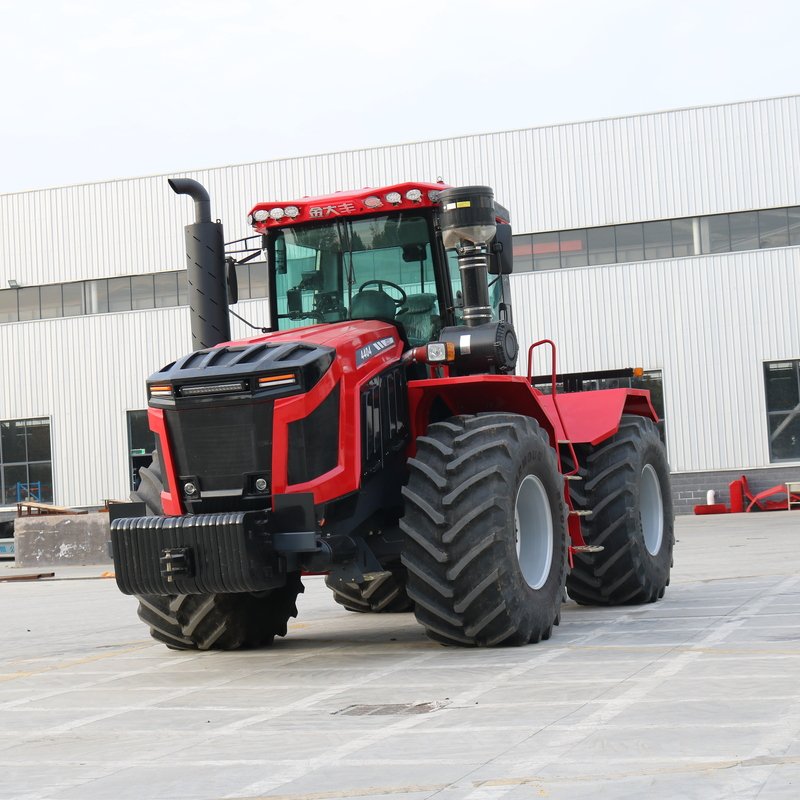
China has become one of the major manufacturing bases for agricultural machinery. Many Chinese factories provide tractors across different horsepower ranges, including 50HP, 70HP, 120HP, 200HP, 240HP, and 440HP models. This wide product coverage allows buyers to match tractors with different farm sizes and working conditions.
Another important reason is customization. Many overseas markets have different requirements for engines, tire sizes, cabins, colors, logos, and PTO configurations. Chinese manufacturers often provide more flexible OEM and ODM support compared with some traditional global brands.
For dealers and distributors, importing tractors from China can also improve cost control. Factory-direct supply may help reduce trading layers, especially when buyers work with manufacturers that have strong production capacity and export experience.
Understand Your Market Before Importing
Before contacting suppliers, buyers should first understand their own market demand. A tractor that sells well in one country may not fit another market. Soil type, farm size, crop type, climate, road conditions, and local maintenance ability all influence tractor selection.
For example, African buyers may value durability, simple maintenance, and strong traction. South American buyers may focus on power, field efficiency, and large implements. Southeast Asian buyers may prefer flexible tractors for rice fields, orchards, and mixed farming. European buyers may pay more attention to comfort, safety, and configuration details.
When buyers understand their local market clearly, they can communicate with suppliers more effectively and avoid ordering tractors that do not match customer needs.
Choose the Right Tractor Horsepower Range
Horsepower selection is one of the first decisions when importing tractors. The right horsepower depends on farm size, soil resistance, implements, and daily work requirements.
| Horsepower Range | Best For | Common Applications | Buyer Type |
|---|---|---|---|
| 50HP–80HP | Small farms and orchards | Spraying, transport, light tillage | Farm owners, small dealers |
| 90HP–120HP | Mixed farming | Plowing, seeding, PTO work, hauling | Medium farms, distributors |
| 150HP–240HP | Large farms and heavy field work | Deep tillage, wide implements, field preparation | Contractors, large farms |
| 300HP–440HP | Commercial-scale farming | Heavy soil, large implements, long working hours | Large projects, professional operators |
This table gives a general reference. Buyers should still confirm local working conditions before finalizing tractor models. Choosing a tractor that is too small may reduce efficiency, while choosing one that is too large may increase unnecessary cost.
Find a Reliable Tractor Manufacturer in China
Supplier selection determines whether the importing process goes smoothly. A reliable manufacturer should provide stable product quality, clear communication, accurate specifications, export documentation, and long-term spare parts support.
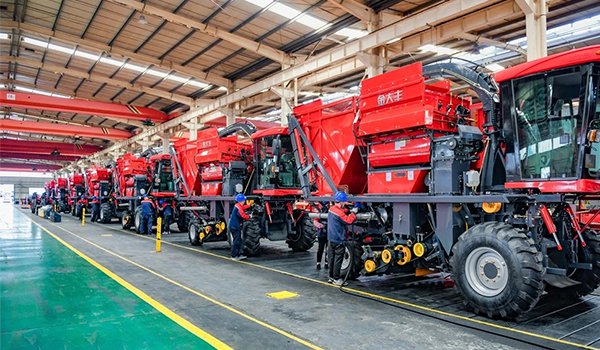
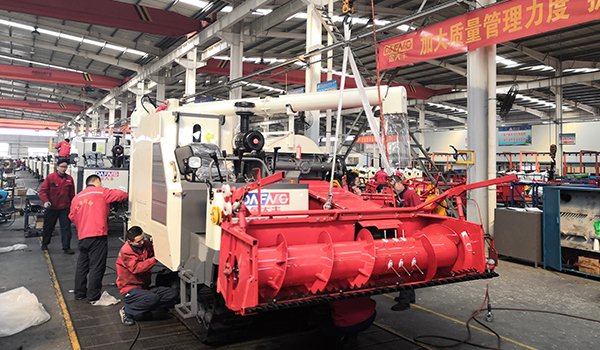
Buyers should check whether the supplier has real manufacturing facilities, production lines, testing processes, and engineering support. A factory with in-house production capacity usually controls quality better than a supplier that only assembles or trades products.
King-Gold Dafeng agricultural machinery supports global buyers with tractor products across different horsepower ranges, factory-direct supply, and customization options for overseas markets. This kind of manufacturing foundation helps buyers reduce sourcing uncertainty and build long-term cooperation.
Confirm Tractor Configuration Before Ordering
After choosing the horsepower range, buyers need to confirm the detailed configuration. This step is very important because many tractor models can be customized based on market needs.
Key configuration details include engine brand, drive type, transmission, PTO speed, hydraulic outputs, tire size, cabin or ROPS, color, logo, and optional accessories. These details affect performance, market acceptance, and after-sales maintenance.
| Configuration Item | What to Confirm | Why It Matters |
|---|---|---|
| Engine | Brand, horsepower, cylinder number, emissions requirement | Controls power, reliability, and local serviceability |
| Drive Type | 2WD, 4WD, 4×4, articulated | Affects traction and field adaptability |
| PTO | 540, 720, 760, or 850 rpm options | Determines implement compatibility |
| Hydraulic System | Lifting capacity and hydraulic outputs | Supports plows, seeders, trailers, and other implements |
| Tires | Size, pattern, radial option, dual tire option | Improves traction and reduces soil compaction |
| Cabin | ROPS, open cabin, enclosed cab, air conditioning | Improves safety and operator comfort |
Importers should confirm all configuration details in writing before production starts. This reduces misunderstanding and makes inspection easier before shipment.
Request a Clear Quotation
A professional quotation should include more than the tractor price. Buyers should ask suppliers to clearly list model, horsepower, configuration, quantity, payment terms, delivery time, packaging method, spare parts package, and shipping terms.
Common trade terms include FOB, CIF, and EXW. FOB means the supplier delivers the goods to the departure port. CIF means the supplier includes sea freight and insurance to the destination port. EXW means the buyer arranges most logistics from the factory.
For new importers, CIF may feel easier because it gives a clearer landed cost to the destination port. However, experienced importers may prefer FOB because they can control freight forwarders and shipping costs more directly.
Check Product Quality Before Shipment
Quality inspection is an important step before shipping tractors from China. Buyers should not wait until the tractors arrive at the destination to discover problems. Pre-shipment inspection helps confirm product condition, configuration, quantity, packaging, and documents.
Buyers can request photos, videos, test running records, loading pictures, and inspection reports. For larger orders, third-party inspection can also be useful.
Important inspection points include engine start-up, appearance, paint quality, tire condition, hydraulic lifting, PTO operation, dashboard function, oil leakage, and accessories. If tractors are partially disassembled for container loading, buyers should also confirm that all parts are properly packed and labeled.
Understand Shipping and Packaging Methods
Agricultural tractors are large machines, so shipping arrangements depend on model size and order quantity. Smaller tractors may fit into containers after partial disassembly. Larger high-horsepower tractors may require special loading methods or bulk shipping arrangements.
Buyers should confirm the packaging method before shipment. Common packaging options include nude packing, iron frame, wooden case for accessories, and container loading. Proper packaging helps reduce transportation damage and makes unloading easier at the destination.
Importers should also ask suppliers for packing lists, commercial invoices, bills of lading, certificates, and any documents required by local customs.
Prepare Import Documents and Customs Requirements
Each country has different import rules for agricultural machinery. Buyers should check local customs requirements before placing an order. Some markets may require certificates, inspection documents, emission information, or special compliance documents.
Common import documents may include commercial invoice, packing list, bill of lading, certificate of origin, product certificate, and insurance policy if applicable. Buyers should confirm these requirements with local customs agents or freight forwarders.
Clear documentation helps avoid customs delays, storage fees, and unexpected costs.
Plan Spare Parts and After-Sales Support
Spare parts planning is one of the most important steps when importing tractors. A tractor is not a one-time purchase. It needs filters, belts, seals, hydraulic parts, clutch parts, electrical parts, and other service items during long-term operation.
Dealers should order a basic spare parts package with the tractors. This helps support early customers and reduces downtime. Farm owners should also ask suppliers which parts wear most often and how to order replacements later.
A reliable supplier should provide operation manuals, parts catalogs, technical guidance, and remote support when needed. Without spare parts support, even a low-priced tractor can become expensive over time.
Consider OEM Branding for Dealer Markets
For dealers and distributors, importing tractors from China is not only about purchasing machines. It can also support brand building in the local market. Many suppliers support OEM branding, including logo placement, color customization, labels, and packaging.
OEM branding helps dealers create a more professional market image. It also makes repeat sales easier when customers recognize the local brand. However, buyers should confirm minimum order requirements, logo details, color standards, and production time before placing orders.
For export-focused cooperation, OEM flexibility can become a strong advantage.
Calculate the Total Landed Cost
Many buyers compare only the factory quotation, but the real cost includes more than the tractor price. Importers should calculate the total landed cost before making a decision.
Total cost may include tractor price, inland transport in China, export fees, sea freight, insurance, import duty, VAT or tax, customs clearance, port fees, local transport, assembly, inspection, and spare parts.
A slightly higher factory price may still provide better value if the machine has stronger quality, better parts support, and fewer maintenance problems. Buyers should compare total value, not only the lowest quotation.
Common Mistakes When Importing Tractors from China
One common mistake is choosing the cheapest supplier without checking factory capability. This can lead to unstable quality, poor communication, or weak after-sales support.
Another mistake is ignoring configuration details. Buyers may assume that two tractors with the same horsepower are the same, but differences in engine, transmission, hydraulic system, and tires can create major performance gaps.
Some buyers also forget to plan spare parts. This can become a serious problem after the tractors arrive and start working in the field. Importers should always treat parts supply as part of the purchase plan.
Finally, buyers sometimes fail to confirm local import requirements. Missing documents can delay customs clearance and create extra costs.
How King-Gold Dafeng Supports Global Tractor Importers
King-Gold Dafeng tractor products cover multiple horsepower ranges, from compact tractors for daily farm work to high-horsepower machines for large-scale agriculture. The company supports customization in engine options, tire configurations, cabin types, color, logo, and export packaging.
For importers and dealers, this means easier product matching for different markets. Buyers can source practical tractor solutions while receiving factory-direct support, technical guidance, and long-term spare parts assistance.
Practical Import Checklist
| Import Step | What to Confirm | Why It Matters |
|---|---|---|
| Market Research | Farm size, soil type, buyer preference, common implements | Helps choose suitable tractor models |
| Supplier Selection | Factory strength, export experience, quality control | Reduces sourcing risk |
| Configuration | Engine, 4WD, PTO, hydraulics, tires, cab | Ensures tractor matches local use |
| Quotation | Price, trade terms, delivery time, spare parts | Clarifies total purchase plan |
| Inspection | Machine test, appearance, packing, documents | Prevents shipment problems |
| After-Sales | Manuals, parts list, technical support | Supports long-term operation |
Final Thoughts
Learning how to import agricultural tractors from China helps buyers reduce risk and make better purchasing decisions. The process includes market research, supplier selection, model configuration, quotation comparison, inspection, shipping, customs clearance, and after-sales planning.
A successful import is not only about getting a low price. It depends on choosing a tractor that matches local farming needs and working with a supplier that can support long-term operation.
For dealers, importers, and farm project buyers, a reliable Chinese tractor supplier can become a long-term business partner. With the right preparation, importing tractors from China can provide strong value, flexible customization, and practical agricultural machinery solutions for global markets.
Articles You May Be Interested In