Choosing the right horsepower is one of the most important decisions when buying a farm tractor. Tractor horsepower affects field productivity, implement compatibility, fuel use, and long-term operating cost. A machine that is too small may struggle with the workload, while a tractor that is too large may increase costs without delivering enough extra value.
This is why buyers often ask a practical question: how much horsepower do I really need? The answer depends on farm size, soil conditions, crop type, daily workload, and the implements used throughout the year. A small orchard does not need the same power as a contractor preparing hundreds of hectares of heavy soil.
This farm tractor horsepower guide explains how to choose the right tractor size, from compact models for small farms to high-horsepower machines for large agricultural projects.
Why Tractor Horsepower Matters
Horsepower determines how much work a tractor can perform under load. It affects pulling strength, working speed, implement size, and the ability to operate in difficult field conditions. A higher-horsepower tractor can often handle wider tools, deeper tillage, and heavier transport tasks.
However, more power does not automatically mean better value. If a farm mainly handles mowing, spraying, and small trailers, a large tractor may waste fuel and increase maintenance costs. Buyers should always connect horsepower with real work requirements rather than choosing the biggest available machine.
The best tractor is the one that matches the job efficiently.
Horsepower Needs for Small Farms
Small farms, orchards, vineyards, and livestock operations usually need tractors for lighter but frequent tasks. These may include spraying, mowing, transport, small tillage work, and utility operations around the farm.
For these needs, tractors between 50HP and 80HP often provide a strong balance of flexibility and economy. They are easier to maneuver in narrow spaces, consume less fuel than larger machines, and remain suitable for many daily farm duties.
Farmers looking for the best tractor horsepower for small farms should focus on versatility, ease of use, and low operating cost rather than maximum power.
Horsepower for Mixed Farming Operations
Mixed farming requires more versatility. A tractor may work with a plow in one season, a seeder in another, and a trailer or PTO-powered implement during harvest preparation. Because of this, medium-power tractors are often preferred.
Tractors in the 90HP to 120HP range are widely used for these applications. They can handle moderate field work while remaining more economical than heavy-duty machines. This range suits many farmers who need one machine for multiple jobs.
Buyers searching for a farm tractor for mixed farming operations usually benefit from choosing models with 4WD options, reliable PTO output, and strong hydraulic systems.
Horsepower for Medium and Large Farms
As field area increases, the workload becomes more demanding. Larger farms often require tractors for plowing, deep tillage, seeding, land preparation, and transport across wider areas. Wider implements help improve efficiency, but they also require more power.
For these farms, 150HP to 240HP tractors are commonly used. They provide stronger traction, better field coverage, and more stable performance in heavier soil. This horsepower range is especially useful for commercial growers and agricultural contractors.
When comparing models, buyers should look beyond engine size and also check tire configuration, transmission strength, and hydraulic lift performance.
Horsepower for Large Agricultural Projects
Large-scale farming projects require high productivity and reduced working time. This is where high-power tractors above 300HP become relevant. These machines are built for wide implements, heavy soil conditions, and long working hours across large acreage.
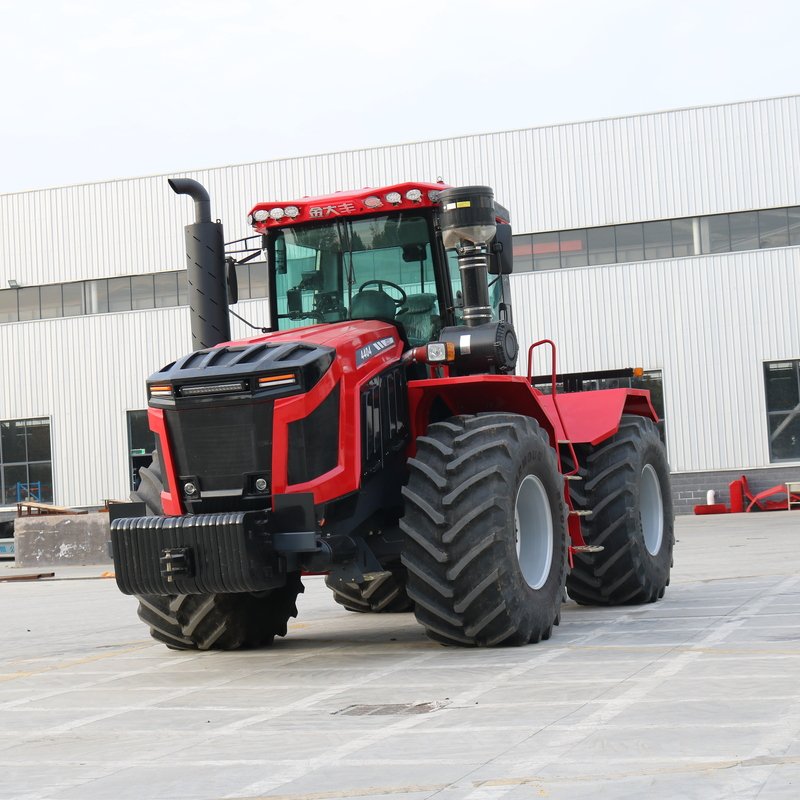
A 400HP or 440HP machine can significantly improve daily field coverage when matched with the right equipment. Contractors and large commercial farms often choose these tractors for deep tillage, heavy seeding operations, and large land preparation projects.
Buyers asking about a high horsepower tractor for large farming projects should also evaluate driveline strength, articulated or 4WD design, large-capacity hydraulics, and long-term maintenance support.
Recommended Horsepower by Farm Type
| Farm Type | Recommended Tractor Power | Common Applications |
|---|---|---|
| Small farm or orchard | 50HP–80HP | Mowing, spraying, utility work, light tillage |
| Mixed farming operation | 90HP–120HP | Plowing, seeding support, PTO work, transport |
| Medium to large farm | 150HP–240HP | Heavy tillage, field preparation, hauling |
| Commercial agricultural project | 300HP–440HP | Deep tillage, wide implements, high-acreage farming |
How Soil Conditions Affect Horsepower Requirements
Horsepower needs change significantly with soil type. Light sandy soil requires less pulling force than heavy clay or compacted ground. Wet soil also increases resistance because the tractor may lose traction more easily.
If your work includes deeper plowing or heavy tillage, you may need more horsepower than the farm size alone suggests. A medium farm with very resistant soil may need a more powerful tractor than a larger farm with lighter conditions.
This is why it is important to choose tractor horsepower based on soil condition, not only acreage.
Horsepower and Implement Matching
Implements determine how efficiently tractor power gets used. A tractor that works with a light mower needs far less power than one operating a wide plow or a large seeder. Before choosing horsepower, buyers should define the implements they plan to use.
Important factors include:
- Plow width
- Tillage depth
- Seeder size
- PTO power requirements
- Trailer weight
Choosing a tractor size for plowing and seeding should always involve both horsepower and implement compatibility.
4WD and Horsepower Should Work Together
Higher horsepower becomes more effective when the tractor can transfer that power to the ground. This is why 4WD systems matter. A 4WD tractor delivers better traction, especially during plowing, hauling, and heavy field work.
A lower-power 4WD machine may sometimes outperform a higher-power 2WD tractor in difficult conditions because it reduces wheel slip and maintains better stability.
For buyers comparing a 4WD tractor horsepower guide, the key lesson is simple: power and traction should be evaluated together.
What Buyers Often Get Wrong
One common mistake is buying more horsepower than the farm needs. Another is choosing too little horsepower to save money, only to face slower work, higher engine stress, and poor productivity later.
Some buyers also overlook hydraulic capacity, PTO requirements, and tire setup. These factors can limit tractor performance even when horsepower looks sufficient on paper.
The smartest purchasing decision balances power, traction, implements, serviceability, and long-term business goals.
Where Supplier Knowledge Makes a Difference
A capable tractor manufacturer or supplier can help buyers select suitable horsepower levels based on real farming needs. This matters especially for dealers and importers who serve several market segments at once.
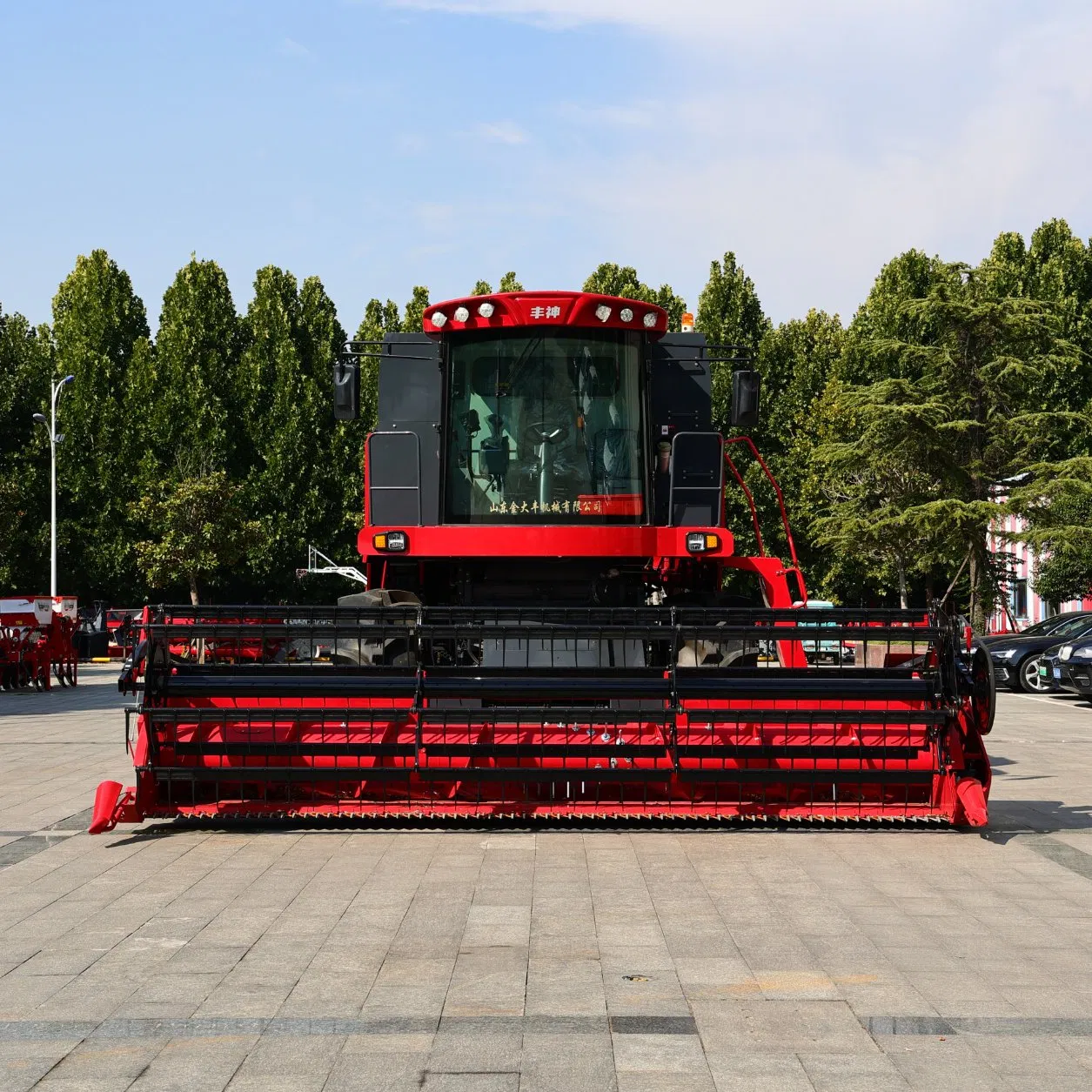
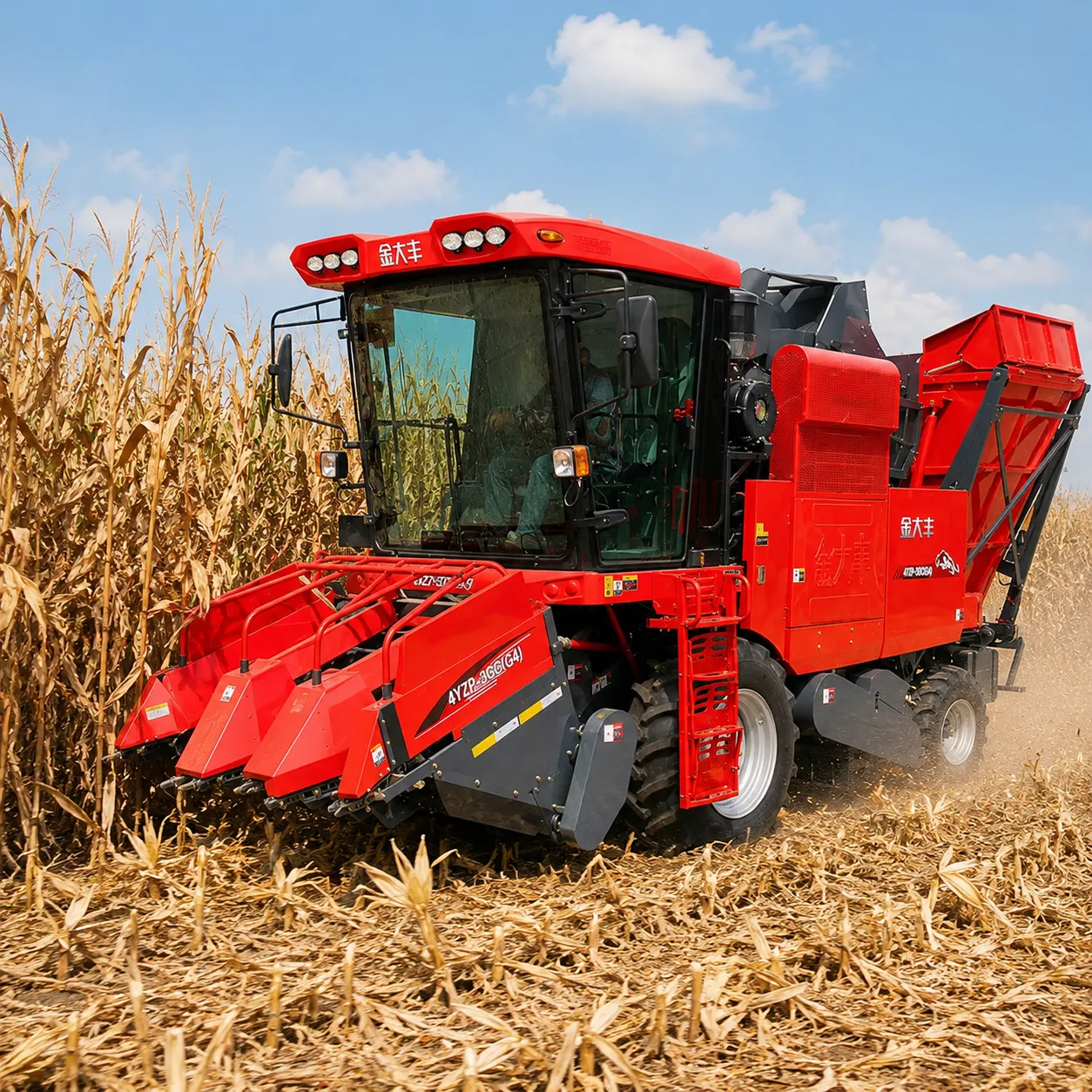
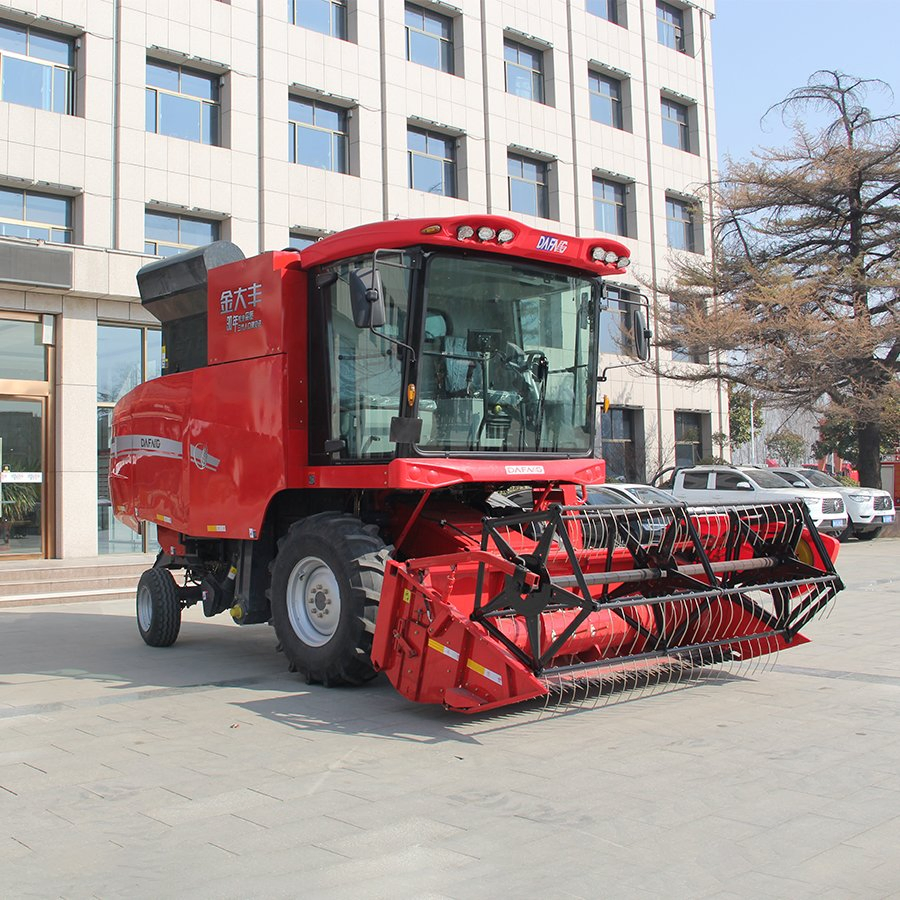
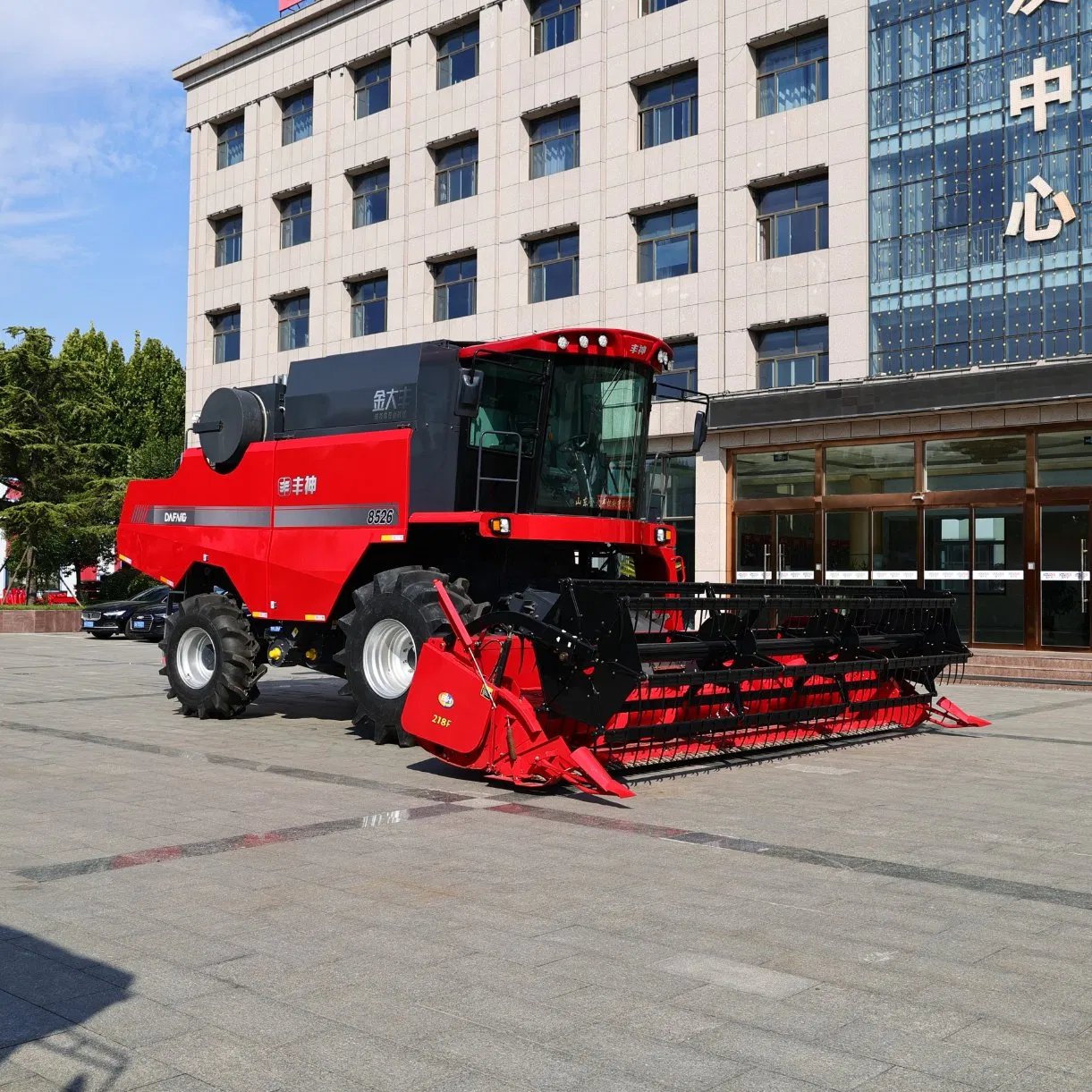
King-Gold Dafeng agricultural machinery covers a broad tractor range, from utility models to high-power machines for large-scale work. This allows buyers to compare several options under one supplier system instead of forcing one model into every application.
Final Thoughts
This farm tractor horsepower guide shows that the right tractor size depends on farm scale, soil resistance, implement needs, and daily work requirements. Small farms may perform well with 50HP to 80HP machines. Mixed farming often fits 90HP to 120HP tractors. Larger farms may need 150HP to 240HP models, while large projects can benefit from 300HP to 440HP machines.
The best choice is not always the largest tractor. It is the tractor that delivers the right amount of power for the right job with stable, efficient performance.