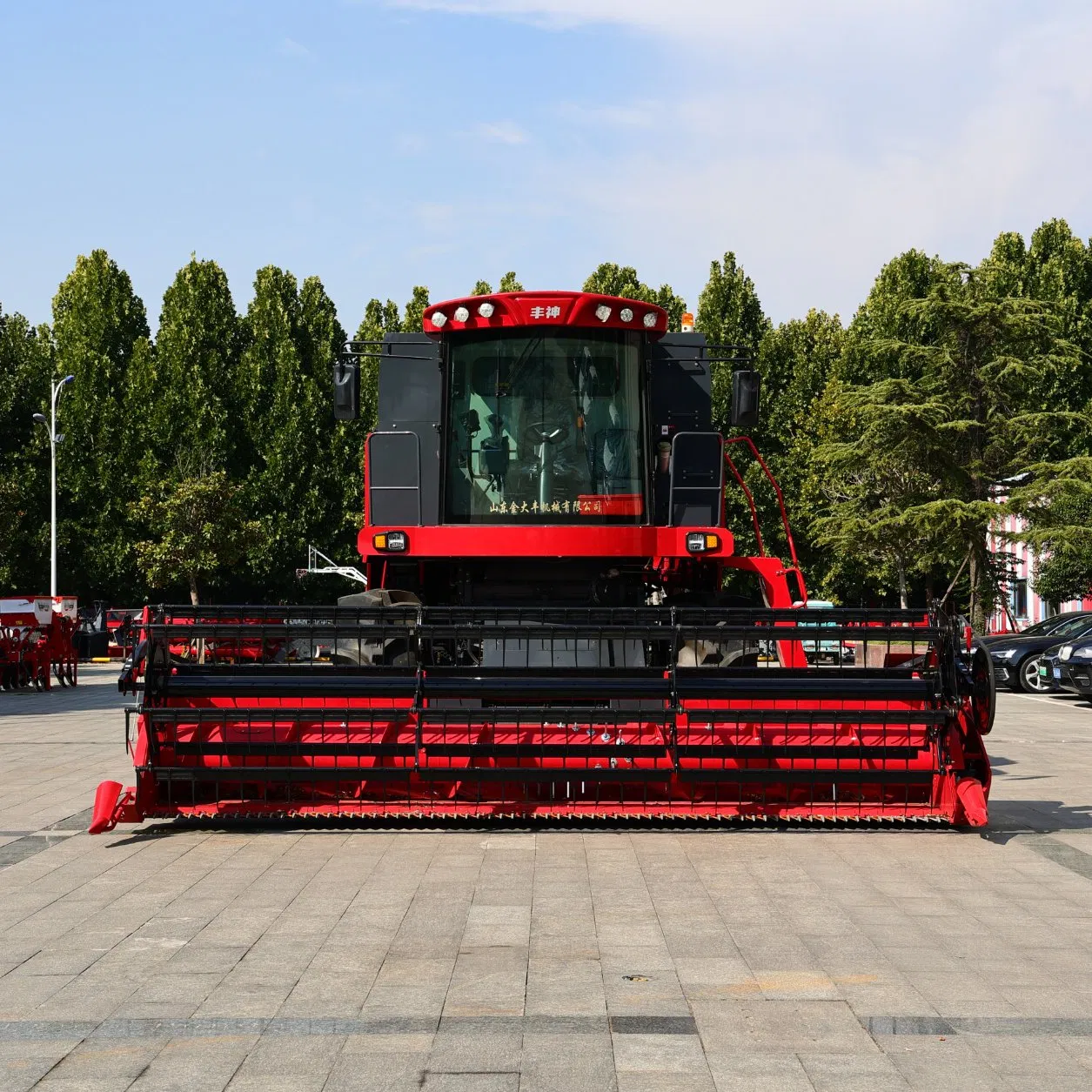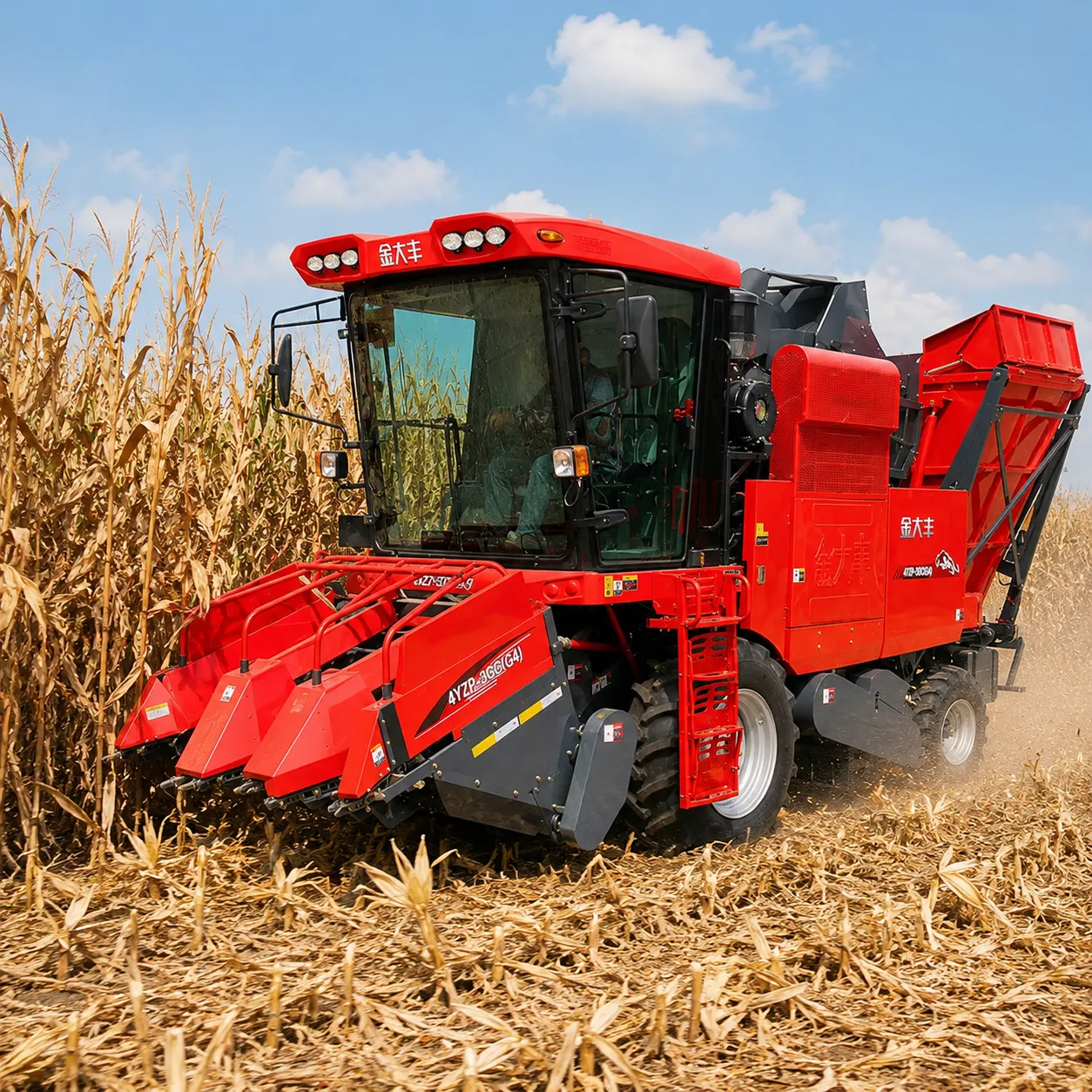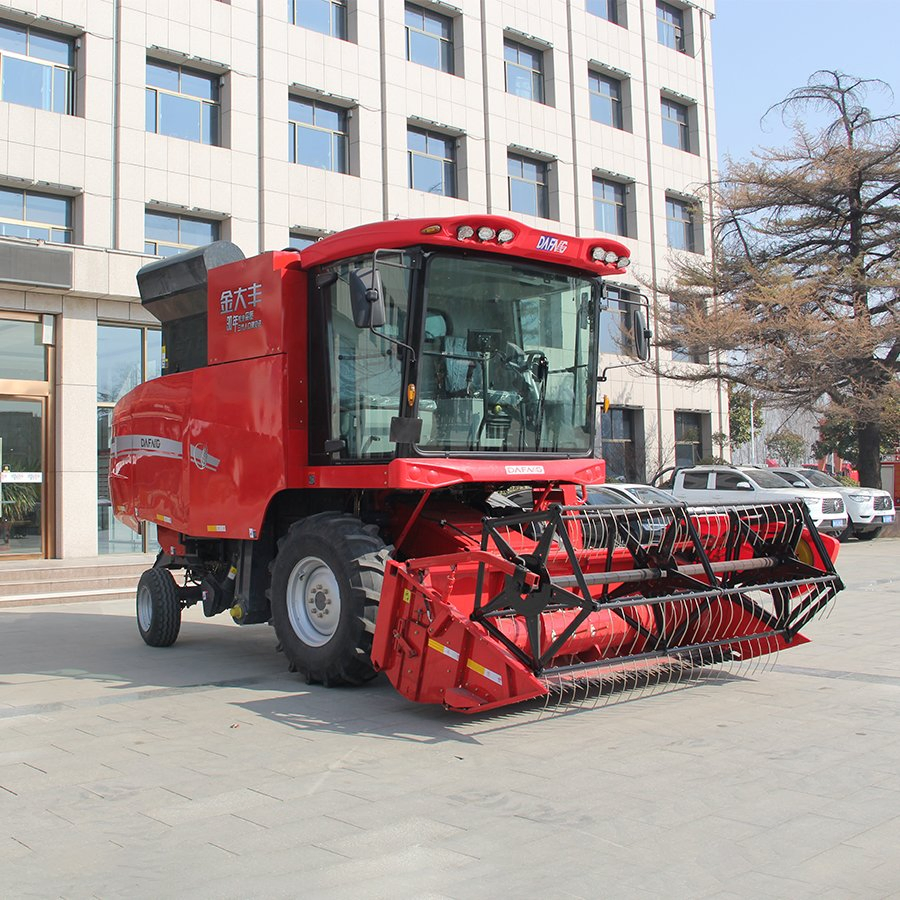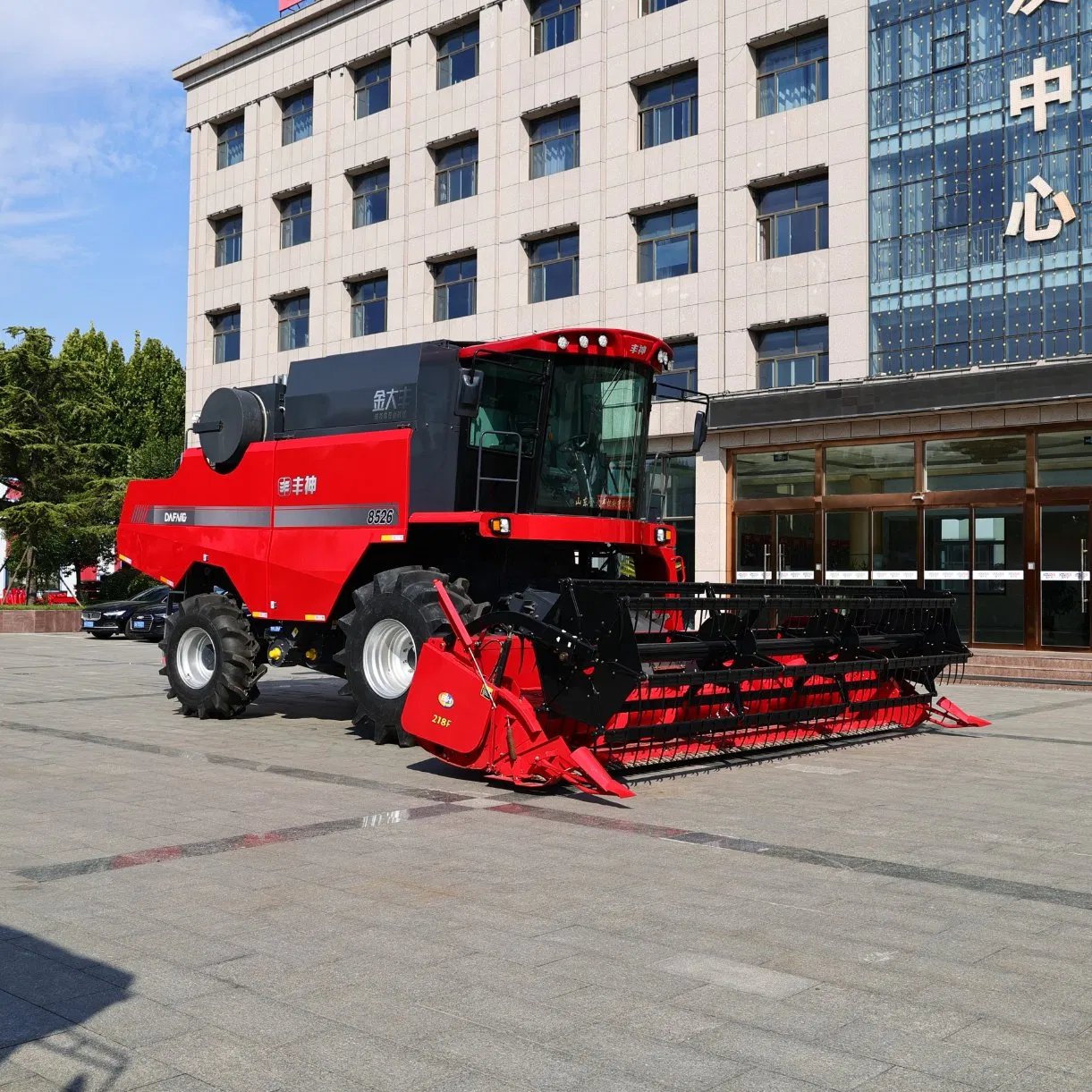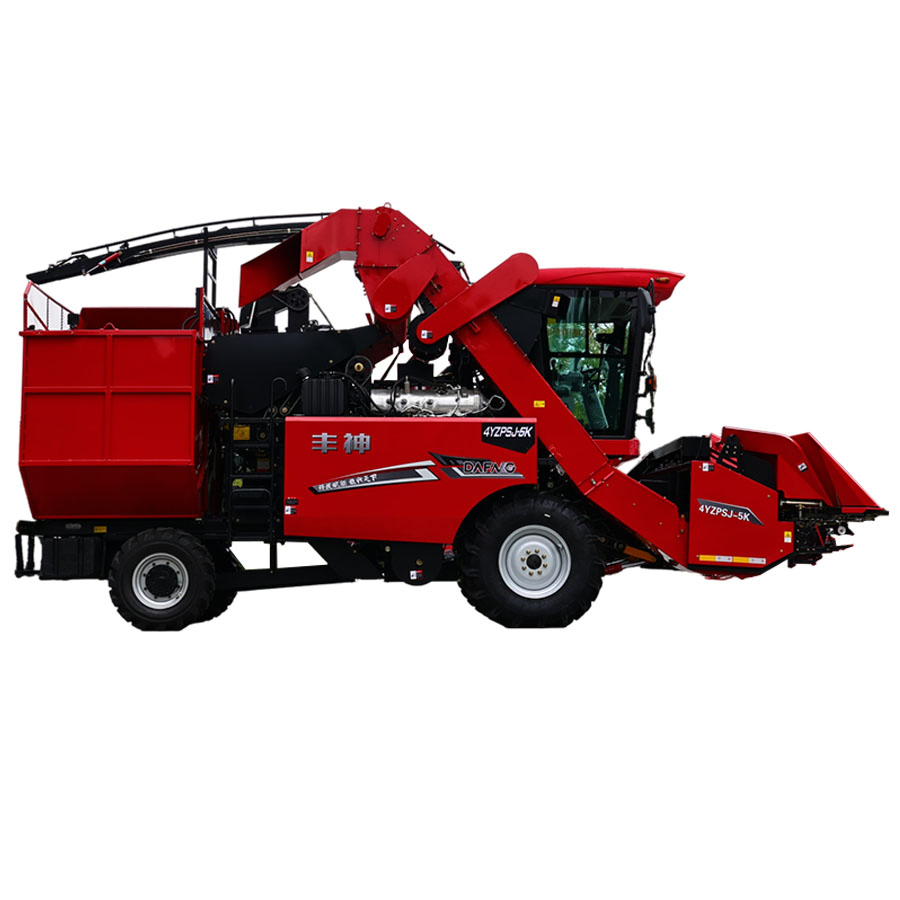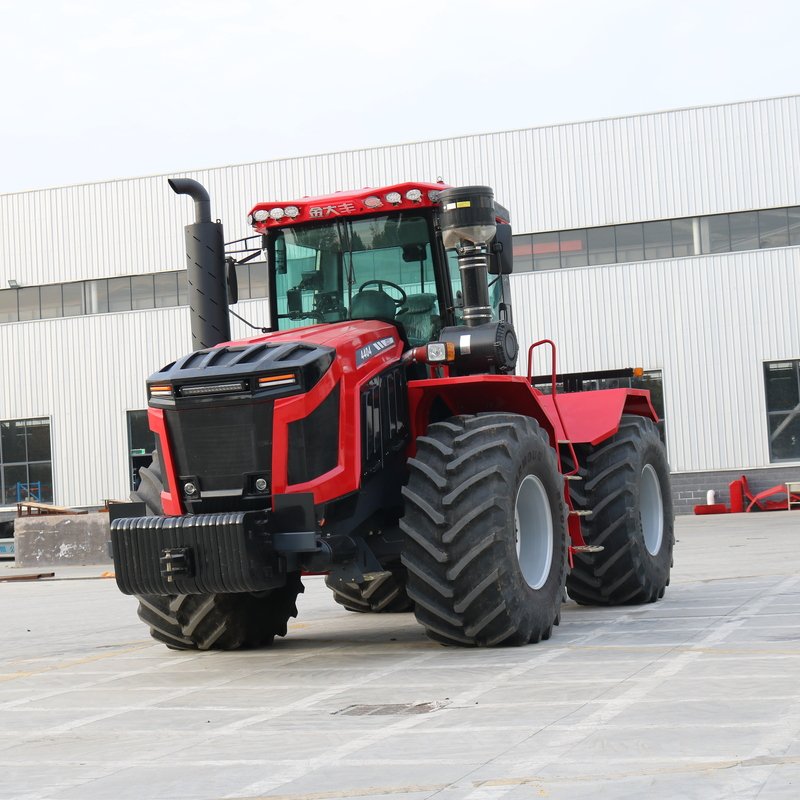
Importing farm tractors from China can be a practical way for dealers, distributors, contractors, and agricultural buyers to access a wider product range and improve cost control. China offers tractors across many horsepower segments, from compact utility machines to high-horsepower models for large-scale farming. However, a successful import depends on more than finding a low quotation. Buyers need to control risk at every stage, including supplier selection, tractor configuration, documentation, inspection, shipping terms, customs preparation, and after-sales planning.
This guide explains how to import tractors with lower risk and stronger long-term value. It focuses on practical steps that help global buyers avoid common mistakes and build a more reliable sourcing process.
Understand Your Local Market Before Contacting Suppliers
The first step is not asking for price. It is understanding your target market. A tractor that sells well in one country may not fit another. Local crop types, soil conditions, farm size, road conditions, preferred horsepower ranges, maintenance capacity, and customer budgets all influence the right product choice.
For example, small and medium farms may prioritize 70HP to 120HP tractors for mixed farming, while large farms may require 200HP, 240HP, or even higher horsepower tractors for deep tillage and heavy implements. Importers who understand this demand early can request more accurate quotations and avoid buying models that do not match the market.
Choose a Real Manufacturer, Not Just a Low Price
Supplier selection is one of the biggest risk-control decisions in tractor importing. A reliable manufacturer should be able to explain tractor specifications clearly, provide consistent configuration details, support export documentation, and offer long-term spare parts assistance.
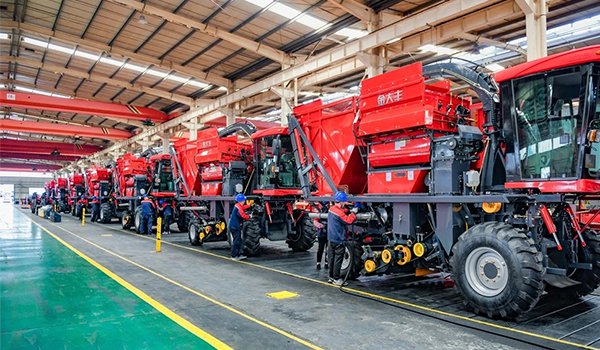
Buyers should review factory background, production capacity, engineering support, product range, and export experience. A real manufacturer usually gives more stable communication than a supplier that only resells machines without strong technical control.
King-Gold Dafeng tractor solutions are positioned around factory-direct agricultural machinery supply, customization support, and export-oriented service, which are the exact capabilities global buyers often look for when they want to reduce sourcing risk.
Confirm Tractor Configuration in Detail
One common import mistake is comparing tractors only by horsepower. Two tractors with the same power rating may differ significantly in engine brand, 2WD or 4WD structure, transmission, hydraulic outputs, PTO speed, tire size, cabin configuration, and optional accessories.
Before ordering, buyers should confirm every major technical item in writing. Clear specification confirmation reduces misunderstanding during production and makes later inspection easier.
| Configuration Item | What to Confirm | Why It Matters |
|---|---|---|
| Horsepower | Rated power and target application | Ensures the tractor matches field workload |
| Drive Type | 2WD, 4WD, 4×4, articulated if applicable | Affects traction and field performance |
| Engine | Brand, cylinder number, diesel configuration | Controls power stability and serviceability |
| PTO | Available speed options | Determines implement compatibility |
| Hydraulic System | Lifting capacity and output valves | Supports plows, seeders, trailers, and attachments |
| Tires | Size, tread, radial or standard options | Improves field adaptability |
| Cabin | ROPS, open station, enclosed cab, A/C option | Influences operator comfort and price |
Compare Shipping Terms Carefully
Shipping terms influence both responsibility and total landed cost. International buyers often see trade terms such as EXW, FOB, CFR, and CIF. These terms define who handles transport, insurance, export procedures, and risk transfer at different stages of the shipment.
For machinery buyers, the key point is not to choose a term blindly. A buyer with a strong freight forwarder may prefer more control over logistics, while a new importer may prefer a term that gives more visibility on port delivery costs. The right option depends on logistics experience, destination country, and order size.
Prepare the Core Import Documents Early
Import documentation is another major risk area. In many customs systems, supporting documents such as the commercial invoice, packing list, and bill of lading or airway bill play a central role in clearance. WTO trade facilitation rules also emphasize the value of timely document submission and simplified procedures for smoother release of goods.
| Document | Main Purpose |
|---|---|
| Commercial Invoice | Shows buyer, seller, product description, value, and trade details |
| Packing List | Lists package count, dimensions, and loading information |
| Bill of Lading | Confirms sea shipment details and cargo movement |
| Certificate of Origin | May support customs declaration or tariff treatment depending on market |
| Product Documents | Manuals, technical sheets, certificates if required locally |
Because import rules vary by country, buyers should confirm local requirements with their customs broker or freight forwarder before shipment rather than waiting until the cargo arrives.
Use Pre-Shipment Inspection to Reduce Uncertainty
A tractor order should not move directly from payment to shipment without verification. Pre-shipment inspection reduces the chance of configuration errors, visible damage, missing accessories, or packaging problems.
Before shipment, buyers can request machine photos, running videos, loading photos, serial number records, and packaging images. Larger orders may justify third-party inspection. The inspection should focus on appearance, tractor model, key configuration, tires, cab, PTO, hydraulic outputs, lights, paint, accessory list, and document consistency.
Plan Packaging and Loading for Machinery, Not Small Parcels
Farm tractors are large machines, so packaging and shipping plans matter. Some tractor models may ship in containers after partial disassembly, while larger units may need special loading arrangements. The final method affects freight cost, transit risk, and unloading convenience.
Buyers should confirm whether tractors will use nude packing, protective wrapping, iron frames, container bracing, or accessory crates. Proper packaging reduces the risk of damage during sea freight and inland transportation.
Do Not Ignore Spare Parts and After-Sales Support
A tractor import is not complete when the machine arrives. Long-term value depends on whether buyers can access spare parts, technical guidance, and reliable communication after delivery.
Importers and dealers should consider ordering a starter parts package with the first shipment. Typical parts may include filters, belts, seals, hoses, electrical items, and frequently replaced wear parts. This allows local service teams to respond faster when early customers need support.
For dealers, after-sales readiness directly affects reputation. A competitive tractor without parts support can create more business risk than a slightly more expensive machine with a stronger service structure.
Calculate Total Landed Cost, Not Only Factory Price
Many new buyers focus only on the quoted tractor price, but the actual landed cost includes additional elements such as inland China transport, export packaging, sea freight, insurance where applicable, destination port charges, import duties or taxes, customs clearance, and local delivery. Understanding these elements early helps prevent budget surprises.
A slightly higher factory quotation may still offer better total value if the machine has stronger configuration, clearer documentation, better packaging, and more reliable spare parts support.
Common Risks Buyers Should Avoid
- Choosing the lowest quote without verifying supplier capability
- Comparing tractors only by horsepower
- Leaving configuration details vague
- Ignoring document accuracy before shipment
- Skipping inspection on larger orders
- Failing to plan spare parts support
- Misunderstanding shipping terms and cost responsibility
Practical Risk-Control Checklist
| Stage | Risk-Control Action |
|---|---|
| Before Inquiry | Define target market, horsepower range, field applications |
| Supplier Selection | Check manufacturing strength, export support, customization ability |
| Before Order | Confirm full tractor configuration in writing |
| Before Shipment | Review photos, videos, documents, and inspection records |
| During Logistics | Confirm shipping term, packaging, and freight responsibility |
| After Arrival | Prepare spare parts, manuals, and service support |
Final Thoughts
Learning how to import farm tractors from China with lower risk means building a better process, not simply finding a cheaper seller. Successful buyers understand their market first, choose the right supplier, confirm tractor specifications carefully, prepare documents early, inspect before shipment, and plan after-sales support in advance.
When these steps work together, buyers can improve supply reliability, reduce avoidable costs, and build a stronger long-term agricultural machinery business. For importers who want tractors that match real farming conditions, a structured sourcing process is the best way to protect both investment and reputation.