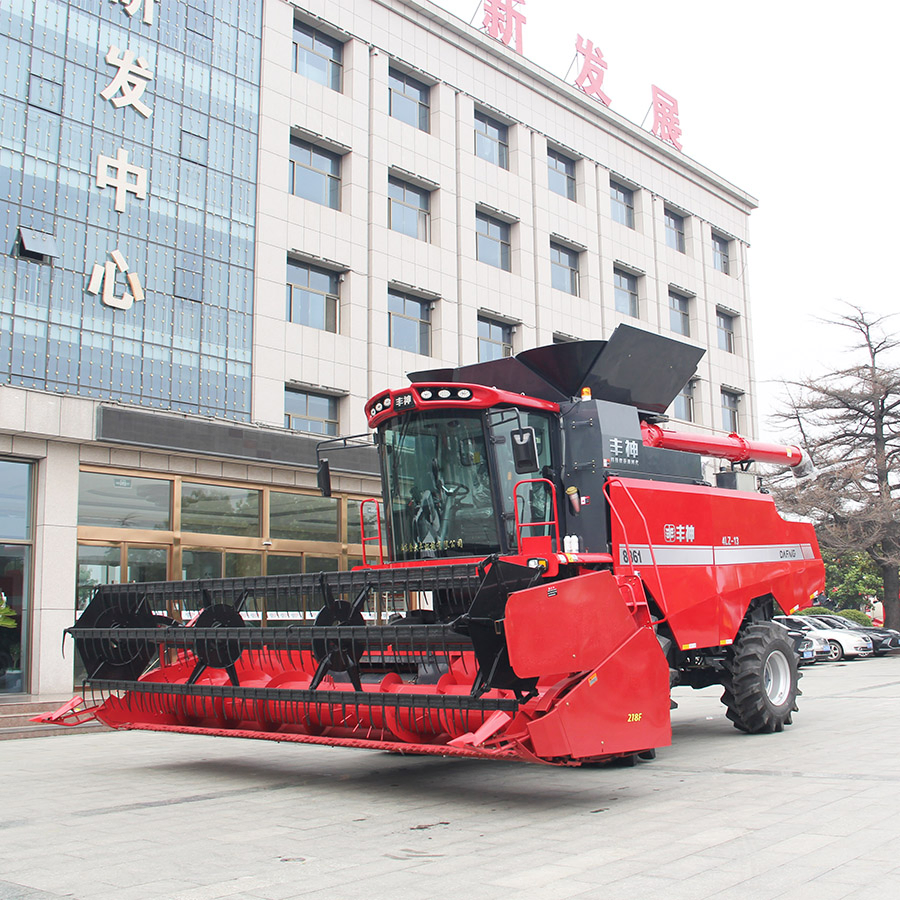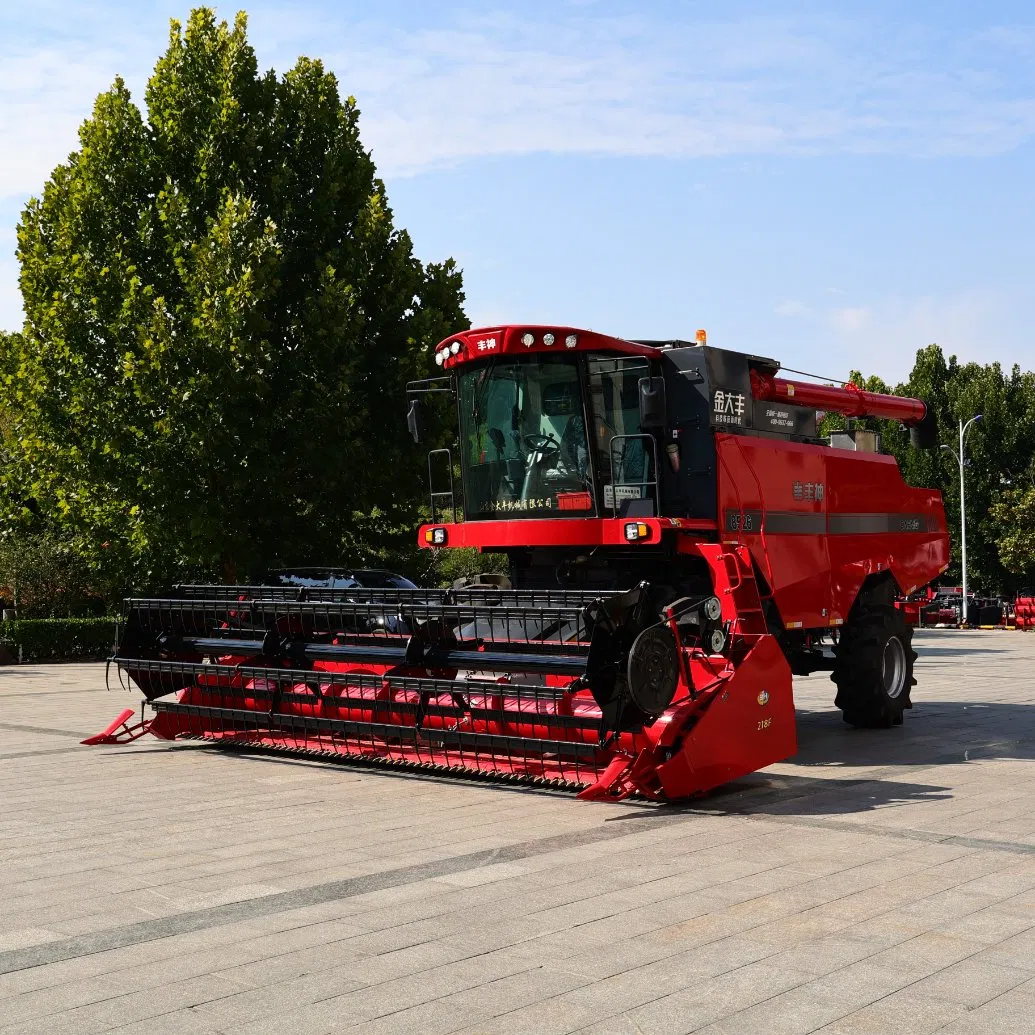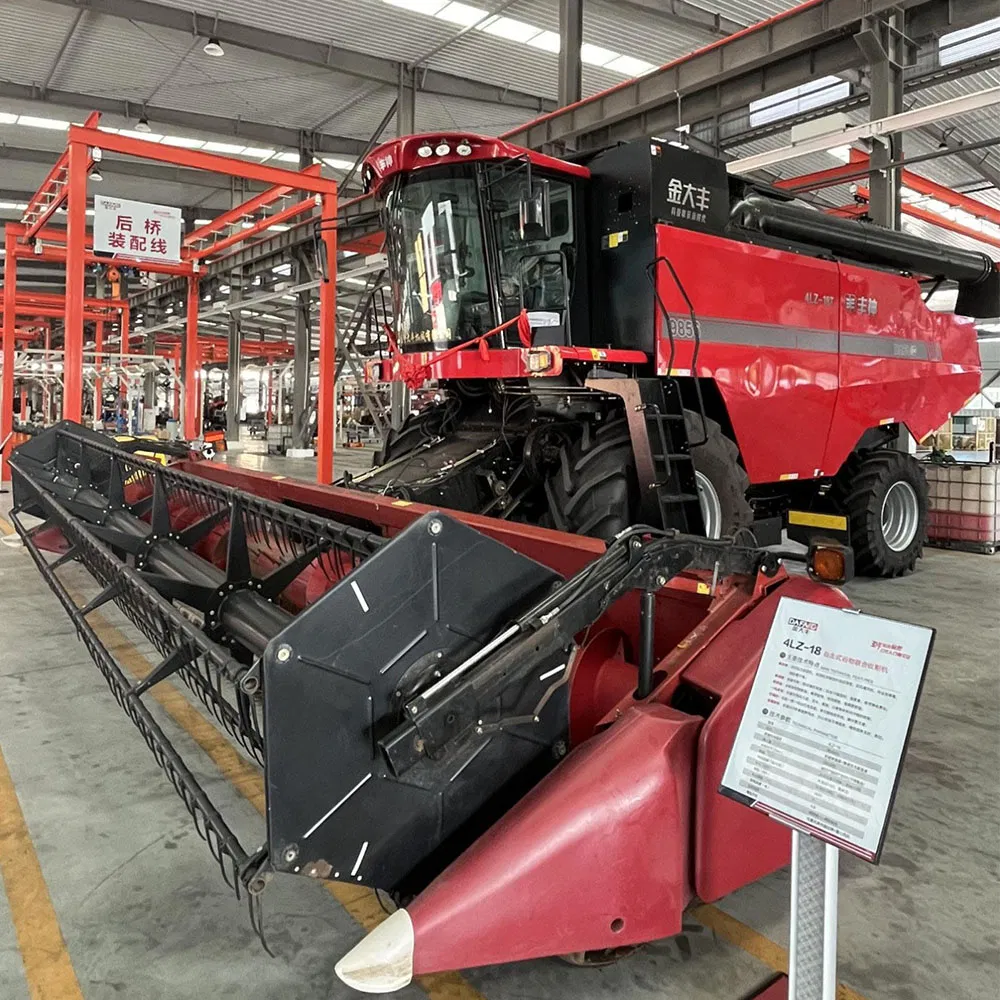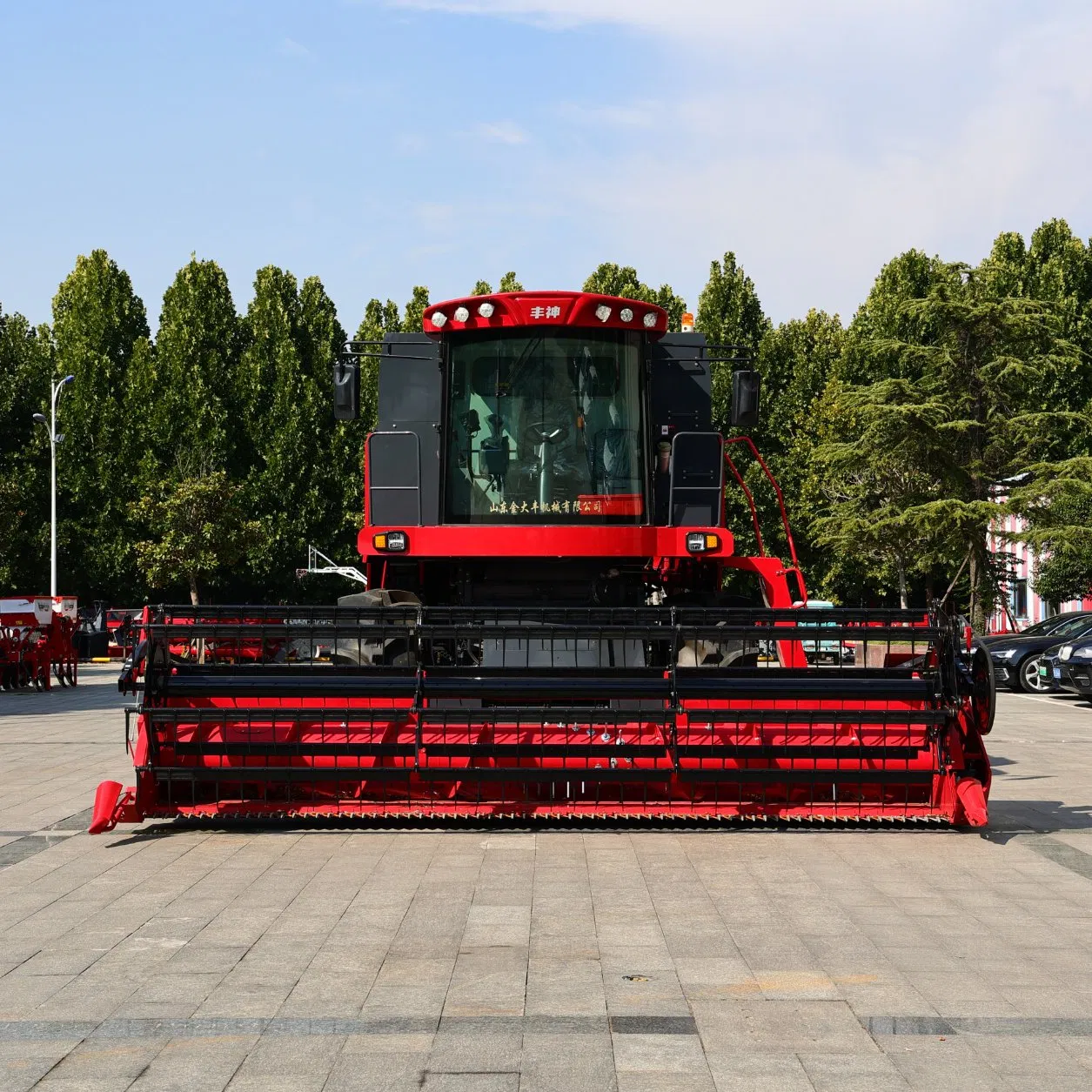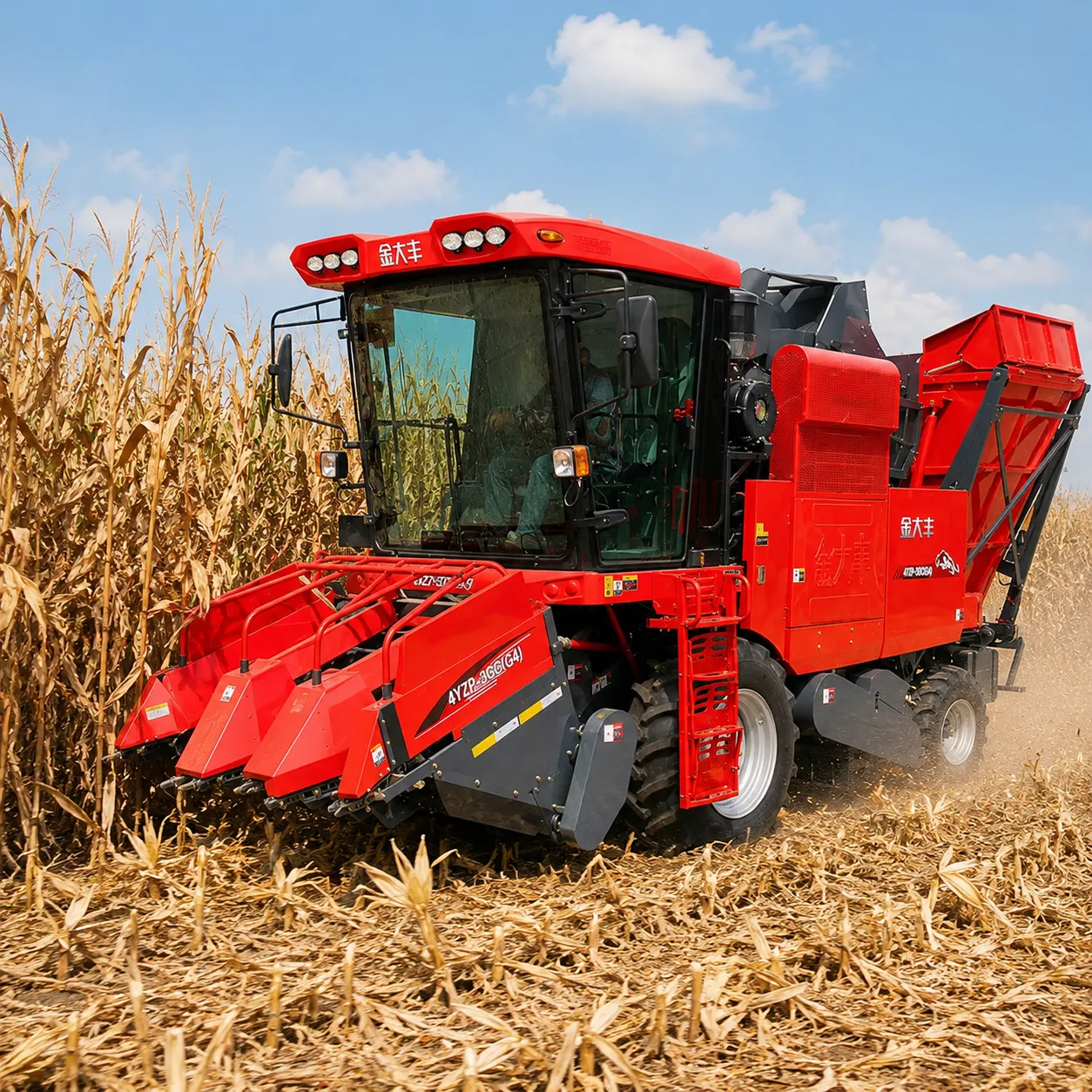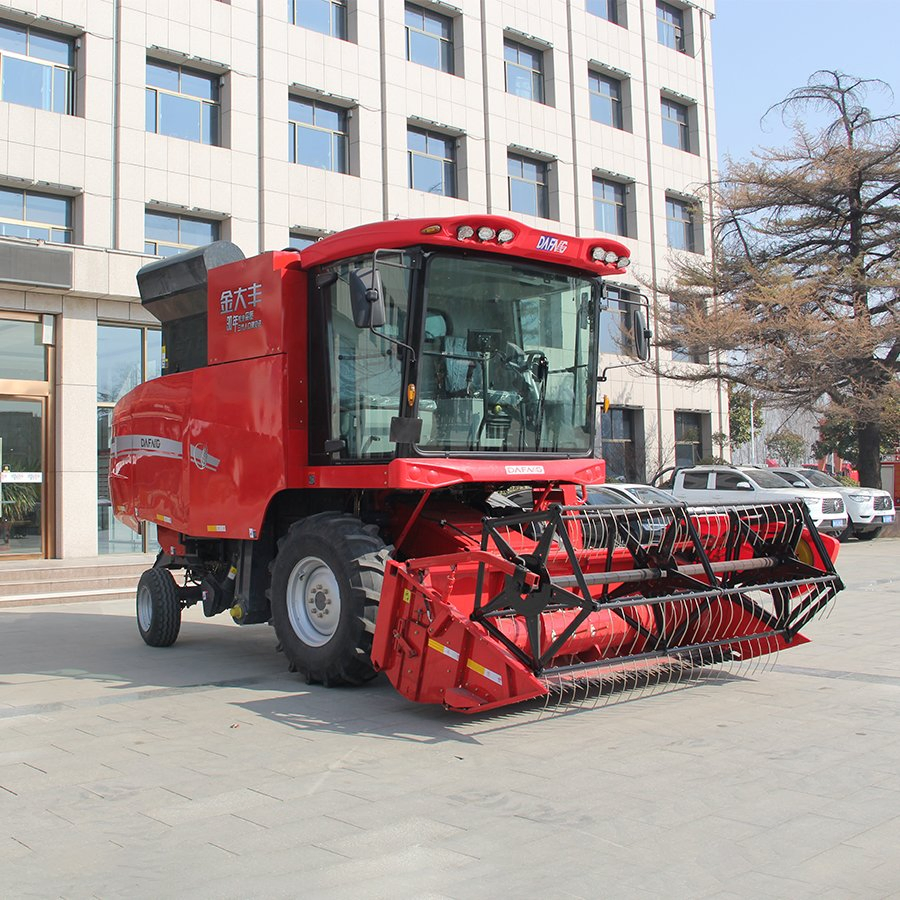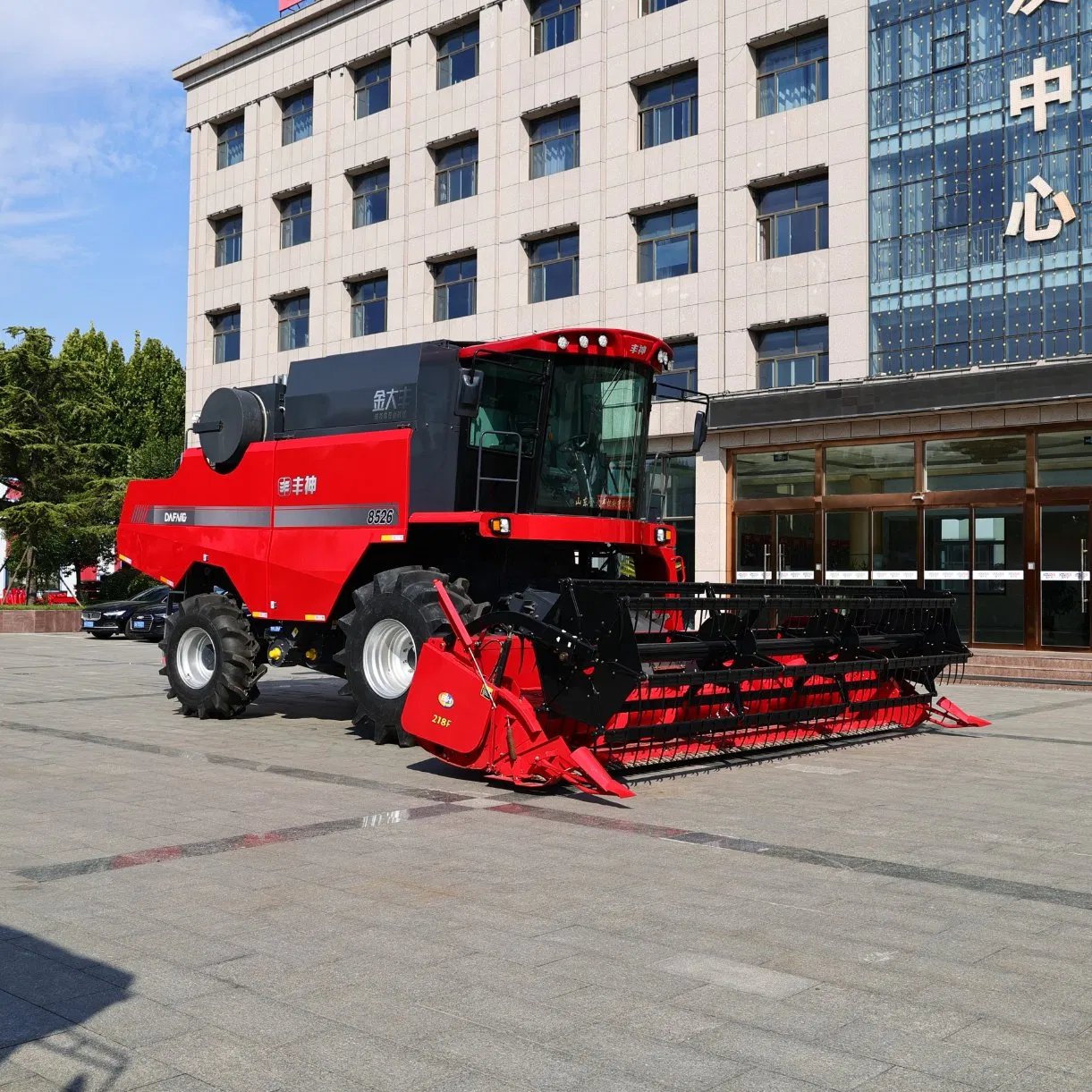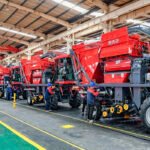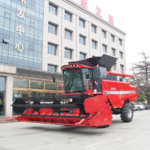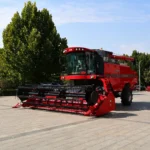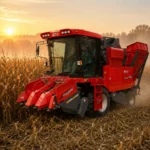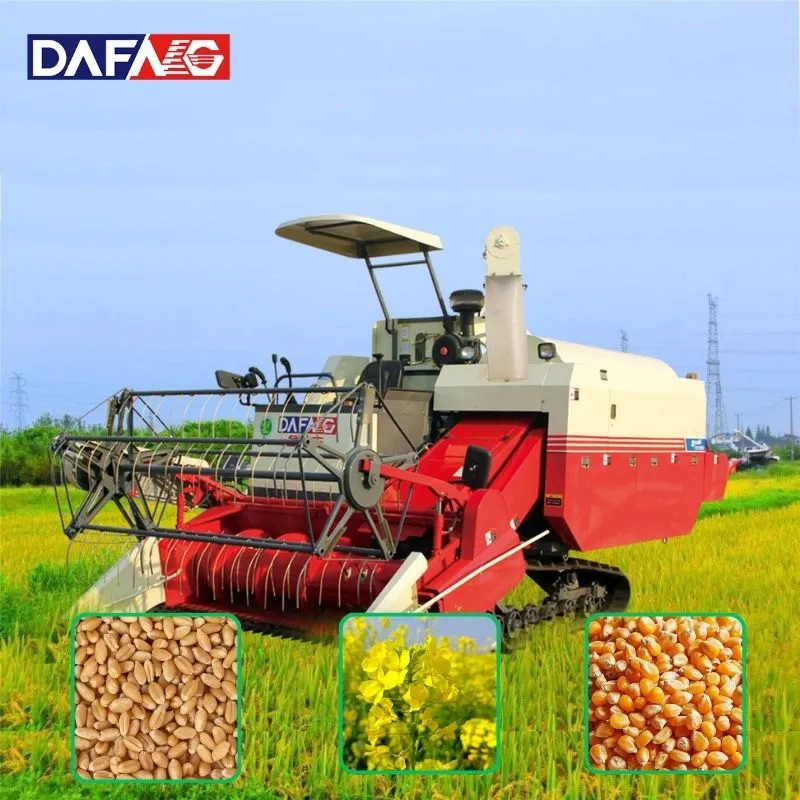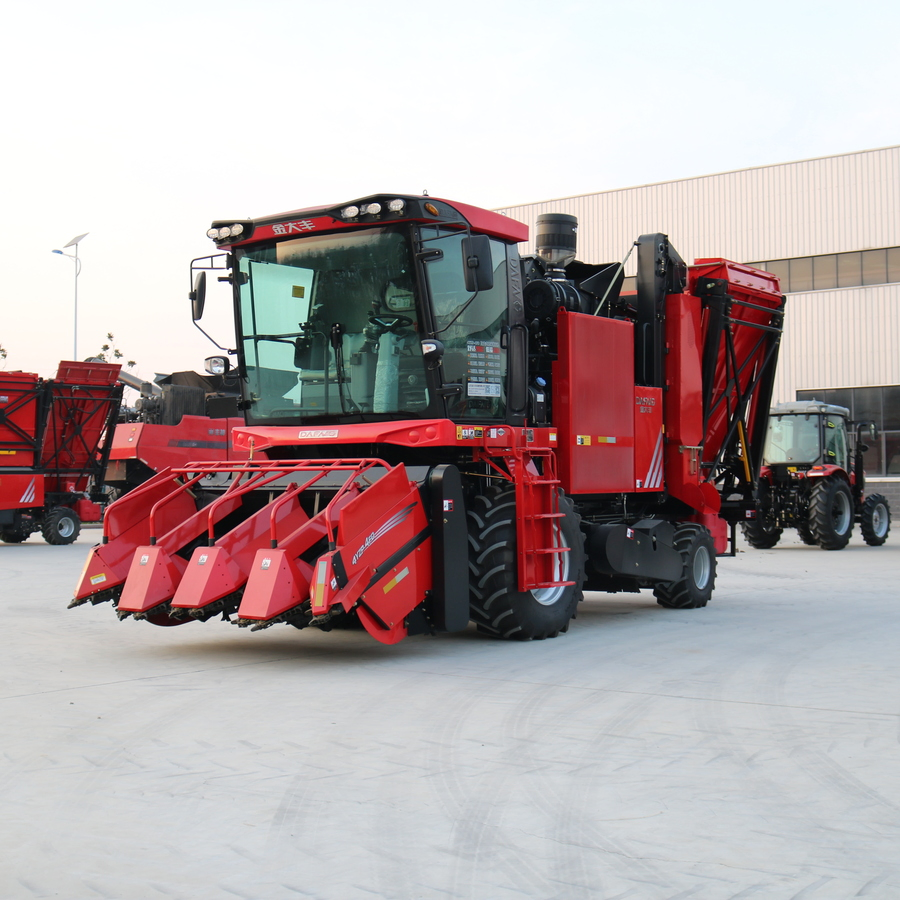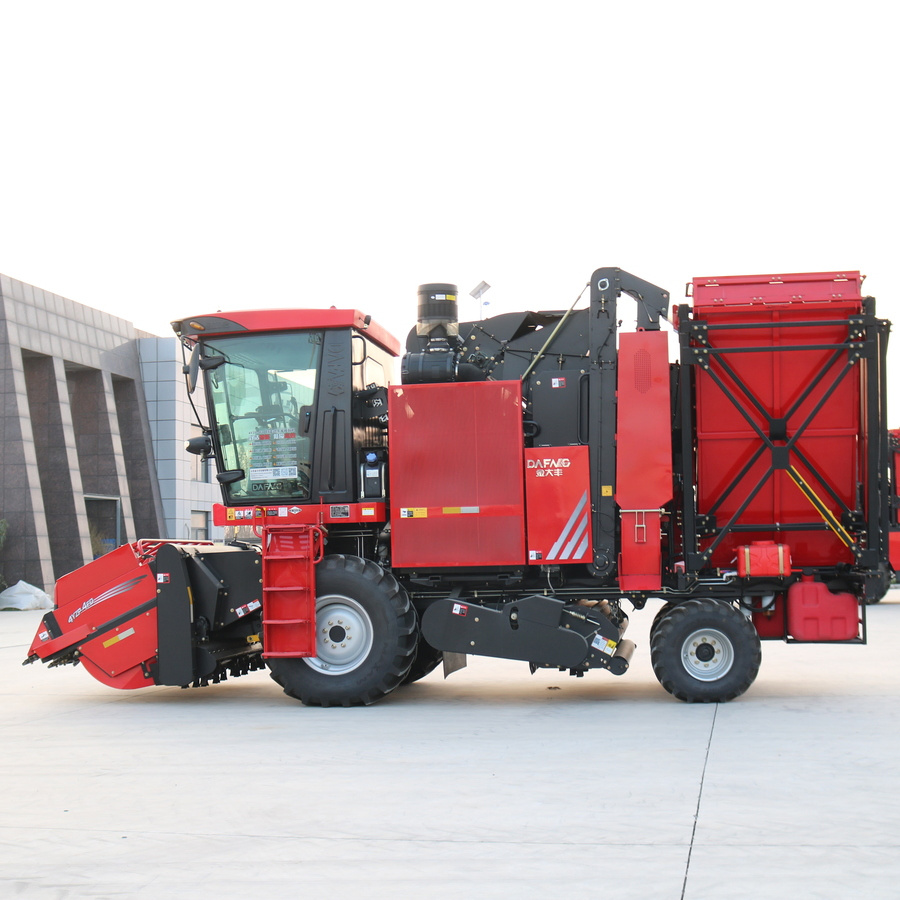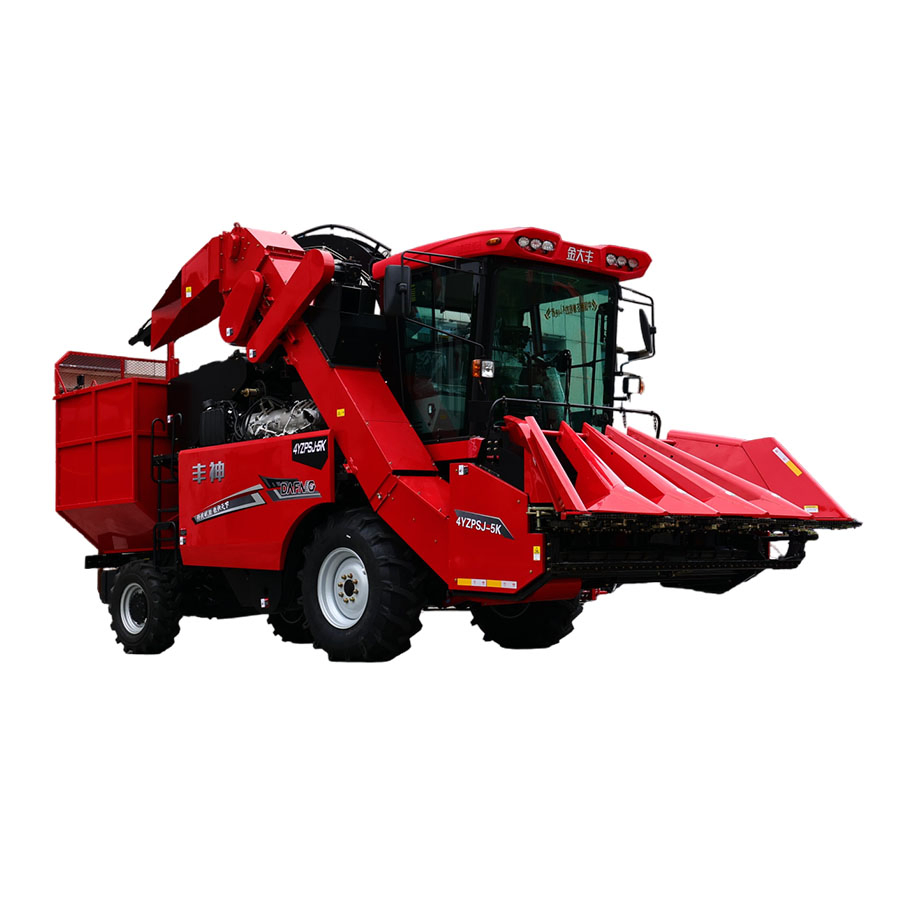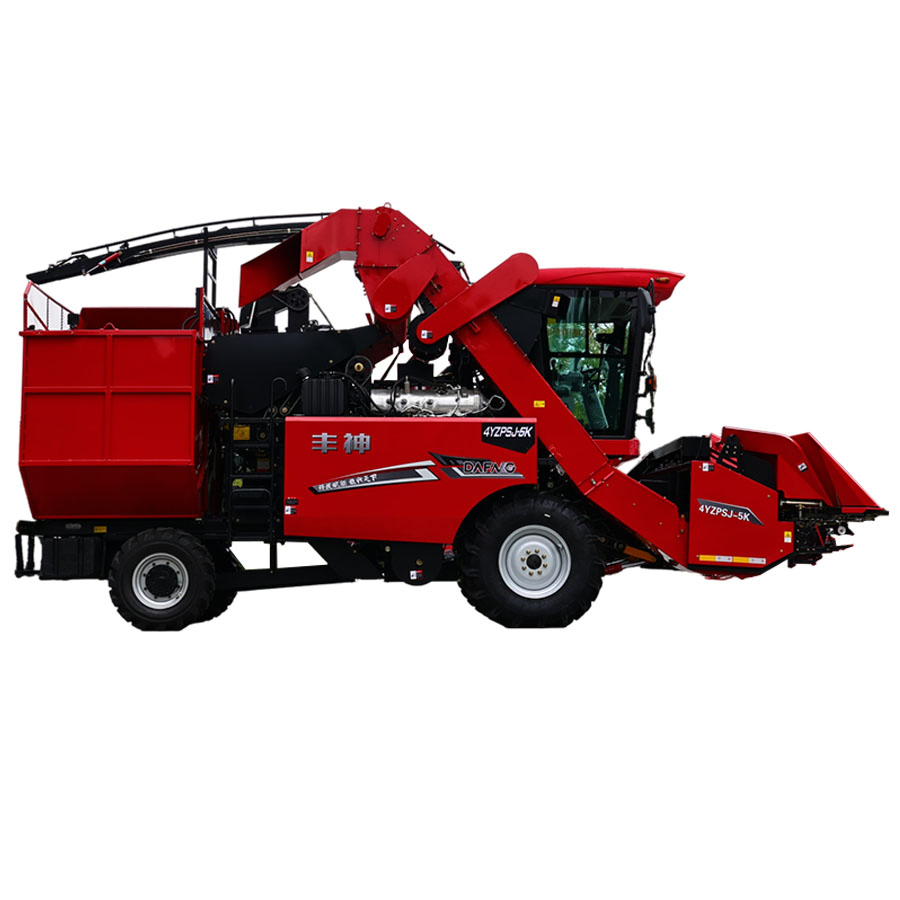
The terms corn picker and corn harvester are often used interchangeably, but they do not always describe the same machine. In some markets, a corn picker means a simple machine that removes ears from standing stalks. In others, the term is used for a complete self-propelled machine with picking, peeling, conveying, collection, and straw-crushing functions.
Understanding the difference between a corn picker vs corn harvester is important before comparing prices, row numbers, horsepower, and working capacity. Two machines may both collect corn ears, but their field performance, labour requirements, residue management, and suitable farm size can be very different.
The right choice depends on what the buyer expects the machine to complete in one pass. Some farms only need ear picking. Others need a self-propelled machine that handles the complete harvesting process with fewer workers and less supporting equipment.
Why the Two Terms Are Often Confused
Agricultural machinery terminology changes between countries, manufacturers, and local farming systems. The same machine may be described as a corn picker, maize picker, corn harvester, maize harvester, ear corn harvester, or self-propelled corn harvesting machine.
The confusion usually comes from three factors:
- Different regional names for the same machine
- Different levels of harvesting functionality
- Product titles written for export markets rather than local technical standards
A basic picker may only separate ears from stalks and transfer them into a trailer. A more complete harvester may also peel husks, collect ears in an onboard tank, crush stalks, and discharge residue evenly.
Simple distinction: A corn picker mainly focuses on removing ears from the stalk. A corn harvester usually describes a more complete harvesting system that may combine picking, peeling, conveying, collection, and residue treatment.
This distinction is not absolute in every market, so buyers should always check the actual machine configuration instead of relying only on the product name.
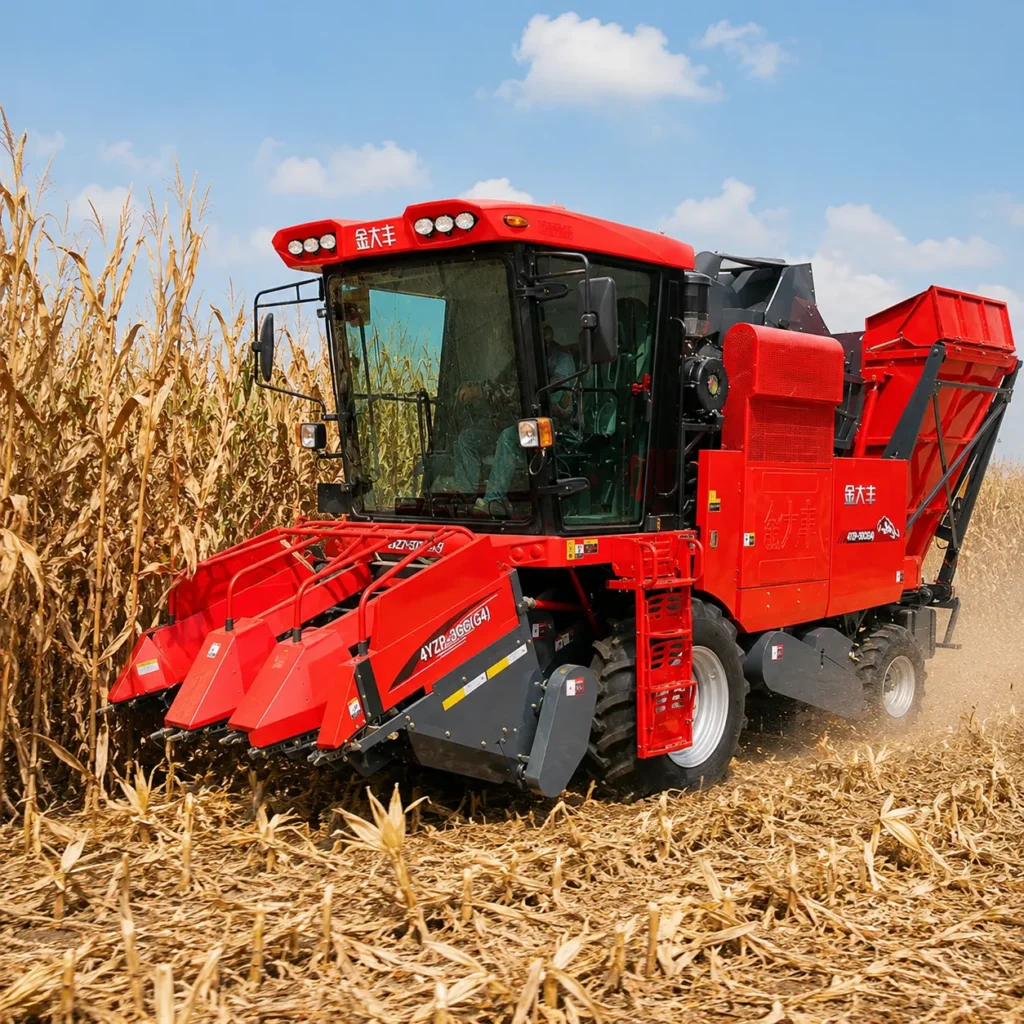
How a Traditional Corn Picker Works
A traditional corn picker follows the planted rows and removes mature ears from standing stalks. It may be tractor-mounted, trailed, or self-propelled depending on the design.
The typical process includes:
- Row dividers guide the corn stalks into the picking units.
- Gathering chains pull the stalks toward the snapping rolls.
- The stalks are pulled downward between the picking plates.
- The ears separate because they are wider than the plate opening.
- Chains or augers transfer the ears toward a trailer or collection area.
Main advantages of a simple corn picker
A simpler machine may offer:
- Lower purchase cost
- Fewer processing systems
- Simpler maintenance
- Lower power requirements
- Suitability for smaller farms
- Compatibility with an existing tractor
These machines can be practical where labour is available and the farm already owns suitable tractors and trailers.
Typical limitations
A basic picker may leave more work for later. The harvested ears may still contain husks, the stalks may remain standing or require separate crushing, and another vehicle may need to travel beside the machine.
This can increase the number of machines and workers required during harvest.
How a Complete Corn Harvester Works
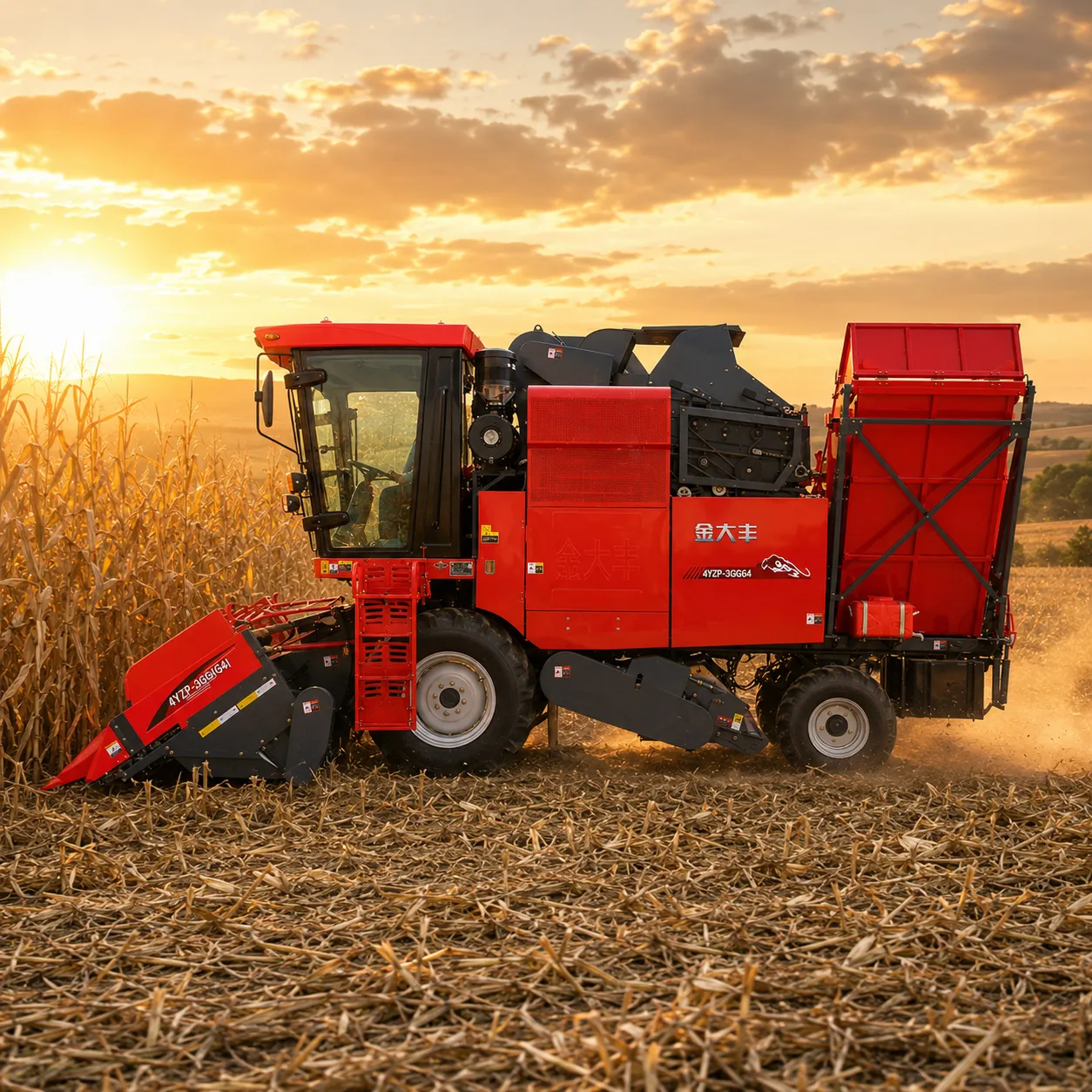
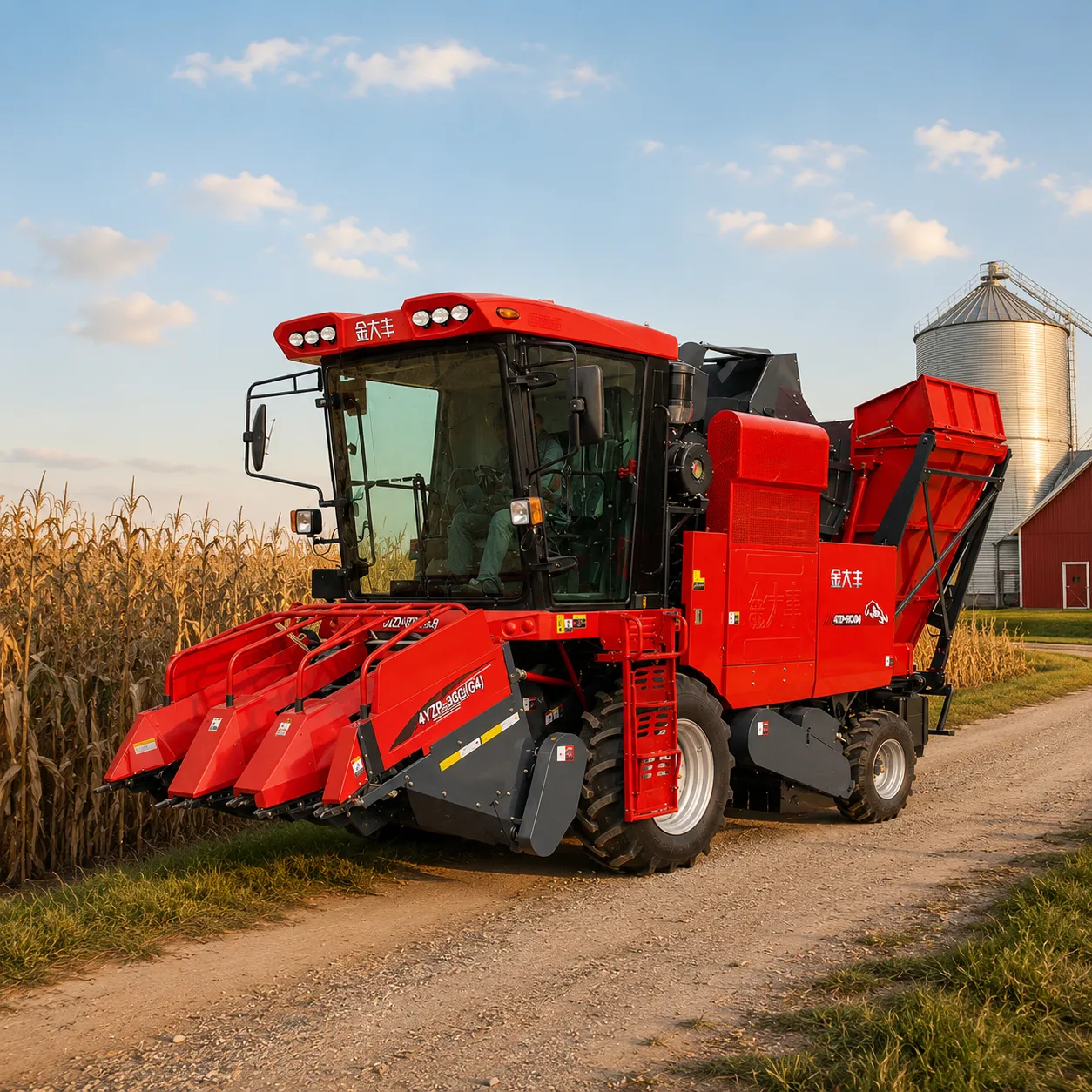
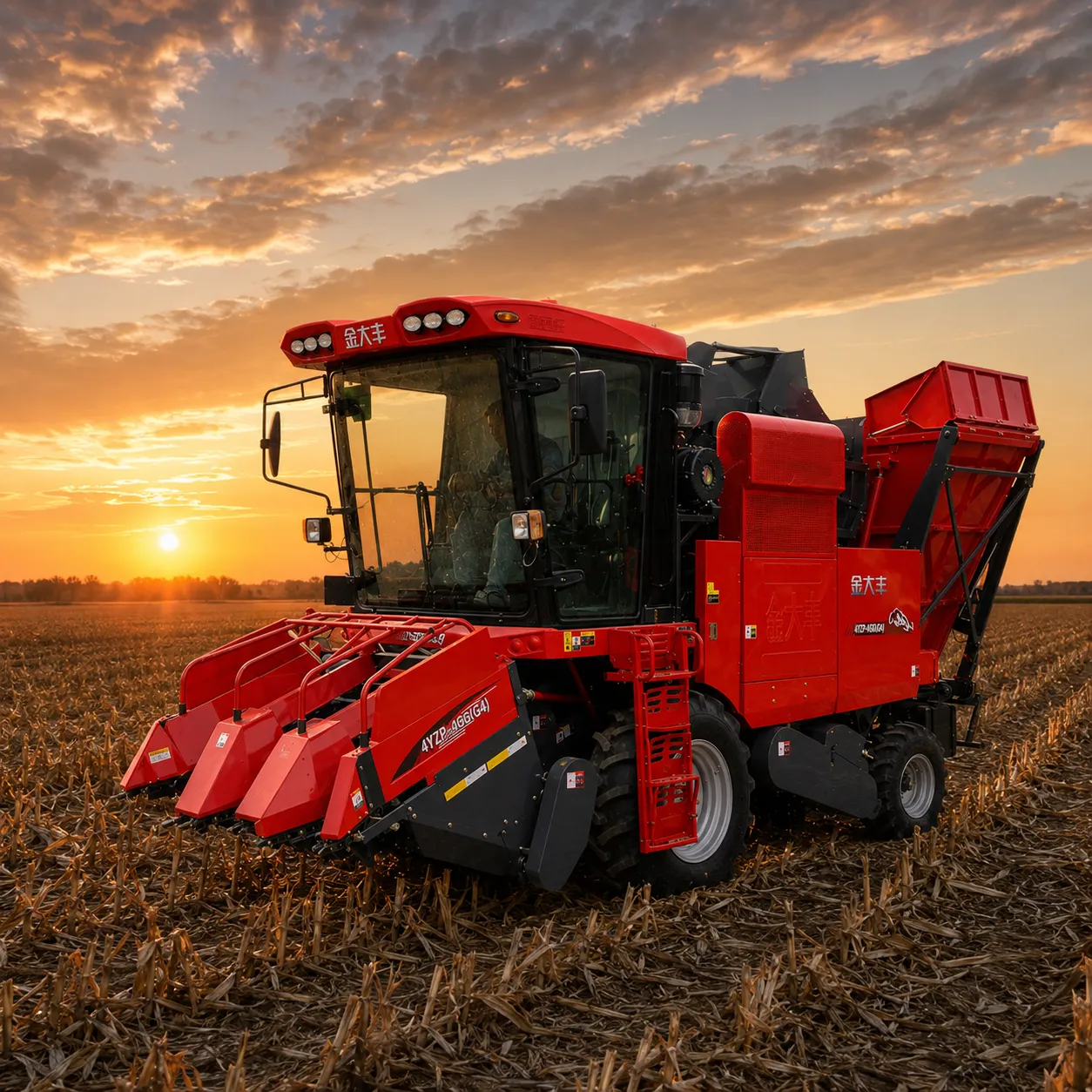
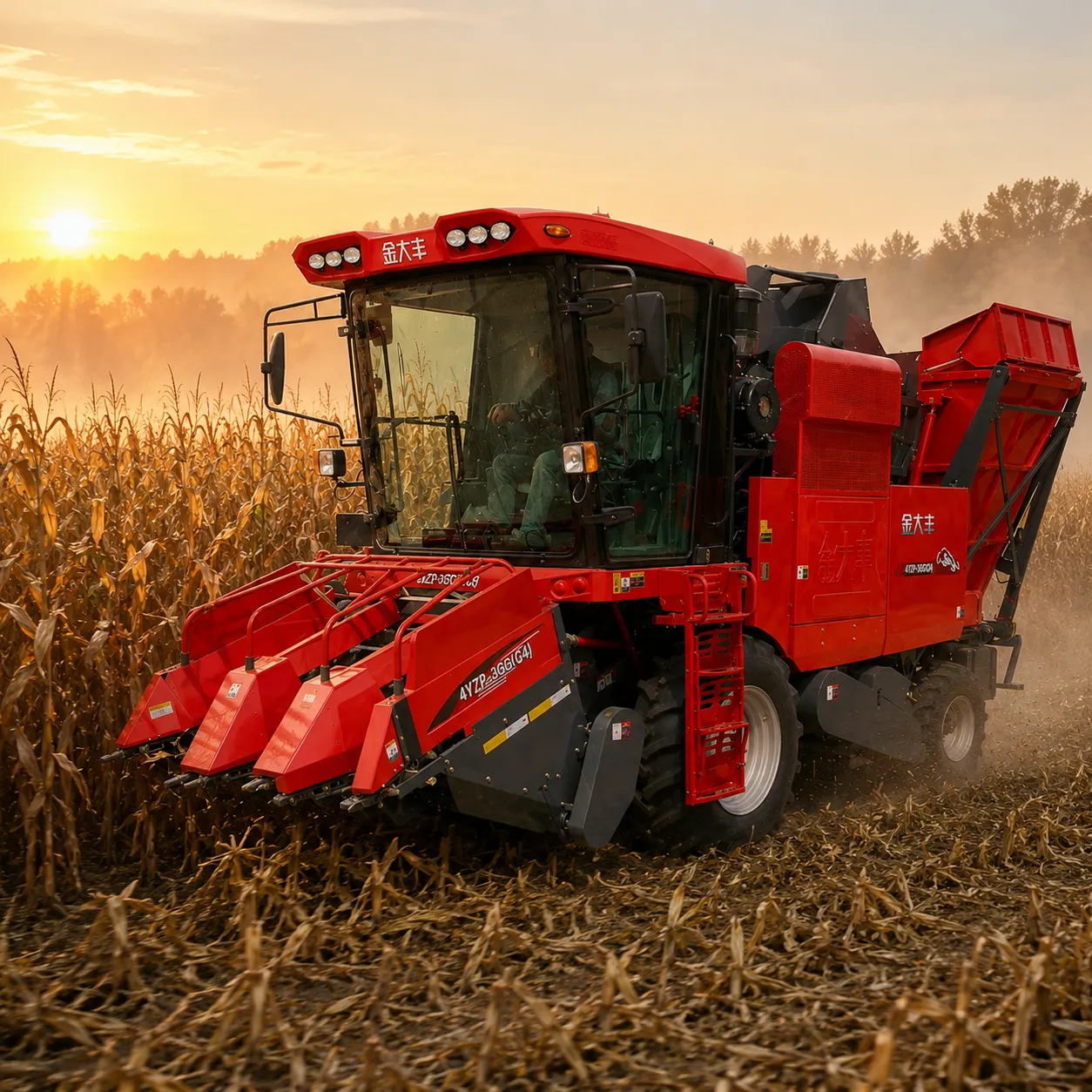
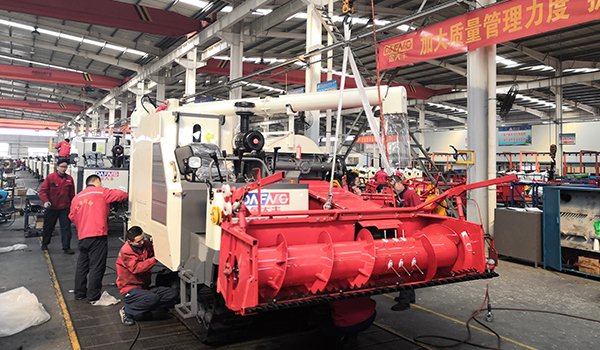
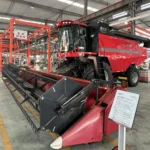
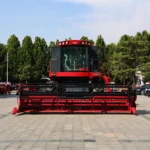
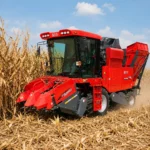
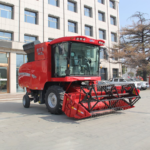
A modern self-propelled corn harvester integrates more operations into one machine. It normally has its own engine, cab, transmission, header, picking system, conveying system, peeling section, collection tank, and straw-management equipment.
The complete harvesting sequence may include:
- Following three or four planted rows
- Guiding and lifting stalks
- Separating ears from stalks
- Conveying ears into the peeling section
- Removing all or part of the husks
- Collecting ears in an onboard tank
- Crushing or chopping the remaining stalks
- Unloading harvested ears into transport vehicles
When buyers compare a corn picker vs corn harvester, this level of integration is usually the most important difference.
Why self-propelled machines are different
A self-propelled machine does not depend on a tractor for traction and power. The engine, header, hydraulic system, transmission, and harvesting components are designed to work as one system.
This can improve:
- Operator control
- Header visibility
- Working speed
- Crop-flow stability
- Turning efficiency
- Daily harvesting capacity
It may also reduce the number of separate field operations needed after the ears are collected.
Corn Picker vs Corn Harvester: Main Differences
The following table compares the two machine directions in practical terms.
| Comparison Point | Corn Picker | Corn Harvester |
|---|---|---|
| Main purpose | Remove ears from standing stalks | Complete multiple harvesting operations |
| Machine type | Mounted, trailed, or self-propelled | Usually self-propelled for higher capacity |
| Peeling function | May not be included | Often includes peeling rollers |
| Straw management | May require a separate operation | Often includes straw crushing or chopping |
| Ear collection | May discharge directly into a trailer | May use an onboard collection tank |
| Labour requirement | May need more supporting workers and vehicles | Can reduce supporting labour |
| Working capacity | Suitable for small or medium operations | Suitable for medium and large farms |
| Purchase cost | Generally lower | Generally higher because of integrated systems |
| Maintenance complexity | Usually simpler | More systems require regular inspection |
The actual difference still depends on configuration. Some advanced corn pickers include peeling and straw crushing, while some machines sold as corn harvesters may only provide basic picking functions.
For this reason, equipment buyers should compare component lists and operating videos rather than product titles alone.
Which Machine Is Better for Small and Medium Farms?
A smaller farm does not automatically need the simplest machine. The right decision depends on field size, available labour, existing tractors, harvest window, and whether the machine will provide contract harvesting services.
A basic picker may be suitable when:
- The farm already owns a suitable tractor
- Fields are small and fragmented
- Harvest capacity requirements are moderate
- Labour and trailers are readily available
- Separate stalk management is acceptable
A self-propelled harvester may be suitable when:
- The harvest must be completed quickly
- Labour availability is limited
- Ear peeling is required in the field
- Straw crushing should be completed in one pass
- The machine will work for several farms
- Higher daily capacity is important
A contractor with several customers may benefit from a more integrated machine even if each individual farm is relatively small. The longer annual working period can help justify the higher investment.
Which Machine Is Better for Large Commercial Farms?
Large farms usually place greater value on harvesting capacity, reliable crop flow, operator comfort, rapid unloading, and reduced dependence on additional labour.
A self-propelled harvester is generally more suitable when the farm needs to:
- Harvest large areas within a short weather window
- Maintain consistent output throughout long working days
- Handle three or four rows per pass
- Collect cleaner ears through an integrated peeling system
- Crush stalks during the same field operation
- Reduce the number of tractors and workers involved
However, higher capacity only provides value when the fields, row spacing, transport system, and operator skills can support it.
Field layout still matters
A large machine may lose part of its advantage in short, irregular fields with narrow entrances. Turning radius, overall width, machine weight, and road transport should be considered before selecting a model.
Row spacing must match the header
Whether the buyer chooses a picker or a harvester, the row units must match the local planting pattern. Poor alignment can increase missed stalks, dropped ears, and header blockage.
Do Both Machines Harvest Corn Kernels?
Many corn pickers and ear corn harvesters collect complete ears rather than threshing kernels inside the machine. This is different from a grain combine equipped with a corn head.
An ear corn machine normally:
- Separates ears from stalks
- May peel the husks
- Collects complete ears
- Leaves shelling for a later process
A grain combine with a corn head normally:
- Separates ears from stalks at the header
- Feeds ears into the combine
- Threshes kernels from the cobs
- Cleans the grain
- Stores loose kernels in the grain tank
This is another reason the corn picker vs corn harvester comparison can become confusing. Some buyers are looking for complete ears, while others want clean kernels ready for transport.
Before requesting a quotation: Clearly state whether the required output is whole corn ears, peeled ears, or loose corn kernels. These require different machine configurations.
What Buyers Should Confirm Before Ordering
Instead of asking only for a corn picker or corn harvester, provide detailed operating requirements.
Confirm the following information:
- Should the machine collect complete ears or loose kernels?
- Is husk peeling required?
- Is straw crushing required during the same pass?
- What is the local corn row spacing?
- How many rows should the machine harvest?
- What is the average field size?
- Is the crop normally standing or frequently lodged?
- Are the stalks dry or green during harvest?
- What daily harvesting capacity is required?
- Will the machine work only for one farm or provide contract services?
Buyers should also compare:
- Engine power
- Header configuration
- Picking-plate adjustment
- Gathering-chain design
- Peeling-roller quantity and material
- Collection-tank capacity
- Straw-crusher design
- Unloading method
- Spare-parts availability
- Maintenance access
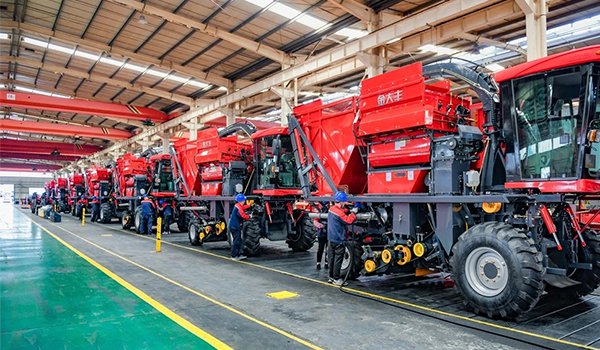
King-Gold Dafeng supplies self-propelled corn harvesting solutions with integrated picking, peeling, collection, and straw-management functions. Buyers can review the available corn harvester and maize picker range for different row configurations, farm sizes, and field conditions.
Choose According to the Work Completed in One Pass
The practical difference between a corn picker and a corn harvester is the amount of work the machine completes during one field pass.
A basic corn picker may be the economical choice when the farm only needs ear removal and already has enough labour, tractors, trailers, and residue-management equipment.
A self-propelled corn harvester is usually more suitable when the buyer wants picking, peeling, collection, and stalk crushing integrated into one operation.
When comparing a corn picker vs corn harvester, do not judge the machine by its name alone. Confirm its real functions, output form, row compatibility, working capacity, and field requirements.
The correct machine is the one that matches the buyer’s complete harvesting process, not simply the lowest purchase price or the longest list of specifications.
You May Also Be Interested In
To understand how row guidance, ear separation, peeling, conveying, and straw crushing work together, read How Does a Corn Harvester Work in Real Field Conditions?
Buyers comparing an ear-harvesting machine with a grain combine may also find Corn Head vs Grain Header: Which One Do You Need? useful when deciding whether to collect whole ears or loose grain.