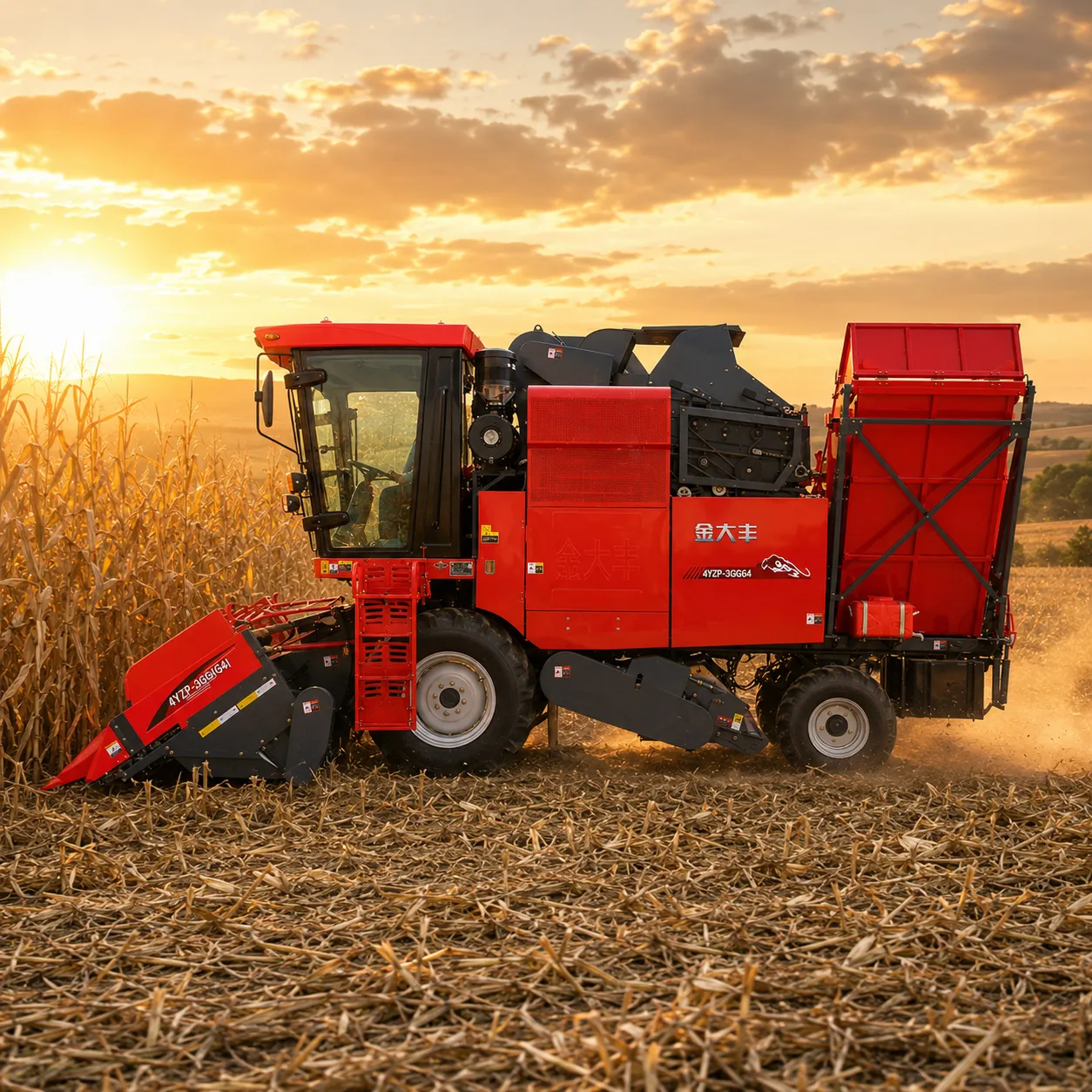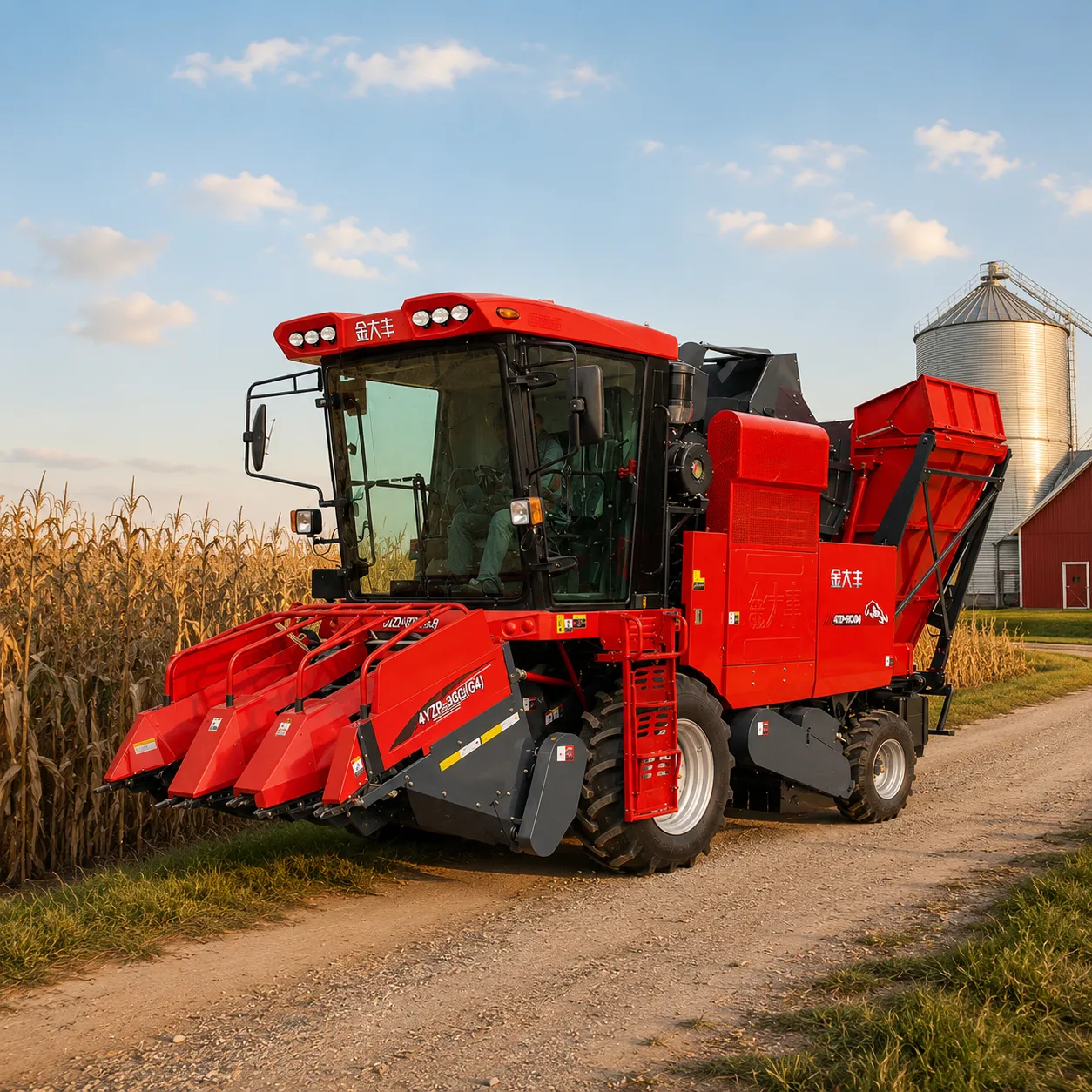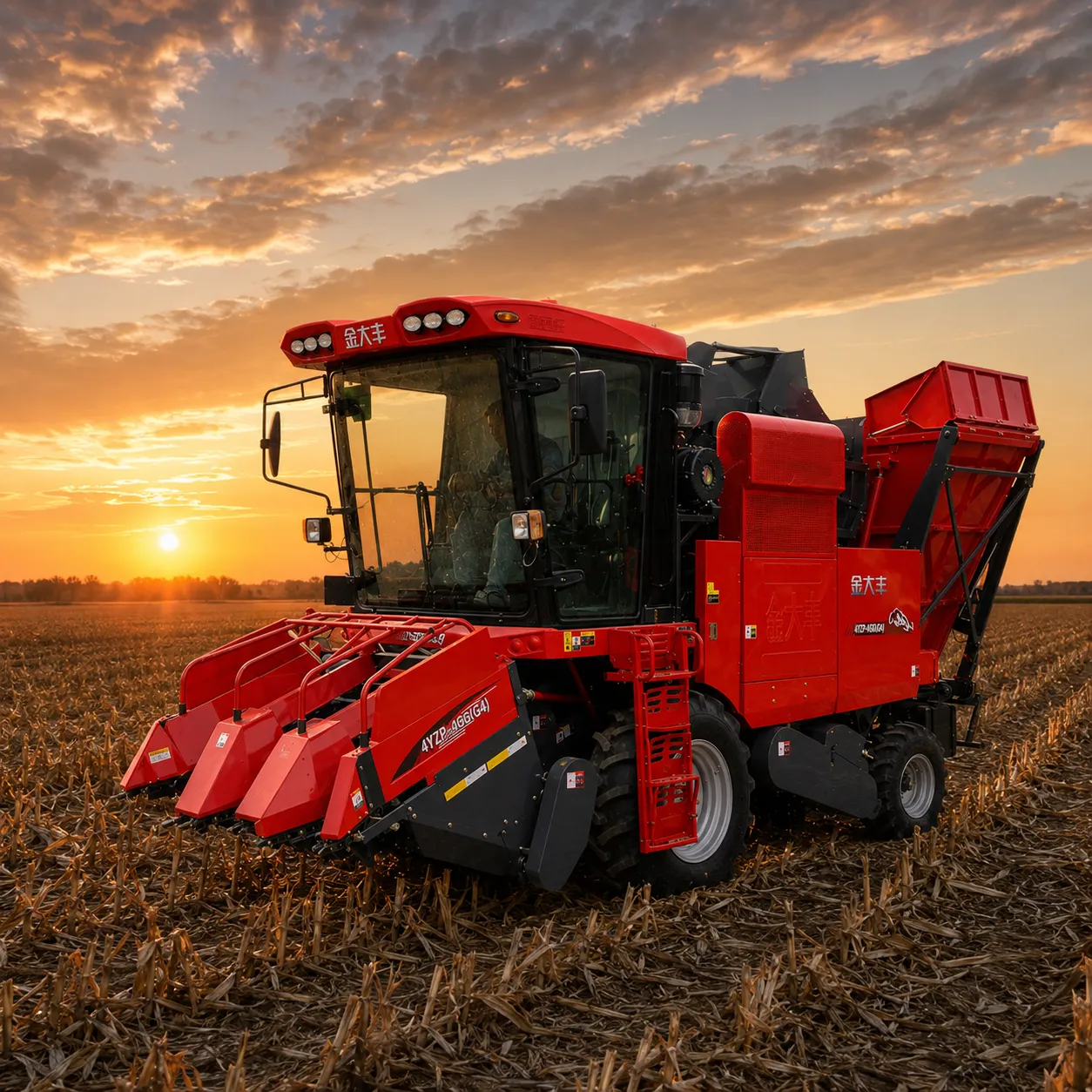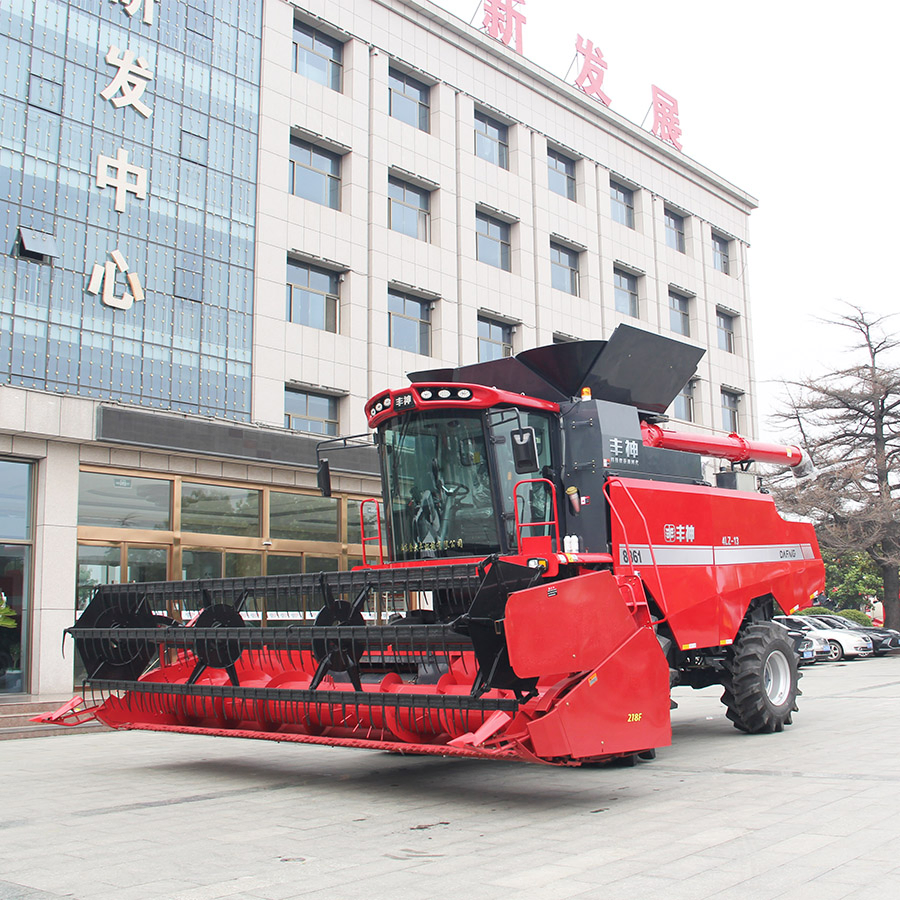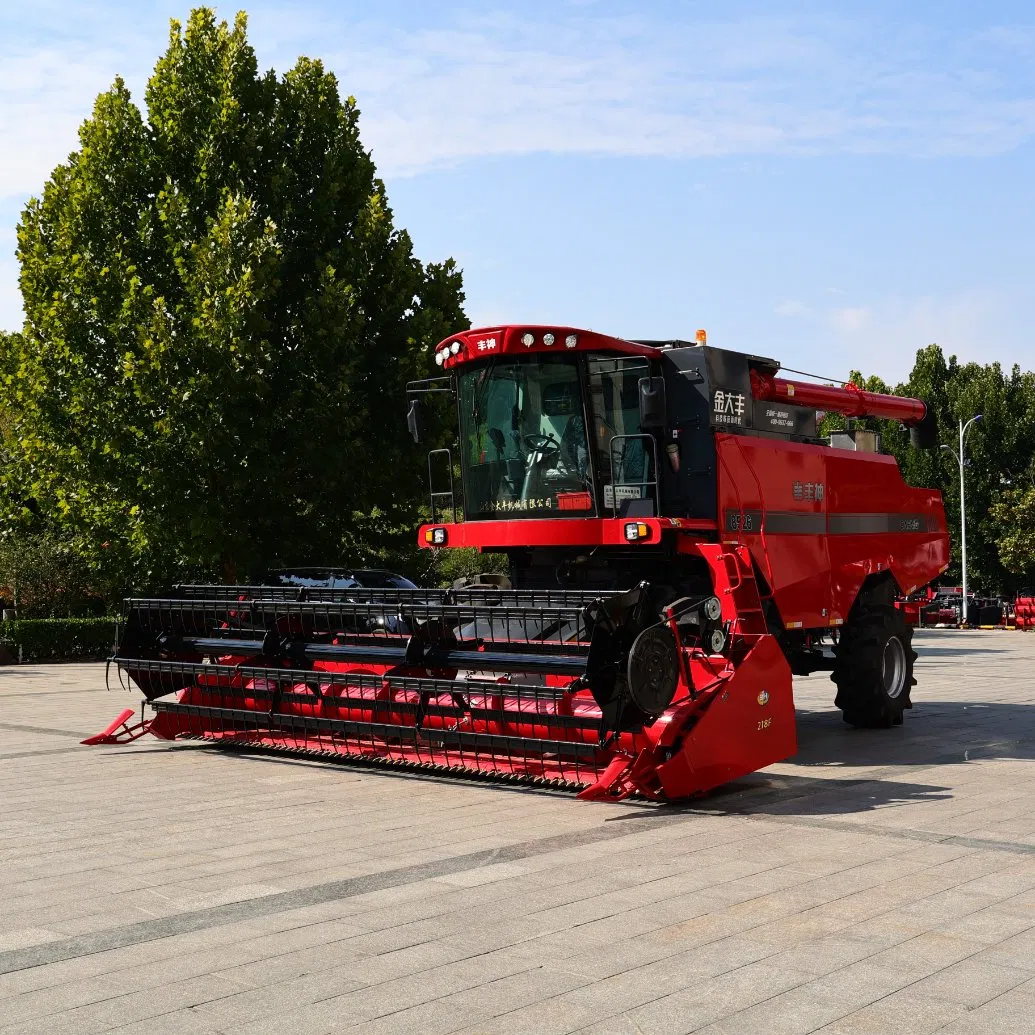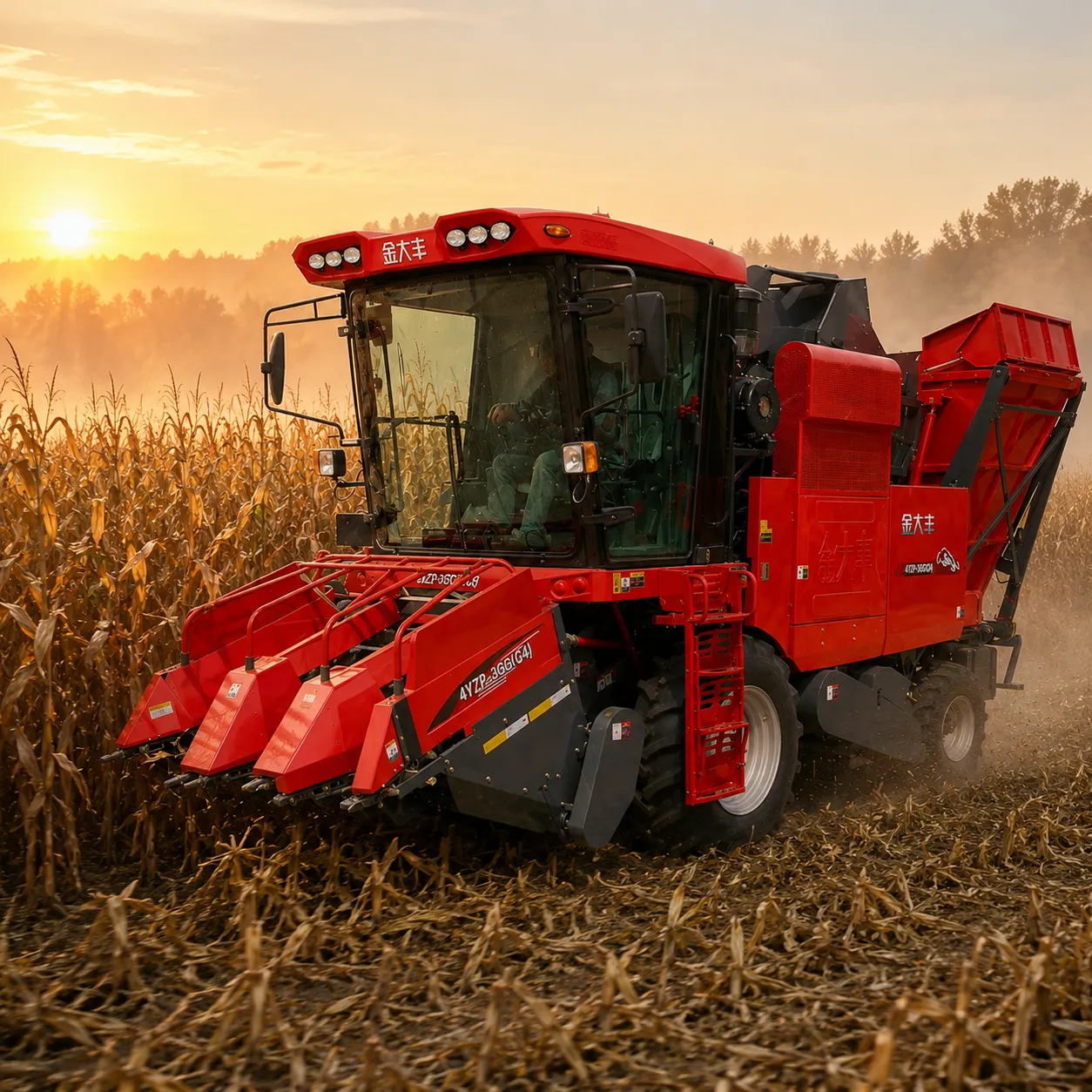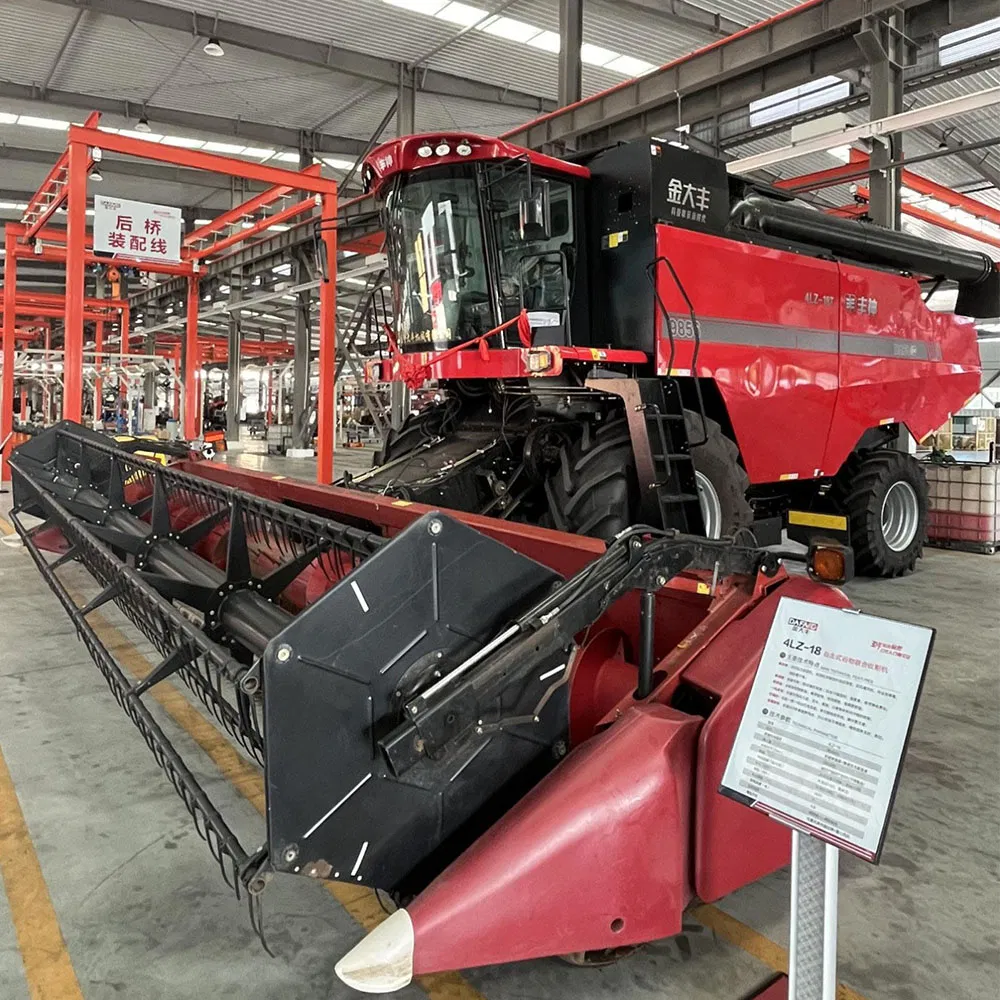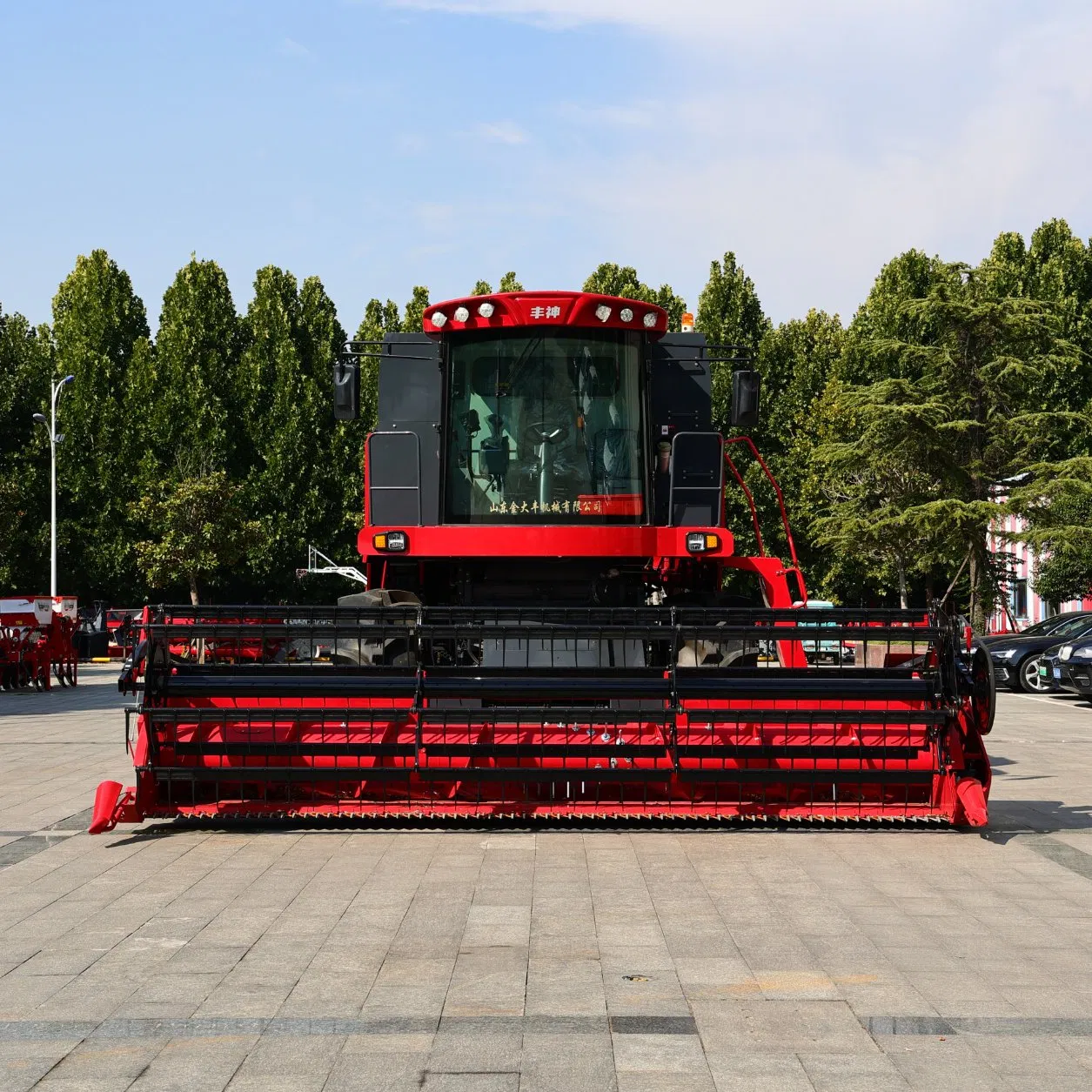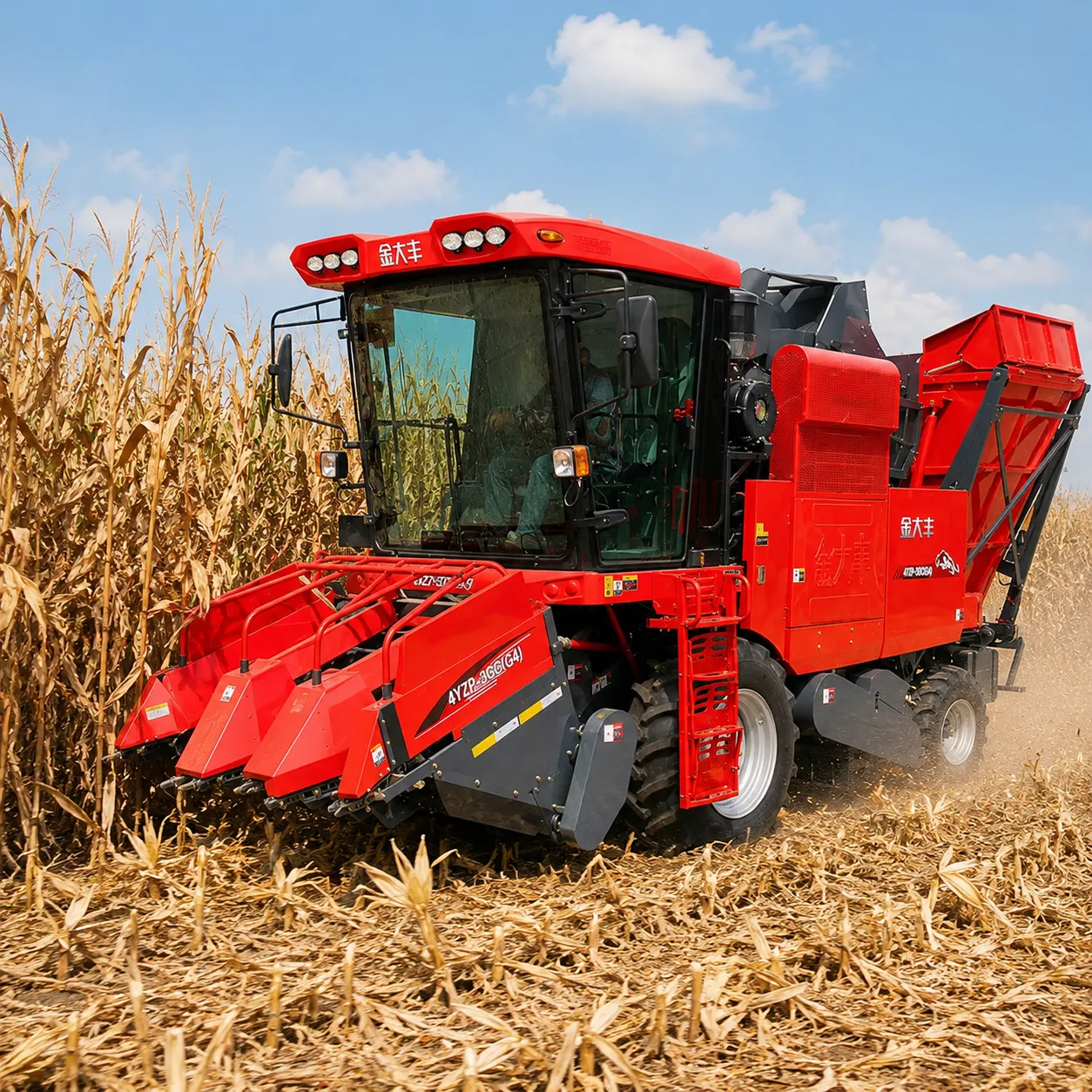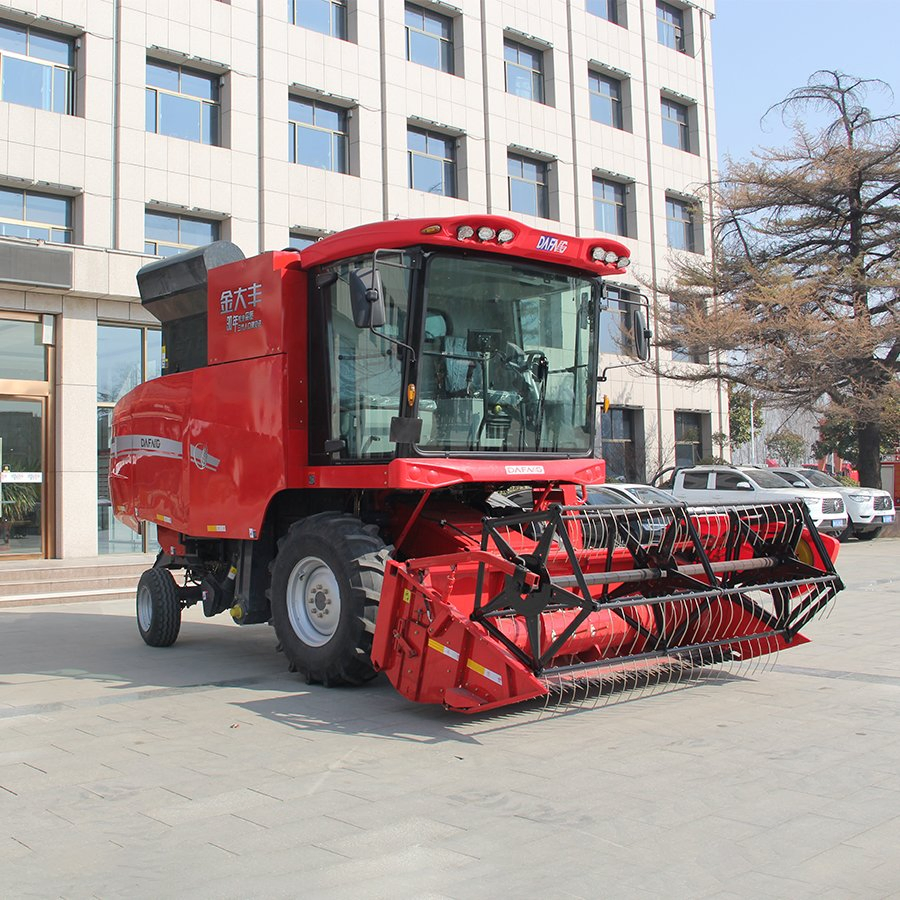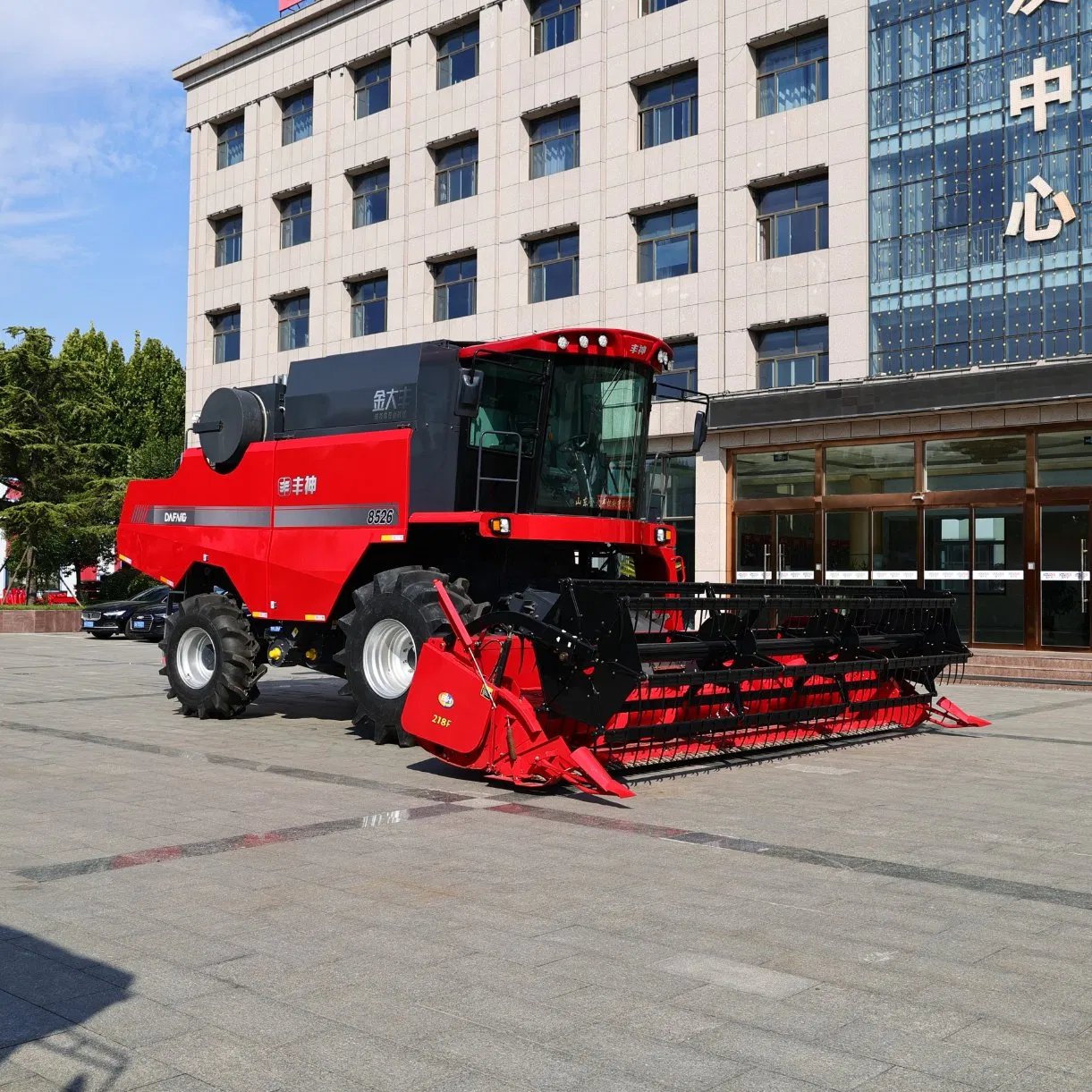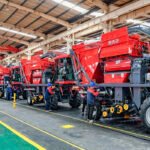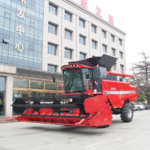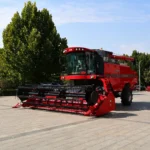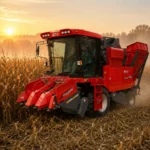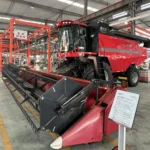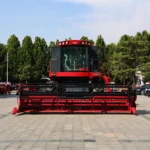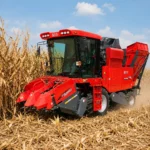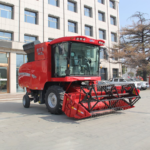
Choosing the best corn harvester for small and medium farms is not simply about buying the largest or most powerful machine. For many farmers, agricultural cooperatives, contractors, and local dealers, the best machine is the one that matches real field size, crop density, row spacing, labor conditions, and budget.
Small and medium farms often need a corn harvester that is efficient, easy to operate, simple to maintain, and flexible enough to work in different field layouts. A large machine may look impressive, but it can become difficult to maneuver in smaller plots. On the other hand, a machine that is too small may reduce harvesting speed and increase labor costs.
This guide explains how to choose a practical corn harvester for small and medium farms, including row number, engine power, harvesting functions, field adaptability, and long-term value.
Why Small and Medium Farms Need the Right Corn Harvester
Corn harvesting is time-sensitive. Once corn reaches the right harvesting stage, farmers need to complete the work quickly to reduce field losses and protect crop quality. Manual harvesting requires more labor and time, while a suitable corn harvester can complete cutting, picking, peeling, collection, and straw treatment more efficiently.
For small and medium farms, the right machine should not only improve speed but also reduce operating pressure. Farmers need equipment that can enter different field sizes, turn smoothly, and work reliably during the harvest season.
A corn harvesting machine for small farms should therefore focus on practical output, easy control, and affordable ownership cost.
Which Corn Harvester Size Fits Small and Medium Farms?
Row number is one of the most important factors when choosing a corn harvester. It directly affects working width, daily output, machine size, power requirement, and purchase cost.
| Harvester Type | Best For | Main Advantage |
|---|---|---|
| 2 Row Corn Harvester | Small farms, narrow plots, lower budget buyers | Compact size and easy operation |
| 3 Row Corn Harvester | Small to medium farms | Balanced efficiency and manageable machine size |
| 4 Row Corn Harvester | Medium to larger farms | Higher daily harvesting capacity |
For many small and medium farms, a 3 row corn harvester for medium farms provides a strong balance. It offers better efficiency than a 2-row model while remaining easier to operate than a wider 4-row machine.
Why a 3 Row Corn Harvester Is Often a Practical Choice
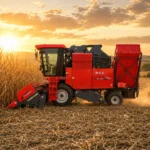
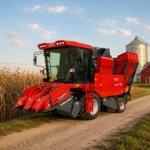
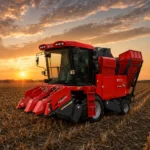
A 3-row corn harvester is especially popular because it fits many real farming conditions. It can handle moderate field areas, deliver practical harvesting speed, and reduce labor demand without requiring a very large investment.
For farms that do not have extremely wide fields, a 3-row machine can be easier to turn and manage. It also works well for dealers because it appeals to a wide buyer group. Compared with larger models, the purchase cost is usually more manageable, while the productivity is still strong enough for many seasonal needs.
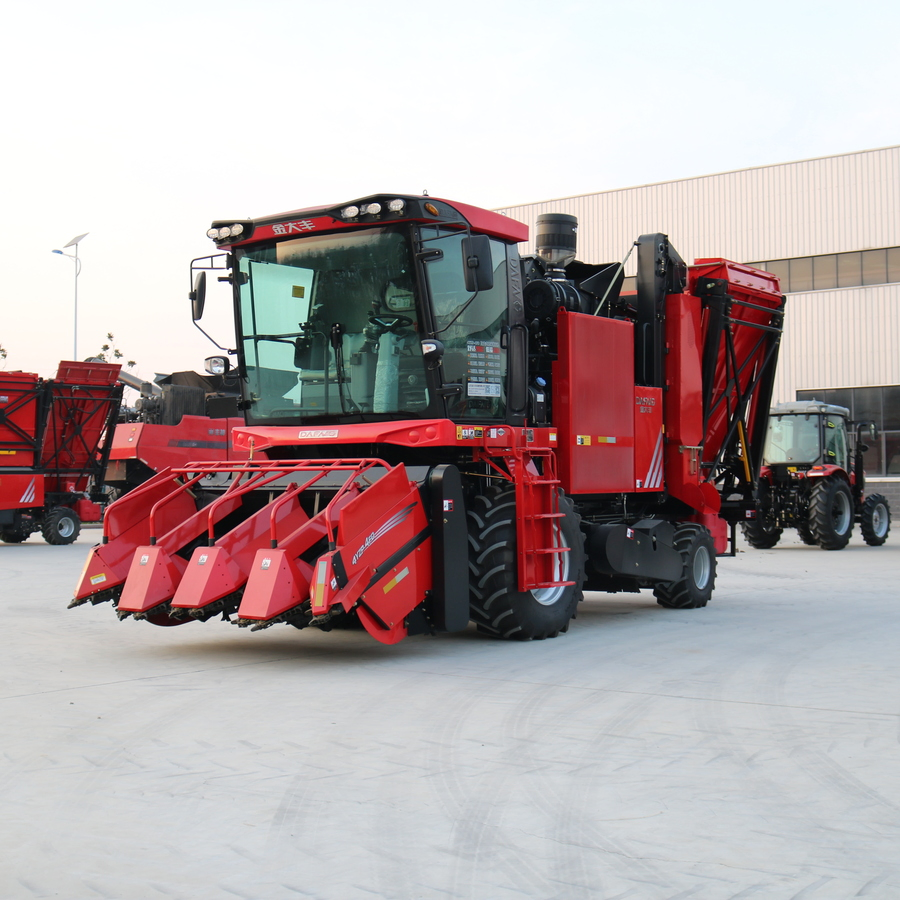
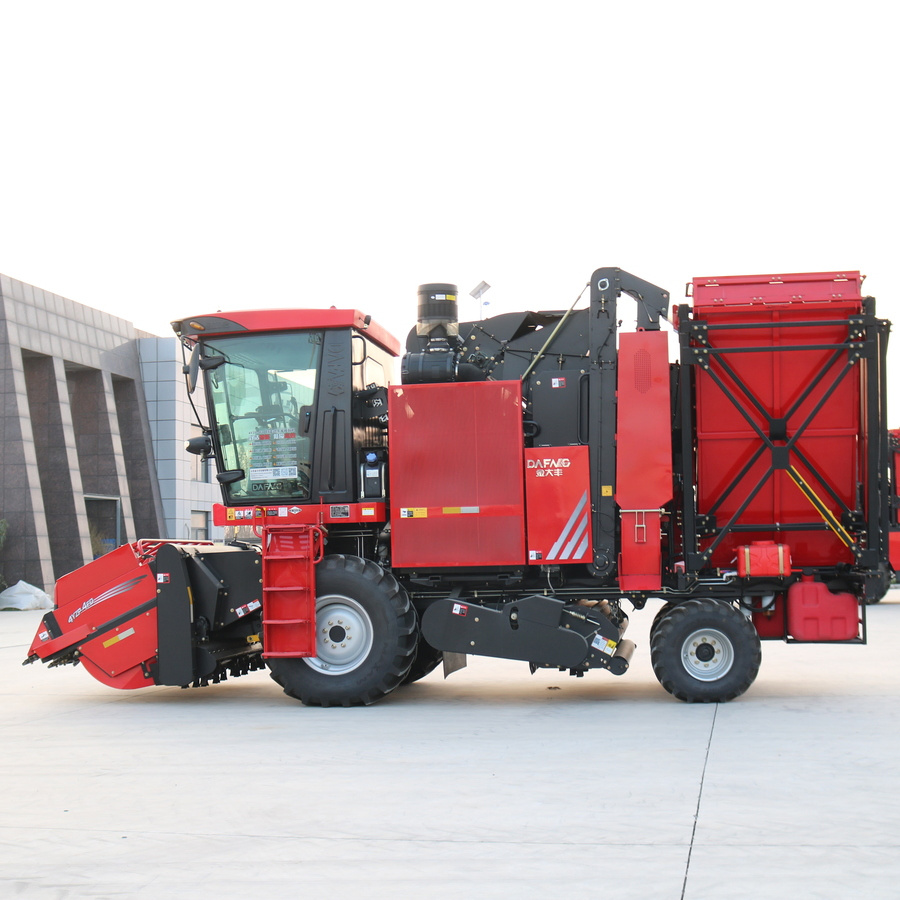
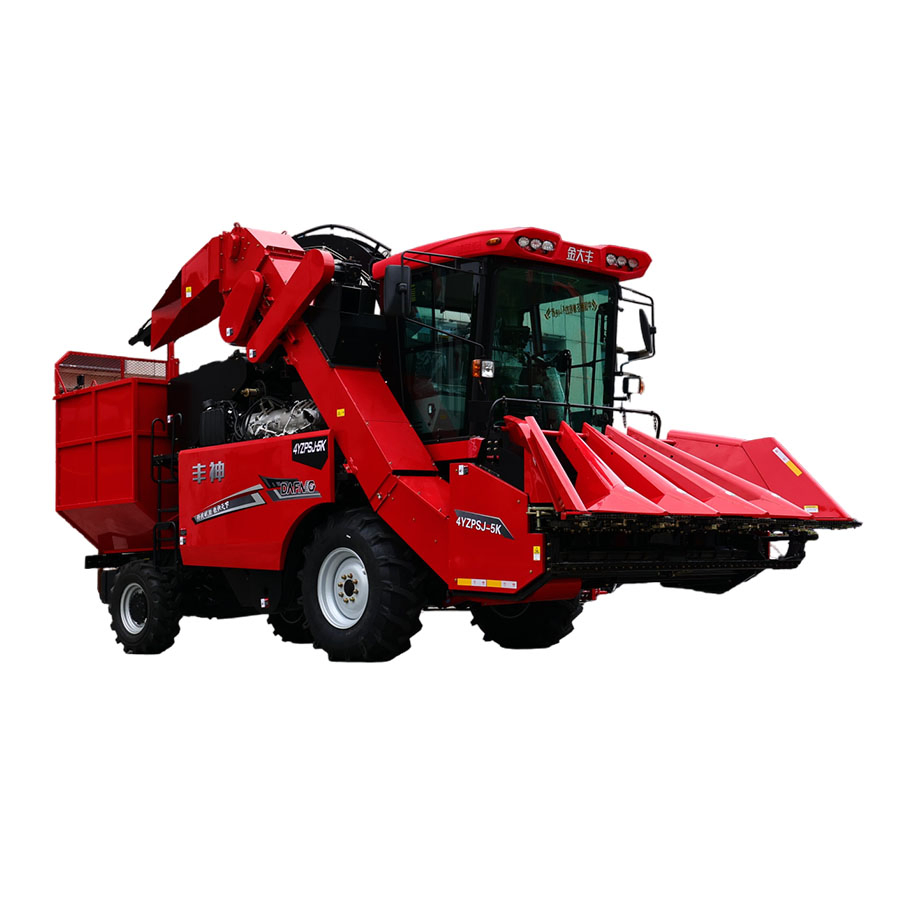
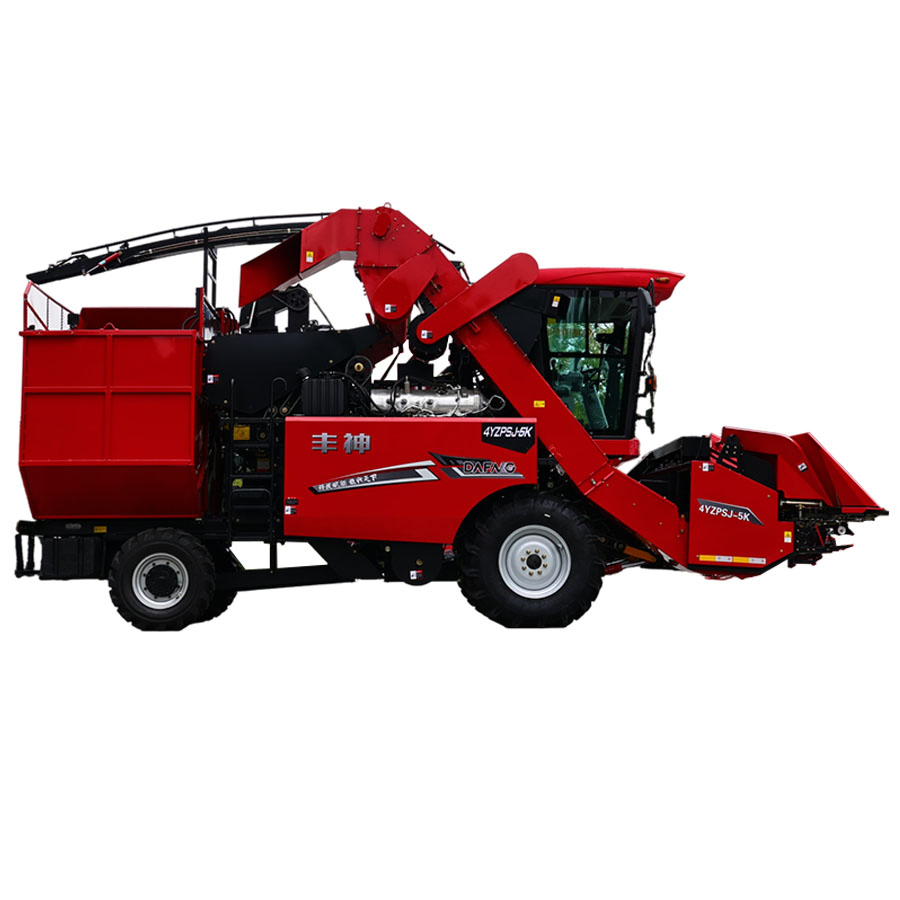
Buyers searching for a self-propelled corn harvester for medium farms should pay attention to engine power, row spacing, peeling performance, collection system, and straw crushing ability.
Engine Power and Harvesting Stability
Engine power should match the machine size and harvesting load. A small corn harvester may not need very high horsepower, but a 3-row or 4-row model requires enough power to keep stable performance in dense corn fields.
For example, a 120HP class 3-row corn harvester can be suitable for many small and medium farms when the machine structure, feeding system, and harvesting functions are properly matched. Stable power helps the machine keep working smoothly and reduces the risk of blockage or performance loss.
Buyers should avoid choosing only by horsepower number. The complete machine design matters just as much as engine size.
Important Functions Buyers Should Compare
A modern corn harvester can do more than pick corn. Many models are designed to complete multiple operations in one pass. This can greatly reduce labor and improve harvesting efficiency.
Important functions include:
- Corn ear harvesting
- Peeling system
- Collection system
- Straw crushing
- Hydraulic operation
- Comfortable control area
A corn harvester with peeling and straw crushing can be especially useful for farmers who want cleaner output and better field residue management. Straw crushing also helps prepare the field for later operations.
Row Spacing and Field Compatibility
Different regions use different corn planting patterns. Row spacing may vary depending on local seed varieties, planting habits, and farming methods. If the machine does not match the field spacing, harvesting losses may increase.
Buyers should check whether the machine supports common row spacing in their market. For dealers and importers, this point is even more important because they may sell machines to customers with different planting standards.
A corn harvester with suitable row spacing is easier to promote and more practical for real field use.
Field Layout and Maneuverability
Small and medium farms often have irregular field shapes, narrower field roads, and tighter turning areas. This makes maneuverability very important. A machine that is too large may reduce efficiency because operators spend more time turning or adjusting direction.
A compact but productive machine can often perform better in these conditions. This is why buyers should evaluate machine size together with field layout instead of focusing only on row number.
Maintenance and Spare Parts Support
Corn harvesters work during a short and intense season. If the machine stops during harvesting, the loss can be serious. For this reason, maintenance access and spare parts supply are key buying factors.
Buyers should check:
- Whether common wearing parts are easy to replace
- Whether belts, chains, blades, and peeling parts are available
- Whether manuals and technical guidance are provided
- Whether the supplier can support long-term spare parts
A reliable maize harvester for long harvest seasons should combine stable structure with practical after-sales support.
Buying Checklist for Small and Medium Farms
| Buying Factor | What to Check | Why It Matters |
|---|---|---|
| Farm Size | Small, medium, or expanding farm scale | Helps choose row number and capacity |
| Row Number | 2 row, 3 row, or 4 row | Affects productivity and machine size |
| Engine Power | Power matched with harvesting width | Ensures stable field operation |
| Functions | Peeling, collecting, straw crushing | Reduces labor and improves efficiency |
| Maintenance | Parts availability and service access | Reduces downtime during harvest season |
Why Supplier Support Matters
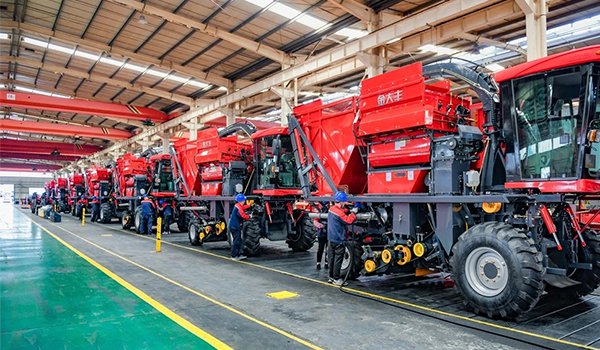
The best machine is not only the one with the right specifications. It also needs reliable supplier support. Dealers and farm buyers should work with manufacturers that can provide suitable models, spare parts, export documents, and technical guidance.
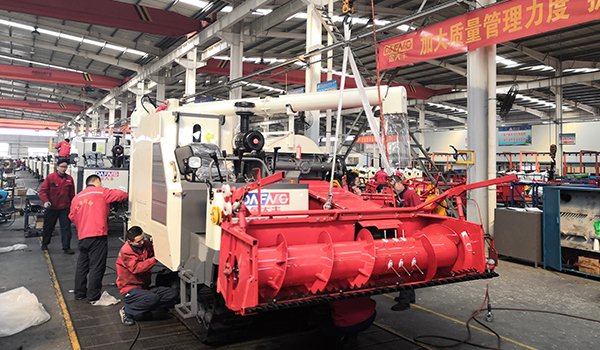
King-Gold Dafeng corn harvester solutions are designed for practical harvesting needs, including machines for corn picking, peeling, collection, and straw processing. For small and medium farm markets, this kind of product coverage helps buyers choose machines that better match local conditions.
Final Thoughts
The best corn harvester for small and medium farms should offer the right balance of capacity, size, price, function, and reliability. For many buyers, a 3-row self-propelled corn harvester can provide practical efficiency without becoming too large or costly.
Before ordering, farmers and dealers should compare row number, engine power, row spacing, peeling system, collection method, straw crushing, field adaptability, and spare parts support. A well-matched corn harvester can reduce labor, improve harvest timing, and create better long-term value.