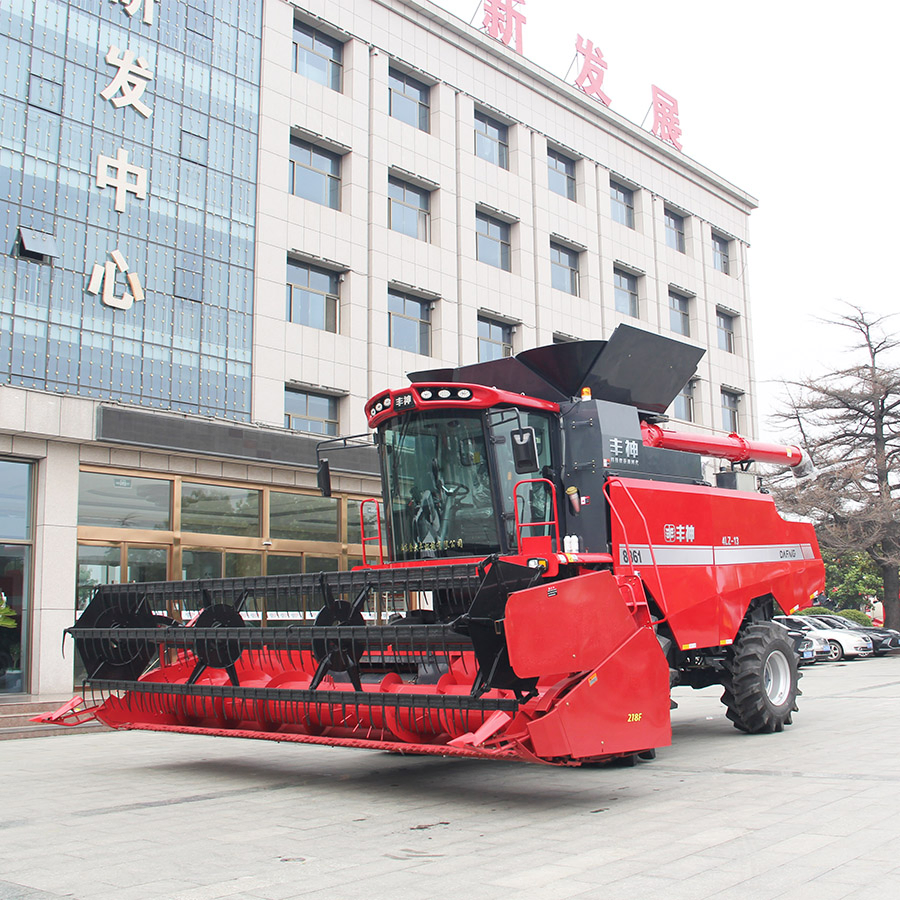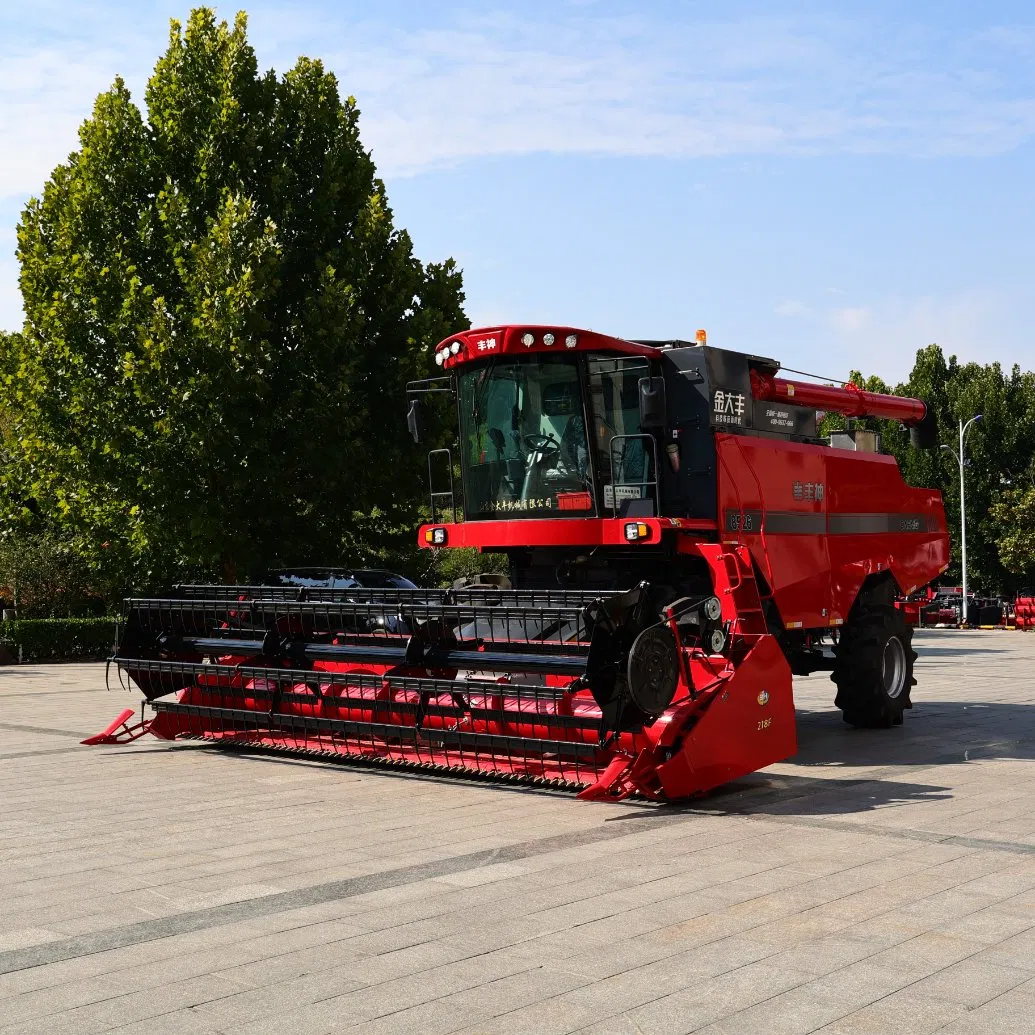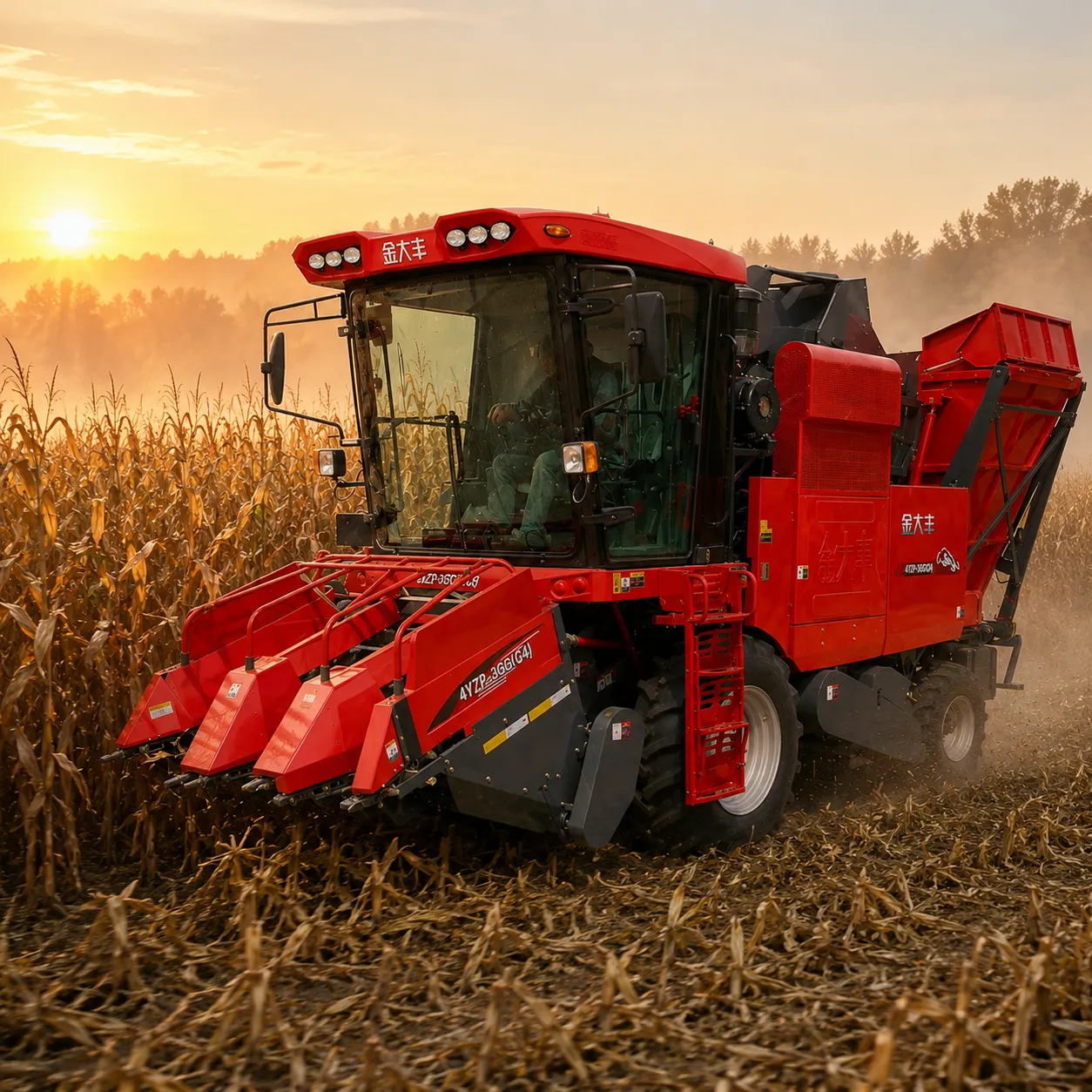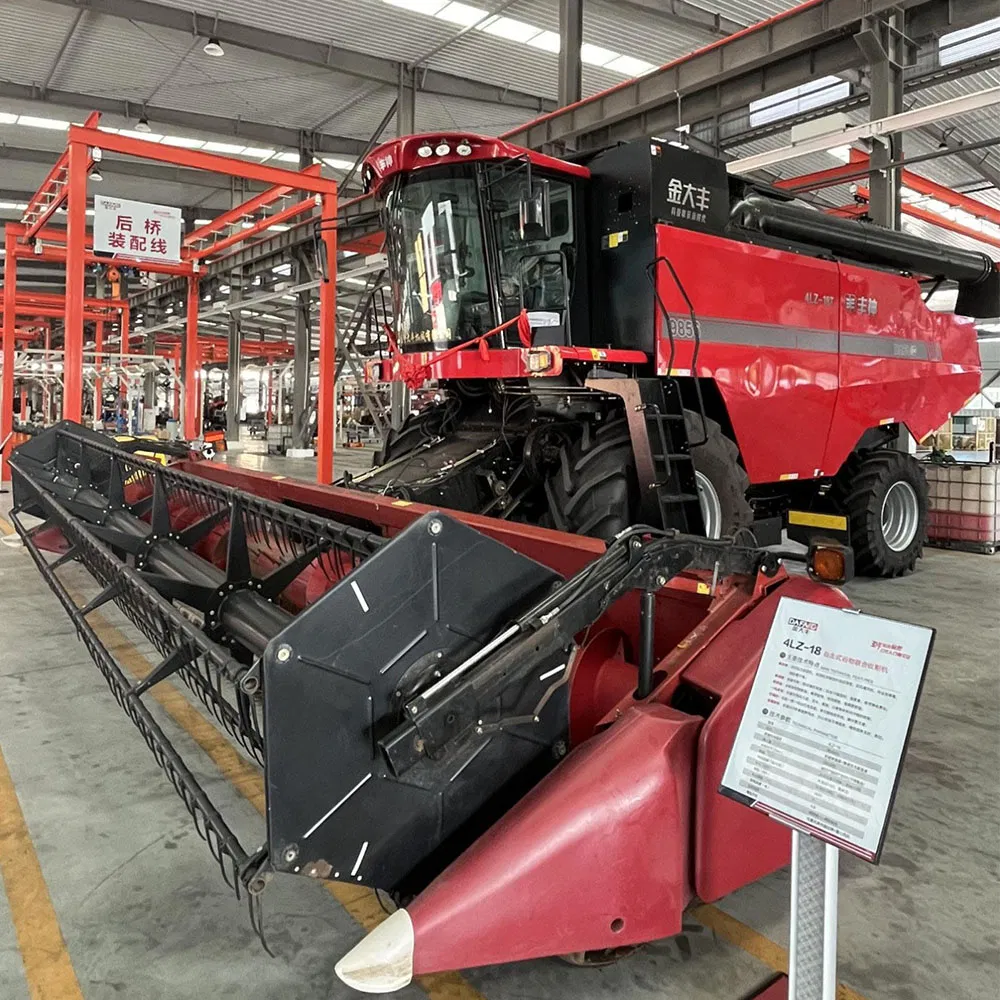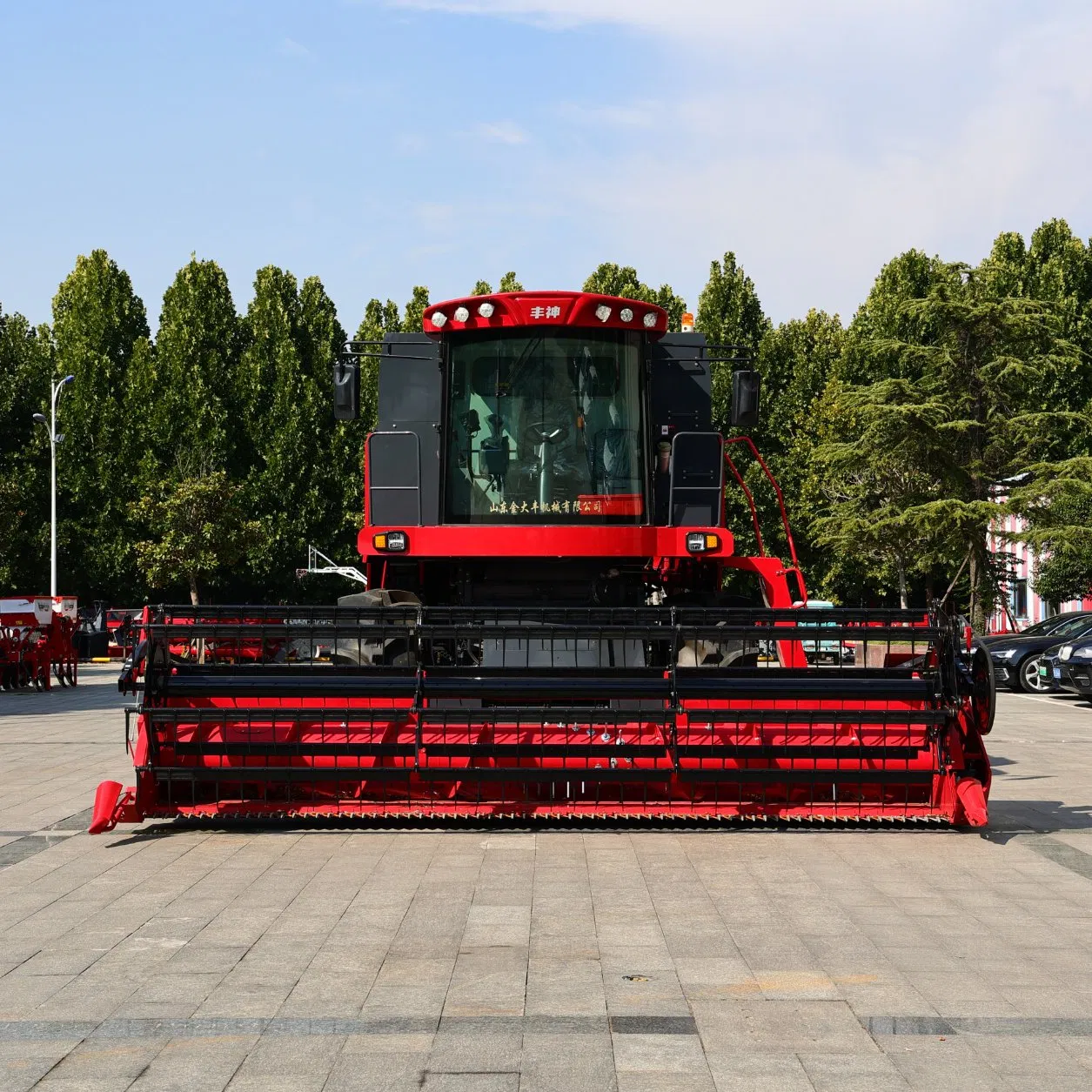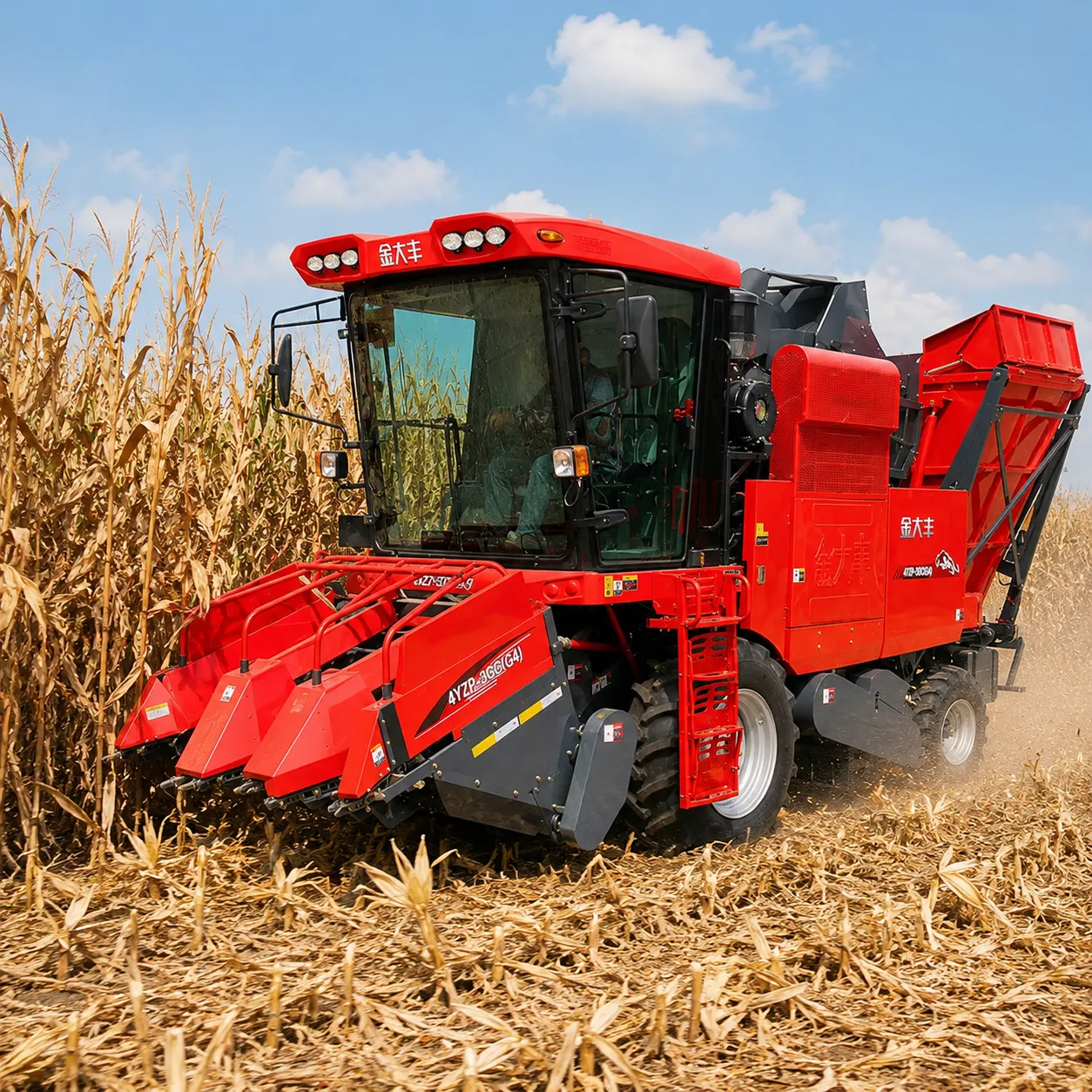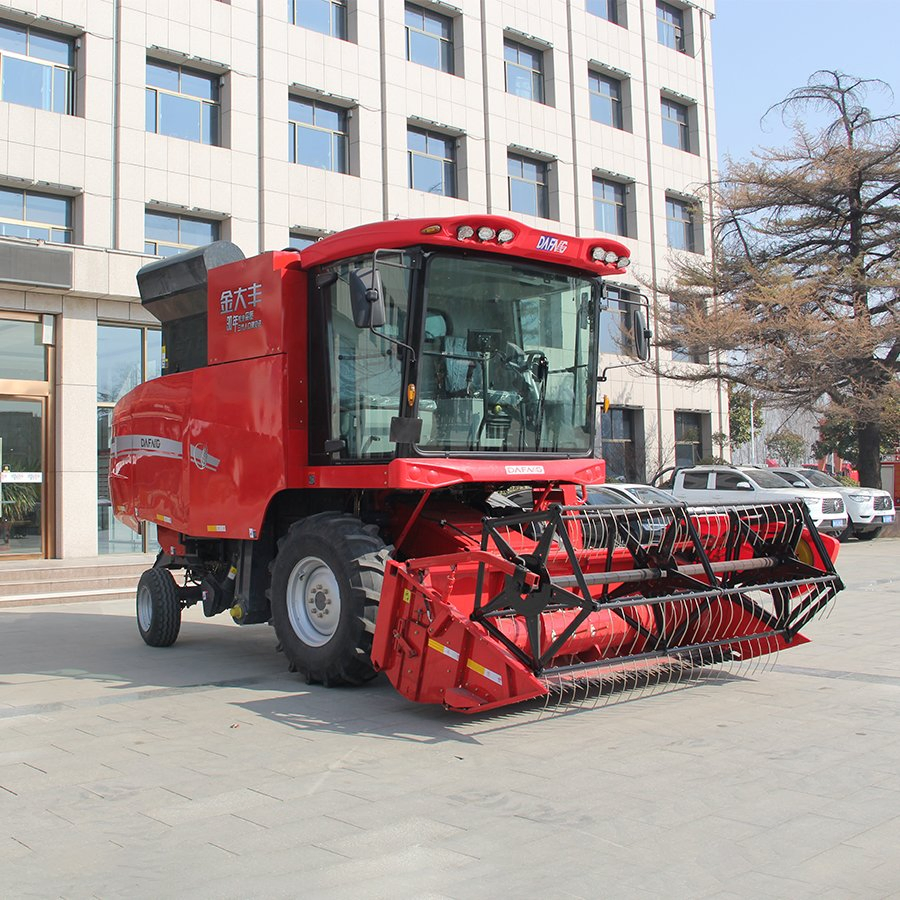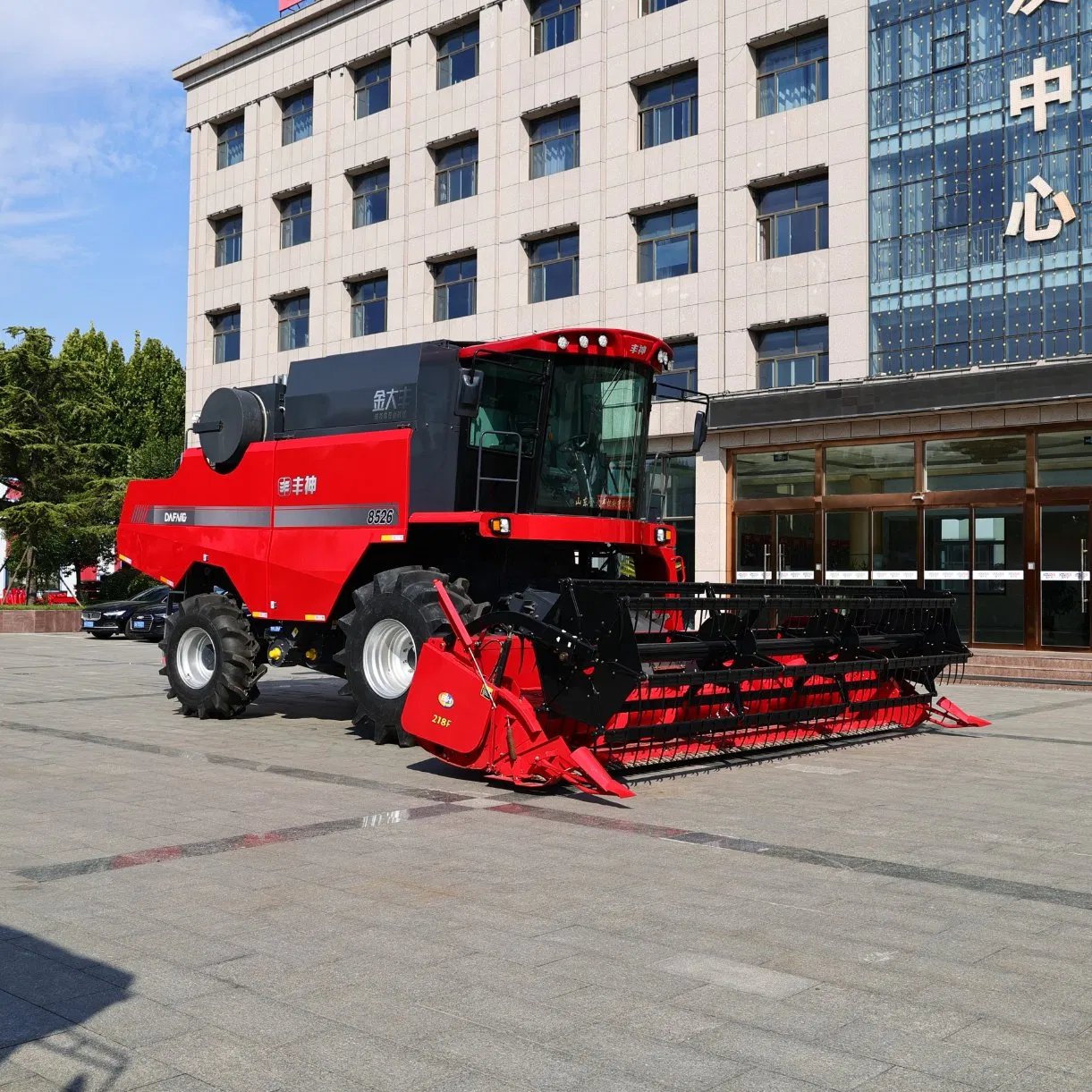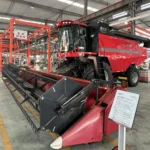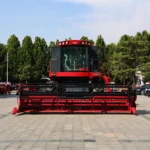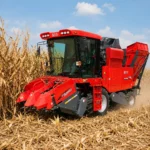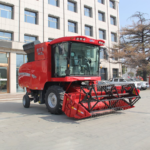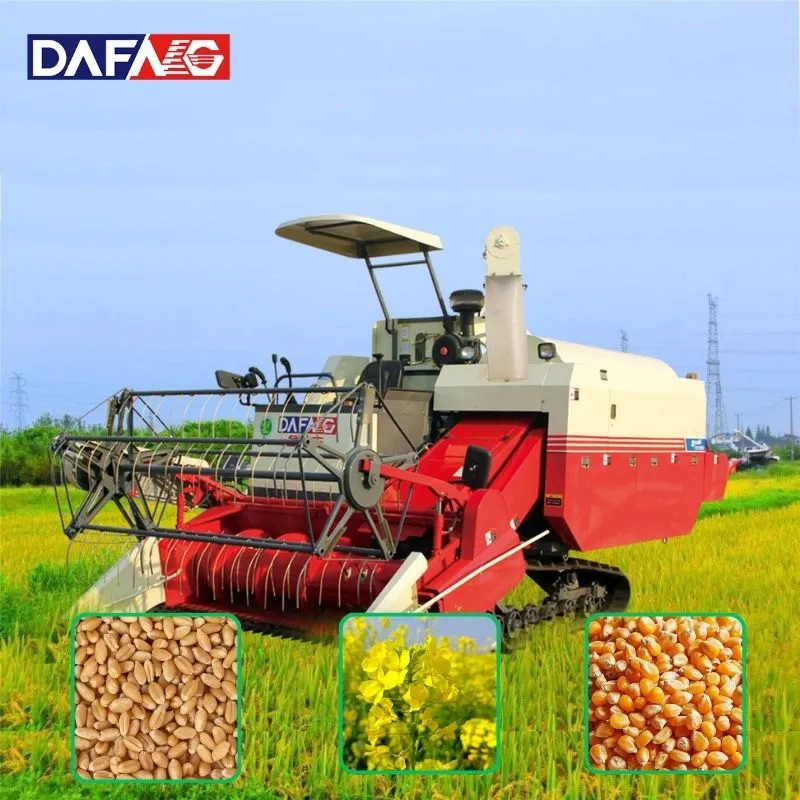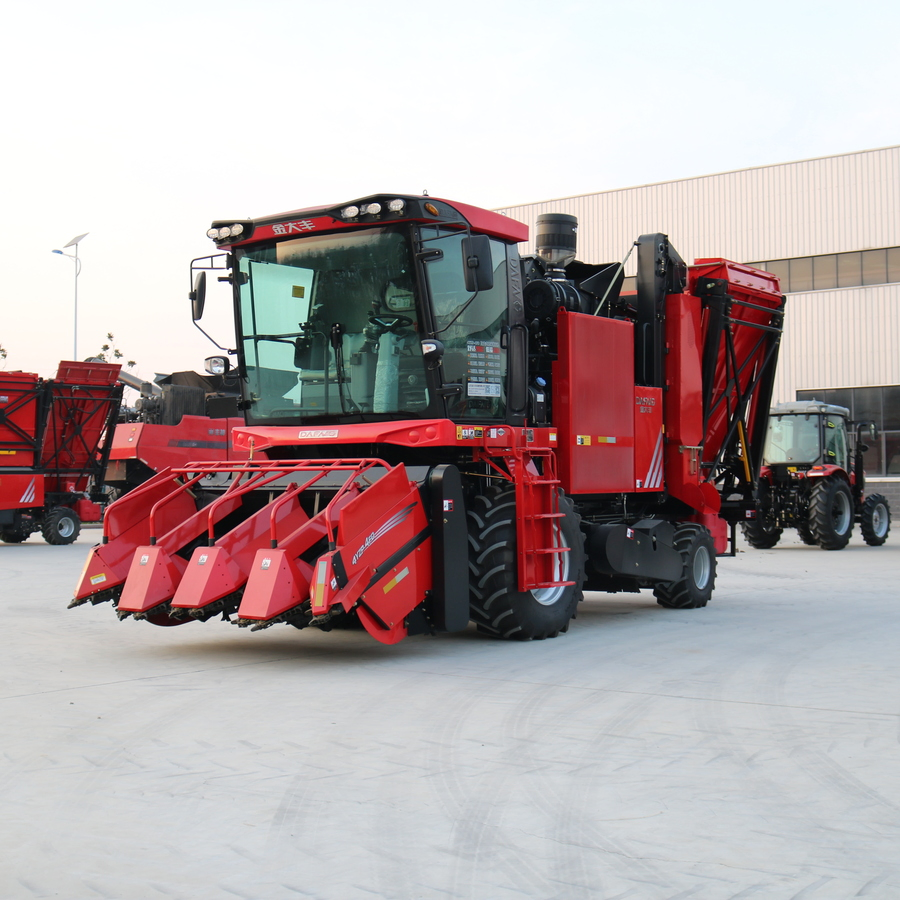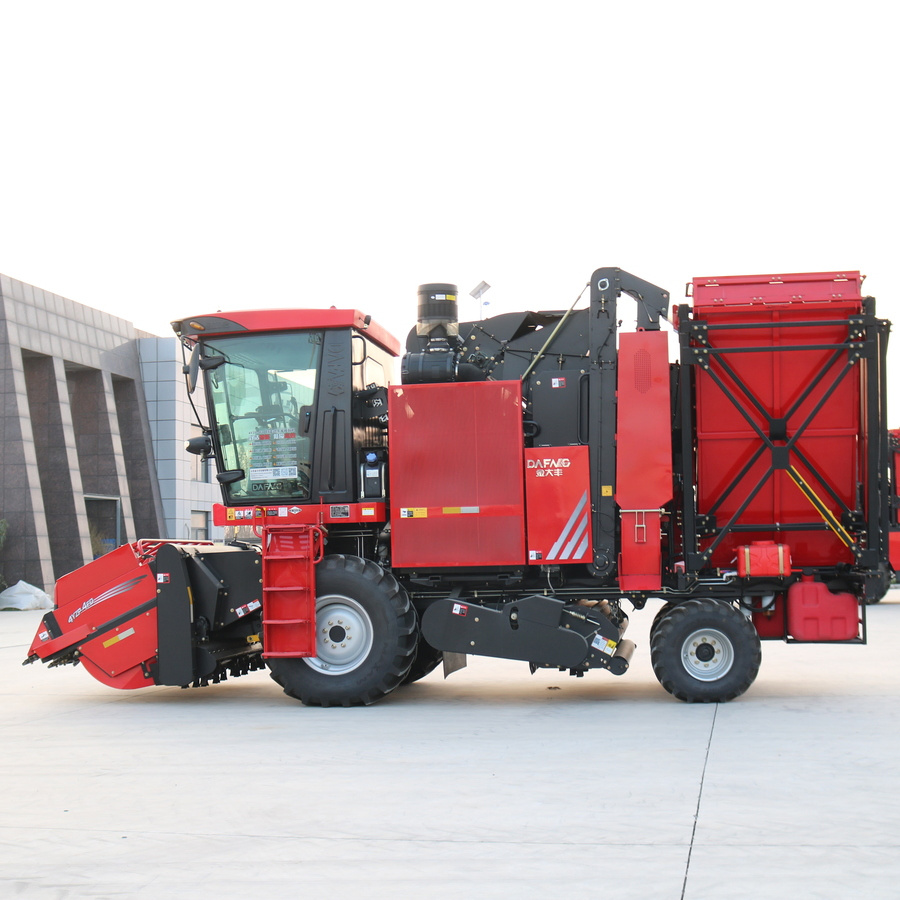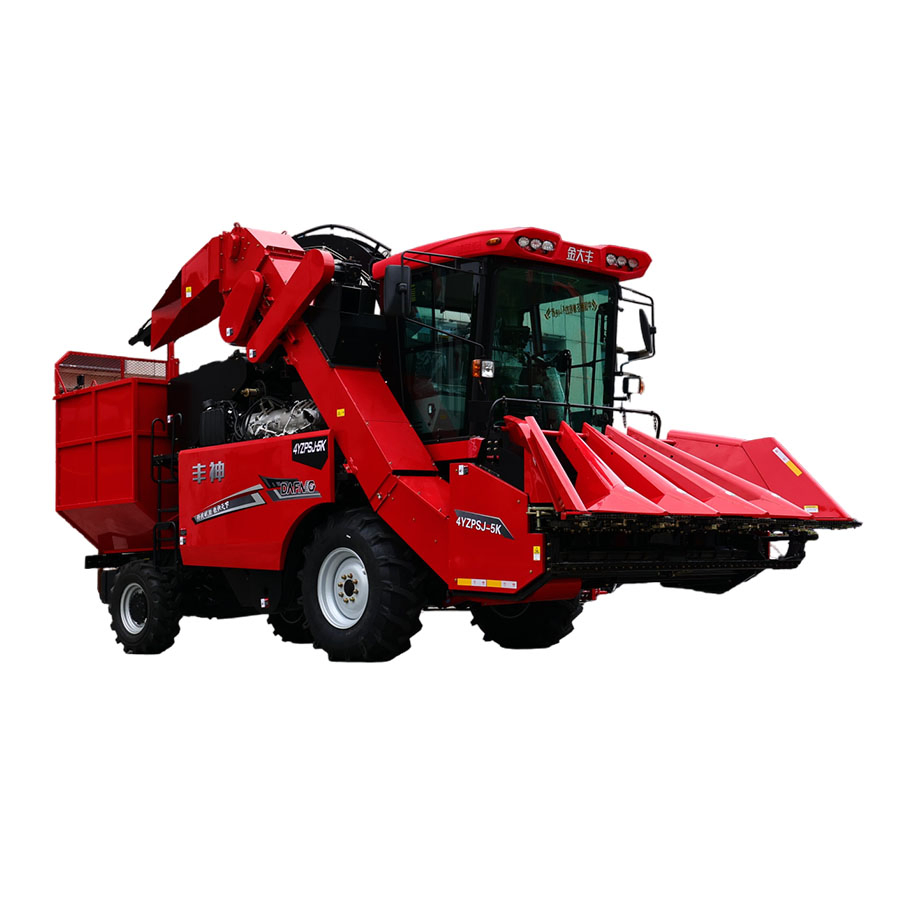
When buyers begin researching agricultural machinery, one of the first questions they ask is about corn harvester price. However, the real cost of a corn harvester depends on far more than the initial quotation. Machine size, row number, engine power, harvesting functions, peeling system, straw treatment, collection capacity, brand support, and spare parts all affect value.
A lower price may look attractive at the beginning, but if the machine cannot match field conditions or lacks reliable support, long-term costs can rise quickly. For farmers, dealers, and importers, the goal should not be to find the cheapest option. The goal should be to identify the right balance between price, performance, and long-term return.
This article explains the key factors buyers should compare before ordering a corn harvester.
Why Corn Harvester Prices Vary So Much
Corn harvesters are designed for different farm sizes and production needs. A compact 2-row model does not belong in the same price category as a high-capacity 4-row or 5-row machine. Even among harvesters with similar width, price can vary due to engine specification, peeling performance, harvesting efficiency, and structural quality.
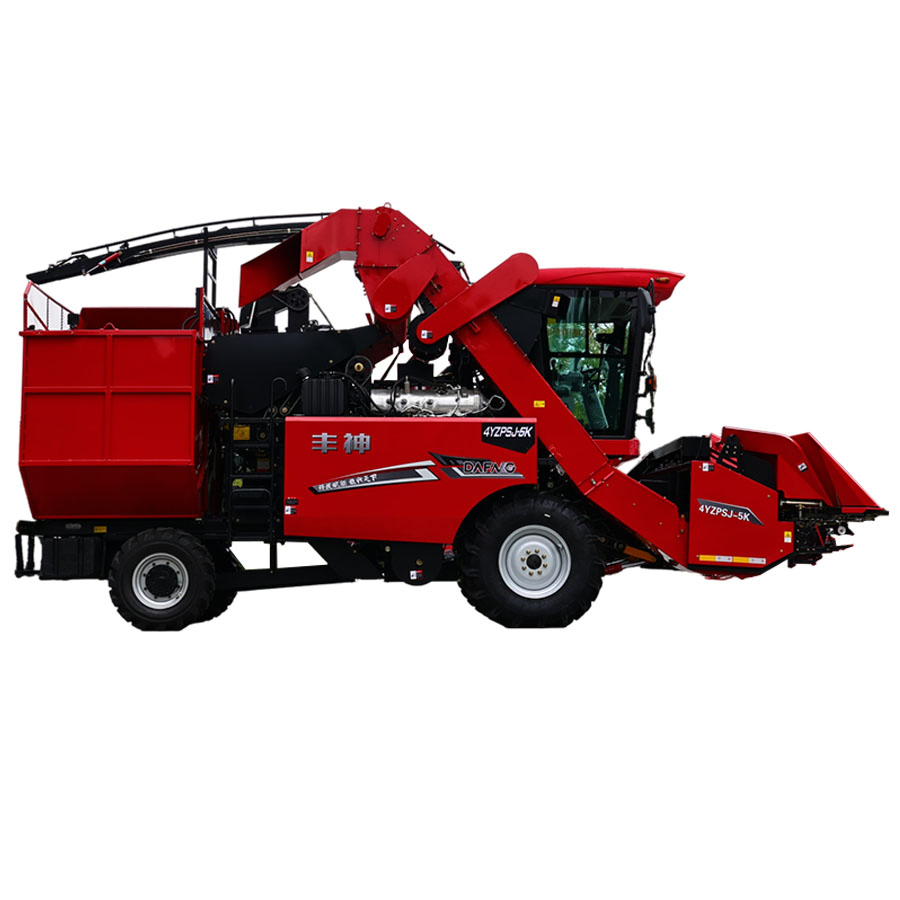
Some machines only focus on harvesting corn ears. Others perform multiple operations at once, such as peeling, collecting, and crushing straw. These integrated functions often improve productivity and reduce labor demand, but they also influence final pricing.
Buyers looking for a corn harvester price comparison for global buyers should evaluate the full machine configuration rather than comparing row number alone.
Row Number Is One of the Main Price Factors
The number of harvesting rows directly affects machine size, productivity, and power requirements. More rows generally increase capacity, but they also require a stronger chassis, more powerful engine, and more complex harvesting structure.
| Machine Type | Typical Positioning | Price Level |
|---|---|---|
| 2 Row Corn Harvester | Small farms and narrow fields | Lower |
| 3 Row Corn Harvester | Small to medium farms | Medium |
| 4 Row Corn Harvester | Medium to large farms | Medium to High |
| 5 Row Corn Harvester | Large commercial farms | Higher |
For many international buyers, a 3-row model offers a good balance of efficiency and affordability. Buyers searching for the best value 3 row corn harvester often prioritize stable field performance and easier market acceptance.
Engine Power and Overall Machine Capacity
Engine power affects harvesting stability, operating speed, and performance in dense crop conditions. A wider harvester usually needs more horsepower to keep output steady under load.
For example, 120HP class corn harvesters are commonly associated with practical medium-scale field work. Higher-output models may use stronger engines to maintain performance when harvesting wider rows or handling heavier crop conditions.
Buyers should compare whether engine size matches machine width and function package. An underpowered machine may have a lower price, but it may also harvest more slowly and struggle in tougher conditions.
Peeling, Collection and Straw Crushing Add Value
Different buyers need different levels of functionality. Some markets focus only on basic harvesting, while others value machines that reduce post-harvest labor. A harvester that completes corn picking, peeling, collecting, and straw crushing in one pass can greatly improve efficiency.
The corn harvester with peeling and straw crushing price will usually differ from a more basic harvesting machine, but it may deliver stronger overall value by reducing extra labor and equipment needs.
Dealers should consider what local farmers care about most. In some regions, integrated functions are a strong selling point. In others, buyers may prefer a simpler machine with a lower starting price.
Collection Capacity and Unloading Efficiency
Collection design affects how often the machine must stop during operation. A larger storage area or better unloading structure can reduce downtime and improve work rhythm during harvest season.
These details may not always appear at the top of a price discussion, but they strongly influence real-world efficiency. A machine that saves repeated stopping time can create better productivity over the full harvest period.
Field Adaptability Also Affects Price
Not all farms have ideal field conditions. Some areas contain uneven land, soft soil, or narrow plots. Machines designed for more challenging terrain may require stronger components, more robust frame structures, or more refined mobility.
Buyers evaluating a corn harvester for uneven terrain and variable fields should understand that field adaptability often contributes to price. It can also make the machine easier to sell in markets with mixed terrain conditions.
Customization Can Change the Final Cost
Dealers and importers often need customized features. These may include:
- Color
- Logo
- Engine configuration
- Cabin type
- Row spacing options
- Packaging method
Customization can raise the final price, but it may improve market fit and brand competitiveness. Buyers interested in an OEM corn harvester supplier for dealers should compare both unit cost and the business value of local brand customization.
Shipping, Spare Parts and After-Sales Support
The listed equipment price is only one part of the total purchase cost. Overseas buyers should also consider shipping, spare parts packages, documentation, packaging, and service support.
A cheaper machine without parts availability may create more expensive downtime later. During harvest season, repair delays can be highly costly. This is why a reliable supplier and spare parts support should be part of every price comparison.
When buyers evaluate the true cost of a corn harvesting machine, long-term support should always be included.
What Dealers and Importers Should Compare
| Comparison Area | Why It Matters |
|---|---|
| Row Number | Defines capacity and target farm size |
| Engine Power | Controls stable harvesting efficiency |
| Peeling and Crushing | Reduces post-harvest labor |
| Field Adaptability | Improves market fit in different regions |
| Customization | Supports brand and dealer strategy |
| Parts and Service | Protects long-term value |
Why Factory-Direct Supply Can Improve Value
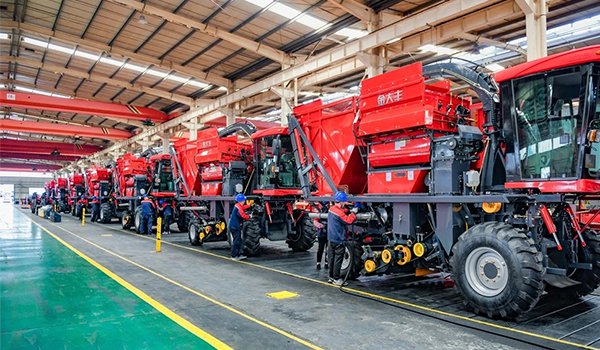
Factory-direct supply can make price comparison more transparent. Buyers can discuss technical specifications, functional differences, spare parts, and customization directly with the manufacturer rather than relying on incomplete third-party descriptions.
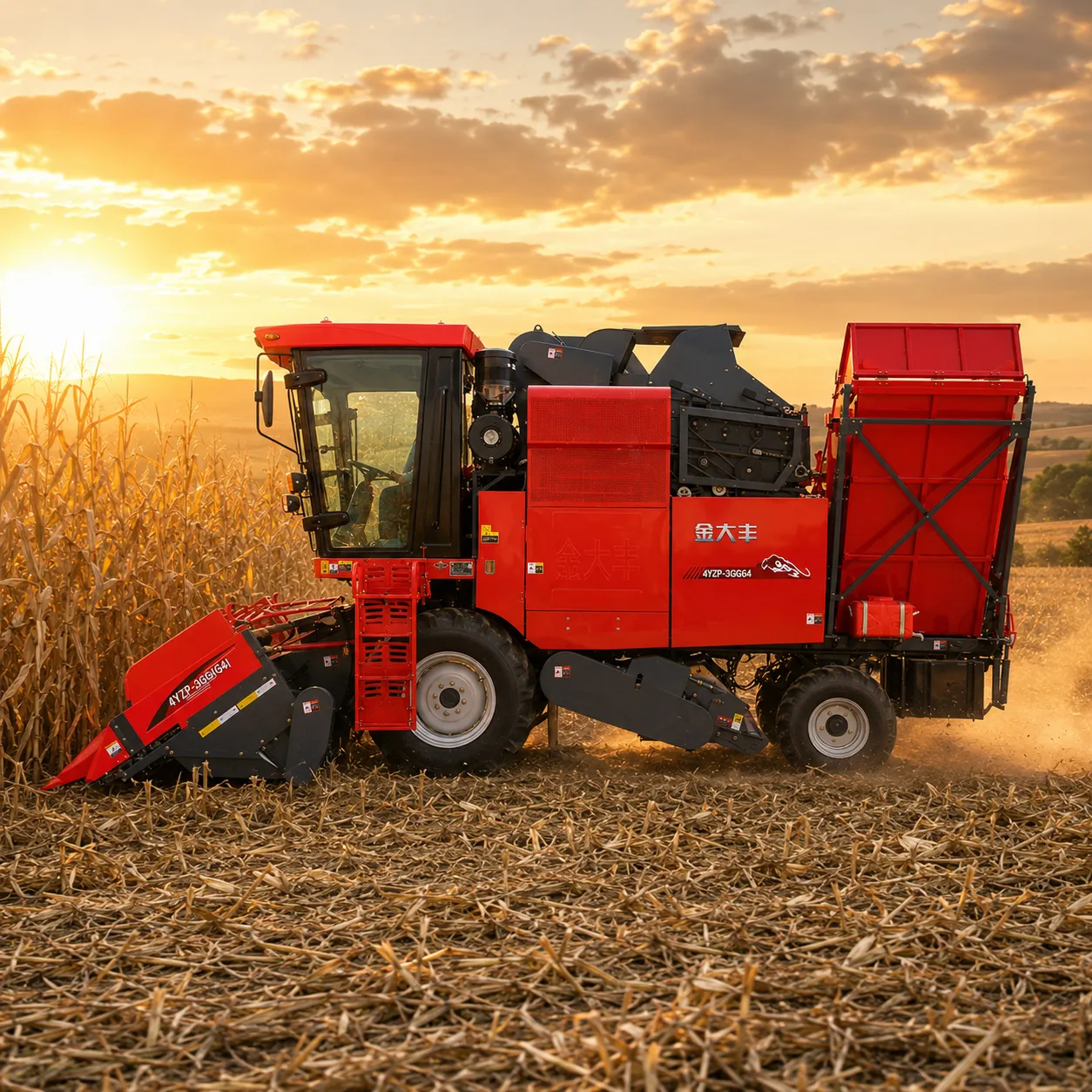
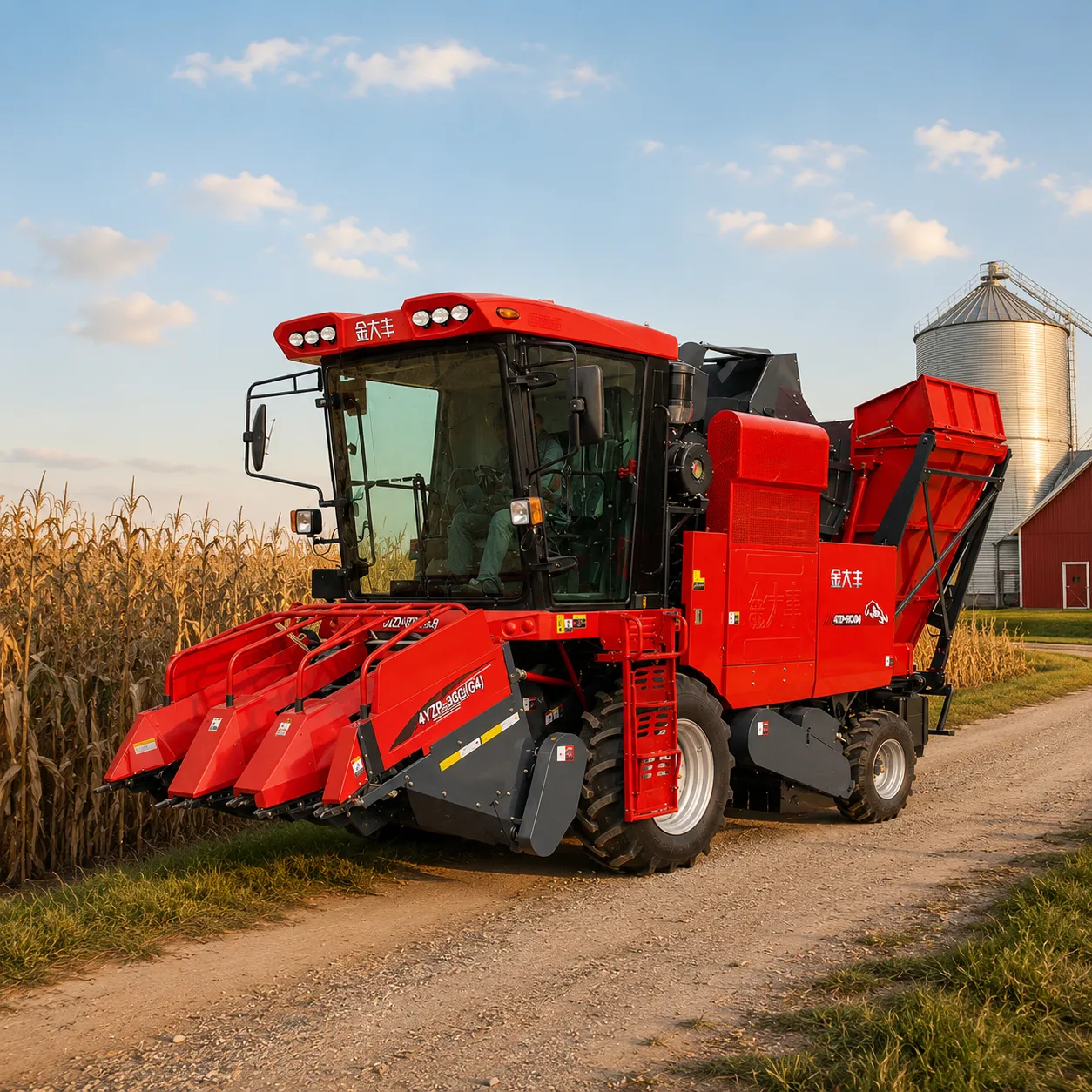
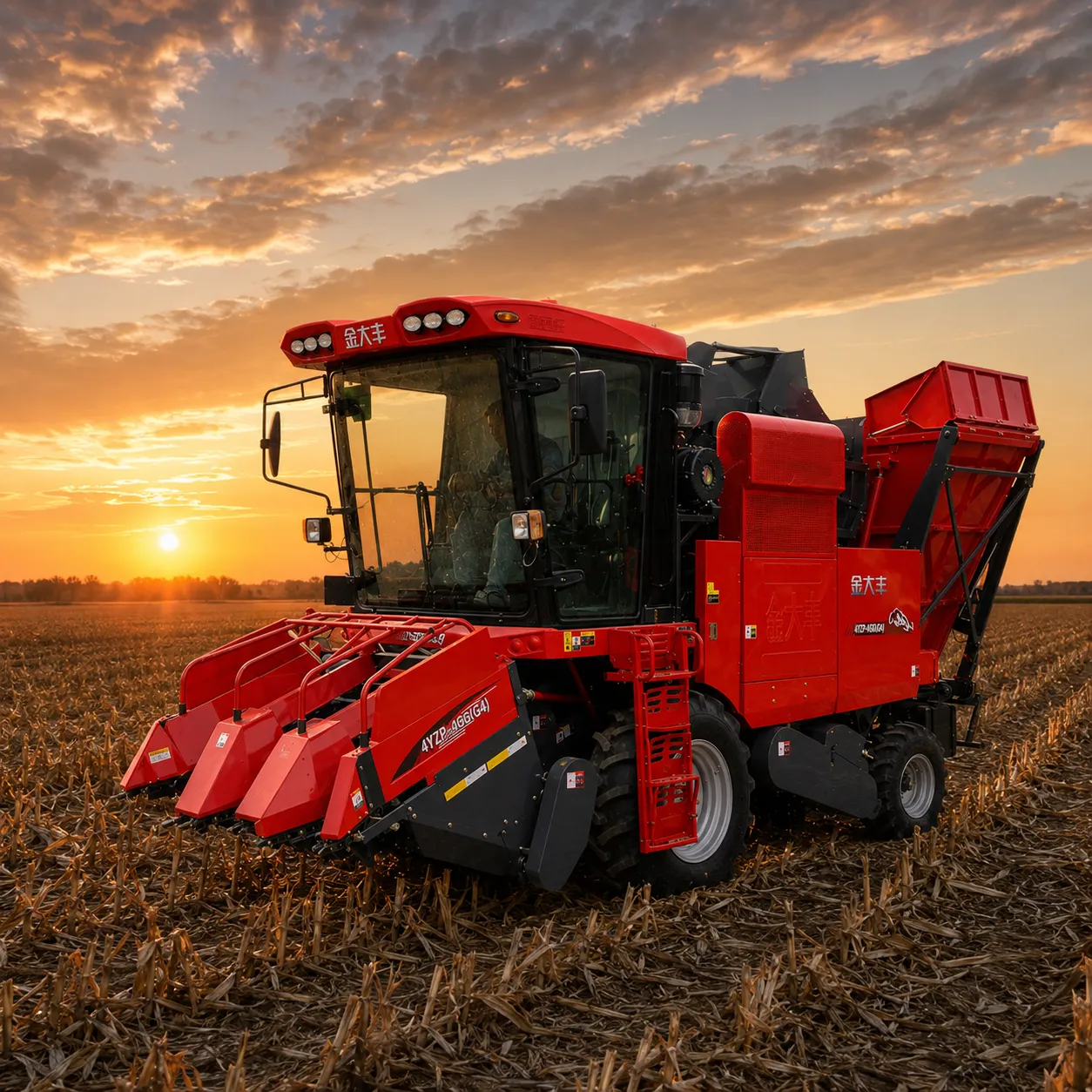
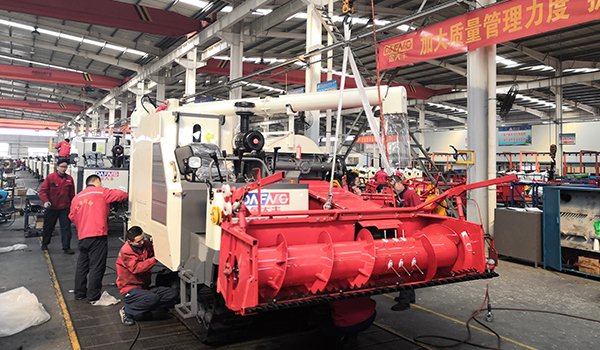
King-Gold Dafeng corn harvester solutions focus on practical field applications and export-oriented supply, giving buyers a clearer way to compare product value by performance, configuration, and long-term support.
Final Thoughts
This corn harvester price guide shows that price should always be compared with function, quality, and application suitability. Buyers should evaluate row number, engine power, peeling system, straw crushing, collection design, field adaptability, customization, shipping, and after-sales support.
The best purchase is not always the lowest quotation. It is the machine that offers the strongest long-term value for the farm or target market.