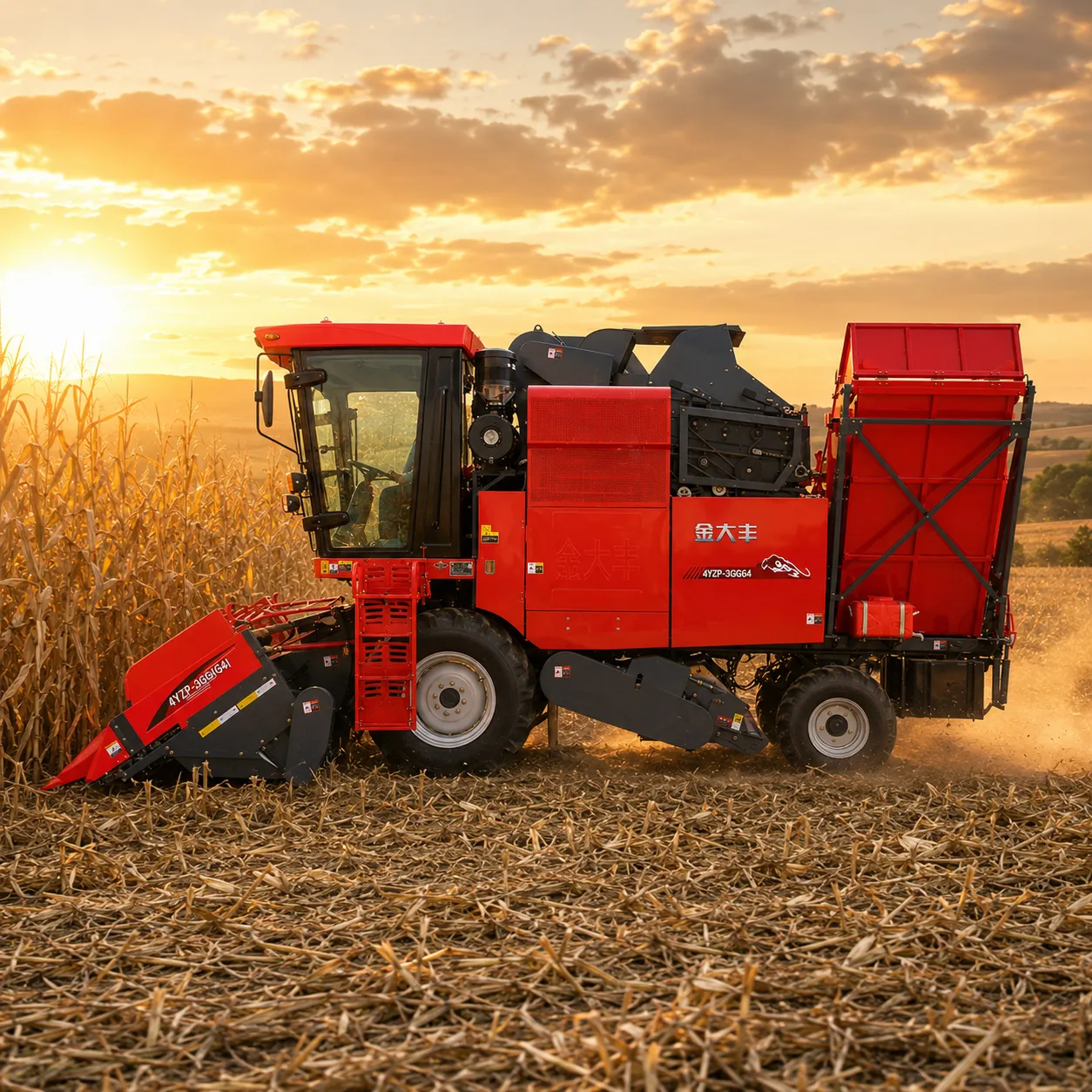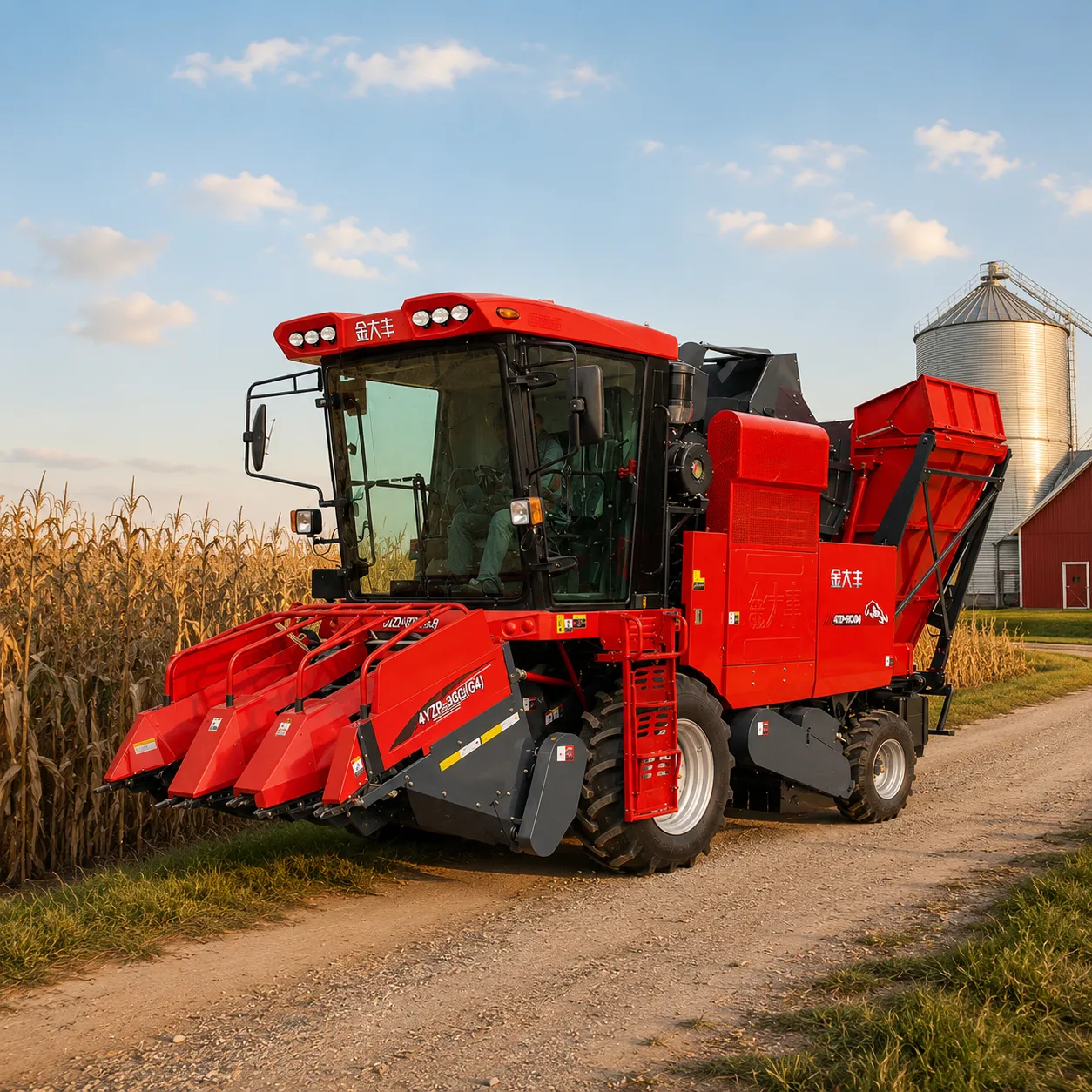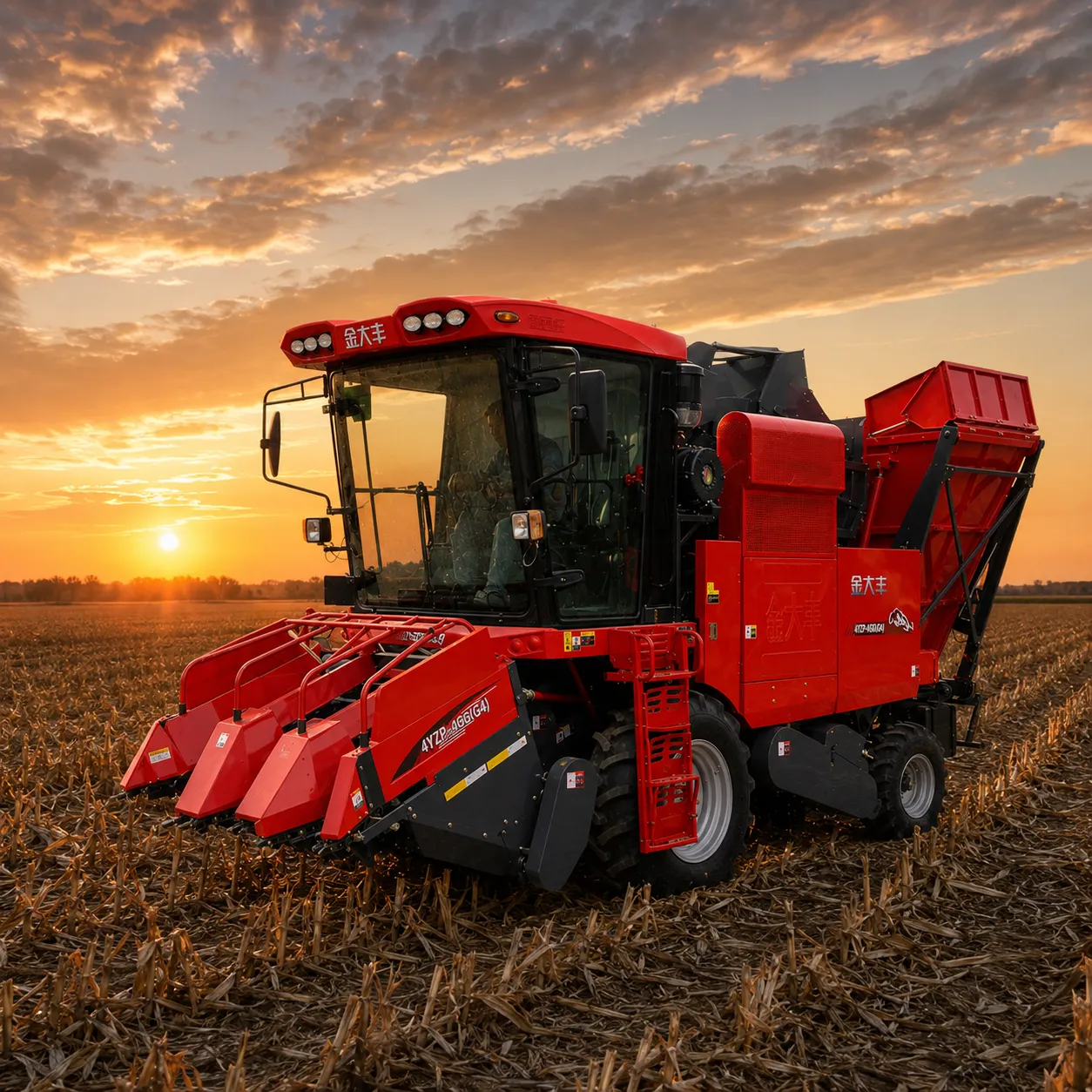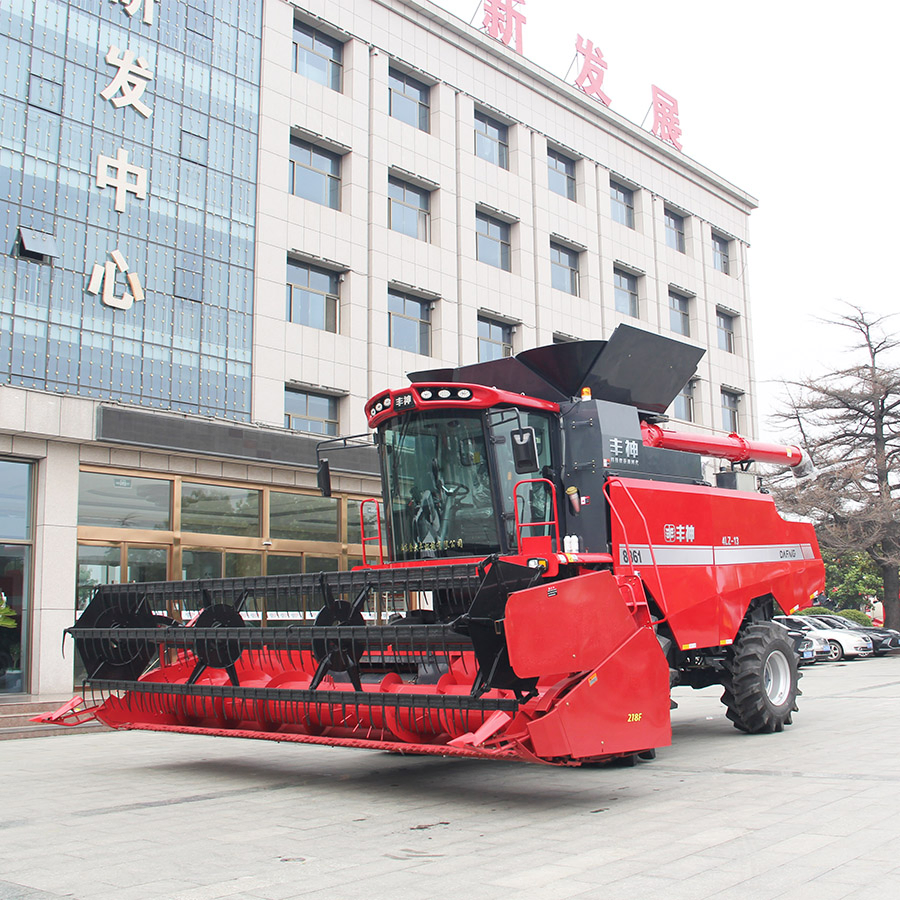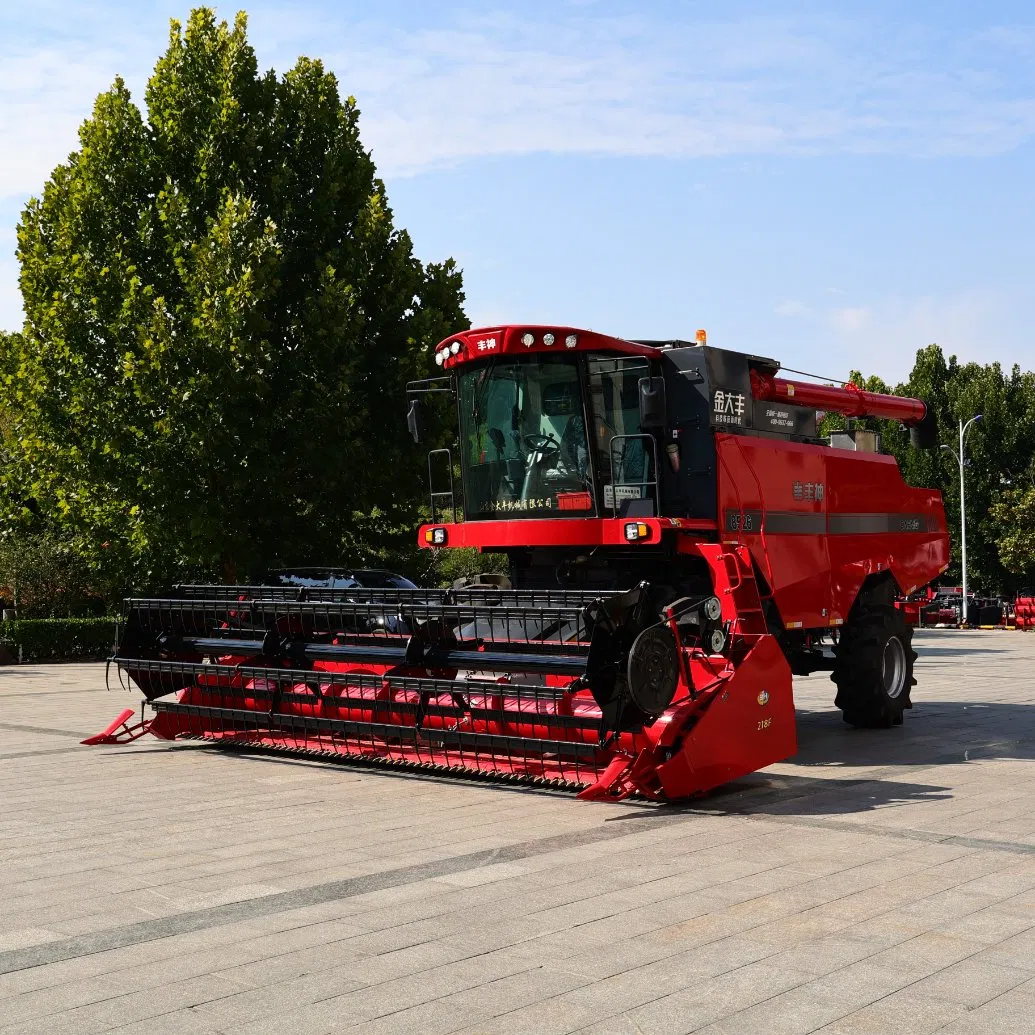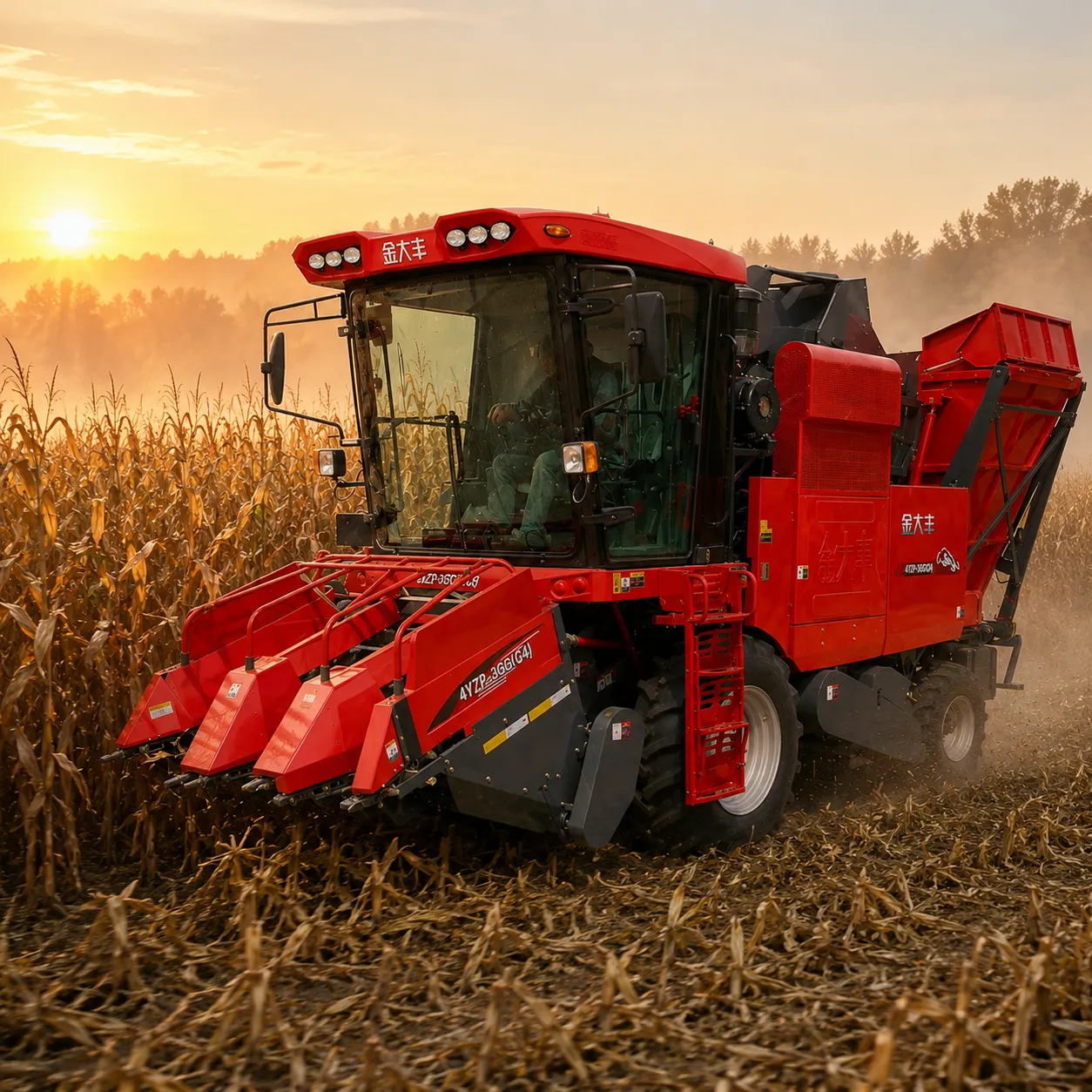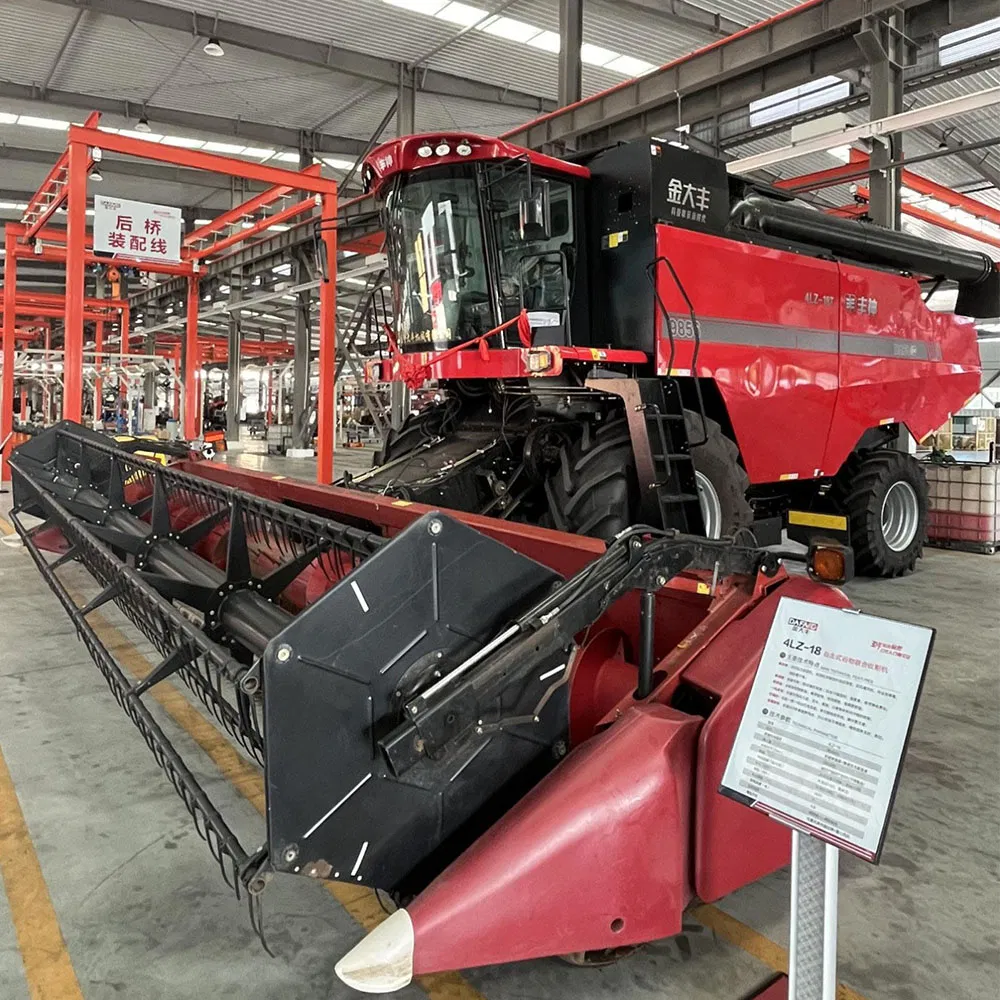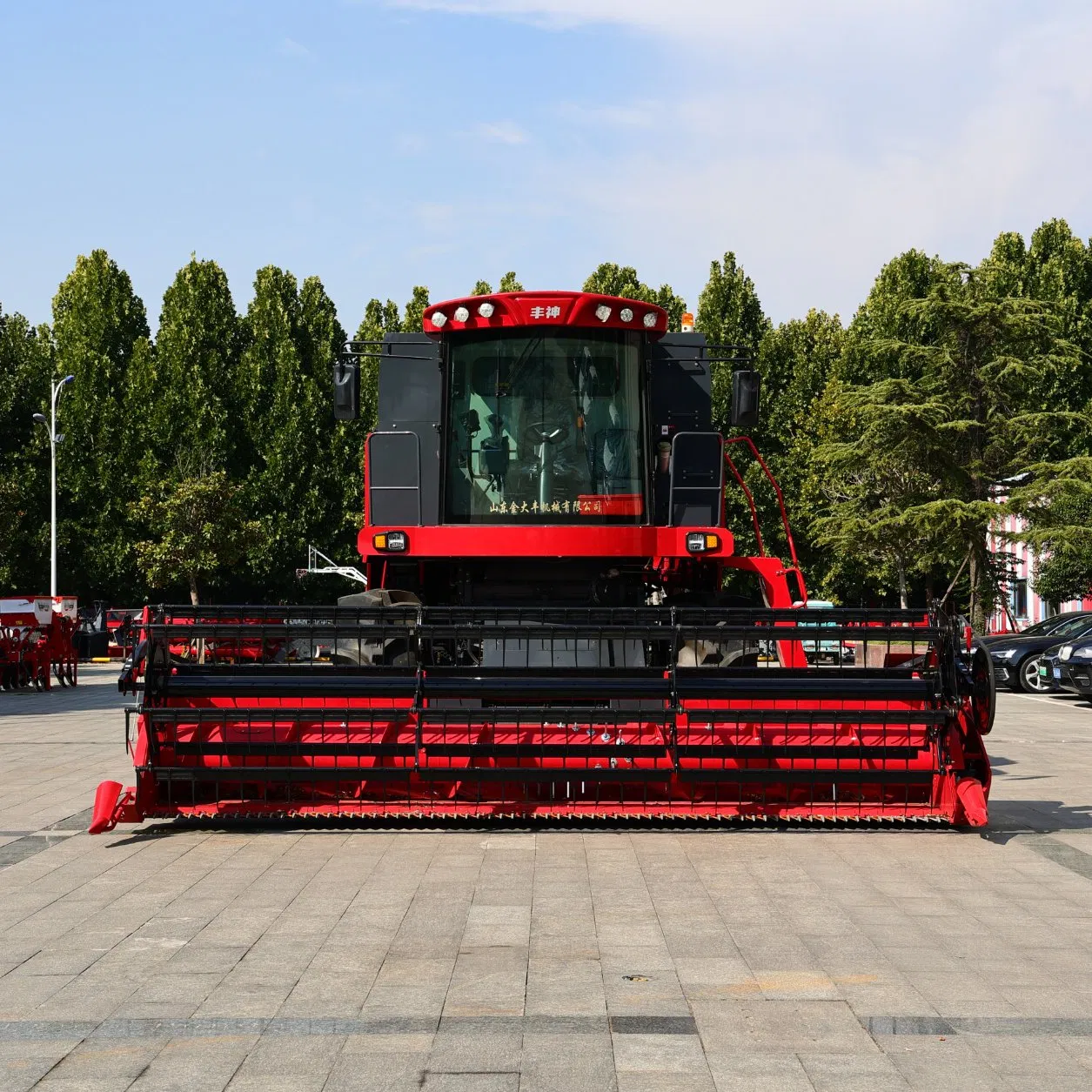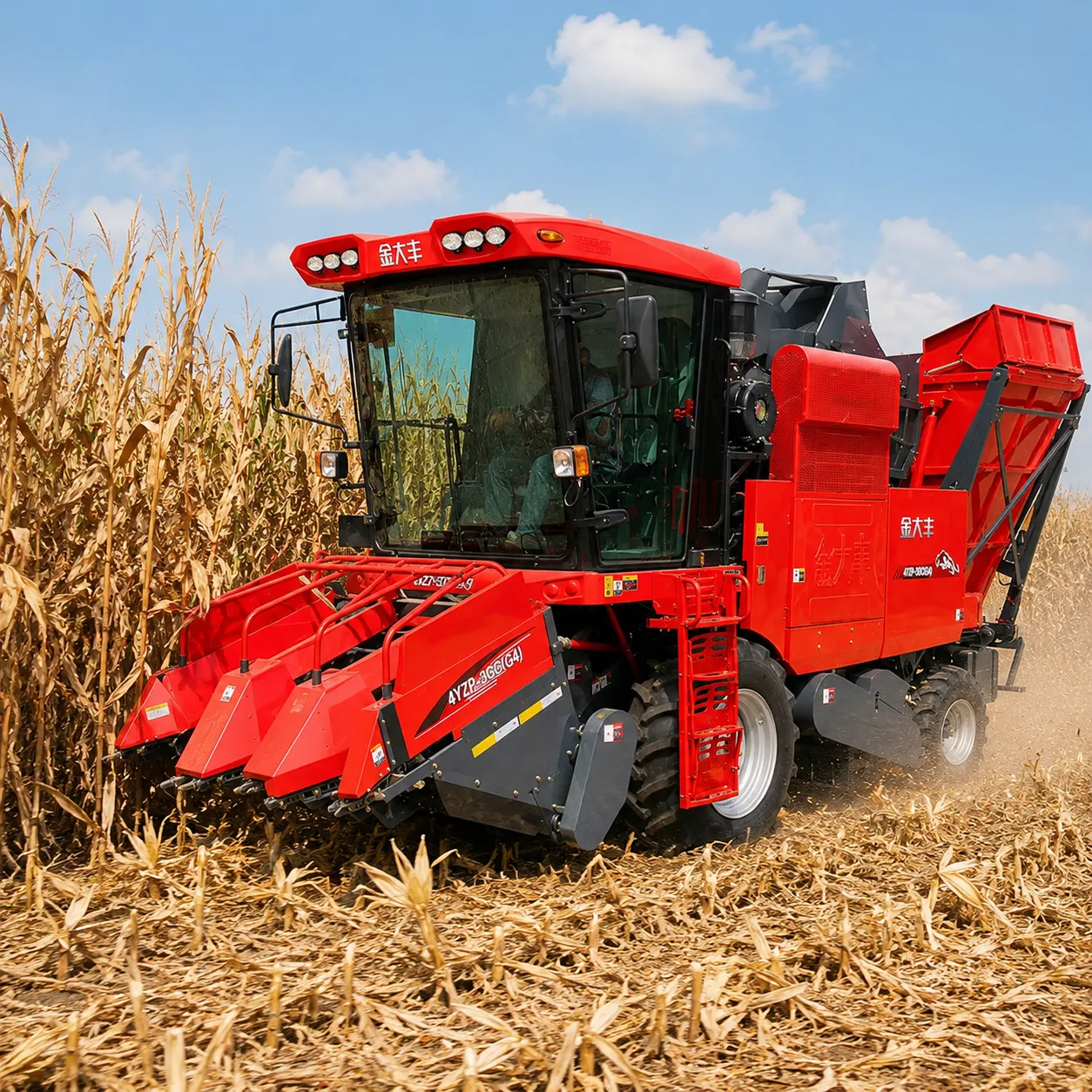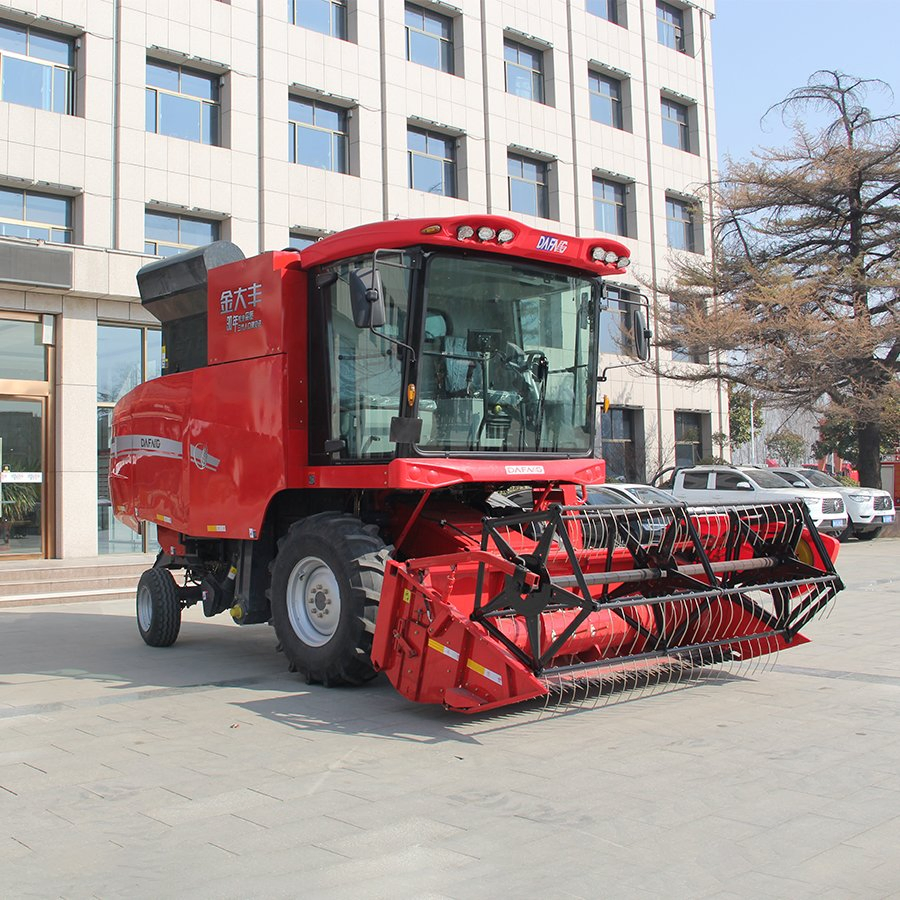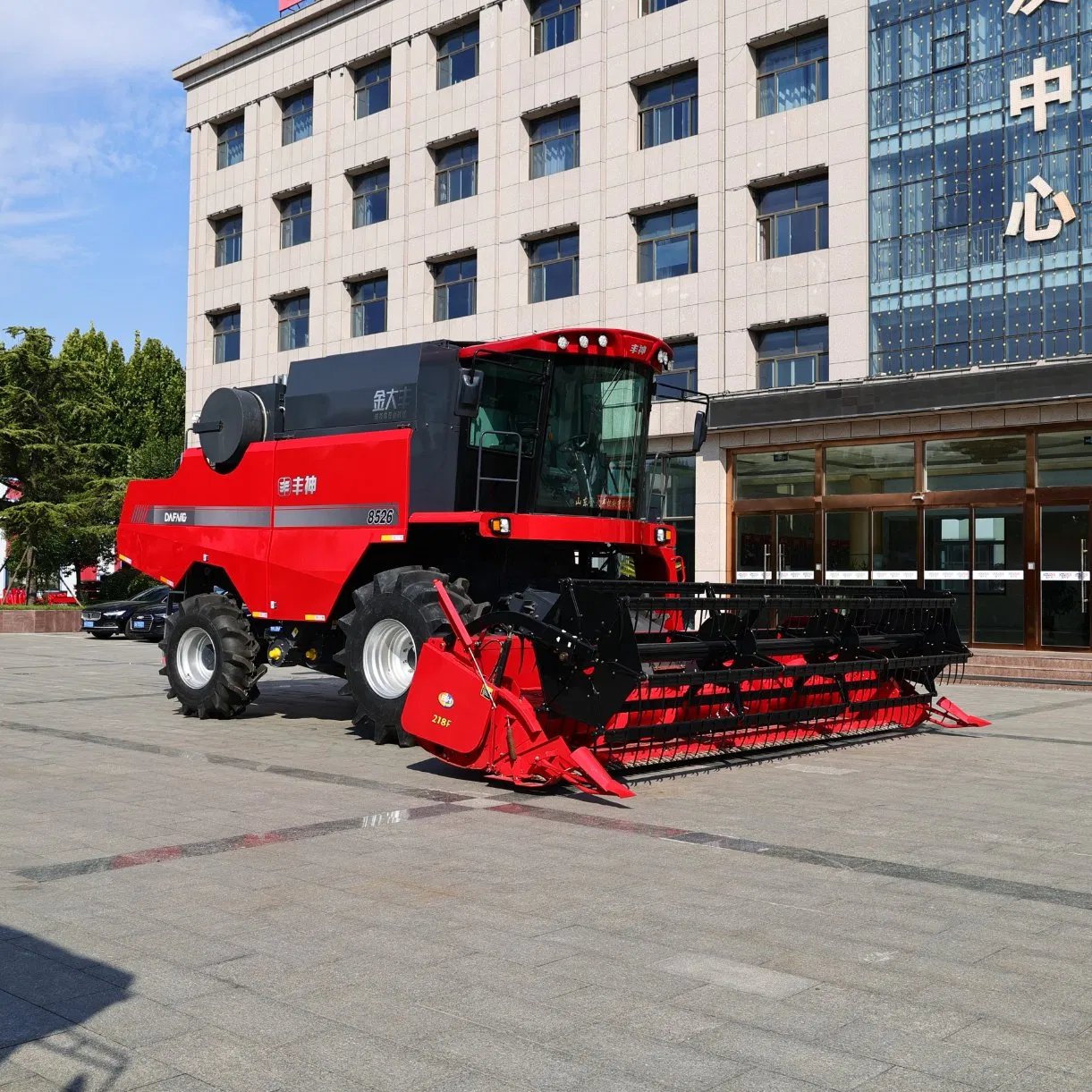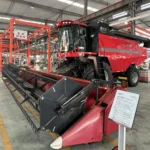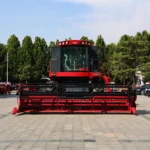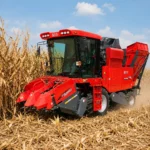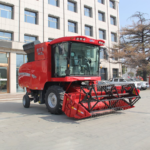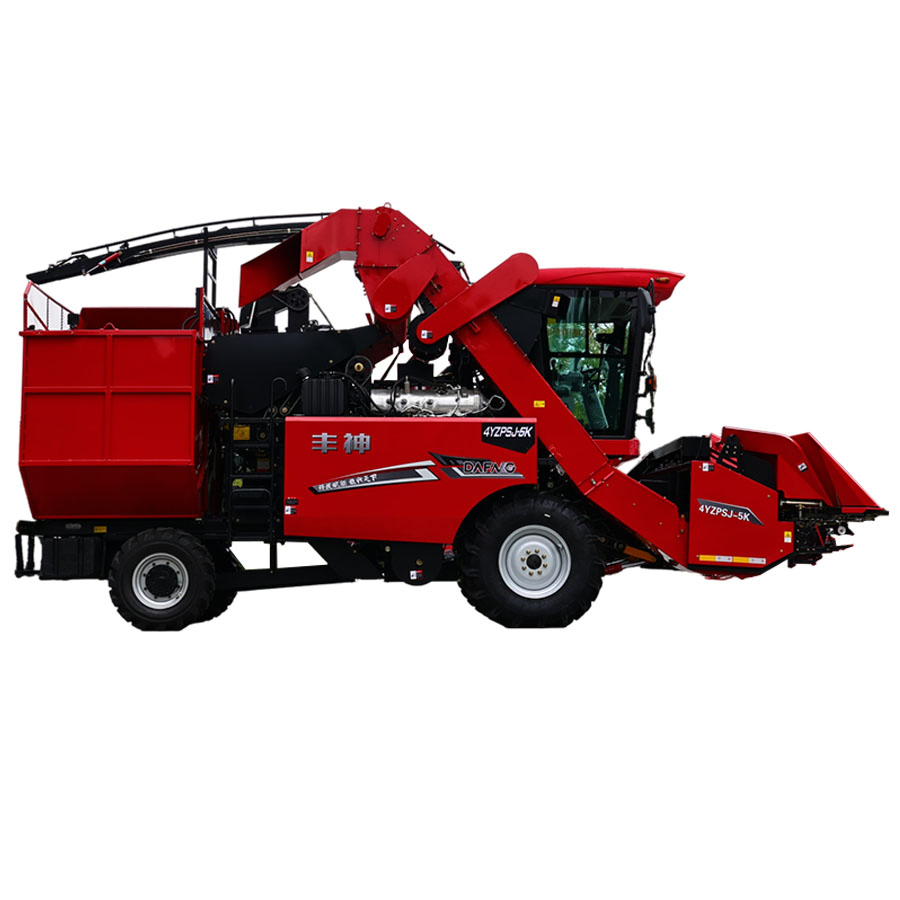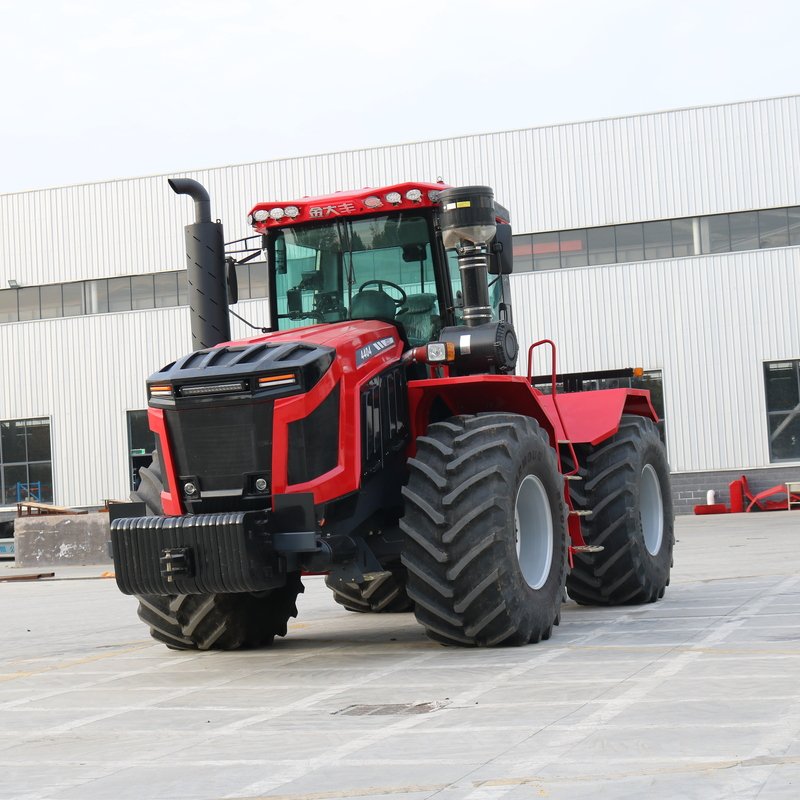
Choosing the right corn harvester is an important decision for farmers, agricultural contractors, dealers, and importers. A suitable machine can improve harvesting efficiency, reduce labor costs, lower field losses, and help farms complete harvesting work within a shorter seasonal window. However, the best machine for one farm may not be the best option for another.
Different corn fields require different harvesting solutions. Farm size, crop density, row spacing, terrain, engine power, harvesting width, grain collection, peeling performance, and straw treatment all influence the final choice. Buyers should not focus only on the machine price. They should evaluate whether the corn harvester truly fits the working conditions.
This guide explains how to choose the right corn harvester for different farm needs and helps buyers compare practical features before making a purchase.
Start with Your Farm Size and Harvesting Scale
The first step is to consider how much land the machine needs to cover during the harvest season. A smaller farm may require a compact and flexible machine, while a larger commercial farm may need a wider, higher-capacity corn harvester to complete harvesting on time.
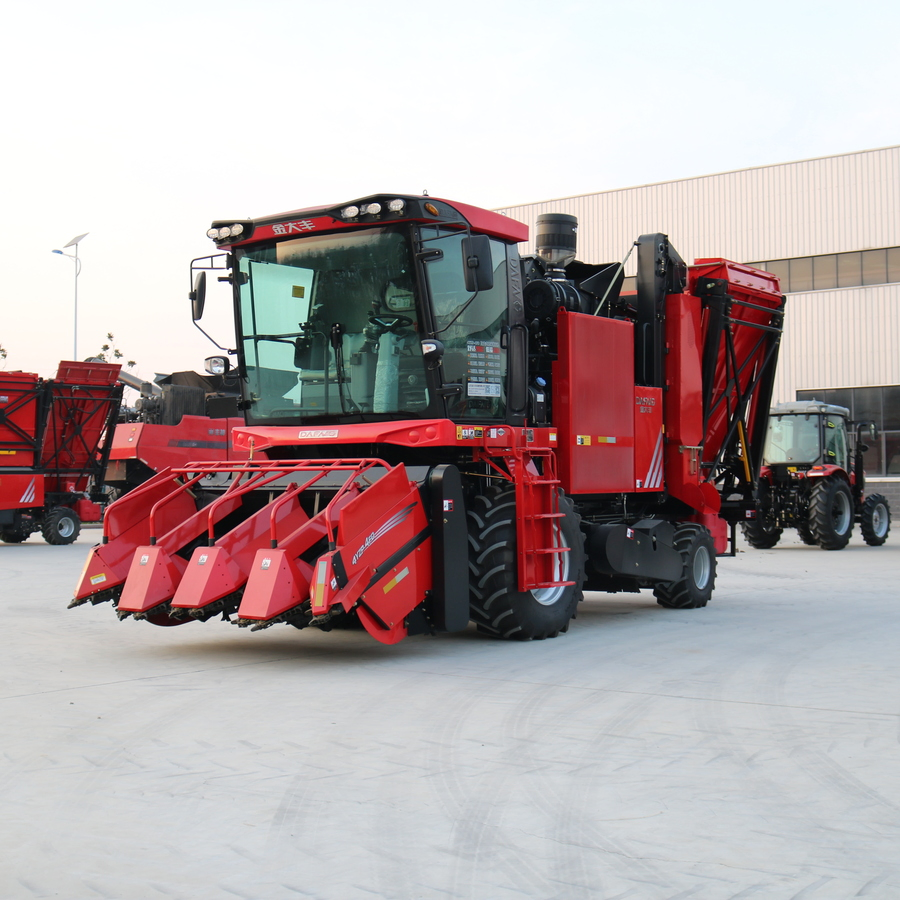
Small and medium farms often prefer 2-row or 3-row corn harvesters because they combine manageable machine size with practical efficiency. Larger operations may choose 4-row or 5-row harvesters when speed and daily output become the priority.
Farmers looking for the best corn harvester for small and medium farms should focus on ease of use, maneuverability, row compatibility, and practical output rather than selecting the largest available model.
Understand the Difference Between Row Configurations
Row number plays a central role in corn harvester selection. It determines how many corn rows the machine can harvest at one time. More rows usually mean greater productivity, but also require stronger power, larger machine size, and suitable field spacing.
| Harvester Type | Best For | Main Advantage |
|---|---|---|
| 2 Row Corn Harvester | Small farms and narrow fields | Compact, flexible, easy to handle |
| 3 Row Corn Harvester | Small to medium farms | Balanced efficiency and manageable size |
| 4 Row Corn Harvester | Medium to large farms | Higher daily productivity |
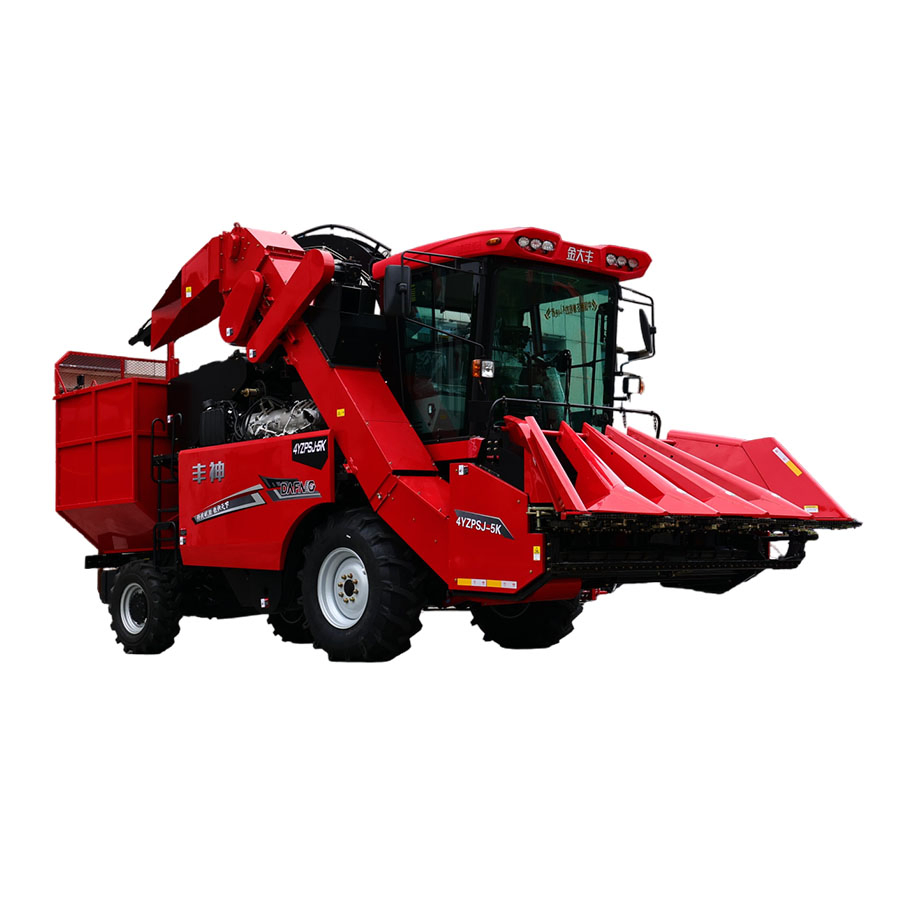
| 5 Row Corn Harvester | Large commercial farming | Maximum harvesting capacity |
Buyers deciding between different widths should consider the right corn harvester row number for farm size. If the machine is too wide for the field layout, it may become harder to operate efficiently.
Check Row Spacing Compatibility
Row spacing is a crucial but often overlooked factor. Corn fields may use different planting widths depending on region, seed variety, and farming tradition. A corn harvester must match the row spacing closely to perform accurately and avoid crop losses.
Some harvesters support adjustable row spacing, which gives buyers more flexibility across different local markets. This feature can be especially valuable for importers and dealers who serve customers in multiple regions.
When comparing machines, pay close attention to the corn harvester with adjustable row spacing because it may offer better market adaptability and broader field compatibility.
Evaluate Engine Power and Harvesting Efficiency
Engine power affects how well the harvester performs under continuous field loads. A stronger engine helps the machine maintain stable operation when crop density is high, terrain is uneven, or more rows are harvested at once.
For example, a 120HP class machine is often suitable for 3-row harvesting work, while larger row configurations may require stronger power systems. Buyers should avoid choosing horsepower only by number. The power must match machine width, harvesting functions, and field conditions.
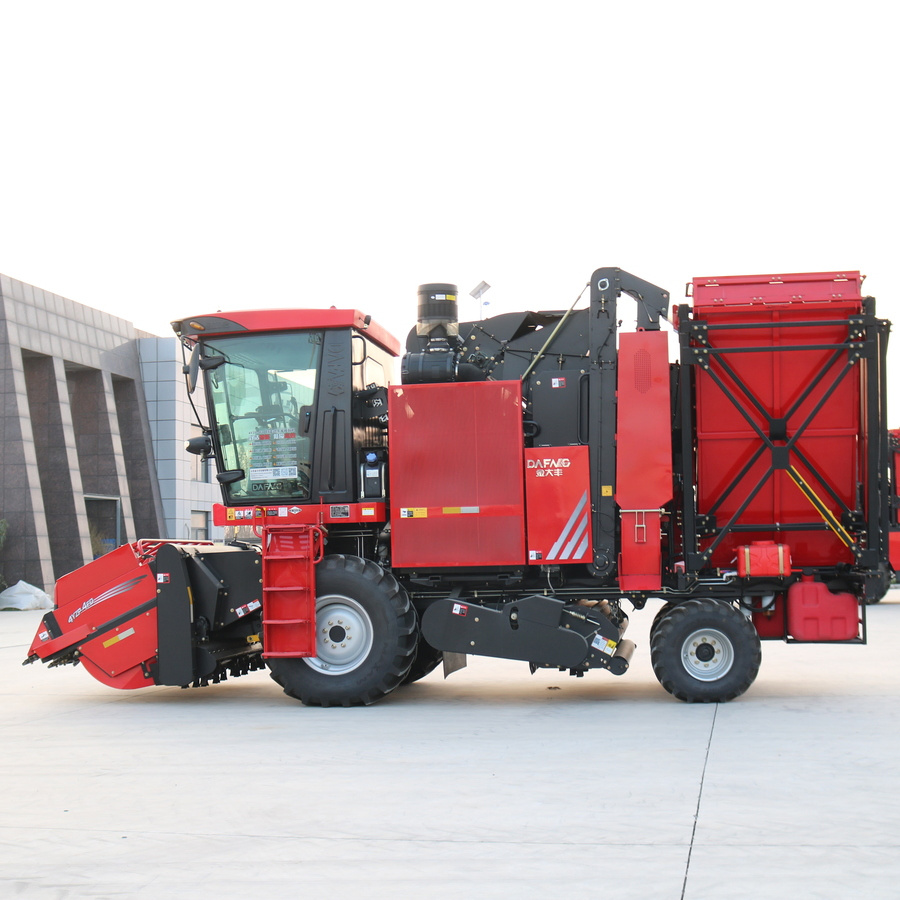
A practical self-propelled corn harvester for efficient field harvesting should combine enough engine power with stable feeding, peeling, collecting, and straw treatment performance.
Look at the Full Harvesting Function
Modern corn harvesters often do much more than cut corn stalks. Depending on the model, they may complete several operations in one pass:
- Corn ear harvesting
- Peeling
- Collection
- Straw crushing
- Transport or grain tank unloading
Machines that complete more processes in one operation help reduce labor needs and improve overall efficiency. Buyers looking for a corn harvester with peeling collecting and straw crushing should compare both function completeness and field reliability.
Consider Field Conditions and Machine Mobility
The same harvester may perform differently in open dry fields, hilly areas, softer ground, or narrower working plots. Machine weight, wheelbase, drive layout, and turning radius all influence maneuverability.
For flat and wide fields, productivity may matter most. For smaller irregular fields, turning ability and control become more important. If farms often work in soft ground, buyers should also consider traction performance and machine stability.
Grain Collection and Unloading Design Matter
The collecting system directly affects labor intensity. Some machines use collection bins or grain tanks, while others are configured differently depending on the model. A larger collection capacity can reduce stopping time, especially on larger farms.
Unloading efficiency also matters. If the machine unloads smoothly into transport vehicles, the overall harvesting process becomes more organized. Dealers and importers should not overlook these practical details because they strongly influence buyer satisfaction.
Maintenance and Spare Parts Should Be Considered Early
A corn harvester operates during a very limited seasonal period, which means downtime can become costly. Buyers should choose machines with accessible maintenance points, stable component quality, and clear spare parts support.
Important maintenance-related points include:
- Header components
- Peeling rollers
- Belts and chains
- Hydraulic parts
- Cutting and crushing units
Buyers searching for a reliable corn harvester for long harvest seasons should always consider serviceability and spare parts availability.
How Dealers and Importers Should Choose Corn Harvesters
Dealers should choose models that match the most common customer needs in their target market. Some regions may prioritize 3-row harvesters for small and medium farms, while others may demand wider machines for higher throughput.
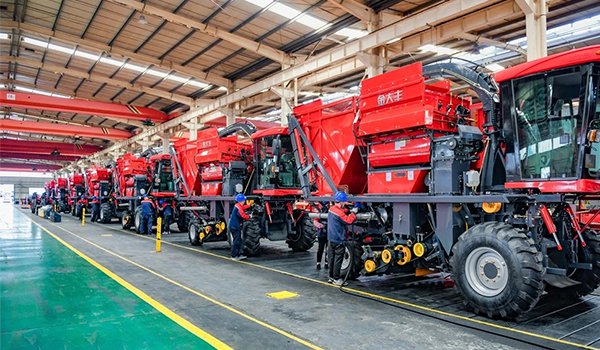
Importers should also think about after-sales training, spare parts packages, documentation, and factory support. A strong supplier should help buyers match specifications with local field conditions.
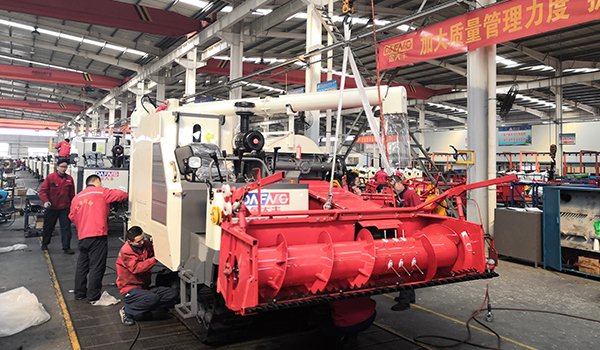
King-Gold Dafeng agricultural machinery provides multiple crop harvesting solutions, including corn harvesters designed for practical field operations and export market requirements.
Buying Checklist for Corn Harvester Selection
| Selection Factor | What to Check |
|---|---|
| Farm Size | Small, medium, or large harvesting area |
| Row Number | 2 row, 3 row, 4 row, or more |
| Row Spacing | Fixed or adjustable spacing |
| Engine Power | Matched to machine width and field workload |
| Functions | Harvesting, peeling, collecting, crushing |
| After-Sales Support | Spare parts, manuals, technical guidance |
Final Thoughts
Choosing the right corn harvester requires more than comparing price or machine size. Buyers should evaluate farm scale, row configuration, row spacing, engine power, harvesting functions, field adaptability, maintenance, and supplier support.
The best machine is the one that matches real harvesting conditions and helps the farm complete the season efficiently. By making a practical choice, farmers and buyers can improve productivity, reduce labor demand, and create stronger long-term value.