Choosing the right tractor for heavy soil is one of the most important decisions for farmers, contractors, and agricultural equipment buyers. Heavy soil creates more resistance during plowing, which means the tractor must deliver stronger pulling power, better traction, stable hydraulic performance, and enough engine torque to work efficiently under load.
Many buyers ask a simple question: what size tractor is best for plowing heavy soil? The answer depends on several factors, including soil type, plow size, working depth, field area, terrain, and daily productivity requirements. A tractor that works well on light sandy soil may struggle badly in clay soil or wet black soil. Therefore, buyers should not choose tractor size based only on horsepower. They should evaluate the full working condition before making a decision.
In this guide, we explain how tractor size affects plowing performance, what horsepower range works best for different field conditions, and how large tractors such as 200HP, 240HP, and 440HP models can help farmers improve productivity in demanding soil conditions. As an agricultural machinery manufacturer, King-Gold Dafeng focuses on practical tractor solutions for global farming markets, especially for buyers who need reliable machines for large-scale field work.
Why Heavy Soil Requires a More Powerful Tractor
Heavy soil is difficult to work because it creates higher draft resistance. Clay soil, compacted soil, wet soil, and deep black soil often require more power than light dry soil. When the plow enters the ground, the tractor must pull the implement forward while keeping a stable working depth. If the tractor lacks enough power, it may slow down, slip, consume more fuel, or fail to maintain consistent plowing quality.
This is why heavy soil usually requires a tractor with higher horsepower, stronger torque, and better traction. A small tractor may work for shallow tillage or light-duty field preparation, but deep plowing in heavy soil needs a machine built for continuous pulling work.
For farmers, the right tractor size improves field efficiency and reduces fuel waste. For dealers and distributors, recommending the right horsepower range helps customers avoid disappointment and builds long-term trust.
What Tractor Size Means in Real Farming Work
When buyers talk about tractor size, they usually refer to horsepower. However, tractor size also includes machine weight, wheelbase, tire size, drive type, hydraulic lifting capacity, and transmission structure. All these factors influence field performance.
For plowing heavy soil, horsepower provides the power, but traction delivers that power to the ground. A tractor with high horsepower but poor traction may still struggle in difficult conditions. In contrast, a well-balanced 4WD tractor with proper weight and tire configuration can perform much better.
Therefore, buyers should look at tractor size as a complete system rather than one number on the specification sheet.
Recommended Tractor Horsepower for Heavy Soil Plowing
The right horsepower range depends on field size and plowing depth. The table below gives a practical reference for buyers comparing tractor options for heavy soil conditions.
| Field Condition | Recommended Tractor Size | Best Application | Recommended Drive Type | Buyer Type |
|---|---|---|---|---|
| Small fields with moderate soil resistance | 90–120HP | Light plowing, field preparation, small implements | 4WD preferred | Small farms, mixed farming users |
| Medium fields with clay or compacted soil | 150–200HP | Regular plowing, tillage, seeding preparation | 4WD | Medium farms, contractors |
| Large fields with heavy soil and deeper plowing | 200–240HP | Deep tillage, heavy plow work, large implements | 4WD / 4×4 | Large farms, agricultural service providers |
| Very large farms with high-resistance soil | 300–440HP | Heavy-duty plowing, wide implements, commercial farming | 4WD / articulated | Large-scale farms, project buyers, contractors |
This table provides a general guide. The final choice should also consider implement size, soil moisture, terrain, operator experience, and expected daily working area.
Why 4WD Matters When Plowing Heavy Soil
For heavy soil conditions, 4WD is usually more practical than 2WD. A 4WD tractor sends power to both front and rear wheels, which improves traction and reduces wheel slip. This becomes especially important when pulling a heavy plow through compacted or wet ground.
Wheel slip wastes fuel and reduces plowing efficiency. It also creates uneven field results. When a tractor loses traction, it cannot maintain stable speed or working depth. A properly configured 4WD tractor for plowing helps the operator maintain better control and complete field work more efficiently.
For buyers working in heavy soil regions, 4WD should not be treated as an optional luxury. It is often a necessary configuration for stable field performance.
How Plow Size Affects Tractor Selection
Plow size directly affects the power requirement. A larger plow covers more ground in one pass, but it also creates more resistance. If the tractor is too small for the plow, the machine may struggle, consume more fuel, and suffer faster wear.
For example, a small 90HP tractor may handle a lighter plow in moderate soil, but it may not perform well with a larger multi-furrow plow in heavy clay. A 200HP or 240HP tractor can handle wider implements more efficiently, especially when the field requires deeper soil turning.
For very large farms, high-horsepower tractors such as 400HP or 440HP models allow operators to use wide heavy-duty implements. This reduces the number of passes and improves daily productivity.
Heavy Soil Types and Tractor Power Needs
Not all heavy soil behaves the same. Different soil conditions require different tractor configurations.
Clay Soil
Clay soil has strong resistance, especially when it is wet or compacted. It often requires higher torque and better traction. A 4WD tractor with enough machine weight performs better because it can maintain pulling force without excessive wheel slip.
Black Soil
Black soil can be fertile but heavy. In large farming regions, deep plowing in black soil often requires tractors above 200HP. For wide implements, 240HP or higher horsepower may deliver better efficiency.
Wet Heavy Soil
Wet soil increases slipping risk. In this condition, tire configuration, 4WD performance, and proper ballast become very important. A high-horsepower tractor still needs the right traction setup to perform well.
Compacted Soil
Compacted soil requires strong pulling power and deep tillage capability. A tractor with high torque output and heavy-duty transmission can help break compacted layers more effectively.
Why Tractor Weight and Tire Configuration Matter
Horsepower alone does not guarantee good plowing performance. Tractor weight and tire configuration help transfer power into traction. A tractor that is too light may slip even if it has enough engine power.
Large rear tires, dual tires, radial tires, and correct ballast can improve ground contact and reduce wheel slip. For heavy-duty plowing, buyers should ask suppliers about tire options and ballast recommendations.
This is especially important for export buyers because field conditions vary by region. African farms, South American farms, Eastern European farms, and Central Asian farms may all require different tire choices.
Hydraulic System Requirements for Heavy Plowing
A strong hydraulic system plays an important role when operating heavy plows and tillage implements. The hydraulic system must lift, lower, and adjust implements smoothly during field work.
If the hydraulic lifting capacity is weak, the operator may face unstable implement control. This affects plowing depth and overall field quality. For medium and large tractors, buyers should check hydraulic output, lifting capacity, rear linkage structure, and available hydraulic ports.
A powerful tractor hydraulic system gives farmers more flexibility when working with plows, seeders, cultivators, and other farm implements.
How Much Horsepower Is Enough for Deep Plowing?
Deep plowing requires more power than shallow cultivation. For medium soil and moderate depth, 120HP to 150HP may work well. However, for heavy soil and deeper tillage, buyers usually need 200HP or more.
For farms using wide implements or working on large fields, 240HP tractors provide a stronger balance between power and efficiency. For very large farms or contractors, 400HP to 440HP tractors can significantly improve productivity because they support wider implements and longer continuous operation.
In other words, the best size depends on how deep you plow, how heavy your soil is, and how much land you need to finish within a limited working window.
Recommended Tractor Choices by Farming Scale
| Farming Scale | Recommended Tractor | Main Advantage | Suitable Products |
|---|---|---|---|
| Small to medium farms | 90–120HP 4WD tractor | Flexible operation and lower fuel cost | 100HP / 120HP tractor |
| Medium farms with heavier soil | 150–200HP 4WD tractor | Better traction and stronger plowing ability | 150HP / 200HP tractor |
| Large farms and contractors | 200–240HP heavy-duty tractor | Stronger pulling power for wide implements | 200HP / 240HP tractor |
| Commercial large-scale operations | 400–440HP high-horsepower tractor | Maximum efficiency for deep tillage and heavy soil | 440HP tractor |
This structure also helps buyers understand which tractor category matches their work. For your product pages, this article can naturally link to 120HP, 200HP, 240HP, and 440HP tractor models.
Why 200HP to 240HP Tractors Are Popular for Heavy Soil
For many farms, 200HP to 240HP tractors offer a practical balance. They provide enough power for deep plowing, heavy tillage, and large implements without reaching the cost level of ultra-high-horsepower machines.
These tractors suit medium and large farms that need strong field performance but still care about fuel efficiency and operating cost. They also work well for agricultural service providers who handle different field tasks for customers.
For buyers who want one machine for plowing, seeding preparation, transport, and PTO-driven equipment, this horsepower range offers strong versatility.
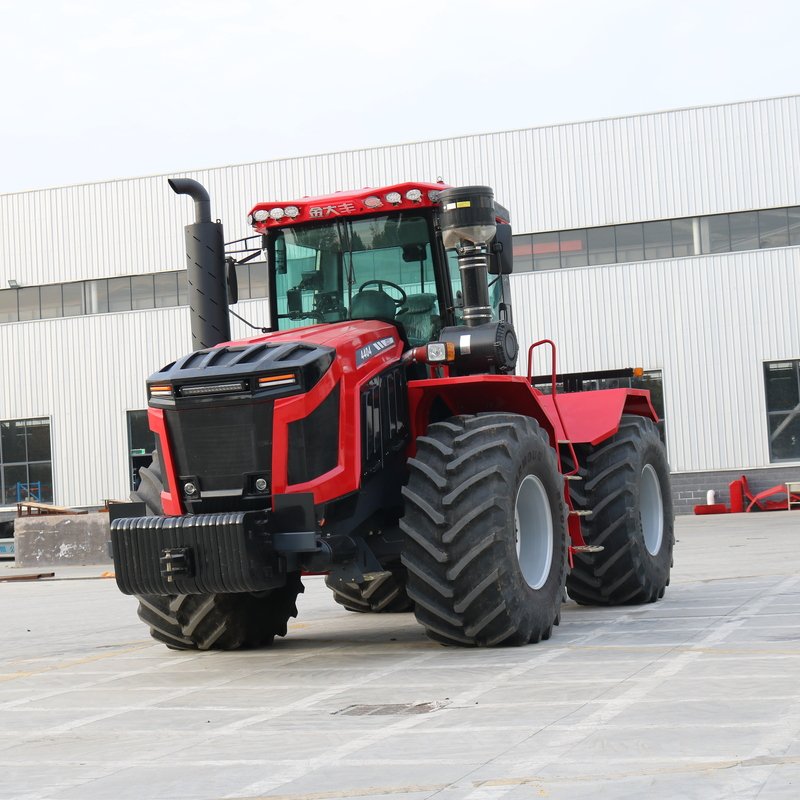
Why 440HP Tractors Are Built for the Toughest Conditions
When farms become larger and soil becomes more demanding, high-horsepower tractors become necessary. A 440HP tractor is designed for large-scale field work, deep tillage, heavy soil conditions, and wide agricultural implements.
This type of tractor helps farmers reduce working time because it can pull larger equipment and cover more land in fewer passes. For contractors, this means higher daily productivity and better service capacity.
King-Gold Dafeng offers high-horsepower tractor solutions for demanding agricultural markets. These machines are designed for strong pulling performance, stable field operation, and long working hours in real farming conditions.
Common Mistakes When Choosing a Tractor for Heavy Soil
One common mistake is choosing a tractor only by price. A lower-cost tractor may appear attractive at first, but if it lacks enough power or traction, it may cause higher fuel consumption and lower productivity.
Another mistake is using a plow that does not match tractor size. A tractor and implement must work as a system. If the plow is too large, even a good tractor may perform poorly.
Some buyers also ignore tire configuration. Heavy soil requires proper tires, correct pressure, and sometimes additional ballast. Without traction, horsepower cannot deliver real performance.
Finally, buyers sometimes overlook after-sales support. Large tractors require reliable spare parts and technical service. For overseas buyers, supplier support directly affects long-term machine value.
How King-Gold Dafeng Supports Heavy Soil Farming Needs
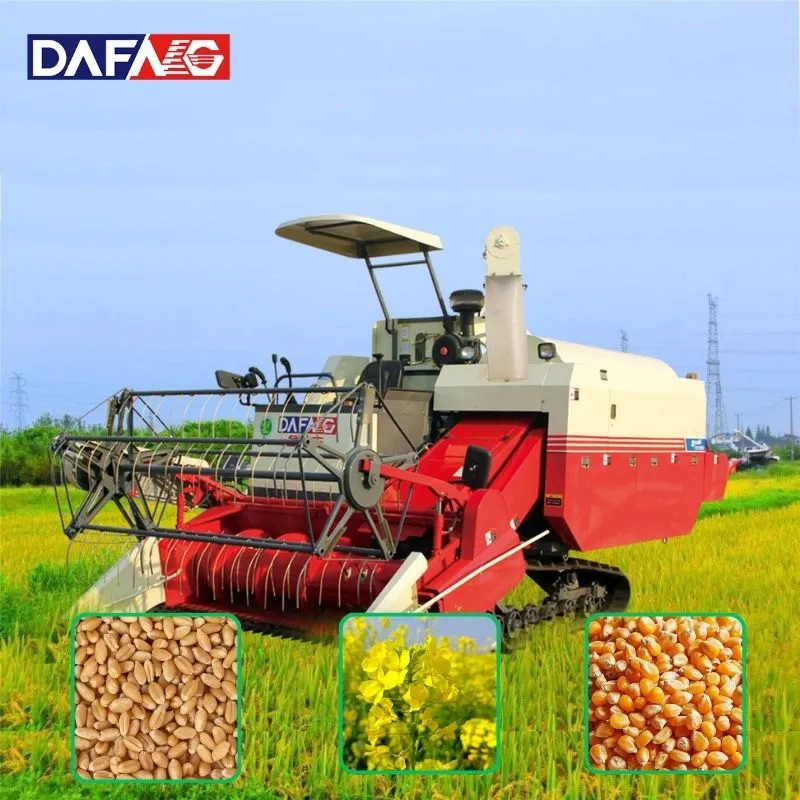
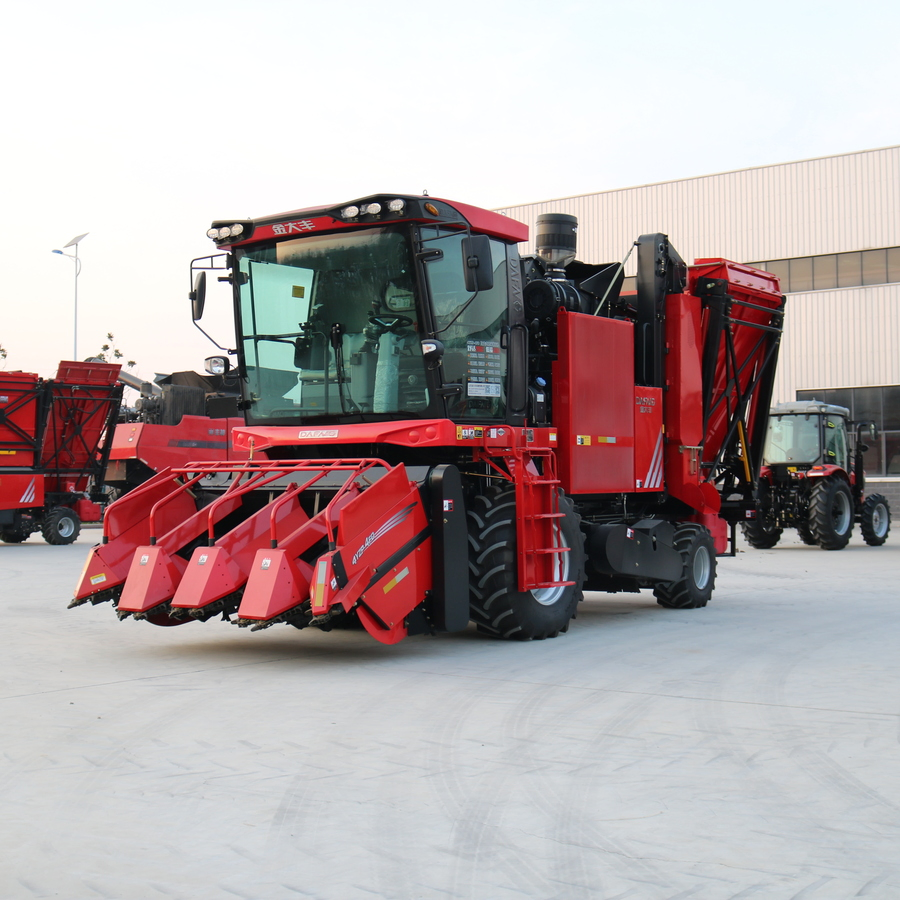
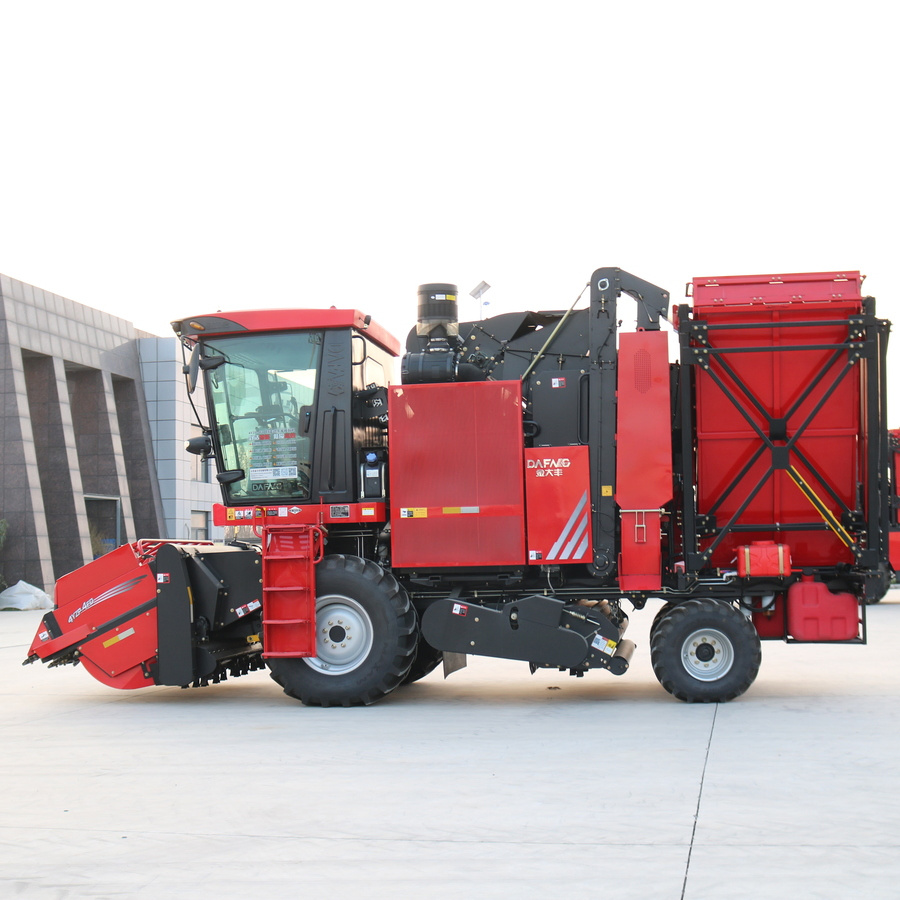
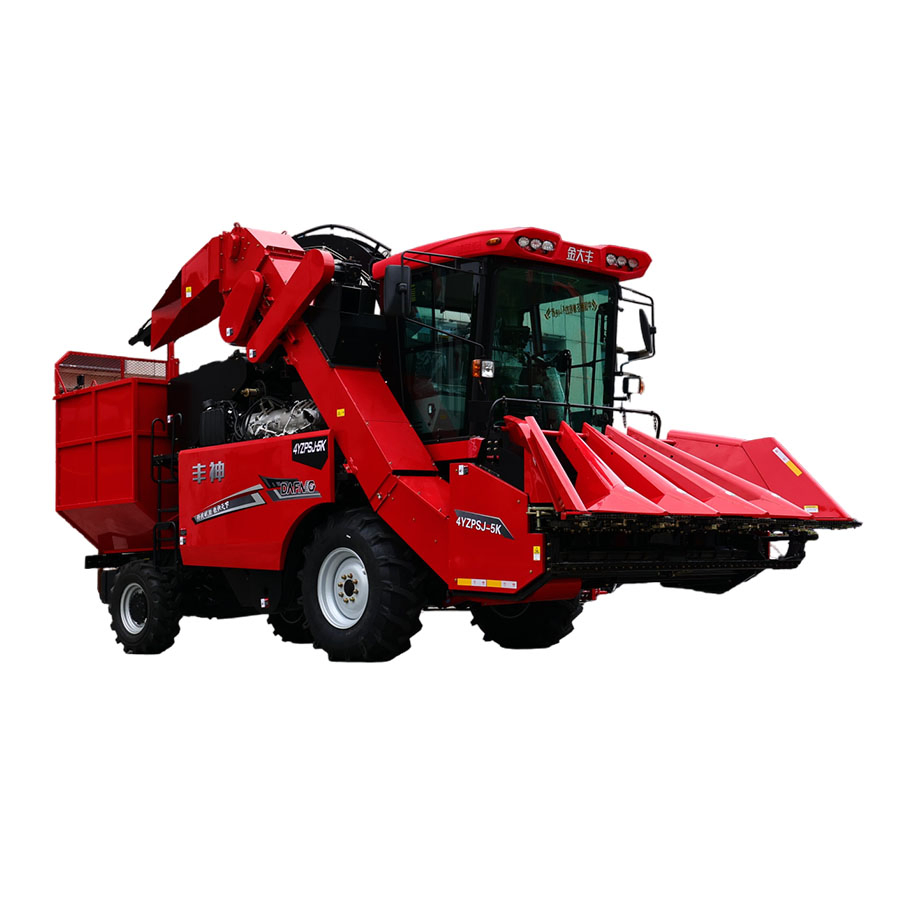
King-Gold Dafeng manufactures agricultural machinery for global buyers, including tractors, combine harvesters, corn harvesters, rice harvesters, seeders, and other farm equipment. For tractor products, the company provides multiple horsepower options to match different farm sizes and field conditions.
For heavy soil and large-scale field work, King-Gold Dafeng focuses on power output, traction performance, structural strength, and practical configuration. Buyers can choose suitable horsepower ranges, drive types, tire configurations, cabin options, and branding solutions based on local market needs.
This flexibility is important for dealers and distributors because different regions require different tractor setups. A farm in Africa may need durability and simple maintenance. A farm in South America may require strong traction and high field productivity. A farm in Eastern Europe or Central Asia may need higher horsepower for large fields and heavy soil.
Buying Checklist for Heavy Soil Plowing Tractors
Before choosing a tractor, buyers should prepare clear information. This helps the supplier recommend a suitable model and avoid wrong configuration decisions.
| Item to Confirm | What Buyers Should Check | Why It Matters |
|---|---|---|
| Soil Type | Clay, black soil, wet soil, compacted soil | Determines power and traction needs |
| Plowing Depth | Shallow, medium, or deep plowing | Affects horsepower requirement |
| Implement Size | Single plow, multi-furrow plow, wide implement | Must match tractor pulling capacity |
| Field Size | Small, medium, large, commercial scale | Helps choose working efficiency level |
| Drive Type | 2WD, 4WD, articulated | Controls traction and field stability |
| Supplier Support | Spare parts, customization, technical guidance | Improves long-term machine value |
Final Thoughts
So, what size tractor is best for plowing heavy soil? For light to moderate soil, a 90HP to 120HP tractor may handle basic work. For heavier soil and deeper plowing, buyers should consider 150HP to 240HP tractors. For large farms, commercial contractors, and very demanding field conditions, 400HP to 440HP tractors provide the strongest productivity advantage.
The best choice depends on soil condition, plowing depth, implement size, field area, and daily productivity goals. Buyers should not choose only by horsepower or price. Instead, they should evaluate tractor power, traction, hydraulic capacity, tire configuration, and supplier support together.
With strong manufacturing experience and a broad tractor product range, King-Gold Dafeng provides practical tractor solutions for farmers, dealers, and agricultural projects worldwide. For buyers working in heavy soil conditions, choosing the right tractor size can improve field efficiency, reduce operating costs, and support long-term farming success.