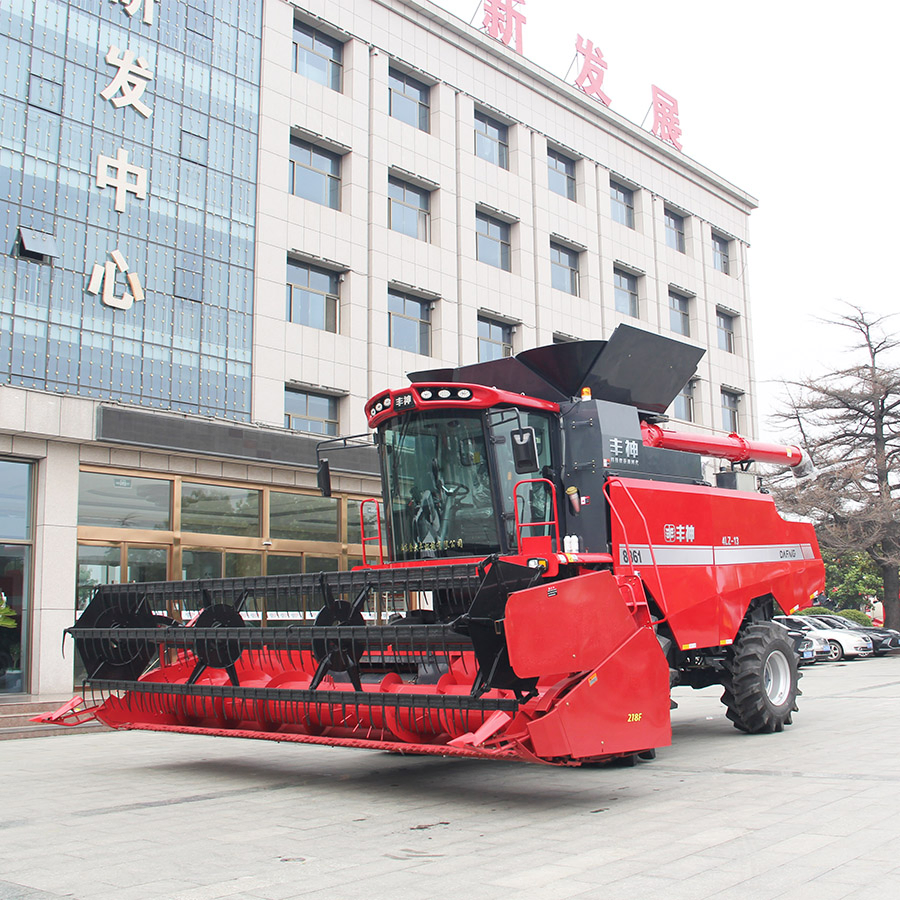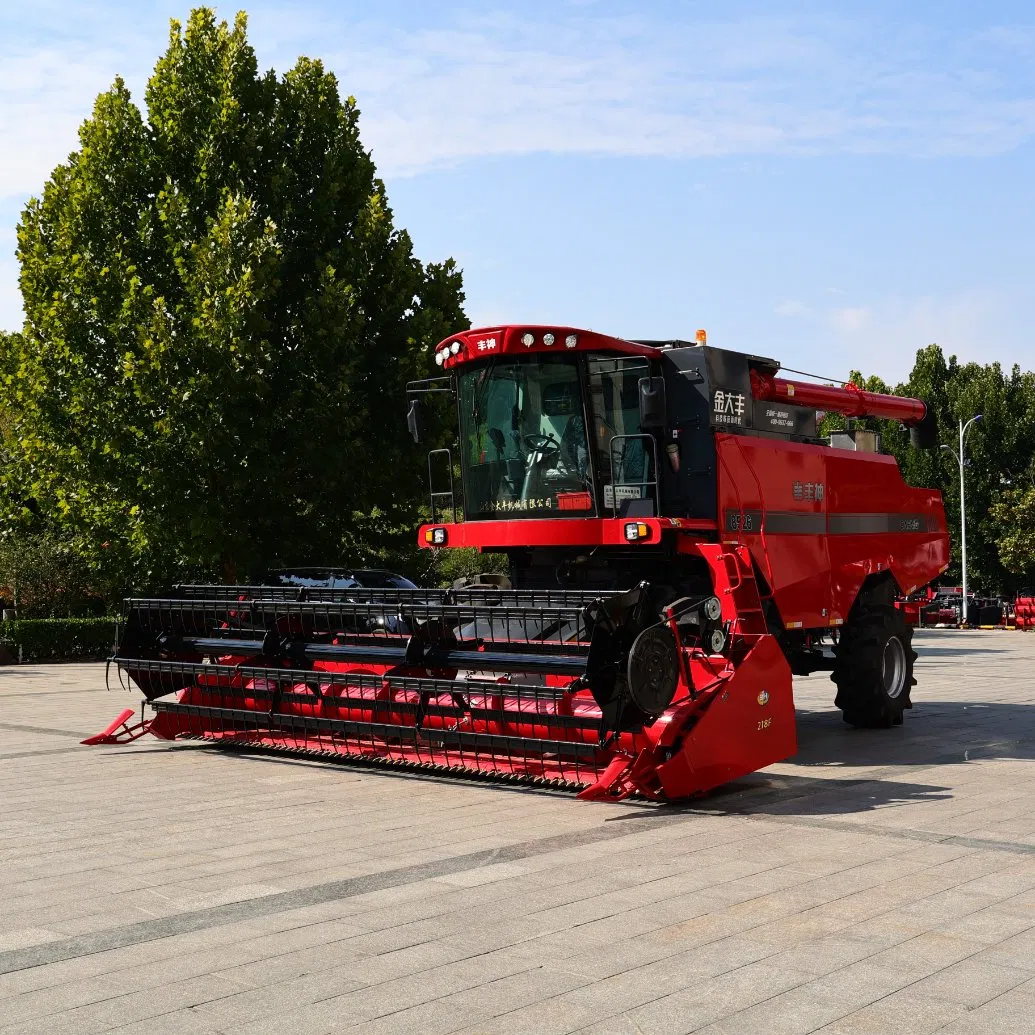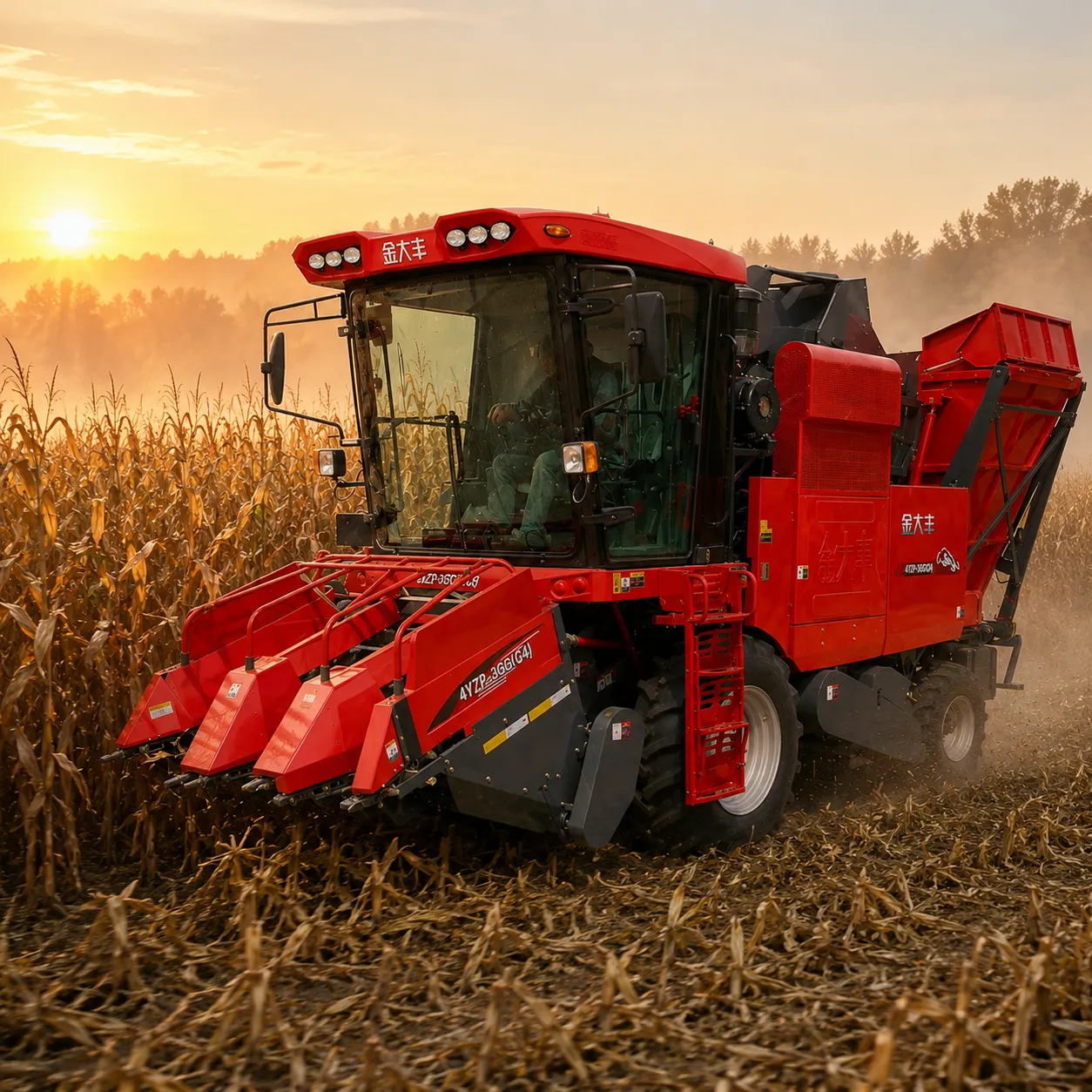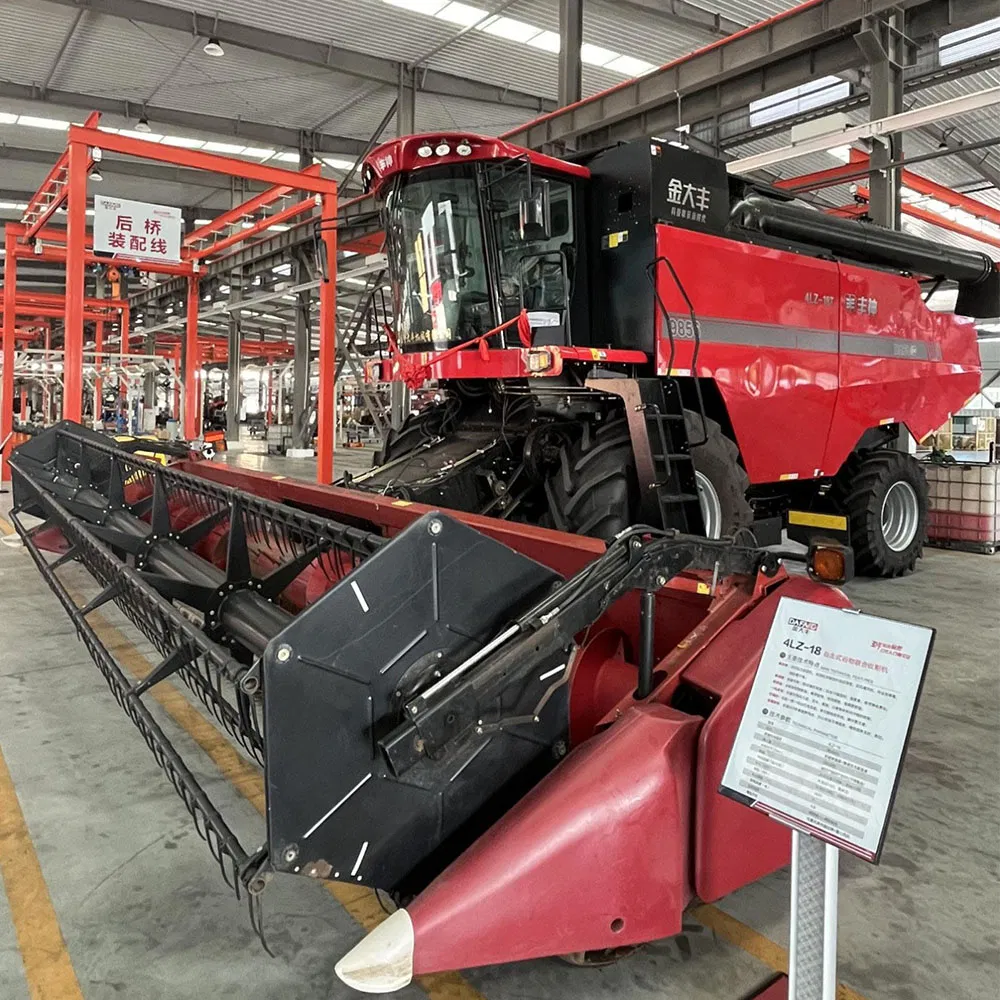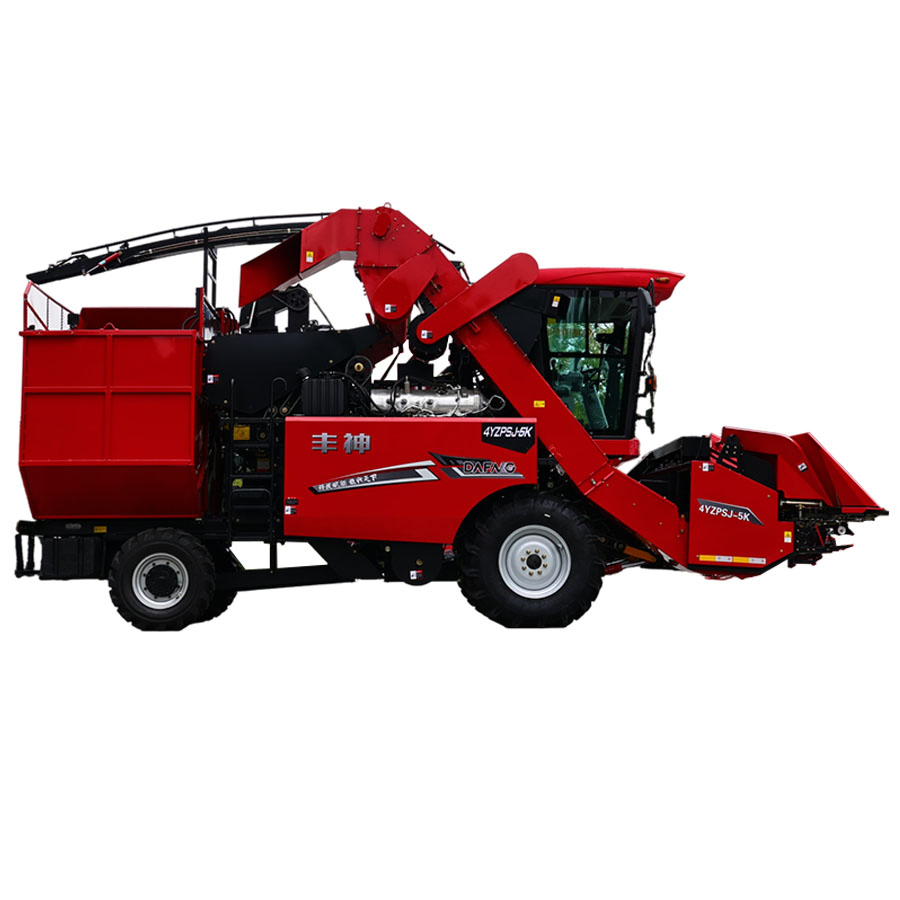
A corn harvester can have enough engine power, a reliable peeling system, and a high theoretical capacity, yet still perform poorly when its header does not match the planted rows. Row spacing determines how accurately the row dividers enter the crop and how smoothly the stalks move toward the picking units.
Choosing the correct corn harvester row spacing helps reduce missed stalks, dropped ears, uneven feeding, header blockage, and unnecessary steering corrections. It also allows the operator to maintain a more stable forward speed across the field.
Before ordering a three-row or four-row machine, buyers should measure their actual planting pattern rather than rely only on a general local standard. Small differences between the planter and the harvesting header can become much more noticeable after several rows are combined into one pass.
Why Row Spacing Matters During Corn Harvest
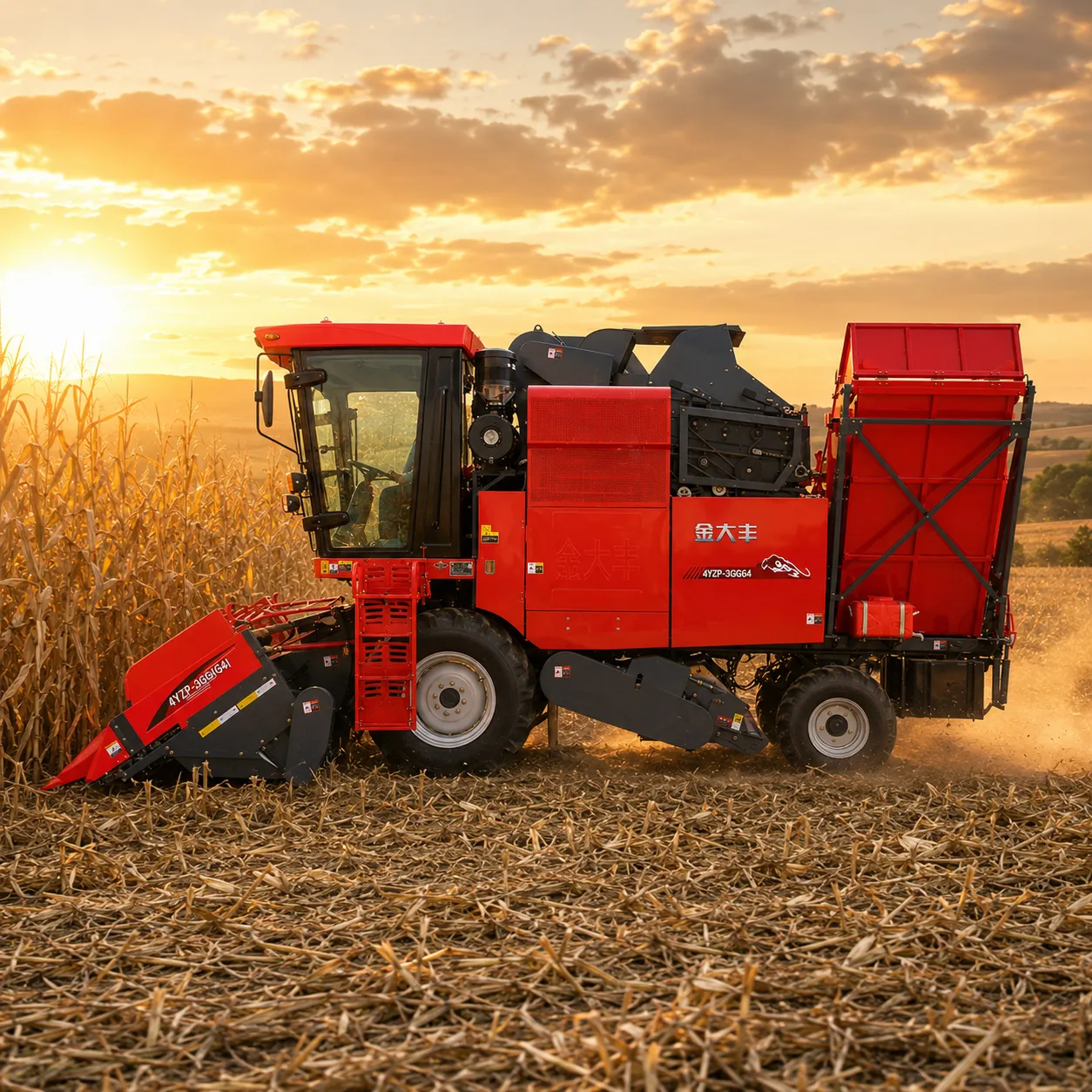
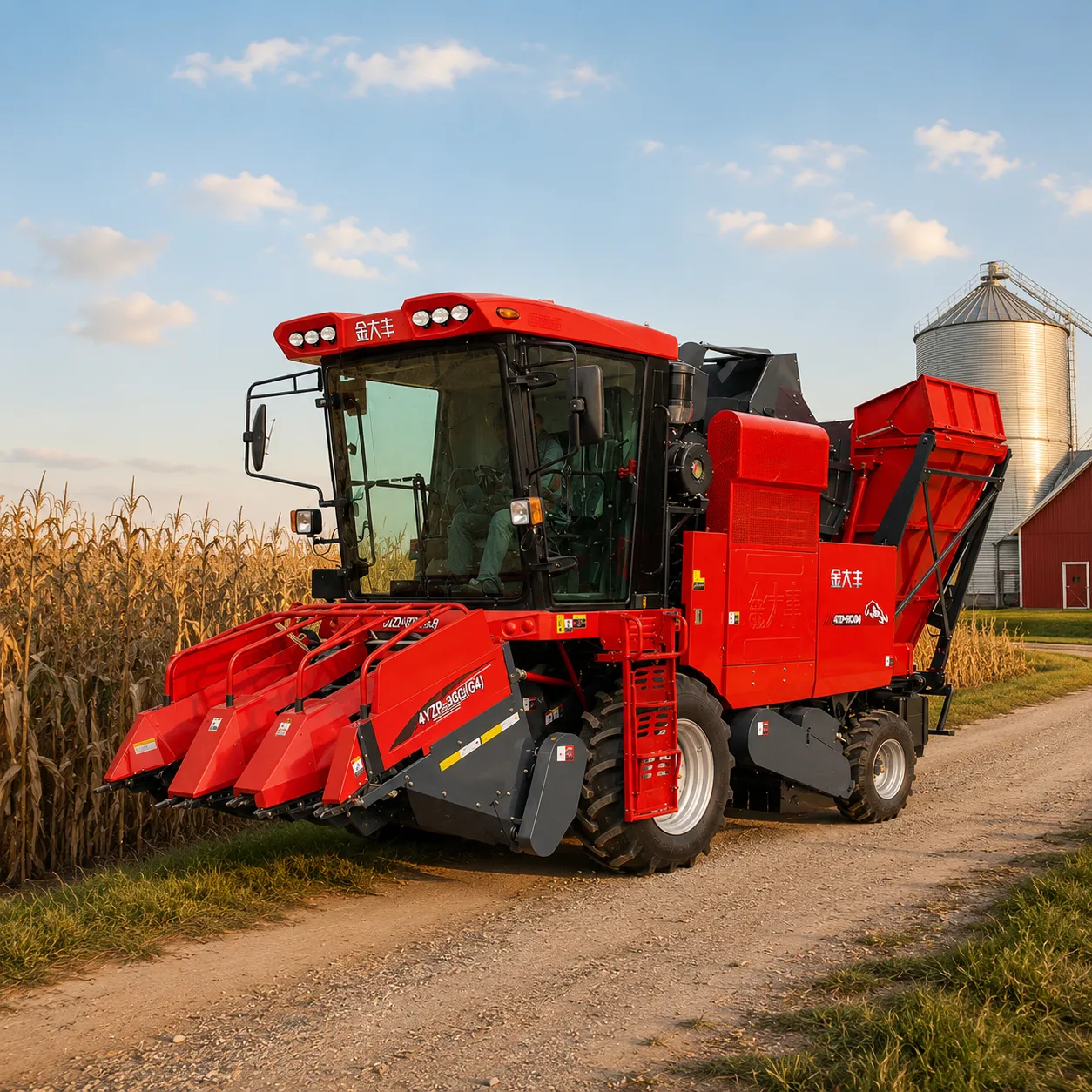
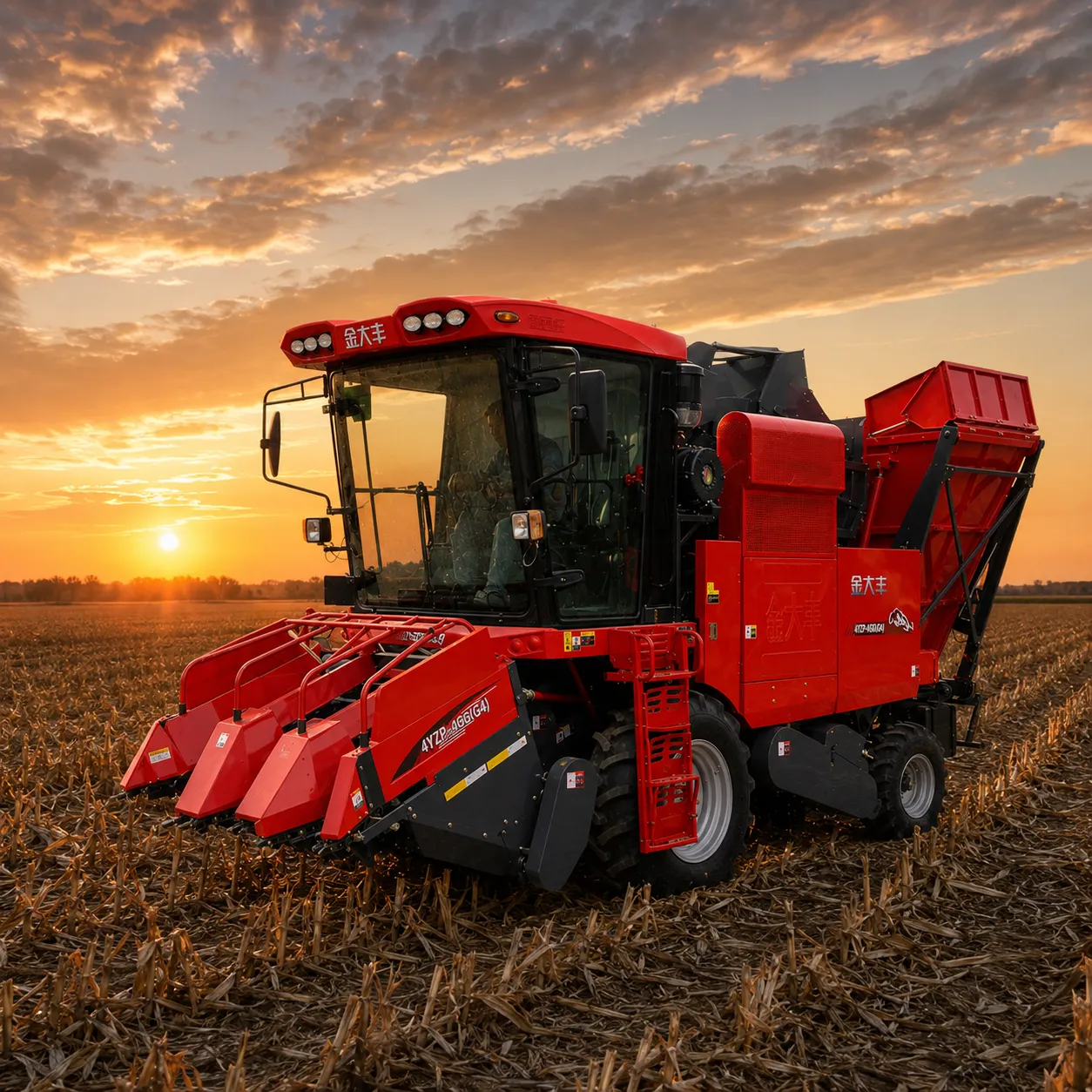
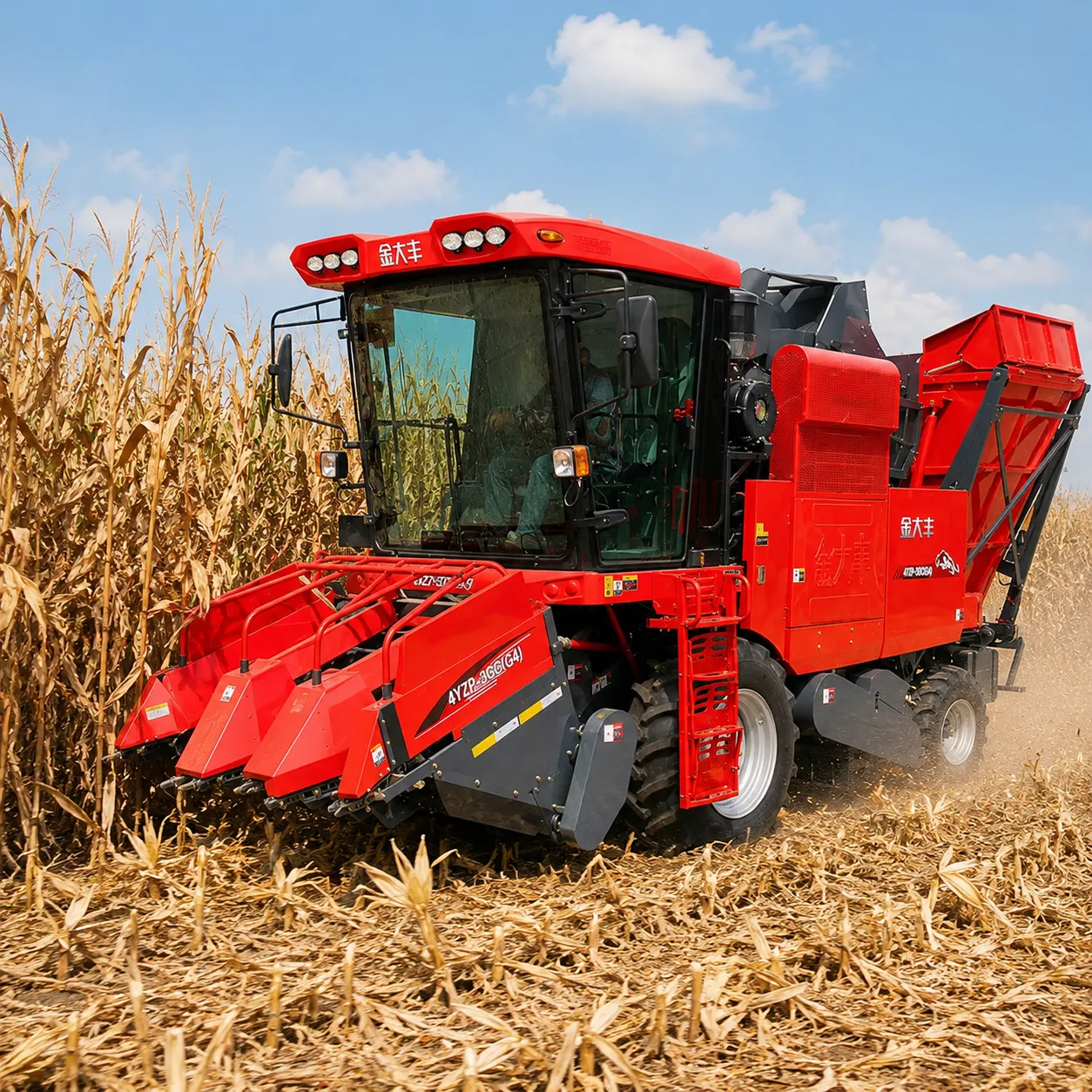
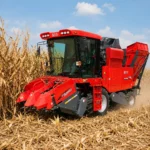
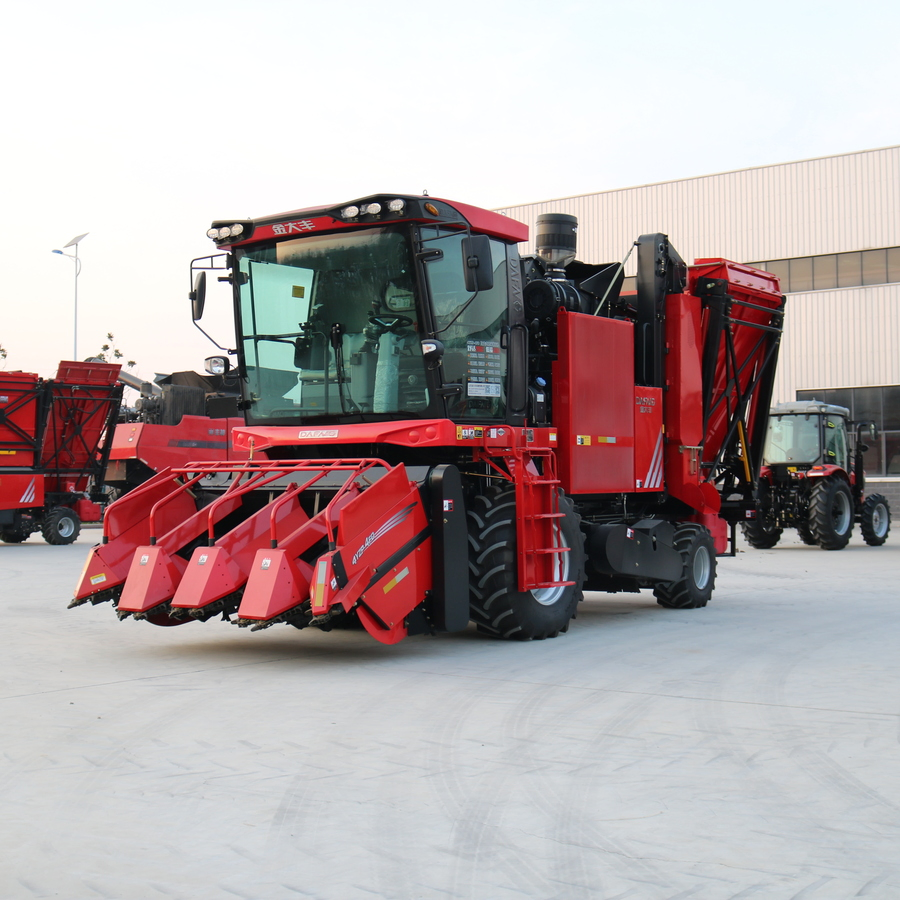
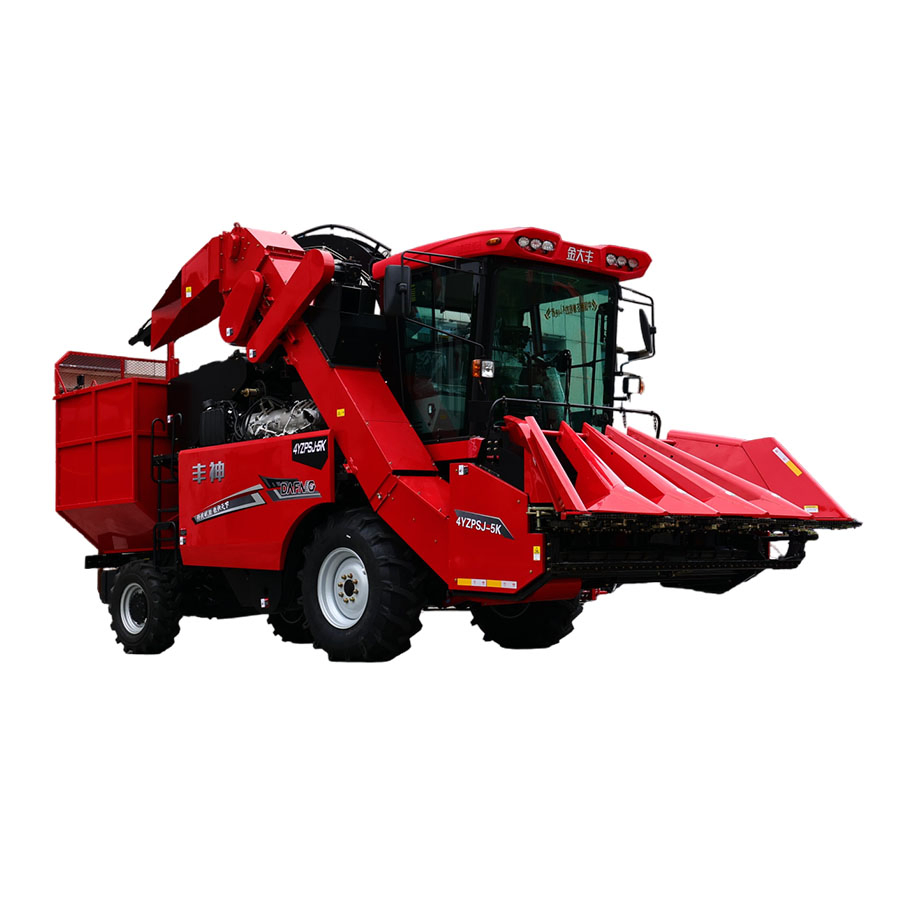
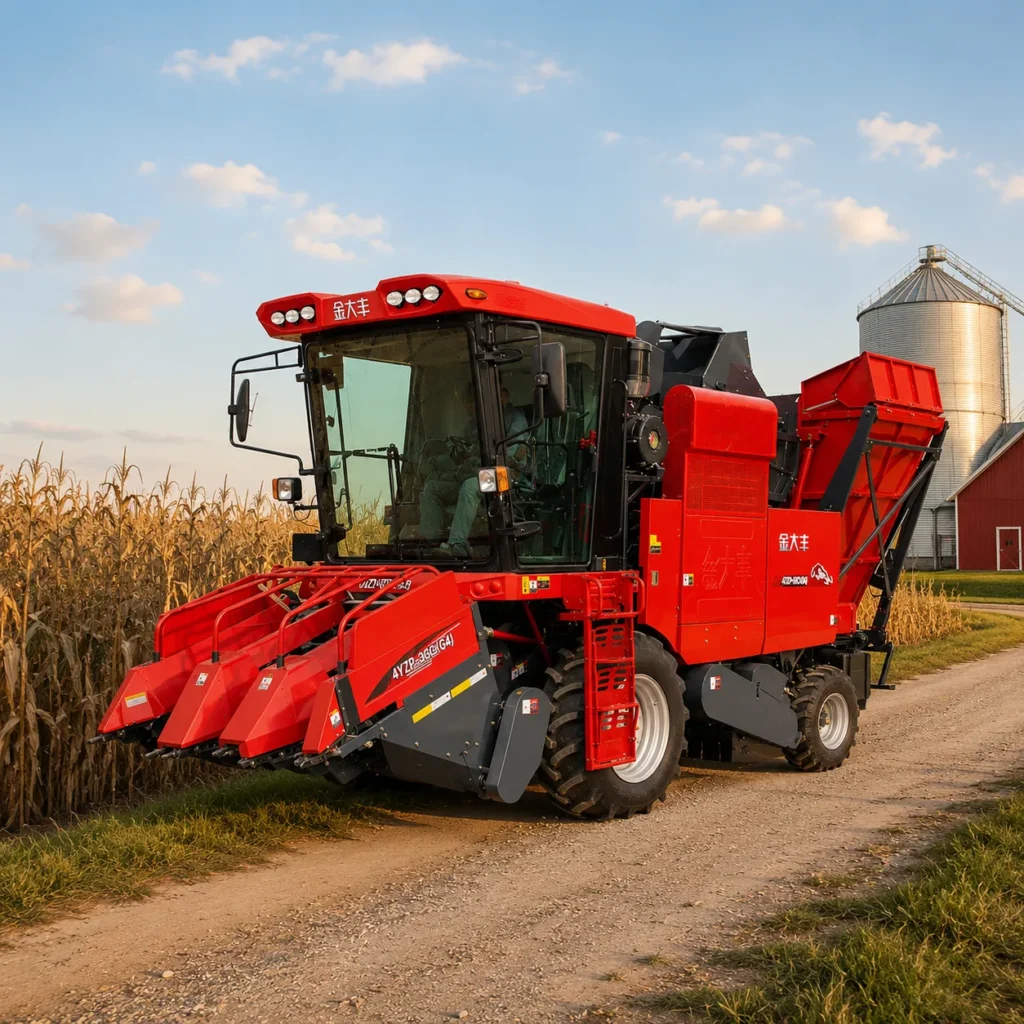
A row-type corn header is designed so that each picking unit follows one planted row. The pointed row dividers travel between neighbouring rows, while gathering chains guide each stalk toward the snapping plates and picking rolls.
When the spacing matches correctly, the stalks enter the picking units in a relatively straight line. Crop flow remains even across the header, and the operator can concentrate on maintaining speed and header height.
When the spacing does not match, stalks may enter at an angle or contact the side of the row dividers. This can cause:
- Stalks to bend before reaching the picking unit
- Ears to be knocked onto the ground
- Plants to enter two row units at the same time
- Uneven loading across the header
- More frequent blockages
- Lower practical harvesting speed
- Higher operator fatigue
Correct corn harvester row spacing is therefore not only a dimensional specification. It directly affects field loss, crop feeding, capacity, and machine control.
Measure the Field Instead of Trusting the Planter Setting
The row spacing shown in a planter specification or farming plan may not always match the final crop exactly. Wheel slip, uneven ground, worn planter components, steering error, and changes between different fields can create variations.
The most reliable method is to measure several planted rows directly in the field.
Recommended measuring method:
Measure from the centre of one corn row to the centre of another row several positions away. Divide the total distance by the number of row spaces measured. Measuring across several rows reduces the effect of one irregular gap.
For example, instead of measuring only one gap, measure the distance across five or six rows. Repeat the measurement in several areas, including:
- The centre of the field
- Areas near field boundaries
- Sloped or uneven ground
- Fields planted by different machines
- Areas where row spacing appears irregular
Measure centre to centre
Row spacing should normally be measured from the centre line of one planted row to the centre line of the next. Measuring from the outside of one stalk to the outside of another can produce inconsistent results because plant positions vary within the row.
Record the range, not only the average
An average spacing of 70 cm may hide sections that vary between 66 cm and 74 cm. Buyers should record both the average and the amount of variation.
A header may tolerate small differences when the field is straight and the operator steers accurately. Greater variation may require slower harvesting or a machine design with better row guidance and adjustment.
Common Row Spacing Patterns
Corn planting systems differ between countries, regions, seed varieties, farm sizes, and available planters. Narrower rows may be used to increase plant distribution, while wider rows may provide easier access for equipment and cultivation.
Common planting patterns can include row spacing around 50, 55, 60, 65, 70, 75, or 80 cm. However, these figures should only be used as reference points.
| Planting Pattern | Possible Header Requirement | Points to Confirm |
|---|---|---|
| Narrow rows | Closer row-unit centres and compact divider design | Tyre clearance, stalk flow and header width |
| Medium spacing | Standard three-row or four-row configuration may be suitable | Confirm actual centre-to-centre measurement |
| Wide rows | Wider row-unit spacing and longer overall header width | Transport width and field entrance size |
| Variable spacing | May require better divider guidance or adjustable components | Measure several fields before ordering |
| Different planters used | One fixed header may not match every field equally | Identify the dominant planting standard |
The buyer should not assume that a machine described as a three-row corn harvester will automatically fit every three-row planting system. The number of rows and the distance between row units are separate specifications.
How Header Mismatch Creates Harvest Loss
A small mismatch may appear manageable when the machine first enters the field. After several metres, however, each row unit can move farther away from the centre of its planted row.
The problem becomes more noticeable with multi-row headers because the outer row units are farther from the centre of the machine.
Header spacing narrower than the planted rows
When the header row units are positioned too closely together, the outer dividers may push against the stalks from the inside. Plants can bend outward, contact the divider tips, or enter the picking units at an angle.
Possible results include:
- Whole ears falling before collection
- Stalks passing outside the row unit
- Gathering chains receiving uneven material
- Increased steering corrections
- Reduced working speed
Header spacing wider than the planted rows
When the row units are too far apart, stalks may be pushed inward or divided incorrectly between neighbouring units. Two planted rows can begin feeding toward one picking channel, increasing the risk of blockage and crop impact.
The operator may also need to drive in a repeated side-to-side pattern to keep all row units aligned.
Important: Do not try to solve a serious row-spacing mismatch only by steering more aggressively. Constant corrections increase operator fatigue and still allow the outer row units to move away from the planted rows.
Matching the corn harvester row spacing before purchase is more effective than trying to compensate for an unsuitable header during harvest.
Three-Row and Four-Row Machines Need Different Planning
Adding another harvesting row increases potential field capacity, but it also increases the importance of accurate planting and header alignment.
Three-row corn harvesters
A three-row machine can be suitable for small and medium farms, fragmented fields, narrower entrances, and operations where manoeuvrability is more important than maximum capacity.
Because the header is generally narrower, it may be easier to:
- Enter small fields
- Turn at short headlands
- Transport between farms
- Follow slightly irregular planting
- Operate on narrow rural roads
Four-row corn harvesters
A four-row machine can cover more planted rows in each pass and may provide higher daily capacity in long, regular fields.
However, it requires:
- More accurate row spacing
- Better steering and visibility
- More field entrance width
- Enough engine and conveying capacity
- Transport support that can match the output
If the planting pattern is inconsistent, the additional row may not produce the expected capacity because the operator must reduce speed to maintain alignment.
Practical selection rule:
Choose three rows when manoeuvrability, narrow access, or irregular fields are the main concerns. Choose four rows when the planting pattern is consistent and the farm can use the additional capacity.
Can Adjustable Headers Solve Different Row Spacing?
Some corn harvesting machines allow limited adjustment of row dividers, gathering components, or row-unit positions. However, buyers should confirm exactly what can be adjusted and how much adjustment is available.
The phrase “adjustable row spacing” can refer to several different features:
- Adjustable divider position
- Adjustable snapping-plate opening
- Movable complete row units
- Replaceable header components
- A header designed for a defined spacing range
Snapping-plate adjustment is not the same as changing the distance between complete row units. Snapping plates control the opening around each stalk, while row-unit spacing determines where the machine follows the planted rows.
Ask for exact dimensions
Before ordering, request the following information:
- Distance between the centres of adjacent row units
- Minimum and maximum adjustable spacing
- Whether adjustment requires replacing parts
- Whether the outer dividers can be repositioned
- Overall header width after adjustment
- Recommended planting tolerance
Photos, drawings, and videos of the header working in a field with similar row spacing can also help the buyer evaluate suitability.
Other Field Conditions Still Affect Row Following
Even when the header dimensions match the planting pattern, the operator may still experience alignment problems because of crop and ground conditions.
Lodged or leaning corn
Leaning stalks may extend across the gap between rows and enter the wrong picking unit. The operator may need to reduce speed, lower the header, or harvest from the direction that helps the dividers lift the plants.
Curved or irregular rows
Fields planted around obstacles, terraces, or uneven boundaries require more steering corrections. A narrower header may follow these curves more easily than a wider one.
Soft and uneven ground
Wheel slip can move the machine away from the centre of the rows. Tyre selection, machine weight, traction, and operator control become especially important in wet fields.
Different planting directions
Some fields contain areas planted from opposite directions or repaired after poor emergence. The row pattern may change near headlands and replanted sections.
The operator should reduce forward speed before entering these areas rather than waiting for crop flow to become unstable.
Information to Send the Manufacturer Before Ordering
A clear quotation request should include more than a request for a three-row or four-row machine. The manufacturer needs enough information to evaluate the header and complete machine configuration.
Provide:
- Average centre-to-centre corn row spacing
- Minimum and maximum spacing measured in the field
- Required number of harvesting rows
- Average field size and field shape
- Width of field entrances and local roads
- Whether corn is normally standing or lodged
- Typical stalk and ear moisture during harvest
- Whether peeling is required
- Whether straw crushing is required
- Expected daily harvesting area
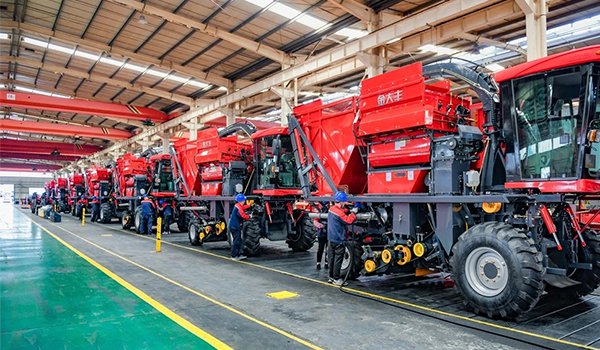
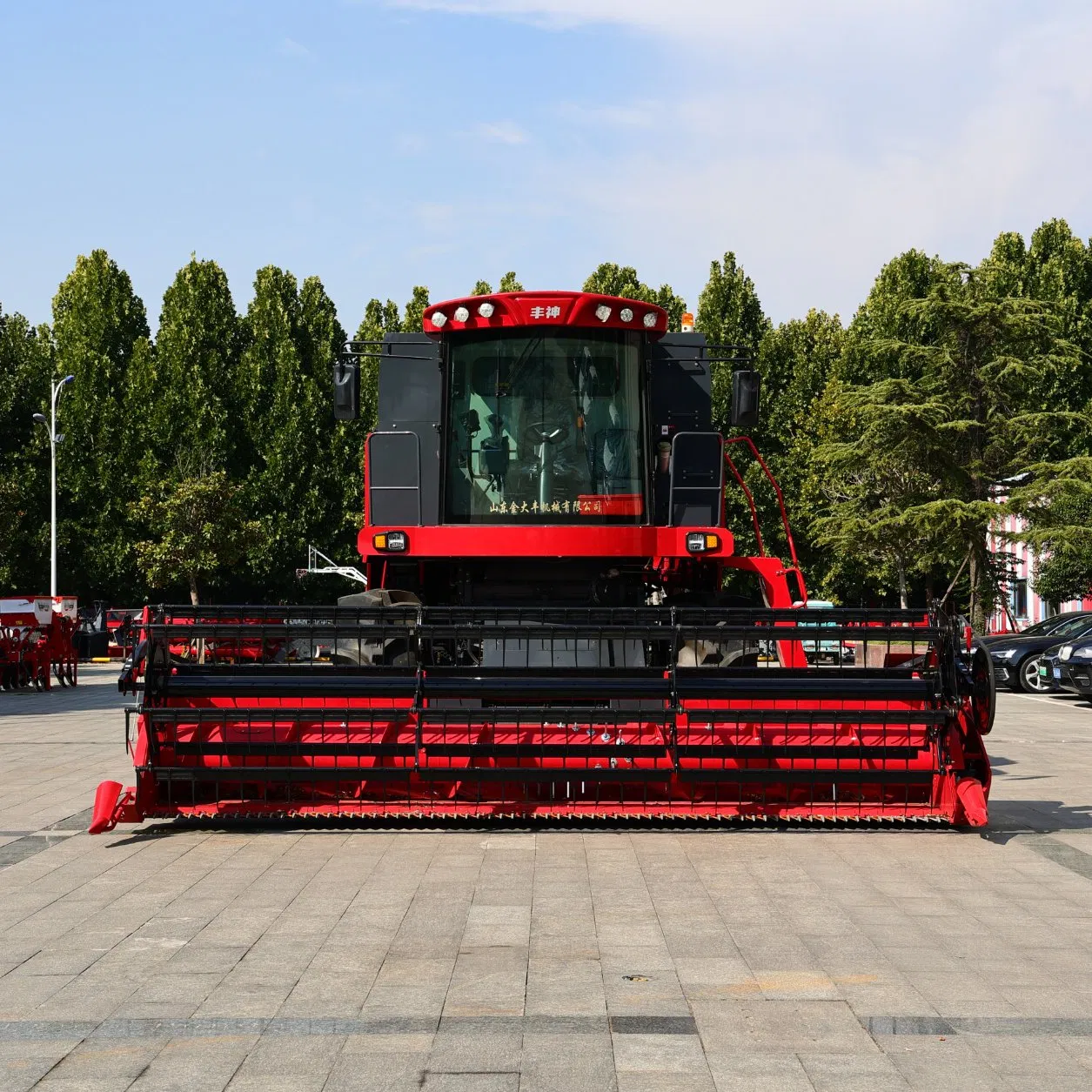
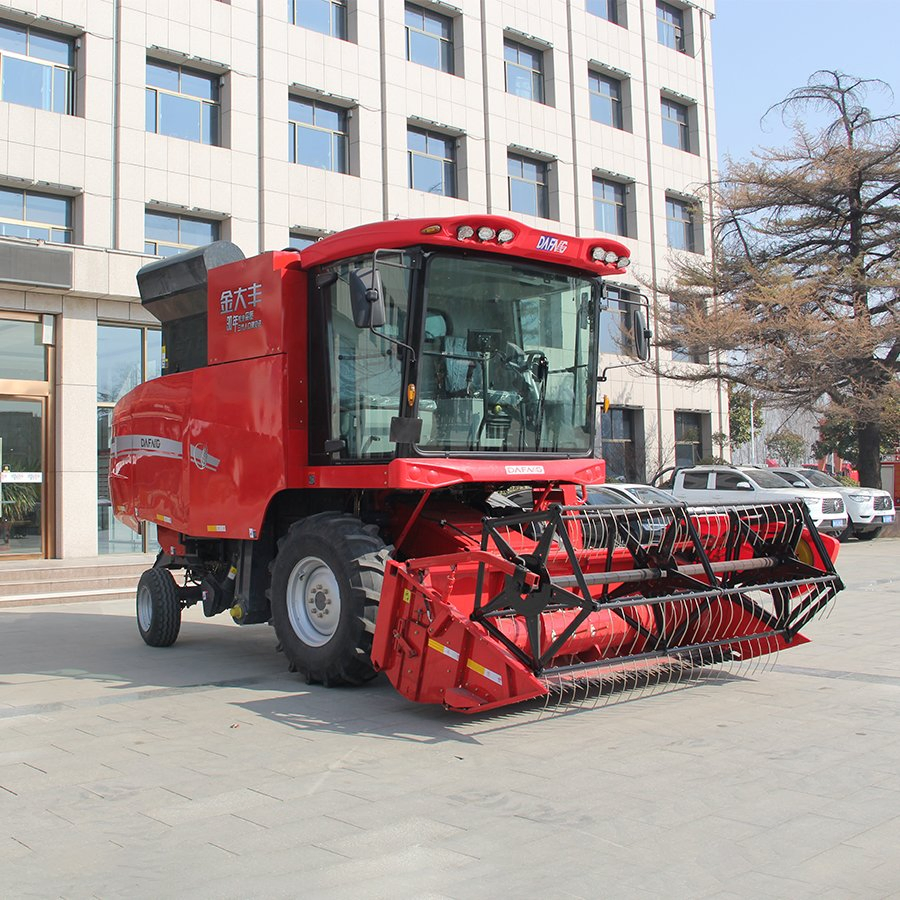
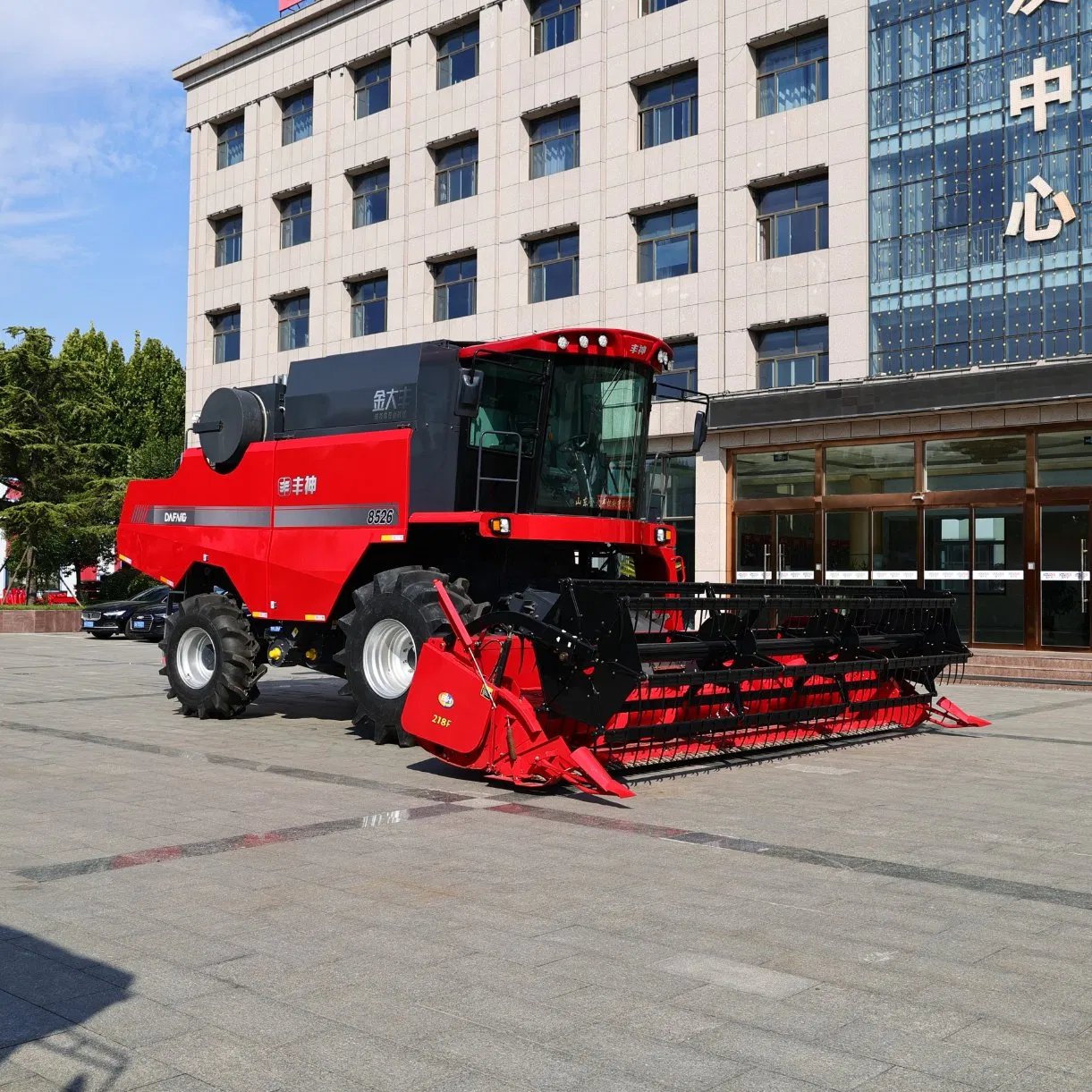
King-Gold Dafeng provides corn harvesting machinery for different row configurations, farm sizes, and field conditions. Buyers can review the available corn harvester models and header configurations before confirming row number and working width.
The correct corn harvester row spacing allows each divider and picking unit to follow the planted crop naturally. This improves feeding, reduces dropped ears, and helps the operator maintain a stable harvesting speed.
The best approach is simple: measure several fields, record the real spacing range, compare it with the header dimensions, and confirm the configuration before production or shipment. A well-matched header provides more value than a larger machine that cannot follow the crop accurately.
You May Also Be Interested In
To see how row guidance, gathering chains, ear separation, peeling, and straw crushing work together in the field, read How Does a Corn Harvester Work in Real Field Conditions?
Farmers choosing between compact and higher-capacity equipment may also find Best Corn Harvester for Small and Medium Farms useful when matching row number and machine size to their fields.