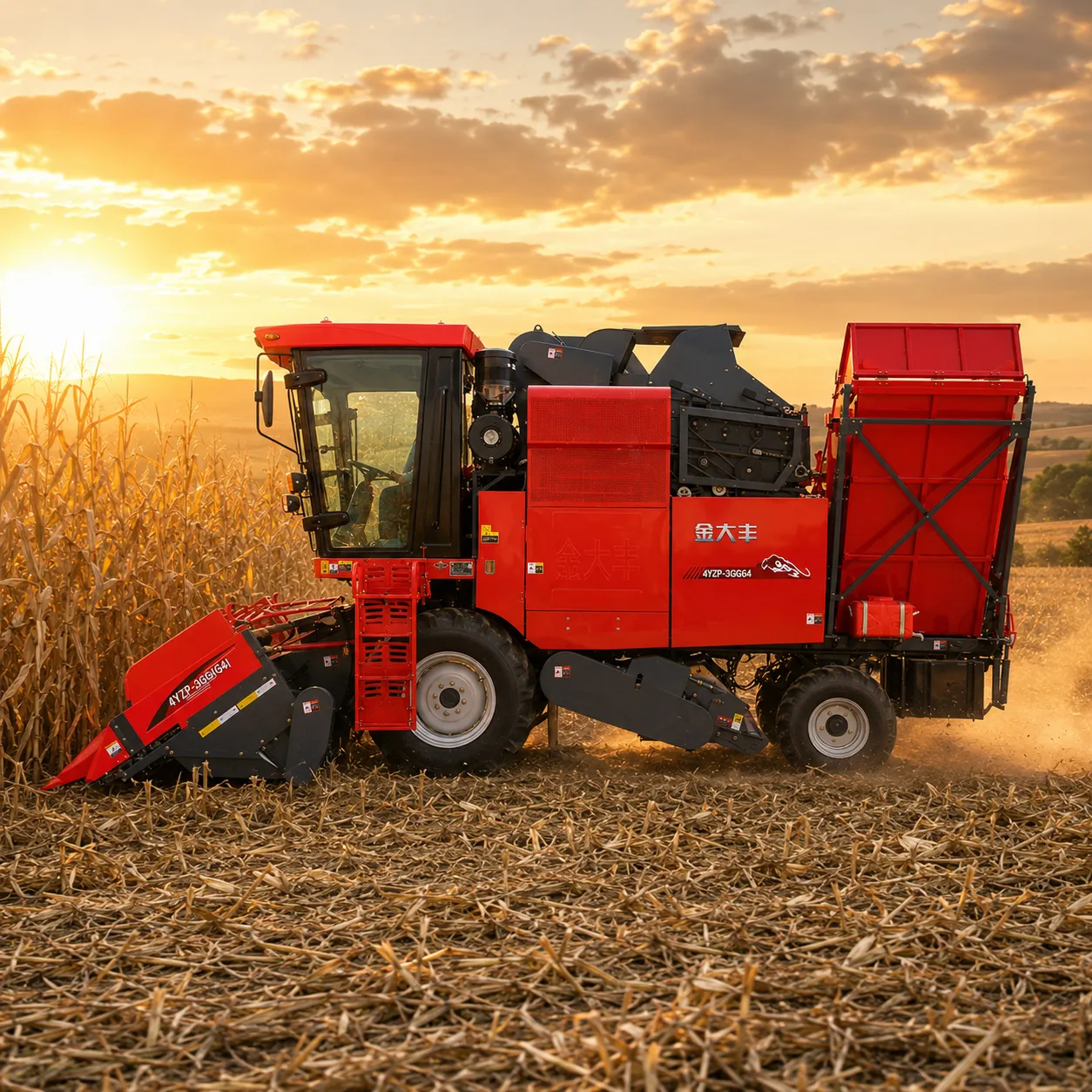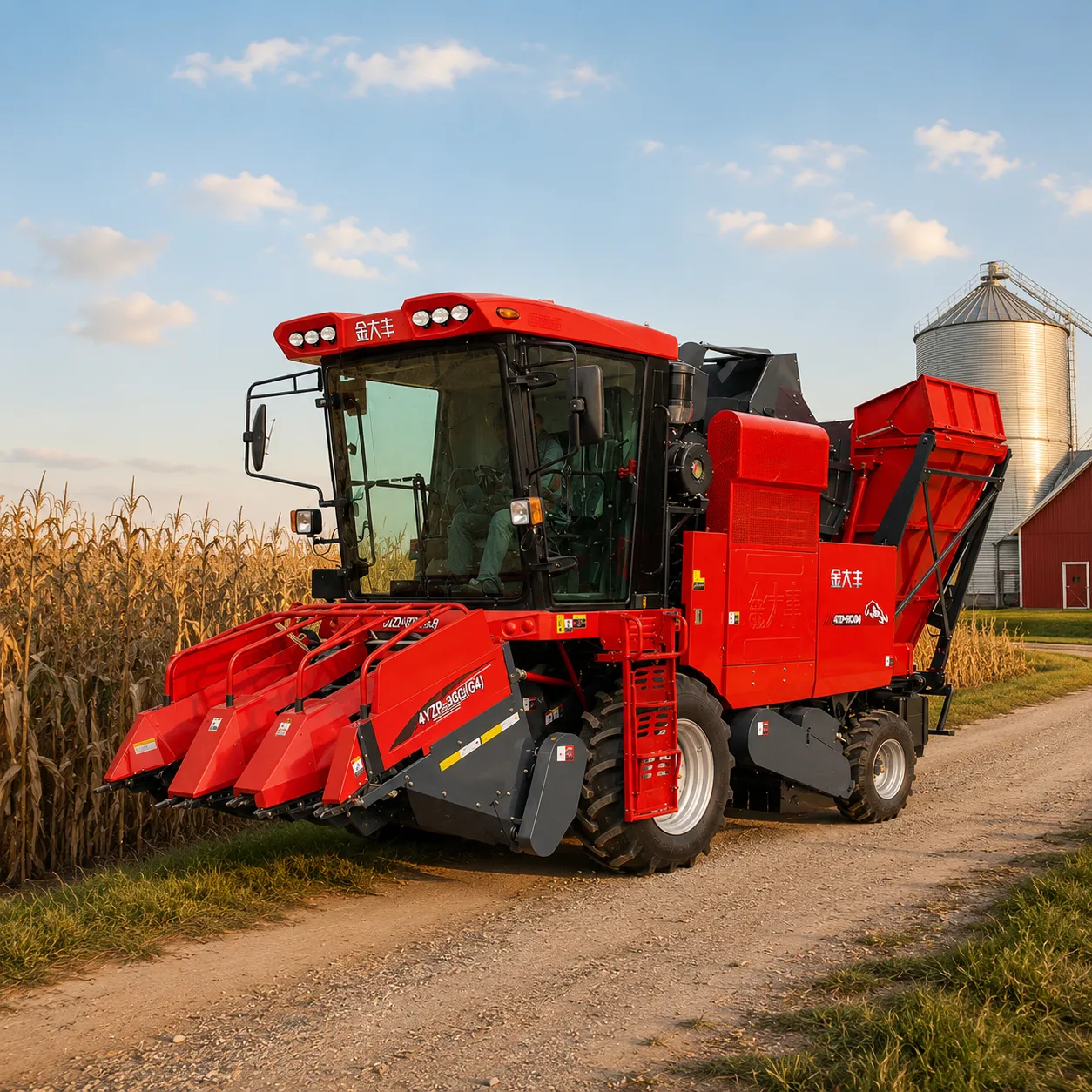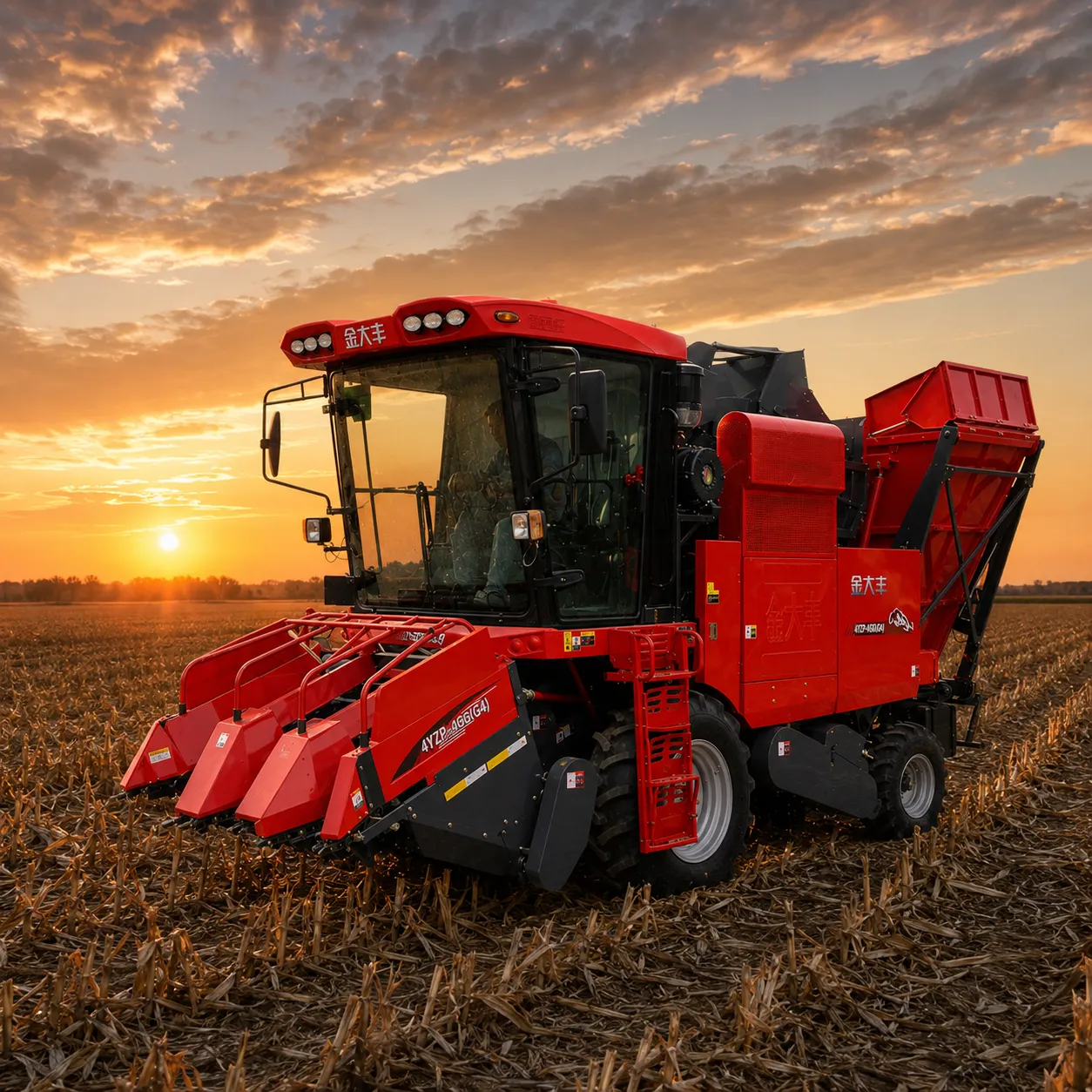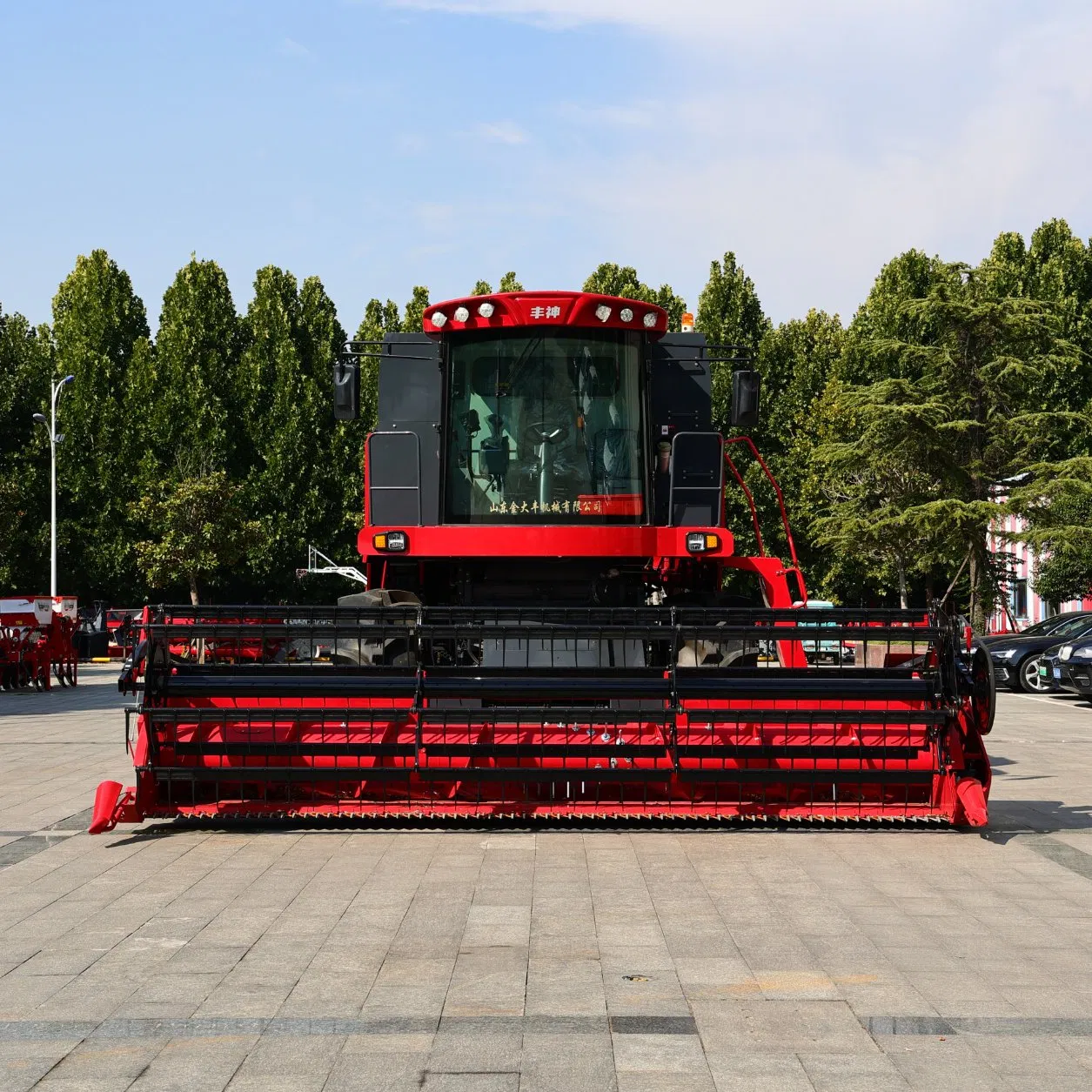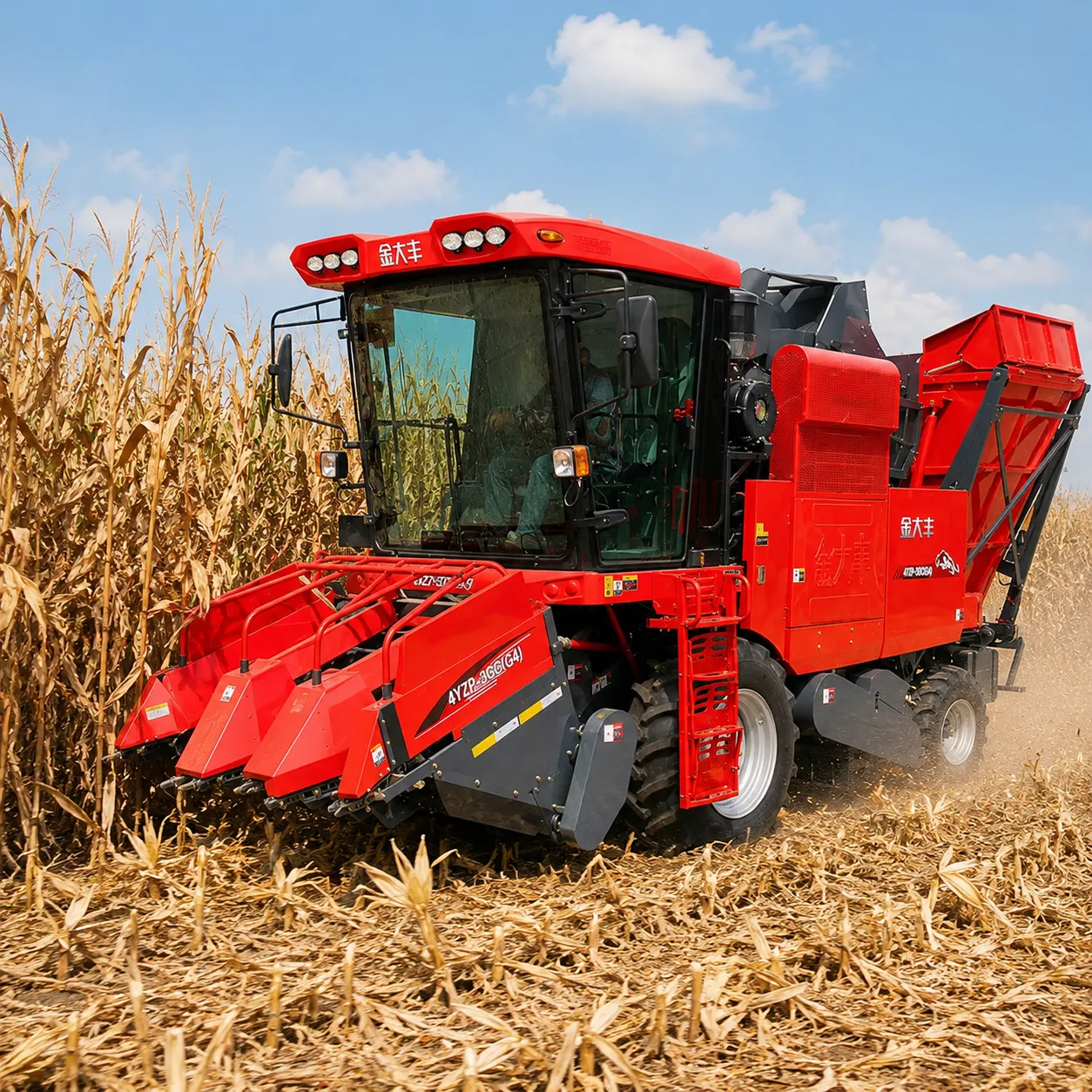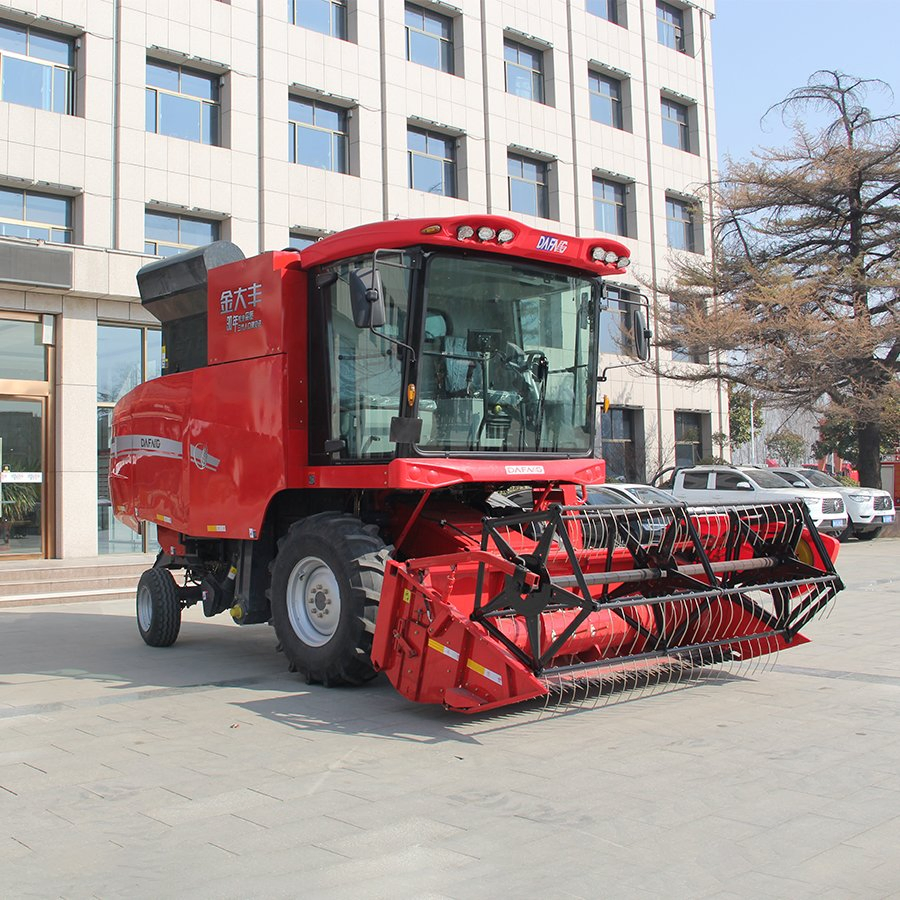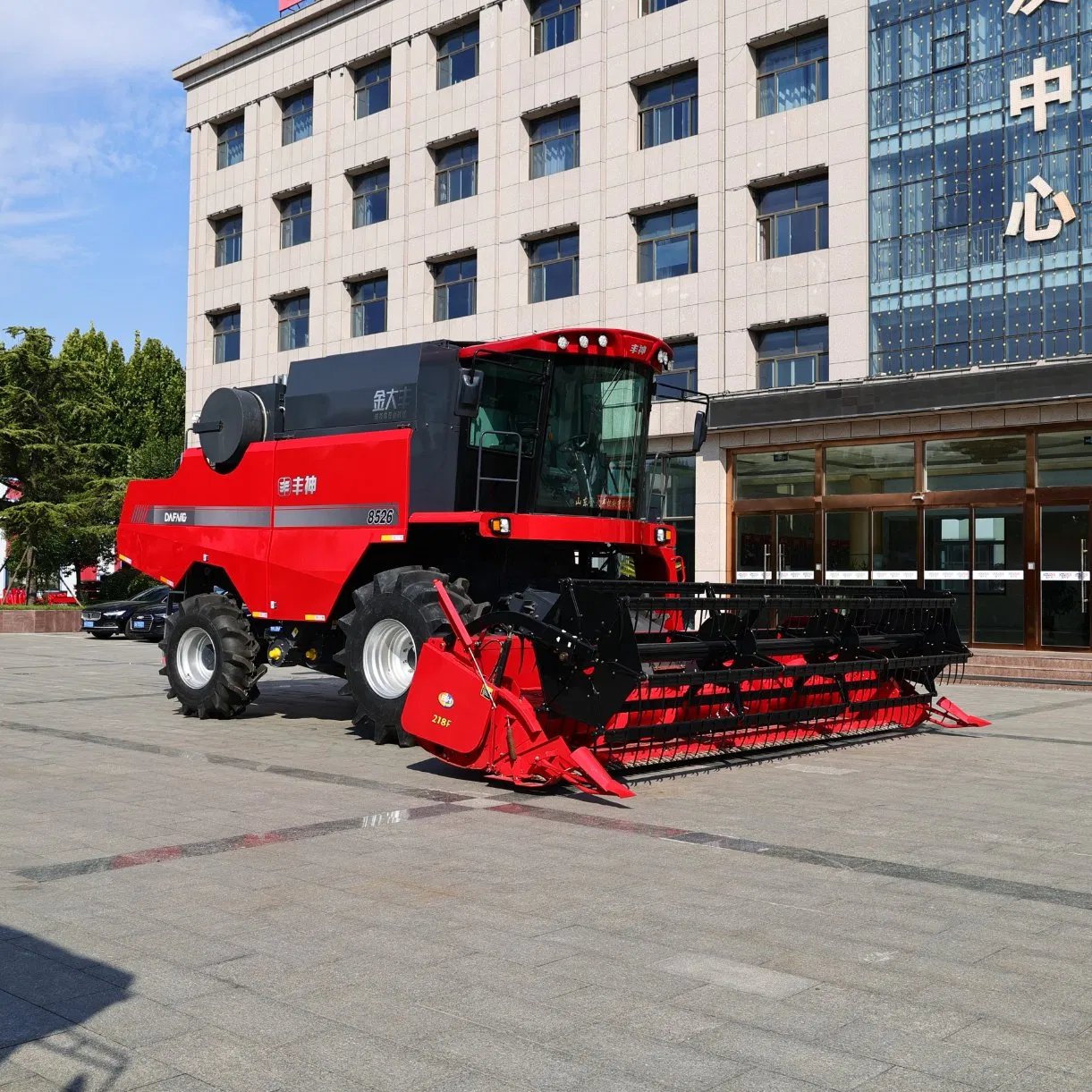
Plowing, tillage, and land preparation are among the most important field operations in agriculture. They influence soil structure, seedbed quality, moisture retention, and overall crop performance. Because these tasks place continuous load on the machine, choosing the best farm tractor for plowing, tillage and land preparation requires careful evaluation.
The right tractor should deliver strong pulling power, good traction, stable hydraulic operation, and reliable compatibility with different implements. It should also match the farm size, soil condition, and working intensity. A tractor that performs well during light transport may not deliver the same results during deep soil preparation.
This guide explains what farmers, contractors, dealers, and importers should look for when selecting a tractor for plowing and land preparation.
Why Land Preparation Requires the Right Tractor
Land preparation often happens before the planting season, and delays at this stage can affect the entire crop cycle. Farmers need machinery that works efficiently, especially when weather windows are short.
Plowing turns over the soil. Tillage breaks and loosens it. Land preparation creates a field surface suitable for planting. These steps often require significant traction, torque, and implement control. A weak tractor may move slowly, work unevenly, or consume more fuel due to slippage and overload.
This is why a tractor for plowing and tillage work must be chosen based on real field resistance rather than on basic price comparisons.
Key Features of a Tractor for Plowing and Tillage
Strong Pulling Power
Plows and heavy tillage tools create continuous draft load. A tractor must maintain stable movement without losing speed. Strong torque and the right transmission setup make a significant difference.
Reliable Traction
Traction is essential for transferring engine power to the ground. 4WD tractors are widely preferred for heavier field operations because they reduce slip and provide better control in difficult terrain.
Hydraulic Lift Capacity
Many land preparation tools depend on rear linkage and hydraulic lift systems. A strong hydraulic system improves control over implement height, field depth, and maneuverability.
Implement Compatibility
Tractors should match the size and weight of plows, harrows, cultivators, and seedbed preparation equipment. Proper matching improves working quality and reduces wear.
Recommended Tractor Size for Different Tasks
| Task Type | Recommended Power | Typical Use |
|---|---|---|
| Light field preparation | 70HP–100HP | Small plots, light tillage, rotary work |
| General plowing and seeding preparation | 100HP–150HP | Medium farms, multi-purpose field work |
| Heavy tillage and land preparation | 150HP–240HP | Large fields, heavier soil, bigger implements |
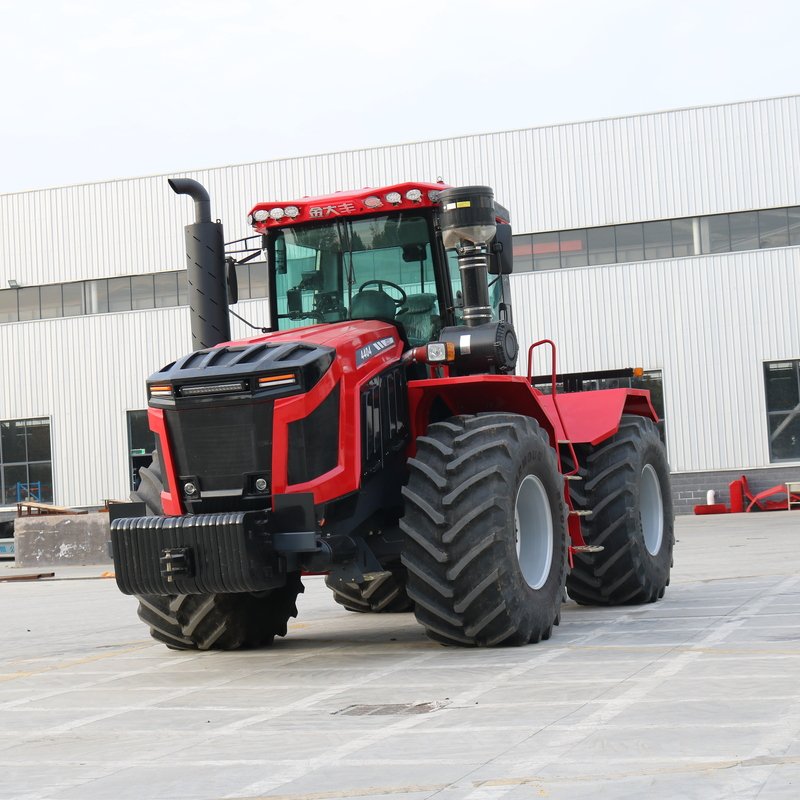
| Commercial-scale deep tillage | 300HP–440HP | Large agricultural projects and contractors |
Choosing a Tractor for Plowing
Plowing requires sustained pulling force. The tractor should remain stable while pulling through the soil at consistent depth. For light plowing on smaller farms, 70HP to 100HP tractors may be enough. For heavier plowing conditions, 120HP to 200HP models often work better.
For large farms, deeper plowing, or wide multi-furrow plows, high-power tractors provide stronger daily productivity. Buyers searching for the best tractor for deep plowing and land preparation should evaluate power, weight, traction, and implement compatibility together.
Choosing a Tractor for Tillage
Tillage can include discing, cultivating, subsoiling, and seedbed refinement. Each task creates different load levels. Shallow tillage may not need extreme horsepower, while deep cultivation or subsoiling requires stronger pulling capacity.
For farms that use tractors for both regular tillage and heavier seasonal soil work, a machine in the 120HP to 240HP range often provides strong flexibility.
A farm tractor for tillage and soil preparation should also offer good hydraulic control and stable speed selection for consistent field results.
Why 4WD Matters in Land Preparation
Land preparation often takes place in soil conditions where traction matters greatly. A 4WD tractor distributes pulling force across all four wheels, reducing wheel slip and improving efficiency.
In heavy clay, wet soil, or uneven ground, 4WD can help the tractor maintain momentum and produce more uniform field results. It also improves control when using wider implements.
For farmers working with larger land preparation tools, a 4WD tractor for heavy tillage work is usually the more dependable option.
How Soil Type Changes the Decision
Different soils create different resistance levels. Sandy soils usually require less pulling power. Clay and compacted soils require more horsepower and traction. Moist soil can increase slippage if the machine is not properly configured.
Before selecting a tractor, buyers should ask:
- Is the soil light, medium, or heavy?
- How deep will the plow or tillage tool work?
- Are field conditions dry or wet?
- Will the tractor operate on slopes?
This process helps identify the best farm tractor for heavy field preparation.
Hydraulic and PTO Needs
Land preparation often involves more than pulling. Some equipment depends on hydraulic adjustment, while other tools may require PTO power. Buyers should check both systems carefully.
Important considerations include:
- Rear lifting capacity
- Hydraulic outlet quantity
- PTO speed options
- Rear linkage strength
These features matter when choosing a tractor with hydraulic lift for plows and cultivators.
Fuel Efficiency and Daily Productivity
During land preparation, buyers should evaluate fuel use relative to work completed. A smaller tractor working at full load for long hours may consume more fuel per hectare than a better-matched, more powerful tractor.
A properly sized tractor can reduce working time, minimize repeated passes, and lower operator fatigue. This often creates better real-world efficiency than simply choosing the lowest-priced option.
What Dealers and Importers Should Focus On
Dealers should select tractors that fit multiple land preparation tasks rather than one narrow application. Importers should consider which power ranges match their market. Regions with heavier soils or larger farms may demand 150HP, 200HP, or 240HP tractors more strongly than small utility machines.
Customization can also matter. Tire type, cabin design, 4WD options, and hydraulic setups may influence buyer acceptance in different regions.
Where King-Gold Dafeng Fits
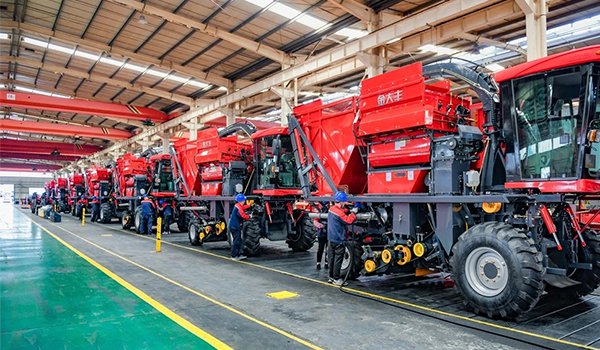
King-Gold Dafeng tractor solutions cover medium-power and high-power categories suited for plowing, tillage, and land preparation. Buyers can match machines to lighter field work, mixed operations, or heavier commercial farming needs.
This flexibility is valuable for distributors who need a broad product range instead of a single fixed model.
Final Thoughts
The best farm tractor for plowing, tillage and land preparation depends on farm scale, soil condition, implement size, and required working depth. Small operations may perform well with 70HP to 100HP tractors. More demanding field work may require 120HP to 240HP machines. Large agricultural projects may need even higher horsepower for wide implements and deep tillage.
The right tractor should provide balanced pulling power, traction, hydraulic control, and long-term reliability. When these elements work together, land preparation becomes faster, smoother, and more cost-effective.