Buying a farm tractor is not a simple equipment purchase. It is a long-term decision that affects working efficiency, operating cost, maintenance planning, and overall farm productivity. For farmers, the right tractor helps complete daily work faster and with less labor. For dealers and importers, the right tractor lineup can shape local market demand, customer trust, and long-term sales performance.
However, tractor buying decisions are often more complex than comparing horsepower and price. Buyers also need to evaluate farming applications, 2WD or 4WD configuration, engine performance, PTO options, hydraulic capability, tire selection, operator comfort, after-sales support, and supplier reliability.
This farm tractor buying guide explains the key factors that farmers, dealers, and importers should consider before ordering. It is designed to help buyers choose a tractor that not only fits current work but also delivers stable value over time.
Start with the Real Farming Application
The first step in choosing a farm tractor is understanding what work the machine must perform. Different applications require different power levels and configurations. A tractor used mainly for orchard transport does not need the same specifications as one used for deep tillage or heavy field preparation.
For Farmers
Farmers should list their most common tasks, such as plowing, tillage, seeding support, spraying, hauling, PTO-driven work, and transport. Once these needs become clear, it is easier to choose the right horsepower range and tractor configuration.
For Dealers
Dealers should evaluate the most common local farm sizes, crops, soil conditions, and buyer budgets. A good product mix often includes utility tractors, medium-power models, and several higher-horsepower tractors for larger farms or contractors.
For Importers
Importers should consider market diversity. In one country, buyers may need compact tractors for orchard and rice field work. In another, large farms may demand 200HP or 240HP tractors for heavier tillage. A strong import strategy matches tractor models with regional demand.
Choose the Right Horsepower Range
Horsepower is one of the most visible tractor specifications, but it should always match actual work. Too little power can reduce efficiency, while too much power may increase unnecessary cost.
| Horsepower Range | Best For | Typical Applications |
|---|---|---|
| 50HP–80HP | Small farms, orchards, utility work | Transport, spraying, light tillage, mowing |
| 90HP–120HP | Mixed farming operations | Plowing, seeding support, PTO equipment, hauling |
| 150HP–240HP | Large farms and demanding field work | Heavy tillage, land preparation, larger implements |
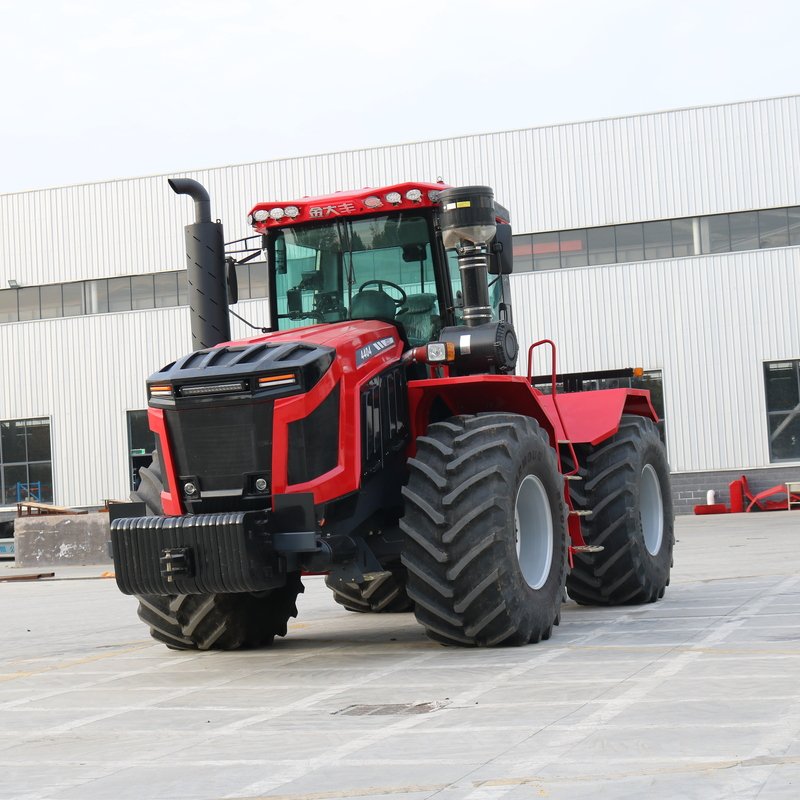
| 300HP–440HP | Commercial-scale agriculture | Deep tillage, wide implements, high-output field operations |
For many buyers, 90HP to 120HP tractors provide a strong balance between versatility and cost. For heavy soil, deep plowing, and larger implements, 200HP and above may deliver better productivity. Large-scale farms may prefer very high-power models when daily field coverage becomes a priority.
Understand 2WD and 4WD Differences
Drive type changes how a tractor performs in the field. A 2WD model is usually more affordable and can work well for light-duty tasks in dry and level conditions. It suits simpler applications such as basic transport and small-scale utility work.
A 4WD farm tractor offers stronger traction and better field control. It is a better choice for wet soil, slopes, heavy implements, and larger workloads. By reducing wheel slip, 4WD often helps the tractor use its engine power more effectively.
For dealers and importers, 4WD tractors are often easier to position in markets where buyers need versatile machines for farming, hauling, and field preparation. In medium and high horsepower ranges, 4WD is usually the more competitive choice.
Check Engine Performance and Fuel Efficiency
The engine determines power delivery, torque, fuel consumption, and long-term reliability. Buyers should look beyond the horsepower number and consider the full engine profile.
Important questions include:
- Does the engine deliver stable torque under load?
- Is the fuel consumption suitable for the intended work?
- Can local service teams support the engine brand?
- Does the engine match local emissions or import requirements?
For farmers, a reliable engine reduces downtime. For dealers, it improves customer confidence. For importers, it affects long-term market acceptance.
Evaluate PTO and Hydraulic Capability
A tractor often works as the power center for multiple implements. This makes PTO and hydraulic systems essential parts of the buying decision.
PTO System
PTO output powers equipment such as rotary tillers, seeders, sprayers, and other driven implements. Buyers should confirm the required PTO speed and make sure it matches their local equipment.
Hydraulic System
The hydraulic system controls lifting and implement movement. Strong hydraulic lifting capacity and sufficient output ports improve versatility, especially when the tractor handles heavier plows, planters, and trailers.
| System | What Buyers Should Check | Why It Matters |
|---|---|---|
| PTO | Speed options and output stability | Supports powered agricultural implements |
| Hydraulic Lift | Lifting capacity and control precision | Improves implement handling |
| Hydraulic Outputs | Number of available ports | Supports more advanced machinery |
| Rear Linkage | Strength and compatibility | Connects plows, seeders, and other implements |
Match Tires with Soil and Terrain
Tire selection affects traction, stability, fuel efficiency, and field adaptability. A tractor working on dry land may need different tires from one used in soft soil or muddy conditions.
Buyers should consider:
- Standard agricultural tires for general use
- Wider tires for better flotation
- Radial tires for improved field performance
- Dual tires for high-horsepower tractors
For high-power tractors, tire configuration becomes especially important because the machine needs to transfer more engine output to the ground. Poor tire choice can reduce the benefit of a stronger engine.
Do Not Overlook Operator Comfort
Operator comfort has a direct impact on productivity. A tractor used for long working hours should provide clear visibility, practical controls, comfortable seating, and safe access.
Buyers may choose among:
- Open station designs
- ROPS protection
- Enclosed cabins
- Air-conditioned cabins
For regions with high temperatures or dusty conditions, a cabin can improve daily working comfort. For price-sensitive buyers, a simpler setup may still be more appropriate. The best choice depends on local market needs.
Compare Price with Long-Term Value
Price always matters, but buyers should evaluate value rather than only the lowest quotation. A cheaper tractor may save money at the start but create higher costs later through poor fuel efficiency, weaker components, or limited parts support.
A stronger buying approach considers:
- Initial tractor price
- Fuel consumption
- Maintenance frequency
- Spare parts availability
- Machine lifespan
- Resale or brand value
For dealers and importers, long-term value becomes even more important because it affects reputation and repeat sales.
Consider Customization for Local Markets
Many overseas buyers need tractor configurations tailored to their market. Customization can include engine options, tire setup, cabin selection, color, logo, packaging, and hydraulic functions.
Dealers often use OEM support to create a stronger local brand image. Importers may request region-specific setups to better match local farming conditions. This is why manufacturers with flexible customization capability can offer an advantage.
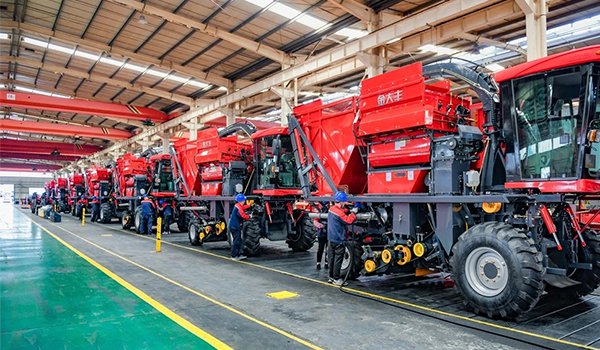
King-Gold Dafeng agricultural machinery supports tractor customization for different export markets, helping buyers match product specifications with real regional demand.
Check Spare Parts and After-Sales Support
A tractor should come with more than a machine. Buyers also need manuals, spare parts support, technical documentation, and a practical service system. This is especially important for importers and dealers who are responsible for local customer support.
Before ordering, buyers should confirm:
- Spare parts availability
- Recommended parts packages
- Operation manuals
- Technical troubleshooting support
- Warranty terms
Good after-sales support protects long-term investment and helps prevent small problems from becoming major disruptions.
Buying Priorities by Customer Type
| Buyer Type | Main Priority | What to Focus On |
|---|---|---|
| Farmer | Working efficiency and reliability | Horsepower, traction, implements, service |
| Dealer | Market fit and sales potential | Product range, customization, spare parts |
| Importer | Supply stability and total business value | Factory capacity, export support, pricing structure |
Common Tractor Buying Mistakes
One common mistake is buying more horsepower than necessary. Another is choosing a low-cost tractor that cannot handle local working conditions. Buyers may also overlook PTO compatibility, tire selection, or after-sales support.
Dealers sometimes order tractors based only on supplier recommendations without checking local market demand. Importers may focus too much on unit price and not enough on serviceability or long-term supply stability.
A successful tractor purchase should balance technical fit, market demand, and total cost of ownership.
Final Thoughts
This farm tractor buying guide shows that the best tractor decision depends on more than one specification. Farmers should think about real field work. Dealers should think about market demand. Importers should think about product range, supplier capability, and long-term cooperation.
The most important buying factors include horsepower, 2WD or 4WD choice, engine performance, PTO and hydraulics, tires, operator comfort, customization, spare parts, and after-sales support. When buyers compare these factors carefully, they can choose farm tractors that deliver better productivity and stronger long-term value.
A well-selected tractor does not only improve farming performance. It also reduces risk, supports business growth, and creates a more reliable agricultural machinery strategy.