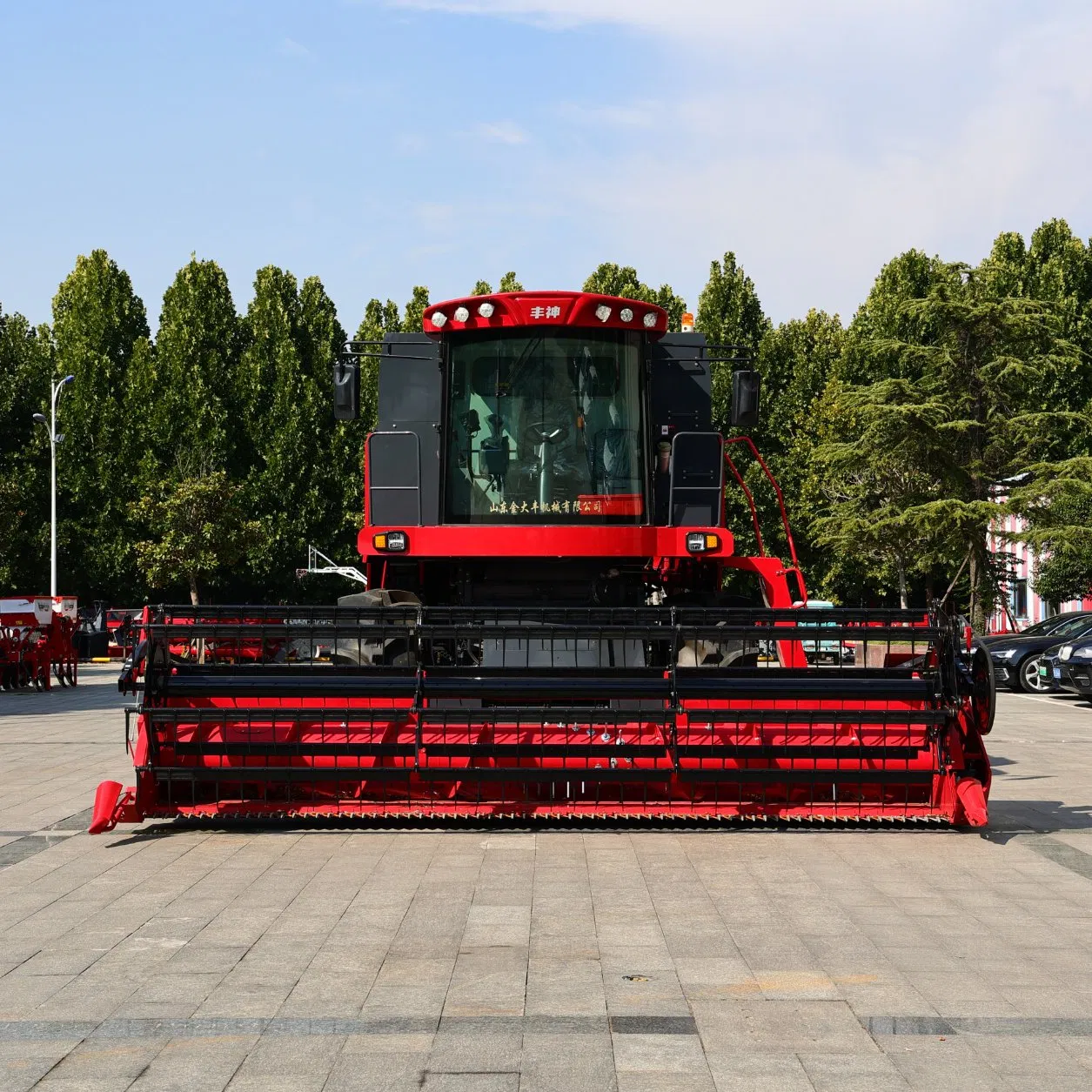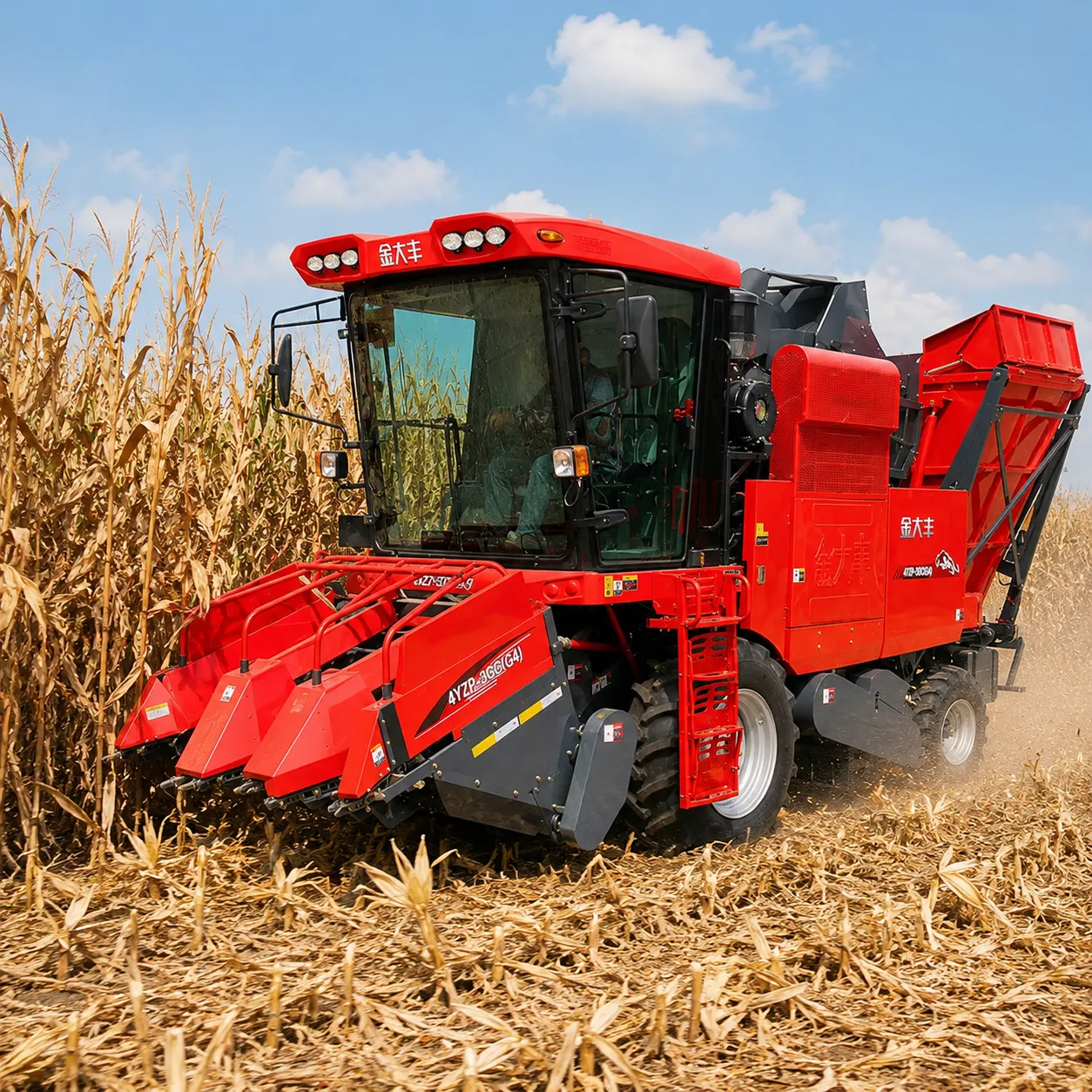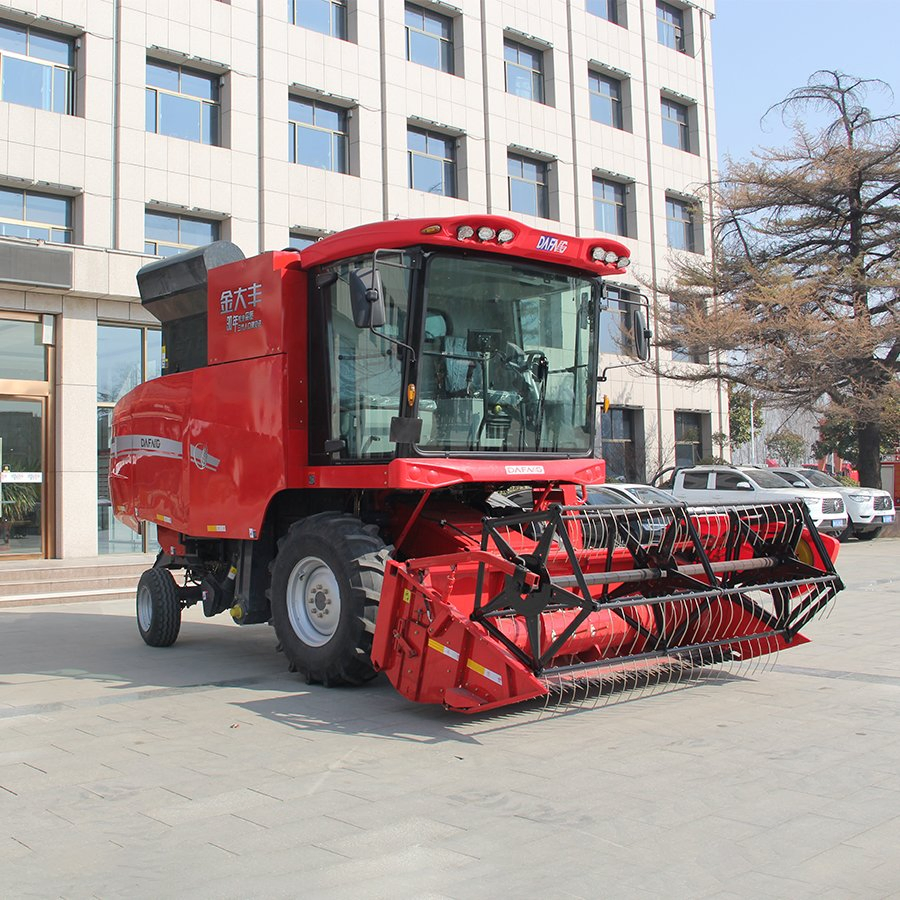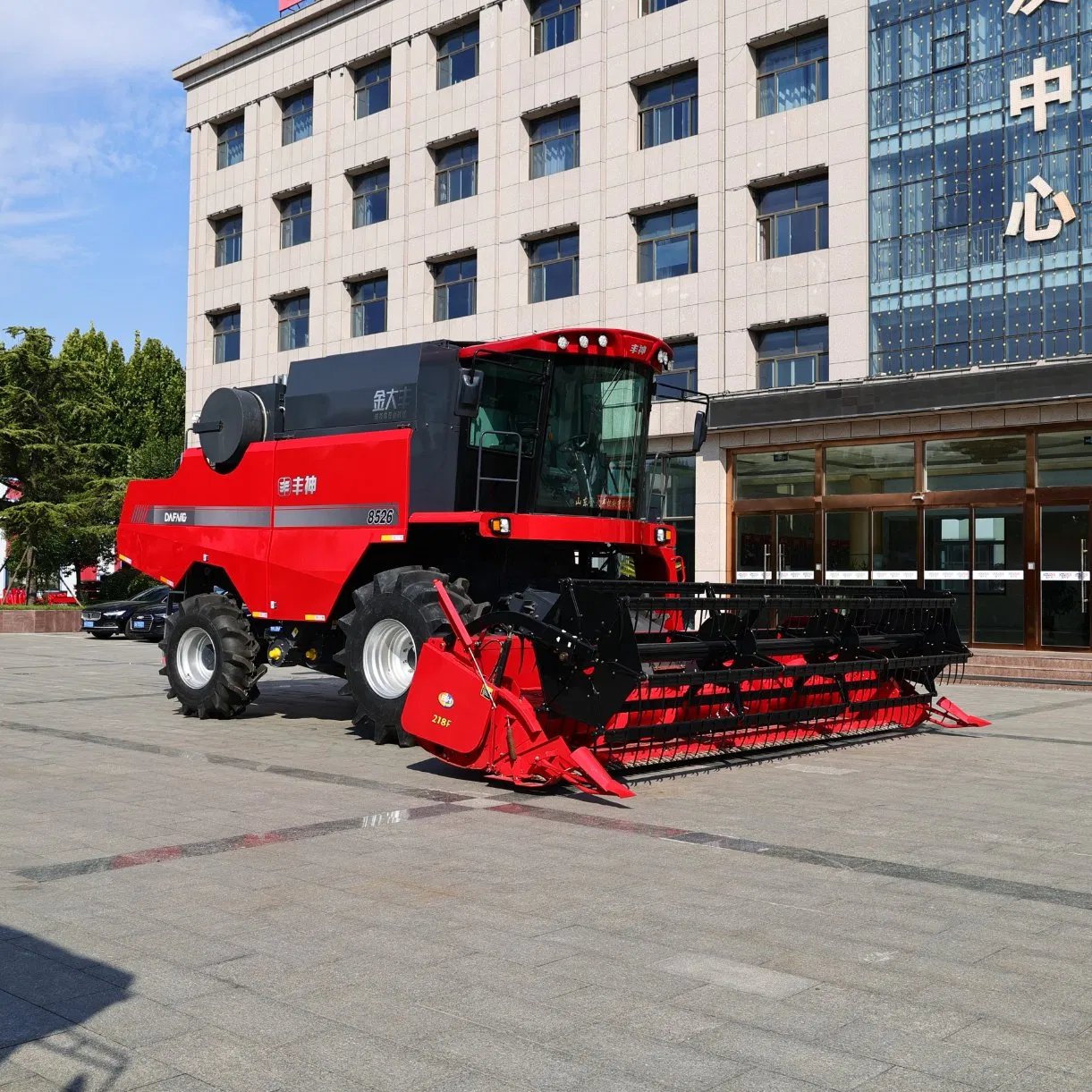
For agricultural machinery dealers, choosing the right OEM tractor manufacturer is a strategic business decision. A tractor is not just a product in the showroom. It represents your local brand image, after-sales responsibility, customer trust, and long-term market competitiveness.
Many dealers start by comparing tractor prices, horsepower, and basic specifications. However, when it comes to OEM cooperation, buyers need to look deeper. The right manufacturer should offer stable production, consistent quality, flexible customization, reliable spare parts support, and clear communication throughout the whole ordering process.
This guide explains what dealers should know before ordering OEM tractors. It is designed for importers, distributors, and agricultural equipment companies that want to build a stronger product line with customized tractor solutions.
What Does OEM Tractor Manufacturing Mean?
OEM stands for Original Equipment Manufacturing. In the tractor industry, OEM cooperation usually means that a manufacturer produces tractors according to the buyer’s brand, color, logo, configuration, or market-specific requirements.
For dealers, OEM tractor manufacturing creates a major advantage. Instead of selling only standard factory-branded machines, dealers can build their own product identity in local markets. This helps improve brand recognition, customer loyalty, and long-term sales growth.
However, OEM cooperation requires more than putting a logo on the tractor. A professional OEM tractor manufacturer should understand configuration matching, quality control, export packaging, documentation, and after-sales service.
Why Dealers Choose OEM Tractors
OEM tractors help dealers stand out in competitive agricultural machinery markets. In many countries, farmers compare multiple suppliers before making a purchase. A strong local brand can make buyers feel more confident, especially when the dealer provides service, spare parts, and technical support.
With OEM support, dealers can customize tractors based on local farming needs. For example, some markets prefer 4WD tractors for heavy soil, while others need compact tractors for orchard farming. Some customers care more about cabin comfort, while others prioritize simple maintenance and lower cost.
OEM cooperation allows dealers to offer machines that fit real customer demand instead of selling a one-size-fits-all product.
Key OEM Options Dealers Should Consider
Before placing an OEM order, dealers should confirm which customization options the manufacturer can support. These details directly affect product positioning and customer acceptance.
| OEM Item | Common Options | Why It Matters |
|---|---|---|
| Logo Branding | Hood logo, side decals, nameplate, operator manual branding | Builds local brand recognition |
| Color Customization | Red, green, blue, orange, black, dealer-specific colors | Improves visual identity and market differentiation |
| Engine Selection | Different diesel engine brands and emission options | Matches local service availability and performance needs |
| Tire Configuration | Standard tires, wider tires, radial tires, dual tires | Improves traction and field adaptability |
| Cabin Options | ROPS, open cab, enclosed cab, air conditioning | Matches climate, comfort, and price requirements |
| PTO and Hydraulics | Different PTO speeds and hydraulic outputs | Ensures implement compatibility |
How to Choose the Right OEM Tractor Manufacturer
Not every supplier can handle OEM cooperation properly. Some companies may accept branding requests but lack the production control needed to ensure consistent quality. For dealers, this can create serious problems after the machines arrive in the local market.
A reliable OEM tractor manufacturer should have real factory strength, clear production processes, engineering support, and export experience. Dealers should confirm whether the manufacturer can provide consistent batches, technical documents, spare parts lists, and communication support during production.
Choosing a manufacturer with a complete industrial chain can also improve product stability. When more components are produced or controlled in-house, the manufacturer can maintain better consistency across different orders.
Factory Strength Matters in OEM Cooperation
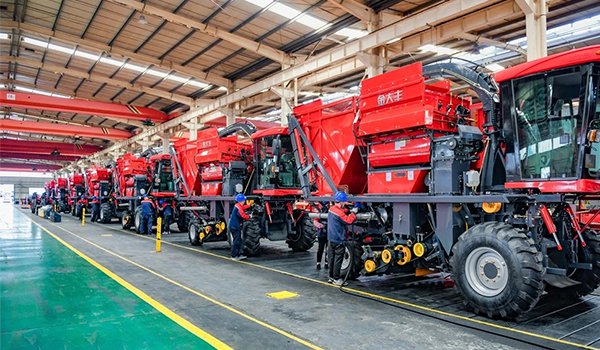
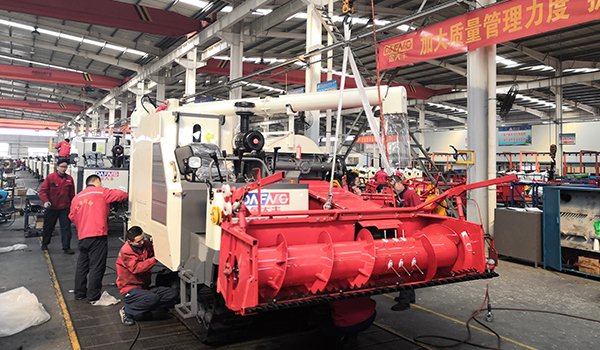
OEM tractor orders often involve repeated cooperation, not just one shipment. Therefore, factory strength matters more than many buyers realize. A strong factory can handle production scheduling, quality inspection, customization, packaging, and delivery more reliably.
Dealers should ask about production capacity, assembly lines, testing procedures, R&D support, and in-house component production. These details help determine whether the supplier can support long-term business growth.
A small supplier may offer an attractive price, but if it cannot deliver stable quality or repeat orders, the dealer may face market problems later.
Why Product Range Is Important for Dealers
Dealers rarely sell only one tractor model forever. As the market grows, customers may ask for different horsepower ranges and configurations. A good OEM tractor manufacturer should offer a complete product range that supports multiple customer groups.
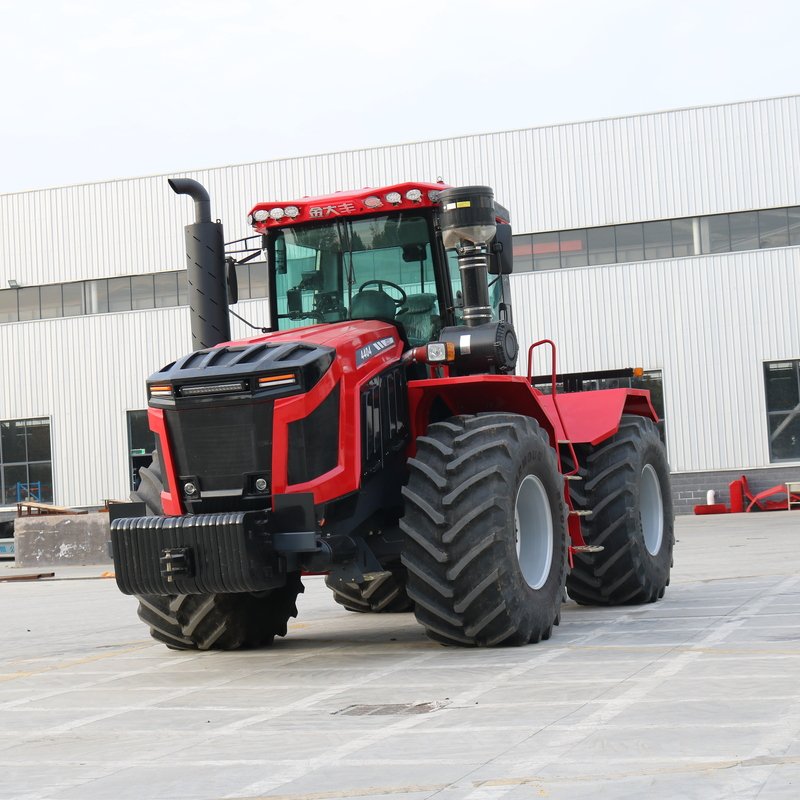
For example, 50HP to 80HP tractors suit small farms and orchards. 90HP to 120HP tractors work well for mixed farming. 150HP to 240HP tractors support large farms and heavier implements. 300HP to 440HP tractors are better for commercial-scale farming and deep tillage.
When one manufacturer can provide a broad product line, dealers can expand their product portfolio more easily and maintain consistent brand positioning.
Recommended OEM Tractor Range by Market Segment
| Market Segment | Recommended Power Range | Typical Applications | OEM Focus |
|---|---|---|---|
| Small farms | 50HP–80HP | Orchard work, spraying, transport, light tillage | Compact size, simple operation, affordable price |
| Mixed farming | 90HP–120HP | Plowing, seeding, PTO work, hauling | 4WD, hydraulic outputs, versatile configuration |
| Large farms | 150HP–240HP | Heavy tillage, wide implements, field preparation | Power, traction, cabin comfort, durability |
| Commercial farming | 300HP–440HP | Deep tillage, heavy soil, large-scale field work | High horsepower, strong frame, advanced configuration |
Quality Control for OEM Tractor Orders
Quality control becomes especially important in OEM cooperation because the dealer’s own brand appears on the machine. If the tractor fails in the market, the customer usually blames the dealer first, not the factory.
Before ordering, dealers should ask the manufacturer about inspection procedures. Important inspection points include engine performance, transmission operation, hydraulic lifting, PTO function, electrical system, paint quality, tire condition, oil leakage, and final test running.
For larger orders, dealers can request production photos, videos, pre-shipment inspection reports, or third-party inspection. These steps reduce risk and help ensure that every tractor matches the agreed configuration.
Spare Parts Support Is Essential for OEM Dealers
OEM branding can help dealers sell tractors, but after-sales support keeps customers satisfied. Spare parts availability is one of the most important factors in long-term dealer success.
Dealers should order spare parts together with the first batch of tractors. Common spare parts include filters, belts, seals, clutch parts, hydraulic components, electrical parts, and wearing parts. A clear parts catalog also helps local service teams respond faster.
A professional OEM tractor manufacturer should provide parts lists, operation manuals, technical documents, and remote support. Without these resources, dealers may struggle to maintain customer confidence.
How OEM Tractor Orders Usually Work
The OEM ordering process should be clear before cooperation begins. A typical process includes model selection, configuration confirmation, logo and color confirmation, quotation, deposit payment, production, inspection, balance payment, shipping, and after-sales support.
Dealers should confirm every important detail in writing. This includes model numbers, horsepower, engine brand, tire size, PTO speed, hydraulic outputs, cab type, color code, logo placement, packing method, delivery time, and spare parts package.
Clear communication reduces mistakes and makes the final product easier to inspect before shipment.
Common Mistakes Dealers Should Avoid
One common mistake is focusing only on the lowest price. OEM tractors represent the dealer’s brand, so unstable quality can harm long-term business. Dealers should balance price with performance, production strength, and support capability.
Another mistake is ordering too many customized models at the beginning. New dealers should first test market demand with a practical product range before expanding into many configurations.
Some buyers also overlook local service capacity. If local mechanics cannot service the engine or hydraulic system easily, after-sales pressure will increase. Dealers should choose configurations that match local maintenance conditions.
Finally, dealers should avoid vague branding requirements. Logo size, color, position, and decal design should be confirmed clearly before production.
Why King-Gold Dafeng Supports OEM Tractor Buyers
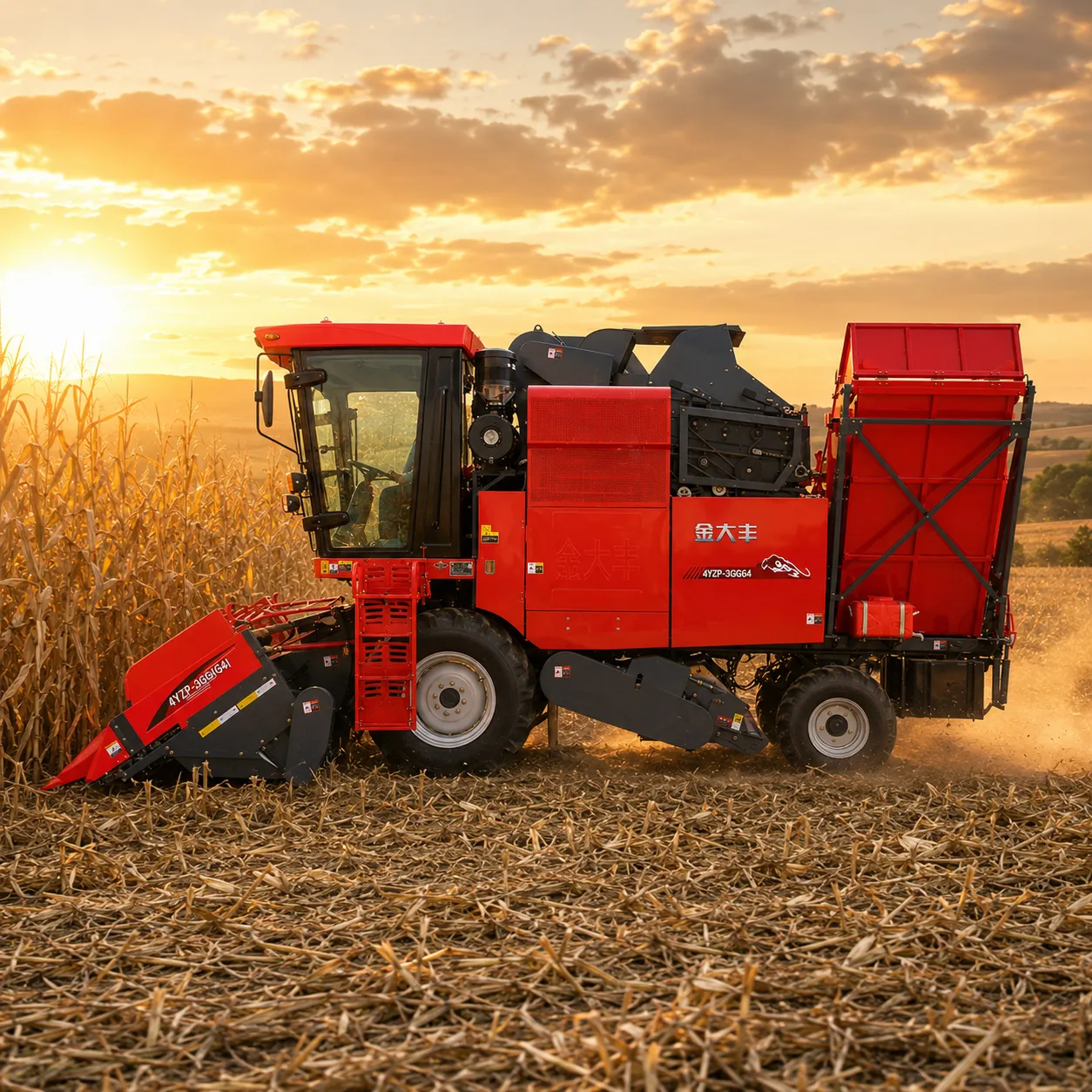
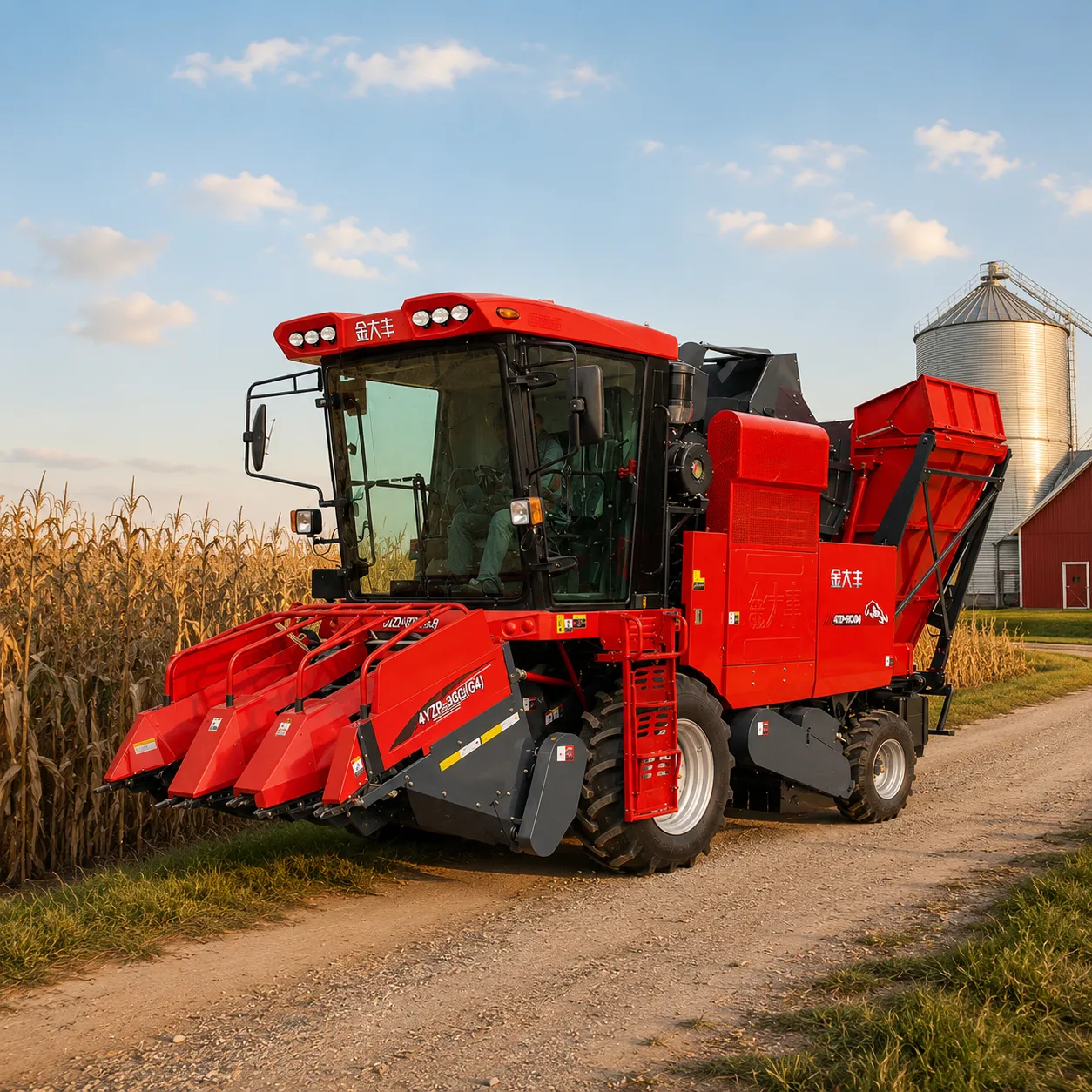
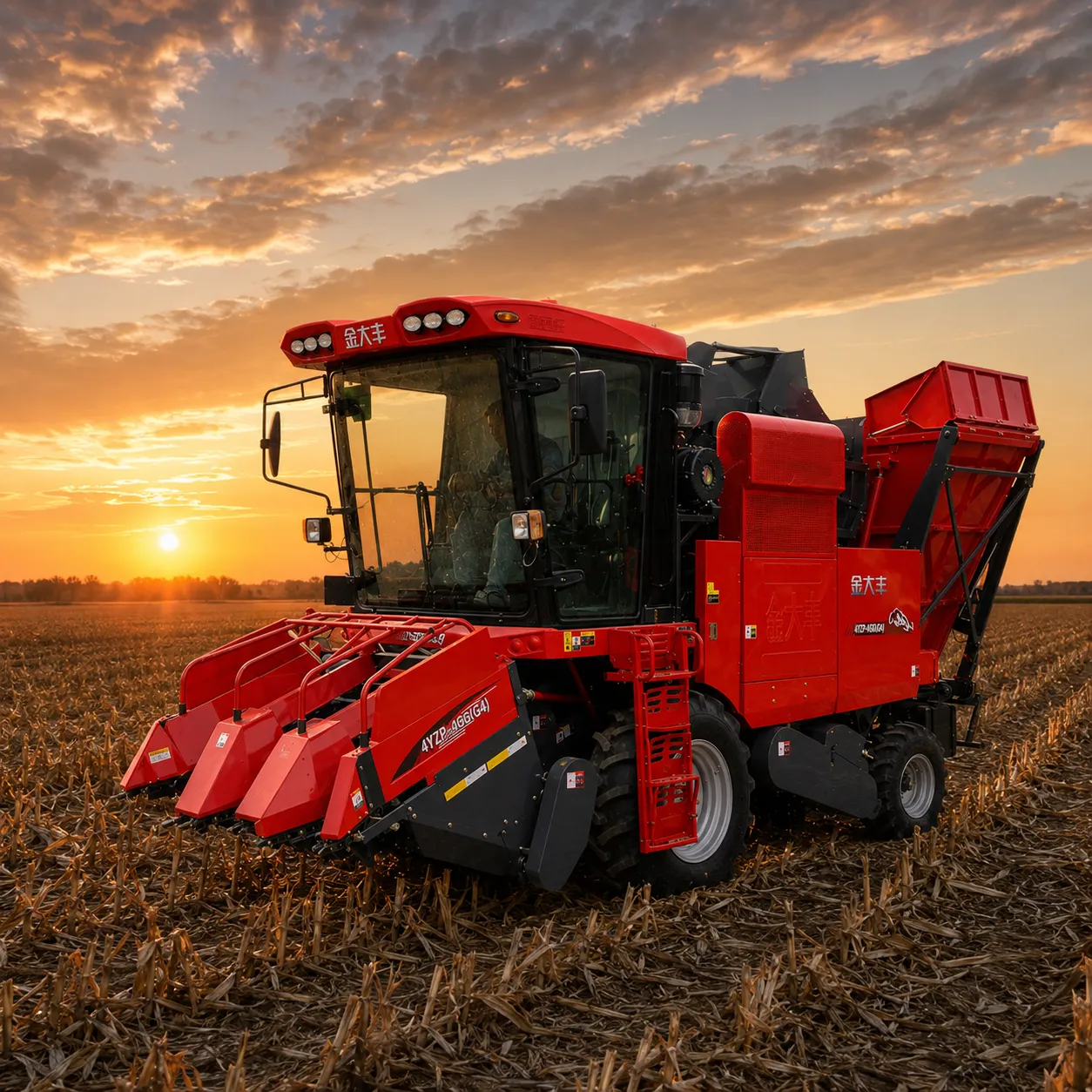
King-Gold Dafeng tractor products cover multiple horsepower ranges and farming applications, making them suitable for dealers who want to build a complete agricultural machinery portfolio. The company supports customization options including engine configuration, tires, cabins, colors, logos, and market-specific tractor setups.
For global agricultural machinery dealers, King-Gold Dafeng agricultural machinery offers factory-direct manufacturing support, stable production capacity, and export-oriented service. This helps buyers develop long-term OEM cooperation with more confidence.
OEM Tractor Buying Checklist
| Checklist Item | What to Confirm | Why It Matters |
|---|---|---|
| Manufacturer Strength | Factory size, production capacity, R&D team | Ensures stable supply and long-term cooperation |
| Product Range | 50HP to 440HP options | Supports different market segments |
| OEM Details | Logo, color, decals, manual, packaging | Builds local brand identity |
| Configuration | Engine, 4WD, PTO, hydraulics, tires, cab | Matches local farming needs |
| Quality Inspection | Testing, photos, videos, reports | Reduces shipment risk |
| Spare Parts Support | Parts list, manuals, wearing parts package | Protects after-sales service |
Final Thoughts
Choosing an OEM tractor manufacturer is not only about finding someone who can put your logo on a machine. It is about building a reliable supply chain that supports your brand, your customers, and your long-term business growth.
Dealers should evaluate factory strength, product range, customization capability, quality control, spare parts supply, and export support before placing an order. A strong OEM partner can help you reduce risk, improve customer trust, and expand your agricultural machinery business more effectively.
For dealers who want to build a professional tractor product line, working with the right manufacturer is the foundation of long-term success.