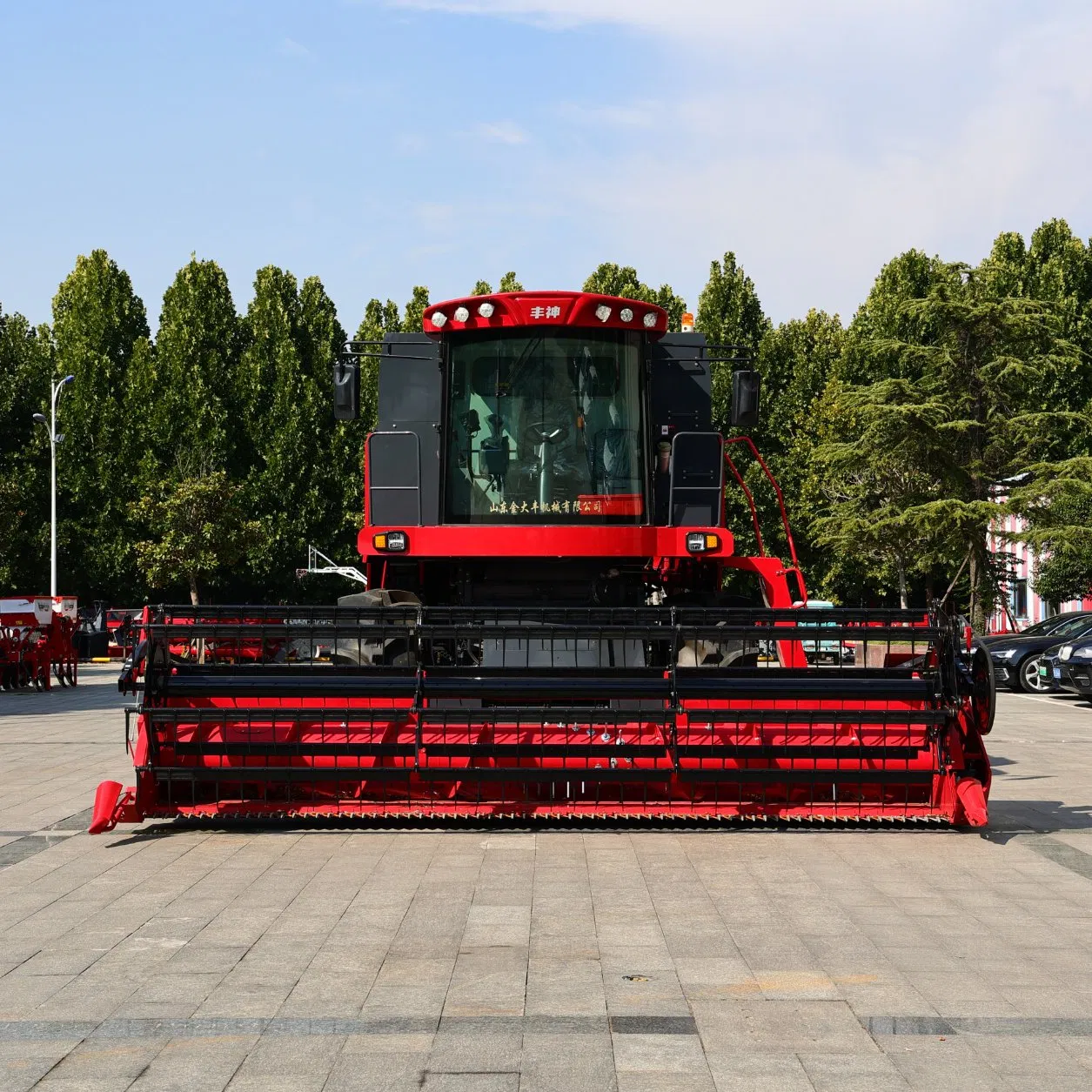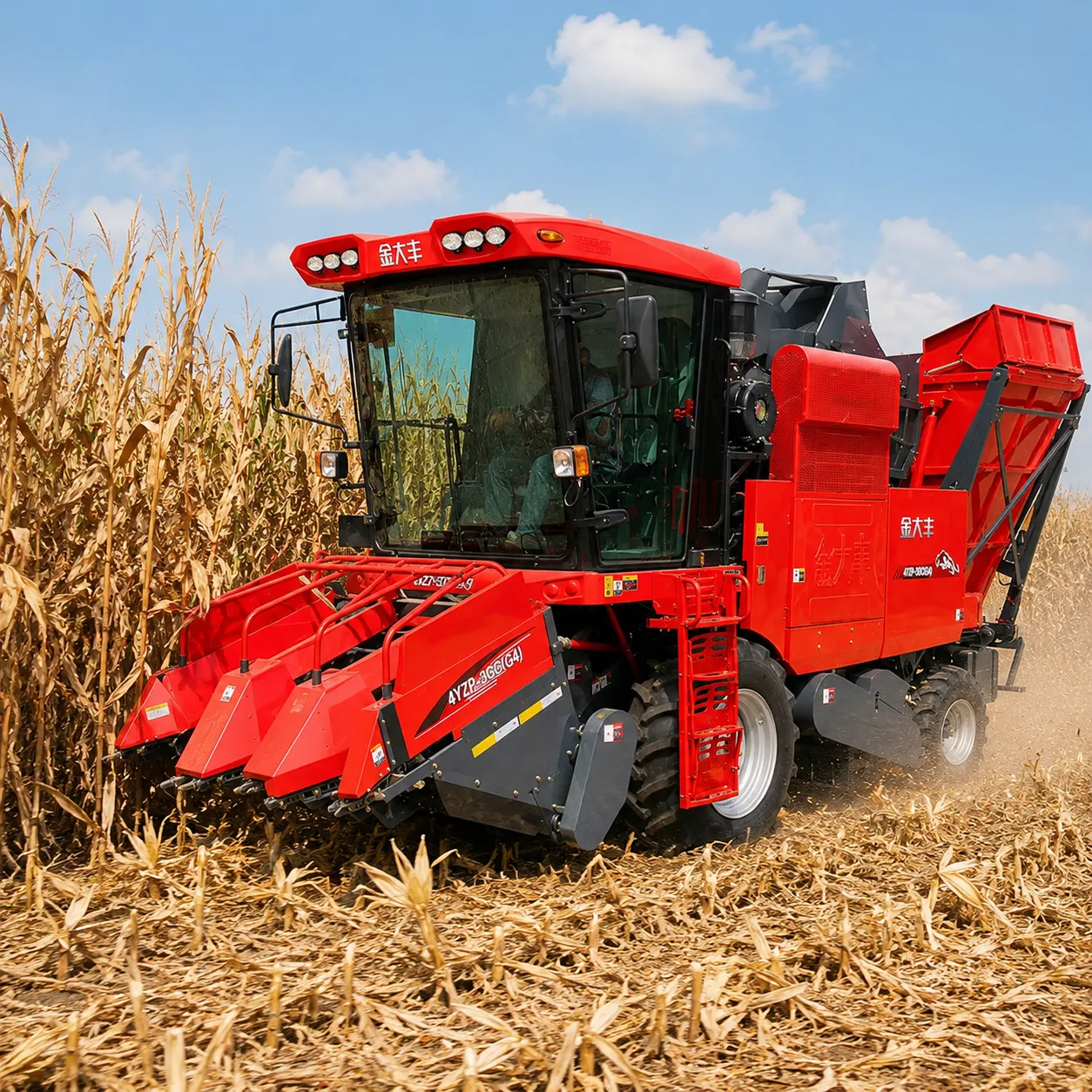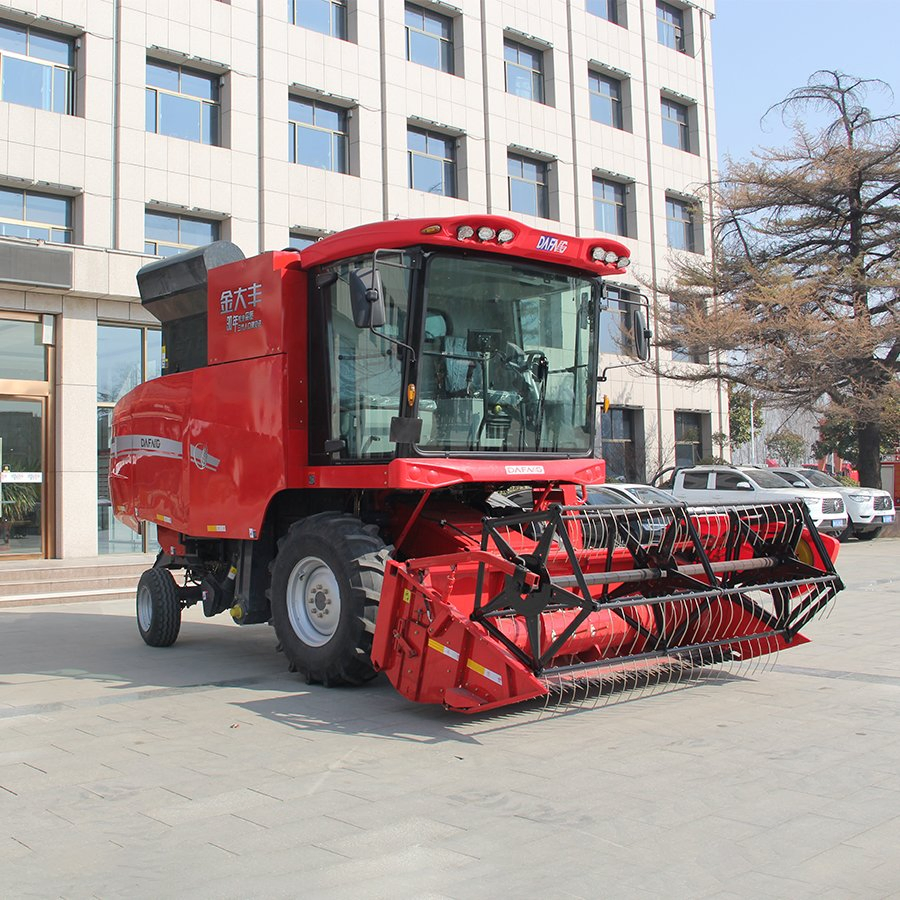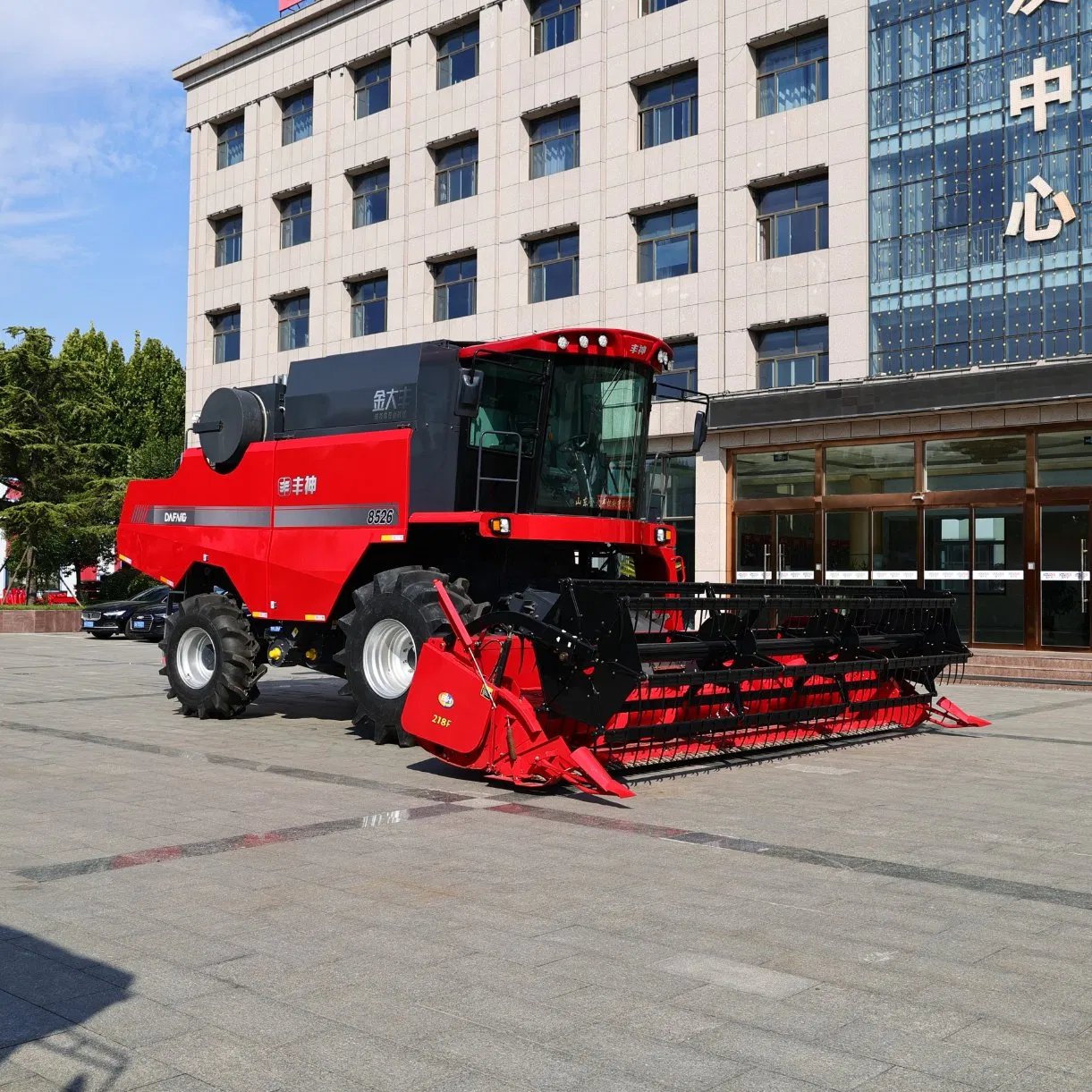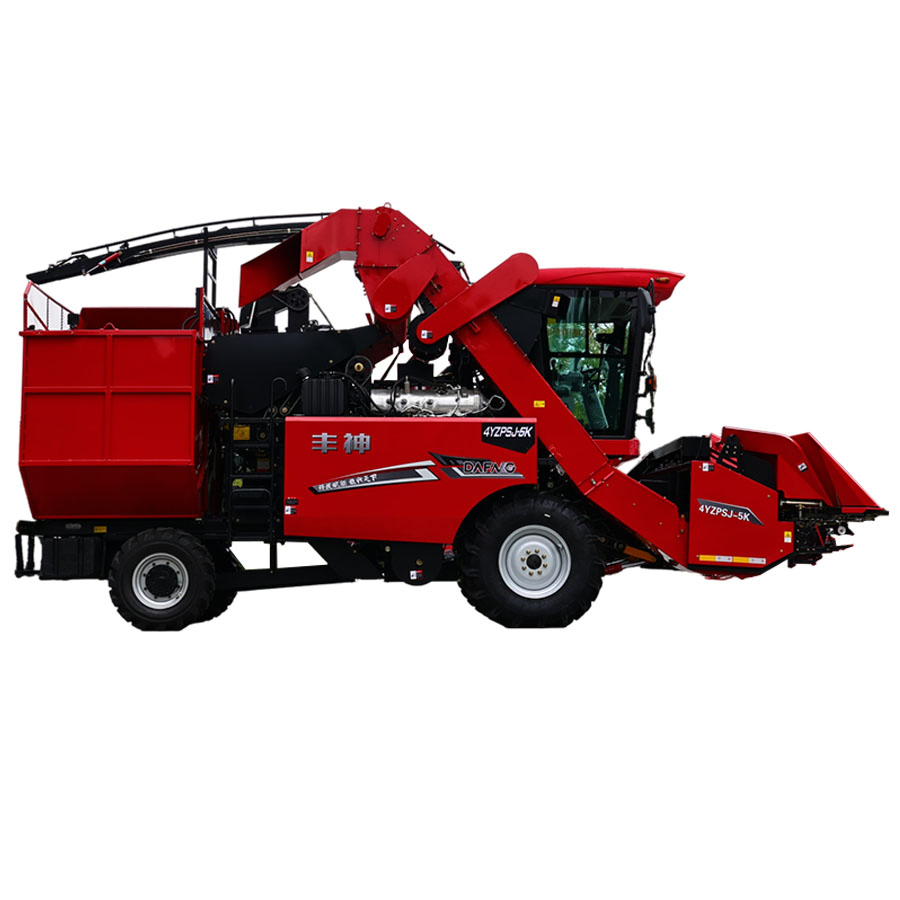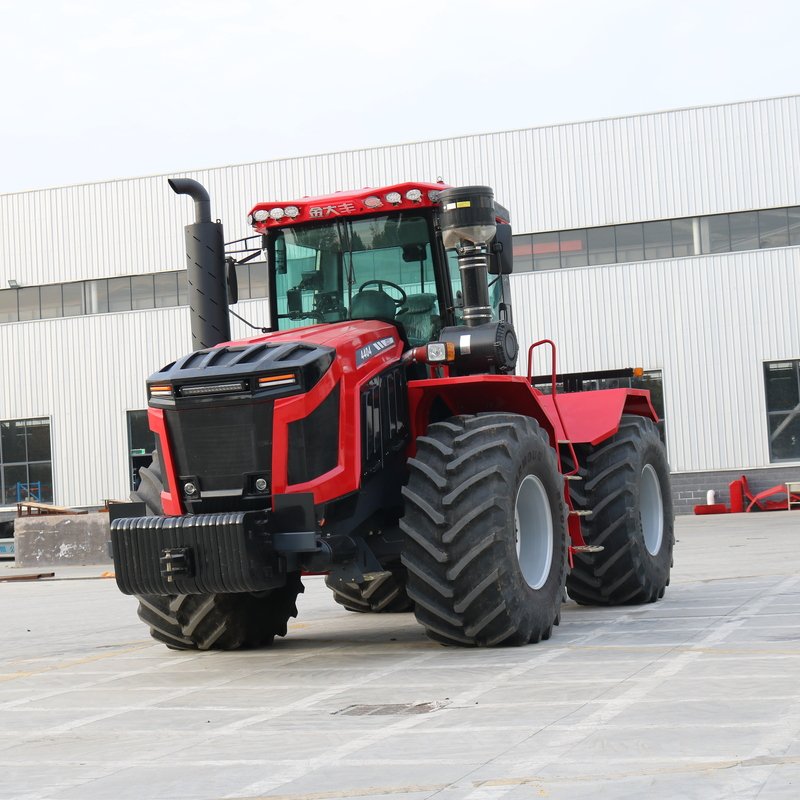
Buying a farm tractor from China can be a smart decision for farmers, dealers, and agricultural machinery importers. China has developed a strong manufacturing base for agricultural equipment, offering a wide range of tractors from compact utility models to high-horsepower machines for large-scale farming.
However, choosing the right supplier and tractor model requires careful evaluation. A low price may look attractive at first, but tractor performance, build quality, parts support, customization options, and export experience all affect long-term value. For overseas buyers, the goal is not only to find a tractor, but to find a reliable machine that can work well in local farming conditions.
This guide explains what buyers should check before purchasing a Chinese farm tractor. It is especially useful for importers, distributors, farm owners, and project buyers who want to avoid sourcing risks and build long-term cooperation with a dependable manufacturer.
Why Buyers Choose Farm Tractors from China
China has become an important sourcing country for agricultural tractors because of its strong production capacity, competitive pricing, and flexible product configurations. Many Chinese tractor manufacturers can provide models across different horsepower ranges, including 50HP, 70HP, 120HP, 200HP, 240HP, and even 440HP tractors for large farms.
For buyers in Africa, South America, Southeast Asia, Europe, and the Middle East, Chinese tractors often provide a practical balance between cost, performance, and customization. Compared with some global premium brands, Chinese tractors may offer more flexible options for engines, tires, cabins, colors, and branding.
At the same time, buyers must evaluate each supplier carefully. Not every exporter has real manufacturing capability, stable quality control, or long-term spare parts support. This is why a structured purchasing checklist becomes essential.
Check Whether the Supplier Is a Real Manufacturer
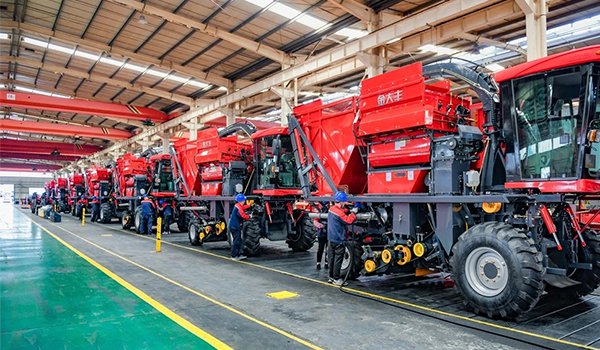
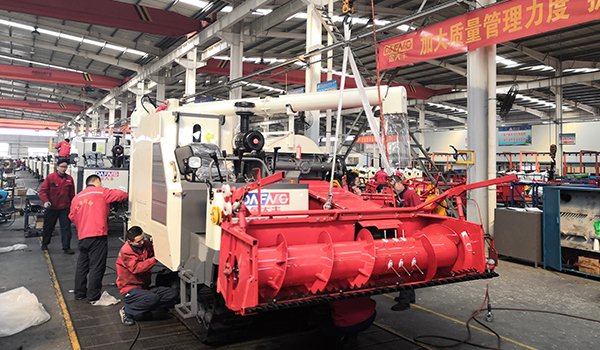
One of the first things buyers should confirm is whether the supplier is a real tractor manufacturer or only a trading company. A real manufacturer usually has production facilities, assembly lines, quality inspection processes, engineering teams, and long-term production experience.
Working directly with a manufacturer can offer several advantages. Buyers can communicate more clearly about specifications, customization, delivery schedules, and technical requirements. Factory-direct cooperation may also reduce unnecessary trading layers and improve cost efficiency.
A trading company is not always a bad choice, but buyers need to understand its role. If the supplier cannot explain product structure, production process, spare parts availability, or technical details clearly, that may create risks later.
Evaluate Tractor Horsepower Based on Real Farming Needs
Horsepower is one of the most important factors when buying a farm tractor. However, buyers should not choose horsepower only because a model looks powerful. The right horsepower depends on farm size, soil condition, implements, and daily working tasks.
For small farms, orchards, and light-duty field work, a 50HP to 80HP tractor may be enough. For mixed farming, tillage, seeding, and transport, 90HP to 120HP tractors often provide better versatility. For large farms, deep tillage, and heavy implements, 200HP to 240HP tractors offer stronger pulling ability. For large-scale commercial farming, 400HP to 440HP tractors can improve productivity with wide implements and long working hours.
| Farm Condition | Recommended Horsepower | Typical Applications | Suggested Tractor Type |
|---|---|---|---|
| Small farms and orchards | 50HP–80HP | Spraying, transport, light tillage | Compact or utility tractor |
| Mixed farming operations | 90HP–120HP | Plowing, seeding, PTO work, hauling | Medium-power 4WD tractor |
| Large farms and heavy soil | 150HP–240HP | Deep tillage, wide implements, field preparation | Heavy-duty 4WD tractor |
| Commercial farming projects | 300HP–440HP | Large-scale tillage, wide seeding, heavy field work | High-horsepower tractor |
Confirm the Drive Type: 2WD or 4WD
Drive type directly affects field performance. A 2WD tractor may work well for light transport, dry fields, and simple farm tasks. It usually costs less and remains easier to maintain. However, if the tractor needs to work in heavy soil, wet fields, slopes, or with larger implements, 4WD becomes much more practical.
A 4WD farm tractor provides better traction because power goes to both front and rear wheels. This reduces wheel slip and helps the tractor maintain stable pulling force. For plowing, deep tillage, seeding preparation, and heavy-duty operations, 4WD is usually a better choice.
For tractors above 120HP, many overseas buyers prefer 4WD because the machine often handles heavier field work. For 200HP, 240HP, and 440HP tractors, 4WD or articulated drive systems become essential for serious agricultural applications.
Check the Engine Brand and Power Performance
The engine is the core of any tractor. Before buying a tractor from China, buyers should check the engine brand, rated power, cylinder number, fuel consumption, torque performance, and service availability.
A good diesel engine should provide stable power under load, especially during plowing, tillage, and transport. Buyers should also ask whether engine parts are available in their local market. If local mechanics cannot easily service the engine, future maintenance may become difficult.
For dealers, engine selection can affect customer confidence. A reliable engine brand makes the tractor easier to sell and supports long-term after-sales service.
Review the Transmission and Gear System
The transmission system affects driving control, speed selection, and field efficiency. A tractor used for field work needs suitable gear options for slow-speed pulling and transport movement. If the gear range does not match local tasks, the tractor may feel uncomfortable or inefficient in real operation.
Buyers should check whether the transmission supports smooth shifting, enough working speeds, and proper torque transfer. For heavy-duty tractors, transmission strength becomes especially important because plowing and deep tillage place continuous pressure on the drivetrain.
A strong transmission system helps reduce mechanical stress and improves tractor lifespan.
Understand PTO and Hydraulic Requirements
Many buyers focus on engine power but overlook PTO and hydraulic performance. This is a serious mistake because farm tractors often work with implements such as rotary tillers, seeders, sprayers, mowers, trailers, and plows.
PTO speed should match local implement requirements. Common PTO speeds include 540 rpm, 720 rpm, 760 rpm, and 850 rpm depending on tractor type and market needs. A mismatch between PTO output and implement requirements may reduce efficiency or create compatibility problems.
The hydraulic system also matters. Buyers should check lifting capacity, hydraulic output quantity, rear linkage type, and implement control performance. A strong hydraulic system allows the tractor to operate heavier implements more safely and efficiently.
| System | What to Check | Why It Matters |
|---|---|---|
| PTO | Speed, output stability, implement compatibility | Supports rotary tillers, seeders, sprayers, and other equipment |
| Hydraulic System | Lifting capacity, output valves, rear linkage | Controls plows, seeders, trailers, and heavy implements |
| Transmission | Gear range, shifting smoothness, torque delivery | Improves field control and reduces drivetrain stress |
| Drive Type | 2WD, 4WD, 4×4, articulated | Determines traction and working stability |
Check Tire Options and Field Adaptability
Tire selection affects traction, soil compaction, fuel efficiency, and overall field performance. A tractor working in dry land may need different tires from one working in wet fields or heavy soil. Export buyers should ask suppliers about available tire sizes, radial tire options, dual tire options, and ballast recommendations.
For large tractors, tire configuration becomes even more important. A high-horsepower tractor without proper tires may suffer from wheel slip and poor traction. For heavy soil and wide implements, correct tire setup helps the tractor use its engine power more effectively.
Dealers should also consider local buyer habits. Some markets prefer narrow tires for row crops, while others need wider tires for flotation and pulling power.
Inspect Cab, ROPS, and Operator Comfort
Operator comfort influences productivity, especially during long working hours. Buyers should check whether the tractor offers a cabin, ROPS, air conditioning, ergonomic control layout, good visibility, and safe access points.
In hot climates, an air-conditioned cab can improve operator efficiency. In regions where price sensitivity is higher, ROPS may provide a more cost-effective option. The right choice depends on market demand and customer expectations.
A tractor is not only a machine; it is also the operator’s workplace. Comfortable operation can reduce fatigue and improve work quality.
Ask About Customization and OEM Options
Customization is one of the main reasons buyers choose Chinese tractor suppliers. Dealers may need different colors, logos, tire options, engine brands, cab types, packaging styles, or market-specific configurations.
OEM support allows distributors to build their own brand identity in local markets. This can make a major difference for long-term business development. Buyers should ask whether the supplier can support logo branding, color customization, product documentation, and spare parts packages.
King-Gold Dafeng agricultural machinery supports flexible customization for global buyers, helping dealers adapt tractors to different farming conditions and market preferences.
Verify Quality Control and Testing Process
Before placing an order, buyers should ask how the manufacturer controls quality. A reliable tractor supplier should have inspection processes for key components, assembly, engine performance, hydraulic systems, painting, and final testing.
Quality control becomes especially important for bulk orders. If product consistency varies between batches, dealers may face customer complaints and after-sales pressure. Stable quality helps build trust in local markets.
Buyers can request photos, videos, factory information, test reports, or third-party inspection support before shipment. This helps reduce risk and improves confidence.
Understand Spare Parts and After-Sales Support
After-sales support matters as much as the tractor itself. A tractor will need filters, belts, seals, hydraulic parts, clutch parts, electrical components, and other service items during its working life.
Before buying, buyers should confirm whether the supplier can provide spare parts lists, operation manuals, technical support, and parts packages for export orders. Dealers should pay special attention to this because parts availability directly affects customer satisfaction.
A tractor with good parts support has stronger long-term value than a cheaper machine with uncertain service.
Check Export Packaging and Shipping Experience
International shipping requires proper packaging, loading, and documentation. Buyers should confirm whether the supplier has experience with sea freight, land freight, container loading, and export customs documents.
For tractors, shipping methods may vary depending on model size and order quantity. Some tractors can load into containers after partial disassembly, while larger tractors may require different shipping arrangements.
Professional export support helps avoid delays, damage, and unexpected costs.
Compare Price Based on Total Value
Price matters, but buyers should avoid choosing only the cheapest tractor. A low price may hide weaker components, poor paint quality, limited hydraulic capacity, or insufficient after-sales support.
Instead, buyers should compare total value. This includes tractor durability, fuel consumption, implement compatibility, maintenance cost, spare parts availability, and supplier reliability.
A better tractor may cost slightly more at the beginning, but it can reduce downtime and create better long-term returns.
Questions to Ask Before Ordering
Before confirming an order, buyers should ask clear questions to avoid misunderstandings.
- Is the supplier a real tractor manufacturer or trading company?
- What engine brand and power configuration does the tractor use?
- Is the tractor available in 2WD or 4WD?
- What PTO speeds and hydraulic outputs are available?
- Can the tractor support my main implements?
- What tire options can match my field conditions?
- Does the supplier offer OEM branding and customization?
- Are spare parts and technical documents available?
- How will the tractor be packed and shipped?
- What warranty or after-sales support is provided?
Why Supplier Reliability Matters for Long-Term Business
For farmers, buying a tractor is a long-term investment. For dealers, choosing a supplier affects brand reputation and customer trust. A reliable supplier should provide stable production, clear communication, consistent quality, and long-term service support.
The King-Gold Dafeng tractor product range covers multiple horsepower levels for different farming needs, from compact tractors to heavy-duty machines. For overseas buyers, this wide coverage makes it easier to source suitable models for different markets from one manufacturer.
Final Thoughts
Buying a farm tractor from China can provide strong value when buyers choose the right model and supplier. However, the decision should not rely only on price. Buyers should evaluate horsepower, drive type, engine brand, PTO, hydraulic system, tires, cab options, customization, quality control, spare parts, and export support.
For light-duty work, smaller tractors may be enough. For mixed farming, 90HP to 120HP models provide strong versatility. For heavy soil and large farms, 200HP to 240HP tractors offer better pulling power. For commercial-scale field operations, 400HP to 440HP tractors provide maximum productivity.
The best tractor is the one that matches real working conditions and delivers stable long-term value. By asking the right questions before ordering, buyers can reduce sourcing risk and build a stronger agricultural machinery supply chain.