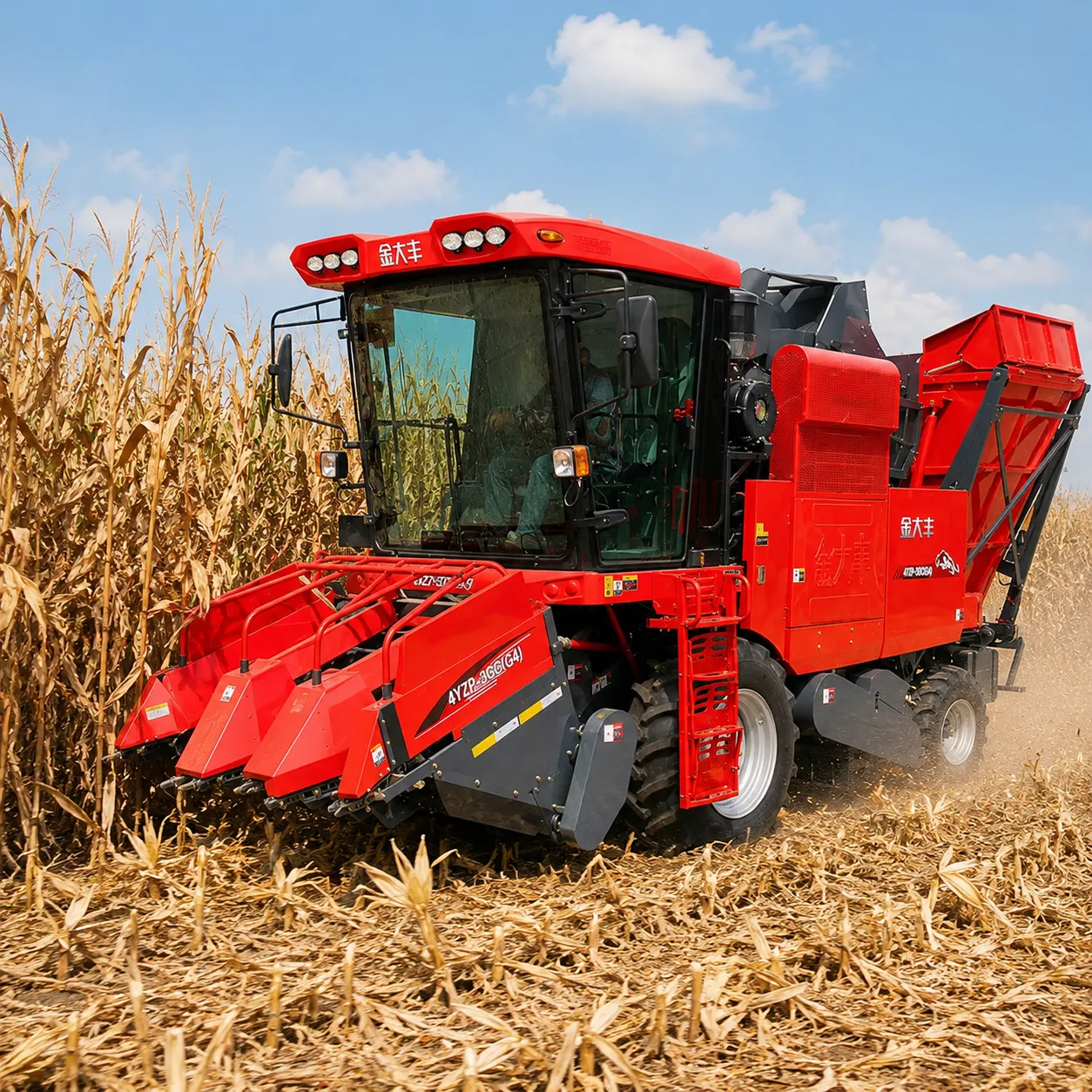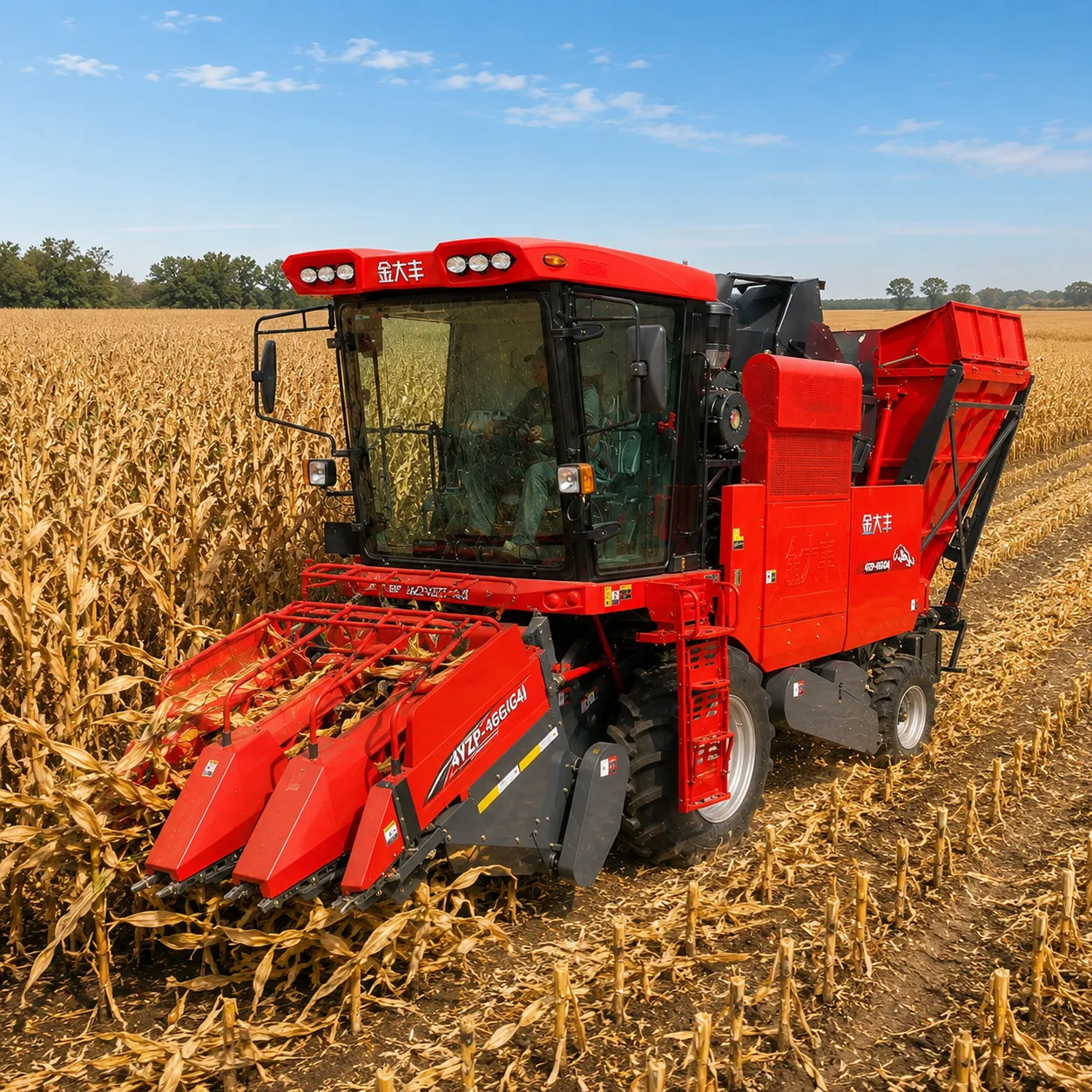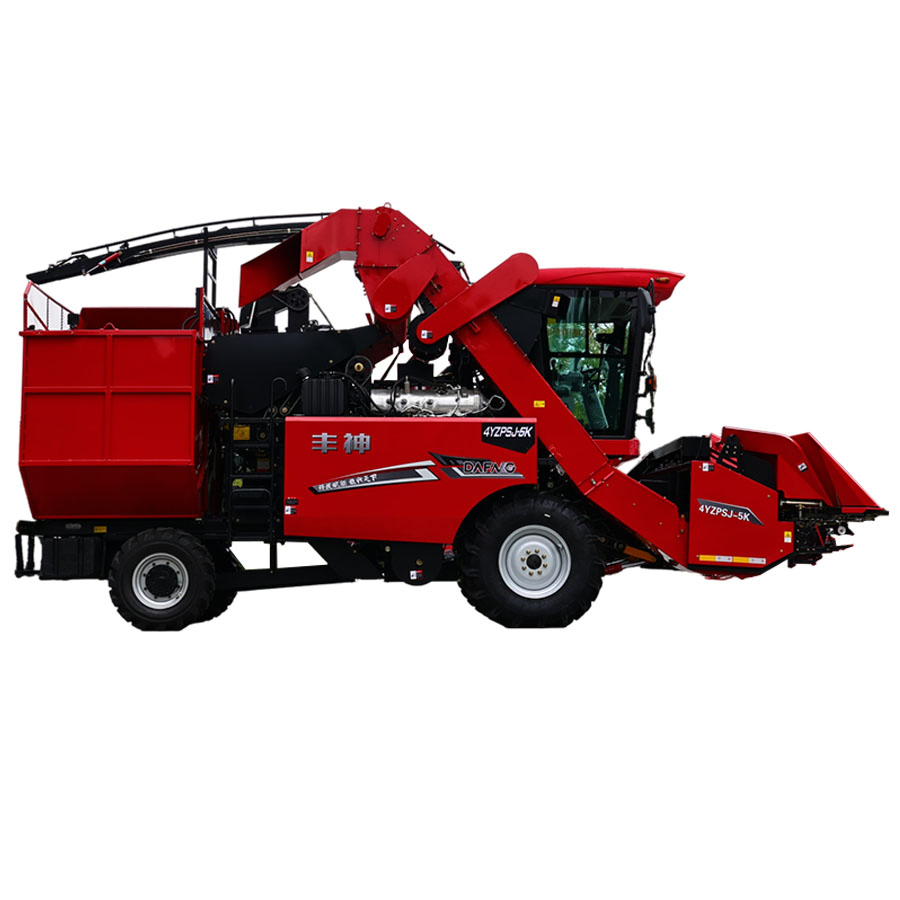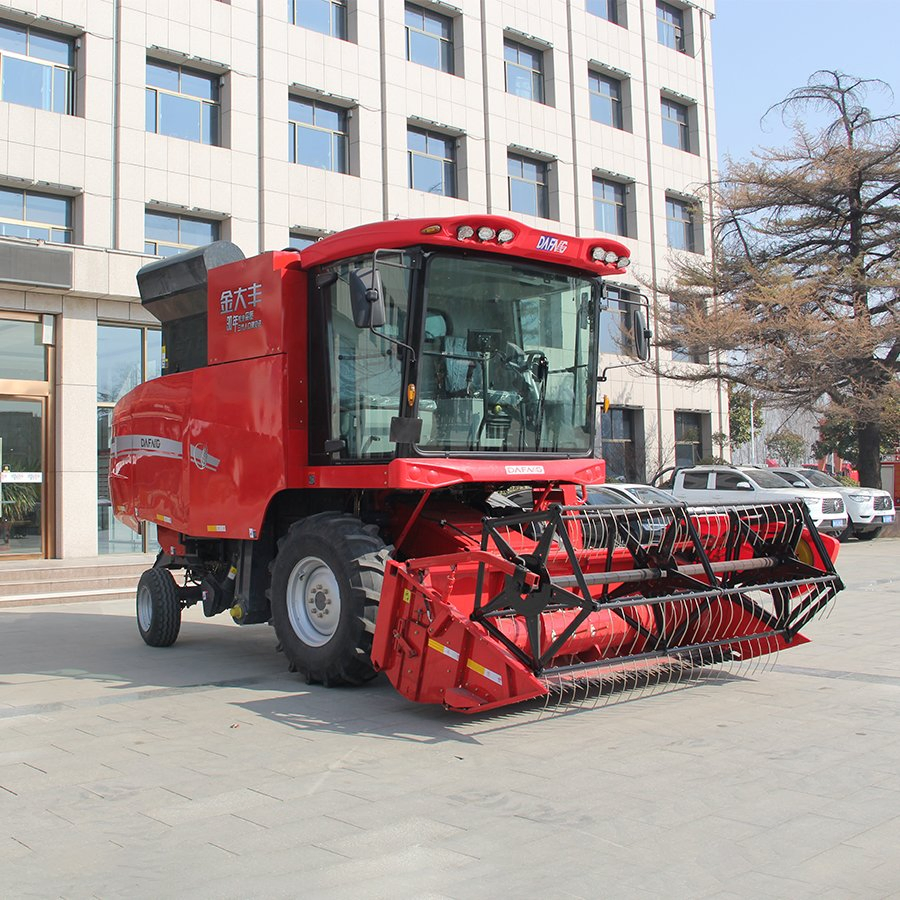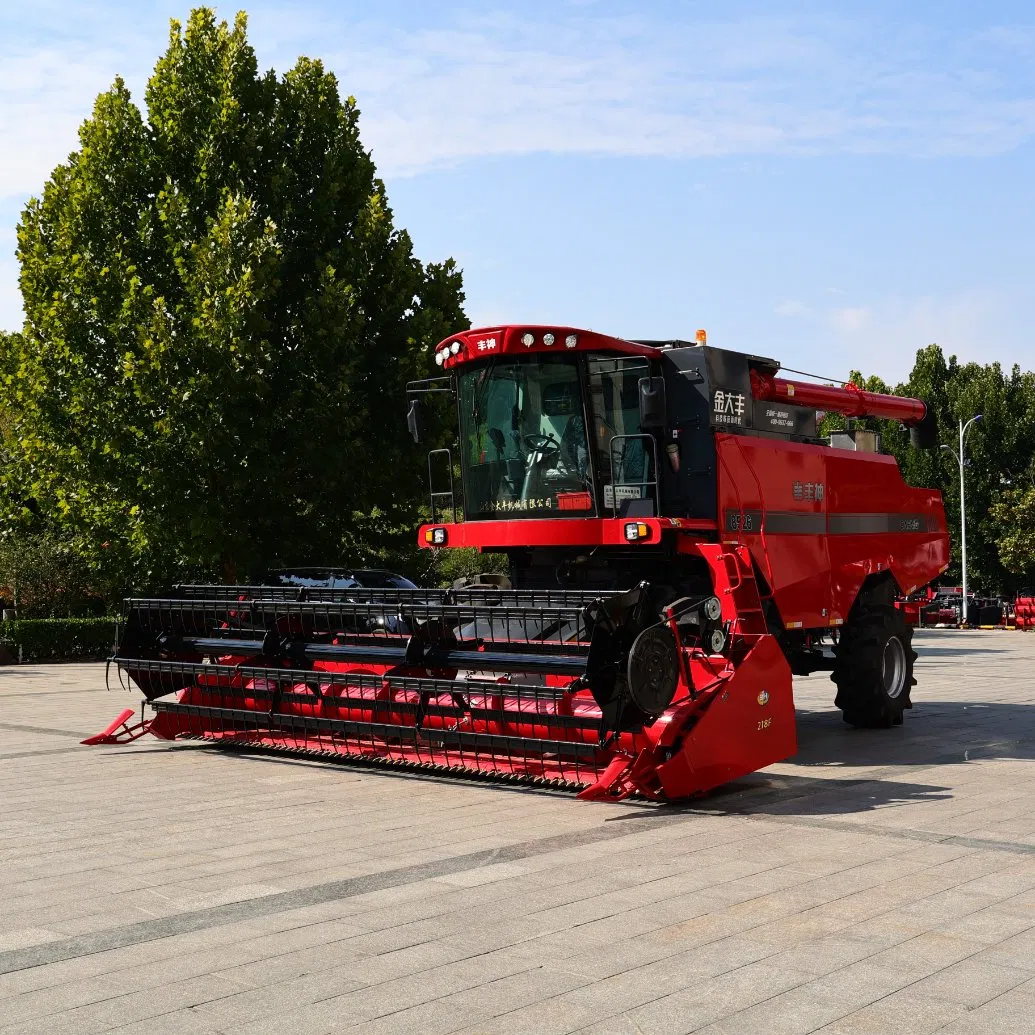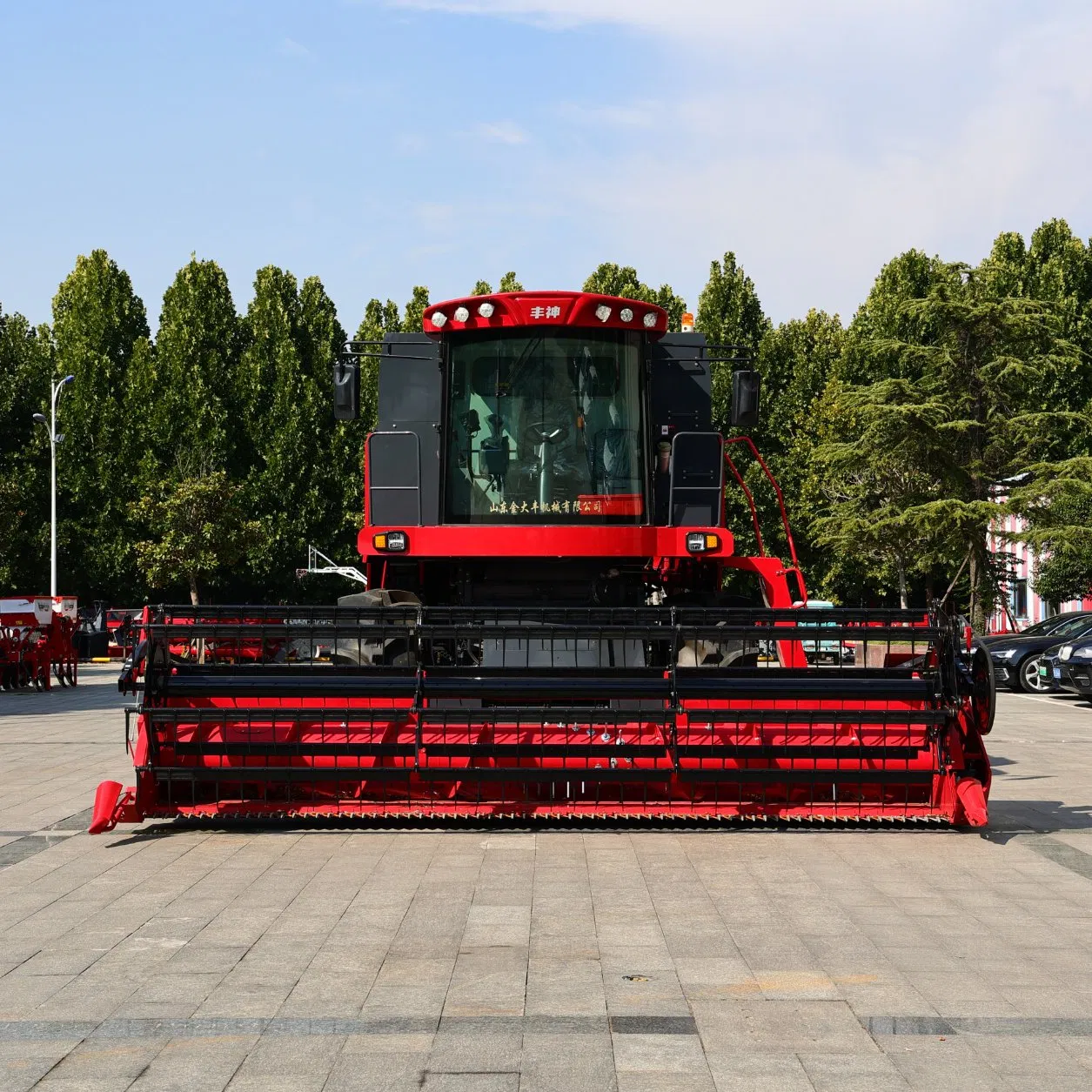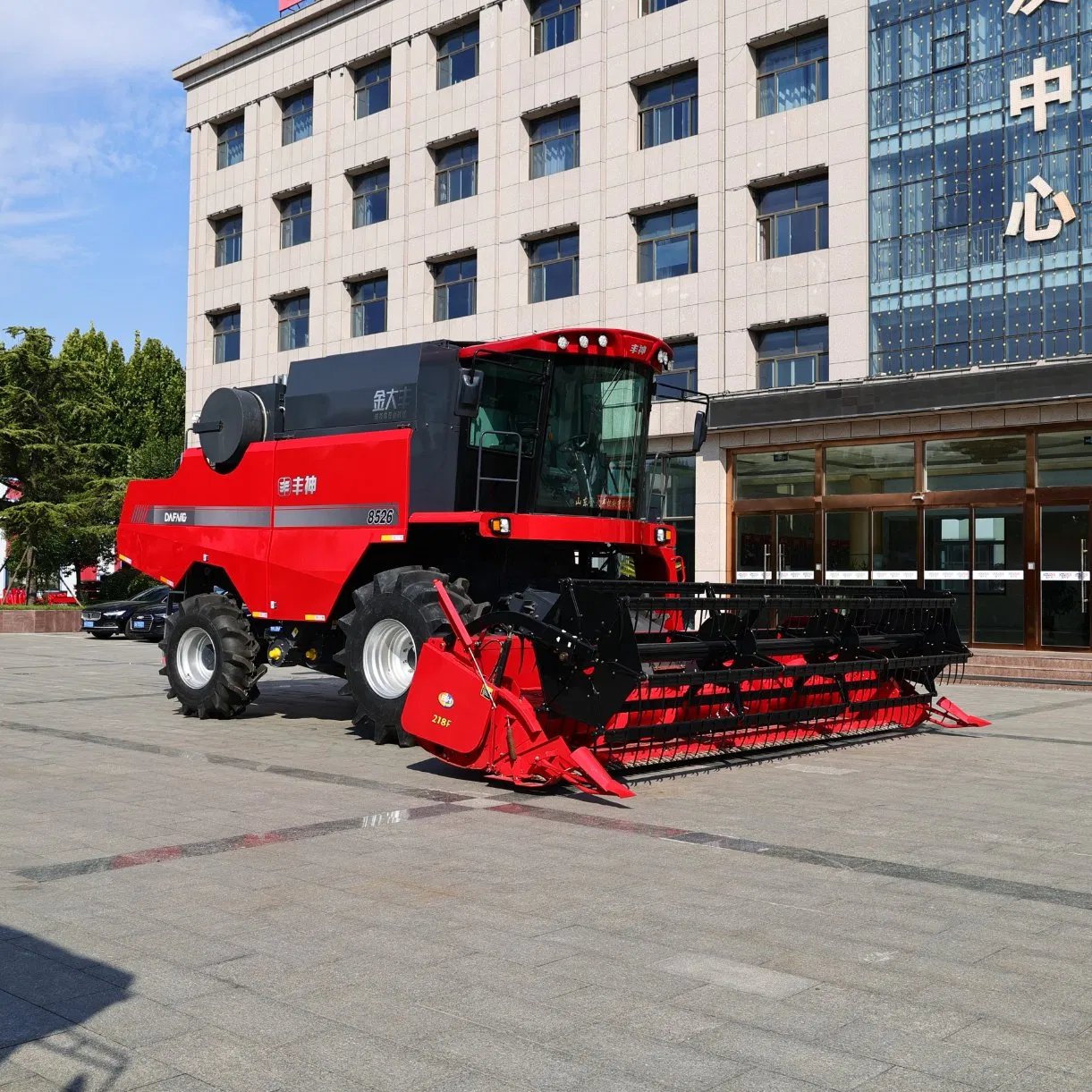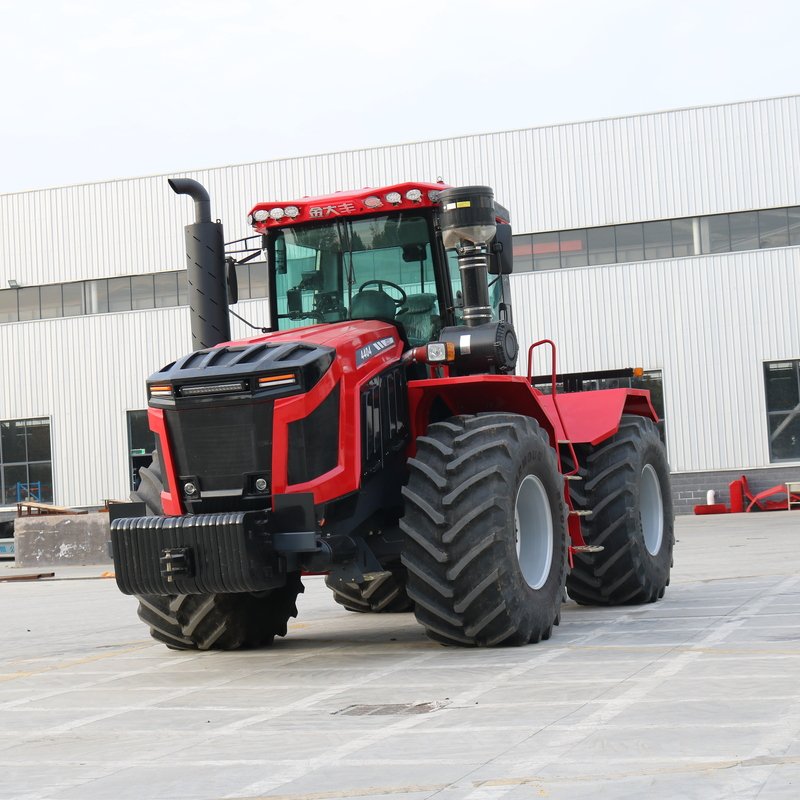
One of the most common questions buyers ask before purchasing a machine is: what size tractor do I need? While this question sounds simple, the answer depends on several important factors, including farm size, soil condition, and the type of work you plan to perform.
Choosing the wrong size can lead to higher fuel costs, reduced efficiency, and even equipment damage. Therefore, understanding how to match tractor size with real farming needs becomes essential for both farmers and distributors.
Why Tractor Size Matters in Farming Operations
Tractor size directly affects performance, productivity, and long-term operating costs. A machine that is too small may struggle with heavy workloads, while an oversized tractor often wastes fuel and increases unnecessary expenses.
For this reason, selecting the right agricultural tractor requires a balance between power and efficiency. Instead of focusing only on horsepower, you should evaluate how the tractor performs in your actual working environment.
Understanding Tractor Size by Horsepower
In most cases, tractor size refers to horsepower. Different horsepower ranges match different types of farming tasks.
50HP – 80HP: Small Farm and Light-Duty Work
If you operate a small farm, orchard, or greenhouse, a compact tractor within this range provides enough power for daily tasks.
These machines work well for light tillage, spraying, transport, and basic PTO operations. In addition, they offer excellent fuel efficiency and easy maneuverability in tight spaces.
90HP – 120HP: Medium Farms and Versatile Applications
For mixed farming operations, this range offers the best balance between power and flexibility. Many buyers consider this category when searching for a farm tractor that can handle multiple tasks.
These tractors support plowing, seeding, hauling, and PTO-driven implements. Because of their versatility, they remain one of the most popular choices in global markets.
150HP and Above: Large-Scale and Heavy-Duty Farming
Large farms and commercial operations require higher horsepower. Tractors in this category deliver strong pulling power and stable performance under heavy load.
They handle deep plowing, land preparation, and large-scale planting efficiently. As a result, they significantly reduce working time and labor requirements.
Key Factors That Determine the Right Tractor Size
Although horsepower provides a general guideline, several additional factors influence your final decision.
Farm Size and Land Condition
Larger fields require more powerful machines to maintain efficiency. However, uneven terrain or soft soil may also affect tractor performance. Therefore, you should always match tractor size with actual field conditions.
Type of Farming Tasks
Different tasks require different levels of power. For example, light operations such as spraying and transport require less power, while heavy tillage and land preparation demand stronger machines.
If you plan to perform multiple tasks, selecting a versatile diesel tractor becomes a more practical choice.
Implements and Attachments
The size and weight of implements play a critical role. A tractor must provide enough power and hydraulic capacity to operate equipment efficiently.
Matching tractor size with implements ensures stable performance and prevents unnecessary wear.
Fuel Efficiency and Operating Cost
Choosing a larger tractor than necessary often increases fuel consumption. On the other hand, a properly sized machine improves efficiency and reduces long-term costs.
Therefore, selecting the right size becomes a key factor in maximizing return on investment.
How to Avoid Common Tractor Sizing Mistakes
Many buyers make decisions based only on price or horsepower. However, this approach often leads to inefficient equipment use.
Instead, you should focus on practical requirements. For example, selecting a medium power agricultural tractor often delivers better results than choosing a high-horsepower machine for a small farm.
In addition, working with an experienced supplier can help you identify the most suitable configuration.
Choosing the Right Tractor Supplier for Your Needs
Beyond selecting the right size, choosing a reliable supplier ensures consistent quality and long-term support. A professional manufacturer provides stable production, customization options, and spare parts availability.
At King-Gold Dafeng, we support global customers by offering tractors across different horsepower ranges. We also provide customization options based on working conditions, helping distributors and farmers choose the most suitable solutions.
Final Thoughts: The Right Size Means Better Efficiency
When buyers ask what size tractor do I need, the answer always depends on real-world conditions rather than simple specifications.
By evaluating farm size, working tasks, and equipment requirements, you can choose a tractor that delivers optimal performance and long-term value.
Making the right decision at the beginning will help you avoid unnecessary costs and improve overall farming efficiency.