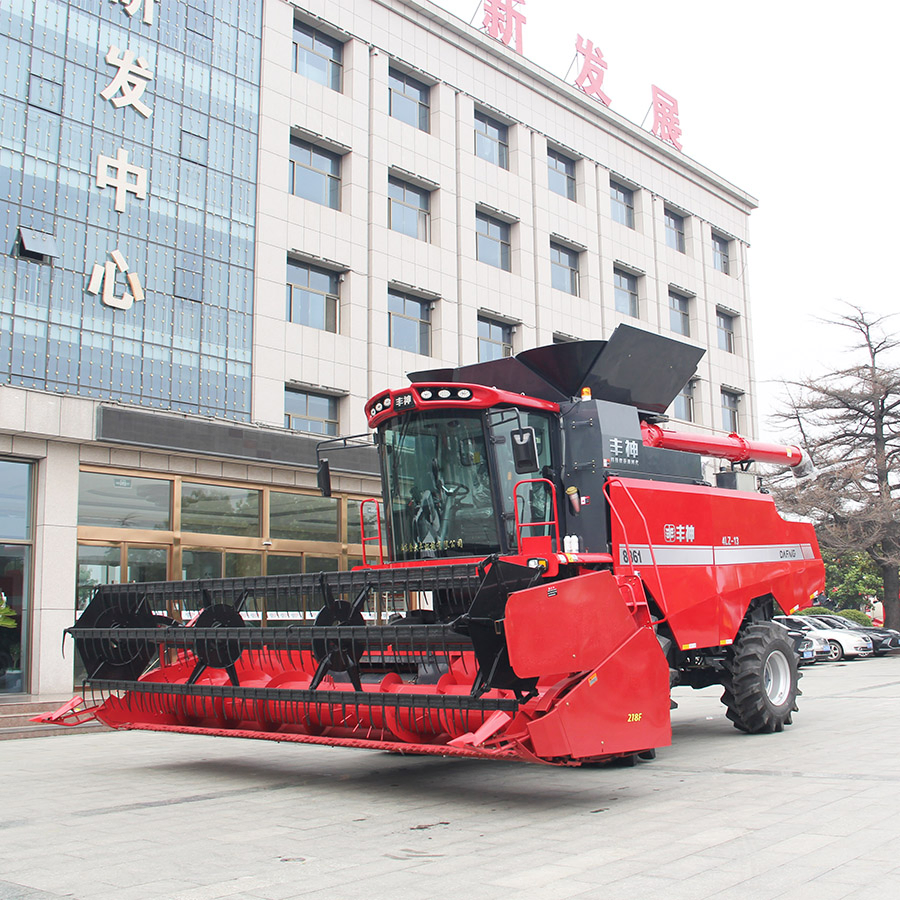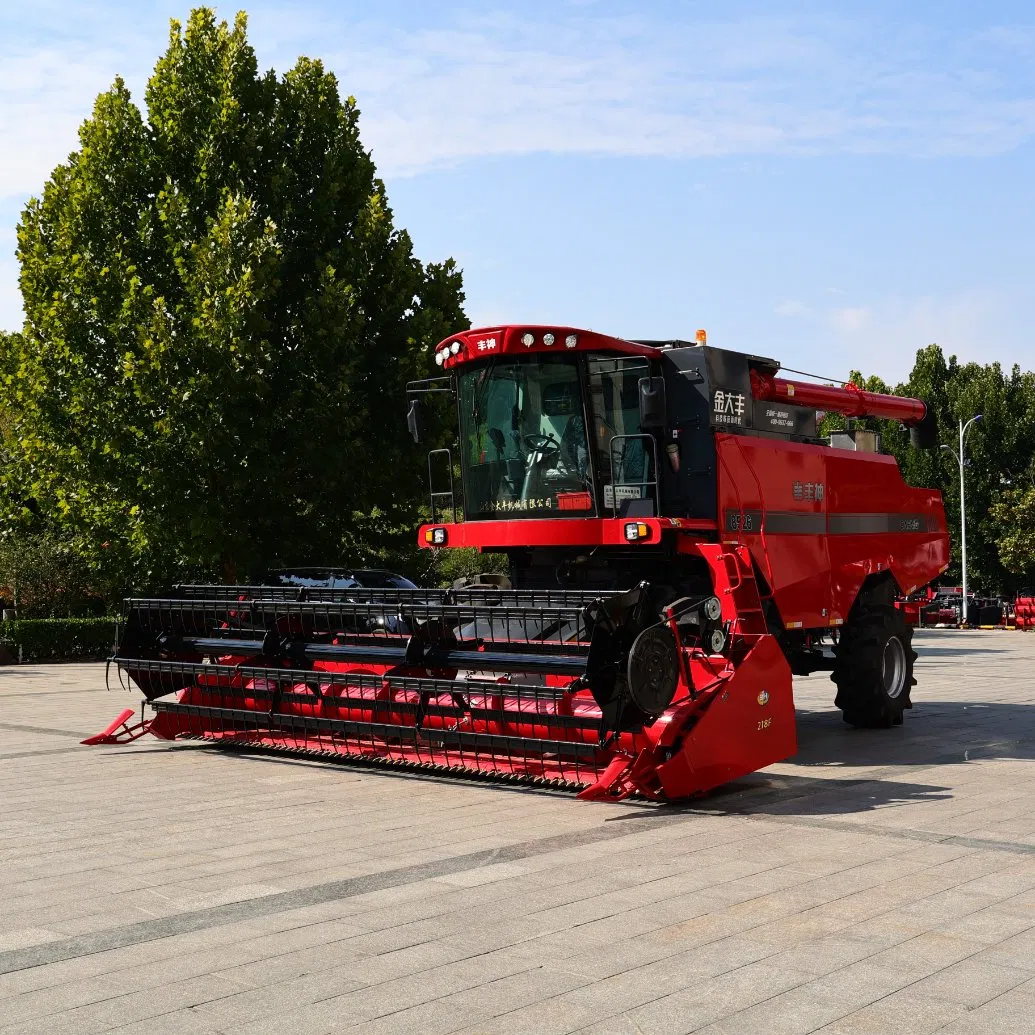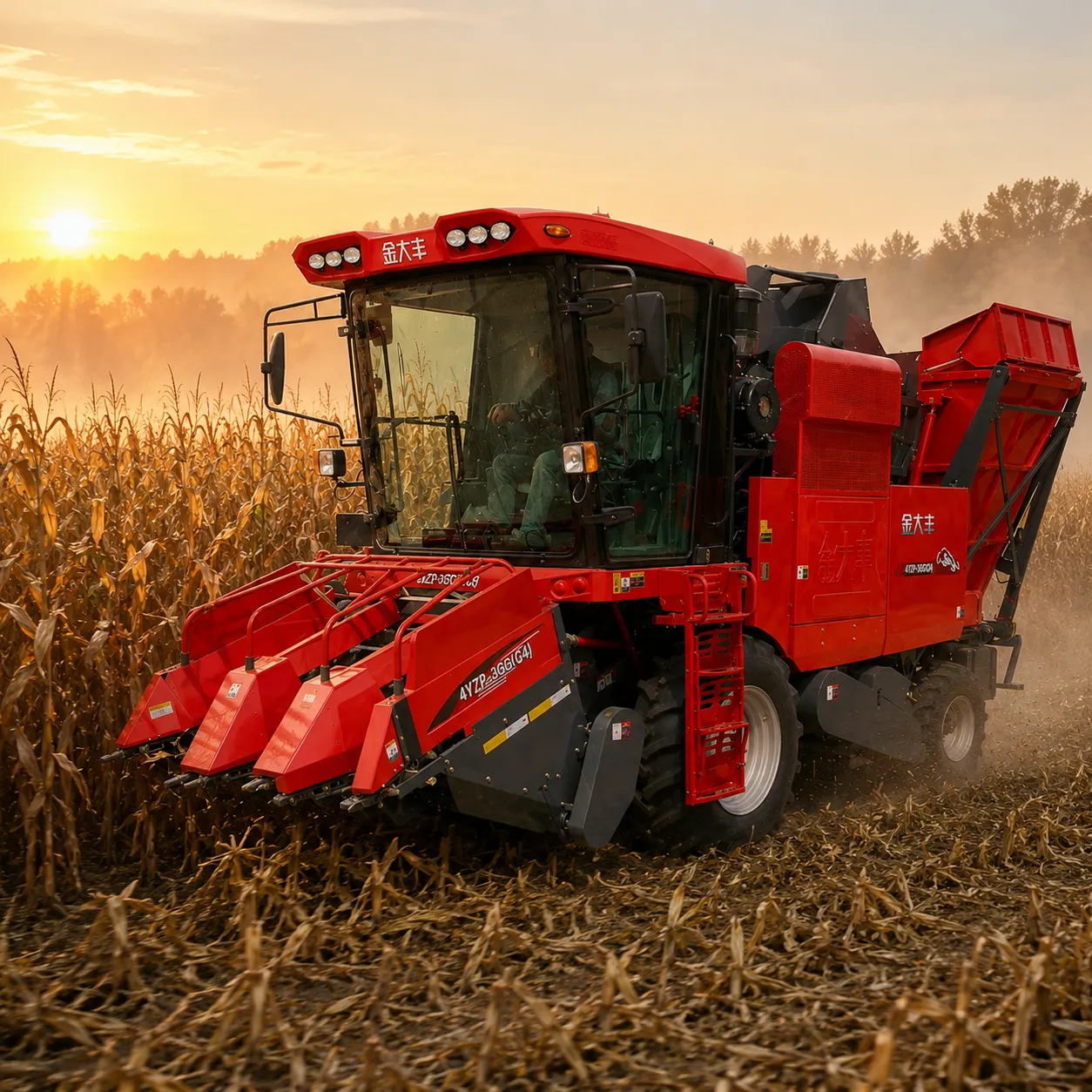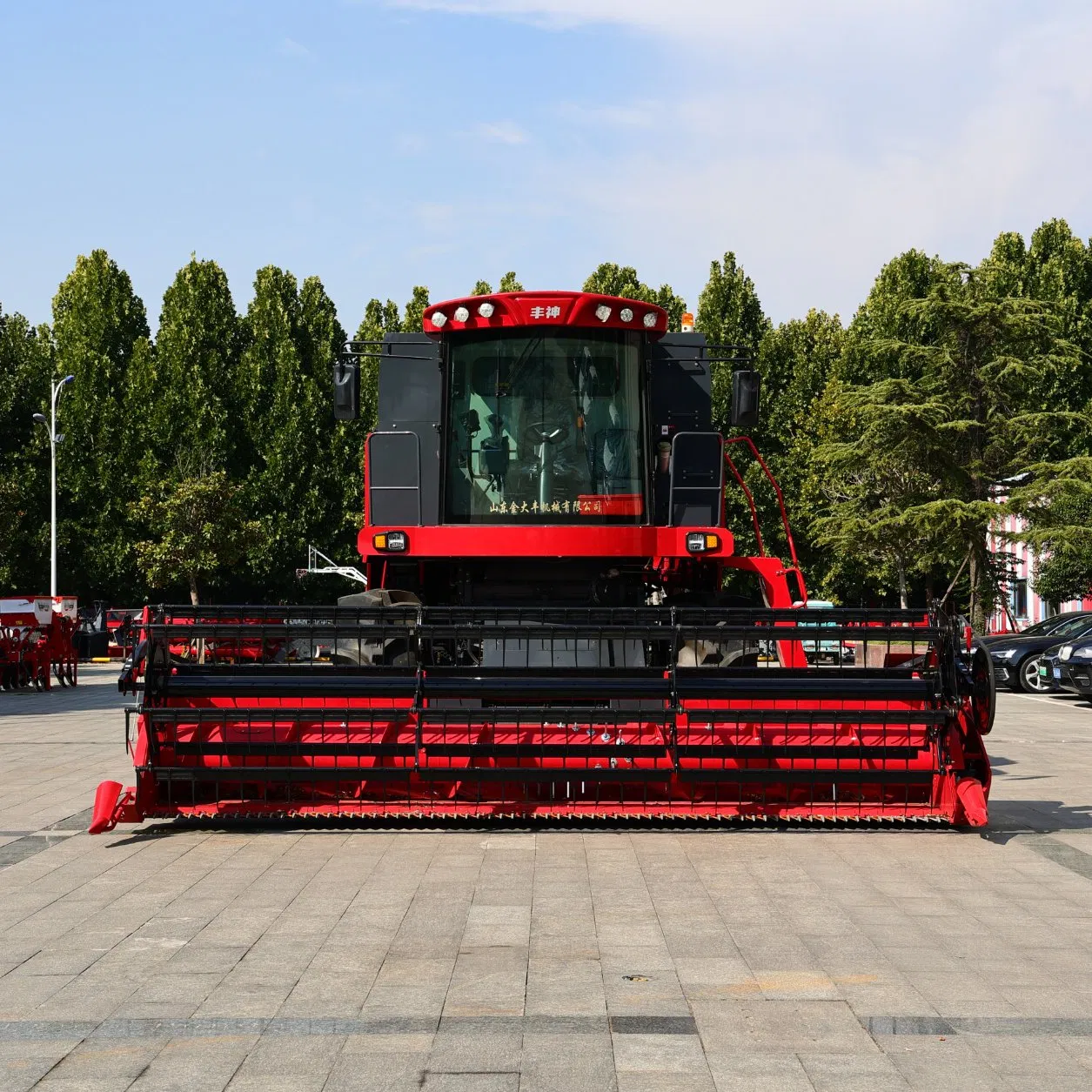
International Harvester is one of the most recognized names in the history of agricultural machinery. Although the company produced tractors, trucks, engines, and other equipment, its contribution to harvesting technology remains an important part of its agricultural legacy.
From early grain harvesting machines to self-propelled combines and axial-flow threshing systems, International Harvester helped change how farmers cut, thresh, separate, and clean crops in the field. Many of the principles developed during this period still influence the design of the modern combine harvester.
This article explores the harvesting history behind International Harvester and explains what today’s farmers, agricultural machinery dealers, and importers should consider when choosing a modern combine harvester for wheat, rice, corn, soybean, and other grain crops.
What Was International Harvester?
International Harvester Company was formed in 1902 through the combination of several agricultural machinery businesses, including the McCormick Harvesting Machine Company and the Deering Harvester Company.
Both McCormick and Deering already had extensive experience in grain harvesting equipment. Their machinery included reapers, binders, mowers, and other tools that helped farmers replace manual harvesting with mechanized field operations.
The formation of International Harvester brought manufacturing, engineering, distribution, and agricultural machinery development together under one large organization. Over time, the company became known worldwide for tractors, harvesting equipment, farm implements, engines, and commercial vehicles.
For harvesting technology, the company’s importance came from its efforts to combine several field operations into one increasingly efficient machine.
Why the Combine Harvester Changed Grain Farming
Before combine harvesters became widely available, grain harvesting normally required several separate operations. Farmers first cut the crop, then collected it, transported it, threshed it, and cleaned the grain.
A combine harvester brings several of these processes together in one machine. The word “combine” refers to the combination of major harvesting functions:
- Cutting the standing crop
- Feeding the crop into the machine
- Threshing grain from straw or plant material
- Separating remaining grain from residue
- Cleaning the harvested grain
- Collecting grain in an onboard grain tank
By completing these operations during one movement through the field, a combine harvester reduces labor requirements and shortens the harvesting period. This is especially important because grain must often be harvested within a limited window to reduce weather damage, lodging, shattering, and field losses.
International Harvester and the Self-Propelled Combine
Early combines were commonly pulled by tractors or animals. While pull-type machines reduced manual labor, their productivity and maneuverability remained limited by the power unit pulling them.
International Harvester later developed its own self-propelled combine technology. The McCormick-Deering 123-SP is recognized as the company’s first commercial self-propelled combine.
In a self-propelled design, the engine, cutting platform, threshing system, cleaning system, operator position, and grain collection components are integrated into one machine. This allows the operator to control harvesting speed, header operation, threshing, unloading, and machine movement from a single working platform.
The development of self-propelled harvesting equipment created several advantages:
- Improved maneuverability in the field
- Better control of harvesting speed
- Higher daily harvesting capacity
- Reduced dependence on a separate tractor
- More consistent feeding into the threshing system
- Greater operator control over the harvesting process
These advantages remain central to today’s self-propelled combine harvesters.
The Introduction of Axial-Flow Harvesting
One of the most important developments associated with International Harvester was the introduction of the Axial-Flow combine in 1977. The original commercial models included the International Harvester 1440 and 1460 combines.
Traditional combine designs generally used a transverse threshing cylinder and straw walkers. In contrast, an axial-flow system moves crop material lengthwise around a rotor. Threshing and separation take place as material travels through the rotor area.
This concept offered several potential benefits:
- Smoother crop flow through the machine
- Effective threshing and separation
- Reduced grain damage under suitable adjustment
- Better adaptability to different crop conditions
- Fewer major threshing components
- Simplified crop movement inside the machine
Rotor combine technology has continued to develop, but the main goal remains the same: move a large volume of crop through the machine while maintaining grain quality and controlling harvesting loss.
How a Modern Combine Harvester Works
Modern combine harvesters vary in size, configuration, threshing design, and crop application. However, most machines follow a similar harvesting process.
1. Crop Cutting and Feeding
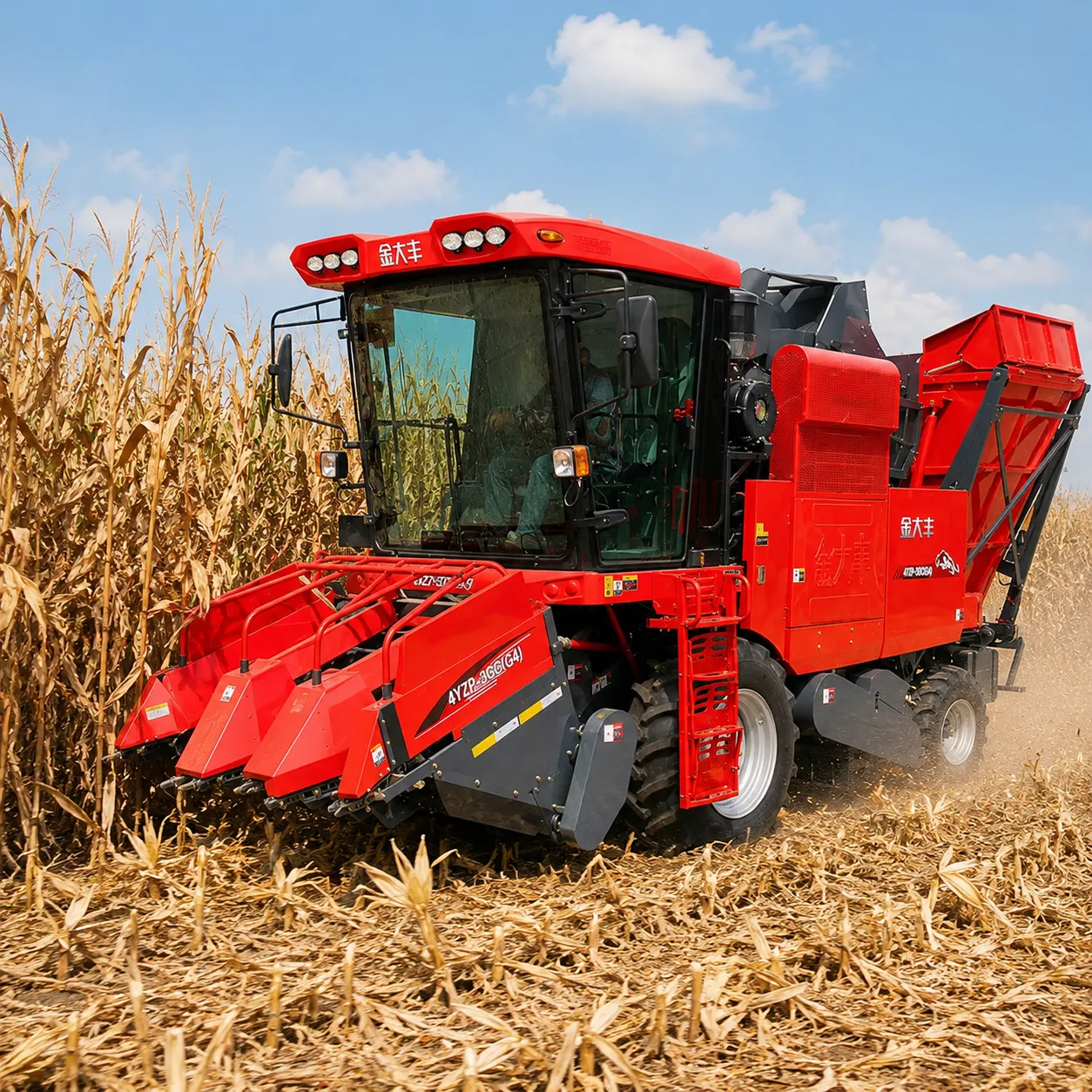
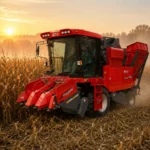
The header cuts or collects the crop and feeds it toward the machine. A grain header is commonly used for wheat, rice, barley, soybean, and similar crops. Corn harvesting requires a suitable corn header that separates ears or gathers stalk material according to the machine design.
The header must match crop type, row spacing, field condition, and harvesting width. An unsuitable header can cause poor feeding, crop blockage, uneven cutting, or excessive field loss.
2. Threshing
The threshing system separates grain from the ear, head, pod, or other plant structure. The correct threshing speed and clearance depend on crop variety, maturity, moisture level, and field condition.
Excessive threshing intensity may crack grain, while insufficient threshing can leave grain attached to plant material. Operators must balance capacity with grain quality.
3. Separation
After threshing, remaining grain must be separated from straw and residue. Depending on the machine, this may take place through straw walkers, rotors, or another separation system.
Separation capacity becomes especially important in high-yield crops, damp straw, heavy crop volume, and uneven feeding conditions.
4. Cleaning
The cleaning system uses airflow and sieves to separate grain from chaff and lighter residue. Fan speed and sieve adjustment directly affect grain cleanliness and loss.
An incorrect setting may send usable grain out of the machine or allow too much foreign material into the grain tank.
5. Grain Collection and Unloading
Clean grain moves into the grain tank before being unloaded into a trailer or transport vehicle. Grain tank capacity and unloading speed influence how long the machine can continue harvesting before stopping.
International Harvester Lessons for Modern Combine Design
The historical development of International Harvester equipment provides several practical lessons for modern harvesting machinery.
| Historical Development | Modern Buyer Requirement |
|---|---|
| Combining several harvesting processes | Efficient cutting, threshing, separation, cleaning, and collection |
| Self-propelled machine design | Independent operation and improved field maneuverability |
| Axial crop flow | Stable feeding, effective separation, and controlled grain damage |
| Crop adaptability | Suitable headers and settings for different crops |
| Mechanical serviceability | Accessible maintenance points and reliable spare-parts supply |
| Higher harvesting capacity | Matching engine power, cutting width, grain tank, and field size |
What Crops Can a Modern Combine Harvester Harvest?
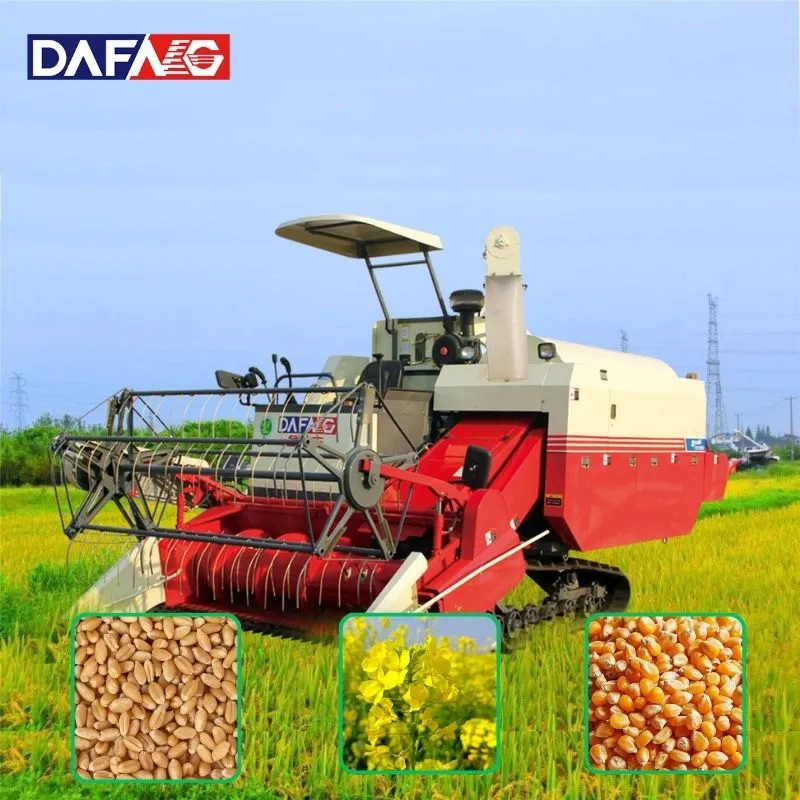
A modern combine can harvest several crops when equipped with the correct header and adjusted properly. Common applications include:
- Wheat
- Rice
- Barley
- Oats
- Soybean
- Rapeseed
- Sorghum
- Corn or maize
- Other regional grain crops
However, the words “multi-crop combine” do not mean that one setup works equally well for every crop. Buyers must confirm the available header, concave, sieve, rotor or cylinder settings, cleaning configuration, and crop conversion requirements.
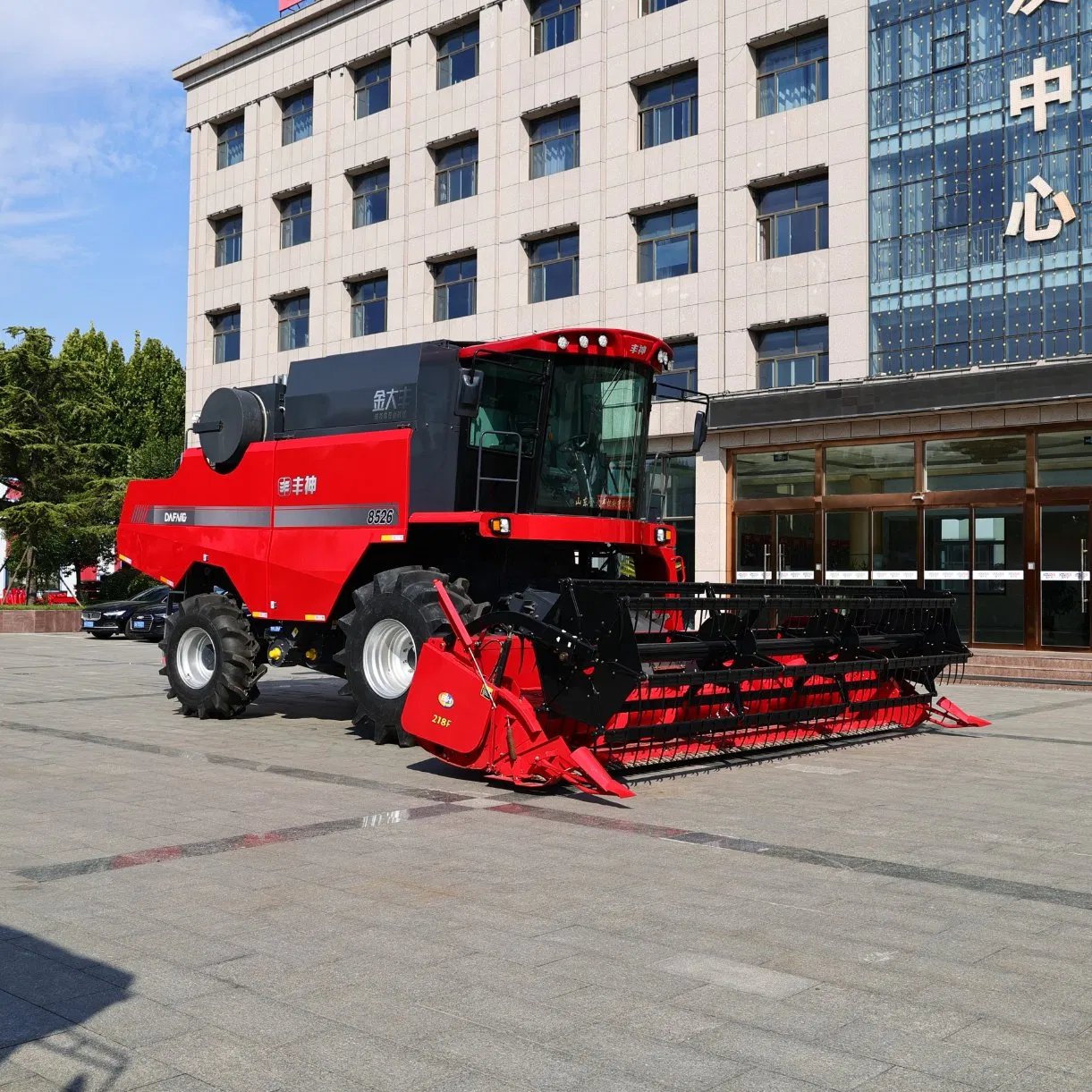
Farmers and dealers looking for a grain combine harvester for wheat, rice, and mixed crops should provide detailed crop and field information before selecting a model.
How to Choose a Modern Combine Harvester
Match the Machine to the Main Crop
Begin with the crop that represents the largest harvesting area. A machine mainly used for wheat may require a different header and internal setting from one primarily used for rice, corn, or soybean.
Buyers should provide information about crop variety, typical yield, moisture level, straw condition, planting method, and harvesting season.
Check Cutting Width and Field Size
A wider cutting platform can increase productivity, but it also requires sufficient engine power, feeding capacity, threshing capacity, and cleaning performance.
Large machines may work efficiently in open commercial fields but become difficult to operate in small, irregular, terraced, or narrow fields. Buyers should balance theoretical capacity with actual field conditions.
Evaluate Grain Loss and Grain Quality
Harvesting capacity should never be judged only by operating speed. A machine that moves quickly but leaves grain in the field or damages kernels may reduce the farmer’s final income.
Ask the supplier about:
- Header loss
- Threshing loss
- Separation loss
- Cleaning loss
- Broken grain rate
- Grain cleanliness
Actual performance depends on crop condition, machine adjustment, field speed, and operator experience, so buyers should review working videos and field test information whenever possible.
Review Engine Power and Fuel Consumption
The engine must provide enough power for cutting, feeding, threshing, cleaning, unloading, and machine movement. High horsepower alone does not guarantee good performance if the threshing and cleaning systems cannot process the same crop volume.
A balanced combine matches engine power with header width, feeding capacity, threshing area, separation capacity, and cleaning area.
Consider Tires, Tracks, and Ground Conditions
Wet rice fields, soft soil, dry grain fields, slopes, and sandy land create different mobility requirements. Rice harvesting may require crawler tracks or a machine designed for low ground pressure, while dry wheat fields may use wheeled combines.
The running system should match local soil bearing capacity, field access, road transportation, and seasonal weather.
What Importers and Dealers Should Check
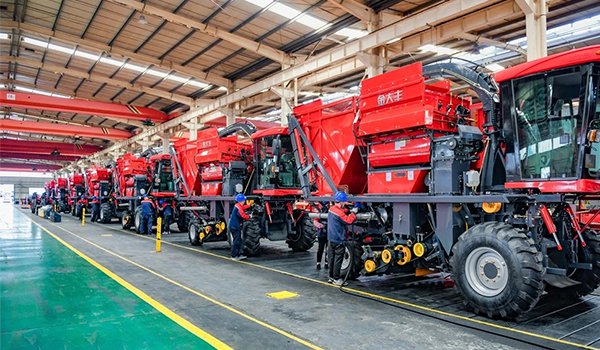
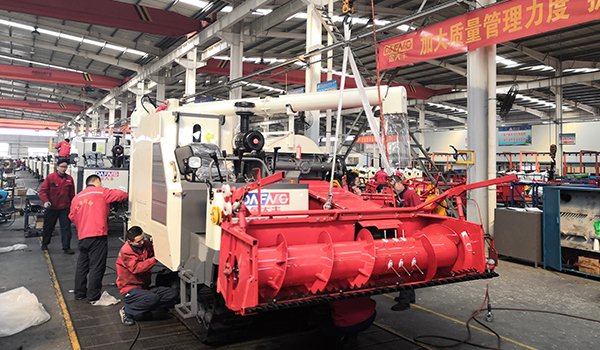
International buyers must evaluate more than the machine specification. They should also check the manufacturer’s production capability and long-term support system.
- Confirm the exact machine and engine configuration.
- Request complete technical specifications.
- Check available headers and crop applications.
- Review operating and maintenance videos.
- Confirm certification and export documents.
- Request a recommended spare-parts package.
- Review warranty terms and claim procedures.
- Confirm manuals, parts books, and technical training.
- Check container loading and transportation arrangements.
A reliable international agricultural machinery manufacturer should help buyers select the right machine according to crop, field size, climate, local maintenance capability, and target market.
Spare Parts and After-Sales Support
Harvesting seasons are short. If a combine stops during peak harvest, even a small unavailable component can create serious losses.
Before ordering, buyers should confirm the availability of filters, belts, chains, bearings, knives, guards, concaves, sieves, sensors, hydraulic parts, and commonly worn components.
Dealers should also prepare an initial spare-parts inventory based on the number of machines sold and the expected annual working hours. Technical manuals, exploded parts diagrams, remote engineering support, and operator training can reduce downtime.
King-Gold Dafeng Combine Harvester Solutions
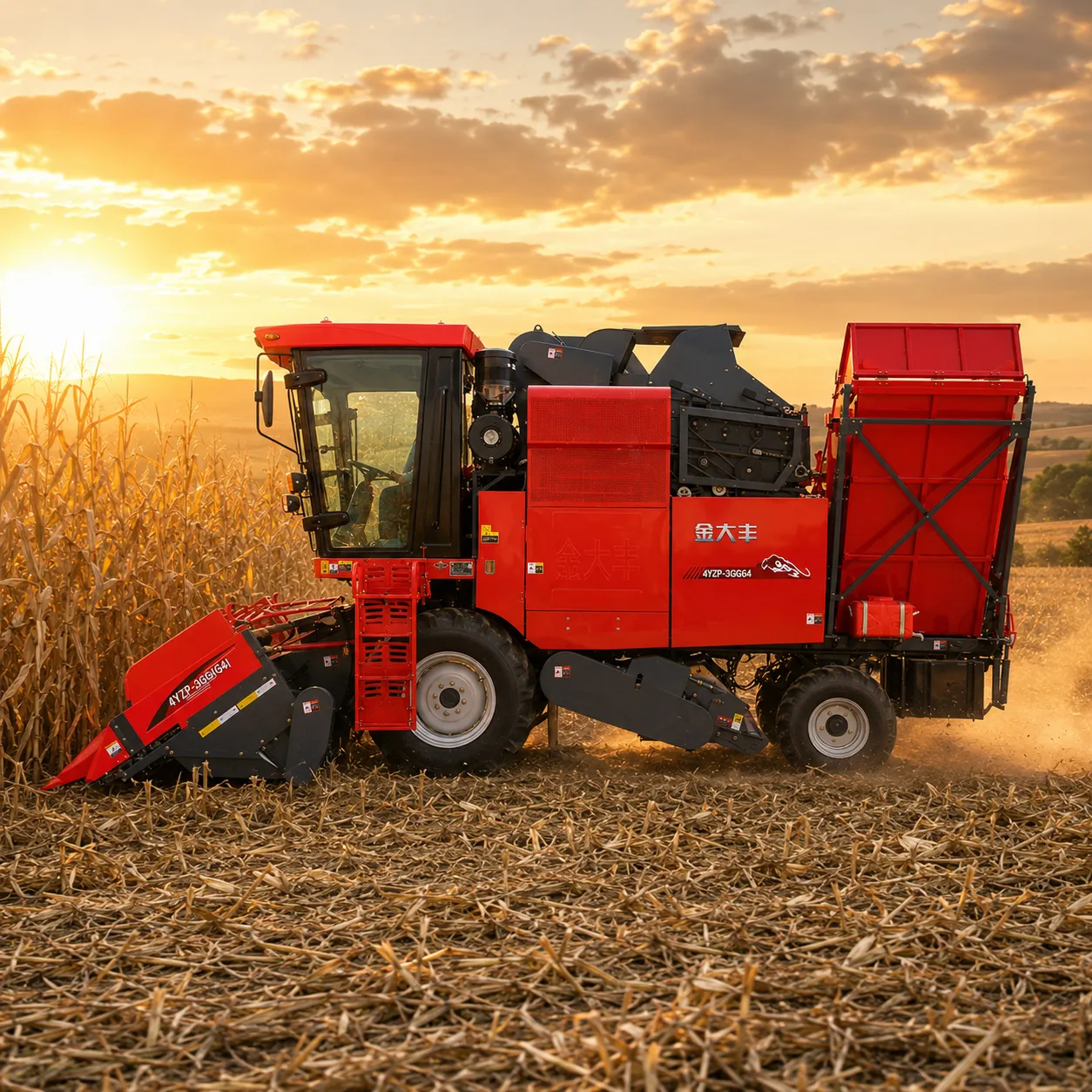
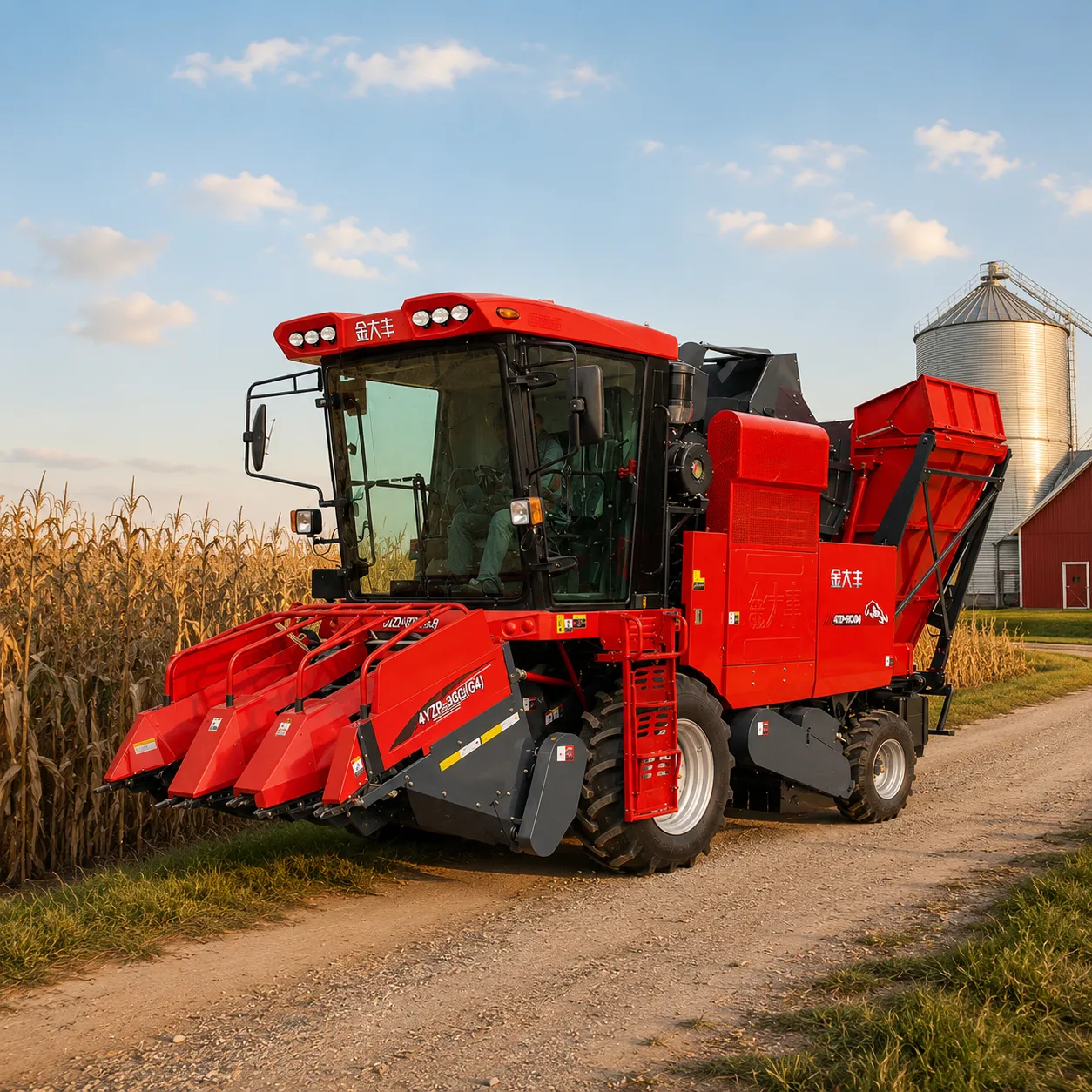
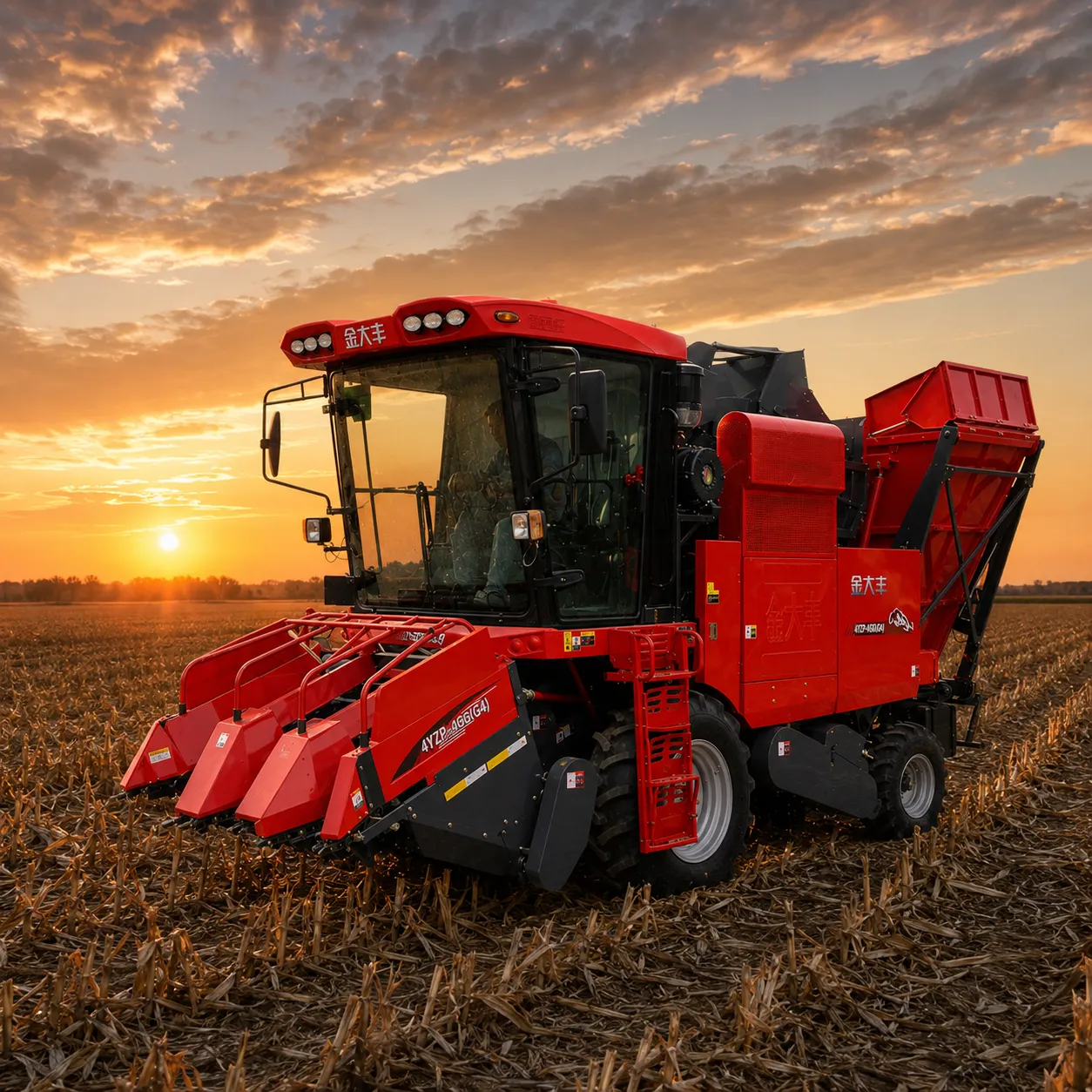
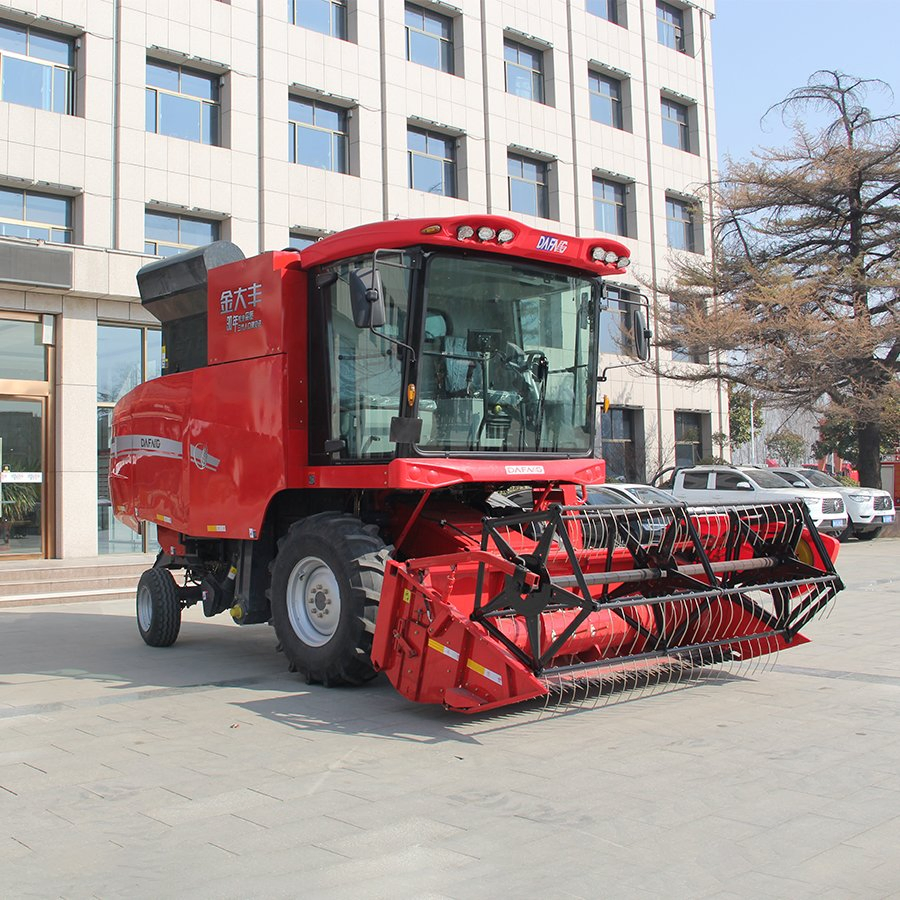
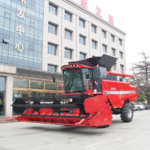
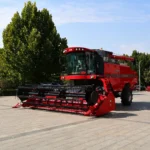
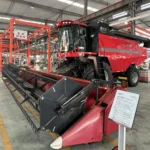
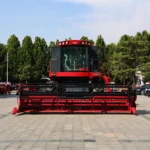
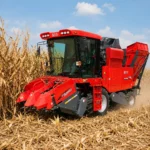
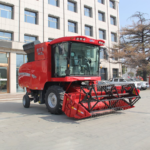
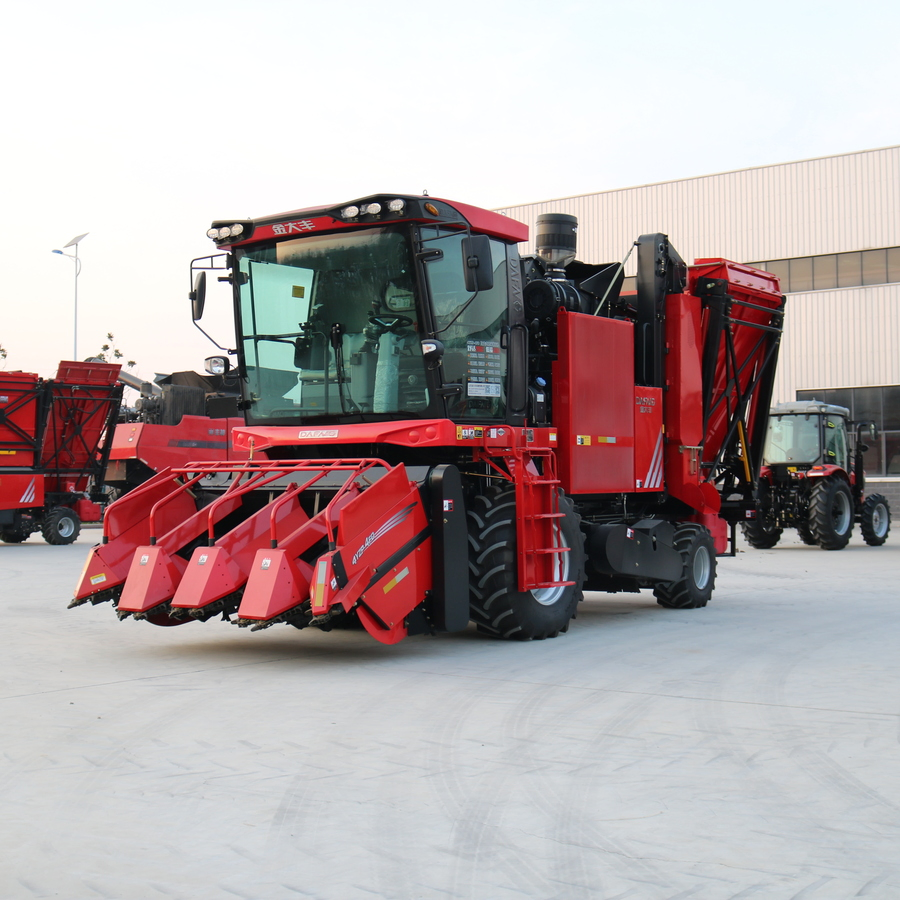
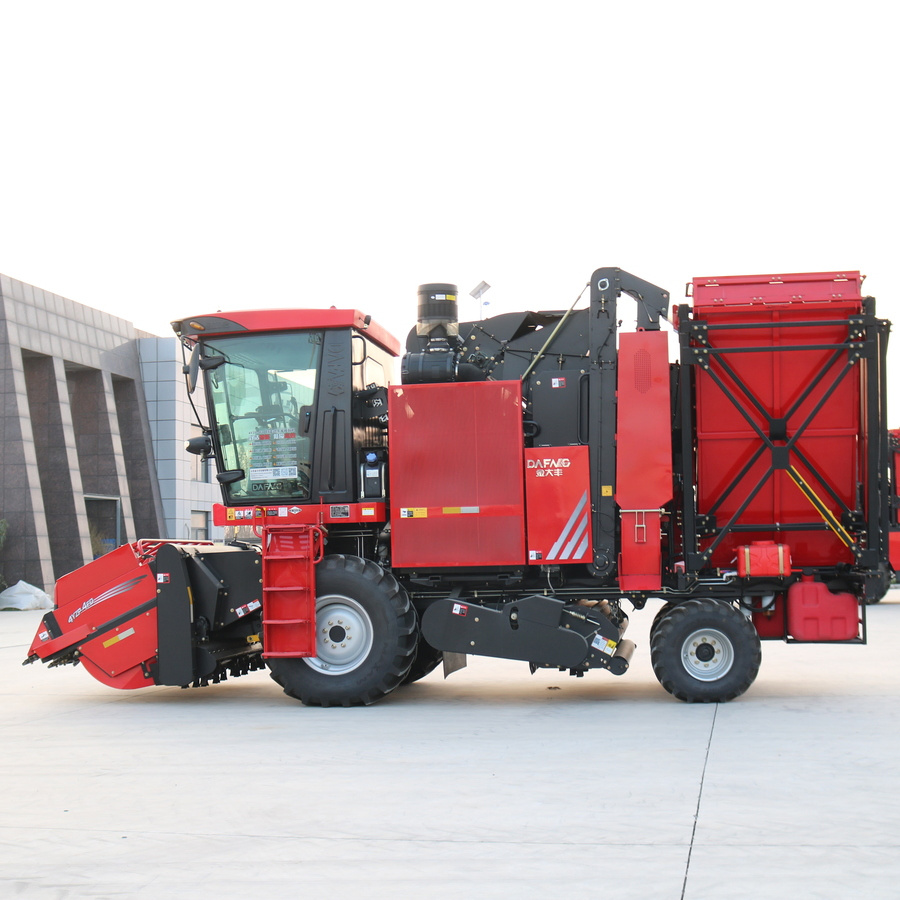
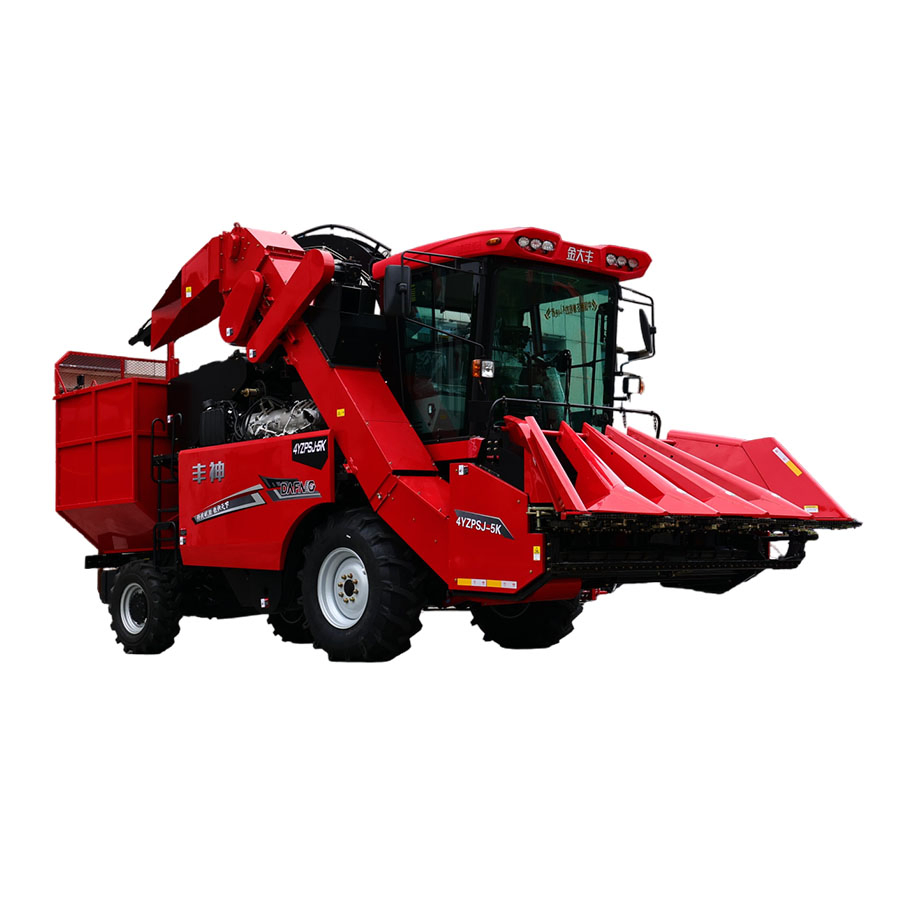
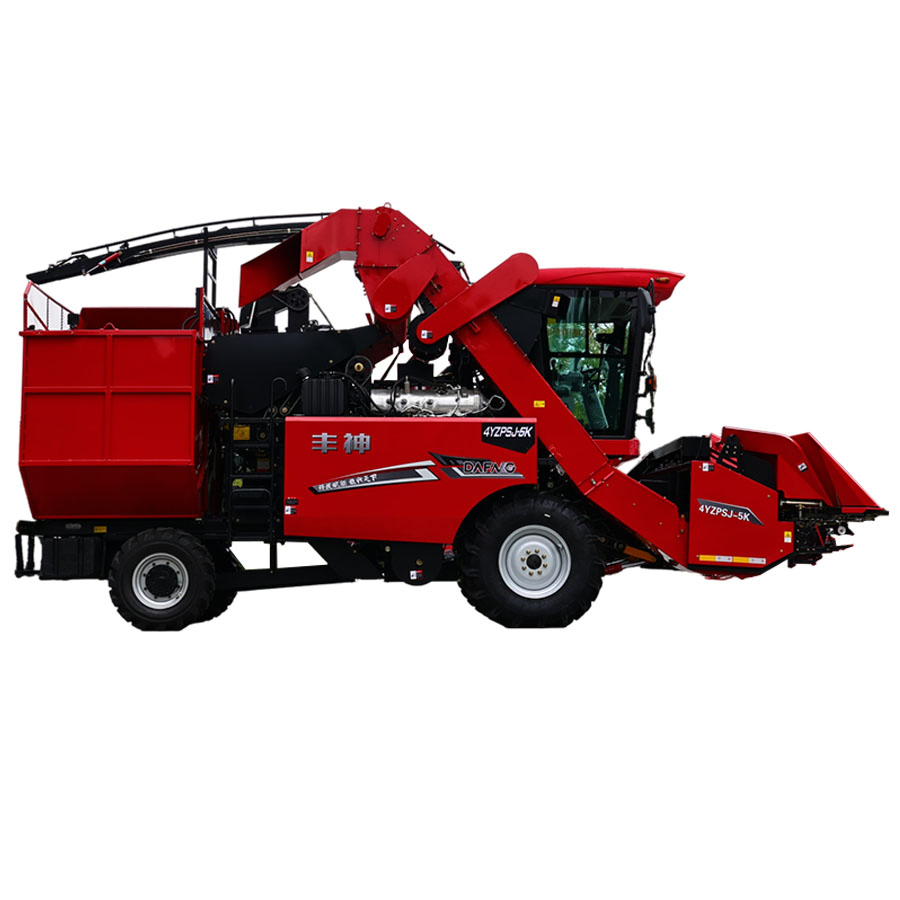
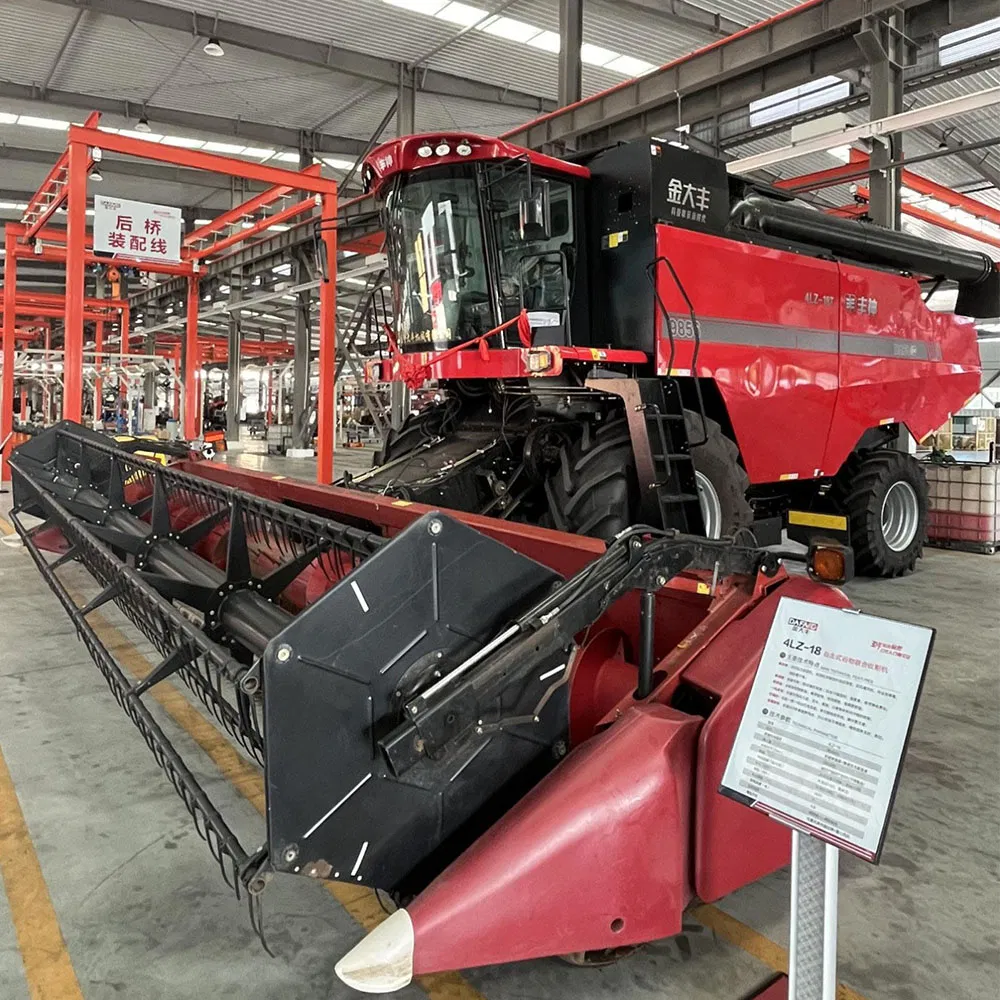
King-Gold Dafeng develops agricultural harvesting equipment for overseas farmers, dealers, distributors, and importers. Its machinery range includes grain combine harvesters, wheat harvesters, rice harvesting equipment, corn harvesters, tractors, and seeders.
When recommending a combine, King-Gold Dafeng considers crop type, field size, cutting width, engine power, grain tank capacity, cleaning performance, ground conditions, transportation requirements, and local service needs.
As a combine harvester supplier for global agricultural buyers, the company also supports customers with machine configuration, spare-parts planning, technical documents, warranty service, and long-term equipment support.
Frequently Asked Questions
Did International Harvester Make Combine Harvesters?
Yes. International Harvester manufactured pull-type and self-propelled combines. The company also introduced the Axial-Flow combine concept commercially in 1977 with models including the 1440 and 1460.
What Is an International Harvester Combine?
The term normally refers to a historical combine produced by International Harvester before its agricultural machinery operations later became part of Case IH.
Is International Harvester Still Producing Combines?
International Harvester no longer produces combines under its original corporate structure. Its agricultural machinery legacy continued through Case IH.
What Is the Difference Between a Harvester and a Combine Harvester?
A harvester may perform one or several crop collection operations. A combine harvester specifically combines cutting, threshing, separation, cleaning, and grain collection in one machine.
Can One Combine Harvest Wheat, Rice, Corn, and Soybean?
Some combines can work with multiple crops, but they require suitable headers, internal adjustments, and sometimes crop conversion components. Buyers should confirm compatibility with the manufacturer before ordering.
Conclusion
The history of International Harvester reflects the broader development of mechanized crop harvesting. From early harvesting machines to self-propelled combines and axial-flow technology, the company contributed to the transition toward faster, more integrated grain harvesting.
Modern combine buyers should apply the same practical principles when selecting equipment. The machine must match the crop, field size, soil condition, harvesting window, required capacity, grain quality target, and local service capability.
For farmers, dealers, and importers, the best combine is not simply the machine with the highest horsepower or widest header. It is the machine that provides balanced cutting, feeding, threshing, separation, cleaning, mobility, spare-parts availability, and after-sales support in real harvesting conditions.