Grain loss is rarely caused by one dramatic machine failure. More often, it builds up through several smaller problems: the header misses crop, the threshing system leaves grain in the heads, the cleaning system blows good kernels out of the machine, or the operator keeps the same settings while field conditions change.
That is why reducing grain loss is not simply a matter of slowing down or increasing fan speed. The operator first needs to identify where the grain is being lost, then adjust the correct part of the combine without creating a new problem somewhere else.
A properly adjusted grain combine harvester should collect mature grain efficiently, limit kernel damage, separate grain from straw, and deliver a clean sample to the grain tank. The following method provides a practical way to diagnose losses and improve harvesting performance in wheat, rice, soybeans, barley, and other grain crops.
Start by Finding Where the Grain Is Being Lost
Before changing any combine setting, stop and inspect the field. Random adjustments often make the problem harder to diagnose because several systems begin changing at the same time.
Most harvesting losses can be divided into four areas:
- Pre-harvest loss already present before the combine enters the field
- Header or cutting-platform loss
- Threshing and separation loss
- Cleaning-system loss
Separate Machine Loss from Pre-Harvest Loss
Walk into an unharvested section of the field and check the ground before the combine arrives. Look for shattered grain, fallen heads, lodged crop, dropped pods, or ears already lying on the soil.
This gives you a baseline. Grain that was already on the ground should not be blamed on the combine.
Next, harvest a short distance under normal operating conditions. Stop the machine, move it forward or back far enough to inspect the area behind the header and the residue discharged from the rear. Comparing these areas helps show where additional loss occurred.
Check the Header Area First
The header is often one of the largest sources of avoidable loss. Typical signs include:
- Uncut heads or pods left on standing plants
- Grain shattered in front of the cutterbar
- Crop pushed over instead of entering the header
- Cut material falling before reaching the feeder
- Uneven stubble height
If most lost grain appears close to the front of the harvested strip, the problem is likely related to cutting height, reel position, header speed, crop feeding, or forward speed rather than the threshing system.
Inspect the Material Behind the Combine
Grain found inside unthreshed heads usually points to incomplete threshing. Loose grain mixed into the discharged straw may indicate poor separation. Clean grain scattered behind the combine may come from excessive fan speed, incorrect sieve settings, or overloading.
| What You Find | Likely Source | First Area to Check |
|---|---|---|
| Uncut or missed crop | Header loss | Cutting height, guards, knives and header control |
| Grain shattered in front of the header | Header operation | Reel speed, reel position and forward speed |
| Grain remaining in heads or pods | Incomplete threshing | Rotor or cylinder speed and concave clearance |
| Loose grain in discharged straw | Poor separation | Crop flow, machine load and separator settings |
| Clean grain behind the sieves | Cleaning loss | Fan speed and sieve openings |
| Cracked kernels in the grain tank | Over-aggressive threshing | Rotor speed and concave clearance |
Match Header Operation to the Crop
The front of the machine determines how smoothly crop enters the harvesting system. Once crop flow becomes uneven, the threshing, separation, and cleaning sections also become harder to control.
Use the Correct Cutting Height
The cutterbar should operate low enough to collect the crop without taking in unnecessary soil, stones, or excessive straw. For crops with low pods or lodged plants, cutting too high can leave a significant amount of harvestable grain in the field.
For standing wheat or other small grains, cutting higher may reduce the volume of straw entering the combine. This can improve capacity, but the header must still collect every grain-bearing head.
Match Reel Speed to Ground Speed
The reel should guide the crop toward the cutterbar and feeder rather than strike it aggressively. Excessive reel speed can shatter dry grain before it enters the machine. A reel that turns too slowly may fail to control lodged or tangled crop.
Reel position also matters. Moving it too far forward can increase impact and shattering, while positioning it too far back may allow cut crop to fall in front of the header.
Do Not Drive Faster Than the Header Can Feed
Forward speed should be determined by crop condition and machine loading, not only by field size. Driving too quickly can create uneven feeding, missed crop, plugging, and sudden surges through the threshing system.
A steady crop mat is usually more valuable than maximum travel speed. When crop enters the machine evenly, the combine can thresh and clean grain more consistently.
Adjust Threshing Without Damaging the Grain
The threshing system must remove grain from heads, pods, or ears without cracking kernels or breaking excessive material into the cleaning system.
More aggressive settings do not always produce a better result. They may solve incomplete threshing but increase kernel damage, fuel consumption, and cleaning load.
Balance Rotor or Cylinder Speed with Concave Clearance
If grain remains in the heads, the first reaction is often to increase rotor or cylinder speed. That may help, but it should not be the only adjustment considered.
Incomplete threshing can result from:
- Rotor or cylinder speed being too low
- Concave clearance being too wide
- Uneven crop feeding
- Crop moisture being outside the ideal range
- The machine operating below or above its effective capacity
Make small adjustments and inspect the grain tank after each change. If kernels become cracked or split, the threshing action may be too aggressive.
Keep the Combine Properly Loaded
A combine may perform poorly when it is overloaded, but operating far below capacity can also reduce threshing consistency. The threshing system is designed to work with a reasonably steady crop flow.
Frequent surges create alternating periods of overload and underload. This makes it difficult to maintain clean grain and low loss at the same time.
When crop density changes across the field, adjust forward speed rather than forcing the machine to operate at one constant travel speed.
Watch Grain Quality, Not Only Grain Quantity
Loss behind the machine is only one measure of performance. The grain sample in the tank also shows whether the settings are correct.
Look for:
- Cracked or split kernels
- Unthreshed heads
- Excessive chaff
- Broken straw
- Damaged seed coats
A low-loss harvest is not successful if the machine damages a large amount of the grain it collects.
Control Separation and Cleaning Loss
After threshing, the machine must separate grain from straw and remove light material before grain reaches the tank. This is where airflow, sieve openings, crop volume, and machine balance work together.
Do Not Use Fan Speed as the Only Cleaning Tool
Increasing fan speed may improve grain cleanliness, but excessive airflow can carry good grain out of the rear of the machine. Reducing fan speed too far can leave chaff in the grain tank and overload the return system.
The goal is to create enough airflow to lift light material while allowing heavier grain to fall through the sieves.
Fan settings should reflect:
- Crop type
- Grain weight
- Moisture level
- Amount of material entering the cleaning shoe
- Sieve opening
Adjust Sieves Together with Airflow
If the upper sieve is too narrow, grain may remain on top and leave the machine with the chaff. If it is too wide, excessive material may fall onto the lower sieve and reduce cleaning quality.
The lower sieve controls the final grain sample. Closing it too tightly may produce cleaner grain but can also increase returns and reduce capacity.
Change one setting at a time. After each adjustment, harvest a representative distance before evaluating the result.
Keep the Cleaning System Level and Free of Blockages
Debris, damaged sieve sections, restricted airflow, worn seals, and uneven loading can all reduce cleaning performance. On sloping land, grain and material may move toward one side of the cleaning shoe, reducing the effective sieve area.
Regular inspection is especially important before harvest and whenever field conditions change significantly.
Use a Repeatable Field-Check Routine
Even a correctly adjusted combine harvester needs to be checked throughout the day. Crop moisture, temperature, straw condition, and field density can change within a few hours.
A setting that works in the morning may no longer be suitable during a dry afternoon.
A Simple Six-Step Loss Check
- Inspect an unharvested area to estimate pre-harvest loss.
- Harvest a representative section at normal speed.
- Stop safely and inspect the area behind the header.
- Inspect residue from behind the combine.
- Check grain quality in the tank.
- Adjust only the system responsible for the identified loss.
Repeat the check after moving into a different field, changing crops, encountering lodged areas, or experiencing a major change in moisture.
Use Loss Sensors as a Guide, Not the Final Answer
Electronic loss monitors help operators see trends, but they do not replace physical field inspection. Sensors may show that losses are increasing, yet they may not clearly identify whether grain was lost at the header, threshing section, separator, or cleaning shoe.
Walking behind the machine remains one of the most useful diagnostic methods.
Record Settings That Work
Keep a simple record for each crop and field condition:
- Crop and variety
- Moisture level
- Forward speed
- Rotor or cylinder speed
- Concave clearance
- Fan speed
- Sieve openings
- Observed loss and grain quality
These records provide a useful starting point next season, although final settings should always be confirmed in the field.
Machine Design Still Matters
Operator adjustment is critical, but the combine itself must also provide stable feeding, effective threshing, sufficient separation area, and a controllable cleaning system.
Farmers, contractors, and distributors comparing machines should evaluate more than engine horsepower. Important considerations include:
- Header compatibility
- Feeding consistency
- Threshing and separation design
- Cleaning-system capacity
- Grain tank volume
- Cutting width
- Ease of adjustment
- Access for cleaning and maintenance
- Spare-parts and technical support
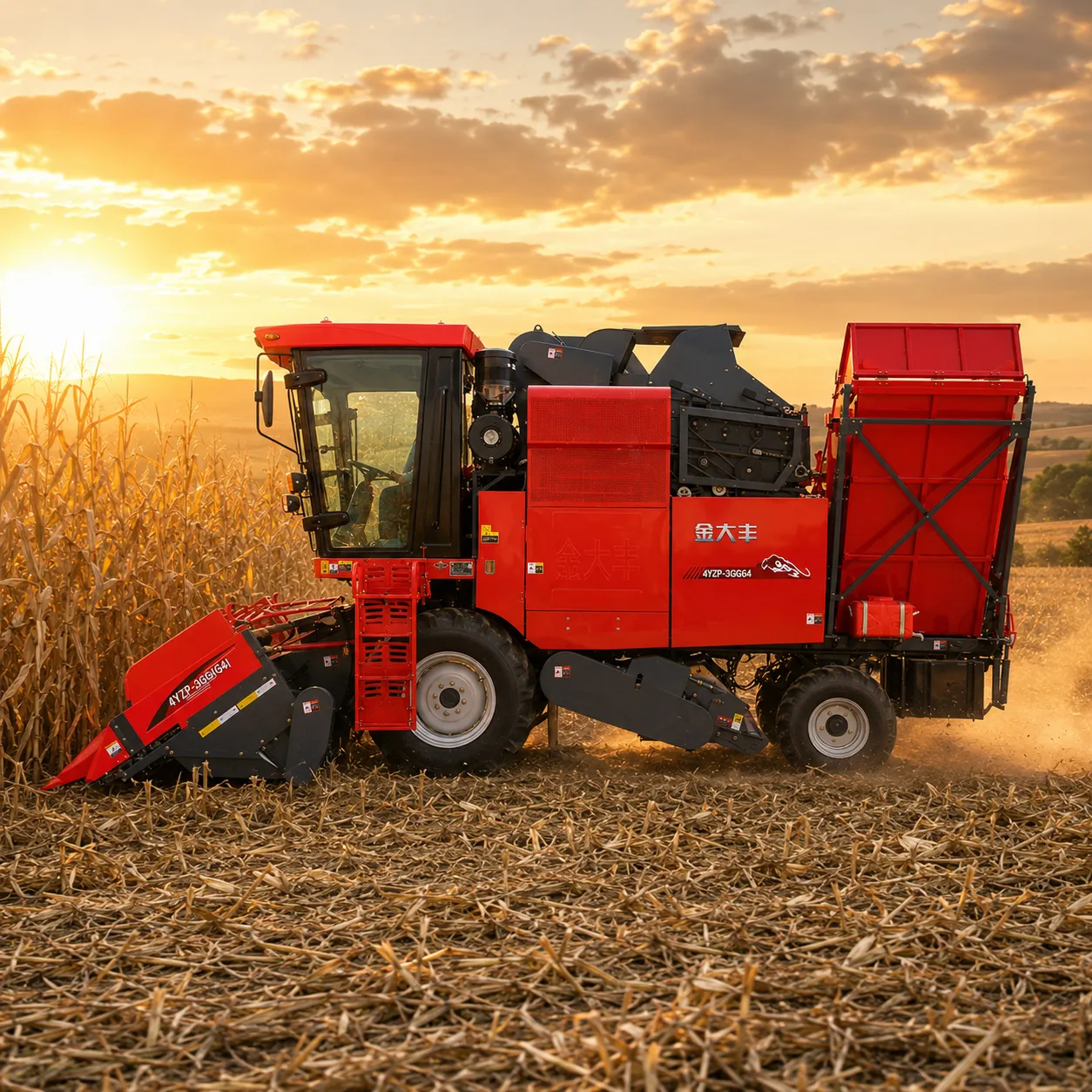
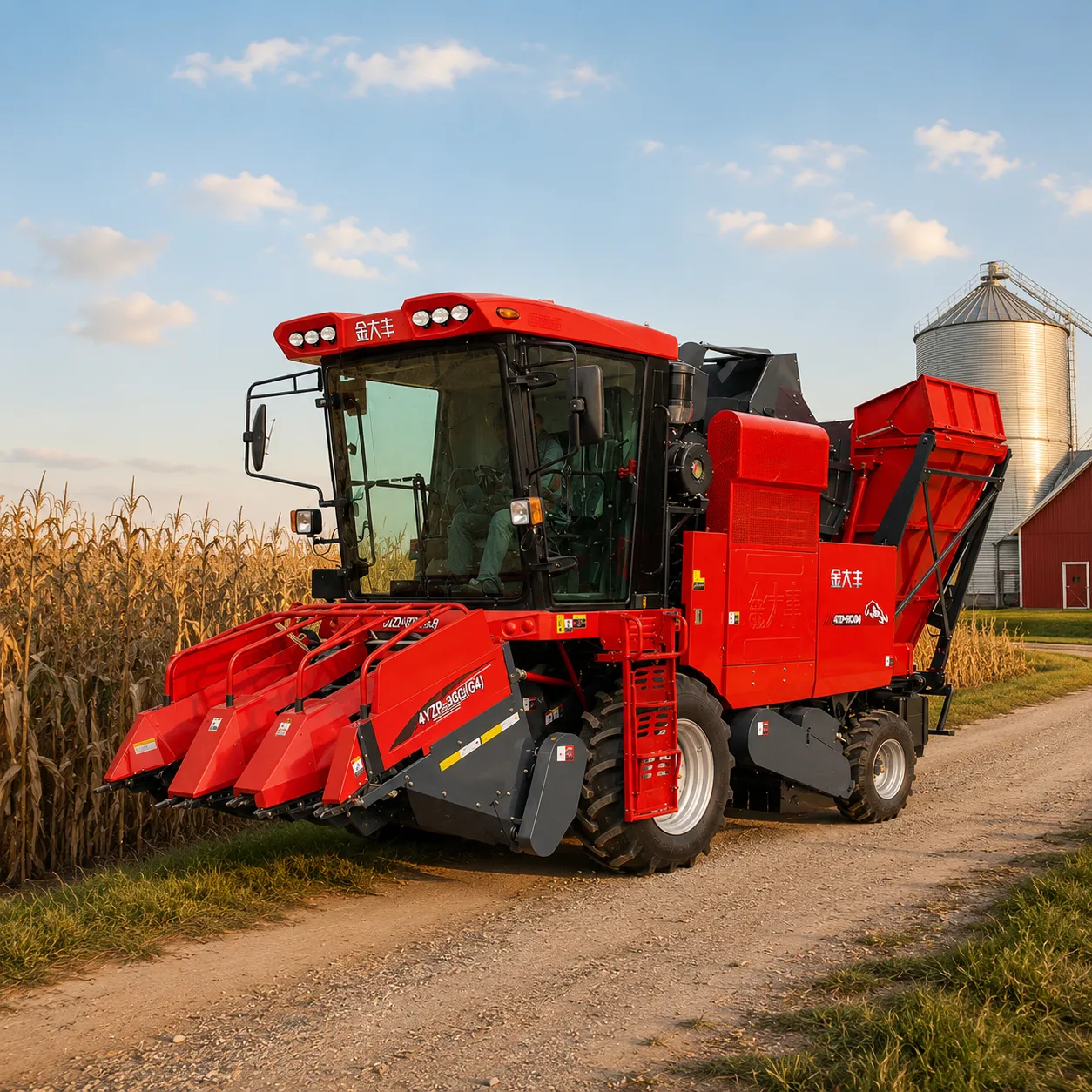
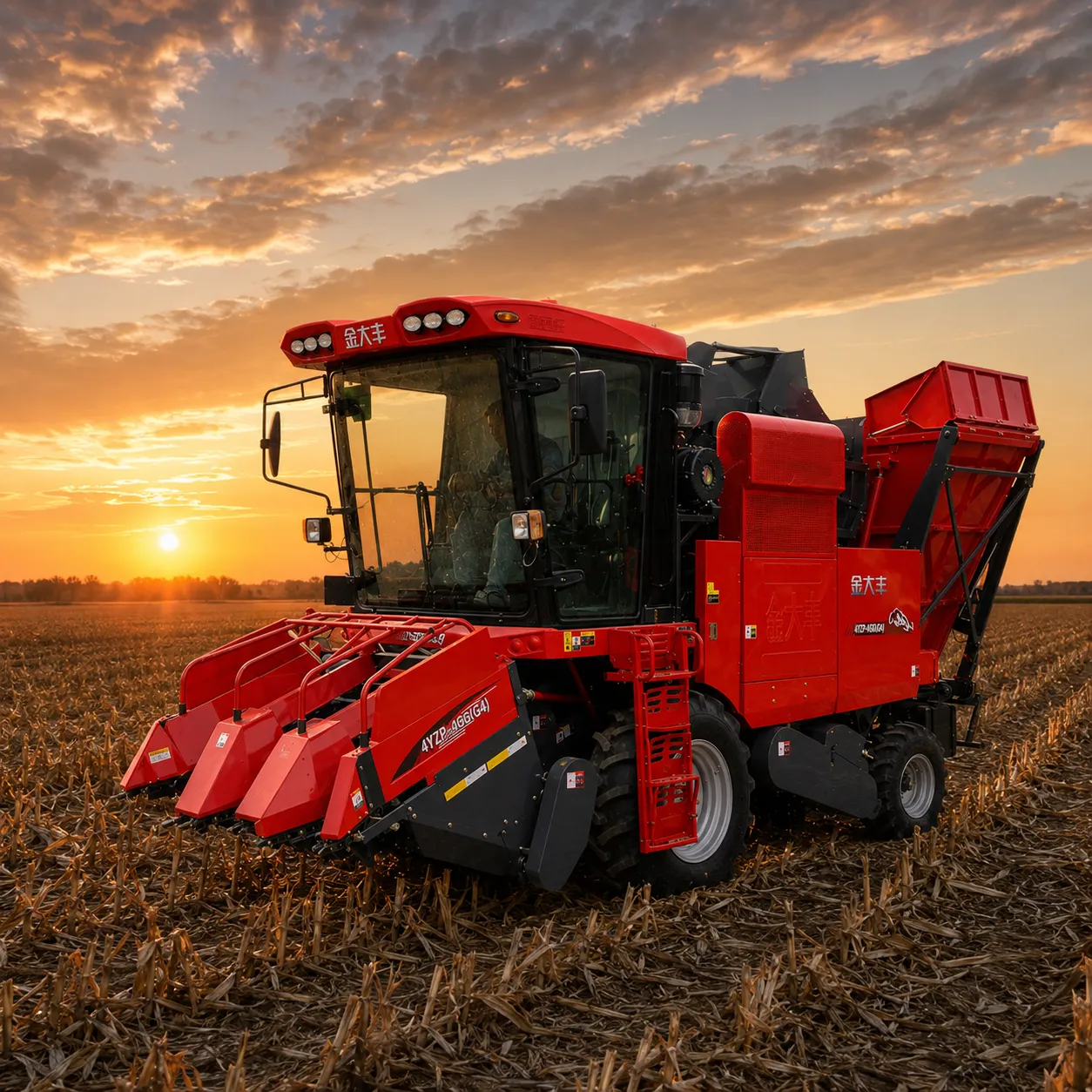
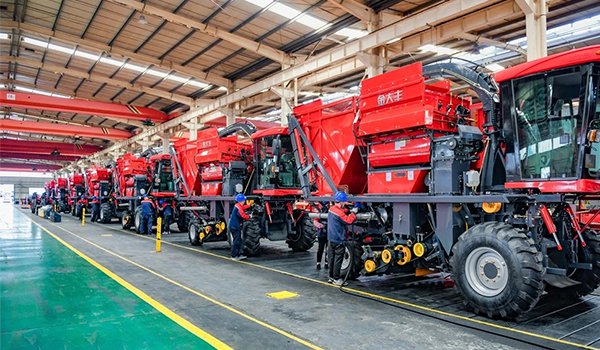
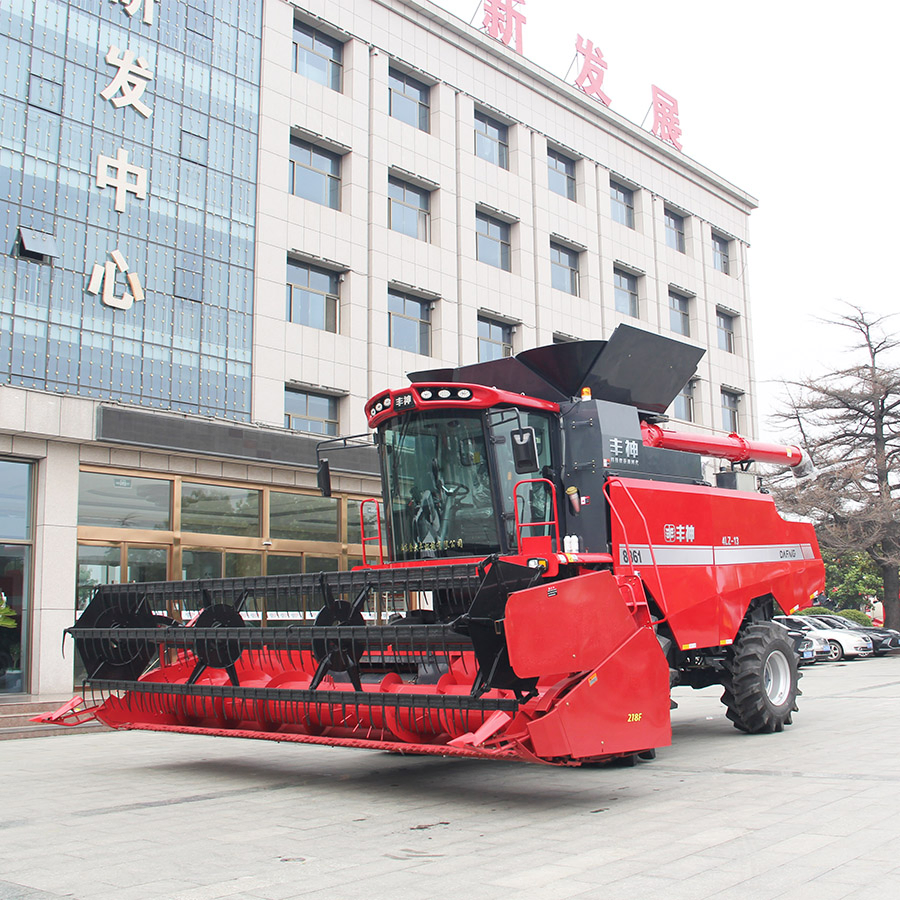
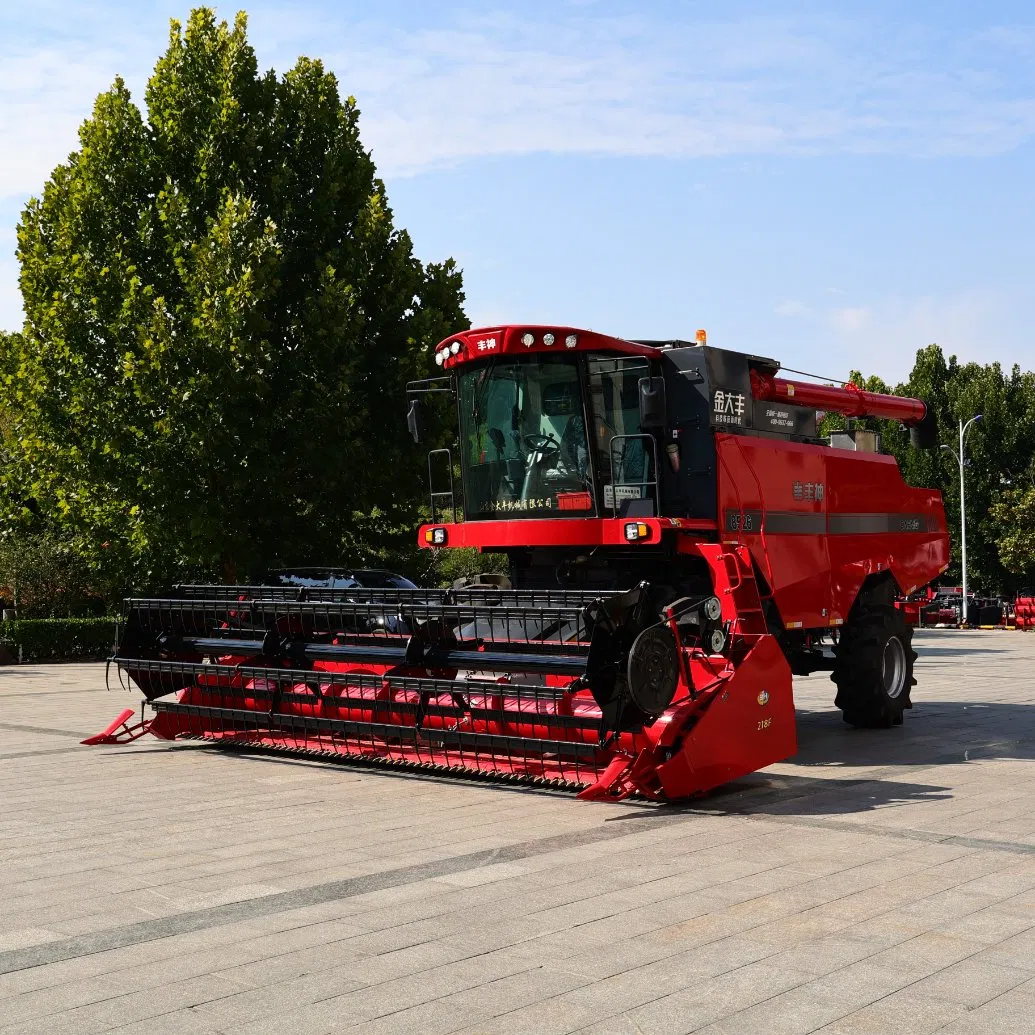
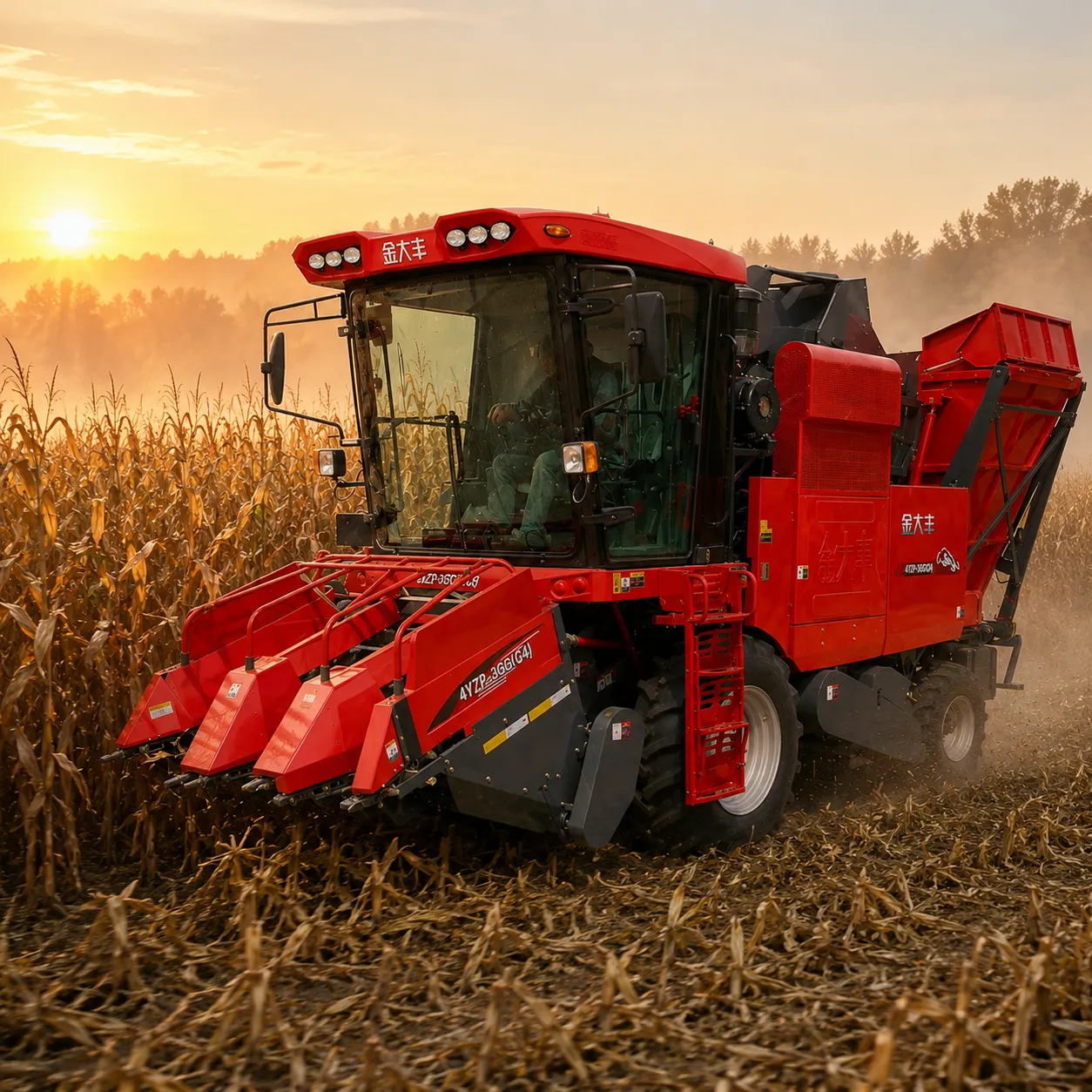
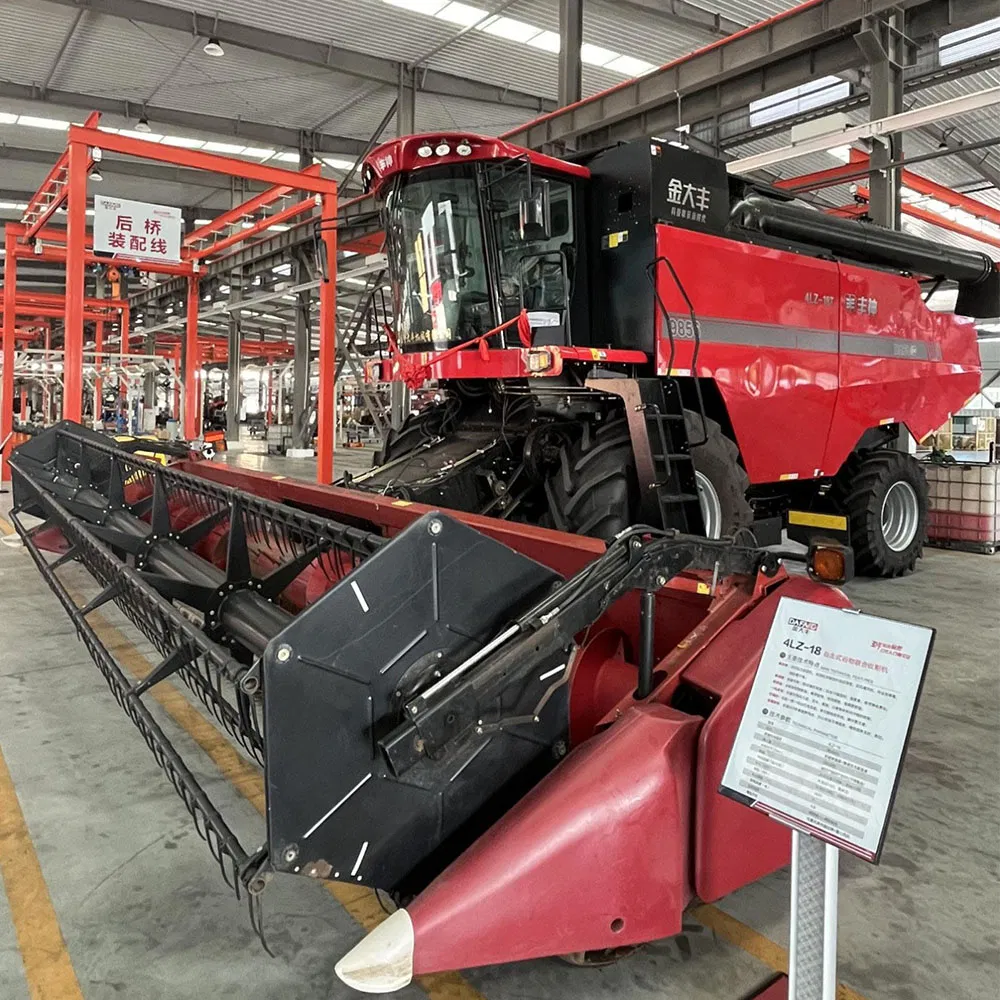
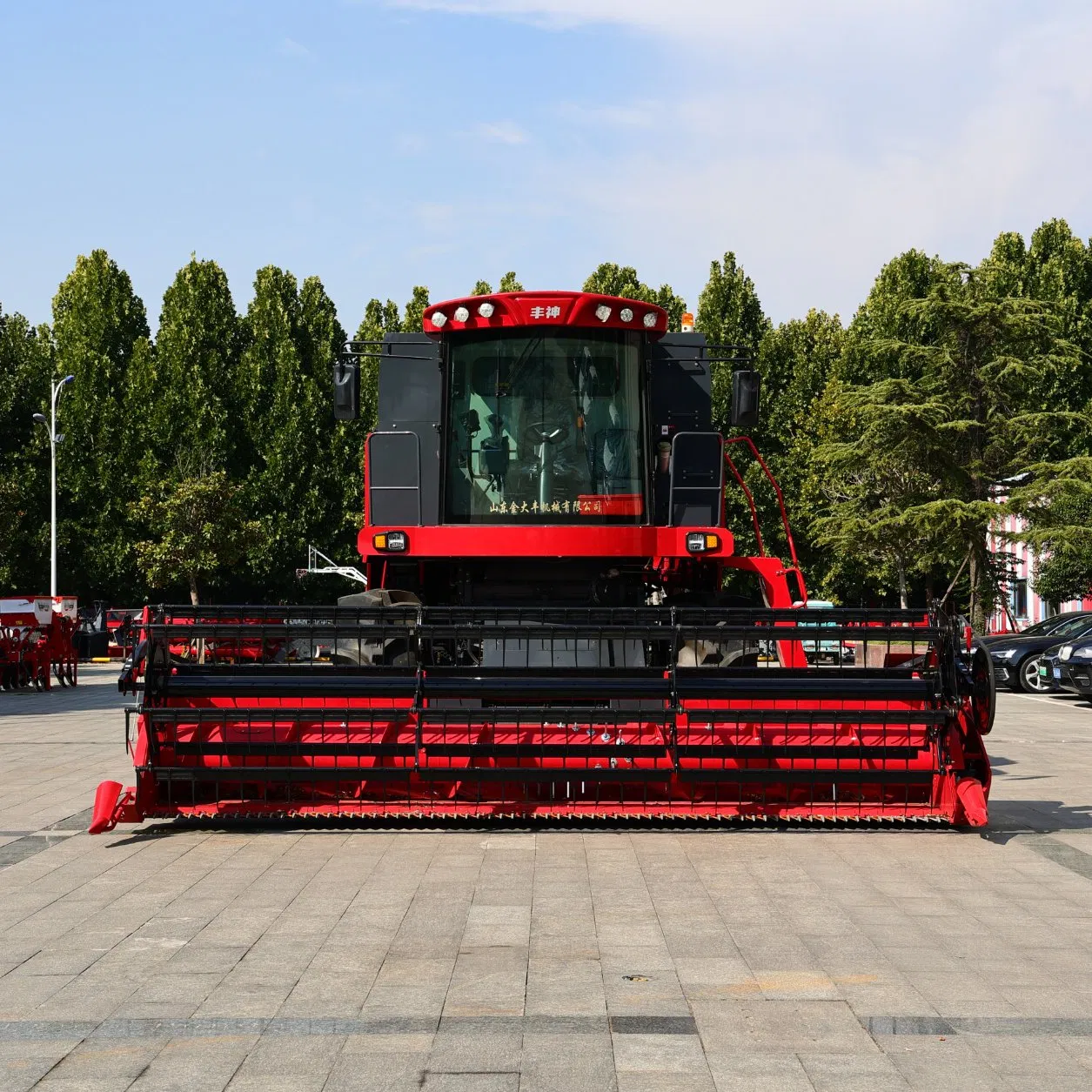
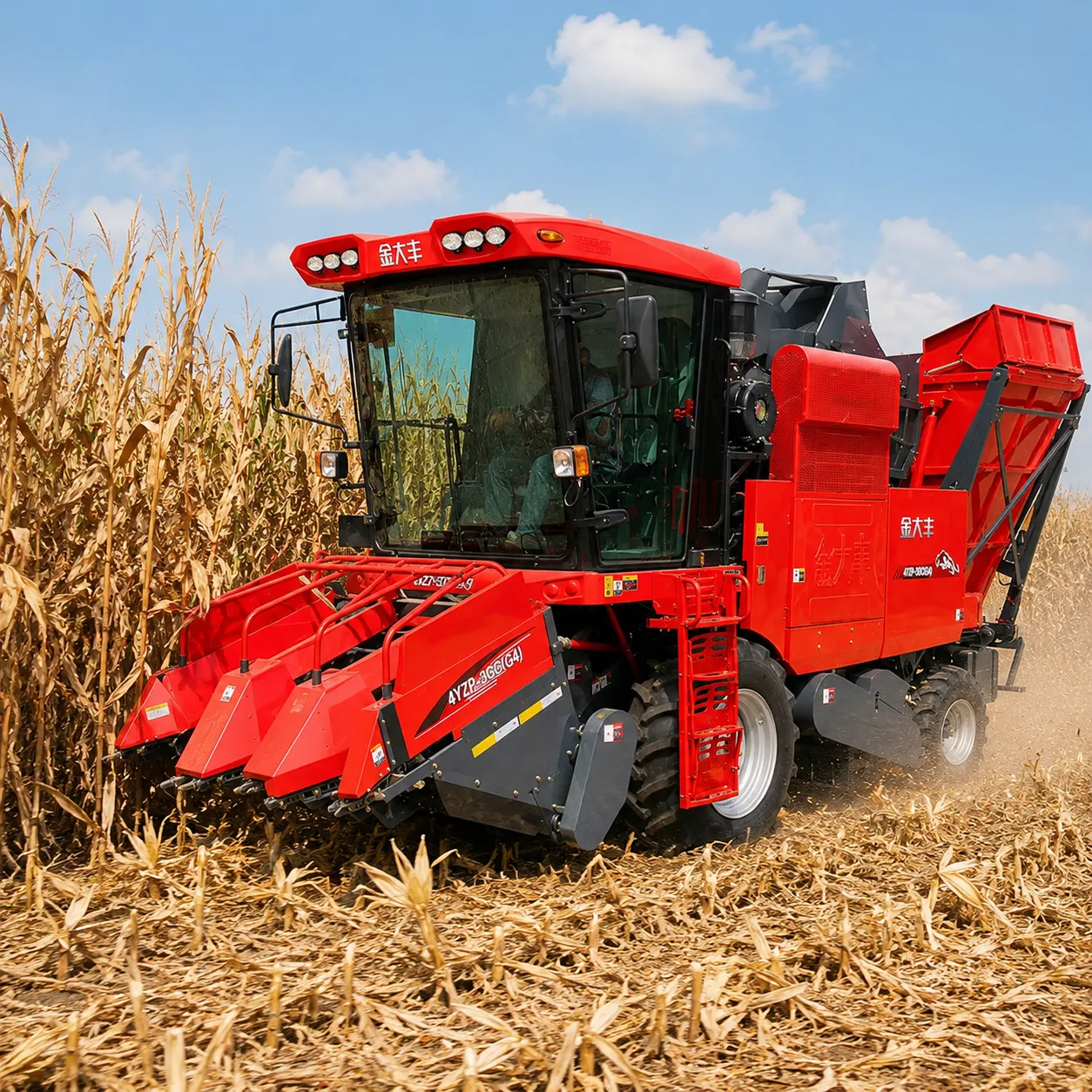
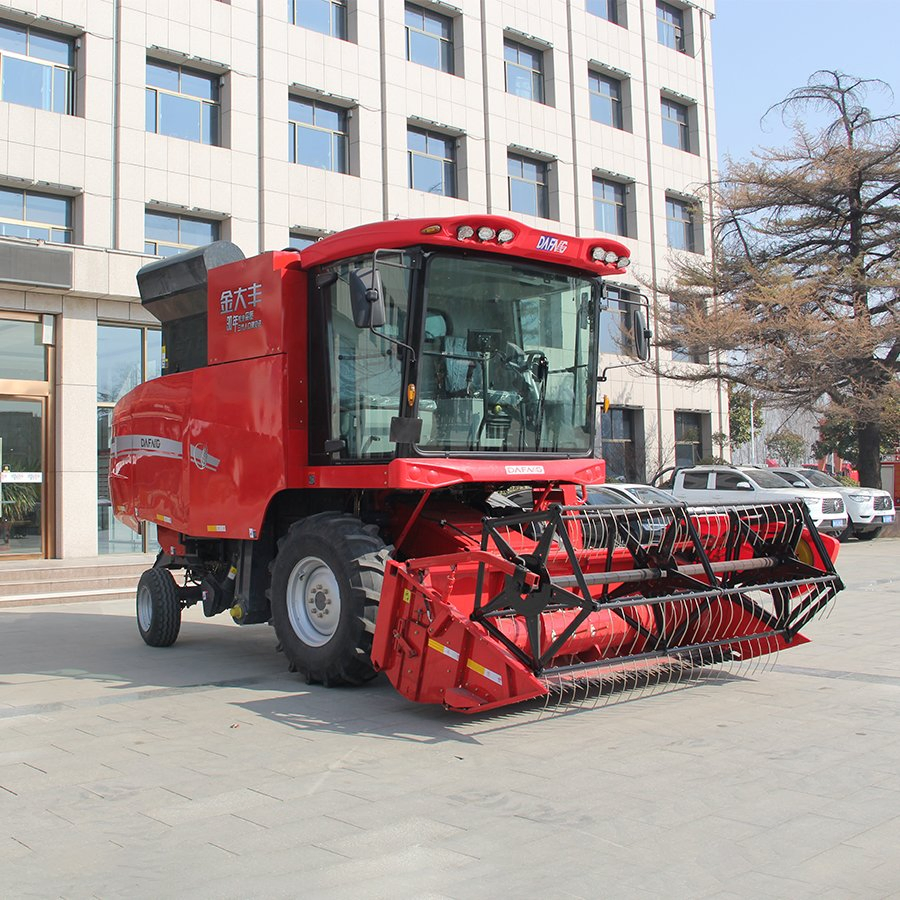
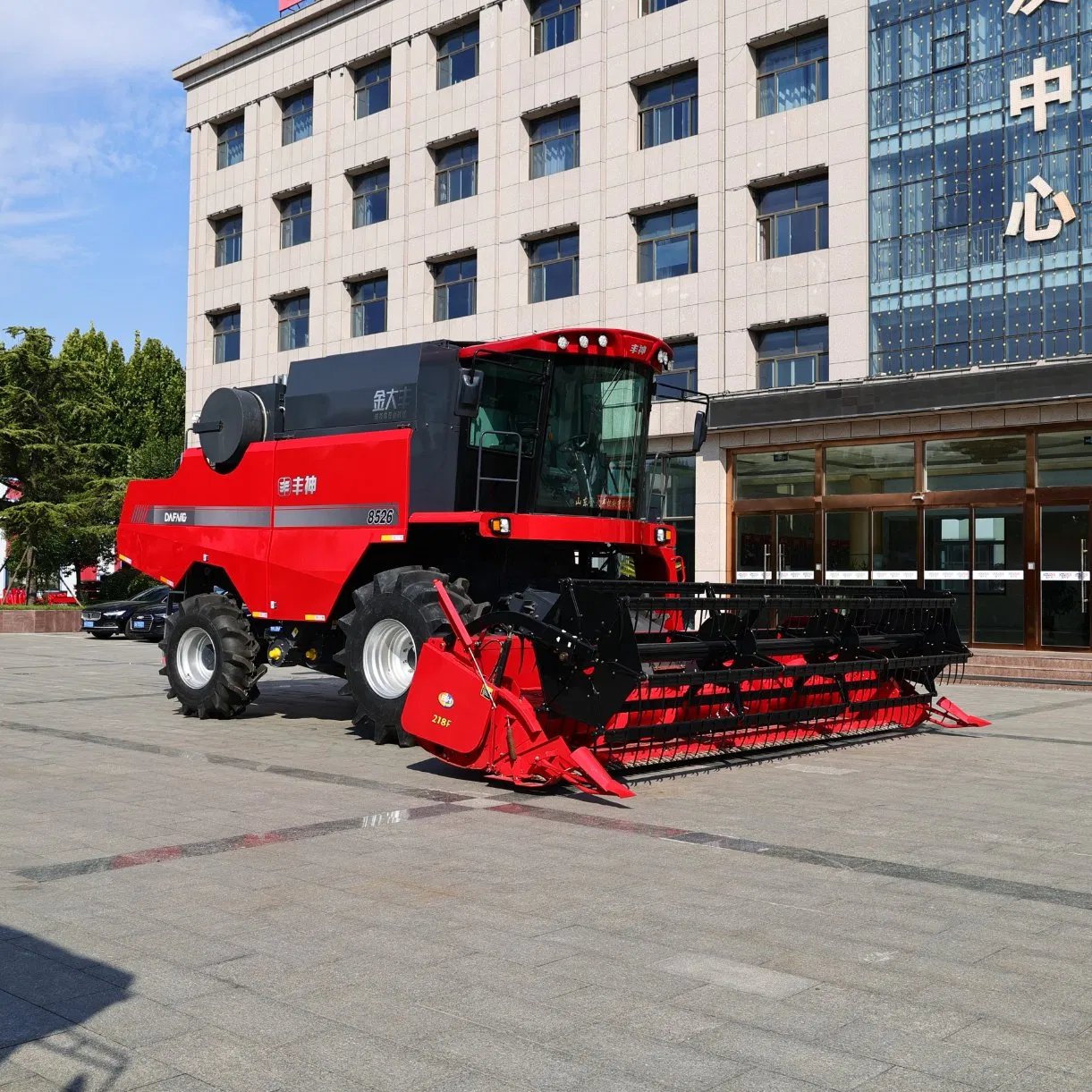
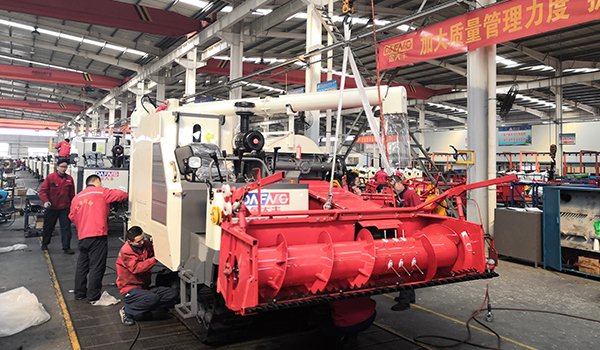
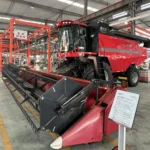
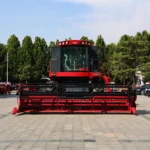
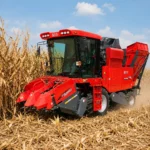
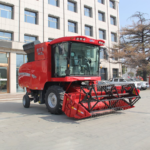
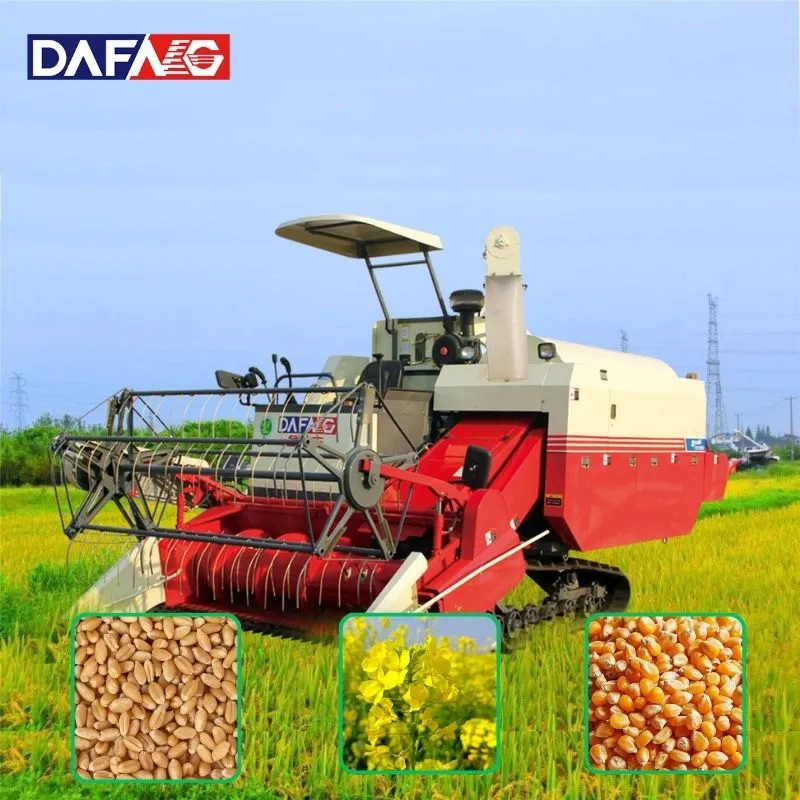
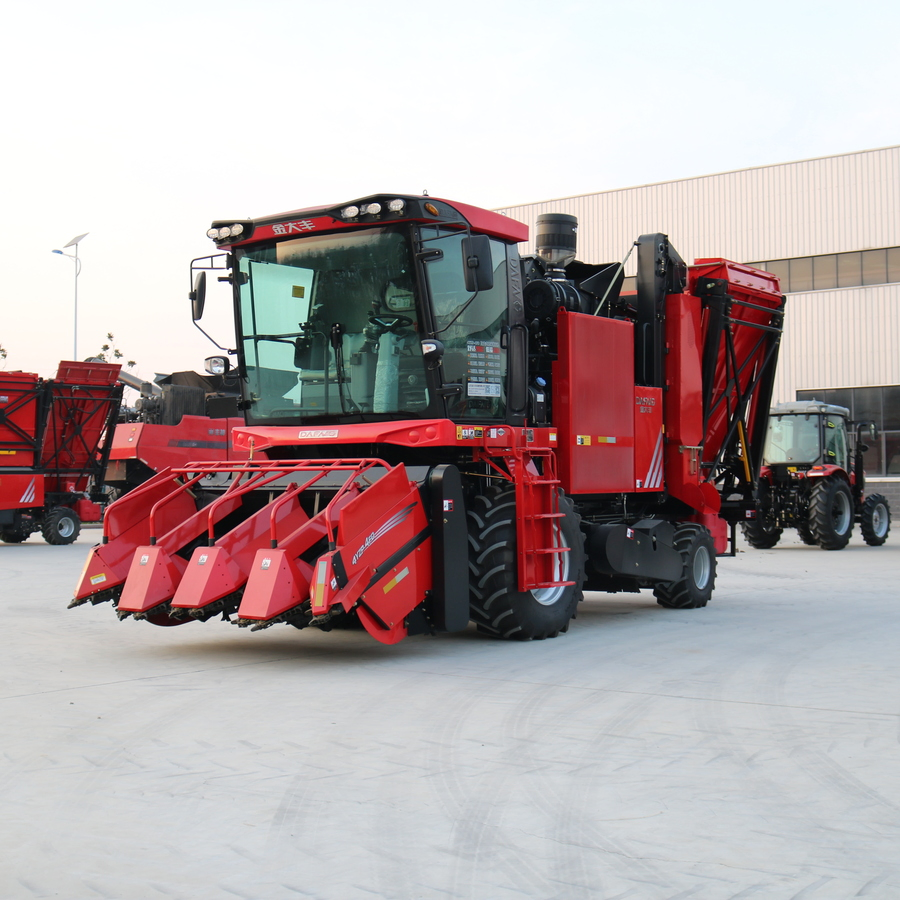
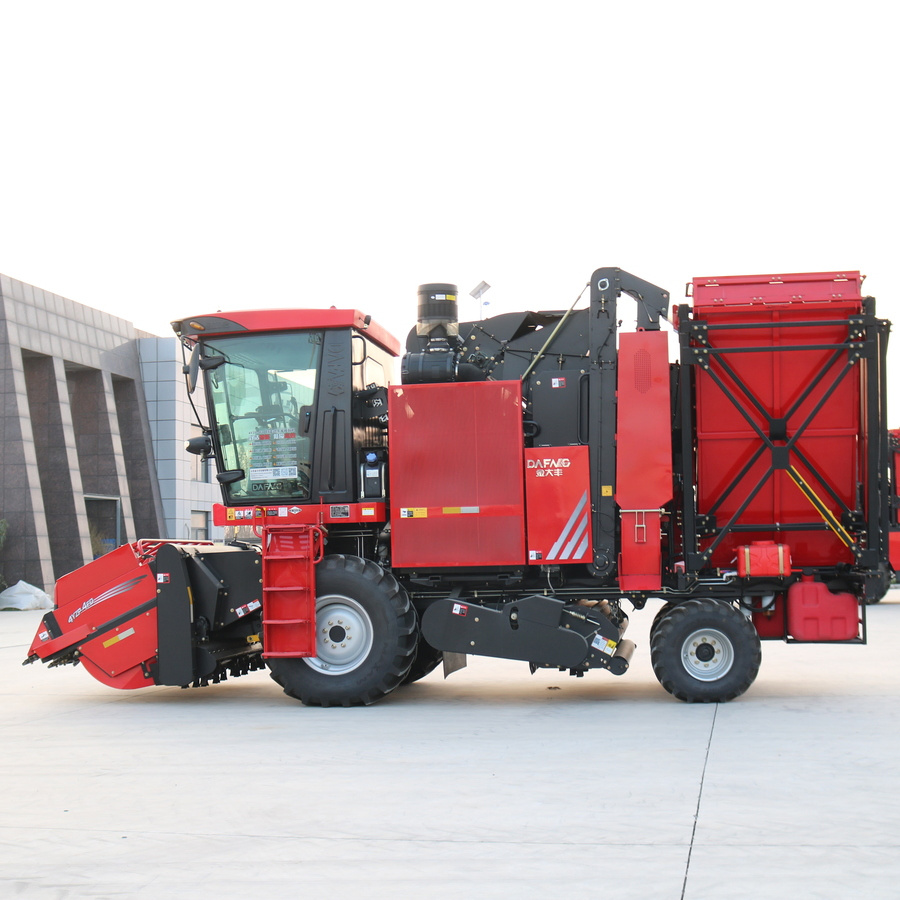
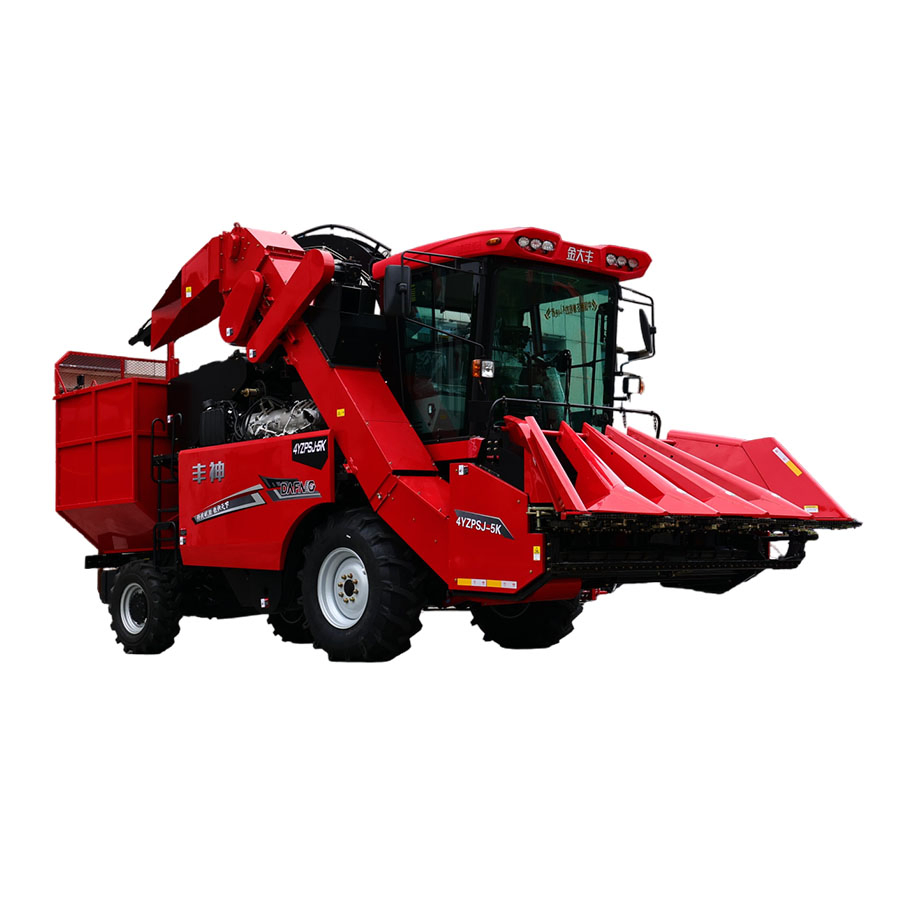
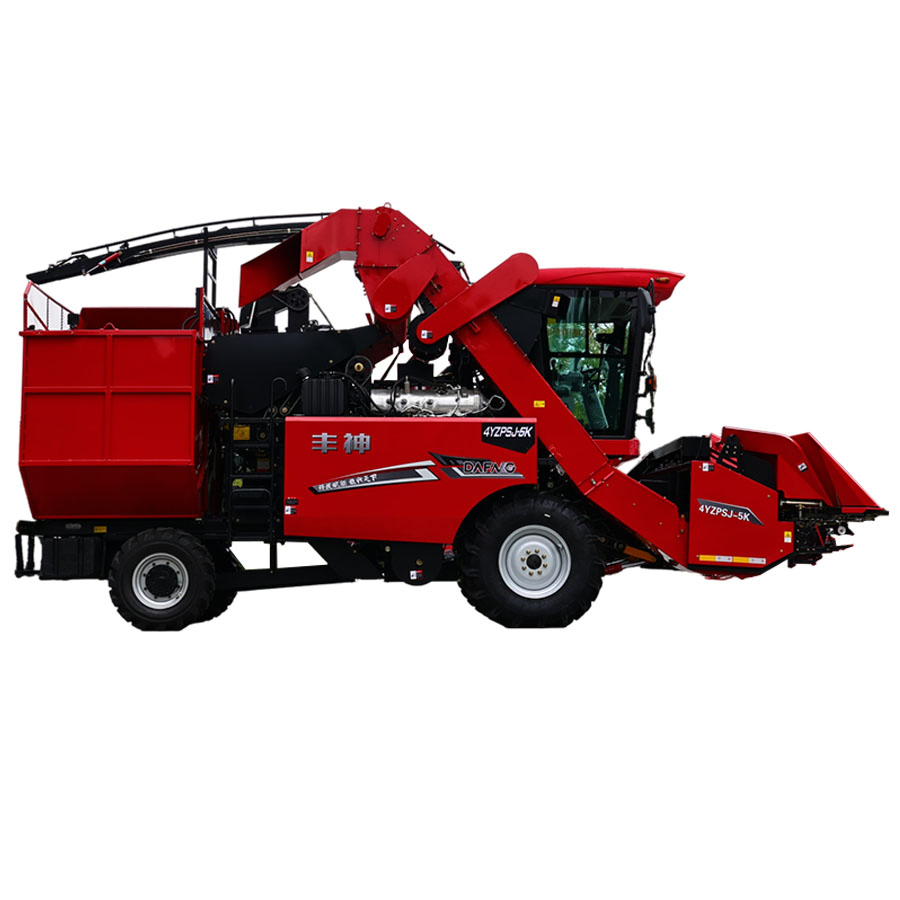
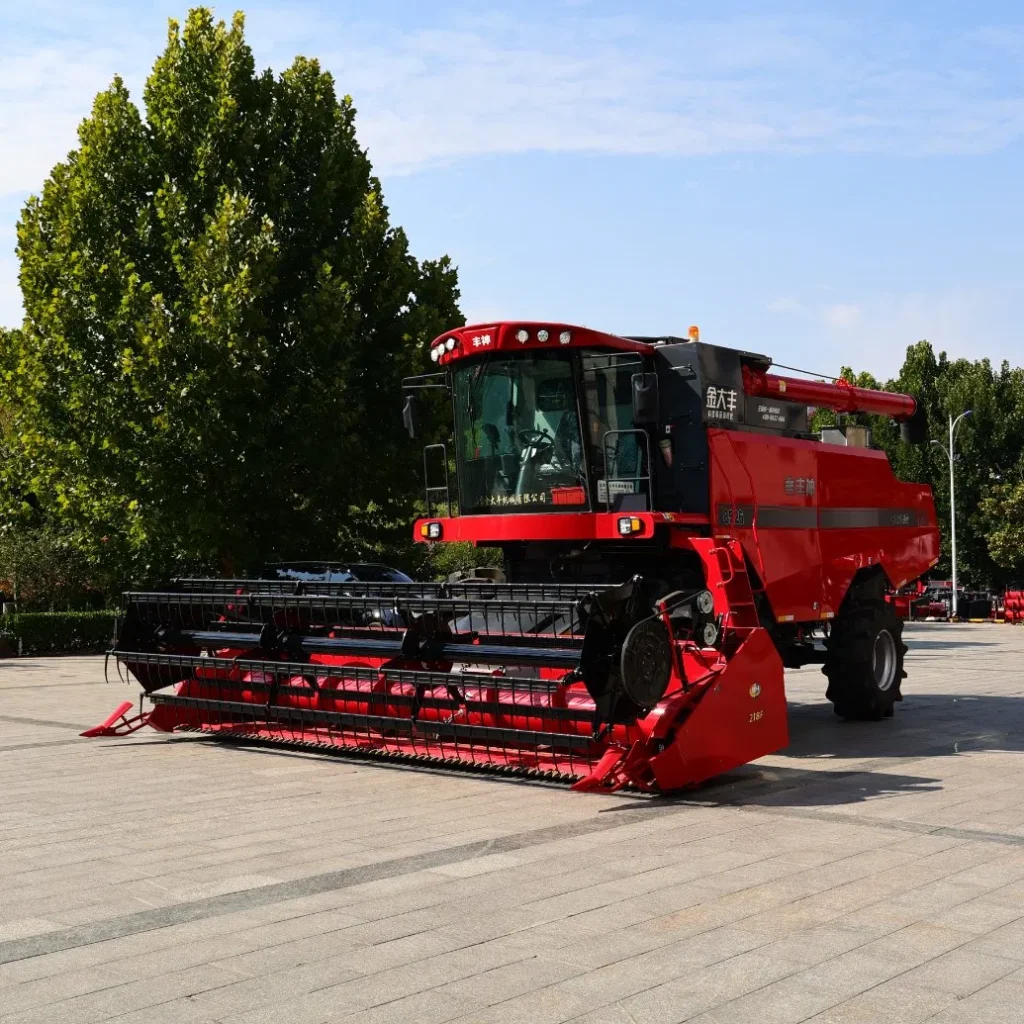
King-Gold Dafeng offers grain, rice, corn, and multi-crop harvesting solutions for different field conditions. Buyers can review the grain combine harvester range to compare harvesting configurations, working capacity, and crop applications.
A suitable machine should allow the operator to respond quickly when field conditions change. Easy access to controls, clear adjustment ranges, reliable crop feeding, and stable cleaning performance all help reduce avoidable loss during long harvesting days.
Small Adjustments Can Protect a Large Part of the Harvest
The most effective way to reduce grain loss is to stop guessing. Find where the grain is being lost, make one adjustment, and check the result under real field conditions.
Begin with the header, then move through threshing, separation, and cleaning. Match forward speed to crop volume, avoid unnecessarily aggressive settings, and continue checking grain quality throughout the day.
When machine configuration, operator adjustment, and crop conditions are properly matched, a grain combine harvester can deliver cleaner grain, lower field loss, and more consistent harvesting efficiency.
For farms, contractors, and importers looking for harvesting equipment for wheat, rice, corn, soybeans, and other crops, explore the King-Gold Dafeng combine harvester collection for available models and configurations.