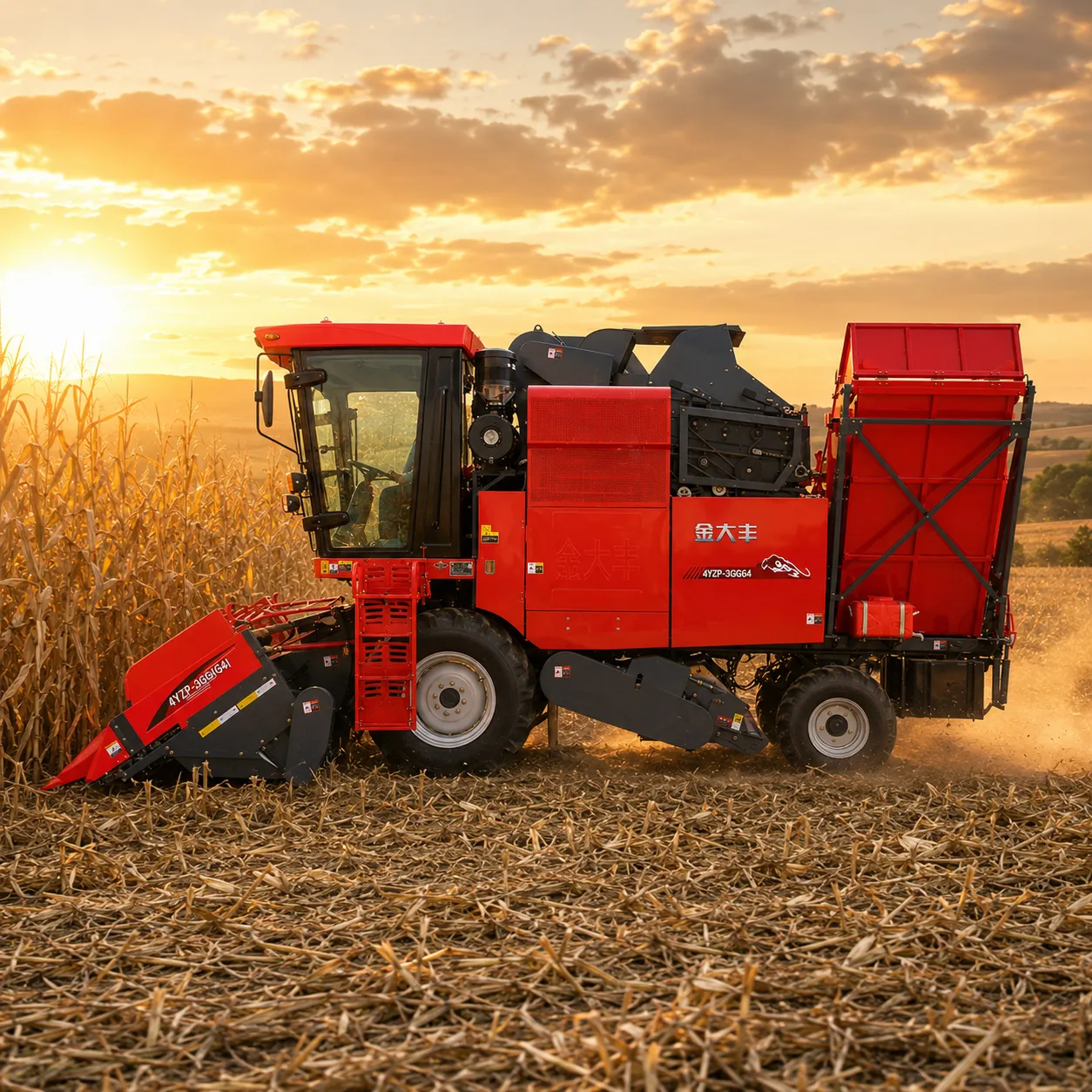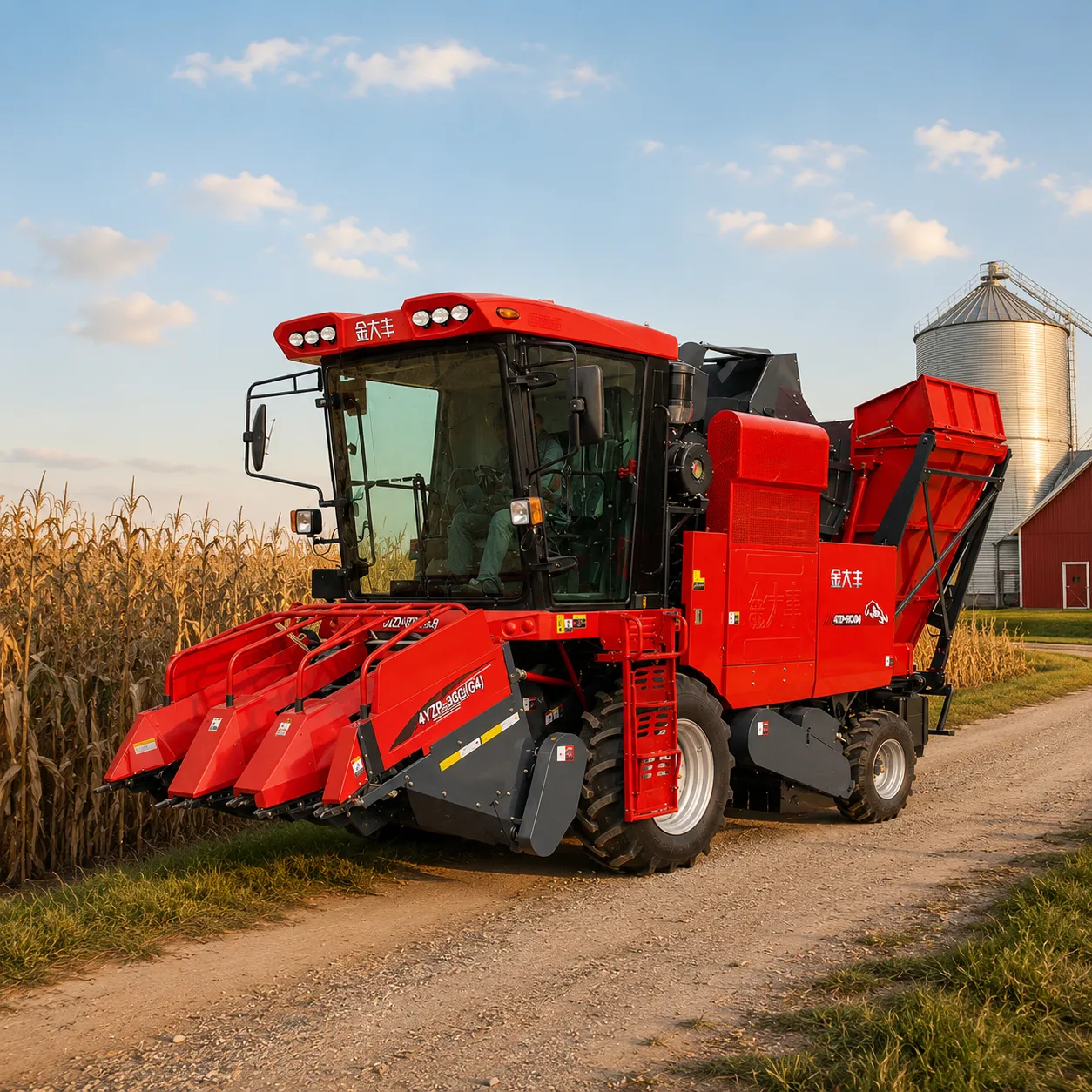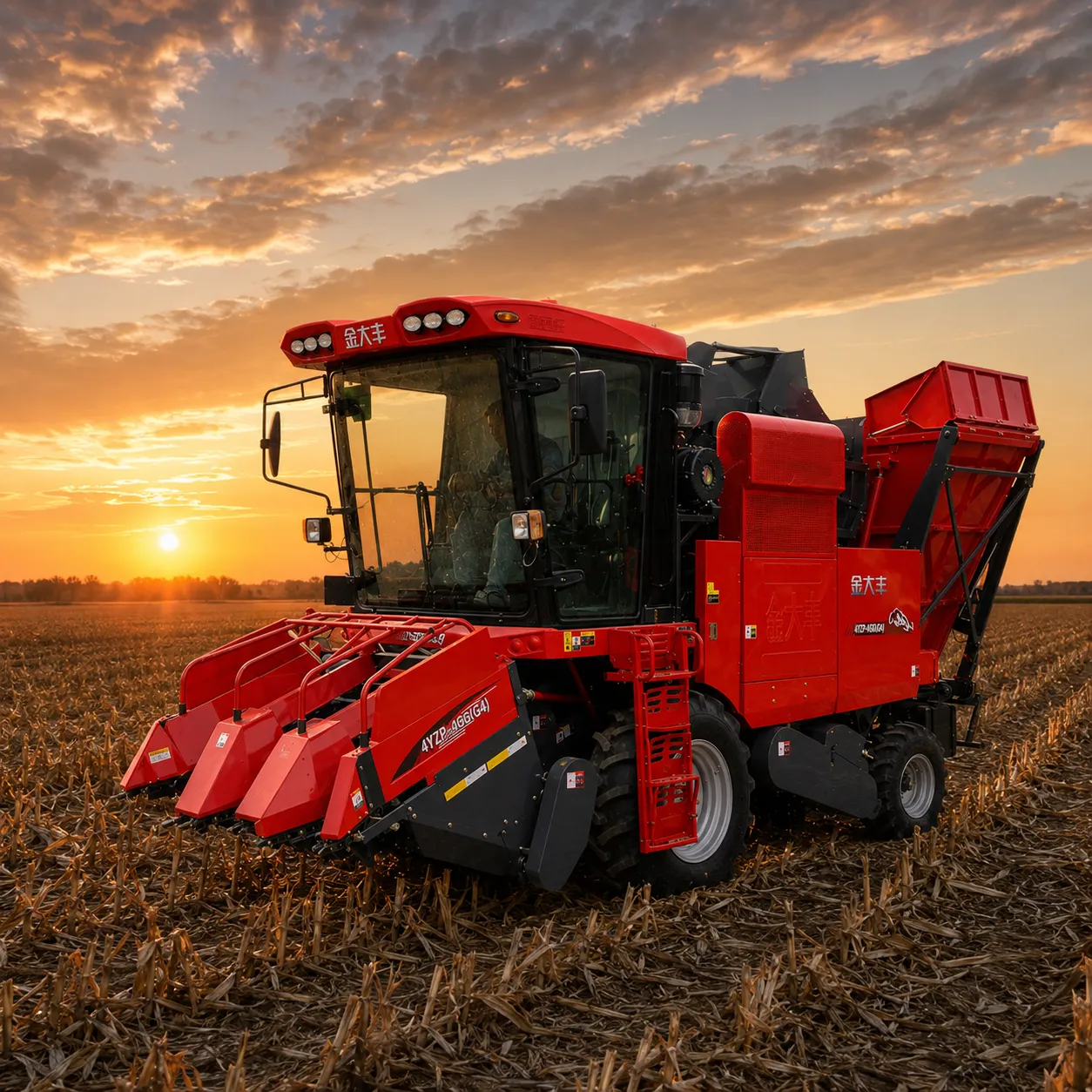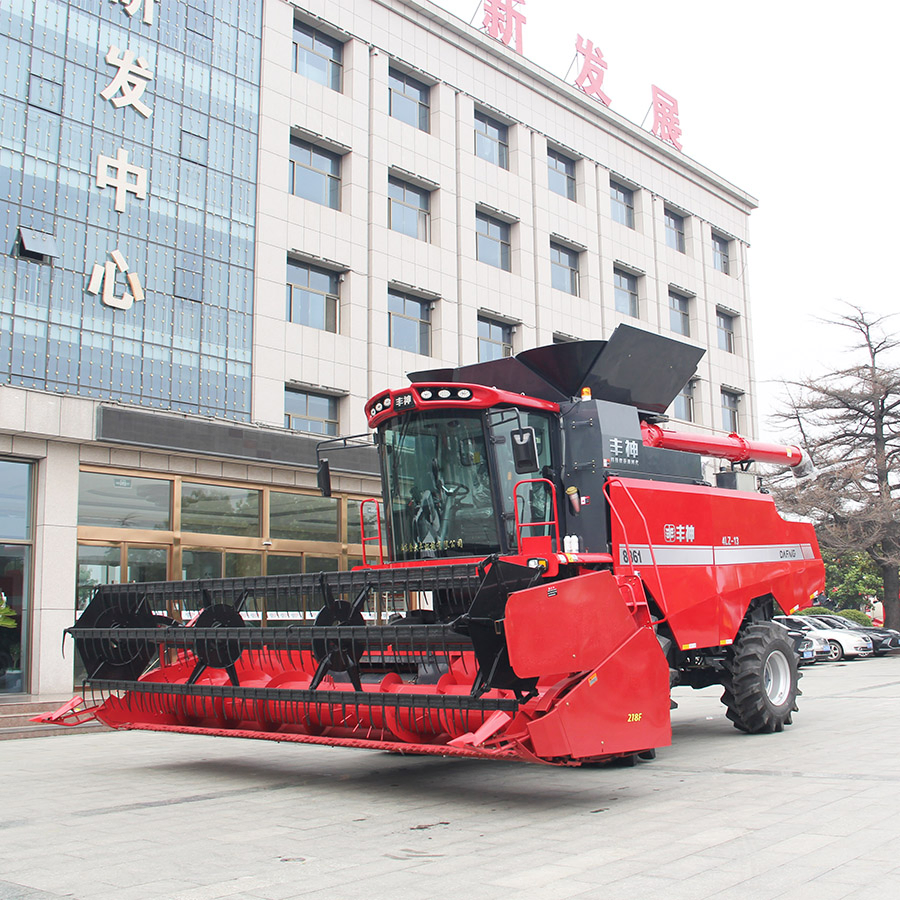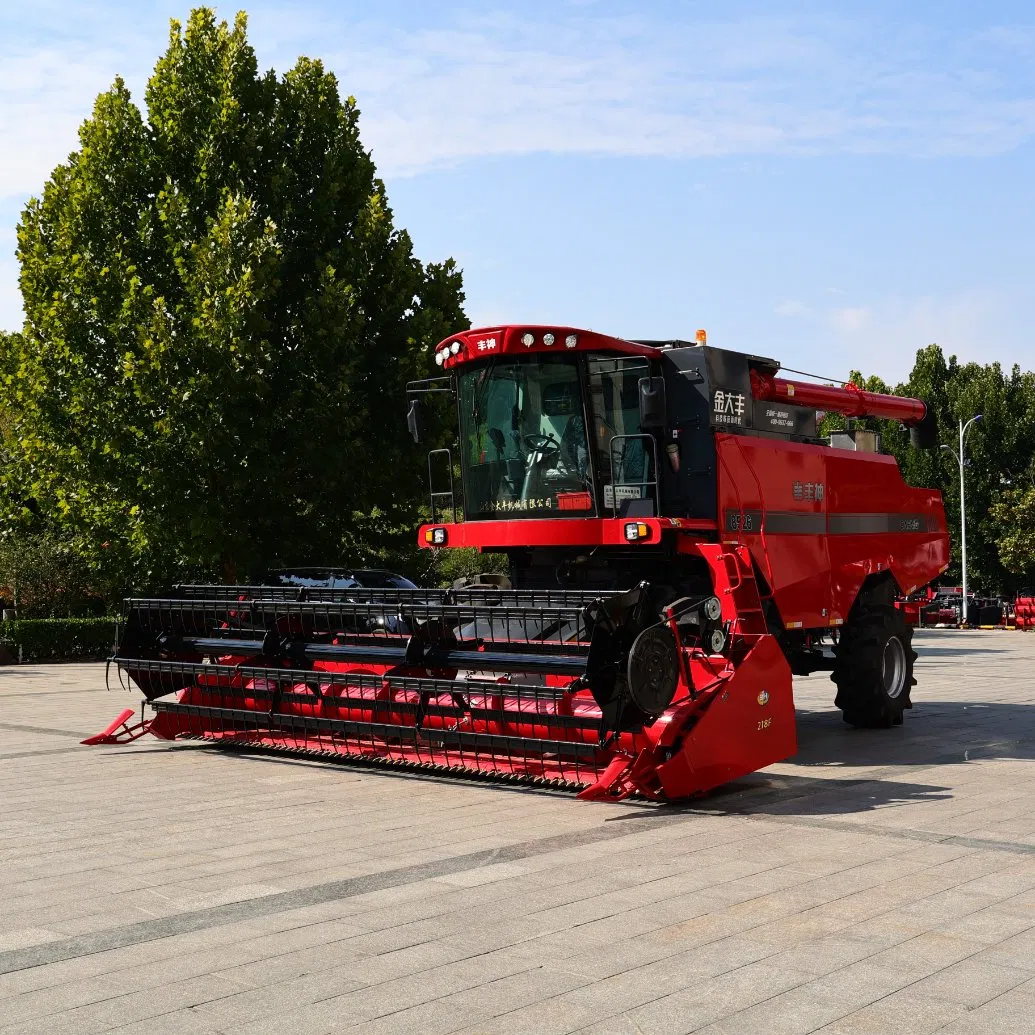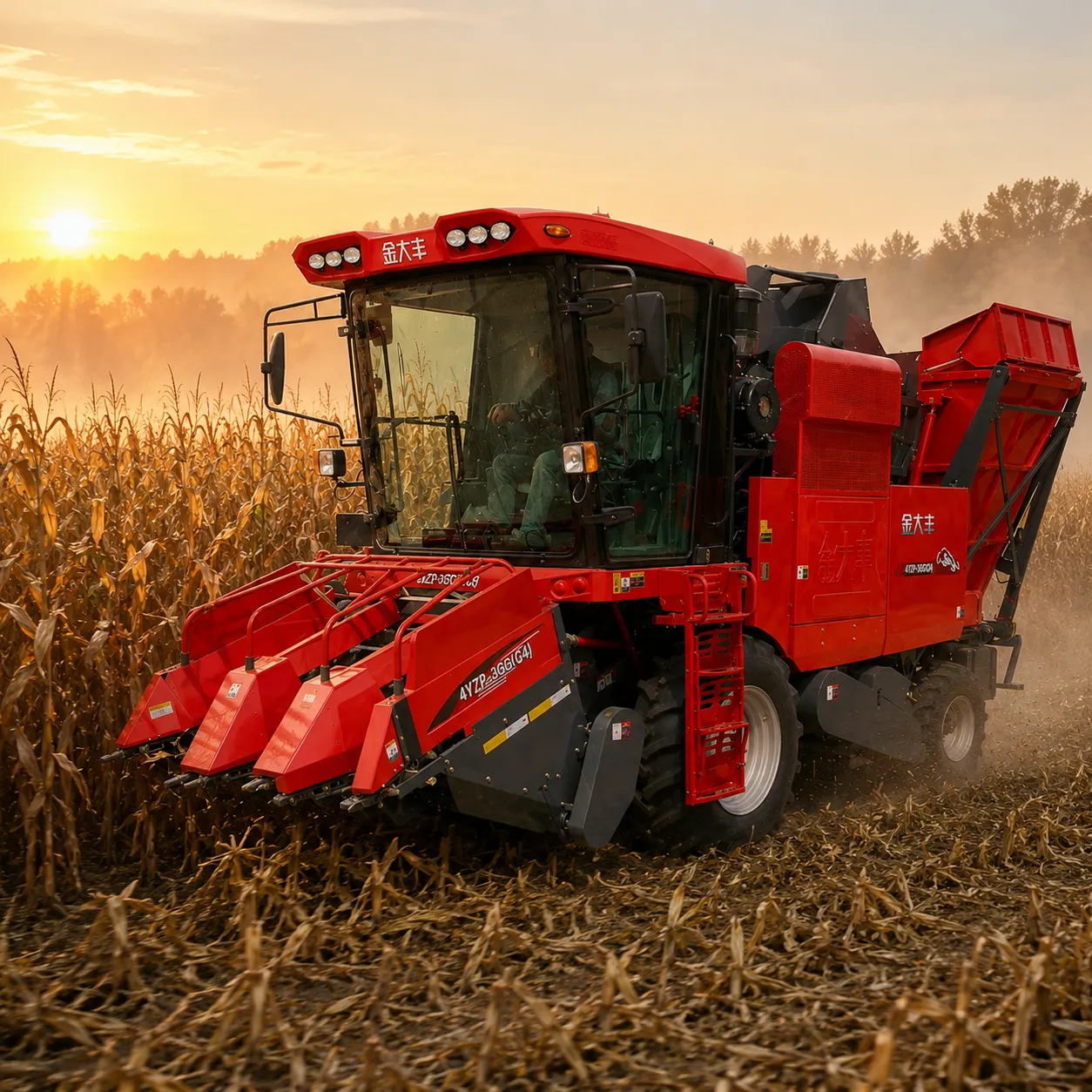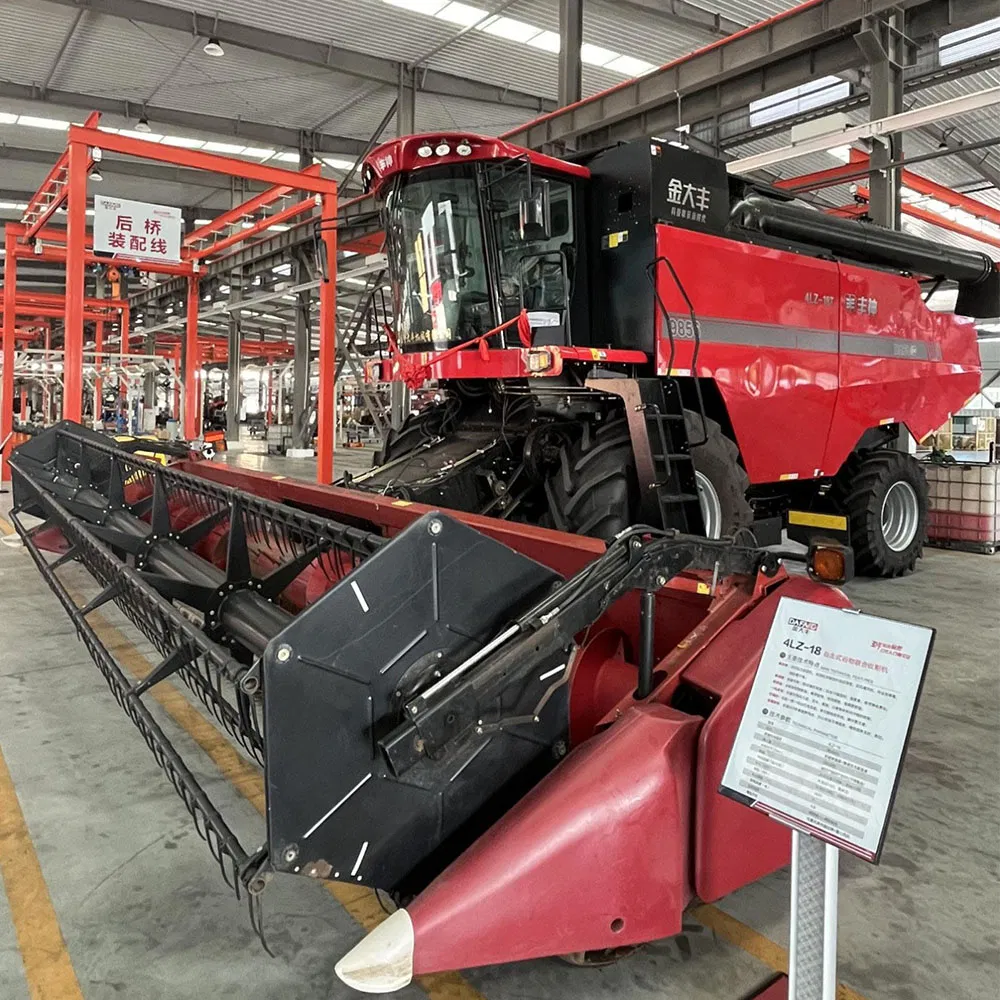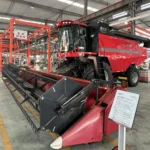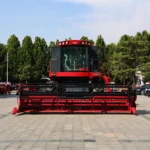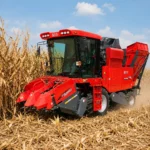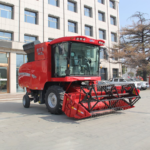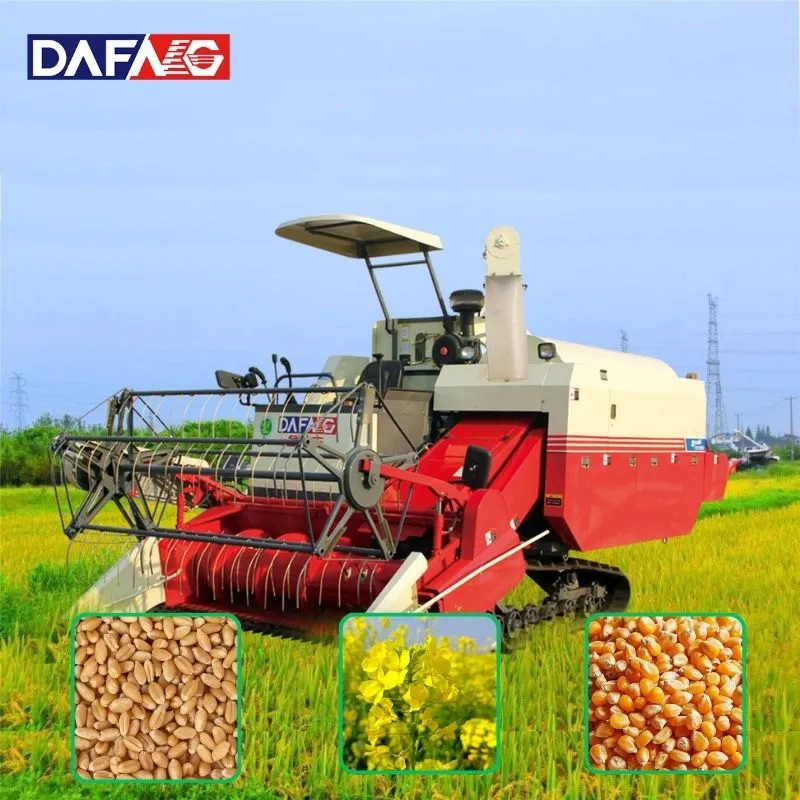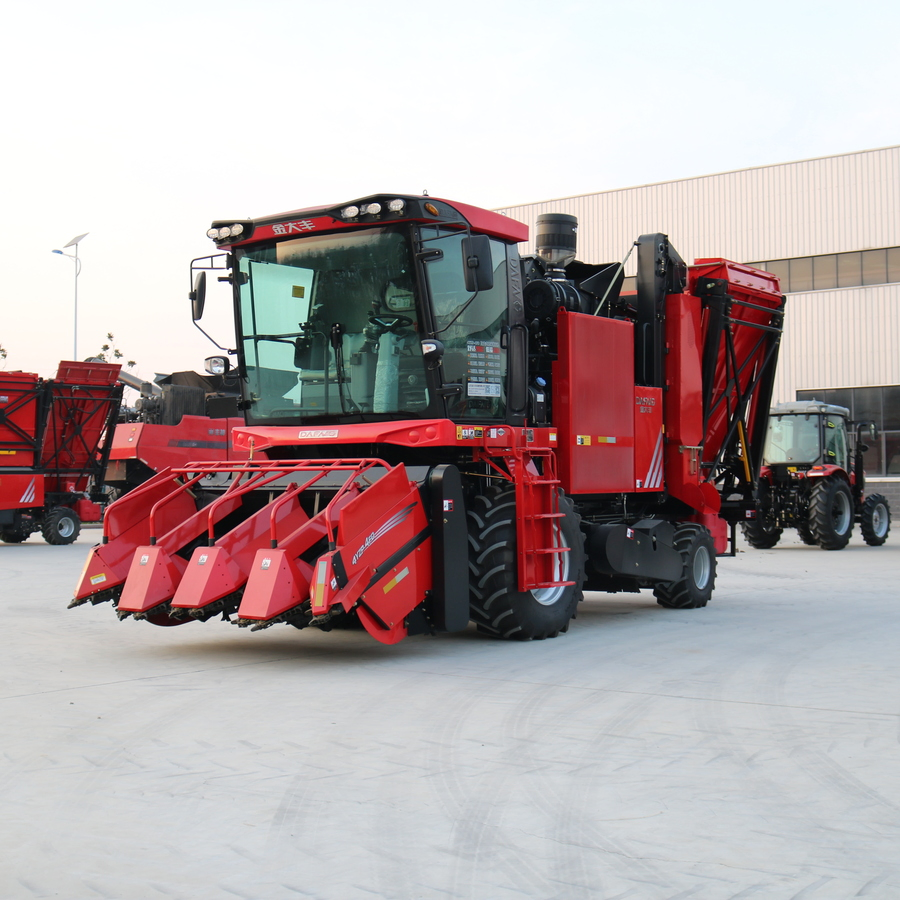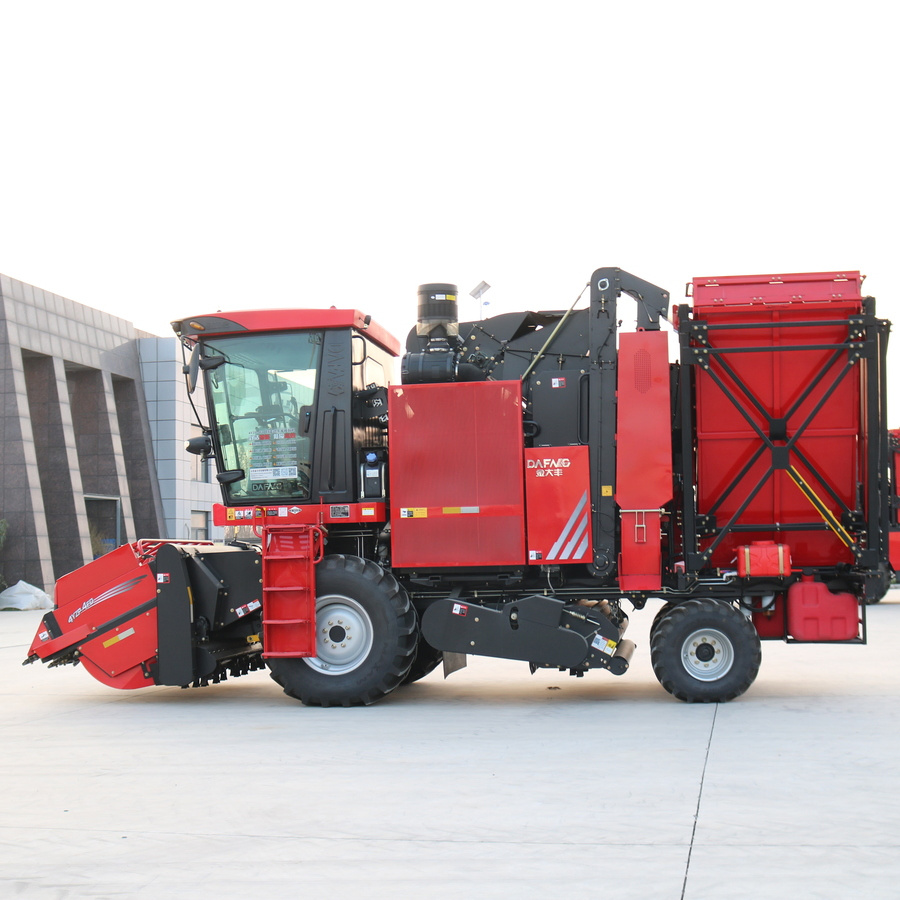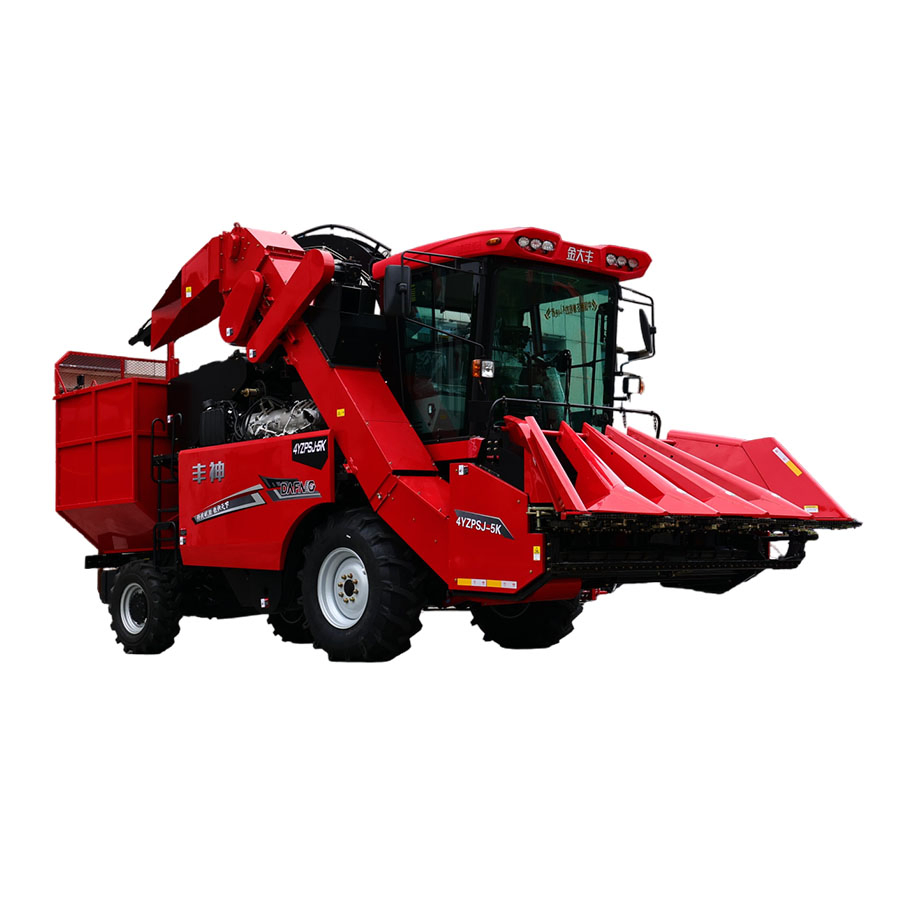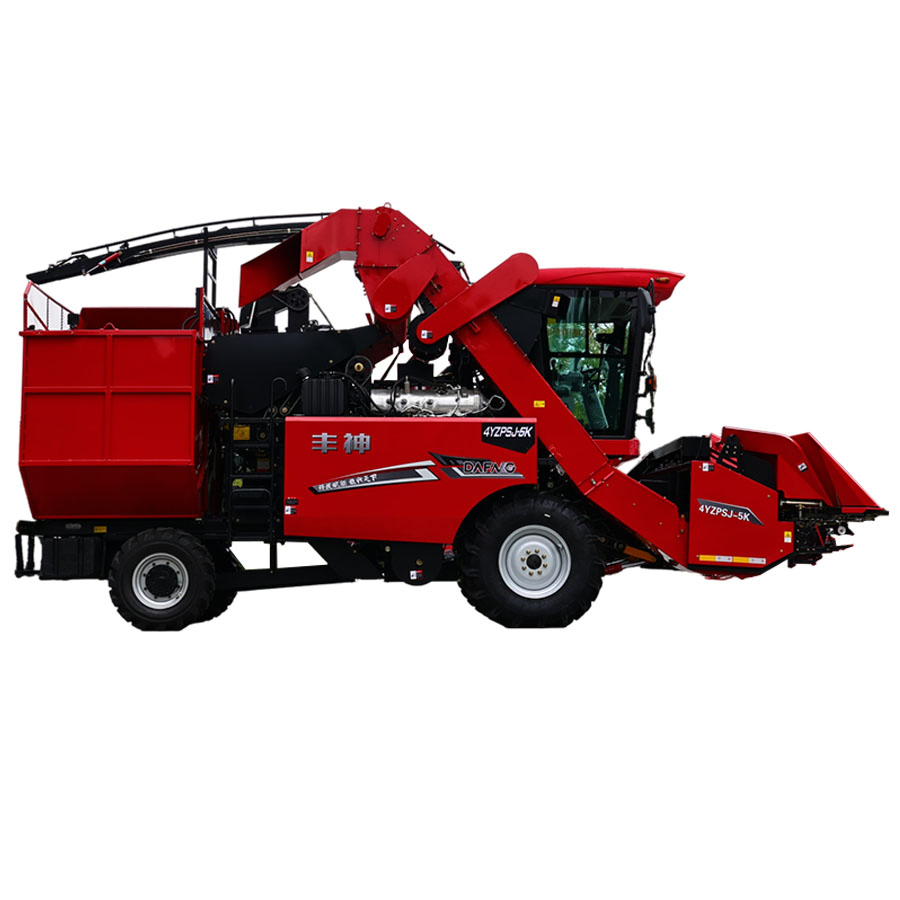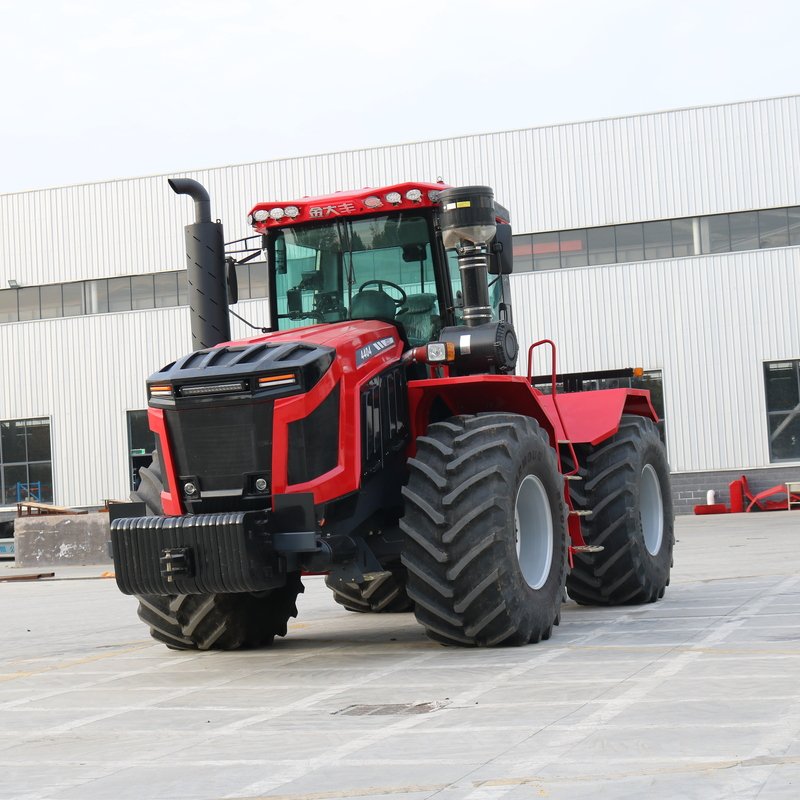
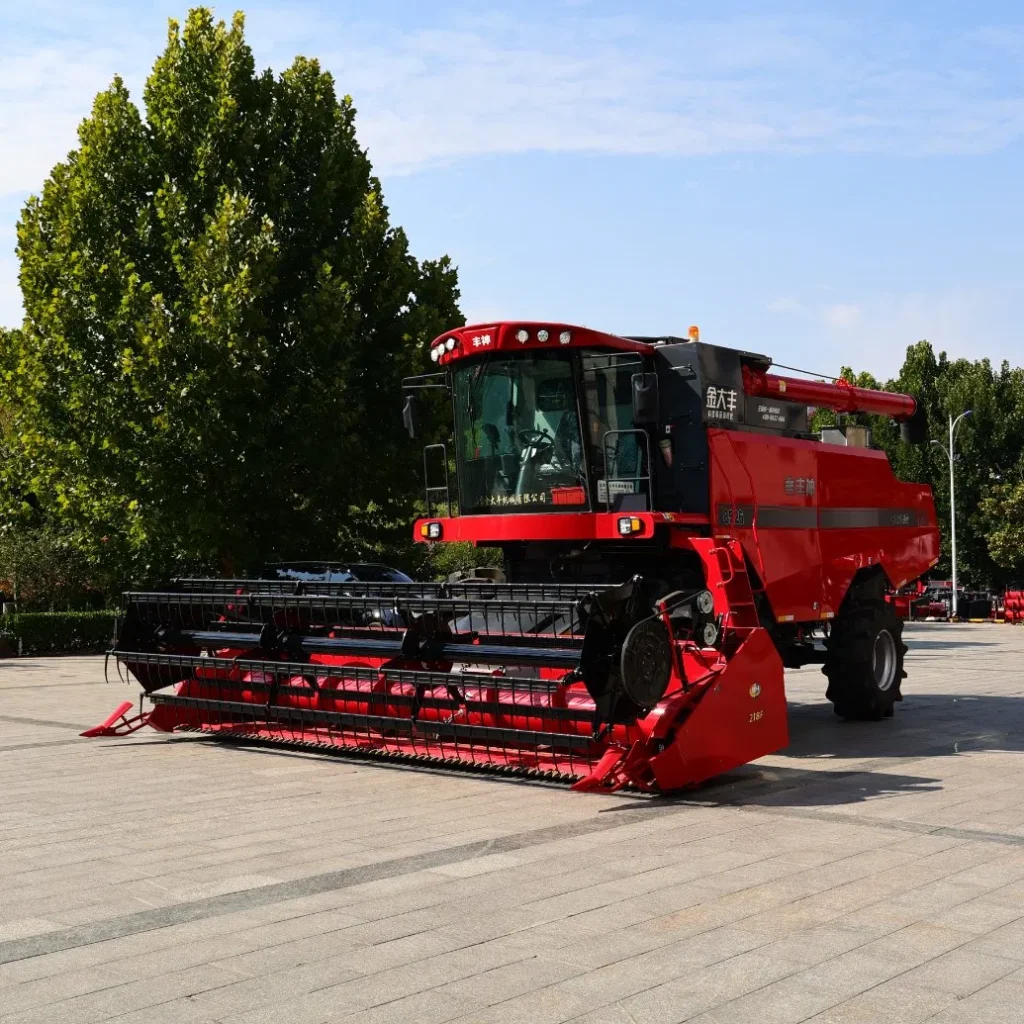
Searching for a grain harvester for sale is not only about finding a machine with an attractive price. The right harvester must match your crops, field size, soil conditions, harvesting season, local service capability, and expected annual workload.
A grain harvester may look powerful in product photos, but its real value depends on cutting performance, feeding capacity, threshing efficiency, grain cleanliness, harvesting loss, fuel consumption, and long-term spare-parts availability.
This guide explains the most important factors farmers, dealers, distributors, and agricultural machinery importers should evaluate before purchasing a grain harvester.
What Is a Grain Harvester?
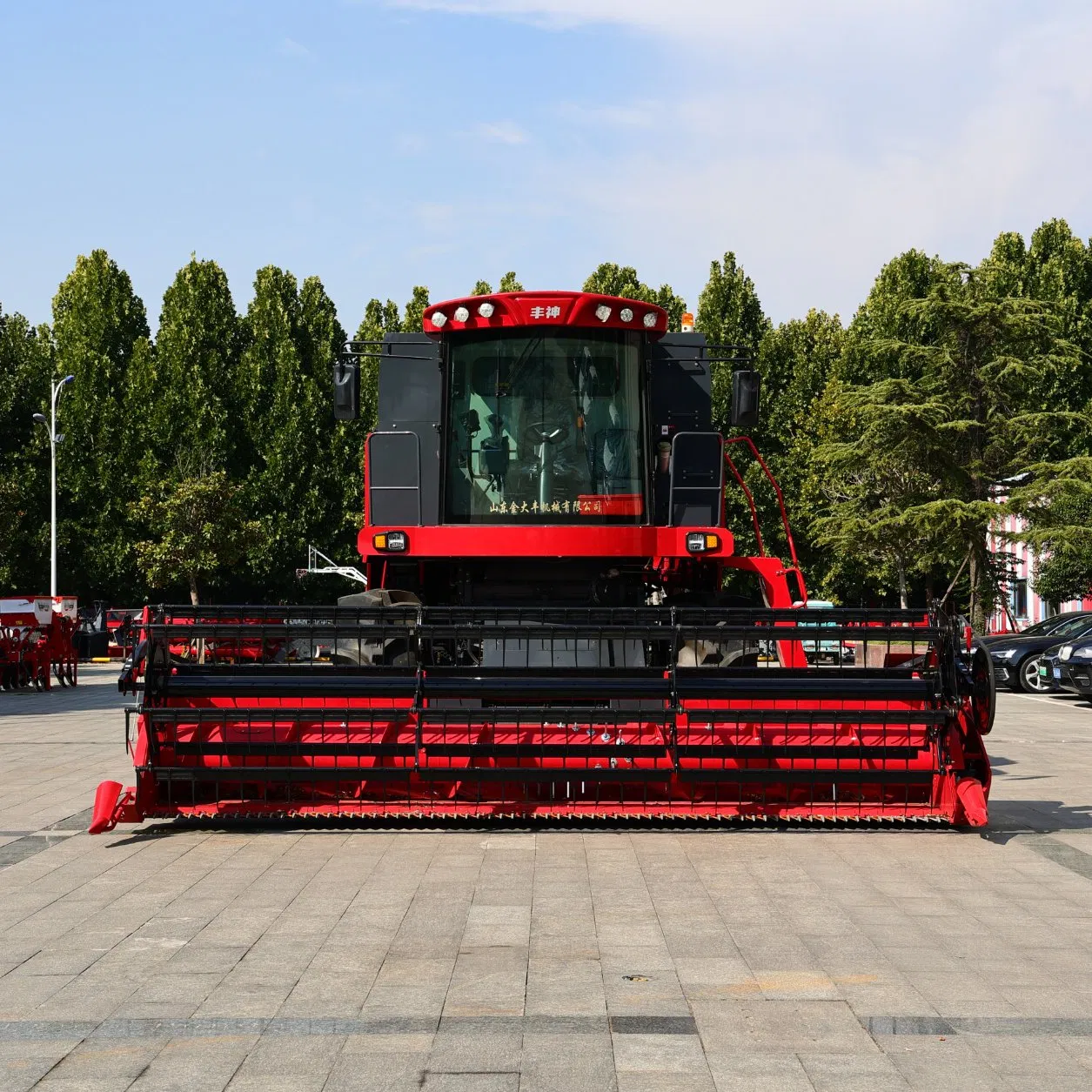
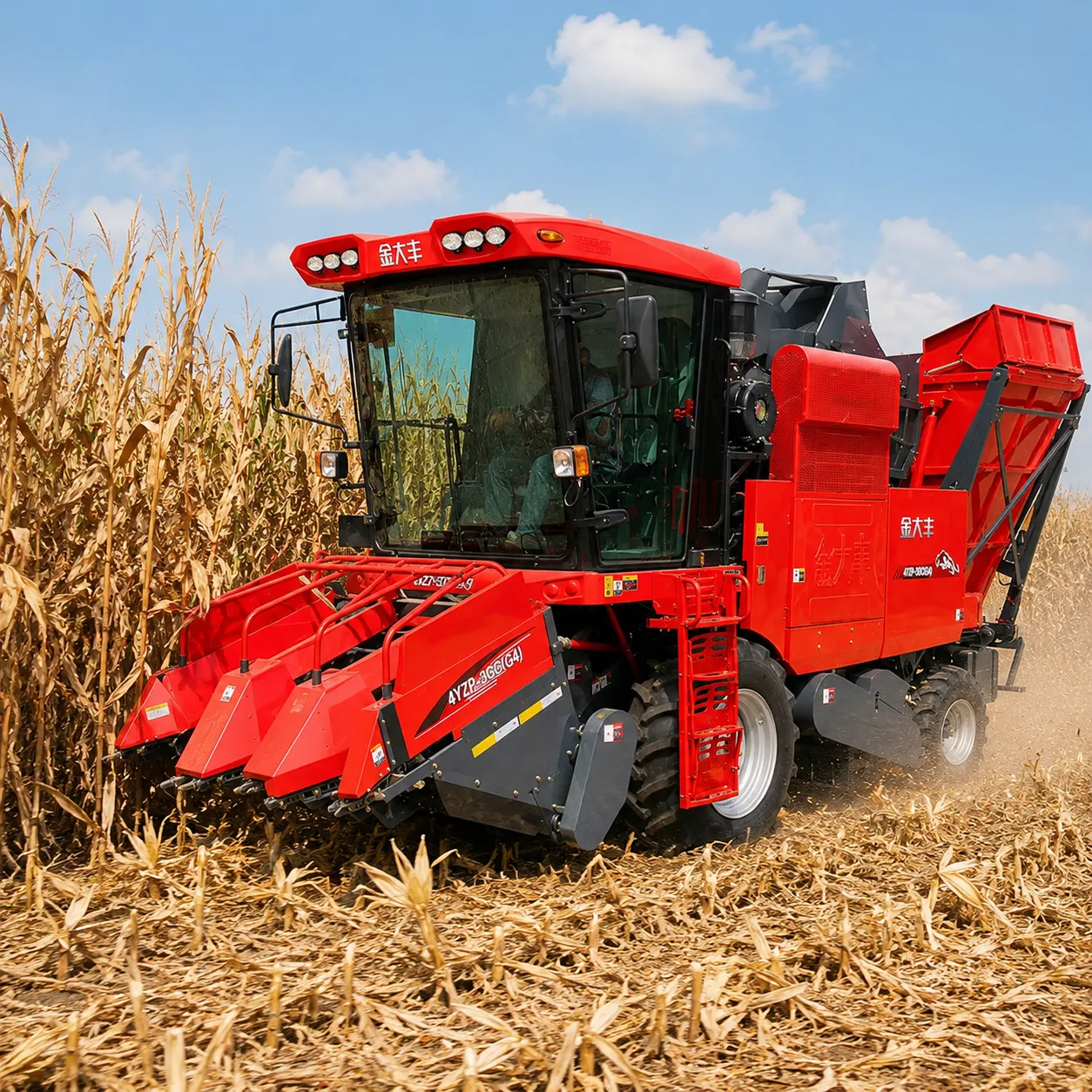
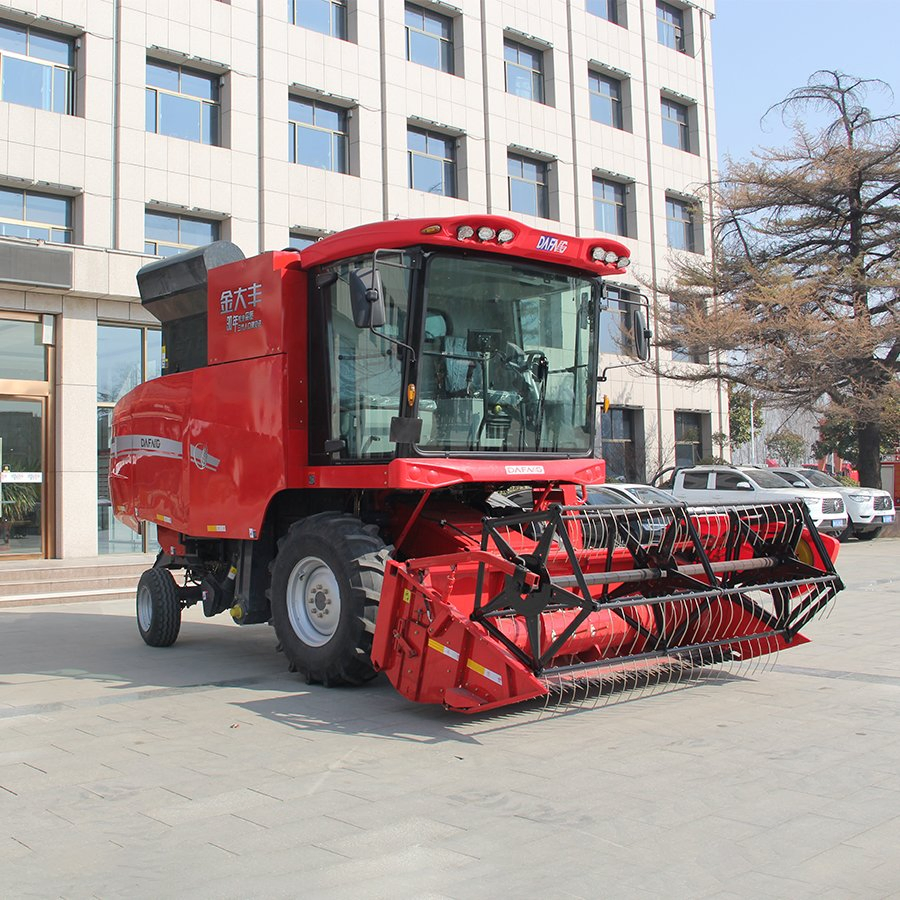
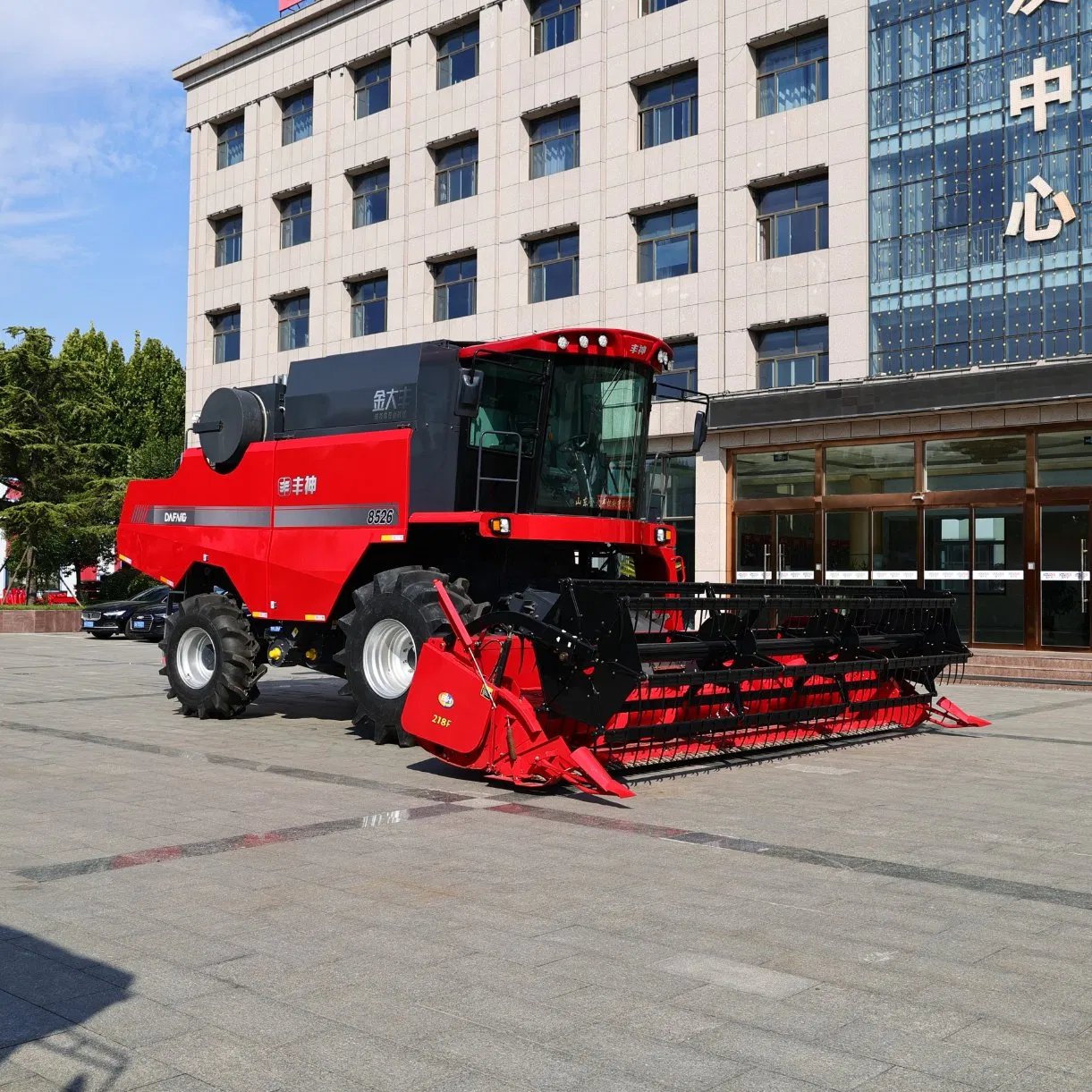
A grain harvester is an agricultural machine used to collect crops such as wheat, rice, barley, oats, soybean, sorghum, and corn. In many cases, buyers searching for a grain harvester are actually looking for a combine harvester.
A combine harvester performs several operations in one continuous process:
- Cutting the standing crop
- Feeding crop material into the machine
- Threshing grain from the crop head or pod
- Separating grain from straw and residue
- Cleaning grain with airflow and sieves
- Collecting clean grain in an onboard tank
This combined process reduces labor requirements and helps farmers complete harvesting within a limited seasonal window. Buyers comparing grain combine harvesters for sale should evaluate the complete harvesting system instead of focusing only on horsepower.
Which Crops Will the Grain Harvester Handle?
The first step is to identify the main crops the machine will harvest. A machine designed primarily for dry wheat fields may require different headers, tires, feeding systems, and cleaning settings from one used in wet rice fields.
Common grain harvester applications include:
- Wheat harvesting
- Rice harvesting
- Barley and oat harvesting
- Soybean harvesting
- Sorghum harvesting
- Rapeseed harvesting
- Corn or maize harvesting
- Mixed grain crop harvesting
A machine advertised as a multi-crop combine does not automatically work with every crop without adjustment. Buyers should ask which headers, concaves, sieves, cylinder or rotor settings, and conversion components are required for each crop.
Choose the Correct Header
The header is the first part of the harvester that contacts the crop. Its design directly affects cutting quality, crop feeding, field loss, and overall working efficiency.
Grain Header
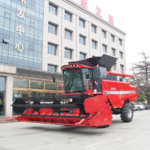
A standard grain header is commonly used for wheat, barley, oats, rice, and other standing grain crops. Buyers should check cutting width, reel adjustment, cutter bar quality, feeding auger design, and height control.
Rice Header
Rice fields may have soft soil, high moisture, lodged crops, and uneven ground. A suitable rice harvesting system should maintain stable feeding while reducing crop loss and machine sinking.
Corn Header
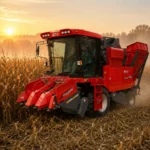
Corn requires a specialized header that gathers rows and separates ears or processes stalk material according to the harvester design. Row spacing, number of rows, planting consistency, and corn maturity all affect header selection.
Soybean Header
Soybean pods often grow close to the ground. A suitable soybean header must cut low enough to reduce unharvested pods while following uneven field surfaces.
When selecting a combine harvester for wheat, rice, soybean, and mixed crops, confirm the available header options before placing an order.
Match Cutting Width to Field Size
Cutting width influences how much crop the machine can harvest during each pass. A wider header can increase theoretical field capacity, but it also requires sufficient engine power, feeding capacity, threshing capacity, and cleaning area.
Large cutting platforms generally work well in open and level fields. However, they may be difficult to operate in narrow fields, terraced land, irregular plots, or areas with limited road access.
| Field Condition | Recommended Buying Focus |
|---|---|
| Small and irregular fields | Compact size, small turning radius, easy maneuverability |
| Medium mixed-crop farms | Balanced cutting width and multi-crop adaptability |
| Large commercial farms | Wide header, high feeding capacity, large grain tank |
| Wet rice fields | Low ground pressure, crawler tracks, stable mobility |
| Dry wheat and barley fields | Efficient grain header, strong cleaning and separation |
Engine Power and Feeding Capacity
Engine horsepower is important, but buyers should not judge a grain harvester only by its engine rating. The engine must support cutting, crop feeding, threshing, separation, cleaning, unloading, hydraulic functions, and machine movement at the same time.
A well-balanced harvester matches engine power with:
- Header width
- Feeding capacity
- Threshing area
- Separation area
- Cleaning system capacity
- Machine weight
- Grain tank size
A high-horsepower machine can still perform poorly if crop feeding is uneven or the cleaning system cannot process the incoming grain volume.
Threshing and Separation System
The threshing system separates grain from the crop head, ear, or pod. Common designs include conventional cylinder systems and rotor-based systems.
The correct system depends on crop type, yield, moisture, straw condition, and required grain quality. Buyers should ask about cylinder or rotor speed, concave clearance, separation area, and adjustment range.
Too much threshing force may crack grain. Insufficient threshing may leave grain attached to the crop. A good machine should allow operators to adjust the system according to changing field conditions.
Grain Cleaning and Grain Quality
After threshing and separation, the cleaning system removes chaff, straw fragments, and lightweight residue. Fan speed, sieve opening, crop flow, and machine inclination all affect cleaning performance.
Buyers should evaluate:
- Grain cleanliness
- Broken grain rate
- Unthreshed grain rate
- Cleaning loss
- Residue content in the grain tank
A machine that harvests quickly but delivers dirty or damaged grain may increase post-harvest cleaning costs and reduce the crop’s market value.
How to Evaluate Grain Harvesting Loss
Harvesting loss is one of the most important factors when comparing a grain harvester for sale. Even a small percentage of grain loss can become expensive across a large farm.
Main sources of harvesting loss include:
- Header loss before crop enters the machine
- Unthreshed grain remaining in crop material
- Grain leaving with straw during separation
- Grain blown out by incorrect fan adjustment
- Grain damage caused by excessive threshing speed
Actual loss depends on machine adjustment, crop moisture, operator experience, working speed, crop maturity, and field condition. Request field operation videos and performance information for crops similar to those in your market.
Wheeled or Crawler Grain Harvester?
The running system should match local soil and weather conditions.
Wheeled Grain Harvester
Wheeled machines generally offer good transport speed and are suitable for dry, firm, and relatively level fields. They are commonly used for wheat, barley, soybean, and other dryland crops.
Crawler Grain Harvester
Crawler harvesters distribute machine weight over a larger contact area. This reduces ground pressure and improves mobility in wet, soft, or muddy fields. They are often preferred for rice harvesting.
However, buyers must also consider road transport, track maintenance, travel speed, field access, and local repair capability.
Grain Tank Capacity and Unloading Efficiency
A larger grain tank allows the machine to harvest longer before unloading. This can improve productivity in large fields, especially when trailers and transport vehicles are properly organized.
However, a larger grain tank also increases machine weight. In soft fields, excessive weight may reduce mobility or increase soil compaction.
Buyers should compare:
- Grain tank volume
- Unloading auger height
- Unloading speed
- Compatibility with local trailers
- Ability to unload while harvesting
How Much Does a Grain Harvester Cost?
The price of a grain harvester depends on its size, engine, cutting width, harvesting system, crop application, running system, grain tank capacity, and optional equipment.
Main price factors include:
- Engine brand and horsepower
- Wheeled or crawler configuration
- Header type and cutting width
- Conventional or rotor threshing system
- Grain tank size
- Hydraulic and electronic control level
- Cabin and operator comfort
- Spare-parts package
- Certification requirements
- Shipping and container loading method
Buyers should compare total landed cost rather than only the factory price. The total cost may include the machine, header, spare parts, inland transport, ocean freight, insurance, customs duties, inspection, and local delivery.
New vs Used Grain Harvester for Sale
A used grain harvester may have a lower purchase price, but its real condition can be difficult to evaluate without a professional inspection.
Potential used-machine risks include:
- Hidden engine or transmission wear
- Worn belts, bearings, chains, and sprockets
- Damaged threshing and cleaning components
- Unavailable replacement parts
- Modified electrical or hydraulic systems
- Limited warranty support
A new grain harvester normally provides a clearer configuration, warranty coverage, operating manuals, spare-parts planning, and supplier support. For importers and dealers, a new machine also offers more consistent product specifications across multiple orders.
What Importers and Dealers Should Check
International buyers should evaluate both the machine and the company behind it. A reliable agricultural machinery manufacturer should provide accurate specifications, production information, technical documents, and after-sales support.
Before ordering, confirm the following:
- Exact machine model and configuration
- Suitable crops and available headers
- Engine, transmission, and hydraulic specifications
- Field capacity and recommended working speed
- Grain loss and broken grain information
- Warranty terms and claim procedures
- Spare-parts list and initial parts package
- Operation manual and parts catalogue
- Export documents and certification
- Container loading and shipping plan
Spare Parts and After-Sales Service
Harvesting seasons are short, and machine downtime can create significant crop losses. Buyers should never treat spare parts as an issue to solve after the machine arrives.
Common spare and wear parts may include:
- Belts and chains
- Bearings and sprockets
- Cutting knives and guards
- Filters and seals
- Concaves and threshing components
- Sieve parts
- Hydraulic components
- Electrical sensors
Dealers should prepare a local stock of frequently used parts according to the number of machines sold and expected annual working hours.
Why Choose King-Gold Dafeng?
King-Gold Dafeng supplies grain combine harvesters and other agricultural machinery for farmers, dealers, distributors, and importers in international markets.
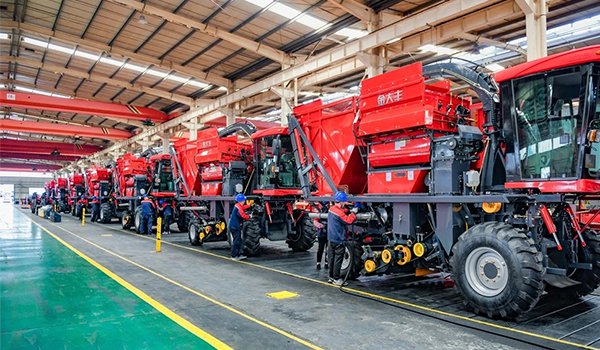
With more than 35 years of agricultural machinery experience, a 300,000-square-meter manufacturing base, approximately 1,100 employees, and a 50-engineer technical team, the company supports buyers with machine selection, configuration planning, spare parts, technical documents, and after-sales service.
As a grain harvester supplier for global buyers, King-Gold Dafeng helps customers match machines with crop types, field conditions, capacity targets, and local market requirements.
Frequently Asked Questions
What Is the Best Grain Harvester for a Small Farm?
A compact machine with good maneuverability, moderate cutting width, low fuel consumption, and simple maintenance is often suitable for small farms. The final choice should depend on crop type and field condition.
Can One Grain Harvester Harvest Wheat and Rice?
Some multi-crop combine harvesters can work with both wheat and rice, but they may require different headers, tracks or tires, sieves, and threshing settings.
What Should I Ask Before Buying a Grain Harvester?
Ask about crop compatibility, cutting width, engine power, field capacity, grain loss, grain cleanliness, spare parts, warranty, shipping, and technical support.
Is a Crawler Harvester Better Than a Wheeled Harvester?
A crawler harvester usually performs better in wet and soft fields, while a wheeled machine is often more efficient for transport and dry field conditions.
How Can I Get an Accurate Grain Harvester Price?
Provide the supplier with crop type, field size, preferred cutting width, ground condition, required capacity, destination country, and expected order quantity.
Conclusion
Choosing the right grain harvester for sale requires more than comparing prices and horsepower. Buyers should consider crop compatibility, header design, cutting width, threshing and separation, grain cleaning, harvesting loss, field mobility, spare parts, and supplier support.
For farmers, the correct machine can shorten the harvesting period and reduce crop loss. For dealers and importers, the right supplier can provide stable product quality, consistent configurations, spare-parts availability, and long-term technical support.
Before placing an order, provide complete information about your crops, field conditions, required capacity, and local service needs. This helps the manufacturer recommend a grain harvester that delivers practical performance in real harvesting conditions.