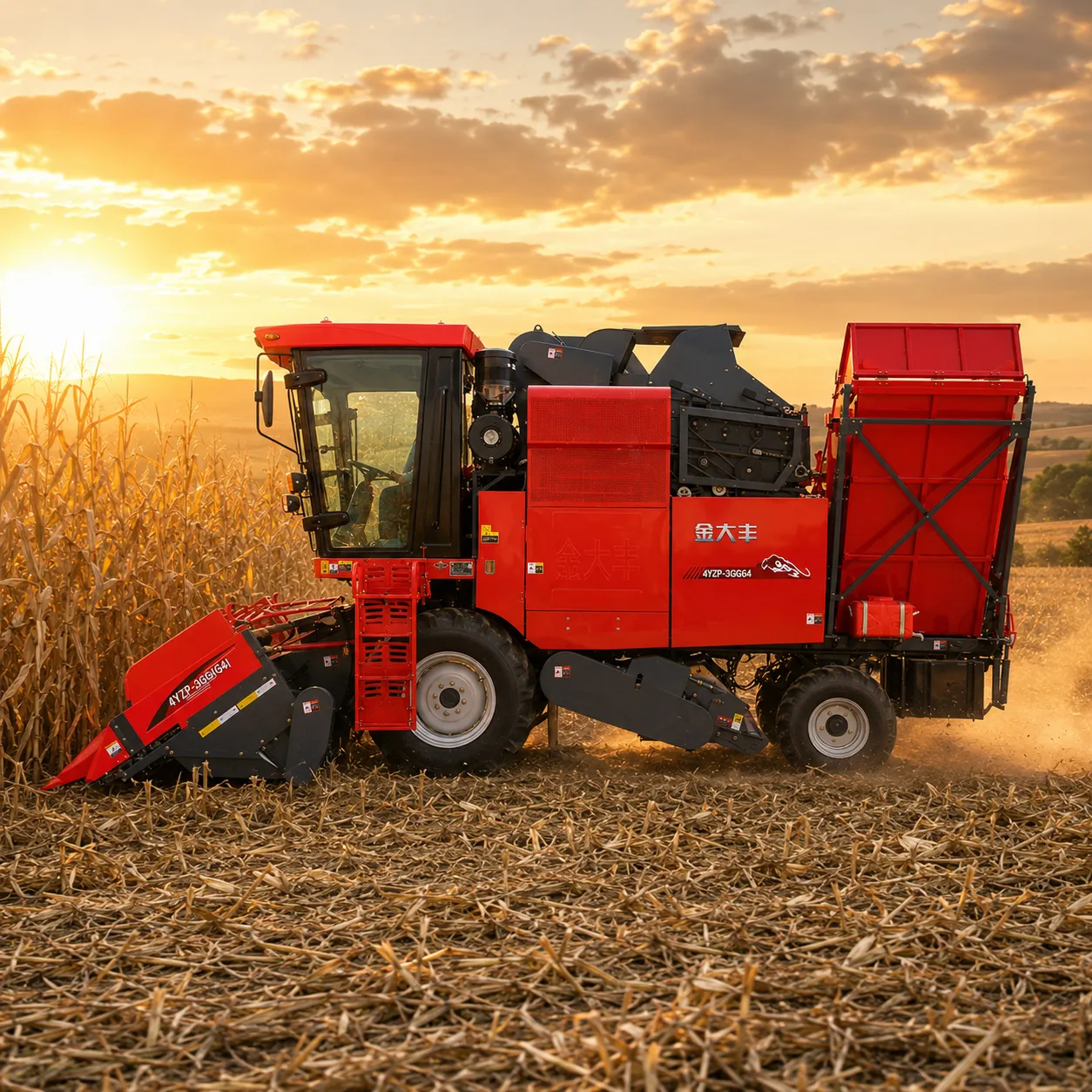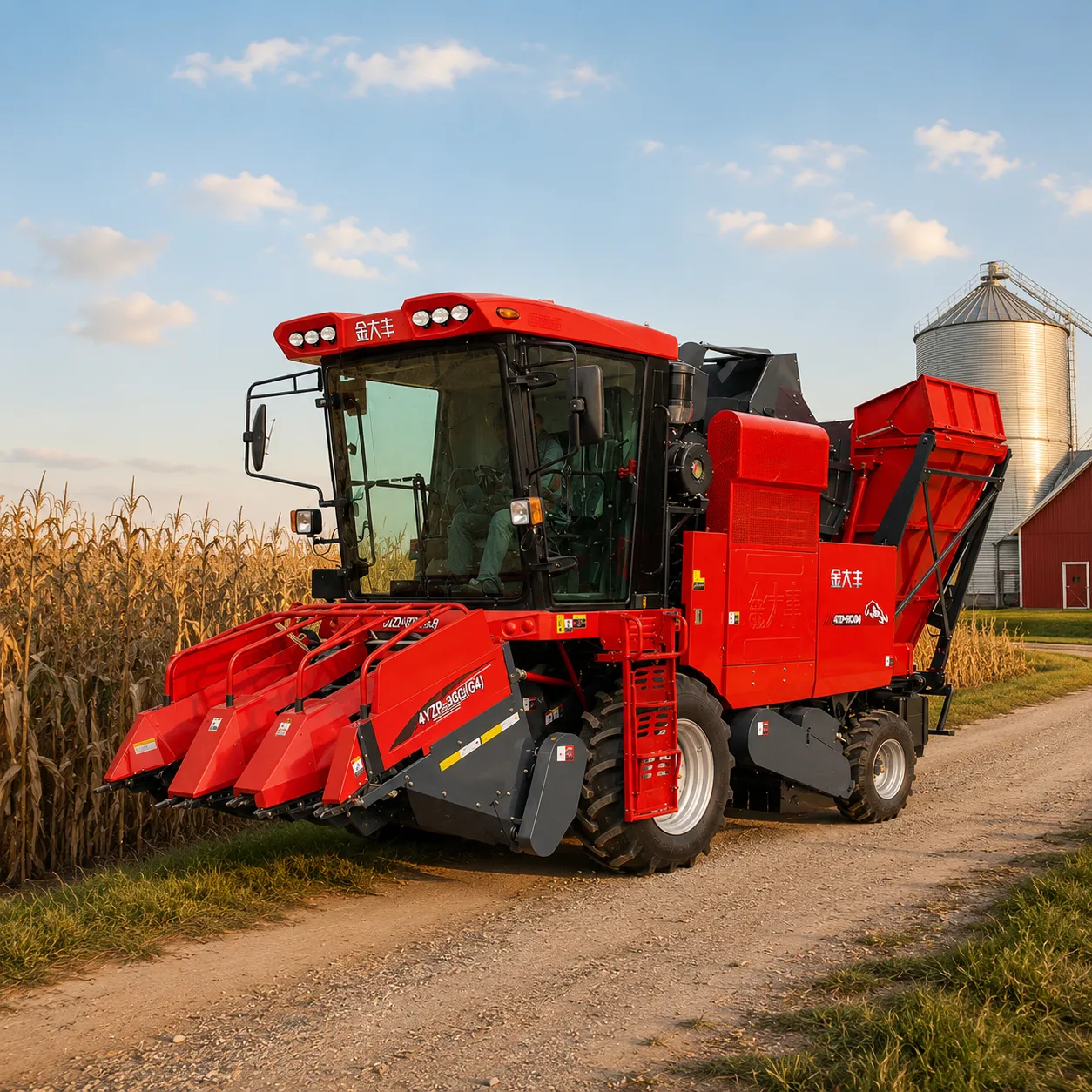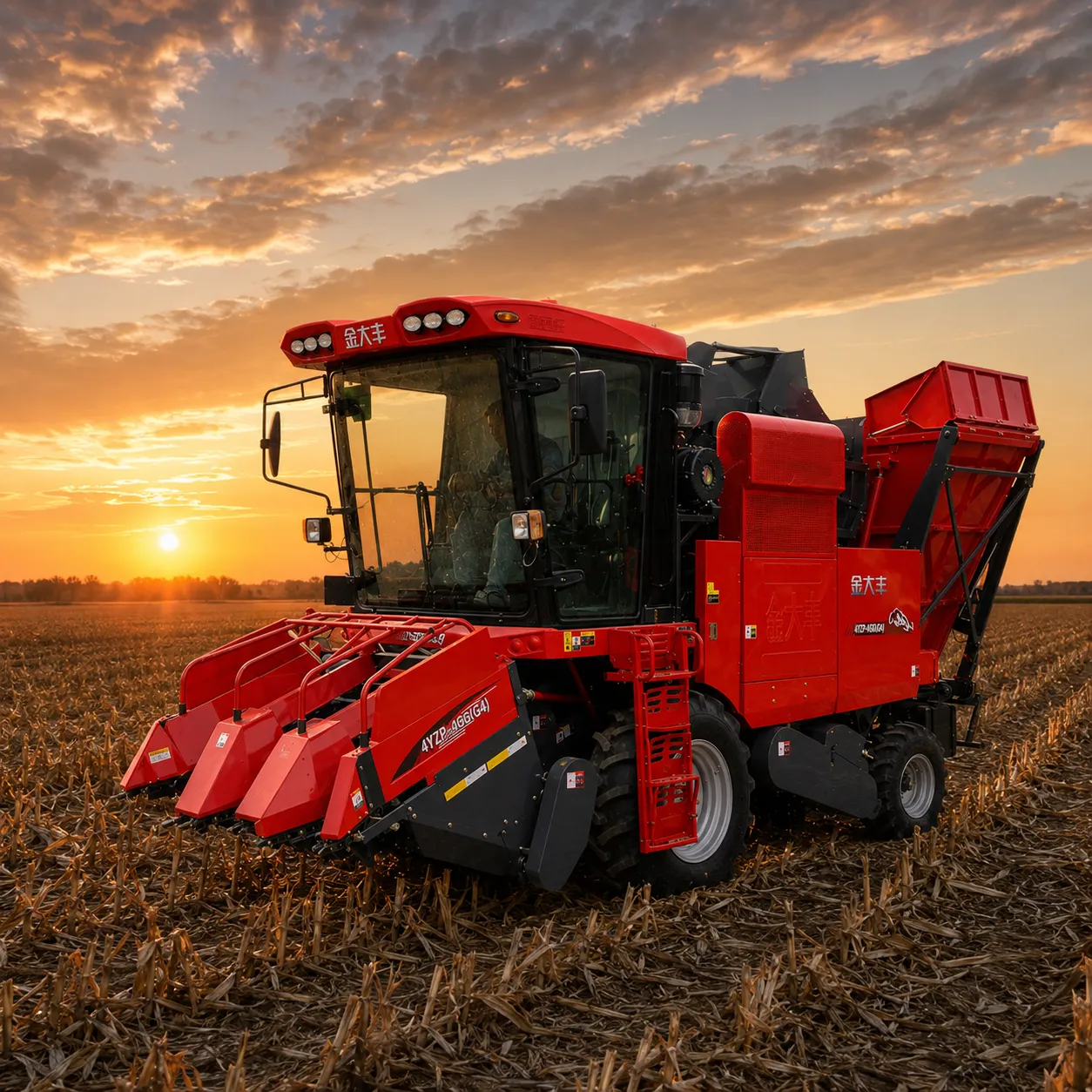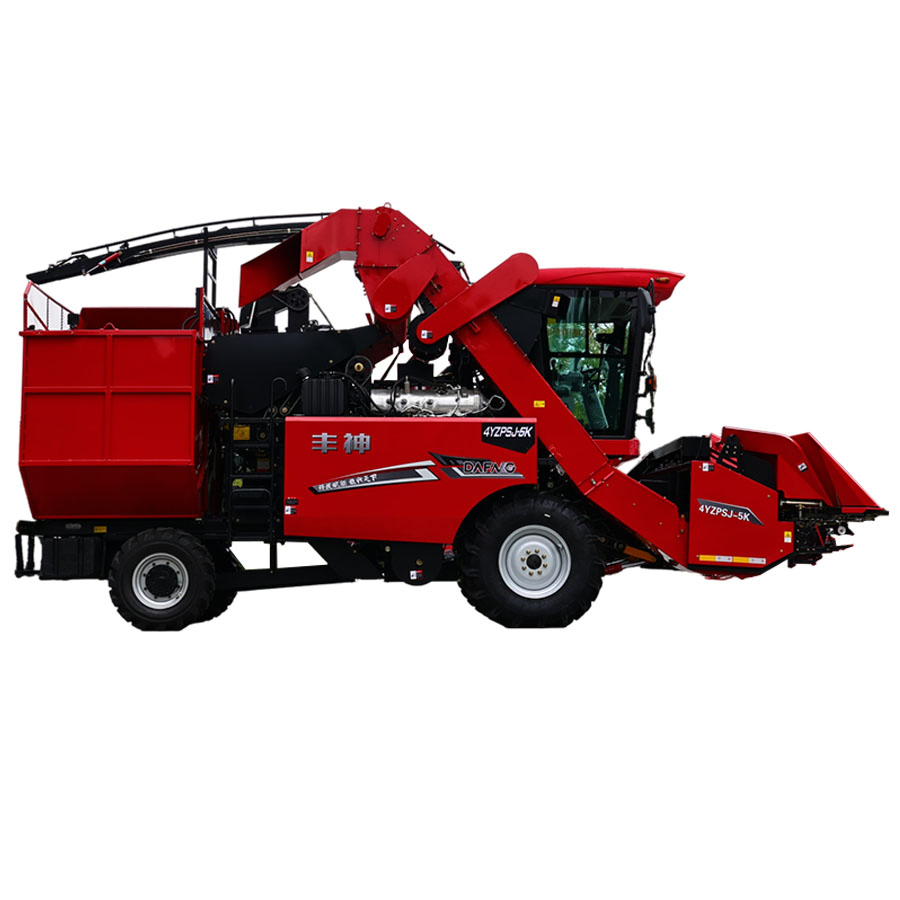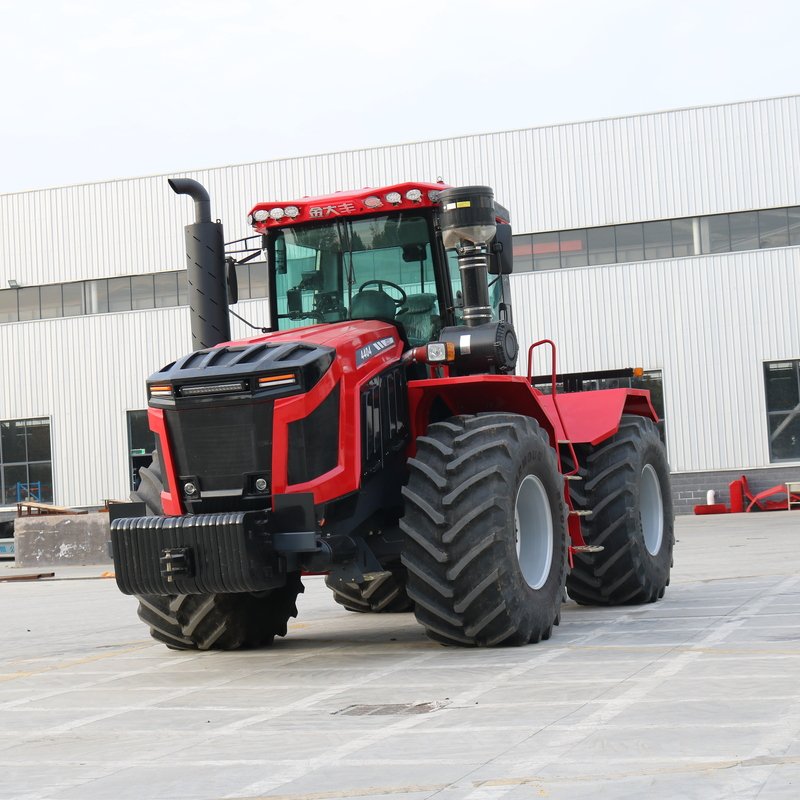
Choosing the right agricultural tractor directly impacts productivity, operating costs, and long-term farm efficiency. Many buyers focus only on horsepower, but experienced farmers and distributors look deeper into performance, adaptability, and reliability.
At King-Gold Dafeng, we work with global distributors and farm operators, so we clearly understand how different tractors perform under real working conditions. In this guide, we will walk you through how to select the right farm tractor based on your actual needs—not just specifications.
Understanding Tractor Types and Their Core Applications
Before selecting a tractor, you need to understand how different types match different farming environments. Each tractor category serves a specific purpose, and choosing the wrong type often leads to higher costs and lower efficiency.
Utility Tractors for Small and Medium Farms
Utility tractors usually range from 50HP to 80HP. Farmers commonly use them in orchards, greenhouses, and small plots. These tractors offer flexibility, easy maneuverability, and lower fuel consumption.
Farmers use utility tractors for light tillage and soil preparation, spraying and fertilizing, transporting materials, and PTO-driven implements such as small seeders. Because of their compact size, these tractors work efficiently in narrow or confined spaces.
Medium Power Tractors for Mixed Farming Operations
When farm size increases, operators need more power and stability. Medium horsepower tractors between 90HP and 120HP provide a balance between performance and cost.
These tractors handle rotary tillage and plowing, seeding operations, trailer transportation, and multi-functional PTO applications. In many export markets, this category remains the most popular because it suits a wide range of crops and terrains.
Heavy-Duty Tractors for Large-Scale Farming
Large farms require machines that can operate continuously under heavy load. Tractors above 150HP deliver strong pulling power and higher efficiency in demanding environments.
Typical applications include deep plowing and land reclamation, large-scale planting operations, heavy-duty transport, and high-capacity PTO equipment. For commercial farms and agricultural contractors, these tractors significantly reduce working time and labor costs.
Key Factors to Consider Before Buying a Tractor
Now that you understand the categories, you should evaluate specific factors that directly influence performance and return on investment.
Horsepower and Matching Implements
Horsepower determines how effectively your tractor handles implements. However, choosing the highest horsepower does not always create better results.
Instead, you should match horsepower with soil condition, field size, and implement weight and size. For example, a medium power tractor often performs more efficiently than a heavy-duty tractor in small fields.
Transmission and Control System
Modern agricultural tractors offer different transmission types, including mechanical and synchronized systems. Smooth gear shifting improves operational comfort and reduces fatigue during long working hours.
At the same time, precise control systems help operators maintain consistent performance across different field conditions.
Hydraulic System and PTO Performance
Hydraulic systems directly affect implement performance. A strong hydraulic lifting system ensures stable operation when using plows, seeders, and sprayers.
At the same time, PTO output determines how efficiently the tractor powers external equipment. Reliable PTO performance becomes essential for multi-functional farming operations.
Durability and Maintenance Efficiency
Farm equipment must withstand harsh environments. Buyers should always evaluate structural strength, component quality, and ease of maintenance.
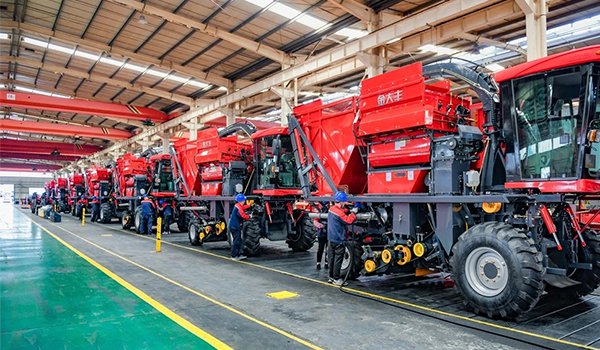
King-Gold Dafeng designs tractors with reinforced frames and accessible service points. This approach reduces downtime and ensures long-term reliability.
Why Tractor Selection Matters for Export Markets
Different regions require different tractor configurations. Climate, soil type, and farming methods all influence equipment performance.
For example, Southeast Asia often prefers compact tractors for rice fields, Africa requires durable tractors for rough terrain, and Eastern Europe demands higher horsepower for large-scale farms. Because of these differences, customization becomes essential.
Customization and OEM Solutions for Agricultural Dealers
Distributors and importers need more than just standard machines. They require products that match their local market demand.
At King-Gold Dafeng, we provide engine configuration options, tire selection based on terrain, cabin or ROPS customization, as well as branding and color customization. This flexibility allows dealers to build strong local competitiveness and expand their market share.
How the Right Tractor Improves Farming Efficiency
Choosing the correct tractor improves efficiency in several ways. First, it reduces unnecessary fuel consumption. Second, it ensures stable operation across different tasks. Third, it minimizes downtime caused by mismatched equipment.
Moreover, when operators use the right machine, they complete tasks faster and achieve more consistent results.
Final Thoughts: Invest in Performance, Not Just Price
Many buyers focus only on price, but experienced professionals evaluate total cost over time. A reliable agricultural tractor delivers better durability, lower maintenance costs, and higher productivity.
At King-Gold Dafeng, we focus on providing tractors that combine performance, reliability, and long-term value. Whether you are a distributor or a farm owner, choosing the right tractor will directly impact your success.